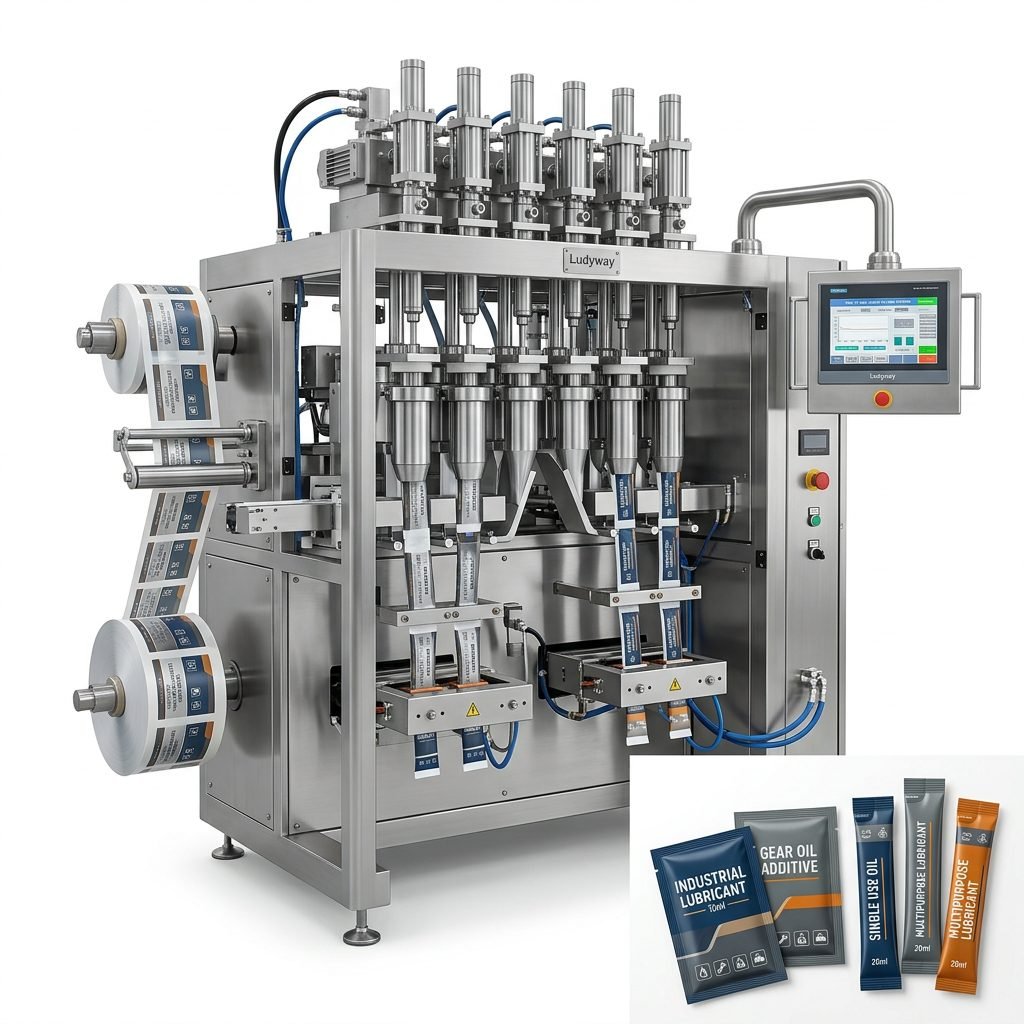
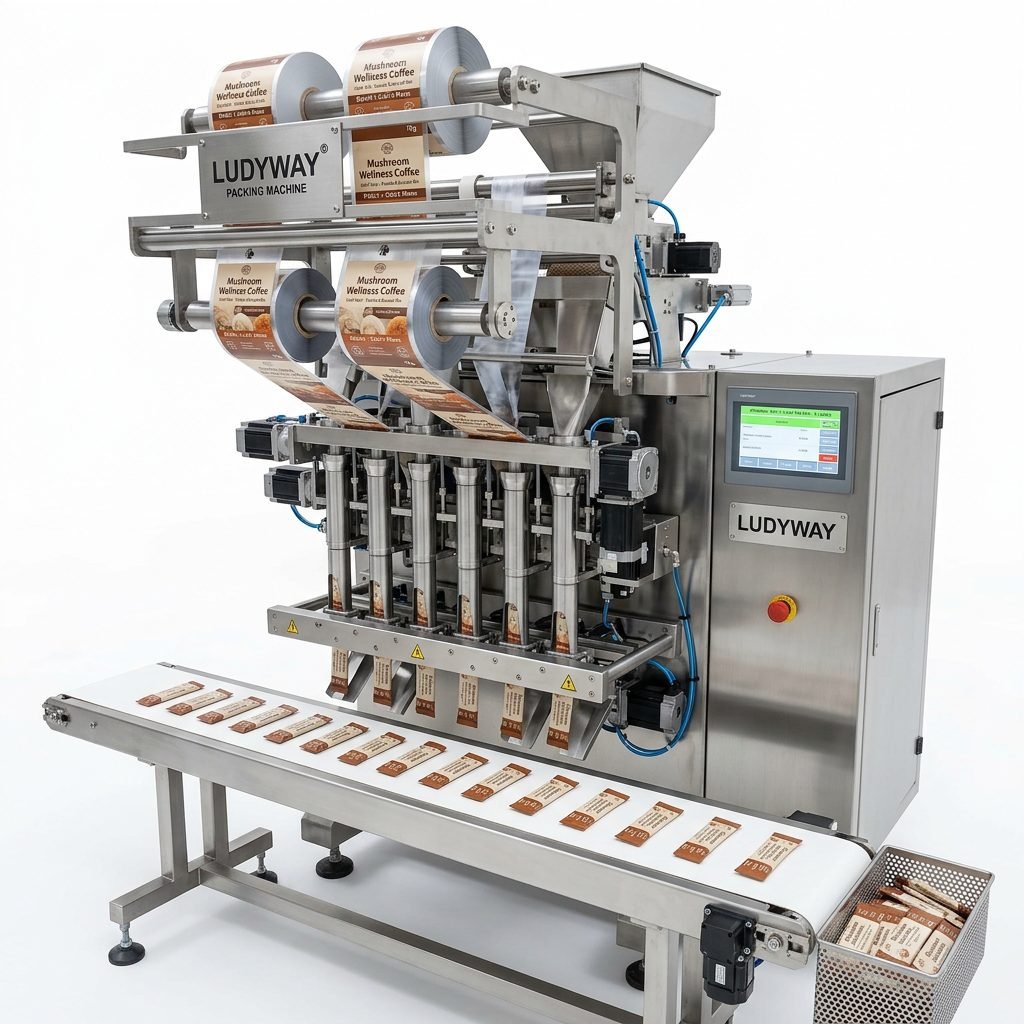
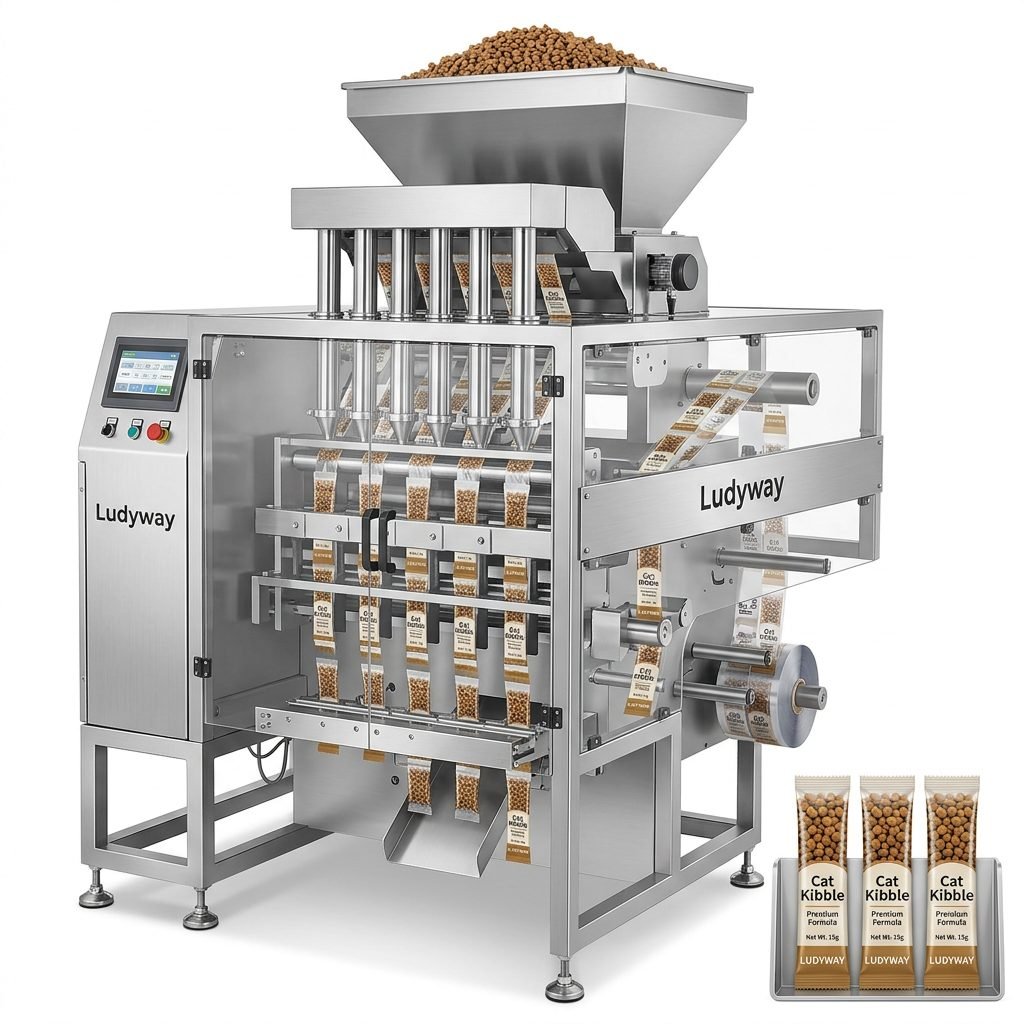
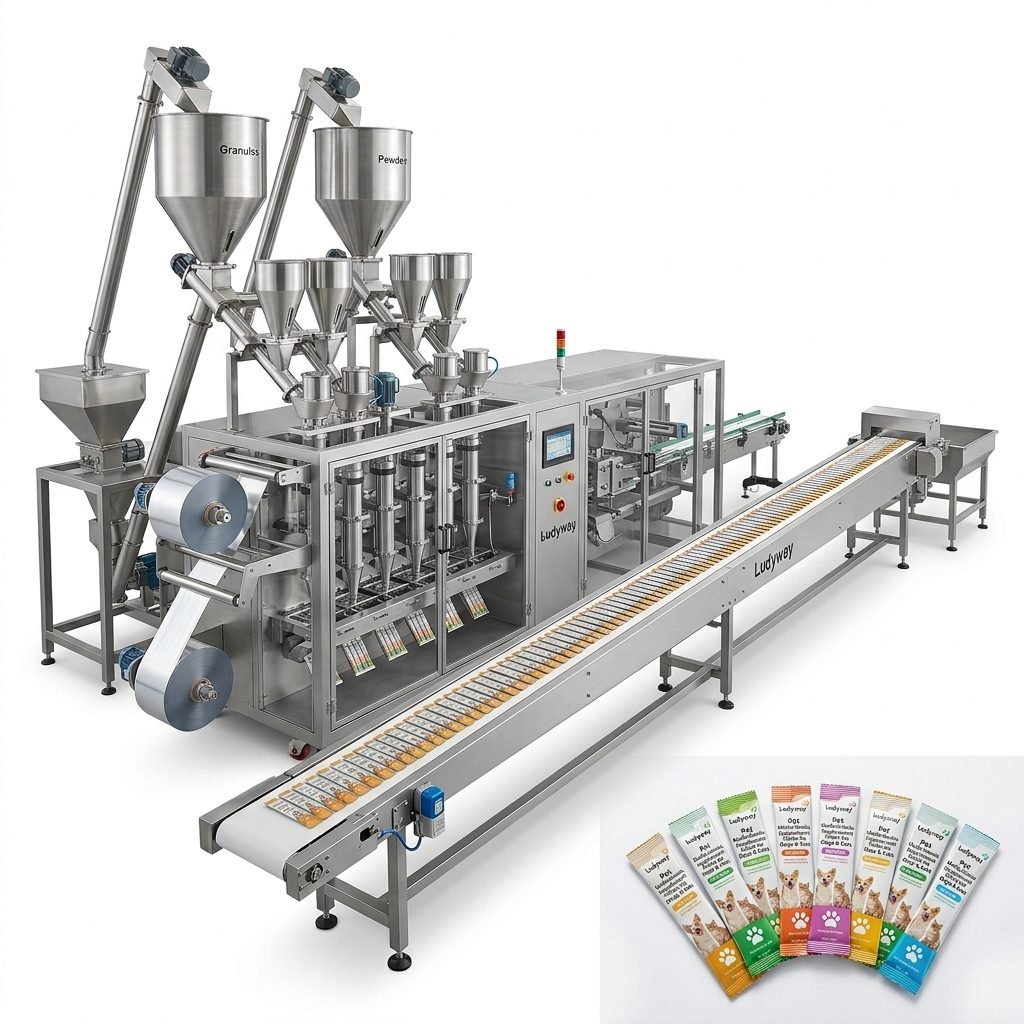
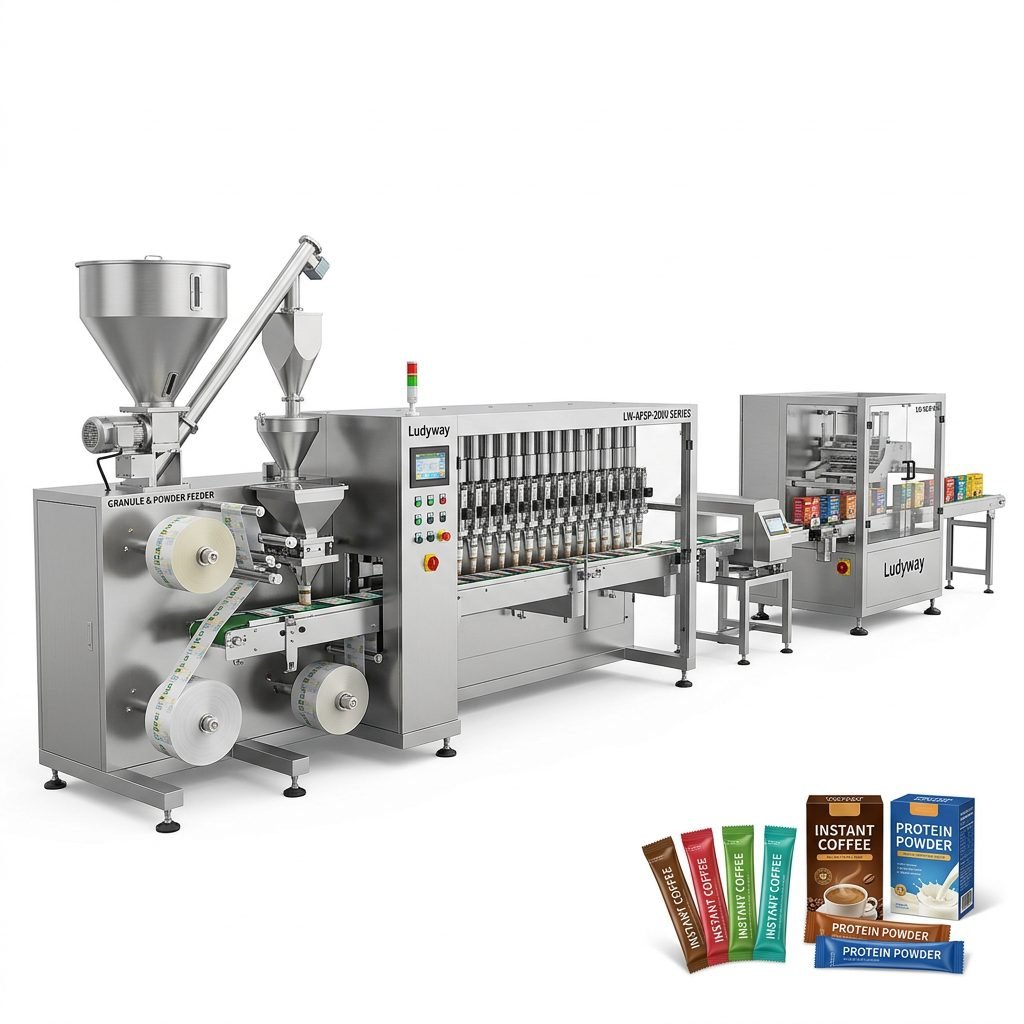
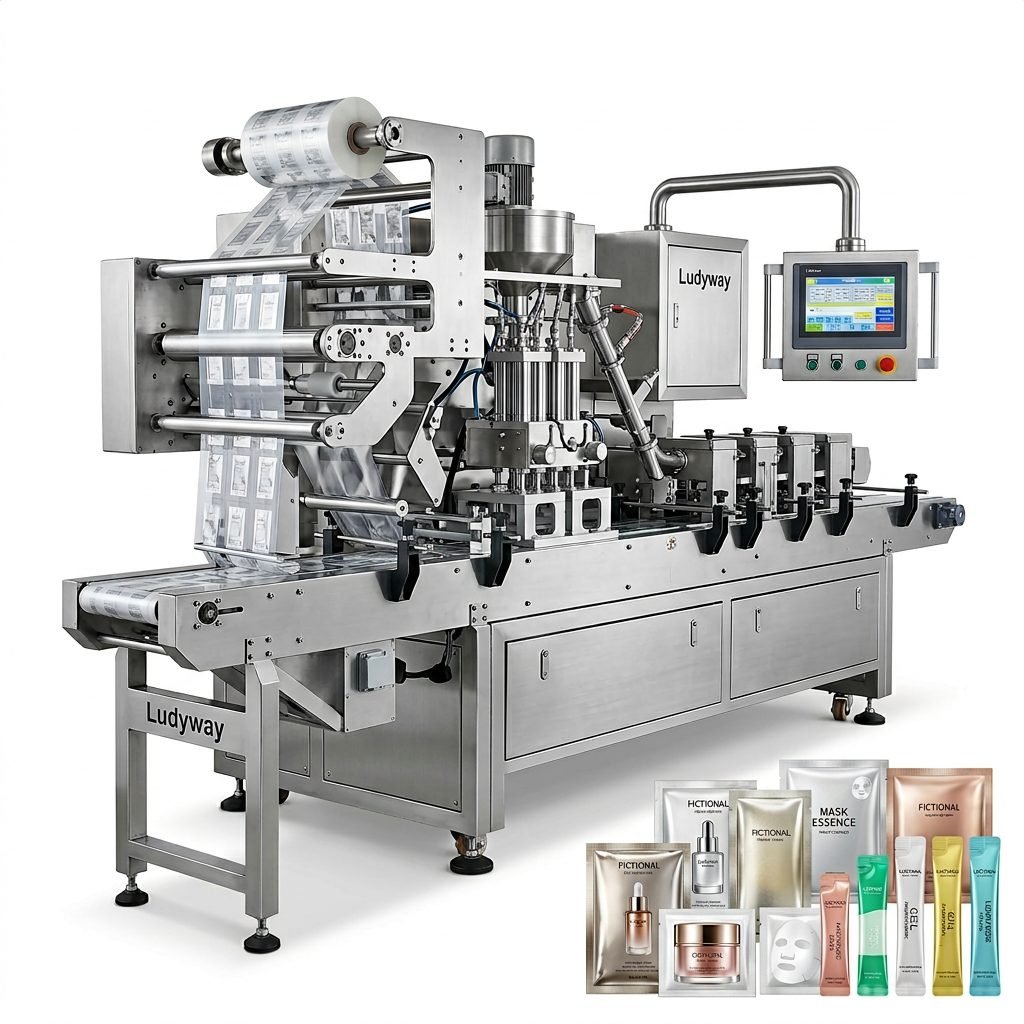
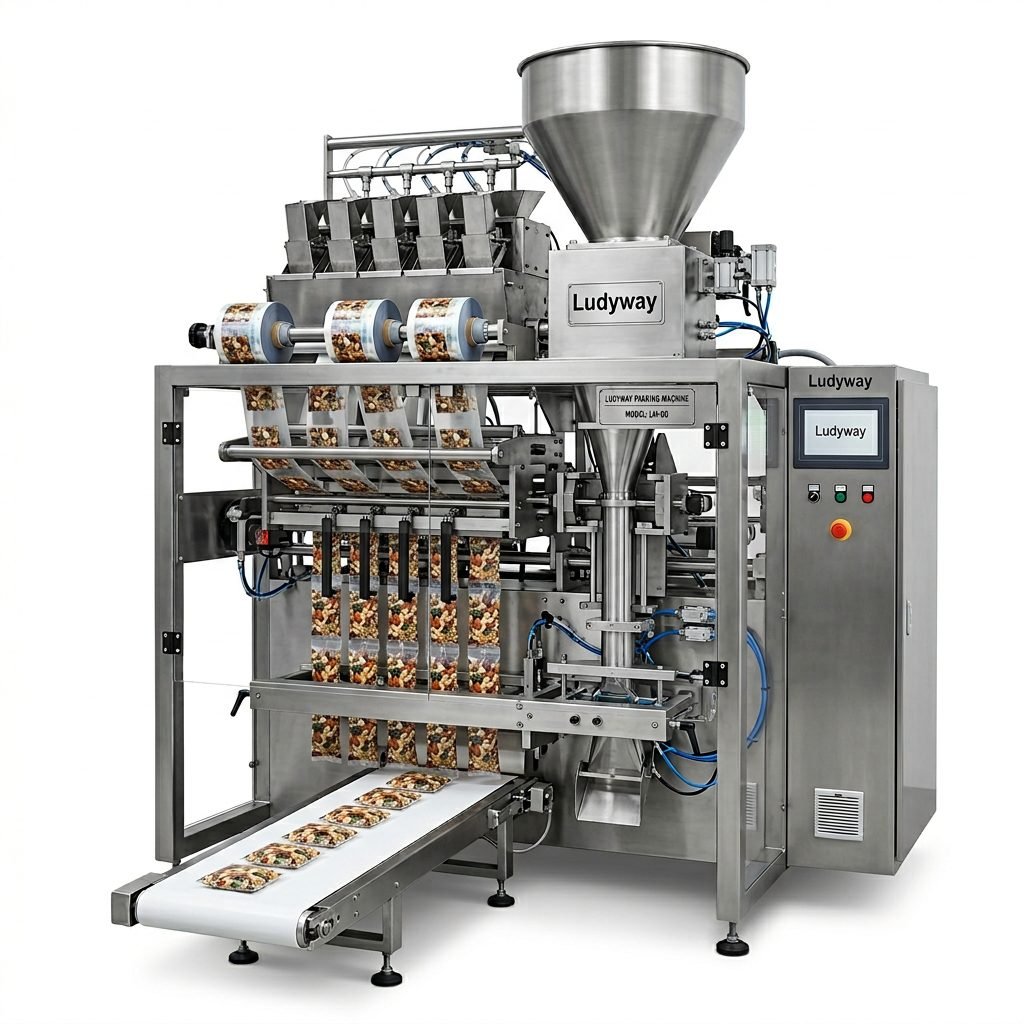
A galaxy packing machine is a high-precision, multi-lane packaging system designed for speed and accuracy. To keep it running at peak performance, a structured maintenance routine is essential. Neglecting regular care can lead to unexpected downtime, costly repairs, and inconsistent packaging quality. This guide walks you through the essential steps to maintain your equipment effectively.
1. Daily Cleaning Protocol
Daily cleaning is the foundation of galaxy packing machine maintenance. Product residue, dust, and debris can accumulate quickly in high-speed operations.
- Remove all product remnants from hoppers, chutes, and sealing jaws using compressed air or a vacuum system.
- Wipe down all contact surfaces with a food-grade cleaning solution appropriate for your product type.
- Inspect and clean photoelectric sensors and film tracking eyes to prevent registration errors.
- Clear any debris from the film path and forming tube area to avoid film jams.
For detailed cleaning procedures aligned with FDA packaging and food contact substances guidelines, always refer to your machine’s manual.
2. Weekly Inspection Checklist
A thorough weekly inspection helps identify potential issues before they escalate. Use the following checklist as a guide:
| Component | Inspection Point | Action Required |
|---|---|---|
| Sealing Jaws | Wear patterns, alignment | Realign or replace if worn |
| Drive Belts | Tension, cracks, fraying | Adjust tension or replace |
| Temperature Controllers | Calibration accuracy | Recalibrate if deviation > 2°C |
| Pneumatic Lines | Leaks, pressure consistency | Repair leaks, verify PSI |
| Safety Guards | Integrity, interlock function | Replace damaged guards immediately |
2.1 Sensor Calibration
Sensors are critical for multi-lane accuracy. Weekly calibration of registration sensors and fill-level detectors ensures consistent pouch lengths and fill weights across all lanes. A misaligned sensor can cause entire batches to be rejected.
3. Monthly Lubrication Guidelines
Proper lubrication reduces friction and extends component life. However, over-lubrication can attract dust and cause buildup. Follow these monthly tasks:
- Apply food-grade grease to all linear bearings and guide rails using the grease nipples provided.
- Lubricate chain drives and sprockets with a light machine oil, then wipe away excess.
- Oil the cam-driven mechanisms and rotary sealing stations sparingly.
- Check gearbox oil levels and top up if needed, replacing oil every 2,000 operating hours.
Always use lubricants specified in the machine manual. Standards such as those from ISO packaging standards provide guidance on lubricant compliance for packaging machinery.
4. Common Troubleshooting Scenarios
Even with diligent maintenance, issues can occur. Here are common problems and solutions:
4.1 Inconsistent Seal Quality
Causes: Incorrect temperature setting, worn sealing jaws, or film contamination. Solution: Verify setpoint temperature matches film specifications. Inspect jaw surfaces for carbon buildup or damage. Clean or replace as needed.
4.2 Film Tracking Drift
Causes: Dirty tracking sensors, misaligned film rollers, or insufficient film tension. Solution: Clean the sensor lens first, then check roller alignment. Adjust tension settings incrementally.
4.3 Fill Weight Variation
Causes: Worn auger or dosing components, product bridging in hopper, incorrect calibration. Solution: Recalibrate the weighing or volumetric system. Inspect dosing components for wear. For granular products, consider a vibratory feeder to prevent bridging.
5. Recommended Spare Parts Inventory
Keeping critical spare parts on hand minimizes downtime. Stock the following items based on your machine model:
- Sealing jaw sets (both horizontal and vertical)
- Teflon tape or heat-resistant cloth for jaw protection
- Drive belts specific to your model
- Common sensors (registration, fill level, safety)
- Pneumatic cylinder seals and O-rings
- Fuses and circuit breakers for the control panel
- Film forming collars and tubes of various sizes
Industry resources such as PMMI business intelligence offer insights into optimizing spare parts management for packaging lines.
6. Quarterly Deep Maintenance
Every three months, schedule a deeper maintenance window. This includes:
- Complete disassembly and cleaning of product contact parts.
- Inspection of electrical connections for tightness and signs of overheating.
- Verification of PLC program backups and parameter settings.
- Testing of emergency stop circuits and safety interlocks.
- Replacement of any worn pneumatic seals or O-rings.
7. Operator Training and Documentation
Well-trained operators are your first line of defense against machine issues. Ensure all operators understand:
- Basic machine operation and safety procedures.
- Daily cleaning and inspection tasks.
- How to identify abnormal sounds, vibrations, or visual cues.
- Proper start-up and shut-down sequences.
Maintain a logbook for each machine, recording all maintenance activities, part replacements, and any anomalies observed. This historical data is invaluable for predictive maintenance planning.
8. Professional Service and Support
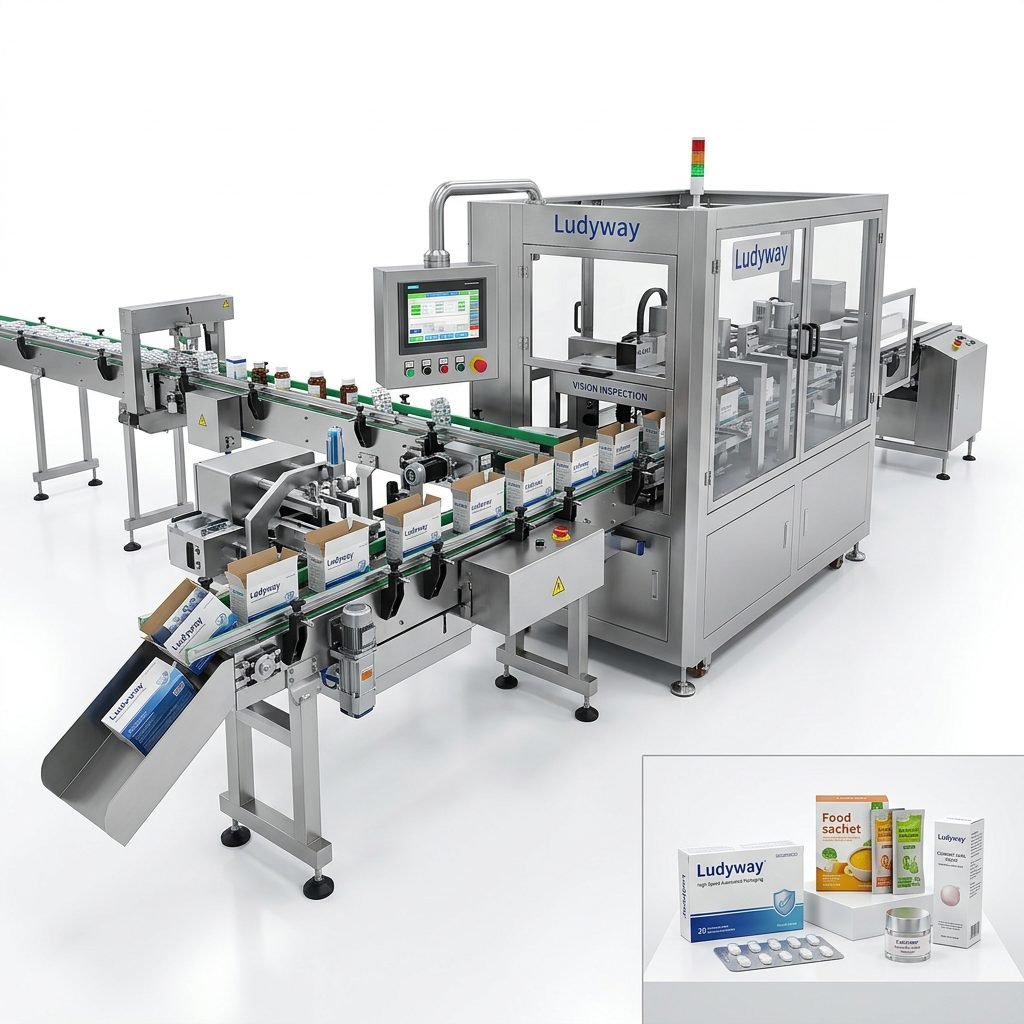
For complex issues or annual overhauls, engaging professional service is recommended. Ludyway, one of the largest packaging machine manufacturers, provides specialized technical support and turnkey packaging solutions for customers worldwide. Their experienced engineering team can assist with diagnostics, repairs, and performance optimization to keep your galaxy packing machine running efficiently.
For broader industry knowledge on maintenance best practices and regulations, the Flexible Packaging Association industry resources offers valuable reference materials.
9. Preventive Maintenance Schedule Overview
| Frequency | Task | Responsible |
|---|---|---|
| Daily | Clean product contact areas, inspect sensors | Operator |
| Weekly | Inspect belts, jaws, pneumatic systems | Maintenance Technician |
| Monthly | Lubrication, chain tension check | Maintenance Technician |
| Quarterly | Deep clean, electrical inspection, safety checks | Supervisor + Technician |
| Annually | Full overhaul, replace wear components | Professional Service |
10. Final Recommendations
A well-maintained galaxy packing machine delivers consistent package quality, reduces waste, and extends equipment lifespan. By implementing a structured preventive maintenance program, training operators thoroughly, and partnering with experienced service providers, you protect your investment and maintain high productivity. Always prioritize safety, use genuine spare parts, and keep detailed maintenance records for compliance and continuous improvement.
For updates on packaging machinery standards and industry trends, explore PACK EXPO International and PMMI packaging industry resources.