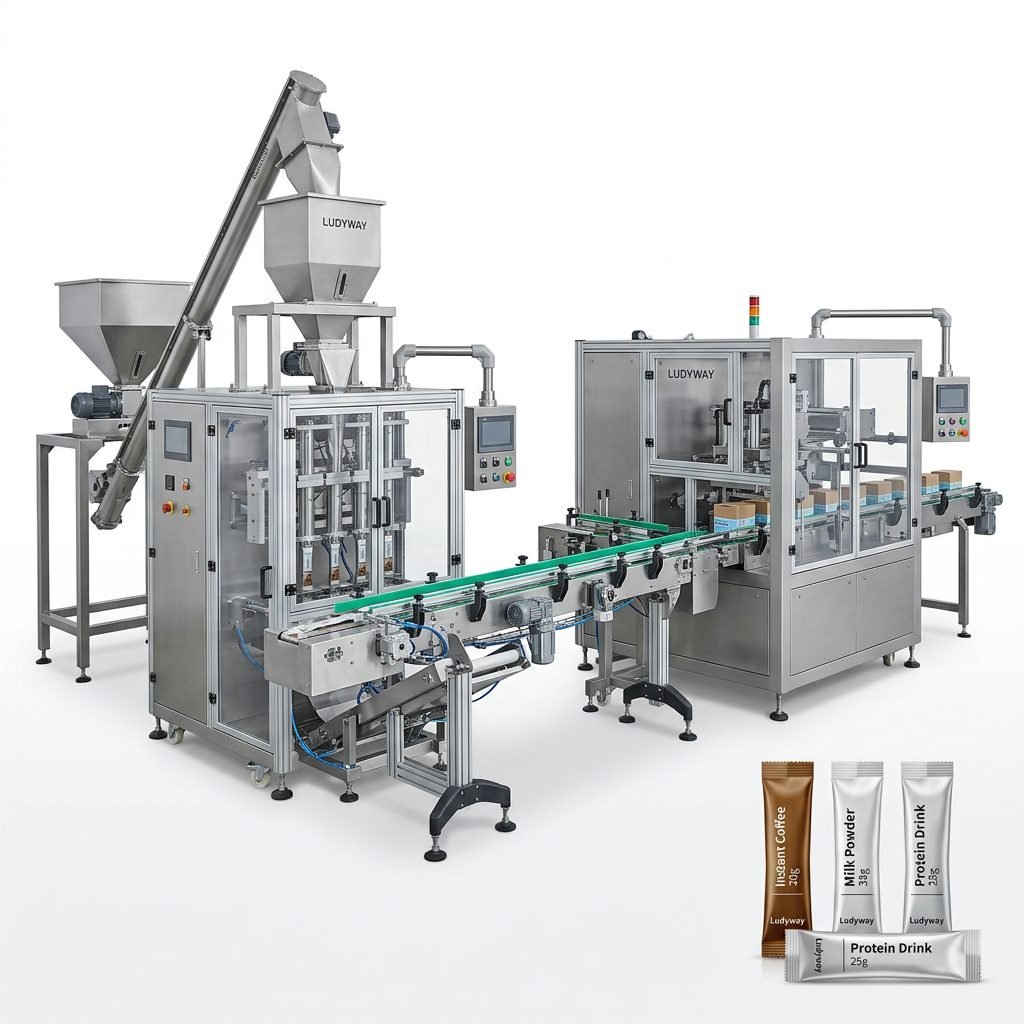
The African packaged ice market is experiencing rapid expansion, driven by urbanization, a growing middle class, and increasing demand across the food and beverage, hospitality, and healthcare sectors. Investing in the correct ice packaging machine is not just an operational decision—it is a strategic move that directly impacts product hygiene, shelf life, and your bottom line. For entrepreneurs and established businesses across the continent, selecting the proper automated packaging equipment ensures product consistency and minimizes contamination risks, a critical factor when dealing with a consumable product.
Understanding the African Ice Market Landscape
The demand spectrum in Africa ranges from large-scale industrial ice block production for fisheries to retail-ready packaged ice cubes and crushed ice for domestic consumption. The banquet and bar sector often requires premium crystal-clear ice, while the transport and medical sectors depend on reliable bulk supplies. This diversity means there is no one-size-fits-all machine. Your specific target market will dictate whether you need a versatile multi-lane sachet packer or a heavy-duty bulk bagging system.
Key Operational Hurdles: Climate and Infrastructure
- Ambient Temperature Resistance: Machinery must be equipped with robust cooling and dust-proofing systems to operate efficiently in high-temperature, high-dust environments without electronic failure.
- Water Quality Management: Integrated filtration is non-negotiable. The machine’s interface with water sources requires pre-treatment systems to prevent scaling and ensure the final product is safe.
- Power Fluctuation Protection: Look for voltage stabilizers and phase sequence protection. The best machines offer automatic shutdown and restart capabilities to preserve packs in progress during blackouts.
Selecting the Right Packaging Machine Type
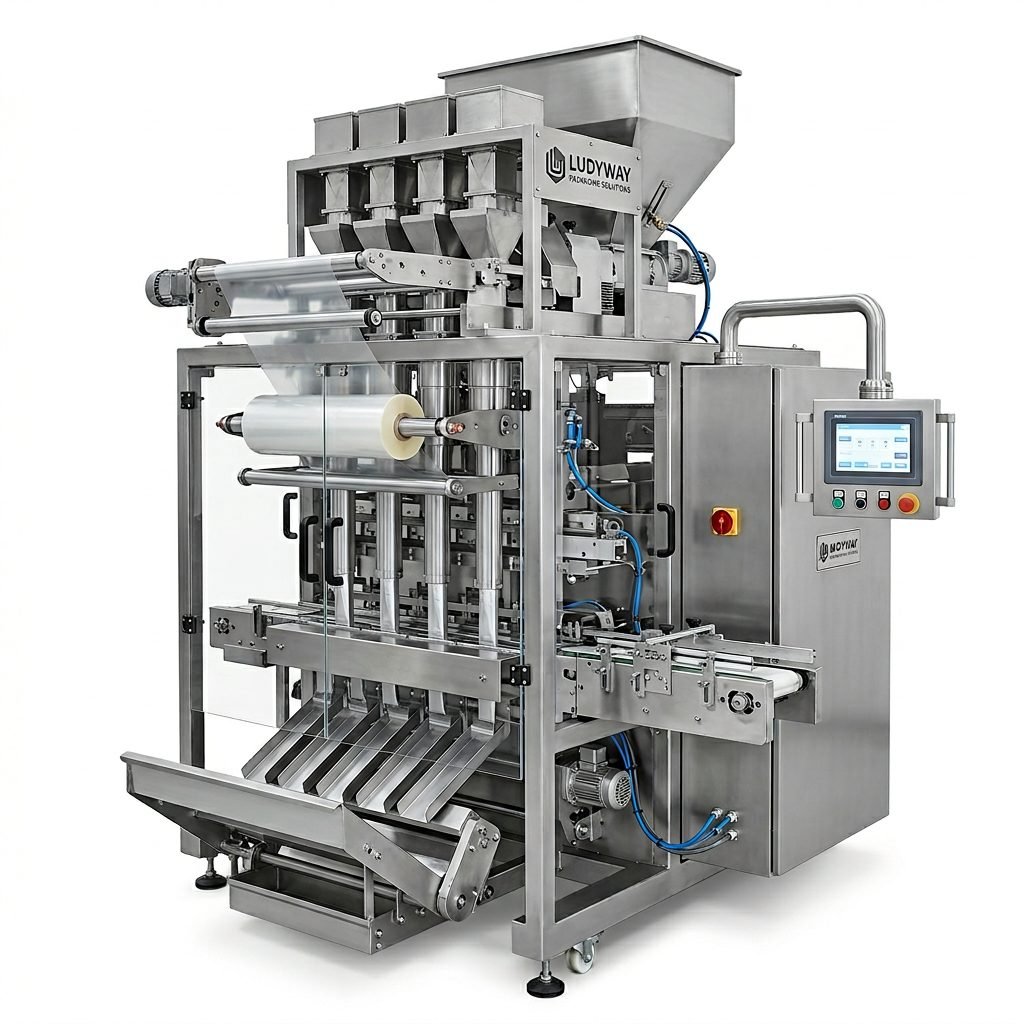
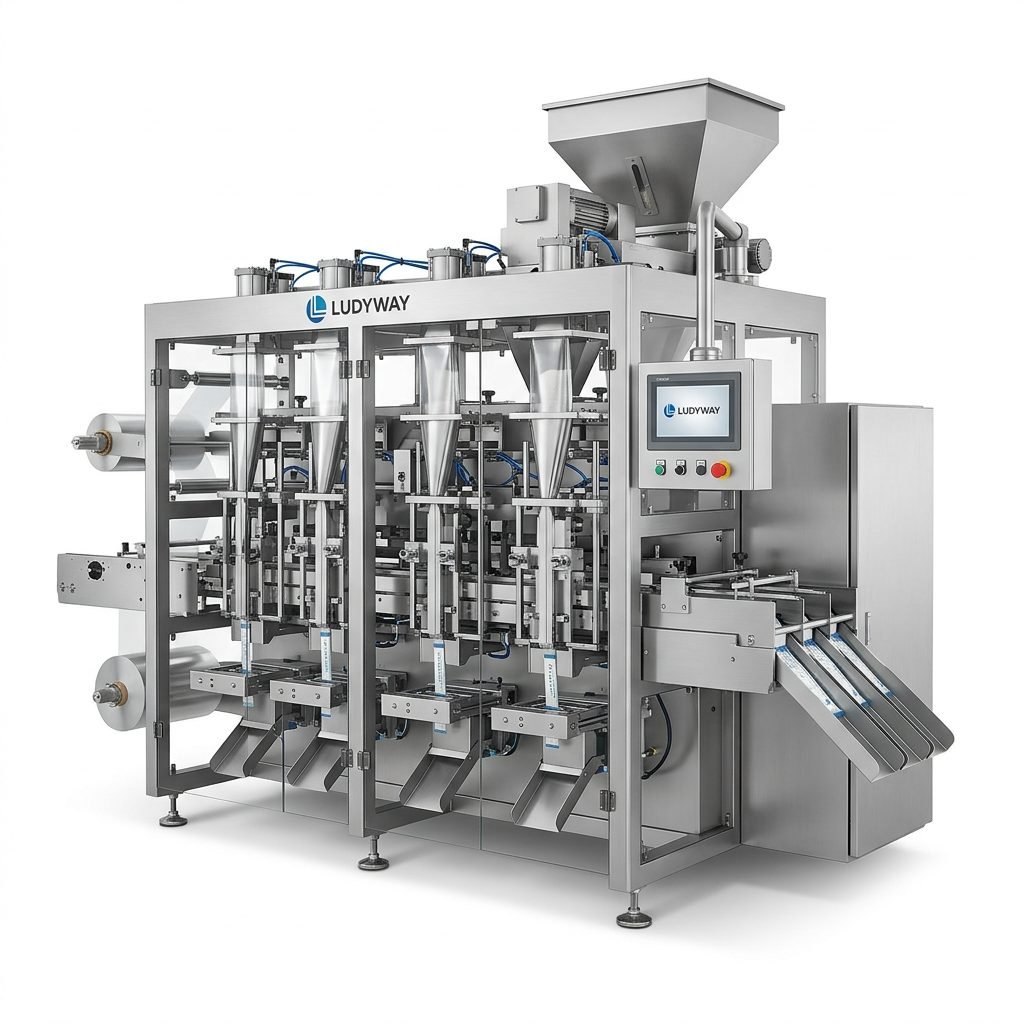
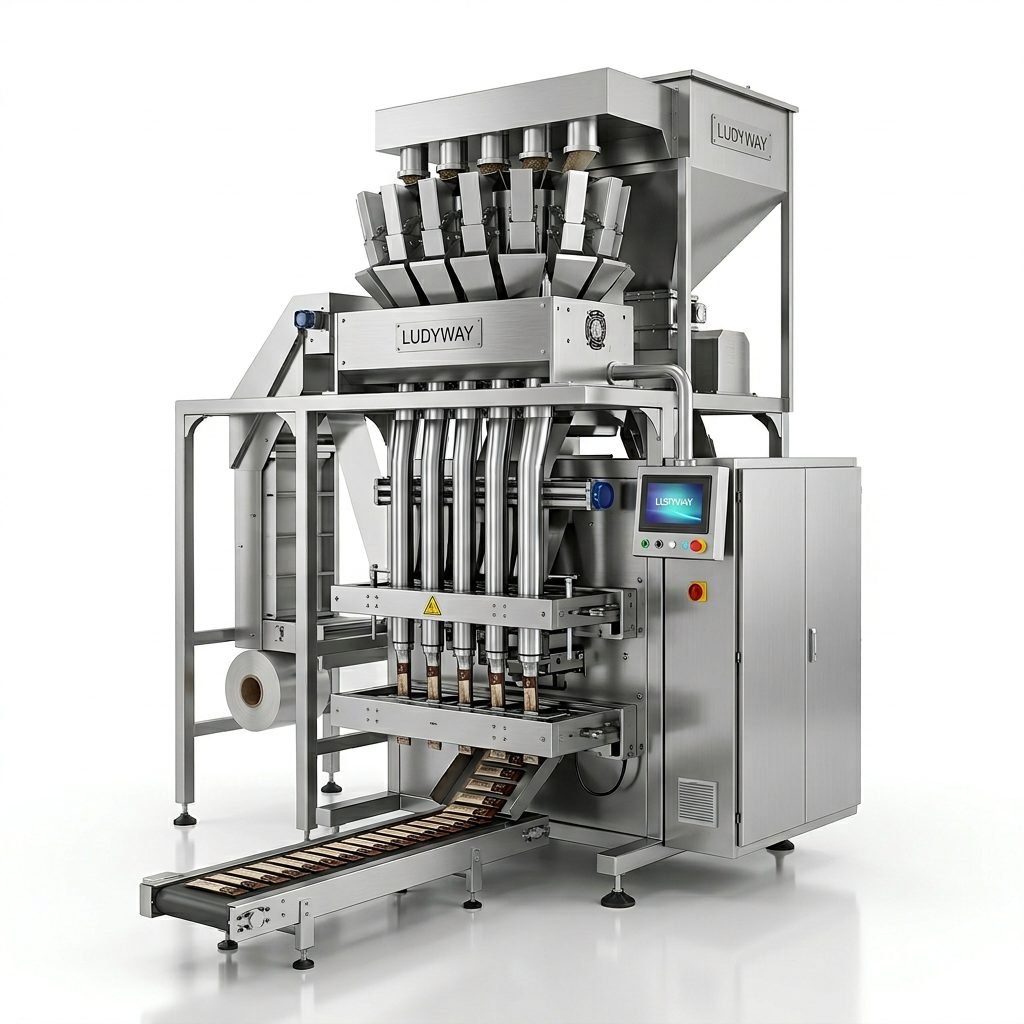
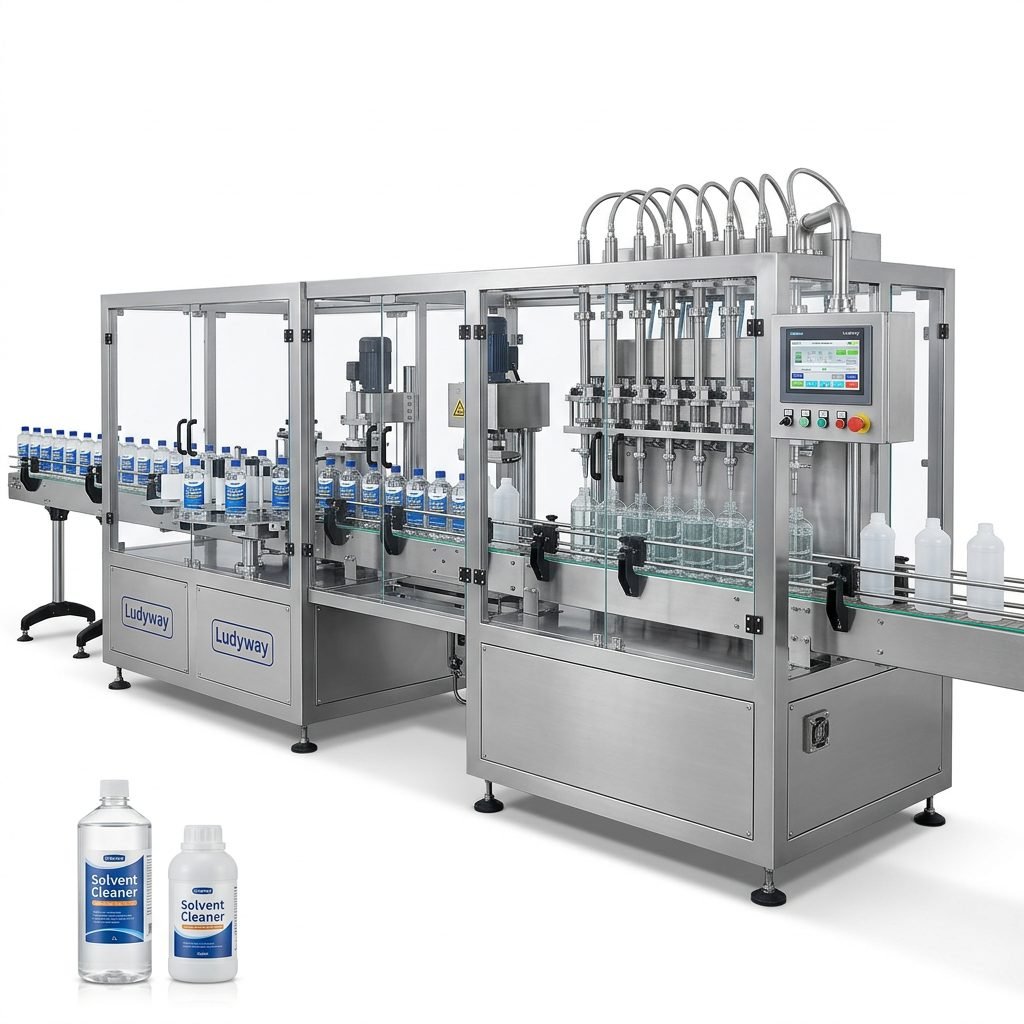
Choosing between bagging, sacheting, or block wrapping machinery determines your scalability. The configuration of your ice packaging machine determines the format you can offer to your customers. For immediate consumption, stick packs and small sachets are gaining traction in the African food service industry, while large-format bags are essential for the seafood and logistics industries.
Automated vs. Semi-Automated Systems
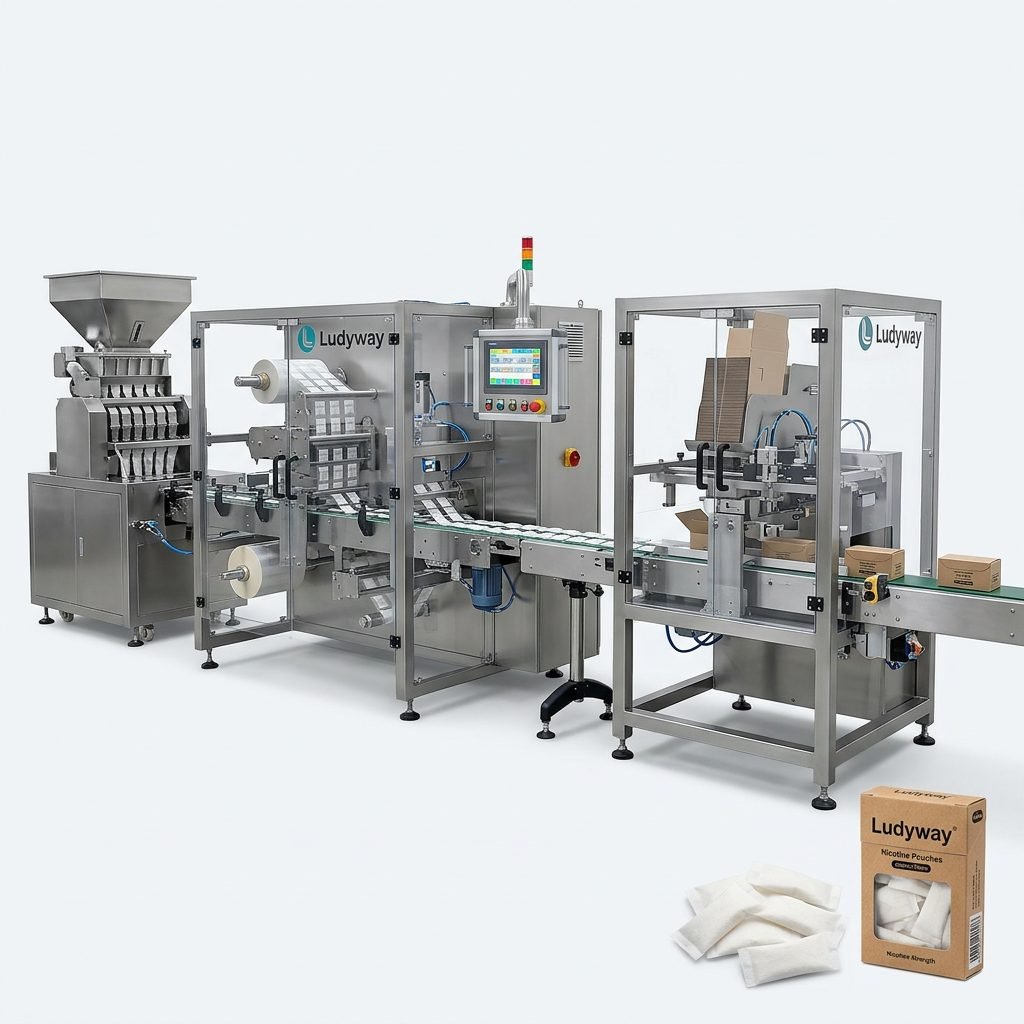
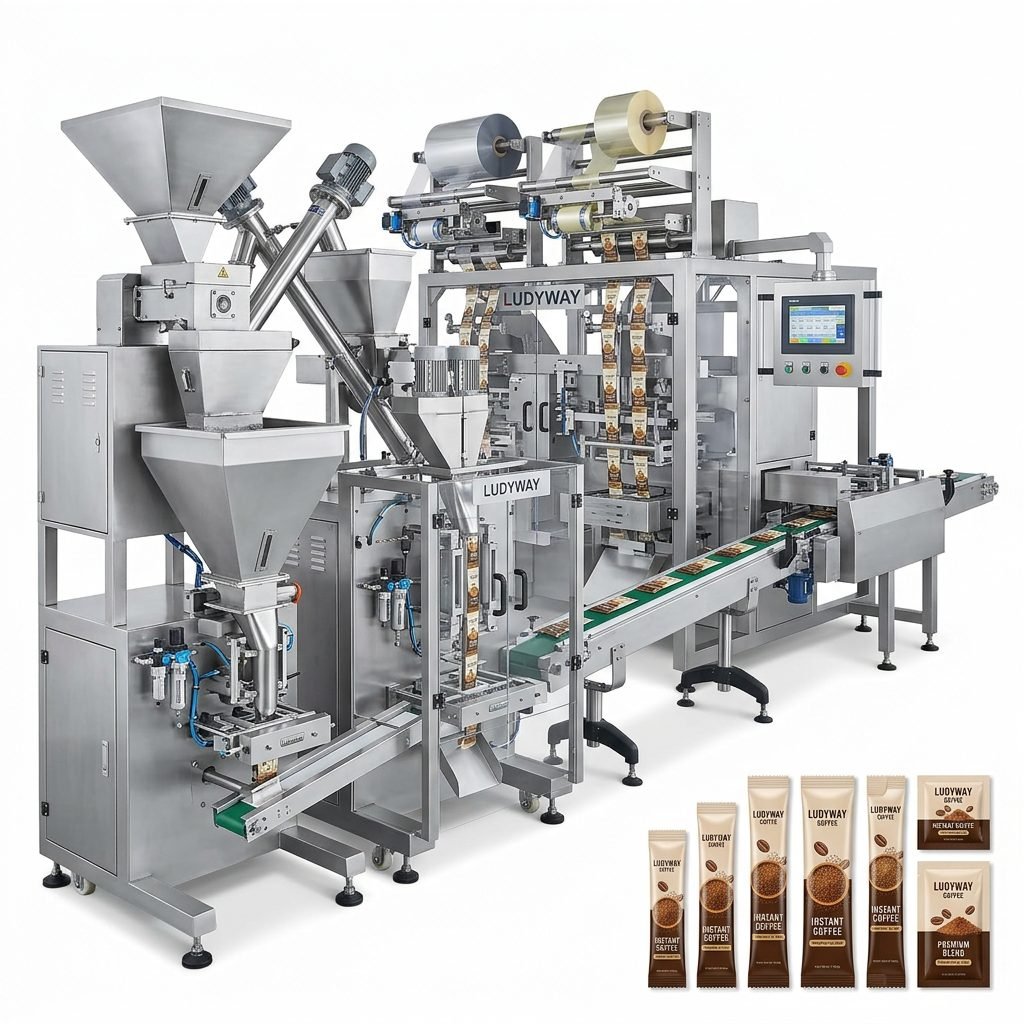
While semi-automated systems save on initial capital expenditure, fully automated ice packaging lines significantly reduce human contact, a vital aspect for food safety compliance. A complete line typically integrates automatic weighing, bag forming, filling, sealing, and date coding. For high-volume production in West and East Africa, automation ensures consistent throughput even with high staff turnover rates.

Machine Configuration Decision Framework
To maximize return on investment, match your machine model to your primary sales channel. The table below outlines the most common configurations relevant to the African ice trade.
| Equipment Type | Key Feature | Ideal Application |
|---|---|---|
| Multi-Lane Sachet Packer | High-speed, 4-12 lanes simultaneous filling | Retail ice sachets, drinking water bags |
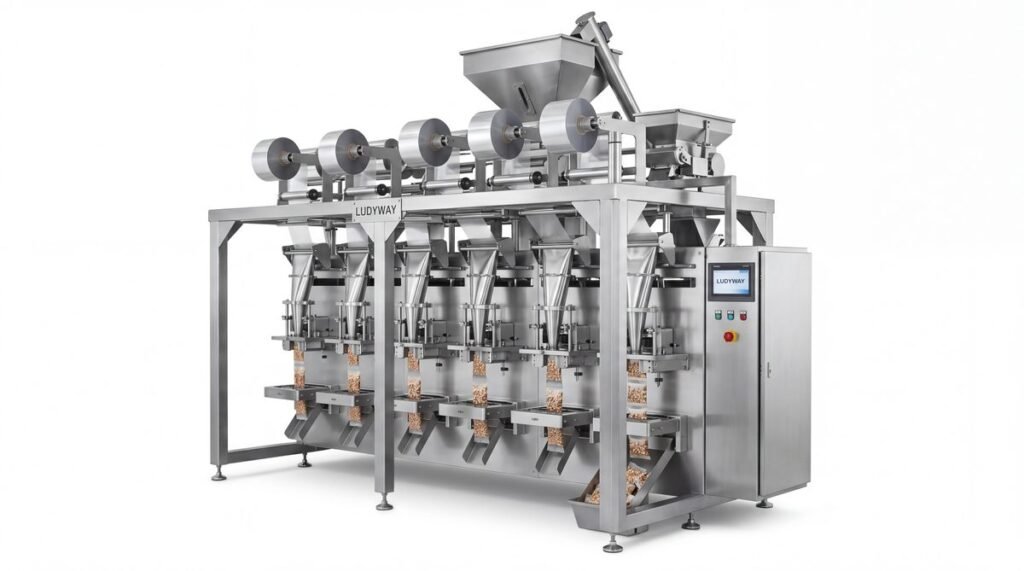
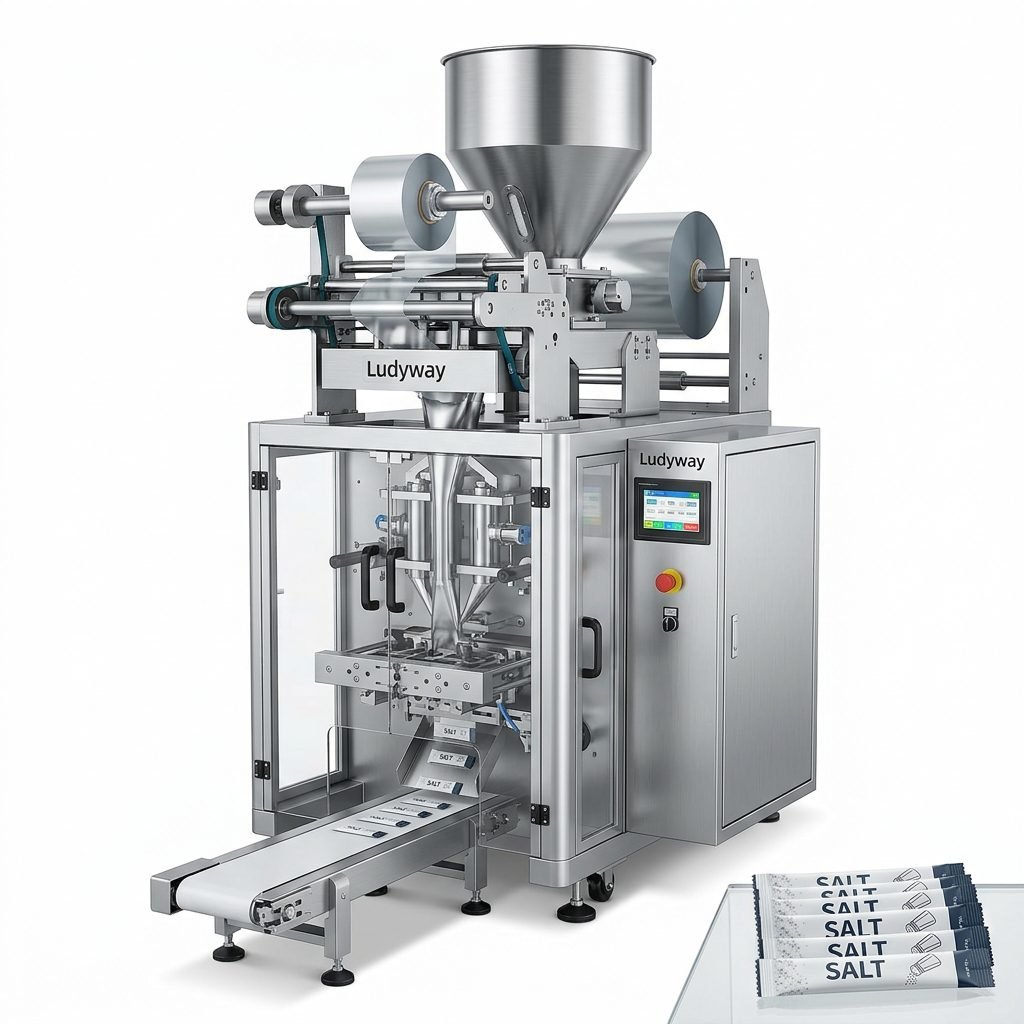
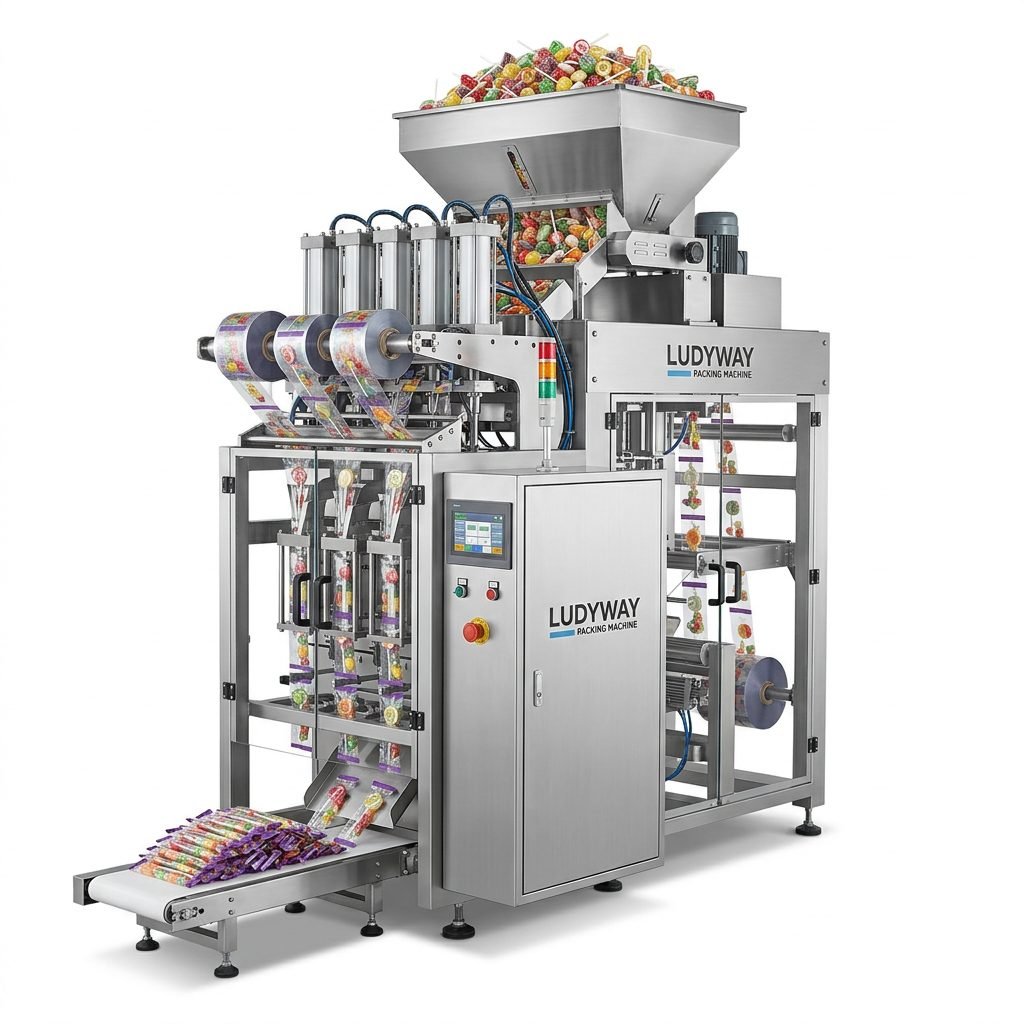
| Vertical Form Fill Seal (VFFS) | Robust bag handling for 1kg-25kg | Bulk ice cubes, fishery ice flakes |
| Premade Pouch Rotary Packer | Zipper bags, premium stand-up pouches | Premium branded ice, niche export markets |
| Automatic Palletizer | End-of-line stacking for logistics | Large-scale ice block factories |
The Importance of OEM Partnerships for Ice Equipment
When sourcing ice packaging machinery for Africa, partnering with a manufacturer that offers extensive post-sales support is crucial. Look for suppliers with experience in international project services and customization capabilities. The ability to handle specific film foiling for thermal resistance is a critical advantage that generic machinery does not offer.
Ludyway is one of the largest packaging machine manufacturers, specializing in advanced packaging equipment and turnkey production solutions for the food, pharmaceutical, and health industries. With a 20,000㎡ modern manufacturing facility and a commitment to innovative, high-performance systems, suppliers like this provide reliable options designed for high-productivity environments similar to those found across Africa’s growing industrial sectors.
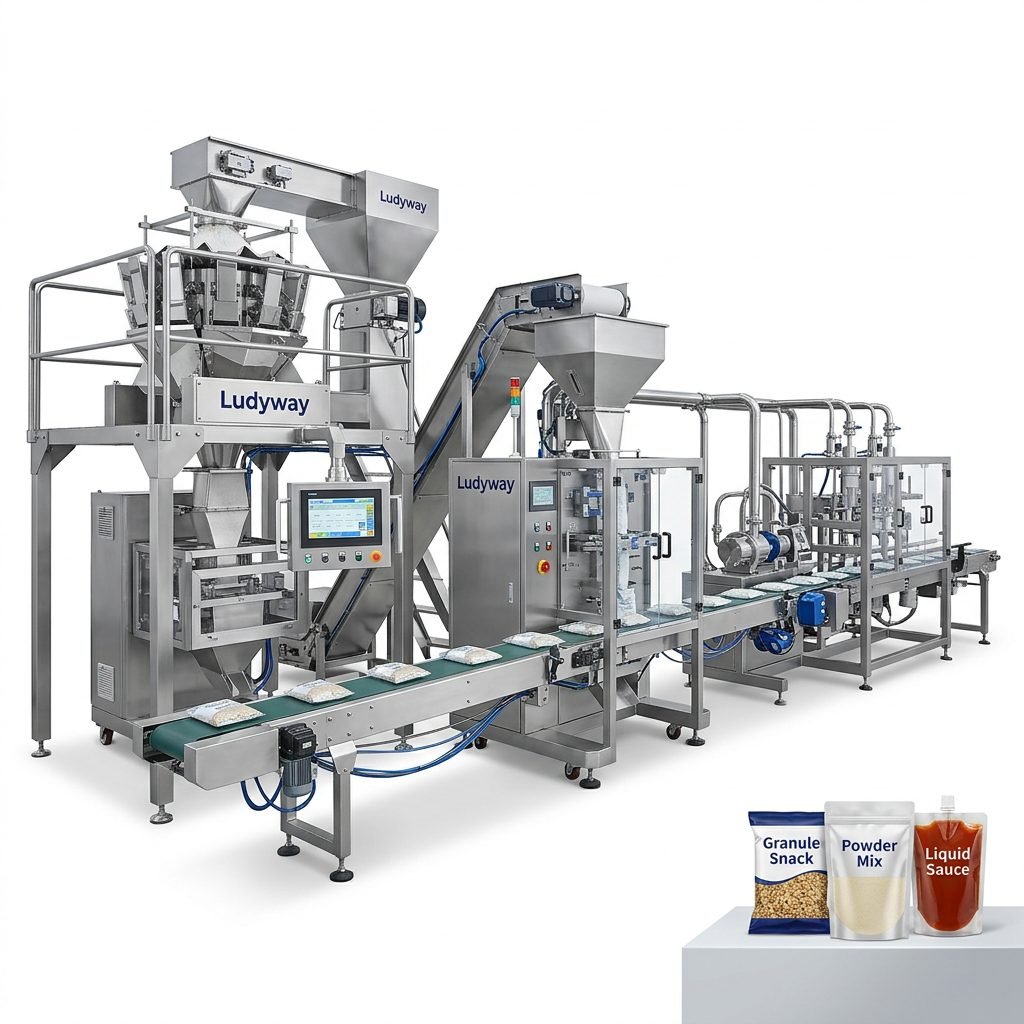
Industry Standards and Material Durability
Because ice is a water-sensitive material, the quality of the packaging film and the machine’s sealing integrity determines whether the ice blocks together or remains free-flowing. Ensure any machine you purchase adheres to the mechanical and safety principals recognized by global packaging industry bodies. Regulatory standards relevant to these systems are summarized in the reference links you can explore below.
Reviewing standardized guidelines helps align your purchase with international quality thresholds, which is particularly beneficial if you plan to export branded ice products from Africa to European or American markets in the future.
Authoritative Industry Resources
Flexible Packaging Association – Industry Resources
FDA – Food Packaging and Food Contact Substances
ISO – Packaging Standards

Conclusion: Focusing on Long-Term Total Cost of Ownership
Selecting a ice packaging machine for Africa requires looking beyond the purchase price. Prioritize machinery with splash-proof electrical components, effective sealing technology suitable for humid environments, and a readily available spare parts network. View this not merely as buying hardware but as establishing a production backbone. A reliable, hygienic packaging solution diversifies your product range and strengthens your competitive edge in a market where consistent quality often defines brand leadership.
Connect with experienced equipment manufacturers to discuss custom turnkey solutions that meet the specific climatic and infrastructural requirements of your African production site.