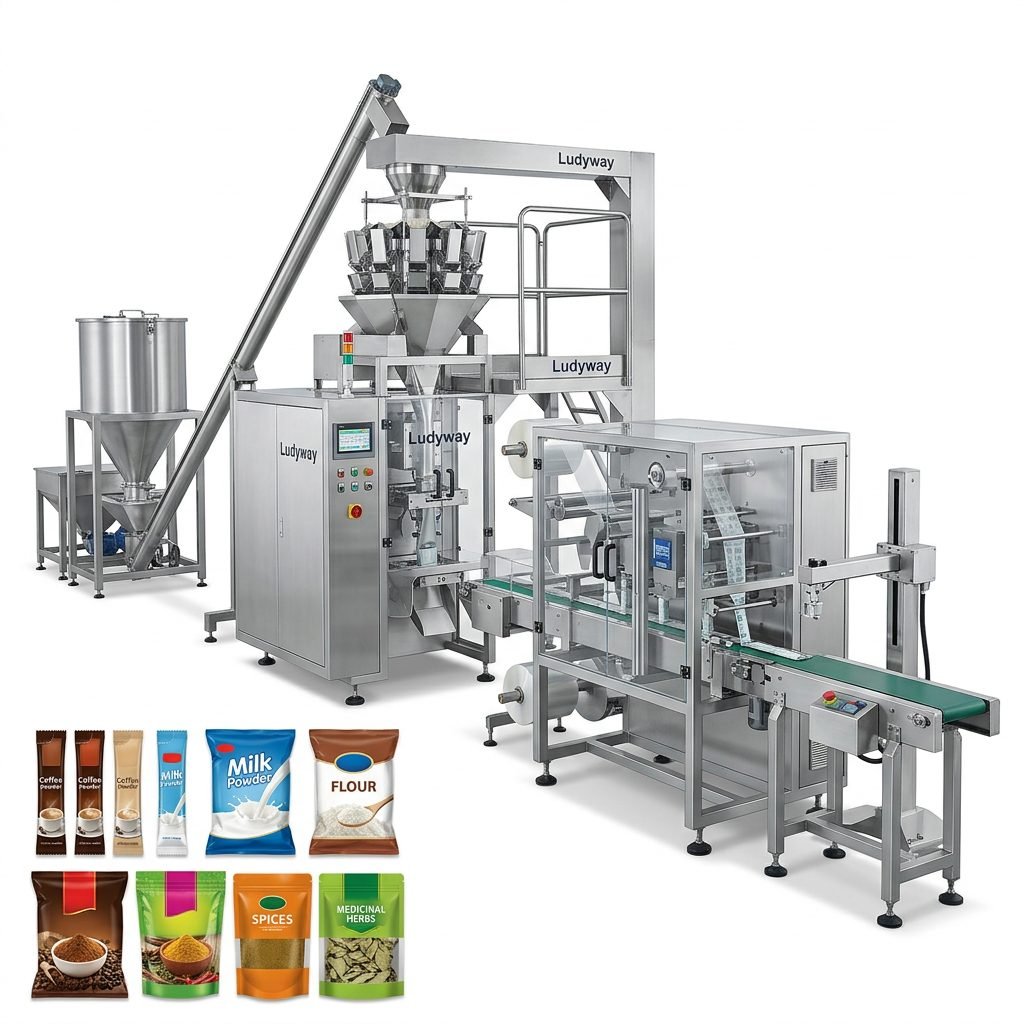
Investing in the right Hassia packaging machine is a strategic decision that directly impacts your production efficiency, product quality, and long-term operational costs. With a wide range of technologies available for powders, granules, liquids, and solid products, navigating the selection process requires a structured approach. This guide walks you through the critical factors to consider, helping you match your specific application with the optimal packaging machinery solutions.
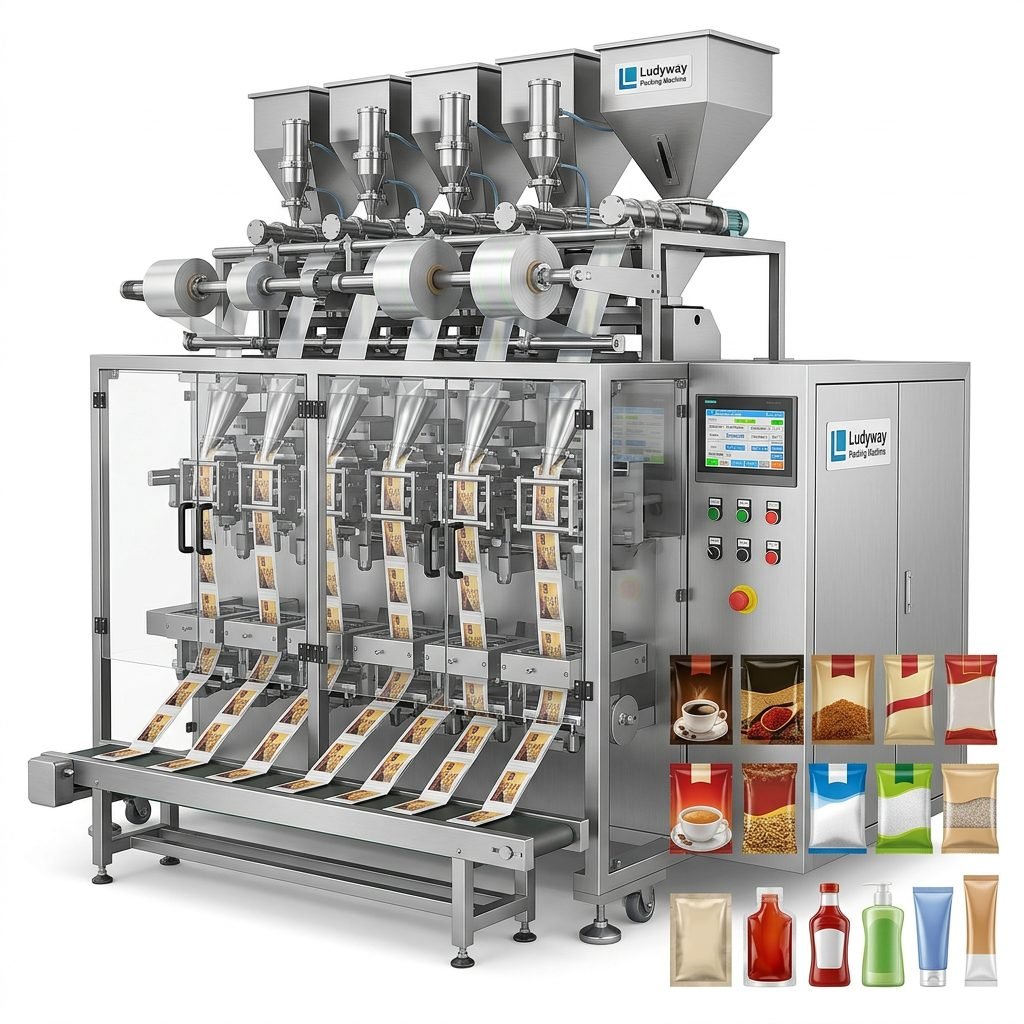
1. Define Your Product Characteristics and Packaging Format
The first step is a thorough analysis of the product you intend to package. The physical and chemical properties of your product will largely dictate the appropriate dosing system and machine configuration. Key product variables include:
- Product State: Is it a free-flowing granule, a cohesive powder, a liquid of varying viscosity, a paste, or a solid component?
- Flow Characteristics: Does the product bridge, clump, or dust excessively? These behaviors influence the choice of feeder and filling system.
- Sensitivity: Is the product hygroscopic, oxygen-sensitive, or fragile? This will determine the need for specialized sealing technologies or inert gas flushing.
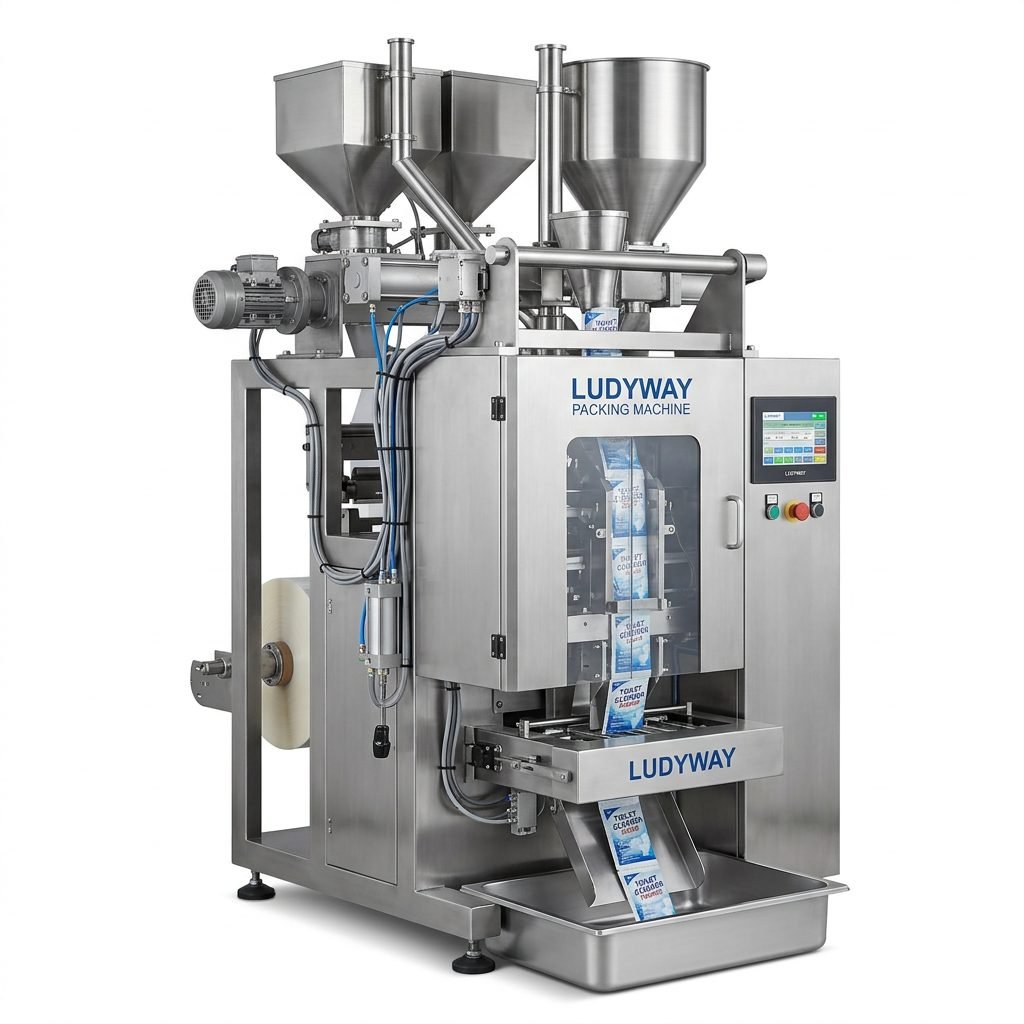
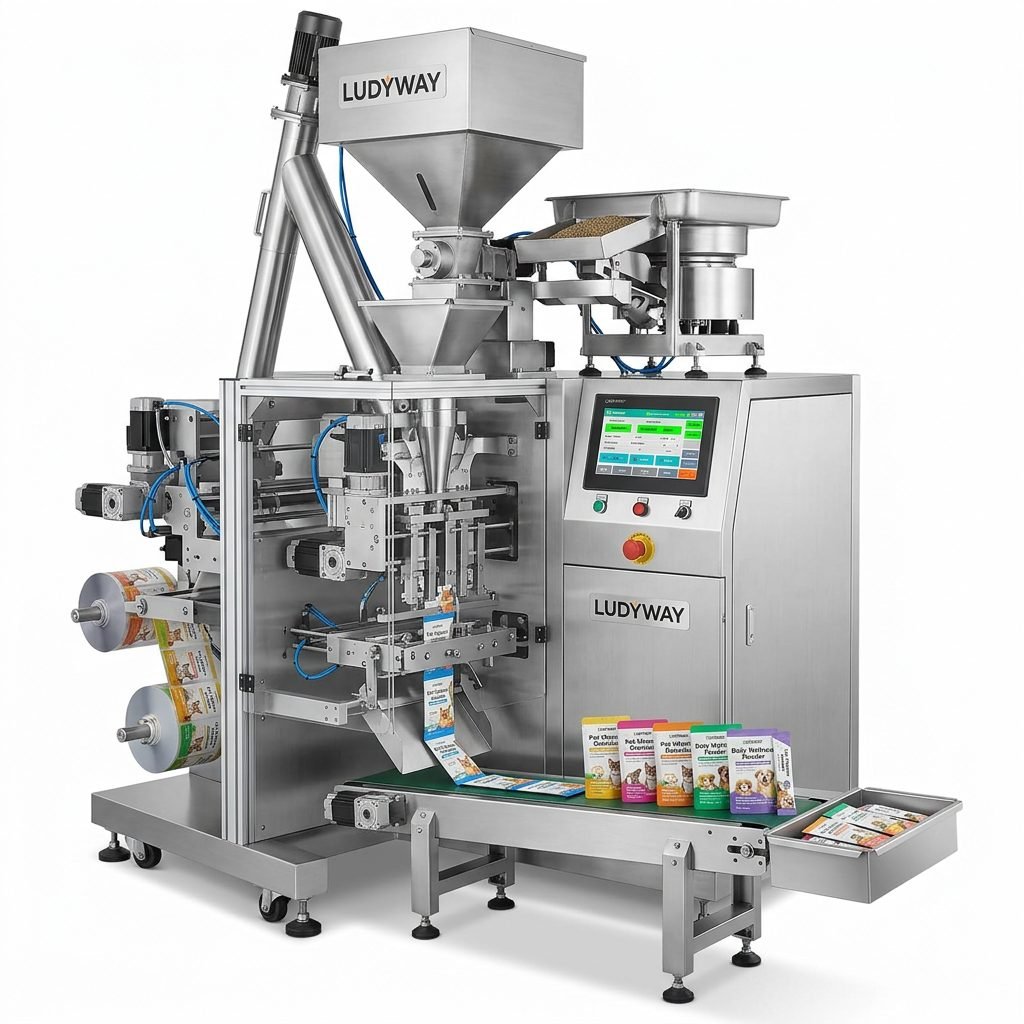
Simultaneously, you need to define your target packaging format. Are you looking to produce stick packs, three- or four-side seal sachets, premade pouch filling, or gusseted bags? The versatility of a machine to handle multiple formats can be a significant advantage if your product line is diverse. Whether you need a dedicated line for a single product or a flexible system capable of running various formats, automatic packaging equipment can be configured to meet those needs.
2. Evaluate Machine Configuration and Technical Specifications
Once the product and pack format are clear, you can dive into the technical core of the Hassia packaging machine. The following table outlines key specifications to compare:
| Specification | Key Questions to Ask | Why It Matters |
|---|---|---|
| Speed & Output | What is the rated speed in packs per minute? Can the machine sustain this speed with my product? | Directly determines production capacity and ability to scale. |
| Filling Range | What is the minimum and maximum fill volume? How accurate and repeatable is the dosing? | Ensures regulatory compliance and minimizes product giveaway. |
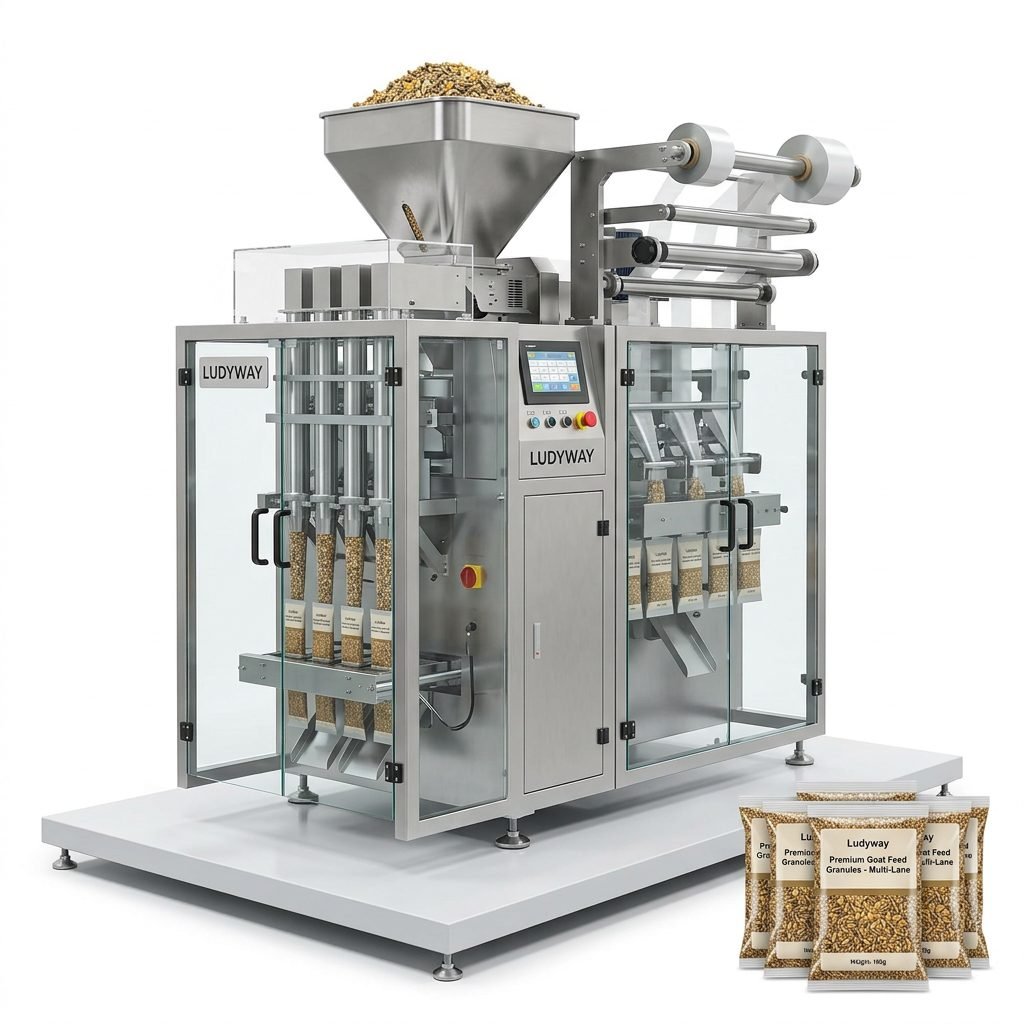
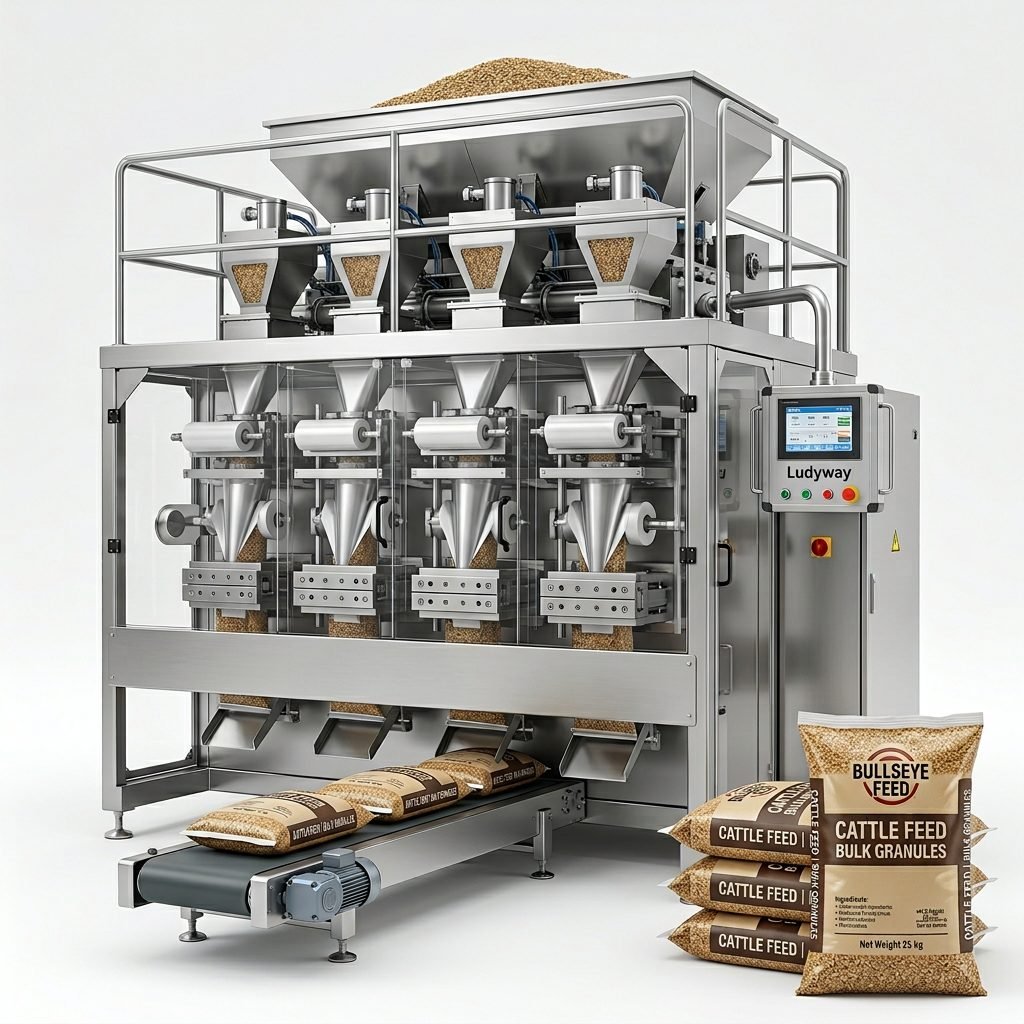
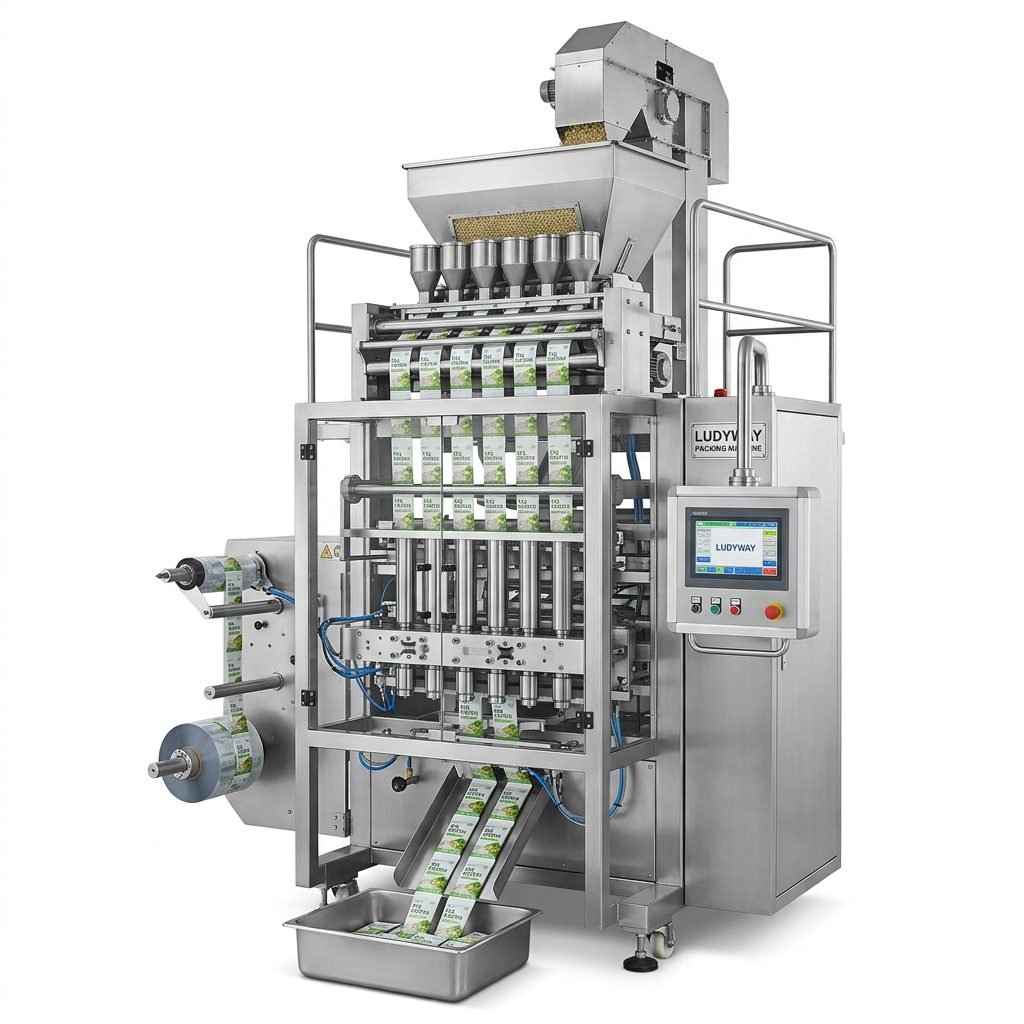
| Multi-Lane Capability | Can the machine run multiple lanes simultaneously? How many? | A 4-lane or 8-lane machine dramatically multiplies output without a proportional increase in floor space. |
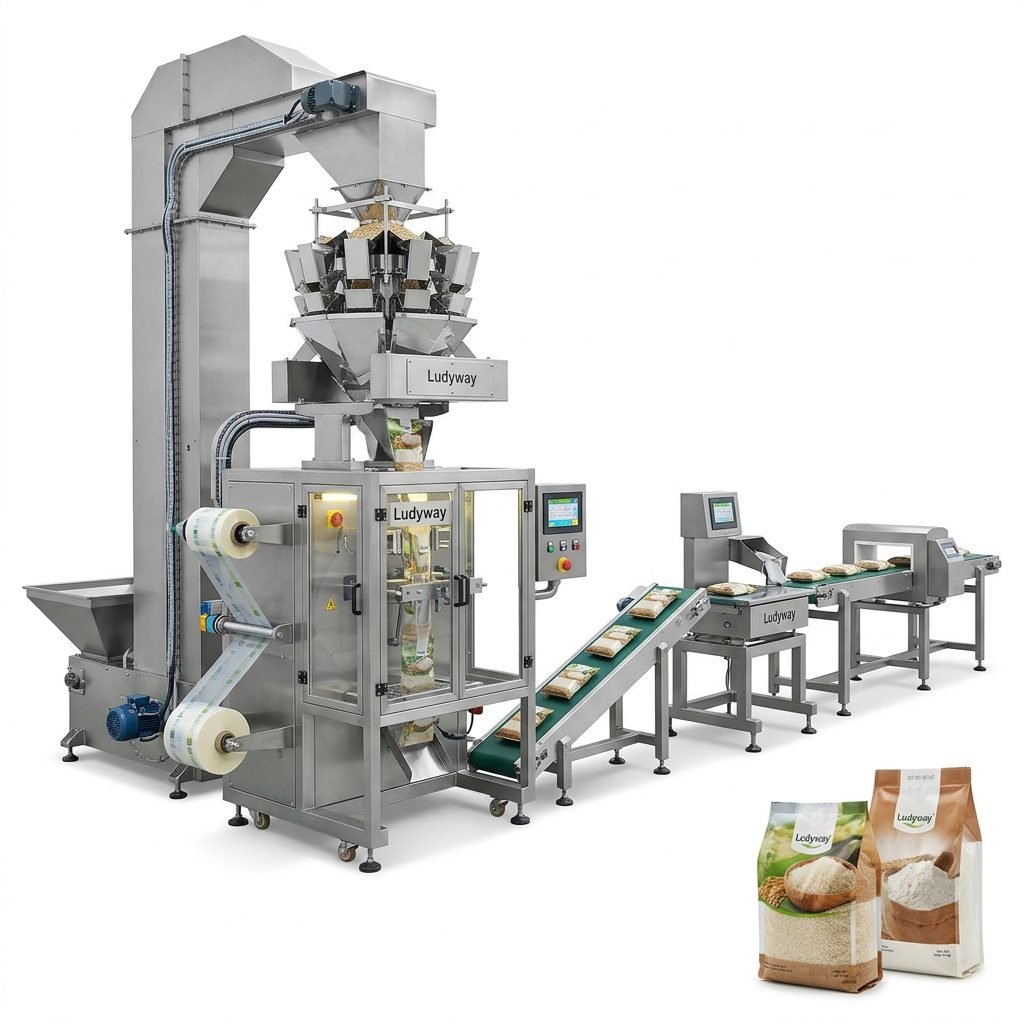
| Automation Level | Is automatic feeding, coding, inspection, and cartoning integrated or available? | Reduces manual labor, improves consistency, and builds toward a turnkey packaging system. |
For companies seeking to move beyond standalone units, integrated systems that connect filling, sealing, coding, and inspection into one seamless line offer a clear competitive edge. This is where working with a single partner for system integration becomes invaluable.

3. Assess Industry-Specific Requirements
Different sectors demand different machine standards. A one-size-fits-all approach rarely works in professional packaging environments. Consider the following industry-specific needs:
- Food & Beverage: Machines must support stringent hygiene standards, often requiring stainless steel construction, washdown capabilities, and compatibility with modified atmosphere packaging (MAP) to extend shelf life. Related resources from the FDA on food packaging are essential.
- Pharmaceuticals & Nutraceuticals: Precision and traceability are paramount. Look for machines capable of high-accuracy dosing, with integrated batch coding and serialization to comply with regulations. Guidelines from the ISO on packaging standards provide a solid framework.
- Cosmetics & Personal Care: Machines often need to handle a wide range of viscosities, from watery serums to thick creams, and accommodate aesthetically demanding packet formats with easy changeover capabilities.
- Chemicals & Industrial Products: Equipment must be robust and compatible with potentially corrosive or abrasive substances, requiring special materials for contact parts and enhanced safety features.
Ludyway Machinery, with its 20,000-square-meter facility and over 50 machine models, has extensive application experience across these diverse sectors. Its team works with customers to select and configure suitable packaging technologies according to their exact product and production requirements, demonstrating a clear understanding of these sector-specific challenges.
4. Prioritize Compliance, Quality, and Build Standards
The initial purchase price is just one part of the total cost of ownership. A machine built to internationally recognized quality standards ensures reliability, safety, and longevity. Key certifications and standards to look for include CE certification for machinery safety, and design that can adhere to Good Manufacturing Practice (GMP) principles for sensitive applications.
Machine quality is closely linked to its components. Leading manufacturers partner with established industrial automation suppliers for PLCs, pneumatics, and electrical systems. This not only ensures reliable performance but also simplifies maintenance and spare parts availability globally. For market-specific requirements, consulting resources like the PMMI industry resources can offer valuable insights into best practices.
5. Evaluate Manufacturer Experience and Engineering Capability
A packaging machine is a long-term investment. The manufacturer’s track record, engineering depth, and support infrastructure are as important as the hardware itself. Look for a partner that demonstrates strong in-house manufacturing and automation expertise, a proven history of delivering customized solutions rather than just standard models, and global service capabilities with responsive technical support.
A supplier that can guide you through packaging solution design, installation, commissioning, operator training, and ongoing troubleshooting becomes a strategic asset. With a team of over 130 professionals and a presence in more than 100 countries, a company’s global reach and engineering capacity are key indicators of its ability to support your growth. The industry trend toward automation and reliable supply chains is well-documented, as seen in reports from the PMMI State of the Industry 2026.

6. Consider Total Cost of Ownership and After-Sales Support
A comprehensive cost analysis must go beyond the initial capital expenditure. A lower upfront cost can be misleading if it leads to higher long-term expenses. The total cost of ownership is influenced by several critical factors:
- Operational Efficiency: Does the machine minimize film waste, energy consumption, and product loss?
- Maintenance & Spare Parts: How easy is it to access critical spare parts? Are maintenance procedures straightforward, and is remote technical assistance available to resolve issues quickly?
- Changeover Speed: For multi-product lines, how quickly and easily can the machine be changed over between different pack sizes or products? Downtime during changeovers directly erodes profitability.
- Scalability: Can the packaging system be upgraded or expanded in the future to accommodate new packaging styles or higher speeds without a complete reinvestment?
In the dynamic packaging machinery market, the ability of a manufacturer to provide comprehensive after-sales service—from spare parts to technical support—is a crucial differentiator. A partner that supports you from single automatic packaging machine selection to a complete, scalable production line ensures your investment remains protected and productive for years to come. According to industry associations like the Flexible Packaging Association, efficient, reliable packaging is central to modern manufacturing success.
Making the Right Choice
Selecting a Hassia packaging machine is a process of matching detailed application requirements with the right engineering solution. By methodically assessing your product, desired format, required speed, and industry standards, you can create a clear specification. Evaluate potential partners not just on the equipment they build, but on their engineering expertise, understanding of your industry, and commitment to long-term support. A Chinese packaging machinery manufacturer like Ludyway Machinery, which is projected to achieve export revenue of over RMB 500 million in 2025 and plans to surpass RMB 1 billion by 2026, represents the kind of substantial, globally-oriented partner capable of delivering scalable and customized packaging solutions. This approach ensures your choice is a strategic enabler of efficiency, quality, and sustained business growth. To explore how customized turnkey packaging solutions can be engineered for your specific needs, consulting with an experienced application team is the ideal next step.