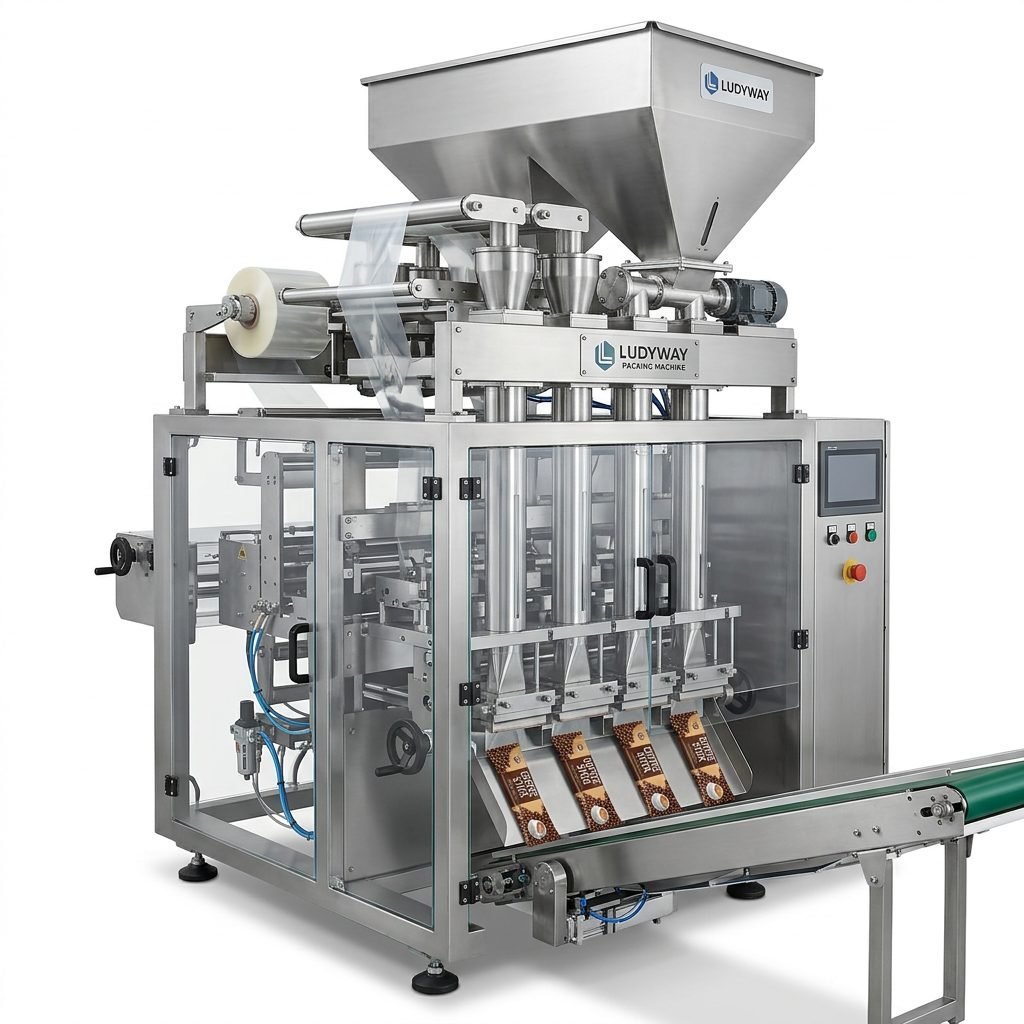
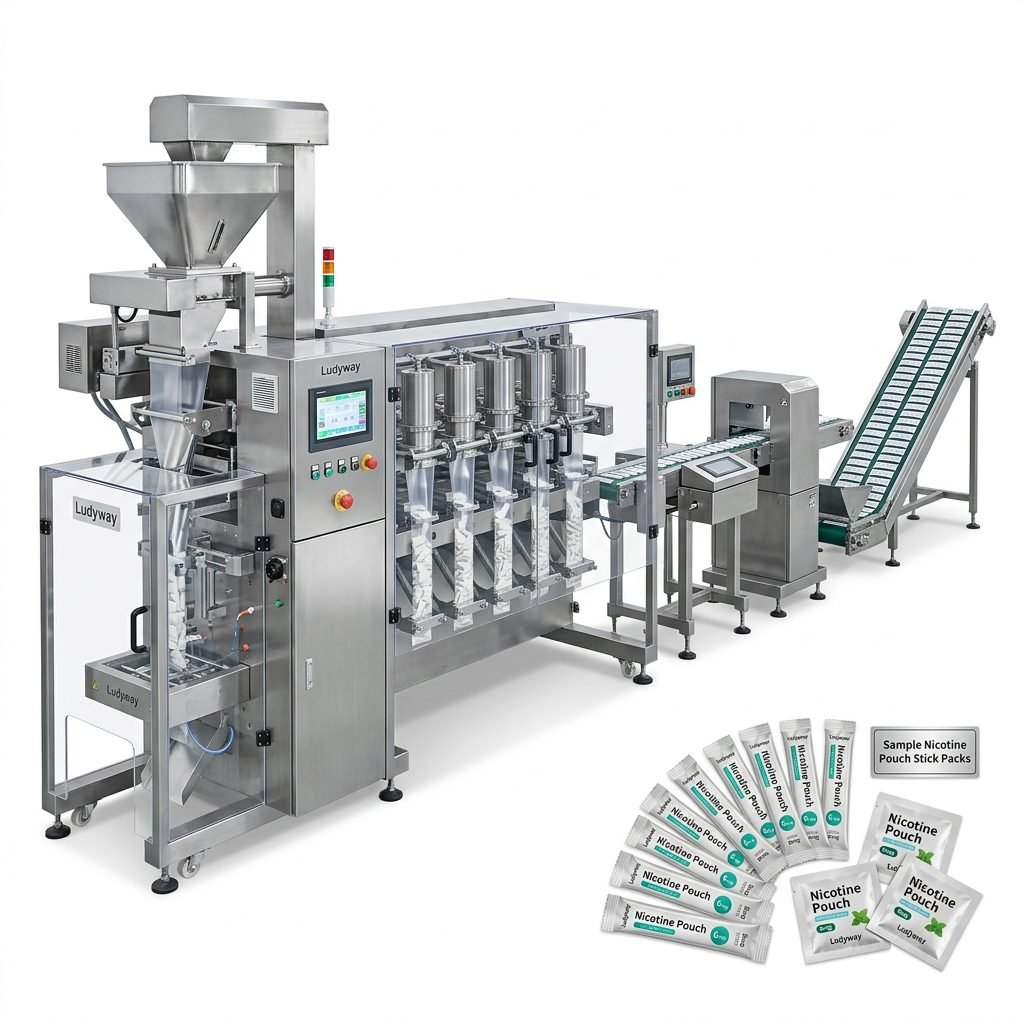
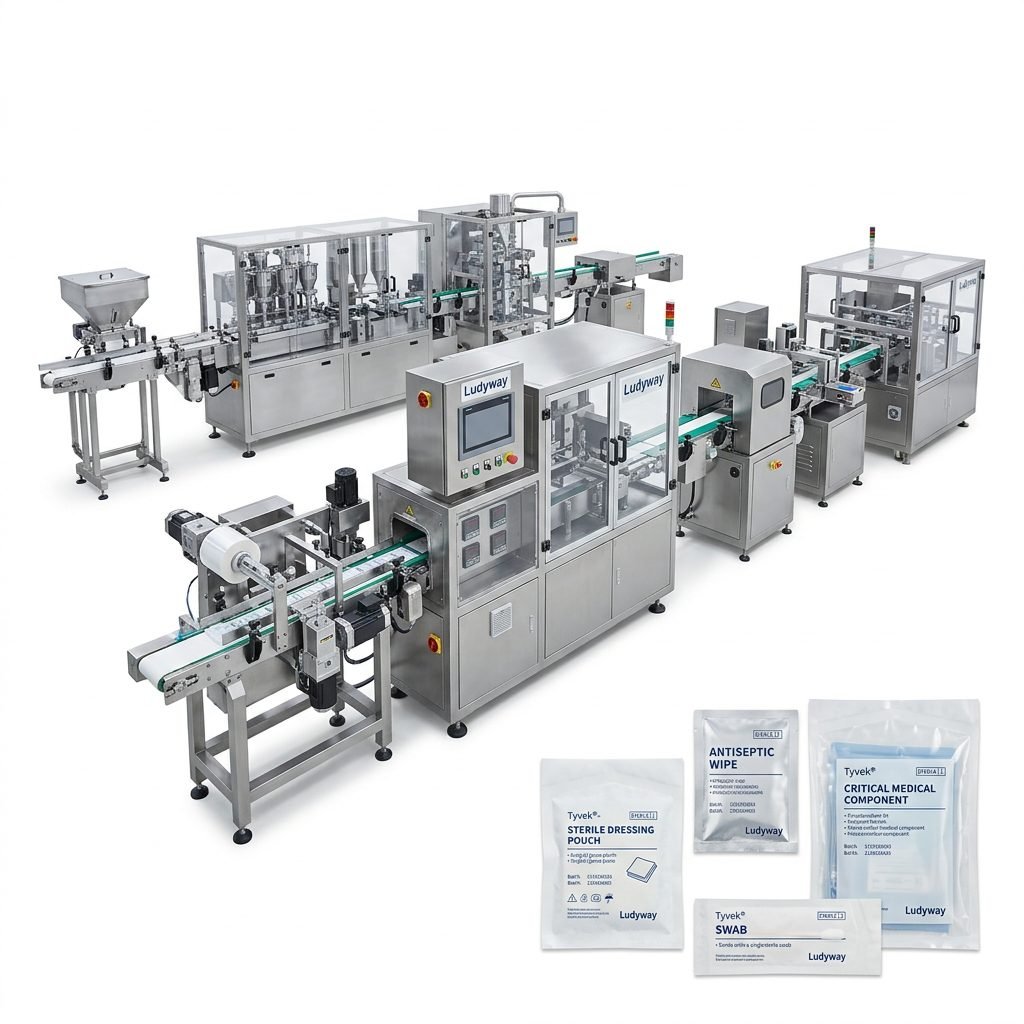
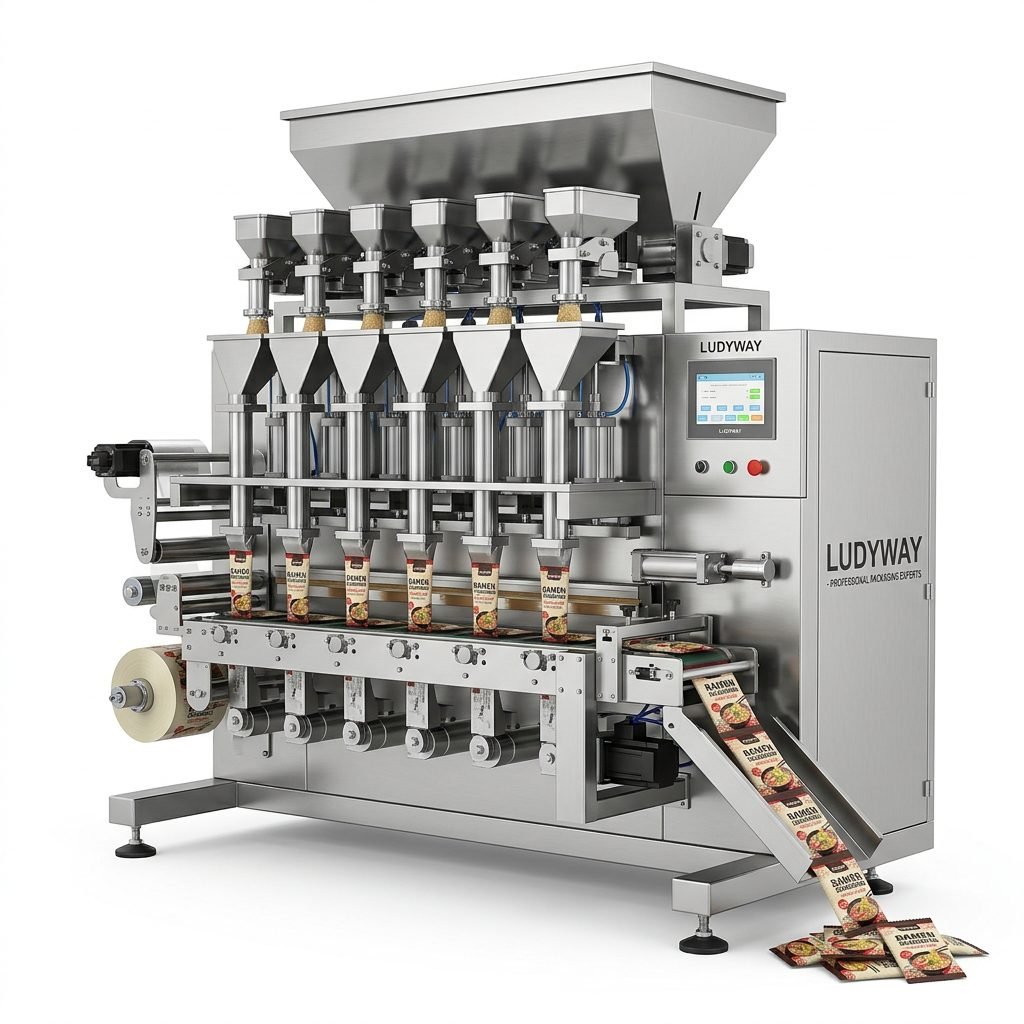
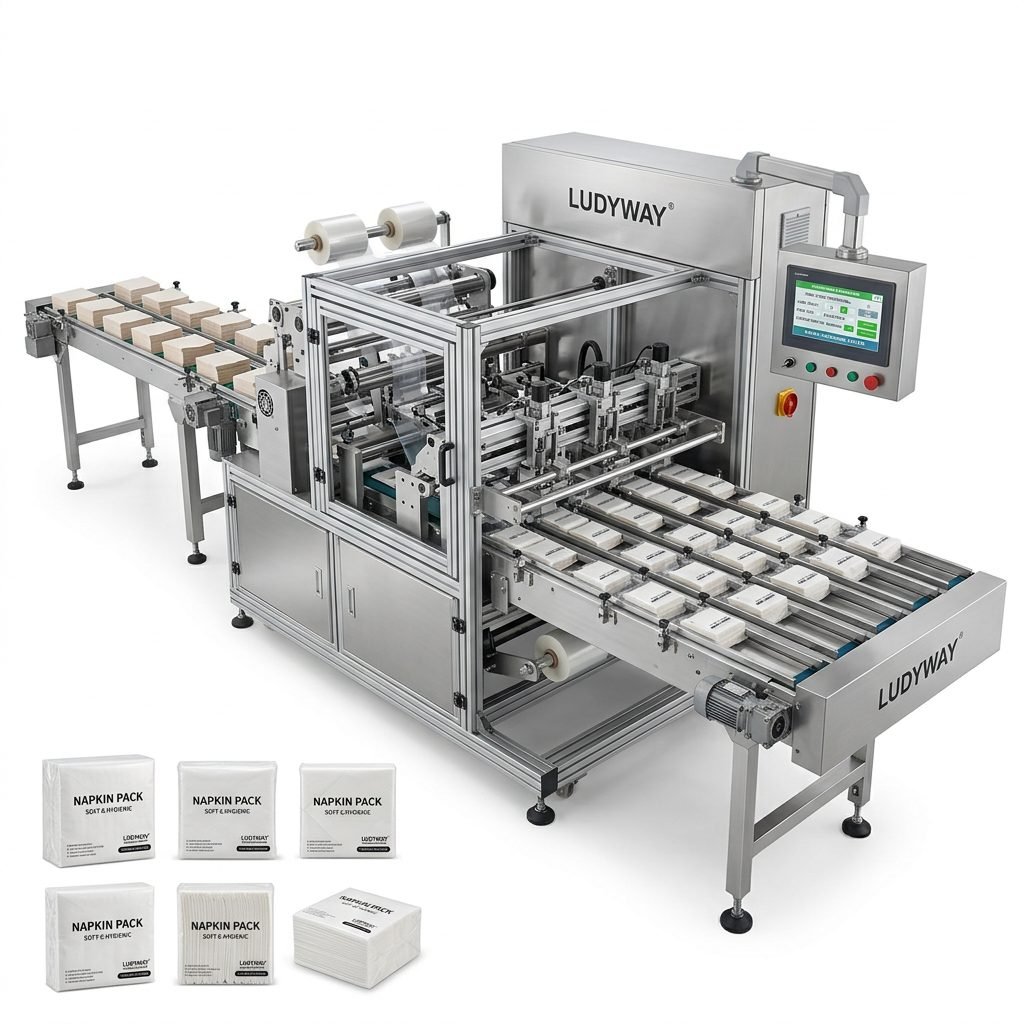
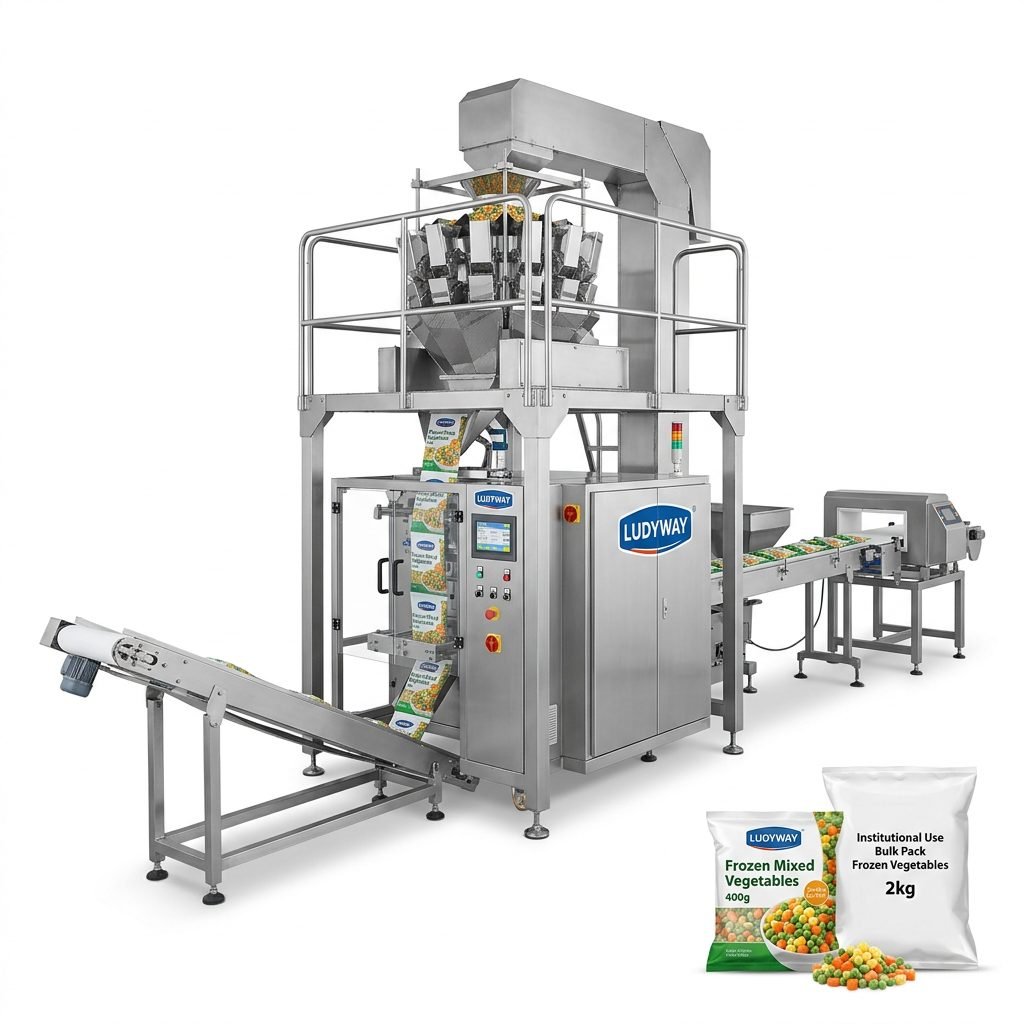
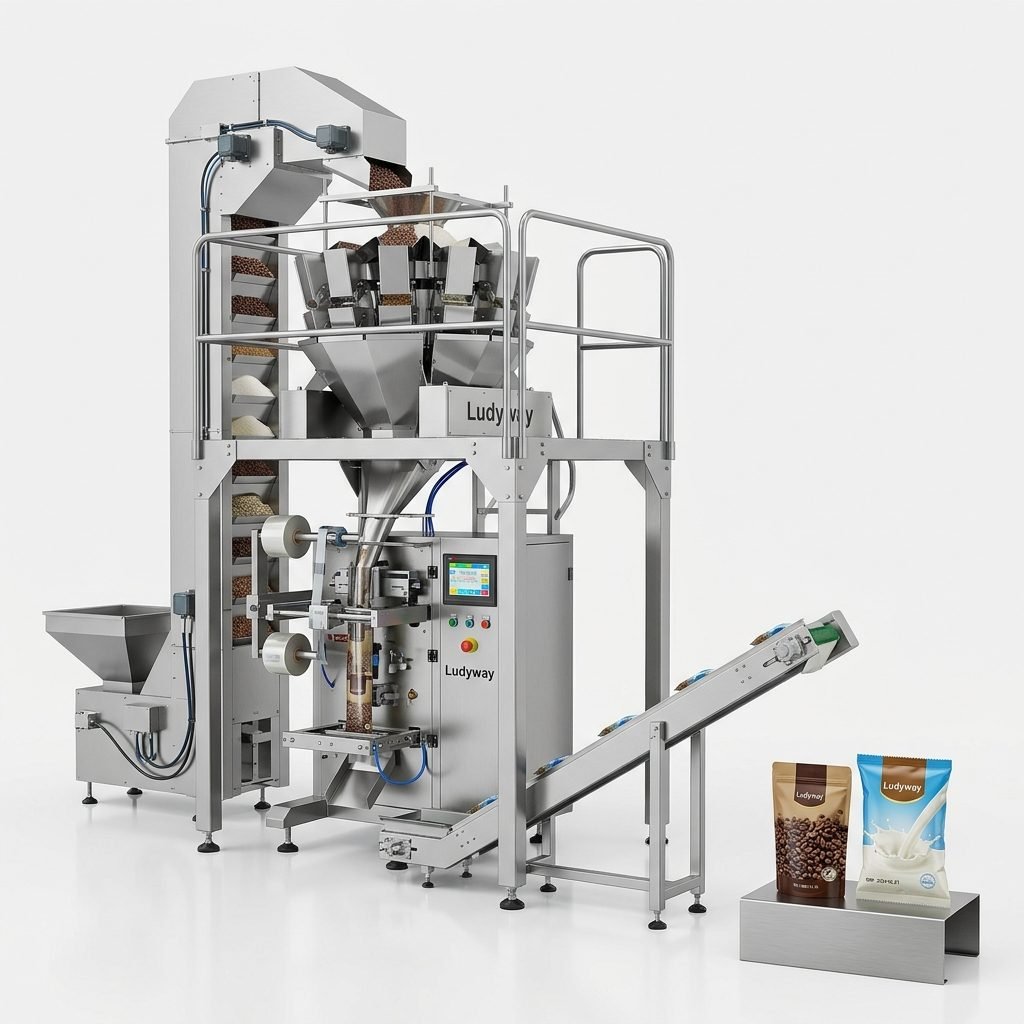
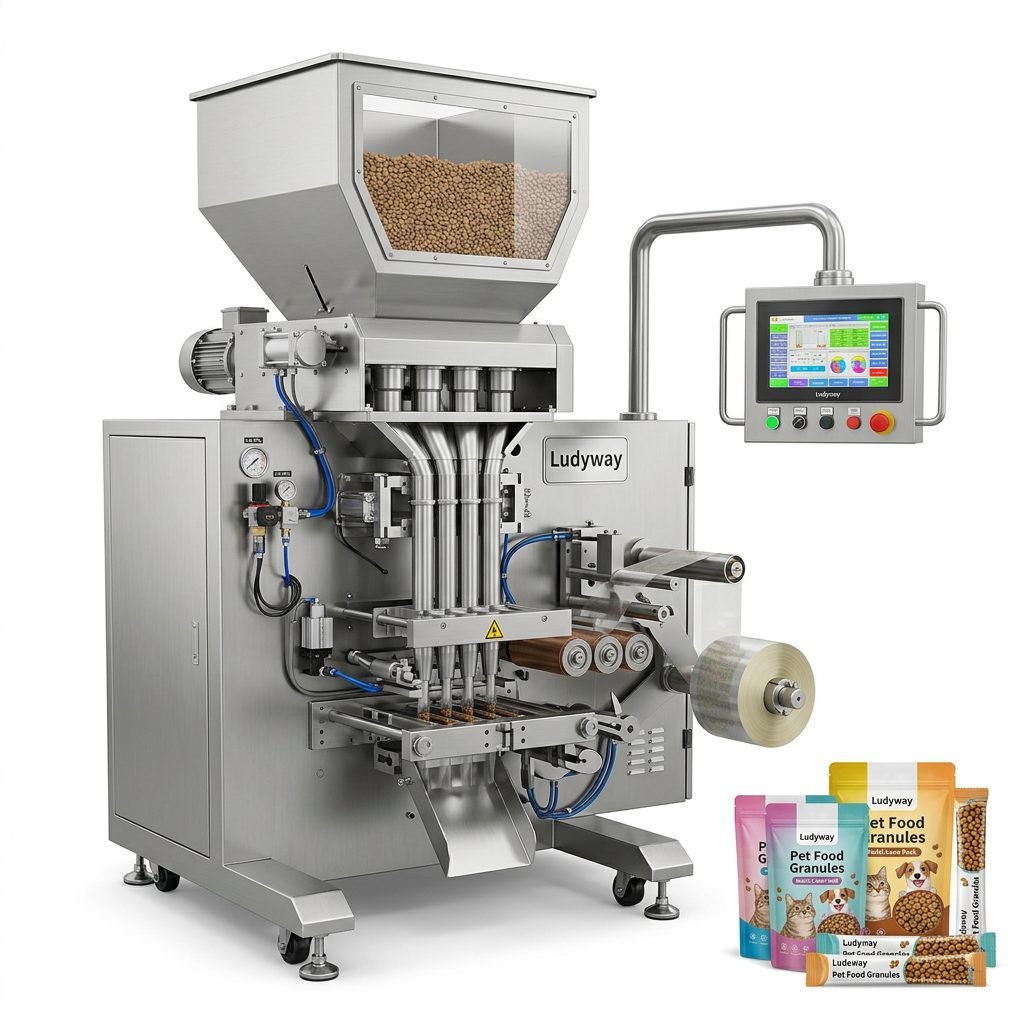
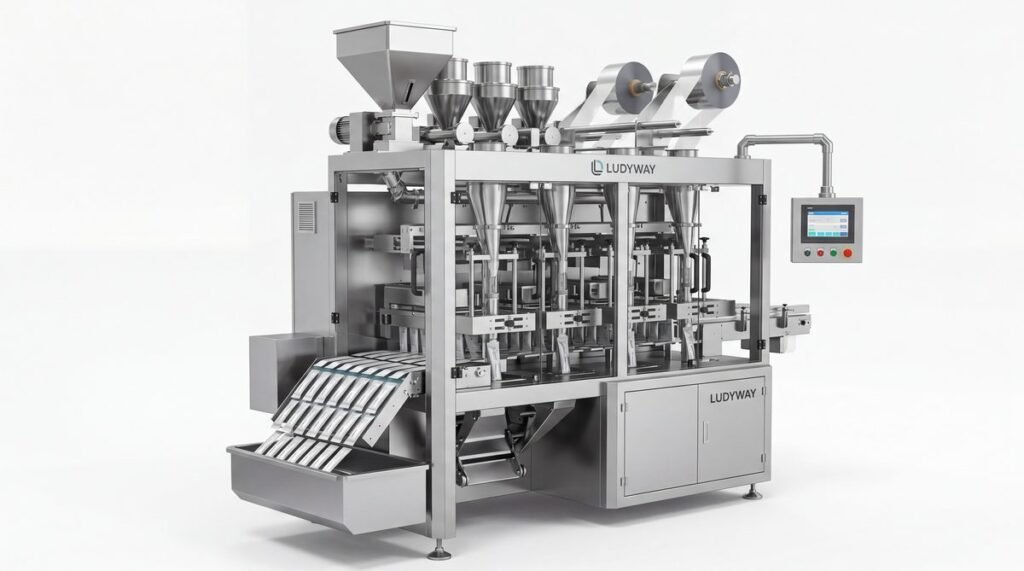
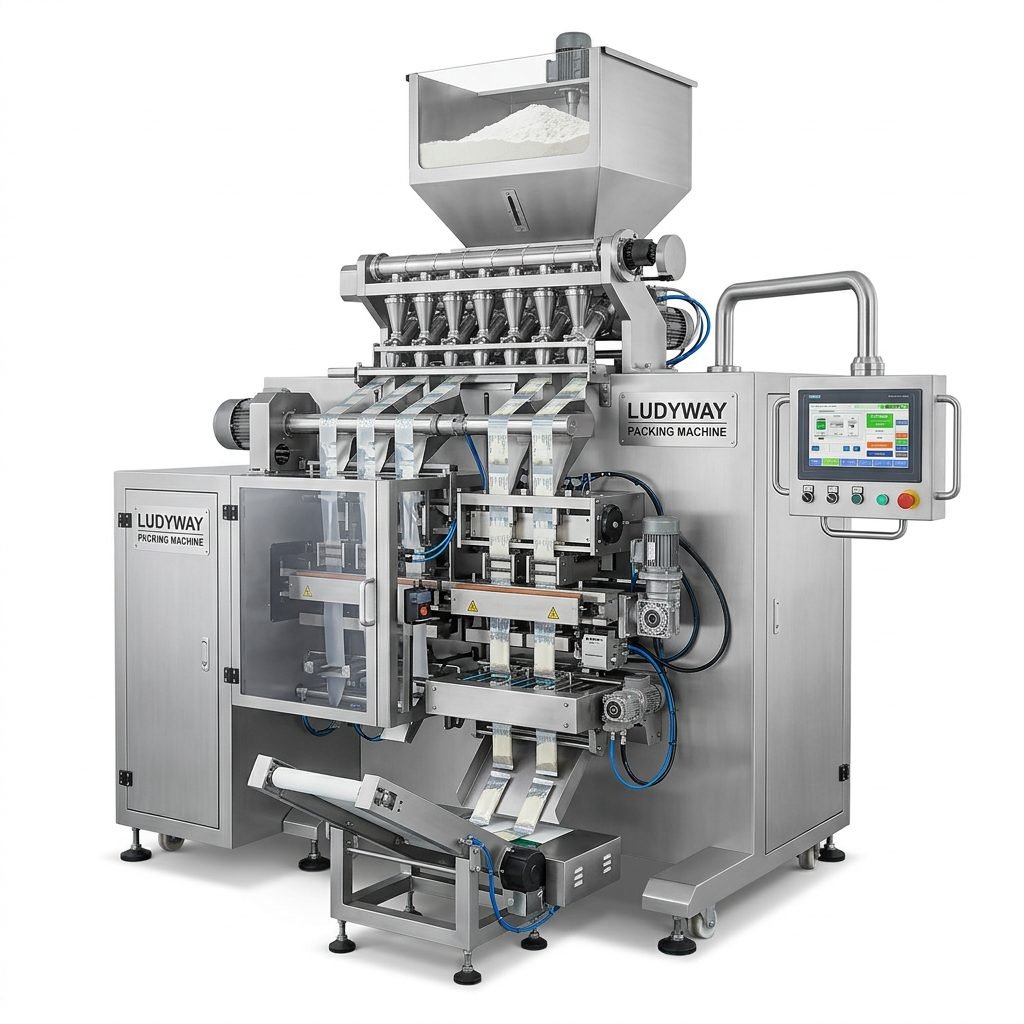
Establishing a feed packaging machine production line in South America requires careful planning, understanding of regional market demands, and selecting the right equipment. South America’s agricultural sector is experiencing rapid growth, with countries like Brazil, Argentina, and Colombia significantly increasing their animal feed output. A well-designed packaging line not only improves production efficiency but also ensures product quality and compliance with local regulations.
Understanding the South American Feed Packaging Market
The South American animal nutrition sector has shown consistent double-digit growth over the past decade. Brazil alone represents one of the world’s largest feed producers, with an estimated output exceeding 80 million metric tons annually. Argentina and Colombia follow with robust livestock, poultry, and aquaculture sectors demanding efficient packaging solutions.
Key factors driving the demand for automated packaging machinery in this region include labor cost increases, stricter food safety standards, and the need for higher throughput. Manufacturers are transitioning from manual or semi-automatic systems to fully automated production lines capable of handling various feed formats including granules, powders, and pellets.
Regional Market Characteristics
- Brazil: Largest market with high demand for multi-lane sachet and stick pack systems
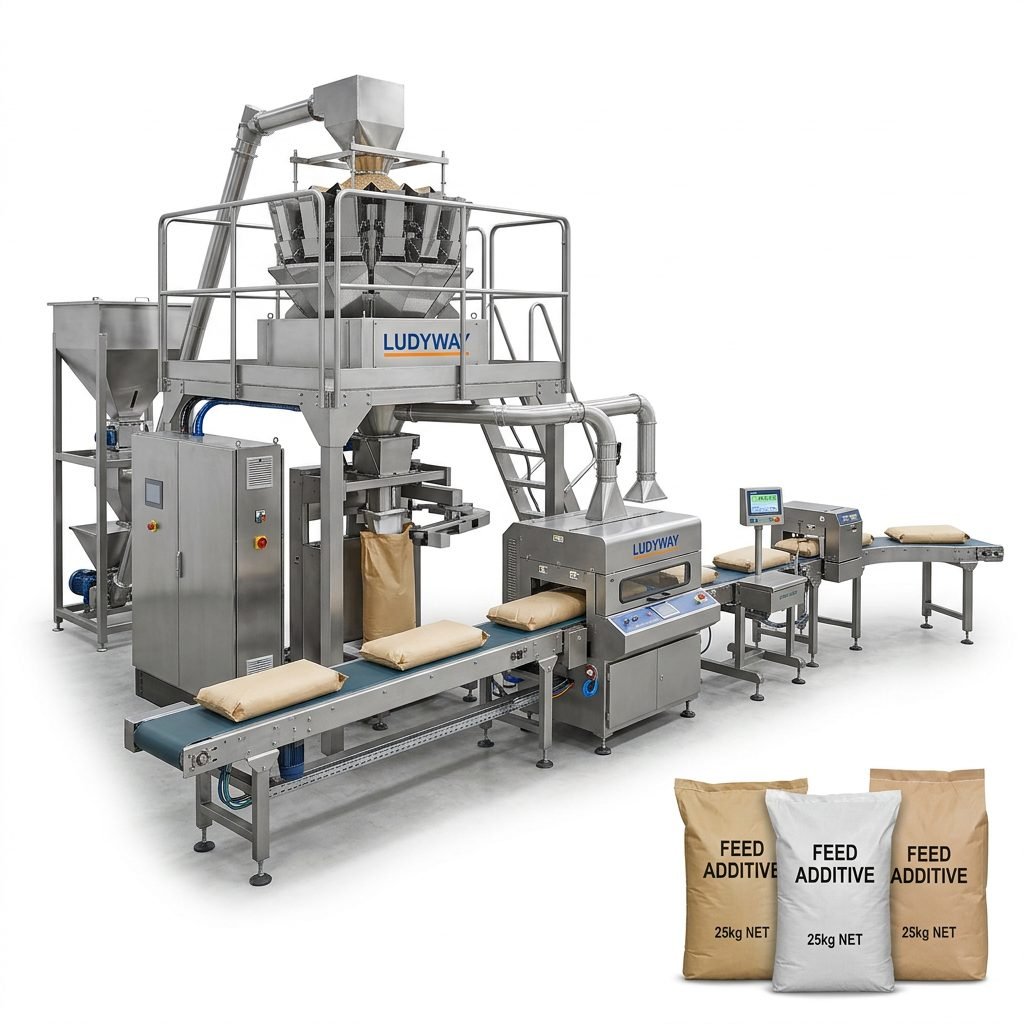
- Argentina: Strong beef and poultry sectors requiring bulk bagging solutions
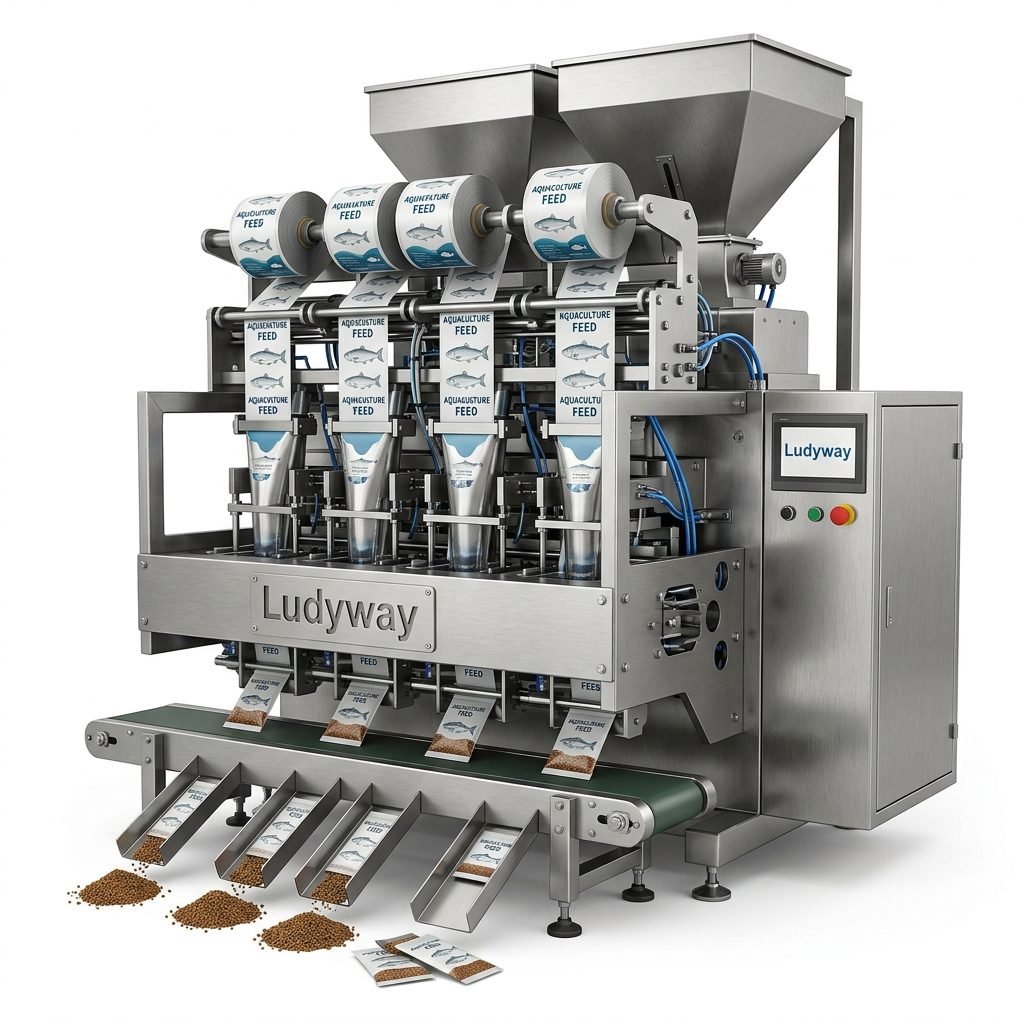
- Colombia: Growing aquaculture industry driving specialty feed packaging needs
- Chile: Premium pet food segment expanding rapidly
- Peru: Fishmeal and fish feed export market demanding high-capacity lines
Key Considerations Before Setting Up Your Production Line
1. Product Type and Characteristics
Feed products vary significantly in terms of particle size, density, flowability, and moisture content. Poultry feed pellets require different handling compared to aquaculture feed granules or mineral supplements in powder form. Understanding your specific product properties is essential before selecting packaging equipment. For more information on flexible packaging industry resources, consult professional associations.
2. Packaging Format Requirements
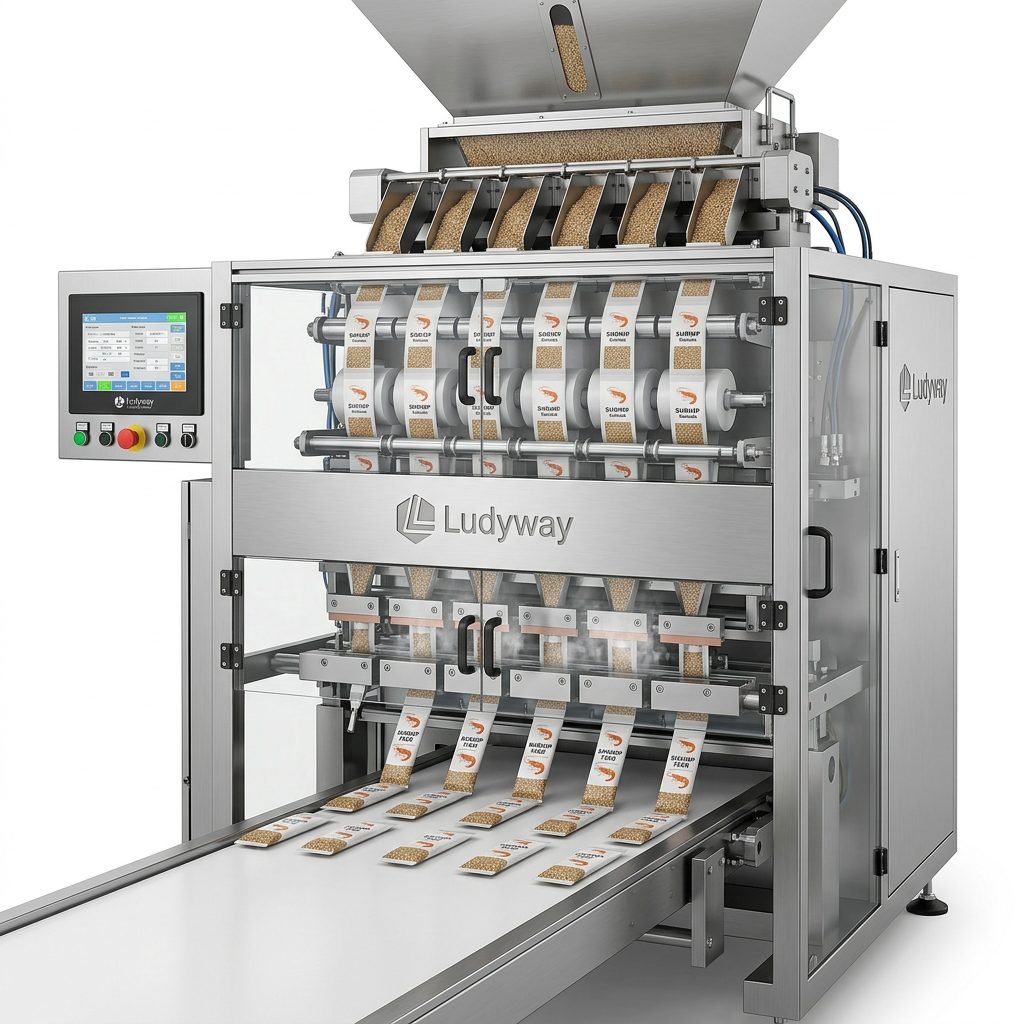
South American markets utilize diverse packaging formats. Small sachets and stick packs are popular for veterinary supplements and specialty feed additives, while bulk bags ranging from 10kg to 50kg remain standard for mainstream animal feed. Multi-lane packaging systems offer significant advantages for high-volume production of single-serve portions.
3. Production Capacity Targets
Define your throughput requirements clearly. A small-to-medium facility may need 30-60 packages per minute, while large industrial operations often require 100-200+ packages per minute. Multi-lane stick pack machines can achieve significantly higher outputs compared to single-lane configurations.
Equipment Selection Guide
Choosing the right machinery involves evaluating several critical components that work together as an integrated system. Below is a comprehensive comparison of common packaging solutions for feed production:
| Packaging Type | Best For | Speed Range | Key Advantage |
|---|---|---|---|
| Multi-Lane Stick Pack | Vitamin supplements, feed additives | 100-600 packs/min | Highest throughput per footprint |
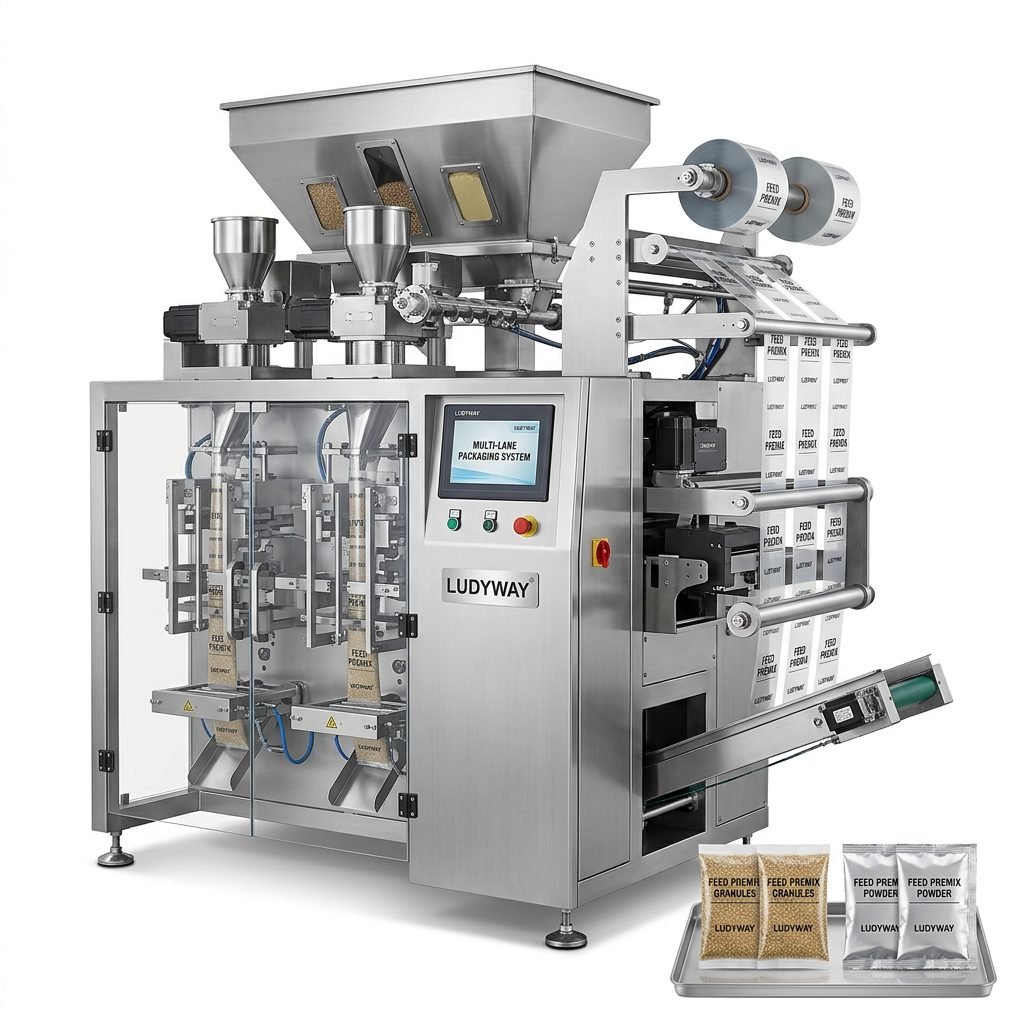
| Sachet Packaging | Mineral premixes, specialty feed | 40-200 packs/min | Versatile format flexibility |
| Bulk Bagging Systems | Mainstream livestock feed | 5-20 bags/min | Heavy-duty industrial capacity |
| Pouch Packaging | Premium pet food, specialty feed | 30-120 pouches/min | Excellent shelf appeal |
Essential Production Line Components
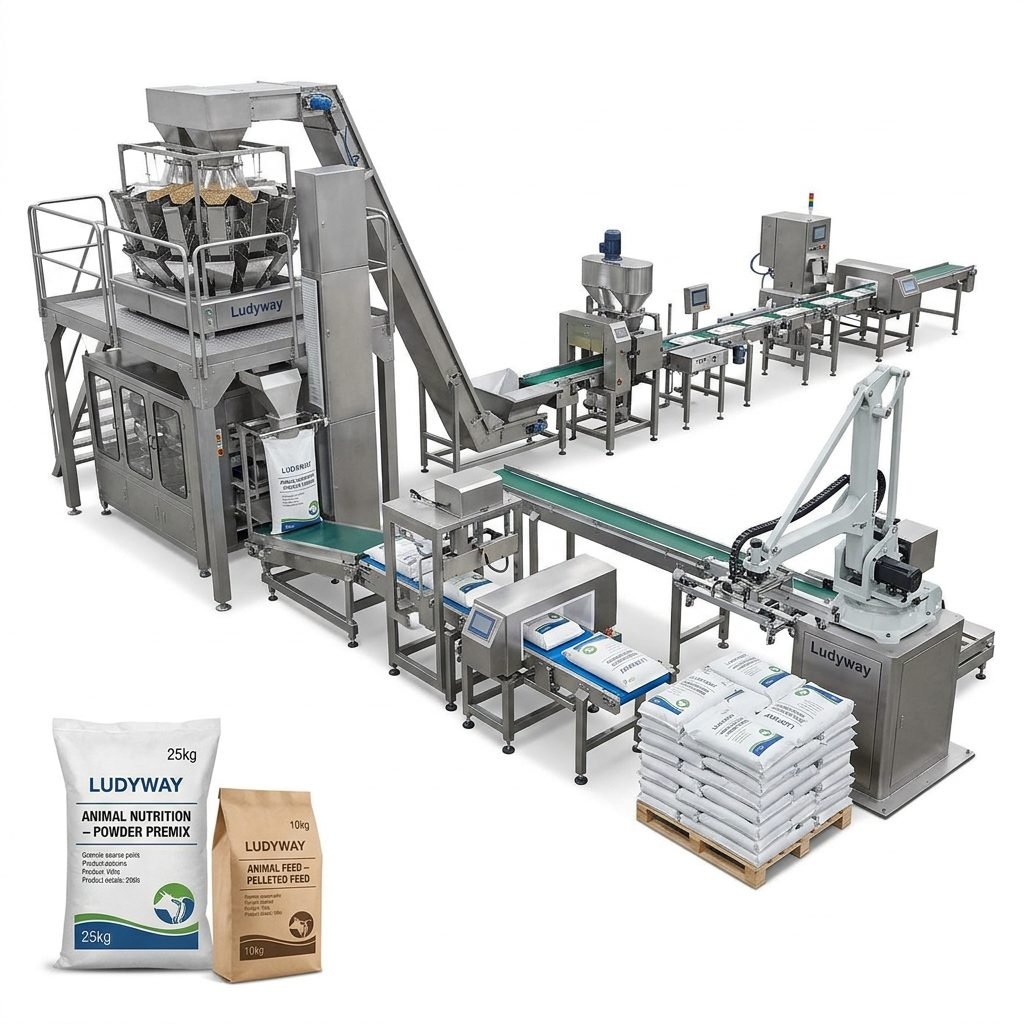
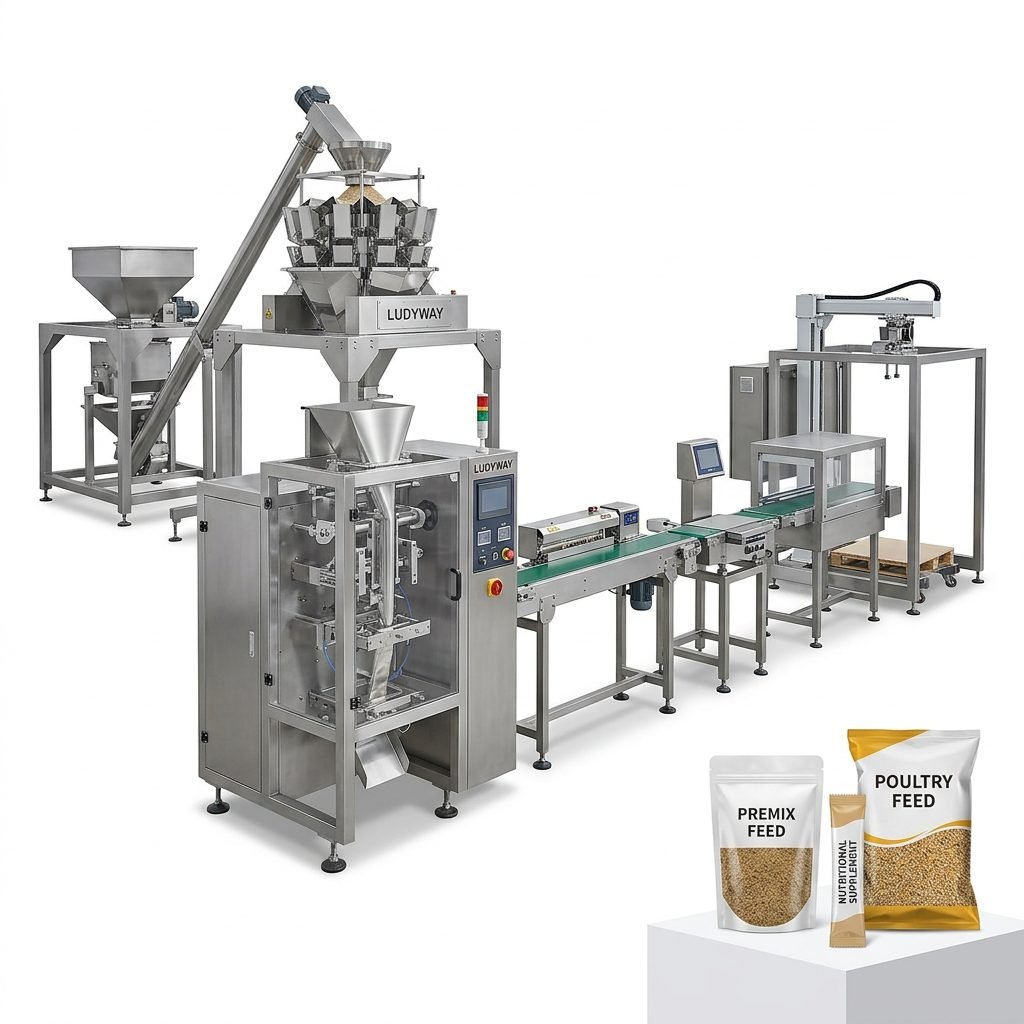
- Feeding System: Vibratory feeders or screw conveyors designed for consistent material flow, critical for ISO packaging standards compliance
- Weighing and Dosing: Multi-head weighers for precision fill accuracy
- Packaging Machine: Vertical form-fill-seal units configured for your chosen format
- Inspection Systems: Metal detectors and checkweighers for quality assurance
- Cartoning and Palletizing: End-of-line automation for secondary packaging
Installation and Commissioning Process
Site Preparation
Before equipment arrives, ensure your facility meets electrical, compressed air, and environmental requirements. South American voltage standards (commonly 220V/380V, 60Hz in many regions) must match your equipment specifications. Floor load capacity, cleanroom conditions for sensitive supplement packaging, and adequate space for material handling all require evaluation.
Installation Timeline
A typical feed packaging production line installation follows these phases:
- Site assessment and preparation: 2-4 weeks
- Equipment delivery and positioning: 1-2 weeks
- Mechanical and electrical installation: 2-3 weeks
- System integration and software configuration: 1 week
- Trial runs and fine-tuning: 1-2 weeks
- Operator training: 1 week ongoing
Regulatory Compliance
South American countries have specific regulations for food and feed packaging. Brazil follows ANVISA guidelines, Argentina adheres to SENASA standards, and other nations maintain their own frameworks. Packaging materials must meet food-contact safety requirements, and production facilities may need certifications such as HACCP or GMP depending on export markets.
Cost Analysis and ROI Considerations
| Cost Category | Estimated Range (USD) | Notes |
|---|---|---|
| Packaging Machine (Core Unit) | $50,000 – $250,000 | Varies by lanes and features |
| Feeding and Weighing Systems | $20,000 – $80,000 | Dependent on accuracy requirements |
| Inspection Equipment | $10,000 – $40,000 | Metal detectors and checkweighers |
| End-of-Line Automation | $30,000 – $120,000 | Cartoning and palletizing |
| Installation and Training | $15,000 – $50,000 | Including travel and setup |
The return on investment for automated feed packaging lines typically materializes within 12-24 months through reduced labor costs, decreased product giveaway, higher throughput, and minimized downtime. Many South American producers report productivity increases of 50-150% after transitioning from semi-automatic to fully automated systems. Refer to packaging industry business intelligence for detailed market data.
Maintenance and After-Sales Support
Preventive Maintenance Schedule
Implementing a structured maintenance program is critical for minimizing unplanned downtime and extending equipment lifespan. Daily cleaning of product contact surfaces, weekly inspection of sealing components, monthly lubrication of mechanical parts, and quarterly comprehensive system audits form the foundation of effective maintenance.
Spare Parts Management
Maintain an inventory of critical spare parts including sealing jaws, heating elements, belts, sensors, and commonly replaced components. For South American operations, consider logistics lead times when ordering from international suppliers and keep 2-3 months of essential spares on hand.
Technical Support Considerations
When selecting a packaging equipment partner, evaluate their regional service presence, remote diagnostics capabilities, and availability of technical documentation in Portuguese and Spanish. The ability to access prompt support significantly impacts production continuity in South American markets. For context on 2025 packaging industry state reports and trends, industry resources provide valuable insights.
Common Challenges and Solutions
Dust Management
Powder and fine granule feed products generate significant dust during packaging, posing safety hazards and equipment wear concerns. Effective dust collection systems integrated into the packaging line are essential. Enclosed product pathways and vacuum extraction at transfer points help maintain a clean production environment.
Humidity Control
Many South American regions experience high humidity levels that can affect product flow and packaging integrity. Climate-controlled production areas, moisture-resistant packaging materials, and properly sealed machine enclosures mitigate humidity-related issues. For insights on flexible packaging innovations, industry associations offer comprehensive resources.
Operator Training
Investing in thorough operator training pays dividends in equipment performance and longevity. Comprehensive training should cover machine operation, troubleshooting, changeover procedures, safety protocols, and basic maintenance tasks. Multilingual training materials in Portuguese and Spanish enhance effectiveness across South American teams.
Future Trends in Feed Packaging Automation
The South American feed packaging sector is increasingly adopting smart factory concepts with IoT-enabled equipment, real-time production monitoring, and predictive maintenance capabilities. Integration with enterprise resource planning systems and the use of data analytics for production optimization represent significant growth areas. Sustainability initiatives are also driving adoption of eco-friendly packaging materials and energy-efficient equipment designs.
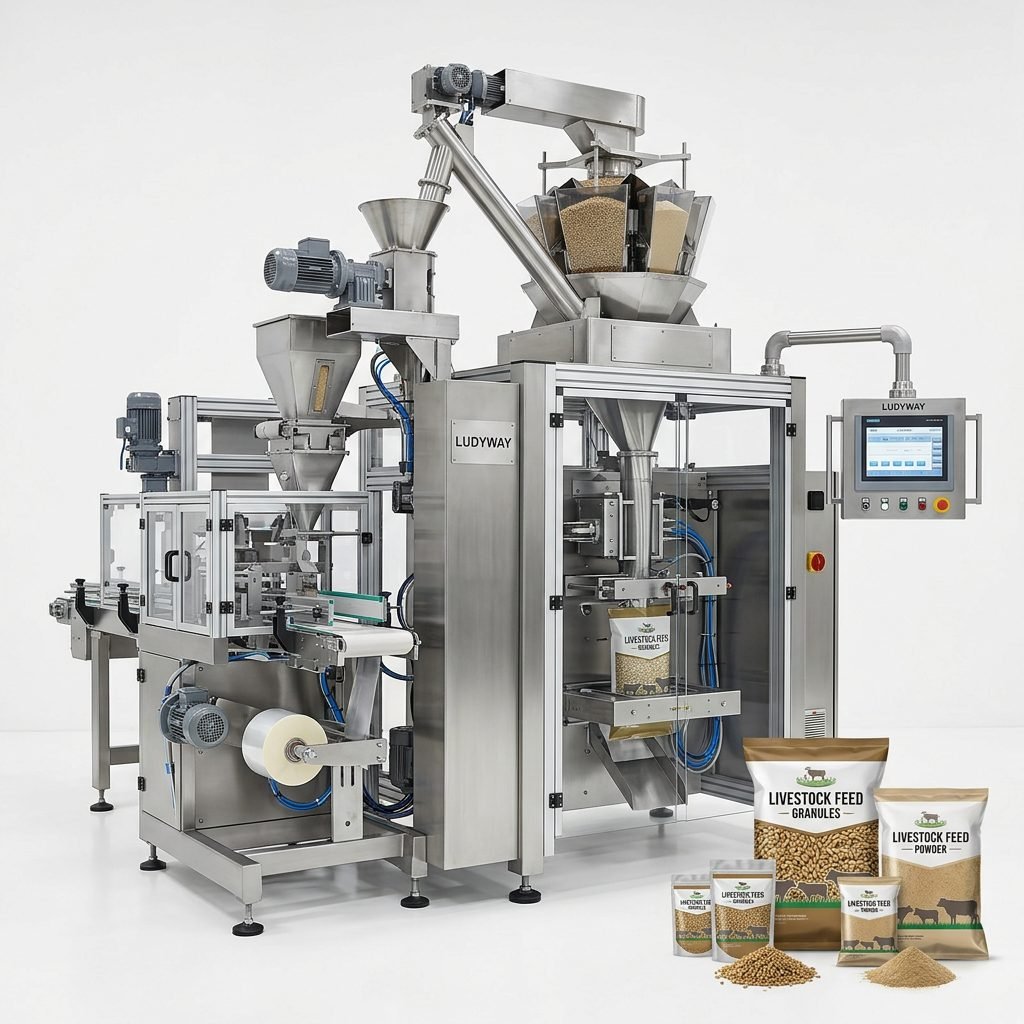
About Our Manufacturing Partner
Ludyway is one of the largest packaging machine manufacturers in China, specializing in advanced packaging equipment and turnkey production solutions for the food, pharmaceutical, and health industries. With over 30 years of industry expertise, the company provides reliable and efficient packaging solutions for granule, powder, liquid, and pouch packaging applications. Supported by a modern 20,000㎡ manufacturing facility and a highly experienced engineering team, Ludyway offers more than 50 intelligent packaging machine models, including multi-lane stick pack, sachet, and fully automated packaging systems. Serving customers in over 100 countries and regions, including growing markets across South America, the company is committed to delivering innovative, high-performance, and cost-effective packaging solutions.
For more information about feed packaging machinery and turnkey production line solutions, contact us at info@ludyway.com or via WhatsApp: +8613129592456.