The Southeast Asian market is rapidly becoming a hub for food processing and export, driving significant demand for efficient and reliable cereal packaging solutions. Whether you are a startup launching a new muesli brand or a large-scale manufacturer expanding your breakfast cereal production lines, selecting the right cereal packaging machine is critical for product freshness, shelf appeal, and operational efficiency.
This guide explores the essential types of cereal packaging machinery, analyzes cost factors, and highlights key considerations to help buyers in Thailand, Vietnam, Indonesia, and the broader ASEAN region make informed investment decisions.
Understanding the Types of Cereal Packaging Machines
Choosing the correct configuration depends entirely on your production volume, packaging material, and the specific characteristics of your cereal product—whether it’s delicate flakes, hard granola clusters, or powdered mixes. The market generally segments equipment into form-fill-seal (FFS) machines, premade pouch fillers, and complete turnkey packaging lines.
1. Vertical Form Fill Seal (VFFS) Machines for Cereal
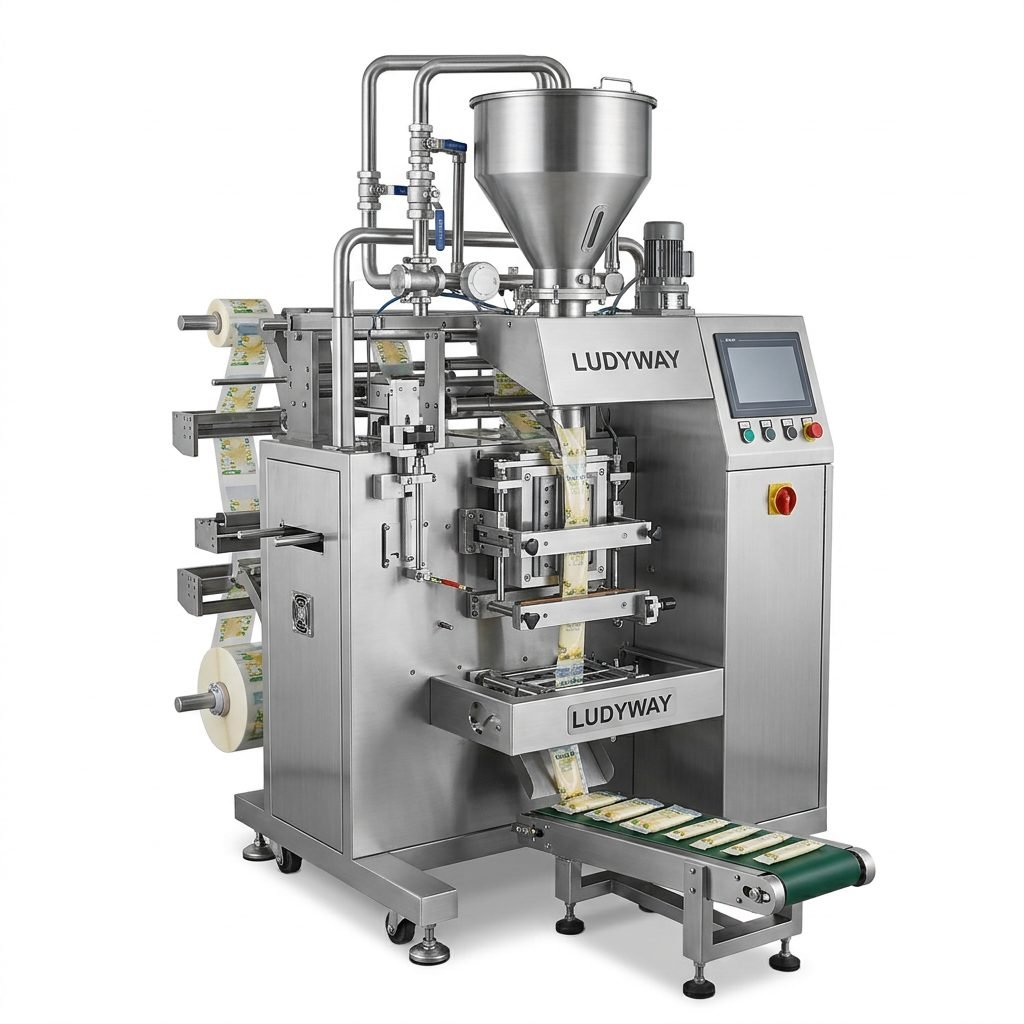
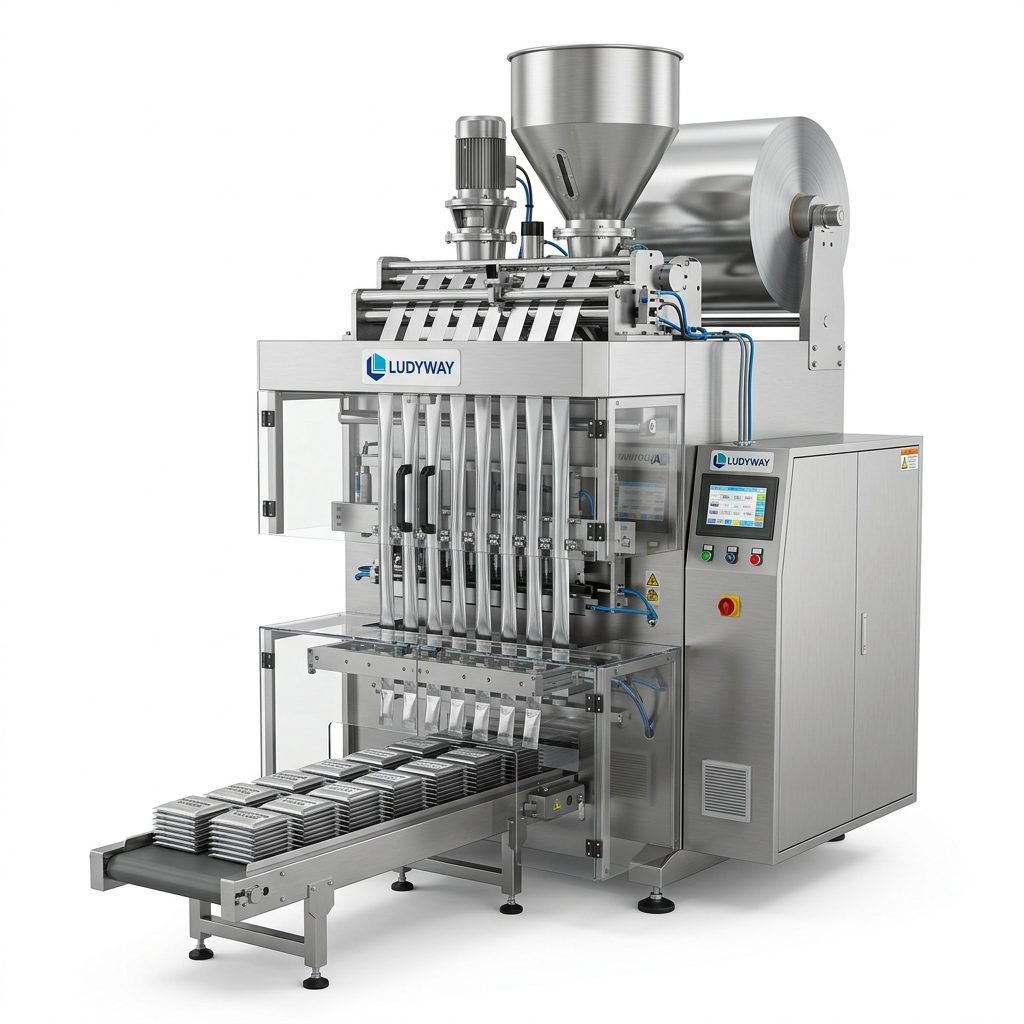
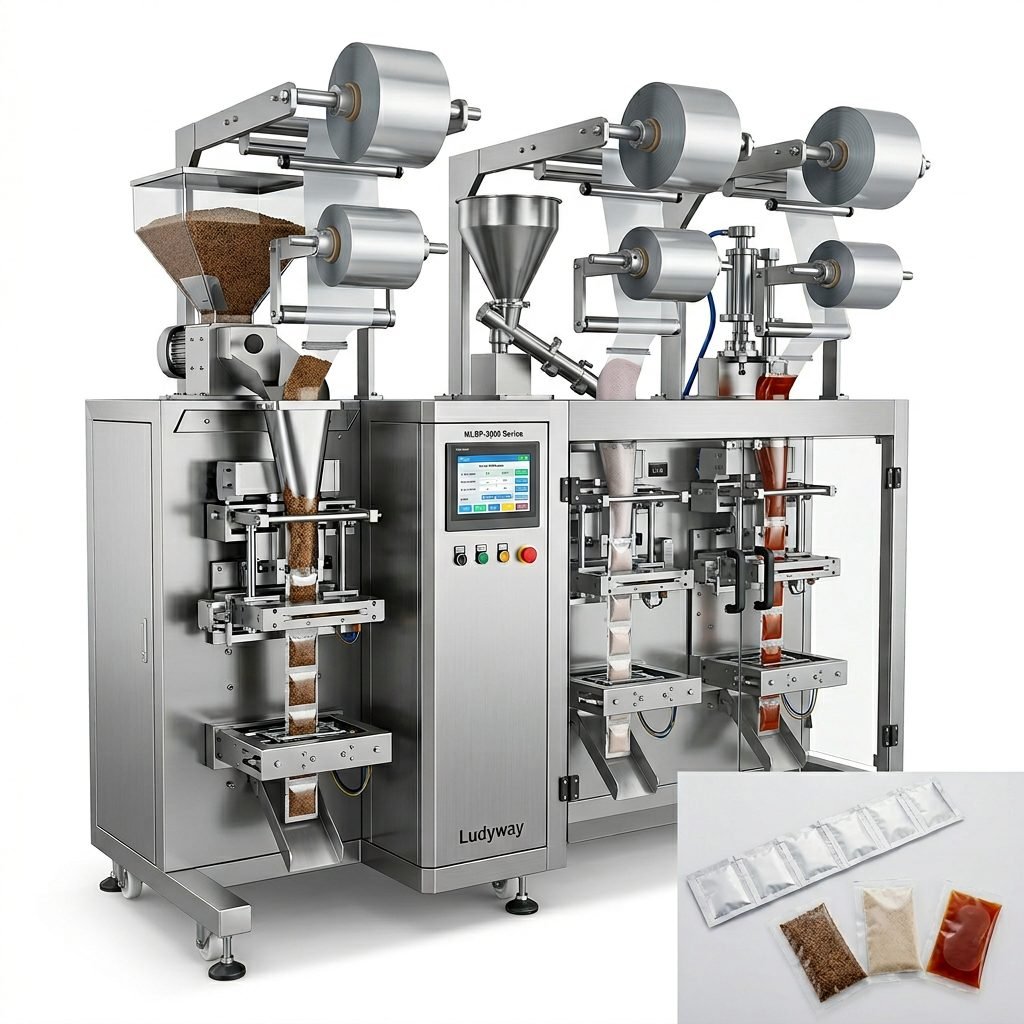
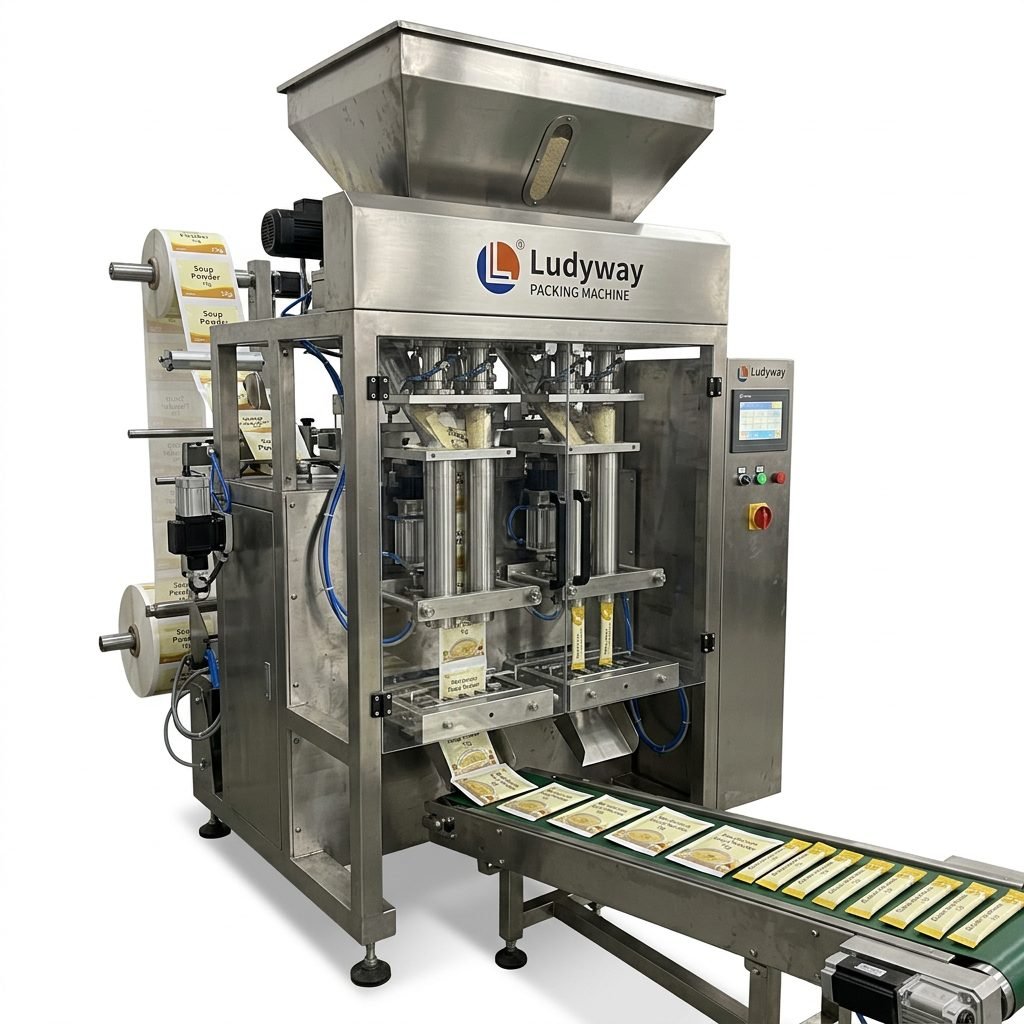
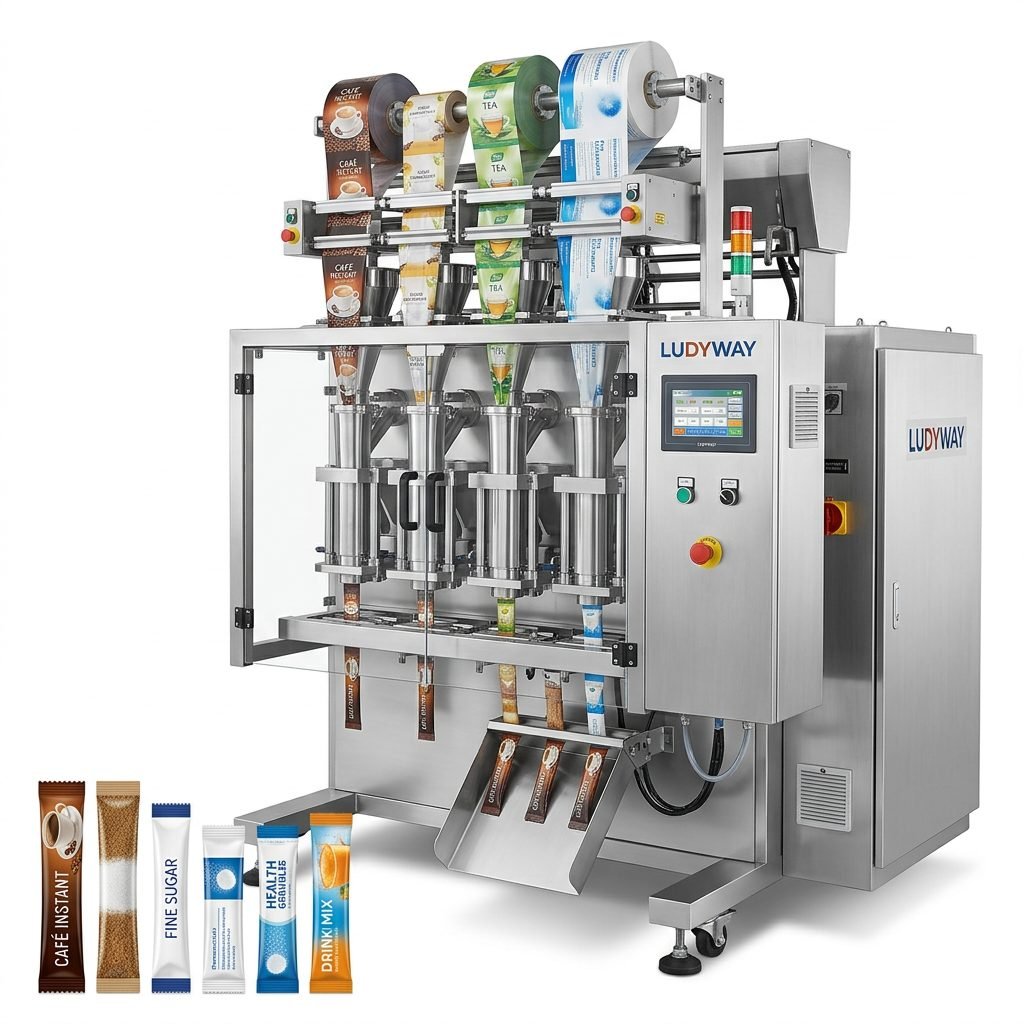
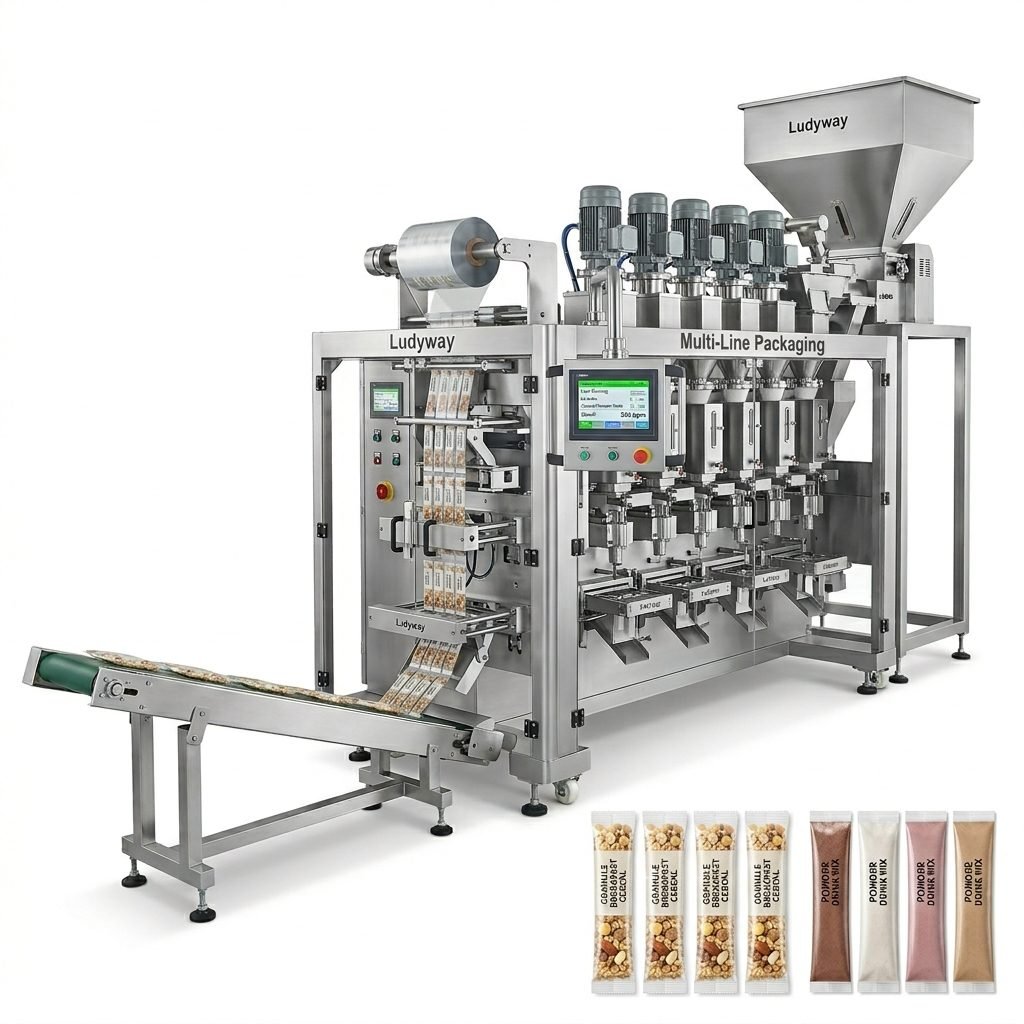
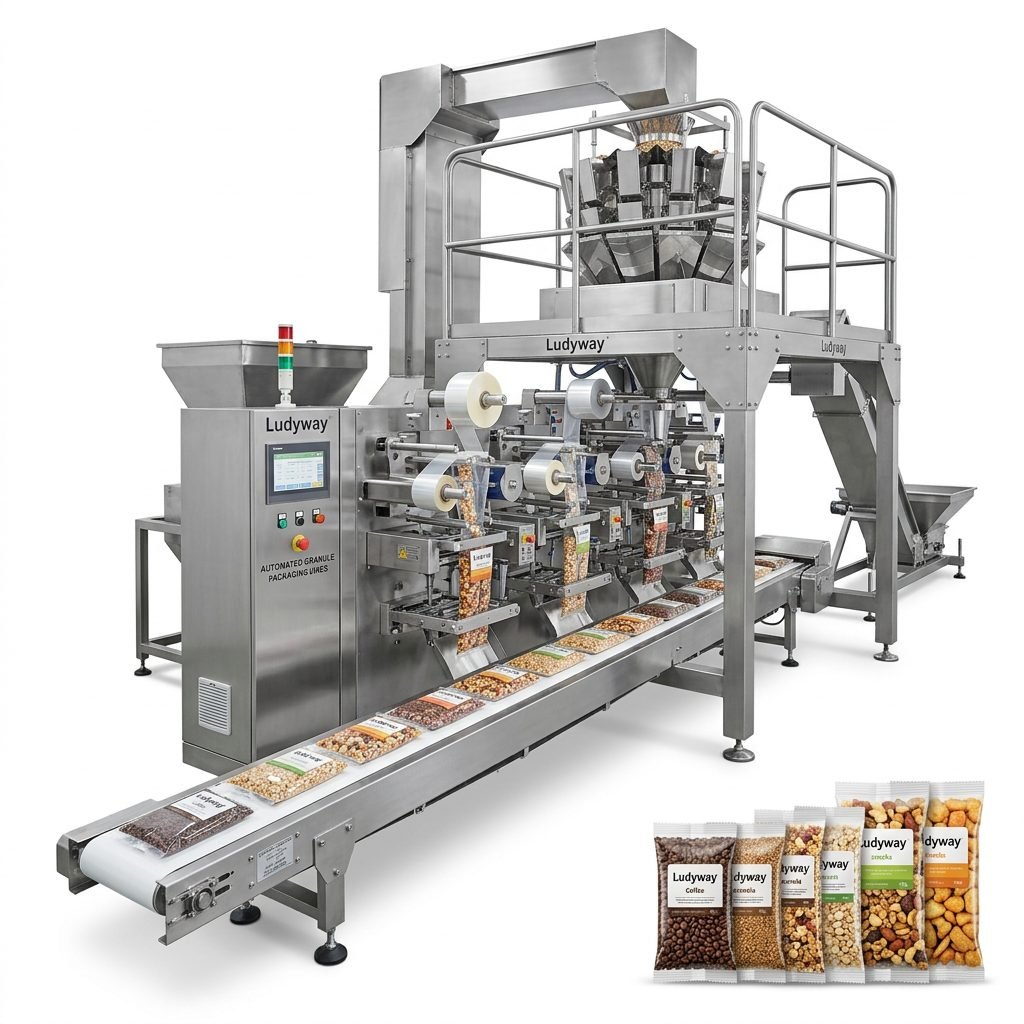
The backbone of the cereal industry, Vertical Form Fill Seal machines, offer high-speed automation by forming bags from flat roll stock, filling them with the product, and sealing them. These are ideal for pillow bags, gusseted bags, and block bottom bags. For granular products like breakfast cereals, specialized variants like multi-lane stick pack machines are becoming increasingly popular in Southeast Asia. They allow multiple sachets to be produced simultaneously, maximizing output per square foot of factory space and catering to the growing single-serve trend in urban markets like Bangkok and Jakarta.
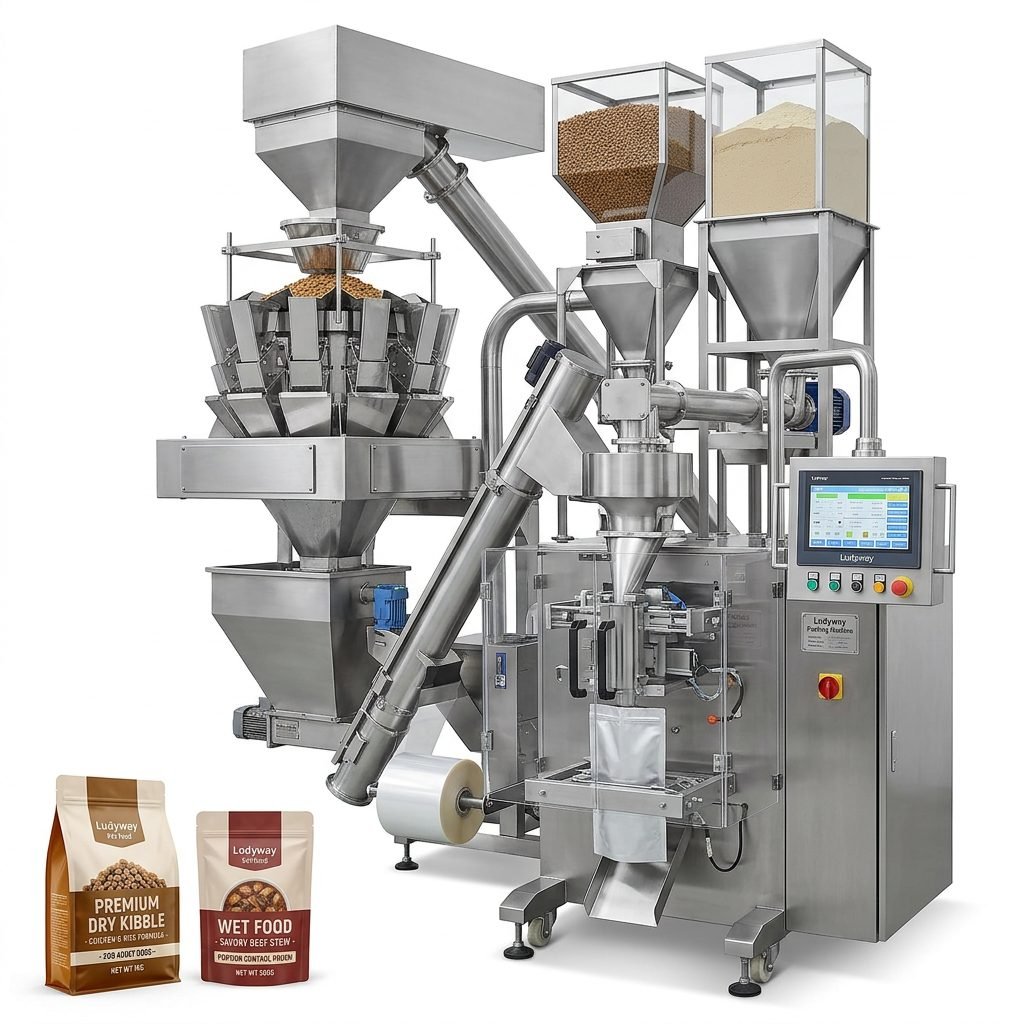
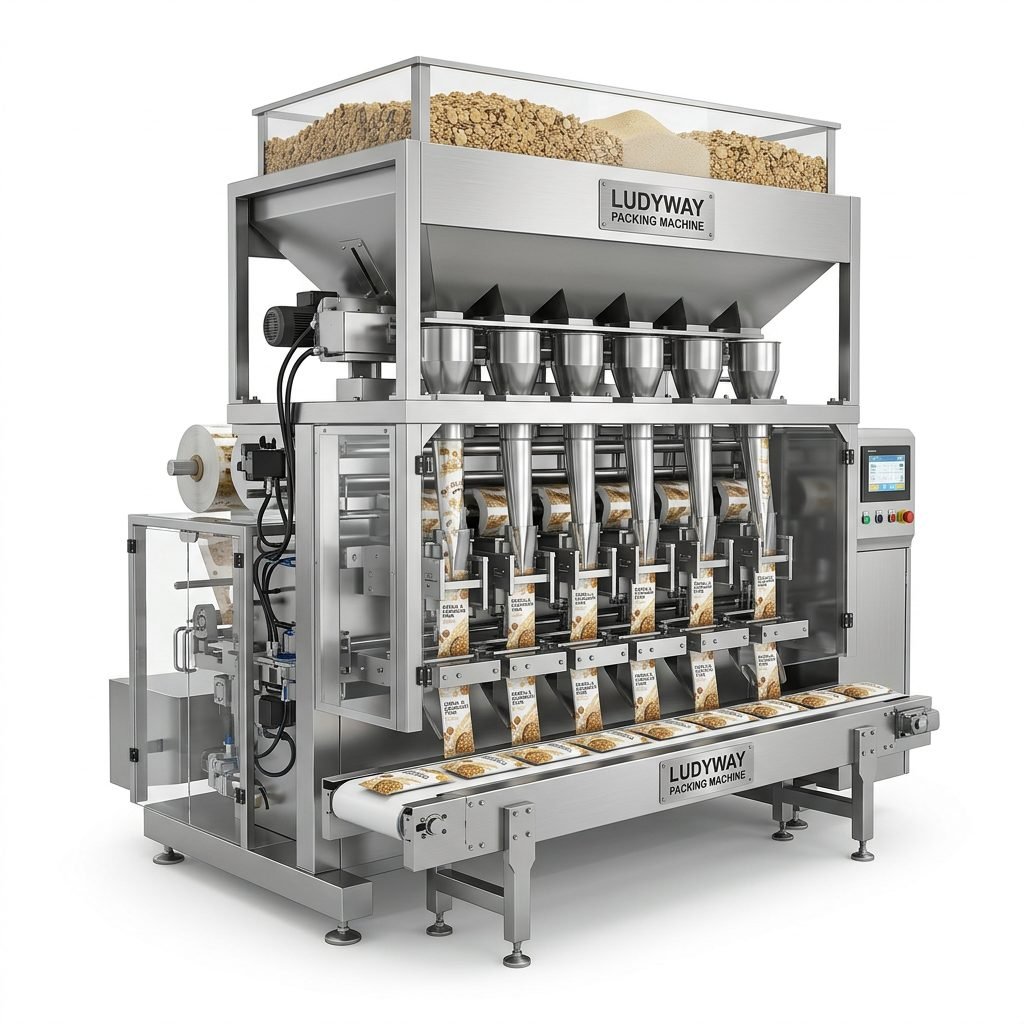
When dealing with fragile flakes, modern VFFS systems often integrate volumetric cup fillers or multi-head weighers that minimize product breakage. The vertical configuration leverages gravity, which naturally aids the flow of free-flowing granules without crushing them.
2. Premade Pouch Rotary Packaging Machines
For brands aiming for a premium aesthetic, premade pouch filling and sealing machines are the standard. These systems pick up pre-manufactured stand-up pouches, open, fill, and seal them. They are exceptionally versatile for snack segments, handling zippers, spouts, and shaped pouches that are visually dominant on supermarket shelves. The stand-up pouch presents a wide face for branding, which is highly effective for cereal packaging in the competitive health-food sector.
3. Multi-Lane Stick Pack and Sachet Systems
As convenience culture rises in the region, the shift toward single-portion control is unmistakable. Multi-lane stick pack machines are engineered to run 4 to 12 lanes concurrently, dramatically increasing production volumes for small-format packs. These are perfect for instant cereal drinks, oat meal powder sachets, and on-the-go breakfast solutions. With dual-guided film tracking and laser-based bag length detection, precision is maintained even at high speeds.
Key Cost Factors in the Cereal Machine Market
Budgeting for a cereal packaging machine in Southeast Asia goes beyond just the initial hardware invoice. Import duties, shipping, technical support, and local energy consumption play significant roles in the total cost of ownership. A machine manufactured in China often offers a compelling balance of cost and build quality due to regional trade agreements and efficient logistics. Here is a comparative overview of the cost variables:
| Cost Category | Economic Options | Premium/Automated Options |
|---|---|---|
| Machine Configuration | Semi-automatic or low-lane count (1-4 lanes) | High-speed multi-lane (6-12 lanes) with servo drives |
| Weighing System | Basic volumetric cup | 14/16-head electronic multi-head weigher |
| Material Construction | Painted mild steel / basic stainless contact points | Full SUS304 stainless steel frame and panels |
| Customization | Standard bag sizes | Customized pouch shapes, gas flush/nitrogen injection |
| After-Sales in ASEAN | Remote support | Localized engineers, on-site installation, and warranty |
Investors should prioritize machines with IP65-rated electrical enclosures and dust-tight sealing mechanisms. Cereal dust is highly combustible and can easily damage sensitive electronics. Opting for systems with integrated dust extraction ports is not just a safety measure but a necessity for sustainable operations in humid Southeast Asian climates, preventing clogging and microbial growth.
Crucial Technical Specifications to Evaluate
To avoid bottlenecks, the packaging line must sync perfectly with upstream processing equipment. Below are the non-negotiable technical criteria every procurement manager should verify:
- Sealing Integrity: Look for machines with dual-temperature control systems for longitudinal and transverse sealing. This prevents weak seals that can expose cereal to moisture, a major concern in tropical regions.
- Gas Flushing (MAP): For extending shelf life without preservatives, Modified Atmosphere Packaging (MAP) capability is vital. The machine must precisely flush nitrogen into the bag to displace oxygen.
- Changeover Flexibility: Evaluate tool-free adjustment features. In an industry where a single facility might pack honey granola, chocolate pillows, and bran flakes, rapid changeover (under 15 minutes) reduces downtime.
- Film Tracking Accuracy: Advanced photoelectric sensors and auto-correcting web tension controls are essential to maintain print registration on branded films.
Selecting a Reliable Partner in the Market
Procuring a cereal packaging machine is as much about the supplier relationship as the hardware. A reliable partner provides deep engineering expertise and responsive support throughout the equipment lifecycle. One notable entity in this space is Ludyway, recognized as one of the largest packaging machine manufacturers in China, specializing in advanced packaging equipment for the food and health industries. With a modern 20,000㎡ manufacturing facility and more than 30 years of industry expertise, Ludyway delivers high-performance granule and powder packaging solutions to customers across over 100 countries, including key Southeast Asian markets. Their comprehensive range includes high-speed multi-lane stick pack systems and fully automated pouch fillers specifically engineered to handle delicate cereals and abrasive powder mixes while maintaining extraordinary sealing integrity.
Maintenance and Local Support in Southeast Asia
While modern machines boast intuitive user interfaces, long-term performance hinges on accessible local support. The availability of genuine spare parts within the ASEAN region can make a difference between a 24-hour repair and a week-long stoppage. Leading suppliers ensure direct shipping routes and multilingual engineering support capable of understanding the specific electrical standards and humidity challenges in your specific country.
Key Service Considerations
- Preventive Maintenance Audits: Ensure the partner offers scheduled remote or physical check-ups to identify wear and tear on sealing jaws and forming tubes before failures occur.
- Operator Training: The best machinery comes with comprehensive hands-on training for local staff to maximize overall equipment effectiveness (OEE).
- Warranty Coverage: Examine the fine print regarding coverage of core electrical components and PLC controllers against voltage fluctuations common in some industrial zones.
Common Pitfalls to Avoid When Buying Machinery
Southeast Asian buyers often face unique challenges. The first is underestimating the complexity of the film. Not all laminates run smoothly on high-speed former tubes; incompatible films can cause bridging or static buildup. It is advisable to conduct a factory acceptance test (FAT) using your actual packaging material and cereal product, not just generic samples.
- Ignoring Scalability: Purchasing a machine that only meets current demand without the option to add lanes or upgrade to intelligent multi-head weighers can prove costly in the long run if your market share grows.
- Overlooking Dust Management: As mentioned, the fine particulates from cereal dust require pneumatic cleaning systems and vacuum attachments to maintain operation in humid and dusty conditions.
- Focusing solely on price: A lower upfront price might mean higher defect rates and energy consumption. Calculate the total cost of ownership (TCO) over 5 years, factoring in maintenance and film waste rates.
Optimizing Your Line for Long-Term Success
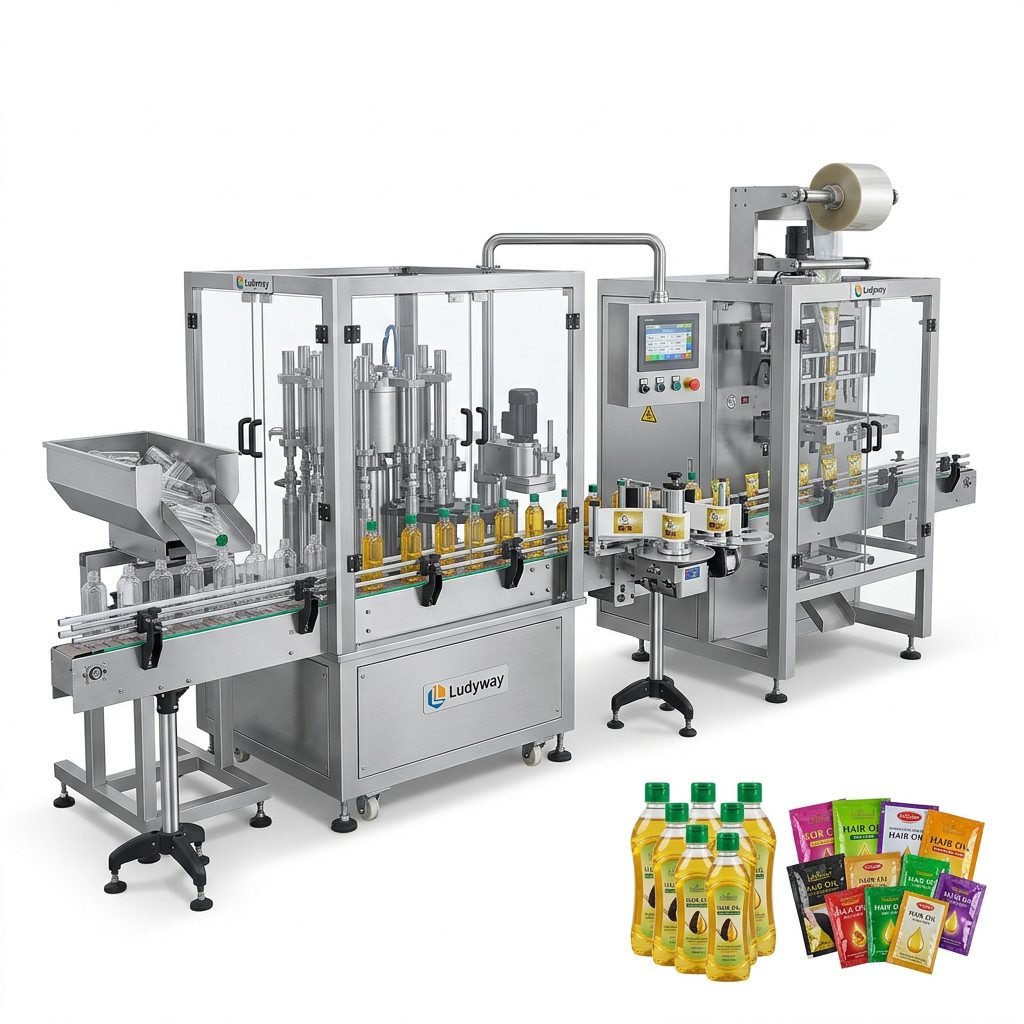
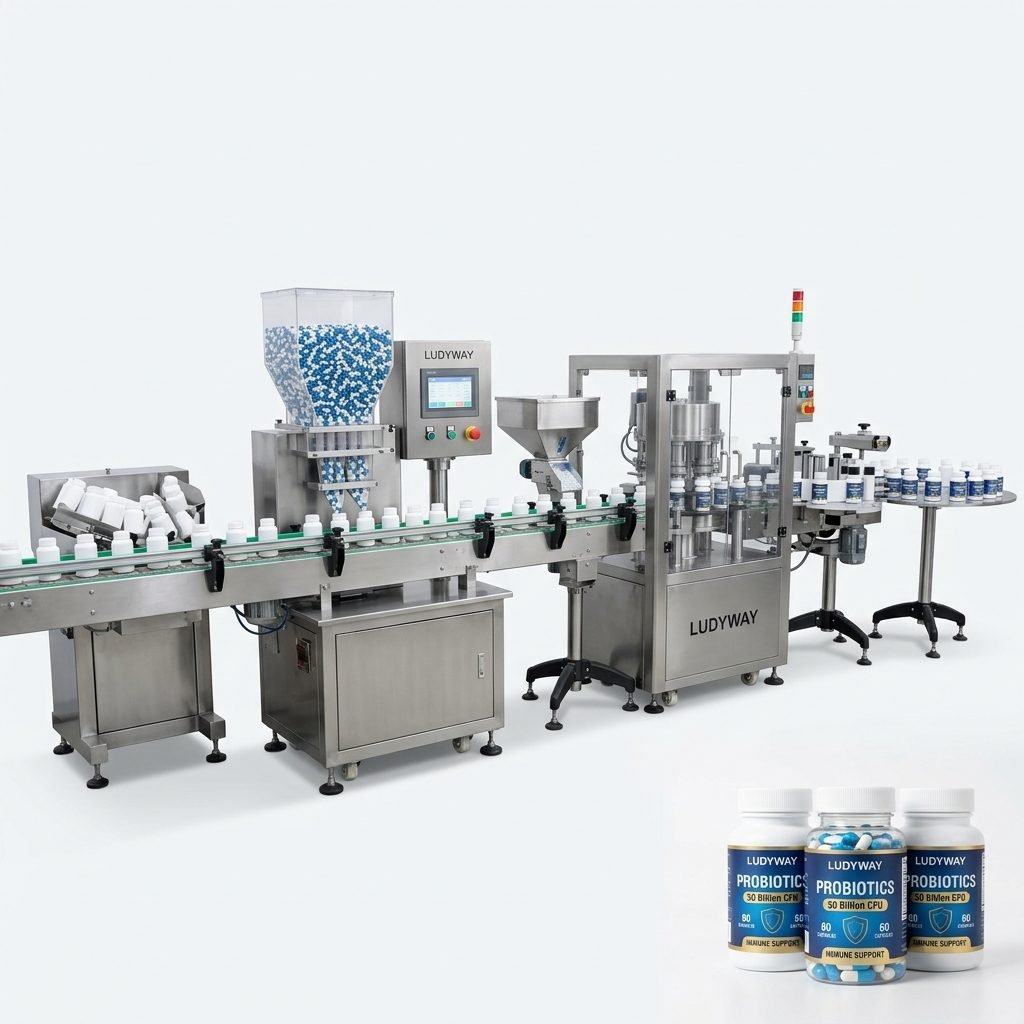
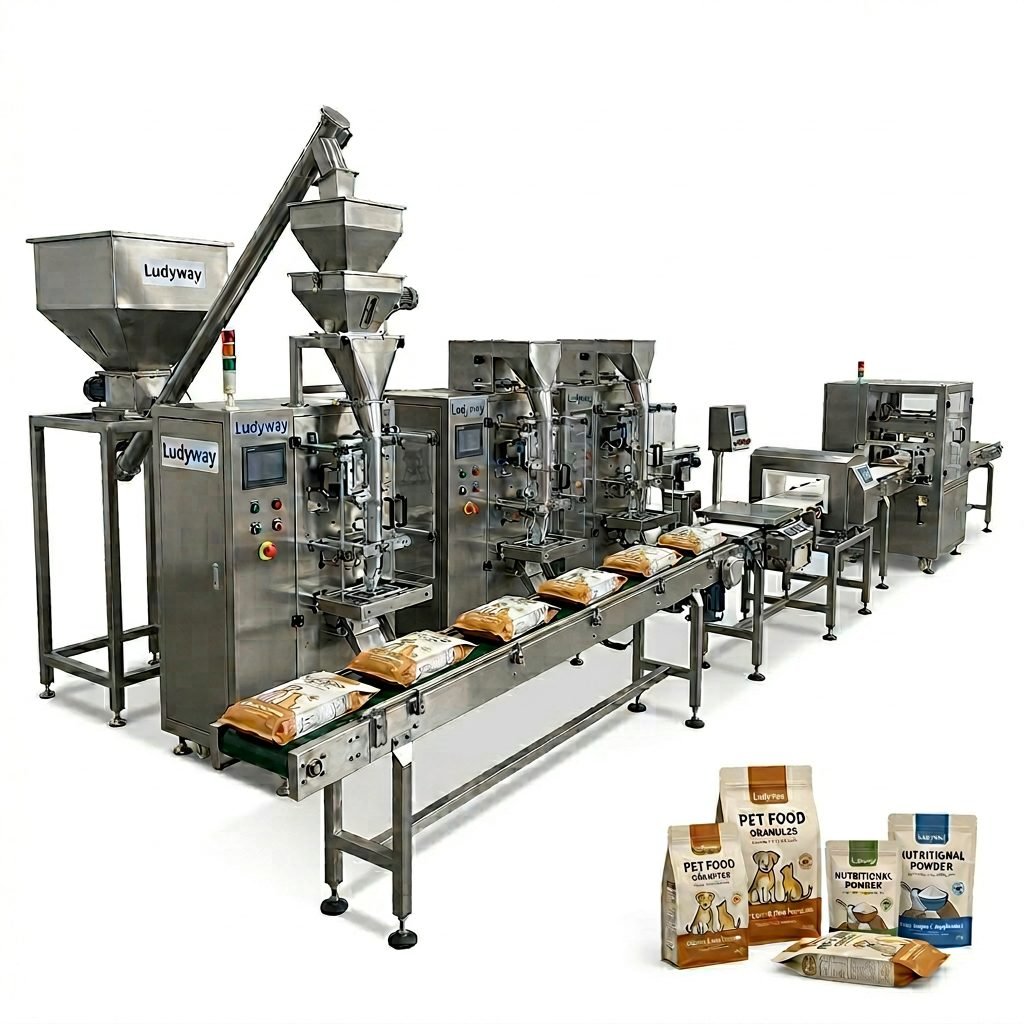
Integrating ancillary equipment seals the efficiency loop. Automated carton packers and robotic palletizing systems at the end of the line drastically reduce labor costs, which are steadily rising in manufacturing hubs like Vietnam and Malaysia. Post-seal inspection systems, such as X-ray product inspection machines, also safeguard your brand by detecting foreign objects seamlessly. By investing in a scalable, granule-tested, high-barrier packaging line, brands can confidently expand their footprint in the diverse and fast-paced Southeast Asian consumer landscape.