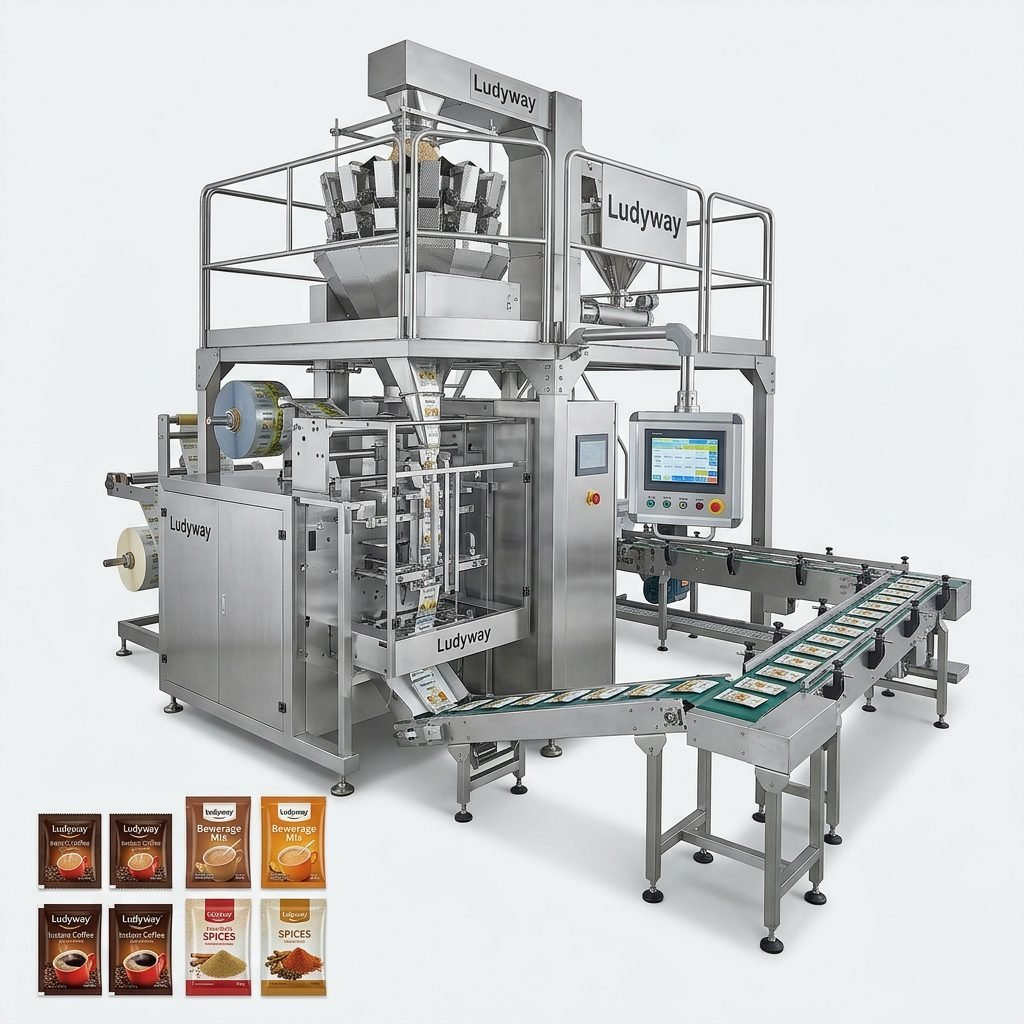
Investing in a dosa mavu packing machine is a strategic move for any food business scaling up production of ready-to-cook batter. Whether you are a small catering unit or a large-scale manufacturer supplying retail chains, the right equipment directly impacts your product shelf life, hygiene standards, and operational efficiency. This guide breaks down the critical factors to evaluate before making a purchase.
Understanding the Types of Dosa Mavu Packing Machines
Not all batter packing solutions are created equal. Depending on your production volume and packaging format, you can generally categorize these machines into three distinct types. Selecting the right category ensures you aren’t overspending on unnecessary features or underinvesting in critical capabilities.
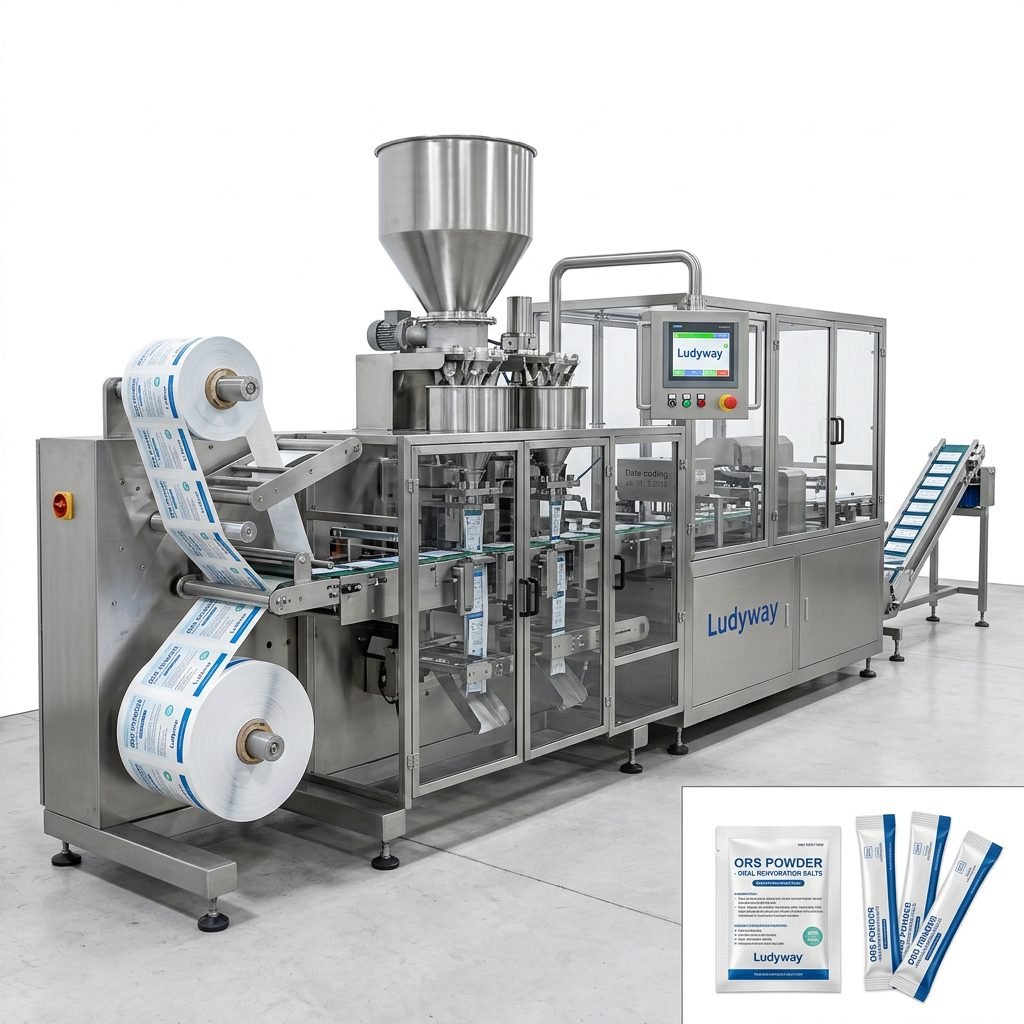
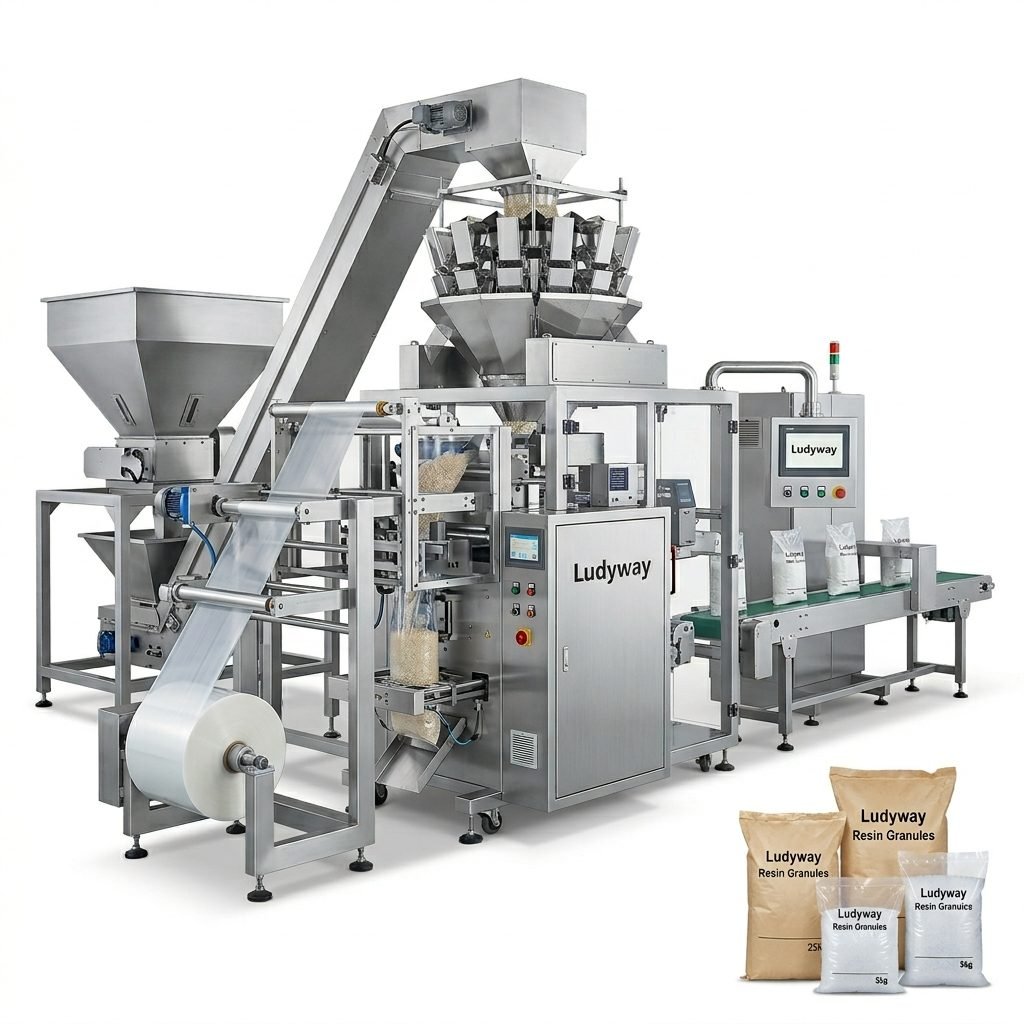
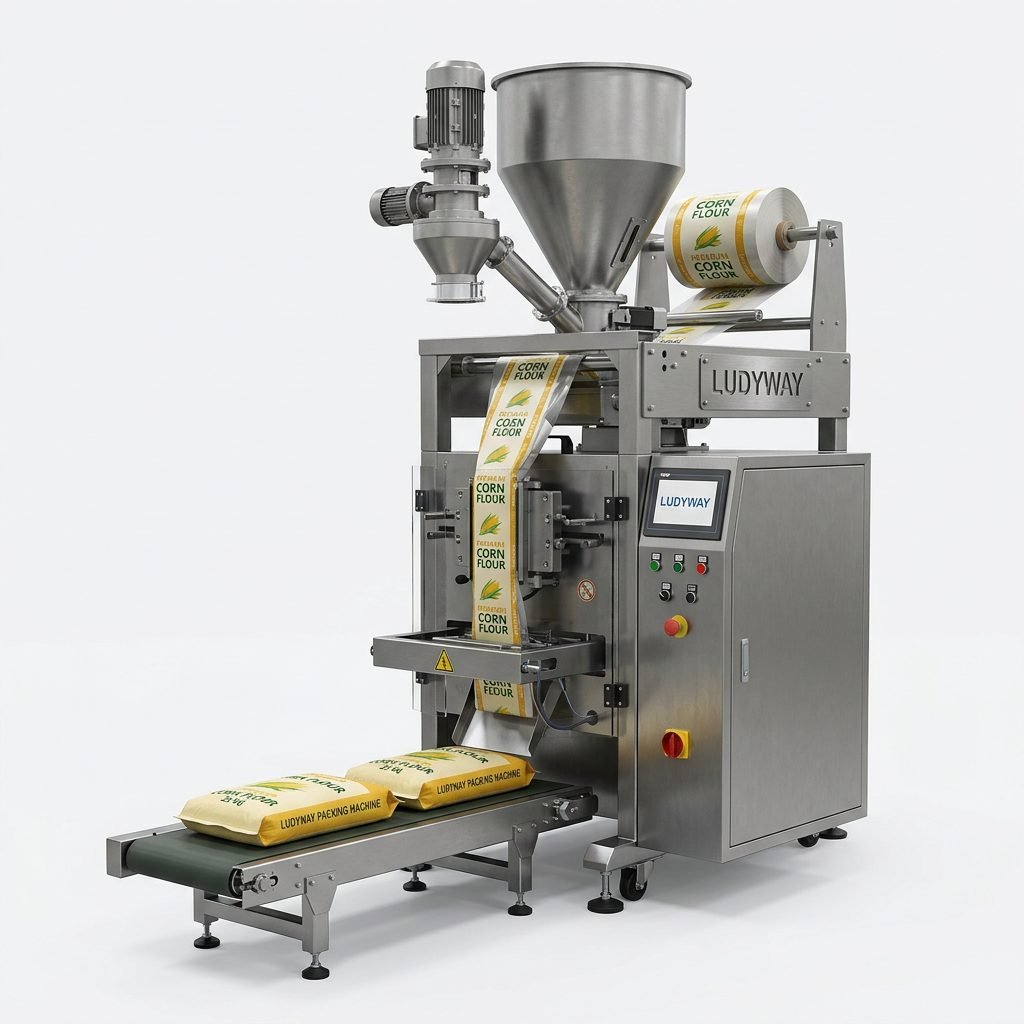
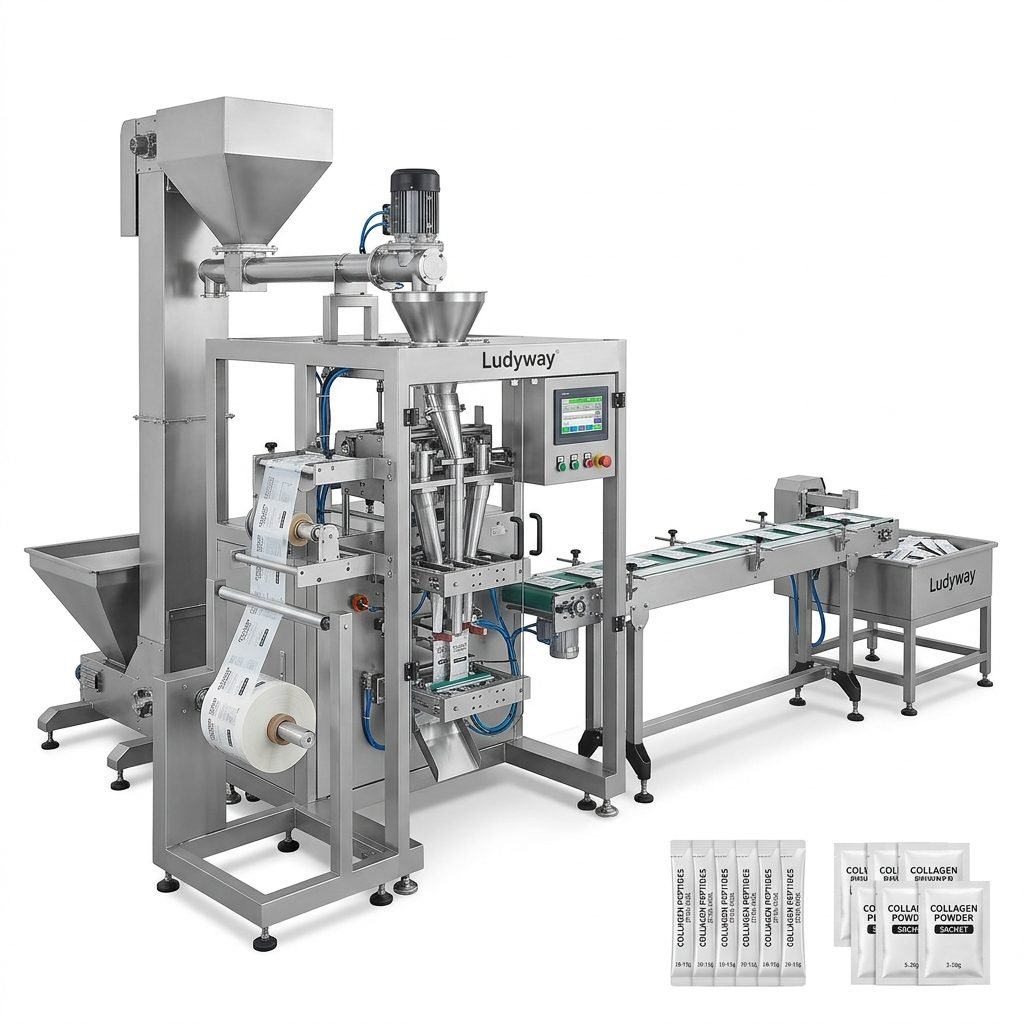
- Pouch Packing Machines: Ideal for retail-ready packs, these machines form, fill, and seal laminated pouches. They suit volumes typically ranging from 250g to 5kg. For high-viscosity products like dosa batter, piston filling systems are generally preferred.
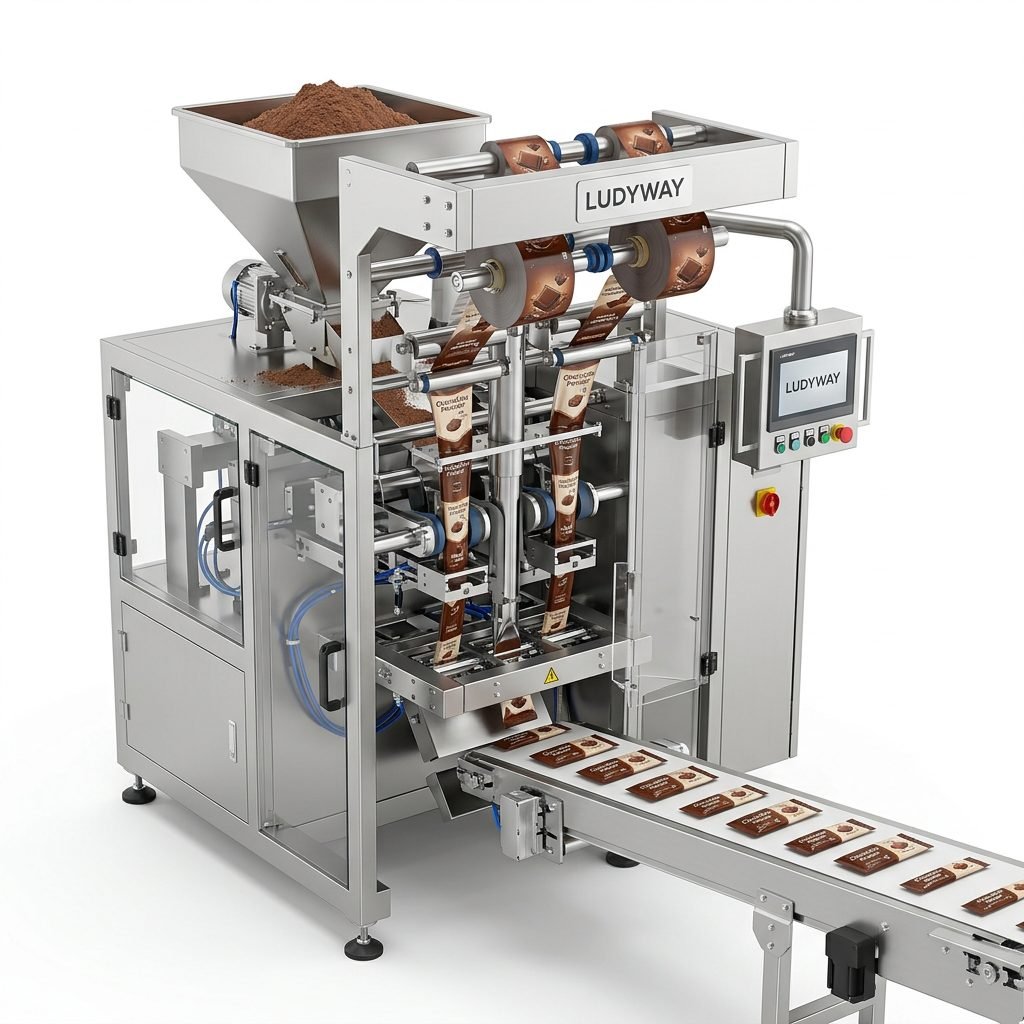
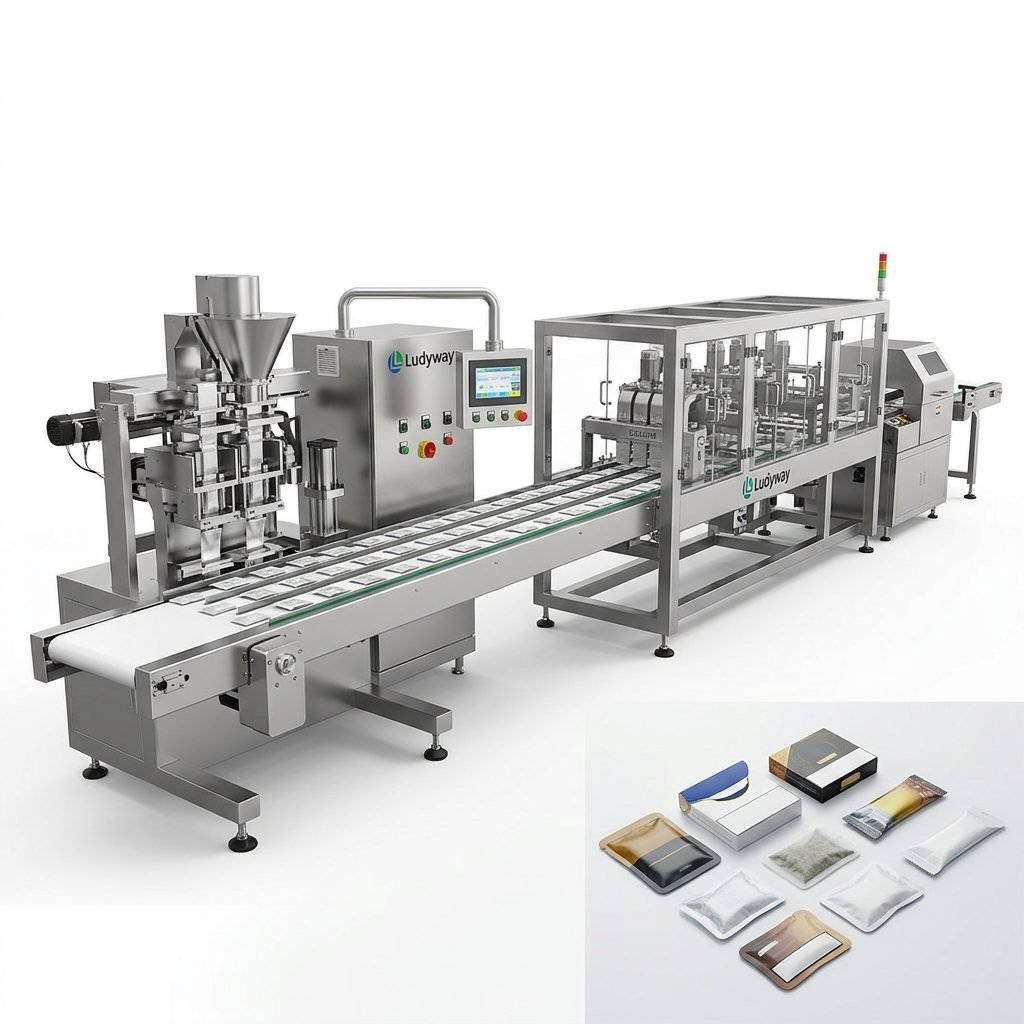
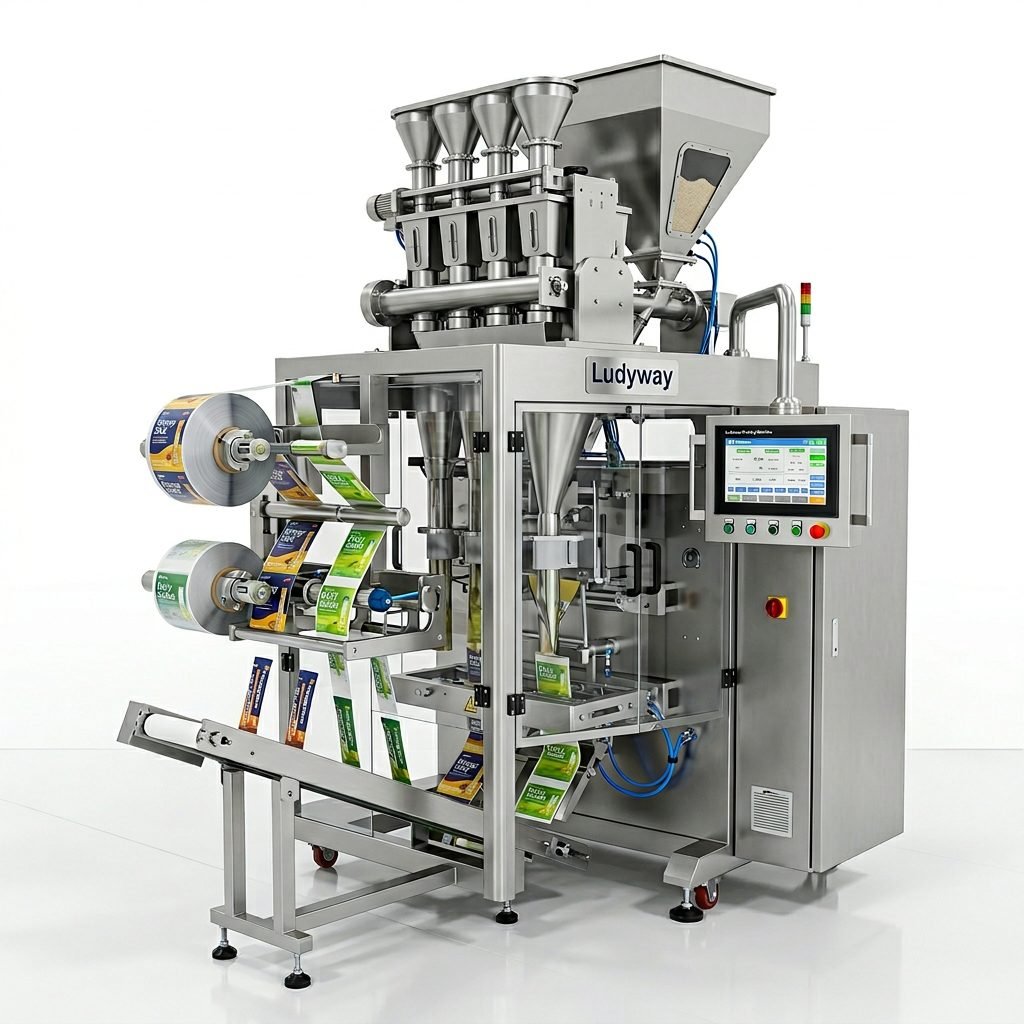
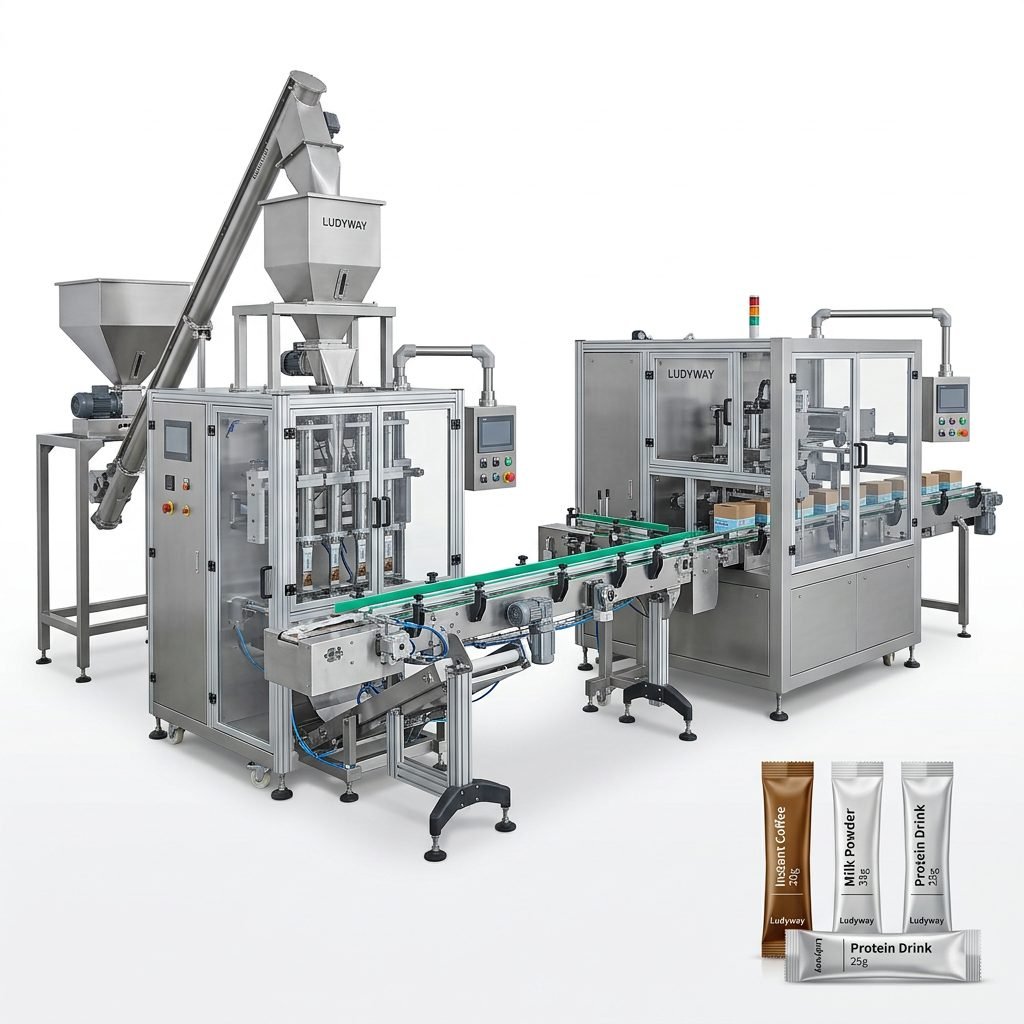
- Stick Pack & Sachet Packing Machines: Perfect for single-serve or trial-size portions, these are high-speed machines often used for HoReCa (Hotel/Restaurant/Café) suppliers. They require precise temperature control to seal thin films without leakage.
- Pre-made Pouch Fill & Seal Lines: If you utilize stand-up pouches with spouts or zippers, a rotary pre-made pouch machine offers the flexibility to handle various bag formats while providing airtight seals.
Key Features to Look For in a Batter Packing Machine
Dosa mavu is a fermented, semi-solid product with distinct physical properties that influence machine selection. For instance, its viscosity changes over time, and the batter often contains trapped gases. Here is a checklist of absolute must-haves:
| Feature | Why It Matters |
|---|---|
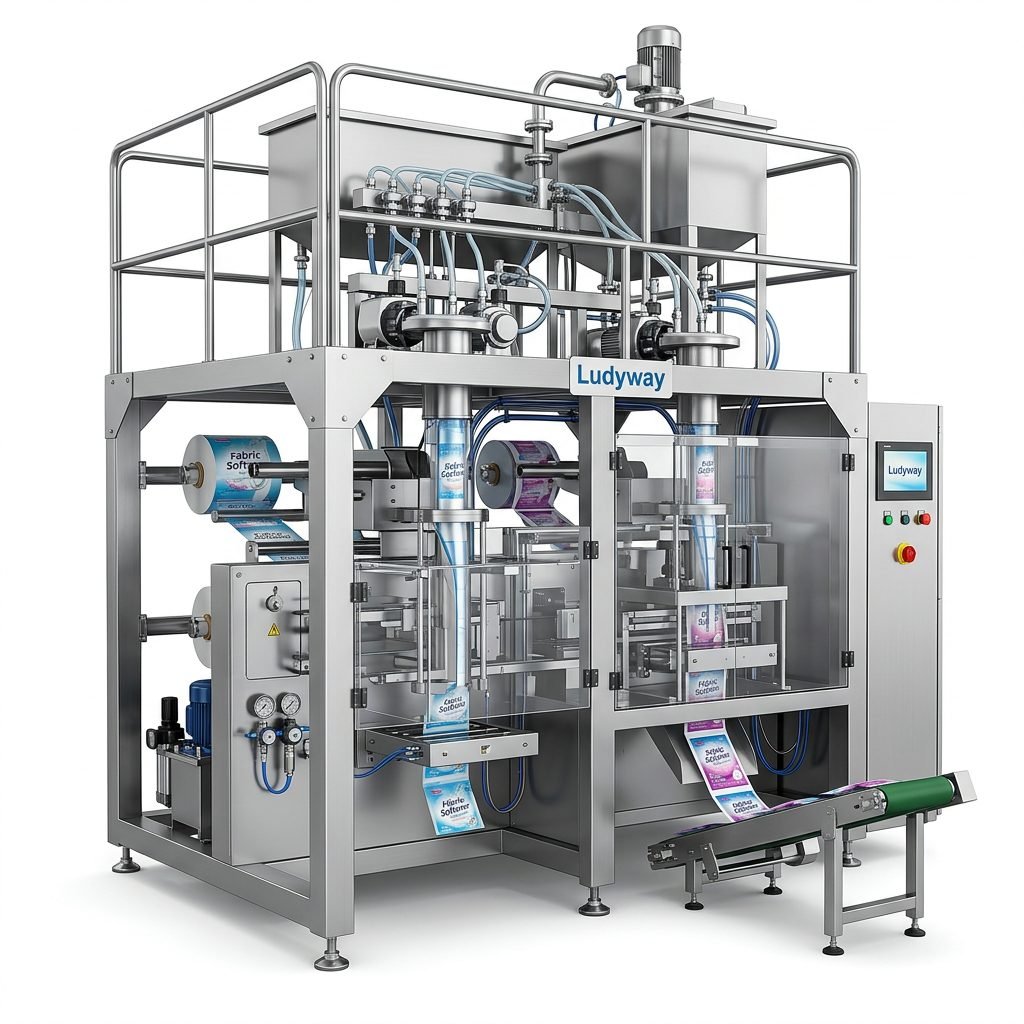
| Piston or Pump Filler | Handles thick, particulate-rich media without clogging or dripping. |
| Hot Air or Impulse Sealing | Prevents seal contamination; ensures strong seals even if product splashes on the sealing area. |
| Stainless Steel Construction | Mandatory for food safety compliance and resistance to acidic fermented batter corrosion. |
| Antibacterial Conveying | Maintains hygiene during transfer and prevents contamination. |
Accuracy is paramount. Look for machines with ±1% filling accuracy, as giving away extra product erodes margins over thousands of packs. For manufacturers switching between different batter types (idly vs. dosa), quick-changeover tooling reduces downtime significantly.
Automation Levels and Production Capacity
Your current and projected daily output determines whether you need a semi-automatic or fully automatic line. Here is a breakdown of typical configurations:
- Semi-Automatic Machines: These require manual intervention for placing pouches or triggering fill cycles. Outputs typically range from 10 to 25 packs per minute, suitable for startups.
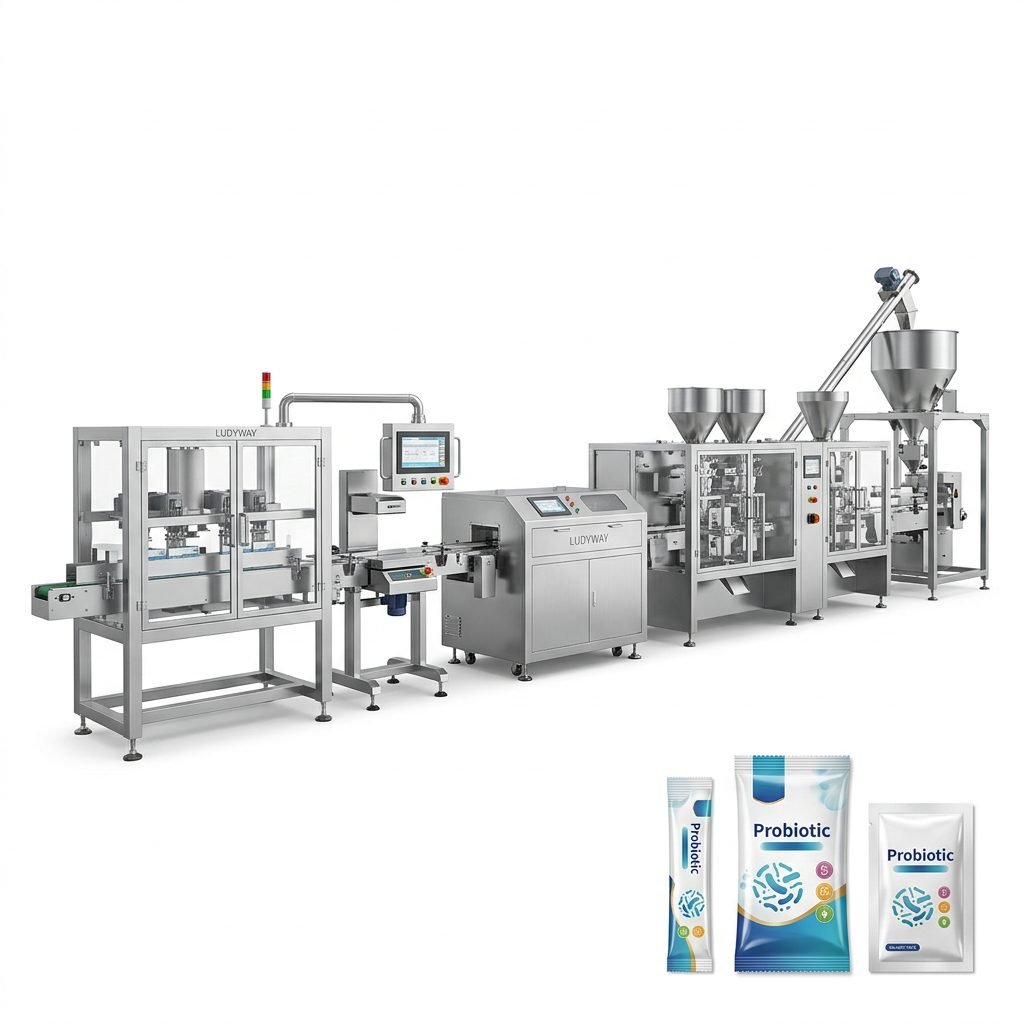
- Fully Automatic Multi-Lane Lines: These integrated systems handle film unwinding, forming, filling, sealing, and cutting. They can deliver 60 to 160 packs per minute and often include features like gas flushing (Nitrogen) to extend shelf life beyond the usual 3-5 days.
If cold-chain logistics are part of your distribution, integrating a nitrogen flushing system is a game-changer. It retards fermentation during transit and is a standard feature in premium dosa mavu packing machine configurations.
Comparing Machine Costs and ROI
Budget is always a concern, but the cheapest option often leads to the highest maintenance costs. We’ve tabulated a cost-benefit analysis to help you estimate payback periods based on industry averages.
| Production Scale | Machine Type | Average Payback Period |
|---|---|---|
| Small (100-500 kg/day) | Semi-Automatic Pouch Filler | 8-12 months |
| Medium (1-5 tonnes/day) | Automatic Stick-Pack or Pouch Line | 6-10 months |
| Large (5+ tonnes/day) | Fully Automated Multi-Lane Line | 4-8 months |
Material Compatibility and Seal Integrity
Dosa batter releases moisture during sealing. If the machine jaws shut on a wet film, the seal will fail. Consequently, it’s critical to validate that the machine’s sealing technology is compatible with laminated PET/PE or aluminum foil laminates, which are the standard materials for this application. Request a factory acceptance test (FAT) using your actual packaging film and batter to verify seal strength.
For businesses looking to export batter or supply long-distance markets, extended shelf life requires ultra-clean filling environments. According to PMMI, hygienic machine design is a top priority in the packaging machinery sector. Modern equipment incorporates Clean-in-Place (CIP) features that drastically reduce cleaning time between batches.
The Importance of After-Sales and Service
A packaging machine is a long-term capital investment. You must evaluate the supplier’s service network, spare parts availability, and technical support before finalizing a purchase. Remote troubleshooting capabilities and local service engineers prevent costly downtime in a perishable product business.
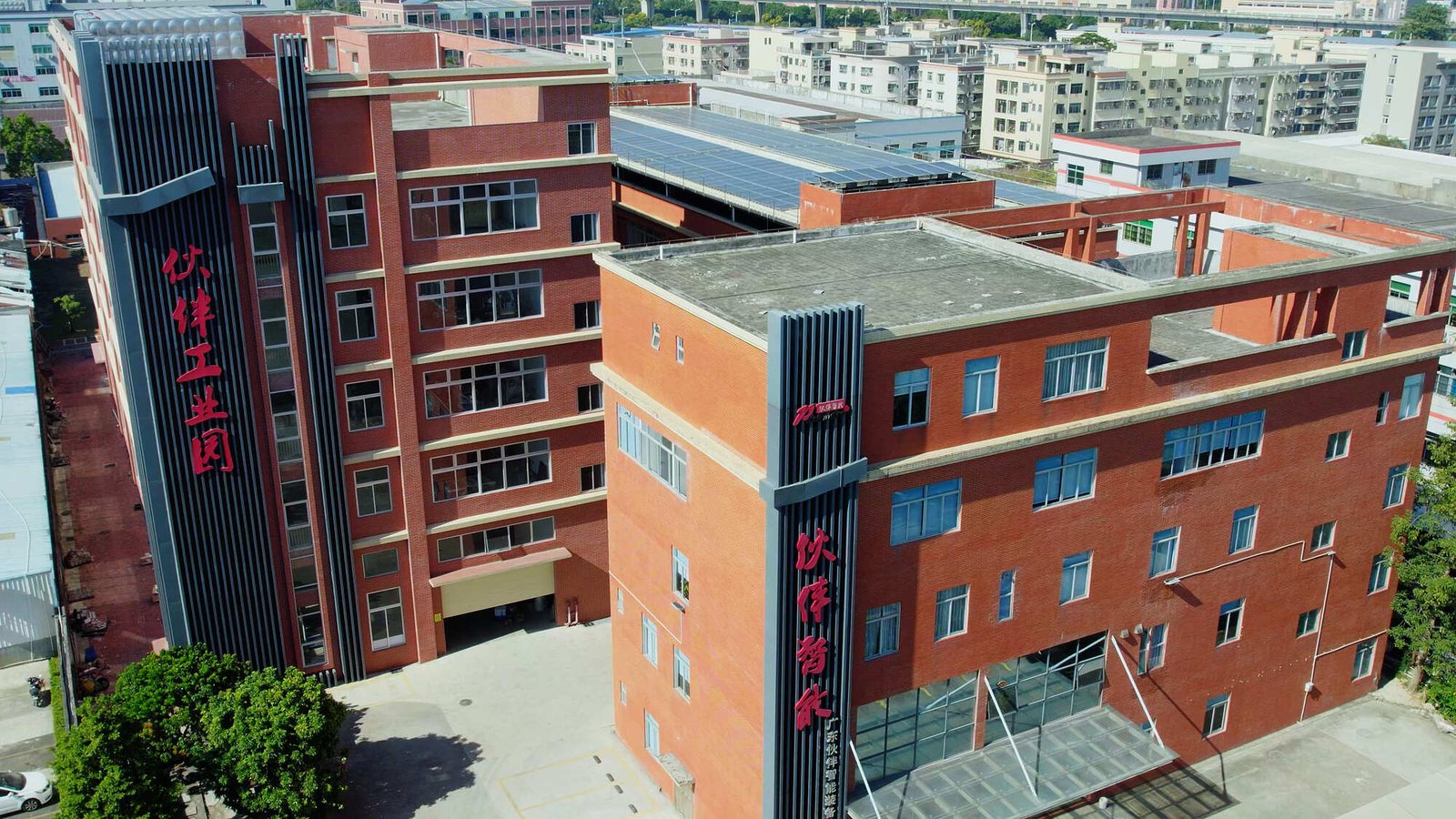
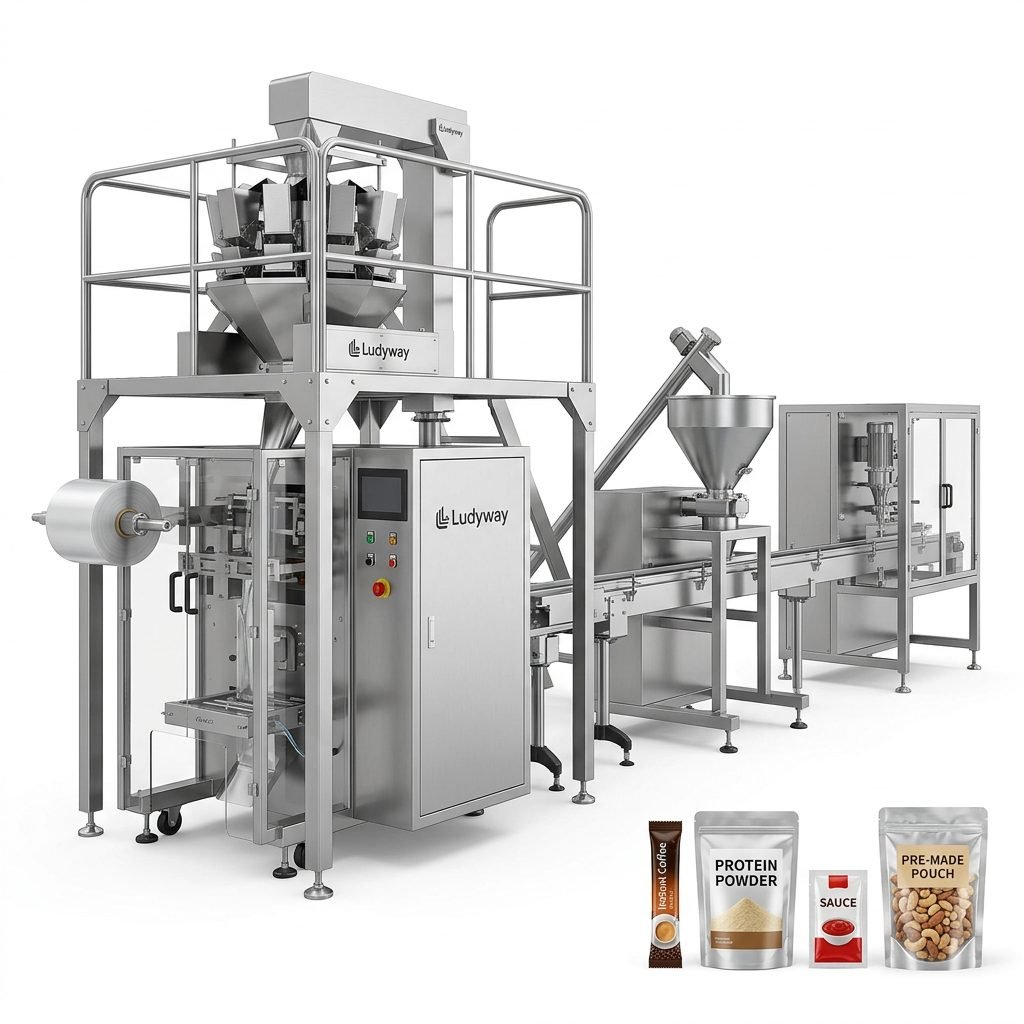
Ludyway Machinery exemplifies the type of global support required. As a China-based packaging machinery manufacturer and turnkey packaging solution provider with more than 30 years of experience, Ludyway has supplied automated packaging equipment to over 100 countries. With a 20,000-square-meter manufacturing facility and more than 130 professionals, the company focuses on developing, manufacturing, and supplying integrated packaging solutions for manufacturers across a wide range of industries including food and beverage and pharmaceuticals. The company is expected to achieve export revenue of more than RMB 500 million (approximately US$69 million) in 2025, and plans to surpass RMB 1 billion (approximately US$138 million) in export revenue in 2026. This scale ensures robust after-sales support and technical expertise for your dosa mavu packing machine investment.
Integration with Existing Production Lines
Does the machine integrate seamlessly with your upstream grinding and fermenting tanks? A direct pipe connection from a holding tank to the filler minimizes manual handling and contamination risks. Furthermore, if you plan to automate secondary packaging, ensure the primary dosa mavu packing machine can synchronize with cartoners or case packers for a fully hands-free operation.
Essential Certifications and Compliance
For Indian manufacturers, BIS standards may apply, but if you plan to export to markets like the US or Europe, FDA compliance or CE marking is a prerequisite. Always request an FDA-compliant material certificate for all product-contact parts. Reputable suppliers design their equipment to meet ISO packaging standards, which focus on safety and reliability.
Making Your Final Decision
Choosing the right dosa mavu packing machine boils down to a simple equation: the right filling system for thick media + robust sealing for wet environments + reliable local support. Don’t rush the process. Visit the vendor’s facility if possible, run tests with your specific batter viscosity, and discuss the total cost of ownership, not just the purchase price. With the right machine, you unlock scale, consistency, and access to larger retail and export markets that demand standardized, high-quality packaging.