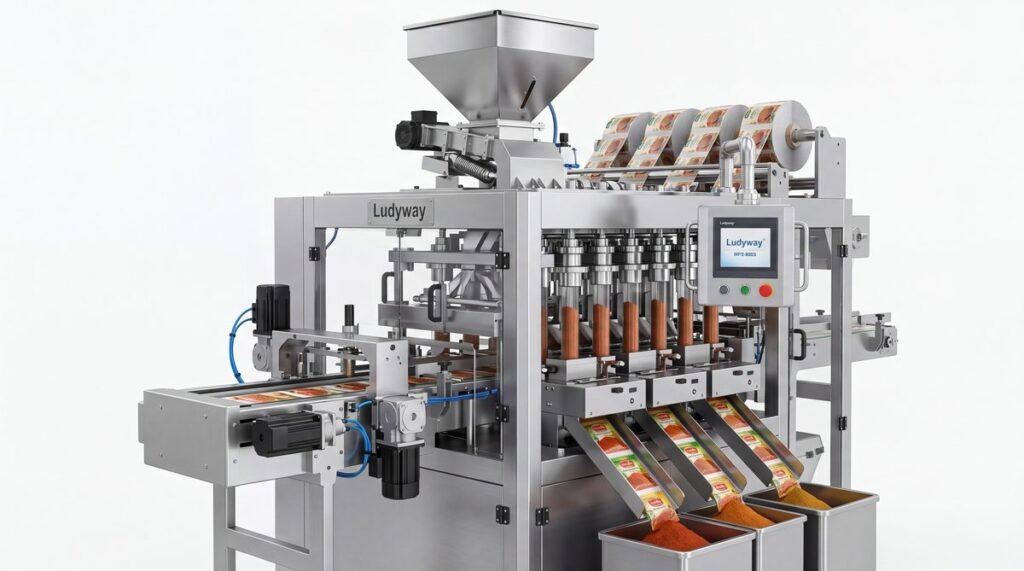
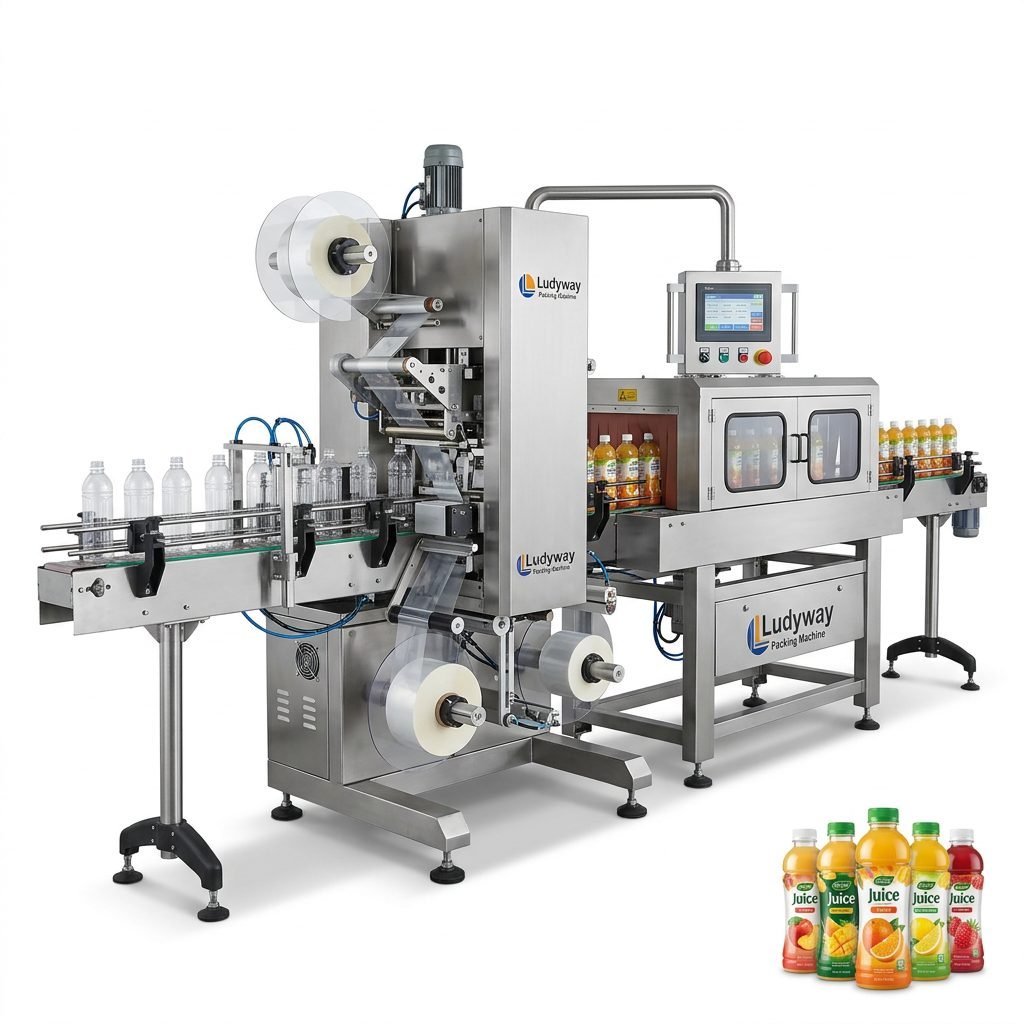
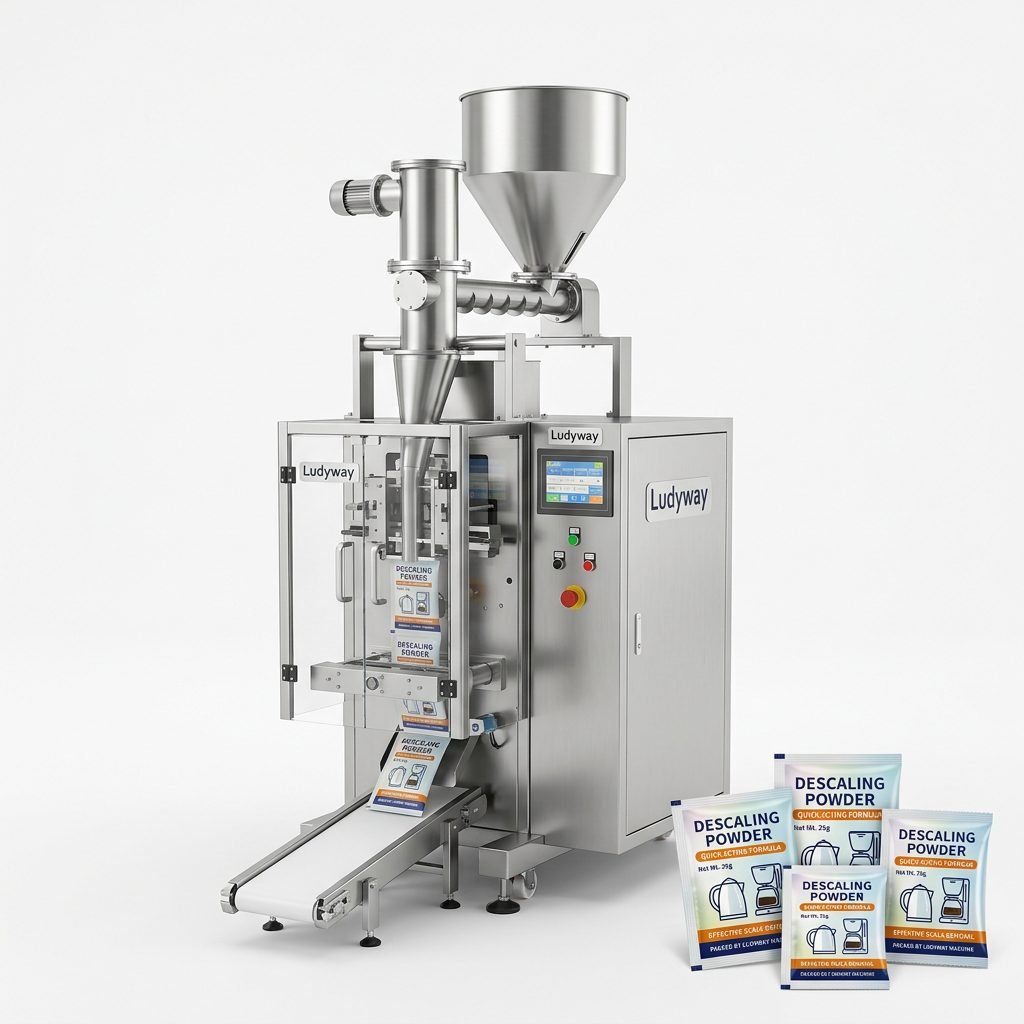
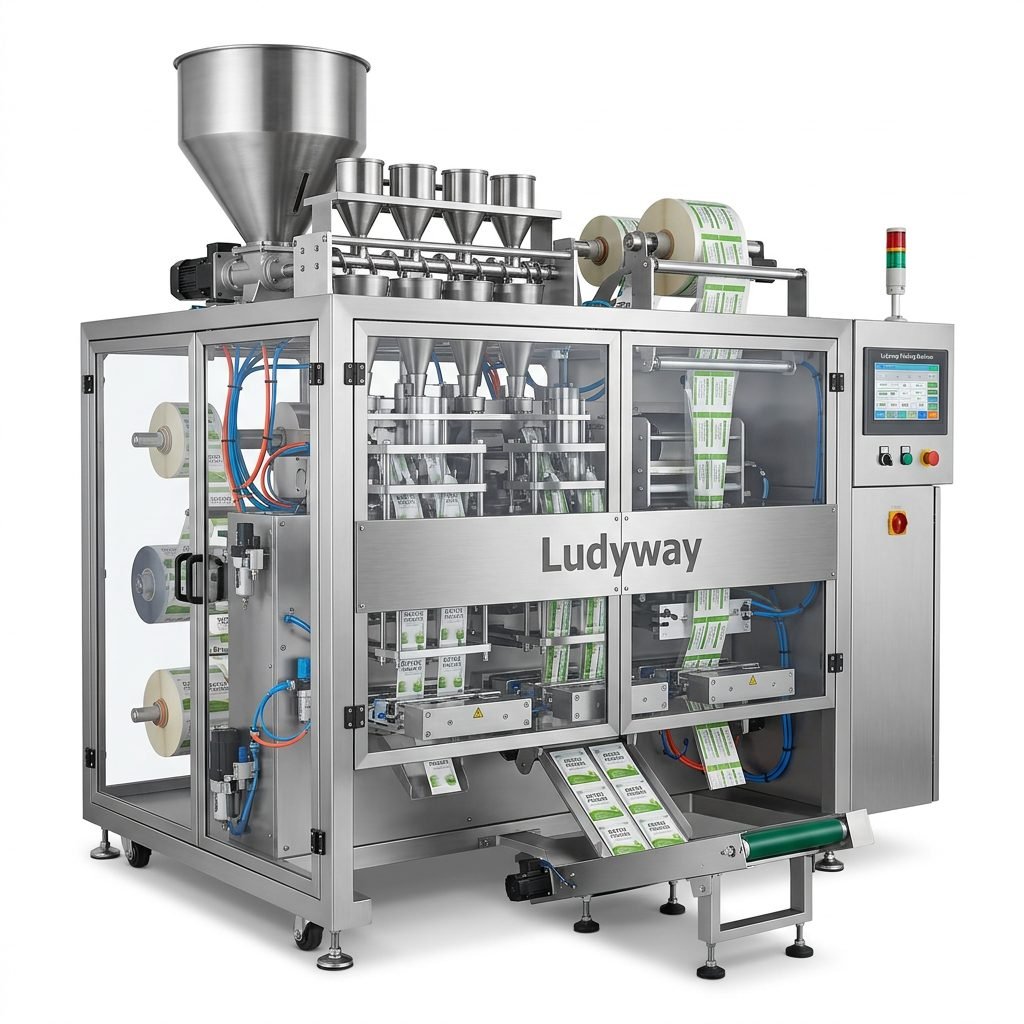
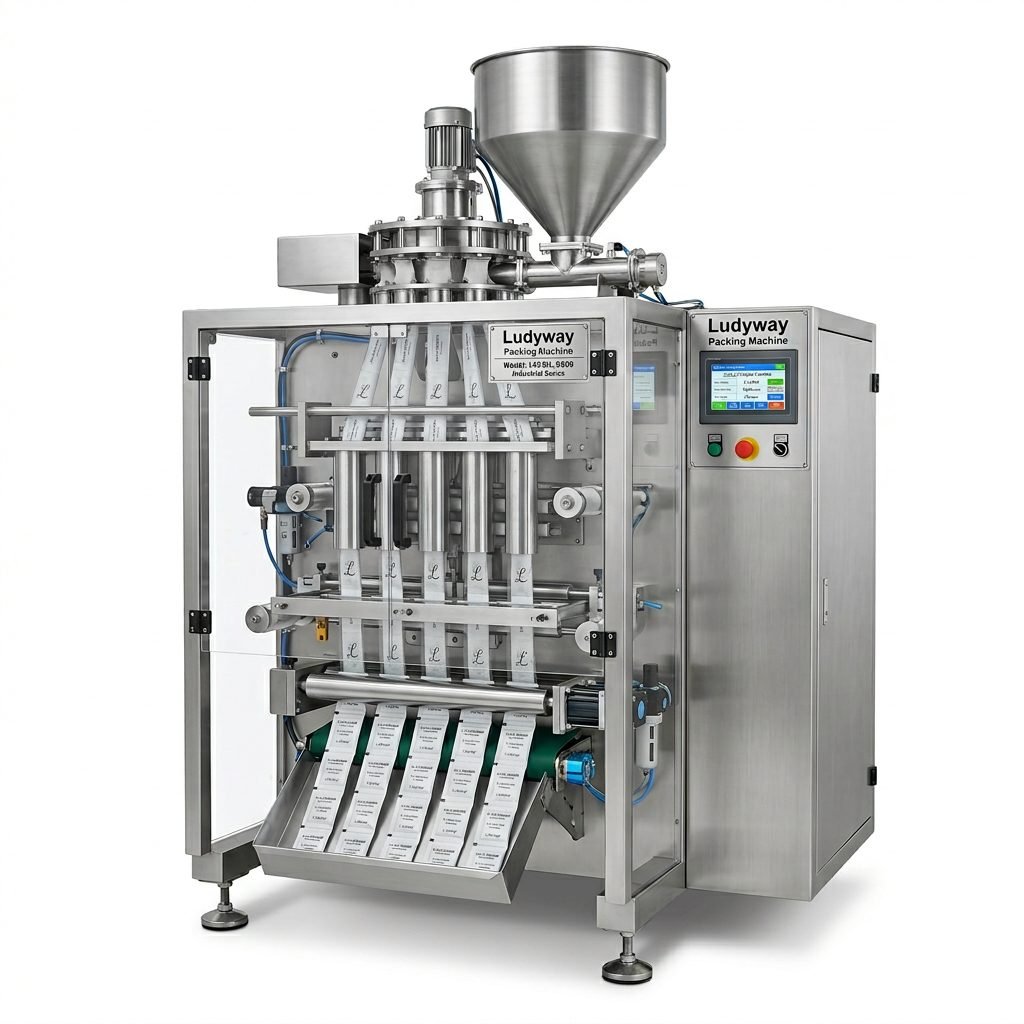
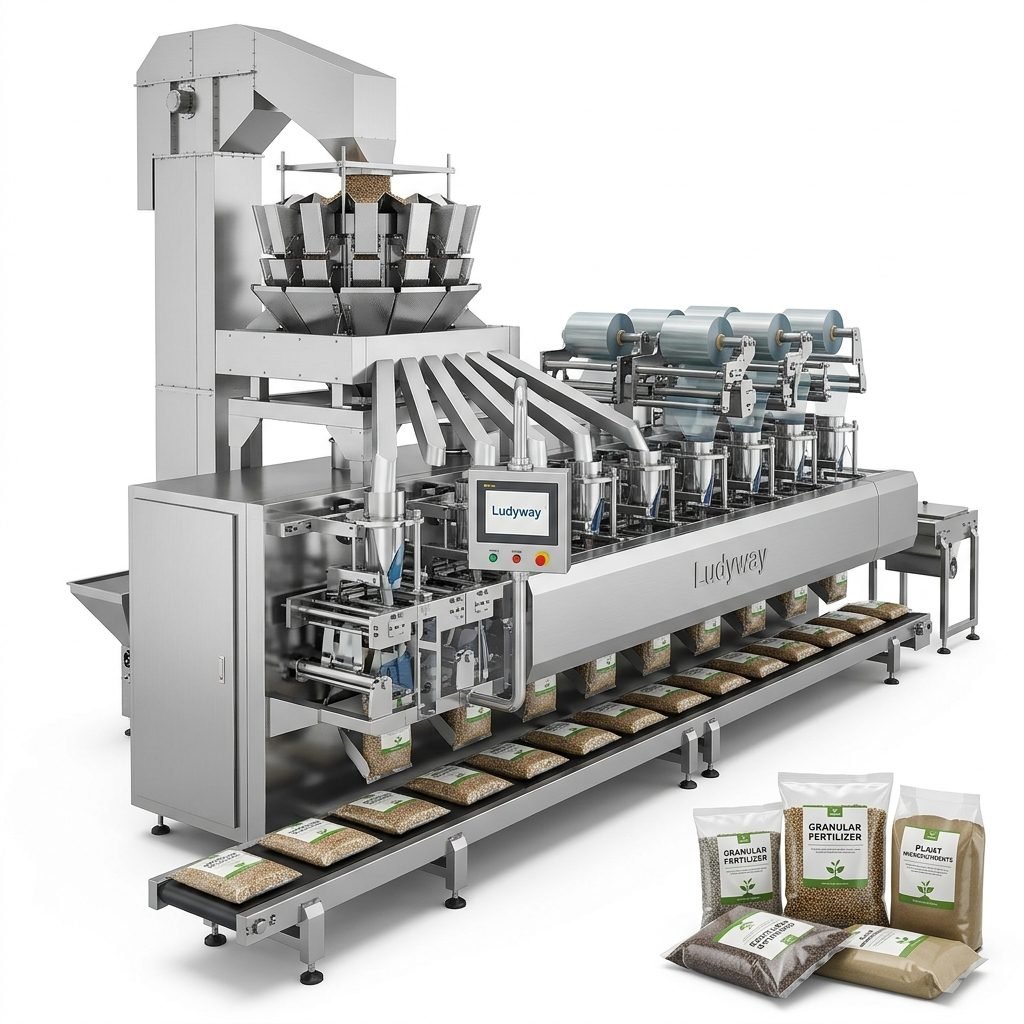
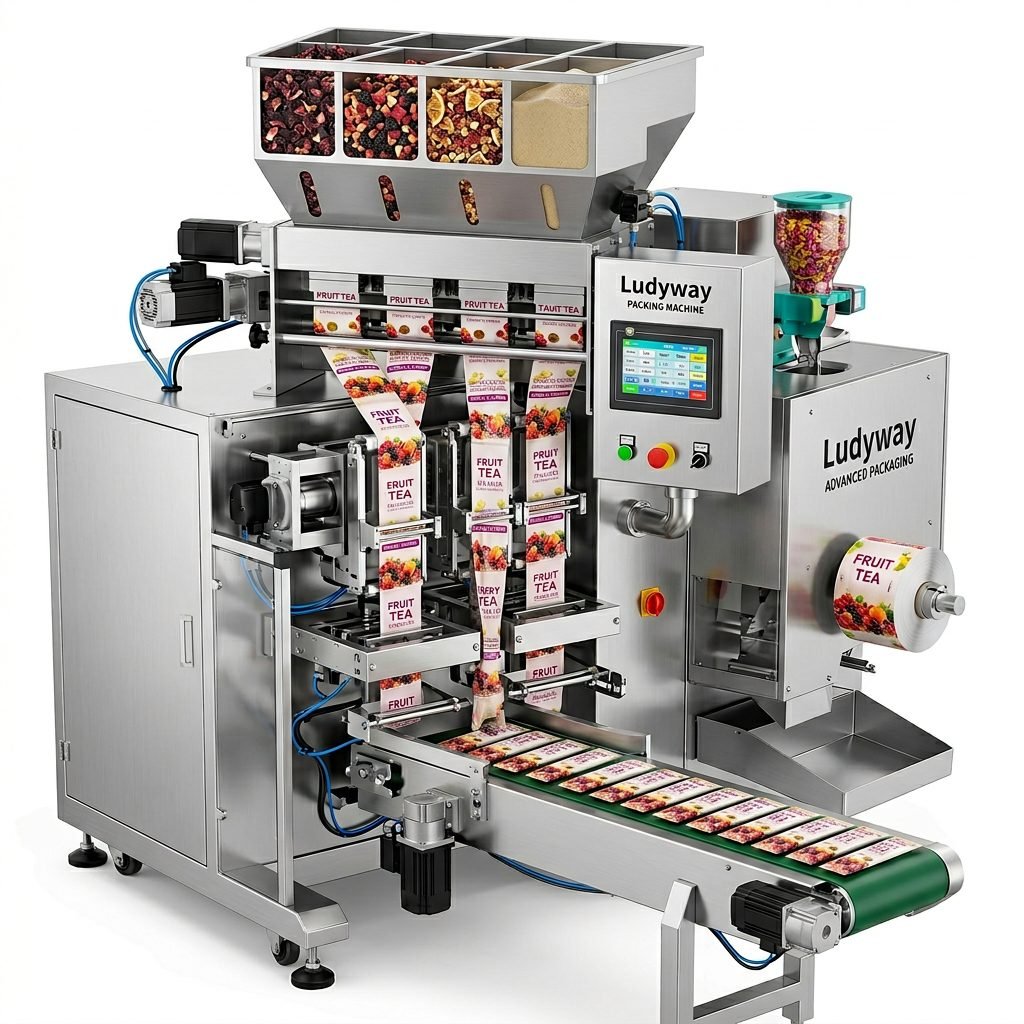
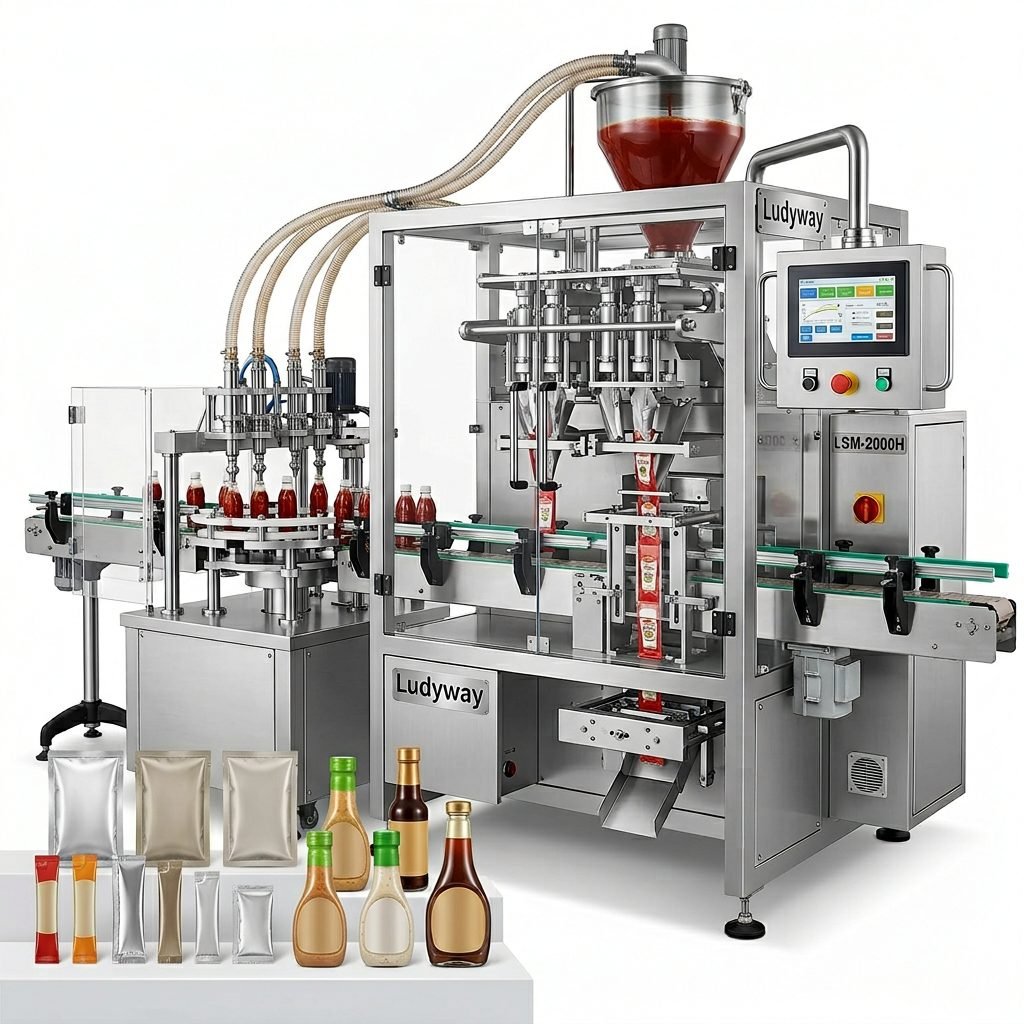
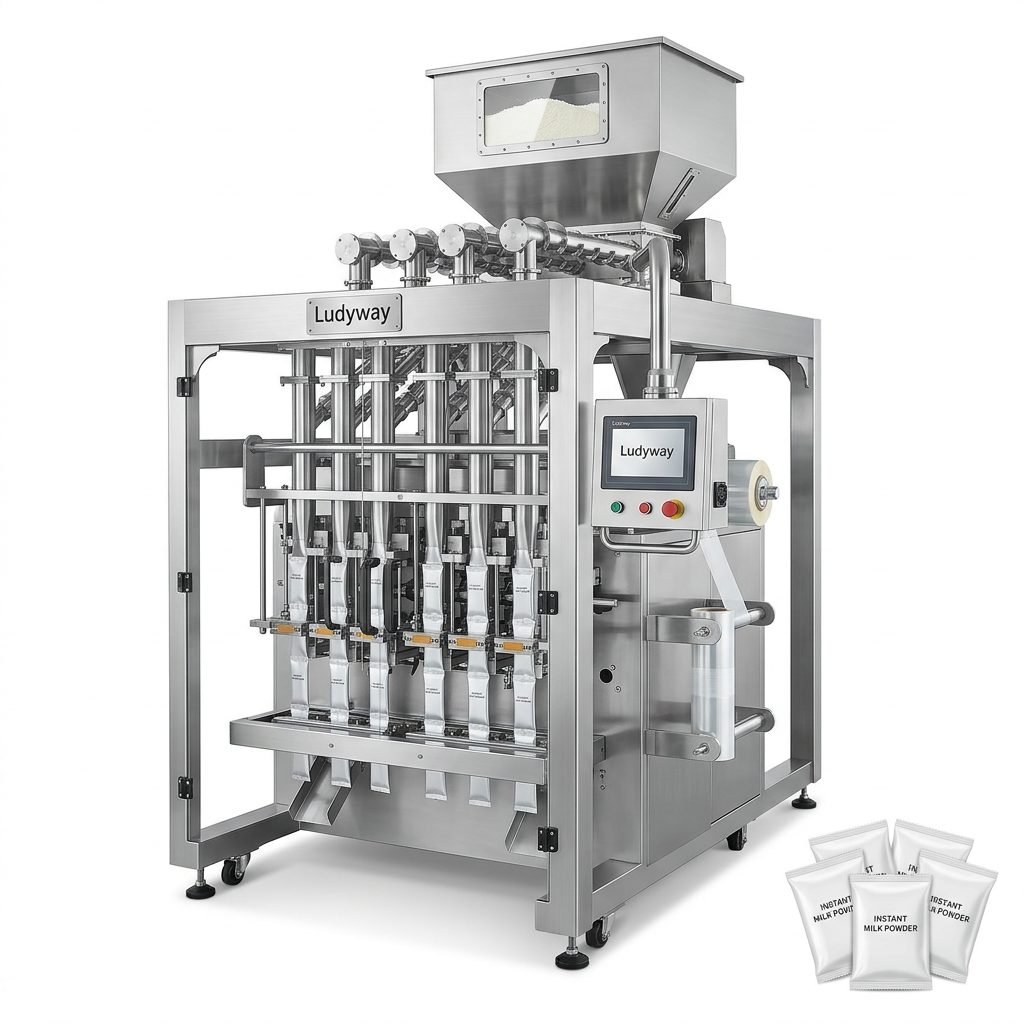
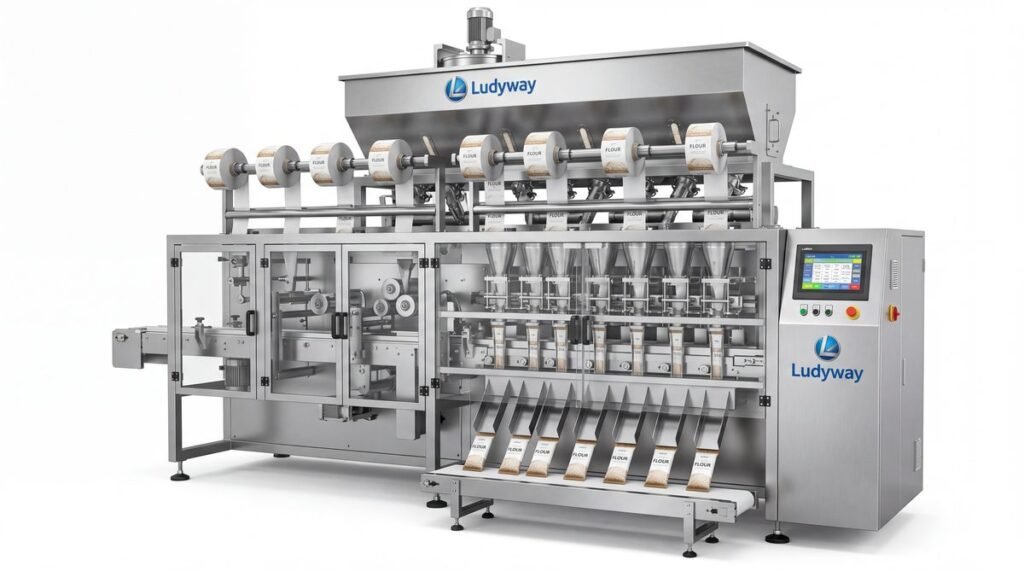
Across Africa, the food processing and condiment industry is experiencing unprecedented growth. From bustling markets in Lagos to rapidly expanding food manufacturing hubs in Nairobi, the demand for convenient, affordable, and hygienically packaged sauces is skyrocketing. Small and medium-sized enterprises are seeking reliable small sauce packaging machine solutions that can handle tomato ketchup, chili sauce, mayonnaise, mustard, and traditional African condiments without breaking the bank.
However, many African businesses face a common challenge: finding packaging equipment that is cost-effective, easy to operate, and capable of handling local production volumes. This is where multi-lane sachet and stick pack machines specifically designed for sauce products are transforming the market.

Why Small Sauce Packaging Machines Are Critical for Africa’s Food Industry
Africa’s consumer market is dominated by single-serve and small-portion packaging preferences. Lower purchasing power parity and a strong informal retail sector mean that sachet-sized products — whether 5ml ketchup portions or 10ml chili sauce packs — enjoy significantly higher sales velocity than larger containers. This trend is particularly pronounced in:
- Street food and quick-service restaurant supply chains requiring portion-controlled condiment packs
- Rural retail distribution networks where affordability and product accessibility depend on small pack sizes
- Hotel and catering sectors demanding hygienic, single-use sauce formats
- Export-oriented food manufacturers targeting regional African trade zones
Investing in a reliable sauce sachet packaging machine enables businesses to capture these market opportunities while maintaining product freshness and extending shelf life — crucial factors in warmer climates.
Key Features to Look for in a Sauce Packaging Solution
When evaluating liquid packaging machinery for African production environments, several specifications stand out as non-negotiable:
| Feature | Why It Matters for African Businesses |
|---|---|
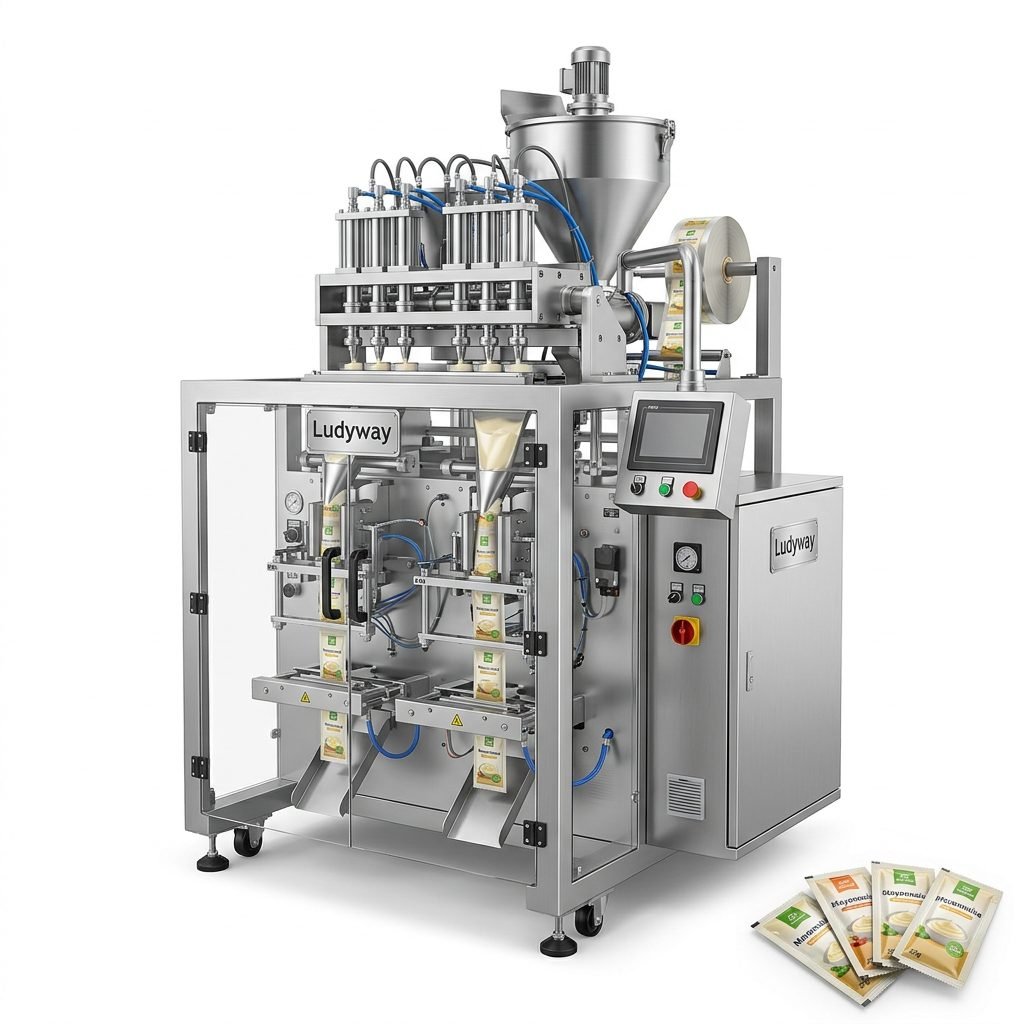
| Multi-Lane Configuration | Increases output per minute, reducing per-unit production costs |
| Stainless Steel Construction | Resists corrosion from acidic sauces; meets food safety standards |
| Precision Filling Mechanism | Minimizes product waste and ensures consistent portion control |
| User-Friendly Interface | Reduces training requirements and operator dependency |
| Easy Cleanability | Facilitates quick product changeovers and maintains hygiene |
| Voltage Compatibility | Adapts to local power supply conditions across different regions |
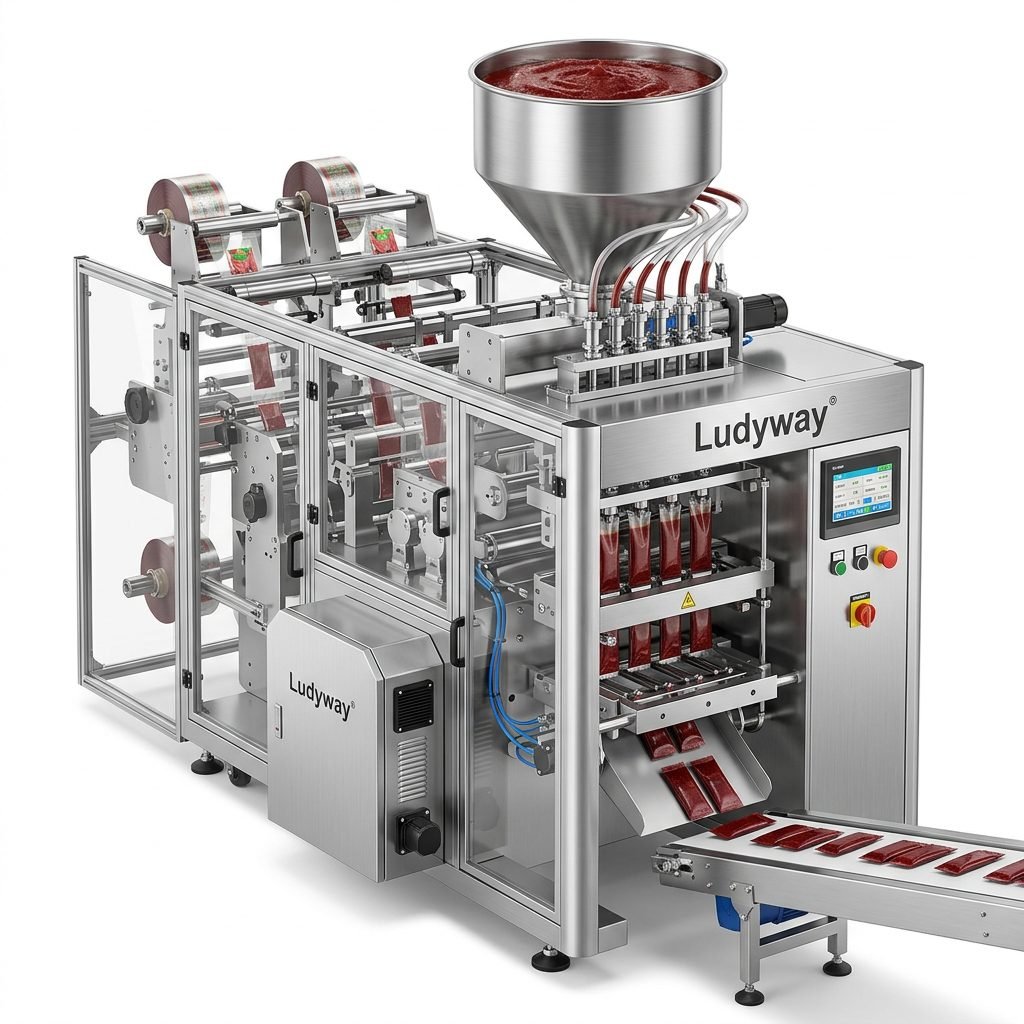
The Multi-Lane Advantage: Boosting Production Without Increasing Costs
Modern multi-lane stick pack and sachet machines can run 4, 6, 8, or even 12 lanes simultaneously. For an African sauce manufacturer producing 50,000 sachets daily, a 6-lane machine operating at moderate speed can easily meet demand while allowing room for growth. Compared to single-lane alternatives, multi-lane systems offer:
- 3x to 6x higher output within the same floor space
- Lower energy consumption per unit produced
- Reduced labor costs through automation
- Consistent fill accuracy across all lanes
- Scalability to add more lanes as market demand grows
This scalability is particularly valuable in emerging markets where demand forecasting can be unpredictable. Businesses can start with a smaller configuration and expand their packaging automation systems as their distribution network grows.
Product Versatility: One Machine, Multiple Sauces
A common concern among African food entrepreneurs is whether a single machine can handle diverse product viscosities. The answer is a resounding yes — provided the equipment is designed with adjustable filling parameters and interchangeable nozzles. A well-engineered sauce packaging machine can seamlessly switch between:
- Thin liquids like hot sauce and vinegar-based condiments
- Medium-viscosity products such as ketchup and barbecue sauce
- Thick pastes including mayonnaise and curry pastes
- Particulate sauces like chili-garlic blends and chutneys
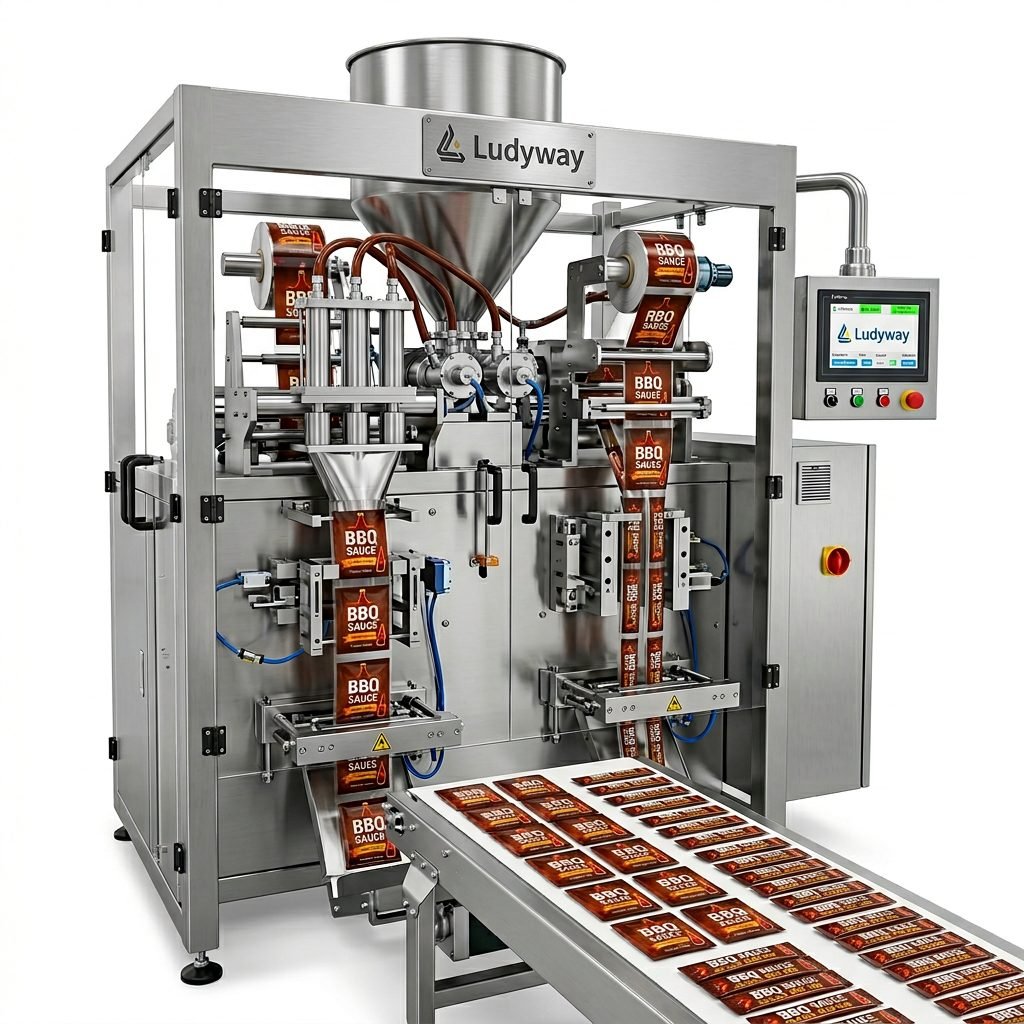
Addressing Common Pain Points for African Manufacturers
Many packaging machinery suppliers overlook the unique operational realities faced by businesses in Africa. These include intermittent power supply, limited access to specialized technicians, and challenging logistics for spare parts delivery. When selecting a small sauce packaging machine, consider suppliers who offer:
- Remote technical support and video-guided troubleshooting
- Readily available consumable parts that can be shipped quickly
- Comprehensive documentation in multiple languages
- Training programs for local operators and maintenance staff
- Modular designs that simplify repairs and reduce downtime
According to industry research from PMMI, packaging machinery that prioritizes ease of maintenance and operator accessibility consistently achieves higher uptime in developing markets. This aligns with the needs of African food processors who cannot afford prolonged production interruptions.
Cost-Benefit Analysis: Sachet Packaging vs. Alternative Formats
For African sauce brands, the economics of sachet packaging are compelling. An analysis comparing packaging formats reveals why stick packs and sachets dominate the market:
| Packaging Format | Material Cost per Unit | Consumer Accessibility | Shelf Life |
|---|---|---|---|
| Flexible Sachet | Lowest | Highest (affordable single-use) | Excellent |
| Stick Pack | Low | Very High | Excellent |
| Small Bottle (50-100ml) | Medium | Moderate | Good |
| Glass Jar | Highest | Limited (premium segments only) | Very Good |
The data clearly shows why flexible packaging formats processed on sachet and stick pack machinery represent the optimal choice for price-sensitive, high-volume African markets.
Ensuring Food Safety and Regulatory Compliance
As African nations strengthen their food safety regulations — aligned with international standards from organizations like the FDA and ISO packaging standards — sauce manufacturers must ensure their packaging processes meet rigorous hygiene requirements. Key compliance factors include:
- Food-grade stainless steel contact surfaces (typically SUS304 or SUS316)
- Sealed filling zones to prevent contamination
- HACCP-compatible cleaning protocols and accessible machine design
- Traceability features including batch coding and date printing integration
- GMP-compliant manufacturing documentation
Selecting equipment that already meets international packaging standards positions African exporters favorably when entering markets in Europe, the Middle East, and beyond.
Real-World Applications Across African Food Categories
The versatility of modern sauce packaging technology extends across numerous product categories that are experiencing rapid growth throughout the continent:
- Traditional African condiments — shito, harissa, peri-peri sauce, and chakalaka
- Fast-food dipping sauces — ketchup, mustard, mayonnaise, and sweet chili
- Ready-to-eat meal accompaniments — soy sauce, fish sauce, and tamarind paste
- Food service portion packs — salad dressings, vinaigrettes, and hot sauce
- Artisanal and specialty sauces — garlic aioli, truffle-infused condiments, and gourmet blends
Each of these categories benefits from the extended shelf life, portion control, and tamper-evident sealing that automated sachet packaging provides. For businesses looking to scale production with turnkey packaging lines, the ability to handle multiple formulations on a single machine platform delivers exceptional operational flexibility.
Supplier Selection: What Sets World-Class Manufacturers Apart
Choosing the right equipment partner is as important as selecting the machine itself. African businesses should evaluate potential suppliers based on demonstrated expertise in liquid and sauce packaging applications, not just general machinery manufacturing. Key selection criteria include:
- Proven installations in markets with similar operating conditions
- Responsive after-sales support accessible across time zones
- Customization capabilities for unique African product formulations
- Transparent pricing with clear total cost of ownership projections
- Established logistics channels for timely equipment delivery and spare parts
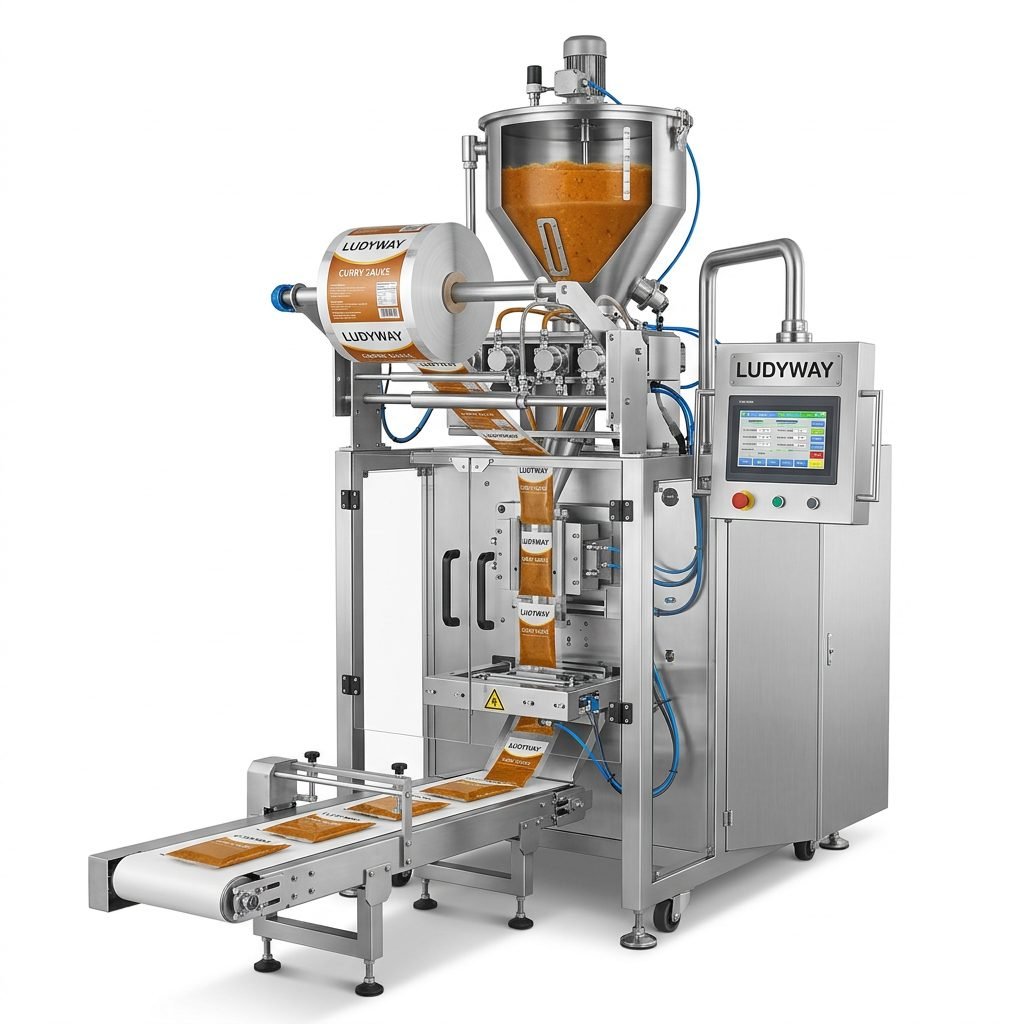
Ludyway, one of the largest packaging machine manufacturers in China with over 30 years of industry expertise, specializes in advanced packaging equipment and turnkey production solutions serving customers in over 100 countries and regions, including a growing presence across African markets.
Preparing for the Future: Automation and Smart Packaging Trends
Forward-thinking African food businesses are already looking beyond basic packaging automation toward smart manufacturing capabilities. Features that are becoming increasingly accessible include:
- IoT-enabled machine monitoring for real-time production data
- Automated quality inspection systems integrated into packaging lines
- Flexible changeover capabilities for rapid product switching
- Energy-efficient designs that reduce operational costs
- Integration-ready architectures that connect with upstream and downstream equipment
Investing in future-ready packaging technology today ensures that African sauce manufacturers remain competitive as the continent’s food processing industry continues to mature and integrate into global supply chains.
For African entrepreneurs and established food processors alike, the decision to invest in a dedicated small sauce packaging machine represents a strategic move toward capturing market share in one of the world’s fastest-growing consumer regions. With the right equipment partner and a clear understanding of local market dynamics, businesses can build scalable, profitable sauce packaging operations that serve both domestic and export markets.