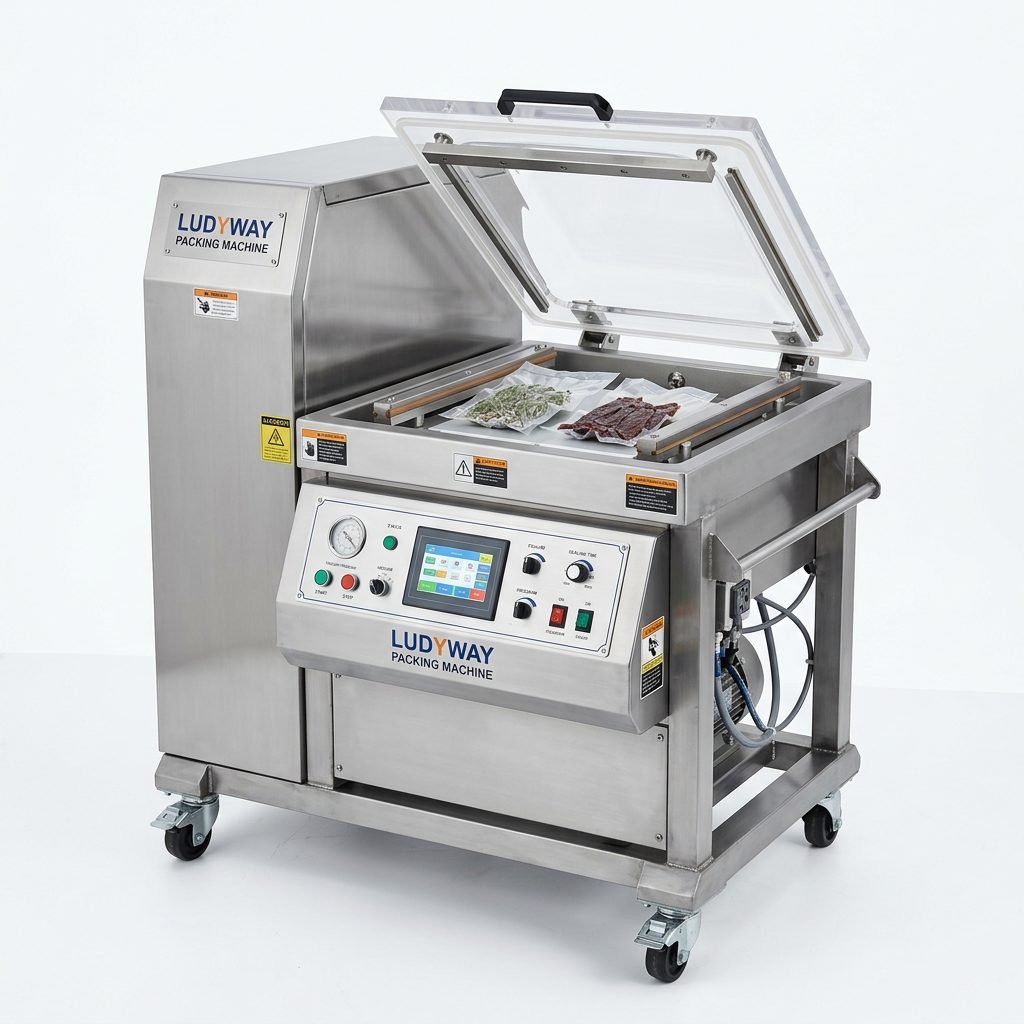
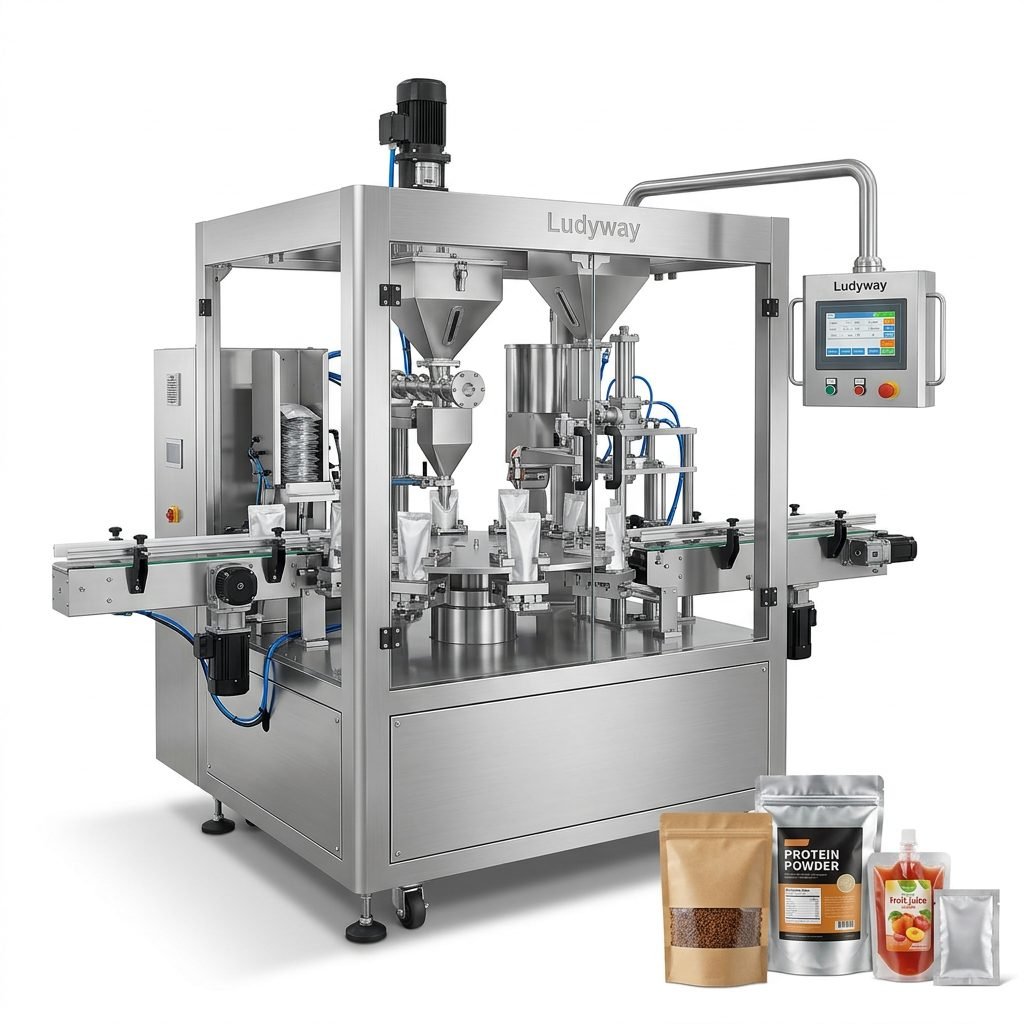
In flour production and retail packaging, consistency matters just as much as speed. A modern flour packaging machine helps manufacturers reduce waste, improve weight accuracy, maintain hygienic standards, and increase output with less manual labor. Whether you package wheat flour, rice flour, corn flour, baking mixes, or specialty powder blends, the right automated system can transform your production efficiency.
For food processors, contract packers, and brand owners, automated flour packaging is no longer just a productivity upgrade—it is a practical requirement for meeting market demand, protecting product quality, and controlling operational costs.
Why Flour Packaging Requires Specialized Equipment
Flour is a fine powder with unique handling challenges. It can generate dust, bridge in hoppers, affect sealing quality, and cause weight variation if the dosing system is not properly designed. A dedicated flour packaging machine is built to solve these issues through controlled feeding, precise filling, clean sealing, and stable automation.
- Accurate dosing for fine powder materials
- Reduced airborne dust during feeding and filling
- Stable pouch forming and sealing performance
- Improved product hygiene and line cleanliness
- Higher packaging speed with lower labor dependence
A well-matched flour packing system protects both product quality and production stability.
Main Types of Flour Packaging Machines
Different packaging formats require different machine structures. The best choice depends on your target bag size, output requirement, product density, and packaging style.
| Machine Type | Suitable Format | Typical Application | Key Advantage |
|---|---|---|---|
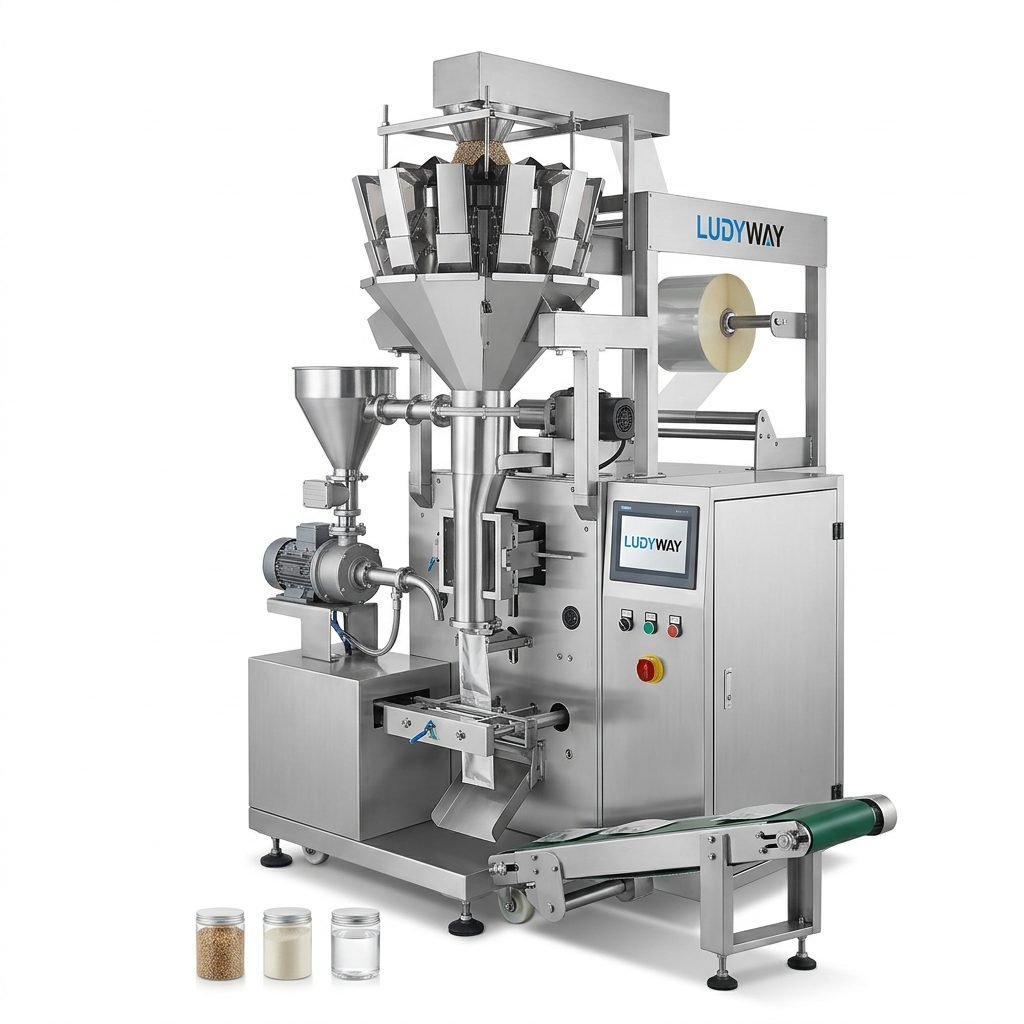
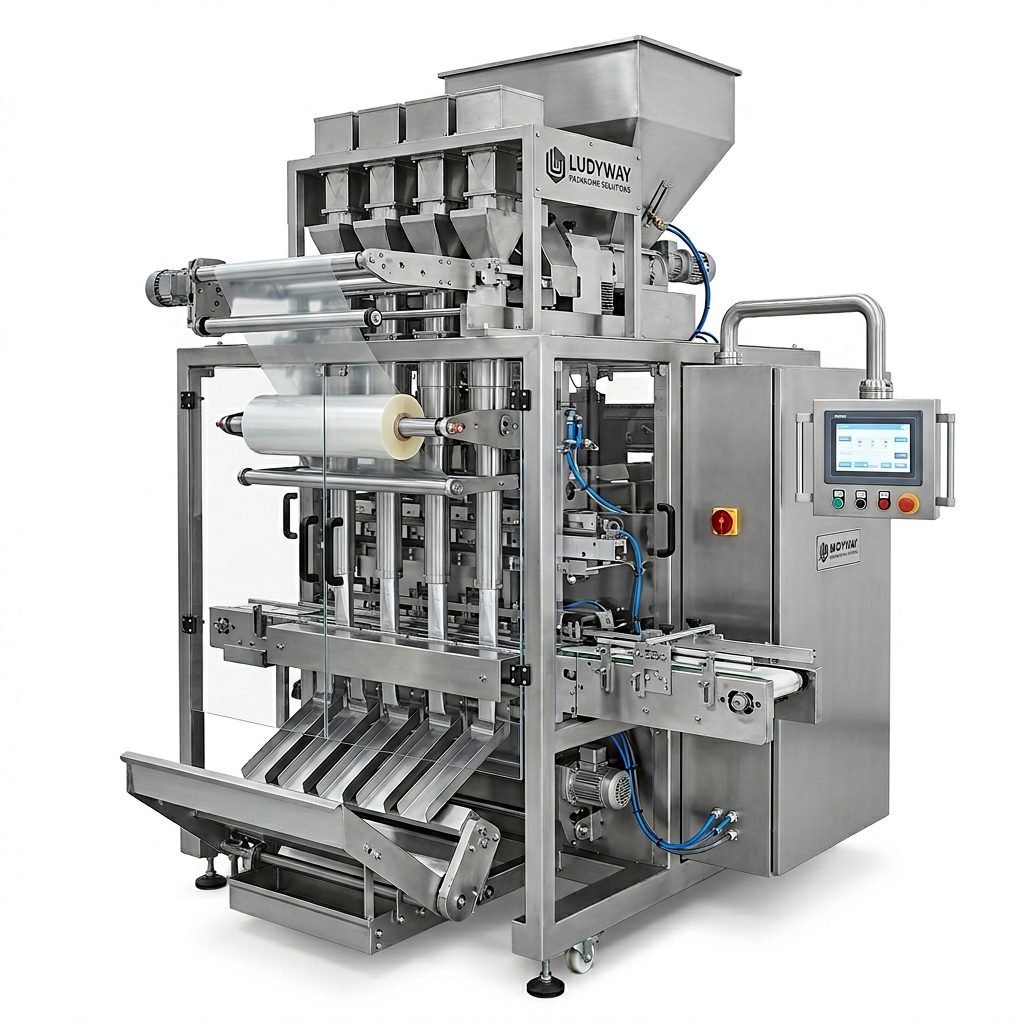
| Vertical Form Fill Seal Machine | Pillow bags, gusset bags | Retail and medium-size flour packs | Compact and cost-effective |
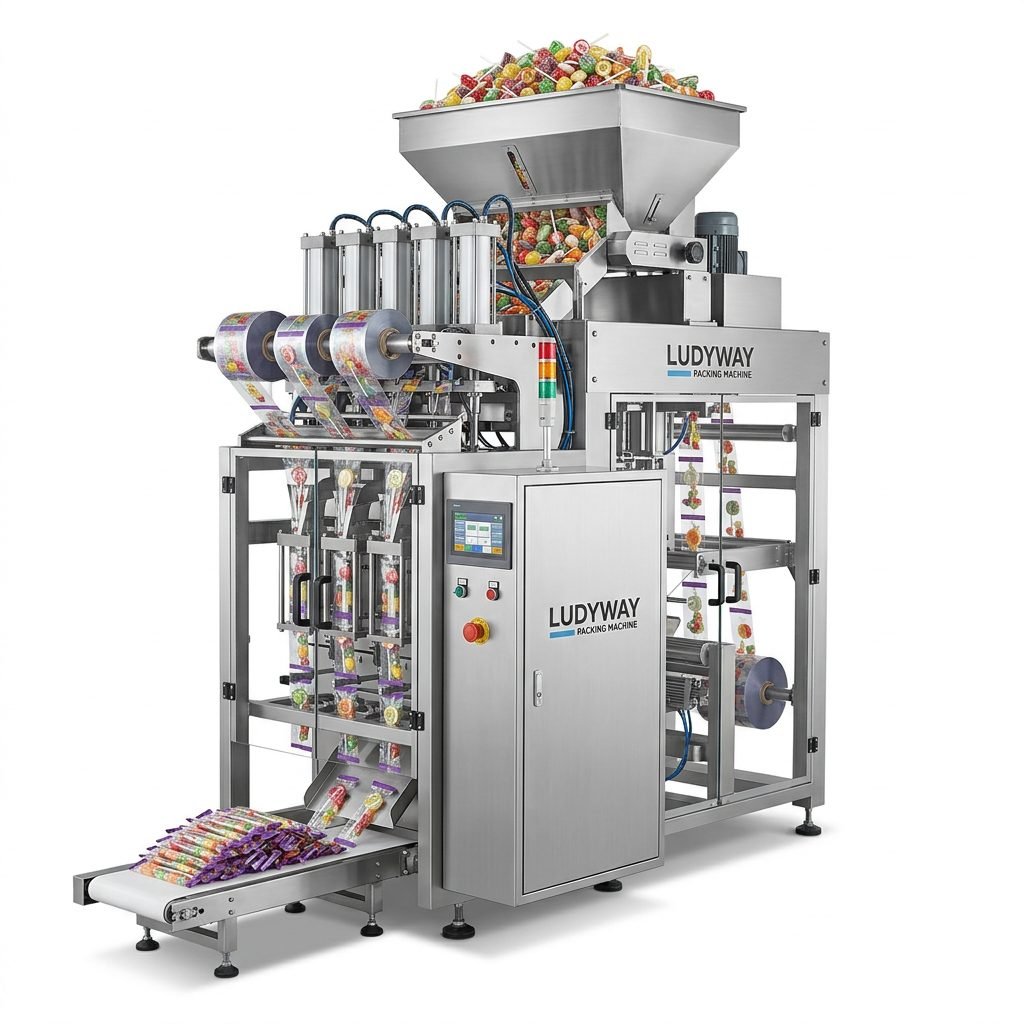
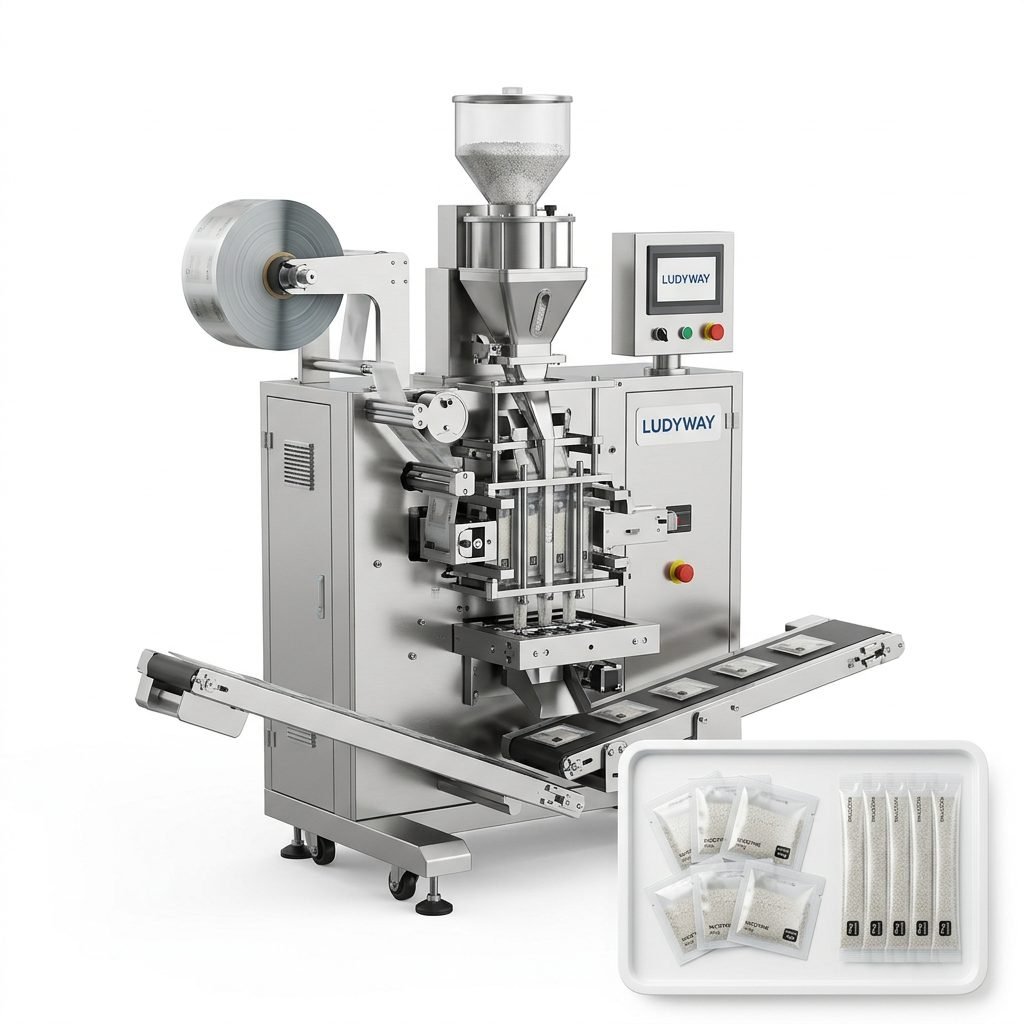
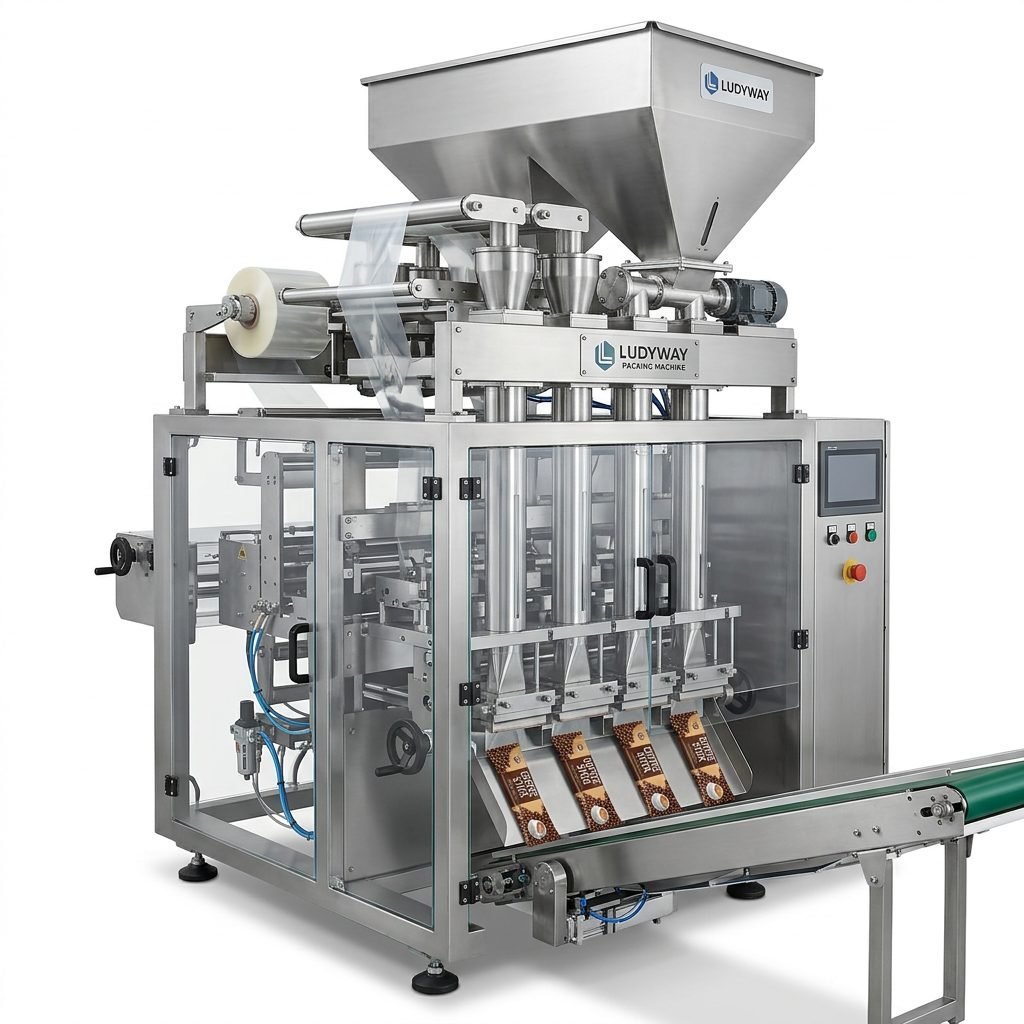
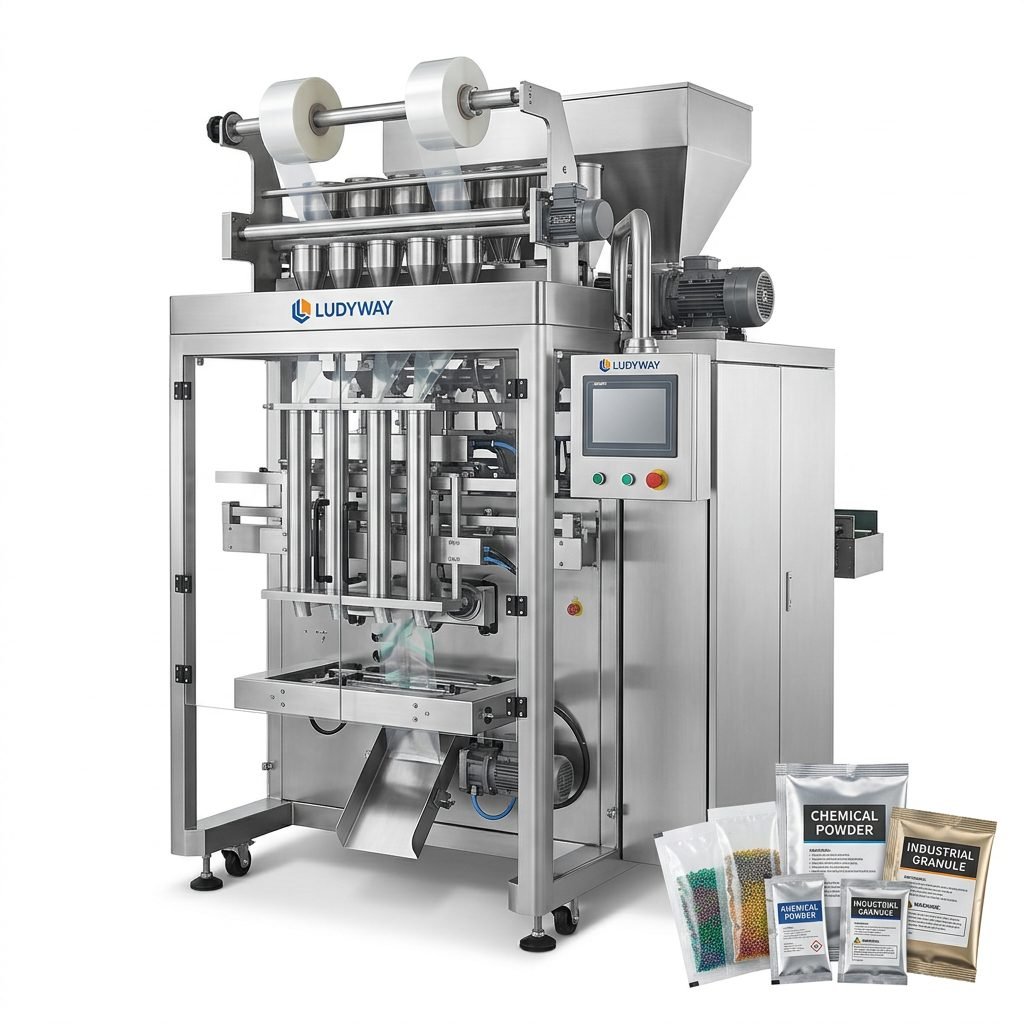
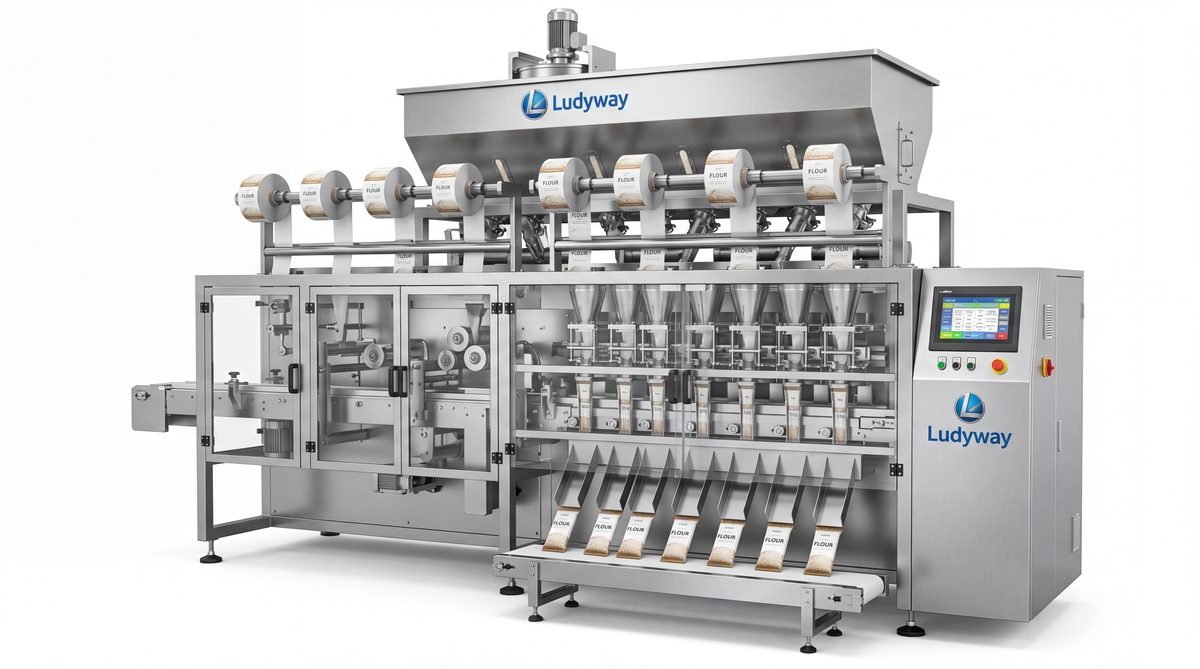
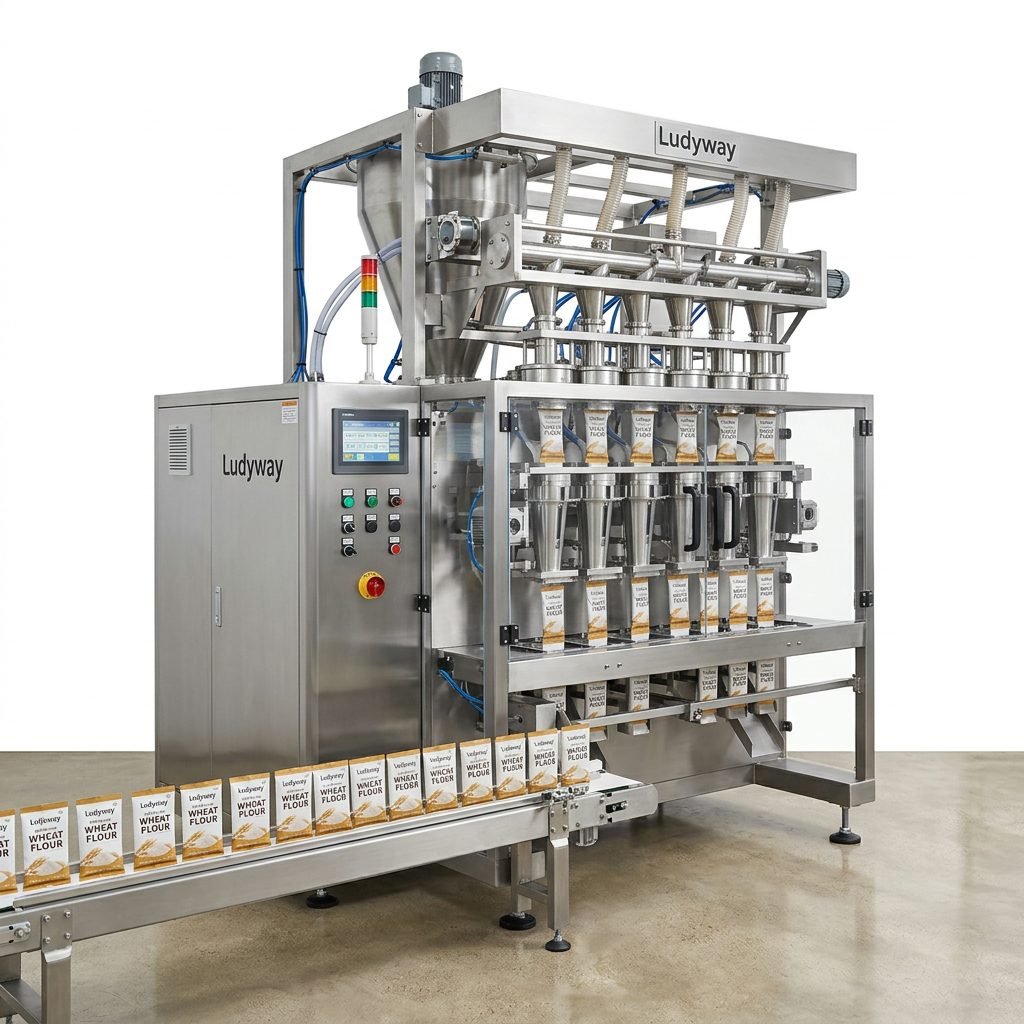
| Multi-lane Sachet or Stick Pack Machine | Small sachets, stick packs | Single-use flour, baking mixes, instant powder portions | High-speed small-dose production |
| Premade Pouch Packaging Machine | Stand-up pouches, zipper pouches | Premium flour and specialty blends | Better shelf presentation |
| Open-mouth Bagging Machine | Large bags | Industrial or bulk flour packaging | Handles high-capacity output |
Key Functions of an Advanced Flour Packaging Machine
Modern packaging equipment does much more than fill and seal. It integrates multiple functions to create a smoother, more reliable production flow.
1. Precision Powder Dosing
Accurate dosing is essential for cost control and customer satisfaction. Flour machines commonly use servo-driven auger fillers to ensure repeatable fill weights, even with fine and lightweight powders.
2. Dust-Control Design
Flour dust can affect machine cleanliness, sealing quality, and workshop hygiene. A good system includes enclosed feeding, dust extraction compatibility, and optimized discharge structure to minimize powder spread.
3. Automated Bag Forming and Sealing
Stable bag forming and heat sealing are critical for preventing leakage. Automated machines keep pouch dimensions consistent while maintaining reliable seals across long production runs.
4. Integrated Inspection Options
Advanced lines may include checkweighers, metal detectors, reject systems, coding units, and visual inspection modules for stronger quality control.
5. Line Integration Capability
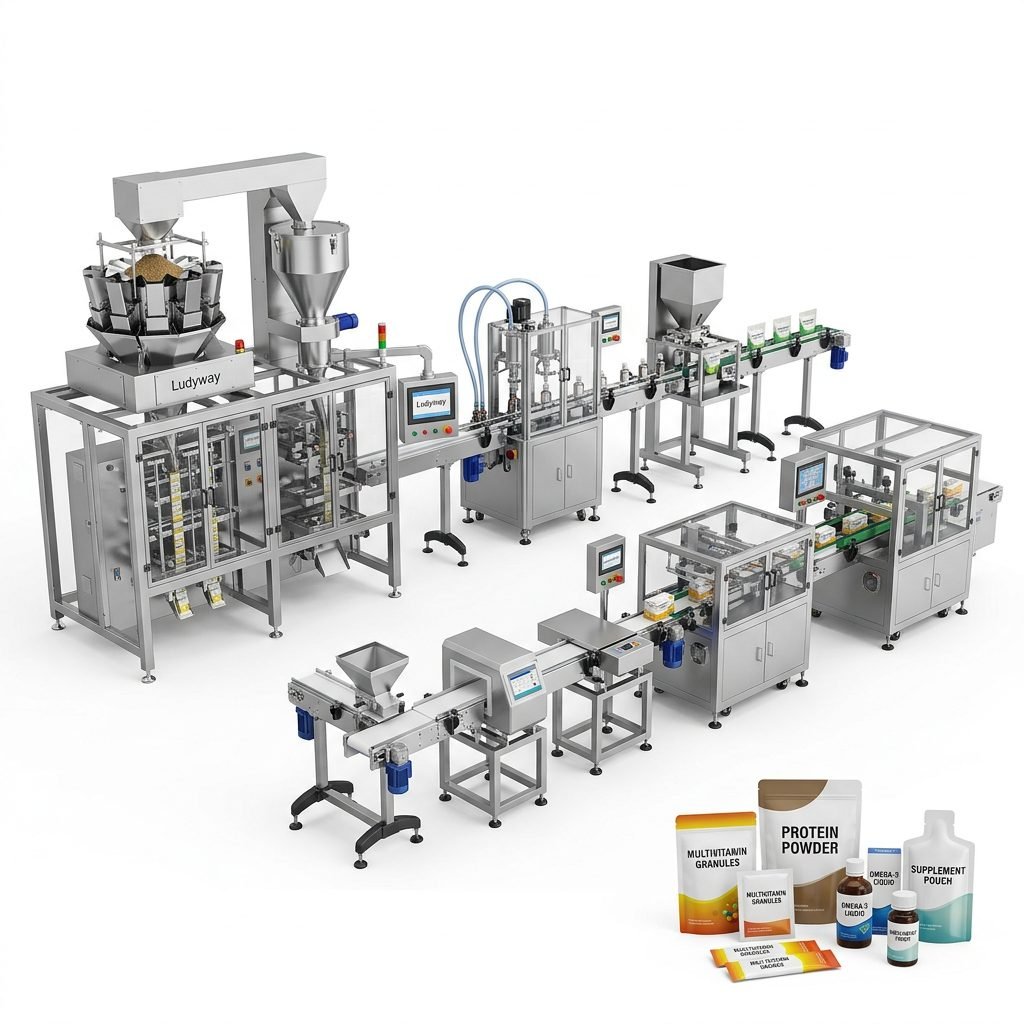
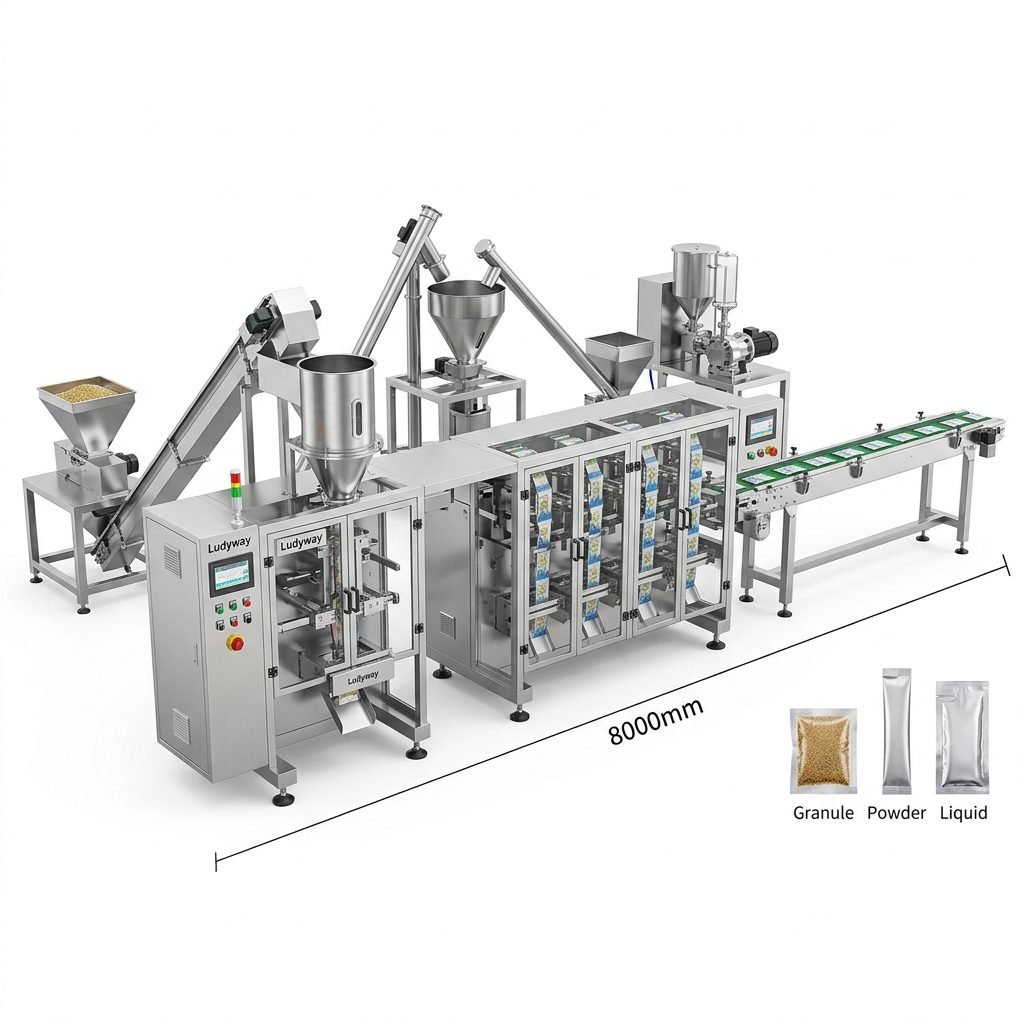
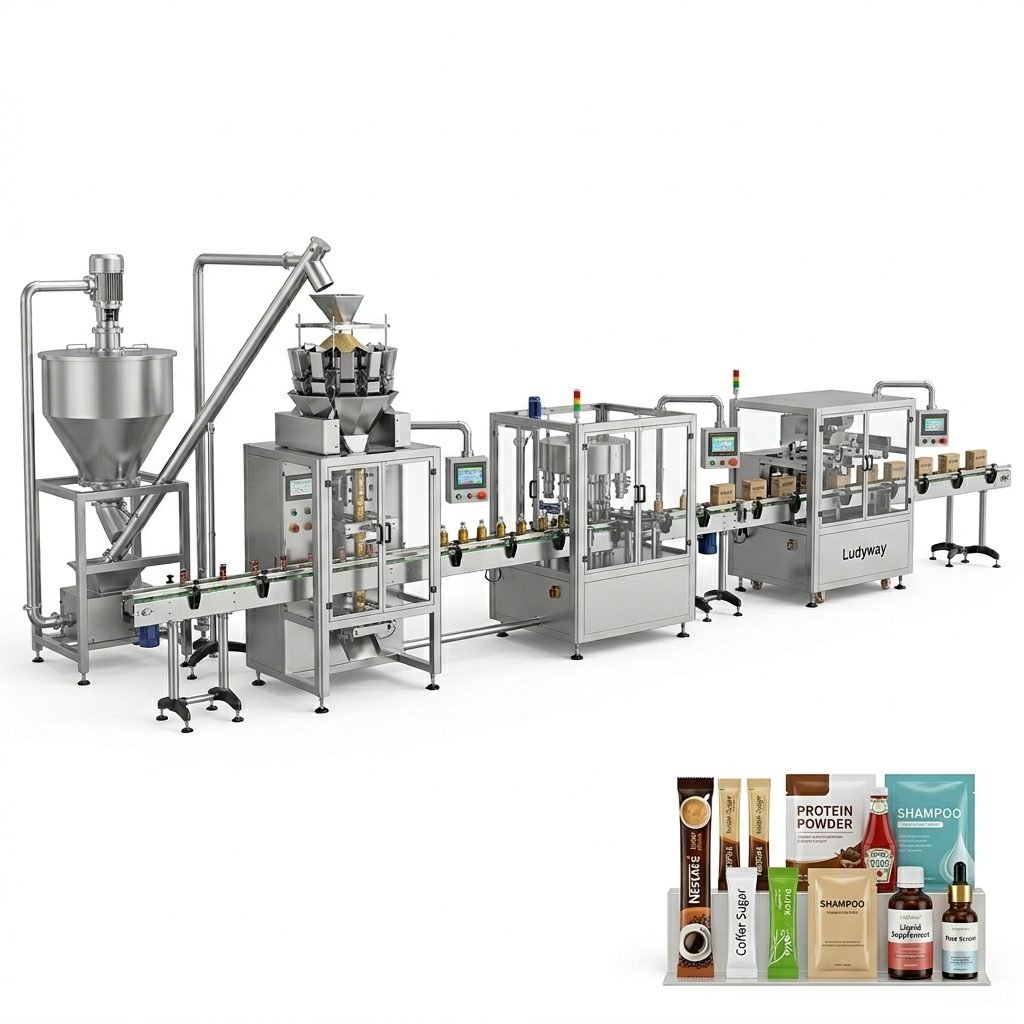
A flour packaging machine can be connected with screw conveyors, vacuum feeders, finished product conveyors, cartoning units, and palletizing systems to create a more complete automated packaging line.
Benefits of Automation in Flour Packaging
Automated flour packaging solutions deliver measurable operational advantages across food factories and co-packing facilities.
- Higher output: Continuous automated running significantly increases packaging capacity.
- Improved accuracy: Precision filling reduces underweight and overweight bags.
- Lower labor costs: Fewer operators are required for repetitive packaging tasks.
- Better hygiene: Reduced manual handling supports safer food production.
- More consistent packaging: Uniform bags improve shelf appearance and logistics efficiency.
- Less material waste: Better control of product and film usage lowers total cost.
For growing brands, automation helps scale production without sacrificing packaging quality.
How to Choose the Right Flour Packaging Machine
Choosing the right machine starts with understanding your own product and packaging goals. Not every flour product behaves the same, and not every packaging line needs the same level of automation.
Consider Product Characteristics
- Wheat flour, rice flour, corn flour, starch, or premix powder
- Powder density and flowability
- Dust sensitivity and moisture conditions
- Whether the product contains additives or mixed ingredients
Consider Packaging Requirements
- Bag size range
- Sachet, stick pack, pillow bag, or premade pouch format
- Expected packaging speed per minute
- Required sealing strength and appearance
- Date coding, nitrogen flushing, or inspection needs
Consider Future Expansion
Many buyers focus only on current production volume, but scalable design matters. A machine that supports modular upgrades can save time and investment when your output grows.
| Selection Factor | Why It Matters |
|---|---|
| Filling accuracy | Directly affects product giveaway and compliance |
| Packaging speed | Determines daily output and equipment utilization |
| Machine stability | Reduces downtime and maintenance interruptions |
| Cleaning convenience | Important for food hygiene and product changeover |
| Customization flexibility | Ensures compatibility with product and plant layout |
Ideal Applications for Flour Packaging Systems
Flour packaging machines are suitable for a wide range of food and powder-processing businesses.
- Baking ingredient manufacturers
- Wheat flour mills
- Rice flour and gluten-free powder producers
- Instant premix and dessert powder brands
- Contract packaging companies
- Private label food manufacturers
- Industrial bulk ingredient suppliers
What Makes a Reliable Packaging Machine Supplier
Machine performance is important, but supplier capability is equally critical. A reliable manufacturer should offer engineering support, customization, quality inspection, installation guidance, and long-term after-sales service.
Buyers often prefer suppliers with broad industry experience and the ability to provide both standalone equipment and complete lines. Ludyway flour packaging machine solutions are backed by more than 30 years of packaging machinery experience, a manufacturing base of over 20,000 square meters, and turnkey capabilities for powder, granule, liquid, and pouch packaging applications.
Supplier Evaluation Checklist
- Years of manufacturing experience
- Export capability and international project experience
- Customization options for flour and powder products
- Testing and quality inspection process
- Technical training and after-sales support
- Ability to build complete automated packaging lines
Future Trends in Flour Packaging Automation
The flour packaging industry continues to move toward smarter, cleaner, and more connected systems. Manufacturers increasingly look for machines with servo control, touch-screen operation, recipe memory, remote troubleshooting, and compatibility with smart factory management.
Additional trends include:
- Higher-speed multi-lane solutions for small-format packaging
- Improved dust-proof structures for cleaner workshops
- Faster changeover between bag sizes and product types
- Integrated coding, inspection, and cartoning modules
- Energy-efficient operation for lower running costs
Conclusion: Build a More Efficient Flour Packaging Process
A high-performance flour packaging machine helps businesses package powder products with greater speed, better accuracy, and stronger consistency. From compact sachets to larger retail or industrial bags, the right machine improves production efficiency while supporting hygiene, quality control, and long-term scalability.
If your business is planning to upgrade from manual packaging or expand into a fully automated line, selecting the right flour packaging equipment is a strategic investment that can deliver lasting value across your entire production process.