Establishing a home vacuum packaging machine production line in the Middle East presents a compelling opportunity for entrepreneurs and small-to-medium enterprises. The region’s growing emphasis on food preservation, hygiene standards, and the expanding e-commerce food sector have created sustained demand for reliable vacuum packaging solutions. Whether you are setting up a small workshop in Dubai, Riyadh, or Doha, understanding the complete workflow—from equipment selection to regulatory compliance—is essential for long-term success.

Understanding the Middle East Market Opportunity
The Middle East food packaging industry has witnessed remarkable growth, driven by several key factors. Food import dependency in GCC countries means that extended shelf life is a critical requirement. Vacuum packaging addresses this need directly by reducing oxygen exposure, inhibiting bacterial growth, and preserving product freshness for significantly longer periods. From dates and dried fruits to meat products and ready-to-eat meals, the applications span across multiple high-demand categories.
Key market drivers include:
- Rising consumer awareness about food safety and spoilage prevention
- Growth of home-based food businesses and cloud kitchens across the UAE, Saudi Arabia, and Qatar
- Increasing demand for halal-certified packaged foods requiring stringent hygiene standards
- Expansion of online grocery delivery services that rely on well-preserved products
- Government initiatives promoting food security and reduced waste
Core Equipment for a Home Vacuum Packaging Line
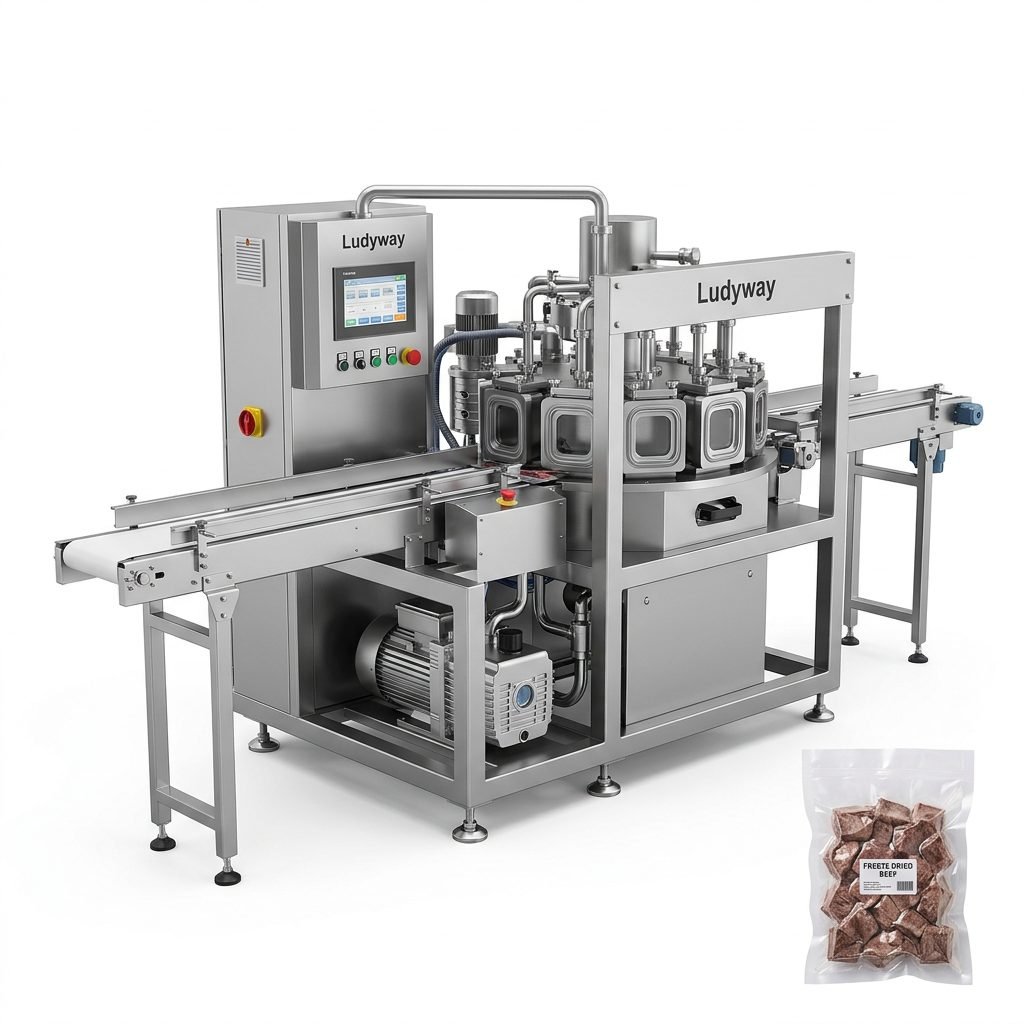
Selecting the right machinery is the foundation of your production line. A complete vacuum packaging machine setup for home-scale or small commercial operations typically includes the following essential components:
| Equipment Type | Primary Function | Best Suited For | Estimated Output |
|---|---|---|---|
| Chamber Vacuum Sealer | Extracts air from the entire chamber before sealing | Liquids, marinated foods, soups | 30-60 packs/hour |
| External Vacuum Sealer | Draws air from the bag opening; compact design | Dry goods, nuts, coffee beans | 40-80 packs/hour |
| Nozzle-Type Vacuum Machine | Inserts a nozzle into the bag to remove air | Bulk packaging, industrial pre-sealing | 60-100 packs/hour |
| Heat Sealing Machine | Provides secure thermal sealing for pouches | All bag types, finishing step | Variable by model |
| Weighing & Dosing System | Ensures precise portion control | Powders, granules, small items | Integrated with sealer |
Step-by-Step Setup Process for Your Production Line
1. Workspace Preparation
Your facility should meet local municipality standards for food handling. Ensure adequate ventilation, temperature control, and separation between raw material storage and finished product areas. A clean, dust-free environment with stainless steel work surfaces is highly recommended for hygiene compliance.
2. Equipment Layout and Workflow Design
Arrange machines in a logical sequence: raw material receiving → weighing → filling → vacuum sealing → labeling → storage. Maintain at least one meter of clearance around each machine for operator access and maintenance. Consider a U-shaped layout to minimize movement and maximize efficiency in smaller spaces.
3. Power and Utility Requirements
Most home-scale vacuum packaging machines operate on 220-240V single-phase power, which aligns with Middle Eastern electrical standards. Verify the power specifications of each machine before installation. For continuous operation, a voltage stabilizer may be necessary in areas with fluctuating power supply.
4. Calibration and Testing
Before commencing full production, run test batches to calibrate sealing temperature, vacuum pressure, and cycle timing. Proper calibration ensures consistent seal integrity and minimizes product waste. Document optimal settings for each product type.
Regulatory Compliance in the Middle East
Each country in the region has specific food safety regulations, though many follow frameworks aligned with Codex Alimentarius standards. Key considerations include:
- Saudi Arabia: SASO and SFDA regulations require food contact materials to meet specific safety certifications
- UAE: Emirates Authority for Standardization and Metrology (ESMA) oversees packaging compliance
- Qatar: Ministry of Public Health enforces strict guidelines on food packaging materials
- Kuwait: Public Authority for Food and Nutrition mandates traceability in packaging operations
Always source packaging films that are food-grade certified and compatible with your vacuum machine’s sealing specifications. BOPA/PE and PET/PE laminates are commonly used for their excellent barrier properties in the region’s climate conditions.
Cost Analysis and ROI Expectations
| Cost Category | Estimated Range (USD) | Notes |
|---|---|---|
| Entry-Level Vacuum Sealer | $200 – $800 | Suitable for low-volume home production |
| Semi-Automatic Chamber Machine | $2,000 – $8,000 | Balanced choice for small businesses |
| Complete Production Line | $15,000 – $50,000 | Includes weighing, sealing, labeling, and conveyor systems |
| Packaging Materials (Monthly) | $500 – $2,000 | Varies by volume and film type |
Most small-scale operations in the Middle East achieve breakeven within 12 to 18 months, driven by strong demand from specialty food retailers, online marketplaces, and direct-to-consumer channels.
Selecting the Right Equipment Supplier
Choosing a reliable packaging machine manufacturer is critical to your production line’s performance and longevity. Look for suppliers who offer comprehensive after-sales support, spare parts availability in the Middle East region, and technical documentation in both English and Arabic. Key evaluation criteria include warranty terms, remote troubleshooting capabilities, and the availability of local service partners.
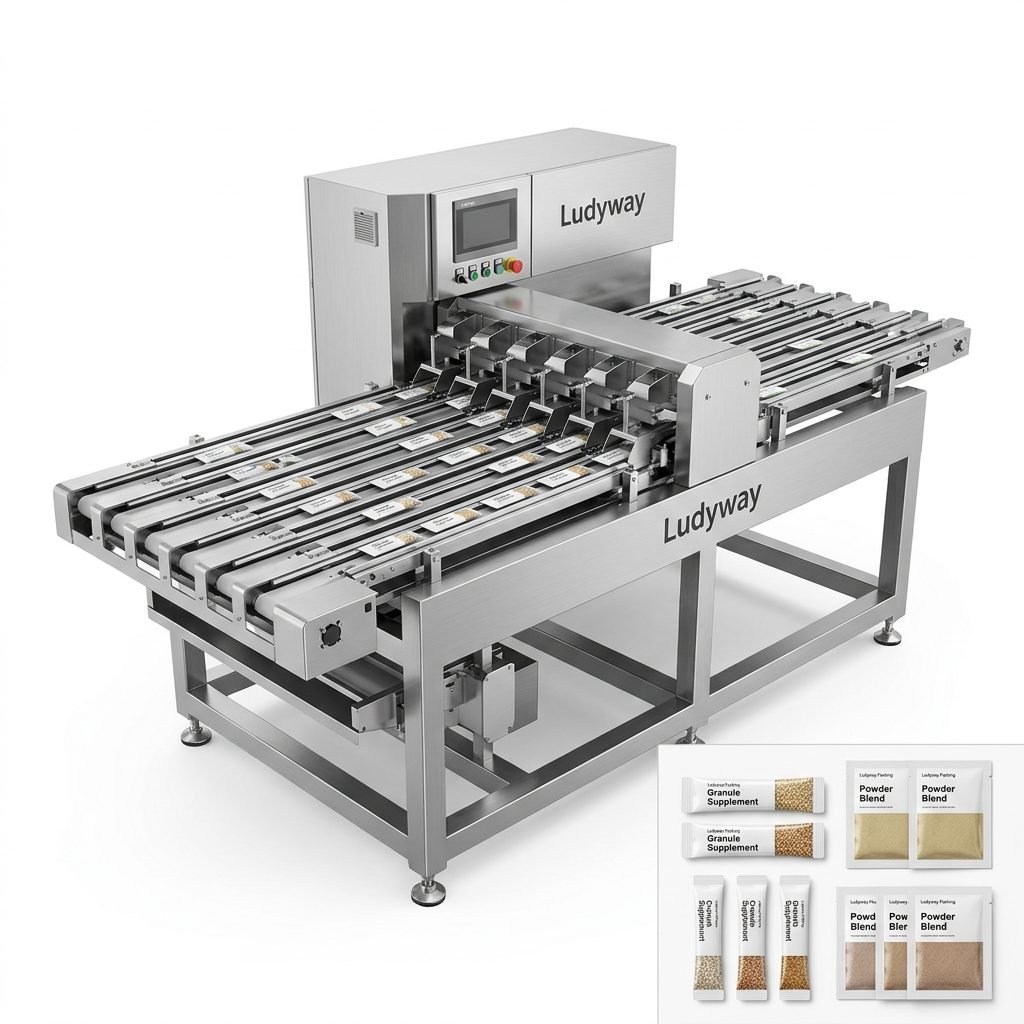
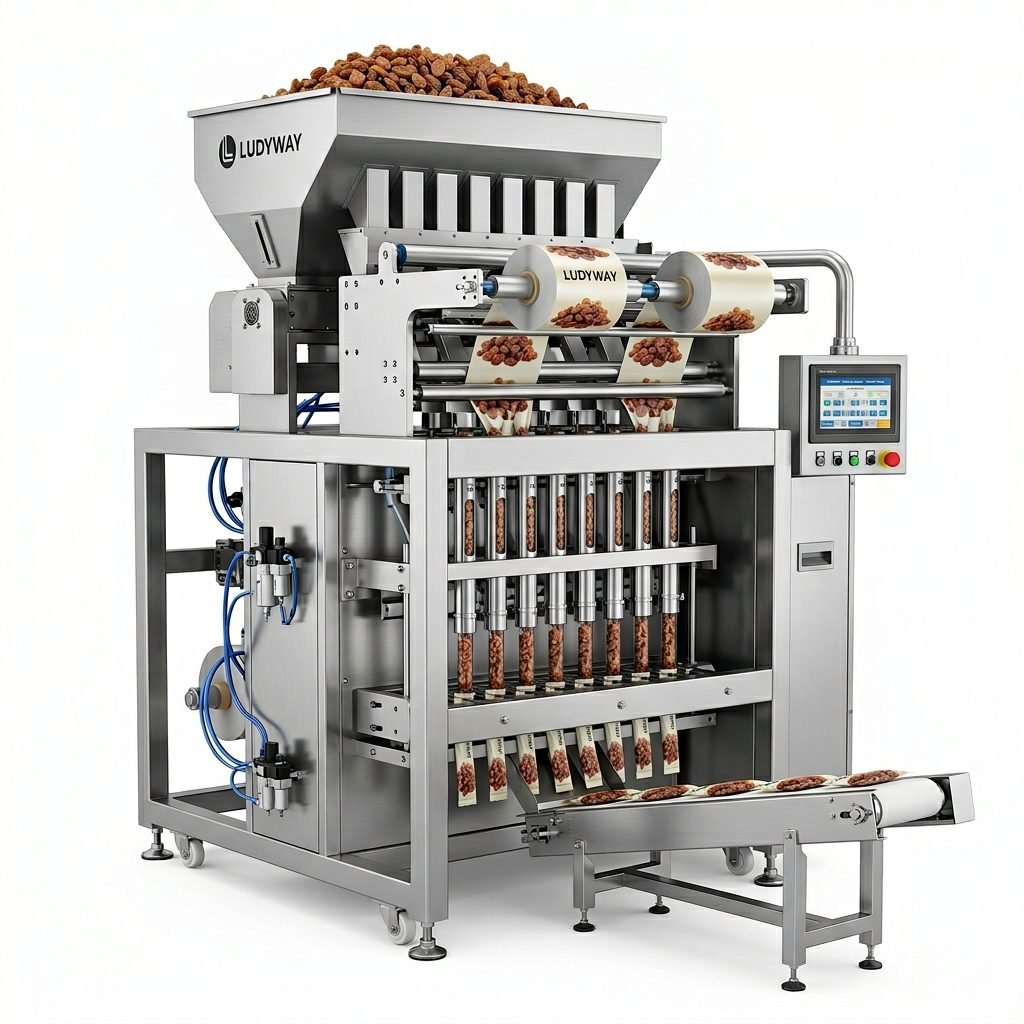
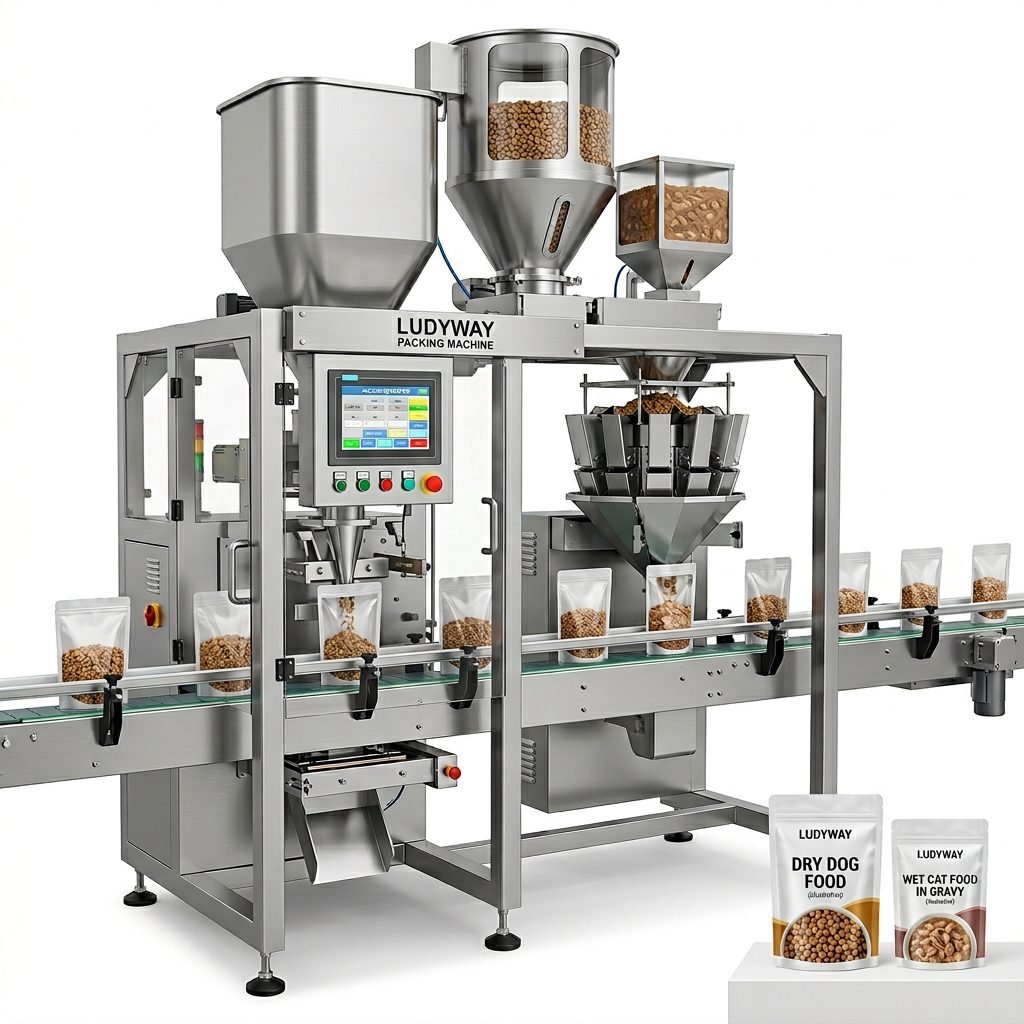
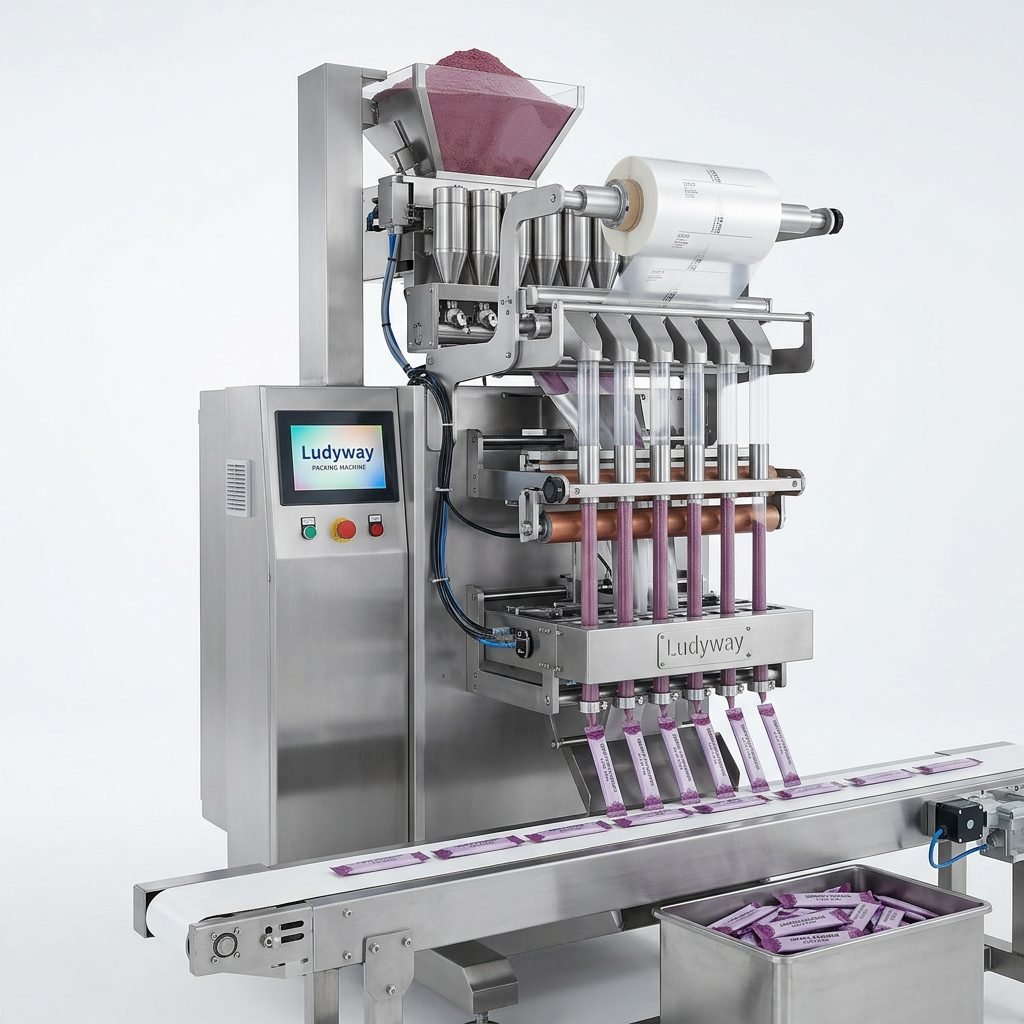
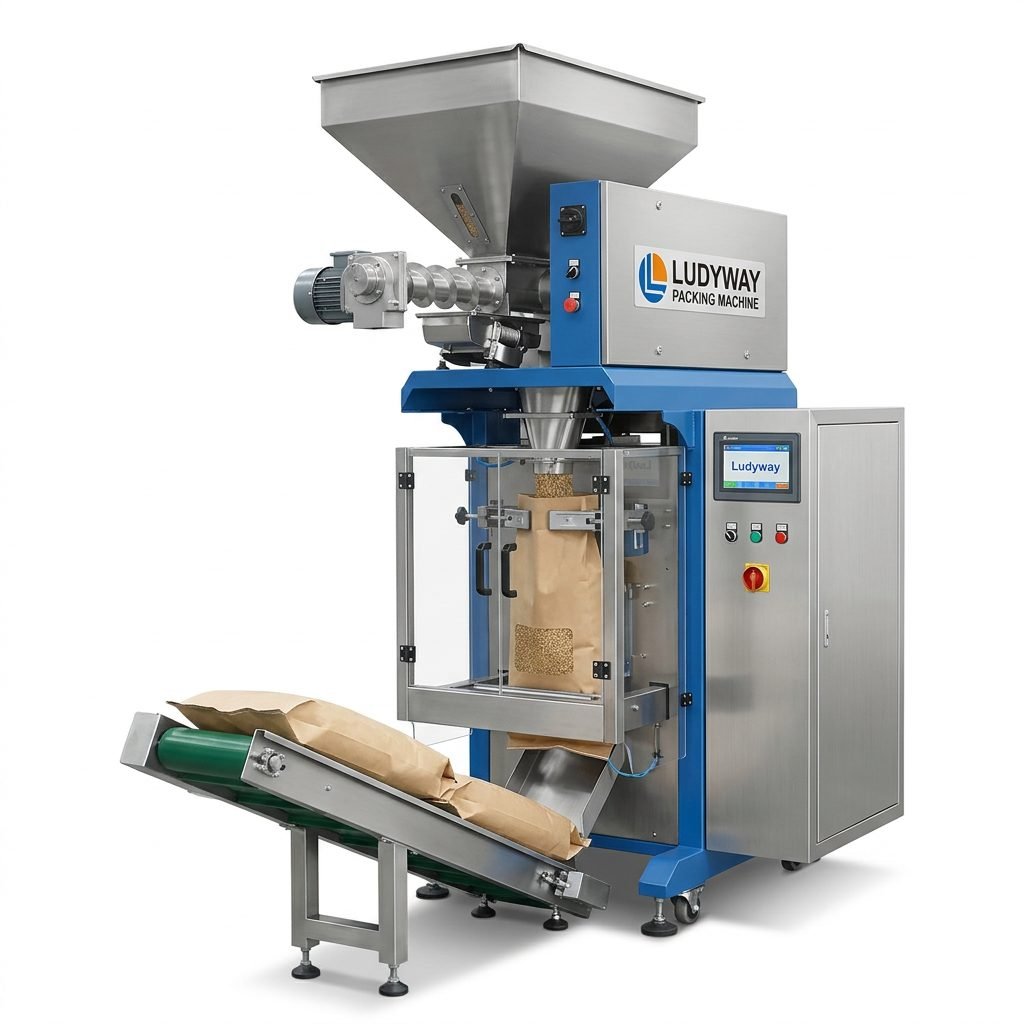
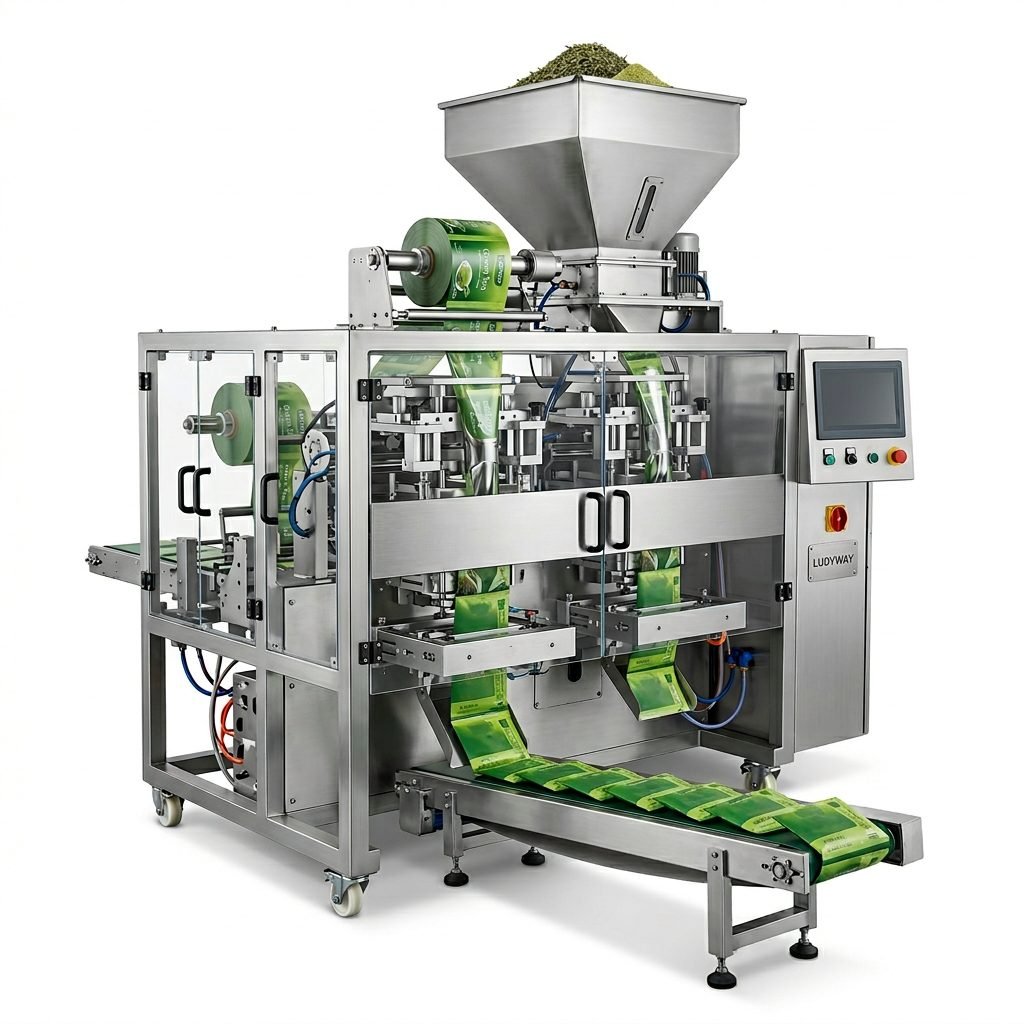
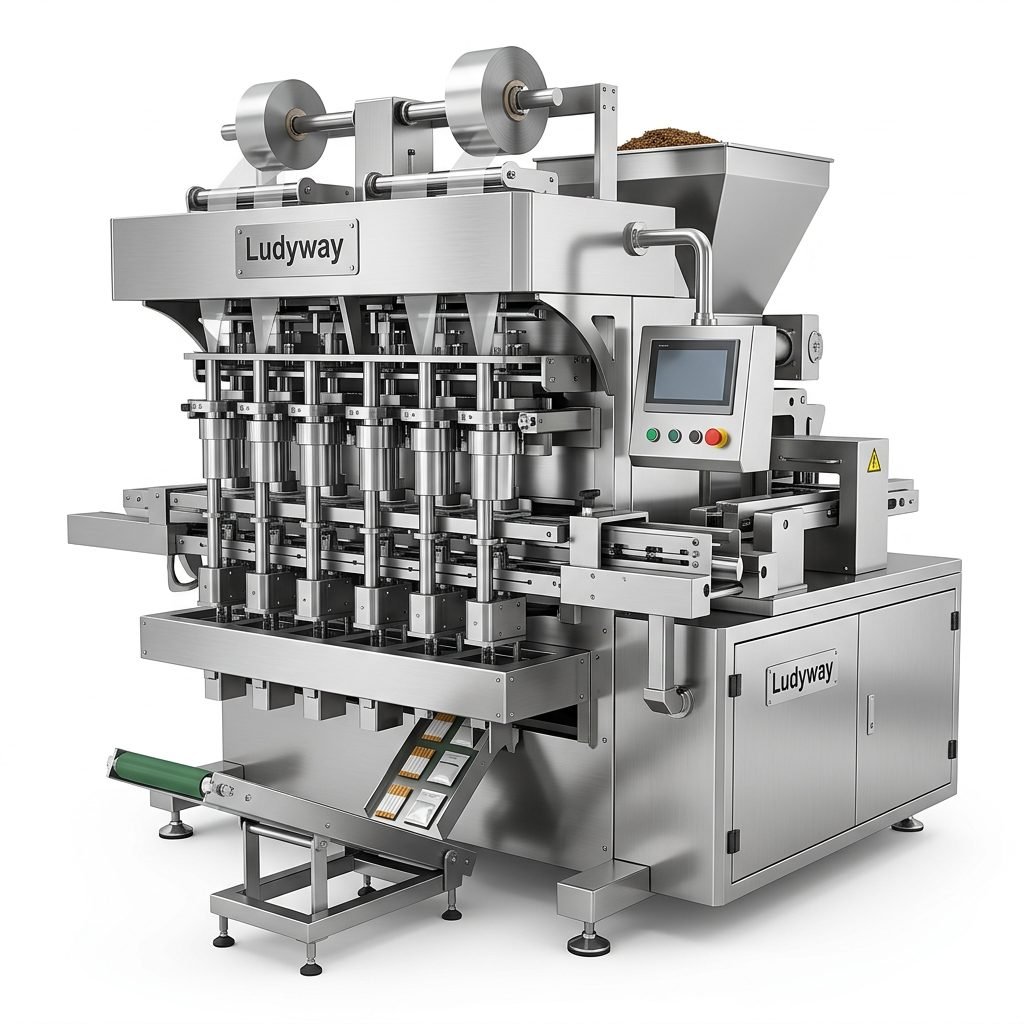
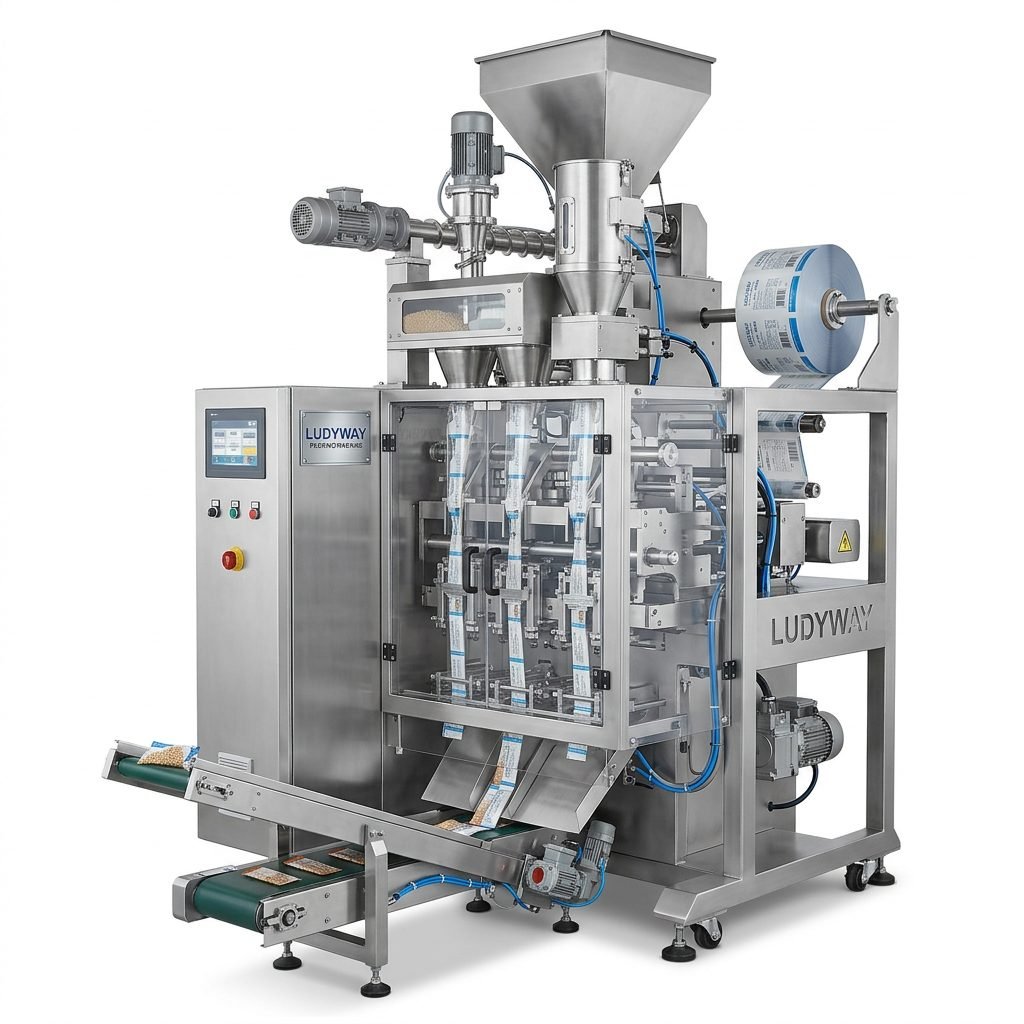
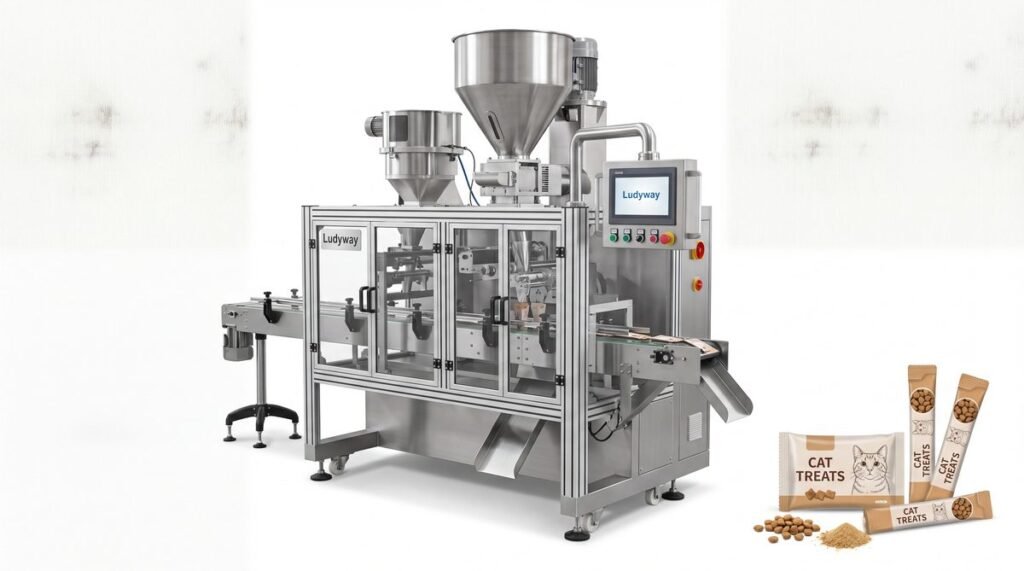
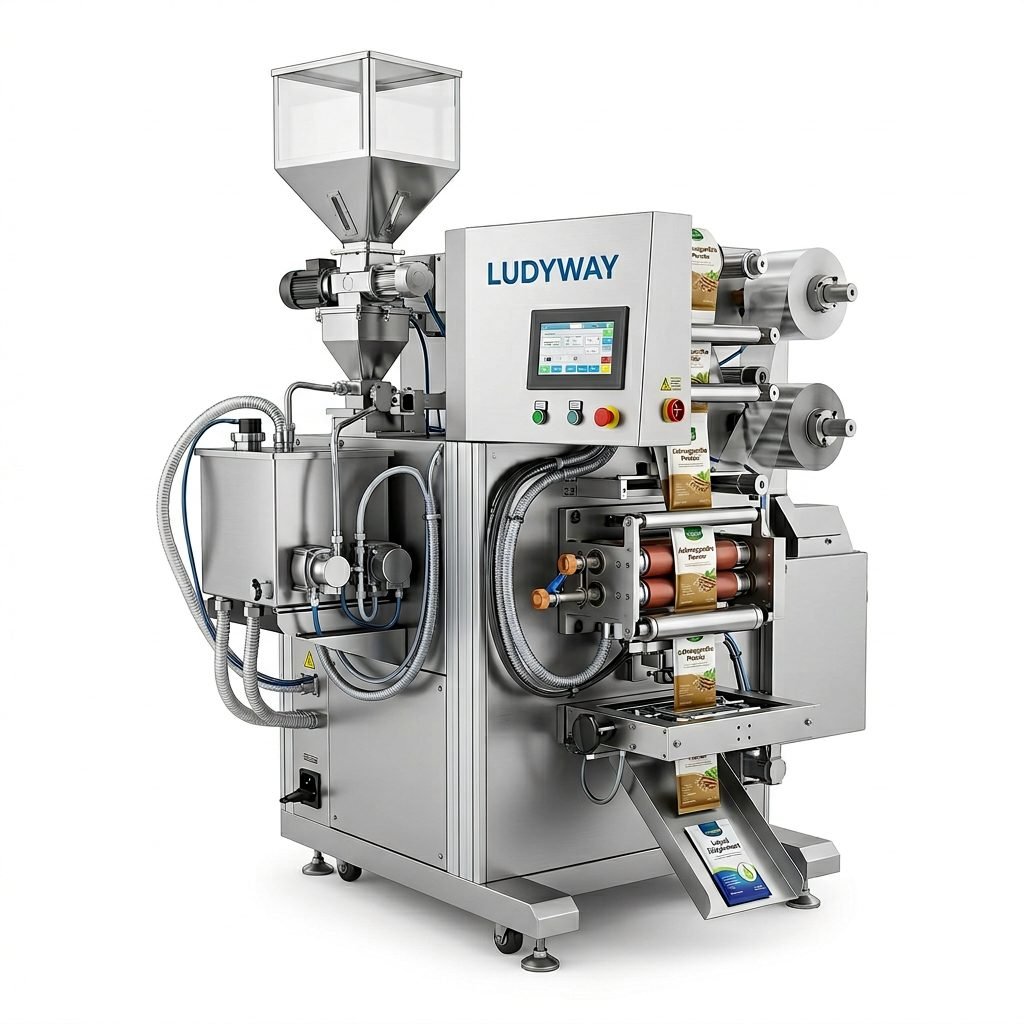
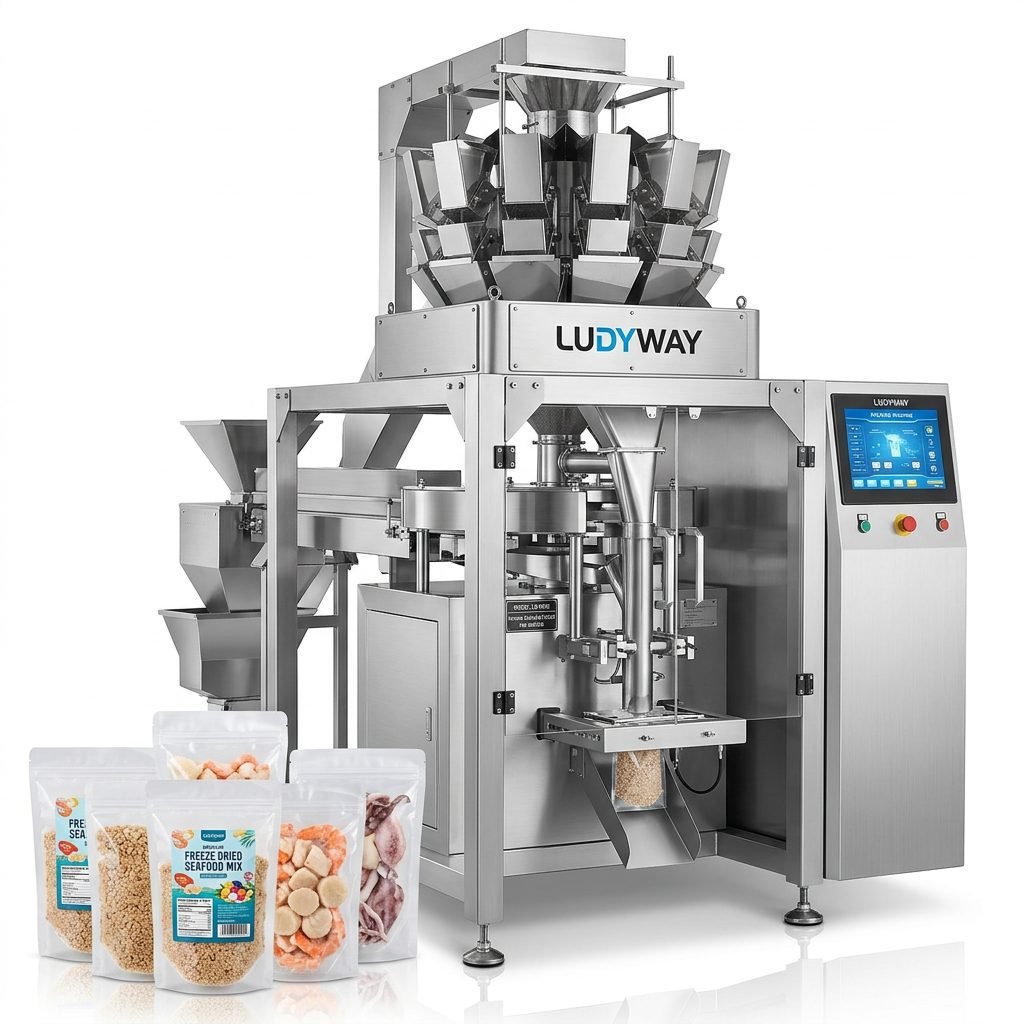
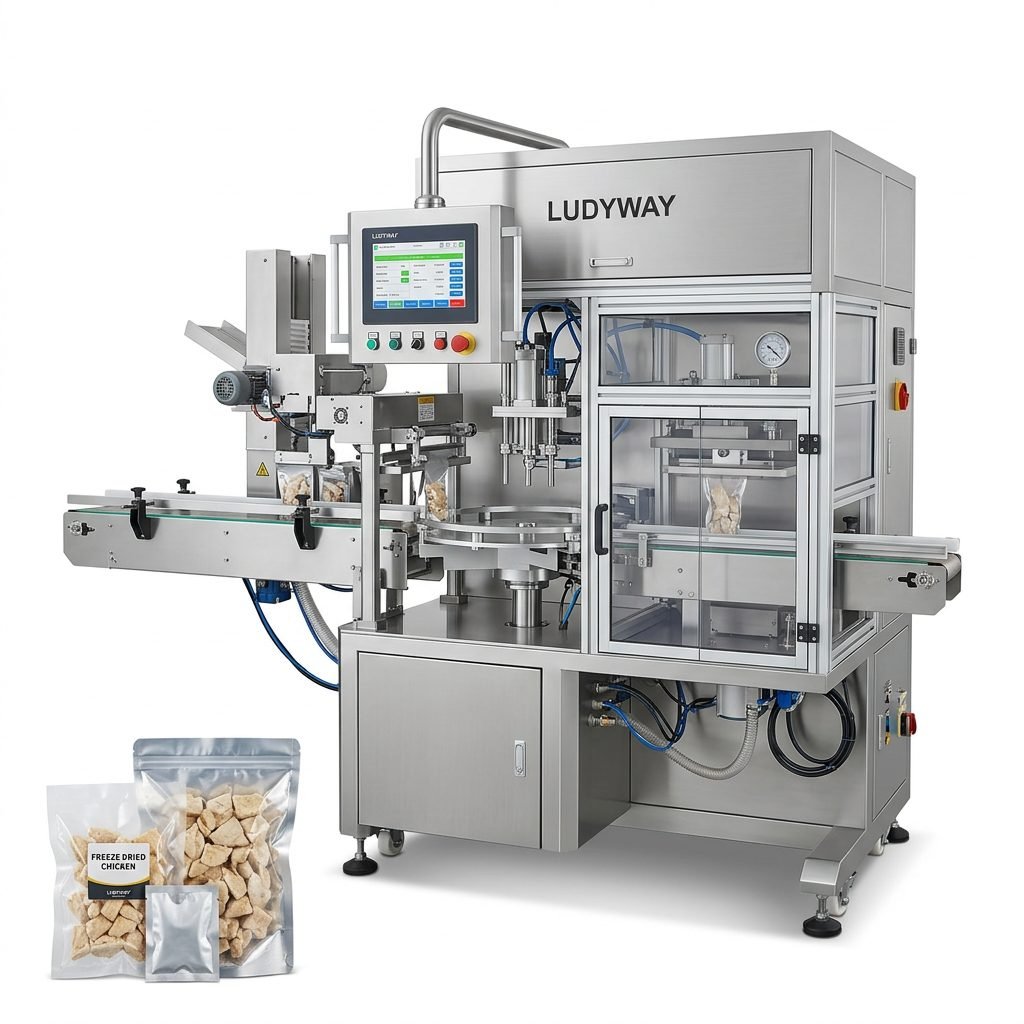
Ludyway is one of the largest packaging machine manufacturers in China, with over 30 years of industry expertise and a modern 20,000㎡ production facility. The company provides advanced packaging equipment and turnkey production solutions for food, pharmaceutical, and health industries, serving customers in more than 100 countries. With over 50 intelligent packaging machine models—including multi-lane stick pack, sachet, and fully automated packaging systems—Ludyway delivers innovative, high-performance, and cost-effective solutions designed to meet diverse production requirements.

Maintenance and Operational Best Practices
To maximize the lifespan and efficiency of your home vacuum packaging production line, implement a structured maintenance routine:
- Daily: Clean sealing bars with a soft cloth; inspect vacuum pump oil levels; wipe down all food-contact surfaces with approved sanitizers
- Weekly: Check and clean air filters; inspect gaskets and seals for wear; verify temperature calibration of heating elements
- Monthly: Change vacuum pump oil; lubricate moving parts per manufacturer guidelines; test vacuum pressure gauge accuracy
- Quarterly: Complete inspection of electrical connections; deep clean vacuum chamber interior; review production logs for efficiency trends
Industry Resources and Further Reading
Staying informed about packaging industry standards and trends will help you maintain competitiveness. We recommend consulting these authoritative resources:
- PMMI – The Association for Packaging and Processing Technologies – Comprehensive industry data, state-of-the-industry reports, and packaging machinery market research
- PMMI State of the Industry Reports – Annual economic analysis covering packaging machinery trends globally
- Flexible Packaging Association – Industry resources including flexible packaging data, regulatory affairs updates, and sustainability resources
- ISO Packaging Standards – International standards covering packaging materials, testing, and distribution requirements
Frequently Asked Questions
What is the best vacuum packaging machine for a home-based food business in the Middle East?
For most home-based businesses, a semi-automatic chamber vacuum sealer offers the optimal balance of affordability, performance, and versatility. Chamber machines handle both dry and liquid products effectively and produce consistent, professional-grade seals suitable for commercial sale.
Do I need special certifications to sell vacuum-packed foods in GCC countries?
Yes. Each GCC country requires food safety certifications from relevant authorities. In the UAE, you need approval from the local municipality’s food safety department. In Saudi Arabia, SFDA registration is mandatory. Always verify the specific requirements of your target market before commencing production.
How does the Middle Eastern climate affect vacuum packaging operations?
The region’s high ambient temperatures and humidity can impact sealing quality and machine performance. It is advisable to operate in an air-conditioned environment and select packaging films with enhanced moisture barrier properties. Regular calibration adjustments may be necessary during summer months.
Can I package both dry and wet products on the same production line?
Yes, a chamber vacuum machine can handle both product types without reconfiguration. However, you should thoroughly clean and sanitize the chamber between product changeovers to prevent cross-contamination. For high-volume operations, dedicated machines for wet and dry products are recommended.
Setting up a home vacuum packaging machine production line in the Middle East is a viable and potentially profitable venture when approached with proper planning, regulatory awareness, and quality equipment investment. By following the steps outlined in this guide and partnering with reputable equipment manufacturers, you can establish a production operation that meets the region’s growing demand for well-preserved, professionally packaged food products.