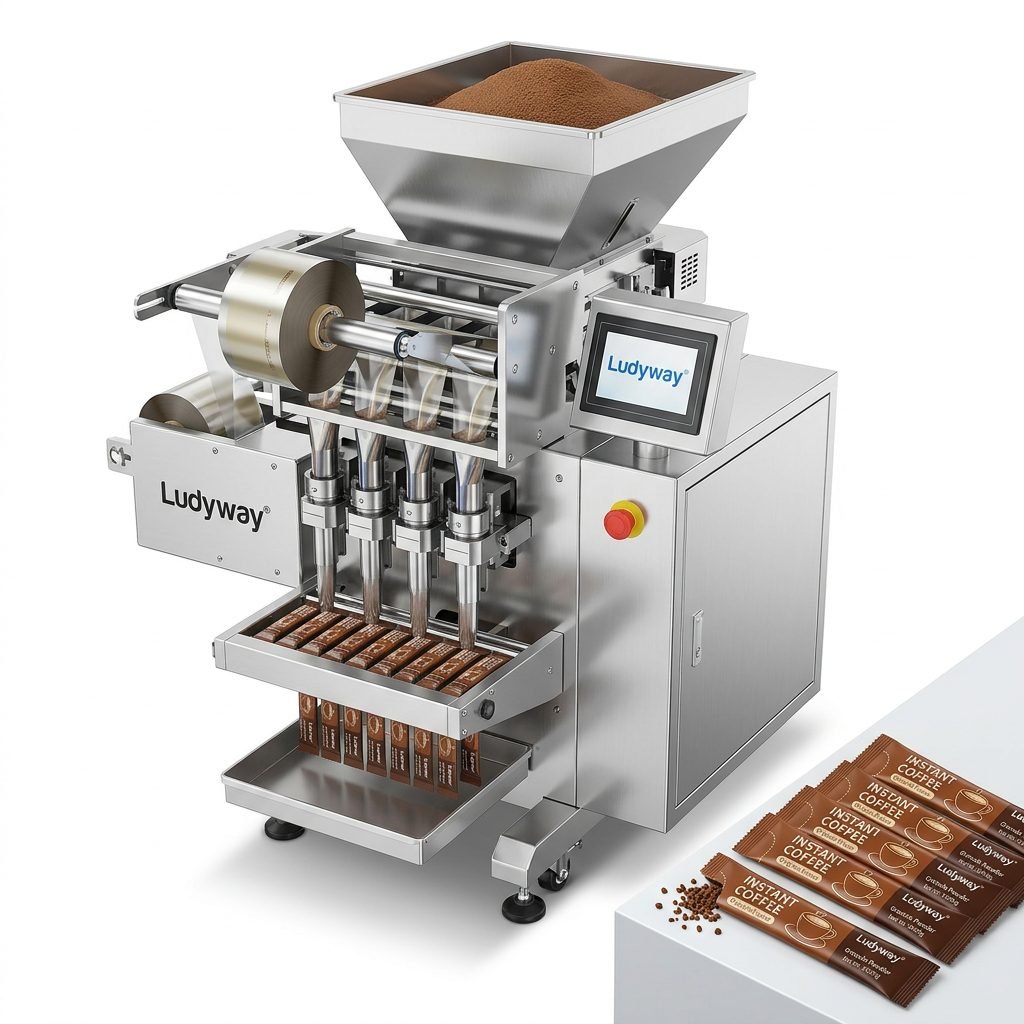
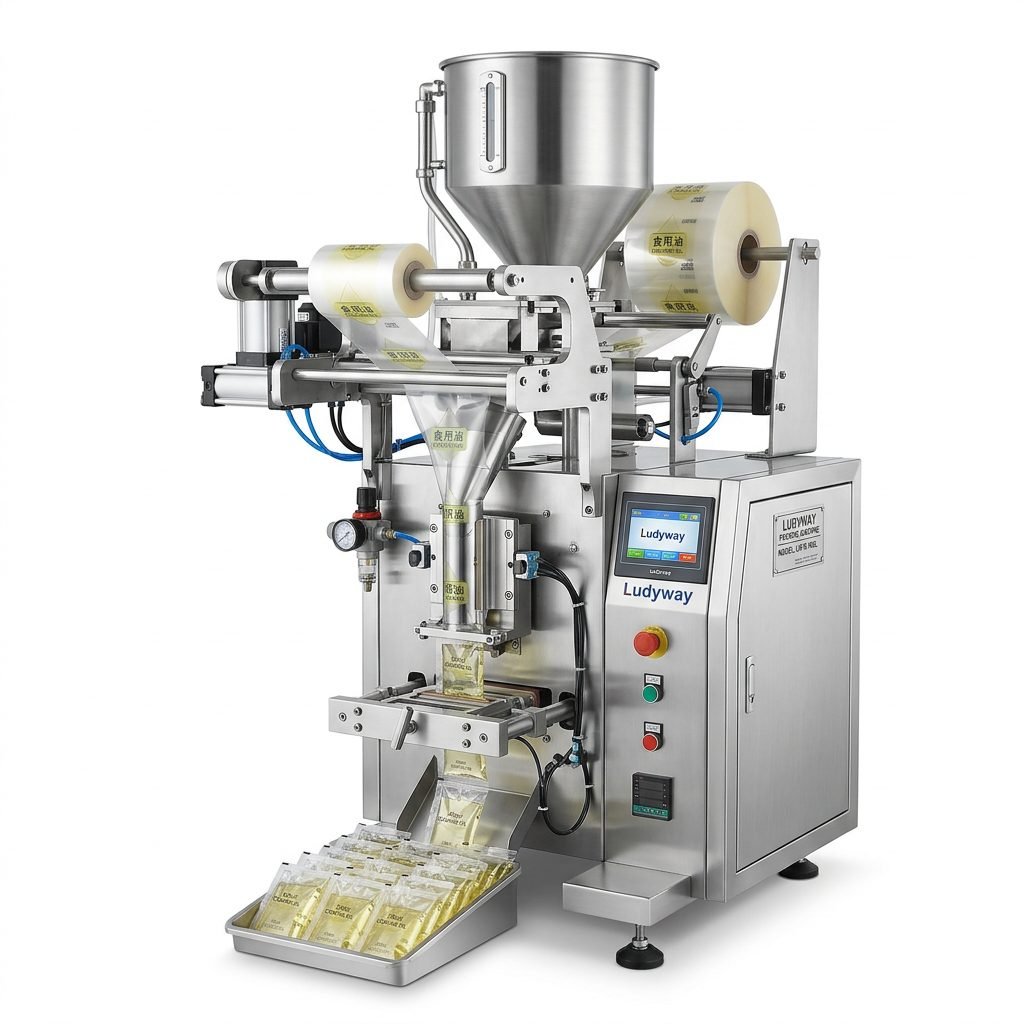
Investing in a tea packaging machine is a significant decision for any tea producer, co-packer, or brand owner. The right equipment directly impacts your product freshness, shelf appeal, production efficiency, and ultimately, your bottom line. With a wide array of machine types, configurations, and automation levels available, the selection process can feel overwhelming. This complete buyer’s guide walks you through the essential factors to consider, helping you make an informed investment that aligns with your production goals and budget.
1. Define Your Tea Product Characteristics
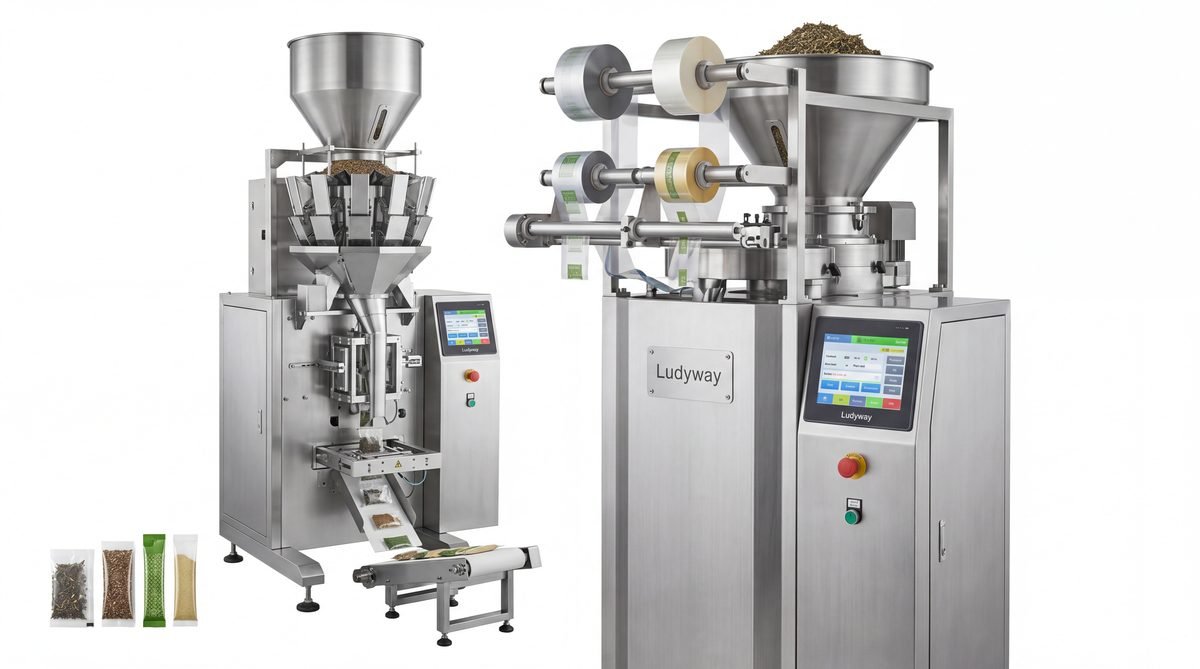
Before evaluating machinery, you must thoroughly understand the physical properties of the tea you are packaging. Different tea formats demand different handling and dosing mechanisms. Consider the following product variables:
- Product form: Loose leaf tea, tea bags, matcha powder, granulated instant tea, or liquid tea concentrates.
- Flowability: Free-flowing granules versus fine, cohesive powders that may bridge or clump.
- Particle size and density: Affects filling accuracy and speed.
- Moisture sensitivity and hygroscopicity: Matcha and instant tea powders often require humidity-controlled environments.
- Shelf-life requirements: Oxygen and light barriers may dictate packaging material choices.
Matching your product characteristics to the correct dosing system—volumetric cup fillers, auger fillers, multi-head weighers, or liquid piston pumps—is the foundation of a successful packaging machinery investment.
2. Determine Your Target Packaging Format
The packaging style you choose influences branding, portion control, consumer convenience, and machine configuration. Common formats for tea packaging include:
| Packaging Format | Typical Applications | Key Considerations |
|---|---|---|
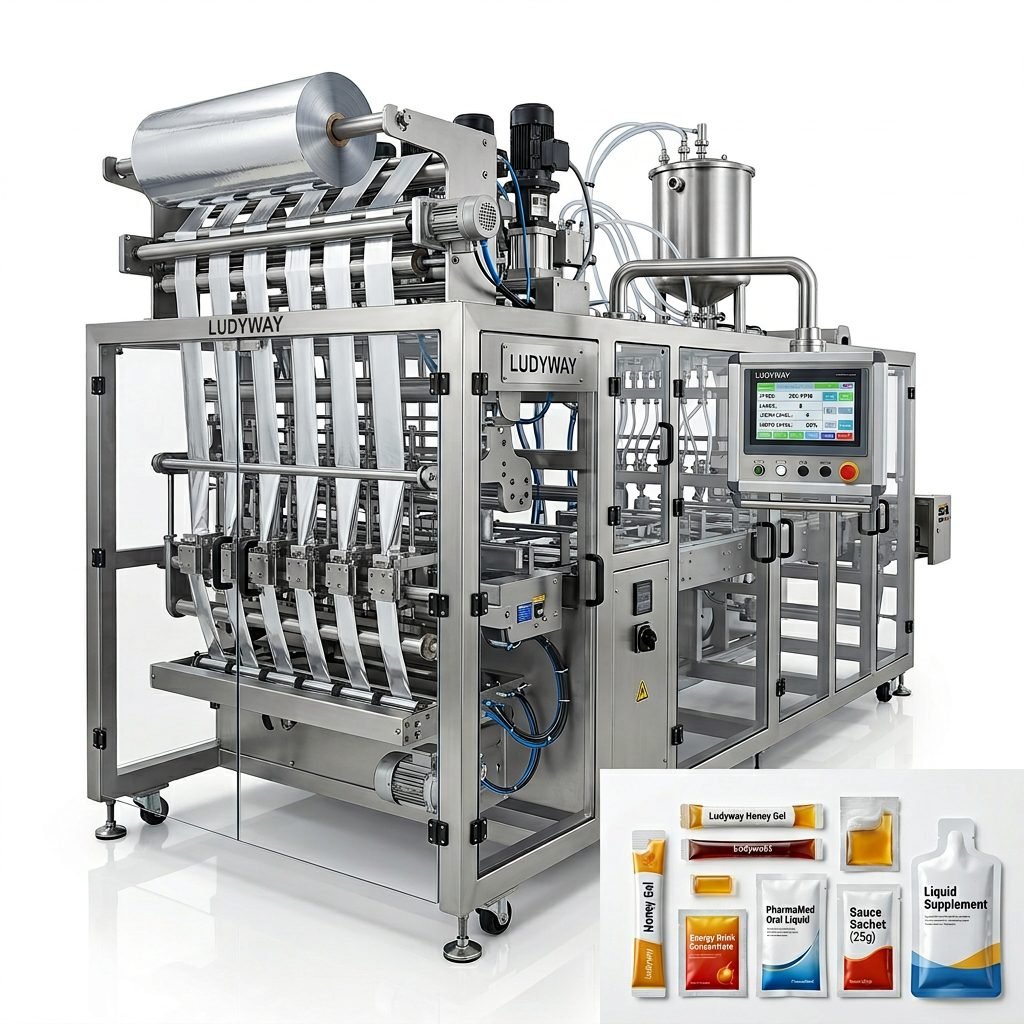
| Stick Packs | Single-serve instant tea, matcha, latte mixes | High-speed, compact, excellent for on-the-go portions |
| Flat Sachets / Pillow Bags | Loose leaf samples, herbal blends, tea bag overwrap | Versatile, cost-effective, supports various materials |
| Stand-Up Pouches | Premium loose leaf tea, bulk tea bags | Excellent shelf presence, resealable options, higher material cost |
| Tea Bag Envelopes | Traditional tea bags with outer wrap | Requires specialized tea bag machinery |
| Bulk Bags | Wholesale loose leaf, ingredient supply | Higher weight ranges, simpler sealing requirements |
3. Understand Core Machine Configurations
Tea packaging machines are not one-size-fits-all. The configuration you choose should reflect your current production volume and future growth plans.
Single-Lane vs. Multi-Lane Systems
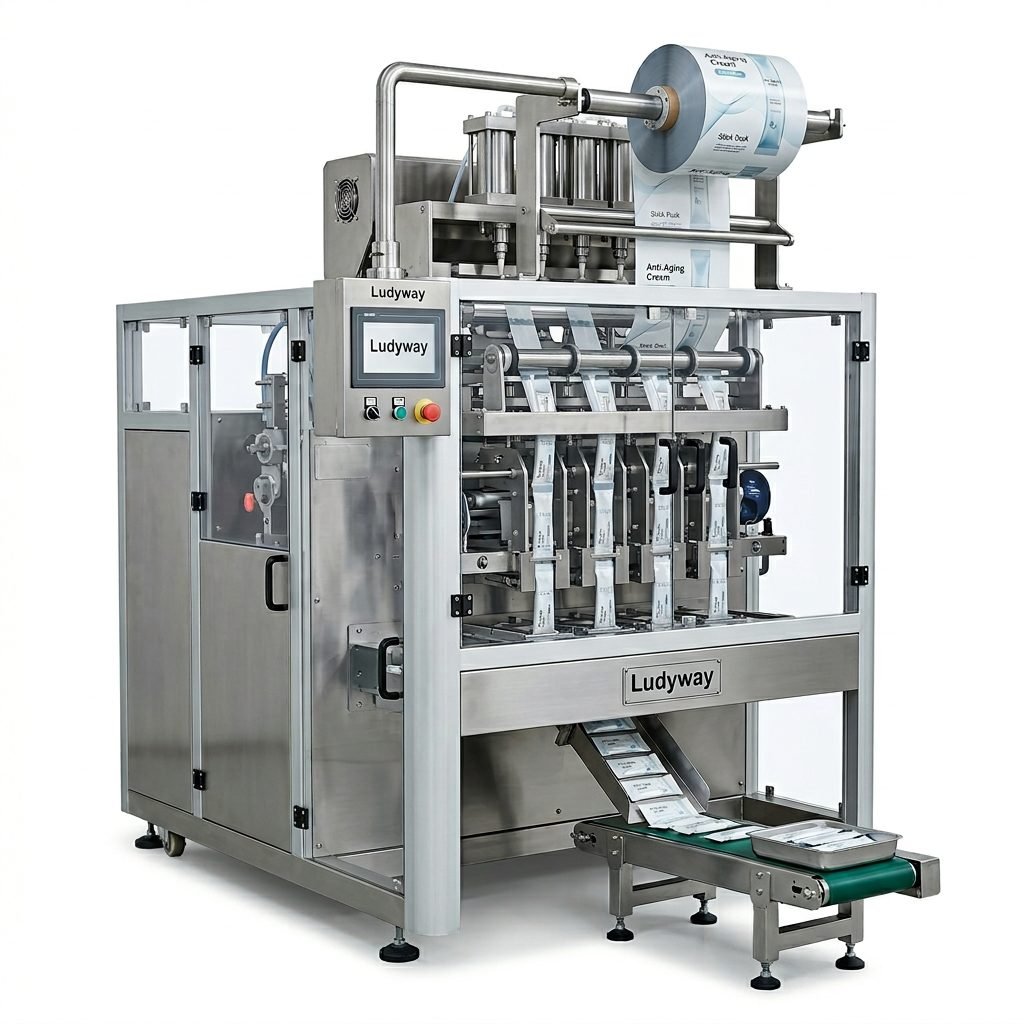
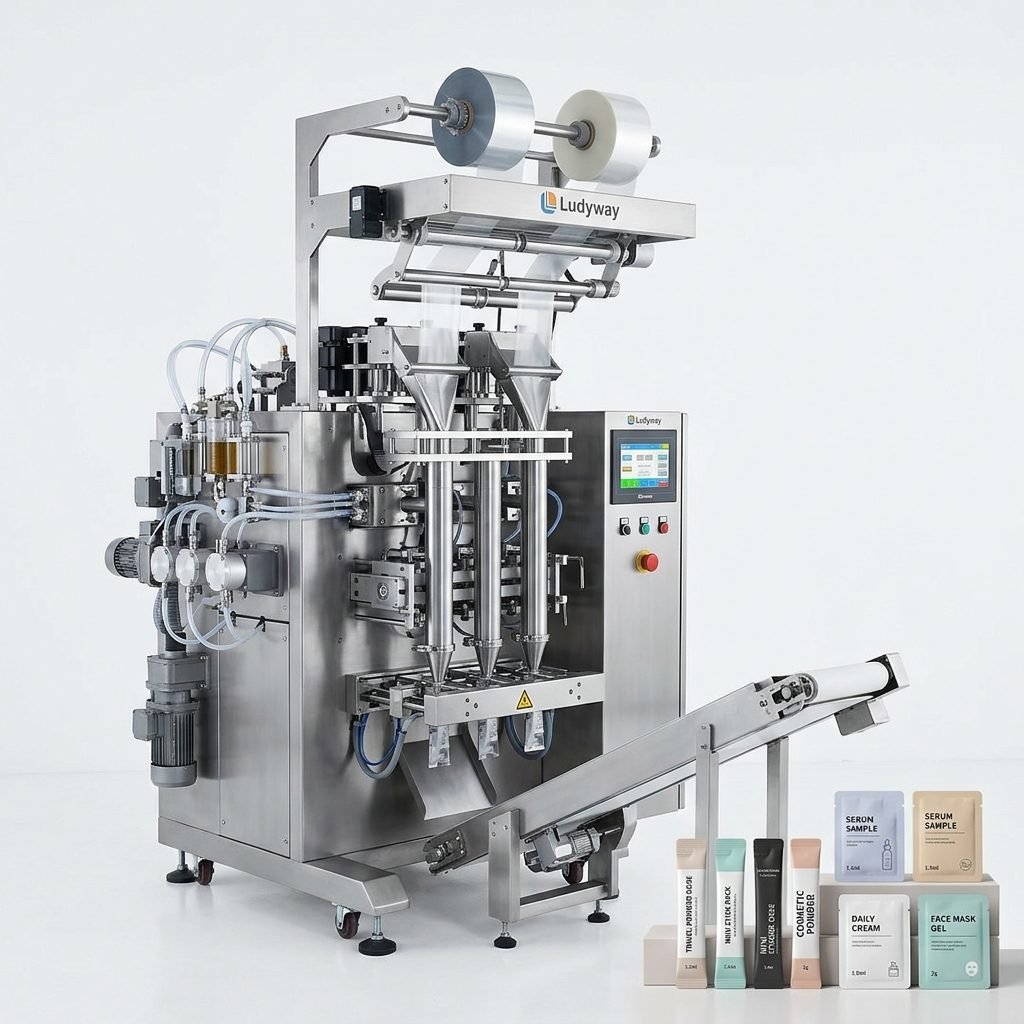
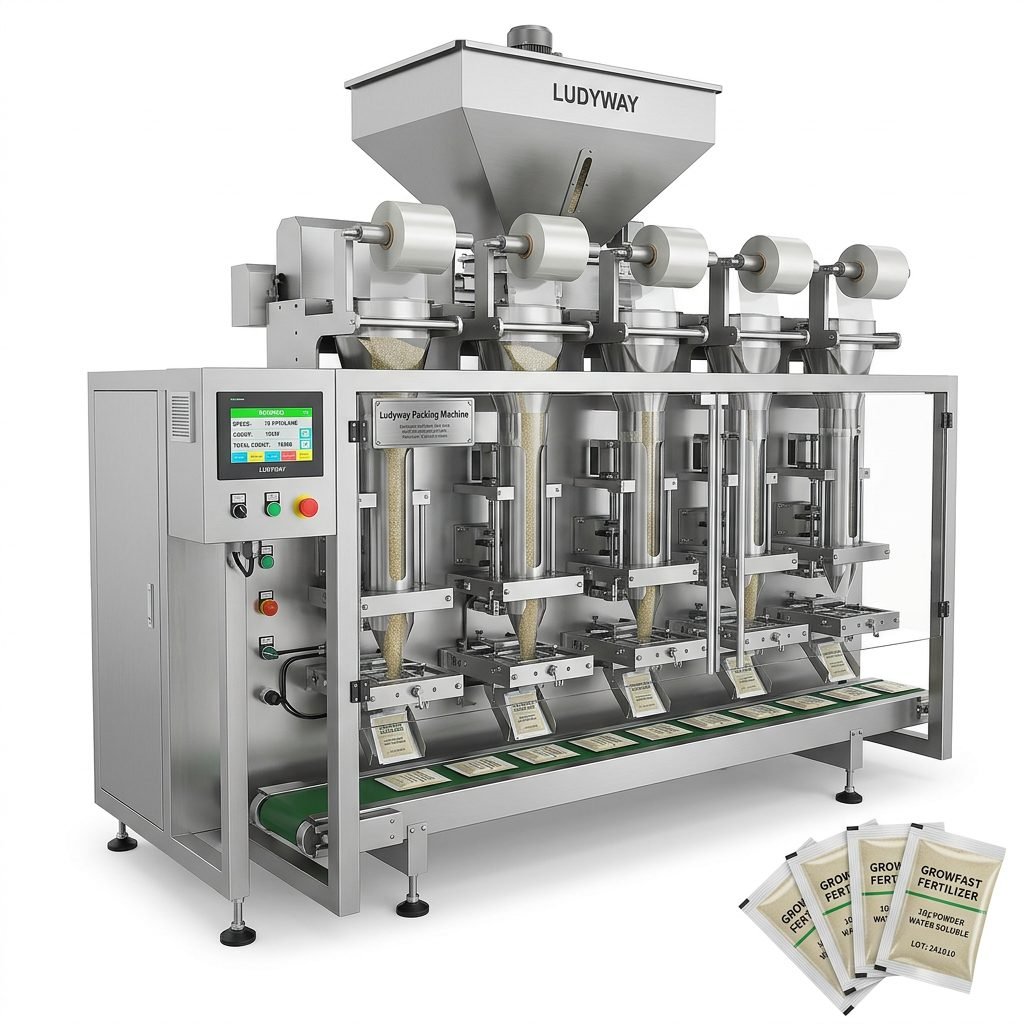
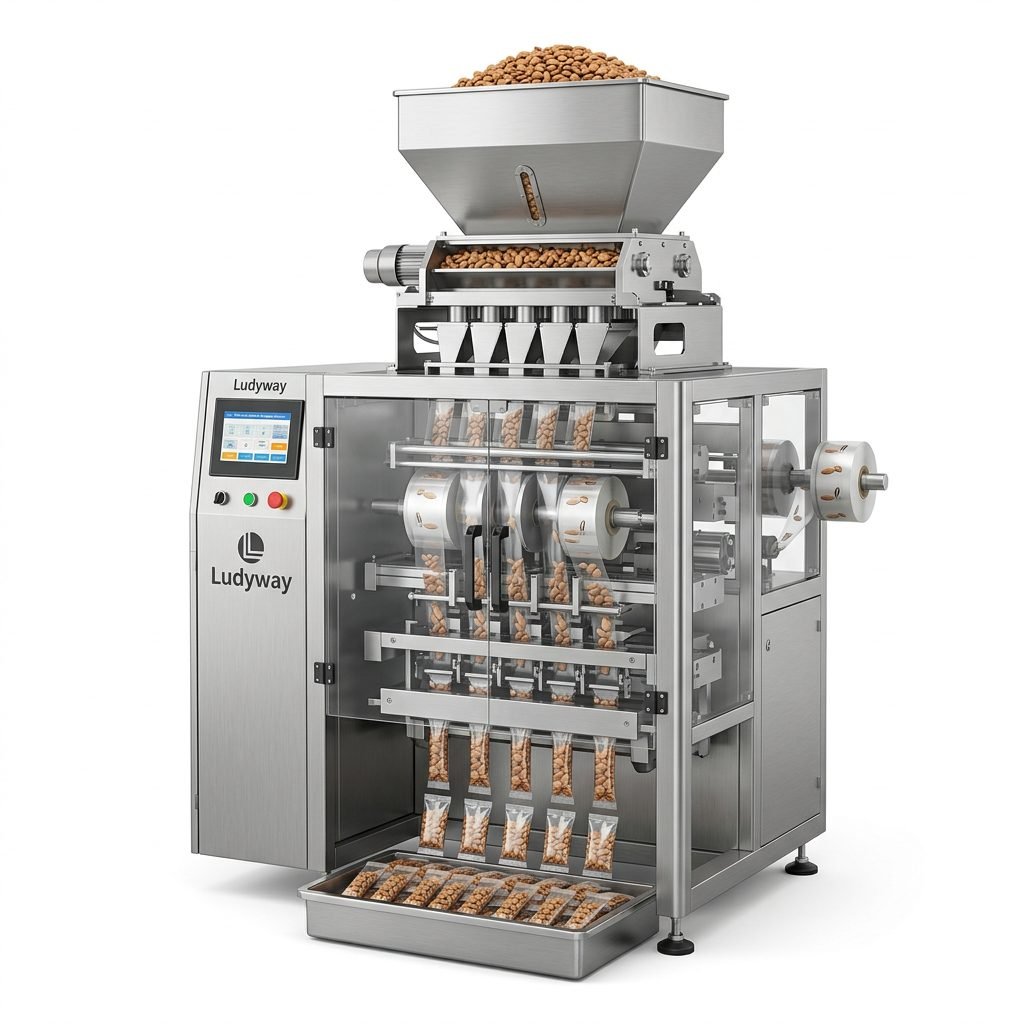
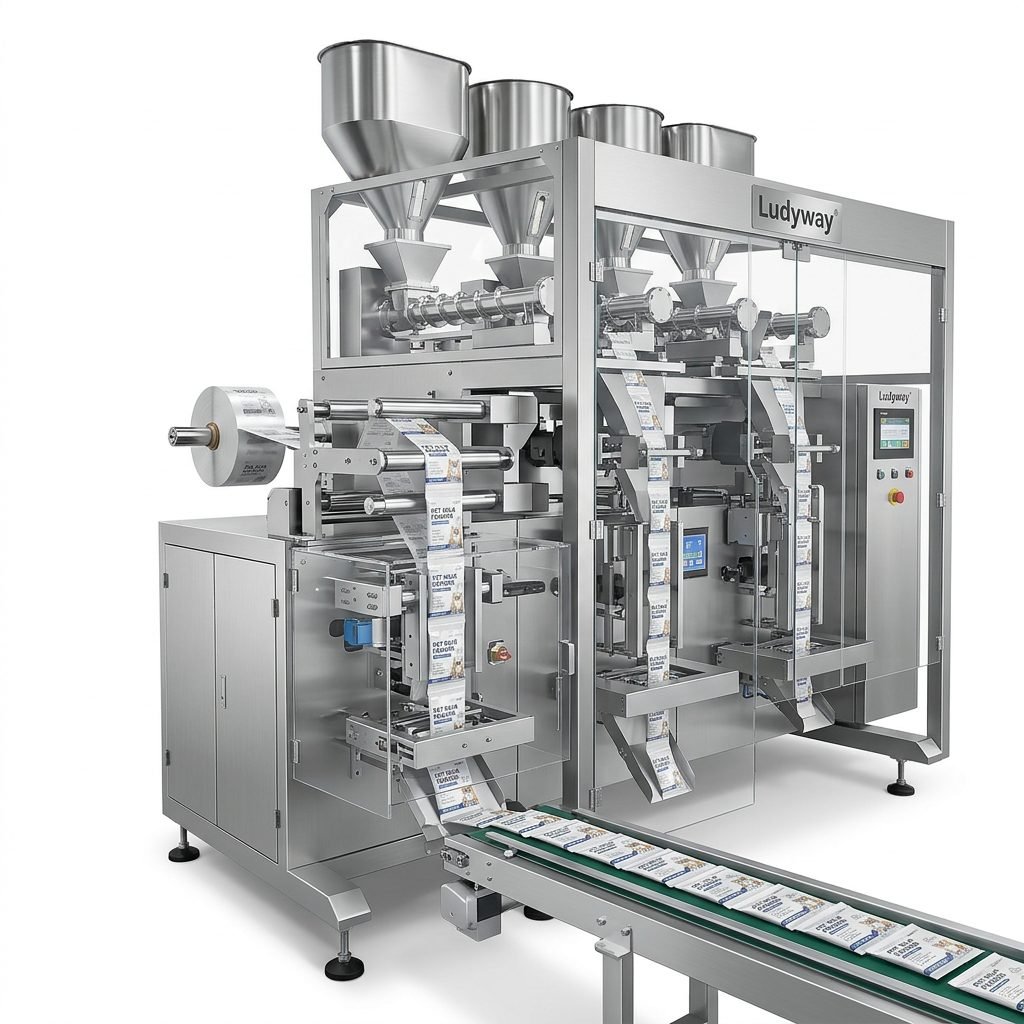
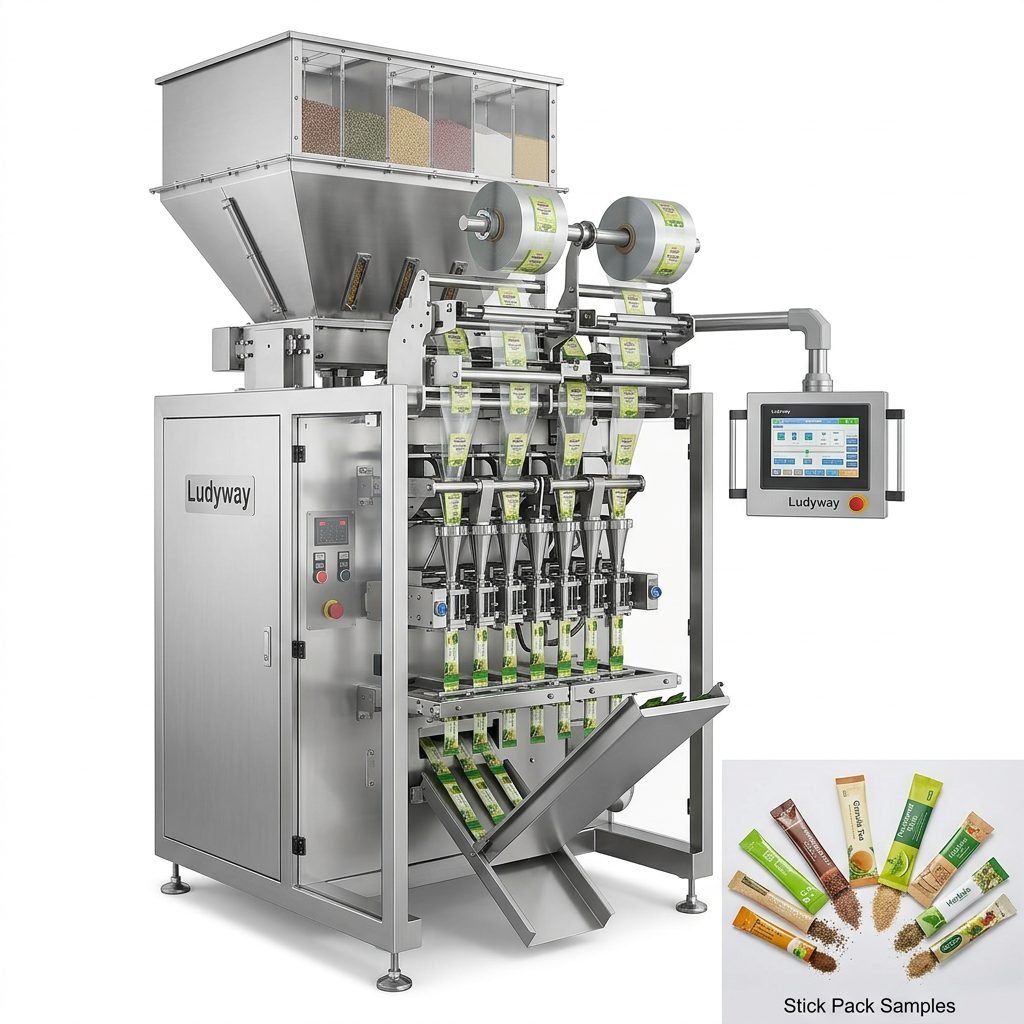
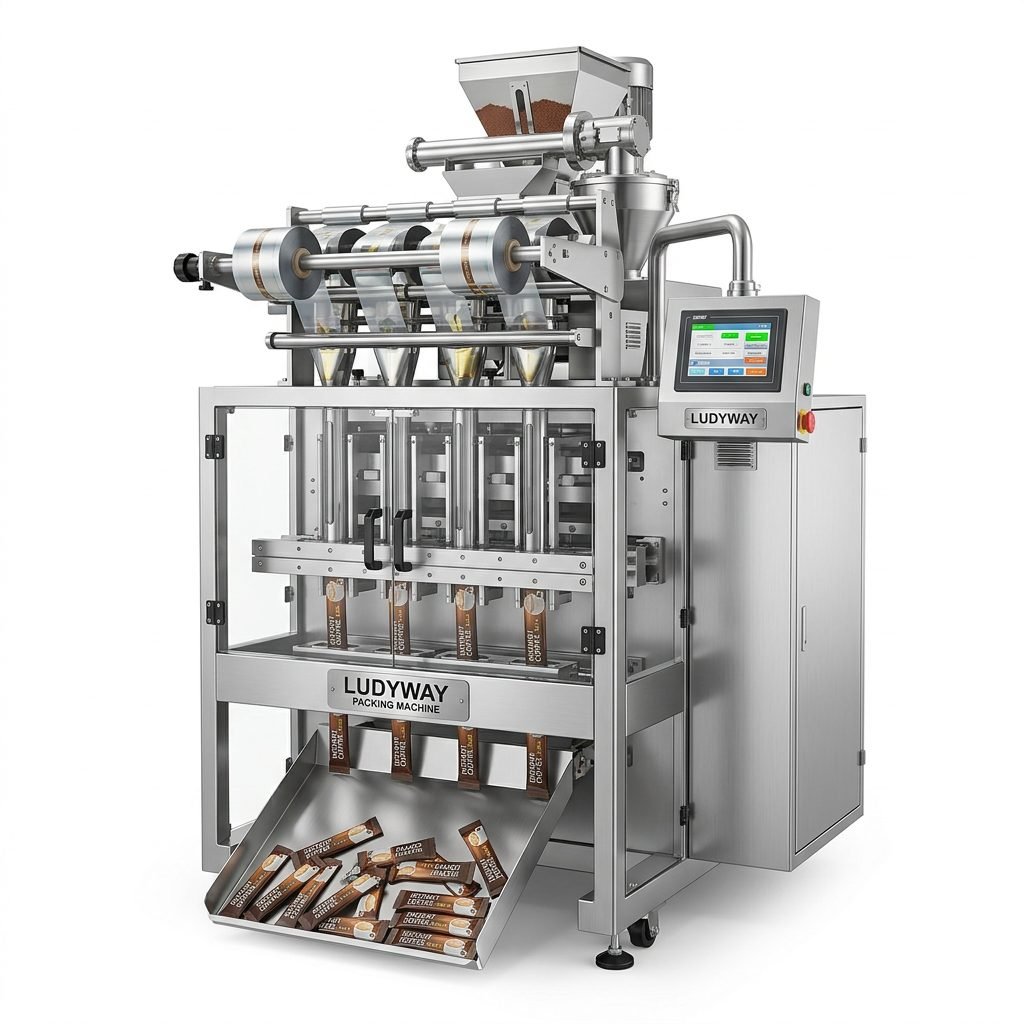
Single-lane machines produce one package per cycle. They are suitable for startups, low-to-medium volume production, or products with frequent changeovers. Multi-lane tea packaging machines run multiple lanes simultaneously—commonly 4, 6, 8, 10, or even 12 lanes—dramatically increasing output without proportionally increasing floor space. For high-demand products like matcha stick packs or instant tea sachets, multi-lane technology is often essential.
Intermittent vs. Continuous Motion
Intermittent-motion machines stop the film during sealing, which is gentler on certain materials but limits speed. Continuous-motion machines keep the film moving throughout the process, achieving higher throughput. Your choice depends on speed requirements and film material compatibility.
Vertical vs. Horizontal Form-Fill-Seal
Vertical form-fill-seal (VFFS) machines are the most common for granular and powdered tea products. Product drops vertically into the formed bag. Horizontal machines are typically used for tea bags or specialty formats. Understanding the distinction is important, and resources from the Flexible Packaging Association provide deeper insight into material trends that influence machine design.
4. Evaluate Key Technical Specifications
Beyond the basic configuration, several technical features determine the machine’s suitability, performance consistency, and long-term reliability.
- Filling Accuracy: Especially critical for premium tea powders where overfilling erodes margins and underfilling violates regulations. Auger fillers with servo-driven control typically offer ±0.5% to ±1% accuracy for powders.
- Sealing Integrity: Look for heat-sealing systems with precise temperature control, adjustable pressure, and dwell time. Poor seals lead to product spoilage and returns.
- Gas Flushing Capability: For products requiring extended shelf life, the machine should support nitrogen flushing or vacuum-sealing to reduce residual oxygen levels inside the package.
- Changeover Speed: If you run multiple SKUs, quick-change features like tool-less adjustments, recipe memory, and modular dosing units reduce downtime.
- Material Compatibility: The machine should handle your chosen packaging films—laminates, aluminum foil, kraft paper, or biodegradable materials—without wrinkling, misalignment, or seal failure.
- Washdown and Hygiene: For food-grade environments, stainless steel construction, sloped surfaces, and easy-access cleaning points are non-negotiable.
5. Assess Automation and Integration Capabilities
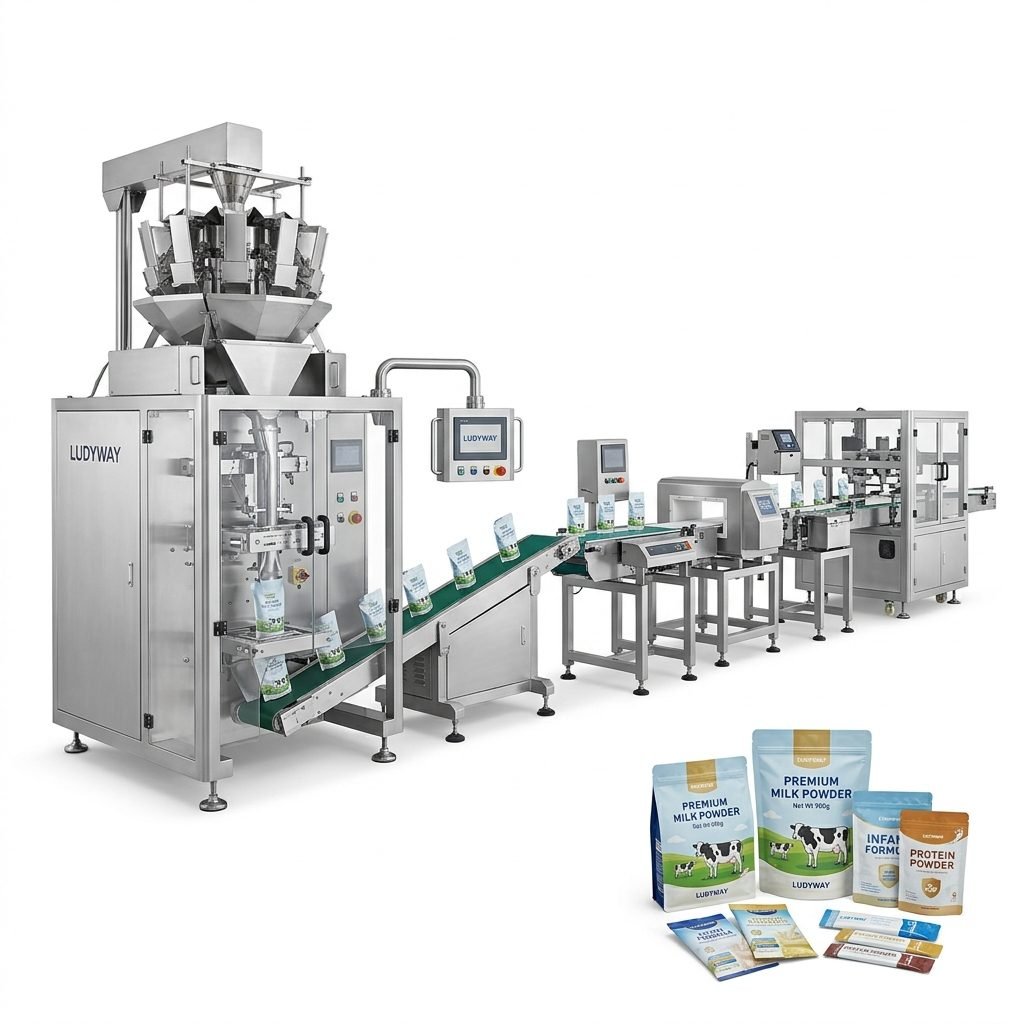
Modern packaging lines extend beyond the primary filling and sealing machine. Consider whether you need a fully integrated system that includes upstream and downstream equipment:
- Feeding systems: Vibratory feeders, screw conveyors, or bucket elevators for consistent product delivery.
- Weighing and inspection: Checkweighers, metal detectors, and X-ray inspection systems to ensure quality compliance. For guidance on applicable standards, refer to FDA food packaging requirements.
- Coding and marking: Inkjet printers, laser coders, or thermal transfer printers for batch codes, expiration dates, and traceability data.
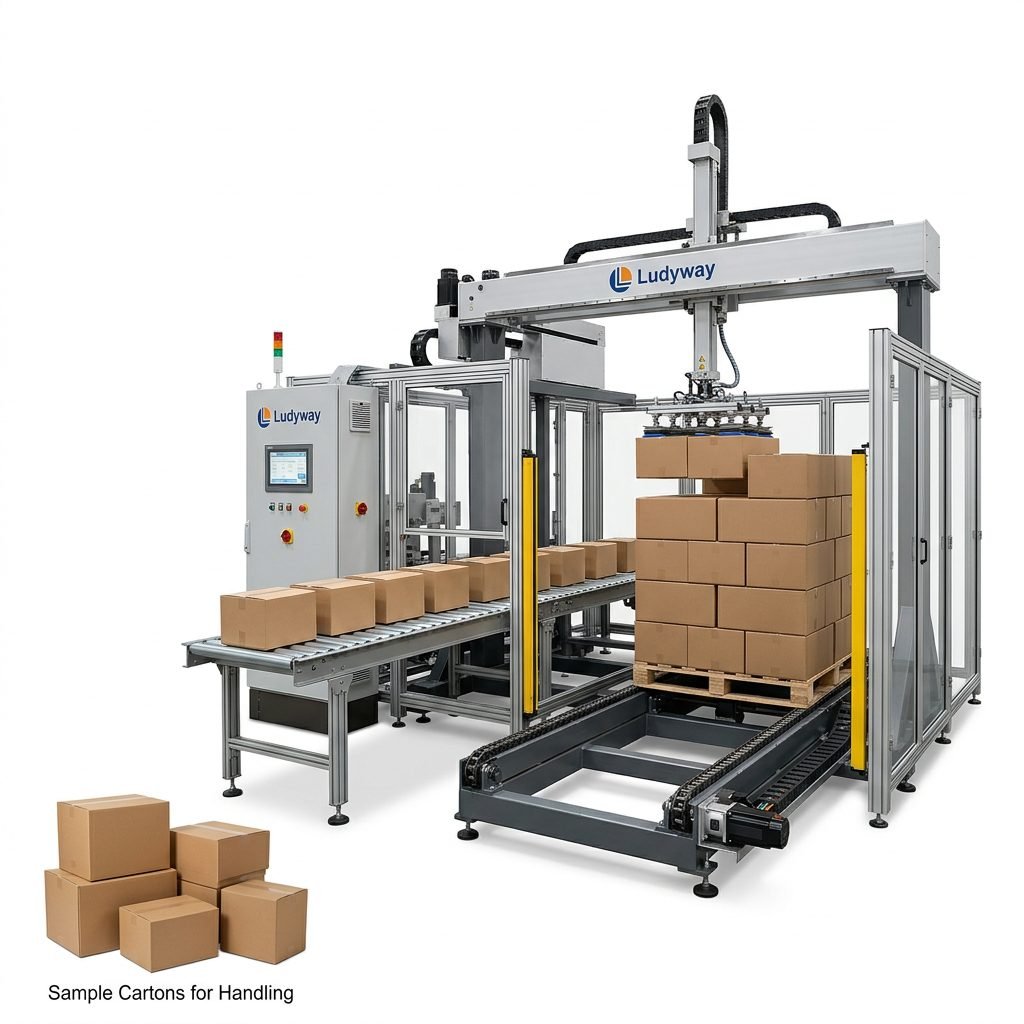
- Cartoning and case packing: Automated cartoners and case packers reduce manual labor and protect products during distribution.
- Palletizing: Robotic or conventional palletizers for end-of-line automation.
A single-source provider that can engineer the complete line simplifies integration, reduces compatibility risks, and streamlines after-sales support.
6. Consider Production Environment and Compliance
Tea packaging often occurs in environments subject to strict regulatory oversight. Your machine should support compliance with relevant standards:
- Food Safety: Design features that facilitate sanitation and prevent contamination, aligning with GMP and HACCP principles.
- Material Certifications: Food-grade contact parts, FDA-approved lubricants, and compliance with EU regulations where applicable.
- Dust Control: Powder tea products generate fine dust that can contaminate seals, damage electronics, and pose respiratory hazards. Integrated dust extraction systems are highly recommended.
- Certifications: Depending on your market, CE, UL, or other regional certifications may be required. The ISO packaging standards provide a useful benchmark.
7. Calculate Total Cost of Ownership
The purchase price is only one component of the total cost. A comprehensive evaluation should include:
- Initial investment: Machine cost, shipping, installation, and commissioning.
- Operational costs: Labor requirements, energy consumption, and film material waste rates.
- Maintenance and spare parts: Availability, cost, and lead times for wear components such as sealing jaws, cutting blades, and belts.
- Downtime risk: The true cost of an unreliable machine can quickly exceed any upfront savings.
- Scalability: Can the machine’s output be increased through added lanes, upgraded controls, or line extensions?
8. Vet the Manufacturer and After-Sales Support
Your relationship with the equipment manufacturer extends far beyond the purchase date. Before committing, investigate the following:
- Industry experience: How long has the manufacturer been building tea or powder packaging equipment specifically?
- Technical support: Is remote troubleshooting available? What are the response times and service level agreements?
- Spare parts logistics: Does the manufacturer maintain a well-stocked inventory and offer rapid international shipping?
- Training: Comprehensive operator and maintenance training reduces the learning curve and prevents avoidable errors.
- Customer references: Speaking with existing customers in the tea industry provides unfiltered insight into real-world performance.
Partnering with an established packaging machinery manufacturer that has a proven track record in tea and powder applications can significantly reduce project risk. For example, Ludyway Machinery brings over 30 years of experience, a 20,000-square-meter manufacturing facility, and more than 50 packaging machine models to address diverse tea packaging requirements, from single-lane sachet machines to high-speed multi-lane stick pack lines.
9. Test Before You Invest
Whenever possible, conduct factory acceptance testing (FAT) using your actual tea product and preferred packaging film. This validation step verifies:
- Filling accuracy with your specific product density and flow characteristics.
- Seal integrity and visual package quality at target production speeds.
- Dust generation and the effectiveness of any integrated dust management systems.
- Changeover times between different SKUs or bag formats.
Testing exposes potential issues before the machine arrives at your facility, allowing for adjustments without disrupting your production schedule.
Key Takeaways
Selecting the right tea packaging machine requires a methodical approach that balances product requirements, packaging format, production volume, automation goals, regulatory compliance, and long-term ownership costs. Start by thoroughly defining your product and process requirements, then evaluate machinery against those specific criteria rather than generic specifications. Invest in quality, reliability, and the manufacturer’s support capability—these factors ultimately determine the return on your packaging line investment far more than the initial price tag alone.
For further insights into packaging trends and technology, industry professionals can consult resources from PMMI’s State of the Industry reports and the Flexible Packaging Association.