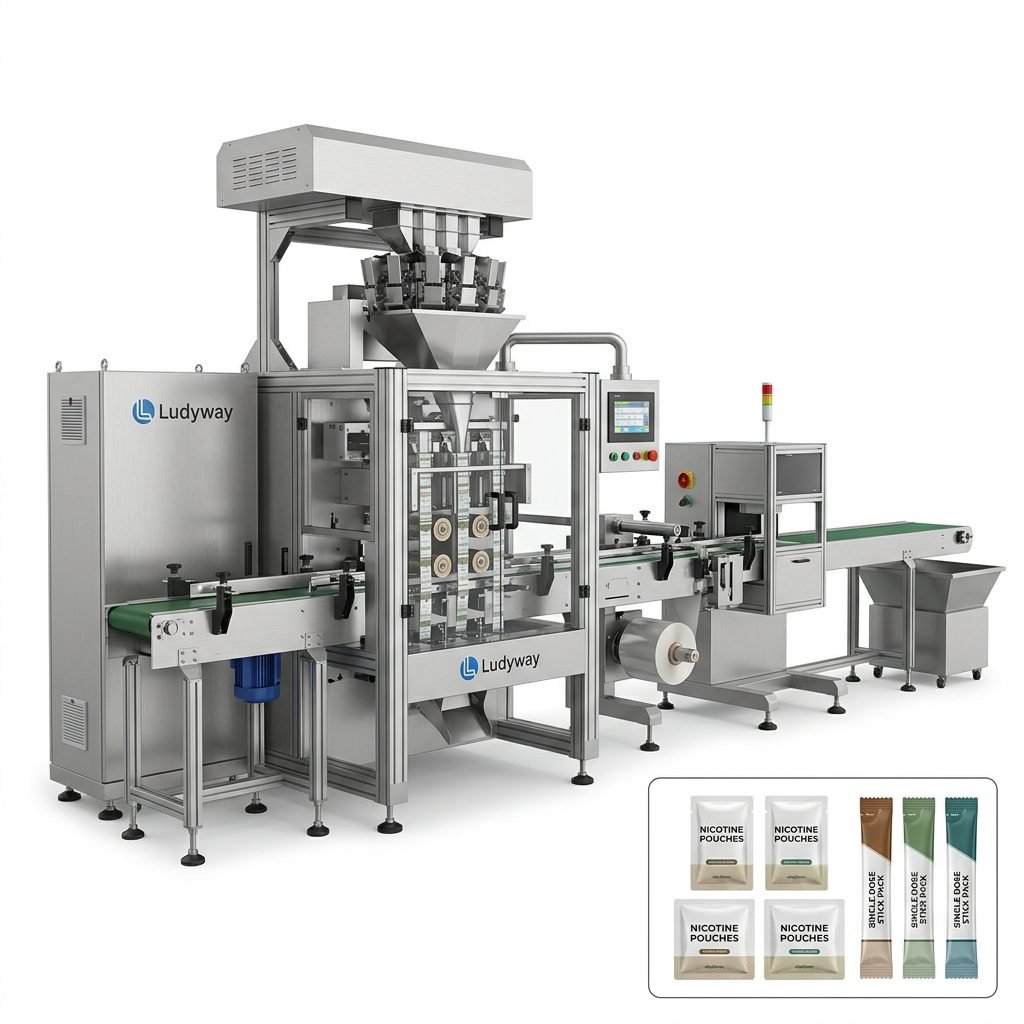
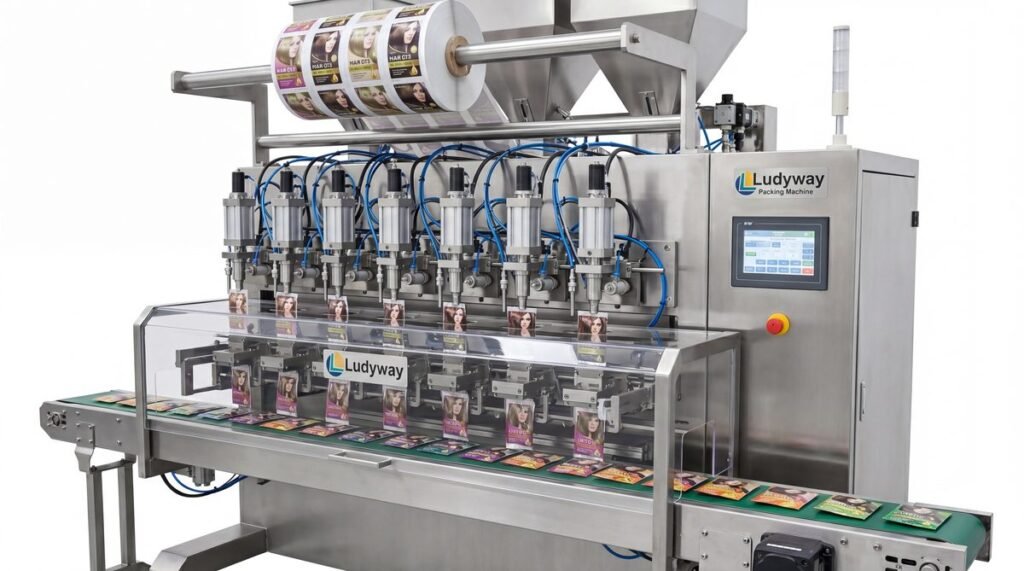
Beef jerky remains one of the most popular high-protein snacks in the United States, with the market projected to continue its steady growth. For manufacturers looking to scale production, investing in a beef jerky packaging machine is a critical step toward improving efficiency, extending shelf life, and meeting stringent FDA food packaging regulations. Whether you are a small artisanal producer or a large-scale meat snack processor, selecting the right equipment requires a thorough understanding of machine types, key features, compliance requirements, and total cost of ownership.
Understanding Beef Jerky Packaging Machine Types
Different production scales demand different packaging technologies. The most common configurations for jerky packaging equipment in the U.S. market include:
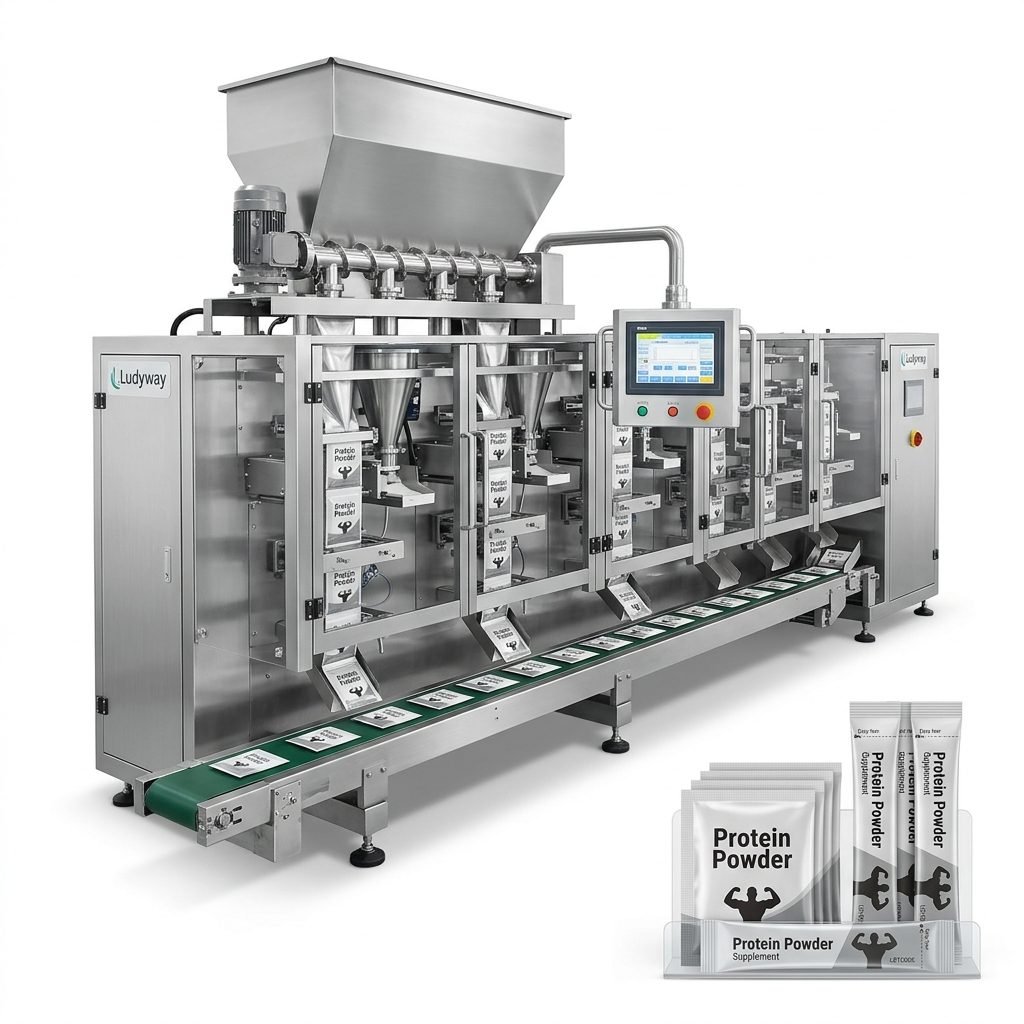
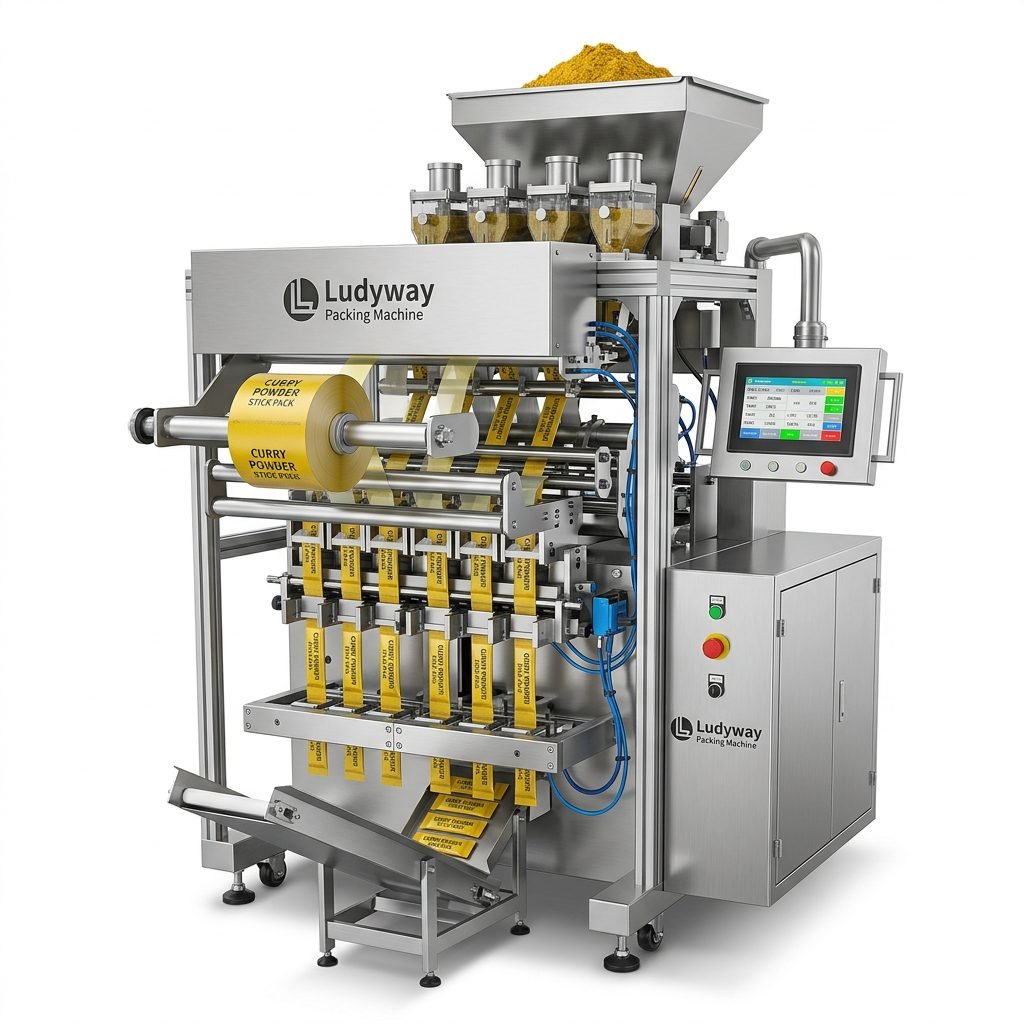
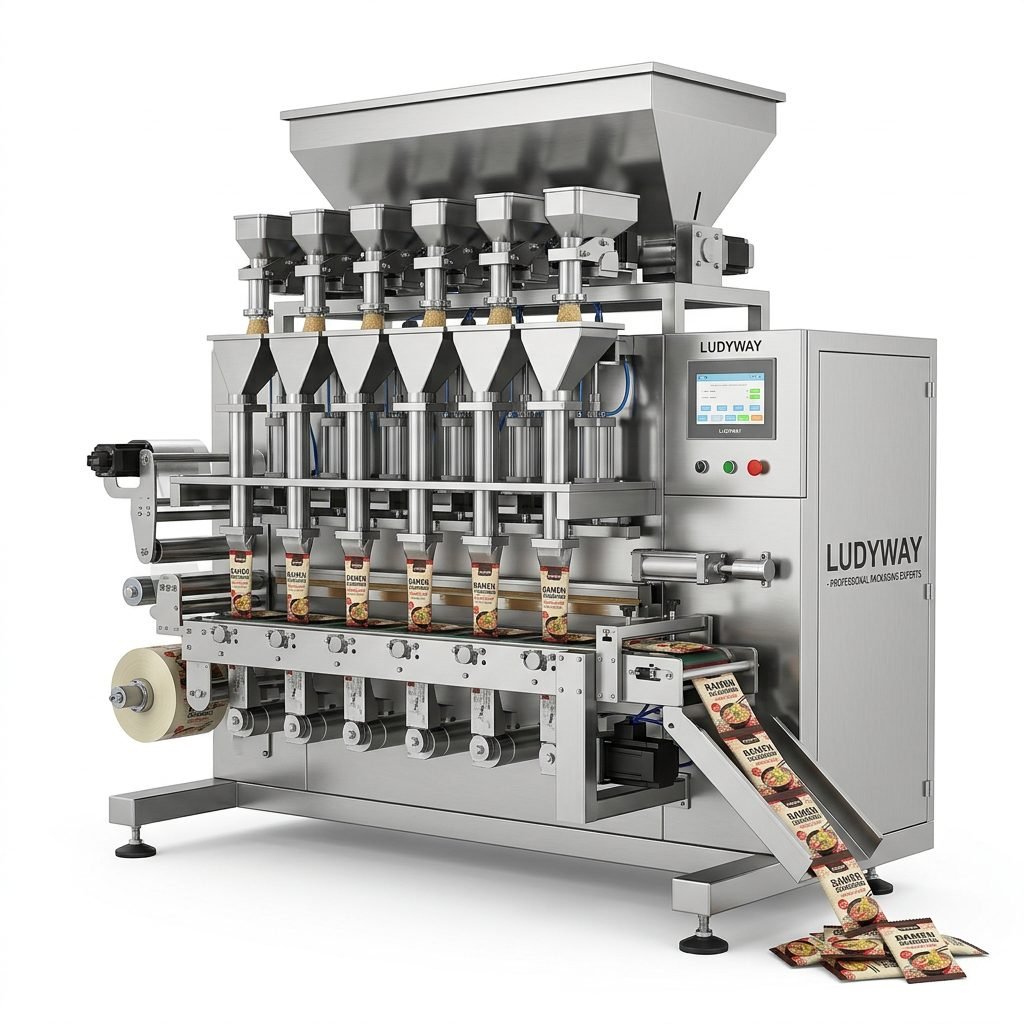
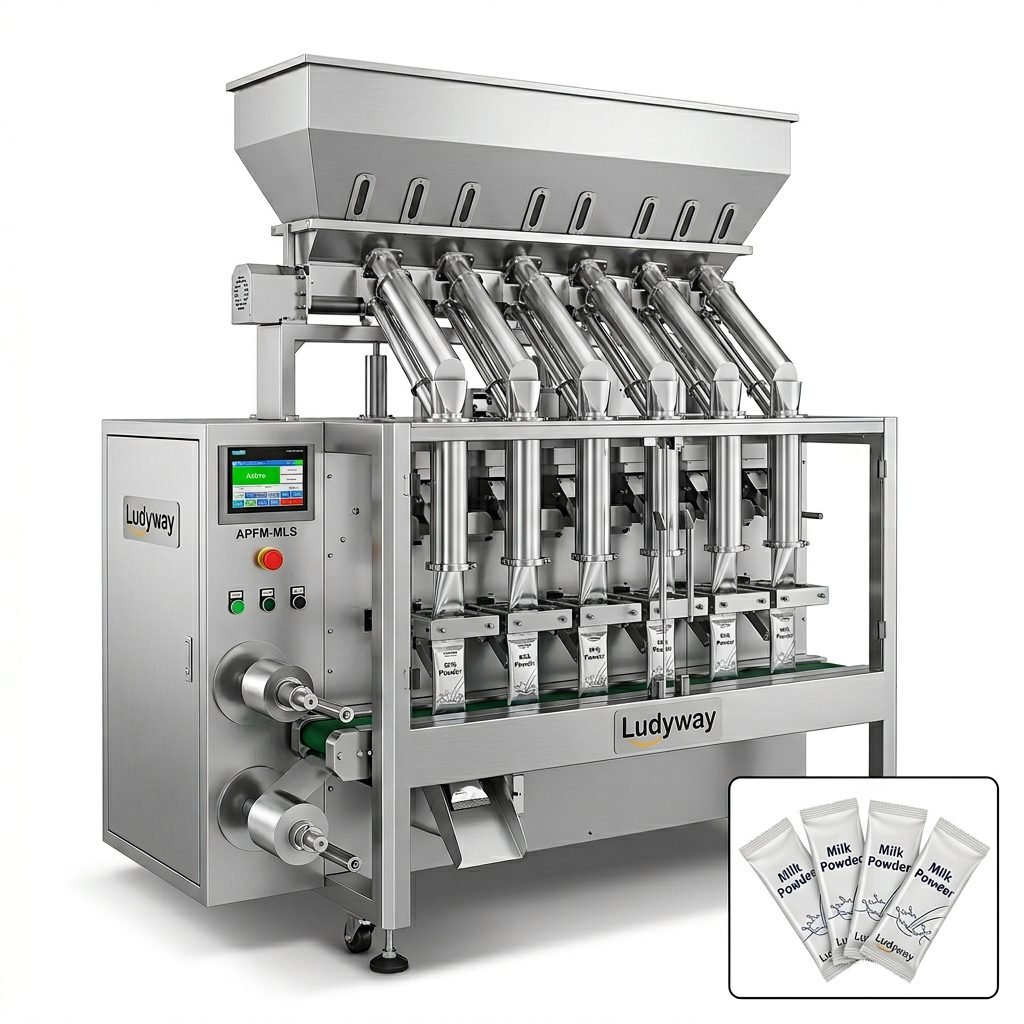
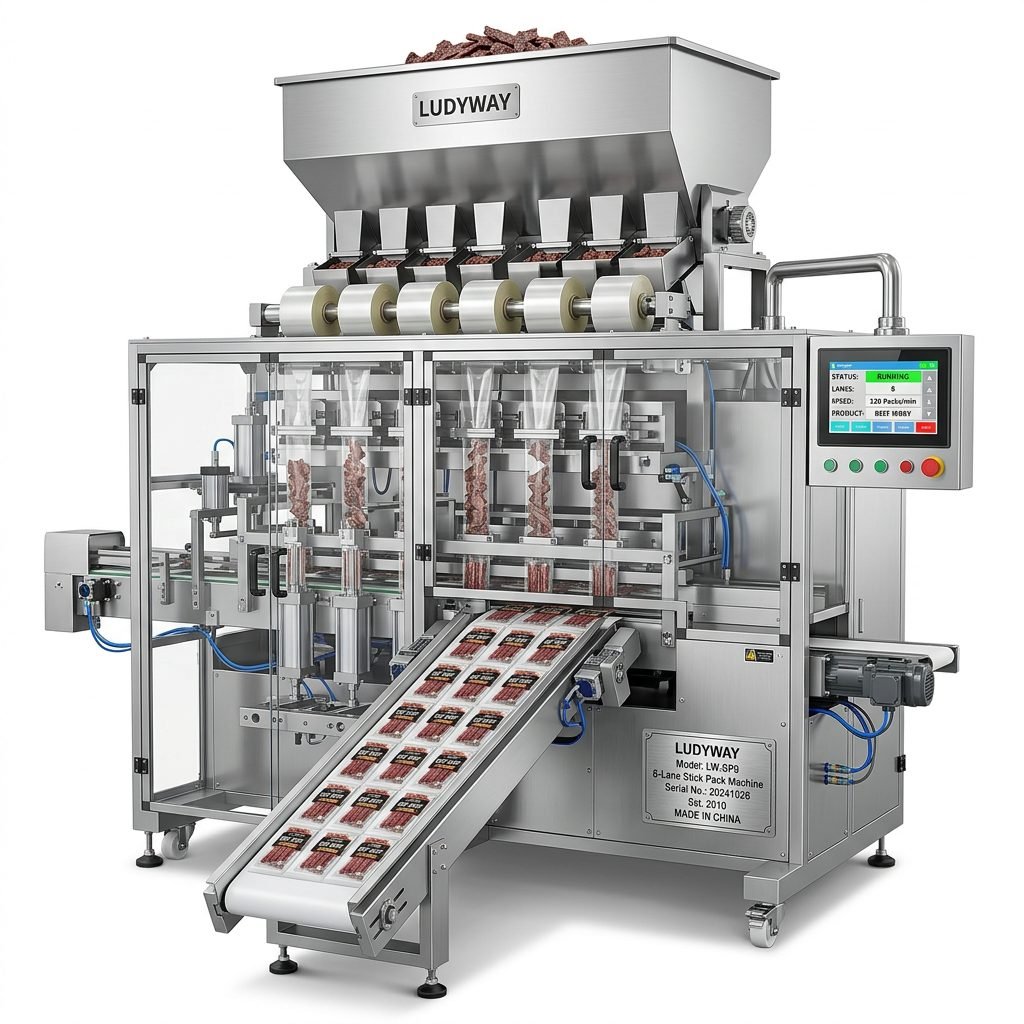
- Multi-lane stick pack machines – Ideal for single-serve portions of beef jerky sticks or small pieces. These systems can run 4 to 12 lanes simultaneously, dramatically increasing output.
- Premade pouch filling and sealing lines – Suitable for larger, flat jerky pieces that require flexible packaging with resealable zippers.
- Vacuum packaging systems – Essential for bulk or family-size packs, providing an oxygen-free environment to preserve freshness and extend shelf life.
- Modified atmosphere packaging (MAP) solutions – Perfect for premium jerky brands that require gas flushing to maintain product texture and color.
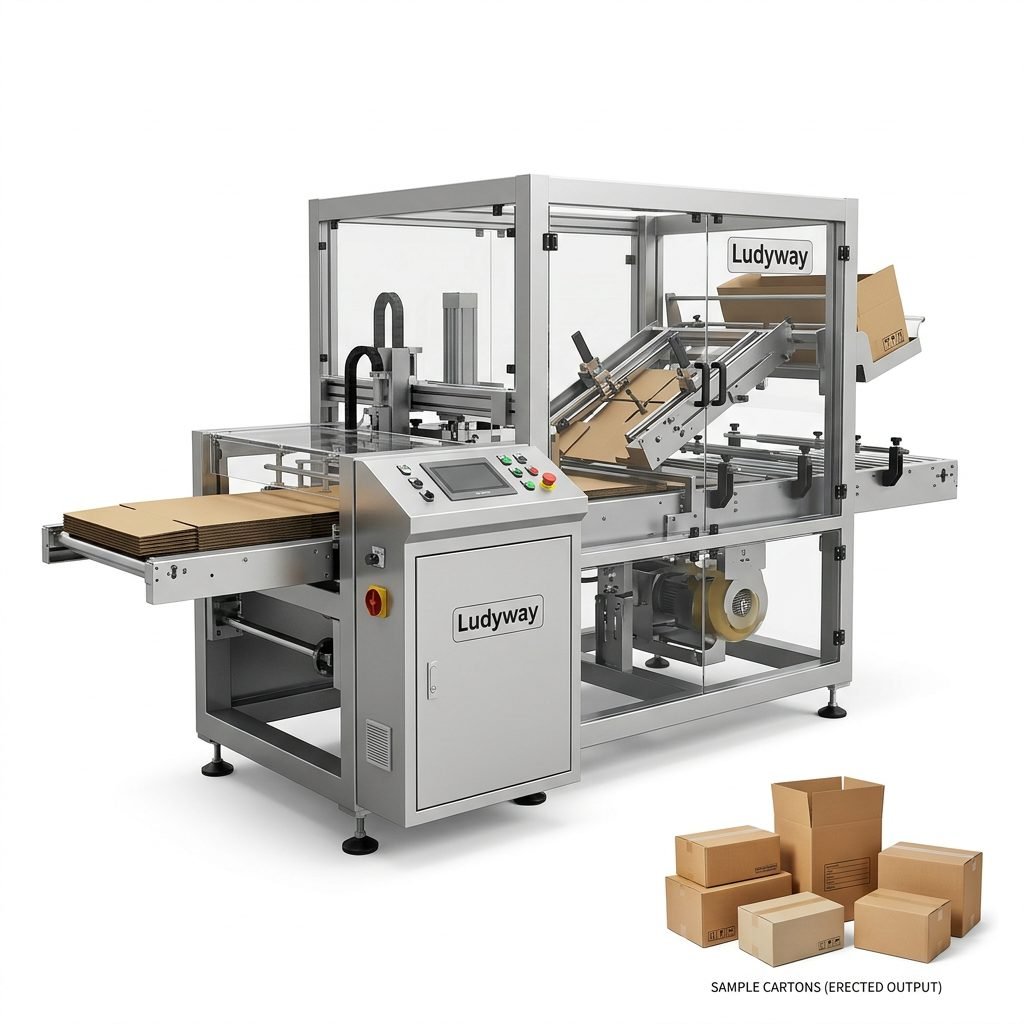
- Turnkey automated packaging lines – Comprehensive systems that integrate weighing, filling, sealing, coding, and cartoning in one continuous process.
Key Features to Evaluate
When comparing beef jerky packaging machines, focus on the following critical specifications that directly impact production performance and product quality:
Weighing Accuracy and Filling Technology
Precision in portion control reduces product giveaway and ensures consistent package weights. Multi-head weighers and auger fillers are popular choices, with accuracy typically within ±1 gram. For irregularly shaped jerky pieces, combination weighers provide superior speed and accuracy.
Sealing Integrity and Shelf Life
The quality of the seal determines shelf life and protection against moisture ingress. Look for machines with adjustable temperature controls, pressure regulation, and dwell time settings. ISO packaging standards recommend regular seal integrity testing, and machines that support inline inspection systems offer significant advantages for USDA and FDA compliance.
Material Compatibility
Your machine should handle a wide range of barrier films and laminates, including foil, metallized PET, and polyethylene-based structures common in jerky packaging. Quick-changeover features minimize downtime when switching between film types or package sizes.
Automation and Integration Capabilities
Modern packaging lines should integrate with upstream and downstream equipment such as checkweighers, metal detectors, coding systems, and cartoning machines. The PMMI packaging industry association emphasizes that smart factory integration is one of the top trends shaping the U.S. packaging landscape.
Compliance and Regulatory Standards in the U.S.
Any beef jerky packaging operation in the United States must adhere to rigorous food safety standards. Key regulatory bodies and certifications include:
| Regulatory Standard | Scope | Key Requirement |
|---|---|---|
| FDA 21 CFR Part 110 | Good Manufacturing Practices | Sanitary equipment design, cleanability, and documentation |
| USDA FSIS | Meat and poultry processing | HACCP plans, labeling compliance, and inspection marks |
| ISO 11607 | Packaging validation | Seal strength testing, material compatibility, and sterile barrier performance |
| 3-A Sanitary Standards | Equipment hygiene | Crevice-free surfaces, easy disassembly, and CIP compatibility |
Machines constructed from stainless steel 304 or 316 with sloped surfaces and minimal crevices are strongly recommended. Washdown-rated electrical components are essential for facilities that follow strict sanitation protocols.

Comparing Production Capacities and Configurations
Choosing the right production capacity ensures you meet market demand without overinvesting in idle capacity. The following table provides a comparative overview of typical beef jerky packaging machine throughput ranges:
| Machine Configuration | Typical Speed Range | Best Suited For | Approximate Footprint |
|---|---|---|---|
| Single-lane stick pack | 30 – 60 packs/min | Startups and small batches | Compact, ~3m² |
| 4-lane stick pack | 120 – 240 packs/min | Mid-size production | Moderate, ~6m² |
| 8-12 lane stick pack | 400 – 800 packs/min | High-volume manufacturing | Large, ~10-15m² |
| Premade pouch rotary | 40 – 80 packs/min | Flat jerky in resealable bags | Moderate, ~8m² |
| Vacuum chamber system | 10 – 30 cycles/min | Bulk and family packs | Varies, 5-12m² |
Cost Considerations and ROI Analysis
Purchasing a jerky packaging machine is a significant capital investment. Understanding the total cost of ownership (TCO) helps you make an informed decision:
- Initial equipment cost – Entry-level machines start around $25,000, while high-speed multi-lane systems can exceed $250,000 depending on automation and customization.
- Installation and training – Budget 5-10% of the equipment cost for professional installation, operator training, and initial calibration.
- Maintenance and spare parts – Annual maintenance contracts and readily available spare parts minimize costly downtime.
- Film and material costs – Machine efficiency directly impacts film waste. Look for systems with servo-driven film transport to minimize material consumption.
- Labor savings – Automation typically reduces manual labor by 50-70%, with payback periods often under 18 months.
Selecting the Right Supplier
Your supplier choice significantly affects long-term success. Evaluate potential partners based on their experience with meat snack packaging applications, after-sales support, spare parts availability in the U.S., and willingness to provide references from existing American customers. Look for manufacturers with demonstrated expertise in FDA-compliant equipment and a track record of supporting installations across North America.
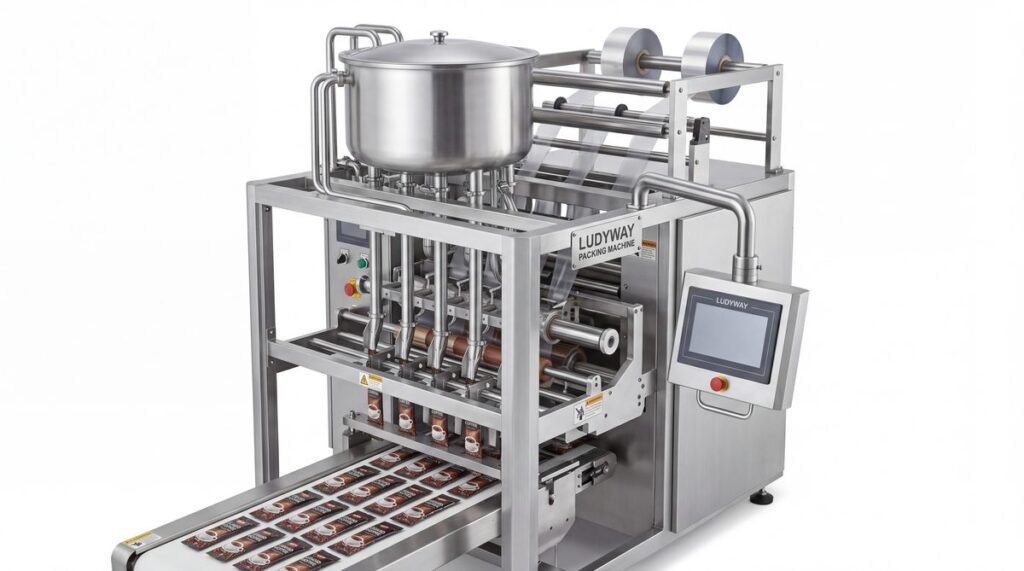
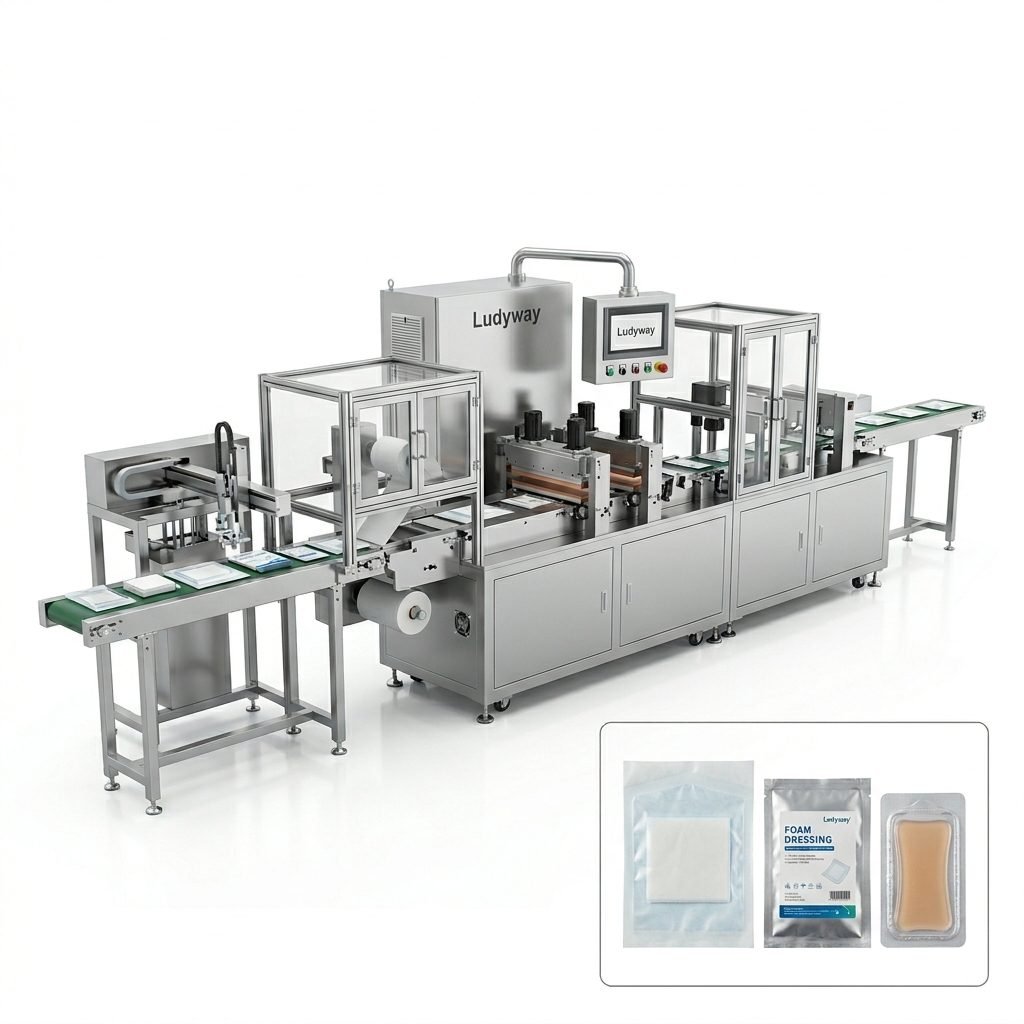
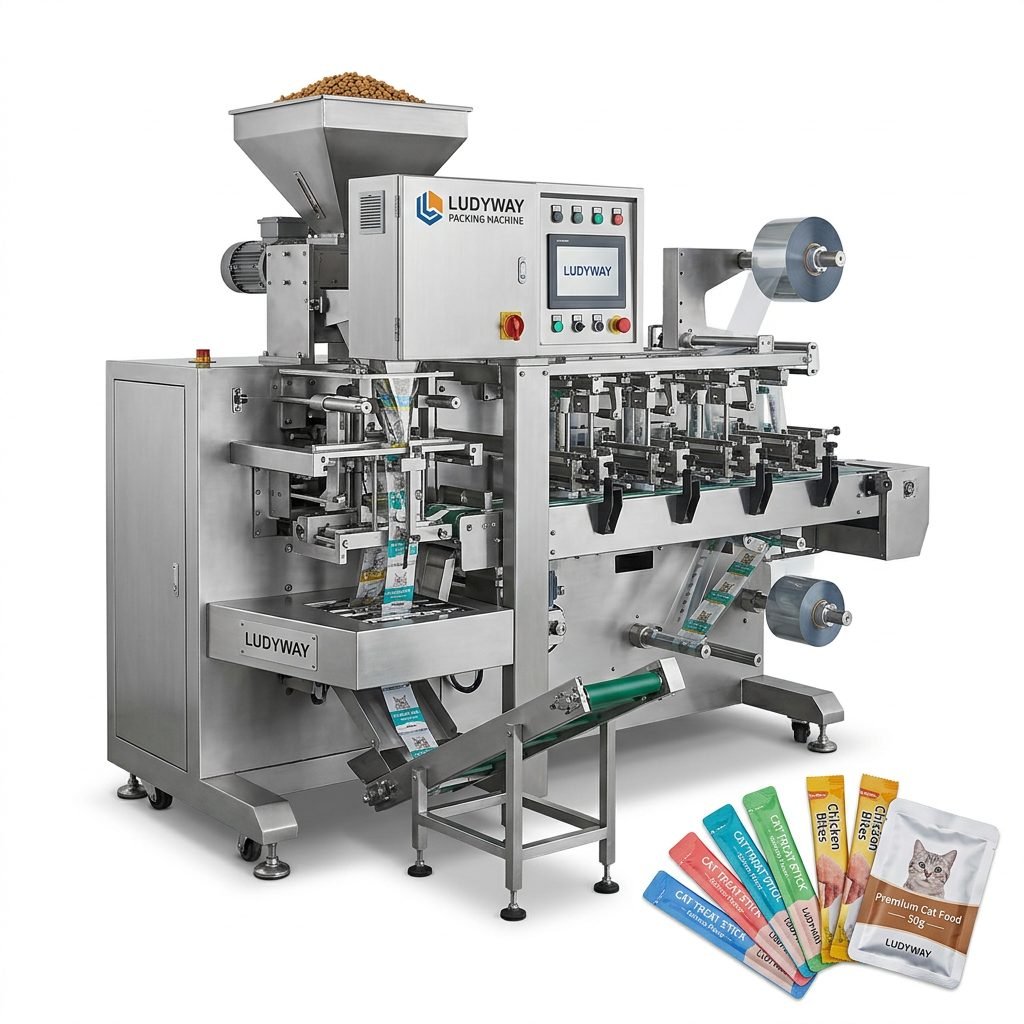
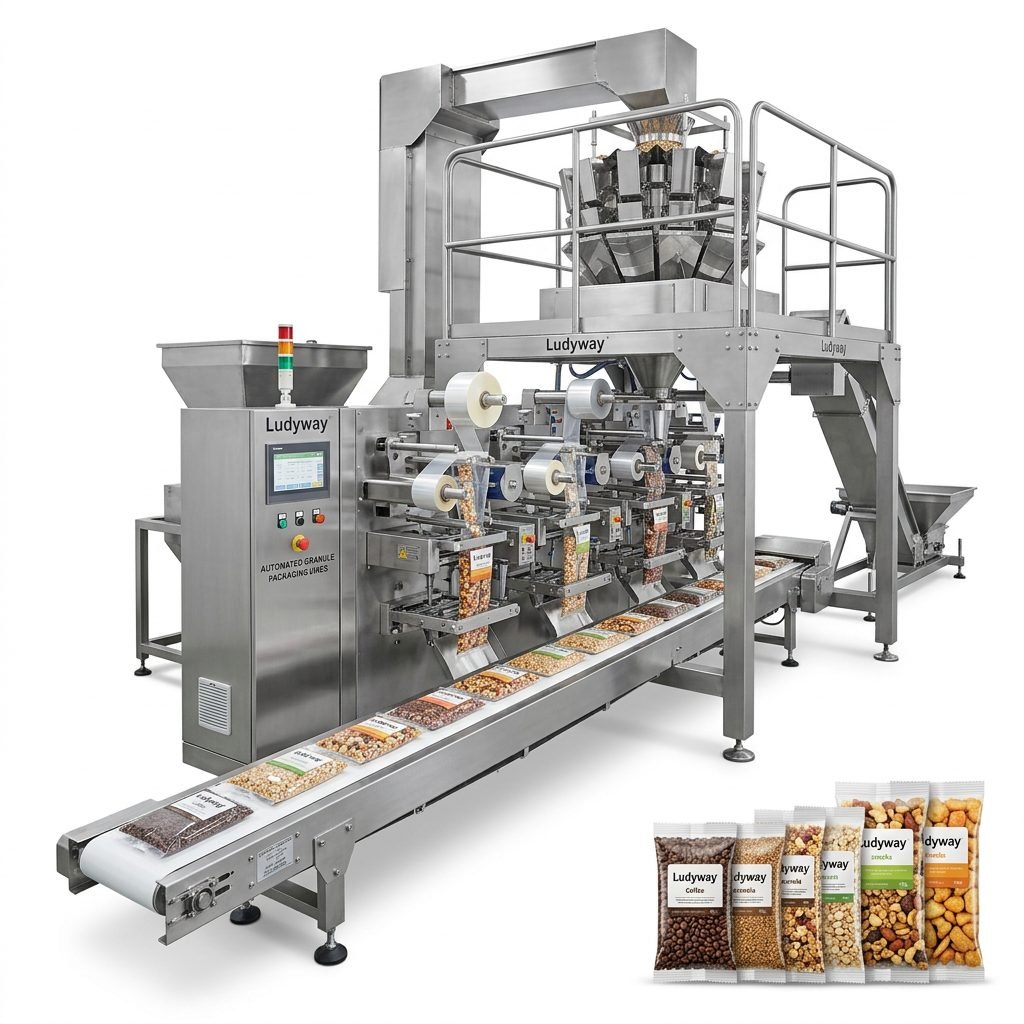
One manufacturer with extensive experience in this space is Ludyway, a leading packaging machinery company with over 30 years of industry expertise, a modern 20,000㎡ manufacturing facility, and more than 50 intelligent packaging machine models. Serving customers in over 100 countries and regions, they provide reliable and efficient solutions for granule, powder, liquid, and pouch packaging applications, including multi-lane stick pack and sachet systems suitable for jerky products.
Key Questions to Ask Suppliers
- Do you have experience with jerky-specific packaging challenges such as sharp product edges that can puncture film?
- Can you provide documentation for USDA and FDA compliance validation?
- What is the typical lead time for PACK EXPO International-ready machinery configurations?
- Do you offer local technical support or partnerships with U.S.-based service providers?
- Can you conduct factory acceptance testing (FAT) and site acceptance testing (SAT)?
Installation and Ongoing Maintenance
Proper installation and a proactive maintenance schedule are essential to maximize the lifespan and performance of your beef jerky packaging equipment. Key considerations include:
- Facility preparation – Ensure adequate electrical supply, compressed air, and environmental controls before the machine arrives.
- Operator training programs – Comprehensive training on setup, changeover, troubleshooting, and cleaning procedures reduces operator error.
- Preventive maintenance schedules – Establish daily, weekly, and monthly PM tasks with detailed logs to comply with FDA food contact substance regulations.
- Spare parts inventory – Maintain a recommended inventory of critical components such as sealing jaws, cutting blades, sensors, and belts.
- Remote diagnostic capabilities – Modern machines often support VPN-based remote troubleshooting, reducing service call costs and downtime.
Future-Proofing Your Investment
The meat snack packaging industry is evolving rapidly. When selecting your equipment, consider these forward-looking factors that will keep your operation competitive for years to come:
- Sustainable packaging compatibility – Machines capable of running recyclable and compostable film structures align with growing consumer demand and upcoming packaging waste regulations.
- Smart factory connectivity – Look for OPC-UA or MQTT protocols that enable integration with MES and ERP systems for real-time production monitoring.
- Flexible changeover capabilities – Tool-less change parts and recipe-driven settings let you adapt quickly to new product sizes and formats.
- Energy efficiency – Servo-driven systems with regenerative braking and efficient thermal management reduce long-term operating costs.
- Scalability – Modular machine designs allow you to add lanes or integrate additional modules as your business grows without replacing the entire line.

Making the Final Decision
Selecting the right beef jerky packaging machine requires balancing production needs, budget constraints, regulatory compliance, and long-term growth plans. By thoroughly evaluating machine specifications, supplier credentials, and total cost of ownership, you can make a confident investment that supports your brand’s quality and profitability.
For detailed guidance on packaging industry standards, consult the PMMI business intelligence resources and the Flexible Packaging Association knowledge hub. Staying informed about the latest packaging technologies and regulatory developments ensures your operation remains competitive and compliant in the dynamic U.S. jerky market.