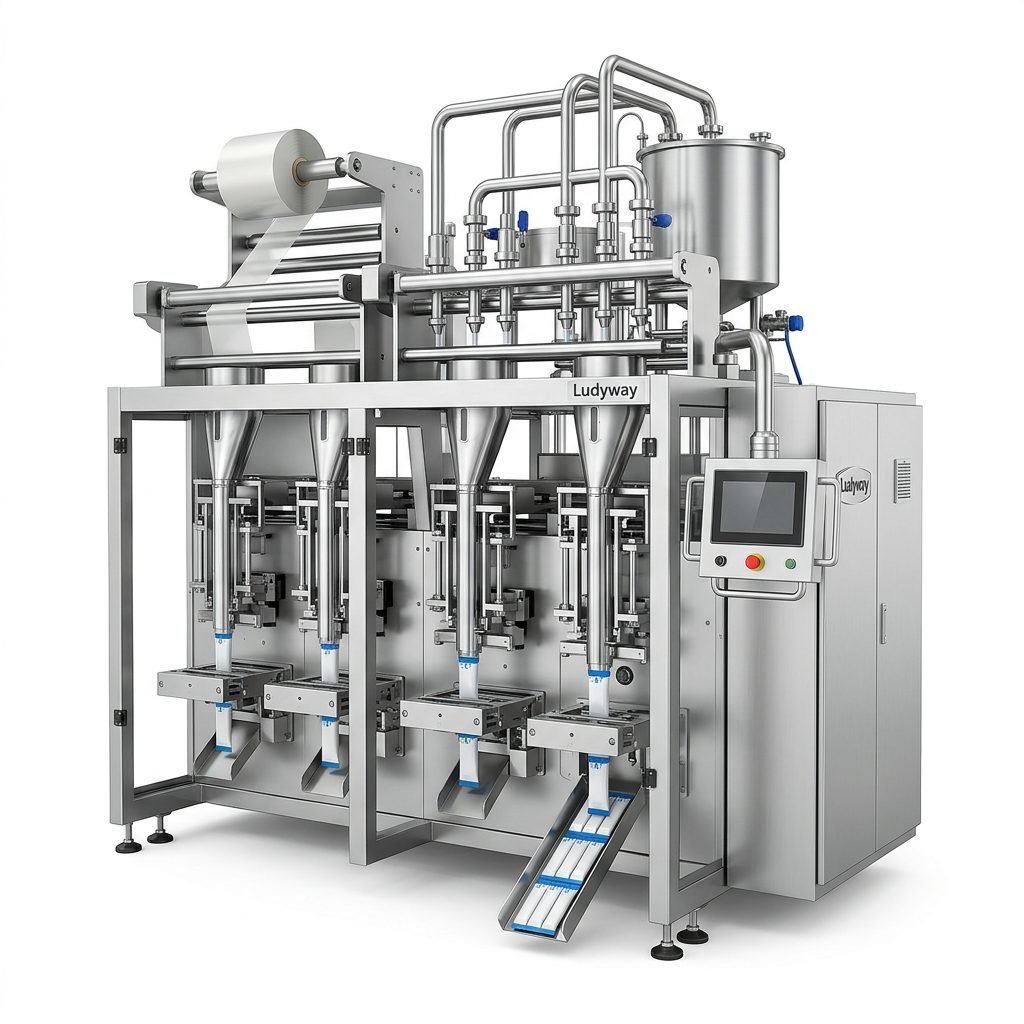
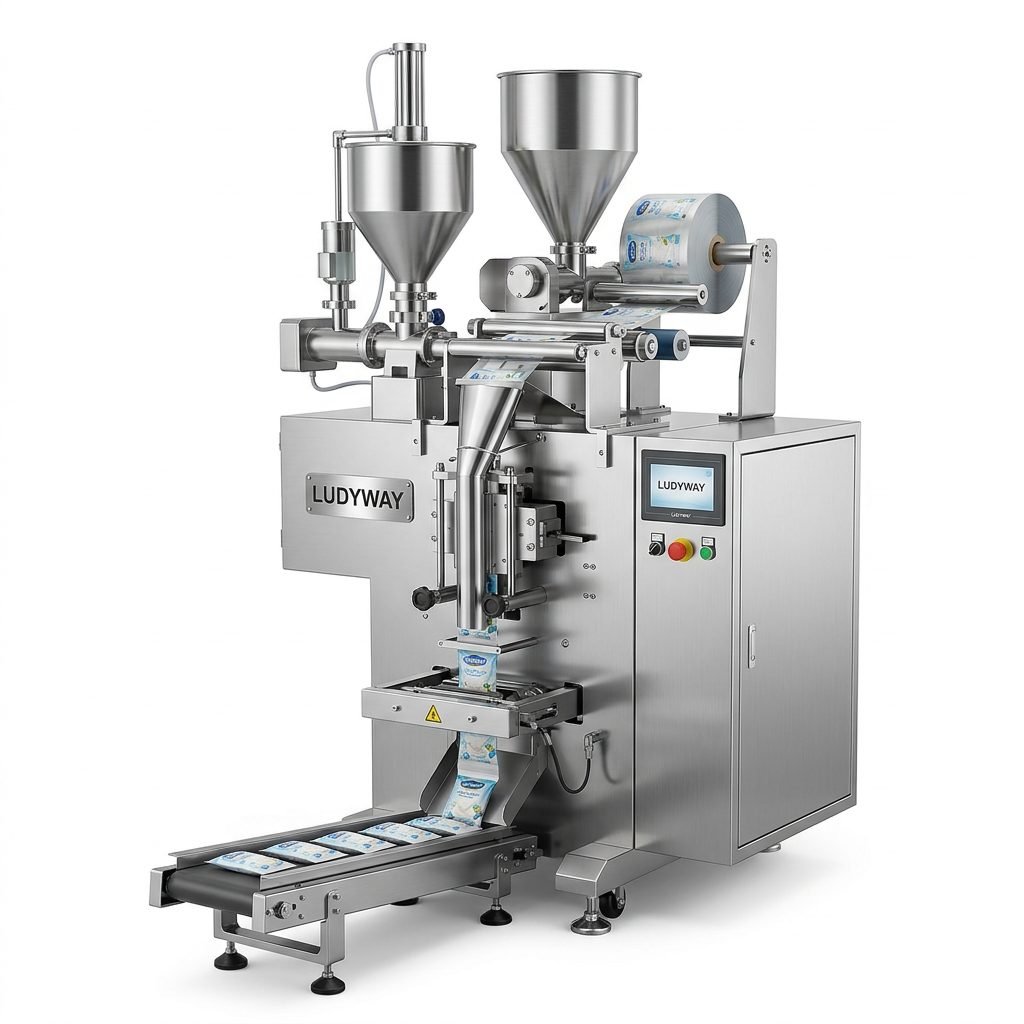
Investing in industrial food packaging equipment is a strategic move for businesses scaling production across Asia. Whether you are preserving coffee, spices, or ready-to-eat meals, mastering the procurement process for a vacuum food packaging machine ensures product freshness and extends shelf life. This guide navigates the manufacturing hubs, technical specifications, and negotiation strategies essential for buyers in the Asian market.

Understanding the Vacuum Packaging Landscape in Asia
Asia has solidified its position as the global epicenter for packaging and processing technologies. The region’s dominance is driven by robust food processing sectors, rising disposable incomes, and a strong export-oriented manufacturing base. When sourcing a vacuum packing machine, understanding the distinction between nozzle-type vacuum sealers, chamber machines, and fully automated thermoforming lines is critical. The shift toward extended shelf life and cold chain logistics has pushed demand high across Southeast Asia, China, and India.
Types of Vacuum Food Packaging Machines
Choosing the right machine architecture depends entirely on your production capacity and product characteristics. Below is a breakdown of the primary categories active in the food industry:
| Machine Type | Best For | Key Advantage |
|---|---|---|
| Single Chamber | Small to medium batches, sauces, marinated meats | Cost-effective, precise vacuum control |
| Double Chamber | High-volume meat and seafood processing | Continuous loading, reduced downtime |
| Thermoforming | Large-scale automated plants (e.g., sliced meats, cheese) | High-speed automation, custom mold shapes |
| External Nozzle | Dry goods, nuts, coffee beans | Simple maintenance, low initial investment |
Researching Reliable Asian Manufacturing Hubs
Procurement often leads buyers to China, particularly the Pearl River Delta region. Here, advanced packaging equipment manufacturers integrate PLC control systems and German vacuum pump technology to meet international standards. Beyond China, South Korean firms excel in high-speed rotary systems, while Thai manufacturers often specialize in seafood-specific packaging solutions. Always verify that your supplier’s facility matches the production scale required for your market.
Key Specifications to Evaluate Before You Buy
Not all vacuum machines are built alike. Factory acceptance tests (FAT) should confirm the following critical components to avoid operational bottlenecks:
- Pump Capacity: Busch or Leybold pumps indicate quality. Check the flow rate (m³/h) to match cycle time needs.
- Sealing Bar Length: The width of the seal dictates the size of the bag. Ensure it accommodates your product dimensions.
- Chamber Height: Essential for products with bones or rigid trays to prevent film puncturing.
- Control Type: Digital controls with memory for settings drastically reduce human error during shifts.

Material Compatibility: Beyond the Machine
The vacuum packer is only as good as the film you use. In Asia’s humid climate, barrier properties are non-negotiable. Look for multi-layer co-extruded films (PA/PE) with high oxygen barrier capabilities. For boil-in-bag applications, ensure the machine’s sealing temperature can handle the specific melting point of the retort pouch without delamination. Checking for compliance with FDA food contact substance regulations is crucial if exporting to Western markets.
Cost Analysis: Balancing Price and Performance
Pricing across Asia varies significantly. A basic tabletop unit might start at a few hundred US dollars, but a full-scale industrial automatic conveyor system with gas flushing (Modified Atmosphere Packaging) can exceed $50,000. Here is a cost breakdown based on market research in Guangdong, China:
| Cost Factor | Percentage of Total Cost | Notes |
|---|---|---|
| Main Body & Chamber (SS304) | 30% | Steel thickness determines longevity |
| Vacuum Pump & Motor | 35% | Imported German pumps cost more |
| Electrical Control Components | 15% | Siemens/Mitsubishi PLC vs. local brands |
| Labor & Assembly | 20% | Skilled engineering assembly |
Navigating Logistics and After-Sales in ASEAN
Shipping heavy machinery from China to the rest of Asia requires careful planning. Incoterms like FOB (Free On Board) Shanghai or CIF (Cost, Insurance, Freight) Singapore are standard. However, the real value lies in after-sales support. Confirm that your supplier offers remote video assistance for troubleshooting and has a network of engineers or a regional hub. Downtime in food packaging due to a faulty seal bar can lead to massive raw material waste. Checking the ISO packaging standards ensures the machine’s safety and reliability.
Supplier Verification: The “Must-Ask” Questions
Before issuing a deposit, vet the manufacturer thoroughly. Asia has a wide mix of trading companies and direct factories. Use these questions to separate the experts from the resellers:
- Can you provide a live video walkthrough of the production line in your 20,000㎡ facility?
- What is the specific cycle time (seconds per bag) for my product viscosity and weight?
- Do you offer MAP (Modified Atmosphere Packaging) gas flushing integration?
- How do you handle spare parts inventory for urgent shipments to Southeast Asia?
- Is the user interface available in English/Thai/Vietnamese languages?
Industry Trends and Standards
The global push toward flexible packaging sustainability is reshaping Asian manufacturing. Today’s vacuum packaging machines are increasingly equipped with energy-saving drives and servo motor systems that reduce film usage by up to 15%. Additionally, the integration of Industry 4.0 technologies allows plant managers to monitor vacuum pressure, heat seal temperature, and error logs via tablets. According to the packaging machinery global growth trend, demand for high-performance export models from China is expected to surge through 2026, driven by global food safety regulations.

The Turnkey Advantage
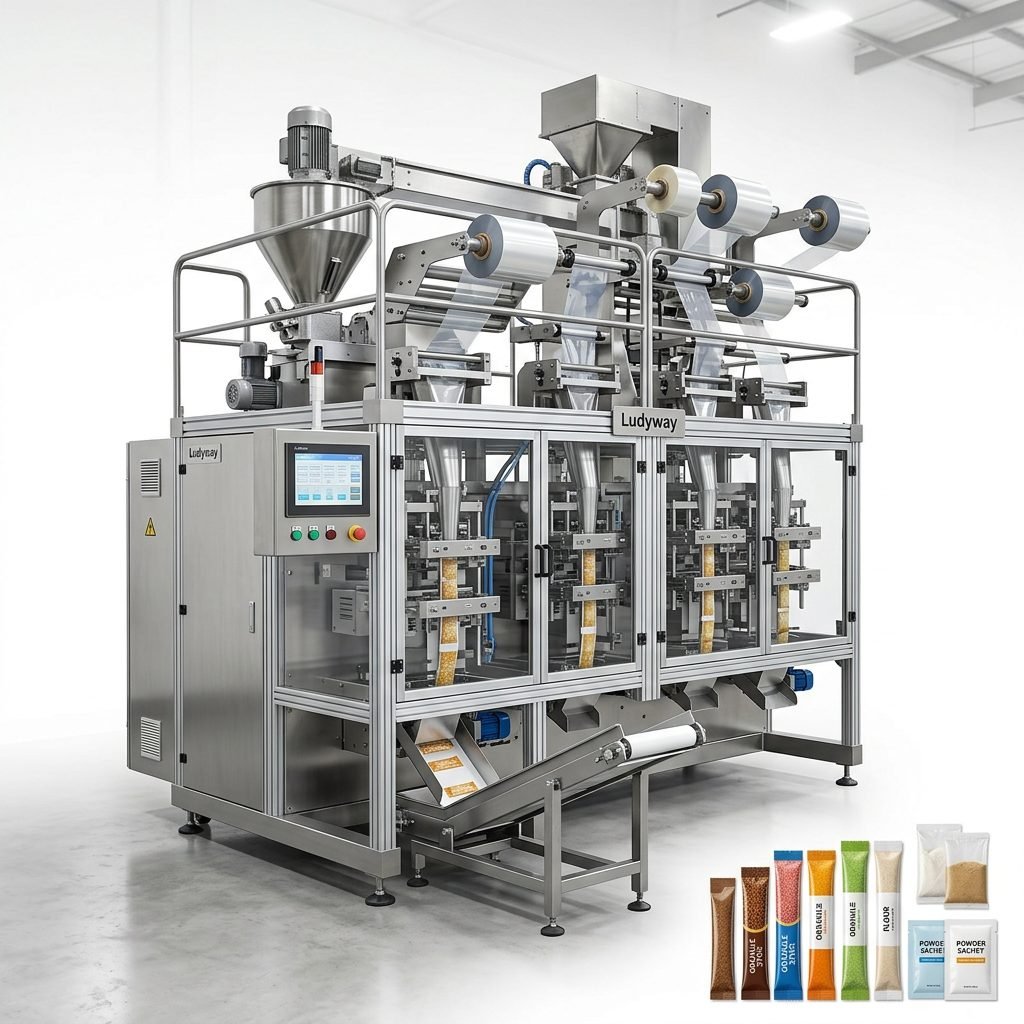
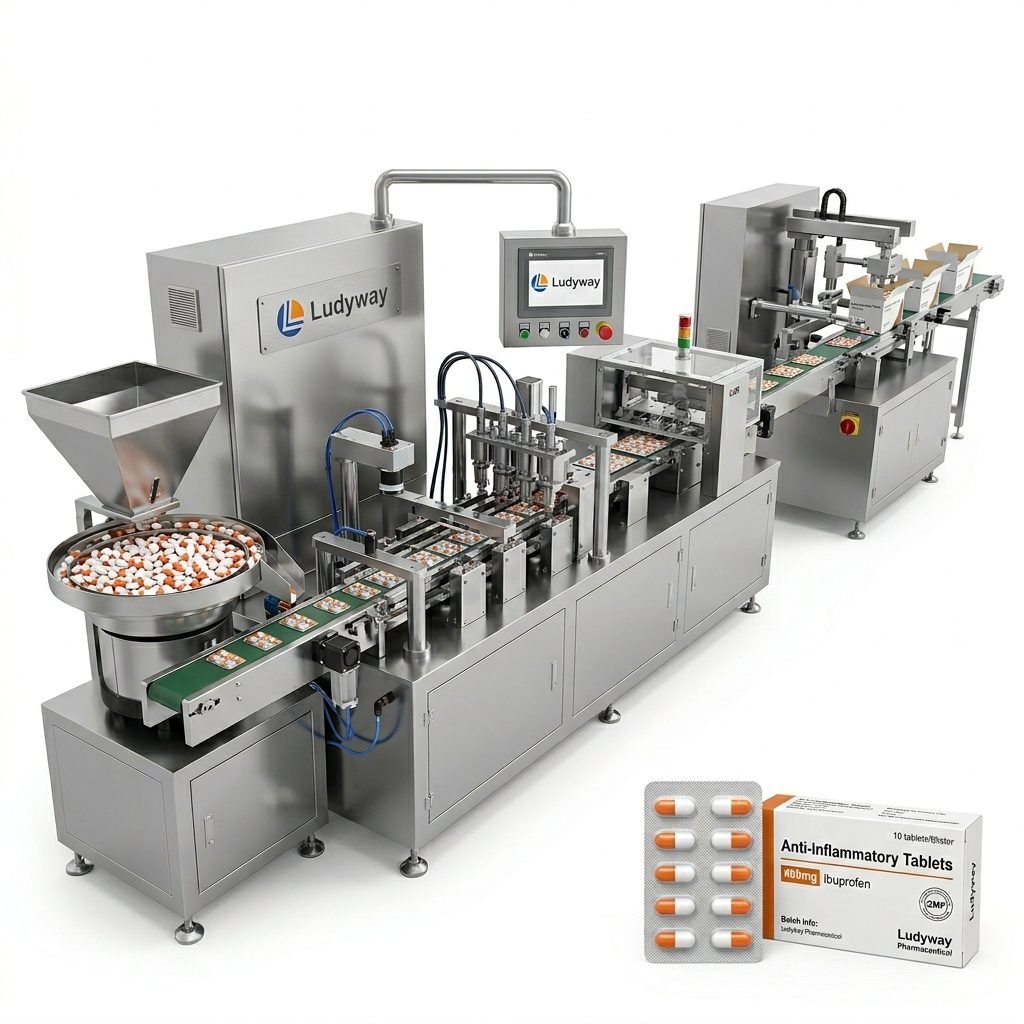
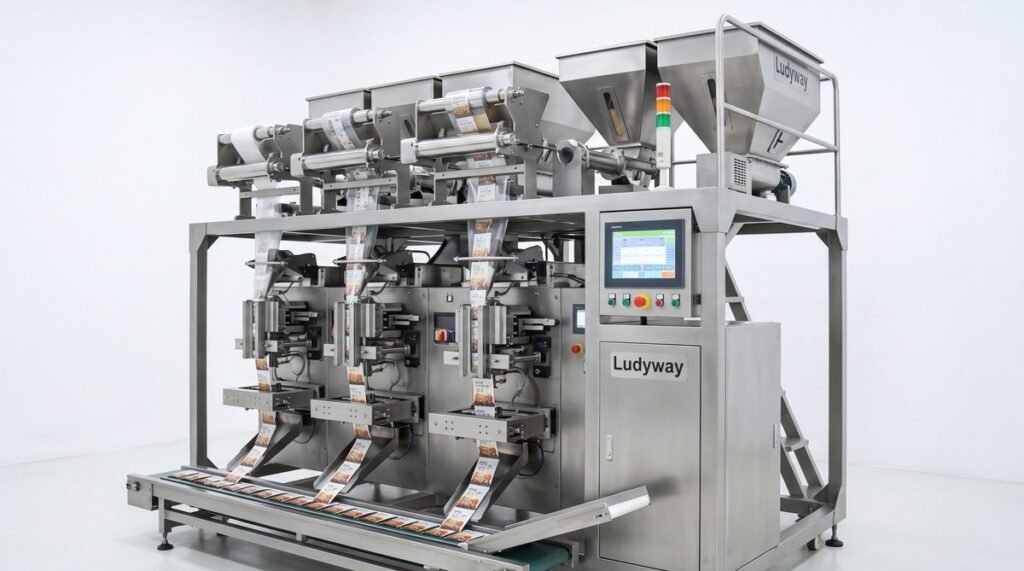
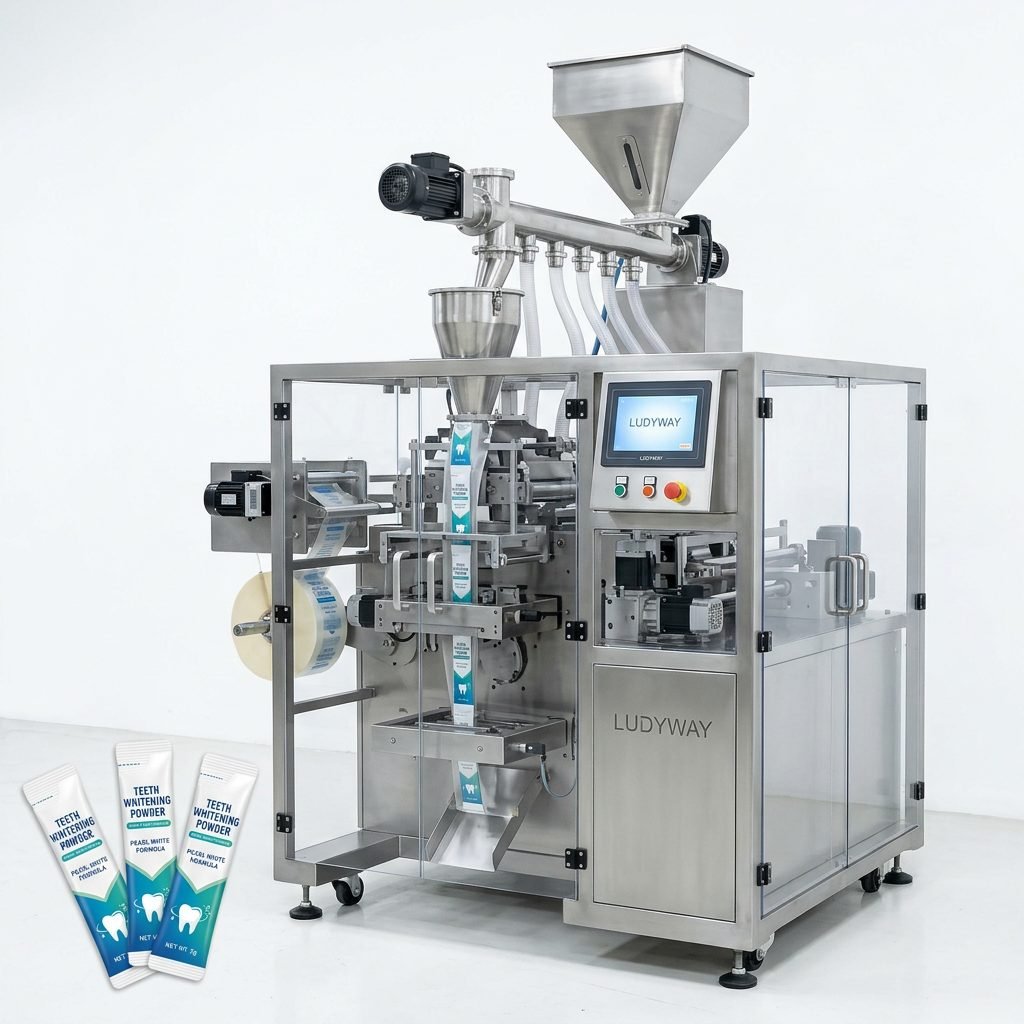
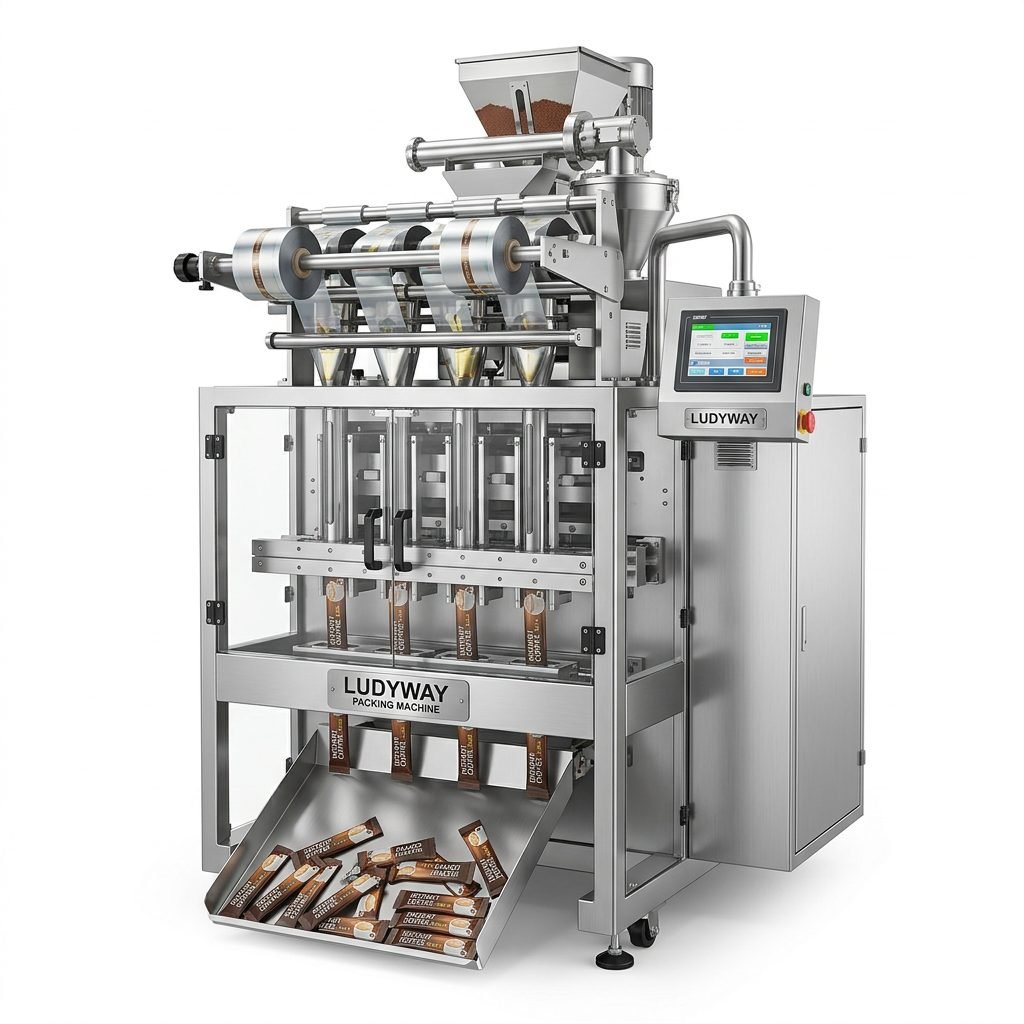
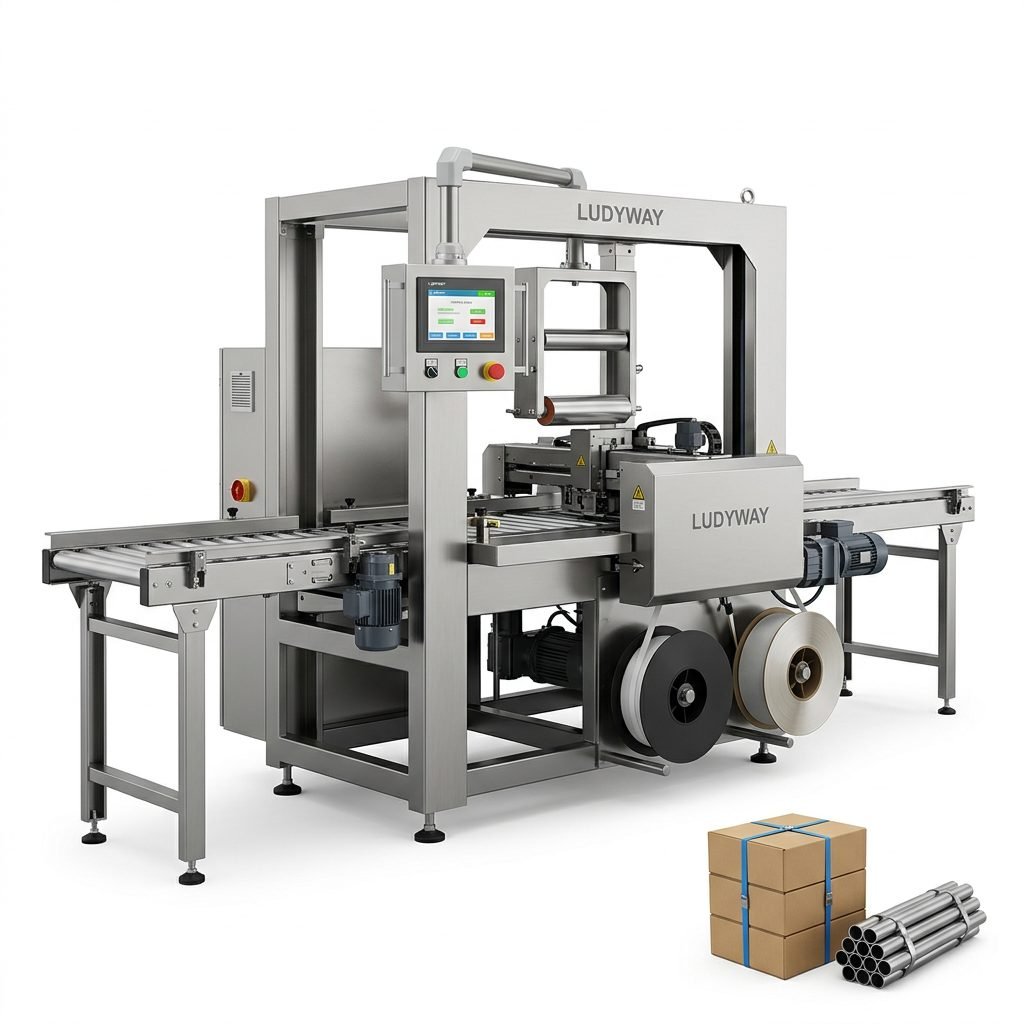
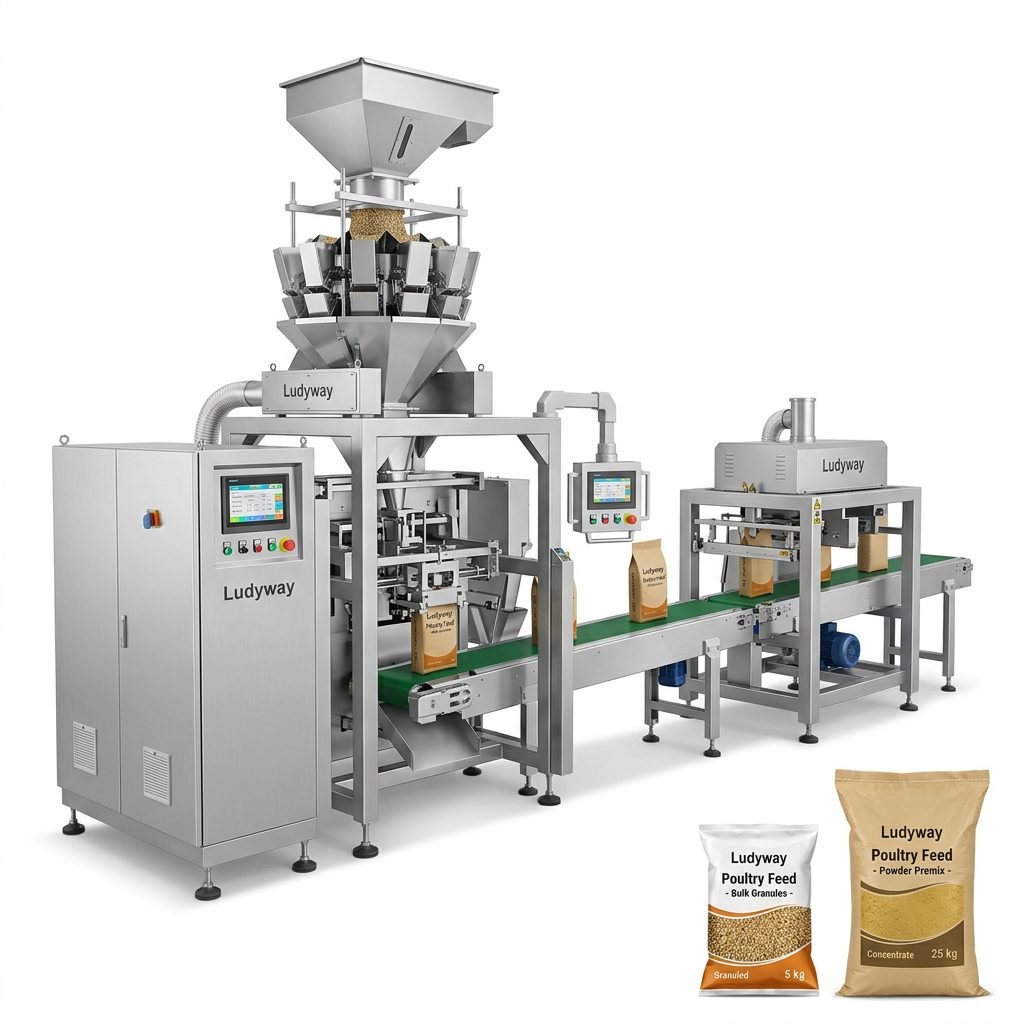
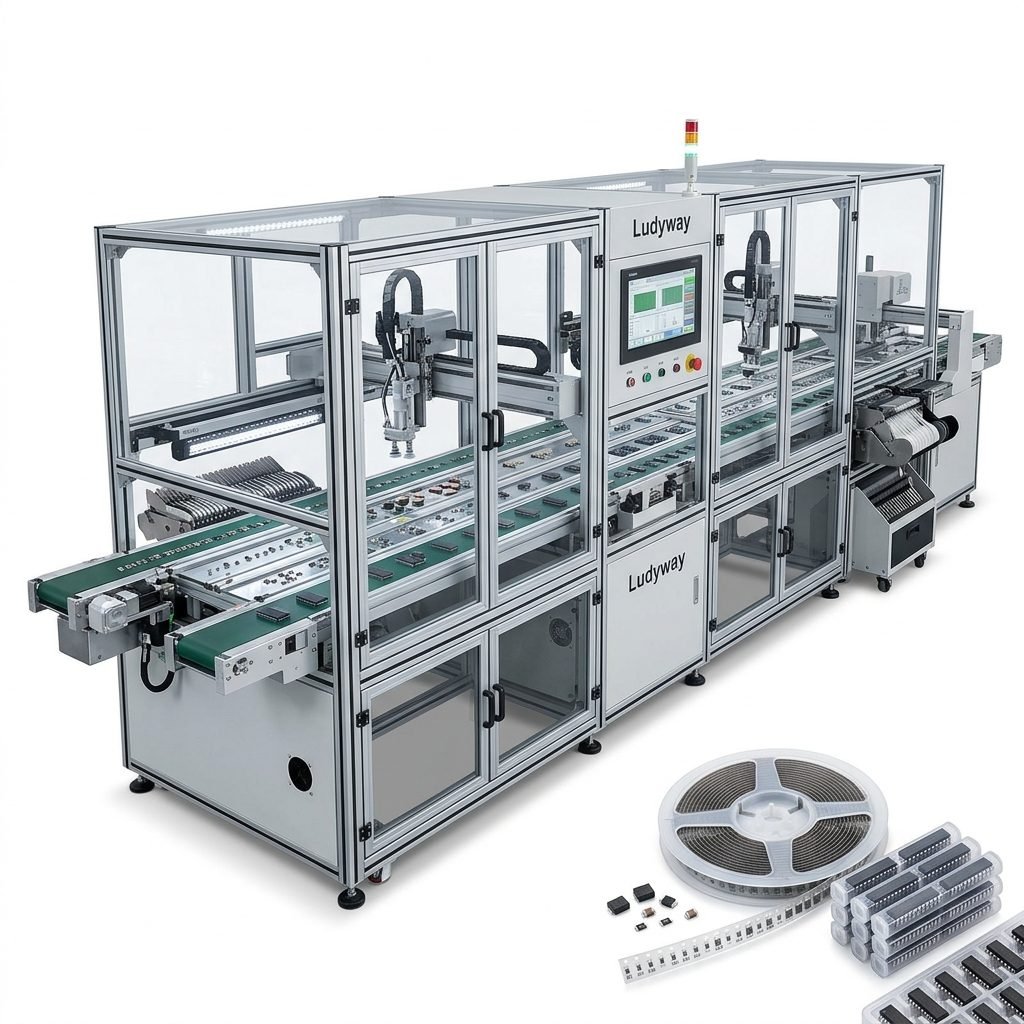
For large food processors, buying a standalone machine is not enough. Look for partners who provide end-to-end solutions including upstream weighing, dosing, and downstream cartoning. Established entities like Ludyway, one of the largest Chinese manufacturers, highlight a trajectory where export revenue targets exceed RMB 500 million in 2025, reflecting the scale needed to support turnkey industrial projects. This integration ensures the vacuum sealing line communicates seamlessly with the rest of your material handling system.
Final Tips for a Smooth Purchase
Closing the deal on a vacuum food packaging machine in Asia is about due diligence. Always request a sample run with your specific raw materials—do not accept standardized sugar or sand tests alone, as proteins and sauces behave differently under vacuum. Negotiate the warranty not just on the mechanical parts, but specifically on the sealing bar and the vacuum pump. With a solid procurement strategy, your investment will pay dividends in product quality and shelf-life stability across the supply chain.