Investing in a food powder packaging machine is a critical decision for manufacturers in the food, nutraceutical, and pharmaceutical sectors. The right equipment can significantly improve production efficiency, reduce waste, and ensure consistent product quality. However, with dozens of machine types, configurations, and technical specifications available, global buyers often face a complex selection process. This guide provides a comprehensive overview of what to look for when purchasing powder packaging equipment, including key features, industry standards, cost factors, and supplier evaluation criteria.
Understanding Different Types of Powder Packaging Machines
Before evaluating specific models, it is essential to understand the main categories of powder packaging equipment available on the market. Each type is designed for different production volumes, packaging formats, and product characteristics.
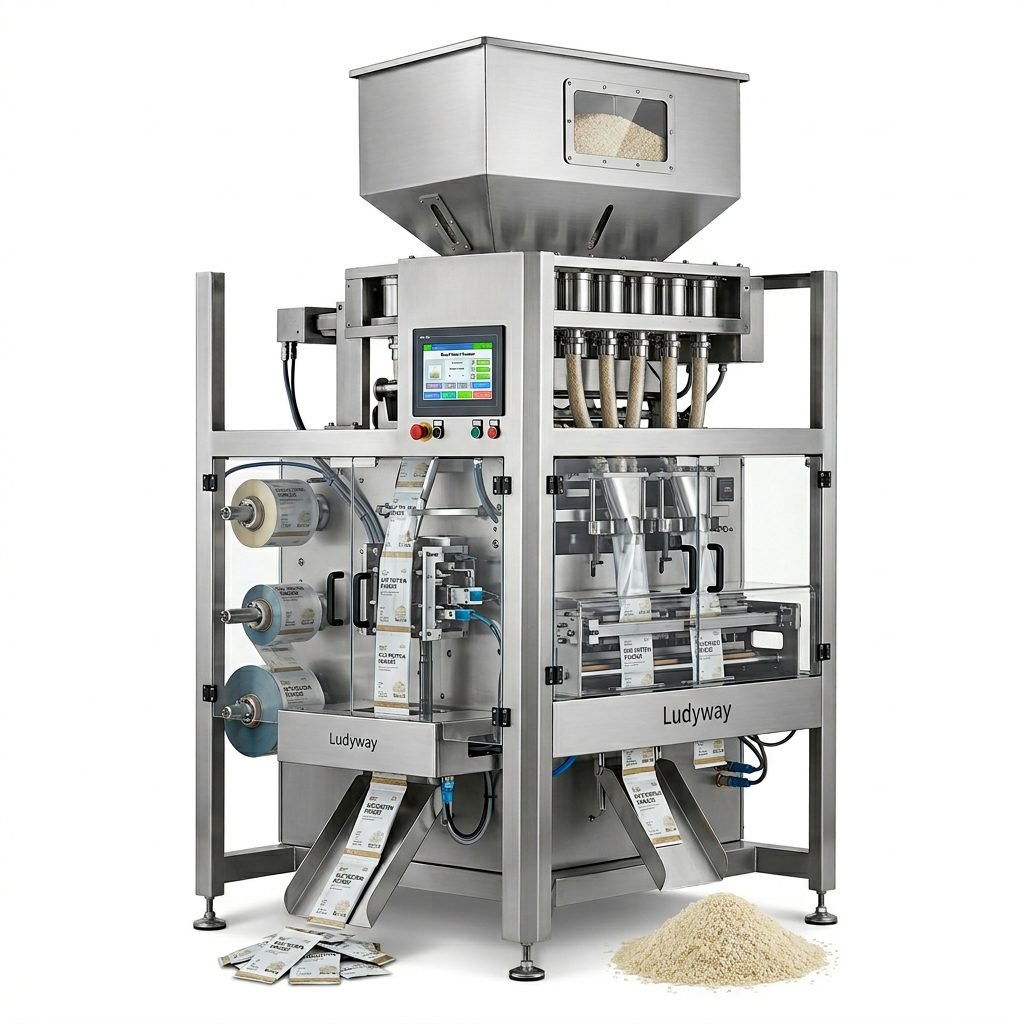
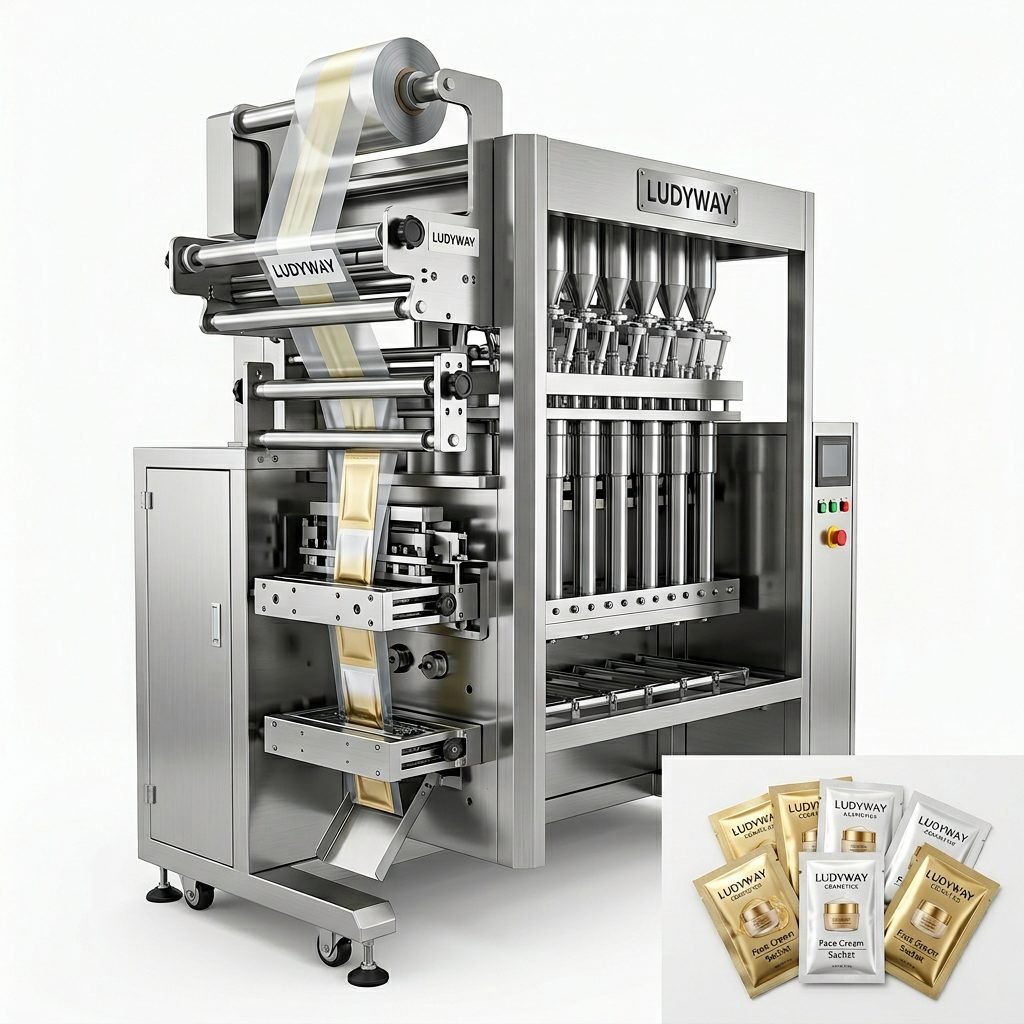
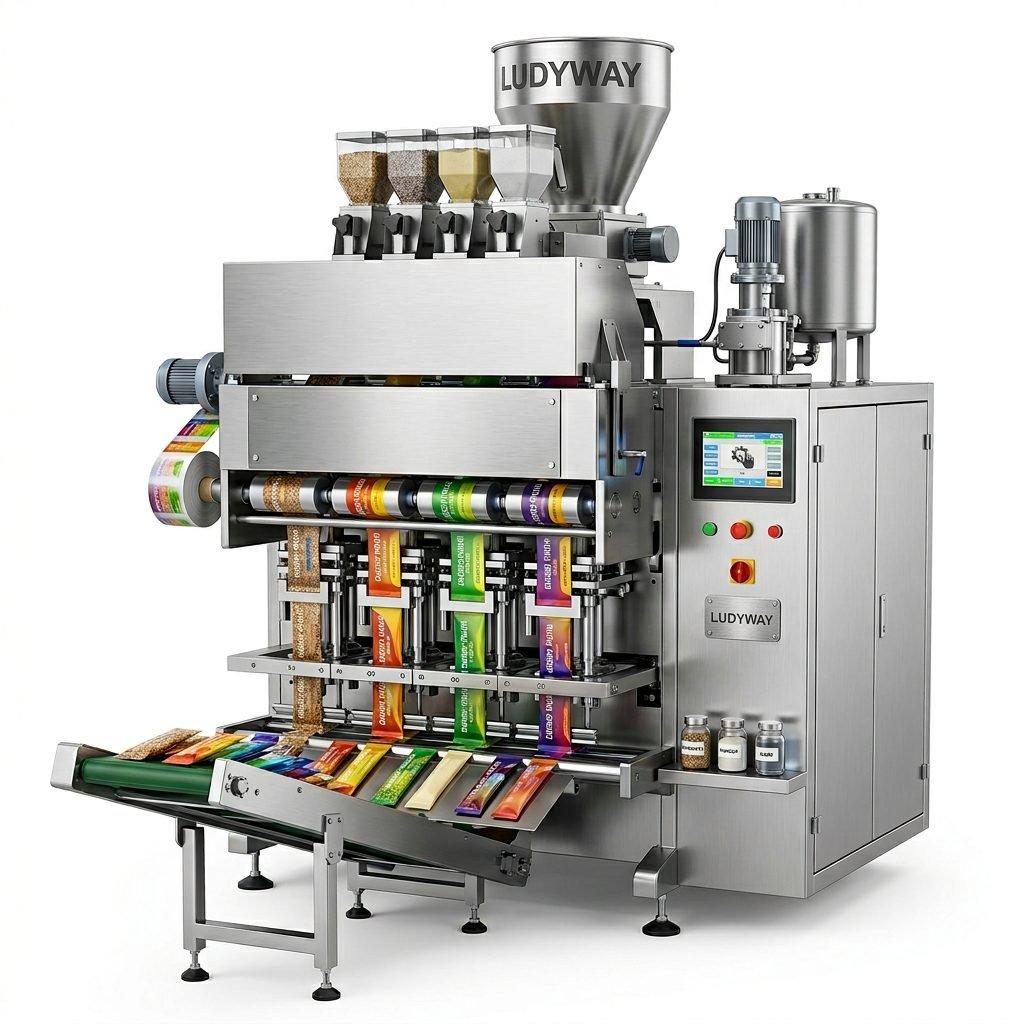
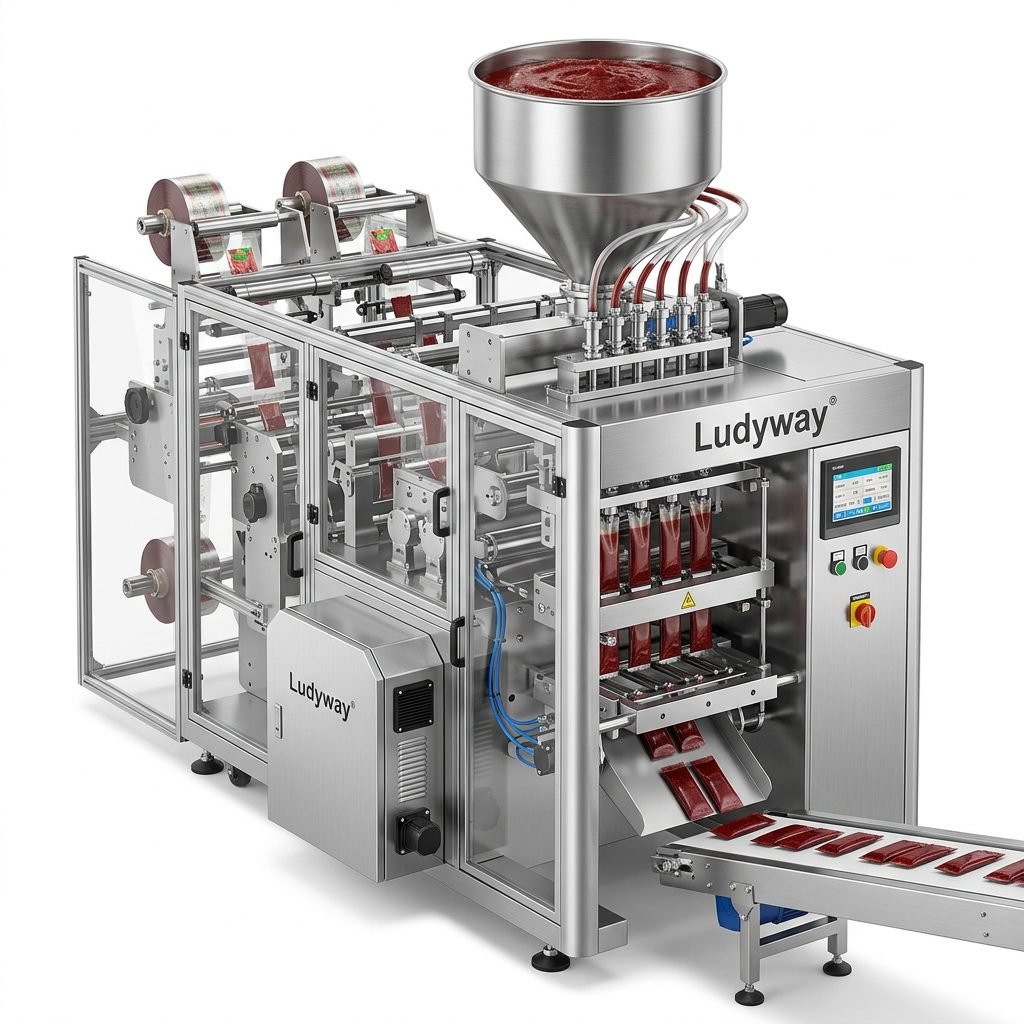
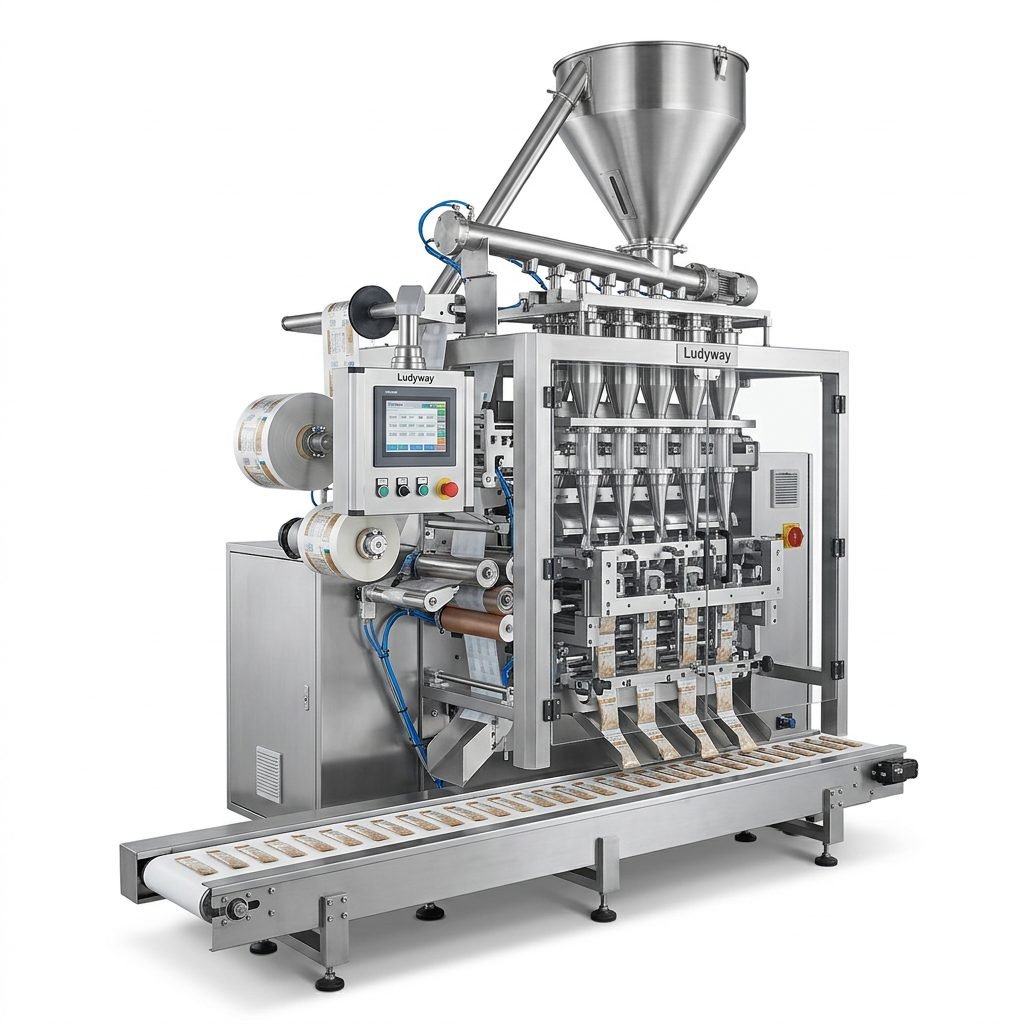
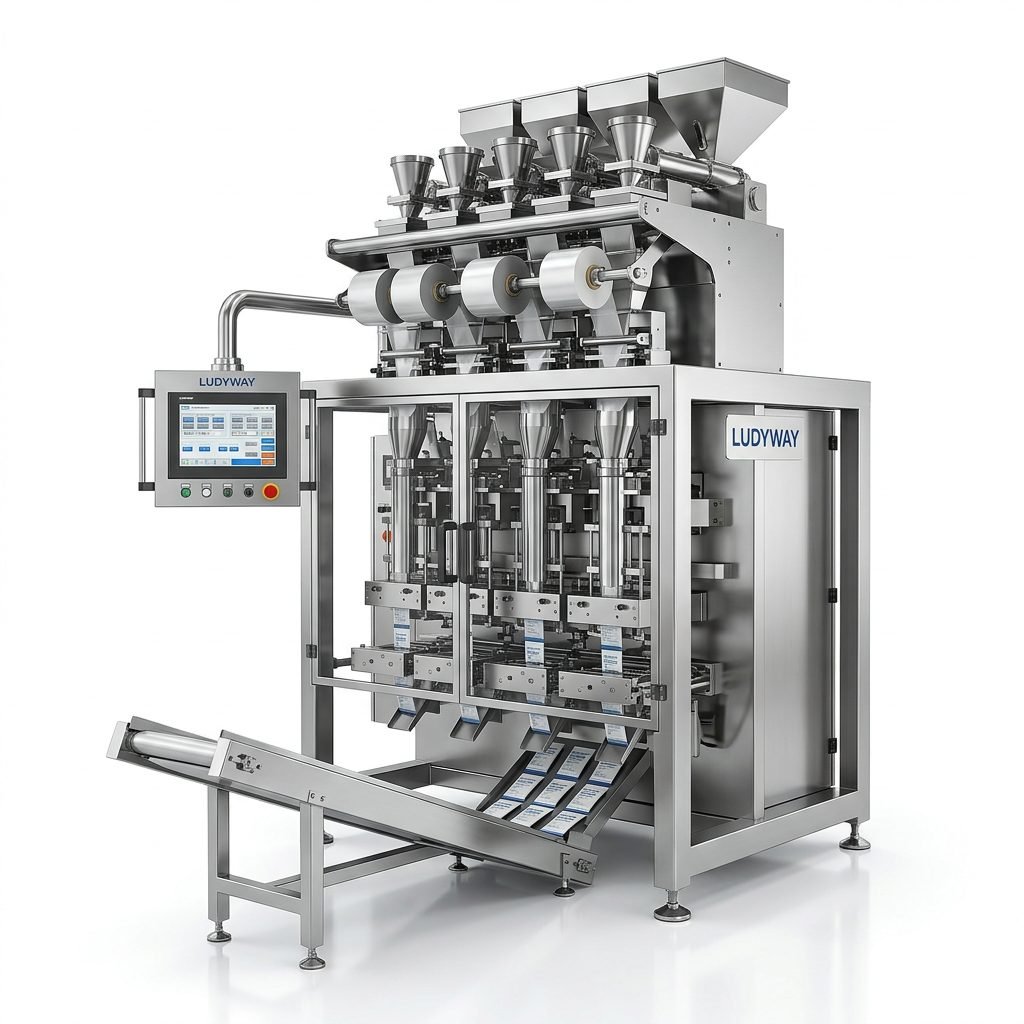
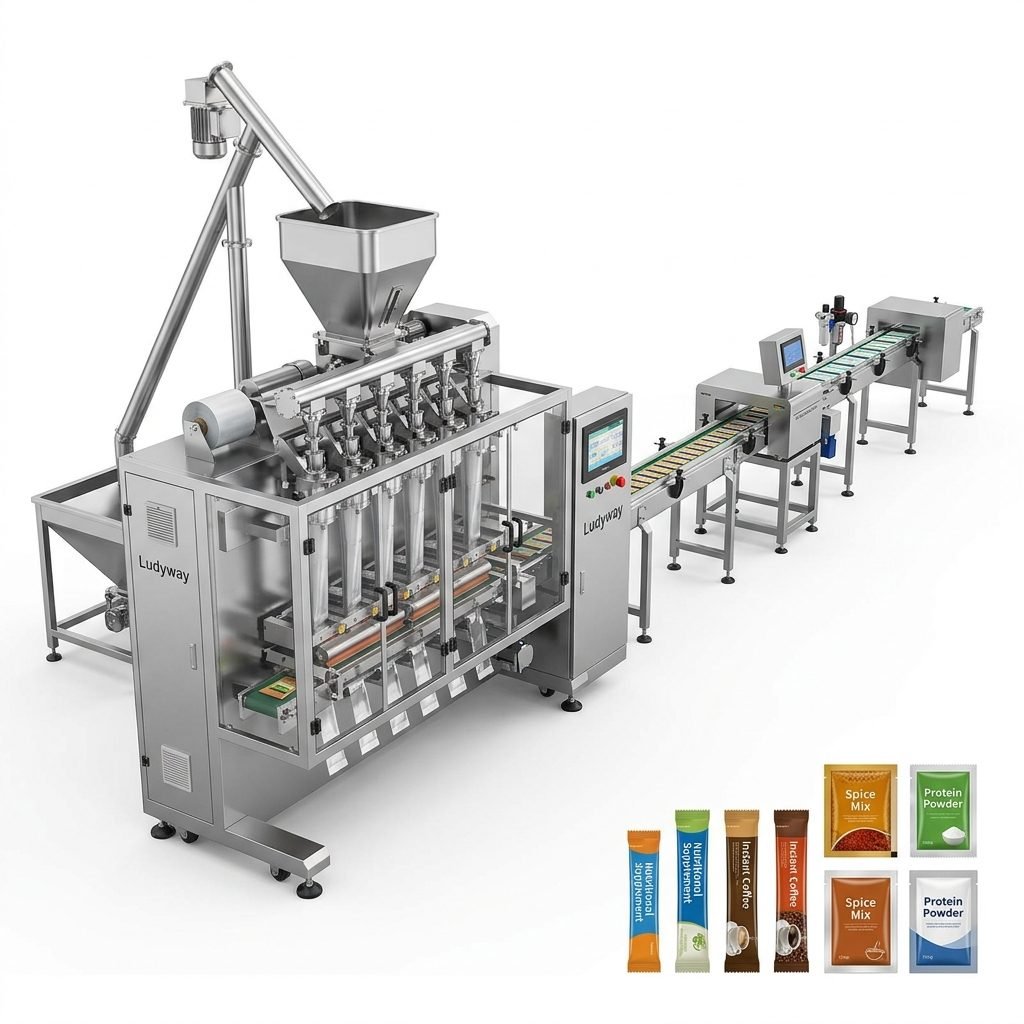
- Multi-Lane Stick Pack Machines: Ideal for high-speed production of single-serve portions such as coffee, protein powder, and beverage mixes. These machines can produce hundreds of packs per minute across multiple lanes simultaneously.
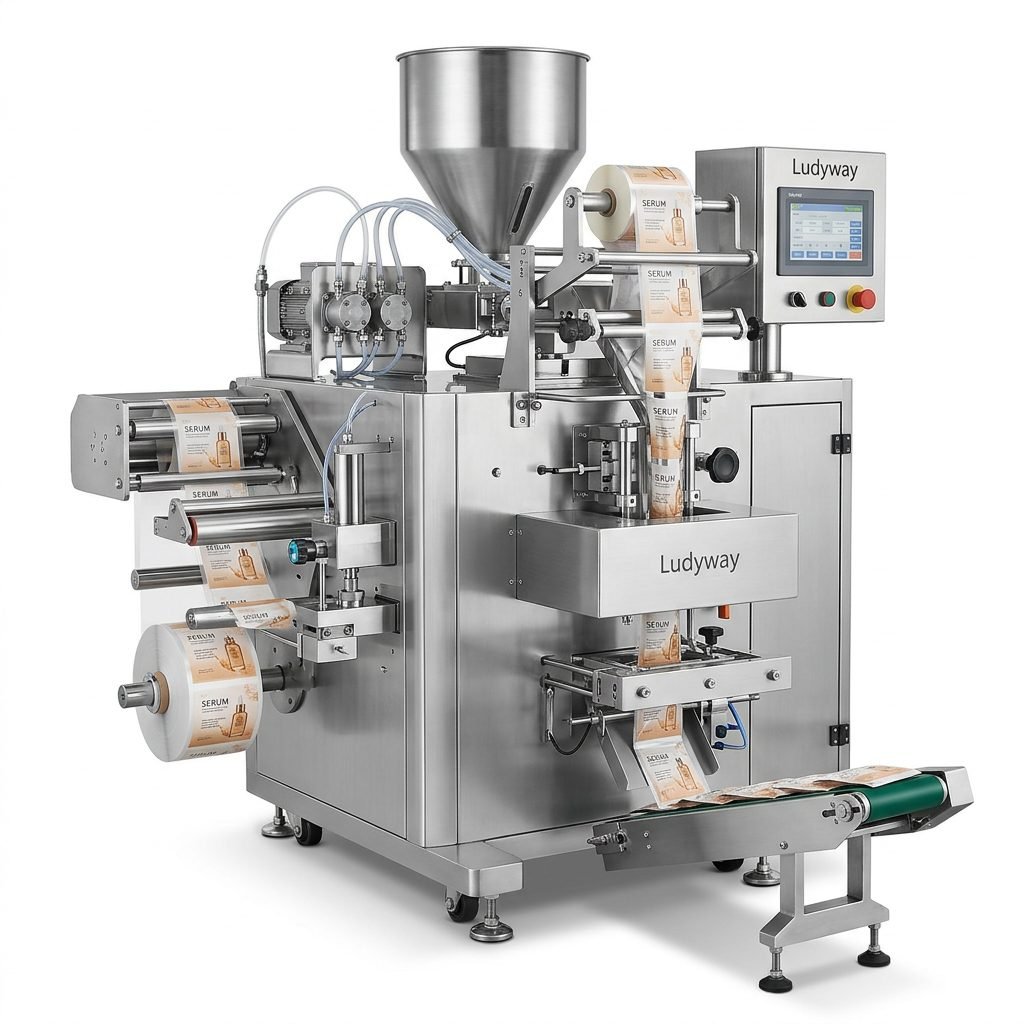
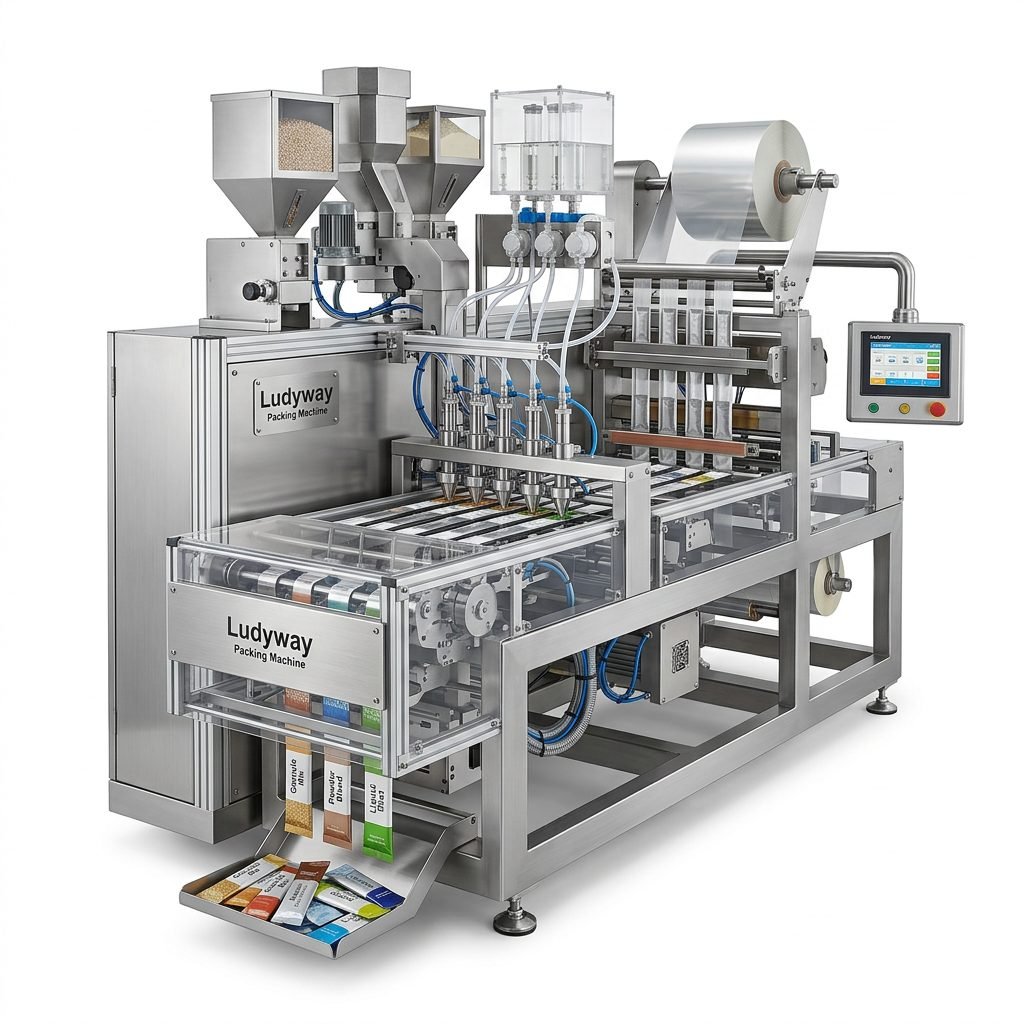
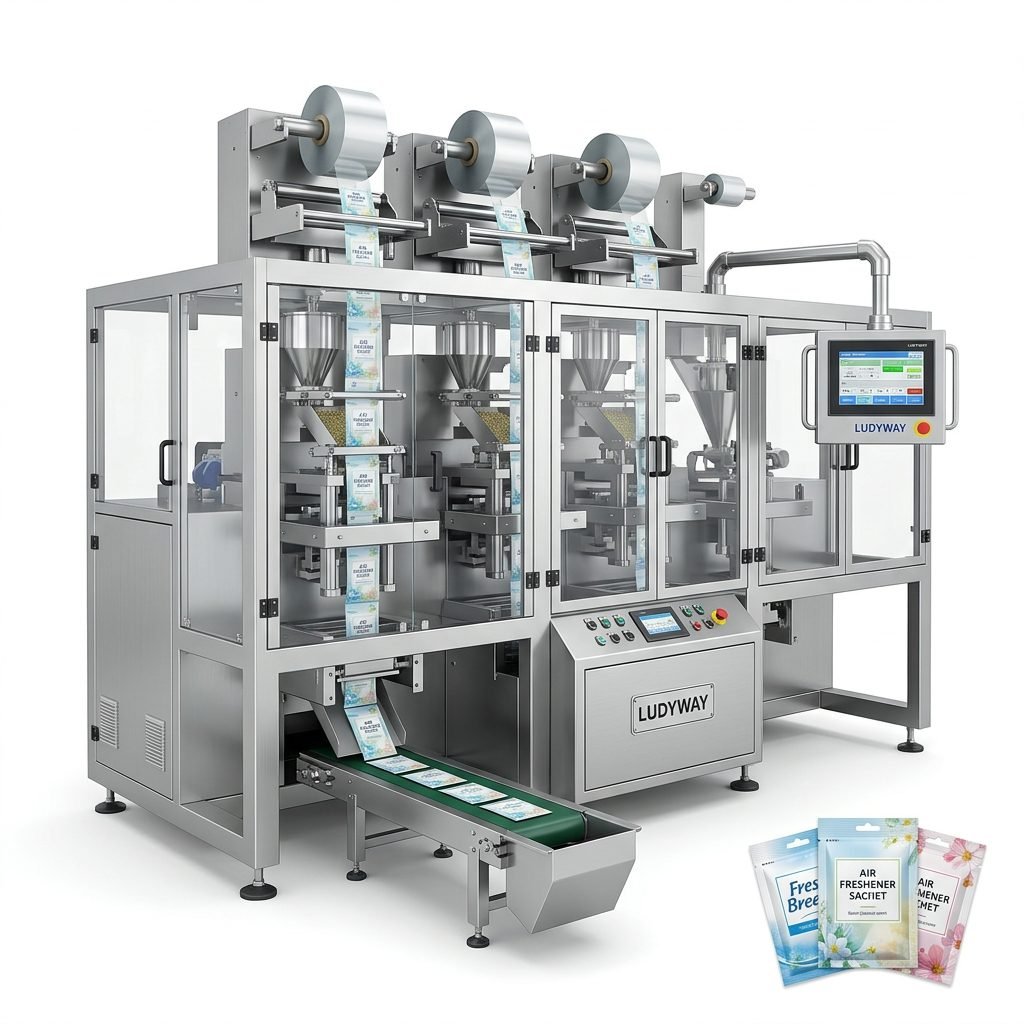
- Sachet Packaging Machines: Suitable for flat or four-side-seal sachets, commonly used for spices, seasoning powders, and pharmaceutical granules. They offer excellent flexibility in pack dimensions.
- Vertical Form Fill Seal (VFFS) Machines: A versatile option for packaging powders into pillow bags or gusseted pouches, widely used in the food industry for bulk packaging.
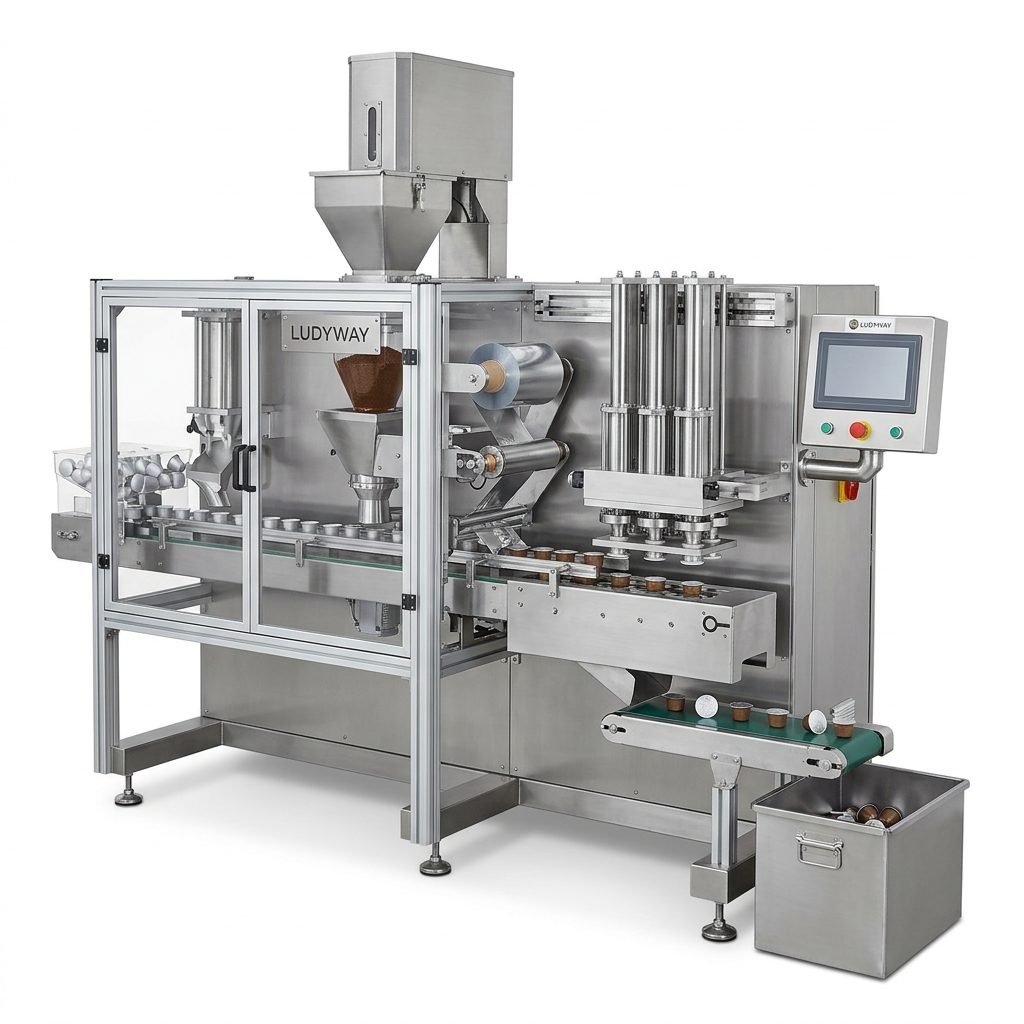
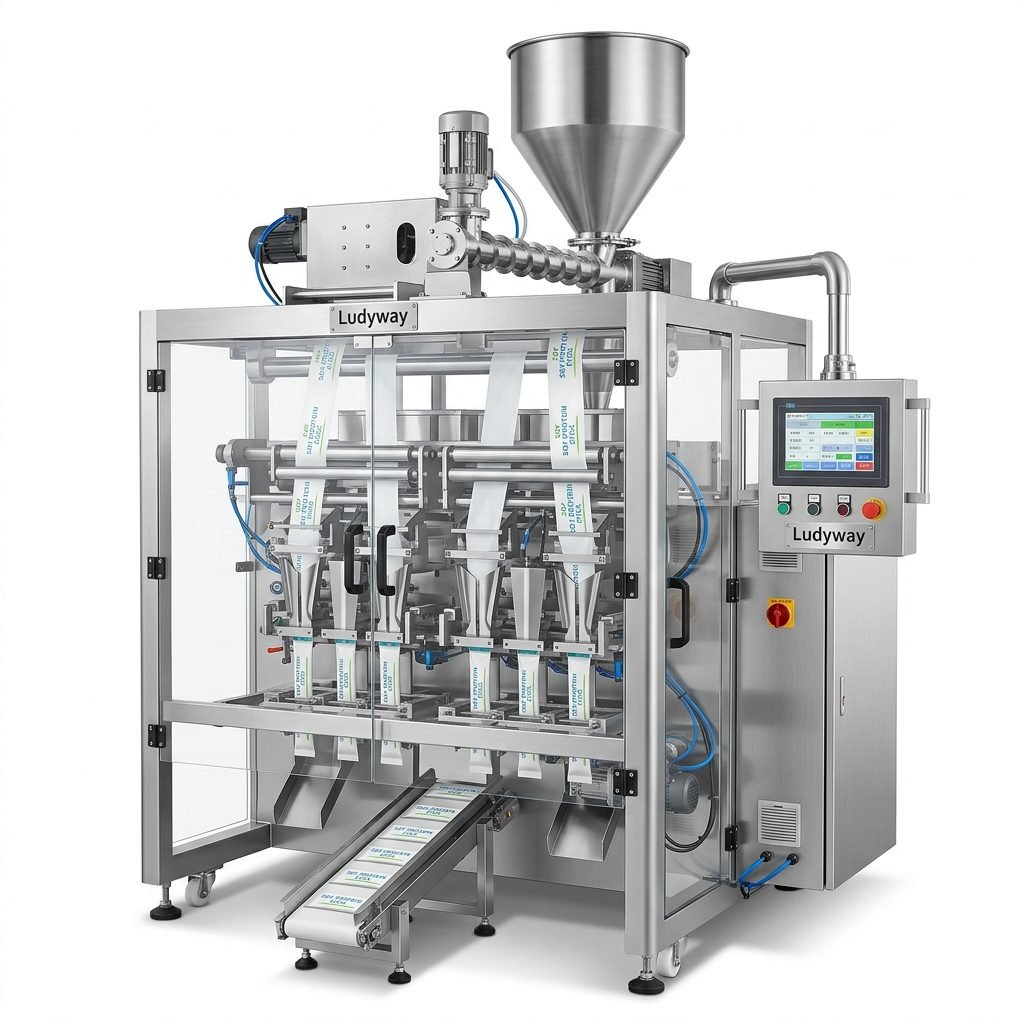
- Auger Filling Machines: Specifically designed for precise powder dosing, these machines handle free-flowing and non-free-flowing powders with high accuracy.
- Premade Pouch Packaging Machines: Rotary or inline systems that fill and seal premade pouches, offering premium shelf appeal for retail products.
Key Features to Evaluate Before Buying
Selecting a food powder packaging machine requires careful evaluation of several technical and operational features. The following factors directly impact machine performance, product quality, and long-term reliability.
Powder Handling and Dosing Accuracy
Different powders exhibit varying flow characteristics. Free-flowing powders like granulated sugar behave differently from cohesive powders like protein mixes or sticky powders like maltodextrin. The dosing system—whether auger-based, volumetric, or gravimetric—must be matched to the powder type. High-precision servo-driven auger fillers can achieve accuracy within ±0.5% for most food powders, which is critical for regulatory compliance and cost control.
Speed and Production Capacity
Production speed is measured in packs per minute (ppm). Entry-level machines may run at 30–60 ppm, while advanced multi-lane systems can exceed 400 ppm. Buyers should calculate their required output based on current and projected demand, allowing for at least 20% capacity headroom.
Material Compatibility and Hygiene Design
Food-grade stainless steel (SUS304 or SUS316) construction is mandatory for all product contact parts. Machines should feature tool-less disassembly for cleaning, sloped surfaces to prevent powder accumulation, and IP65 or higher protection ratings for washdown environments. Compliance with FDA food contact substance regulations is essential for exporters targeting the U.S. market.
Machine Type Comparison
| Machine Type | Best For | Typical Speed | Investment Level |
|---|---|---|---|
| Multi-Lane Stick Pack | Single-serve powders, coffee, supplements | 200–600 ppm | High |
| Sachet Packaging Machine | Spices, seasoning, pharmaceutical powders | 60–300 ppm | Medium-High |
| VFFS Machine | Bulk food powders, flour, sugar | 30–120 ppm | Medium |
| Auger Filler (Standalone) | Precise dosing for jars, cans, pouches | 20–80 ppm | Low-Medium |
| Premade Pouch Machine | Premium retail packaging, gusseted pouches | 30–100 ppm | Medium-High |
Industry Standards and Certifications
Global buyers must ensure their chosen equipment meets relevant international standards. The ISO packaging standards provide a framework for machine safety, hygiene, and performance. Additionally, CE certification is required for machines entering the European market, while UL compliance is often requested for North America. Machines designed according to GMP (Good Manufacturing Practice) principles are preferred for food and pharmaceutical applications. The Flexible Packaging Association offers valuable resources on packaging material standards and sustainability guidelines that complement machine selection.
Supplier Evaluation: What to Look For
Choosing the right supplier is as important as selecting the right machine. A reliable food powder packaging machine manufacturer should demonstrate technical expertise, manufacturing capability, and strong after-sales support. Key evaluation criteria include:
- Manufacturing Facility: A modern production facility with CNC machining, laser cutting, and assembly lines indicates strong manufacturing capability.
- R&D and Engineering Team: Experienced engineers can customize machines to specific powder characteristics and packaging requirements.
- Quality Control Processes: Look for documented QC procedures, including incoming material inspection, in-process testing, and final factory acceptance testing (FAT).
- Spare Parts Availability: Confirm that critical spare parts are readily available and can be shipped quickly to minimize downtime.
- Technical Support and Training: Comprehensive installation support, operator training, and remote troubleshooting capabilities are essential for smooth operations.
Cost Factors and ROI Analysis
The purchase price of a powder packaging machine is only one component of the total cost of ownership. Buyers should consider factors such as energy consumption, spare parts costs, maintenance requirements, and expected service life. A higher-quality machine with better build quality and precision components may have a higher upfront cost but often delivers lower long-term operating expenses and higher uptime. When calculating ROI, include increased production capacity, reduced labor costs, lower product giveaway from accurate dosing, and decreased packaging material waste.
Installation, Commissioning, and Training
Proper installation and commissioning are critical to achieving optimal machine performance. Factor in the cost and timeline for installation, which may include site preparation, utility connections, and equipment calibration. Comprehensive operator and maintenance training should be included in the purchase agreement. Remote support capabilities via video conferencing or augmented reality tools have become increasingly valuable for global buyers, reducing the need for on-site technician visits.
For buyers seeking a reliable partner with extensive experience in powder packaging systems, Ludyway offers a comprehensive range of multi-lane and sachet packaging solutions backed by a 20,000 m² manufacturing facility and support in over 100 countries.
Frequently Asked Questions
What is the typical lead time for a food powder packaging machine?
Standard models generally ship within 45–90 days, while customized machines may require 90–150 days depending on complexity and the manufacturer’s production schedule.
How do I determine the right dosing system for my powder?
The selection depends on your powder’s flow characteristics, bulk density, and required accuracy. Free-flowing powders work well with volumetric cup fillers, while non-free-flowing or cohesive powders benefit from servo-driven auger fillers with agitation systems.
Can one machine handle multiple powder types?
Many modern machines can handle different powder formulations with minimal changeover, but significant differences in particle size, density, or flow characteristics may require dedicated dosing units or comprehensive cleaning between product runs.
What after-sales support should I expect?
Reputable manufacturers provide installation assistance, operator training, a warranty period (typically 12–24 months), accessible spare parts supply, and remote or on-site technical support for the machine’s service life.