In the fast-paced world of modern manufacturing, efficiency, hygiene, and product protection are paramount. Aluminium foil packaging has emerged as a leading solution across industries like food, pharmaceuticals, and nutraceuticals, thanks to its excellent barrier properties against moisture, light, and oxygen. The heart of any high-volume foil packaging operation is the aluminium foil packaging machine. This comprehensive guide delves into the different types of machines, explains their core working principles, and provides a detailed framework to help you select the perfect model for your specific production needs.
Core Types of Aluminium Foil Packaging Machines
The market offers a variety of aluminium foil packaging machines, each designed for specific product forms and output requirements. Understanding these types is the first step in making an informed choice.
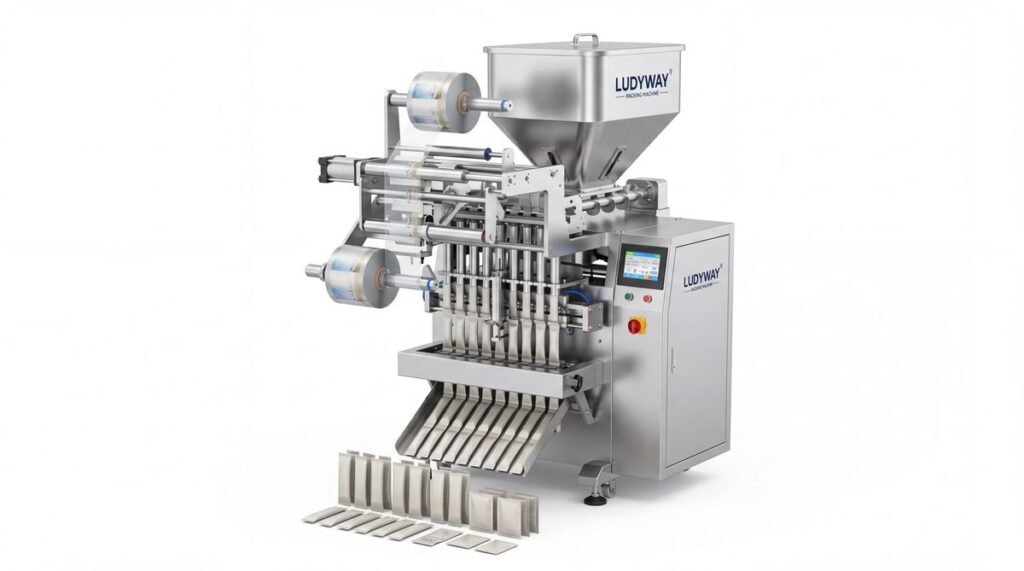
1. Stick Pack Packaging Machines
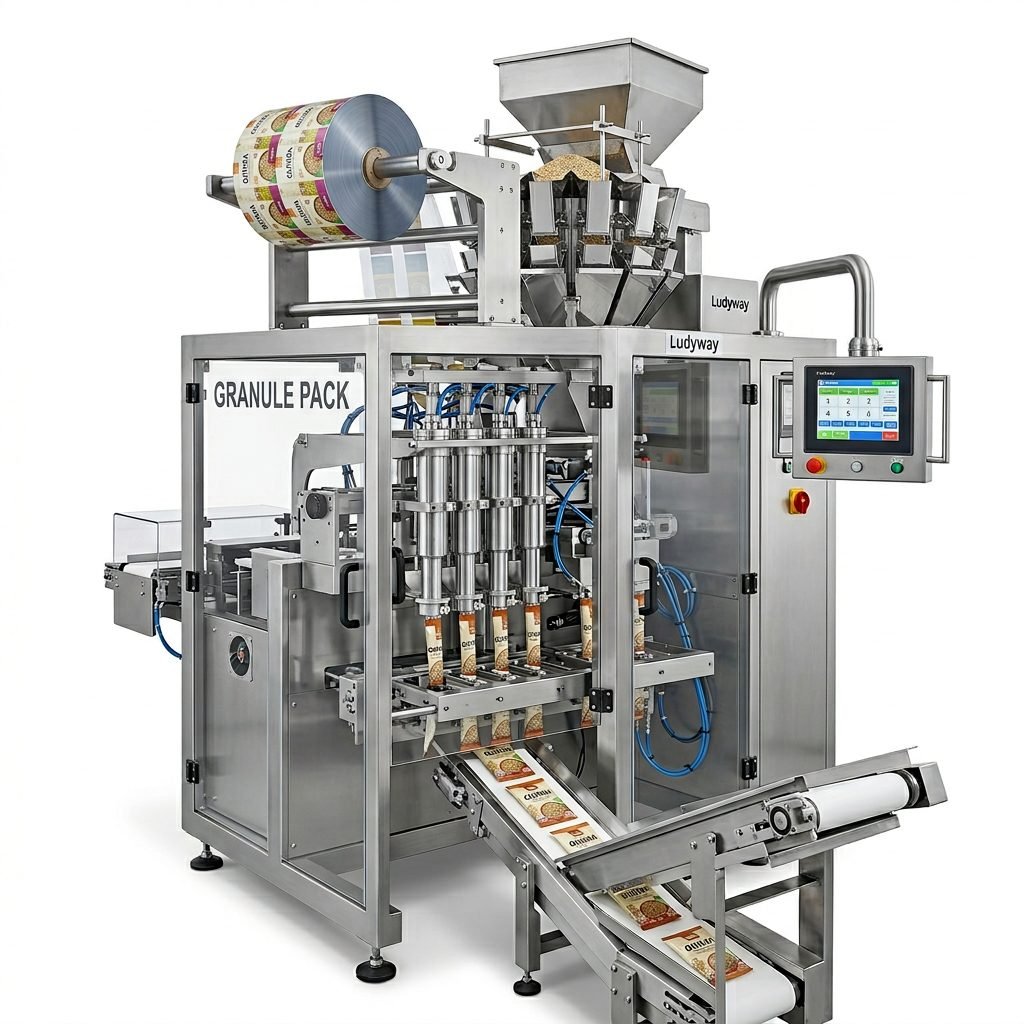
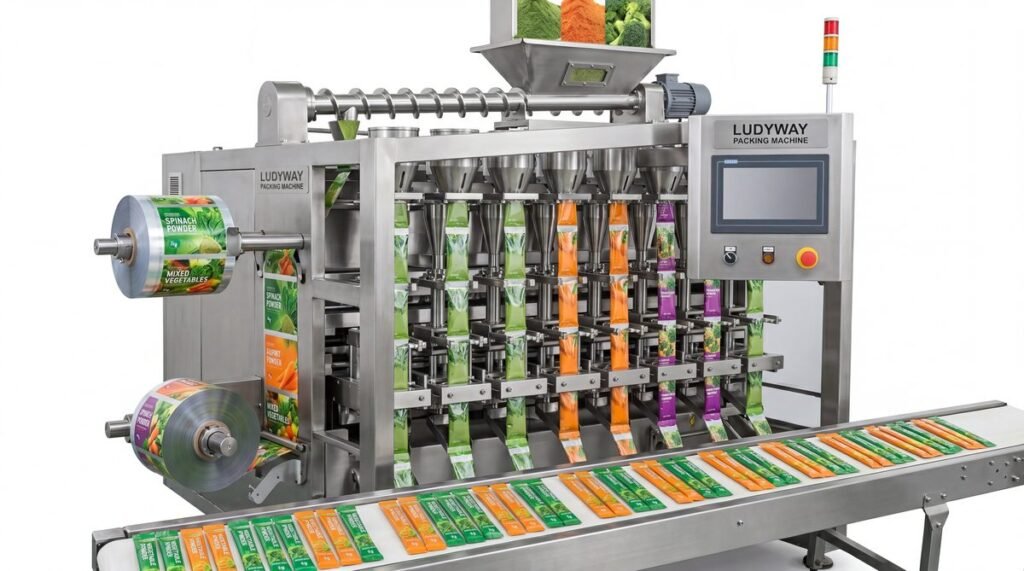
Ideal for single-serving portions of powders, granules, or liquids (like instant coffee, sugar, or supplements). These machines create long, narrow “stick” pouches that are convenient for consumers. They are known for their high-speed operation, often featuring multi-lane designs that can produce dozens of sticks per minute. This makes them perfect for products requiring small, precise doses.
Key Advantage: Exceptional speed and portion control for powdered supplements, drink mixes, and pharmaceutical samples.
2. Sachet (Pouch) Packaging Machines
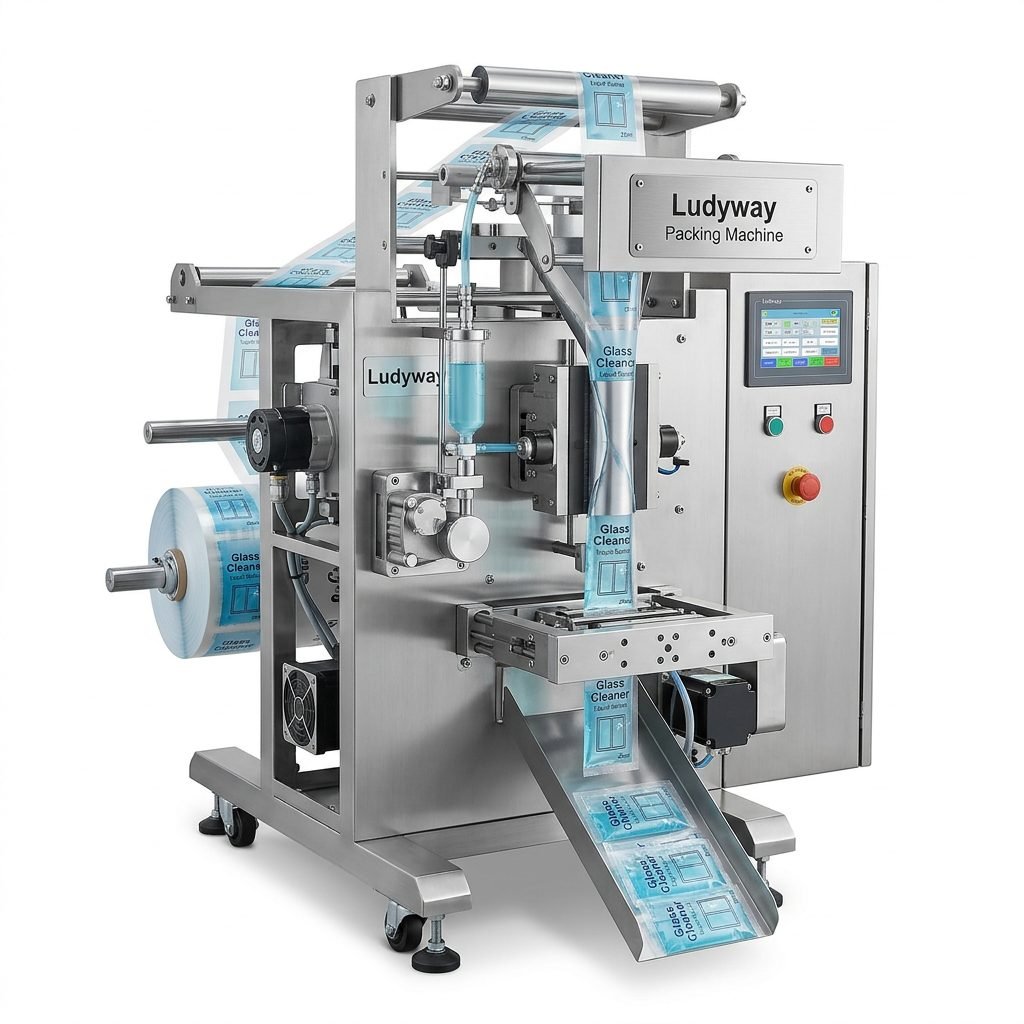
This is the most versatile category, capable of producing various pouch styles—such as three-side seal, four-side seal, or stand-up pouches—from roll-fed aluminium laminate film. They handle a wide range of products, from granules and powders to viscous liquids and creams. Machines can be configured for single sachets or connected in-line for continuous strip packaging of multiple units (e.g., sauce packets).
3. Blister Packaging Machines
Primarily used in the pharmaceutical and healthcare industries for tablets, capsules, and pills. These machines form a cavity (blister) from a roll of aluminium foil or composite film, place the product inside, and then seal it with a lidding material (often foil). They provide excellent product visibility, unit-dose integrity, and child-resistant features.
4. Form-Fill-Seal (FFS) Machines
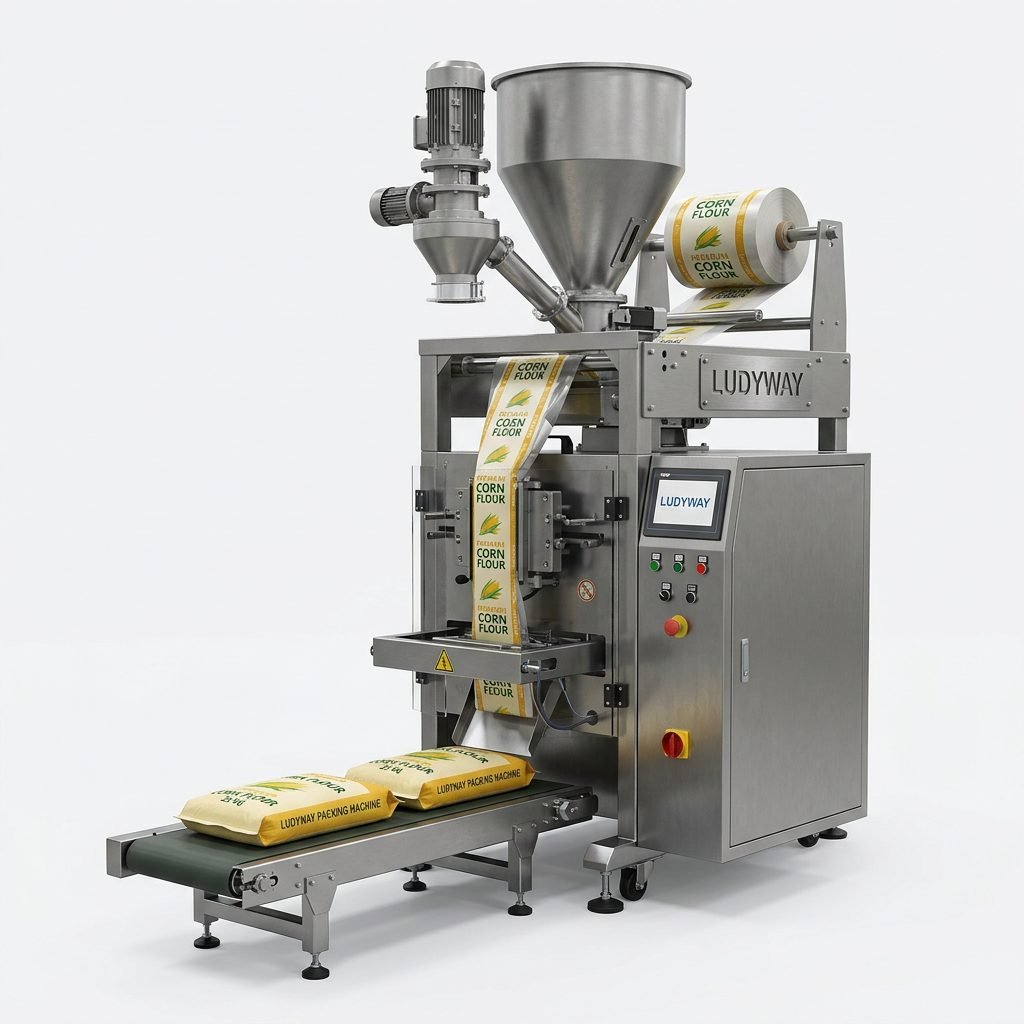
This is the overarching technology for most stick pack and sachet machines. An FFS machine performs three continuous functions: it forms the pouch from a flat roll of film, fills it with the measured product, and then seals it. Vertical FFS (VFFS) machines are common for granules and powders, while horizontal FFS (HFFS) might be used for specific shapes or liquid filling.
Working Principle: How the Machine Operates
While designs vary, the fundamental process for a typical aluminium foil sachet or stick pack machine follows a consistent sequence. Understanding this demystifies the automation.
Step 1: Film Unwinding & Registration
The machine draws a roll of laminated aluminium packaging film (often PET/AL/PE) through a series of tensioners and guides. A photoelectric sensor reads registration marks on the film to ensure precise alignment for cutting and sealing.
Step 2: Pouch Formation
The flat film is shaped over a forming collar (for vertical machines) or folded (for horizontal machines) to create the pouch’s basic structure. The longitudinal seal is made first, creating a tube or folded edge.
Step 3: Product Dosing & Filling
This is a critical stage. Based on the product type, a precise filling system doses the material into the newly formed pouch. Volumetric cups, auger fillers (for powders), liquid pumps, or weigh scales ensure accurate portion control.
⚠️ Critical Factor: Product Compatibility
The filling mechanism must be matched to your product’s characteristics (flowability, abrasiveness, viscosity). An auger filler for fine powder will not work for sticky creams.
Step 4: Top Sealing & Cutting
After filling, the top of the pouch is sealed using heated jaws that apply pressure and temperature to fuse the inner layers of the film. Immediately after sealing, a cutting mechanism separates the individual pouches. Cross-sealing jaws often perform both functions simultaneously.
Step 5: Discharge & Counting
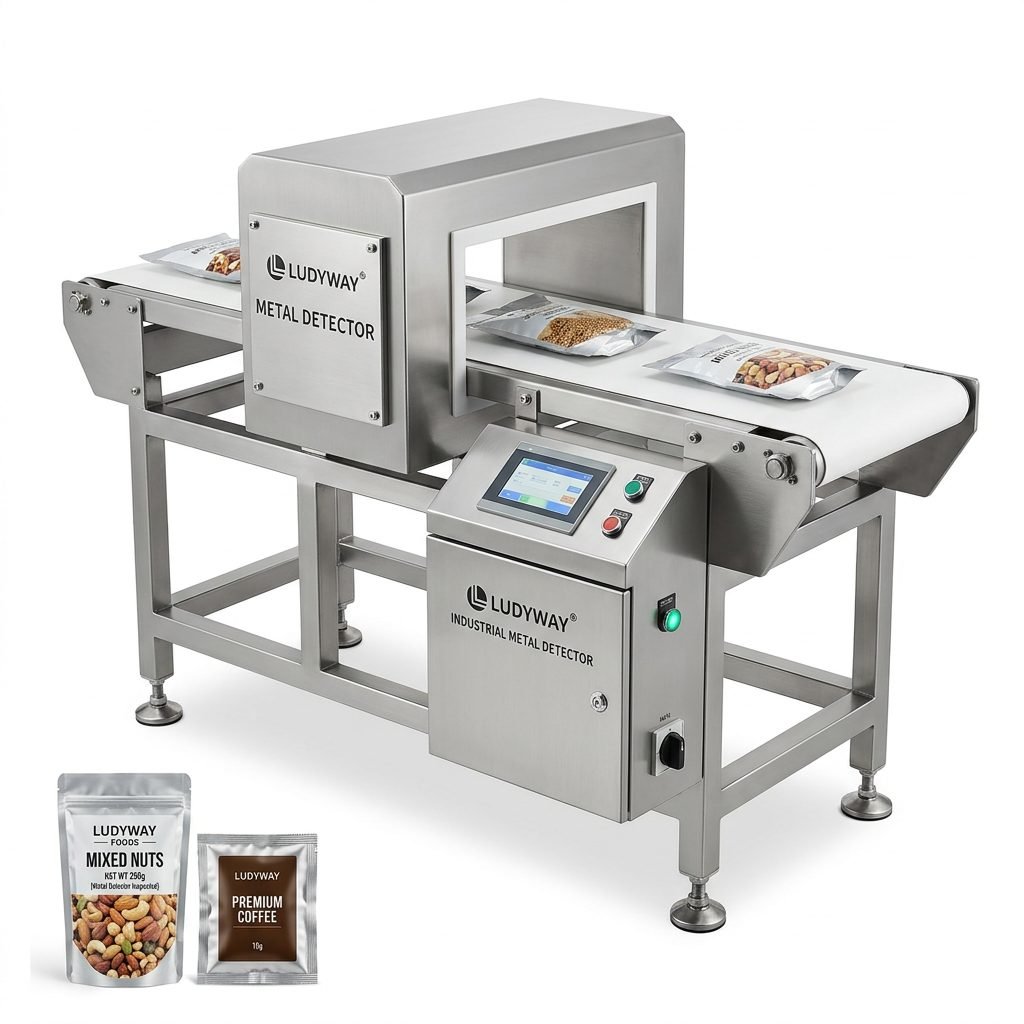
The finished pouches are discharged onto a conveyor or chute. They may pass through a metal detector for safety and are often counted or collated into batches for secondary packaging.
How to Choose the Right Model for Your Production
Selecting an aluminium foil packaging machine is a significant investment. Here are the key factors to evaluate systematically.
1. Analyze Your Product Characteristics
This is the most important starting point. Define your product’s physical state (powder, granule, liquid, solid), its flow properties, density, and any special requirements (hygroscopic, abrasive, sterile). The product dictates the necessary filling system and film specifications.
2. Determine Required Production Speed (Output)
Calculate your current and future output needs in pouches per minute (PPM). A benchtop model may produce 30-60 PPM, while a high-speed, multi-lane stick pack machine from a supplier like Ludyway Machinery can exceed 200 PPM. Balance speed with budget and flexibility needs.
3. Define Packaging Specifications
What are your pouch dimensions (length, width)? What type of seal is required? What is the structure of your aluminium laminate film (e.g., thickness, layer composition)? The machine must be compatible with your desired packaging format and material.
📋 Selection Checklist
- Product Type: Powder, Granule, Liquid, Paste?
- Output Target: Pouches per minute/hour?
- Pouch Size: Minimum and maximum dimensions?
- Film Roll: Maximum width and core size?
- Automation Level: Need automatic film splicing, weight checkers, or coding systems?
- Footprint: Available floor space in your facility?
4. Consider Automation & Integration Needs
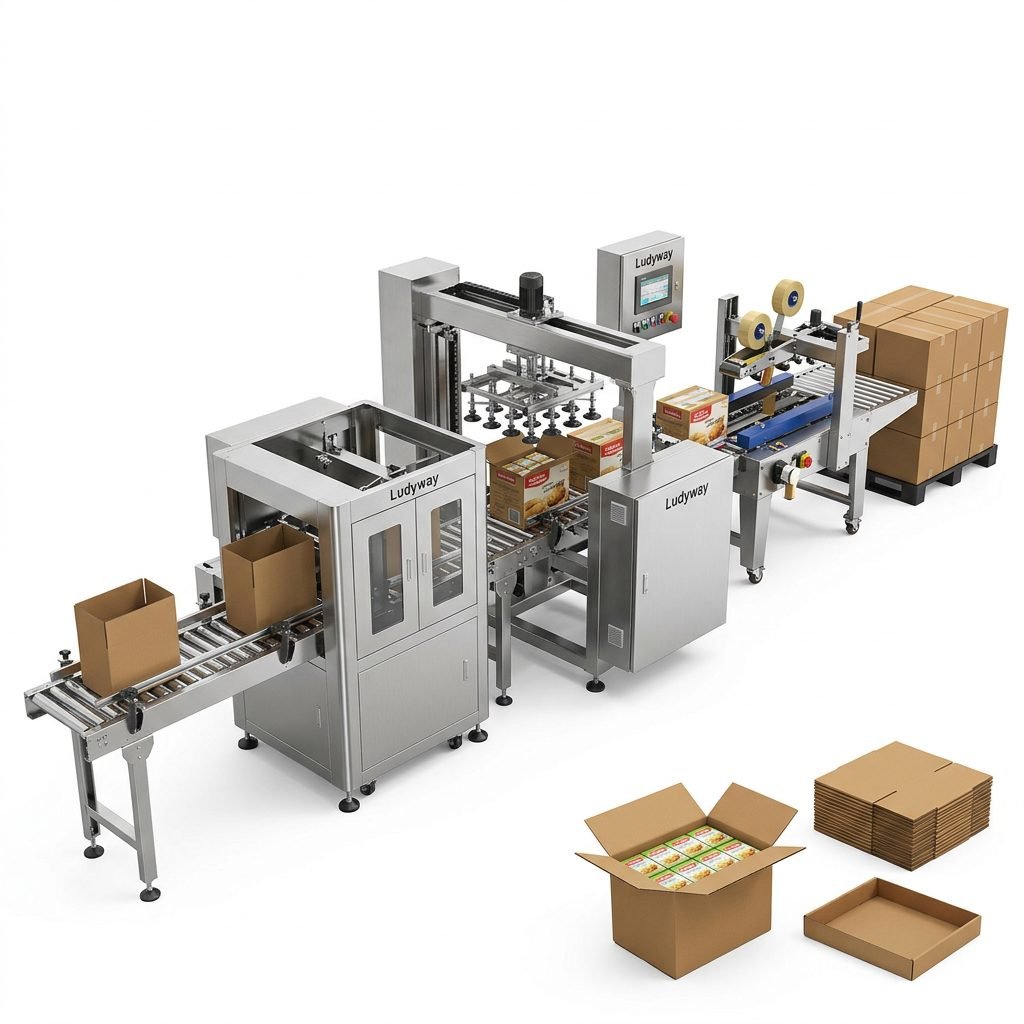
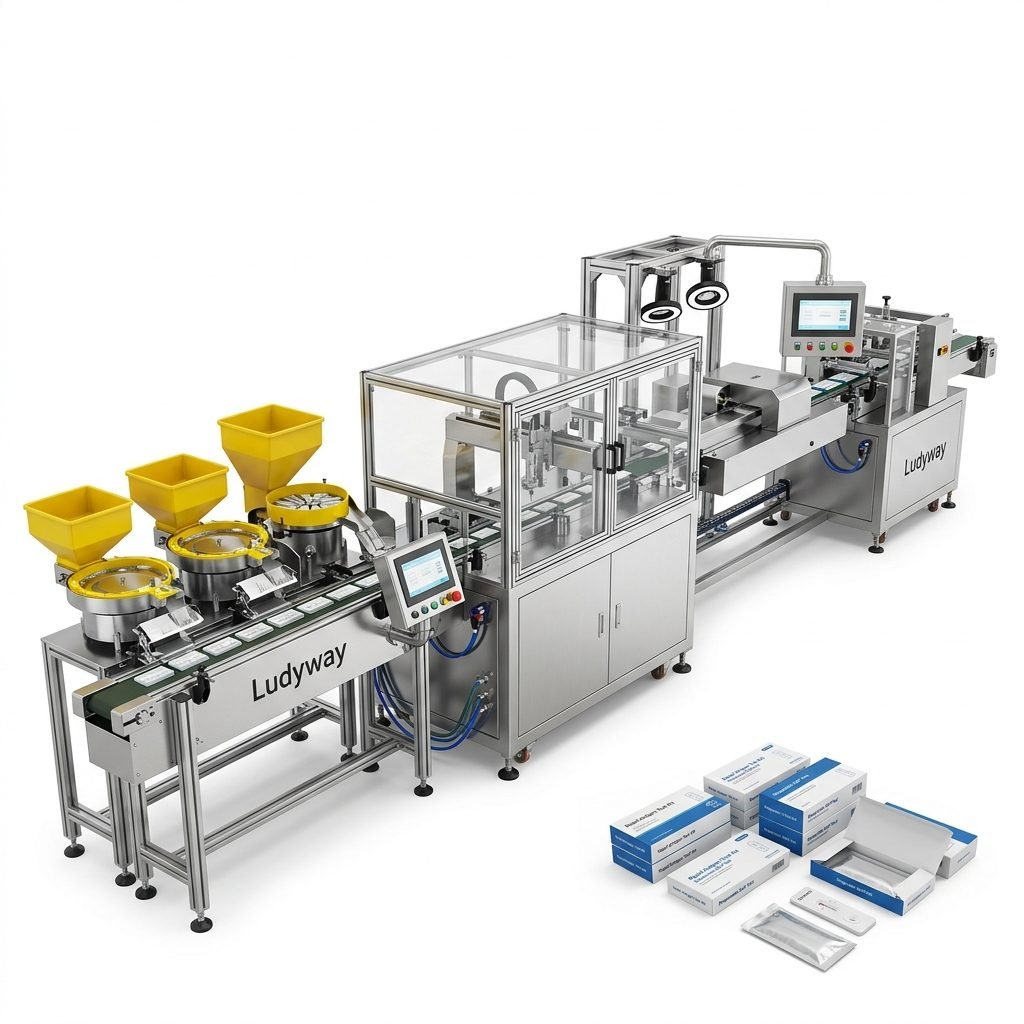
Do you need a standalone machine or one that integrates into a full turnkey production line with upstream feeders (like mixers) and downstream equipment (cartoners, case packers)? Consider options for automatic film splicing, inline checkweighing, date coding, and rejection systems to maximize uptime and quality control.
5. Evaluate Supplier Expertise & Support
The machine is only as good as the company behind it. Choose a supplier with proven experience in your industry. Look for a provider that offers comprehensive services: engineering support, operator training, readily available spare parts, and reliable after-sales service. A partner with over 30 years of industry experience can offer invaluable guidance and ensure long-term machine reliability.
6. Plan for Future Flexibility
Consider your product roadmap. Will you need to package different products or pouch sizes in the future? Investing in a machine with quick-change parts and adjustable settings can provide valuable flexibility and protect your investment against changing market demands.
Frequently Asked Questions (FAQs)
1. What types of products can be packaged with an aluminium foil packaging machine?
These machines are incredibly versatile. Common applications include food products (coffee, spices, soup mixes), pharmaceuticals (powders, tablets), nutraceuticals (protein powders, vitamin supplements), chemicals (detergents, reagents), and single-serving condiments or creams.
2. How do I ensure the seal integrity of my aluminium foil pouches?
Seal integrity depends on three main factors: correct temperature and pressure settings on the sealing jaws, the use of film with a compatible heat-seal layer (like polyethylene), and clean, uncontaminated sealing surfaces. Regular maintenance and parameter validation are crucial.
3. Can one machine handle different pouch sizes?
Yes, most modern machines are designed with flexibility in mind. They feature adjustable forming tubes, sealing jaws, and cutting mechanisms. However, changing sizes typically requires a changeover process involving part replacements and recalibration, which can take from 30 minutes to a few hours.
4. What is the difference between a stick pack machine and a sachet machine?
The primary difference is the final pouch shape and typical application. Stick pack machines produce long, narrow sticks ideal for powder dissolution in water. Sachet machines produce broader, more rectangular pouches suitable for a wider variety of products, including granules and thicker liquids. The core FFS technology is similar.
5. What kind of maintenance do these machines require?
Regular maintenance is essential for longevity and consistent performance. Daily tasks include cleaning product contact parts and checking for debris. Weekly or monthly maintenance involves lubricating moving parts, inspecting seals and wear parts, and verifying the calibration of filling and sealing systems. Always follow the manufacturer’s specific maintenance schedule.