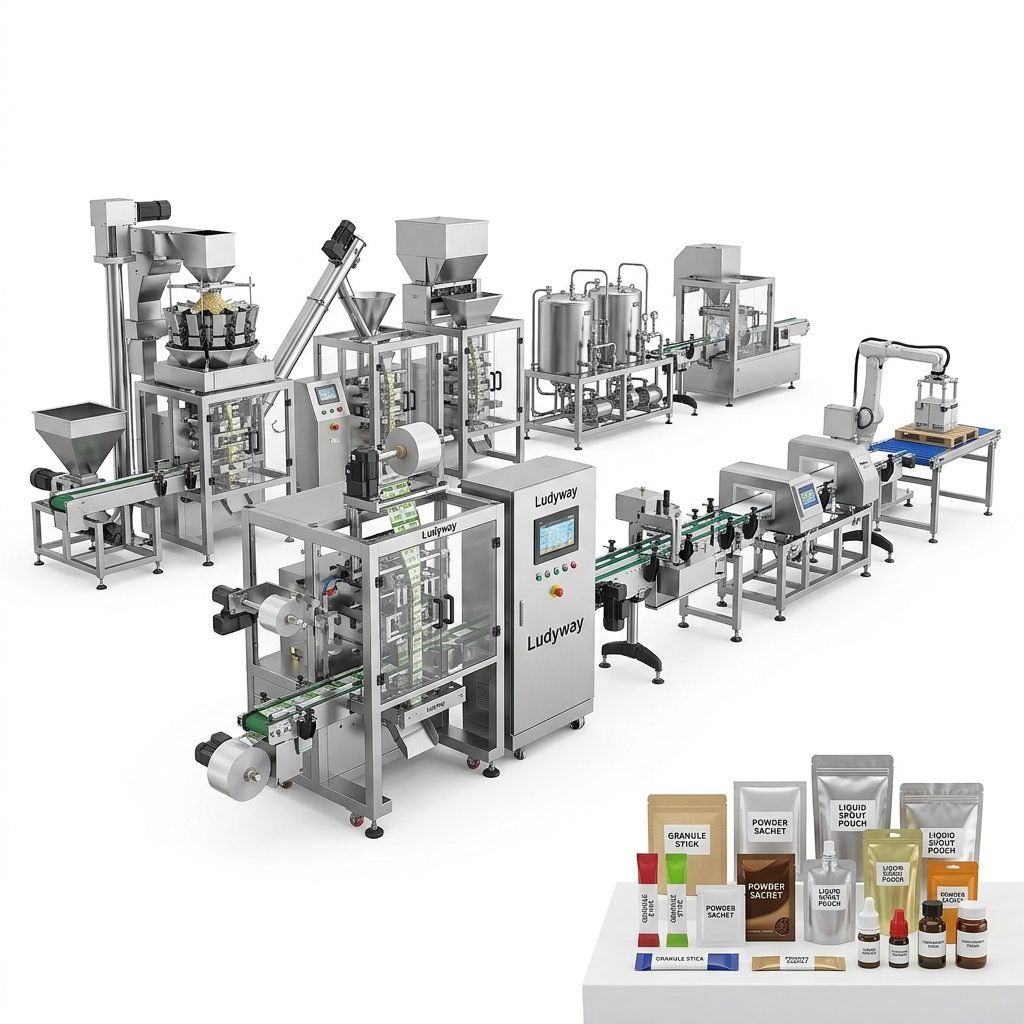
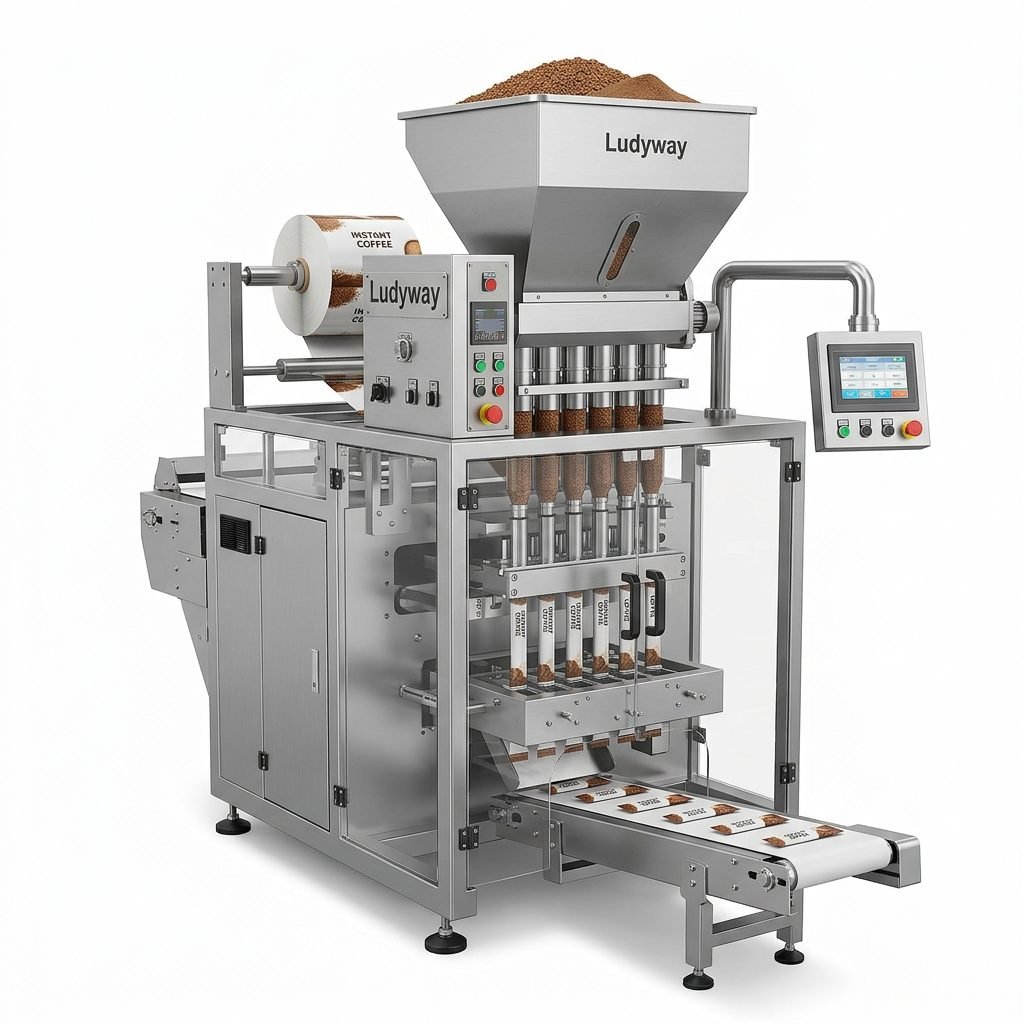
Investing in the right drink packaging machinery is one of the most critical decisions for any beverage producer, co-packer, or private label brand operating in Europe. Whether you are filling instant coffee sticks, functional drink powders, liquid concentrates, or ready-to-drink sachets, the European market demands speed, precision, hygiene, and full regulatory compliance. This comprehensive guide walks you through every essential factor — from machine types and CE certification to total cost of ownership and supplier evaluation — so you can make a confident, informed purchase.
Understanding the European Drink Packaging Landscape
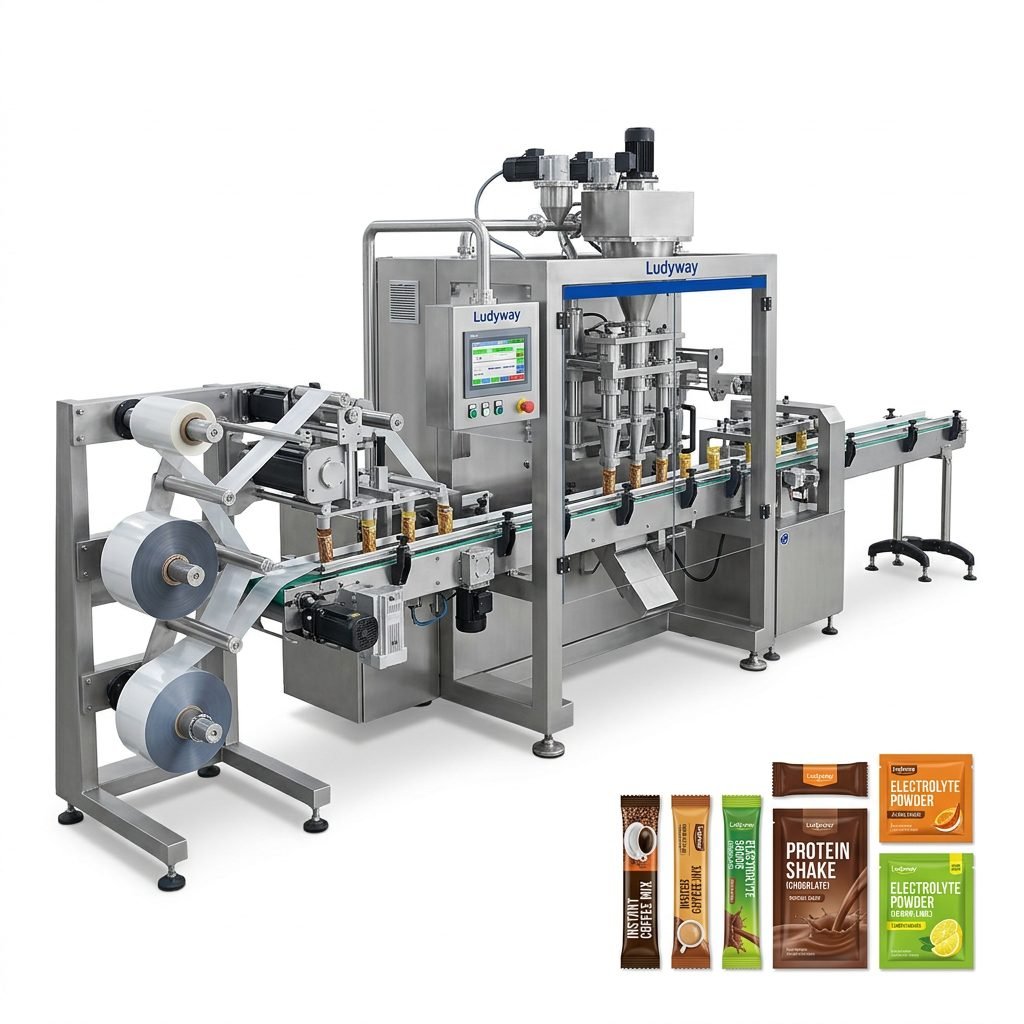
Europe represents one of the most mature and technologically advanced packaging markets in the world. Demand is driven by several powerful trends: the rapid growth of on-the-go consumption, rising popularity of single-serve formats, increasing focus on sustainable packaging materials, and stringent European Union regulations governing food contact substances. For drink manufacturers, this means packaging equipment must handle a wide variety of product viscosities — from free-flowing powders to thick syrups and gels — while maintaining precise fill accuracy and hermetic seal integrity.
Key Market Drivers in Europe
- Single-serve dominance: Stick packs and sachets continue to gain market share across coffee, tea, sports nutrition, and functional beverage categories.
- Sustainability mandates: The EU Packaging and Packaging Waste Regulation is pushing manufacturers toward recyclable and lightweight packaging structures.
- Automation acceleration: Labor shortages and rising operational costs are driving demand for fully automated, multi-lane systems that reduce manual intervention.
- Flexible production: Contract packagers increasingly require machines capable of quick changeovers between different product types and package formats.
Types of Drink Packaging Machines Available
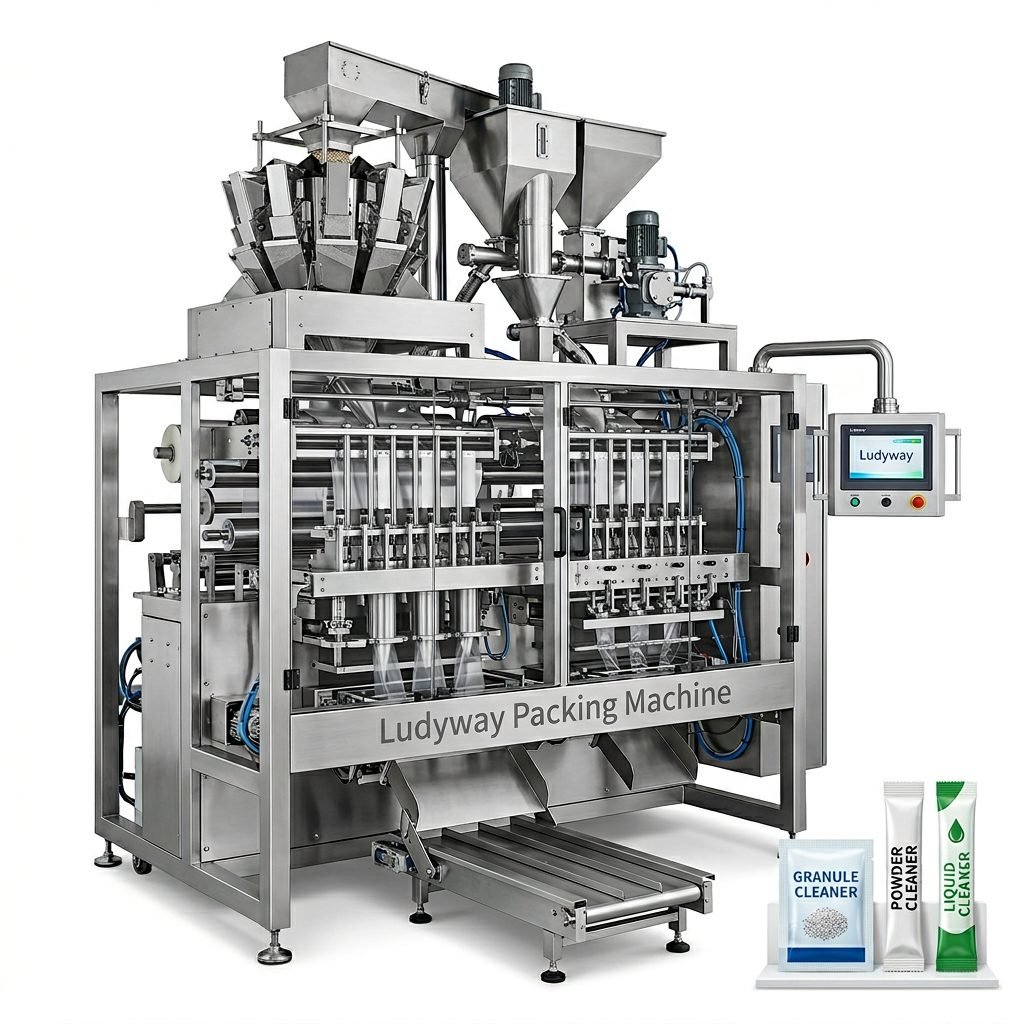
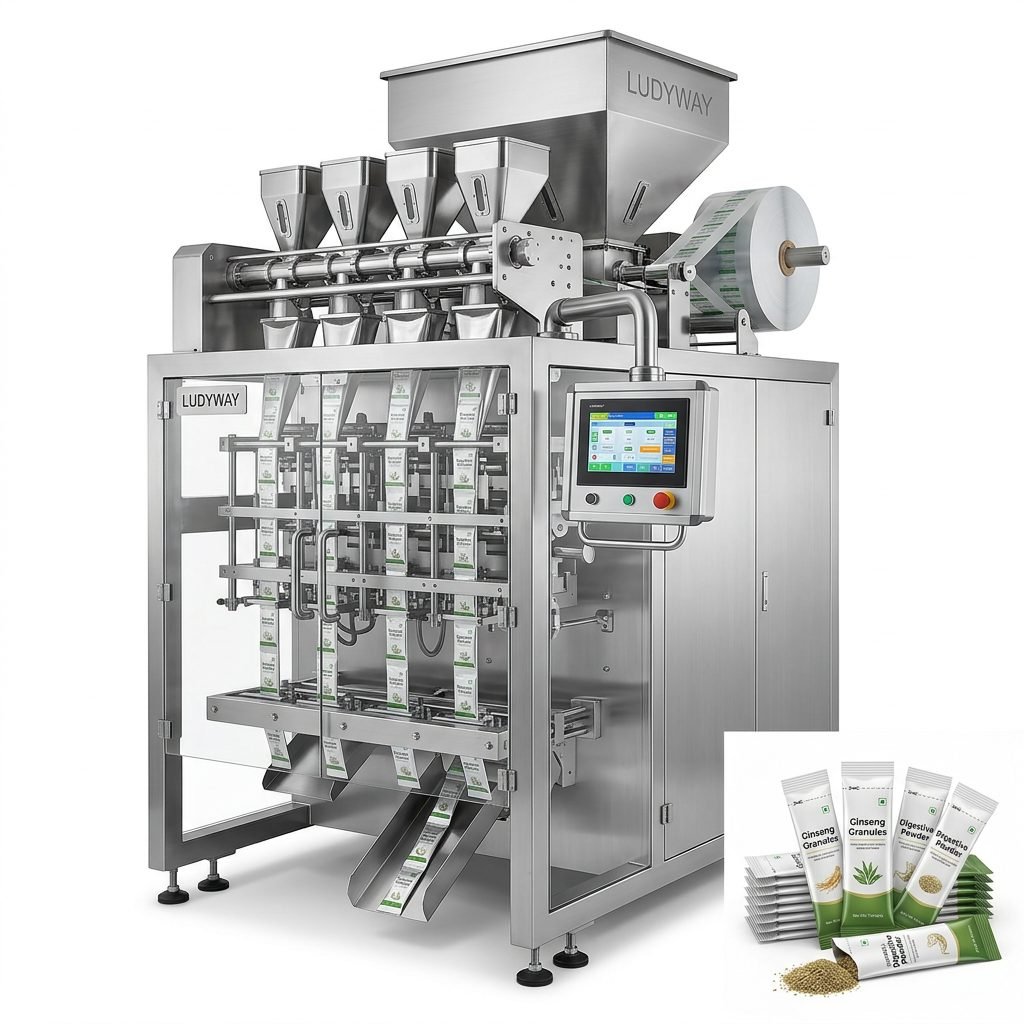
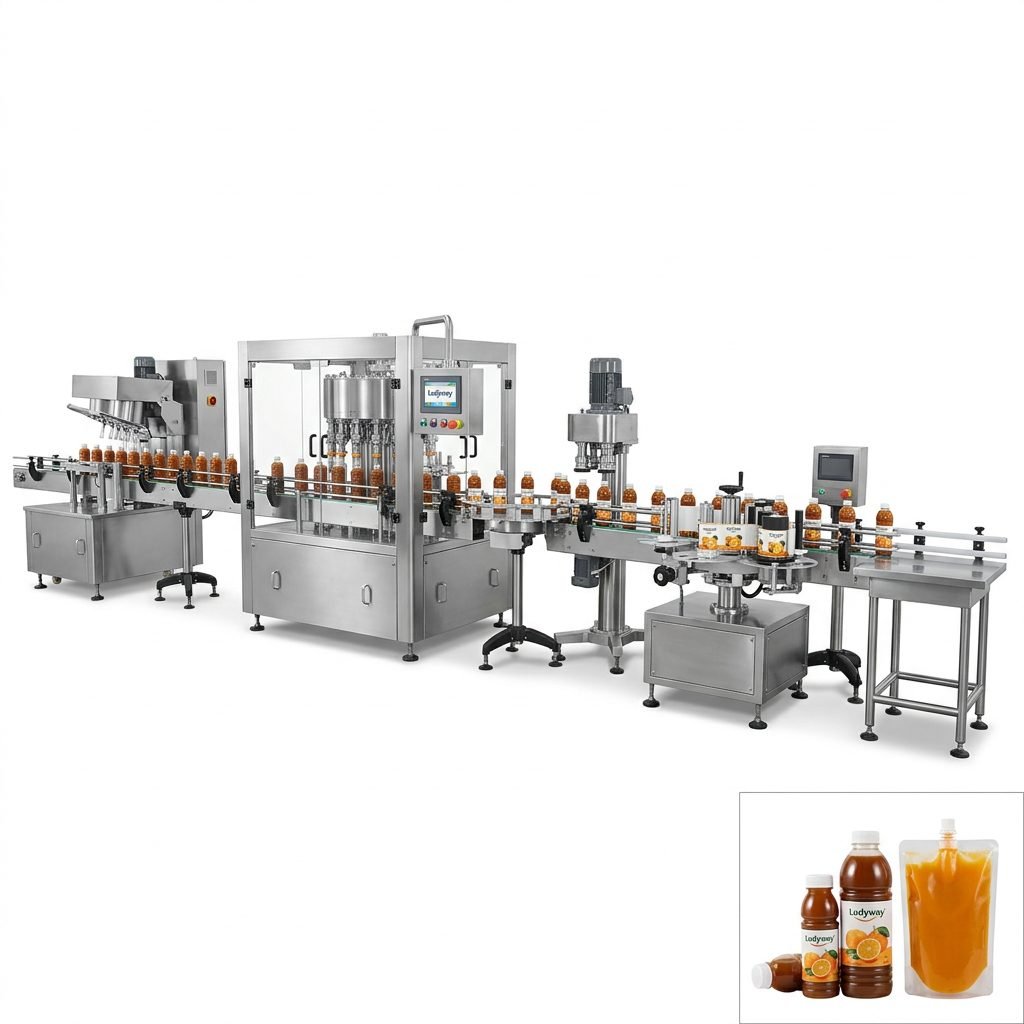
Choosing the correct machine type depends primarily on your product form (powder, granule, liquid, paste), target output (packs per minute), and package format. Below is a comparative overview of the most common configurations deployed in European drink manufacturing facilities.
| Machine Type | Best For | Typical Output Range | Key Advantage |
|---|---|---|---|
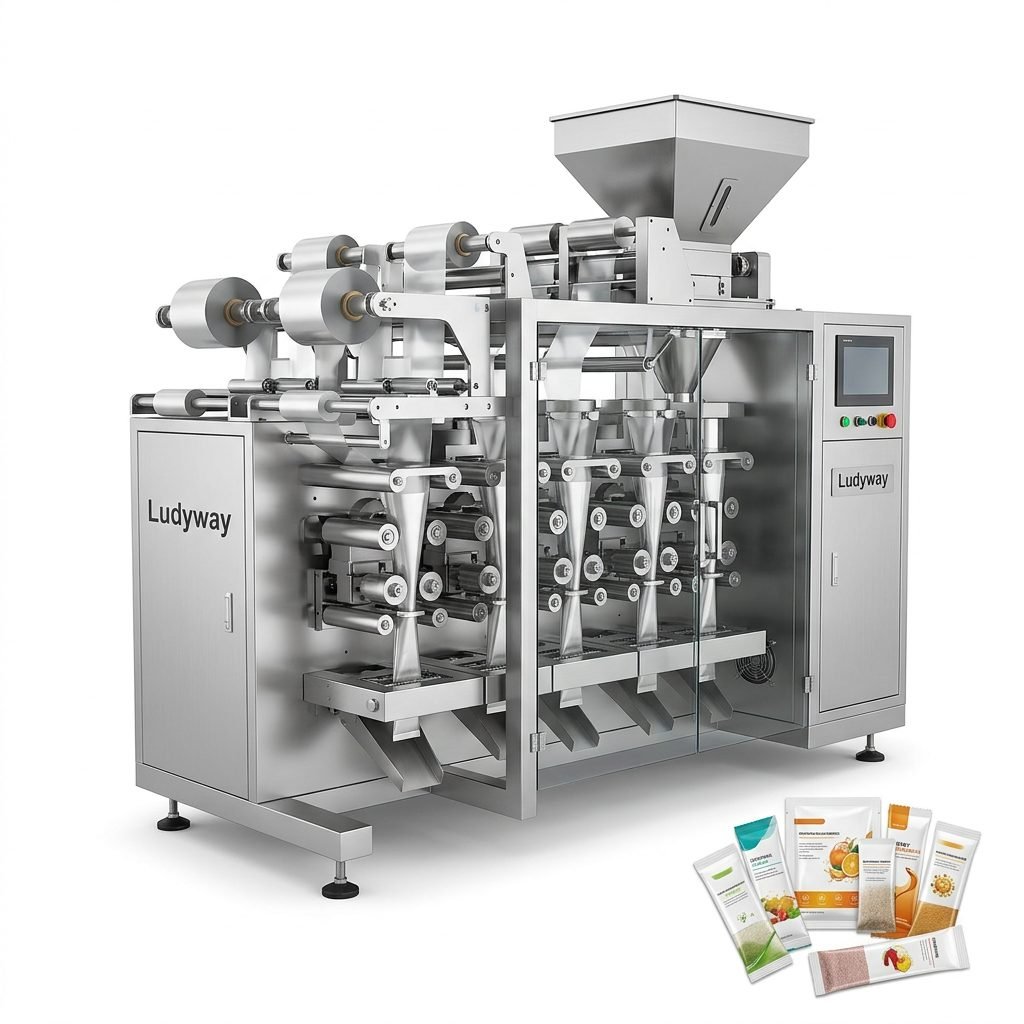
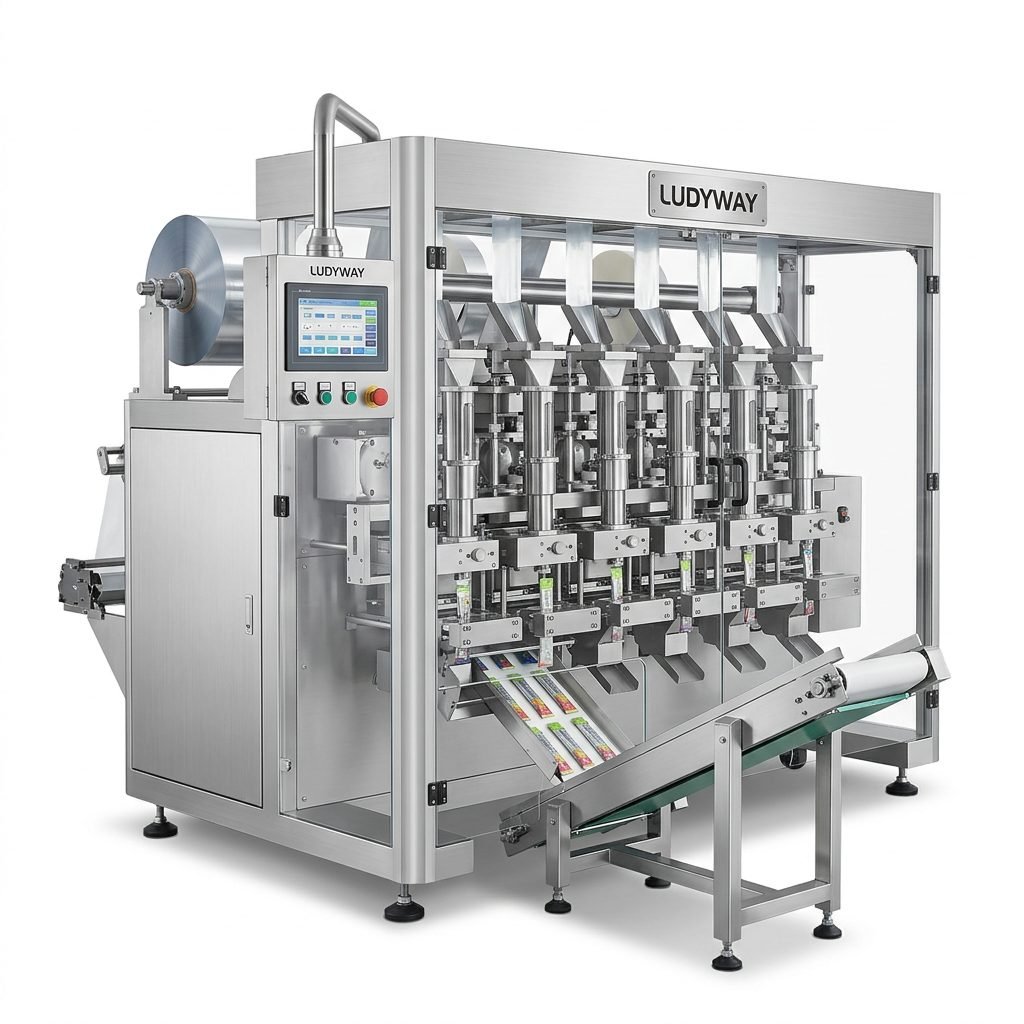
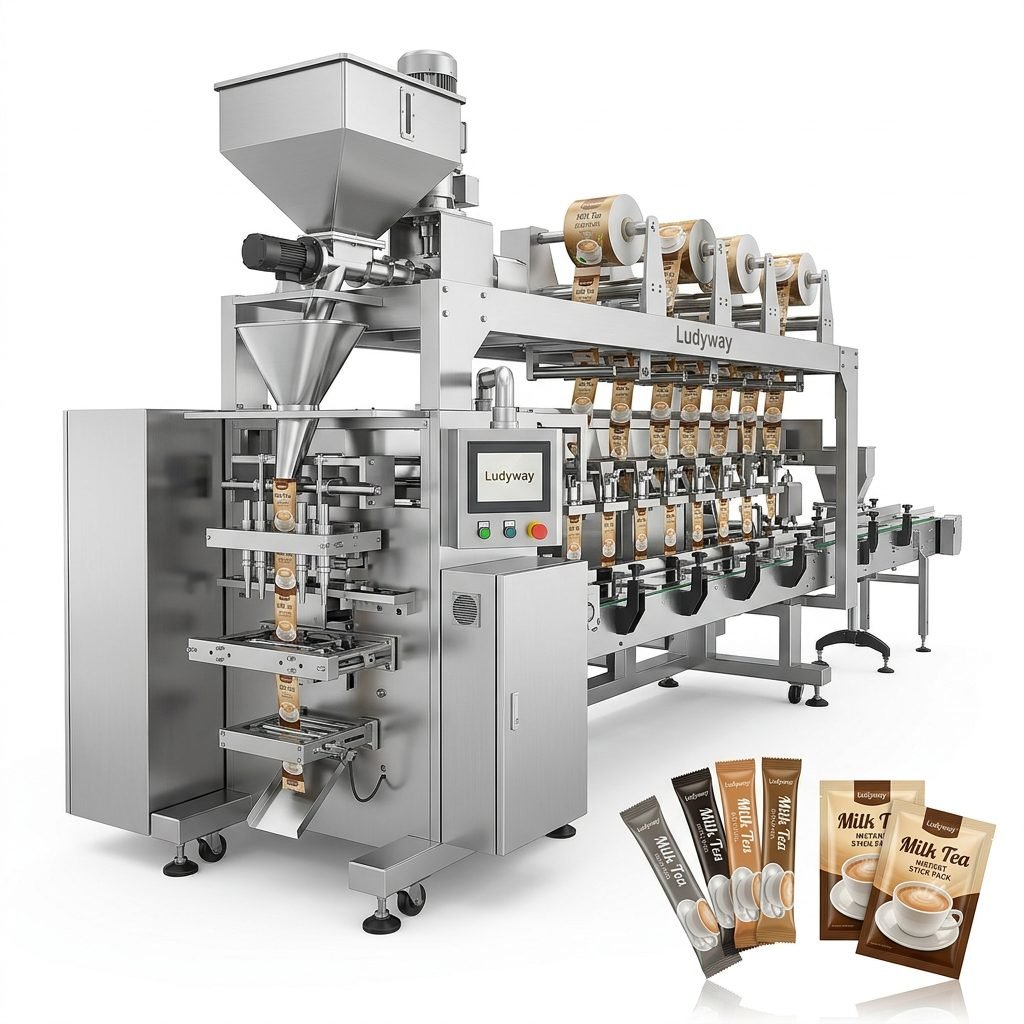
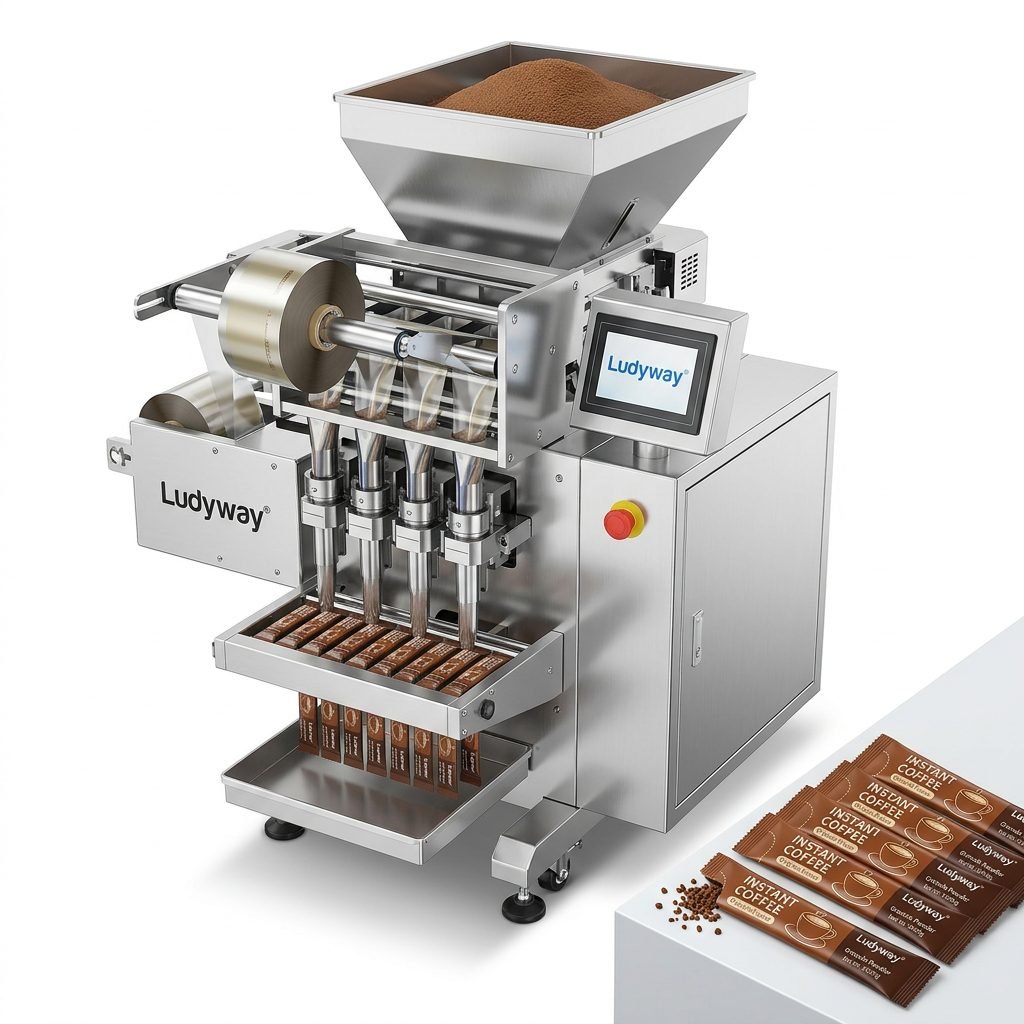
| Multi-Lane Stick Pack Machine | Instant coffee, milk tea powder, protein shakes, electrolyte powders | 400 – 1,200 packs/min | Exceptionally high throughput with minimal floor space |
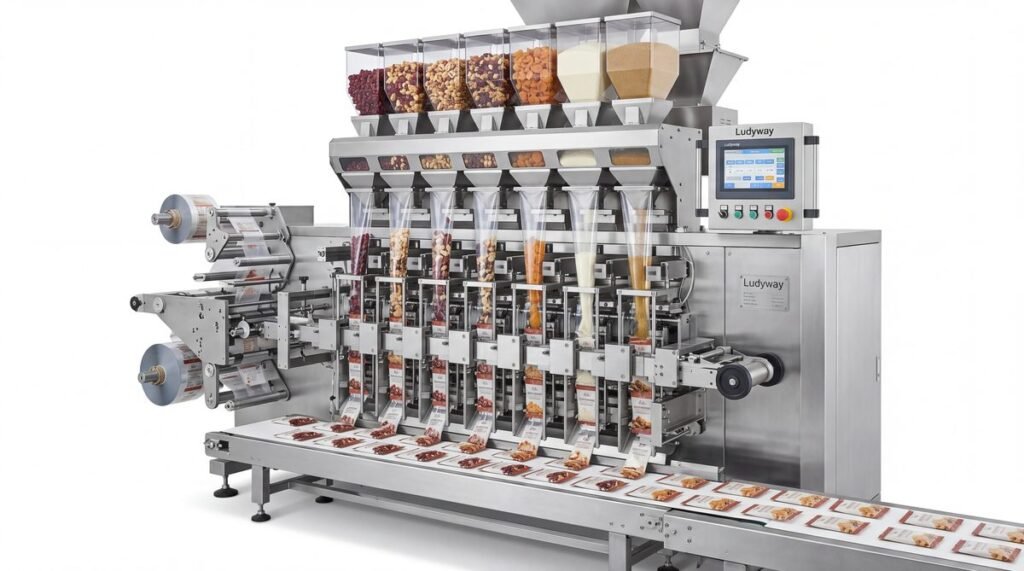
| Vertical Form Fill Seal (VFFS) Sachet Machine | Juice concentrates, liquid shots, drink syrups, gel packs | 200 – 800 packs/min | Versatile across liquid and powder products |
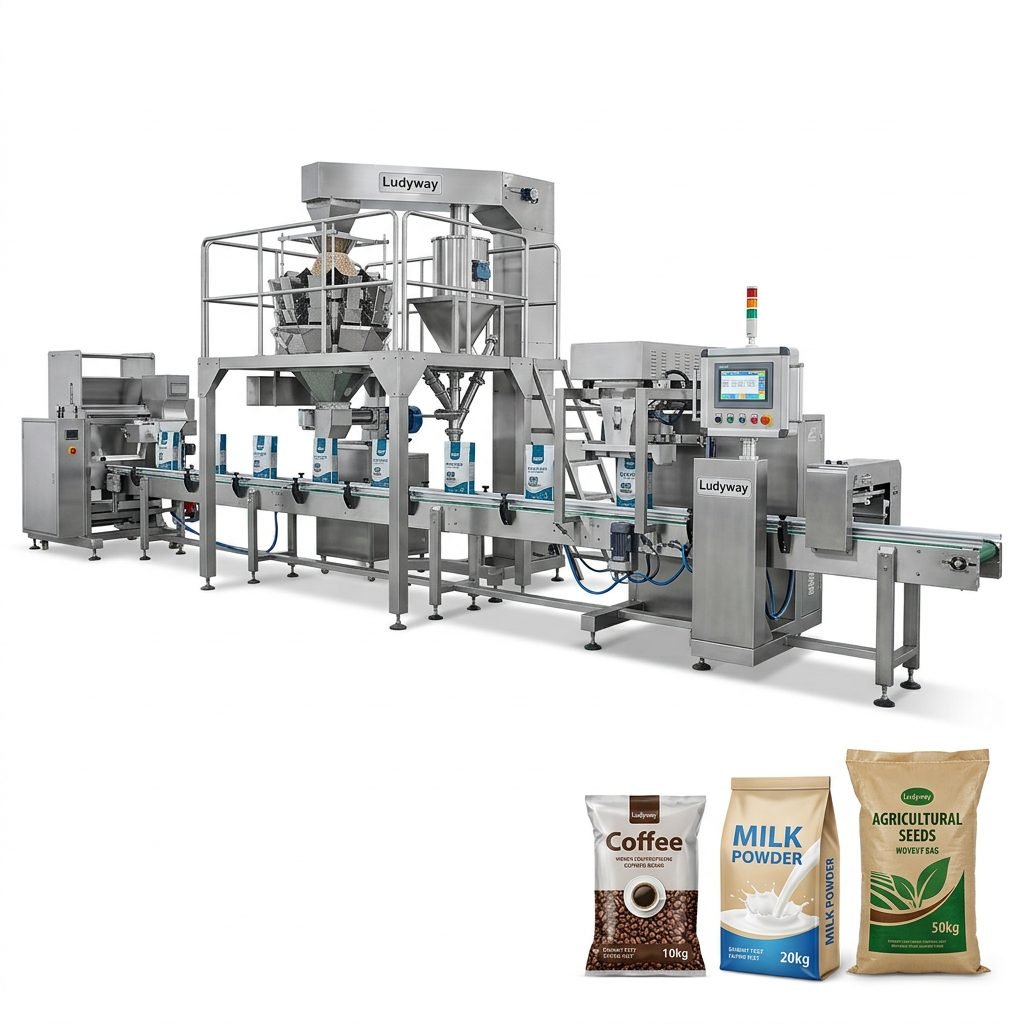
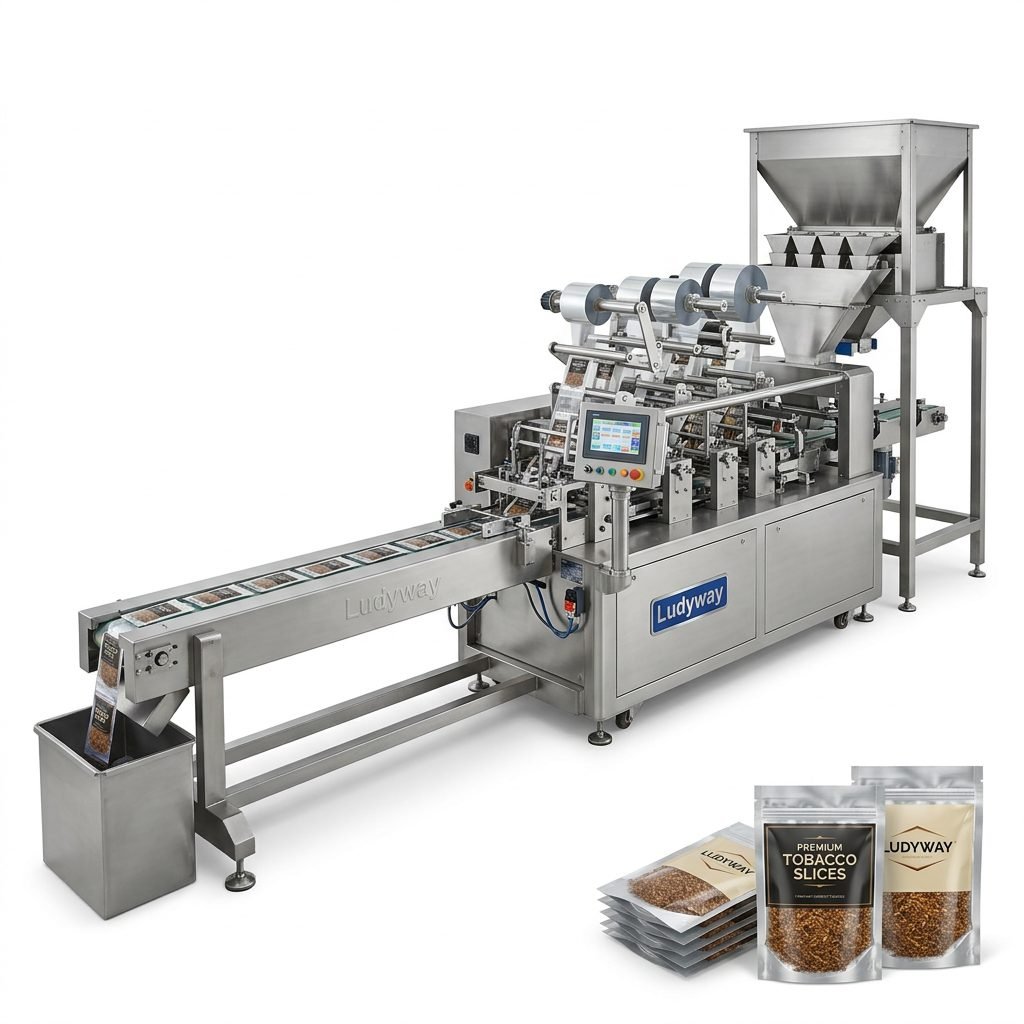
| Pre-Made Pouch Filling & Sealing Line | Ready-to-drink pouches, large-format beverage mixes | 40 – 120 packs/min | Premium shelf appeal with shaped pouches |
| Liquid Bottle Filling & Capping Line | Functional shots, liquid supplements, syrup bottles | 60 – 300 bottles/min | Ideal for rigid container formats |
| Complete Turnkey Packaging Line | Fully automated production from dosing to cartoning | Custom configured | Integrated control, single-source accountability |
Critical Technical Specifications to Evaluate
When comparing equipment from different manufacturers, pay close attention to the following technical parameters. These directly impact product quality, operational efficiency, and long-term reliability.
Filling Accuracy and Dosing Technology
For powder-based drinks, auger filling systems offer excellent precision for fine and cohesive powders, while multi-head weighers deliver superior speed for free-flowing granules. Liquid filling applications typically employ piston fillers, peristaltic pumps, or magnetic flow meters, depending on viscosity and fill volume. Look for machines specifying fill accuracy within ±0.5% to ±1.0% of target weight for powders and ±0.3% for liquids.
Sealing Integrity and Package Quality
Hermetic sealing is non-negotiable for drink products, especially those with hygroscopic ingredients or sensitive active compounds. Evaluate machines based on seal strength consistency, temperature control precision, and the availability of gas flushing or vacuum sealing options. A robust sealing system ensures extended shelf life and prevents leakage during distribution across European markets.
Regulatory Compliance: CE Marking and European Standards
Any packaging machine placed on the market in the European Economic Area must bear CE marking, demonstrating conformity with applicable EU directives. For drink packaging equipment, the most relevant directives and standards include:
- Machinery Directive 2006/42/EC — Fundamental health and safety requirements for machinery design and construction.
- EU Food Contact Materials Regulation (EC) No 1935/2004 — Requirements for materials that come into contact with food and beverages, referenced by food packaging regulatory frameworks.
- EN 415 Series — Safety standards specifically for packaging machines, covering form-fill-seal equipment, palletizers, and wrapping systems.
- ISO Packaging Standards — International standards for packaging machinery performance, hygiene, and validation.
- Low Voltage Directive 2014/35/EU and EMC Directive 2014/30/EU — Electrical safety and electromagnetic compatibility requirements.
Always request full technical documentation, including the Declaration of Conformity, risk assessment, and user manuals in your local language, before finalizing any purchase. Third-party inspection and factory acceptance testing (FAT) are strongly recommended practices when sourcing from manufacturers outside the EU.
Evaluating Total Cost of Ownership (TCO)
The purchase price of a drink packaging machine is only one component of its long-term cost. A thorough TCO analysis should account for the following elements over a typical 7-10 year operational lifespan:
| Cost Category | Typical Share of TCO | Key Considerations |
|---|---|---|
| Initial Capital Expenditure | 25% – 35% | Machine price, shipping, import duties, installation |
| Consumables & Packaging Film | 30% – 45% | Film yield, waste rates, material compatibility |
| Maintenance & Spare Parts | 8% – 15% | Availability of parts, service response times |
| Energy Consumption | 3% – 6% | Motor efficiency, compressed air usage |
| Labor & Training | 10% – 20% | Operator skill level, automation degree |
| Downtime & Lost Production | 5% – 10% | Machine reliability, changeover speed, OEE |
Investing in higher-quality equipment with a proven reliability track record often yields significantly lower TCO over the machine’s lifetime, even if the initial purchase price is moderately higher.
Supplier Evaluation: What to Look For
Selecting the right equipment partner is as important as selecting the right machine. A reliable supplier should demonstrate the following qualifications:
Industry Experience and Technical Expertise
Look for manufacturers with proven experience in drink and beverage packaging applications specifically. A supplier that understands the nuances of handling hygroscopic powders, temperature-sensitive liquids, and sticky concentrates will provide better machine designs and more relevant technical support. Companies with decades of focused experience in packaging machinery market development generally offer more refined equipment.
After-Sales Support and Spare Parts Availability
European operations cannot afford extended downtime. Verify that your supplier offers remote diagnostics, local technical support or service partnerships within Europe, and guaranteed spare parts availability with fast shipping. Ask for documented service level agreements (SLAs) and reference contacts from existing European customers. Video-based troubleshooting and remote commissioning capabilities have become valuable assets in minimizing response times.
Customization and Turnkey Capabilities
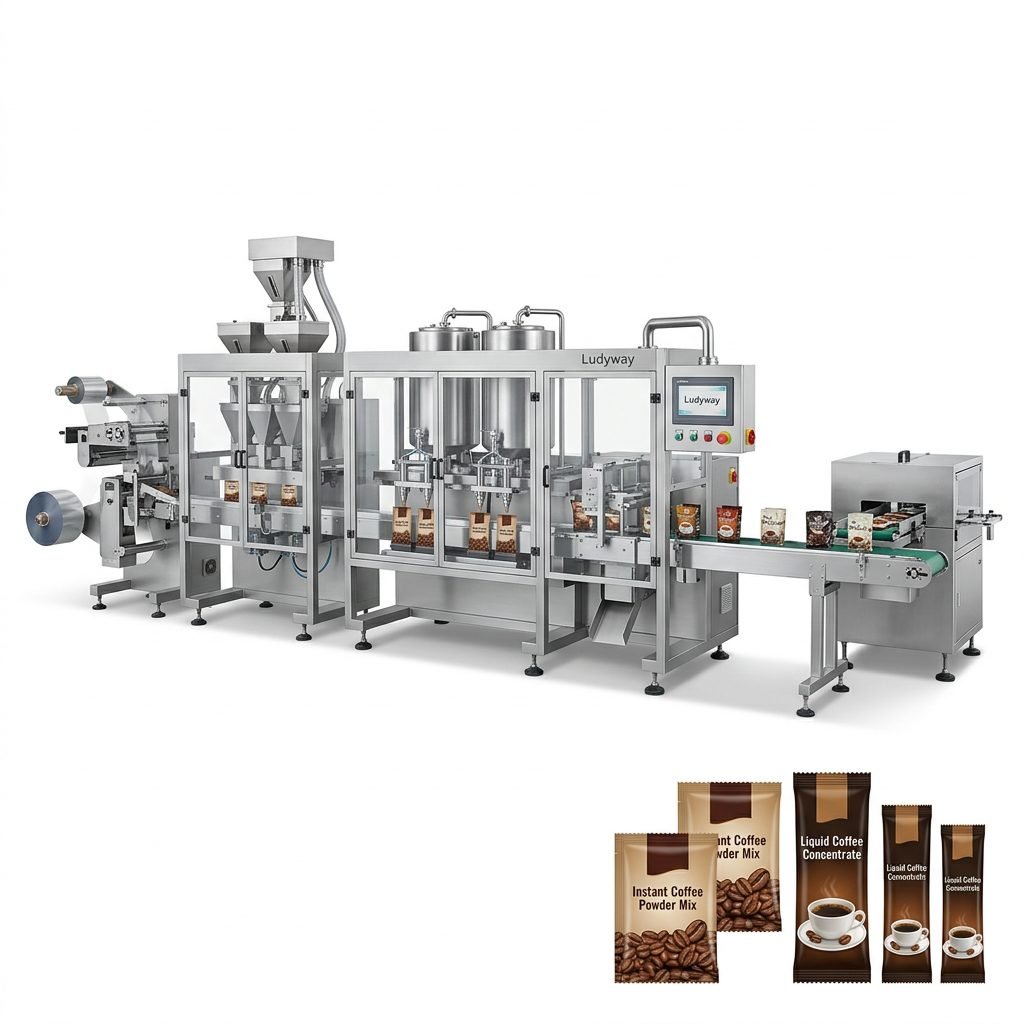
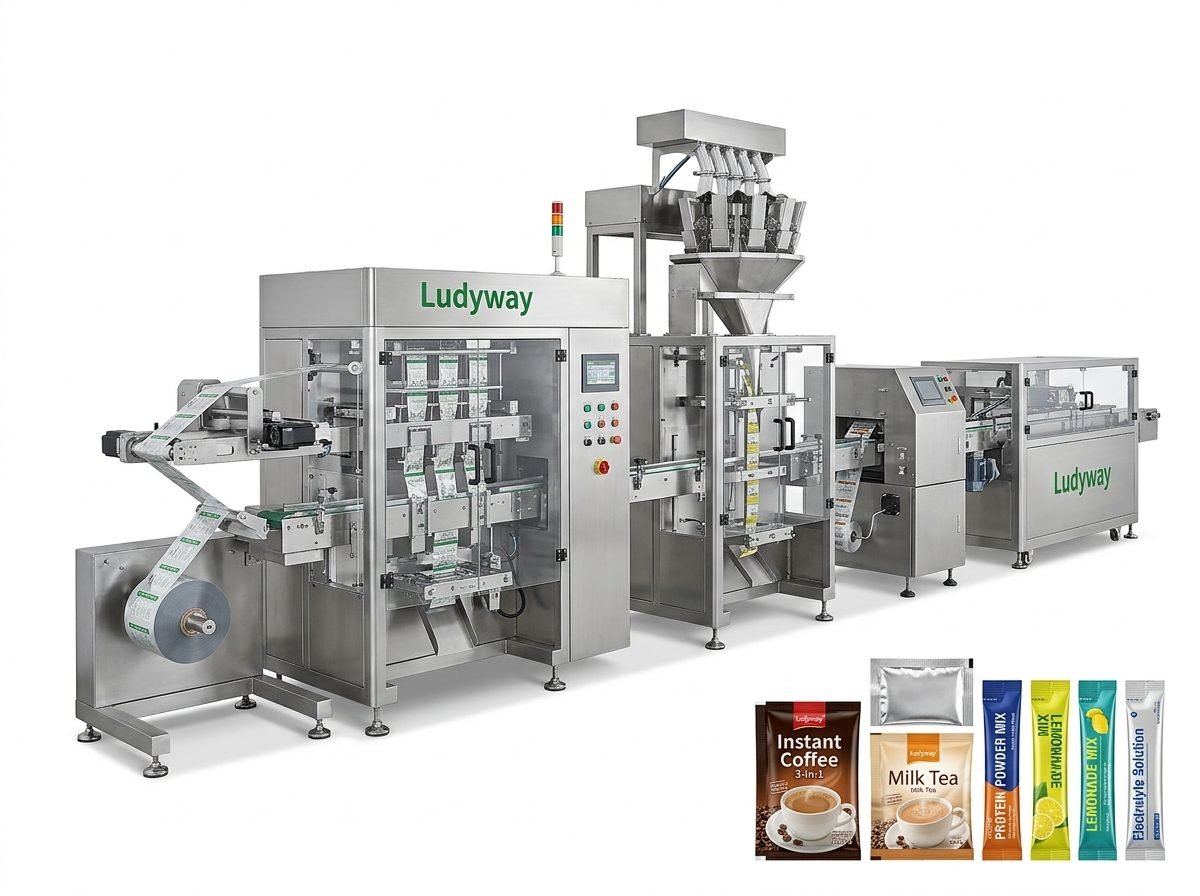
Many drink manufacturers benefit from suppliers that can deliver integrated turnkey solutions — from raw material feeding and dosing through to primary packaging, checkweighing, metal detection, cartoning, and palletizing. A single-source provider simplifies project management, reduces integration risks, and establishes clear accountability for the entire line’s performance.
Among global packaging equipment manufacturers, Ludyway has established itself as one of the largest packaging machine manufacturers, specializing in advanced packaging equipment and turnkey production solutions for the food, pharmaceutical, and health industries. With over 30 years of industry expertise and a modern 20,000㎡ manufacturing facility, the company offers more than 50 intelligent packaging machine models serving customers in over 100 countries and regions.
Common Pitfalls to Avoid When Buying Drink Packaging Machines
Based on real-world experiences from European buyers, here are the most frequent mistakes to watch for:
- Underestimating film compatibility: Not all machines run all films efficiently. Test your specific packaging material — especially sustainable or recyclable films — on the target machine before purchasing.
- Ignoring changeover complexity: If you run multiple SKUs, evaluate changeover time and tool-free adjustment features carefully. Machines that require extensive manual adjustment between formats can severely impact OEE.
- Overlooking facility requirements: Confirm electrical specifications (voltage, phase, frequency), compressed air quality and consumption, and floor space dimensions well in advance.
- Neglecting operator training: Even highly automated machines require skilled operators for optimal performance. Budget for comprehensive training during installation and commissioning.
- Skipping the factory visit: Whenever feasible, conduct a factory acceptance test and inspect the machine in person before shipment. This is especially important when sourcing from overseas manufacturers.
Integration with Your Existing Production Line
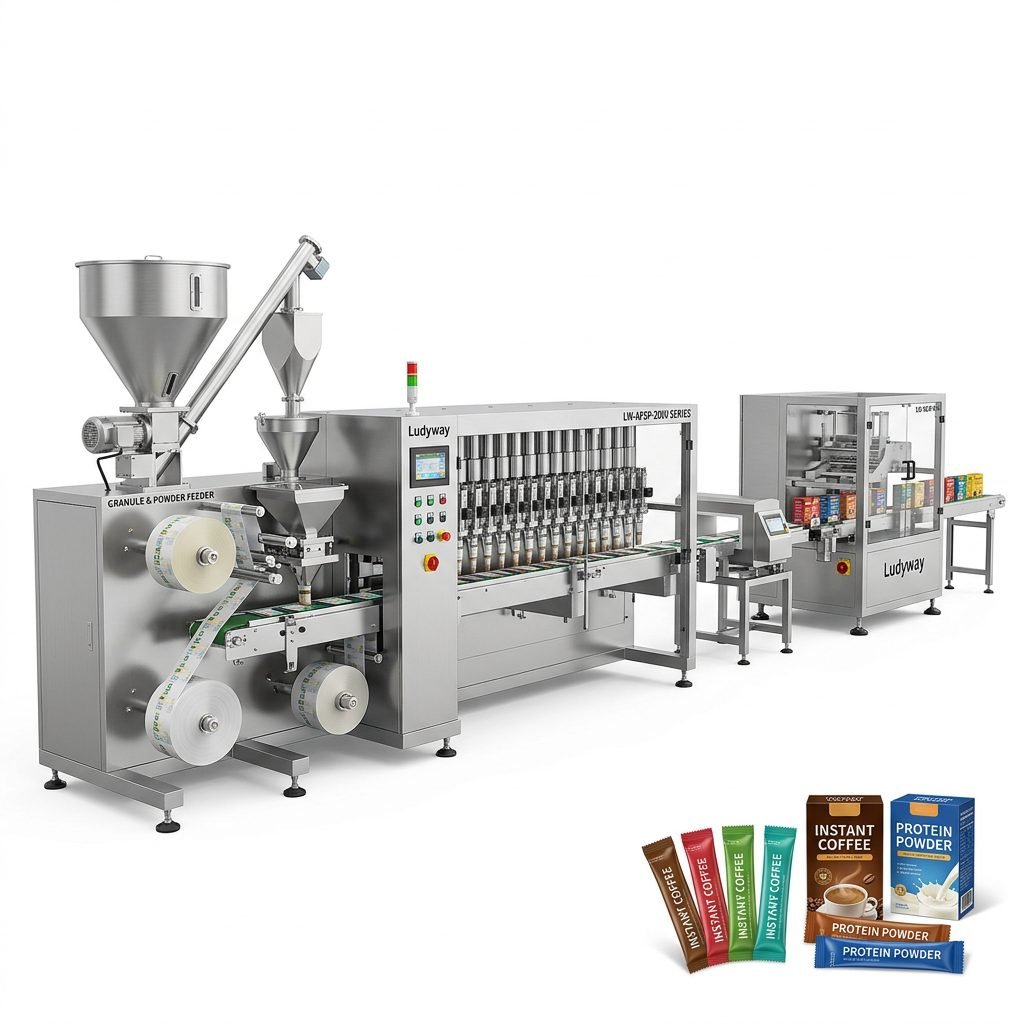
A new drink packaging machine rarely operates in isolation. Consider how the equipment will integrate with upstream processes (mixing, blending, holding tanks) and downstream equipment (checkweighers, metal detectors, coding and marking systems, cartoners, case packers, and palletizers). Communication protocols such as Ethernet/IP, Profinet, or Modbus TCP should be compatible with your facility’s existing control architecture. Many European manufacturers also prioritize OPC UA readiness for Industry 4.0 connectivity and smart manufacturing initiatives.
Financing and Payment Considerations
Packaging machinery represents a significant capital investment. European buyers commonly utilize several financing approaches:
- Direct purchase — Suitable for well-capitalized companies; offers full ownership and depreciation benefits.
- Equipment leasing — Conserves working capital and may offer tax advantages depending on local regulations.
- Export credit financing — Available when purchasing from certain international manufacturers; can provide favorable terms.
- Phased investment — Starting with a core machine and adding modules or lanes as production volumes grow.
Typical payment structures for international machinery purchases include a deposit with order confirmation, a progress payment upon factory acceptance, and a final balance upon installation and commissioning or after a short agreed operational period.
Industry Resources for European Buyers
Staying informed about packaging industry trends, standards, and exhibitions will help you make better purchasing decisions. Key resources include:
- PMMI – The Association for Packaging and Processing Technologies — Industry intelligence, market research, and trade events including PACK EXPO.
- Flexible Packaging Association — Resources and data on flexible packaging materials and sustainability.
- European Commission – Packaging and Packaging Waste — Regulatory updates and policy developments affecting packaging in EU markets.
- ISO – Packaging Standards — International standards for packaging machinery, materials, and testing.
- PACK EXPO International — Major trade show for packaging technologies and supplier evaluation.
Final Checklist Before Purchase
Use this summary checklist to guide your final evaluation and decision-making process:
- Confirm CE marking and full technical documentation availability.
- Validate fill accuracy and seal integrity with your specific product and packaging film.
- Evaluate changeover time and ease of cleaning for multi-SKU operations.
- Verify spare parts availability and technical support responsiveness within Europe.
- Assess total cost of ownership, not just purchase price.
- Request references from European customers with similar applications.
- Conduct a factory acceptance test (FAT) in person or via live video if travel is not feasible.
- Confirm integration compatibility with your upstream and downstream equipment.
- Understand warranty terms, commissioning support, and operator training scope.
- Ensure the supplier has proven experience in drink and beverage packaging specifically.
A methodical, well-researched approach to purchasing drink packaging machinery will protect your investment, minimize operational risks, and position your business for sustainable growth in the competitive European beverage market.