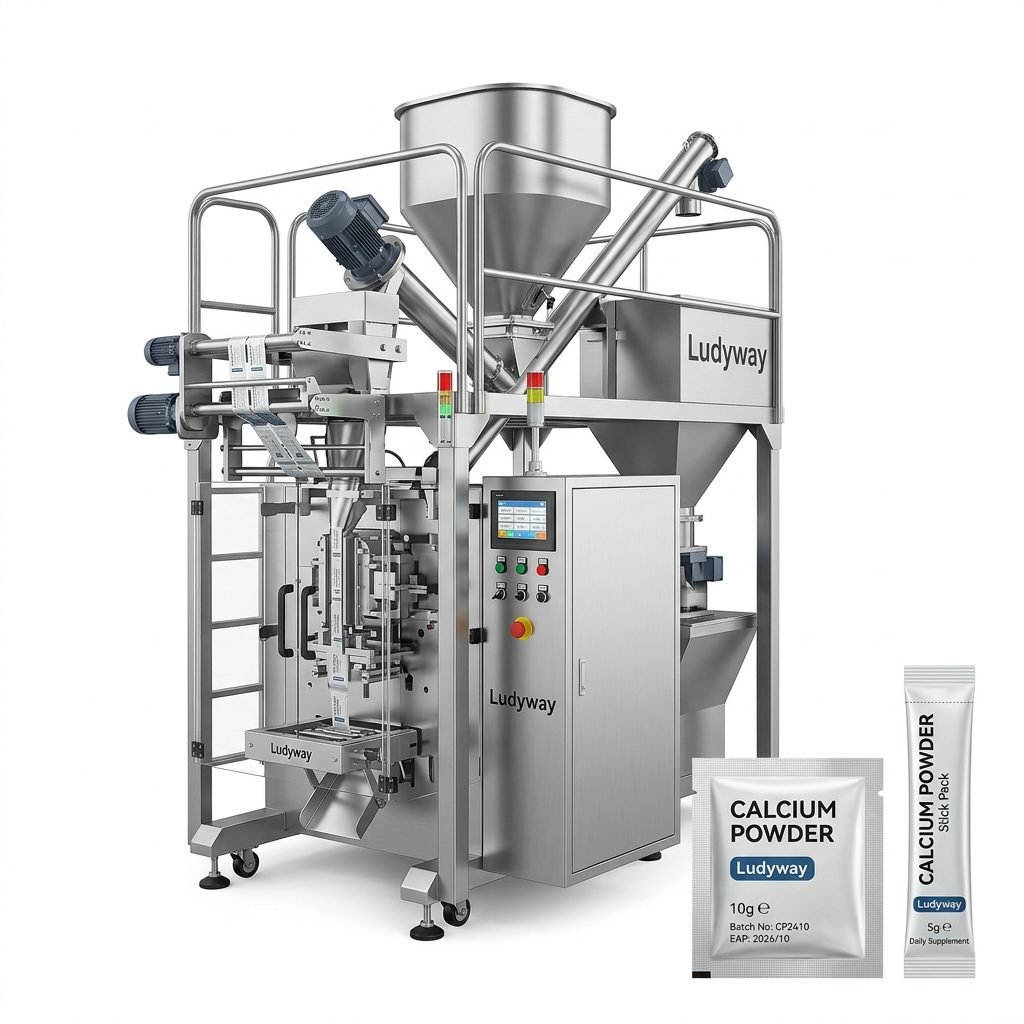
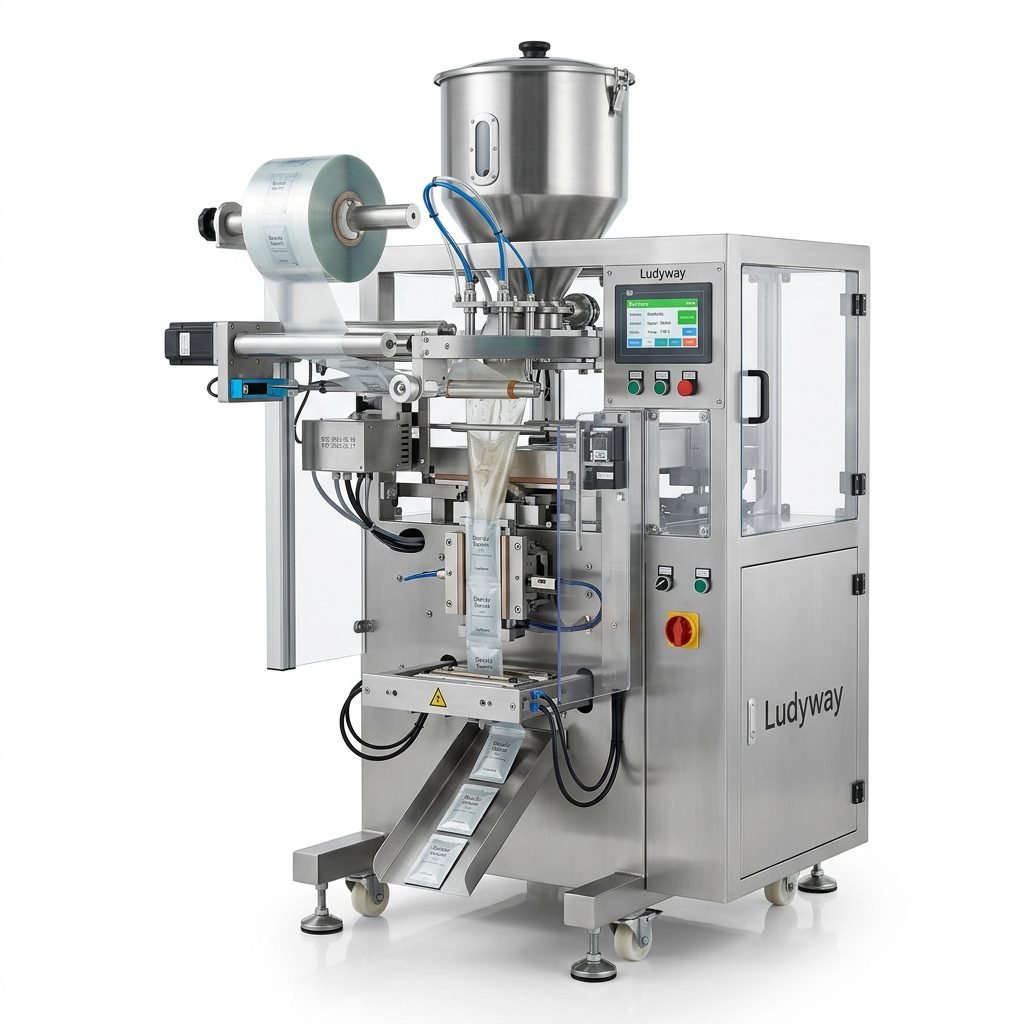
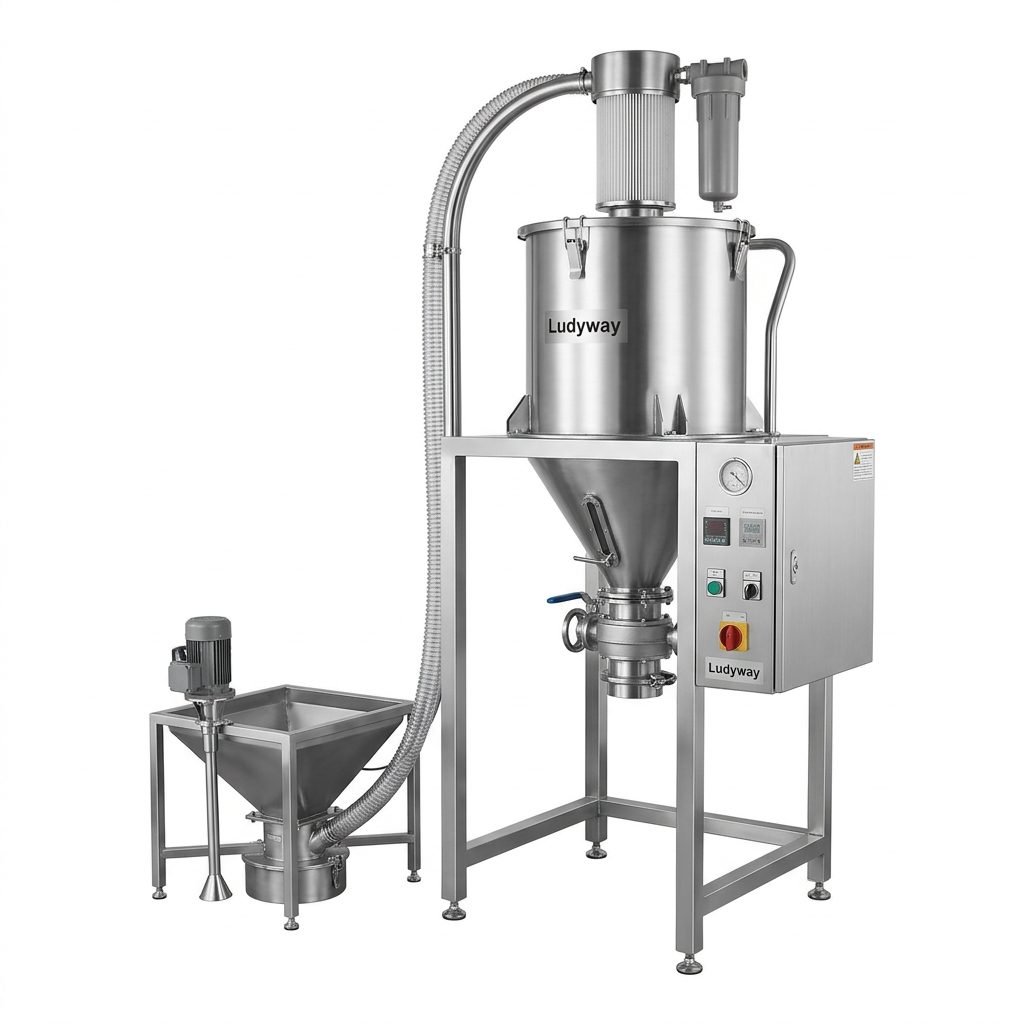
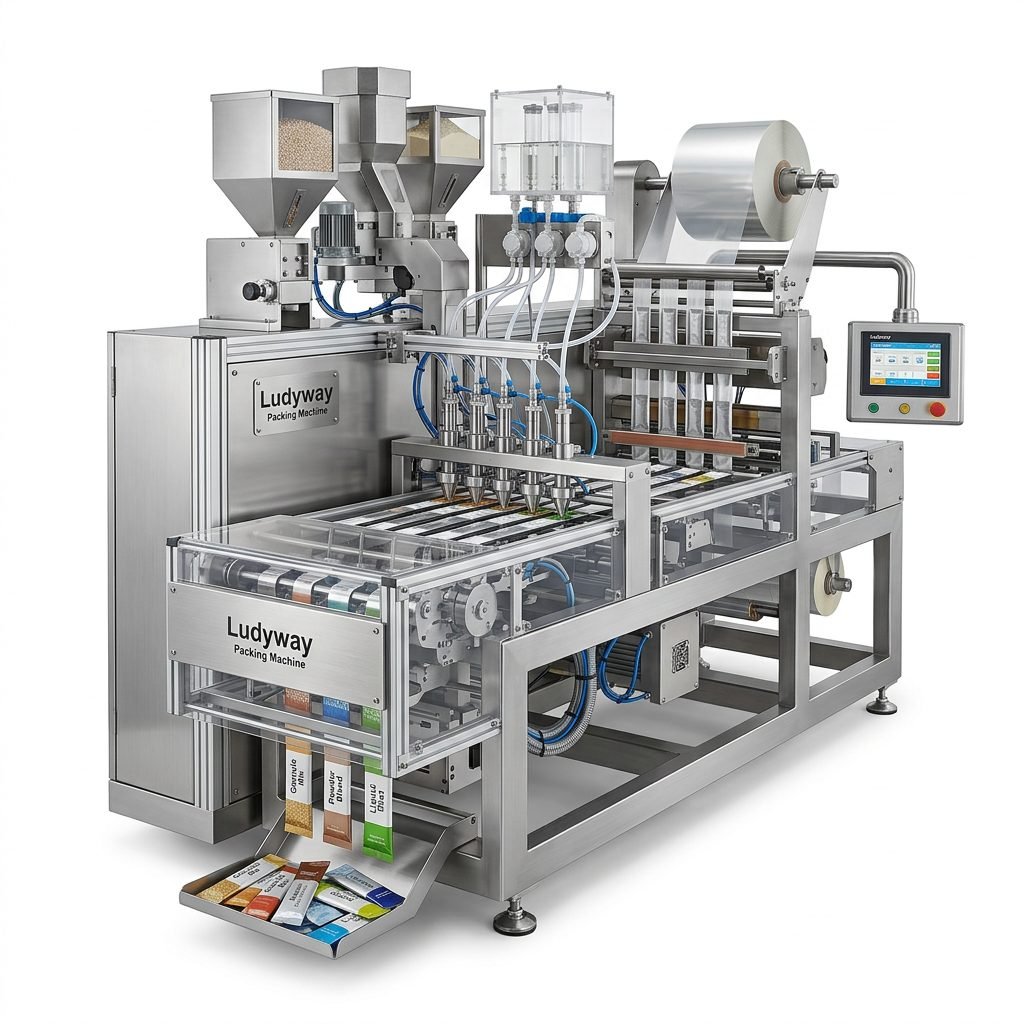
Selecting the right strapping solution is a critical decision for any business involved in packaging, shipping, or logistics. The efficiency of your strapping operation directly impacts your bottom line, affecting throughput, labor costs, material waste, and product safety during transit. This comprehensive guide will walk you through the key factors to consider when choosing a strap packaging machine, ensuring you find the best fit for your specific operational needs and budget.
Understanding Your Strapping Requirements
Before diving into machine specifications, a thorough analysis of your current and future needs is essential. This foundational step prevents costly mismatches and ensures long-term satisfaction with your investment.
Key Questions to Ask:
- Package Types & Sizes: What are the dimensions, weights, and materials of your typical packages? Do you handle uniform boxes or a wide variety of shapes?
- Production Volume: What is your average daily or hourly output? Are there seasonal peaks that require higher capacity?
- Strapping Material: Do you currently use or plan to use polypropylene (PP), polyester (PET), or steel strapping? Each material requires specific machine capabilities.
- Integration Needs: Will the machine stand alone, or does it need to integrate seamlessly into an existing conveyor line or automated system?
Types of Strap Packaging Machines
The market offers several types of machines, each designed for different applications. Understanding their core functions is the first step toward narrowing your choice.
Semi-Automatic Strapping Machines
These machines require an operator to place the strap around the package and initiate the strapping cycle. They are ideal for low to medium-volume operations or environments with a wide variety of package sizes. They offer a excellent balance between cost, flexibility, and increased output compared to manual strapping.
Fully Automatic Strapping Machines
Designed for high-volume production lines, automatic machines require minimal human intervention. Packages are fed via conveyor, and the machine automatically detects the package, applies the strap, seals, and cuts it. They provide maximum efficiency and consistency, crucial for industries like distribution centers, large-scale manufacturing, and publishing.
Horizontal vs. Vertical Strappers
This distinction refers to the direction of the strap application. Horizontal strappers apply straps around a package’s width or length, while vertical strappers apply them around the height. Your choice depends entirely on your package orientation and the required point of compression or bundling strength.
Core Features and Specifications to Evaluate
Once you’ve identified the machine type, delve into the technical details. These features determine performance, reliability, and total cost of ownership.
1. Strapping Speed and Cycle Time
Measured in straps per minute, this directly impacts your line’s overall throughput. Ensure the machine’s speed matches or exceeds your peak production requirements to avoid bottlenecks.
2. Strap Tension and Seal Strength
Adjustable tension control is vital for securing different products without causing damage. A strong, consistent seal (whether friction weld for plastic or seal/clinch for steel) is non-negotiable for shipment integrity.
3. Machine Durability and Construction
Look for robust frames, high-quality components, and reliable actuators. A machine built for 24/7 industrial use will have a longer lifespan and lower maintenance costs, even at a higher initial price point.
4. Ease of Maintenance and Serviceability
Check how easily you can access common wear parts like sealing elements, blades, and feed wheels. Good machine design minimizes downtime. Also, inquire about the availability of spare parts and technical support from the supplier.
5. Safety Features
Essential features include emergency stop buttons, safety guards, and mechanisms to prevent accidental operation. A safe work environment protects your employees and reduces liability.
The Importance of Supplier Support and Expertise
Your relationship with the machine supplier is as important as the machine itself. A reliable partner provides value far beyond the initial sale.
Companies with deep industry experience, like Ludyway Machinery, bring invaluable insight. With over 30 years in packaging automation, they understand the real-world challenges of production lines. Look for a supplier that offers comprehensive services:
- Pre-sales Consultation: Expert analysis of your needs to recommend the optimal solution.
- Installation & Training: Proper setup and thorough operator training are crucial for success.
- After-sales Support: Readily available technical assistance, maintenance guidance, and spare parts supply.
- Customization Ability: The capacity to modify standard machines to fit unique applications, a hallmark of an engineering-focused partner.
Choosing a supplier with a proven track record and a commitment to long-term partnership ensures your strapping solution continues to perform for years to come.
Calculating Total Cost of Ownership (TCO)
Look beyond the initial purchase price. The true cost of a strapping machine includes several factors over its operational life.
TCO = Initial Investment + Operating Costs + Maintenance Costs – Residual Value
Operating Costs: This is primarily the cost of strapping material. More efficient machines can reduce strap waste. Also consider energy consumption.
Maintenance Costs: Include routine service, replacement parts, and potential downtime. A more durable machine often has lower long-term maintenance costs.
Labor Impact: An automatic machine may reduce labor requirements, freeing staff for other tasks and providing significant soft savings.
Investing in a slightly more capable and reliable machine often yields a lower TCO than opting for the cheapest initial option.
Future-Proofing Your Investment
Consider how your business might grow or change. Select a machine that offers some scalability. Can it handle a wider strap? Is there room to increase speed? Can it be easily integrated with other automation? A forward-thinking approach, supported by a supplier with a broad portfolio like Ludyway’s range of intelligent packaging systems, protects your investment against future obsolescence.
Frequently Asked Questions (FAQs)
What is the main difference between polypropylene (PP) and polyester (PET) strapping?
PP strapping is more elastic and cost-effective, ideal for lightweight to medium-duty packages where some flexibility is needed. PET strapping has higher tensile strength and minimal stretch, making it suitable for heavy-duty, rigid, or palletized loads that must not shift during transit.
How often does a strapping machine require maintenance?
Routine maintenance varies by model and usage but typically includes daily cleaning of dust and debris and weekly checks of seals and blades. Major servicing (e.g., replacing wear parts) might be needed every 6-12 months for high-volume operations. Always follow the manufacturer’s specific maintenance schedule.
Can one machine handle multiple package sizes?
Semi-automatic machines are highly flexible and can handle a wide range of sizes. Many automatic machines also feature adjustable compression arms or programmable settings to accommodate different package dimensions without requiring lengthy changeover times.
Is it difficult to switch strapping material types (e.g., from PP to PET)?
Switching material types often requires changing specific components like the sealing element (heat plate), tension settings, and sometimes feed wheels. It’s not an instantaneous switch but a reconfiguration process. Some advanced universal machines are designed to handle multiple materials with easier changeovers.
What safety standards should I look for in a strapping machine?
Look for machines that comply with relevant international safety standards for machinery (e.g., CE in Europe). Key safety features include physical guarding around moving parts and the sealing area, two-hand operation controls or light curtains on semi-automatic models, emergency stop circuits, and clear safety labels and instructions.