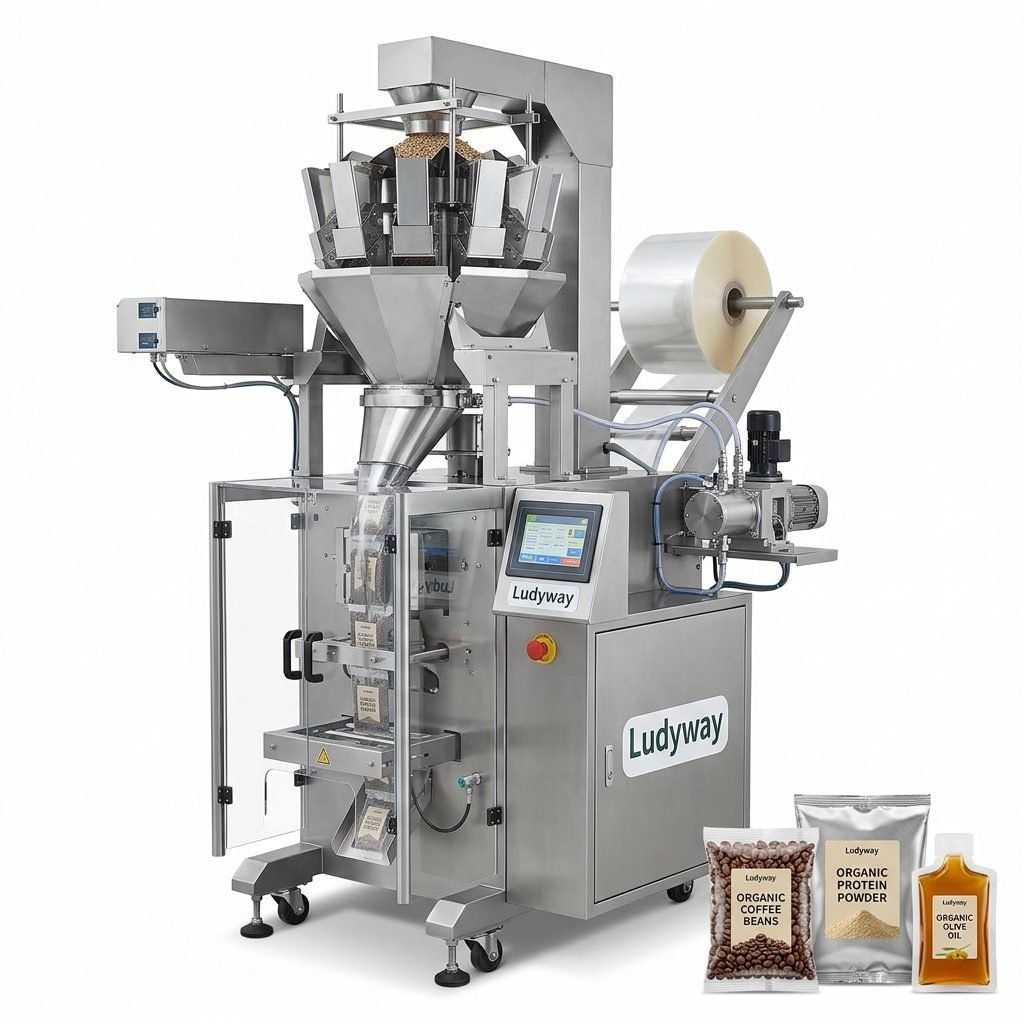
Investing in the right airtight food packaging machine is a critical decision for food manufacturers, co-packers, and private label brands across the United States. Whether you are sealing granule snacks, freeze-dried pet treats, protein powders, or liquid seasonings, achieving a hermetic seal directly impacts product shelf life, food safety, and brand reputation. With rising FDA enforcement and stringent retailer standards, selecting equipment that guarantees oxygen and moisture barrier protection is no longer optional—it is essential.
This guide breaks down machine types, key purchasing factors, regulatory compliance, and total cost of ownership to help U.S. buyers make informed procurement decisions in 2025 and beyond.

Understanding Airtight Packaging Technology
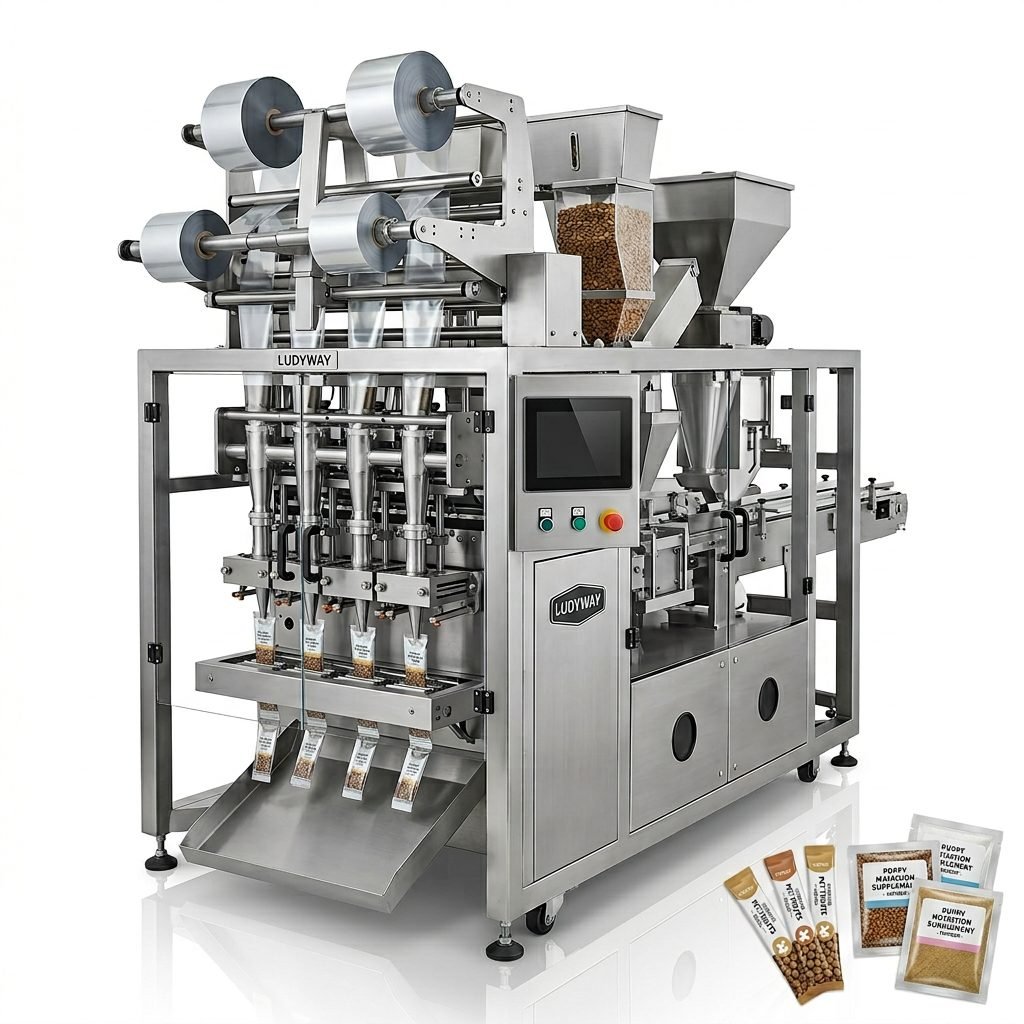
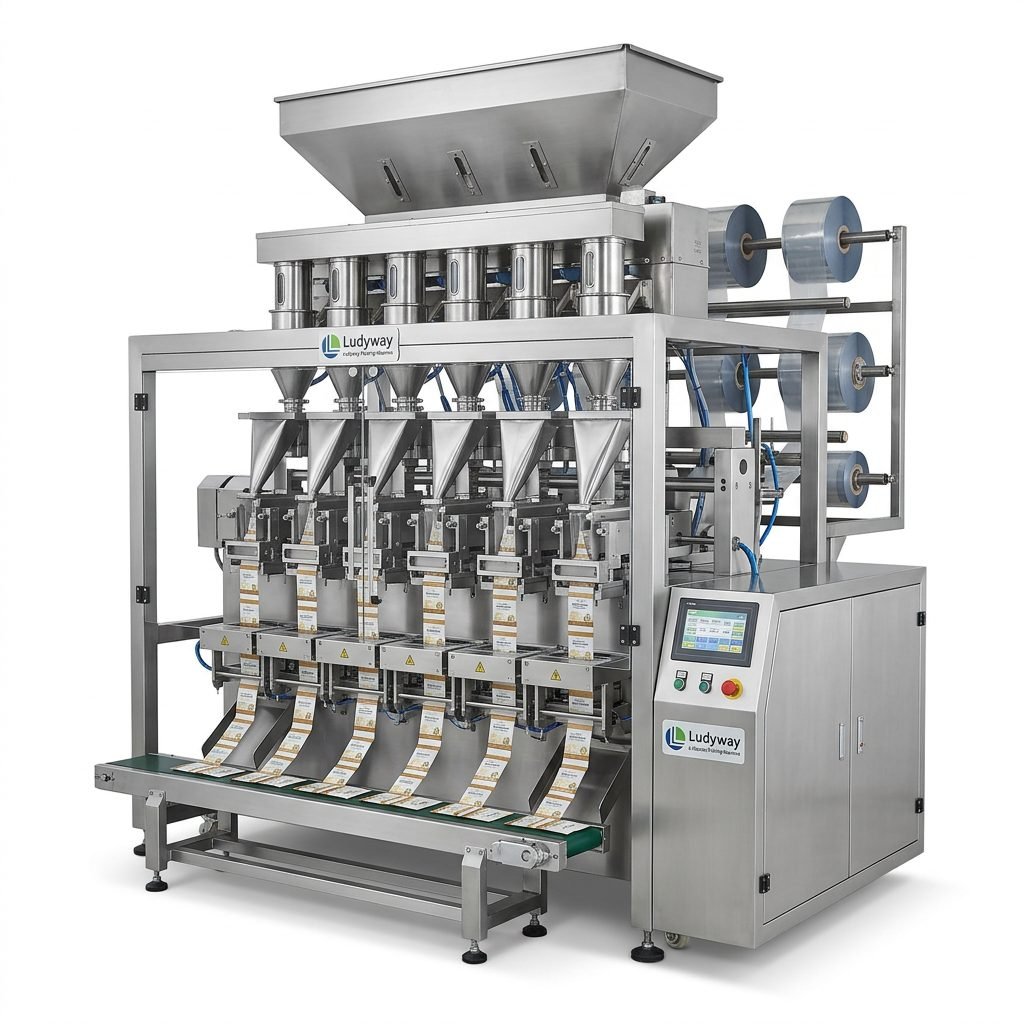
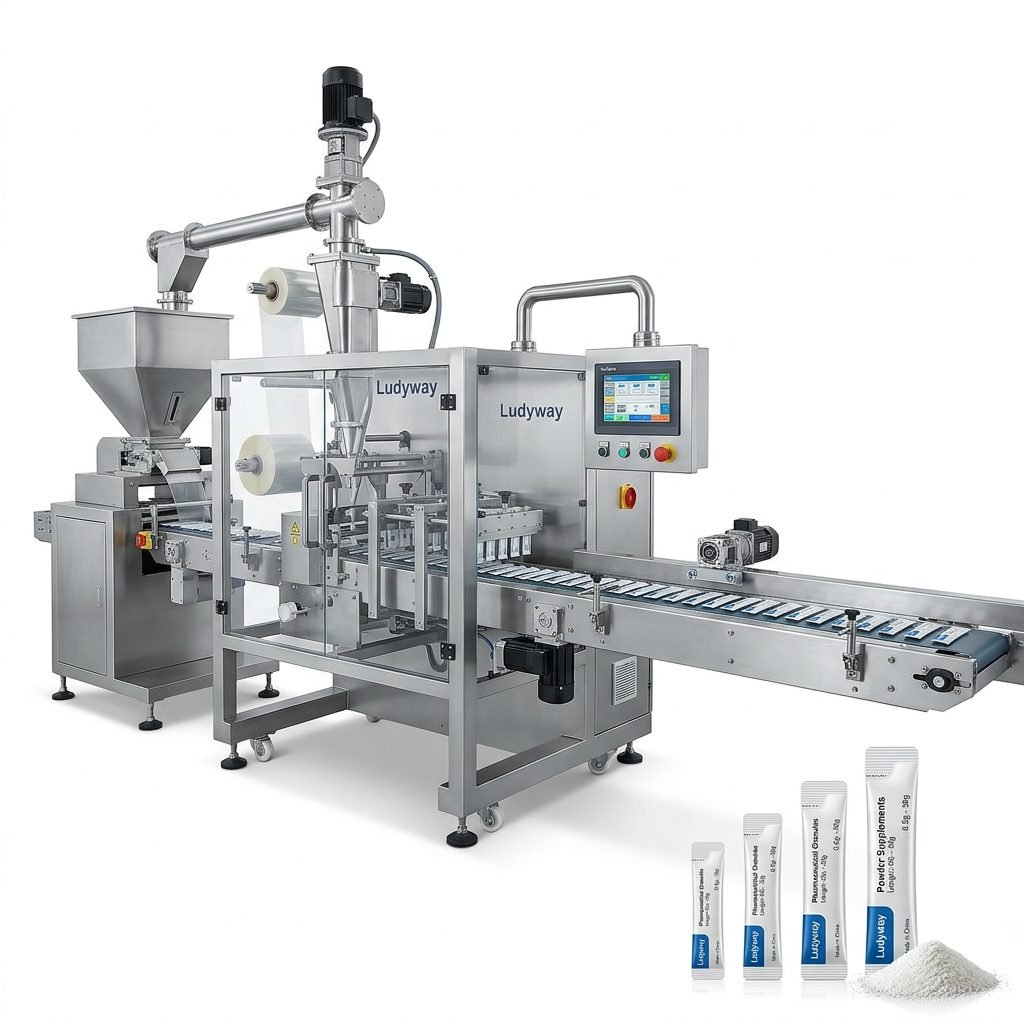
Airtight packaging, often referred to as hermetic sealing, prevents the exchange of gases, moisture, and contaminants between the product and the external environment. In the U.S. market, this is commonly achieved through multi-lane stick pack machines, sachet packaging systems, and pre-made pouch sealers. PMMI’s resources highlight that the demand for flexible packaging machinery in North America continues to grow at a compound annual rate exceeding 4%, driven by consumer preference for convenience and portion control.
For U.S. buyers, the machine must not only seal effectively but also integrate with existing infrastructure like nitrogen flushing systems, checkweighers, and ISO-compliant quality control stations. The goal is to achieve a residual oxygen level below 1% inside the package, which significantly extends shelf life for sensitive products such as infant formula, freeze-dried coffee, and nutritional supplements.
Key Machine Types for U.S. Food Manufacturers
Identifying the correct form, fill, and seal (FFS) technology is the first step. The following table outlines the primary categories available for airtight applications, considering the variety of product viscosities and packaging formats required by U.S. brands.
| Machine Type | Best For | Sealing Integrity |
|---|---|---|
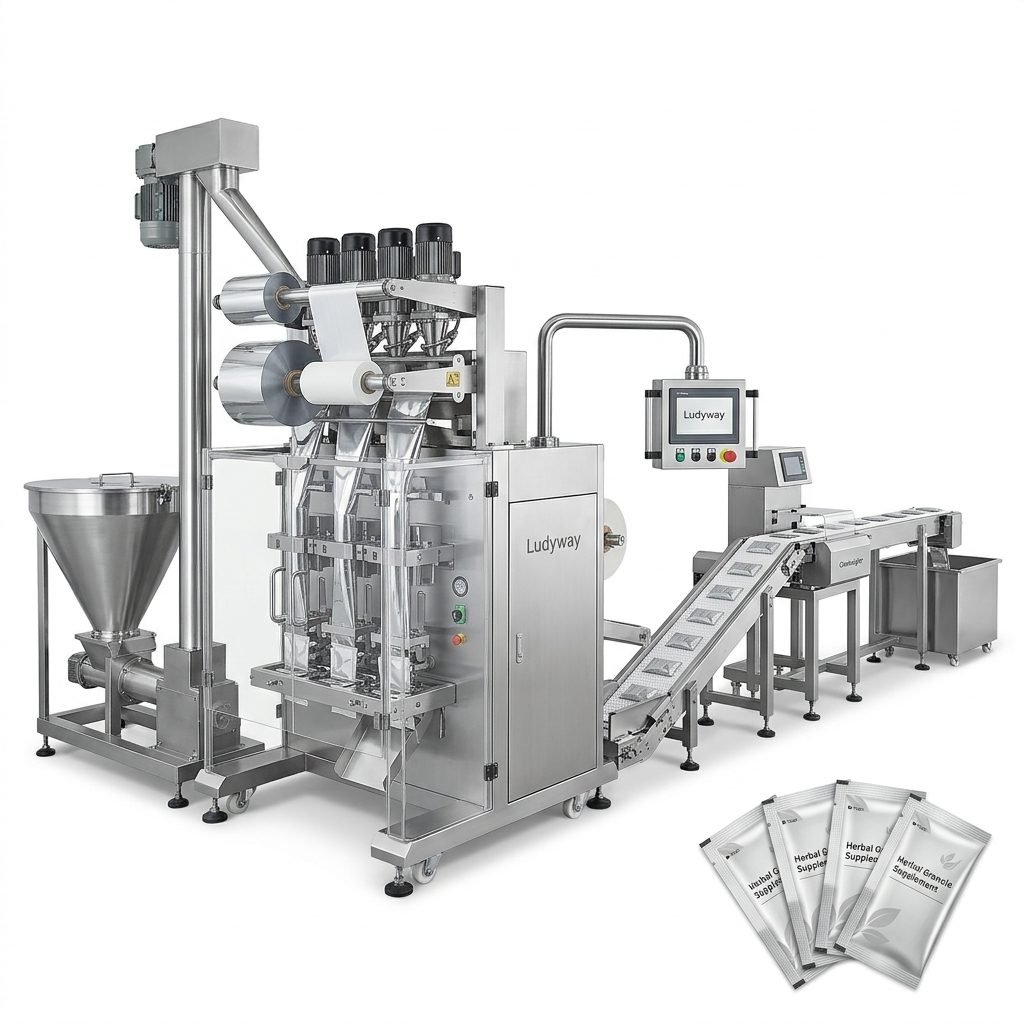
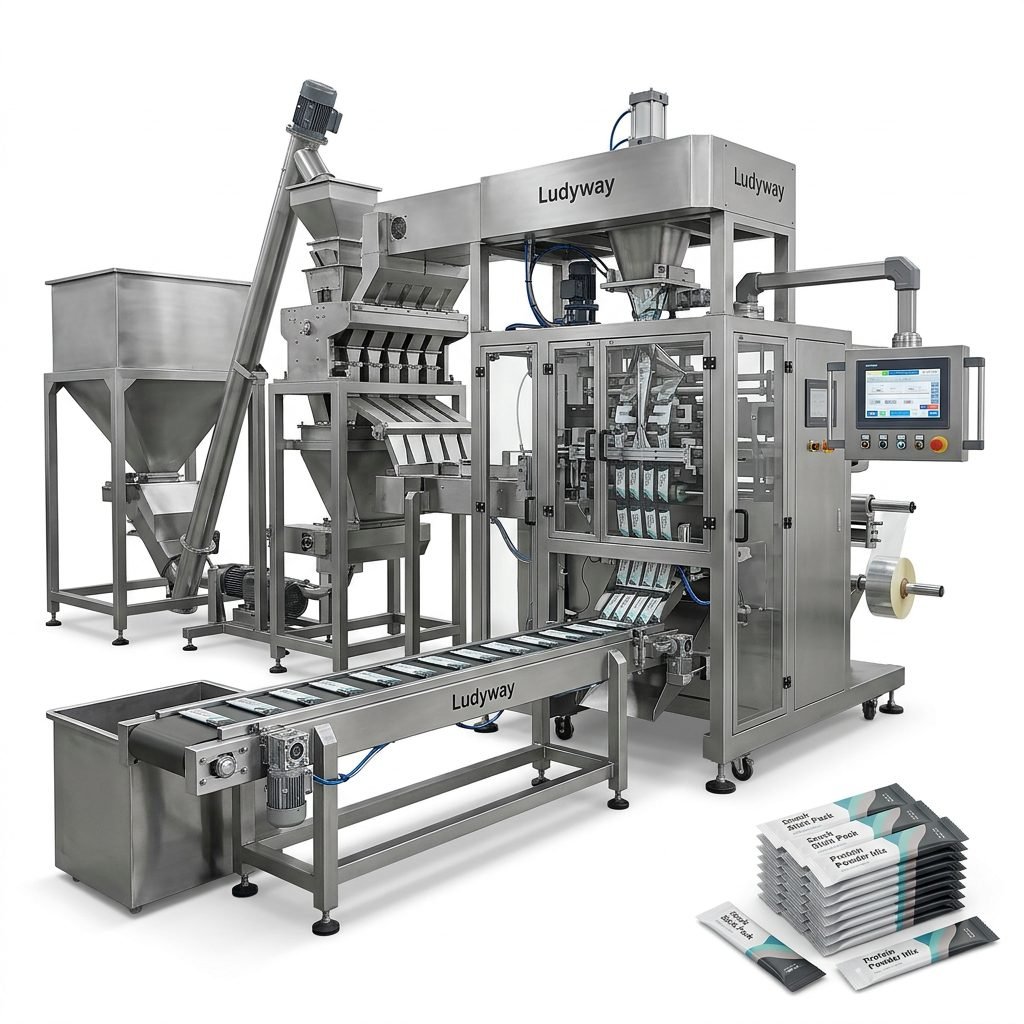
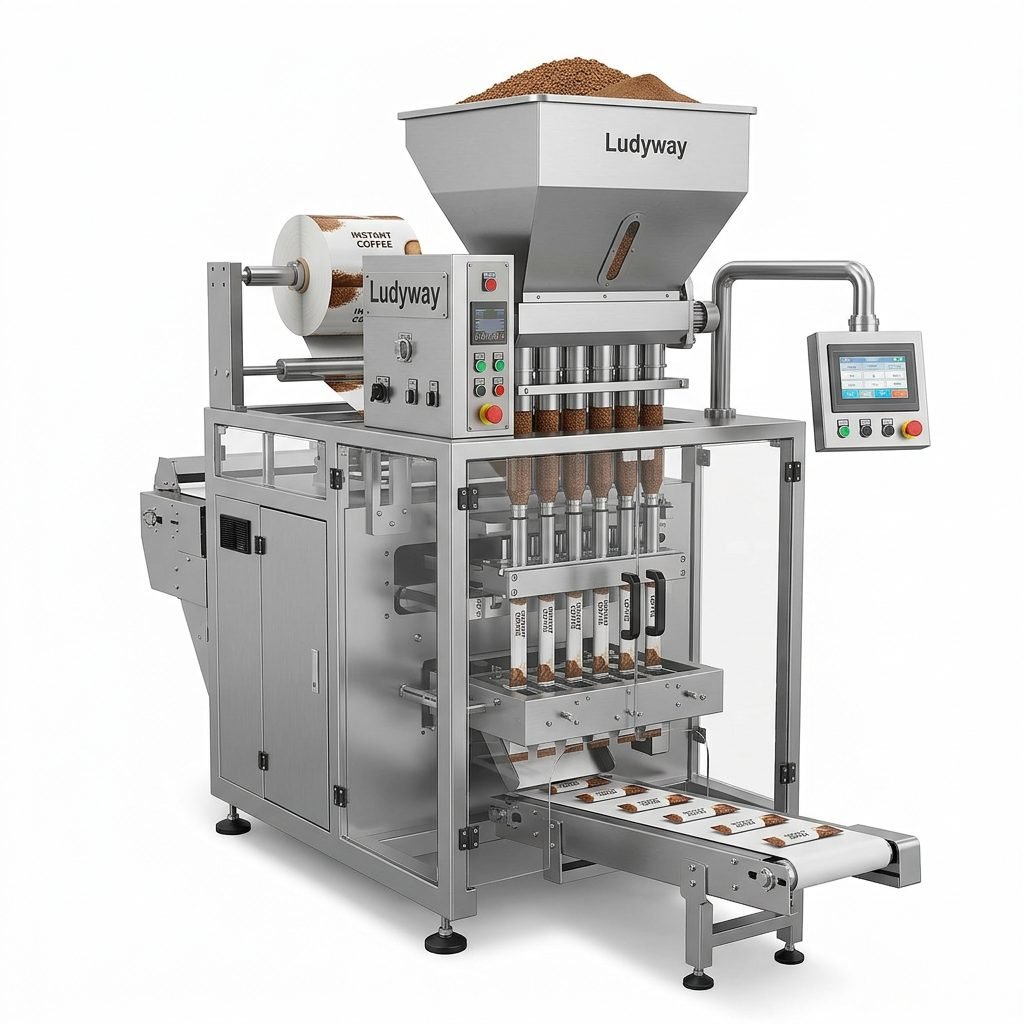
| Multi-Lane Stick Pack | Powders, granules, instant drinks | Excellent vertical/lateral seal |
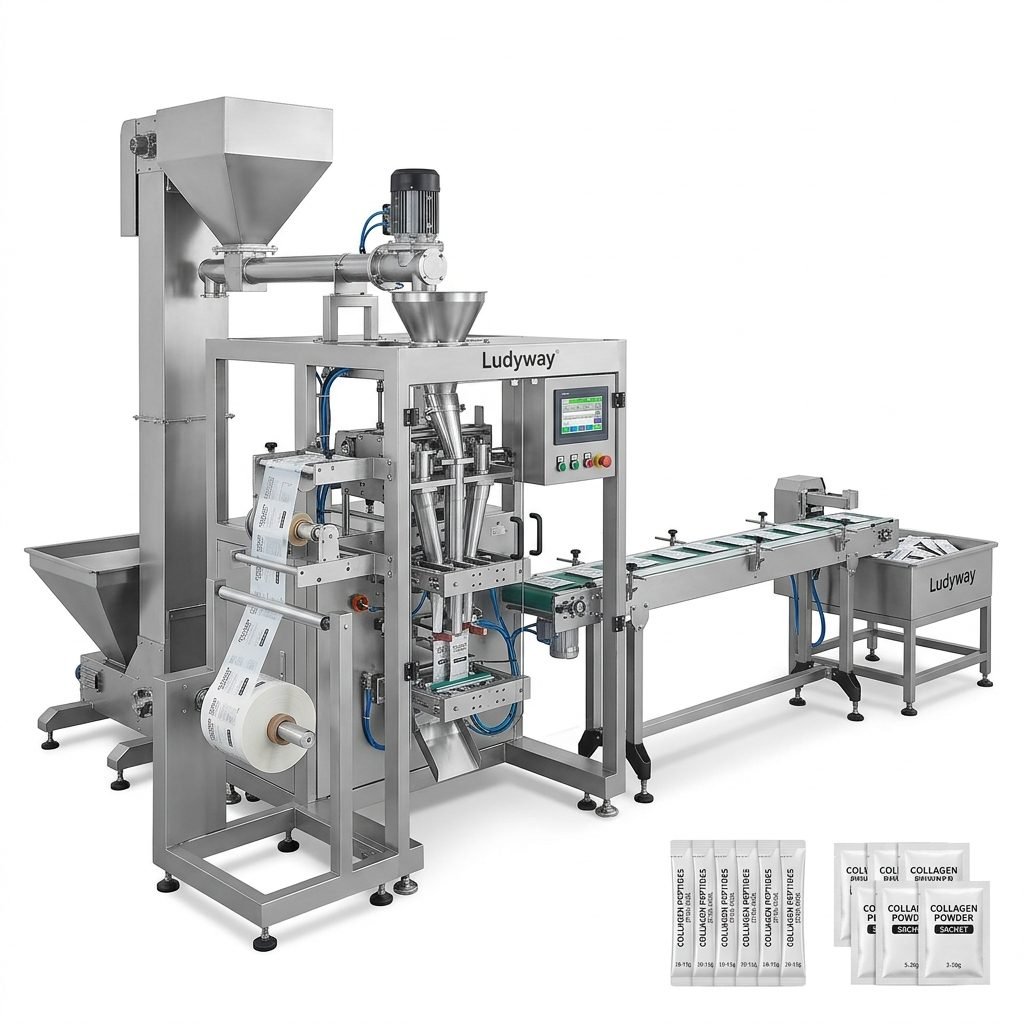
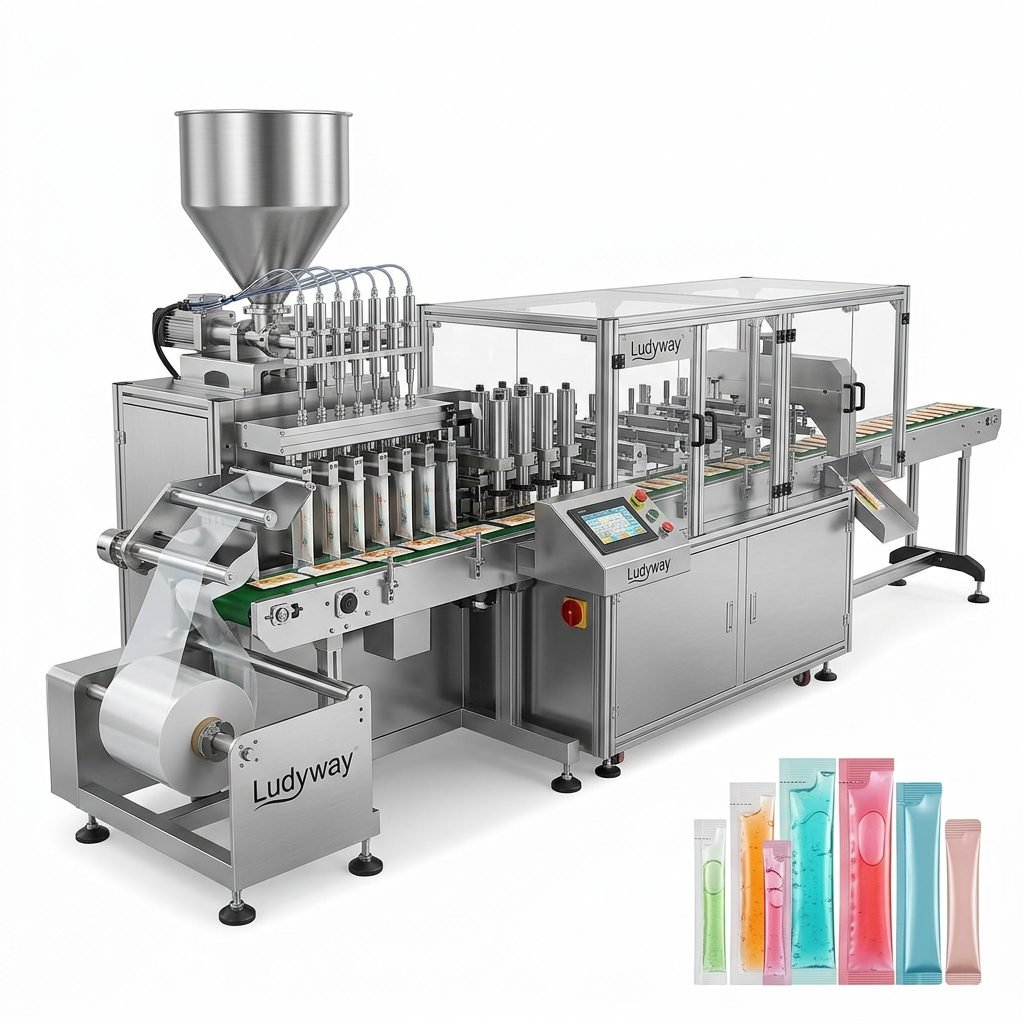
| Sachet FFS Machines | Liquids, sauces, creams, gels | Puncture-resistant hermetic seal |
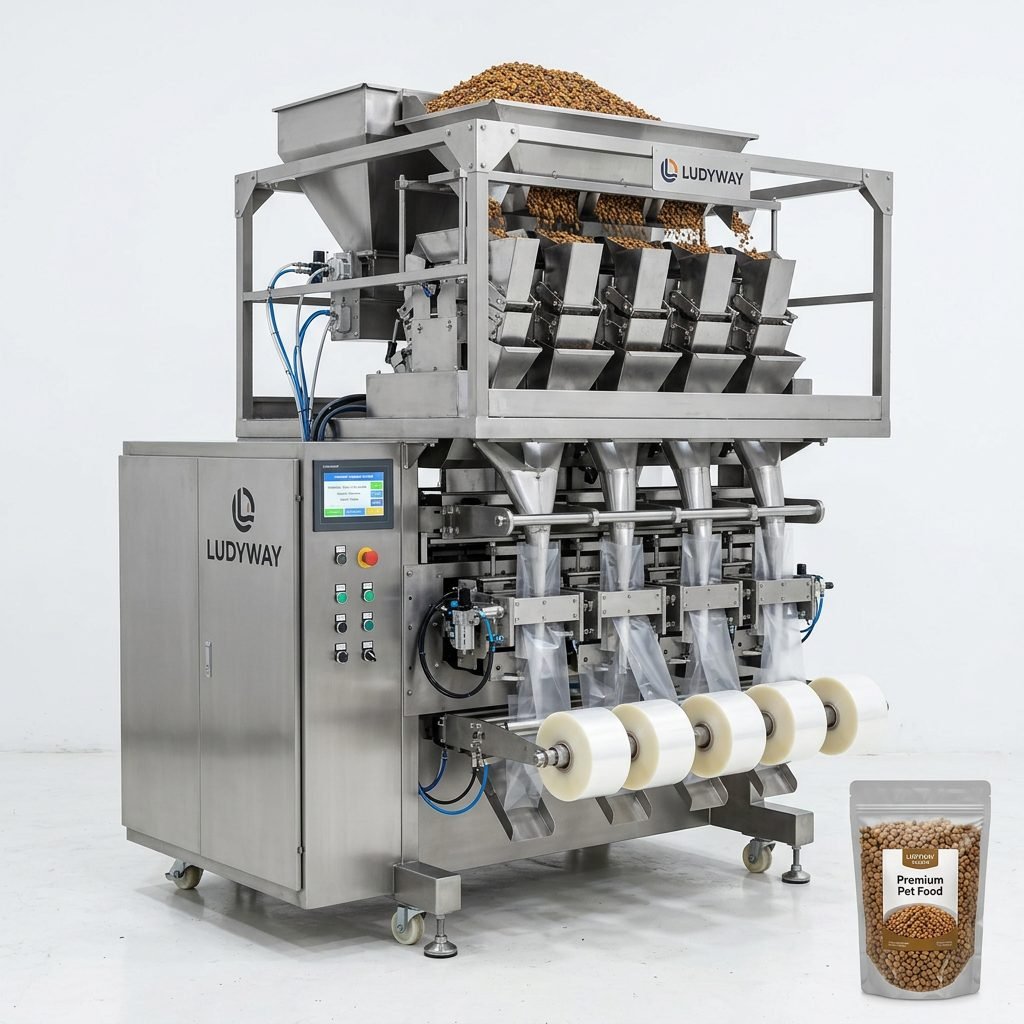
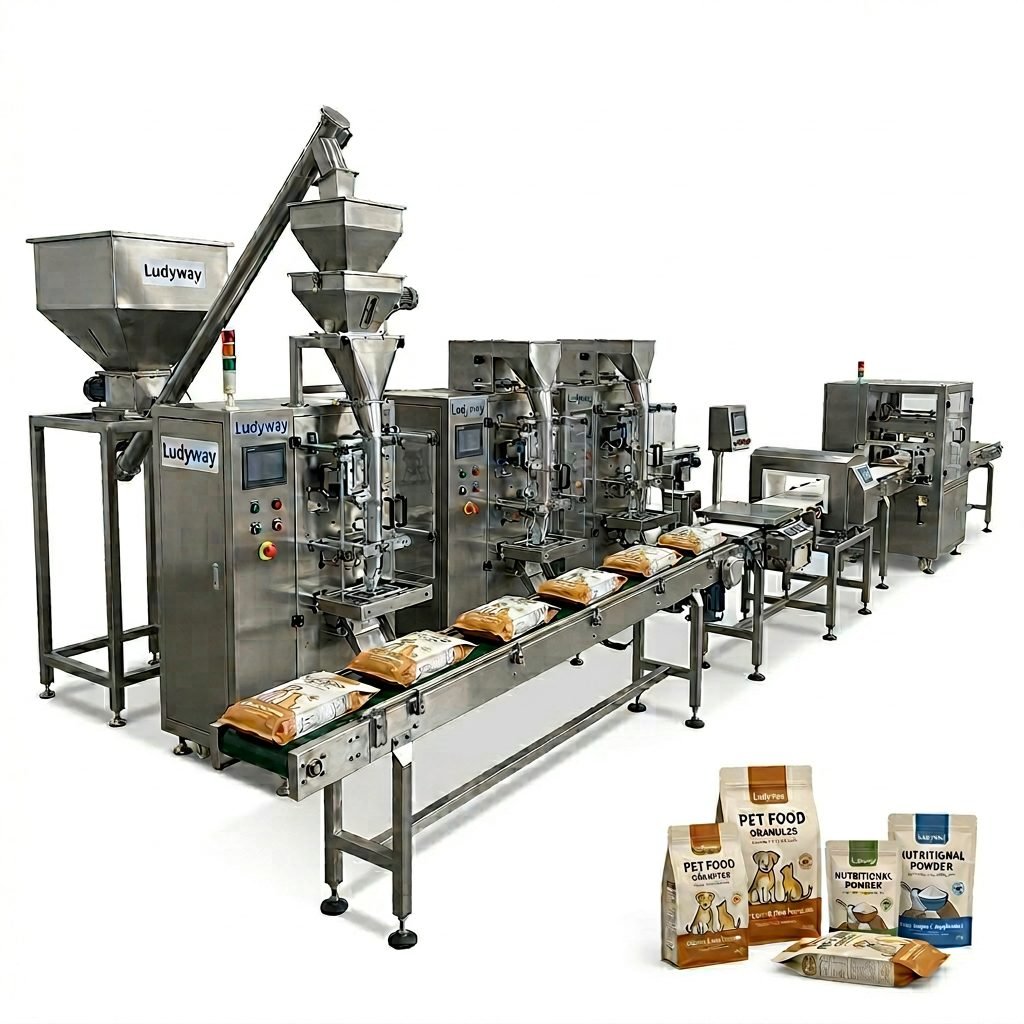
| Pre-Made Pouch Sealers | Pet food, frozen items, bulk snacks | High-integrity heat sealing |
| Vacuum Packaging Systems | Meat, cheese, freeze-dried meals | Oxygen evacuation + tight seal |
Critical Factors When Buying Airtight Machines
U.S. buyers often navigate a complex landscape of technical specs and supplier claims. To cut through the noise, focus on these non-negotiable factors:
- Sealing Temperature Control: Precise PID temperature controllers are vital for multi-layer films. Fluctuations of even ±2°C can compromise seal integrity for sensitive barrier films.
- Material Compatibility: Verify the machine can handle the specific laminates required by the U.S. market, including PET/AL/PE or paper-based compostable structures that meet FDA food contact substance regulations.
- Gas Flushing Capability: For products like freeze-dried chicken (packaging machinery manufacturer solutions often include this), the system must reliably inject inert gas and seal immediately to lock in freshness.
- Speed and Lane Configuration: Production demand in the U.S. ranges from 40 packs per minute for artisanal brands to over 400 packs per minute for national CPG companies. Multi-lane configurations directly scale output.
Regulatory Compliance for the United States
Operating in the U.S. food sector means strict adherence to FDA Food Safety Modernization Act (FSMA) guidelines. Your packaging line must facilitate preventive controls rather than just respond to contamination. The FDA’s packaging compliance framework demands that equipment does not introduce adulterants into the food stream.
Additionally, machinery should be designed for sanitary cleaning, featuring stainless steel construction (typically 304 or 316 grade) and sloped surfaces to prevent product accumulation. The Flexible Packaging Association’s regulatory resources offer detailed guidance on these material and machine interface standards.

Evaluating Total Cost of Ownership (TCO)
Look beyond the invoice price. A cheaper machine often results in higher long-term costs due to film waste, downtime, and rework. Consider these elements:
- Film Waste Rate: High-precision machines minimize wasted barrier film, which can cost significantly more than standard laminates.
- Changeover Time: For co-packers, rapid changeover between products or bag sizes is crucial. Look for tool-less changeover features.
- Service and Parts Availability: The PMMI Business Intelligence reports consistently rank after-sales support as a top criterion for U.S. buyers.
| Cost Factor | Impact | Mitigation Strategy |
|---|---|---|
| Film Waste | 5-10% of material budget | Auto-tracking web systems |
| Downtime | Lost production hours | Remote diagnostics support |
| Consumer Returns | Damaged brand equity | Integrated leak detection |
Integration with Smart Factory Standards
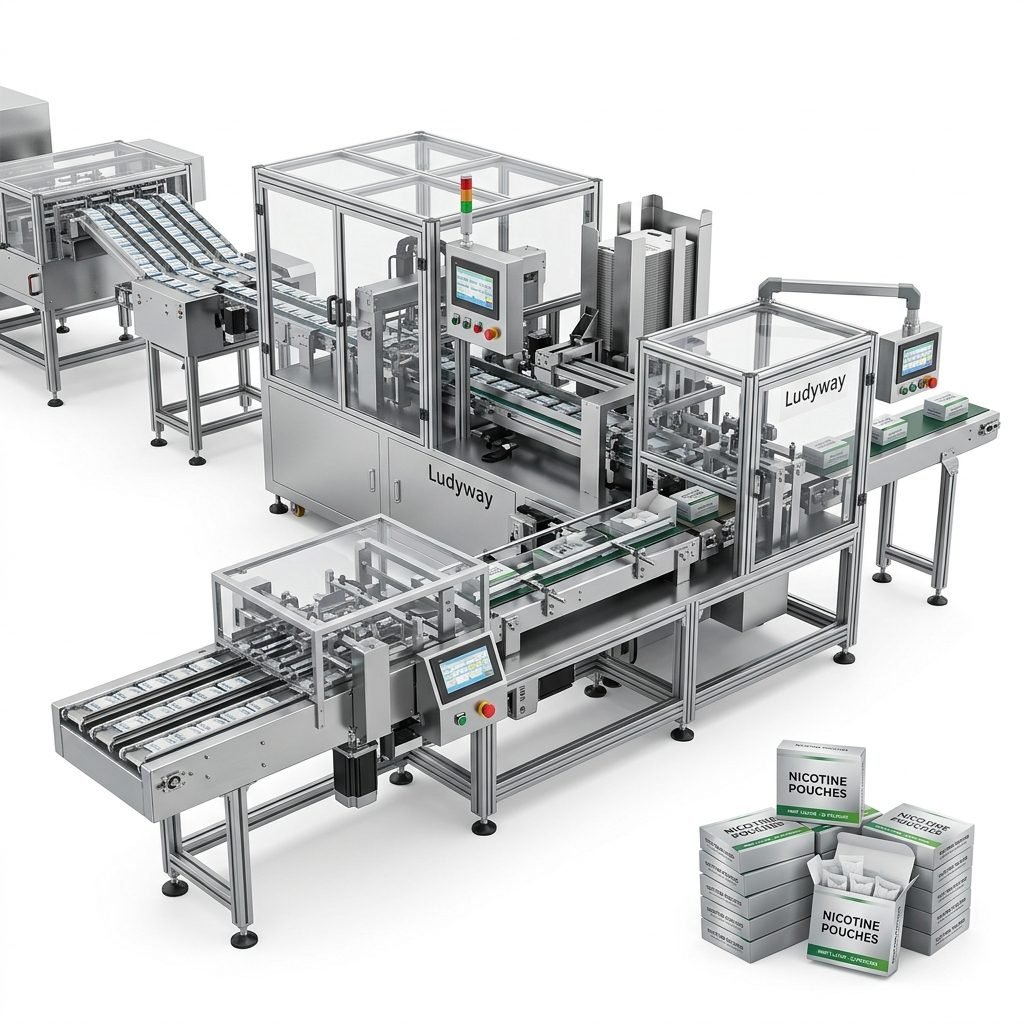
Modern U.S. facilities increasingly require Industry 4.0 connectivity. This means the airtight packaging machine should support data export on OEE (Overall Equipment Effectiveness), remote monitoring, and integration with ERP systems. Seamless communication with upstream weighers and downstream cartoning systems ensures a continuous, uninterrupted flow.
Material Sustainability and Packaging Waste
The U.S. packaging industry is actively responding to the global push for packaging waste reduction. While airtight barriers are traditionally multi-material laminates, the latest machines are engineered to run recyclable mono-materials (like all-PE structures) without sacrificing seal quality. The U.S. EPA’s Sustainable Materials Management programs encourage brands to adopt packaging that maintains product protection while improving end-of-life scenarios.
Working with a Reliable Equipment Partner
For many U.S. brands, working directly with an experienced OEM provides access to customized formats and robust engineering without the middleman markup. Ludyway, as a specialized global manufacturer, focuses on delivering advanced turnkey packaging solutions—from multi-lane stick pack machines for instant coffee to high-speed sachet lines for liquid detergents and food sauces. With a modern manufacturing footprint and a legacy dating back to 1993, the company provides engineering support for granule, powder, and liquid applications across more than 50 intelligent machine models. Evaluating a partner’s ability to demonstrate rigorous factory acceptance testing (FAT) and provide documented ISO 11607 compliant validation is a key step in the procurement process.
Final Checklist Before Purchasing
Before signing a purchase agreement, U.S. buyers should verify the following points with the supplier. This ensures the machinery meets both production needs and long-term safety standards.
- Seal integrity test protocols: Does the machine include inline burst testing or vacuum decay detection?
- Washdown compatibility: Is the frame rated for the required IP65 or IP67 sanitary environment?
- Technical documentation: Are the manuals, electrical schematics, and PLC backups provided in English with full U.S. standard measurements?
- Reference checks: Can the vendor provide verifiable U.S.-based customer references for similar airtight food applications?
For further reading, the PMMI 2025 State of the Industry report offers valuable data on packaging machinery trends in North America. Careful planning now will result in a packaging line that delivers consistent hermetic seals, meets U.S. safety standards, and supports profitable growth for years to come.

Explore advanced airtight packaging machinery and turnkey line solutions