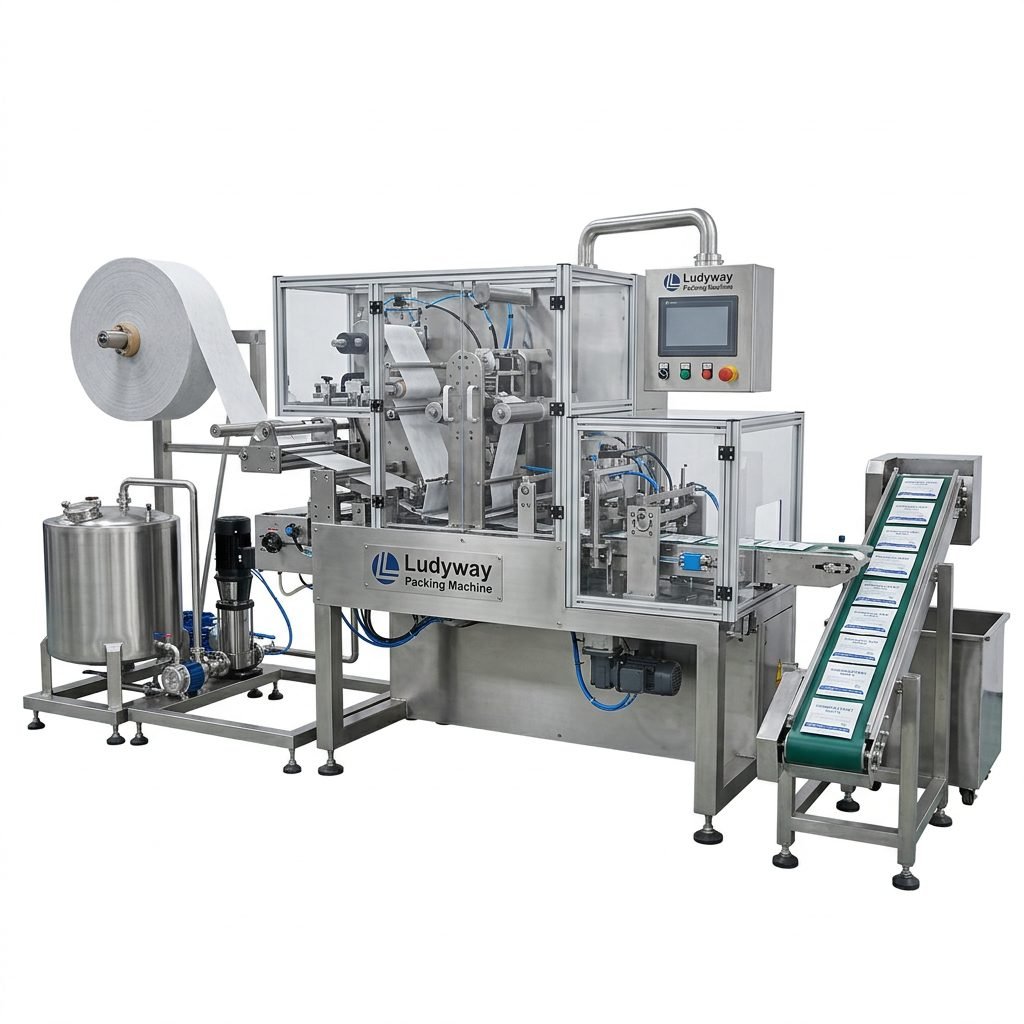
Choosing the right commercial food vacuum packaging machine can directly affect your product shelf life, packaging speed, food safety, labor cost, and long-term profitability. For food manufacturers, processors, central kitchens, frozen food brands, snack producers, and private-label businesses, the best machine is not simply the most expensive one—it is the one that matches your product, output goals, packaging material, and future expansion plan.
This guide explains what to look for before buying, which machine types fit different applications, and how to compare suppliers with confidence.
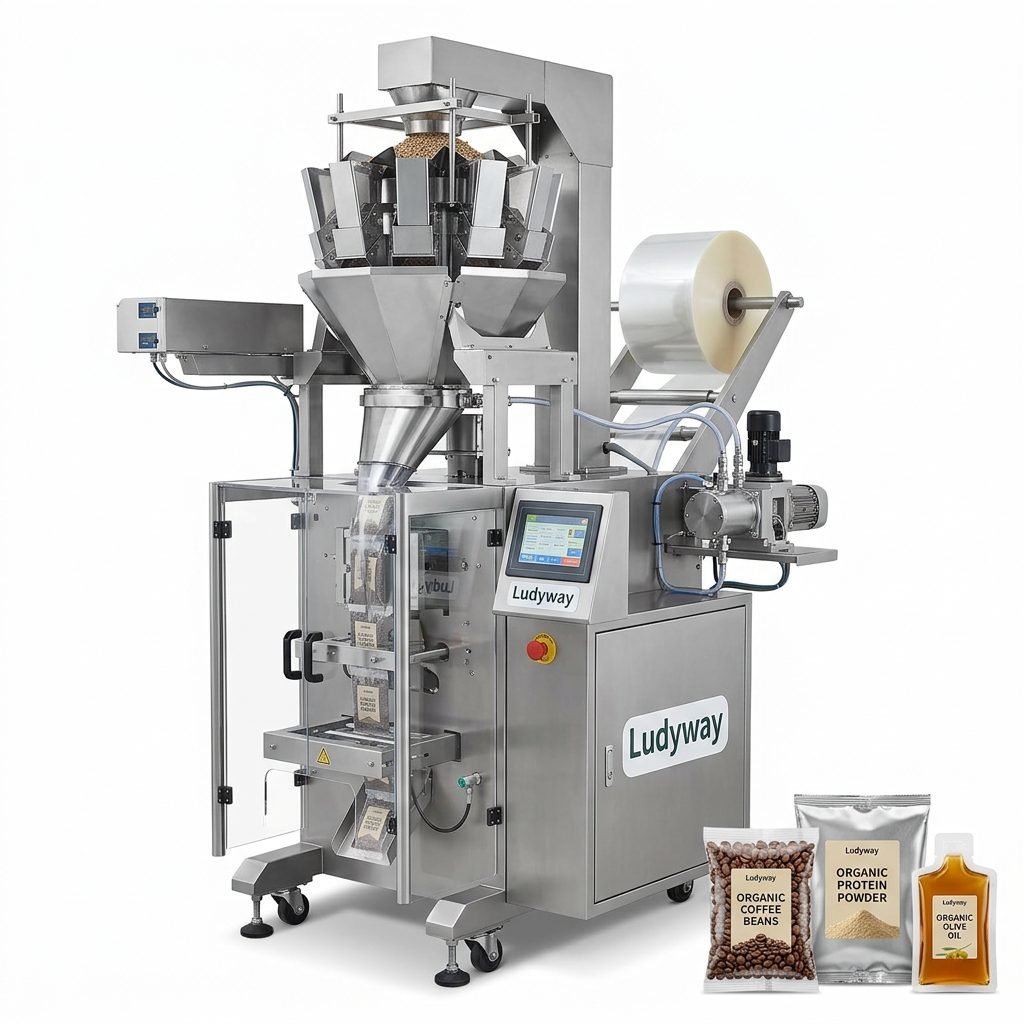
Why vacuum packaging matters in food businesses
Vacuum packaging removes air from the package before sealing. This helps slow oxidation, reduce moisture-related spoilage, protect product appearance, and improve storage performance. For many food businesses, it also creates a cleaner and more professional retail presentation.
- Extends shelf life for many food categories
- Helps preserve flavor, aroma, and texture
- Improves hygiene and product protection during transport
- Reduces freezer burn in frozen products
- Supports better inventory management and lower waste
- Enhances retail appeal with neat, compact packs
What foods commonly use vacuum packaging machines
Commercial vacuum packaging machines are widely used across the food industry. The ideal machine structure often depends on whether your product is dry, wet, delicate, oily, powdered, or portioned.
| Food Category | Typical Packaging Need | Recommended Machine Direction |
|---|---|---|
| Fresh meat & seafood | Leak-proof sealing, hygiene, shelf-life extension | Chamber vacuum or thermoforming vacuum systems |
| Frozen foods | Tight pack, anti-freezer-burn performance | Double chamber or continuous vacuum solutions |
| Cheese & dairy | Consistent sealing and oxygen reduction | Chamber vacuum machine |
| Prepared meals | Portion control, premium appearance | Tray sealer with vacuum/gas flush or thermoformer |
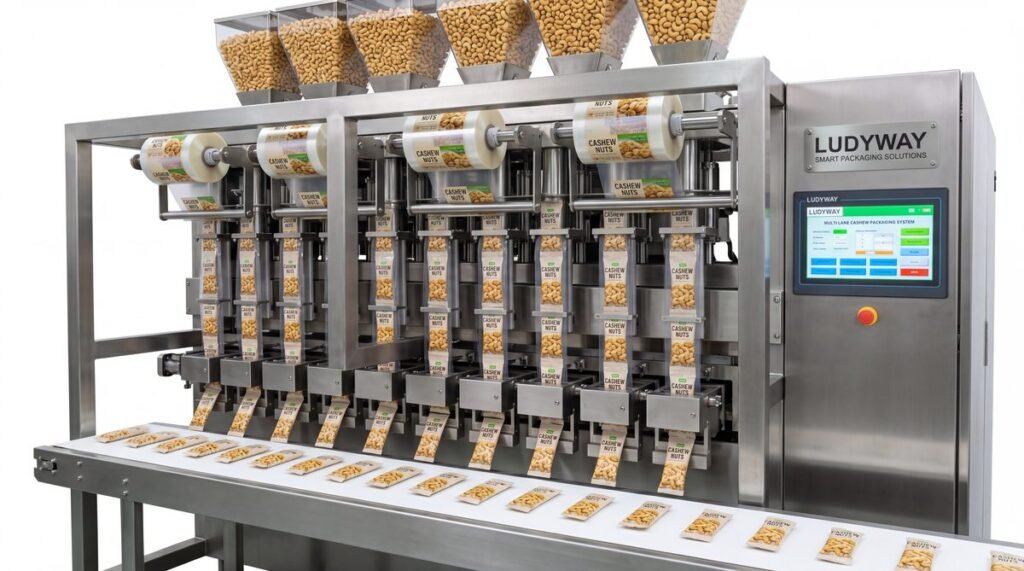
| Nuts, snacks, dried foods | Oxidation control, clean presentation | External vacuum or chamber system depending output |
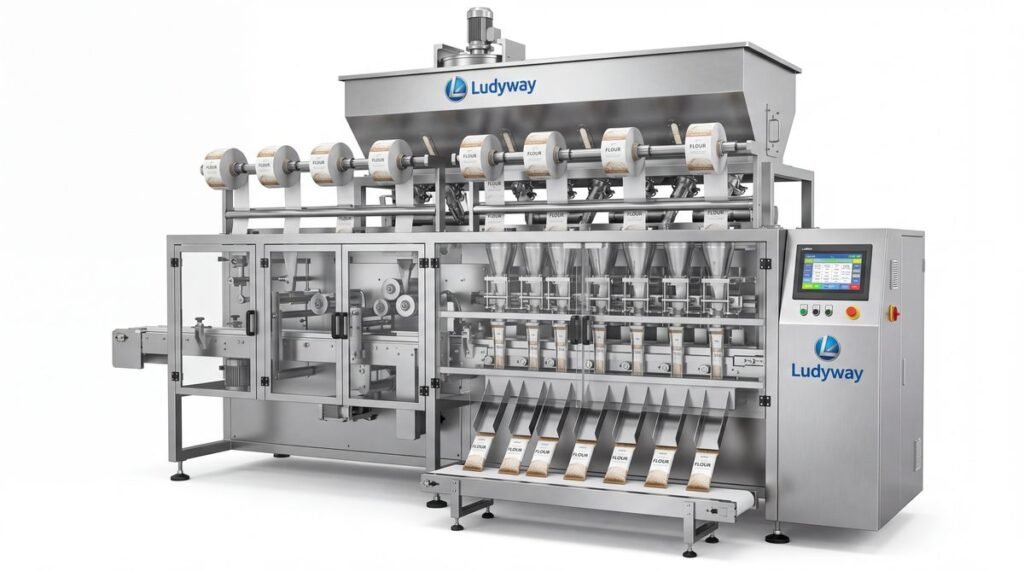
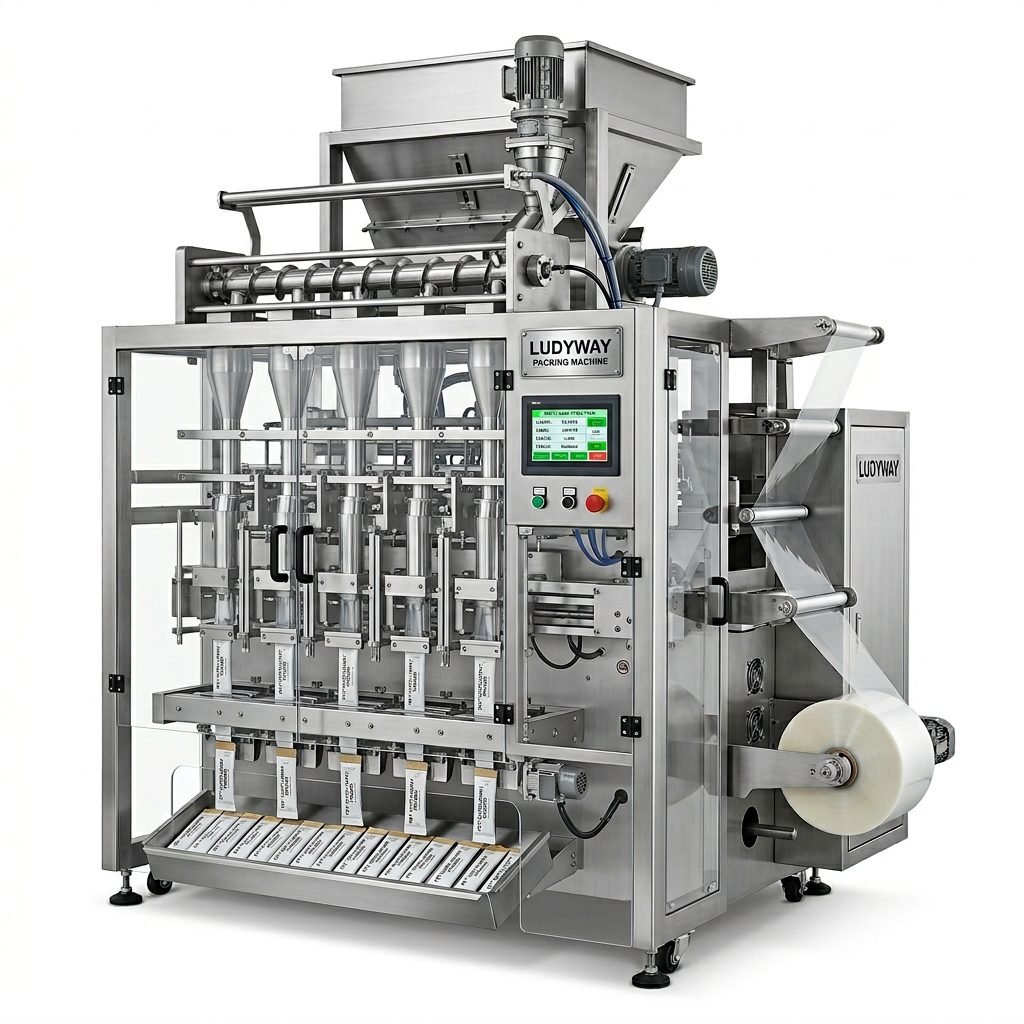
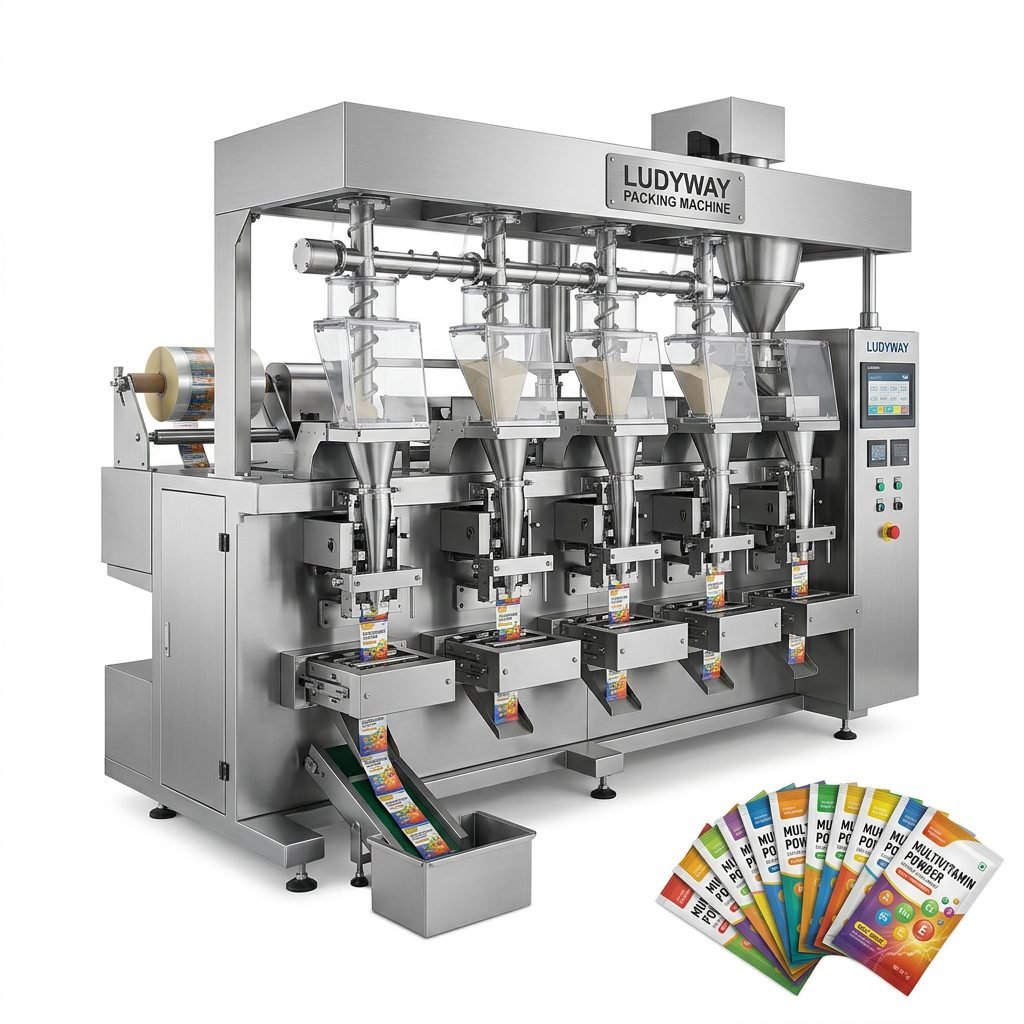
| Powders, seasonings, granules | Dust control, accurate filling, compact packs | Integrated filling + packaging line, sometimes with vacuum support |
Main types of commercial food vacuum packaging machines
1. Single chamber vacuum packaging machine
A practical choice for small businesses, test kitchens, butcher shops, and startups with moderate daily output. It is simple to use and generally more budget-friendly.
2. Double chamber vacuum packaging machine
Designed for higher throughput. While one chamber is sealing, the other can be loaded, which improves production efficiency and reduces idle time.
3. External vacuum packaging machine
Often used for larger bags or certain dry products. It can be suitable when chamber size would otherwise limit package dimensions.
4. Thermoforming vacuum packaging machine
Best for medium to large factories that need automated, high-speed, uniform packaging. These systems form the package, fill it, vacuum it, and seal it in a continuous process.
5. Vacuum tray sealing machine
Ideal for ready meals, fresh cuts, and premium retail food presentation. It can combine vacuum with modified atmosphere packaging depending on product requirements.
How to choose the best machine for your business
Match the machine to your product characteristics
Start with the food itself. A machine for dry snacks is different from one for marinated meat or liquid-heavy prepared foods. Product shape, moisture level, temperature, oil content, and fragility all matter.
- Is the product solid, liquid, powder, paste, or mixed?
- Does it contain sharp edges that may puncture film?
- Is the product hot-filled, chilled, or frozen?
- Does it require vacuum only, or vacuum plus gas flushing?
Calculate your real production capacity
Many buyers focus only on machine speed, but the better question is: how many packs do you need per hour, per shift, and per season? This helps avoid overbuying or creating a bottleneck.
Consider:
- Current daily output
- Peak-season demand
- Future expansion within 2–3 years
- Available labor for feeding, loading, and unloading
Check packaging material compatibility
Not every machine works equally well with every pouch, tray, or film structure. Always confirm compatibility with your target packaging material, thickness, seal type, and final pack dimensions.
Important: sealing quality is just as important as vacuum strength. A poor seal can ruin product protection even if the vacuum level is excellent.
Review vacuum pump quality and sealing performance
The vacuum pump is one of the most critical components. It affects cycle time, vacuum depth, energy performance, and long-term maintenance cost. Sealing bars, heating consistency, and chamber design also directly impact output quality.
Consider automation level
A semi-automatic machine may be enough for a small operation. But if you are scaling production, labor savings and consistency often justify an automated line.
| Business Stage | Recommended Level | Why |
|---|---|---|
| Startup / small workshop | Single chamber / basic semi-auto | Lower investment, flexible operation |
| Growing food factory | Double chamber / partial automation | Higher output, better labor efficiency |
| Large-scale manufacturer | Thermoforming / integrated line | Continuous production, consistency, scale |
Evaluate cleaning and food safety design
For food applications, hygienic design is essential. Stainless steel construction, easy-clean surfaces, accessible sealing zones, and food-safe contact materials can reduce sanitation time and improve compliance.
- SUS304 or suitable food-grade stainless steel structure
- Smooth surfaces with fewer hard-to-clean corners
- Easy access for maintenance and sanitation
- Reliable electrical and safety protection systems
Look at total cost of ownership, not just purchase price
A lower-priced machine may cost more over time if it consumes more film, has unstable sealing, needs frequent repairs, or causes downtime. The best value usually comes from stable performance, easy maintenance, and good after-sales support.
Key questions to ask before buying
- What products will be packed now and later?
- What bag or tray sizes will be used?
- What is the target pack-per-minute output?
- What vacuum level is required for product quality?
- Do you need gas flushing or MAP capability?
- How much floor space is available?
- What local voltage and electrical standards apply?
- How quickly can spare parts and technical service be provided?

Common mistakes businesses make
Avoiding a few common errors can save significant money and production trouble.
- Buying based only on price instead of application fit
- Ignoring future output growth
- Choosing a machine without testing actual packaging materials
- Not checking sealing stability for oily or wet foods
- Overlooking after-sales service and spare parts availability
- Failing to consider upstream and downstream integration
Should you buy a standalone machine or a complete packaging line?
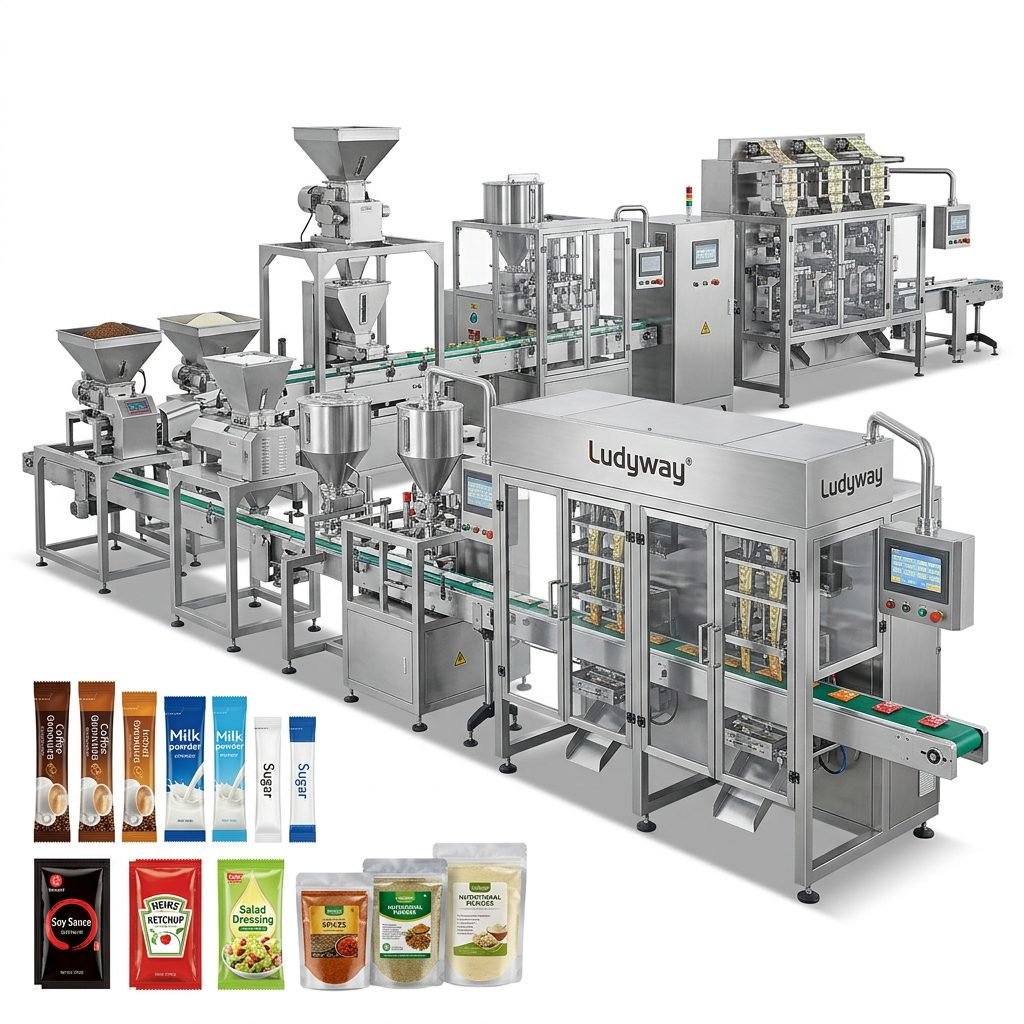
If your food business only needs vacuum sealing at one point in production, a standalone machine may be enough. But if you also require feeding, weighing, filling, coding, inspection, cartoning, or palletizing, an integrated solution is often more efficient.
For companies planning long-term automation, working with an experienced equipment manufacturer can simplify system design and reduce compatibility issues between machines.
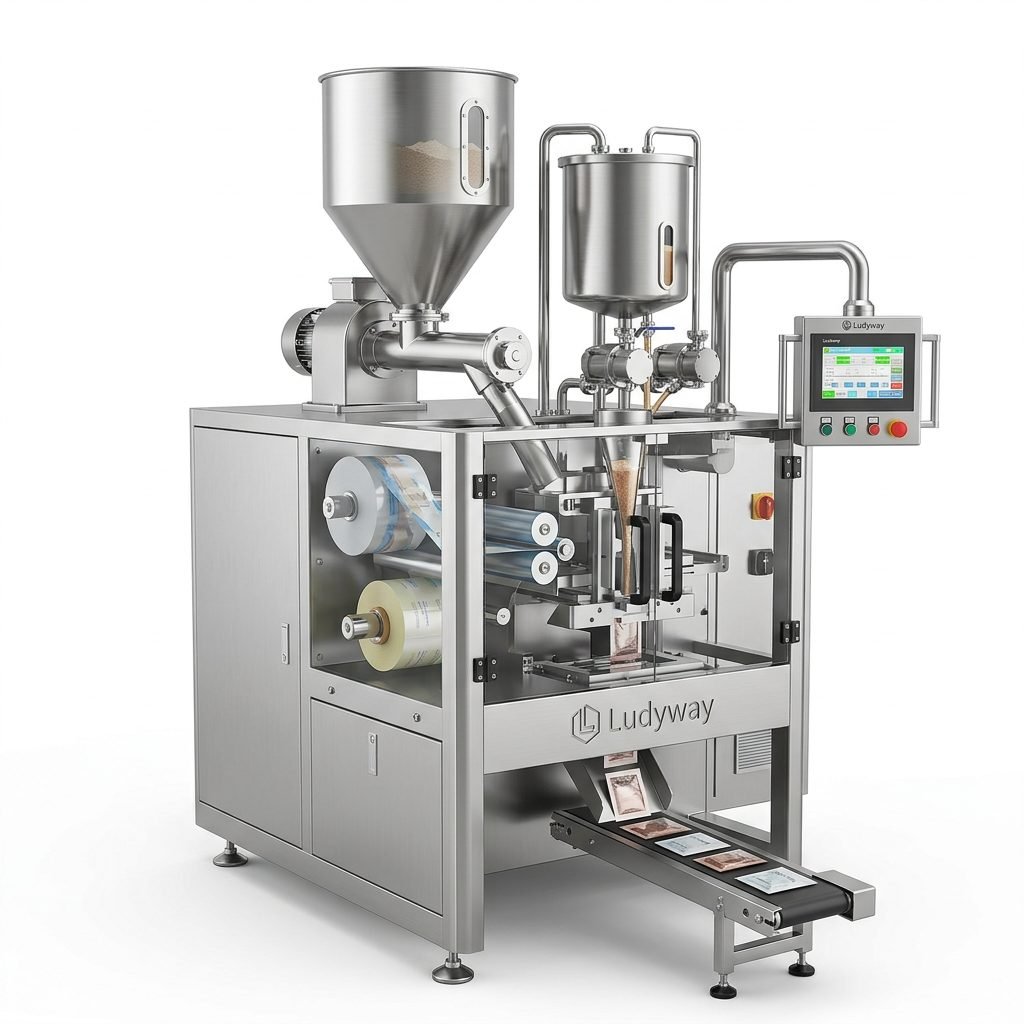
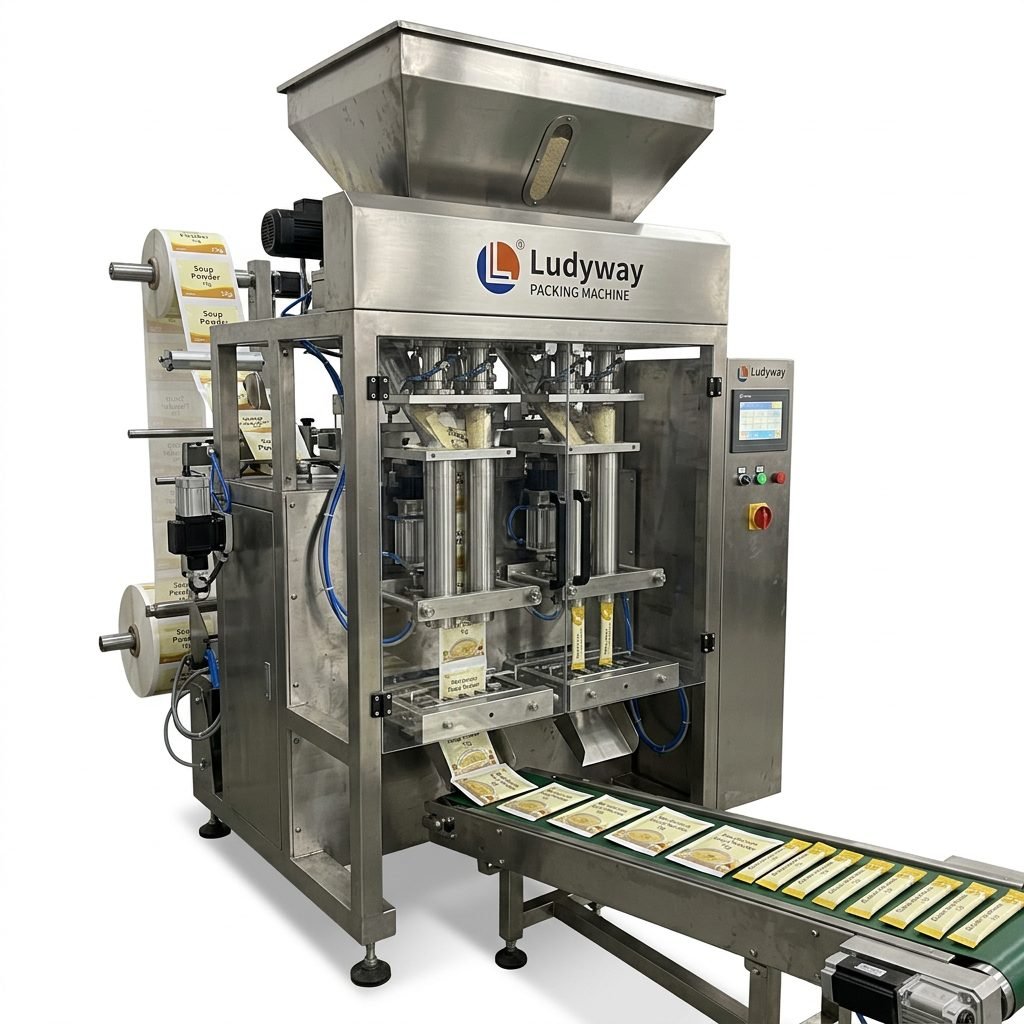
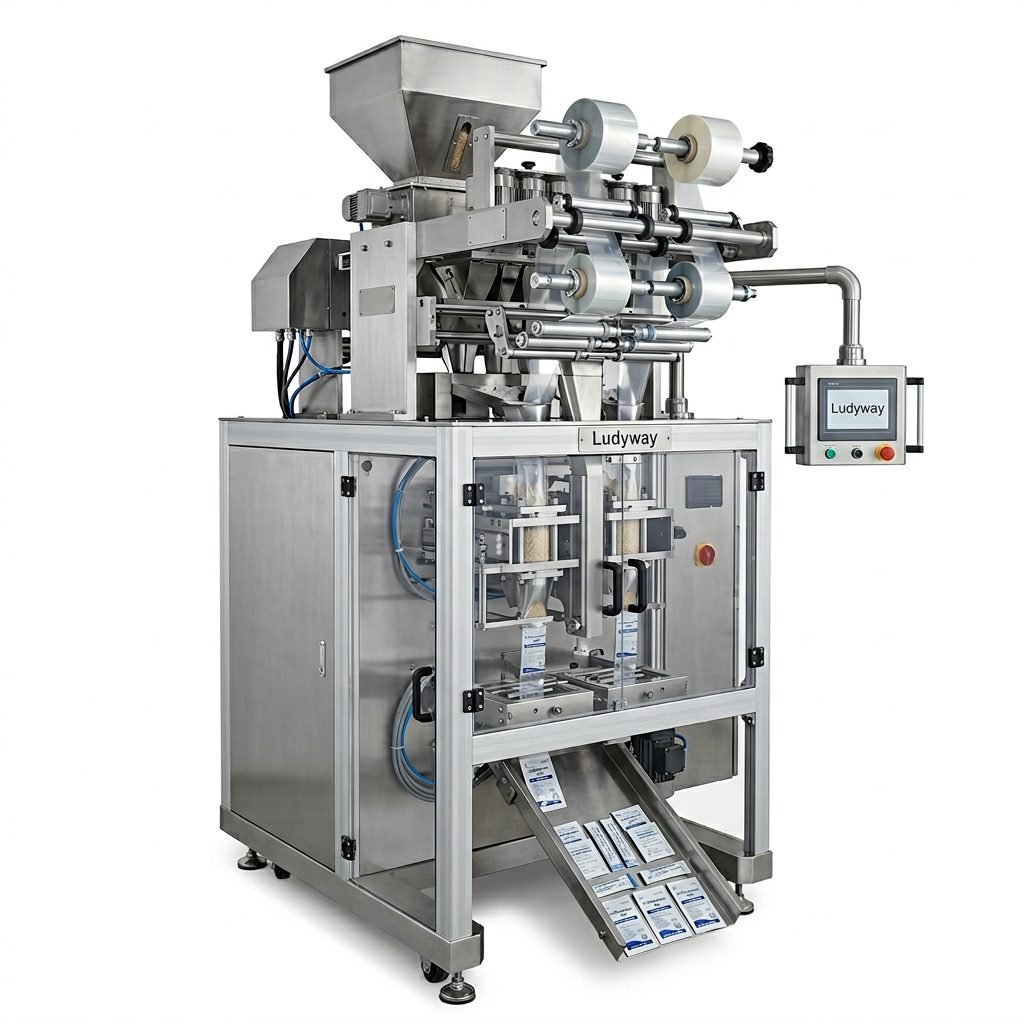
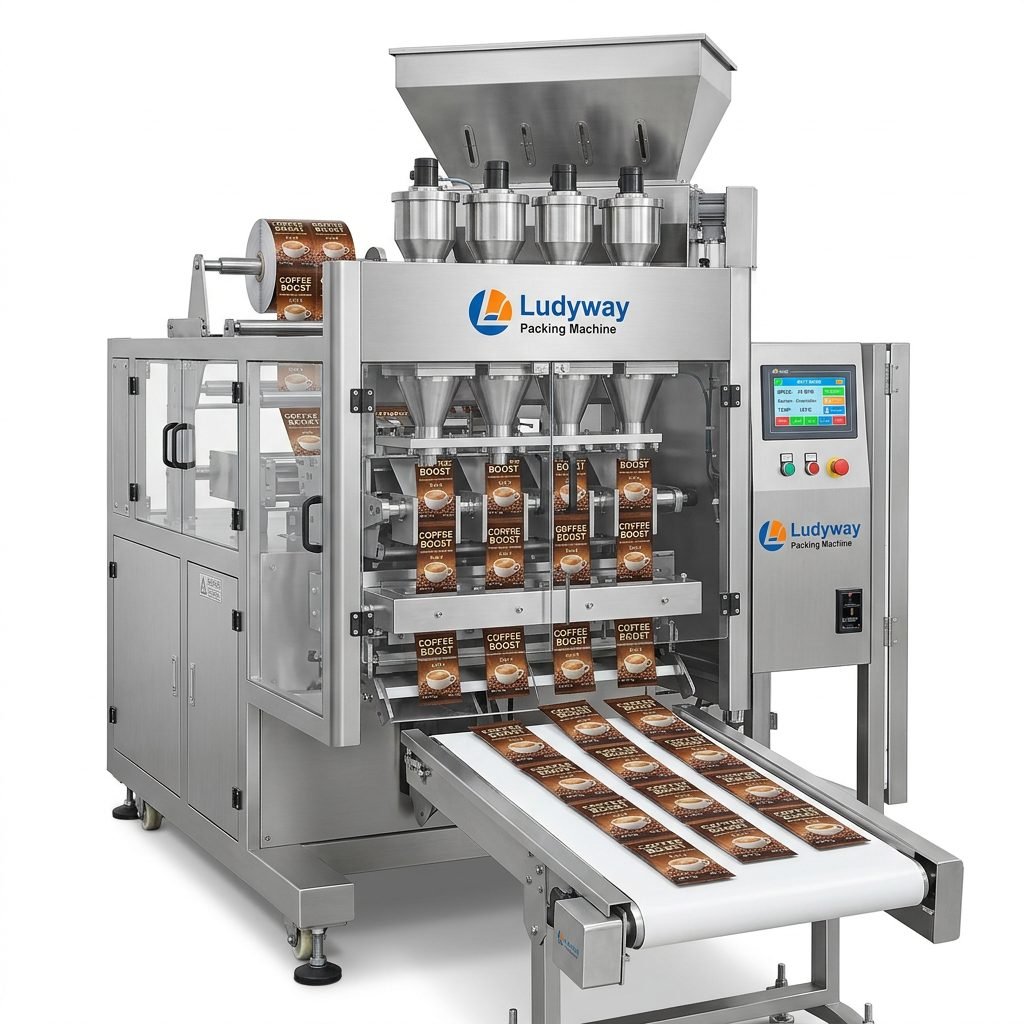
For example, commercial food vacuum packaging machine solutions from Ludyway can be evaluated as part of broader packaging automation projects, especially for businesses that may later expand into complete food packaging lines.
How to compare suppliers effectively
A reliable supplier should offer more than a machine quotation. They should understand your product application and provide practical guidance.
- Ask for machine videos with similar food products
- Request technical parameters and component brands
- Confirm customization capability for bag size or product type
- Check export experience and installation support
- Review certifications and quality inspection process
- Ask about lead time, warranty, and spare parts service
Signs you have found the right vacuum packaging machine
- The machine fits your actual food application
- Output capacity matches your sales plan
- Seal quality is stable across long runs
- Operation is simple for your team
- Cleaning and maintenance are manageable
- The supplier can support upgrades or line expansion later
Final buying checklist
| Checkpoint | What to Confirm |
|---|---|
| Product fit | Food type, moisture, shape, shelf-life goals |
| Machine type | Single chamber, double chamber, thermoforming, tray sealer |
| Capacity | Packs per minute, shift output, growth potential |
| Material compatibility | Film, pouch, tray, thickness, seal type |
| Hygiene design | Food-grade materials, easy cleaning, safe construction |
| Support | Warranty, spare parts, training, remote or on-site service |
Conclusion
The best commercial food vacuum packaging machine is the one that supports product quality, production efficiency, and scalable growth. Before making a decision, focus on your food type, packaging format, daily output, hygiene requirements, and supplier reliability. A well-matched machine can reduce waste, improve shelf life, strengthen presentation, and deliver a faster return on investment.
When evaluated carefully, vacuum packaging is not just a packaging upgrade—it becomes a strategic advantage for your food business.