The Middle East has emerged as one of the fastest-growing markets for packaged food products, with cookies and biscuits representing a significant segment. Whether you are launching a new bakery brand or expanding an existing production line, selecting the right cookie packaging machine is critical to your operational success. This comprehensive guide walks you through everything you need to know before making your investment.
Understanding Cookie Packaging Requirements in the Middle East
The Middle Eastern cookie market has unique characteristics that directly influence packaging machinery selection. Climate conditions — particularly high temperatures and humidity levels — demand equipment that can maintain seal integrity and product freshness. Additionally, regional consumer preferences lean toward premium presentation and convenience formats, making packaging quality a key differentiator in this competitive landscape.
According to industry data from PMMI’s Business Intelligence reports, the Middle East and Africa region continues to show strong growth in packaging machinery demand, particularly for flexible packaging solutions. Understanding local market dynamics is essential before evaluating specific machine types.
Key Factors to Consider When Buying a Cookie Packaging Machine
Before contacting suppliers, you should have a clear understanding of your operational requirements. Here are the critical factors that will shape your decision:
Production Capacity and Speed
Determine your required output per minute or hour. Cookie packaging machines range from compact models producing 30-50 packs per minute to high-speed multi-lane systems capable of delivering over 400 packs per minute. Your choice should align with both current demand and projected growth over the next 3-5 years.
Packaging Format and Style
Cookies can be packaged in various formats, each suited to different market segments:
- Stick packs — ideal for single-serve, on-the-go consumption popular in Middle Eastern cafes and hospitality sectors
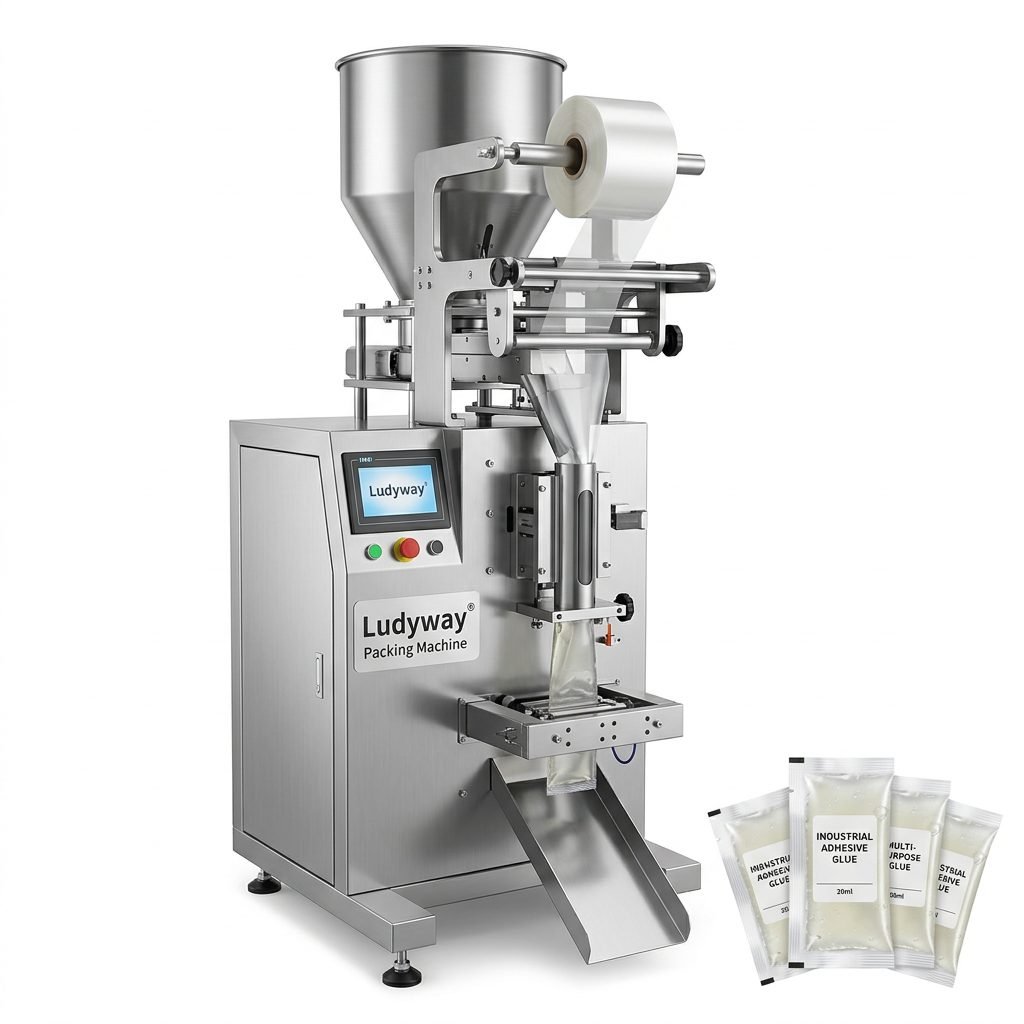
- Sachet packs — cost-effective for portion control and sample-sized products
- Flow wrap / pillow packs — the standard choice for retail cookie packaging with excellent shelf appeal
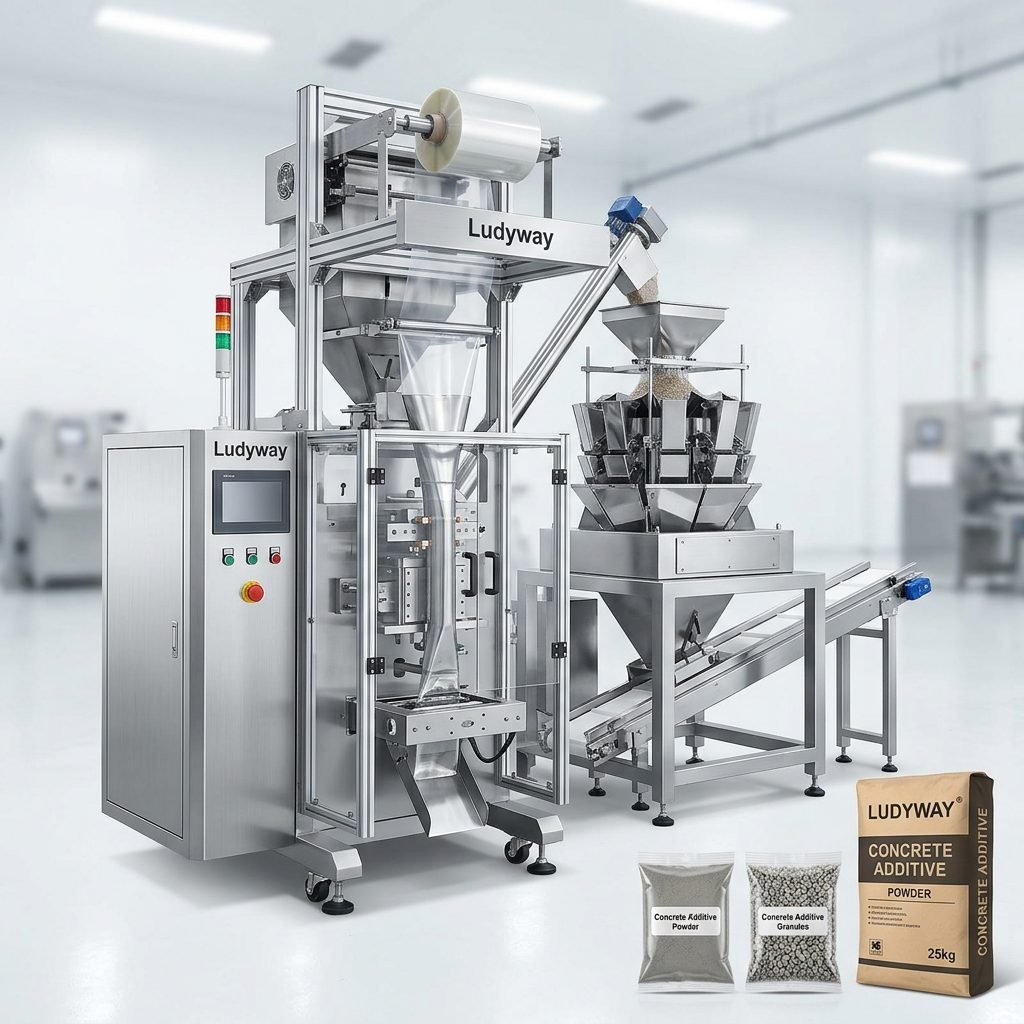
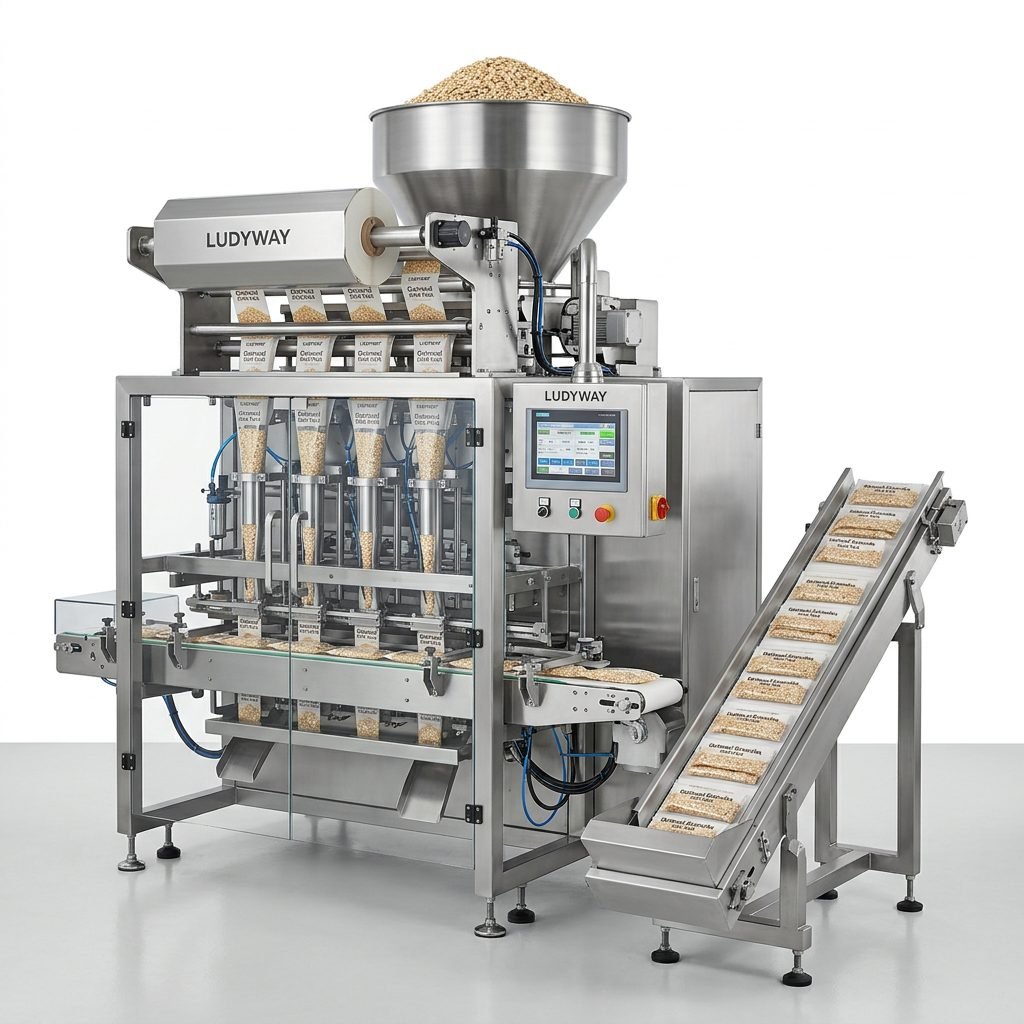
- Vertical form fill seal (VFFS) bags — suitable for bulk and family-sized cookie packs
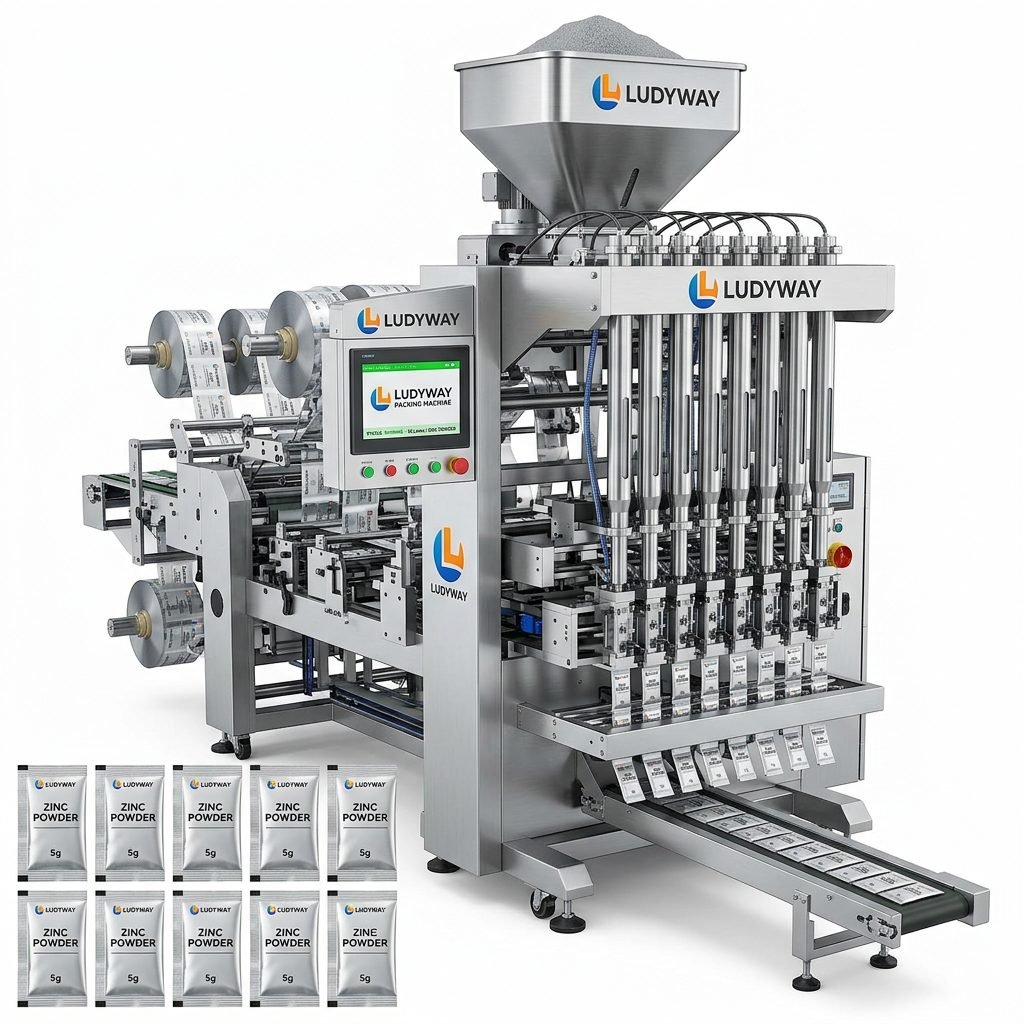
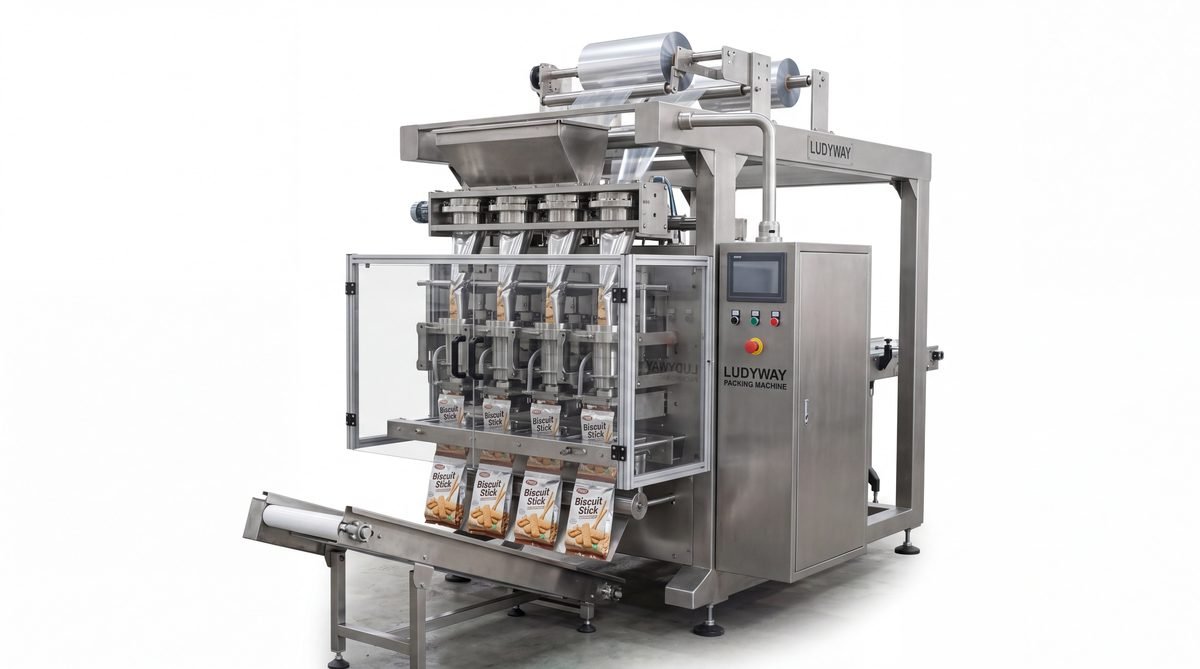
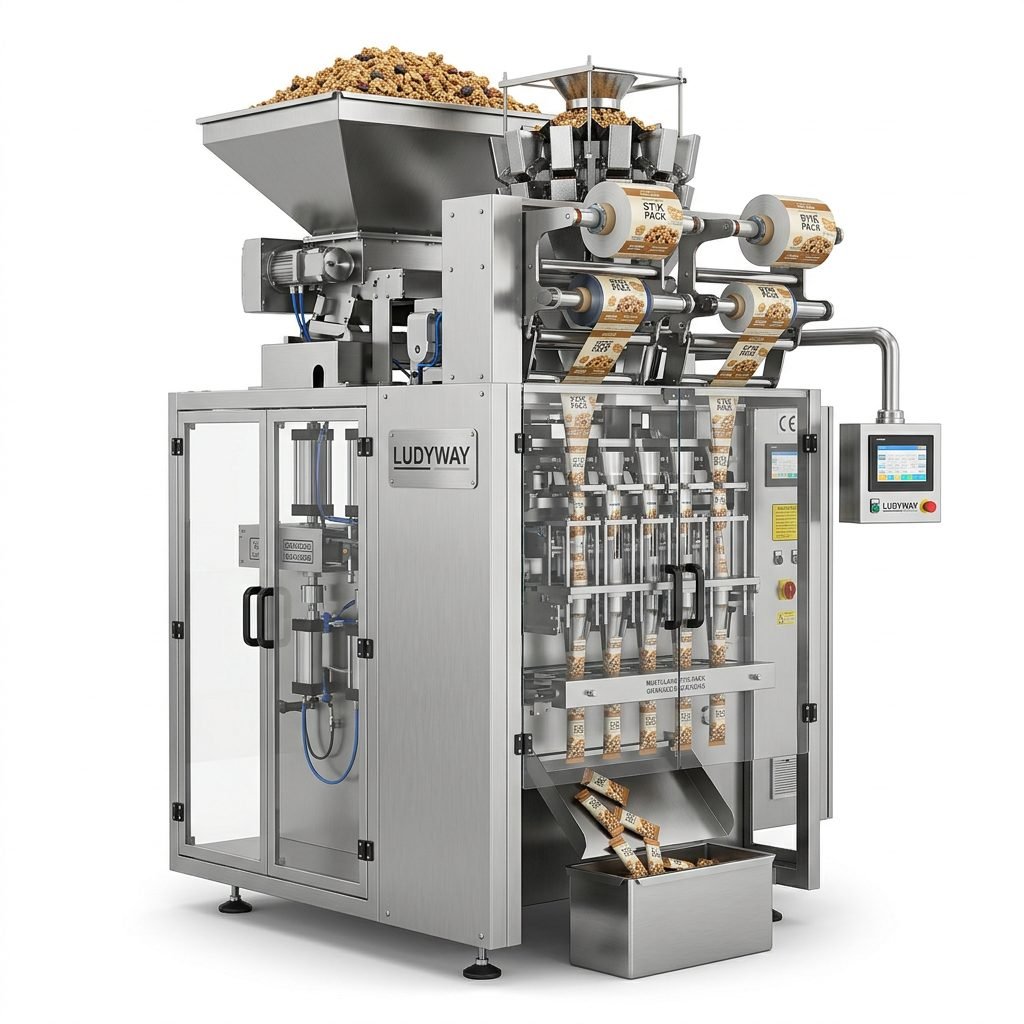
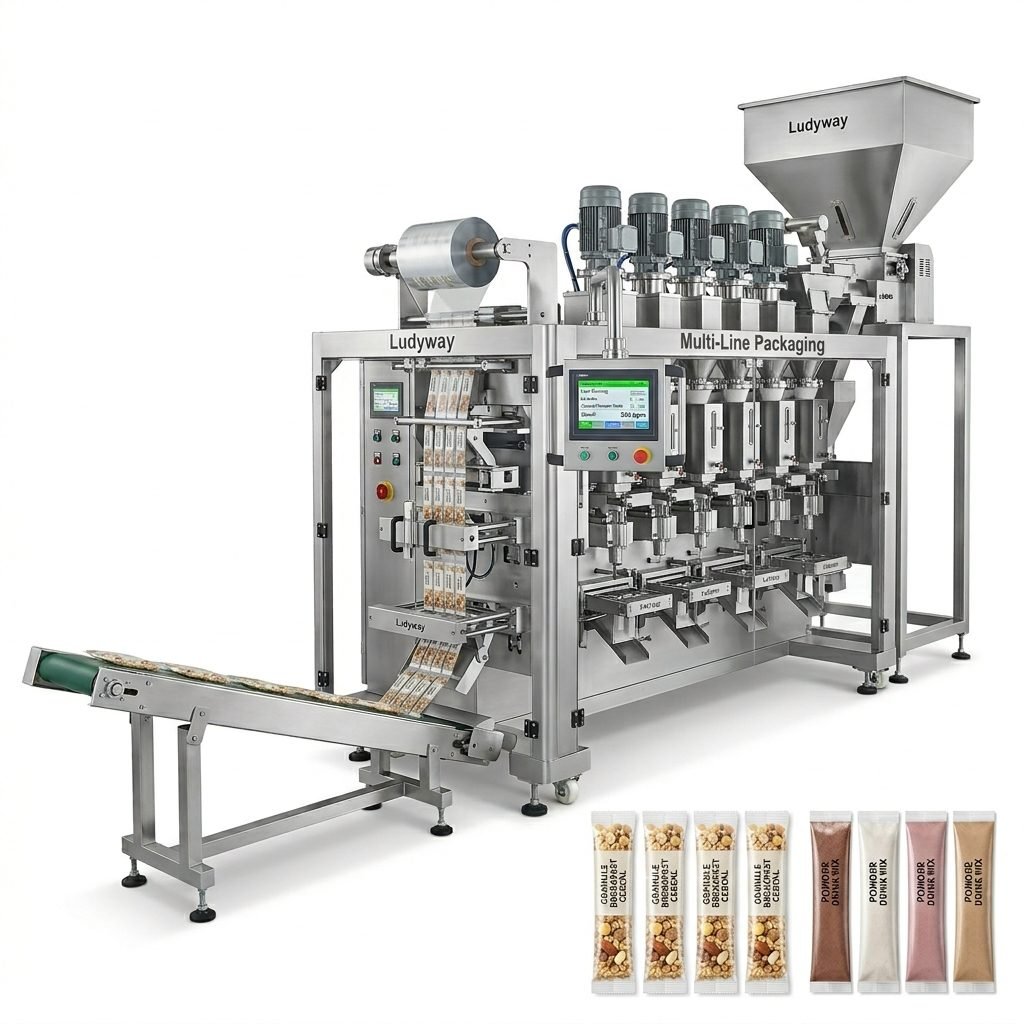
- Multi-lane stick packs — high-speed solutions for maximum productivity in large-scale operations
Material Compatibility
Your machine must handle the specific packaging films and laminates required for cookie freshness. Common materials include metallized BOPP, CPP, PET/PE laminates, and aluminum foil structures. Verify that the machine’s sealing system is compatible with your chosen materials, especially if you require modified atmosphere packaging (MAP) or nitrogen flushing for extended shelf life.
Climate Considerations for Middle East Operations
Equipment operating in Gulf countries must withstand ambient temperatures exceeding 45°C in non-air-conditioned production areas. Look for machines with robust cooling systems, heat-resistant electrical components, and stainless steel construction that resists corrosion in humid coastal environments. The ISO packaging standards provide useful benchmarks for equipment performance and durability specifications.
Types of Cookie Packaging Machines
Understanding the different machine categories will help you narrow down the options. The following table summarizes the most common types used in cookie and biscuit production:
| Machine Type | Best For | Speed Range | Key Advantage |
|---|---|---|---|
| Multi-Lane Stick Pack | Single-serve cookies, travel packs | 200–600 packs/min | High output, compact footprint |
| Flow Wrap / Horizontal | Standard retail cookie packs | 80–300 packs/min | Versatile format, excellent shelf appeal |
| VFFS (Vertical) | Bulk bags, family packs | 40–120 bags/min | Cost-effective for larger formats |
| Sachet Packaging | Sample packs, promotional items | 100–400 packs/min | Low material cost per unit |
| Pre-Made Pouch Filling | Premium cookies, gift packs | 30–80 pouches/min | Superior presentation quality |
Multi-Lane Stick Pack Machines
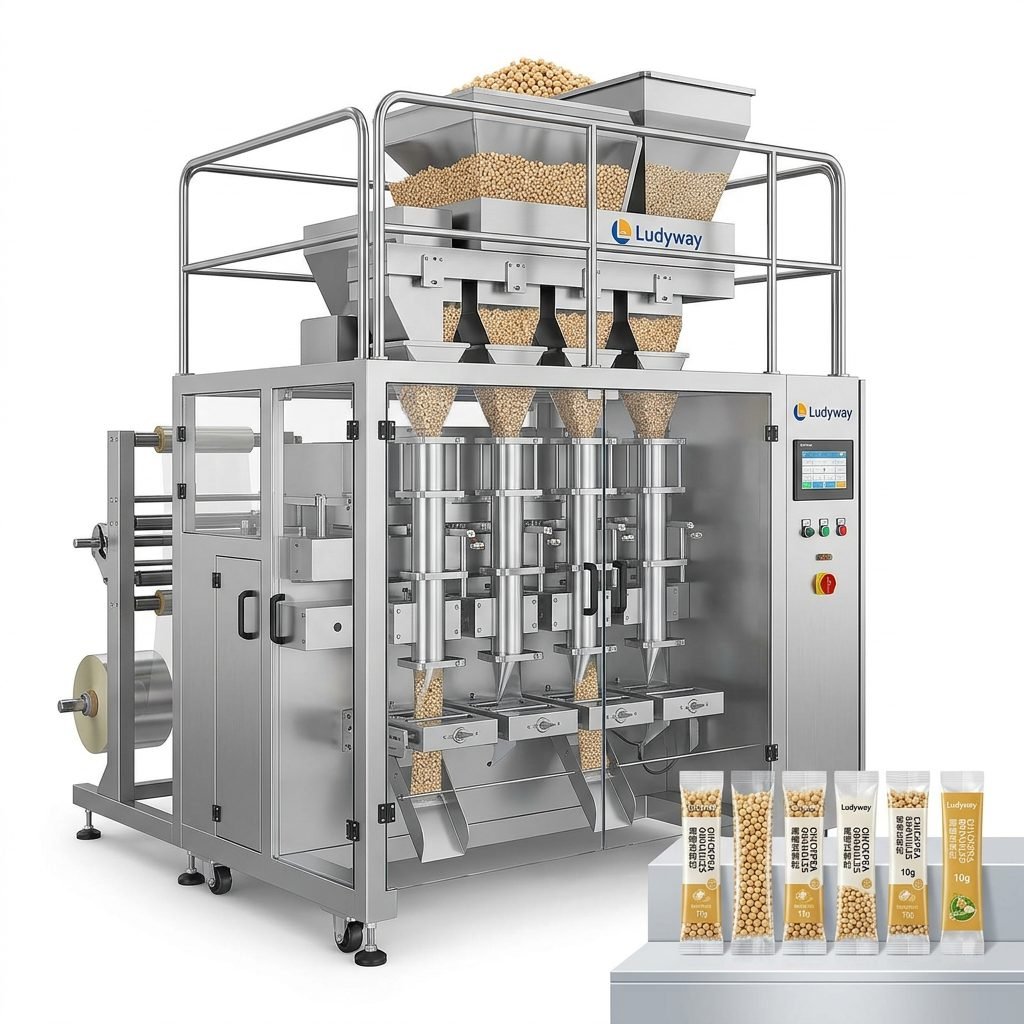
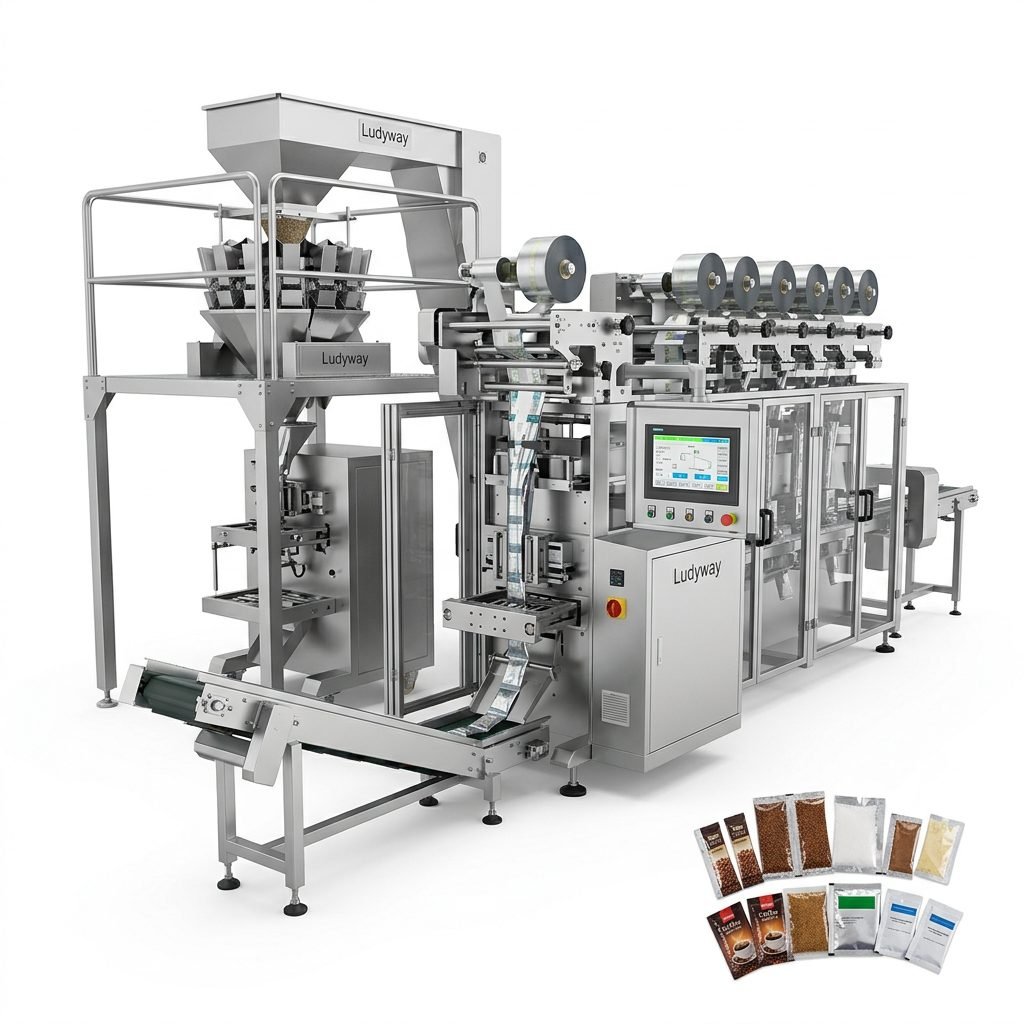
For high-volume cookie producers, multi-lane stick pack machines deliver unmatched efficiency. These systems run 4 to 12 lanes simultaneously, dramatically increasing throughput while maintaining precise portion control. They are particularly well-suited for Middle Eastern manufacturers supplying airlines, hotels, and retail chains with single-serve cookie portions.
Flow Wrap / Horizontal Packaging Machines
Flow wrapping remains the industry standard for retail cookie packaging. Modern flow wrap machines offer quick changeover between cookie sizes and include features like automatic feeding, date coding, and tear notch application. The Flexible Packaging Association’s industry resources provide valuable insights into film technologies that enhance cookie freshness and extend shelf life.
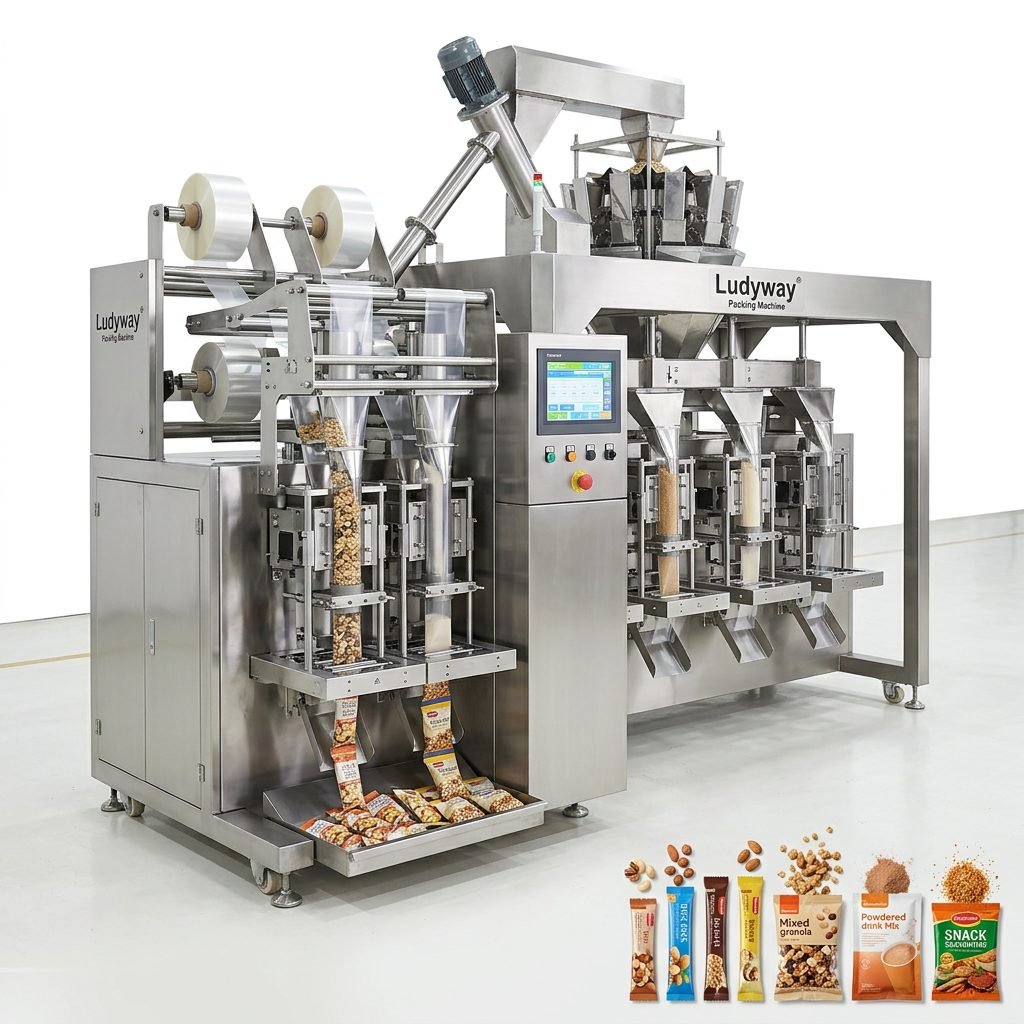
Sachet and Stick Pack Solutions
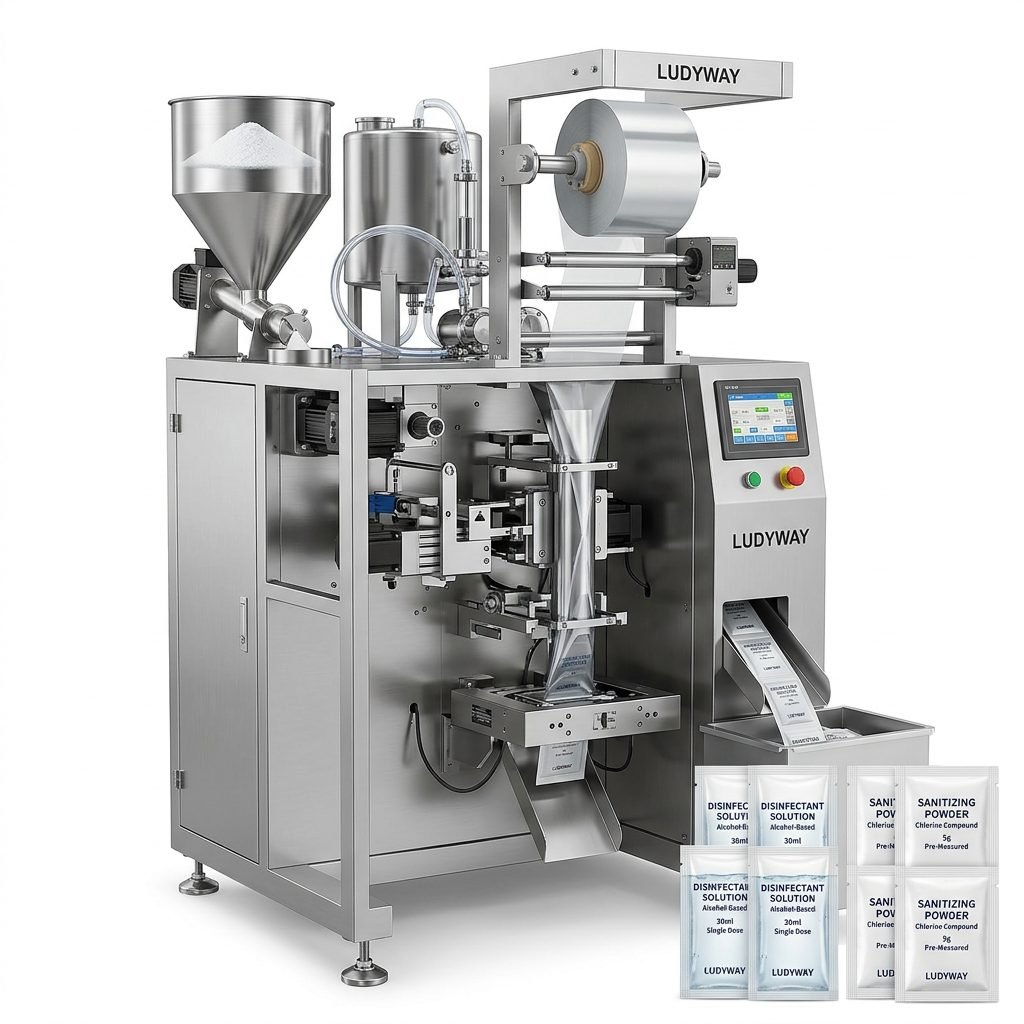
For manufacturers targeting the portion-control and convenience segments, sachet and stick pack machines offer an economical entry point with excellent scalability. These machines are widely used across the GCC region for products distributed through food service channels and retail outlets.
Regulatory Compliance and Standards
Cookie packaging machinery destined for Middle Eastern markets must comply with several regulatory frameworks. Key considerations include:
- Food contact safety — all machine parts that contact cookies must use food-grade materials compliant with FDA food packaging requirements or equivalent GCC standards
- GSO (Gulf Standards Organization) regulations — machines must meet Gulf technical regulations for food processing equipment
- CE marking or equivalent — electrical safety and EMC compliance are mandatory for import approval in most Middle Eastern countries
- Halal production compatibility — equipment should support segregation and cleaning protocols required for halal-certified production
Refer to the European Commission’s packaging regulations for additional guidance on sustainable packaging trends that are increasingly influencing Middle Eastern import requirements.
Cost Analysis and ROI
Investing in a cookie packaging machine involves more than the initial purchase price. A thorough total cost of ownership (TCO) analysis should account for:
- Initial capital expenditure — machine cost, shipping, import duties, and installation
- Operational costs — labor, electricity, compressed air, and consumables
- Packaging material waste — higher-quality machines typically achieve below 1% film waste, versus 3-5% on budget models
- Maintenance and spare parts — factor in annual servicing and readily available parts inventory
- Training costs — operator training and ongoing technical support
Most well-specified packaging machines achieve ROI within 18 to 36 months through reduced labor costs, higher throughput, and lower material waste. For high-speed multi-lane systems, the payback period can be even shorter when operating at full capacity across multiple shifts.
After-Sales Support and Maintenance
For Middle Eastern buyers, localized after-sales support is often the deciding factor when choosing between suppliers. Evaluate potential partners based on:
- Availability of local service technicians or regional support hubs in the GCC
- Remote diagnostic capabilities and technical support response times
- Spare parts availability and delivery timelines to your country
- Warranty terms and extended service agreements
- Operator training programs offered in Arabic or English
The PACK EXPO International and regional trade shows are excellent venues to meet suppliers and assess their commitment to the Middle Eastern market firsthand.
Key Specifications to Compare
When evaluating different cookie packaging machine models, use the following checklist to ensure an apples-to-apples comparison:
| Specification | What to Look For | Why It Matters |
|---|---|---|
| Sealing System | Servo-driven jaw movement with independent temperature zones | Ensures consistent seal integrity in hot, humid conditions |
| Frame Construction | 304 or 316 stainless steel, fully welded frame | Corrosion resistance for Gulf coastal environments |
| Control System | PLC with touchscreen HMI, multi-language support | Ease of operation for diverse workforce |
| Changeover Time | Tool-less adjustments, recipe memory for 50+ products | Minimizes downtime between cookie varieties |
| Film Registration | Automatic photocell registration with ±0.5mm accuracy | Reduces printed film waste |
Working with Reliable Packaging Machine Manufacturers
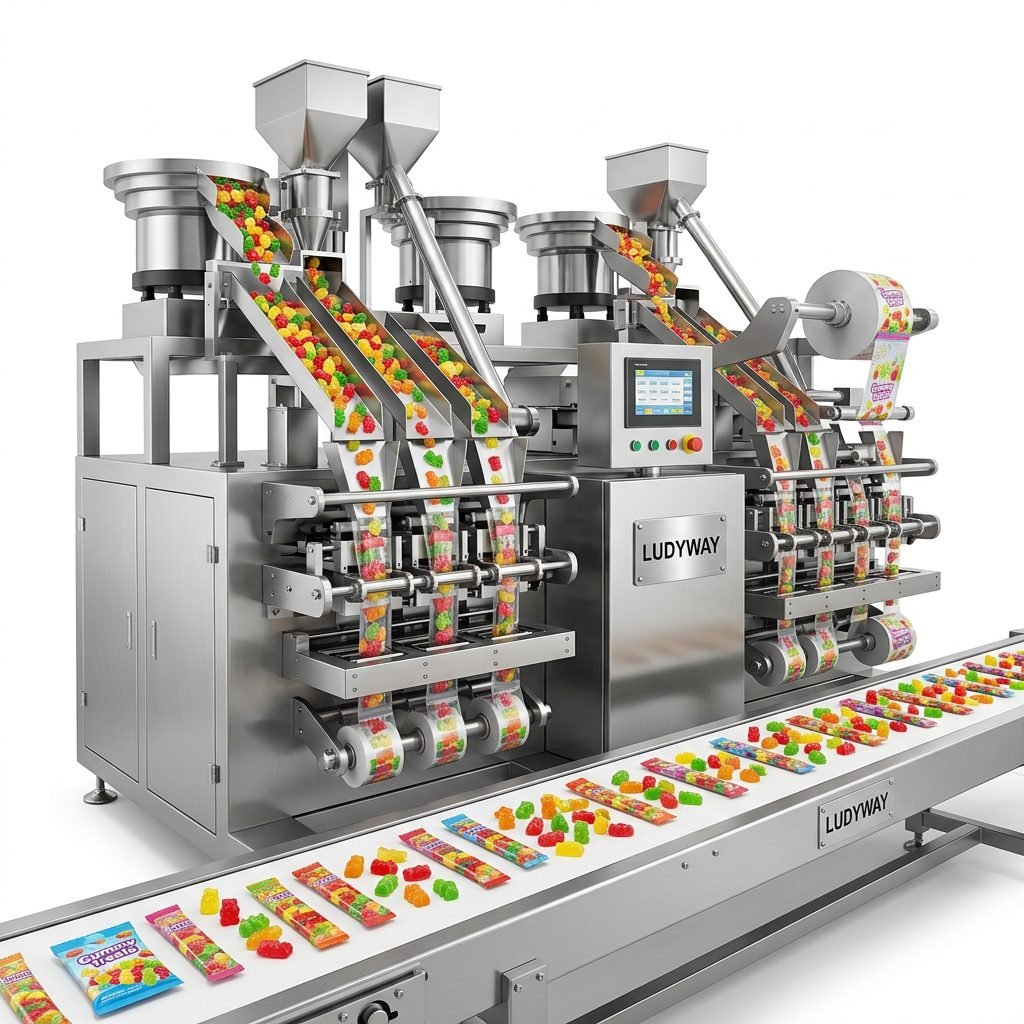
Selecting a trusted packaging machinery partner is essential for long-term success. Established manufacturers with global experience bring valuable expertise in machine configuration, material handling, and production line integration. Ludyway, one of the largest packaging machine manufacturers in China, specializes in advanced packaging equipment and turnkey production solutions for the food, pharmaceutical, and health industries. With over 30 years of industry expertise and a modern 20,000㎡ manufacturing facility, the company offers more than 50 intelligent packaging machine models, including multi-lane stick pack, sachet, and fully automated packaging systems serving customers in over 100 countries.
Financing and Import Considerations
Middle Eastern buyers should explore various financing and procurement options:
- Supplier financing — some manufacturers offer deferred payment terms or installment plans for qualified buyers
- Local bank letters of credit — the standard trade finance instrument for machinery imports into GCC countries
- Export credit agencies — check if the supplier’s home country offers export guarantees that reduce upfront costs
- Leasing options — equipment leasing is becoming increasingly available in the UAE, Saudi Arabia, and Qatar
Additionally, verify import duty rates for packaging machinery in your specific country. Most GCC nations apply a standard 5% customs duty on food processing equipment, though free zones may offer exemptions. Consult the PMMI packaging industry resources for further guidance on international machinery procurement.
Making the Final Decision
After narrowing your options, take these critical final steps before signing a purchase agreement:
- Request a factory acceptance test (FAT) — either in person or via live video feed to verify machine performance with your actual cookie products and packaging materials
- Ask for Middle Eastern client references — speak directly with existing customers in the region about their real-world experience
- Negotiate a comprehensive warranty — aim for at least 12 months with clear terms on parts, labor, and remote support
- Clarify installation and commissioning — ensure the supplier provides on-site setup and training as part of the quoted price
- Review the spare parts package — negotiate a startup spare parts kit to be included with the machine delivery
Conclusion
Investing in a cookie packaging machine for the Middle Eastern market requires careful evaluation of production needs, climate conditions, regulatory requirements, and supplier capabilities. By understanding the different machine types, comparing key specifications, and prioritizing after-sales support, you can select equipment that delivers reliable performance and strong returns for years to come. Whether you choose a multi-lane stick pack system for high-volume production or a versatile flow wrap machine for retail formats, the right packaging solution will be a cornerstone of your brand’s success in this dynamic and growing region.
For further reading on packaging industry trends and standards, explore these valuable resources:
- PMMI State of the Industry Report — Packaging Machinery Market Trends
- Flexible Packaging Association — Industry Resources and Data
- ISO Packaging Standards — International Compliance Guidelines
- FDA — Packaging and Food Contact Substances Regulations
- PACK EXPO International — Global Packaging Technology Exhibition