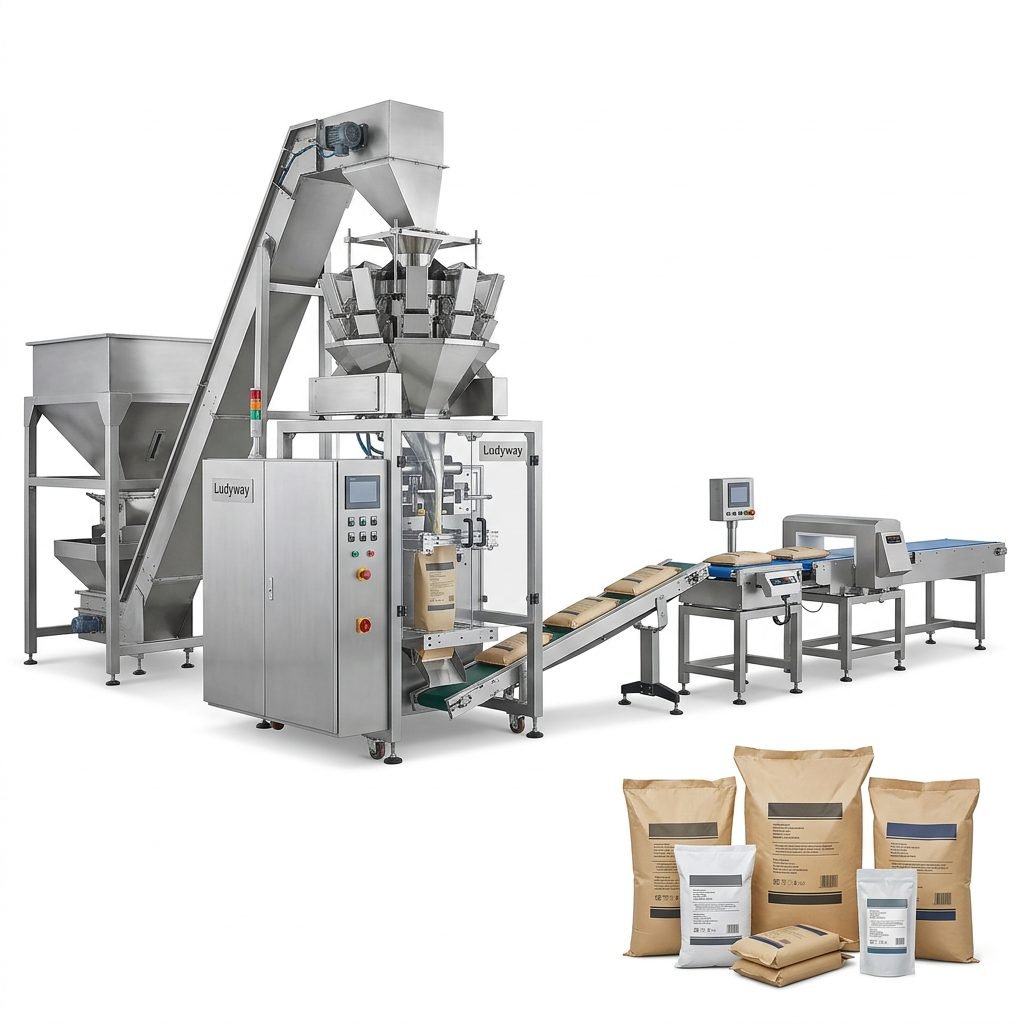
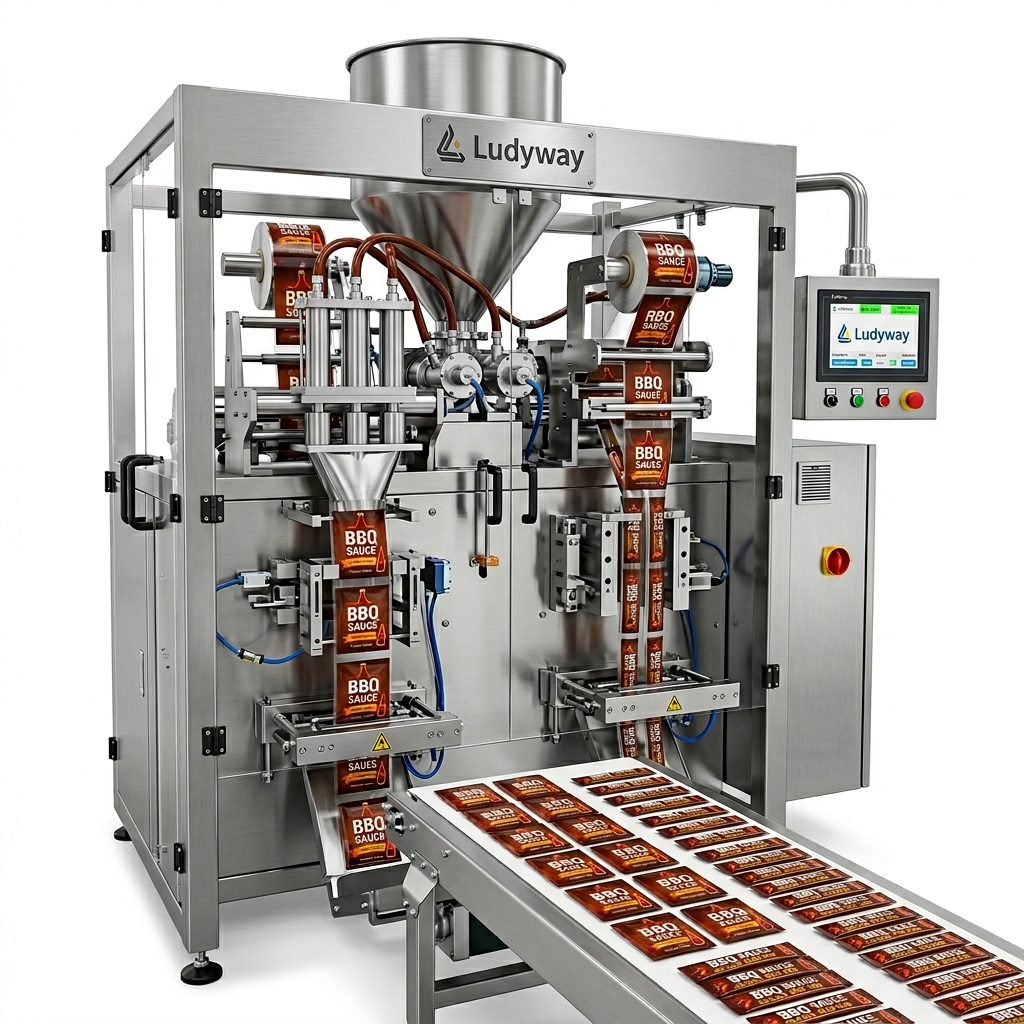
Investing in a packaging machine is a significant decision for any manufacturer. Whether you are upgrading an existing production line or automating a manual process, selecting the right equipment directly impacts your throughput, product quality, and long-term operational costs. Oliver packaging machines have earned a reputation for reliability in food and bakery packaging applications, but finding the right model requires careful evaluation of your specific production environment.
This guide walks you through the essential factors to consider before purchasing an Oliver packaging machine, helping you make an informed decision that aligns with your production goals.
Understanding Your Production Requirements
Before comparing machine specifications, you need a clear picture of what your packaging line demands. Start by documenting your current and projected production volumes, packaging formats, and product characteristics. Many manufacturers underestimate the importance of this preliminary assessment and end up with equipment that cannot scale with their growth.
Key questions to evaluate:
- What is your target output per minute or hour?
- What packaging format does your product require — bags, pouches, trays, or clamshells?
- What are the physical properties of your product (size, shape, fragility, temperature sensitivity)?
- Do you need automated feeding and loading systems or will manual loading suffice?
- What level of automation is appropriate for your current workforce and facility layout?
Answering these questions establishes a baseline that guides every subsequent decision in the selection process.
Types of Oliver Packaging Machines and Their Applications
Oliver packaging equipment spans several categories, each designed for specific packaging tasks. Understanding the differences helps narrow your options quickly.
Horizontal Form Fill Seal (HFFS) Machines
These machines are widely used for packaging bakery products, snacks, and confectionery. Oliver’s horizontal wrapping systems handle products like bread loaves, cookies, and pastries with precise film control and gentle product handling. They create three-side-seal or fin-seal packages suitable for retail display.
Tray Sealing and Overwrapping Systems
For products requiring rigid tray packaging with film overwrap, Oliver tray sealers provide excellent seal integrity and presentation. These systems are commonly found in in-store bakeries, commissaries, and food processing facilities where product visibility and freshness are priorities.
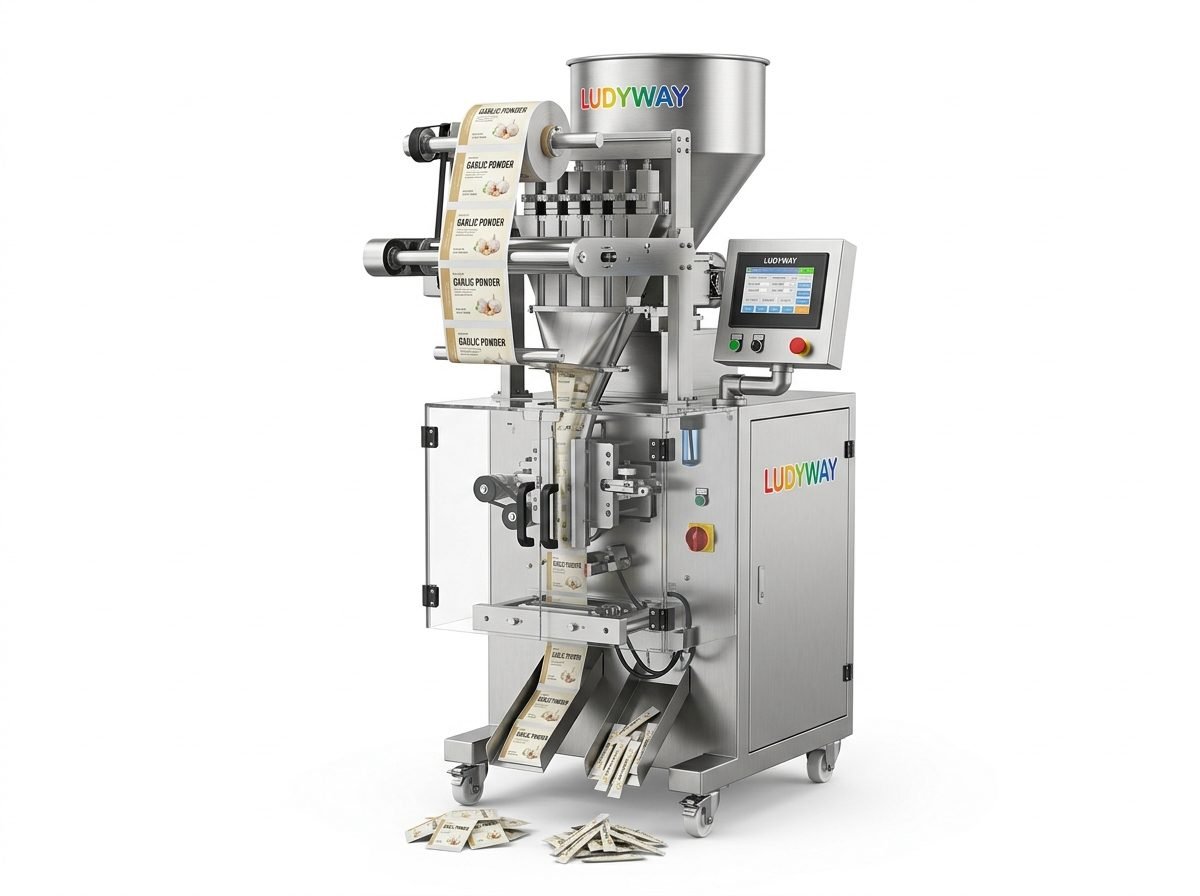
Automatic Bagging and Pouch Packaging
Oliver’s automatic bagging machines handle a range of bag styles including pre-made bags, wicketed bags, and roll-stock film. These versatile systems accommodate products from loose bakery items to medical devices and component parts.
Critical Specifications to Compare
When evaluating Oliver packaging machine models, several technical specifications deserve close attention. These parameters determine whether a machine can meet your production targets and quality standards.
| Specification | Why It Matters | Recommended Range |
|---|---|---|
| Speed (packages/min) | Determines throughput and production capacity | Match to peak demand plus 20% headroom |
| Film Width Range | Defines package size flexibility | Should cover all current and planned SKUs |
| Sealing Temperature Control | Affects seal integrity and film compatibility | Digital PID control with ±1°C accuracy |
| Changeover Time | Impacts efficiency for multi-SKU operations | Under 15 minutes for typical format changes |
| Power Requirements | Must match your facility’s electrical supply | Verify voltage, phase, and amperage compatibility |
Beyond these core specifications, consider the machine’s construction materials. Stainless steel frames and food-grade components are essential for food packaging applications, while washdown-rated designs may be necessary for facilities with strict sanitation requirements.
Evaluating Build Quality and Reliability
A packaging machine represents a long-term investment, and build quality directly correlates with uptime and maintenance costs. When assessing Oliver machines, examine the following:
- Frame construction: Heavy-gauge stainless steel or powder-coated steel resists corrosion and vibration
- Sealing jaw design: Precision-machined jaws with uniform heating ensure consistent seal quality
- Drive system: Servo-driven systems offer superior accuracy and programmability compared to mechanical drives
- Electrical components: Brand-name PLCs, sensors, and HMIs from suppliers like Siemens or Allen-Bradley indicate quality
- Bearing and guide systems: Sealed bearings and hardened guide rails extend service life
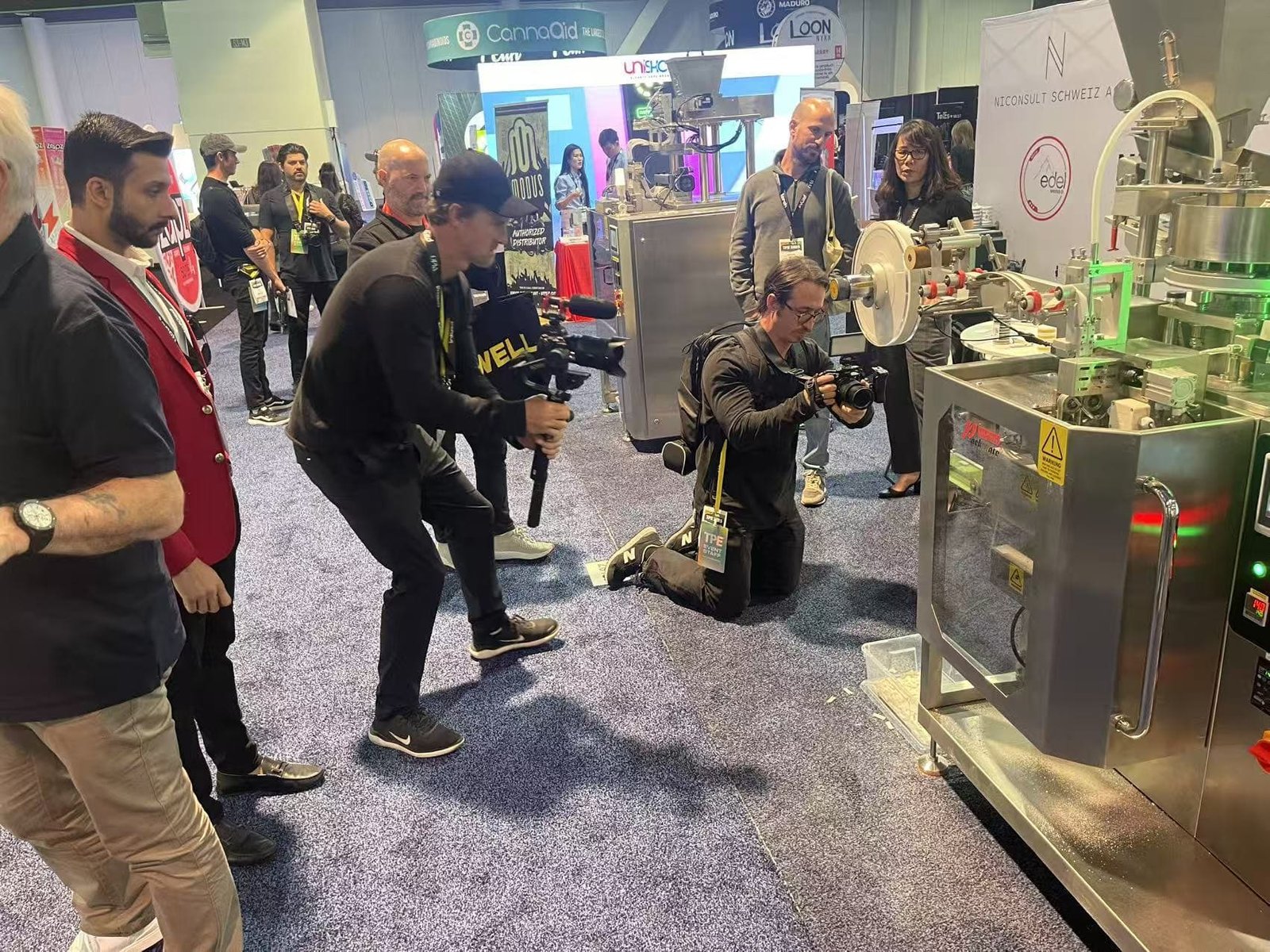
Request references from current users and, if possible, visit an installation to observe the machine in daily operation. Pay attention to noise levels, ease of access for maintenance, and overall operator interaction with the equipment.
Integration with Existing Production Lines
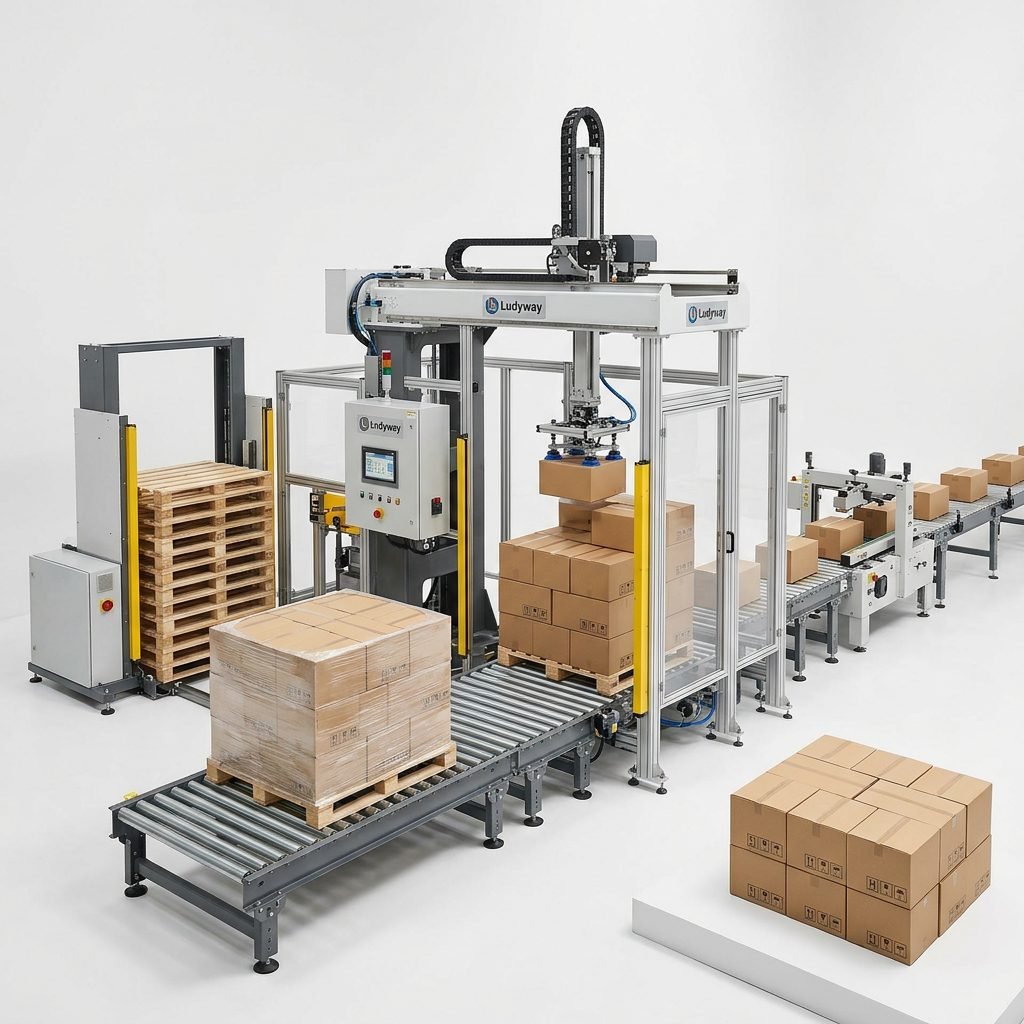
An Oliver packaging machine rarely operates in isolation. It must integrate with upstream product feeding systems and downstream equipment such as checkweighers, metal detectors, coding systems, and case packers. Before finalizing your selection, map out the complete line layout and confirm compatibility with existing equipment.
Line Integration Checklist
- Confirm physical dimensions fit within available floor space
- Verify conveyor heights match or can be adjusted
- Ensure communication protocols are compatible (Ethernet/IP, Profinet, etc.)
- Plan for buffer zones between machines to handle minor stoppages
- Consider future expansion — can additional lanes or modules be added?
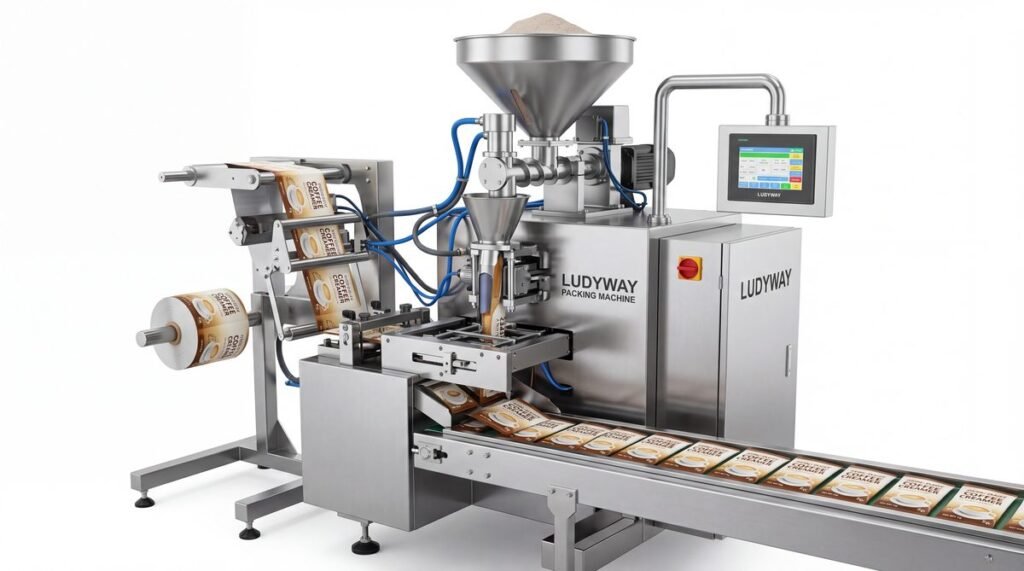
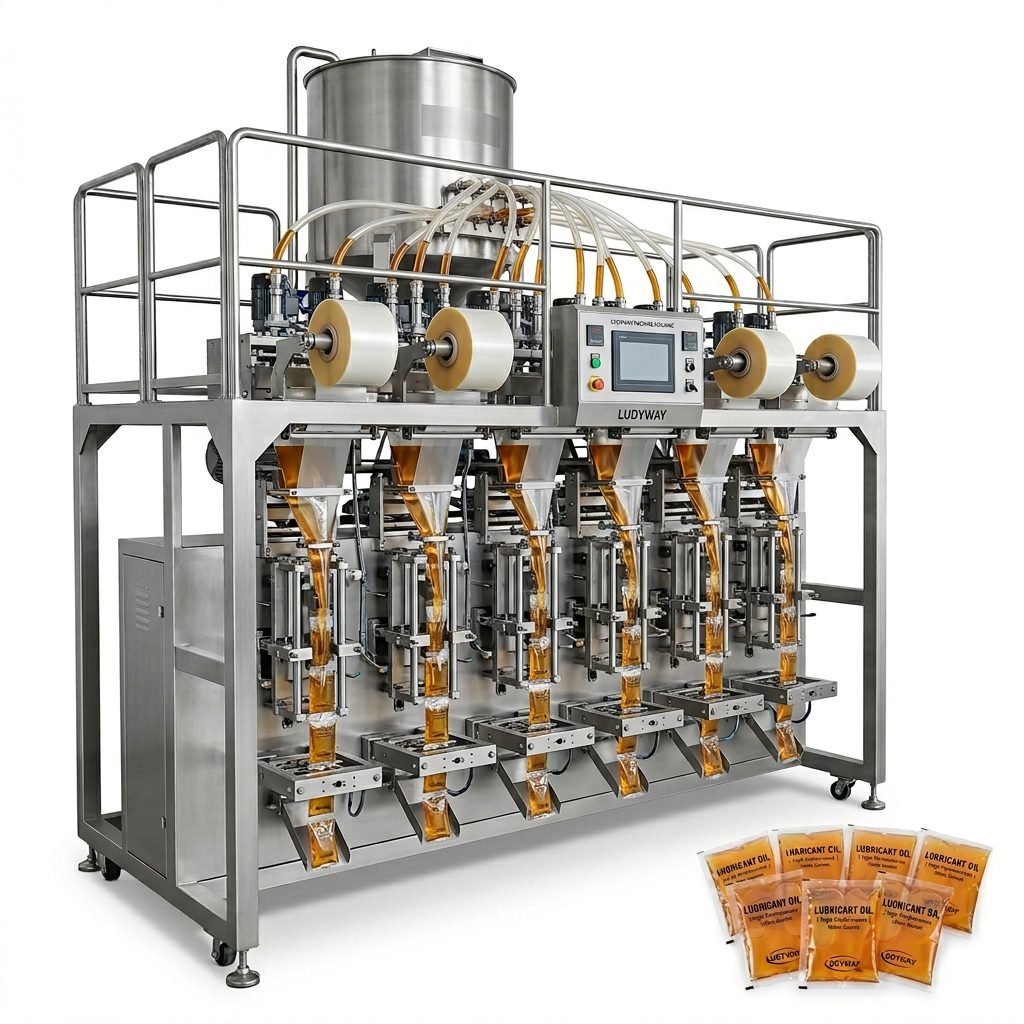
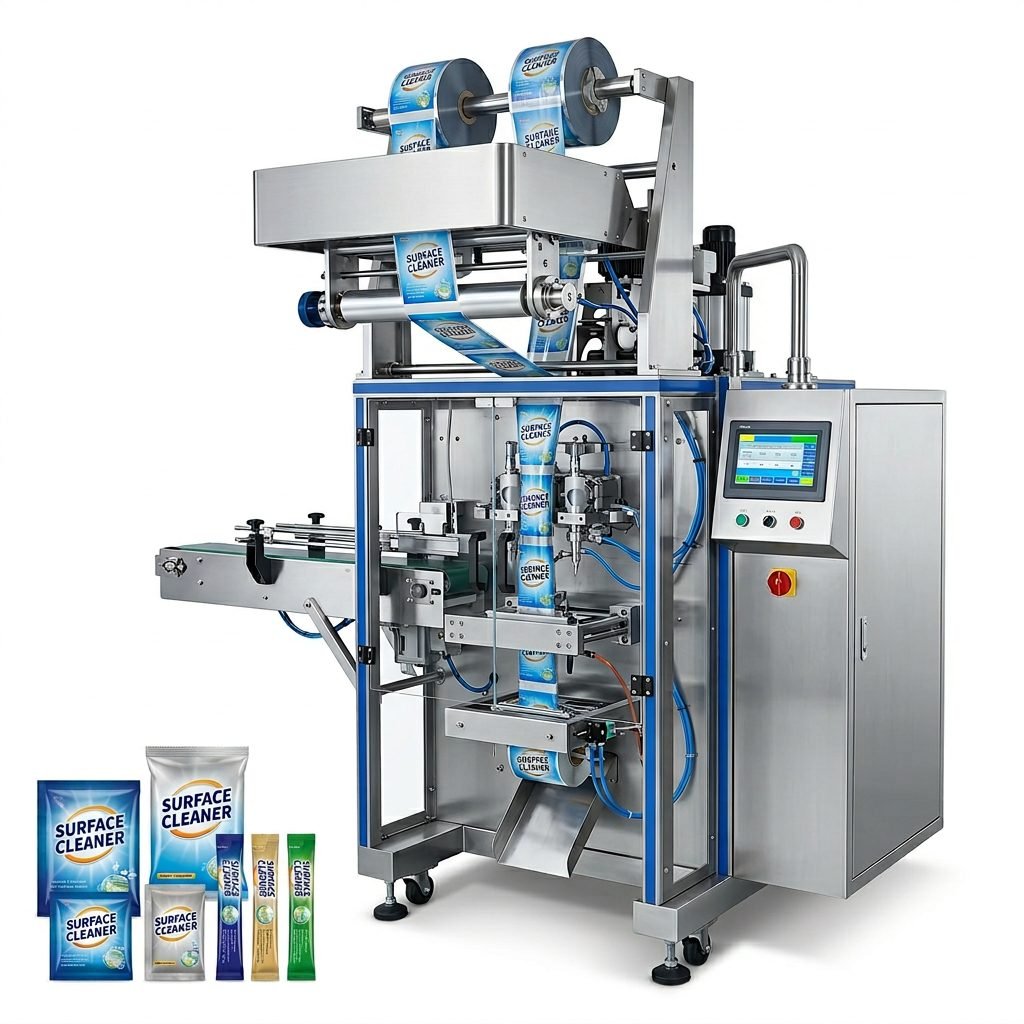
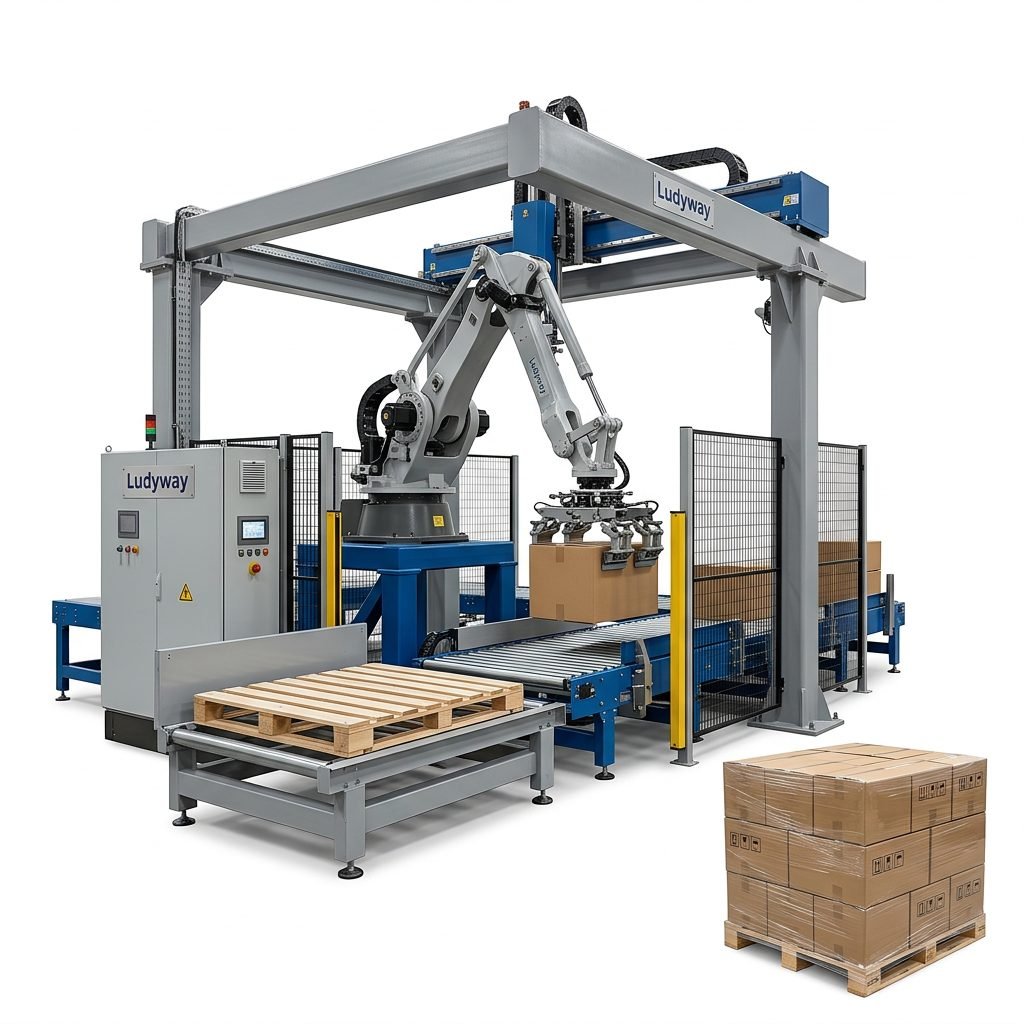
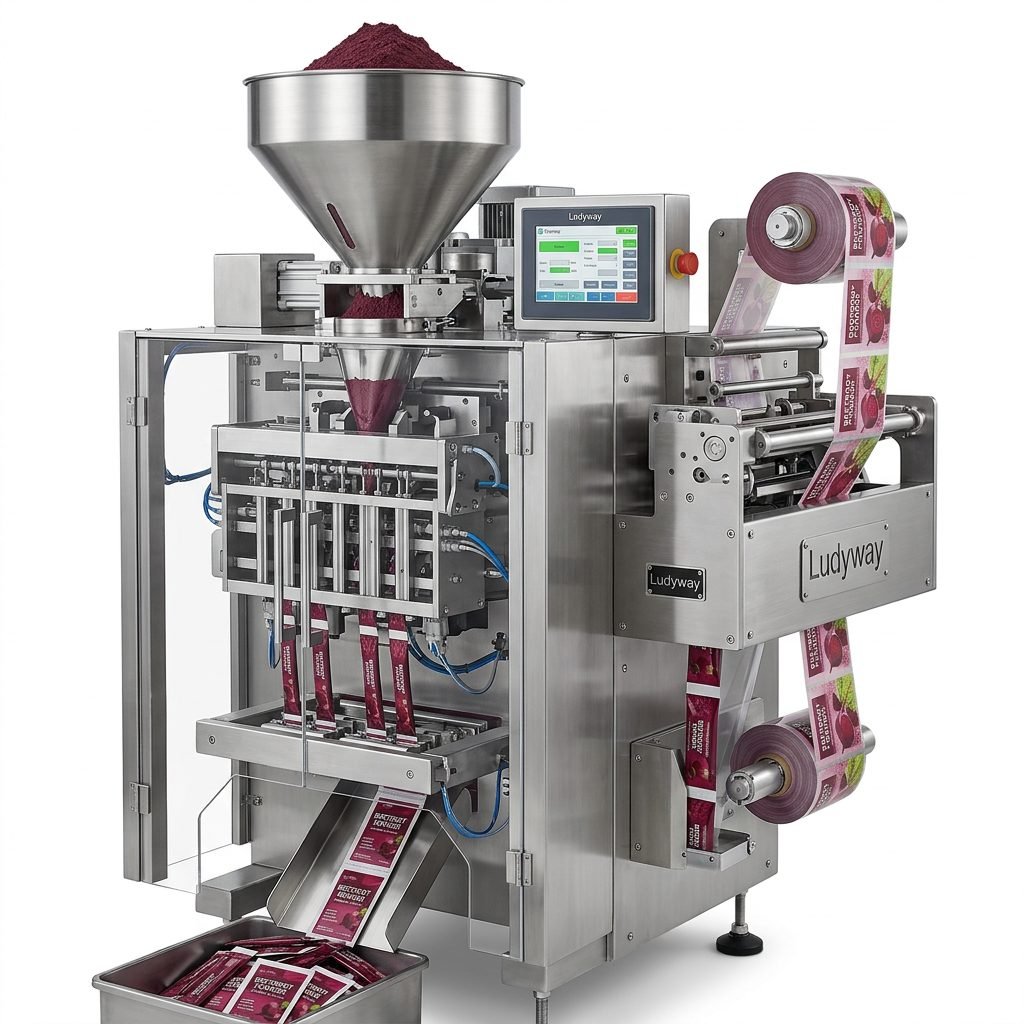
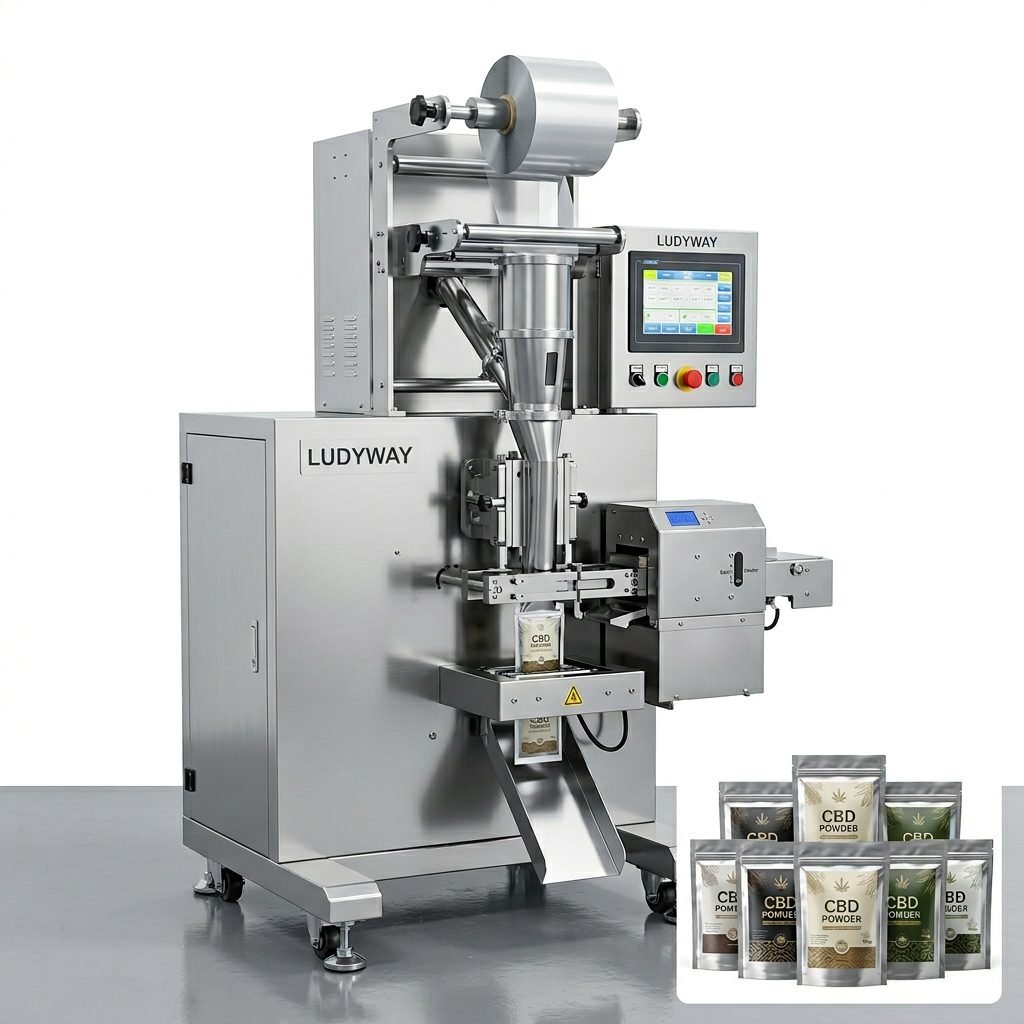
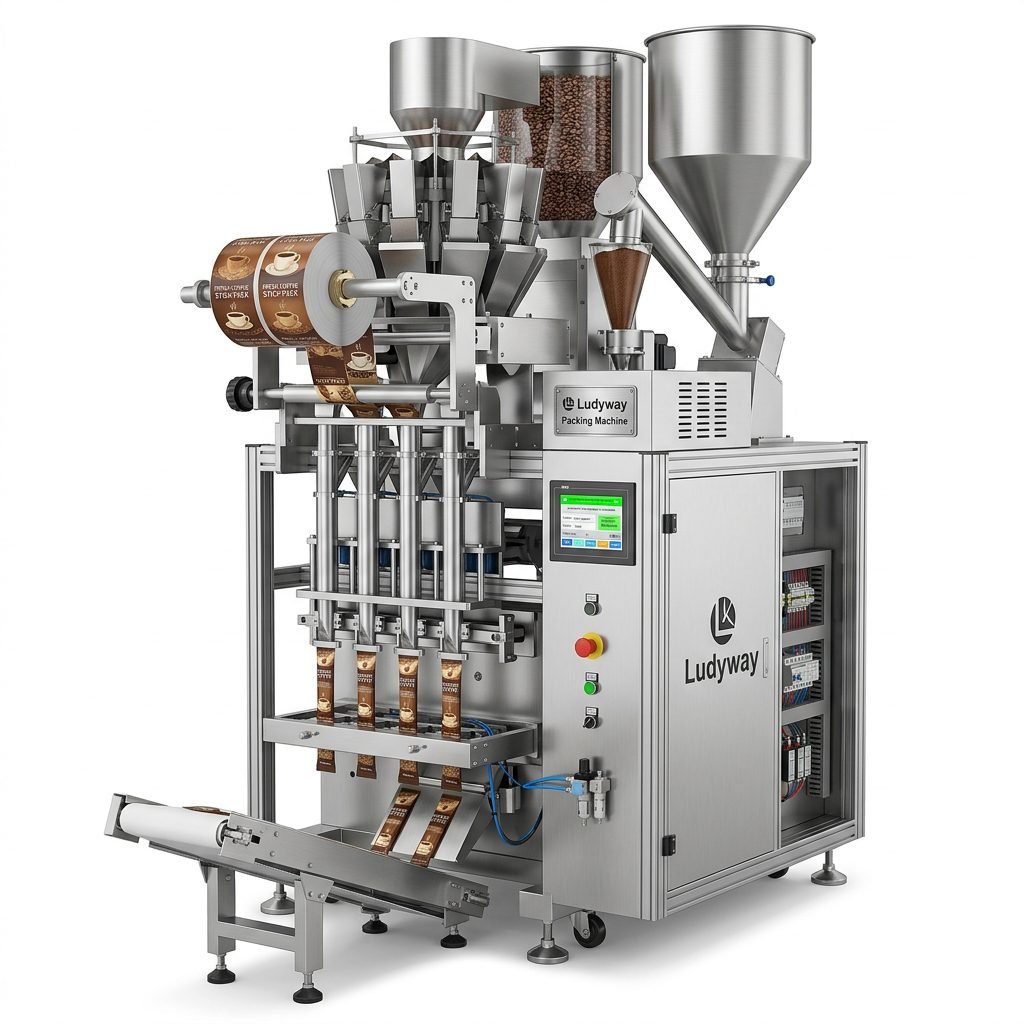
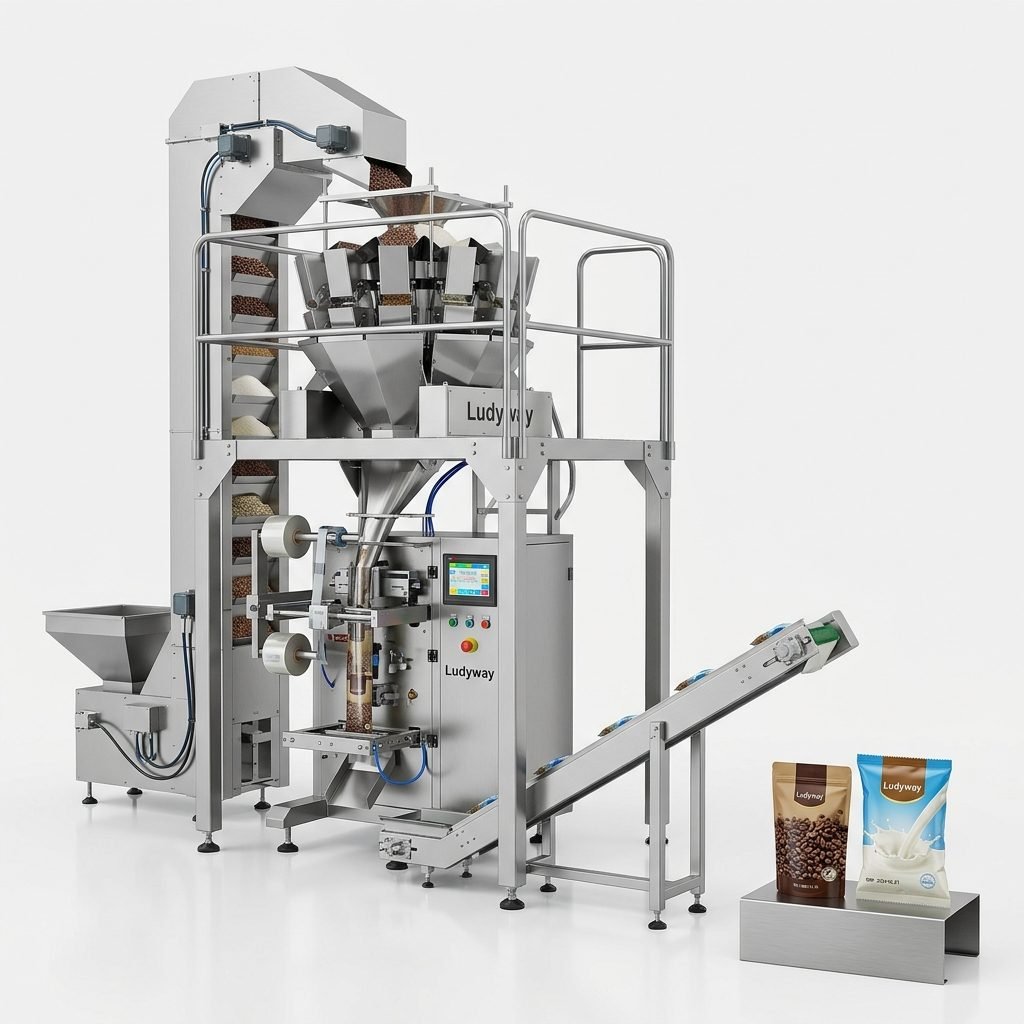
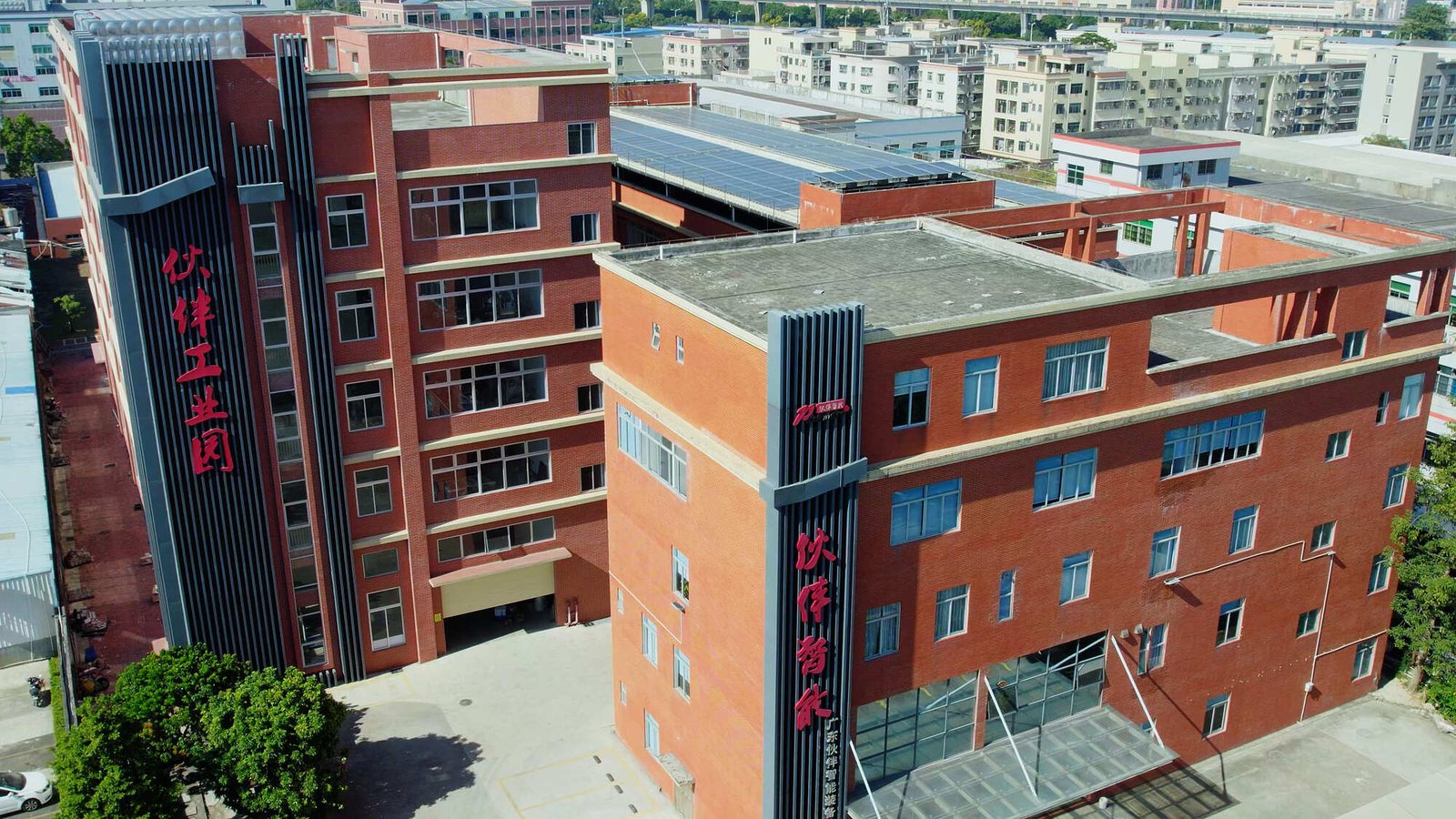
For manufacturers seeking a more comprehensive approach, working with a single-source packaging machinery partner can simplify integration. For instance, Ludyway Machinery, a China-based packaging equipment manufacturer with over 30 years of experience, provides integrated packaging systems and turnkey production line solutions that connect multiple stages of the packaging process — from feeding and dosing through sealing, coding, inspection, and palletizing. This approach reduces the complexity of coordinating multiple equipment suppliers.
Service, Support, and Spare Parts Availability
The availability of technical support and genuine spare parts significantly affects long-term machine performance. Before purchasing, investigate the following support infrastructure:
| Support Element | What to Look For |
|---|---|
| Local Service Network | Authorized technicians within your region for rapid response |
| Spare Parts Inventory | Common wear parts stocked locally with overnight shipping options |
| Training Programs | On-site operator and maintenance training during installation |
| Remote Assistance | VPN-based remote diagnostics for troubleshooting without on-site visits |
| Warranty Coverage | Minimum 12-month warranty on parts and labor with extended options |
Ask about typical response times for service calls and whether the supplier maintains a documented preventive maintenance schedule. Proactive maintenance reduces unexpected downtime and extends machine life.
Total Cost of Ownership Considerations
The purchase price of an Oliver packaging machine is only one component of its total cost. A thorough cost analysis should account for all expenses over the expected service life of the equipment — typically 10 to 15 years for well-maintained packaging machinery.
Key Cost Factors Beyond Purchase Price
- Installation and commissioning: Site preparation, rigging, electrical connections, and initial setup
- Operator training: Time and resources needed to bring operators to full proficiency
- Packaging material waste: Machines with poor film control generate more scrap during startups and changeovers
- Energy consumption: Servo-driven systems typically consume less power than pneumatic or mechanical alternatives
- Scheduled maintenance: Replacement of wear parts such as sealing elements, belts, and bearings
- Unplanned downtime: Lost production during repairs — often the largest hidden cost
A machine with a higher initial price but lower operating costs and better reliability often delivers superior long-term value compared to a lower-cost alternative with higher maintenance requirements.
Regulatory Compliance and Certifications
Depending on your industry and target markets, packaging equipment may need to comply with specific safety and hygiene standards. Food and pharmaceutical manufacturers face particularly stringent requirements.
- Food contact compliance: Materials must meet FDA food contact substance regulations for U.S. markets
- CE marking: Required for equipment sold in European Economic Area markets
- UL certification: Electrical safety certification for North American installations
- ISO standards: Relevant packaging standards under ISO ICS 55 for packaging machinery
- GMP compatibility: Design features that support Good Manufacturing Practice requirements
Verify certification status directly with the equipment supplier and request documentation before finalizing your purchase. Retrofitting compliance features after installation is almost always more expensive than specifying them upfront.
Making the Final Decision
After evaluating machine specifications, build quality, integration requirements, support infrastructure, and total cost, you should have a clear picture of which Oliver packaging machine model best fits your operation. Before signing the purchase agreement:
- Conduct a factory acceptance test (FAT) — run your actual products and packaging materials on the machine
- Review the complete quotation — confirm all components, options, and services are included
- Negotiate service terms — clarify response times, spare parts pricing, and extended warranty options
- Plan the installation timeline — coordinate site preparation, utilities, and operator availability
- Document performance guarantees — ensure speed, efficiency, and quality metrics are contractually defined
Choosing the right packaging machine requires balancing current needs with future growth plans. Equipment that barely meets today’s requirements may become a bottleneck within two to three years. The most successful packaging investments are those that provide sufficient capacity headroom while maintaining the flexibility to accommodate new products and packaging formats as your business evolves.
For additional guidance on packaging machinery selection, industry trends, and technical standards, resources from organizations like the Association for Packaging and Processing Technologies (PMMI) and the Flexible Packaging Association offer valuable insights and industry data to support your decision-making process.