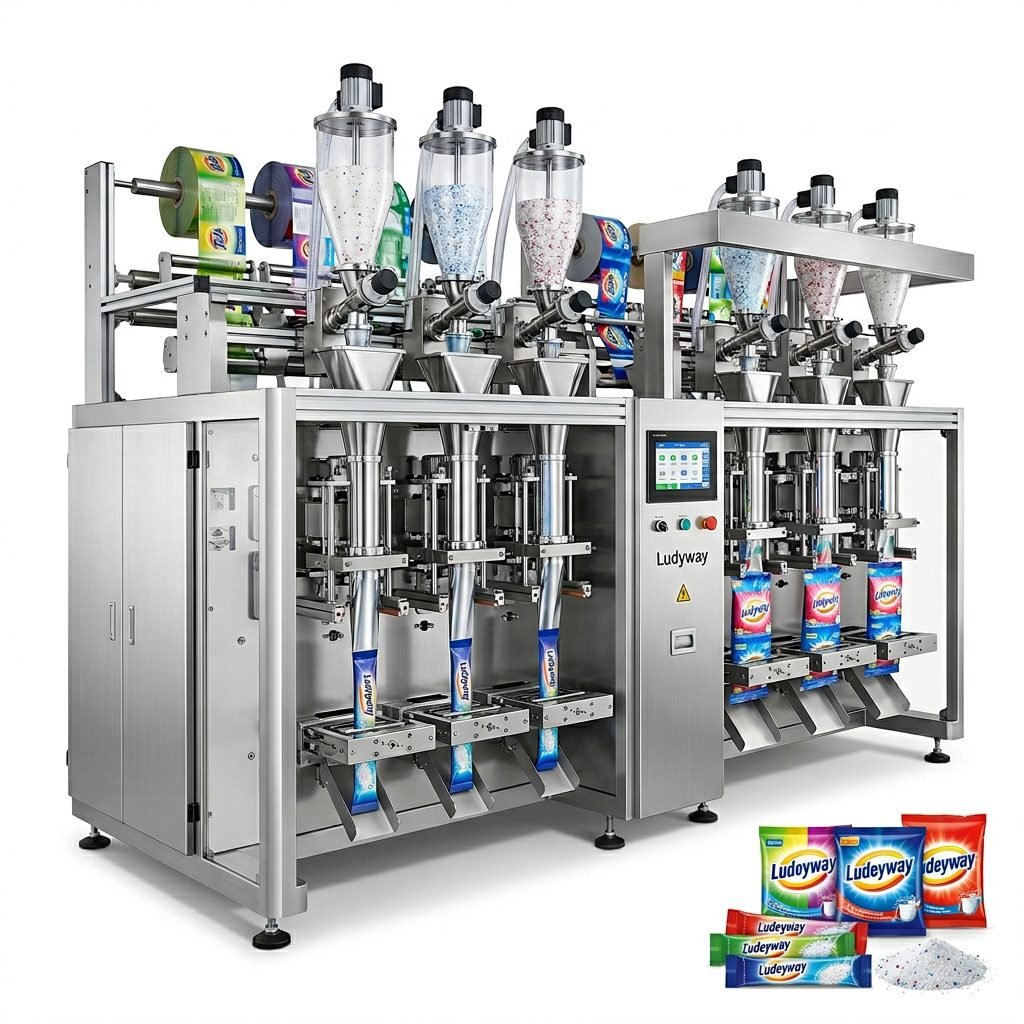
The milk powder industry in Southeast Asia is experiencing rapid growth, driven by rising consumer demand across Indonesia, Vietnam, Thailand, the Philippines, and Malaysia. Selecting the right milk powder packaging machine is a critical decision that directly impacts product shelf life, production efficiency, and compliance with local food safety regulations. With the region’s unique climate challenges—high humidity and elevated temperatures—hermetic sealing and moisture barrier protection become non-negotiable requirements for any packaging system handling hygroscopic milk powder.
Understanding Southeast Asia’s Milk Powder Packaging Landscape
The Southeast Asian market presents unique operational demands that differ significantly from Western markets. Production facilities often operate in environments where ambient humidity exceeds 80%, making nitrogen flushing systems and multi-layer film compatibility essential features. When evaluating a milk powder packaging machine, manufacturers must prioritize equipment that delivers consistent seal integrity under variable voltage conditions common in emerging Southeast Asian economies.
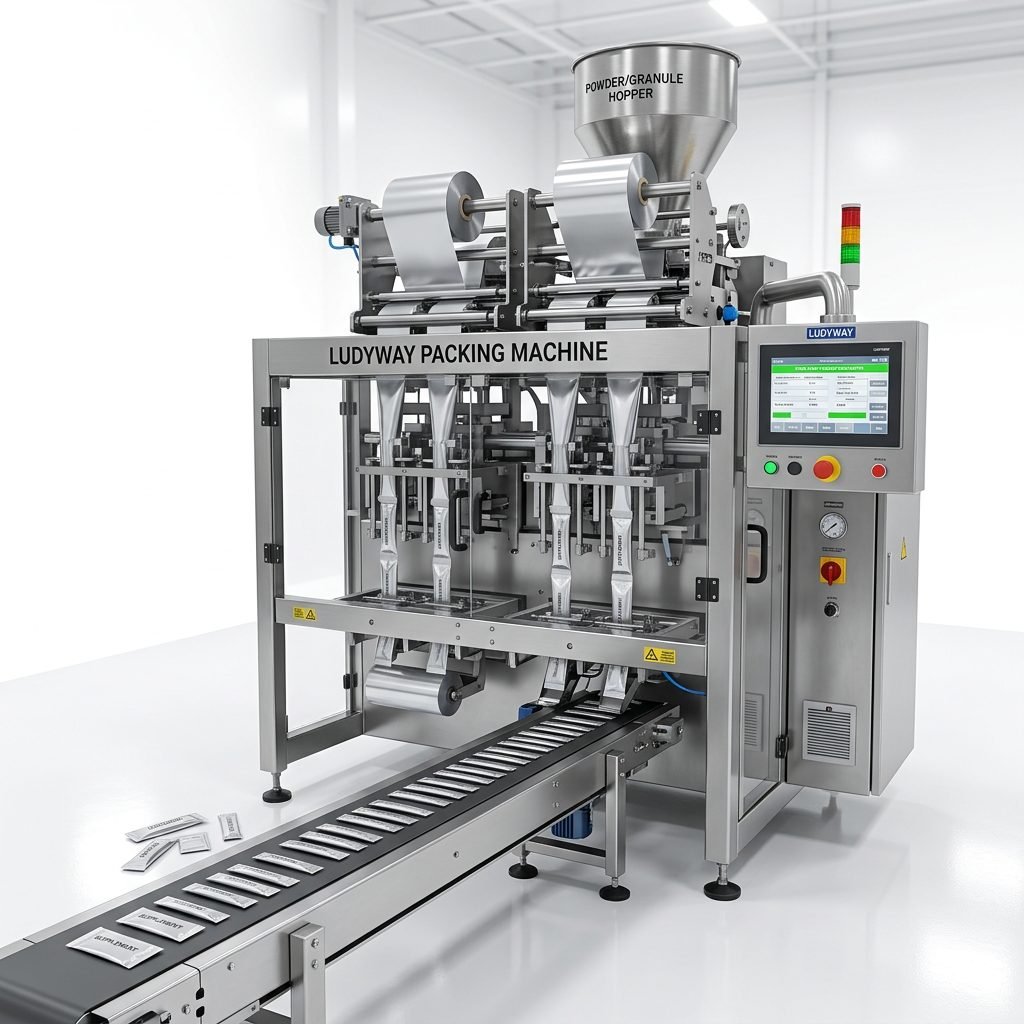
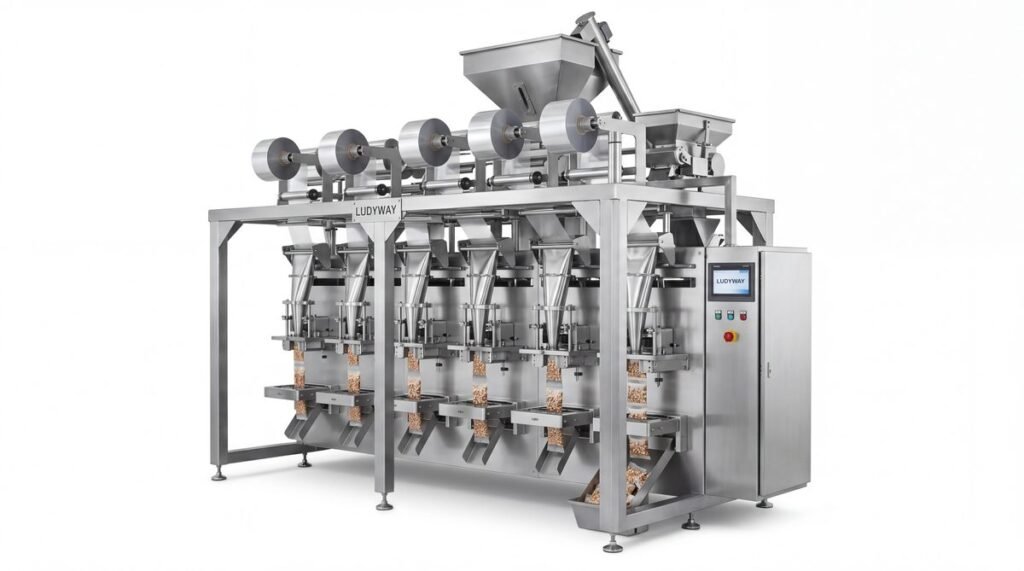
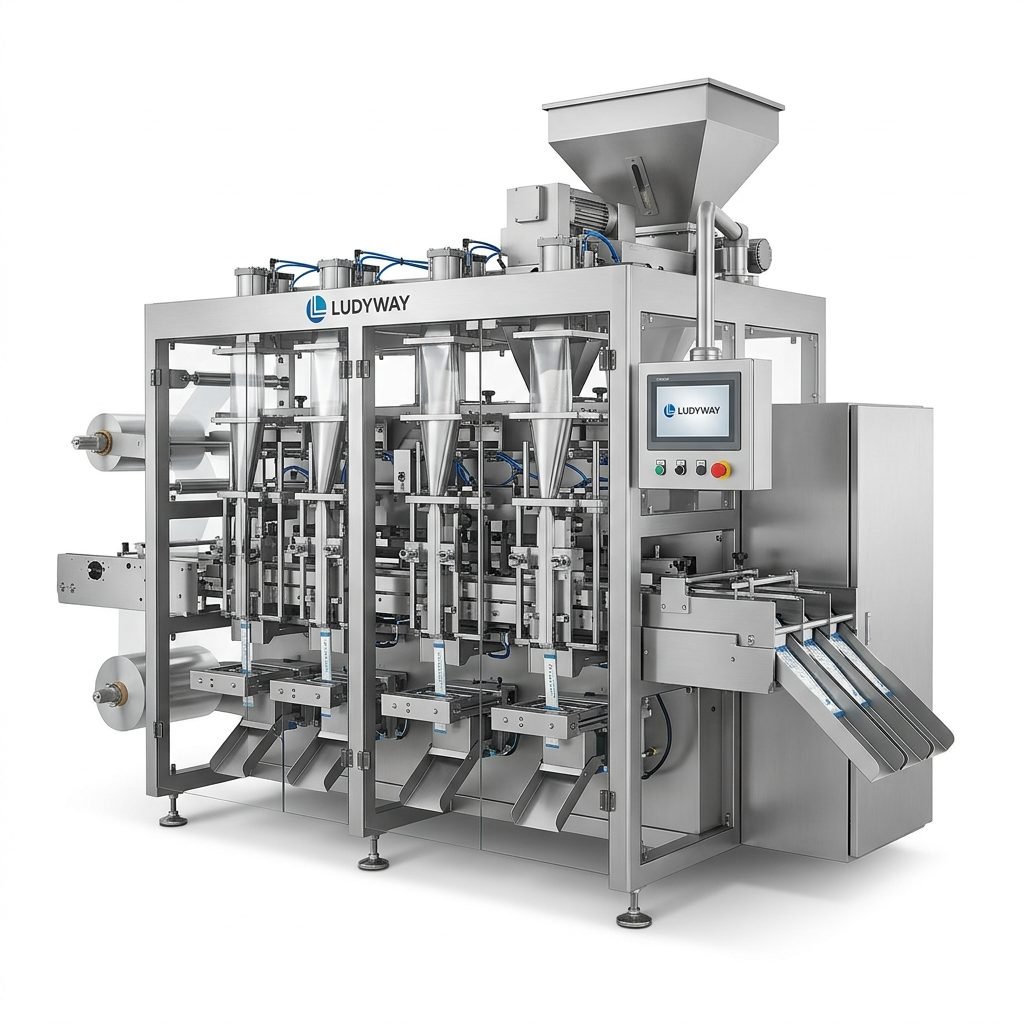
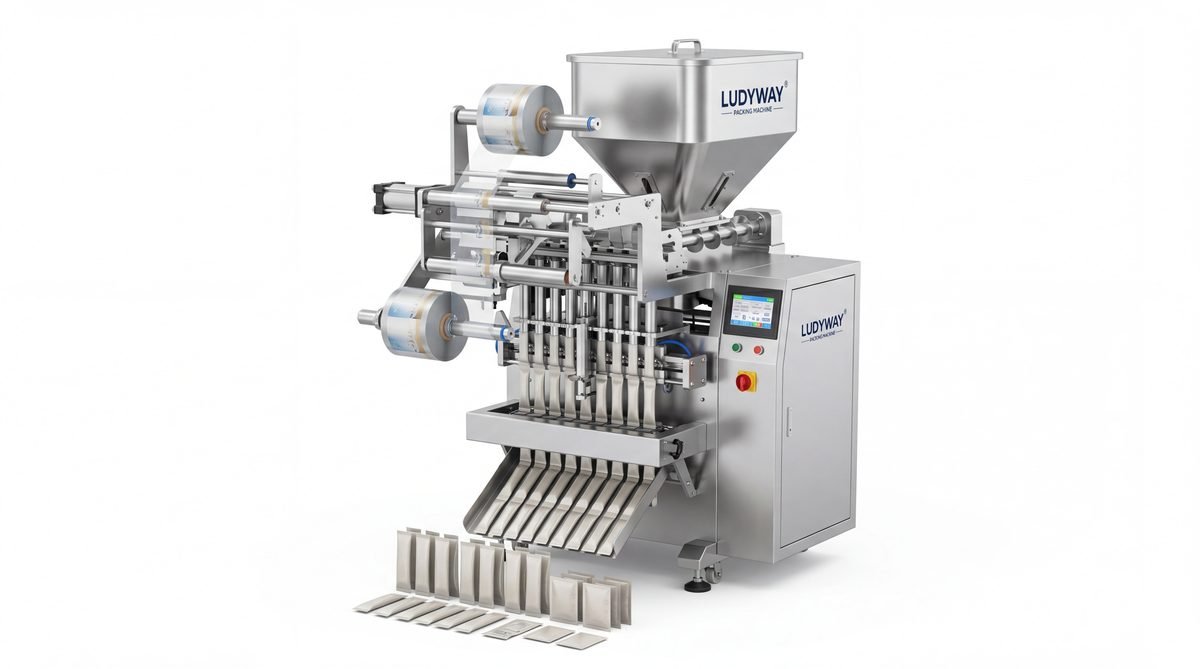
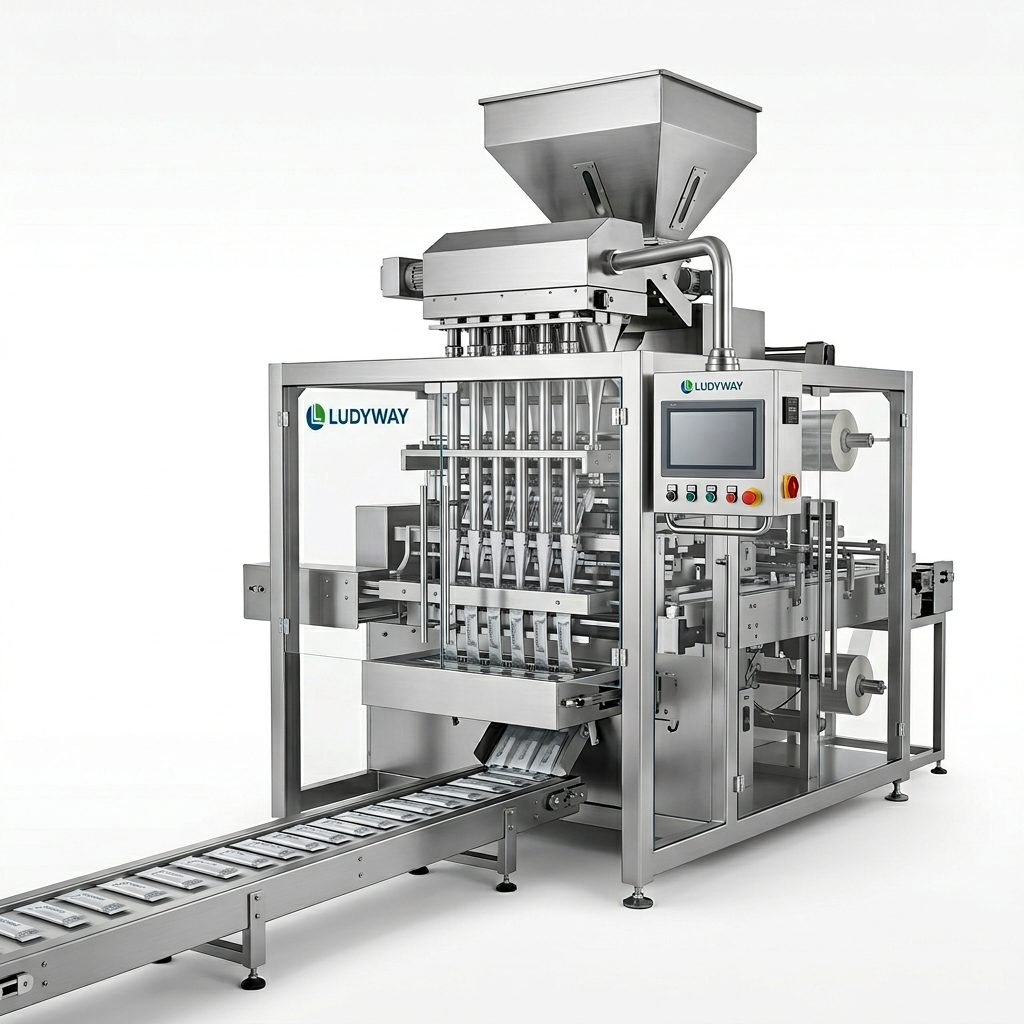
The region’s diverse packaging formats—from single-serve sachets popular in traditional markets to premium resealable pouches in modern retail—require versatile machinery capable of handling multiple bag styles. A multi-lane stick pack machine offers the flexibility needed to serve both economy and premium market segments simultaneously, maximizing return on equipment investment.
Key Technical Specifications to Evaluate
Before investing in packaging equipment, procurement managers should conduct a thorough assessment of the following critical performance parameters that directly affect milk powder quality and operational costs:
1. Filling Accuracy and Speed Requirements
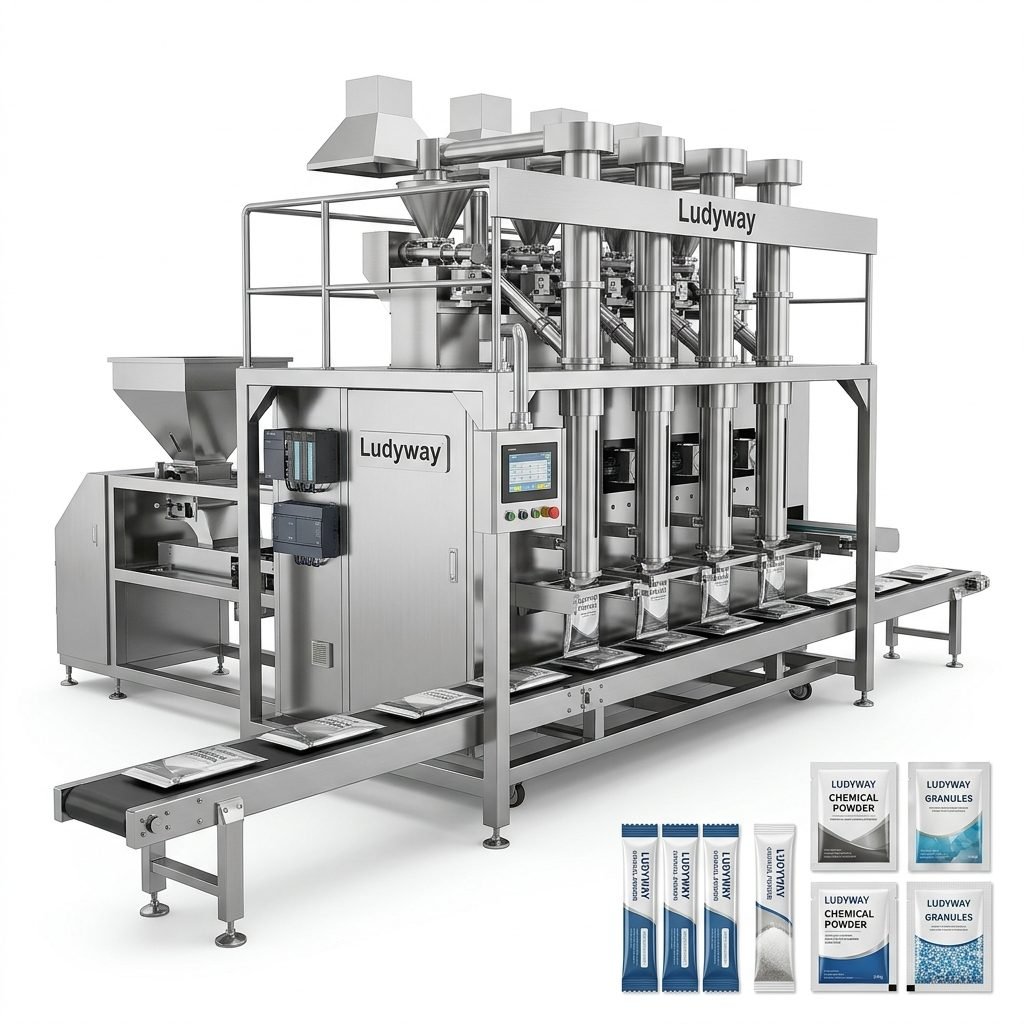
Milk powder’s variable flow characteristics demand precision auger filling systems with servo-driven controls. Modern machines achieve filling accuracy of ±0.5% to ±1%, which translates to significant material savings over high-volume production runs. For Southeast Asian manufacturers targeting export markets, compliance with international weighing standards becomes a competitive advantage.
2. Sealing Technology and Film Compatibility
The effectiveness of heat sealing directly determines product protection against Southeast Asia’s tropical climate. Three-side seal and four-side seal configurations each offer distinct advantages depending on the target shelf life. Machines equipped with automatic temperature compensation maintain consistent seal quality even during ambient temperature fluctuations, reducing rejection rates and material waste.
3. Gas Flushing and Modified Atmosphere Packaging
Extended shelf life in humid conditions requires integrated nitrogen or CO₂ flushing systems. The best powder packaging machines incorporate gas flushing with residual oxygen monitoring, ensuring oxygen levels remain below 1% inside each package—a critical threshold for preventing oxidative degradation of milk powder.
Comparing Packaging Machine Types for Milk Powder
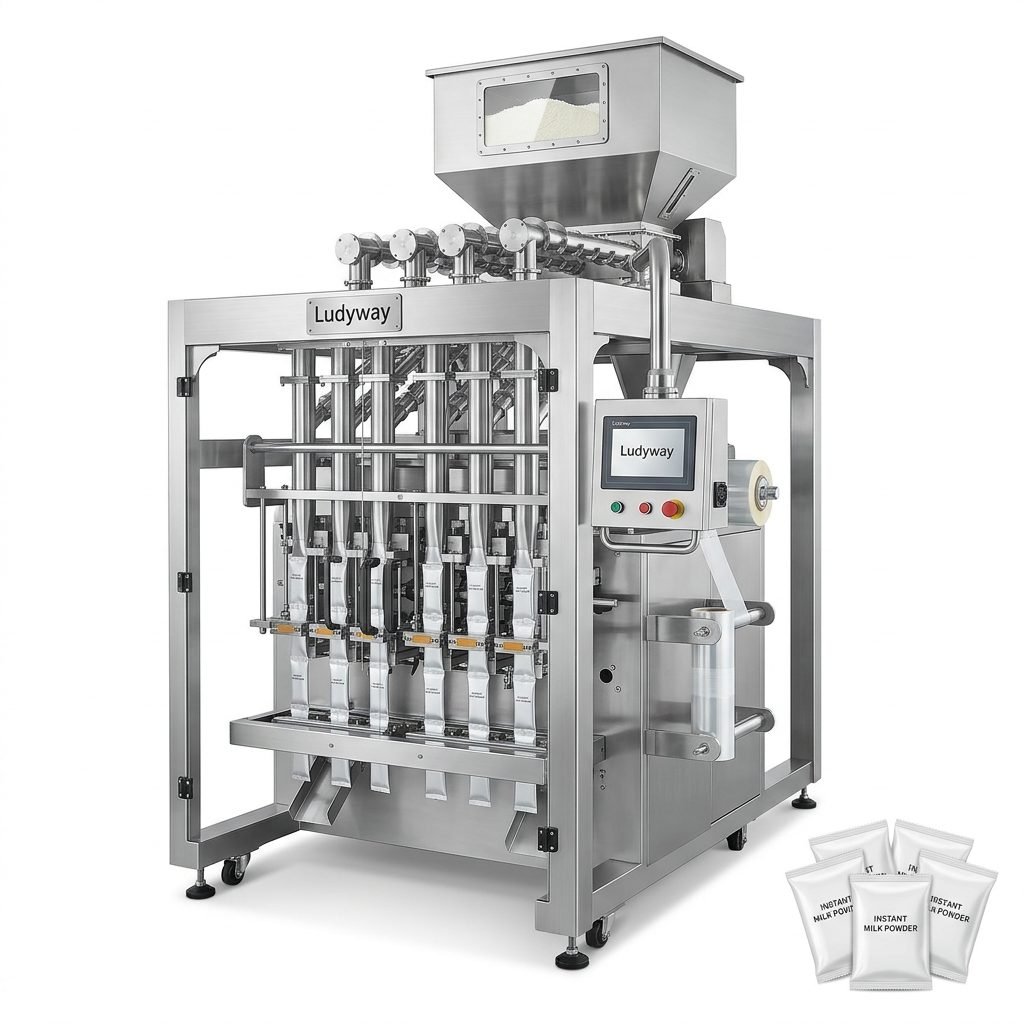
The selection of the appropriate machine type depends on production volume, target packaging format, and available floor space. The following comparison highlights the key differentiators among popular configurations used in Southeast Asian dairy facilities:
| Machine Type | Best For | Speed Range | Investment Level |
|---|---|---|---|
| Multi-Lane Stick Pack | Single-serve, high-volume export | 400-800 packs/min | High |
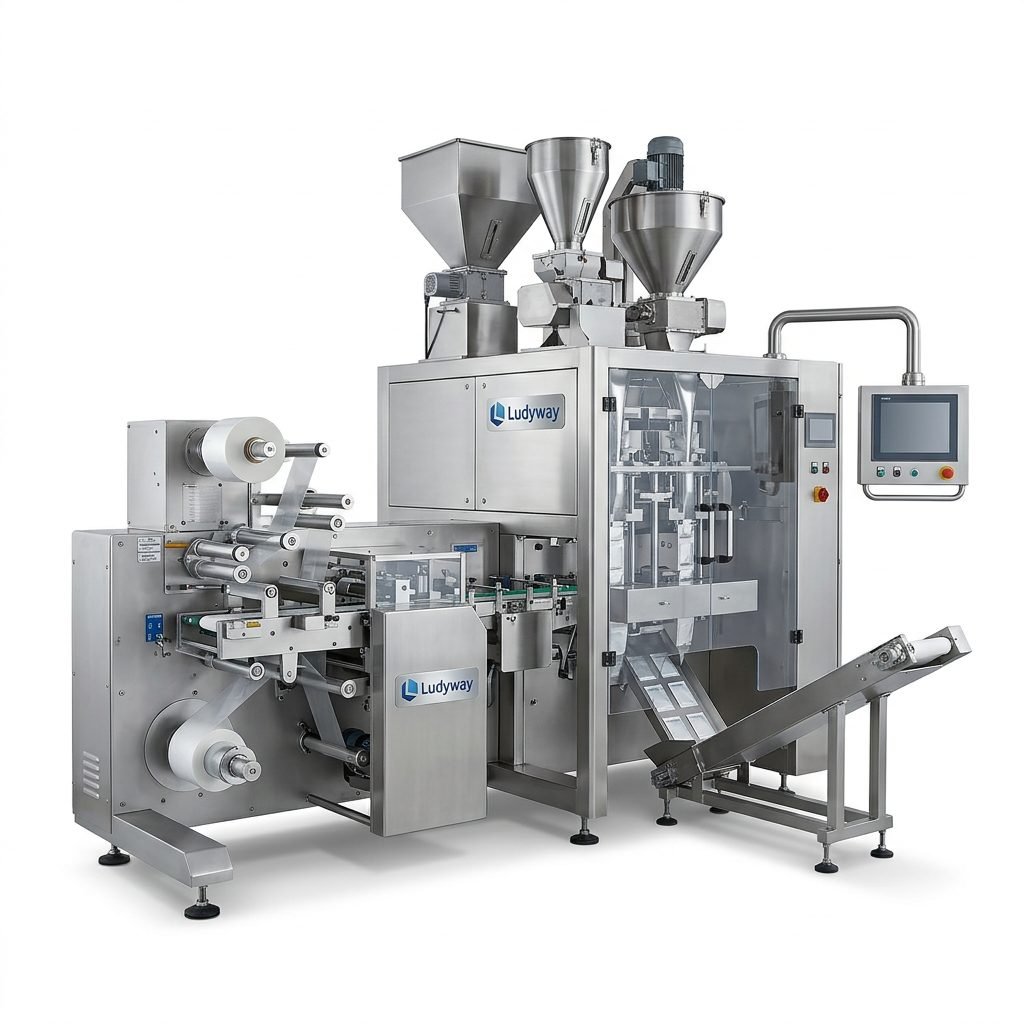
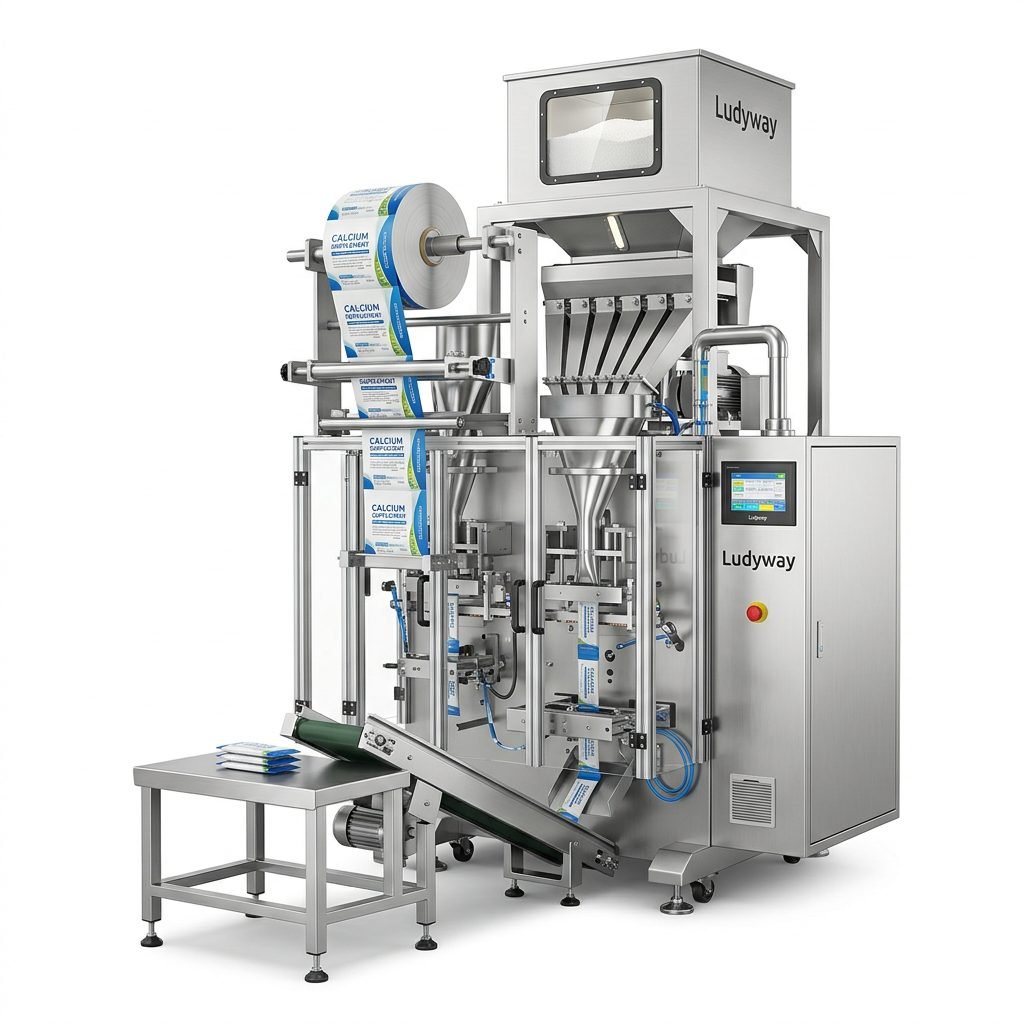
| Vertical Form Fill Seal | Versatile pouch sizes, mid-volume | 40-120 packs/min | Medium |
| Premade Pouch Rotary | Premium retail, gusseted bags | 30-60 packs/min | Medium-High |
| Canister Filling Line | Infant formula, premium segment | 20-50 cans/min | Very High |
Critical Features for Southeast Asian Production Environments
Operating conditions in the region demand equipment designed with tropicalization in mind. The following features should be considered mandatory rather than optional when selecting a milk powder packaging solution:
- Stainless Steel Construction: SUS304 or SUS316L food-grade stainless steel prevents corrosion in high-humidity environments and meets ASEAN food contact material regulations.
- IP65-Rated Electrical Cabinets: Protection against dust ingress and moisture is essential when processing fine milk powder particles in tropical settings.
- Quick-Change Parts: Tool-free changeover systems minimize downtime when switching between different powder formulations or packaging formats.
- Dust Extraction Integration: Built-in dust collection prevents powder buildup on sealing jaws and extends maintenance intervals significantly.
- Servo-Driven Motion Control: Precise electronic synchronization eliminates mechanical wear points common in cam-driven systems, reducing spare parts inventory.
- Multi-Language HMI Interface: Operator panels supporting Bahasa Indonesia, Thai, Vietnamese, and English facilitate training across diverse workforces.
Regulatory Compliance and Food Safety Standards
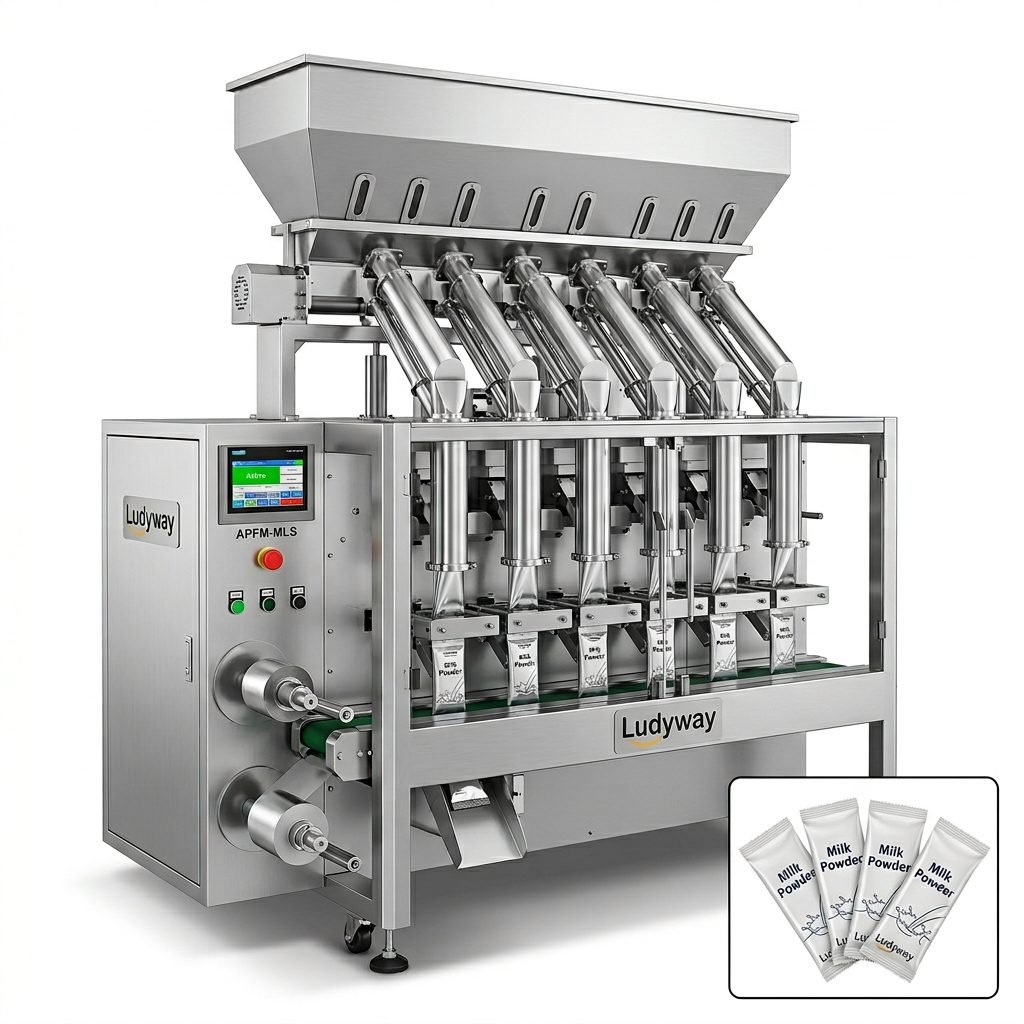
Southeast Asian markets are increasingly aligning with international food safety frameworks. When procuring a packaging machine for milk powder, verify the following compliance aspects with your supplier:
ASEAN Food Safety Requirements
The ASEAN Food Safety Policy and individual national regulations—such as BPOM in Indonesia and FDA Thailand—require validated cleaning procedures and traceability systems. Equipment designed for Clean-in-Place (CIP) compatibility simplifies compliance audits and reduces cross-contamination risks between production batches.
International Certification Considerations
For manufacturers exporting beyond Southeast Asia, CE marking, ISO 22000, and HALAL certification compatibility of packaging machinery carry significant weight. Machines constructed with hygienic design principles that meet ISO packaging standards provide the foundation for obtaining these certifications with minimal retrofitting expense.
Total Cost of Ownership Analysis
While the initial purchase price attracts immediate attention, long-term operational costs typically represent 70-80% of total equipment expenditure over a 10-year lifecycle. Southeast Asian buyers should evaluate:
- Energy consumption profiles under local utility rate structures
- Spare parts availability and lead times from regional service centers
- Film material waste rates during start-up and changeover sequences
- Technical support response times in local languages
- Operator training requirements and ongoing skill development costs
Maintenance and After-Sales Support in Southeast Asia
The availability of local technical support teams significantly influences machine uptime. Leading suppliers maintain regional service hubs in key markets like Bangkok, Ho Chi Minh City, and Jakarta. When evaluating vendors, request documented Mean Time Between Failures (MTBF) data and service level agreements tailored to Southeast Asian time zones and languages.
Industry Insights and Market Resources
Staying informed about packaging technology developments helps manufacturers maintain competitive advantage. Industry organizations provide valuable data on market trends and technological innovations relevant to milk powder packaging in Southeast Asia:
- PMMI Business Intelligence — Comprehensive packaging machinery market research and industry reports
- Flexible Packaging Association Resources — Technical data on flexible packaging materials and film technologies
- FDA Food Packaging Guidance — Regulatory standards for food contact materials and packaging safety
- PACK EXPO International — Global packaging industry exhibition showcasing the latest machinery innovations
Making the Final Selection Decision
The optimal milk powder packaging machine for Southeast Asian operations balances technical capability, climate resilience, regulatory compliance, and total cost of ownership. Begin the selection process by clearly defining your production requirements, then evaluate suppliers against objective criteria rather than price alone.
Supplier Evaluation Checklist
- Verified installation references in Southeast Asian dairy or powder processing facilities
- Documented performance data under tropical operating conditions
- Availability of local language technical documentation and training materials
- Demonstrated expertise in hygienic design and CIP integration
- Flexible financing or leasing options tailored to emerging market business models
With over 30 years of industry experience, Ludyway has established itself as one of the largest packaging machine manufacturers serving customers in over 100 countries, including key Southeast Asian markets. The company’s modern 20,000㎡ manufacturing facility produces more than 50 intelligent packaging machine models designed for granule, powder, liquid, and pouch applications, supported by a dedicated engineering team focused on delivering reliable and efficient solutions that meet the specific demands of tropical production environments.

Planning for Future Growth
Select a turnkey packaging solution that accommodates your projected 3-5 year growth trajectory. Modular machine designs allow incremental capacity expansion without replacing core equipment. As Southeast Asian milk powder consumption continues its upward trend—projected at 5-7% annual growth through 2030—scalable packaging infrastructure becomes a strategic asset rather than a short-term operational expense.
Ultimately, the best milk powder packaging machine for your Southeast Asian operation is one that delivers consistent seal integrity, reliable performance under challenging environmental conditions, and responsive local support. By prioritizing these factors alongside technical specifications and compliance requirements, manufacturers can make informed procurement decisions that support long-term business success in the region’s dynamic dairy market.
For further reading on packaging industry developments, visit the PMMI 2026 State of the Industry Report and the Flexible Packaging Association Knowledge Hub for comprehensive market data and technical resources relevant to powder packaging applications in global markets.