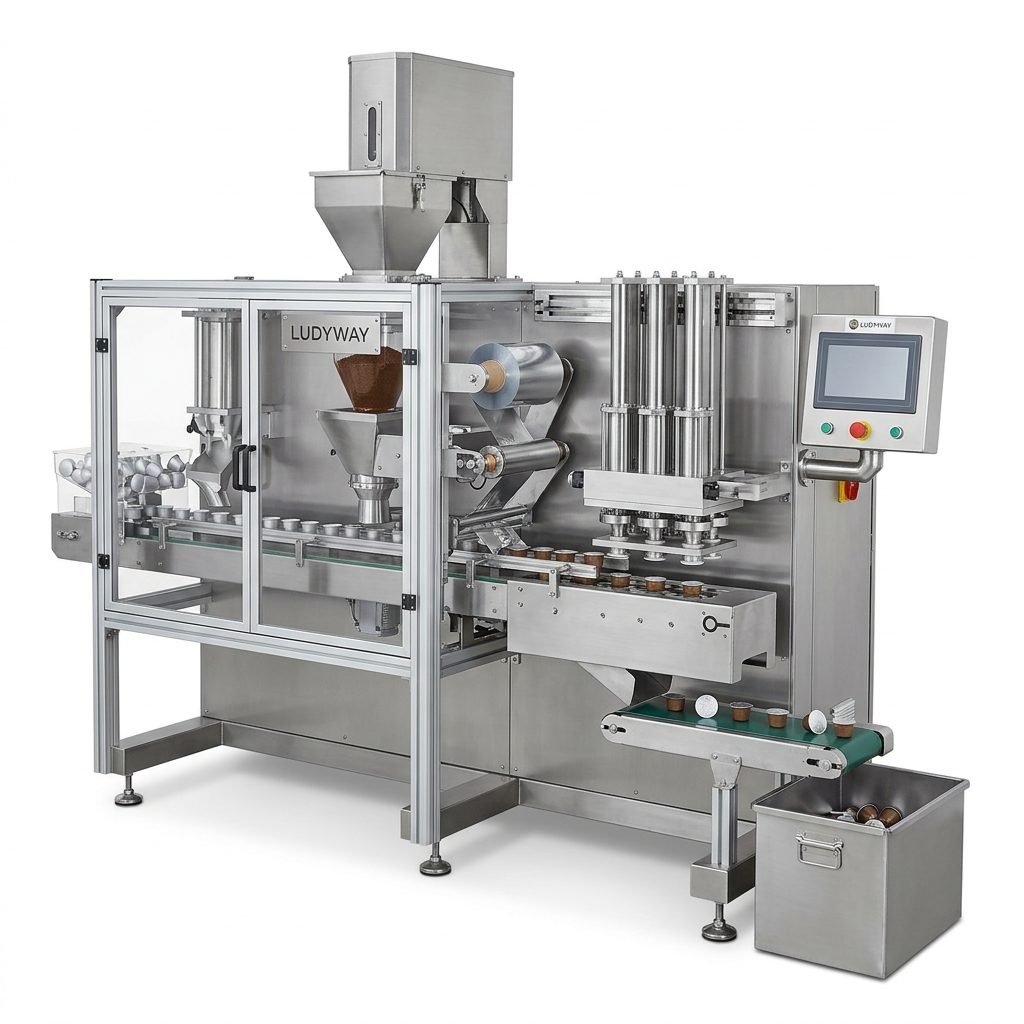
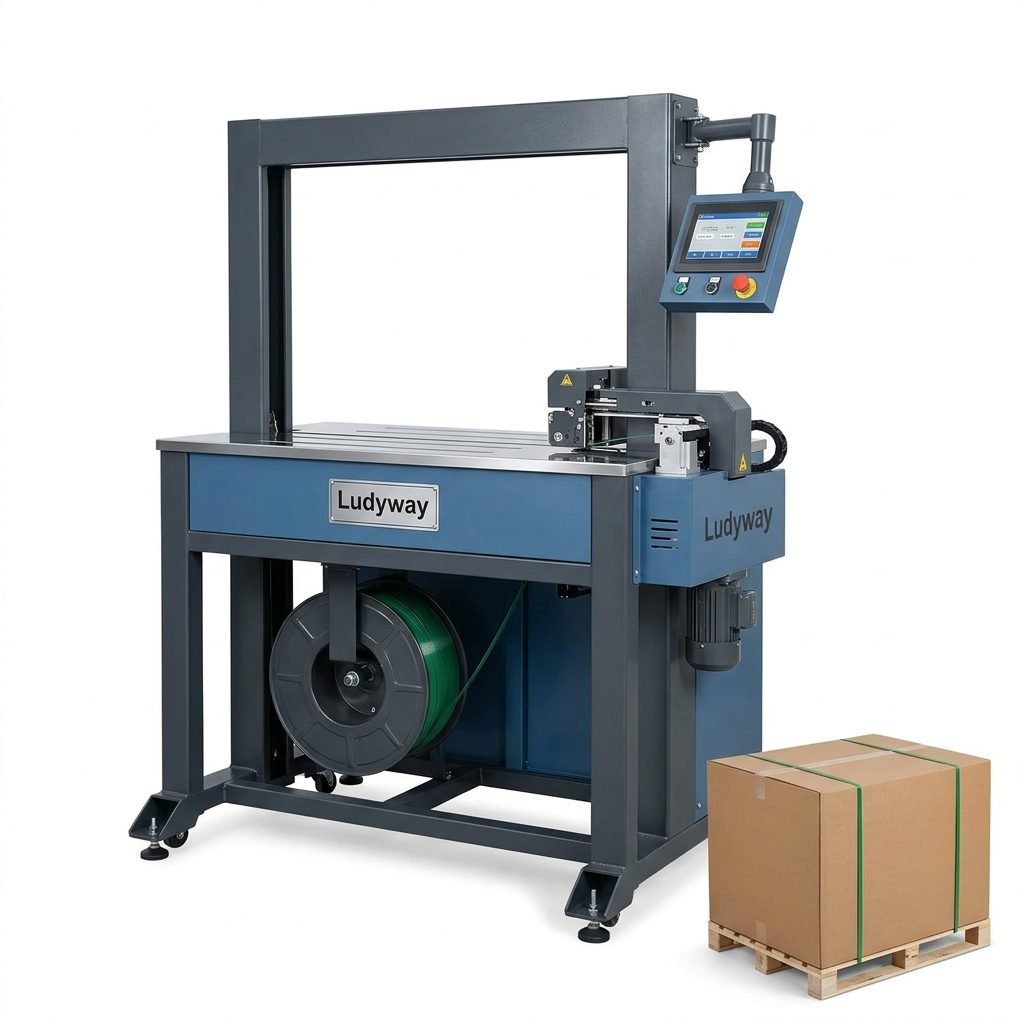
Investing in a vacuum food packaging machine is one of the most impactful decisions a European food business can make. Whether you run a small-scale artisanal operation in France, a meat processing facility in Germany, or a growing seafood export business in Norway, vacuum packaging technology directly influences product shelf life, food safety compliance, and operational efficiency. This comprehensive buying guide walks you through everything you need to know before purchasing a vacuum food packaging machine for the European market.

Why Vacuum Packaging Matters for European Food Producers
Vacuum packaging removes oxygen from the package before sealing, dramatically slowing down oxidation and microbial growth. For European food businesses, this technology addresses several critical needs. Extended shelf life reduces food waste—a key priority under EU sustainability directives. Enhanced food safety helps meet stringent regulatory standards across the continent. Vacuum-sealed products also maintain superior flavor, texture, and nutritional value compared to conventionally packaged goods.
The European vacuum packaging market continues to expand, driven by rising demand for convenience foods, growing e-commerce in perishable goods, and stricter hygiene regulations. From vacuum packaging machines designed for high-volume production to compact tabletop units, the options are diverse—and choosing correctly requires careful evaluation.
Types of Vacuum Food Packaging Machines Available in Europe
Understanding the different machine categories is essential before making a purchase. Each type serves distinct production scales and product requirements.
Chamber Vacuum Machines
These are the workhorses of small to medium-sized European food businesses. The entire product and pouch are placed inside a chamber where air is evacuated before sealing. Chamber machines handle liquids, marinades, and moist products exceptionally well. They are ideal for butcher shops, cheese producers, and ready-meal manufacturers who need reliable food packaging solutions with consistent results.
External Vacuum Sealers (Nozzle-Type)
Popular among small-scale producers and restaurants, external sealers use a nozzle inserted into the bag opening to extract air. They are more affordable and portable but less suitable for high-moisture products. Many European startups and specialty food producers begin with this category before scaling up.
Thermoforming Vacuum Packaging Lines
For industrial-scale operations, thermoforming machines represent the gold standard. These systems form the bottom web of packaging film, fill it with product, apply vacuum, and seal with a top film—all in one continuous process. High-speed thermoforming lines are prevalent in European meat, dairy, and seafood processing plants where throughput and hygiene are paramount.
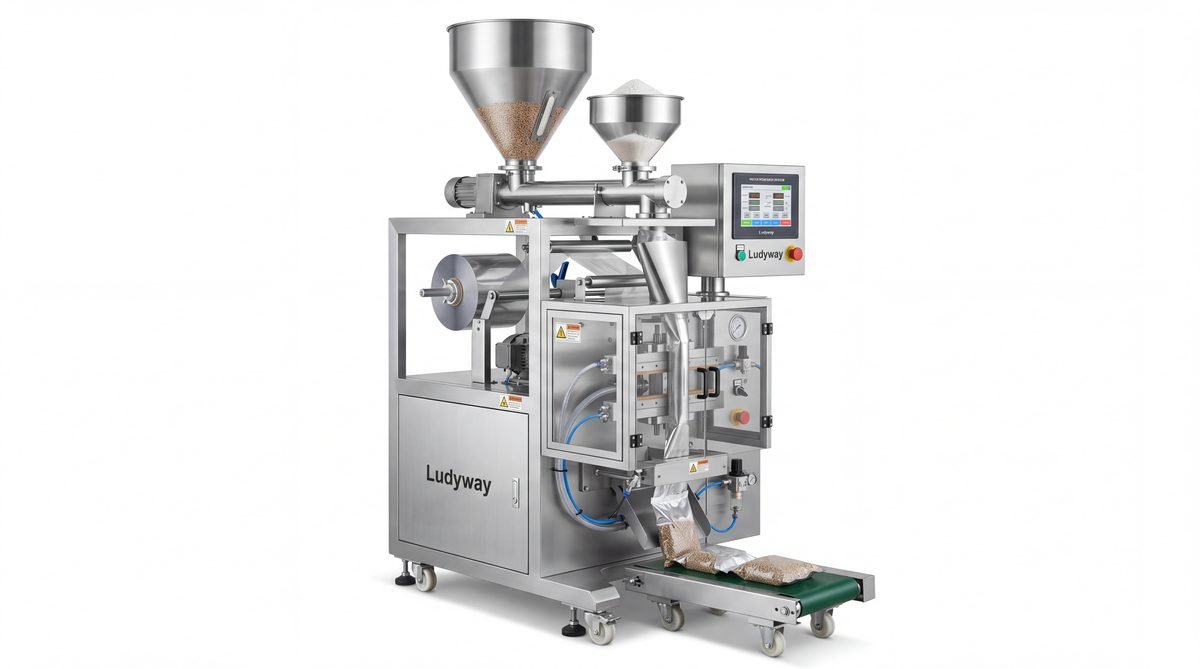
Rotary and Belt-Driven Vacuum Systems
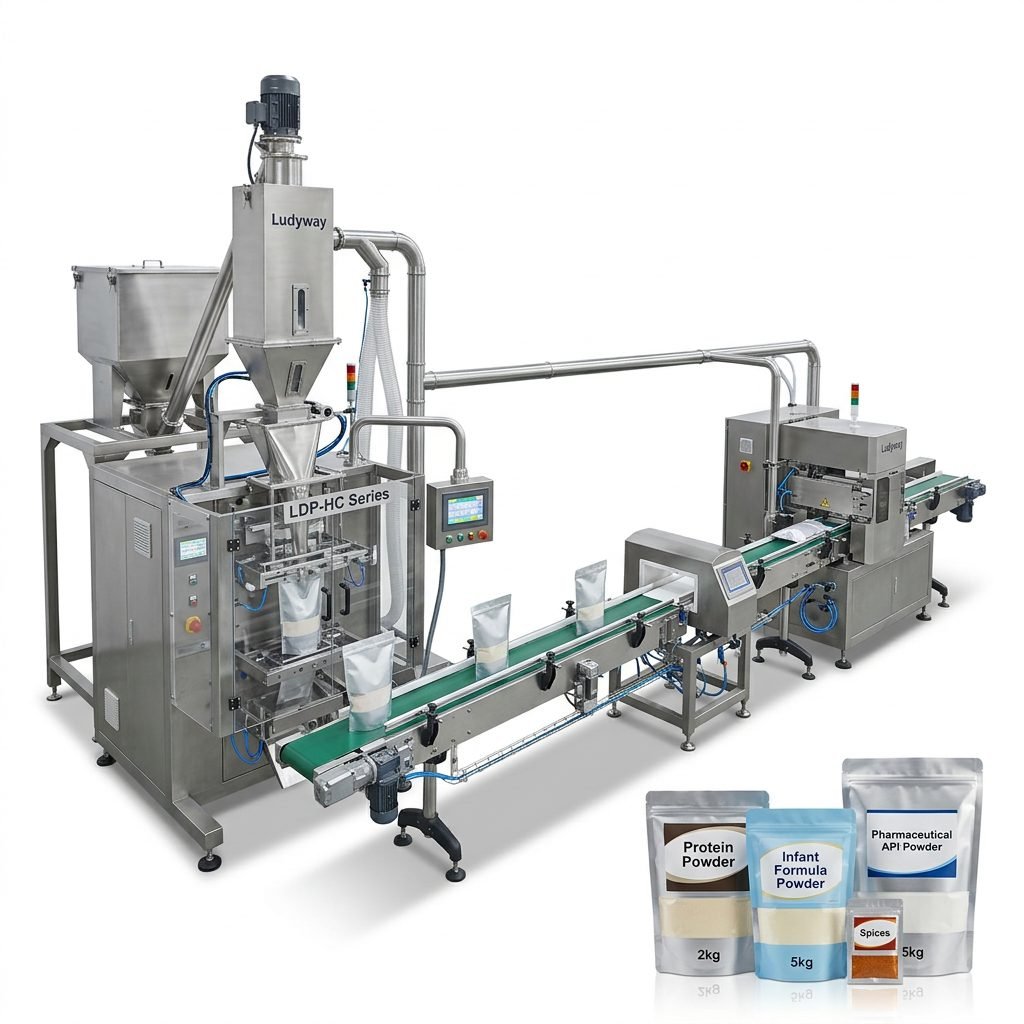
Designed for continuous high-speed production, rotary vacuum packaging machines are common in large European facilities processing hundreds of packages per minute. These systems integrate seamlessly with upstream filling and downstream labeling equipment, forming complete turnkey packaging lines that maximize output.
Key Factors to Consider When Buying in Europe
Navigating the European market requires attention to several region-specific factors that can significantly impact your purchasing decision.
CE Marking and EU Compliance
Any vacuum food packaging machine sold or operated within the European Economic Area must carry CE marking. This indicates conformity with applicable EU directives, including the Machinery Directive (2006/42/EC), the Low Voltage Directive, and relevant ISO packaging standards. Non-compliant equipment can lead to severe penalties and operational shutdowns. Always verify that your supplier provides a valid Declaration of Conformity.
Food Contact Materials Regulation
Vacuum packaging films and materials must comply with EU Regulation (EC) No 1935/2004 on materials intended to come into contact with food. Additionally, specific measures like Regulation (EU) No 10/2011 on plastic materials set migration limits. Your machine should be compatible with EU-approved food-grade packaging films.
Energy Efficiency and Sustainability
European businesses face increasing pressure to reduce environmental footprints. Modern vacuum packaging machines with energy-efficient vacuum pumps, optimized sealing cycles, and reduced film waste not only lower operational costs but also align with the European Commission’s packaging waste regulations. Look for machines with intelligent power management and compatibility with recyclable or biodegradable films.
After-Sales Support and Service Network
Reliable after-sales support across Europe is crucial. Equipment downtime in a busy production facility can be extremely costly. Prioritize suppliers with established service networks within the EU, readily available spare parts, and responsive technical support teams. Consider whether the manufacturer offers remote diagnostics, on-site training, and preventive maintenance contracts.
Vacuum Machine Selection by Product Category
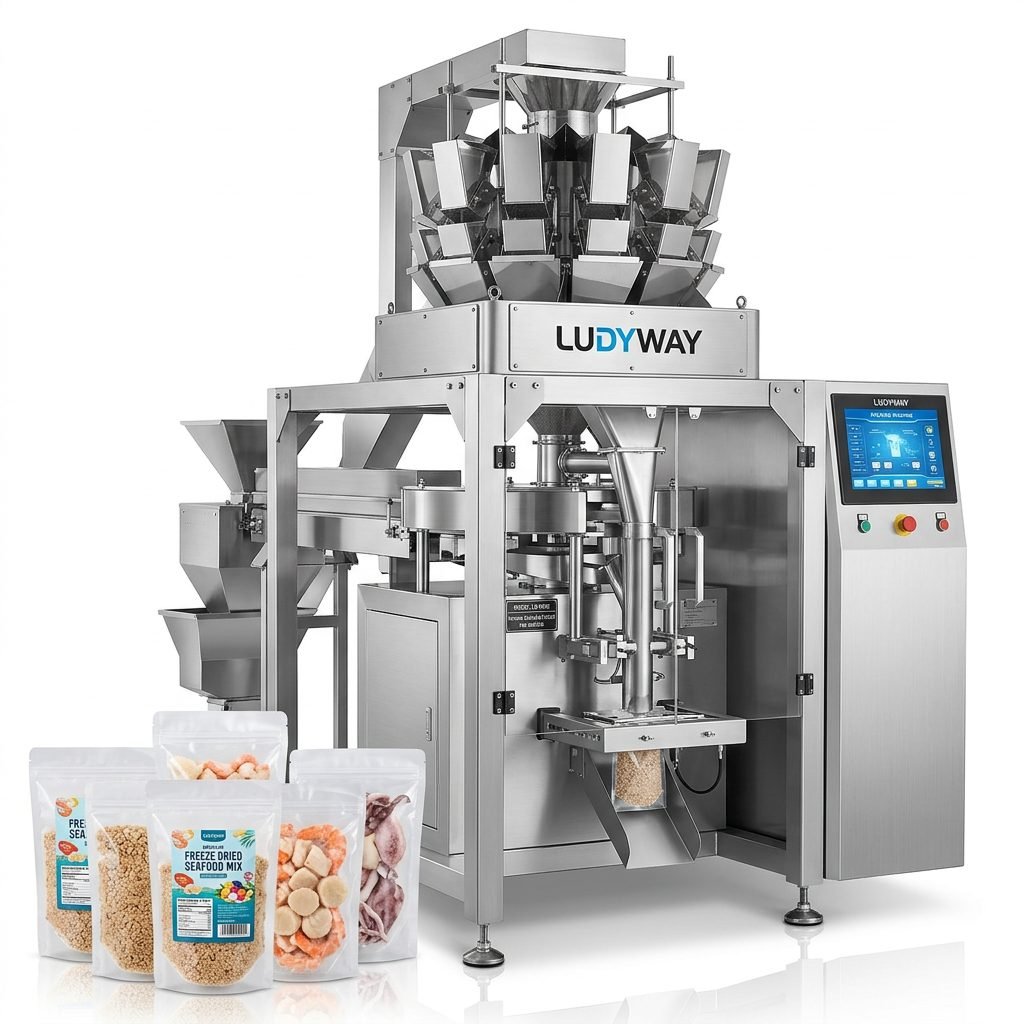
Different food products place unique demands on vacuum packaging equipment. Refer to the table below for quick guidance based on your product type.
| Product Category | Recommended Machine Type | Key Consideration | Typical Production Capacity |
|---|---|---|---|
| Fresh Meat & Poultry | Thermoforming / Chamber | Hygiene design, CIP compatibility | 20–200 packs/min |
| Cheese & Dairy | Chamber / External Sealer | Gentle handling, moisture tolerance | 5–60 packs/min |
| Seafood & Fish | Thermoforming / Chamber | Corrosion-resistant materials | 15–150 packs/min |
| Ready Meals & Prepared Foods | Thermoforming / Tray Sealer | MAP compatibility, multi-cavity | 10–120 packs/min |
| Bakery & Dry Goods | External Sealer / Chamber | Crush protection, nitrogen flush option | 5–80 packs/min |
| Pet Food & Animal Feed | Thermoforming / Rotary | Durability, high throughput | 30–300 packs/min |
Cost Considerations and ROI Analysis
The price of a vacuum food packaging machine in Europe varies widely depending on type, capacity, and automation level. Understanding the total cost of ownership helps make a sound investment decision.
- Entry-Level External Sealers: €200 – €2,000. Suitable for small businesses and startups with low production volumes.
- Mid-Range Chamber Machines: €3,000 – €25,000. Ideal for medium-sized producers needing consistency and moderate throughput.
- Industrial Thermoforming Lines: €50,000 – €500,000+. Designed for high-volume European processing facilities requiring automation and integration.
- Rotary Continuous Systems: €100,000 – €1,000,000+. Built for 24/7 operation in large-scale food manufacturing plants.
When calculating return on investment, factor in reduced labor costs, decreased food waste, extended product shelf life, and the ability to access new markets that demand vacuum-sealed products. Many European businesses report full ROI within 12–24 months of upgrading to modern vacuum packaging equipment.
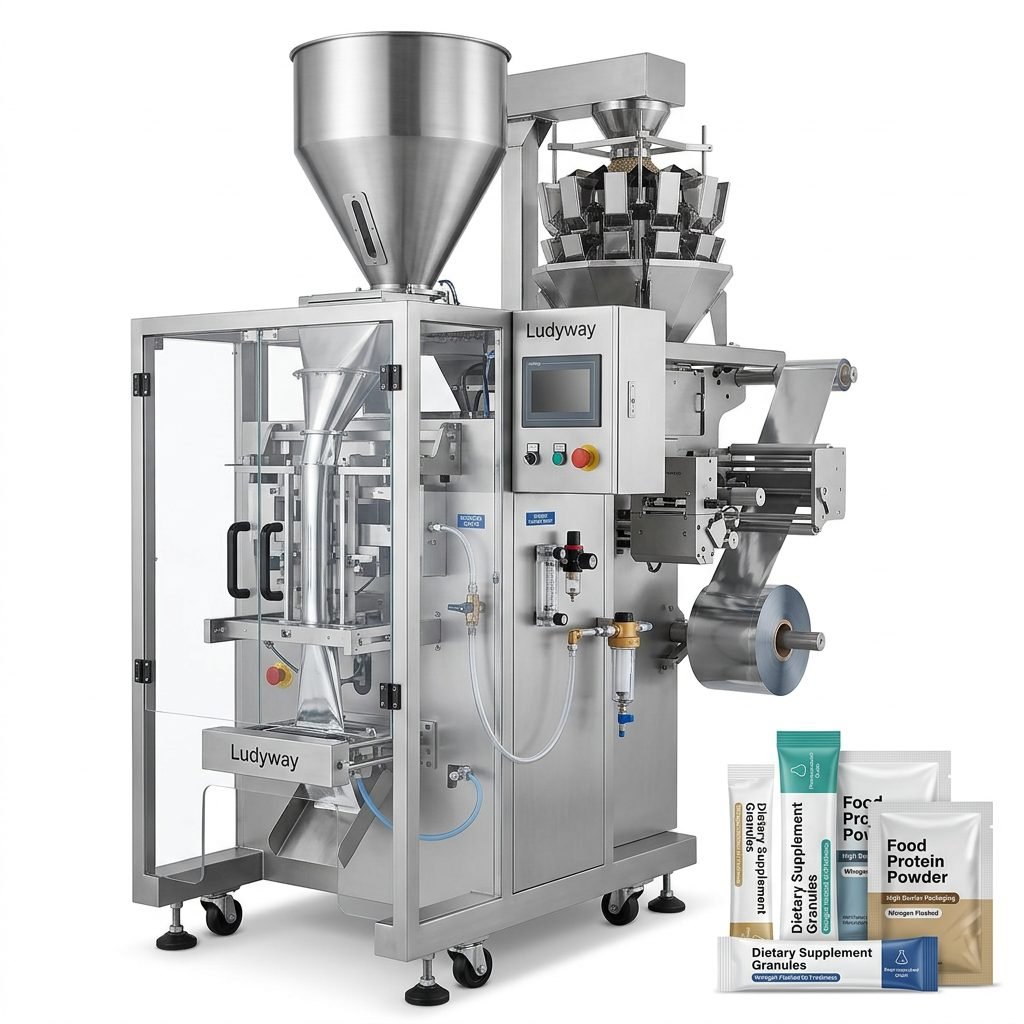
Modified Atmosphere Packaging (MAP) Integration
Many European food processors now combine vacuum technology with Modified Atmosphere Packaging. After evacuating air, the package is flushed with a carefully controlled gas mixture—typically nitrogen, carbon dioxide, or a blend—before sealing. This technique is especially valuable for fresh pasta, baked goods, fresh produce, and processed meats. When evaluating a vacuum food packaging machine, check whether it supports MAP functionality or can be upgraded to include gas flushing capabilities.
Supplier Evaluation Checklist for European Buyers
Selecting the right supplier is as important as choosing the right machine. Use the following criteria when evaluating manufacturers and distributors across Europe.
- CE Certification & Documentation: Verify that complete technical documentation, risk assessments, and Declarations of Conformity are provided.
- Local Service Presence: Confirm that the supplier has technicians, spare parts inventory, and service contracts available within your country or region.
- Client References: Request testimonials and case studies from European customers in your specific food sector.
- Training Programs: Ensure comprehensive operator training is included, either on-site or at the supplier’s facility.
- Warranty Terms: Review warranty coverage thoroughly—standard warranties in Europe typically range from 12 to 24 months.
- Spare Parts Availability: Confirm that critical components are stocked within the EU to minimize downtime.
Emerging Trends in European Vacuum Packaging
The European vacuum packaging landscape is evolving rapidly. Smart packaging integration with IoT sensors enables real-time monitoring of seal integrity and storage conditions. Sustainable film technologies are advancing, with mono-material and bio-based films gaining regulatory approval. Automation and robotics integration continue to reduce manual handling, improving both hygiene and efficiency. Staying informed about these trends positions your business for long-term competitiveness.
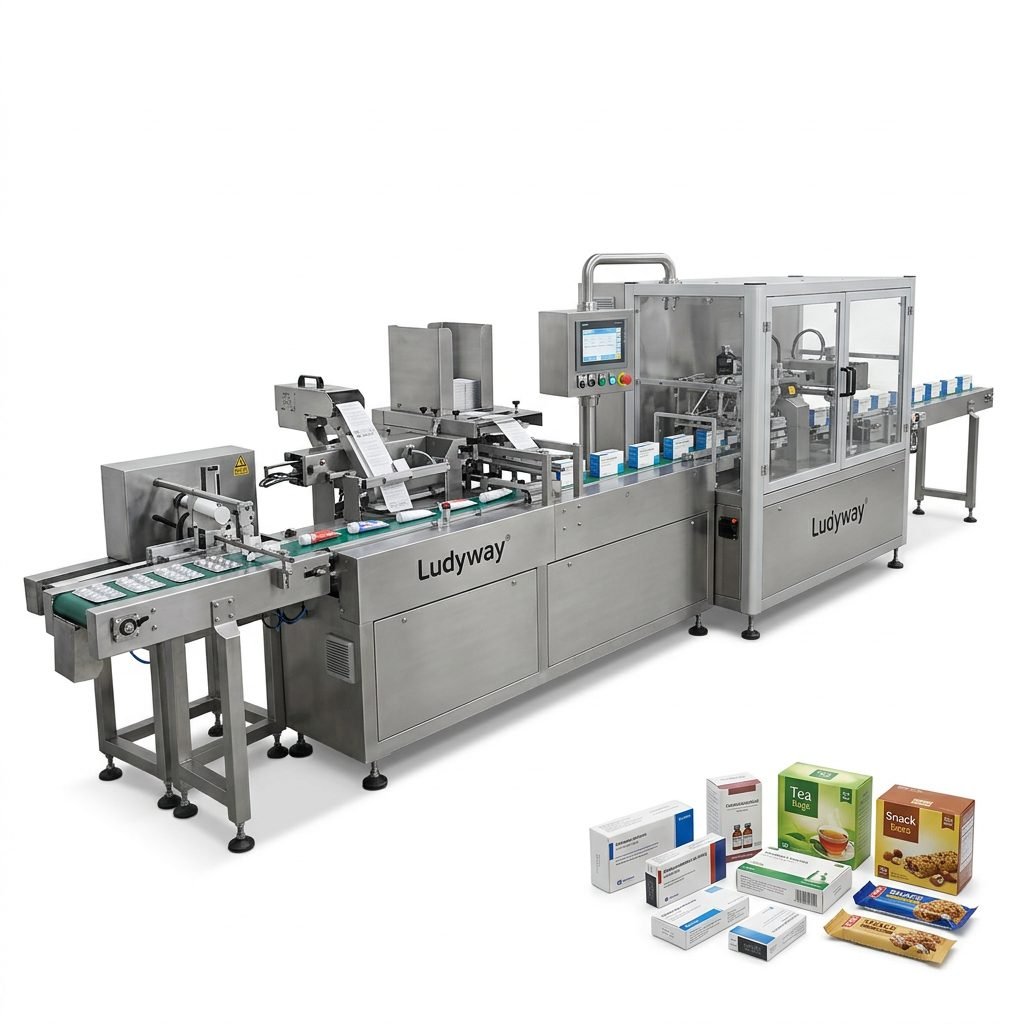
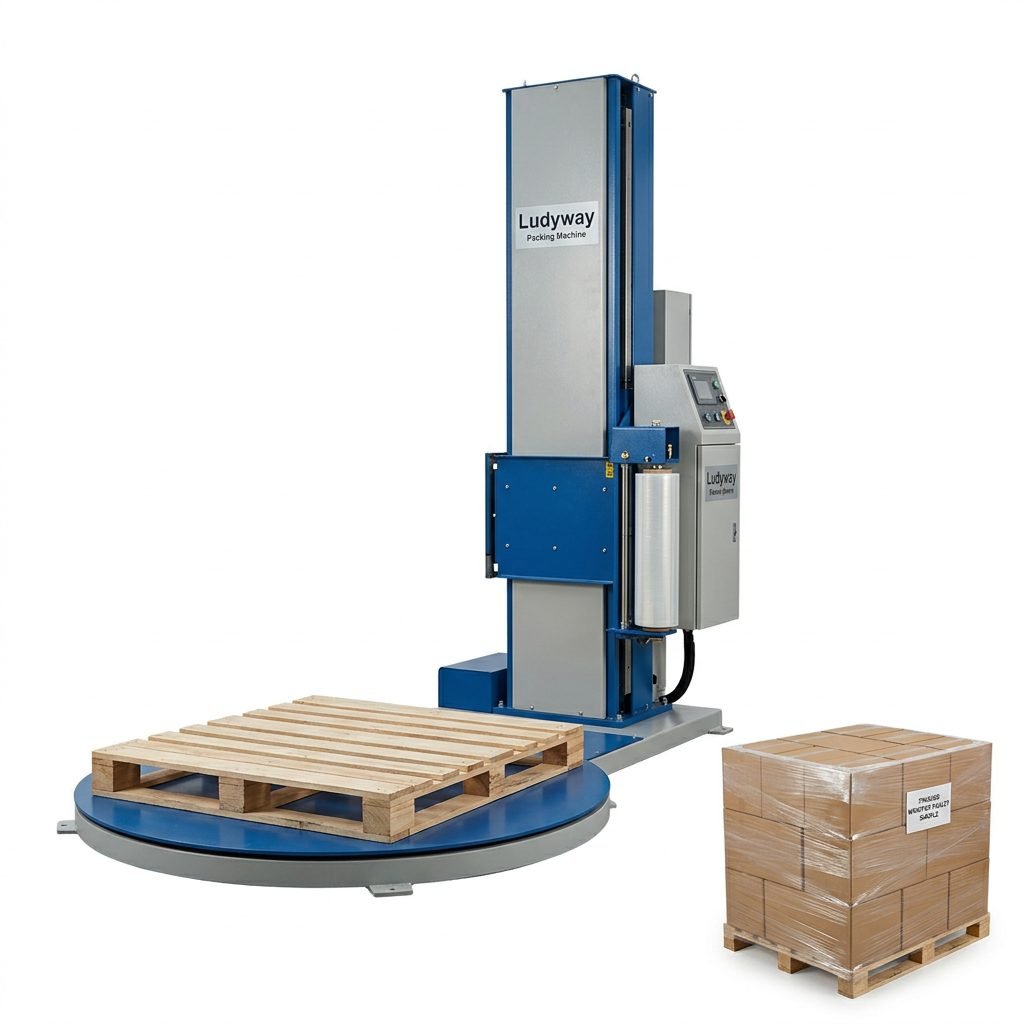
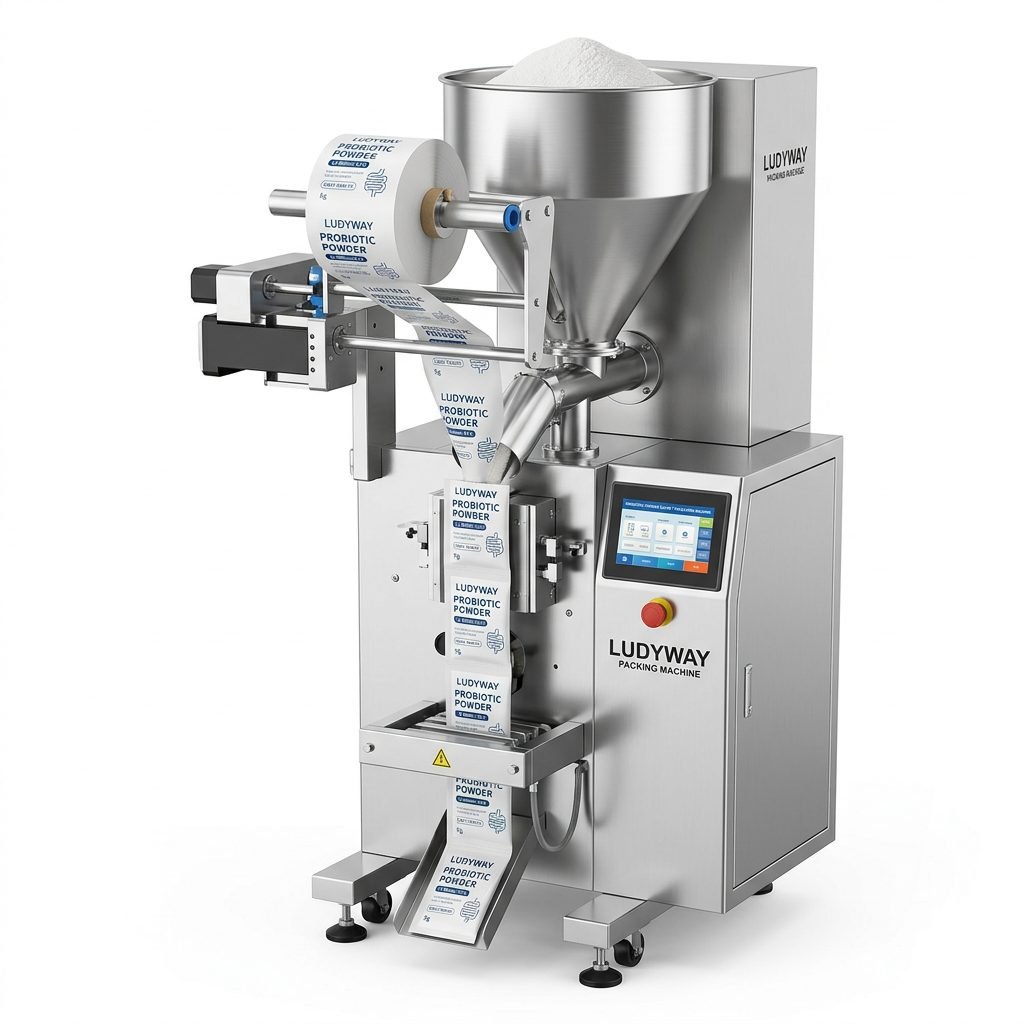
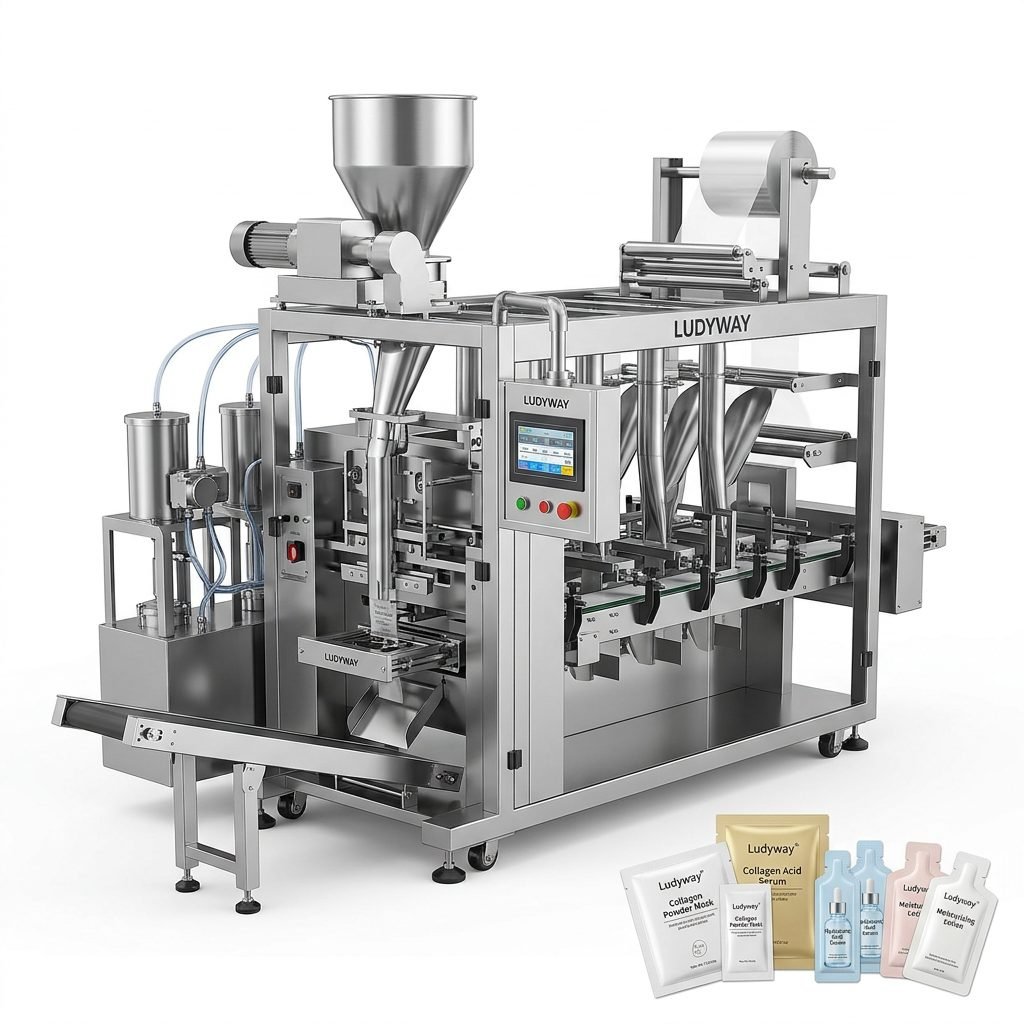
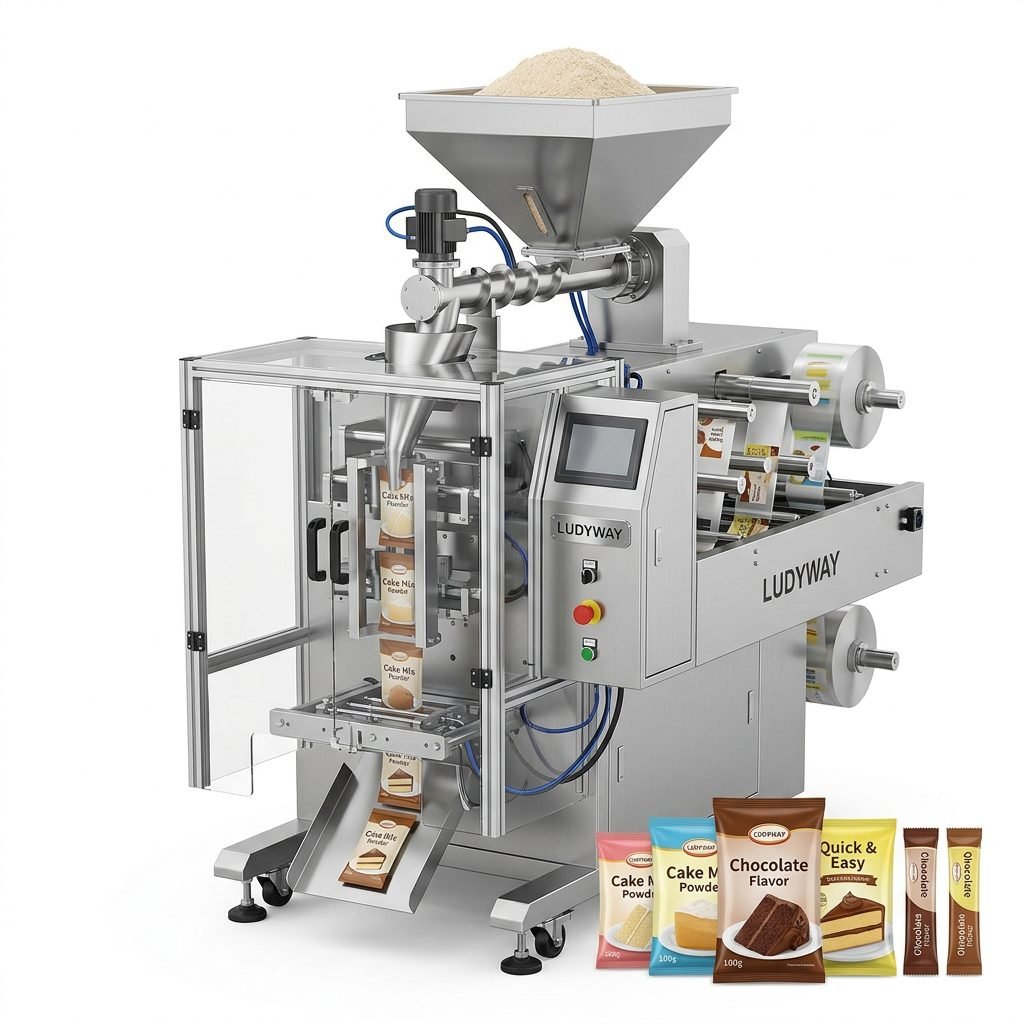
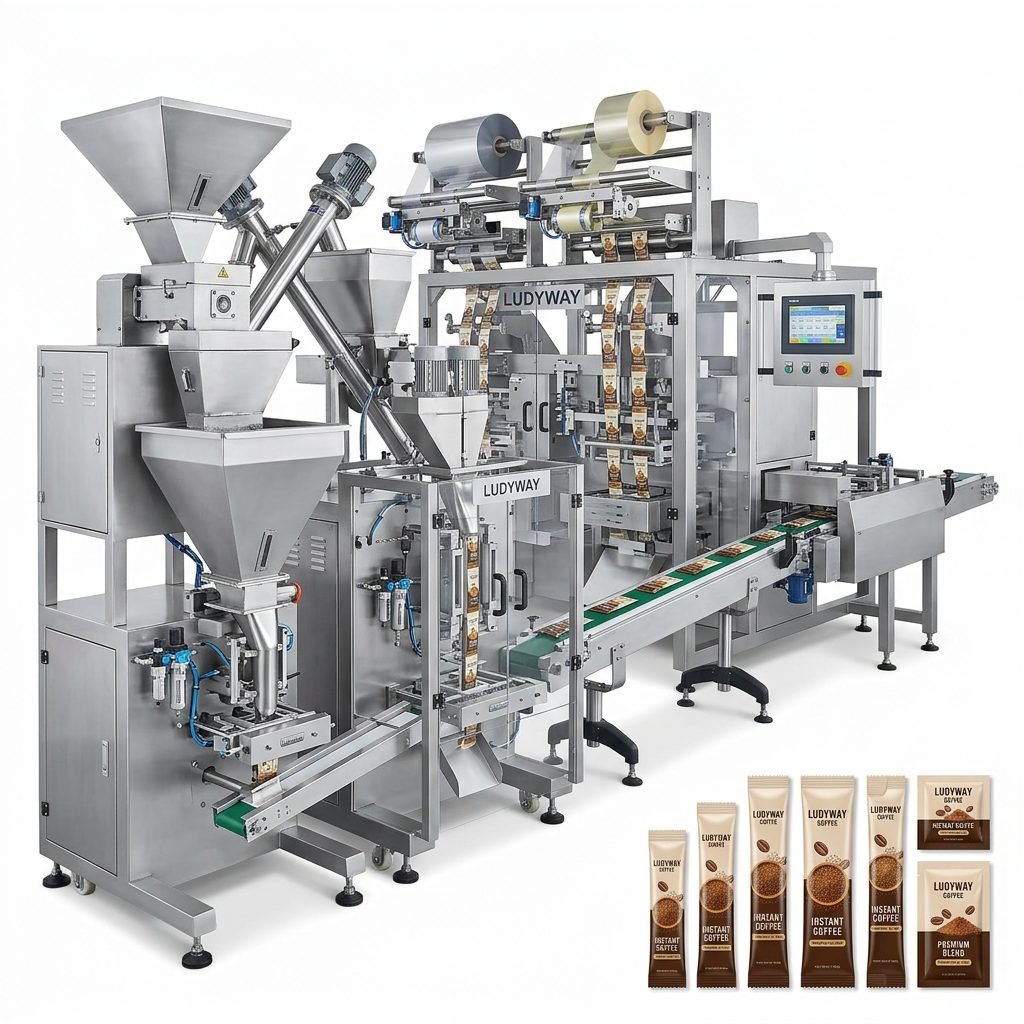
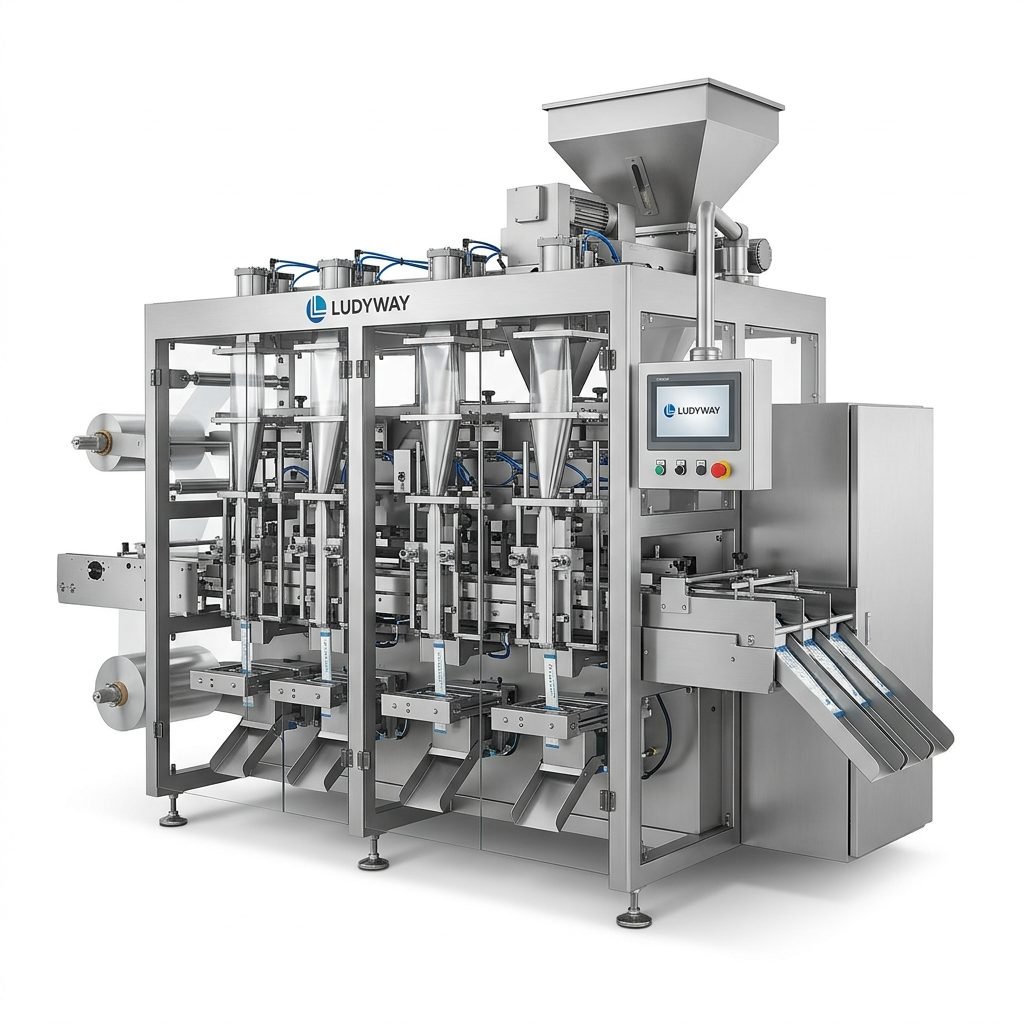
For businesses exploring advanced packaging equipment options, manufacturers like Ludyway offer a broad range of vacuum and automated packaging systems designed to meet diverse production requirements across food, pharmaceutical, and health industries. With over 30 years of industry experience and a modern 20,000㎡ production facility, Ludyway provides reliable solutions that help businesses improve productivity and product quality.
Frequently Asked Questions About Vacuum Packaging Machines in Europe
What is the difference between a chamber machine and a nozzle-type vacuum sealer?
Chamber machines place the entire package inside a vacuum chamber, making them ideal for liquids and moist products. Nozzle-type sealers extract air through a nozzle inserted into the bag opening and are generally more affordable but less effective with high-moisture items.
Are used or refurbished vacuum machines a good option in Europe?
Used equipment can offer cost savings, but buyers must verify CE compliance, service history, and parts availability. For critical production lines, new machines with full warranties often provide better long-term value and reliability.
How do I ensure my vacuum packaging film is EU-compliant?
Work with reputable film suppliers who provide documentation demonstrating compliance with EU Regulation (EC) No 1935/2004 and Regulation (EU) No 10/2011. Your machine supplier can usually recommend compatible, certified film sources within Europe.
What maintenance does a vacuum packaging machine require?
Regular maintenance includes cleaning sealing bars, inspecting gaskets and seals, changing vacuum pump oil (for oil-based pumps), and verifying vacuum levels. Most manufacturers recommend preventive maintenance every 500–1,000 operating hours.
Key Industry Resources
Stay informed about packaging standards and industry developments through these authoritative organizations:
- PMMI – The Association for Packaging and Processing Technologies
- Flexible Packaging Association – Industry Resources
- ISO – Packaging Standards
- European Commission – Packaging and Packaging Waste Regulation
- FDA – Food Packaging and Food Contact Substances
Making Your Final Decision
Purchasing a vacuum food packaging machine for your European operation is a strategic investment that affects product quality, regulatory compliance, and profitability. Begin by clearly defining your production requirements, product characteristics, and growth projections. Evaluate machines based on total cost of ownership rather than upfront price alone. Verify CE compliance thoroughly, and prioritize suppliers with proven European support networks. With careful planning and the right equipment partner, your vacuum packaging investment will deliver substantial returns through enhanced efficiency, reduced waste, and access to premium markets across Europe.