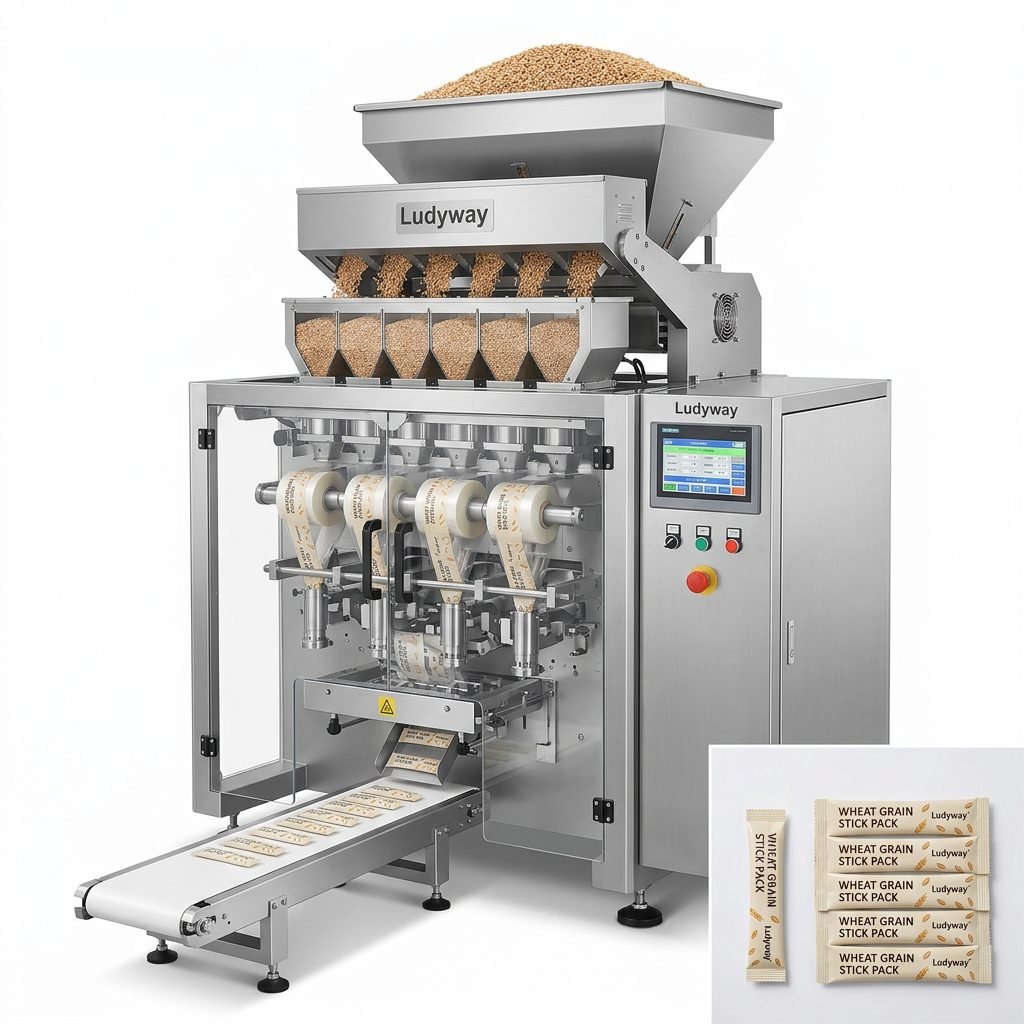
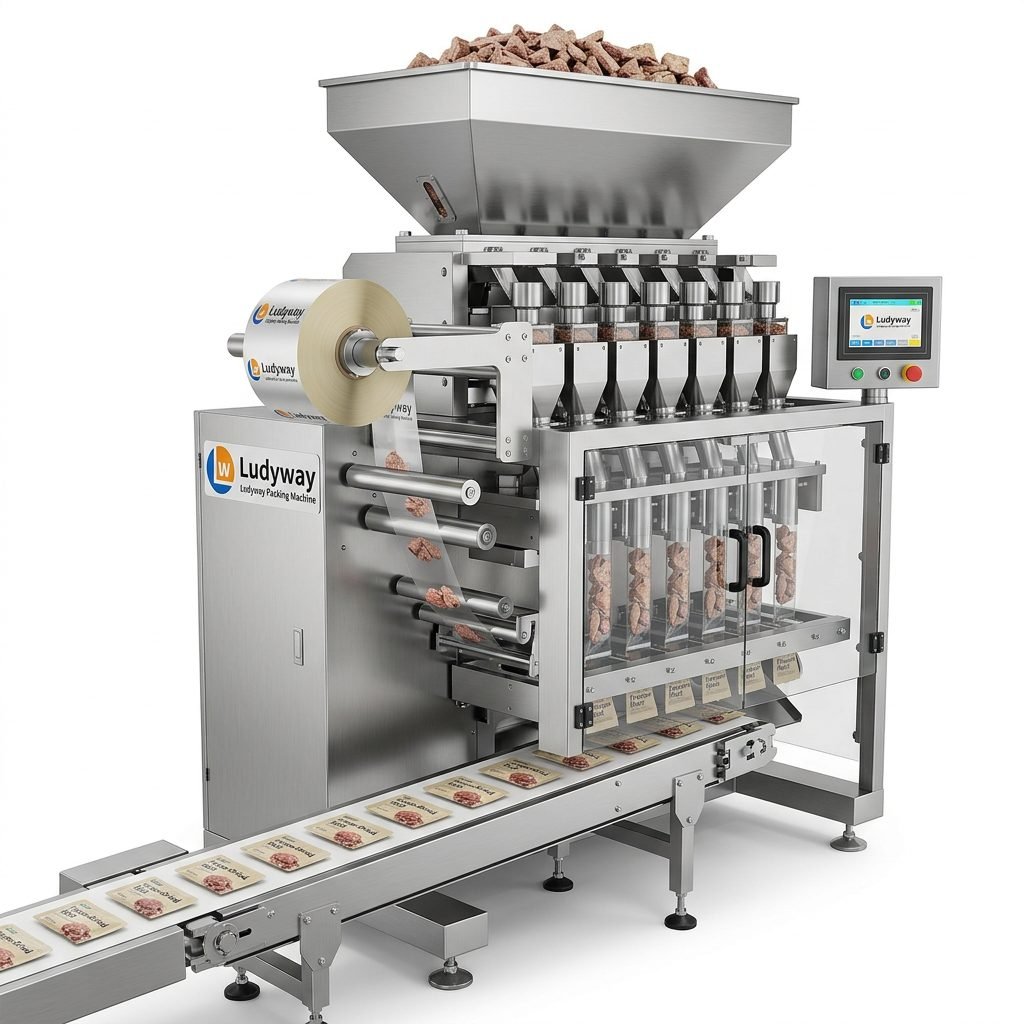
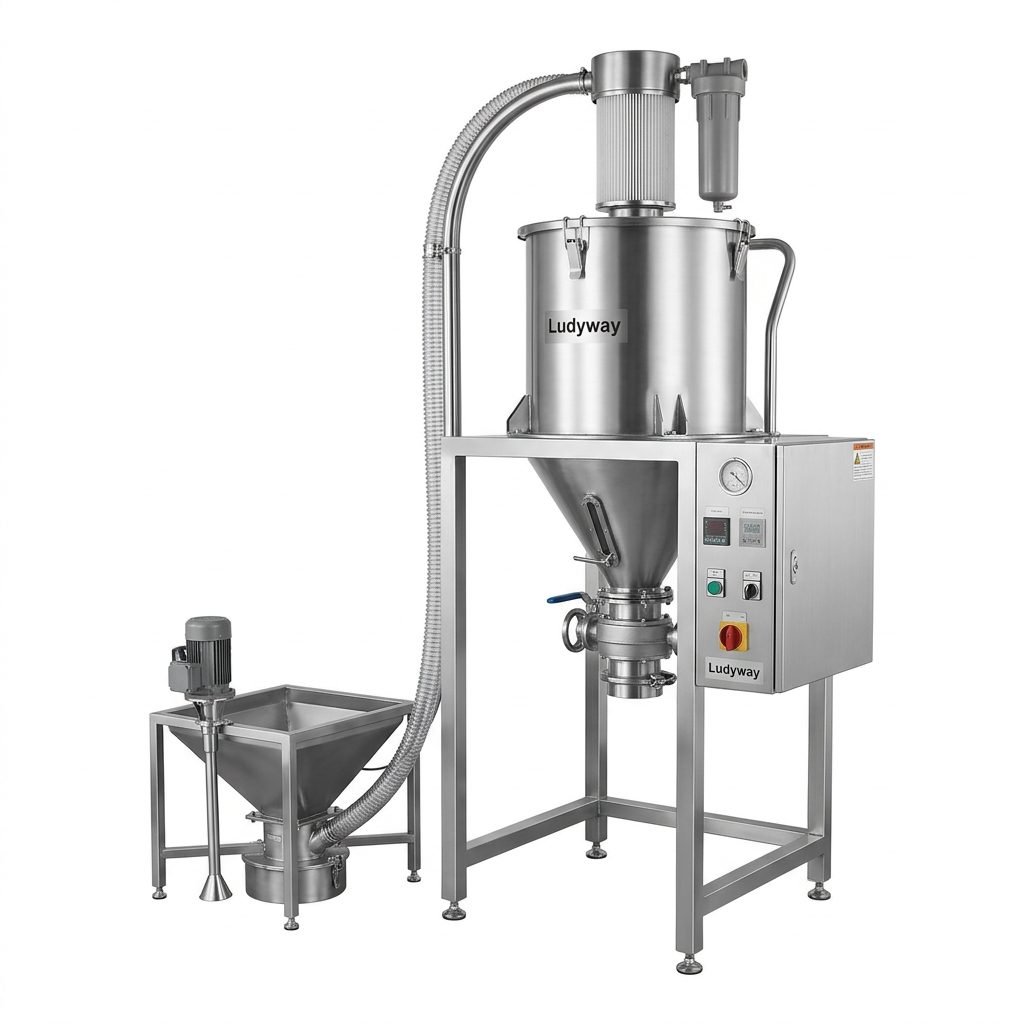
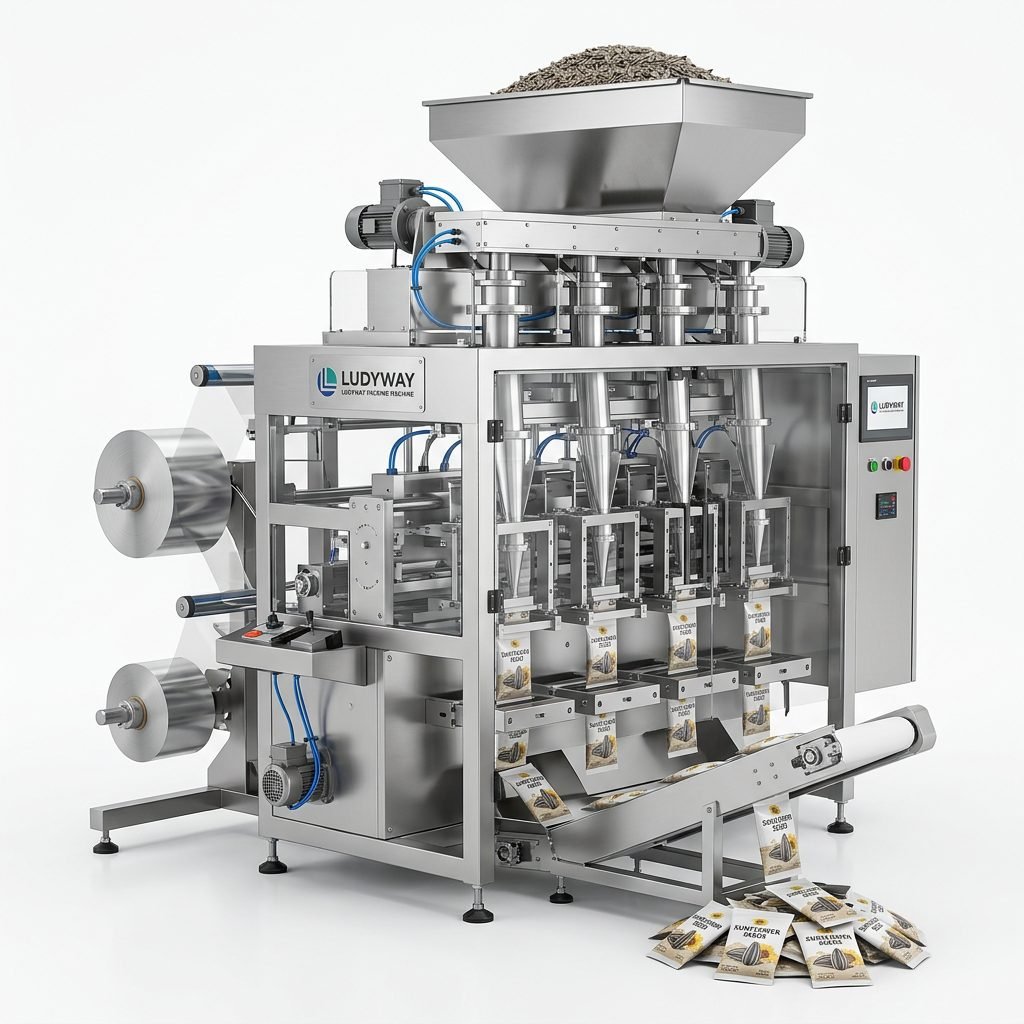
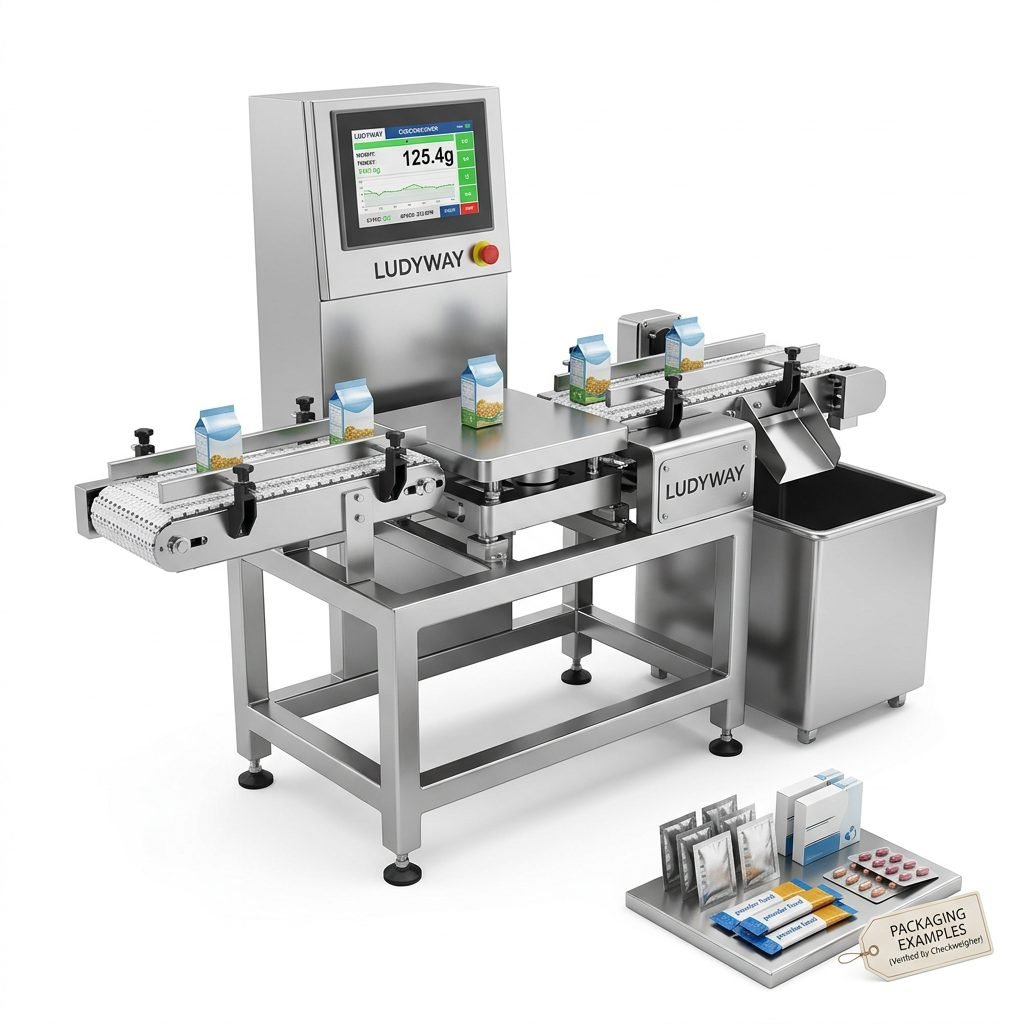
Automatic packaging machines have become a core investment for modern food manufacturers because they help businesses package products faster, more accurately, more hygienically, and more consistently. In today’s competitive food market, brands must meet rising consumer expectations, tighter food safety requirements, and growing pressure to reduce labor costs while increasing output. Manual packing methods often struggle to keep up.
Whether a company produces snacks, spices, coffee, flour, sauces, frozen foods, pet food, or nutritional powders, automated systems can transform packaging from a production bottleneck into a strategic advantage. For food factories looking to scale sustainably, automation is no longer just an upgrade—it is often a necessity.
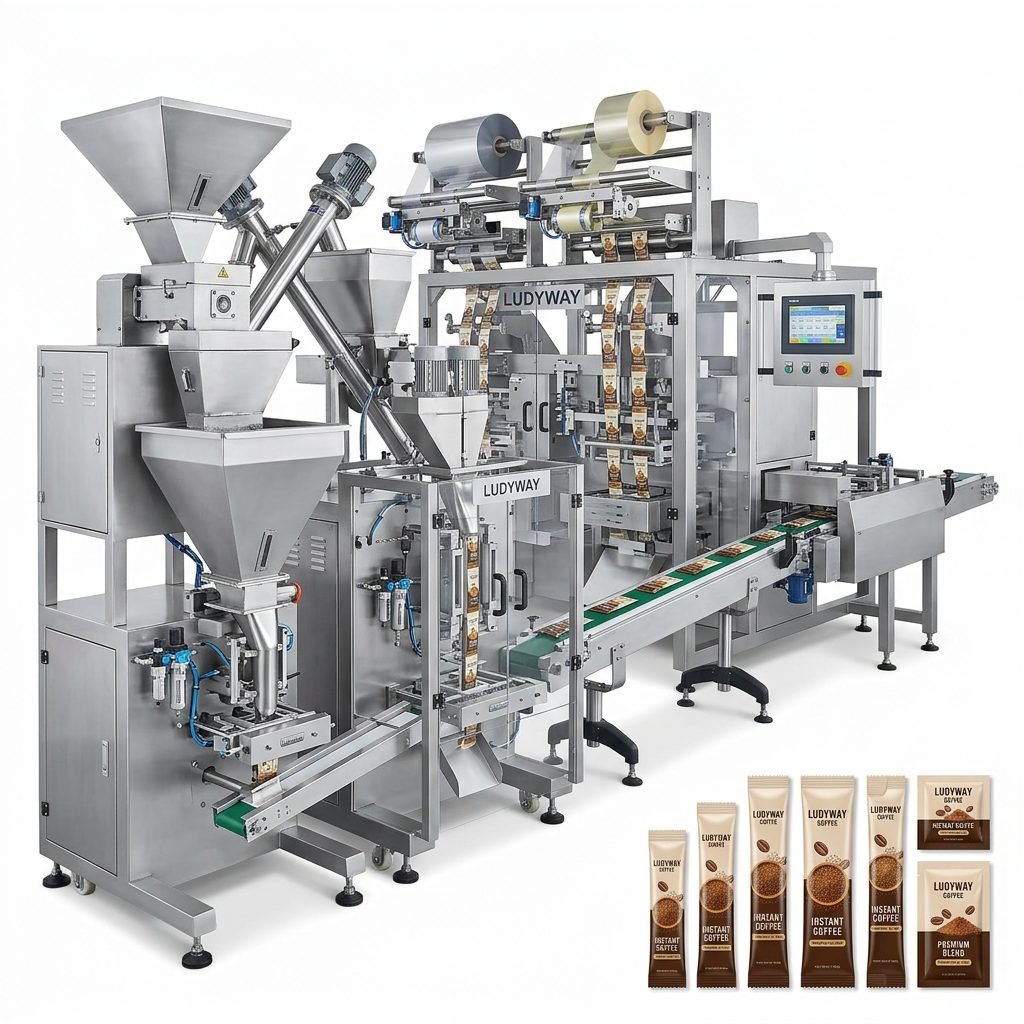
What Is an Automatic Food Packaging Machine?
An automatic food packaging machine is equipment designed to perform one or more packaging tasks with minimal manual intervention. Depending on the application, it may handle:
- Product feeding
- Weighing or dosing
- Filling
- Bag forming
- Sealing
- Labeling or coding
- Cartoning and end-of-line handling
These machines are widely used for granules, powders, liquids, pastes, snacks, frozen foods, and ready-to-eat products. Common packaging formats include sachets, stick packs, pouches, bags, bottles, trays, and cartons.
Why Food Manufacturers Are Moving Toward Automation
Food production environments are changing quickly. Demand is increasing, product varieties are expanding, and retailers expect reliable delivery schedules. At the same time, factories face challenges such as labor shortages, quality control pressure, and stricter compliance requirements. Automatic packaging equipment helps solve these problems by creating a more stable and efficient packaging workflow.
1. Higher Production Speed
One of the most obvious reasons manufacturers invest in automatic packaging machines is speed. Manual packaging is slow and difficult to scale. Automated systems can run continuously, maintain stable cycle times, and support high-volume production without sacrificing consistency.
Key result: more units packed per hour, better delivery performance, and improved production planning.
2. Better Packaging Accuracy
Accurate filling is critical in food manufacturing. Overfilling wastes product and increases cost, while underfilling can damage brand reputation and create compliance risks. Automatic machines use calibrated dosing, weighing, and control systems to improve fill precision.
- Reduced product giveaway
- More consistent pack weights
- Improved customer trust
- Lower material and ingredient waste
3. Improved Food Safety and Hygiene
Food safety is one of the strongest drivers of packaging automation. Manual handling increases the risk of contamination from direct human contact, inconsistent sealing, or an uncontrolled environment. Automated packaging minimizes product exposure and supports cleaner, more standardized operations.
This is especially important for:
- Powdered ingredients
- Seasonings and spices
- Dairy-related products
- Nutritional supplements
- Sauces and liquid condiments
- Ready-to-eat foods
4. Lower Labor Dependence
Many food manufacturers face rising labor costs and difficulty recruiting or retaining packaging workers. Automatic packaging machines reduce dependence on manual labor by taking over repetitive, physically demanding, and highly standardized tasks.
This does not always mean replacing people entirely. In many cases, it means reallocating workers to higher-value roles such as supervision, quality checks, maintenance, and production management.
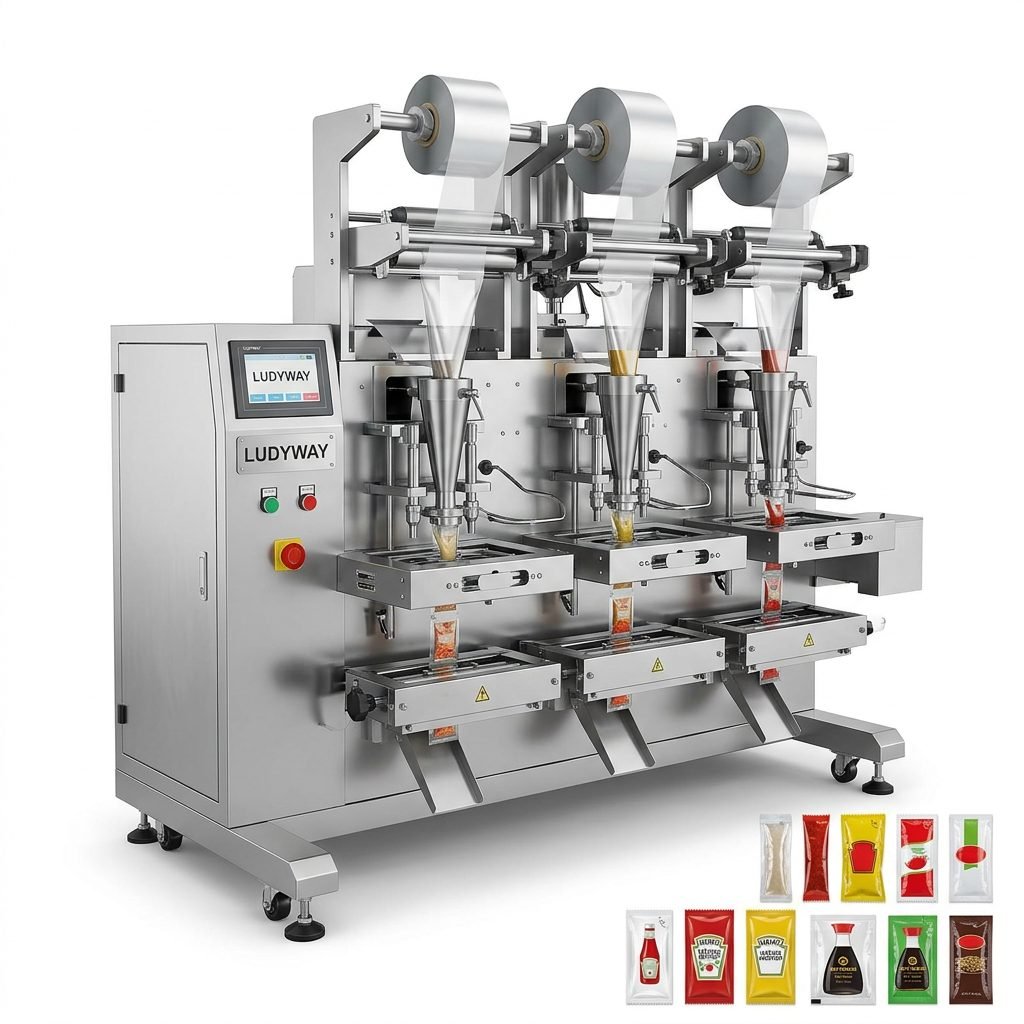
5. More Consistent Packaging Quality
Consumers notice packaging quality immediately. Crooked seals, inconsistent pouch sizes, leakage, poor coding, and inaccurate filling all affect brand perception. Automatic systems help ensure each pack looks and performs the same.
Consistent packaging quality can improve:
- Shelf appeal
- Retail acceptance
- Product protection during transport
- Brand image in domestic and export markets
6. Reduced Material Waste
Packaging materials are a major operating cost. Automated systems help optimize film use, sealing conditions, filling volumes, and rejection control. Over time, even small reductions in waste can lead to significant savings.
Examples of waste reduction include:
- Less rework caused by sealing defects
- Fewer rejected packs from inaccurate weighing
- More efficient film usage
- Lower product loss during dosing and transfer
7. Easier Scalability for Growing Brands
As food companies expand, manual processes often become the limiting factor. Automation makes it easier to increase production volume without increasing labor and floor complexity at the same rate. Businesses can standardize output, plan capacity more accurately, and respond faster to growing demand.
This is especially useful for brands moving from:
- local distribution to regional sales
- small-batch production to mass production
- single-product lines to multiple SKUs
Main Benefits at a Glance
| Benefit | How It Helps Food Manufacturers |
|---|---|
| Speed | Increases output and supports large-volume production |
| Accuracy | Reduces overfill, underfill, and product giveaway |
| Hygiene | Minimizes manual contact and contamination risks |
| Labor Savings | Lowers reliance on repetitive manual work |
| Quality Consistency | Creates uniform, reliable packaging results |
| Cost Control | Cuts waste, improves efficiency, and supports better margins |
| Scalability | Makes growth easier without proportional labor increases |
Which Food Products Benefit Most from Automatic Packaging?
Automation can serve nearly every food segment, but it is especially valuable for products that require high throughput, precision dosing, or consistent sealing.
Powders
- Milk powder
- Protein powder
- Coffee powder
- Flour
- Seasoning powder
- Nutritional supplement powders
Granules
- Sugar
- Salt
- Rice
- Beans
- Nuts
- Snack mixes
Liquids and Pastes
- Sauces
- Honey
- Oil
- Ketchup
- Syrups
- Condiments
Specialty and Convenience Foods
- Instant drink mixes
- Ready-to-cook ingredients
- Functional foods
- Meal replacement products
- Single-serve snacks
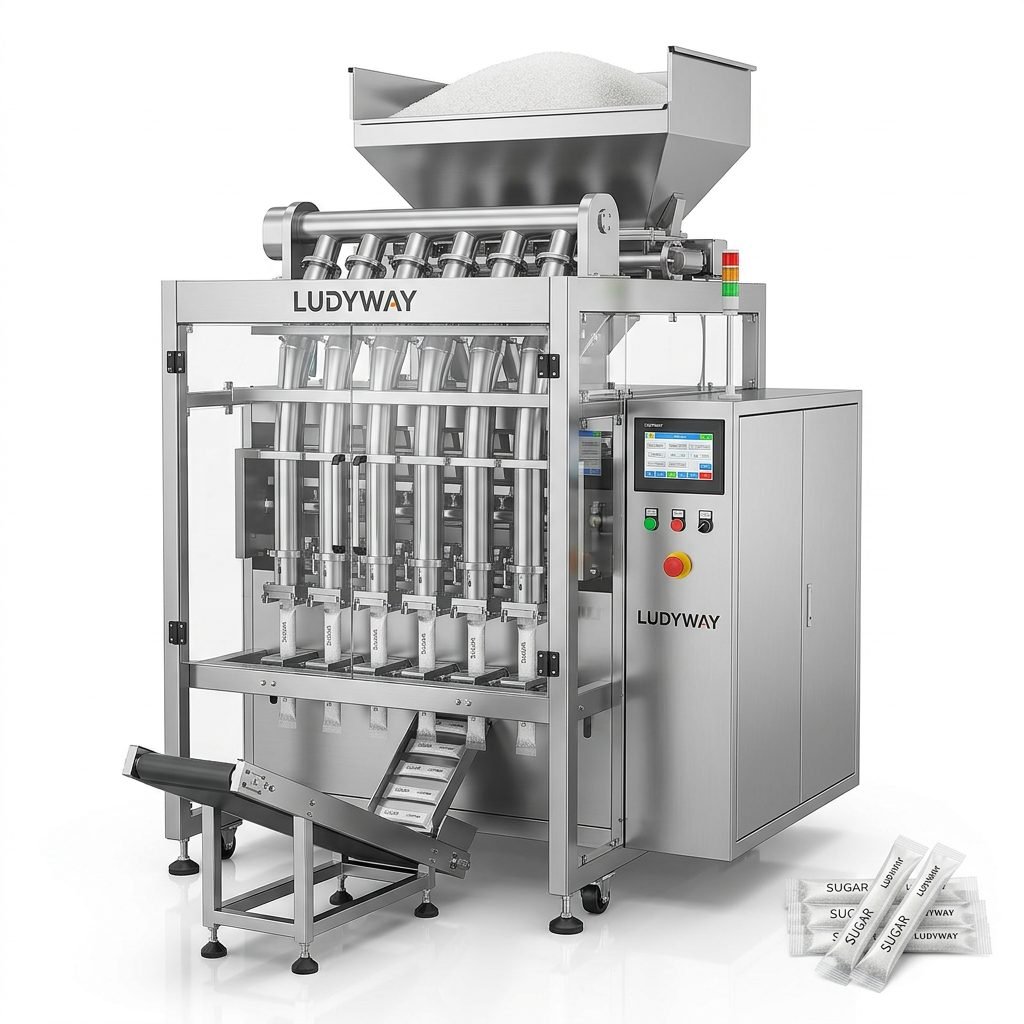
How Automatic Packaging Supports Business Performance
Automatic packaging machines do more than improve line speed. They can directly affect a manufacturer’s profitability, operational stability, and long-term competitiveness.
Operational Efficiency
Automated lines reduce bottlenecks, simplify workflow coordination, and make production scheduling more predictable.
Cost Efficiency
Although the initial investment may be higher than manual methods, the long-term return can be strong due to labor savings, reduced waste, and increased throughput.
Stronger Compliance Readiness
Food businesses need traceability, clean production, and stable packaging integrity. Automated systems make it easier to maintain standard operating procedures and documented performance.
Brand Competitiveness
Better-looking and more reliable packaging can strengthen consumer trust and retailer confidence, especially in competitive categories where presentation matters.
What to Consider Before Choosing an Automatic Packaging Machine
Not every machine fits every product. Food manufacturers should evaluate several factors before making a decision.
| Selection Factor | Why It Matters |
|---|---|
| Product Type | Powder, granule, liquid, or paste requires different filling methods |
| Packaging Format | Sachet, stick pack, pouch, bottle, or bag affects machine structure |
| Required Speed | Machine capacity should match current and future production goals |
| Accuracy Requirements | Important for premium, regulated, or high-cost ingredients |
| Cleaning and Hygiene | Necessary for food safety and changeover efficiency |
| Integration Needs | The machine should work with feeders, conveyors, printers, and cartoners |
| Technical Support | After-sales service and parts support are essential for uptime |
Turnkey Packaging Lines vs. Standalone Machines
Some food manufacturers start with a single machine, while others need a complete line that includes feeding, filling, sealing, inspection, coding, cartoning, and palletizing. The right choice depends on production scale, automation goals, and product diversity.
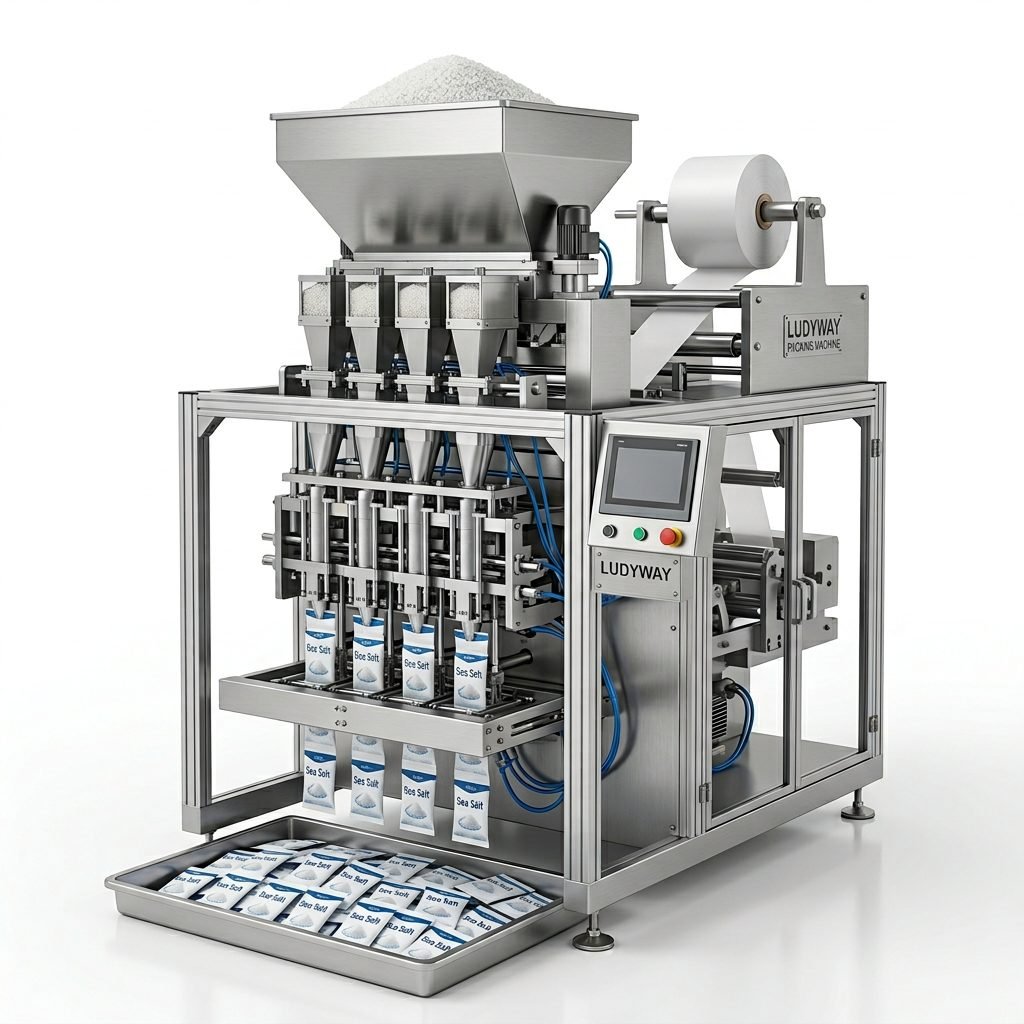
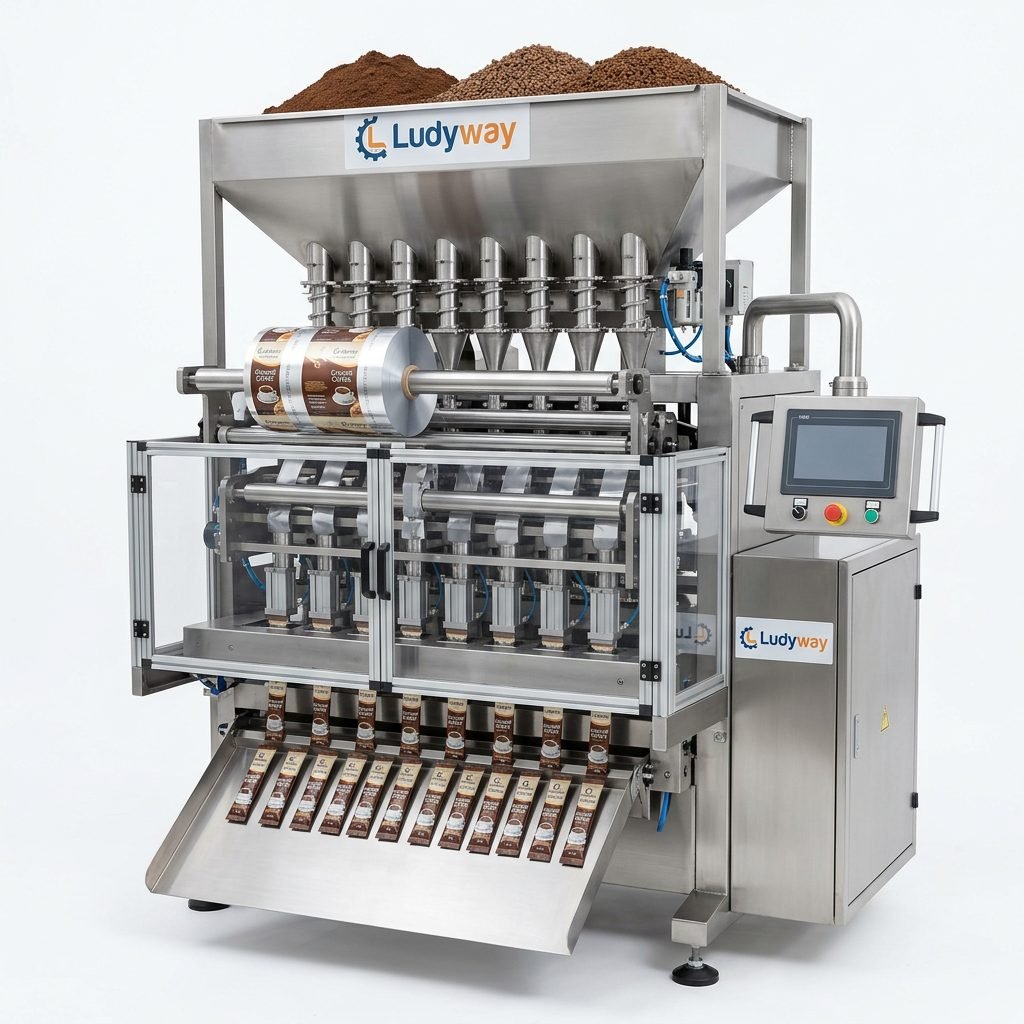
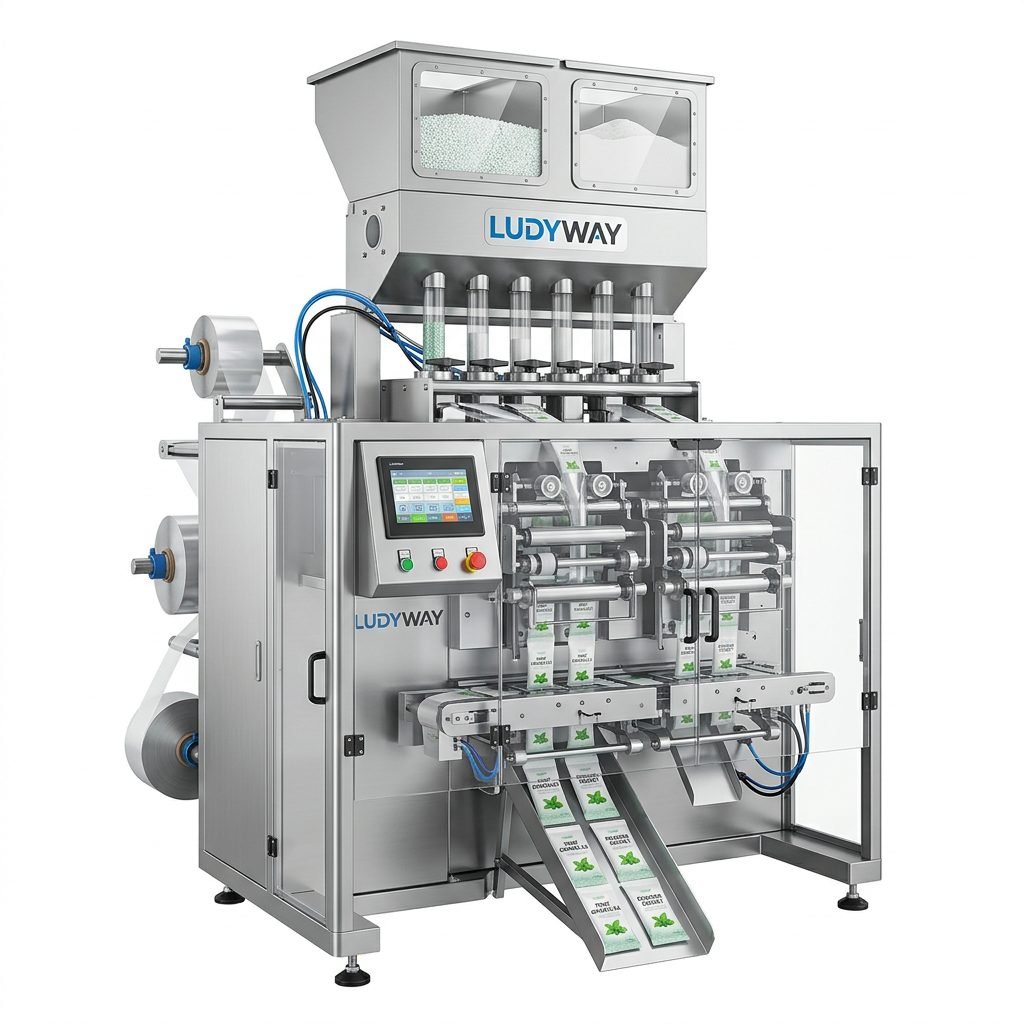
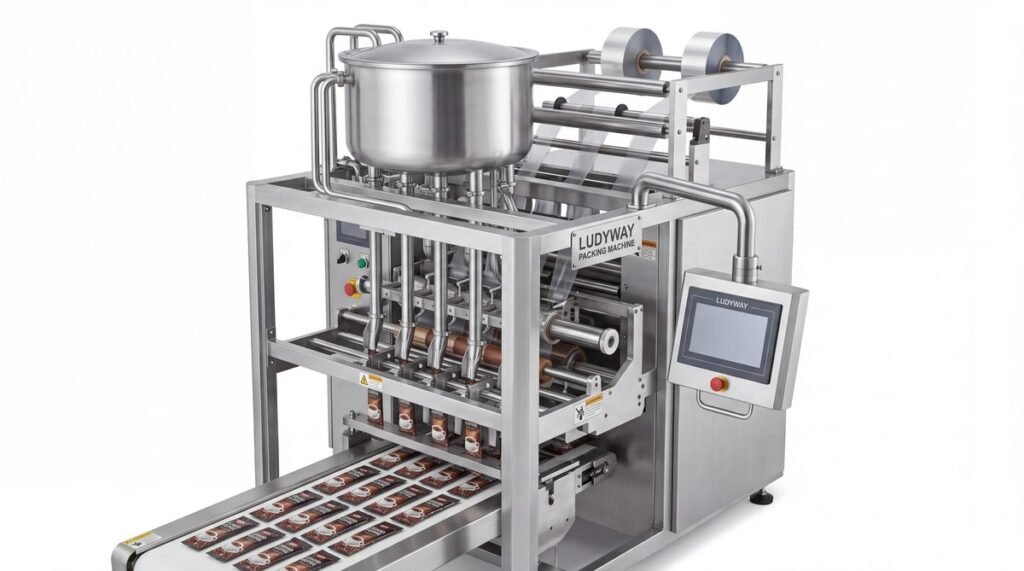
For businesses seeking flexible and scalable solutions, working with an experienced manufacturer is important. Ludyway automatic packaging machine solutions are widely used in food, pharmaceutical, health supplement, and related industries, with capabilities covering standalone machines and turnkey packaging lines for powders, granules, liquids, and pouch-based products.
Common Signs a Food Factory Needs Automation
- Packaging cannot keep up with production output
- Labor costs continue to rise
- Pack weight inconsistency causes losses
- Frequent seal defects or leakage occur
- Product contamination risk is too high
- Customer demand is growing faster than current capacity
- Too much floor labor is tied up in repetitive work
Conclusion: Why Automatic Packaging Machines Matter
Food manufacturers use automatic packaging machines because they deliver measurable advantages across production, quality, hygiene, and cost control. In a market where efficiency and consistency are critical, automation helps businesses operate with greater confidence and scale more effectively.
From reducing labor dependence to improving packaging accuracy and protecting product quality, automatic packaging is a smart step for companies that want to stay competitive. For many food producers, the question is no longer whether to automate, but how quickly they can implement the right packaging solution.