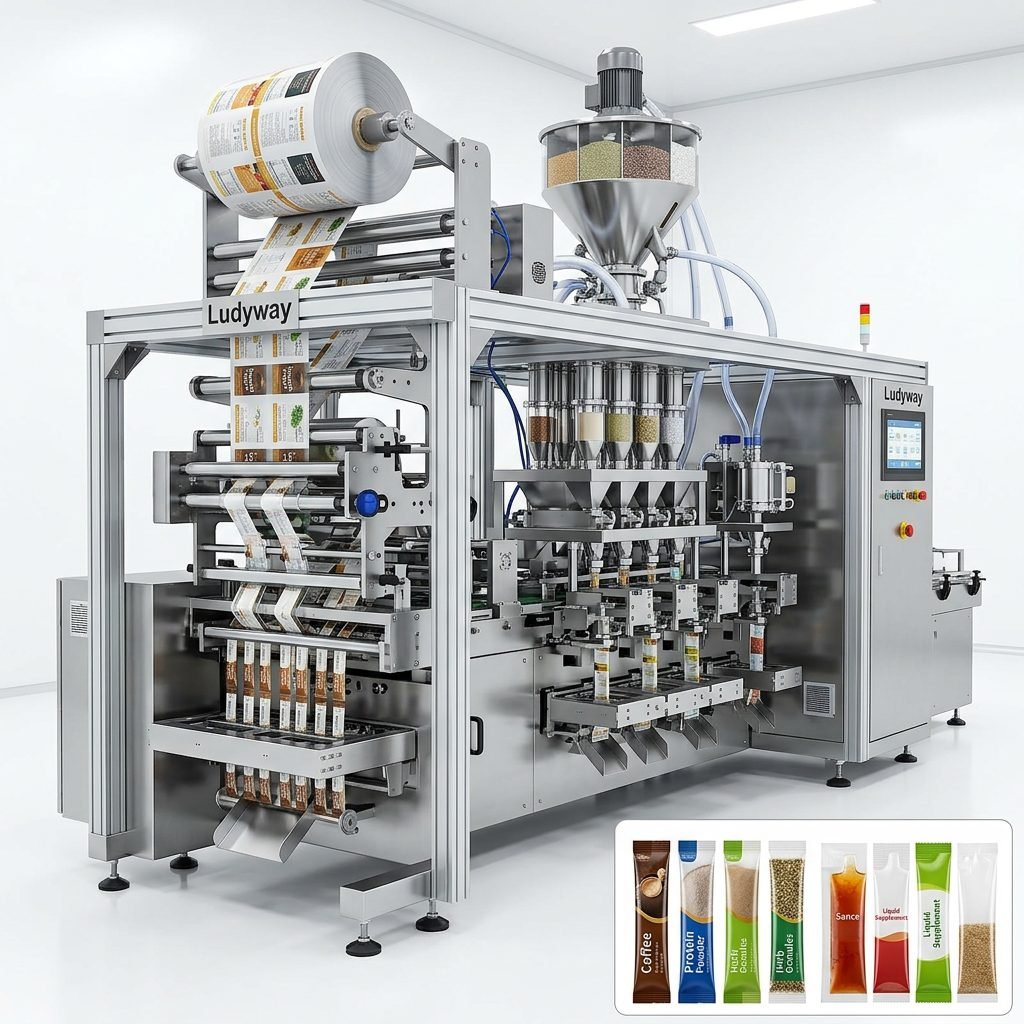
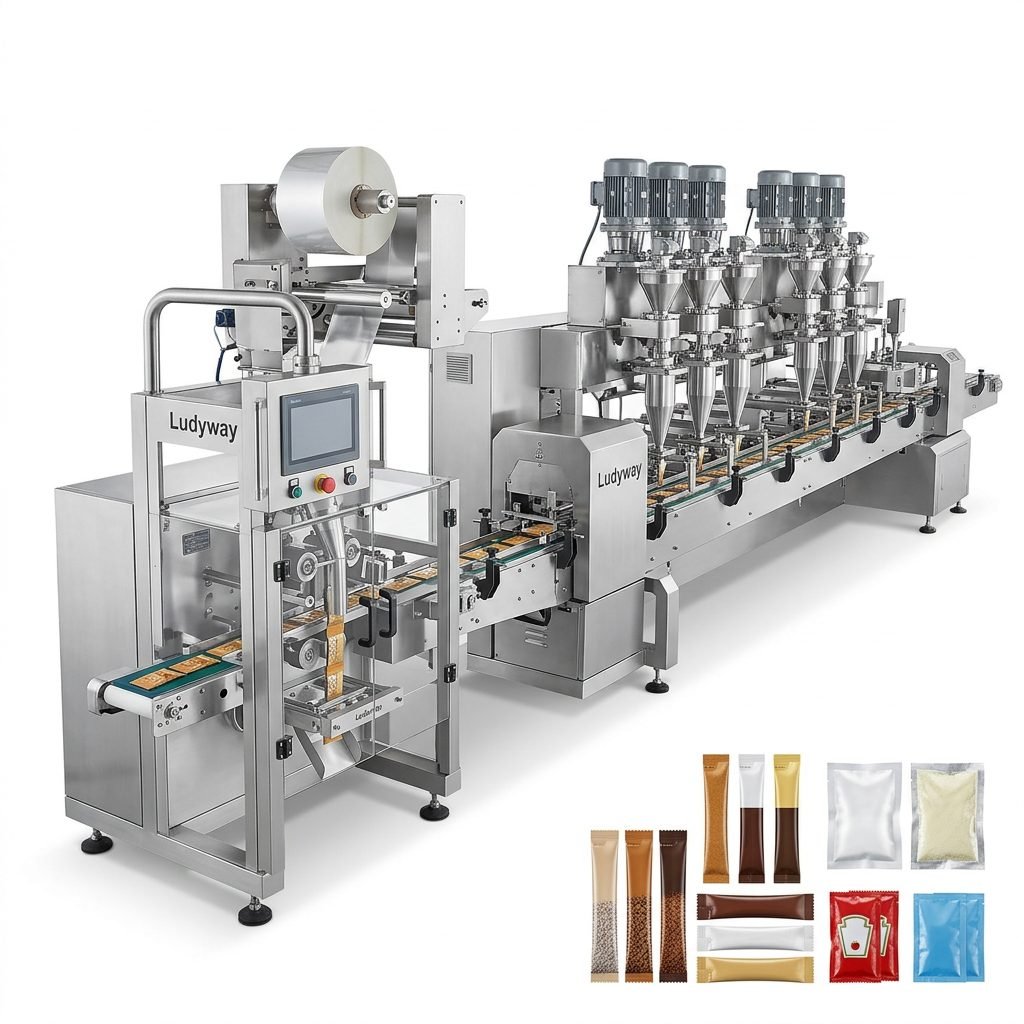
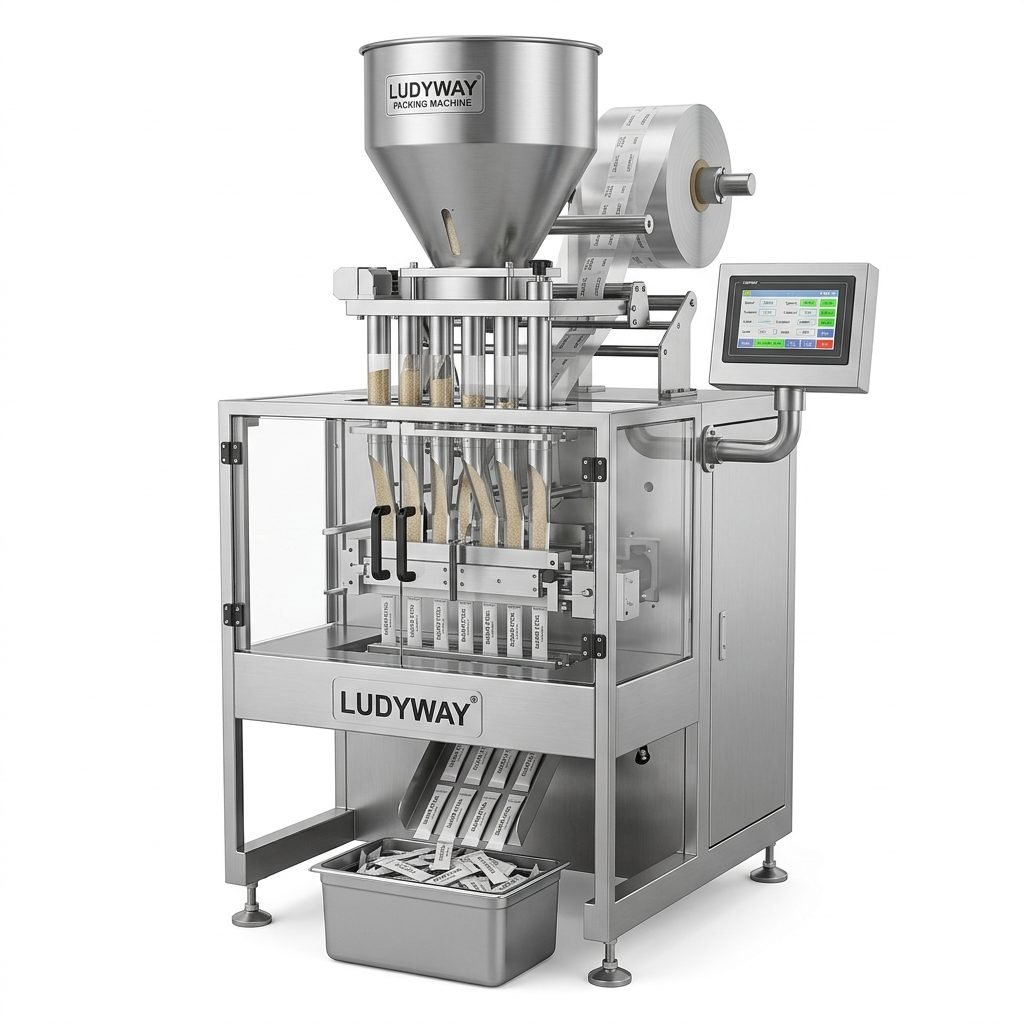
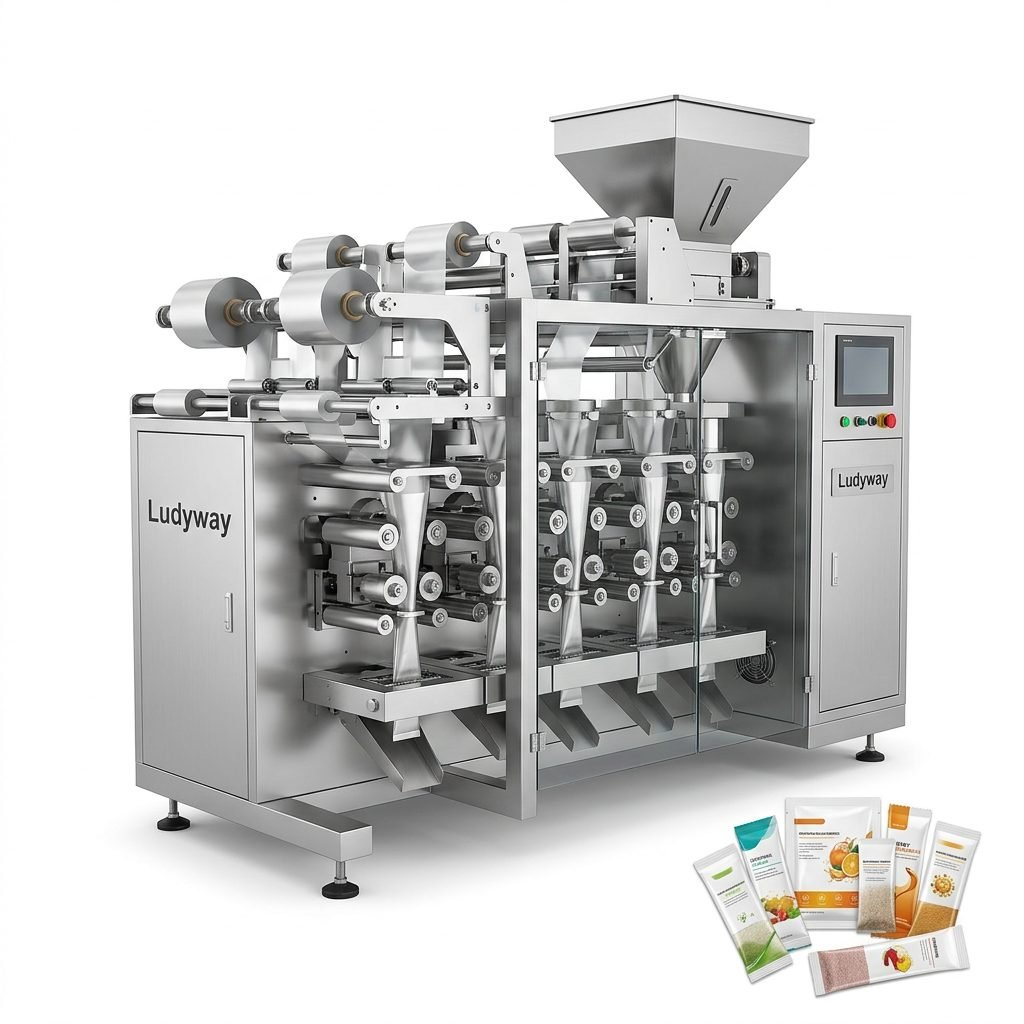
The South American sauce market is experiencing remarkable growth, driven by increasing consumer demand for convenient, ready-to-use condiments and the rapid expansion of food service industries across Brazil, Argentina, Colombia, and Chile. Setting up a sauce packaging machine production line in this region requires careful planning, understanding of local regulations, and selection of the right equipment to ensure efficiency, hygiene, and profitability.
Understanding the South American Sauce Market Landscape
Before investing in packaging machinery, it is essential to analyze the regional market dynamics. South America has a diverse culinary culture with high consumption of tomato-based sauces, chili sauces, mayonnaise, mustard, and soy-based condiments. According to industry data from PMMI’s business intelligence reports, the packaging machinery sector in Latin America is projected to grow steadily, fueled by urbanization and changing dietary habits.
Key markets like Brazil and Argentina have well-established food processing sectors, while Peru, Chile, and Colombia are emerging as fast-growing consumer markets. Understanding local consumer preferences will directly influence your choice of pouch formats, filling volumes, and packaging materials.
Key Equipment in a Modern Sauce Packaging Production Line
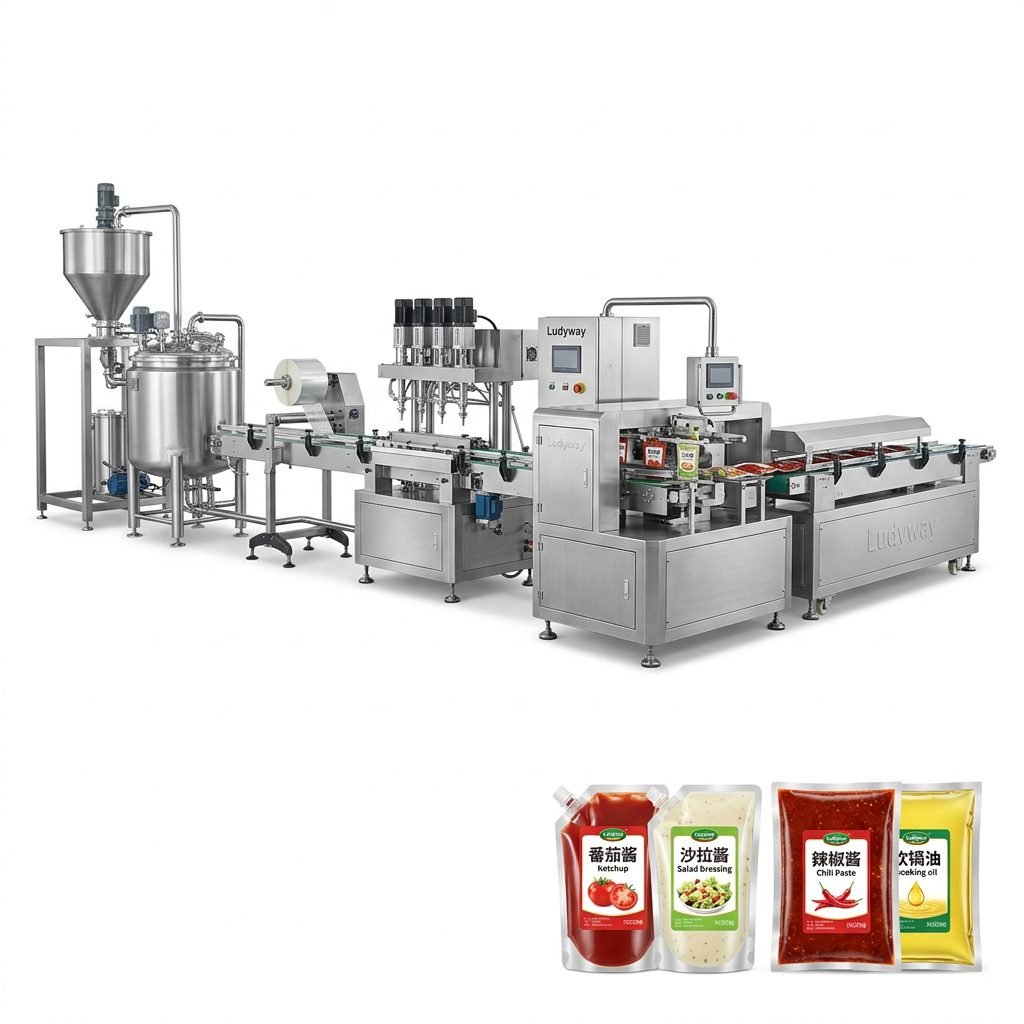
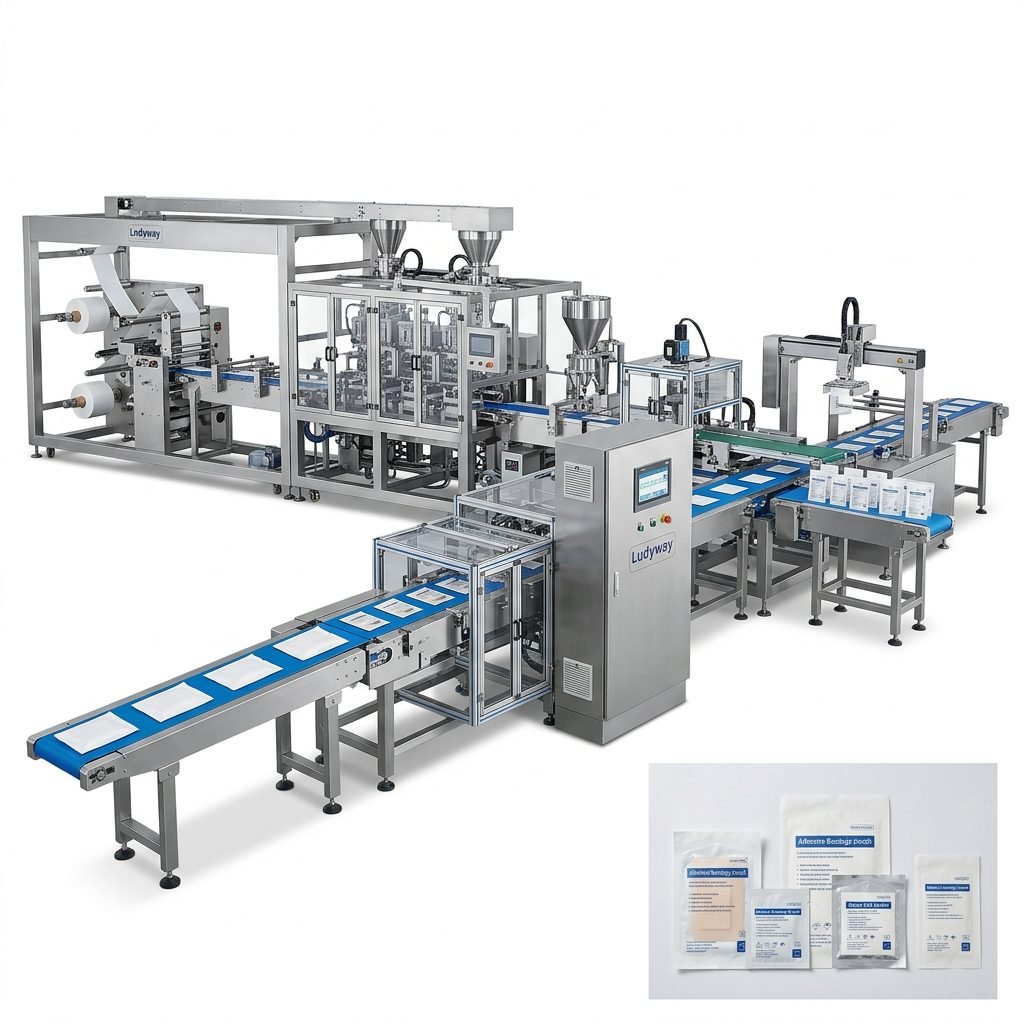
A complete sauce packaging production line integrates multiple machines working in synchronization. Below are the critical components you need to evaluate:
1. Liquid Filling and Sealing Machines
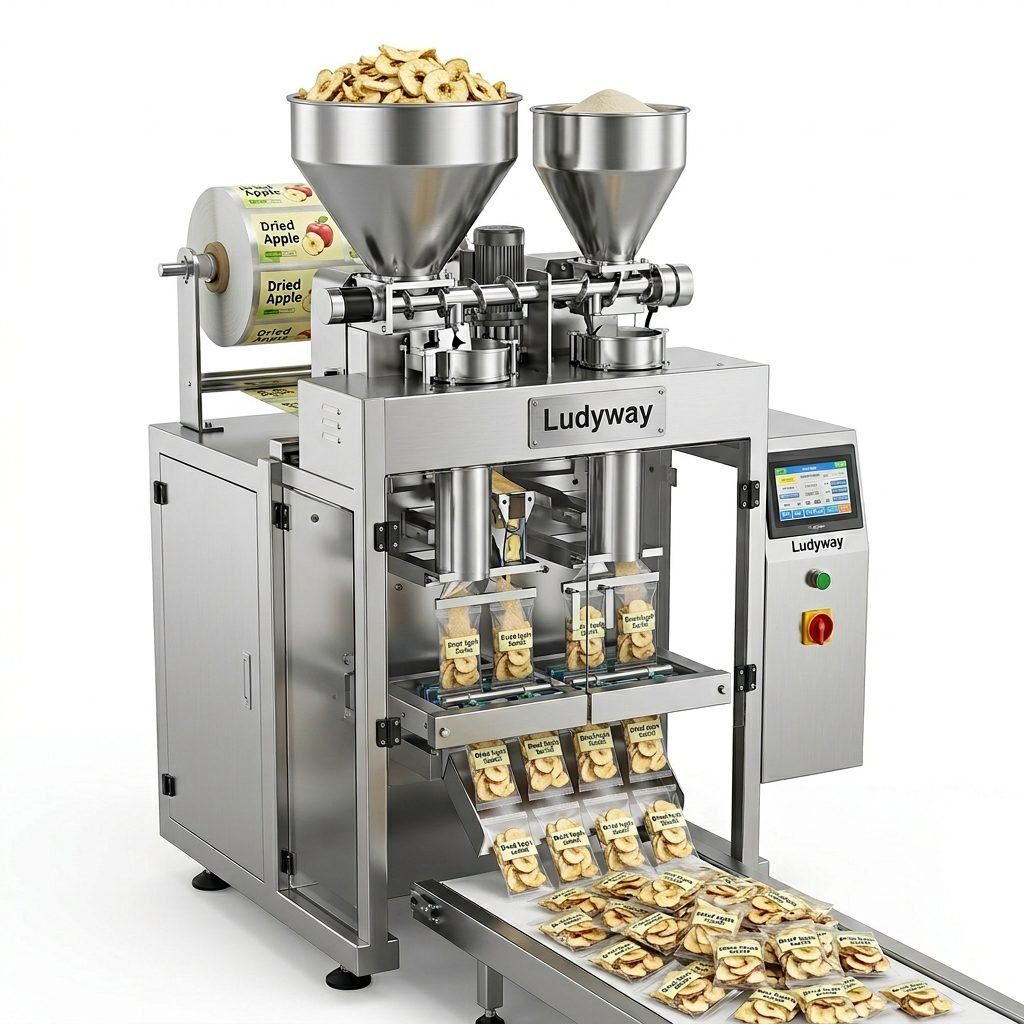
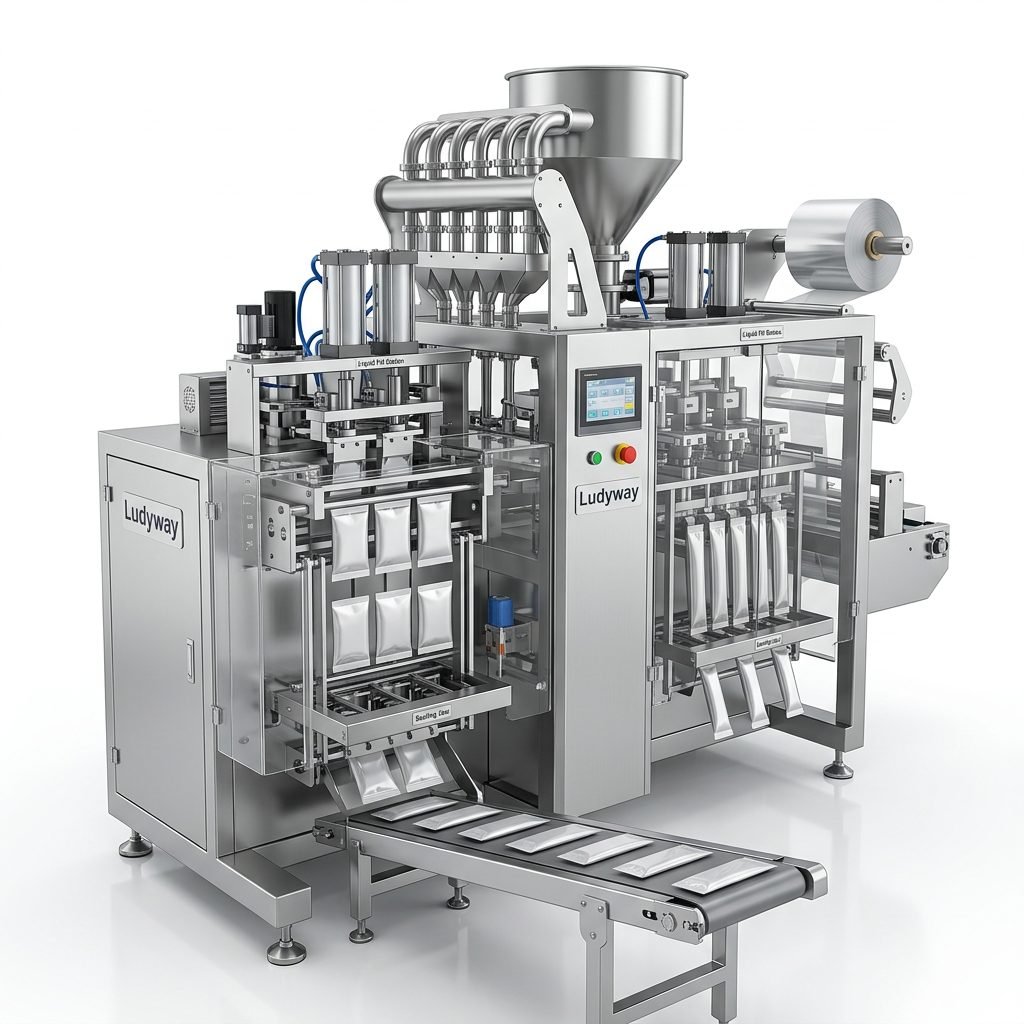
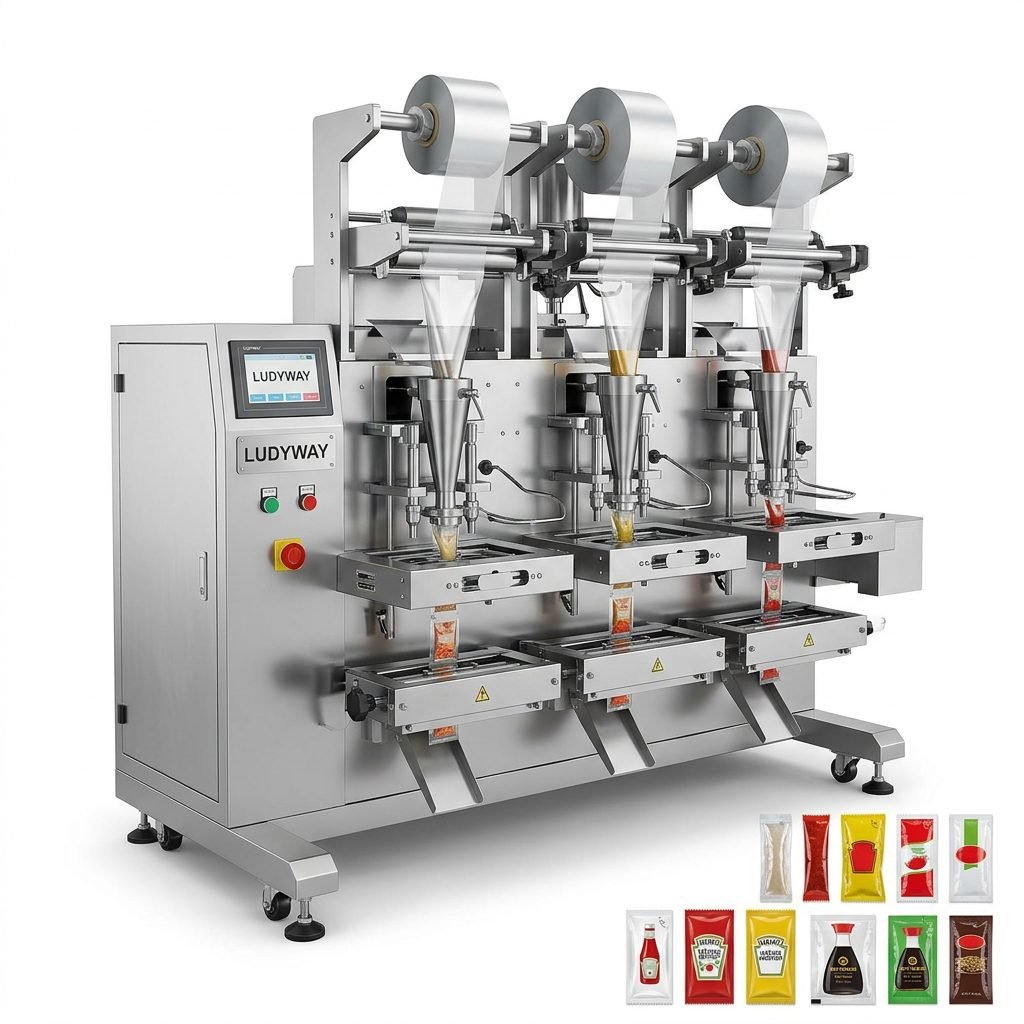
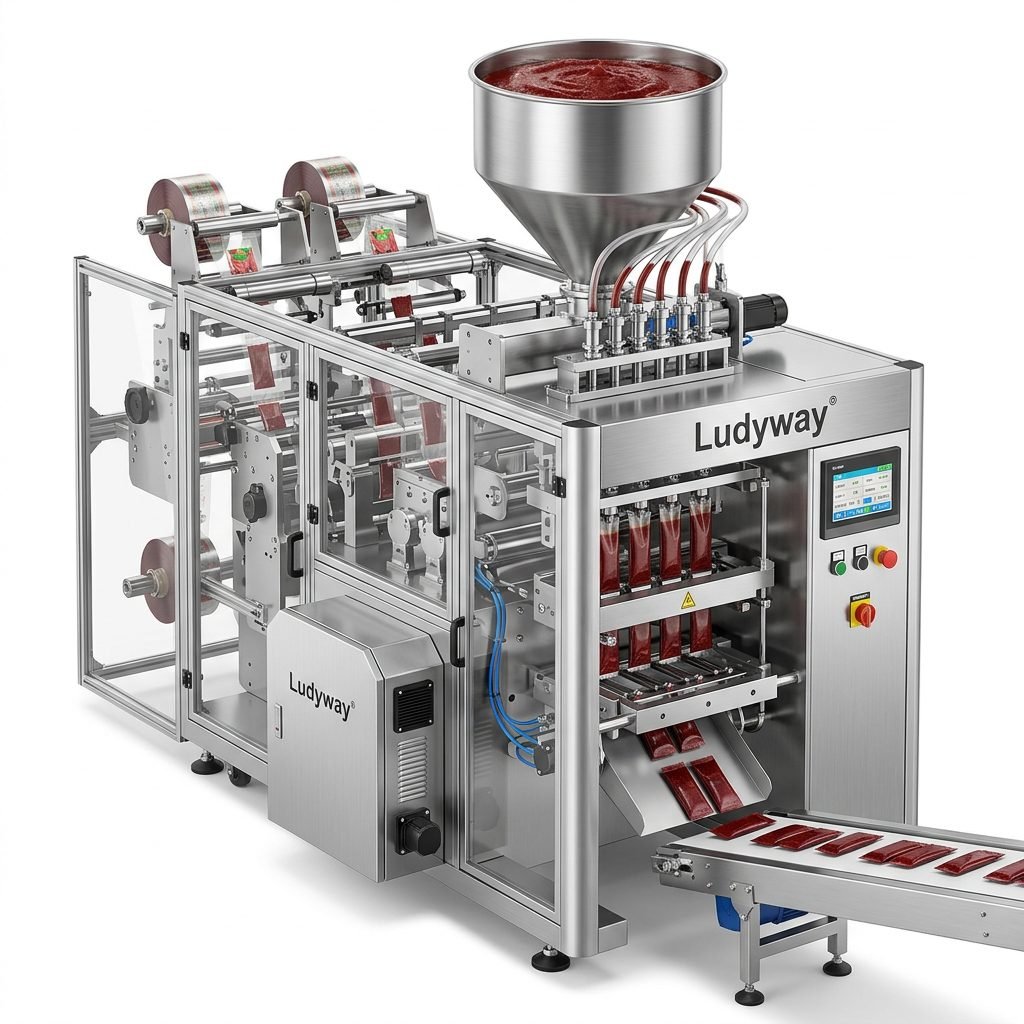
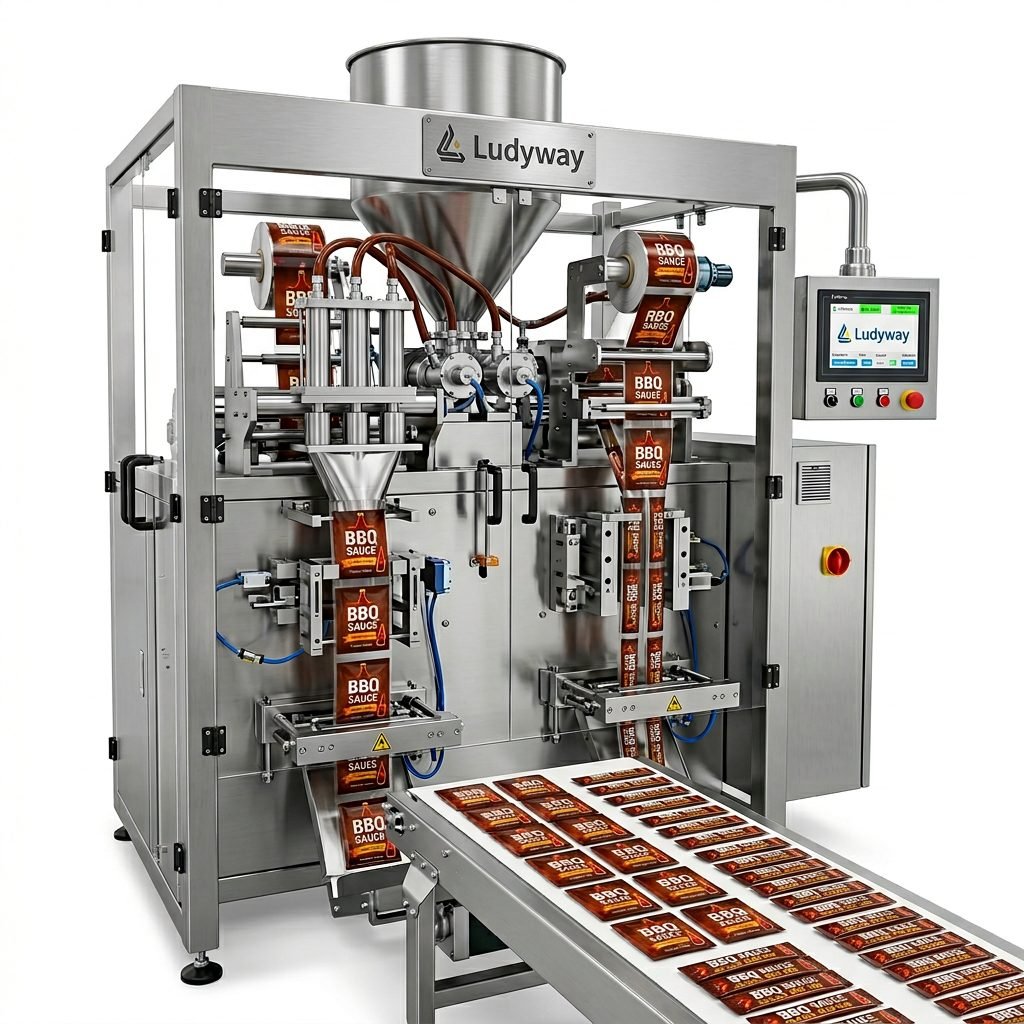
The core of any sauce packaging operation is the liquid filling and sealing machine. For sauce products, you can choose between sachet packaging machines, stick pack machines, or bottle filling systems depending on your target market. Multi-lane sachet machines offer high-speed output for single-serve condiment packets—a format extremely popular in South American food service and retail channels.
2. Multi-Lane Sachet and Stick Pack Systems
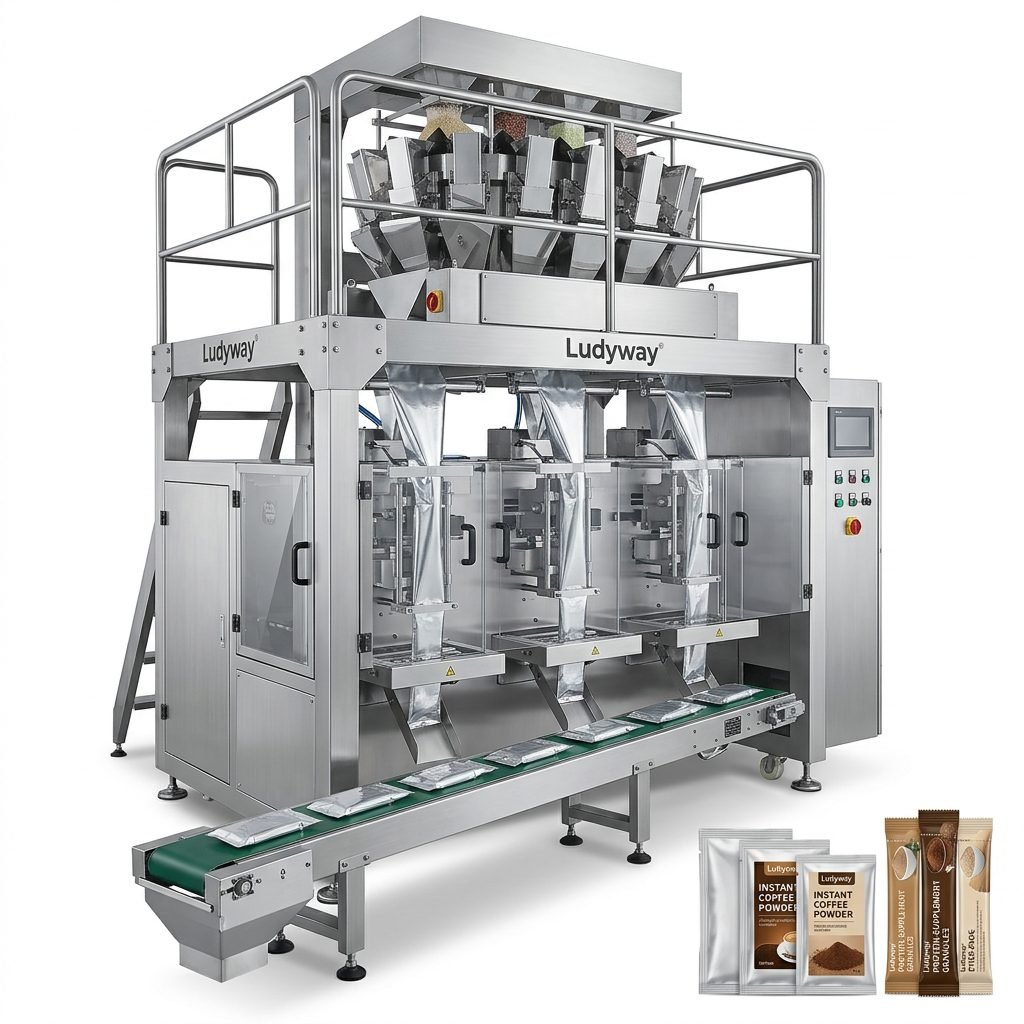
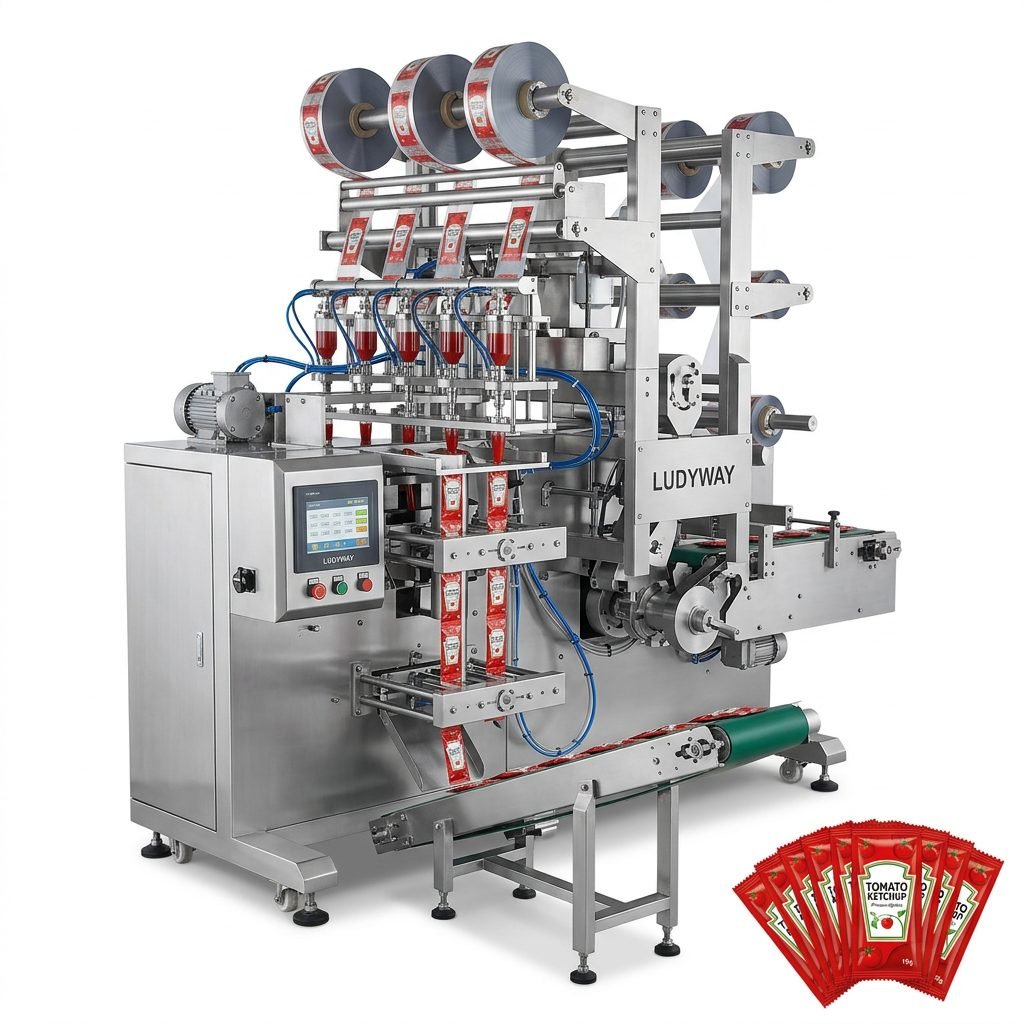
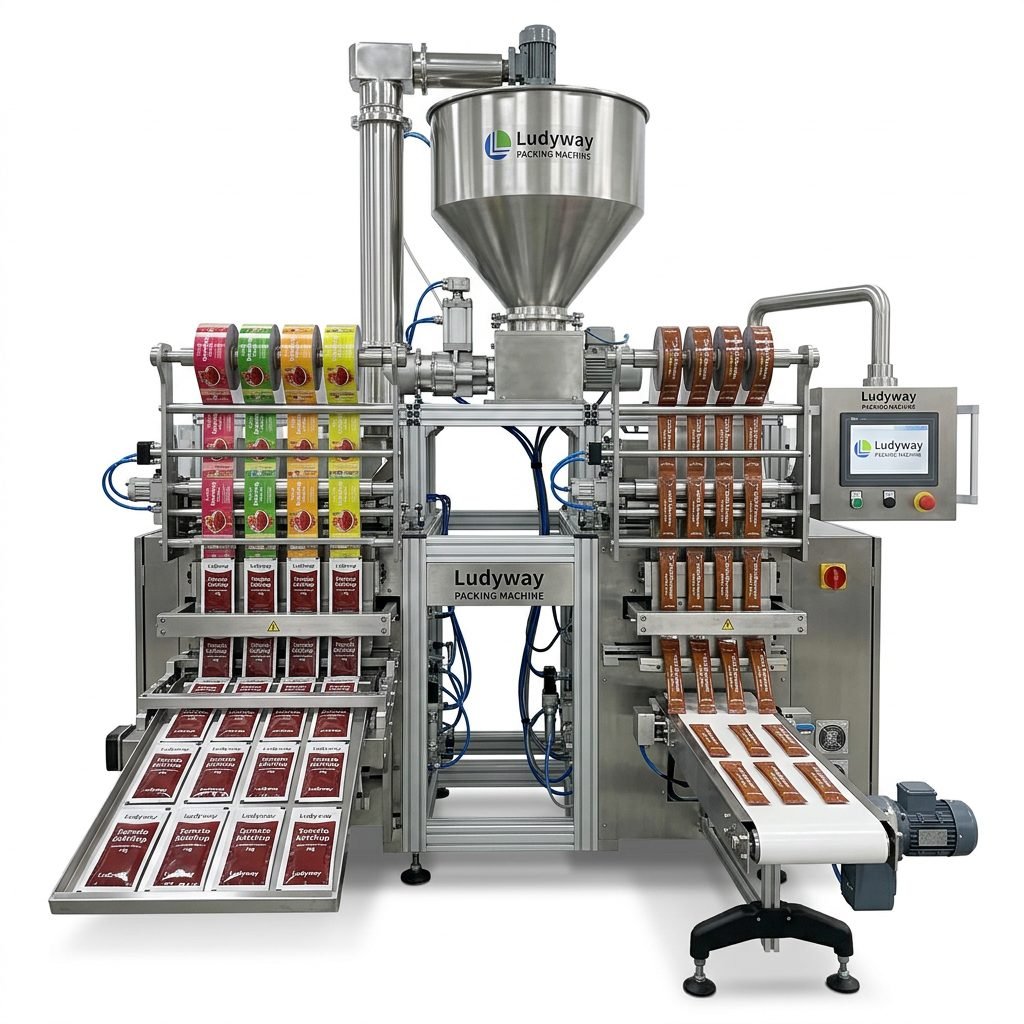
Multi-lane stick pack and sachet machines are ideal for packaging ketchup, chili sauce, mayonnaise, and other condiments in portion-controlled formats. These systems can operate at speeds of up to 400–600 packs per minute across multiple lanes, making them suitable for high-volume production. The Flexible Packaging Association provides valuable resources on material compatibility that can help you select the right film structures for your sauce products.
3. Automated Conveying and Feeding Systems
Efficient material handling between production stages requires well-designed conveyor systems, bucket elevators, and automatic feeders. These ensure continuous product flow from the mixing tank to the filling station, minimizing downtime and maintaining hygiene standards required by FDA food packaging regulations.
4. Secondary Packaging Equipment
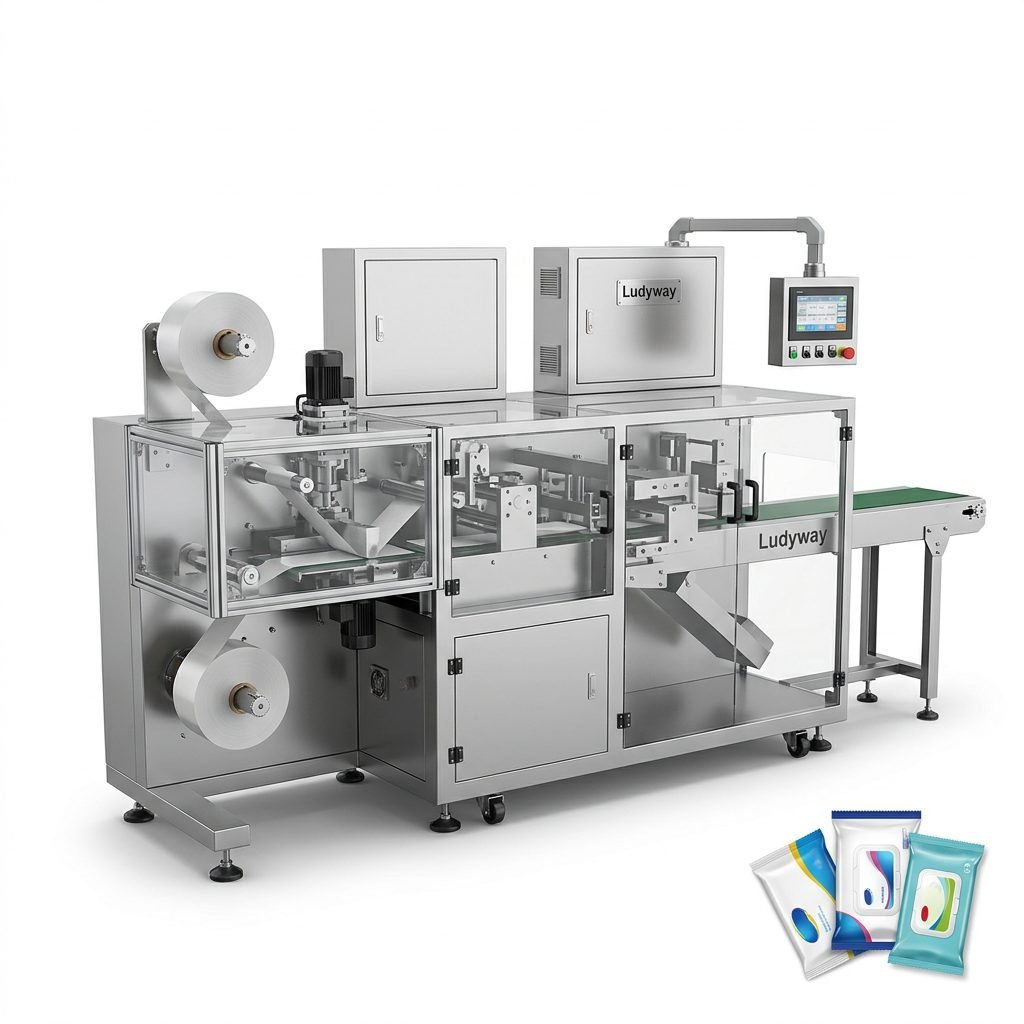
Beyond primary filling, your production line should include cartoning machines, case packers, and palletizing systems. These automate the end-of-line process, reducing labor costs and improving throughput. Automatic carton sealers and shrink wrapping machines complete the secondary packaging stage efficiently.
Critical Technical Specifications to Evaluate
When selecting a sauce packaging machine for production in South America, pay close attention to these technical parameters:
| Specification | Recommended Range | Why It Matters |
|---|---|---|
| Filling Speed | 200–600 packs/min | Directly impacts production capacity and ROI |
| Filling Accuracy | ±0.5% to ±1% | Reduces product giveaway and ensures compliance |
| Pouch Formats Supported | Sachet, Stick Pack, 3-Side Seal, 4-Side Seal | Market flexibility for different retail channels |
| Filling Volume Range | 5ml to 500ml | Accommodates single-serve to family-size portions |
| Material Compatibility | Laminated films, aluminum foil, PET/PE | Ensures product shelf life and barrier protection |
| Automation Level | Semi-automatic to fully automatic | Affects labor requirements and consistency |
Regulatory Compliance and Food Safety Standards
South American countries have specific food safety regulations that packaging equipment must comply with. In Brazil, ANVISA oversees food contact materials and packaging standards. Argentina’s SENASA and Chile’s ISP enforce similar regulations. Your equipment should support hygienic design principles, including:
- Stainless steel construction (SUS304 or SUS316L) for all product contact parts
- CIP (Clean-in-Place) capability for automated cleaning cycles
- Sealed electrical enclosures to withstand washdown environments
- Compliance with ISO packaging standards for food safety and quality management
- HACCP-compatible design with easy disassembly for sanitation
Infrastructure and Utility Requirements in South America
Setting up a production line in South America requires careful assessment of local infrastructure. Power supply stability varies significantly across regions—Brazil operates on both 110V and 220V depending on the state, while most other countries use 220V. Ensure your equipment supports the local voltage and frequency (typically 60Hz in most South American countries).
Compressed air quality and water treatment systems are equally critical. Many areas experience high humidity levels, which can affect powder-based sauce mixes and require dehumidification in packaging areas. Plan your facility layout to include adequate climate control and dust extraction systems where necessary.
Installation, Commissioning, and Operator Training
A successful production line launch depends heavily on proper installation and comprehensive training. Look for equipment suppliers who offer:
- On-site installation supervision by experienced engineers
- Commissioning support including trial runs with actual product
- Hands-on operator training in local language (Portuguese or Spanish)
- Detailed maintenance manuals and troubleshooting guides
- Remote diagnostic capabilities for ongoing technical support
Maintenance and After-Sales Support Considerations
When operating in South America, spare parts availability and responsive after-sales service are crucial factors. Evaluate potential suppliers based on their regional presence, response times, and whether they maintain local inventory of critical spare parts. A reliable supplier should offer:
- Preventive maintenance programs tailored to your production schedule
- Quick access to replacement parts and consumables
- Remote video support for rapid troubleshooting
- Periodic equipment audits to optimize performance
- Extended warranty options for critical components
Cost Analysis and ROI Projections
Investing in a sauce packaging production line in South America involves several cost components that you should budget for:
| Cost Category | Estimated Percentage | Notes |
|---|---|---|
| Packaging Machinery | 40%–50% | Primary filling, sealing, and secondary packaging equipment |
| Shipping and Import Duties | 10%–15% | Varies by country; Mercosur trade agreements may apply |
| Installation and Commissioning | 5%–8% | Including engineer travel and on-site support |
| Facility Modifications | 15%–20% | Utilities, clean room setup, and infrastructure upgrades |
| Training and Documentation | 3%–5% | Operator and maintenance training programs |
| Initial Spare Parts Inventory | 5%–7% | Critical wear parts and consumables stock |
Typical ROI periods range from 18 to 36 months depending on production volume, product margins, and operational efficiency. High-speed multi-lane systems generally achieve faster payback due to greater throughput capacity.
Choosing the Right Equipment Partner
Selecting a reliable packaging machinery manufacturer is one of the most critical decisions in setting up your production line. Ludyway, one of the largest packaging machine manufacturers in China with over 30 years of industry expertise, specializes in advanced packaging equipment and turnkey production solutions for the food, pharmaceutical, and health industries. With a modern 20,000㎡ manufacturing facility and more than 50 intelligent packaging machine models, Ludyway serves customers in over 100 countries and regions, providing reliable and efficient packaging solutions for granule, powder, liquid, and pouch packaging applications. For more details on liquid packaging line options, refer to resources from PMMI’s packaging industry resources.
Practical Tips for Production Line Setup Success
- Start with a pilot line: Before scaling up, run a smaller production line to validate product-market fit and optimize packaging parameters.
- Plan for future expansion: Design your facility layout with space for additional lines as demand grows.
- Invest in quality control: Integrate checkweighers, metal detectors, and vision inspection systems from the start.
- Build local relationships: Partner with local distributors and service providers who understand regional requirements.
- Consider sustainability: South American consumers increasingly favor eco-friendly packaging; explore recyclable and biodegradable film options as recommended by European packaging waste regulations that influence global trends.
Common Challenges and How to Overcome Them
Operating in South America presents unique challenges that require proactive planning. Supply chain disruptions can affect packaging material availability, so maintaining adequate inventory levels is essential. Climate conditions, particularly high humidity in tropical regions, can impact both machine performance and product quality. Implementing proper climate control and using moisture-resistant packaging materials will mitigate these risks.
Additionally, skilled labor shortages in certain areas make comprehensive training programs critical. Investing in automated systems reduces dependency on manual operations and improves overall consistency. The State of the Industry reports from PMMI provide valuable insights into packaging automation trends that can guide your investment decisions.
Conclusion: Building a Competitive Sauce Packaging Operation
Setting up a sauce packaging machine production line in South America is a strategic investment that can yield substantial returns when executed properly. By selecting the right equipment, ensuring regulatory compliance, and partnering with experienced suppliers, you can build a highly efficient and profitable packaging operation. Focus on flexibility, quality, and after-sales support to create a production line that adapts to evolving market demands and positions your business for long-term success in this dynamic region.
For additional guidance on packaging machinery standards and industry best practices, explore the comprehensive resources at Flexible Packaging Association and ISO packaging and distribution standards.