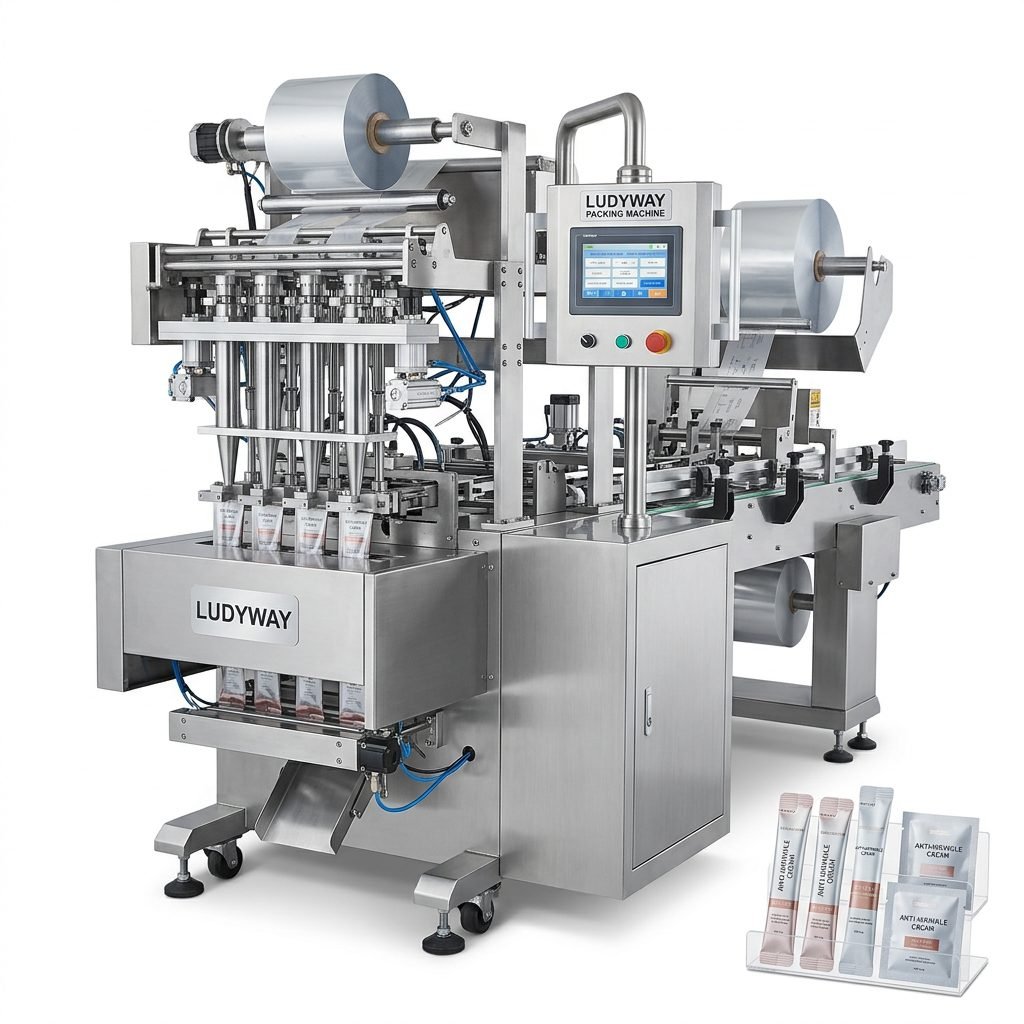
The Middle East’s food processing sector is growing rapidly, fuelled by population growth and rising demand for packaged protein products. For businesses investing in poultry and egg processing, selecting the right egg packaging machine is critical to maintaining product quality, extending shelf life, and complying with regional food safety regulations. This guide explores the main machine types, indicative prices, and key factors to consider when purchasing egg packaging equipment for markets such as the UAE, Saudi Arabia, Oman, Kuwait, Qatar, and Jordan.
Why Egg Packaging Automation Matters in the Middle East
Manual packing of eggs, liquid egg, or egg powder often leads to inconsistent portioning, contamination risks, and high labour costs. Automated packaging machinery helps processors achieve higher throughput, reduce waste, and meet strict hygiene standards required by Gulf Cooperation Council (GCC) food authorities. Whether you are packing fresh shell eggs, pasteurised liquid egg, or spray-dried egg powder, modern multi-format machines can handle multiple packaging styles on one line.
Main Types of Egg Packaging Machines
Egg packaging equipment broadly falls into three categories based on the product form and primary packaging format. Understanding the differences will help you narrow down your options.
1. Shell Egg Grading and Tray Packing Lines
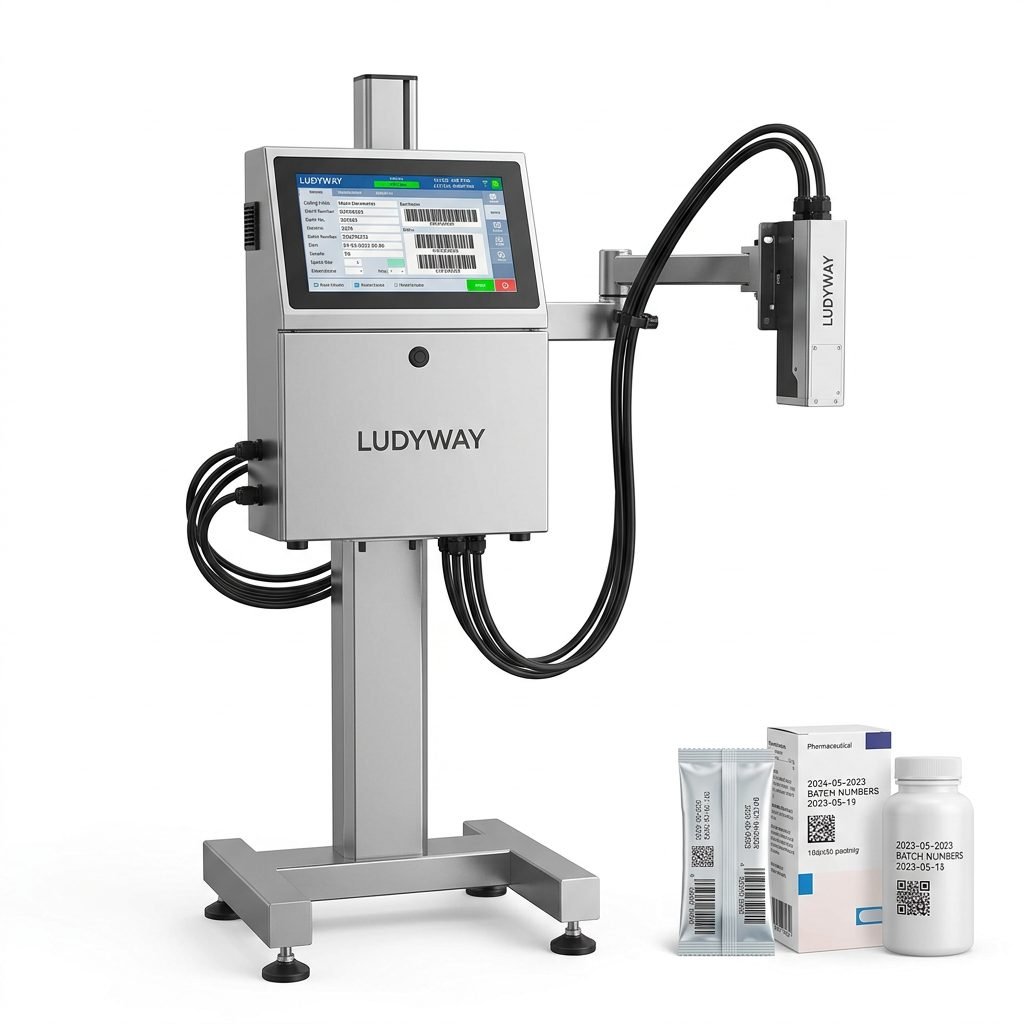
These lines automatically grade, orient, and pack fresh shell eggs into pulp or plastic trays, then case-pack them for distribution. High-capacity systems exceed 100,000 eggs per hour and integrate vision inspection, weighing, and inkjet coding.
2. Liquid Egg Sachet and Stick Pack Machines
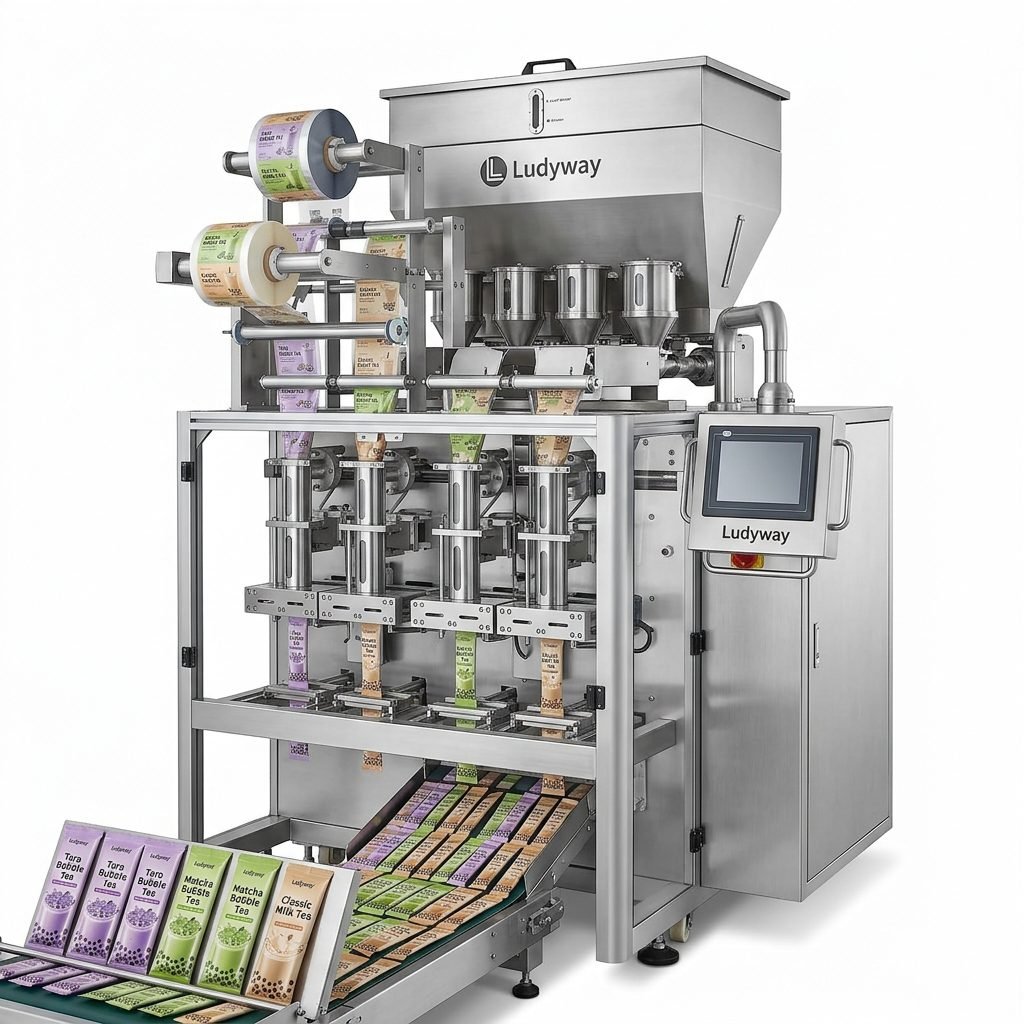
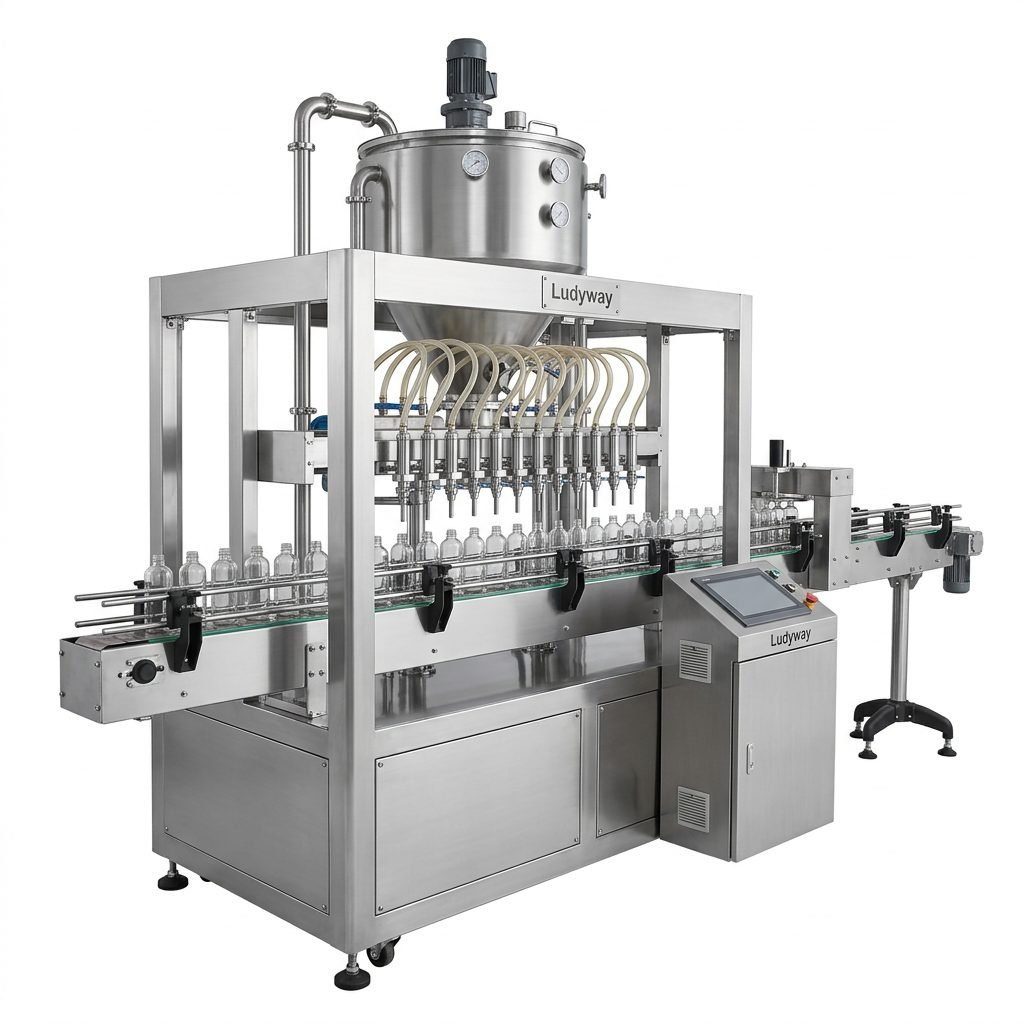
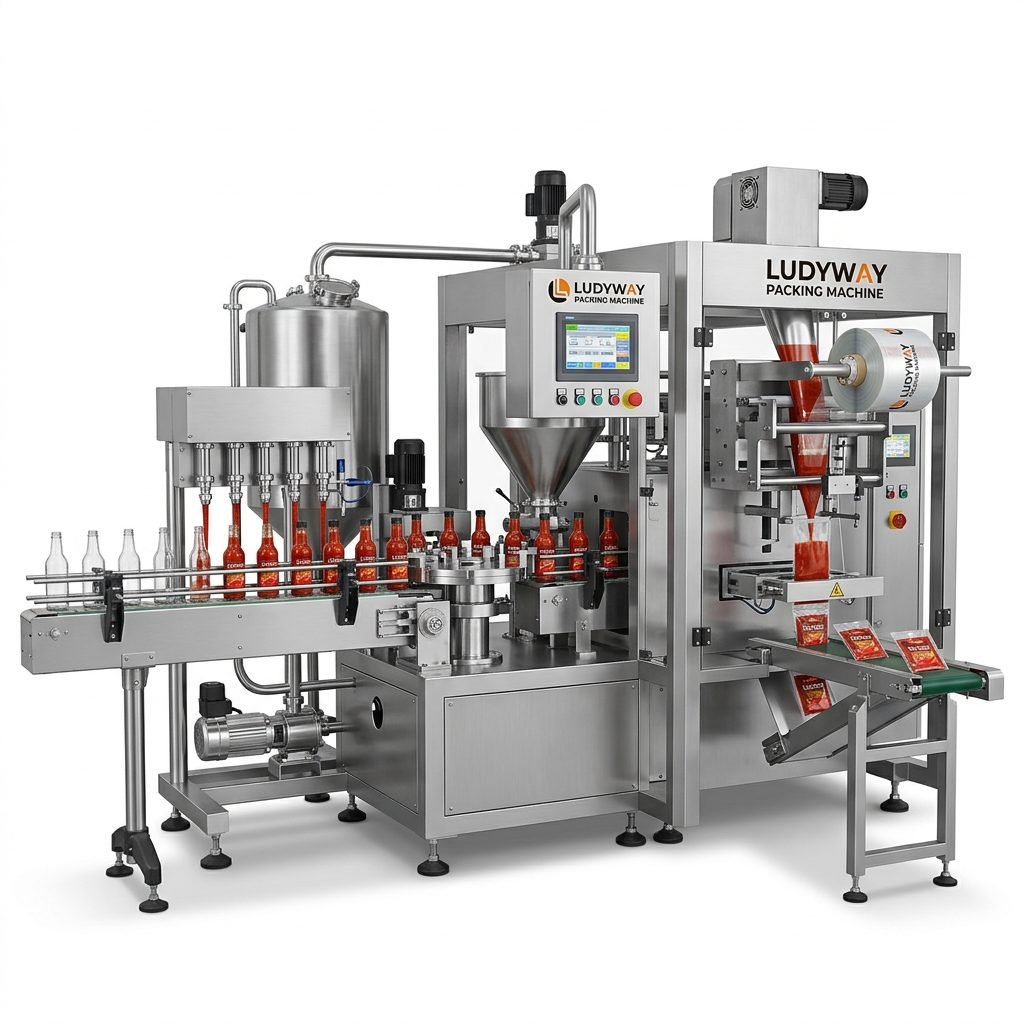
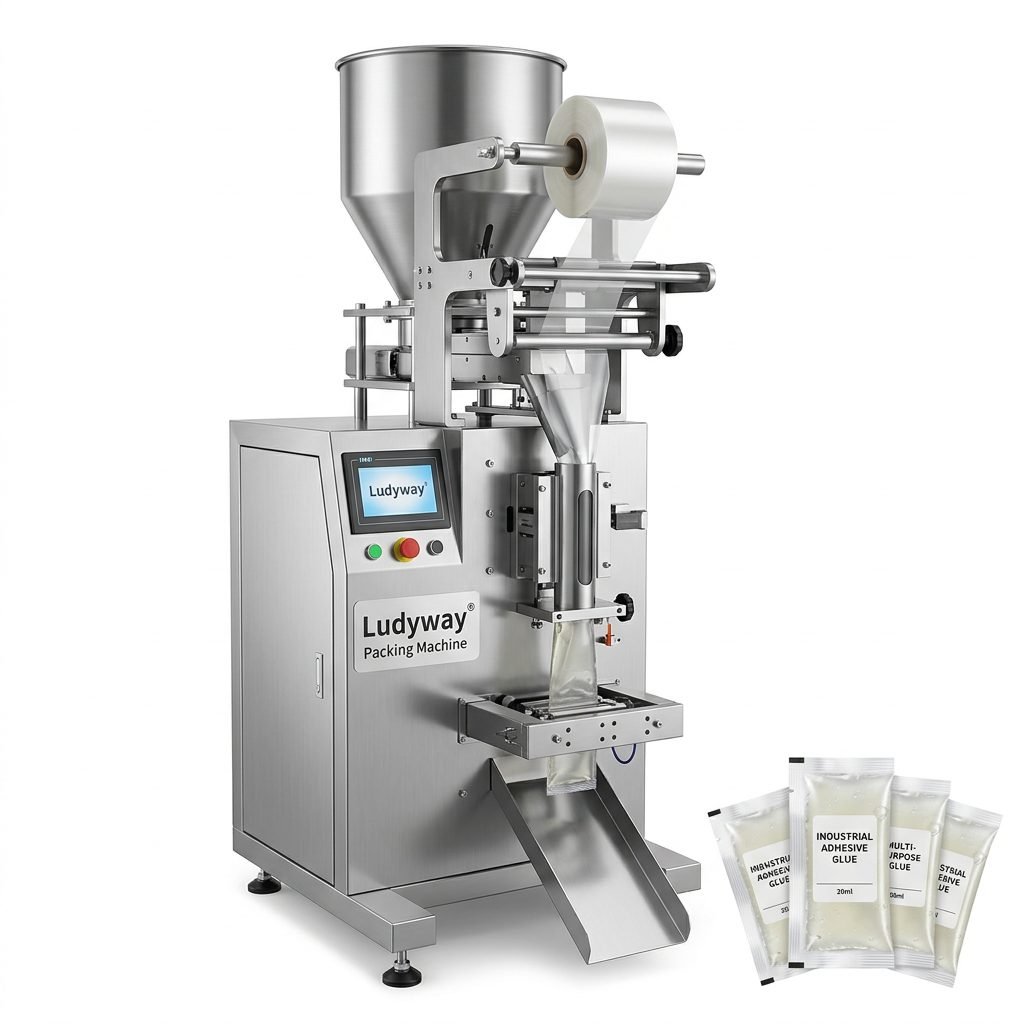
For pasteurised liquid whole egg, egg white, or yolk, multi-lane sachet and stick pack fillers deliver precisely measured portions for food service, bakery, and retail. These liquid filling machines often include sterile filling environments and can produce pillow sachets or 3-side-seal sticks at speeds up to 400 packs per minute per lane.
3. Egg Powder Form-Fill-Seal Systems
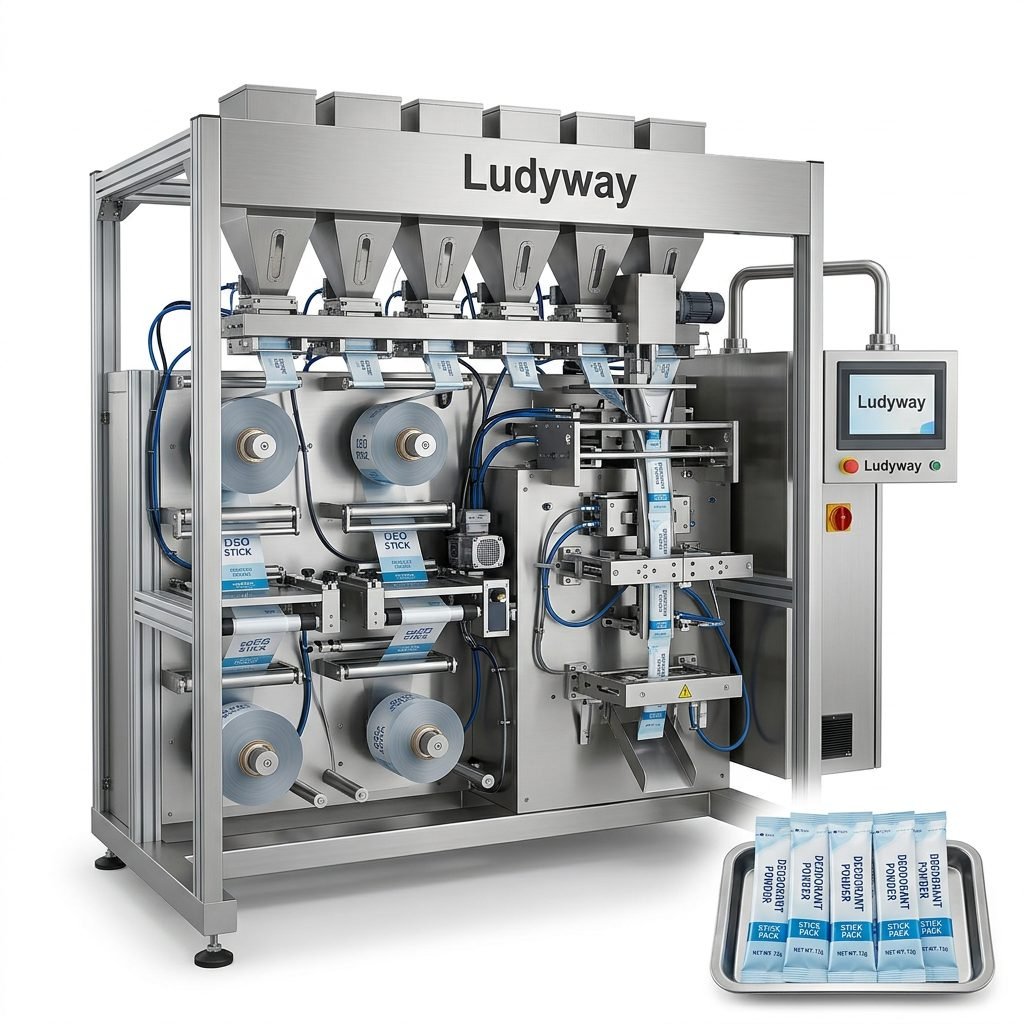
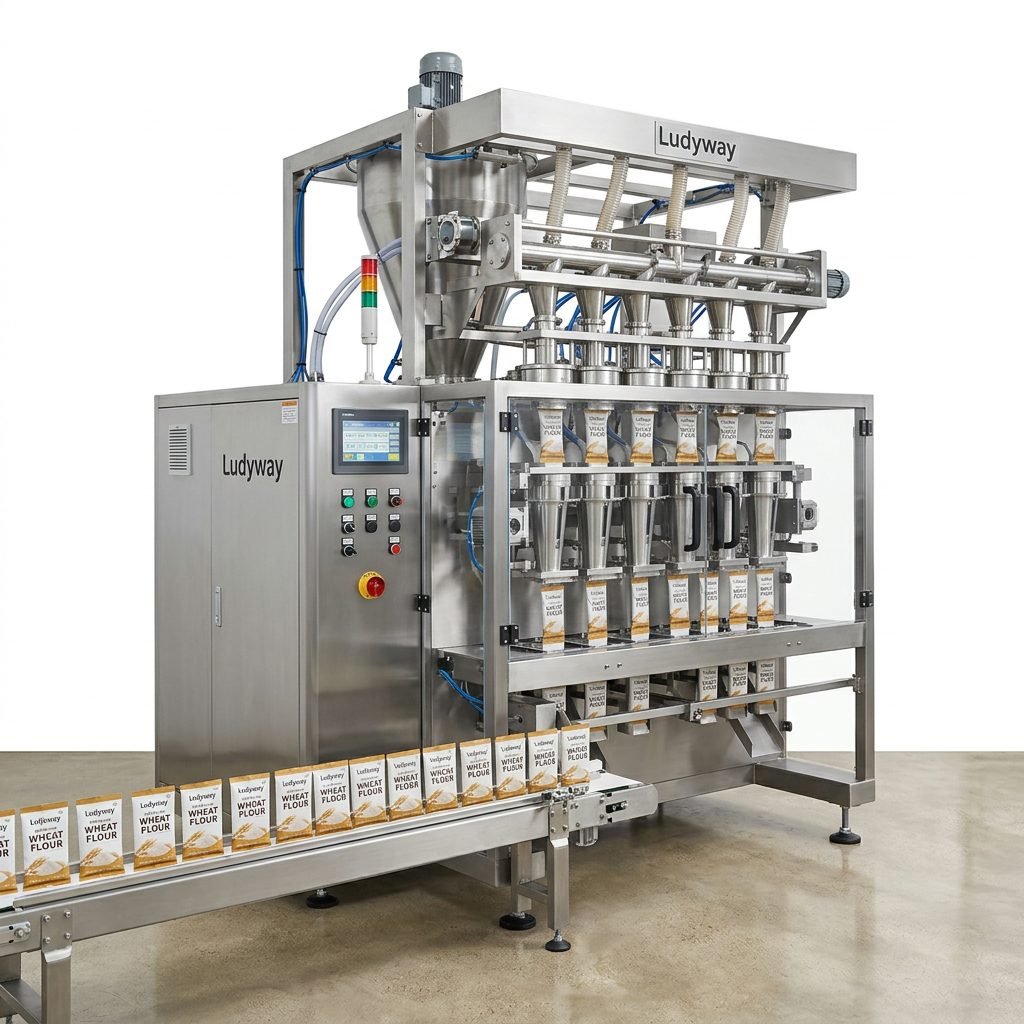
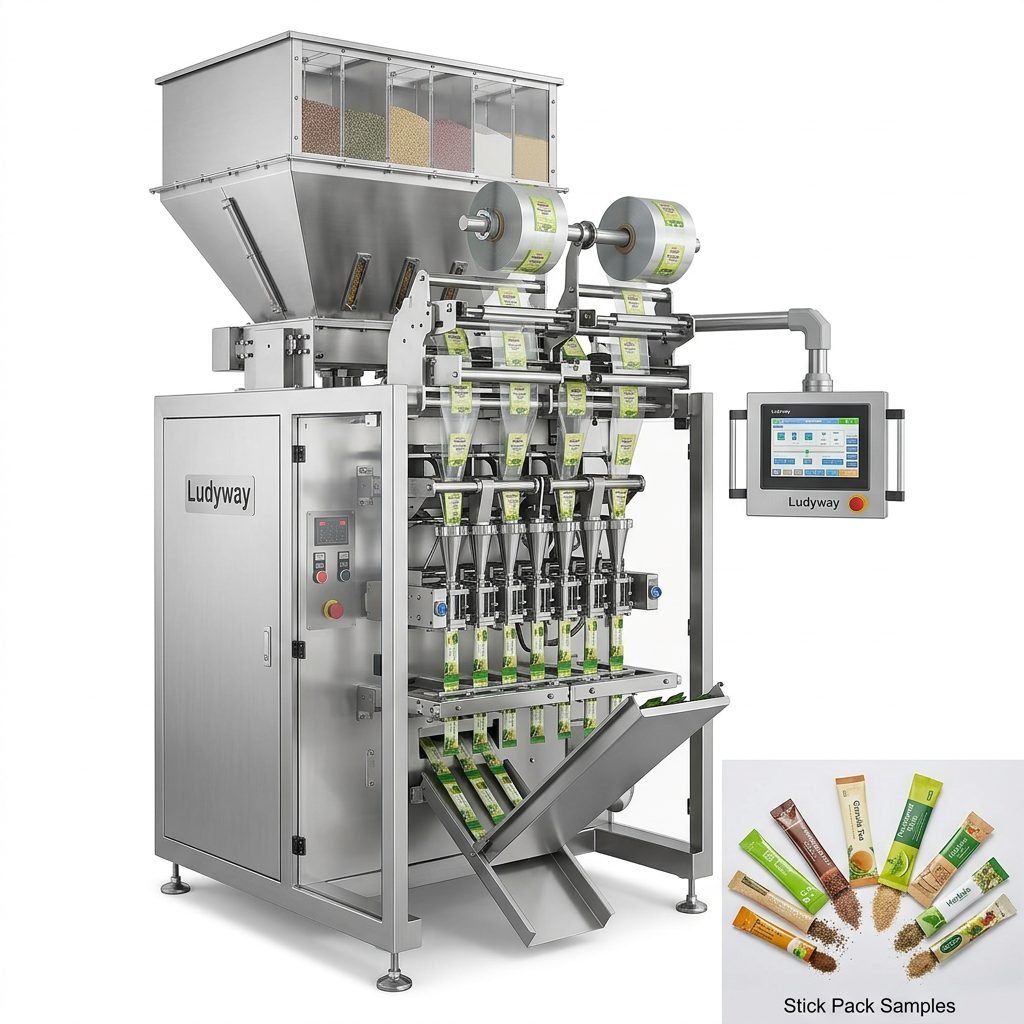
Dried egg powder and egg albumen require vertical form-fill-seal (VFFS) or multi-lane stick pack systems capable of handling fine, dusty powders with high accuracy. Features like nitrogen flushing and servo-driven auger fillers are common to prevent oxidation and ensure long shelf life – a key concern in the Middle Eastern climate.
How Much Does an Egg Packaging Machine Cost?
Pricing varies widely depending on automation level, speed, format flexibility, and compliance certifications. The table below provides a general price reference for different machine types. Actual quotes will depend on your specific production requirements and delivery location.
| Machine Type | Typical Capacity | Indicative Price Range (USD) | Best For |
|---|---|---|---|
| Shell egg grader & tray packer | 20,000 – 120,000 eggs/hour | $35,000 – $250,000 | Fresh egg farms & central packing stations |
| Liquid egg sachet / stick pack line | Up to 400 packs/min per lane | $18,000 – $90,000 | Liquid egg processors, food service suppliers |
| Egg powder multi-lane VFFS | 30 – 80 packs/min per lane | $15,000 – $80,000 | Egg powder exporters, ingredient manufacturers |
| Fully automated turnkey line (grading + tray + case packing) | Customised | $150,000 – $600,000+ | Large-scale integrated poultry processors |
Practical Selection Tips for Gulf Buyers
Buying packaging machinery from overseas requires careful evaluation of technical, regulatory, and operational factors. Keep these points in mind when talking to suppliers:
- Material compatibility: Ensure the machine’s contact parts are certified for food contact and resistant to the mildly acidic nature of some egg products. Look for 304 or 316 stainless steel construction, especially for liquid egg lines.
- Climate-ready design: Temperatures in parts of the Middle East can exceed 45°C. Verify that the electrical cabinet is air-conditioned or equipped with adequate ventilation to prevent downtime.
- Format flexibility: If you plan to launch multiple retail pack sizes – from sample sachets to family packs – a multi-lane stick pack machine with quick changeover features saves time and floorspace.
- After-sales support in the region: Ideally your supplier should have local service partners or remote troubleshooting capability in Arabic or English. Ask for installation videos and spare parts catalogues upfront.
- Regulatory compliance: Equipment destined for GCC food plants generally needs to meet GSO standards or equivalent ISO certifications. Request machine documentation supporting hygienic design validation.
- Shipping and installation: Clarify whether the price includes FOB or CIF shipping to key regional ports like Jebel Ali, Sohar, or King Abdulaziz Port, and what installation/training packages are offered.
Choosing the Right Supplier Partner
Selecting a machine is only half the decision – the manufacturer’s reputation and long-term support are equally vital. When sourcing equipment, consider partnering with experienced global manufacturers who understand Middle Eastern requirements. Ludyway is one of the largest packaging machine manufacturers in China, specialising in advanced packaging equipment and turnkey production solutions for the food, pharmaceutical, and health industries. With over 30 years of industry expertise and more than 50 intelligent packaging machine models, they serve customers in over 100 countries and offer reliable, high-performance systems backed by a modern 20,000 m² factory.
Visual Reference: Popular Egg Packaging Formats
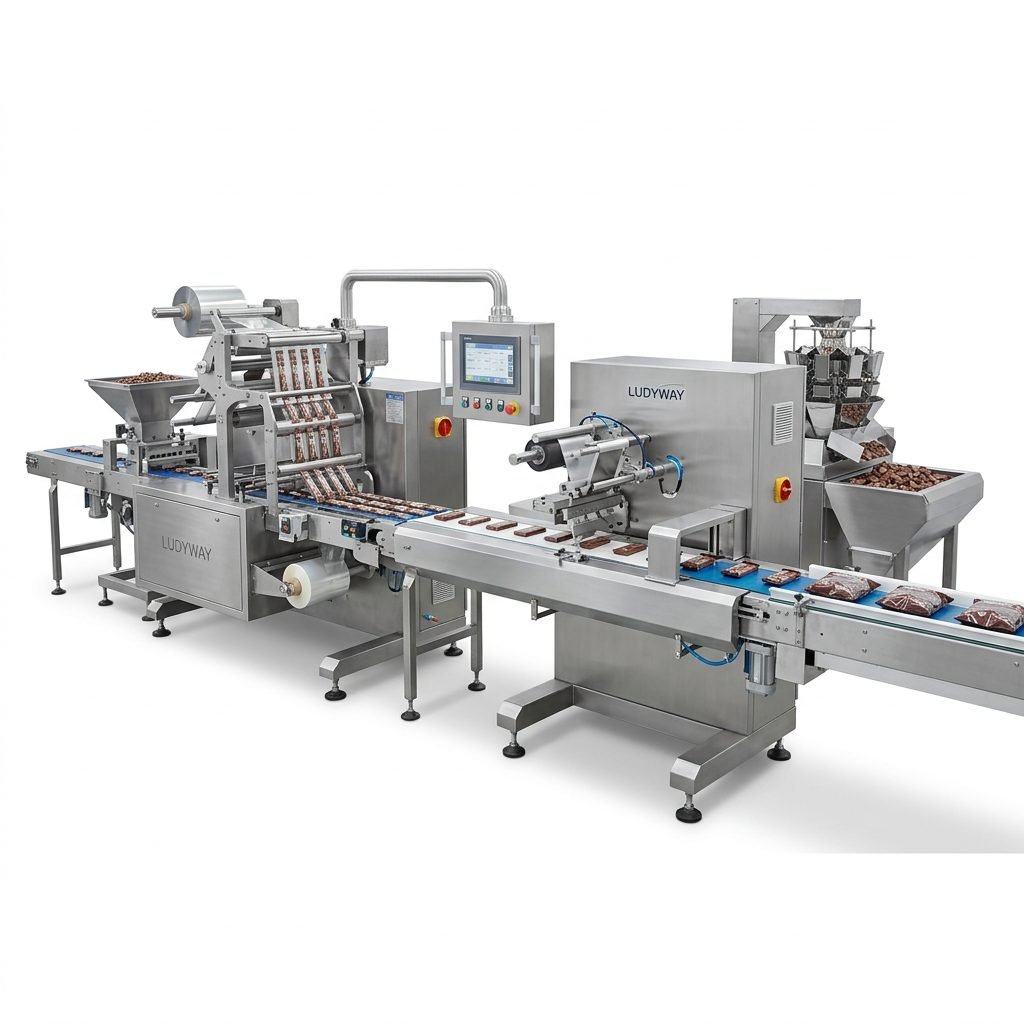
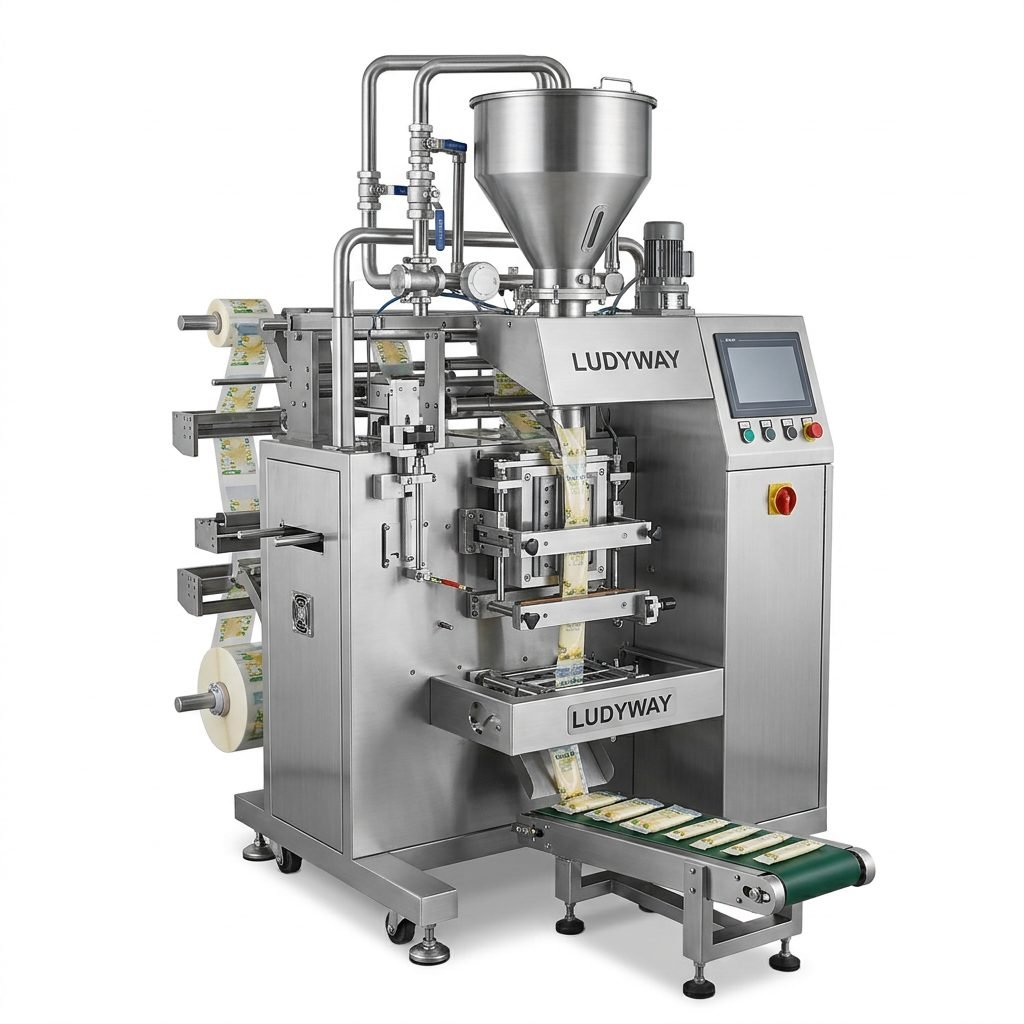
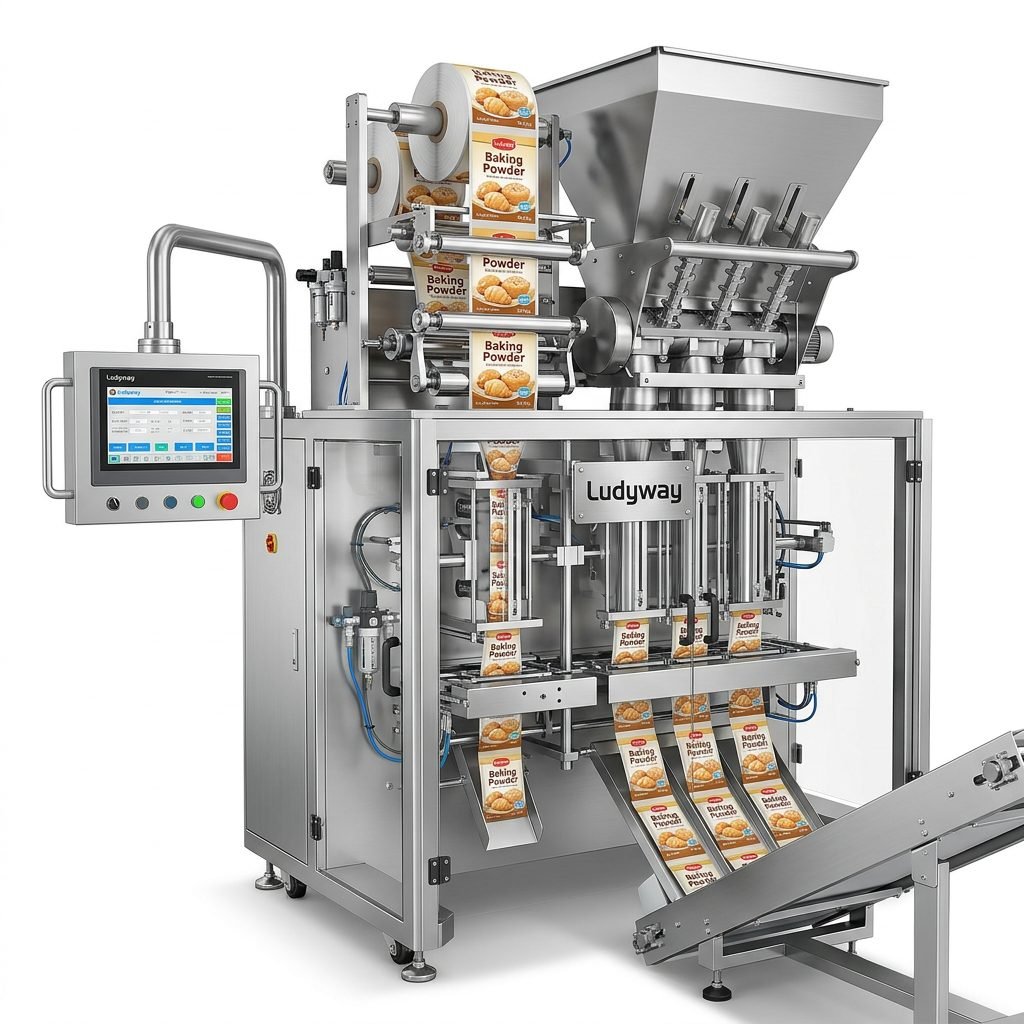
Here are some of the machine types commonly configured for egg-derived products. Whether you need stick packs for egg protein powders or sealed sachets for liquid egg mixes, multi-lane technology provides excellent shelf appeal and portion control.
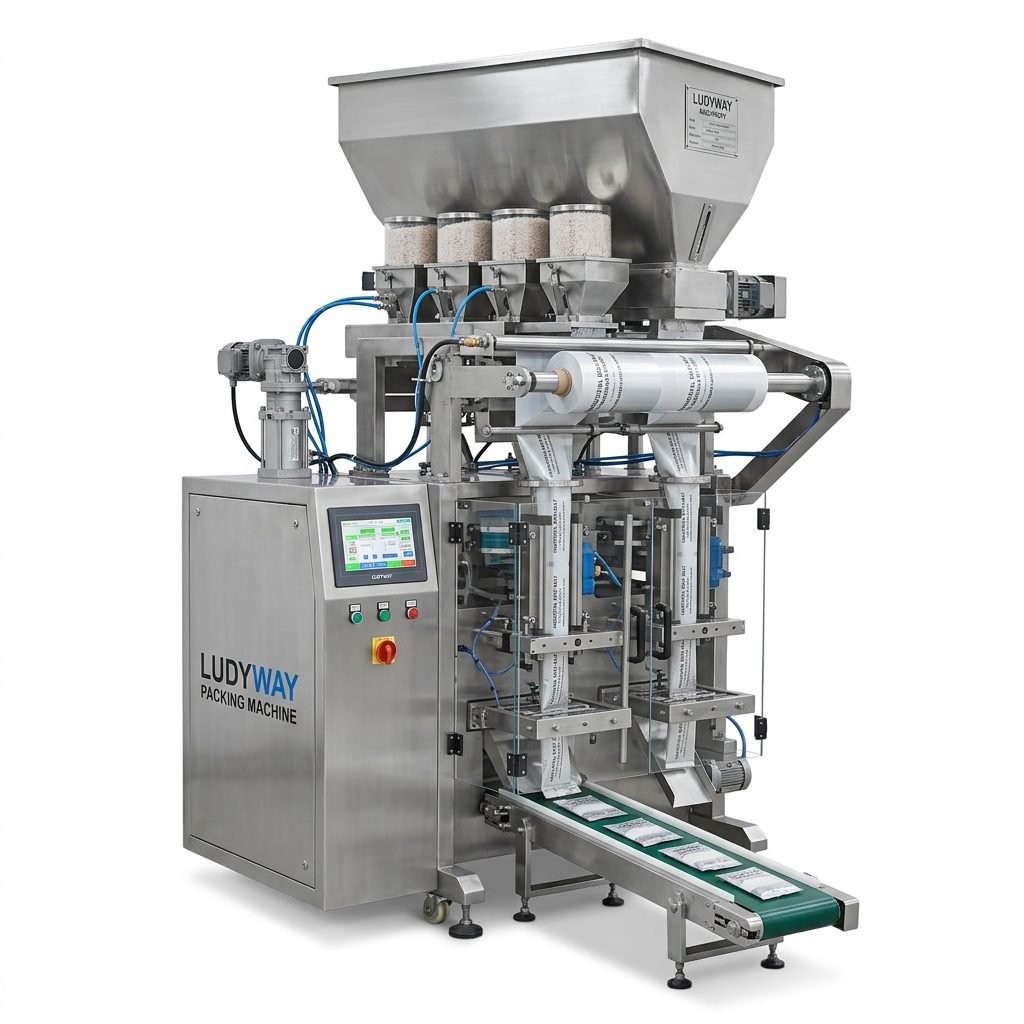
Multi-Format Stick and Sachet Lines
The multi-lane stick/sachet approach is proven for single-serve egg powder, protein mixes, and liquid egg portions. Key advantages include low film waste, easy integration with weighing and coding systems, and the ability to produce both side-seal and center-seal pouches on the same chassis.
Key Certifications and Standards to Check
- CE Marking: Indicates conformity with European health and safety standards; often accepted as a baseline by Gulf inspection agencies.
- ISO 9001 / ISO 22000: Confirms quality management and food safety management system maturity.
- GSO Conformity: For certain product categories, Gulf Standard Organization certificates may be required for customs clearance. Verify with your local importer.
- FDA / EU Food Contact Compliance: Important if the machine will pack egg products destined for re-export to Europe or North America.
Supplementary Resources for Packaging Machine Buyers
Staying informed about industry trends and standards helps you make a better purchasing decision. The following resources provide valuable data on packaging machinery markets, technical standards, and regulatory updates:
- PMMI State of the Industry Report – Annual packaging machinery market data.
- FDA Food Contact Substances – Regulatory guidance for food packaging materials.
- EU Packaging and Packaging Waste Regulation – Sustainability rules for packaging.
- Flexible Packaging Association Industry Resources – Market trends and data.
Investing in the right egg packaging machine is a strategic decision that directly impacts your product quality, operational efficiency, and compliance in the competitive Middle Eastern market. By evaluating machine types, understanding price ranges, and working with established packaging machinery suppliers, you can build a reliable production line that scales with your business. Whether you need a standalone liquid egg sachet filler or a complete shell egg grading and tray packing plant, thorough due diligence and a focus on after-sales support will deliver the best long-term value.