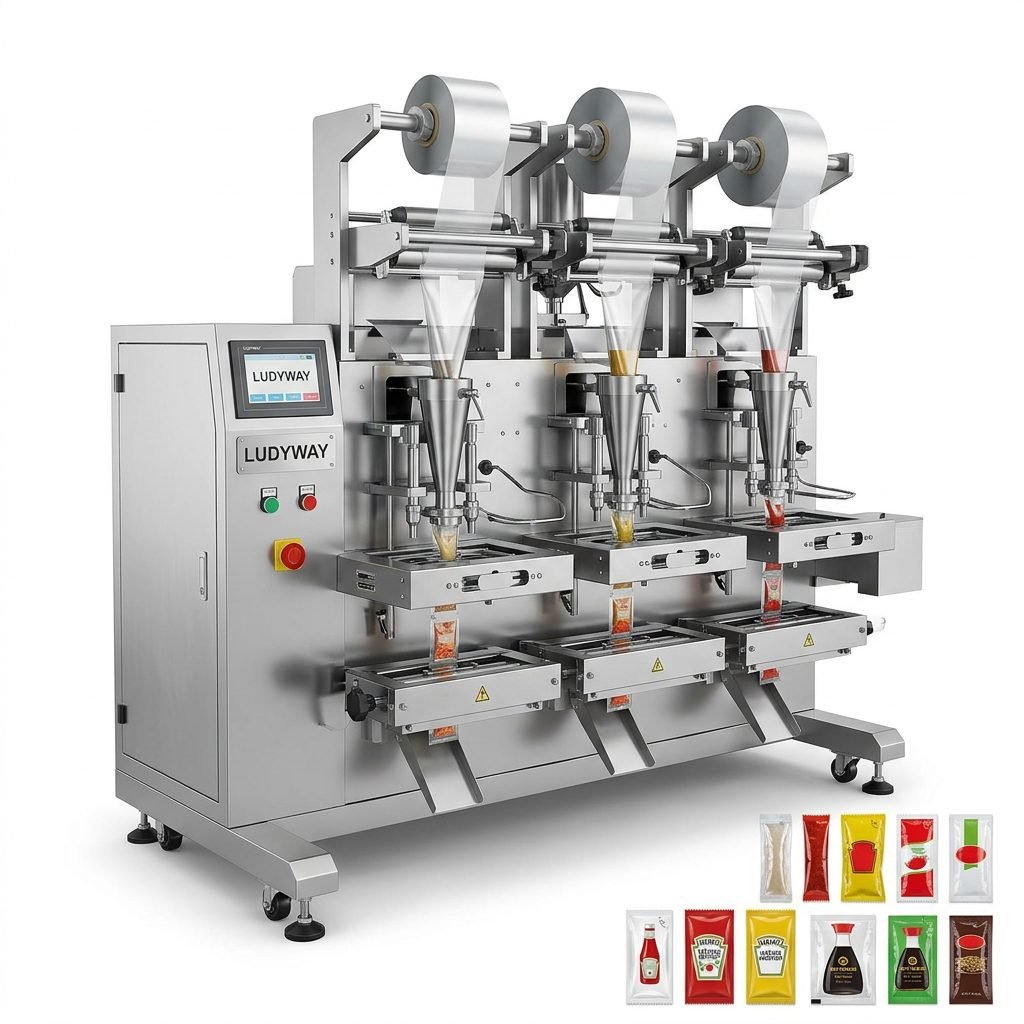
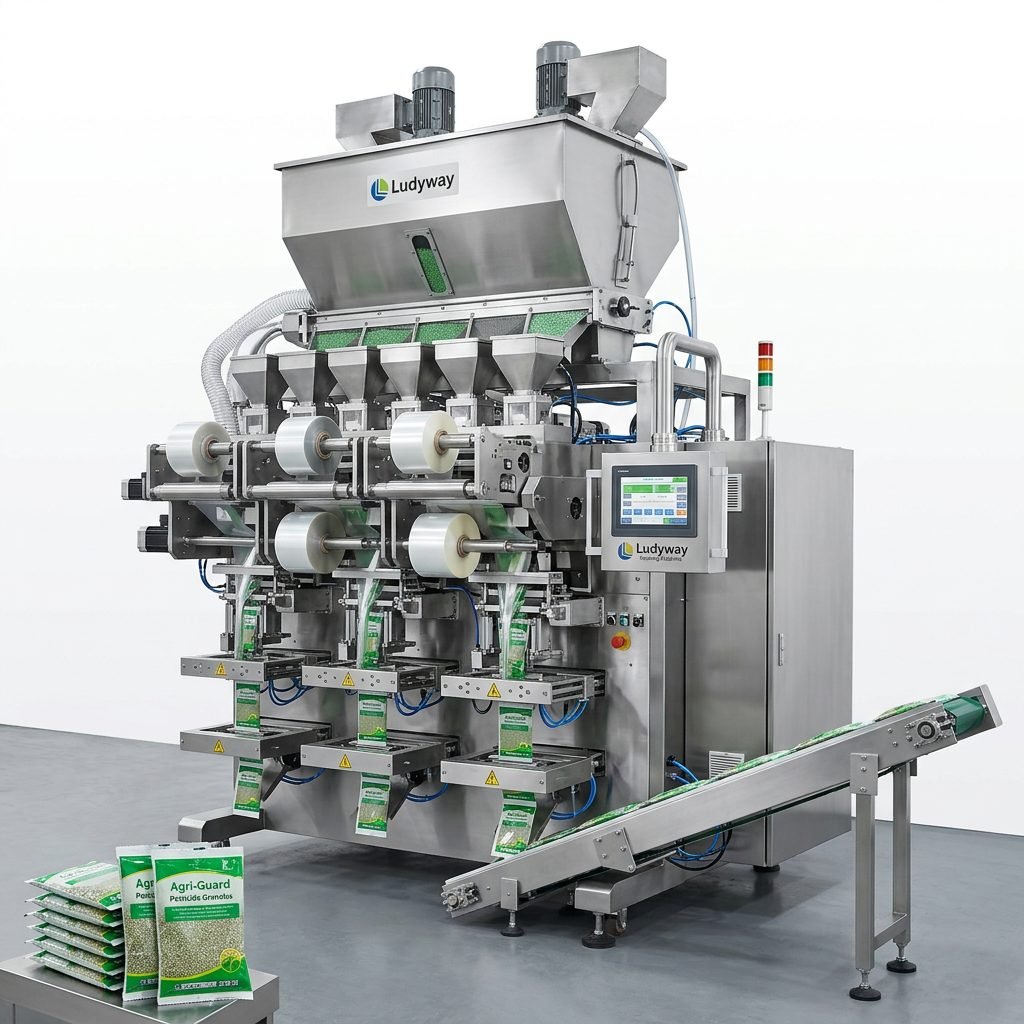
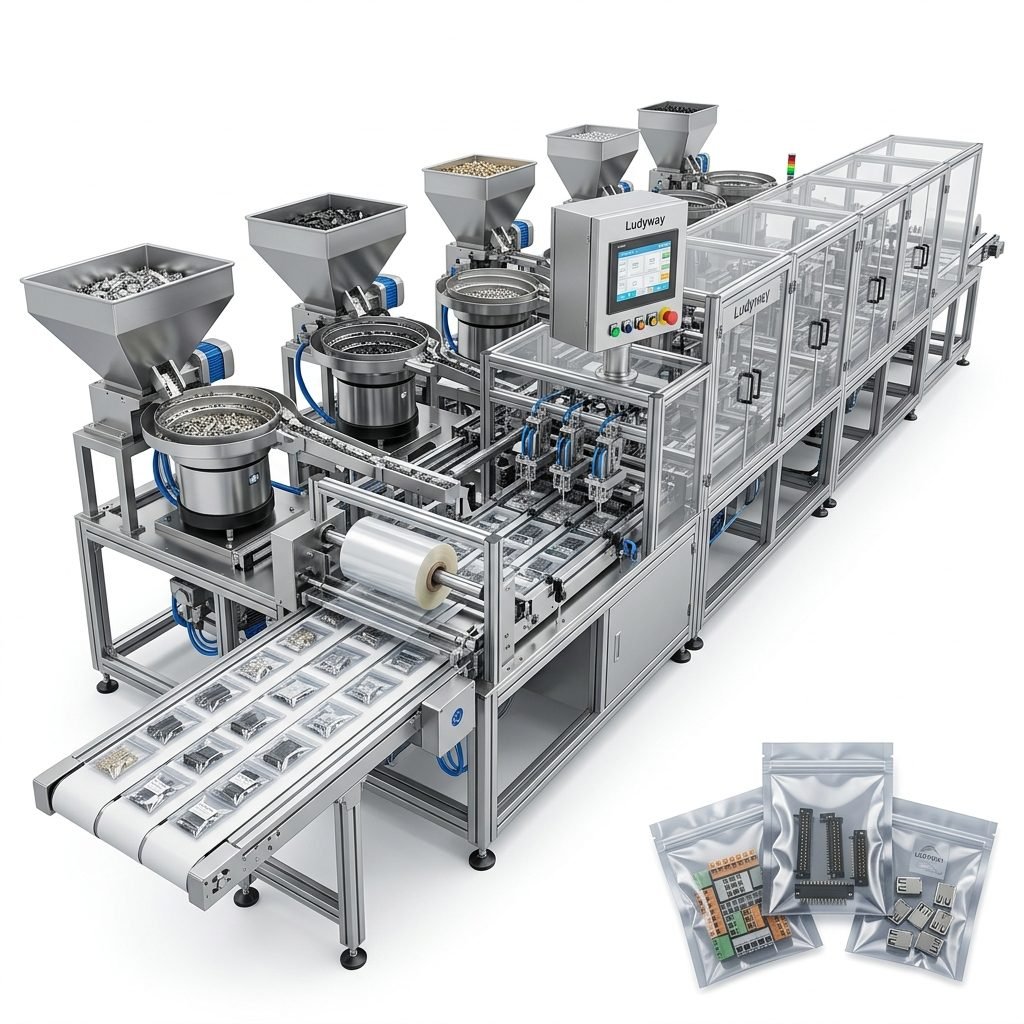
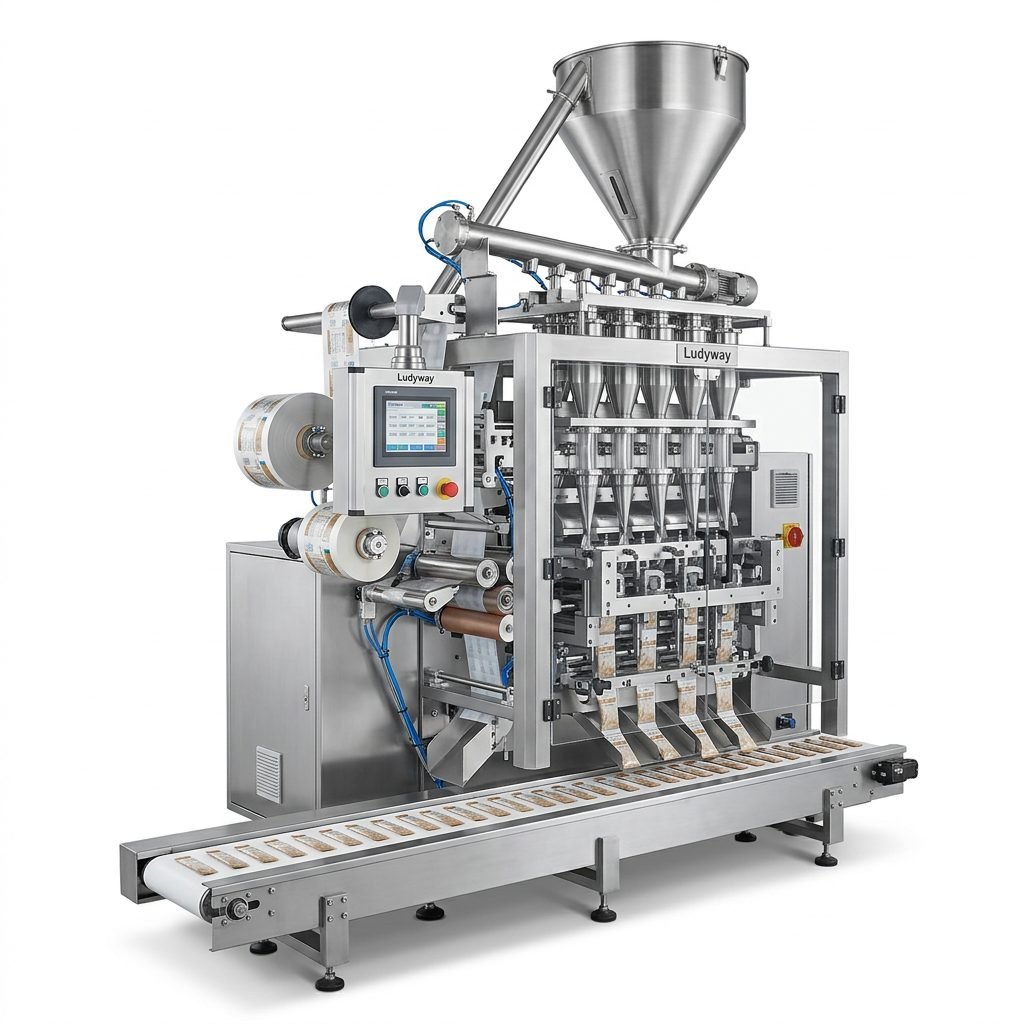
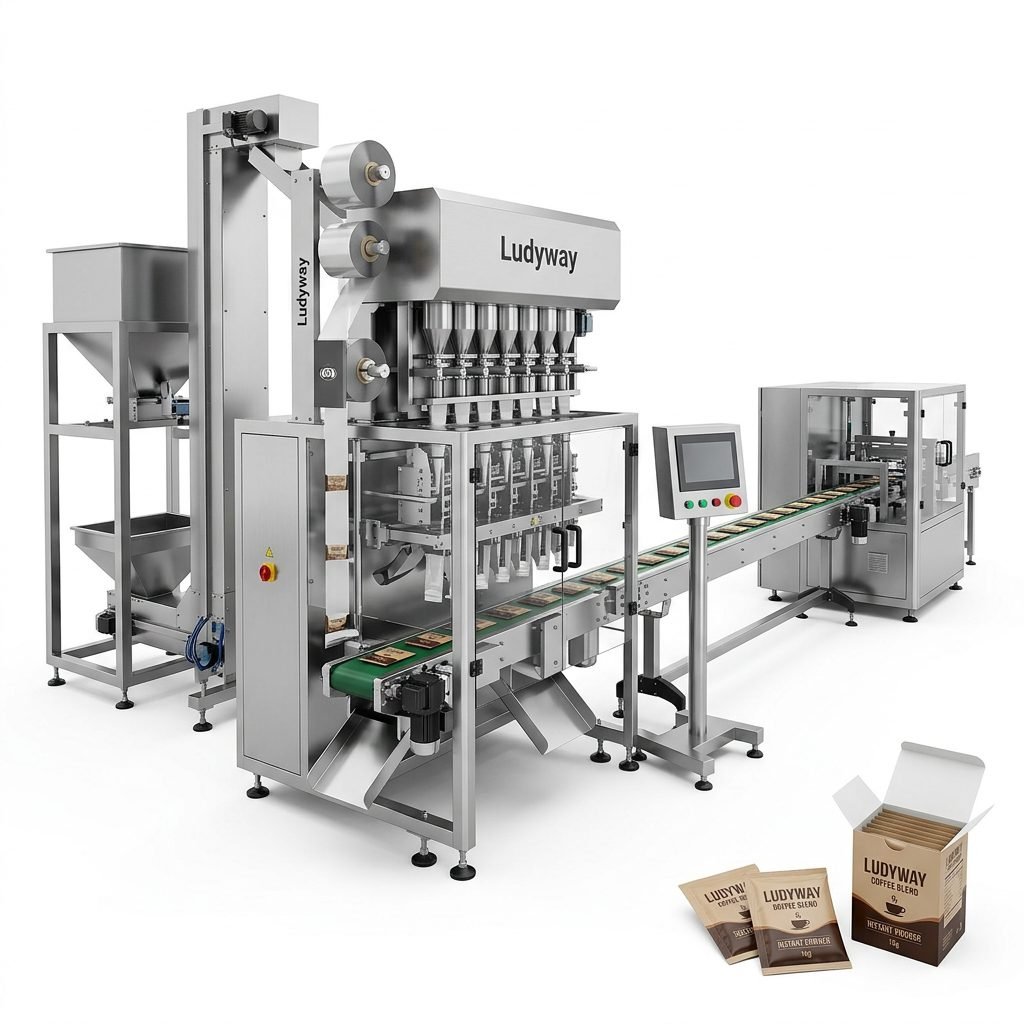
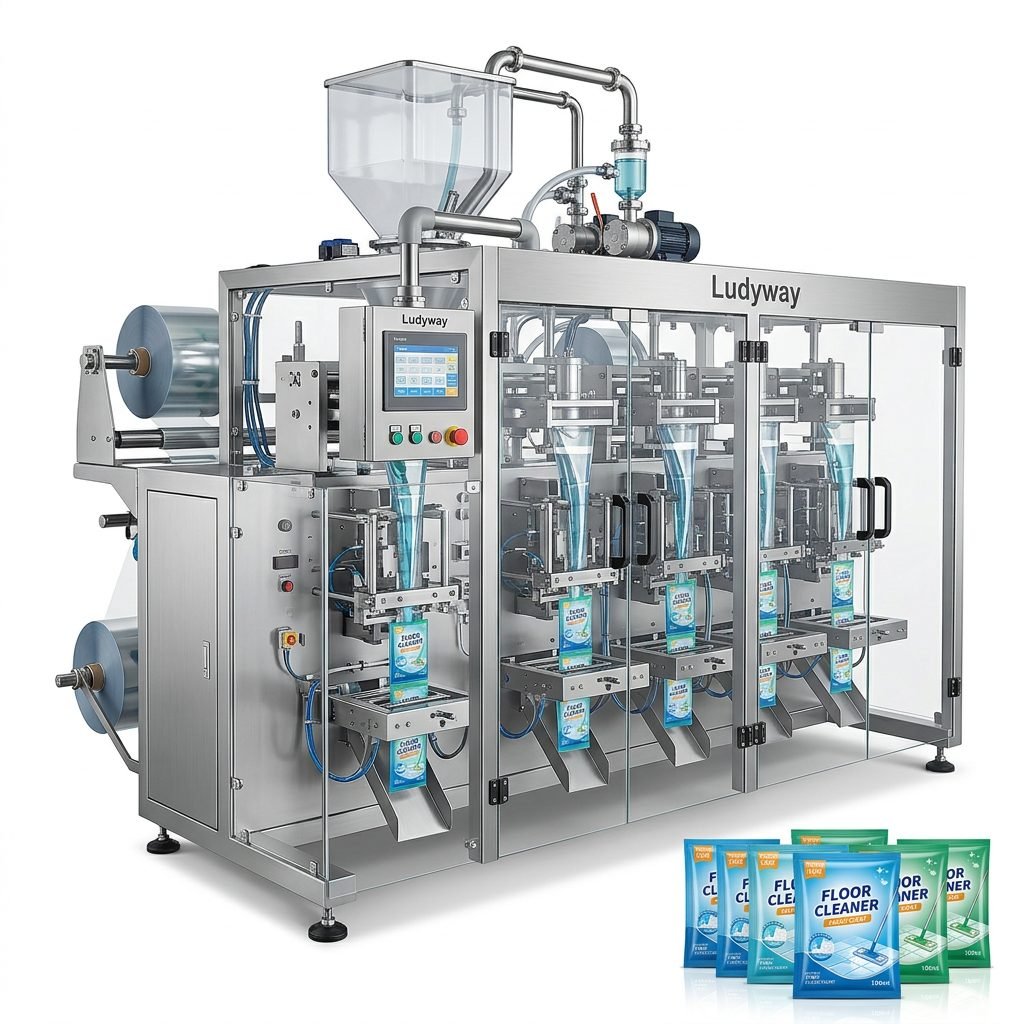
Investing in a vacuum skin packaging machine is a critical decision for food processors, meat packers, and seafood exporters looking to extend product shelf life while enhancing visual appeal on retail shelves. With China emerging as the world’s largest manufacturing hub for packaging machinery, buyers have access to a vast selection of equipment at competitive prices. However, navigating the market requires a clear understanding of technical specifications, supplier qualifications, and long-term operational requirements. This comprehensive buying guide walks you through every essential factor to consider when sourcing a vacuum skin packaging machine from China.

What Is a Vacuum Skin Packaging Machine?
A vacuum skin packaging machine uses a combination of vacuum technology and heat-sealing to apply a transparent, tightly conforming film over products placed on trays or boards. Unlike traditional vacuum packaging, the skin film adheres precisely to the product’s contours, creating a second-skin effect that locks in freshness, prevents moisture migration, and dramatically improves shelf presentation. This technology is widely adopted across the meat, poultry, seafood, cheese, and ready-meal sectors, where product visibility and extended shelf life are paramount.
The process involves placing the product on a rigid tray, covering it with a specialized skin film, and then drawing a vacuum to pull the film tightly around the product before heat-sealing it to the tray. The result is a leak-proof, tamper-evident package that can extend refrigerated shelf life by up to 21 days or more depending on the product type and storage conditions.
Key Factors to Evaluate Before Purchasing
Selecting the right vacuum skin packaging machine requires careful analysis of your specific production needs. Below are the most critical factors that should guide your decision-making process.
Production Capacity and Cycle Speed
The throughput of a vacuum skin packaging machine is typically measured in packs per minute (ppm). Entry-level machines may handle 2-4 packs per minute, while high-speed industrial models can process 8-15 packs per minute or more. When evaluating capacity, consider not just your current production volume but also projected growth over the next 3-5 years. A machine operating near its maximum capacity will experience more wear and require more frequent maintenance. It is advisable to select a machine rated at 20-30% above your peak production requirements.
Film and Tray Material Compatibility
Not all vacuum skin packaging machines work with every type of film or tray material. Key compatibility considerations include:
- Film types: PE, PP, PET, PA/PE multilayers, and high-barrier films with EVOH layers
- Tray materials: PP, PET, CPET, APET, aluminum, and paperboard-based trays
- Film thickness range: Typically 50-200 microns, with thicker films requiring stronger vacuum and sealing systems
- Barrier properties: Oxygen transmission rate (OTR) and moisture vapor transmission rate (MVTR) requirements vary by product
Confirm with your supplier that the machine can handle your specific film and tray combinations before finalizing any purchase agreement.
Automation Level and Control Systems
Modern vacuum skin packaging machines range from semi-automatic to fully automatic configurations. Fully automatic systems typically include automated tray loading, film feeding, vacuum sealing, cutting, and discharge functions. Key automation features to look for include:
- PLC-controlled operation with HMI touchscreen interfaces
- Servo-driven sealing and cutting mechanisms for precision
- Automatic film tension and temperature control
- Integration capabilities with upstream and downstream equipment
- Recipe storage for quick changeover between product formats
Machine Build Quality and Materials
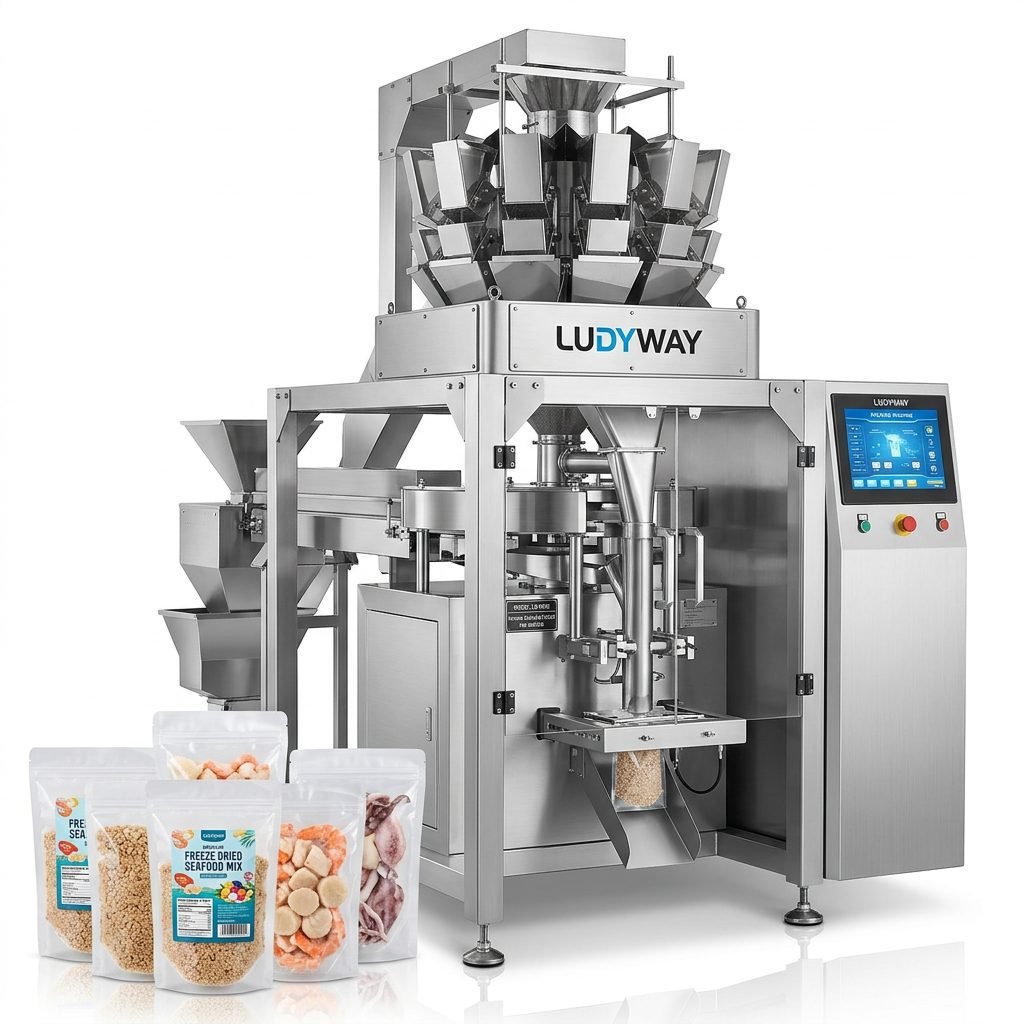
The longevity and reliability of your investment depend heavily on construction quality. Stainless steel (SUS304 or SUS316) construction is essential for food-grade applications, providing corrosion resistance and easy sanitation. Pay attention to the quality of critical components such as vacuum pumps, sealing bars, pneumatic cylinders, and electrical systems. Japanese and German-brand components typically offer superior durability and are widely preferred by packaging machine manufacturers in China for high-end models.
Technical Specifications Comparison Table
Below is a reference comparison of typical specifications you should examine when evaluating different vacuum skin packaging machine models. Use this as a checklist during supplier discussions.
| Specification Parameter | Entry-Level Machine | Mid-Range Machine | High-End Industrial Machine |
|---|---|---|---|
| Cycle Speed | 2-4 packs/min | 5-8 packs/min | 8-15+ packs/min |
| Frame Material | SUS304 Stainless Steel | SUS304 Stainless Steel | SUS316 Stainless Steel |
| Control System | Basic PLC + HMI | Advanced PLC + Touchscreen | Full Servo + Multi-Axis Control |
| Vacuum Pump | Oil-type rotary vane | Oil-type or dry pump | Dry pump / Busch/Leybold |
| Film Width Range | 300-420 mm | 350-520 mm | 420-620 mm |
| Sealing Temperature | Up to 200°C | Up to 250°C | Up to 300°C (Precise PID) |
| Changeover Time | 15-30 minutes | 5-15 minutes | 2-5 minutes (Auto recipe) |
Why Source Vacuum Skin Packaging Machines from China?
China has become a global powerhouse in packaging machinery manufacturing for several compelling reasons. Understanding these advantages helps buyers make informed sourcing decisions.
- Cost-effectiveness: Chinese-made machines typically cost 30-50% less than comparable European or North American equipment, without necessarily sacrificing quality
- Customization flexibility: Chinese manufacturers are often more willing to accommodate custom specifications, tray sizes, and integration requirements
- Rapid delivery: Standard machines can often be delivered within 30-60 days, significantly faster than many Western suppliers
- Growing expertise: Many Chinese packaging machinery companies now employ engineers with international experience and adhere to ISO and CE standards
- Comprehensive supply chain: Access to a complete ecosystem of component suppliers, reducing lead times for spare parts
However, sourcing from China also requires thorough due diligence. The market includes manufacturers ranging from world-class facilities to smaller workshops with inconsistent quality control. Partnering with an established supplier that has a proven export track record is essential for minimizing risk.

How to Evaluate Chinese Packaging Machine Suppliers
A structured evaluation process helps separate reliable manufacturers from less dependable ones. Never rely solely on website claims or sales presentations—verify every important detail through independent channels.
Factory Audit and Certifications
Request a live video tour of the manufacturing facility if an in-person visit is not feasible. Look for ISO 9001 certification, CE marking for machines exported to Europe, and any relevant food safety certifications. A well-organized production floor with proper quality control stations indicates a professionally managed operation. Check if the supplier has experience with FDA food packaging requirements if you intend to serve the U.S. market.
Client References and Export Experience
Established suppliers should readily provide references from international clients. Contact these references to inquire about machine performance, after-sales support responsiveness, and any issues encountered. A supplier with 5+ years of export experience and a portfolio of clients in your region is generally a safer choice. Companies such as Ludyway, one of the largest packaging machine manufacturers in China with over 30 years of industry expertise, exemplify the level of experience buyers should seek when evaluating potential partners.
Spare Parts Availability and Technical Documentation
Confirm that the supplier maintains an inventory of critical spare parts and can ship them internationally within a reasonable timeframe—typically 3-7 business days for urgent requests. Comprehensive technical documentation in English, including installation manuals, wiring diagrams, and maintenance schedules, is non-negotiable for efficient operation and troubleshooting.
Cost Considerations and Return on Investment
The purchase price of a vacuum skin packaging machine is only one component of the total cost of ownership. A thorough financial analysis should account for:
- Initial machine cost: Typically ranges from $15,000 to $80,000+ depending on automation level and specifications
- Shipping and import duties: Can add 5-15% to the landed cost depending on destination country
- Installation and commissioning: Budget for technician travel if on-site setup is required
- Consumables: Annual film and tray costs, which represent the largest ongoing expense
- Maintenance: Regular servicing, vacuum pump oil changes, and replacement of wear parts
- Energy consumption: Electrical costs vary based on machine power rating and local rates
For most food processing operations, a well-chosen vacuum skin packaging machine achieves full ROI within 12-24 months through reduced product waste, extended shelf life, and enhanced retail value.
Installation, Training, and After-Sales Support
Even the best packaging machine will underperform without proper installation and operator training. When negotiating with Chinese suppliers, clarify the following support elements:
- Installation guidance: Remote video assistance versus on-site technician deployment
- Operator training: Duration and depth of training provided for your production team
- Warranty terms: Standard warranties range from 12 to 24 months on major components
- Remote troubleshooting: Availability of technical support via WhatsApp, WeChat, or video calls during your working hours
- Software updates: Access to PLC and HMI software updates as improvements are released
Suppliers offering comprehensive after-sales packages demonstrate confidence in their equipment and commitment to long-term customer relationships.
Frequently Asked Questions
What is the difference between vacuum skin packaging and standard vacuum packaging?
Standard vacuum packaging removes air from a bag containing the product, while vacuum skin packaging uses a tray and top film that conforms tightly to the product’s shape. Skin packaging provides superior product visibility, better protection against physical damage, and a more premium retail presentation. The skin film adheres directly to the tray surface around the product, creating a tamper-evident seal.
Can one machine handle multiple tray sizes?
Most mid-range and high-end machines can accommodate multiple tray sizes through quick-change tooling or adjustable tray holders. However, the range of compatible sizes is limited by the machine’s sealing frame dimensions. Always confirm your specific tray size requirements with the supplier before ordering.
How long does shipping and delivery take from China?
Production lead time typically ranges from 25-45 days for standard models, with sea freight adding an additional 15-40 days depending on the destination port. Air freight is available for urgent orders but significantly increases shipping costs. Plan for a total timeline of 8-12 weeks from order confirmation to delivery at your facility.
Are Chinese vacuum skin packaging machines CE certified?
Many established Chinese manufacturers offer CE-certified machines for the European market. Always request valid CE documentation and verify its authenticity. Some suppliers may claim CE compliance without proper certification, so independent verification is recommended. Also check for compliance with ISO packaging standards that may apply to your specific application.
What maintenance is required for these machines?
Routine maintenance includes daily cleaning of sealing surfaces, weekly inspection of vacuum pump oil levels (for oil-type pumps), monthly checks on pneumatic connections and electrical systems, and quarterly replacement of wear parts such as sealing gaskets and Teflon tapes. Keeping a small inventory of critical spare parts on-site minimizes downtime.
Final Tip: Request a sample packaging run using your actual product and tray specifications before finalizing any purchase. This validates machine performance and ensures compatibility with your specific packaging materials. A supplier willing to conduct sample testing demonstrates transparency and commitment to customer satisfaction.