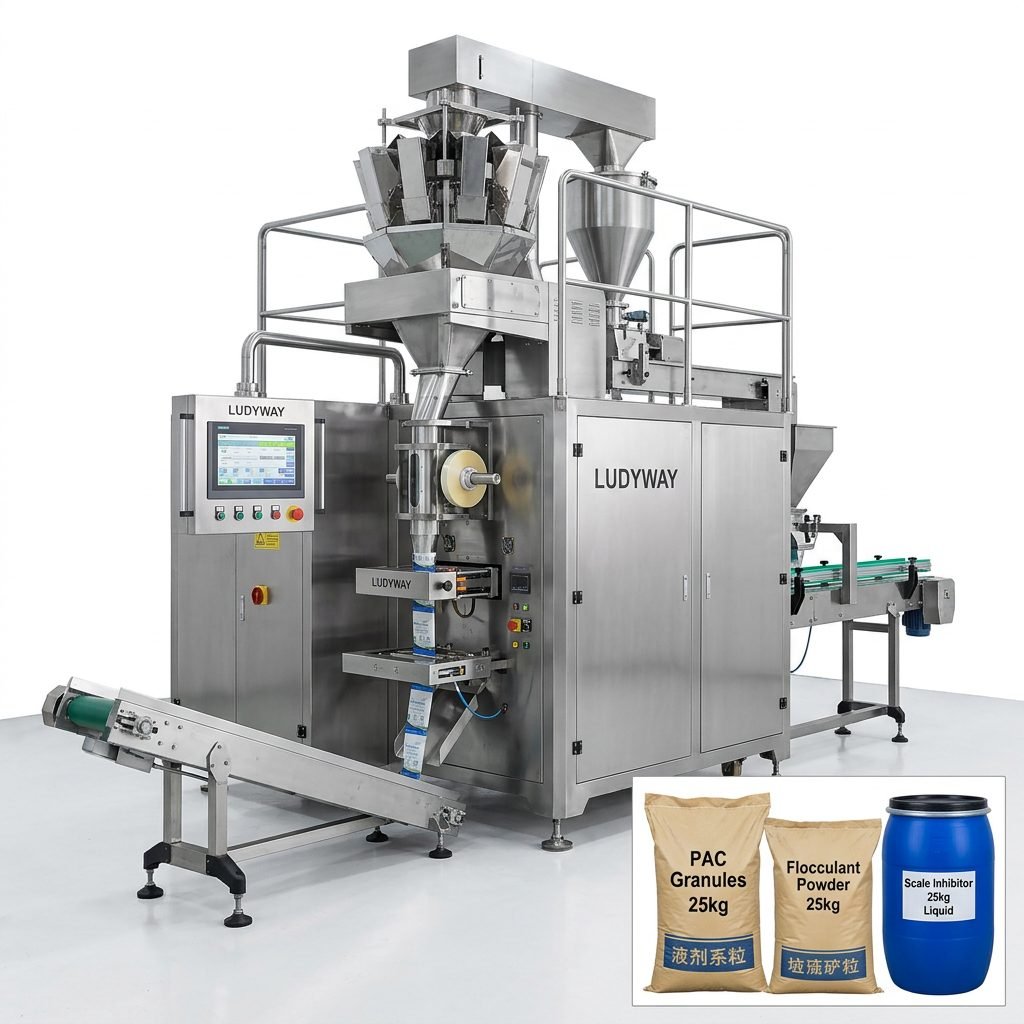
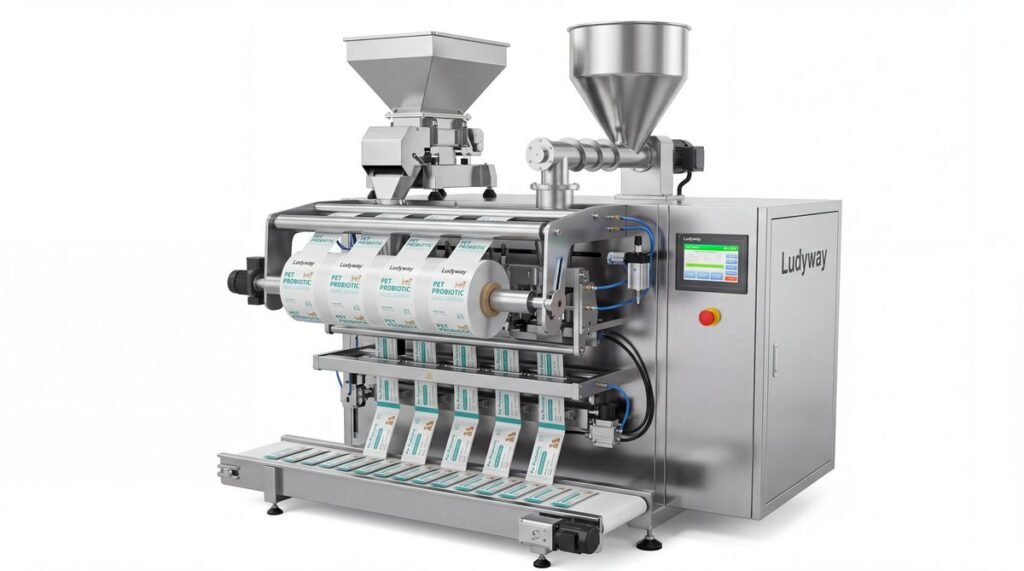
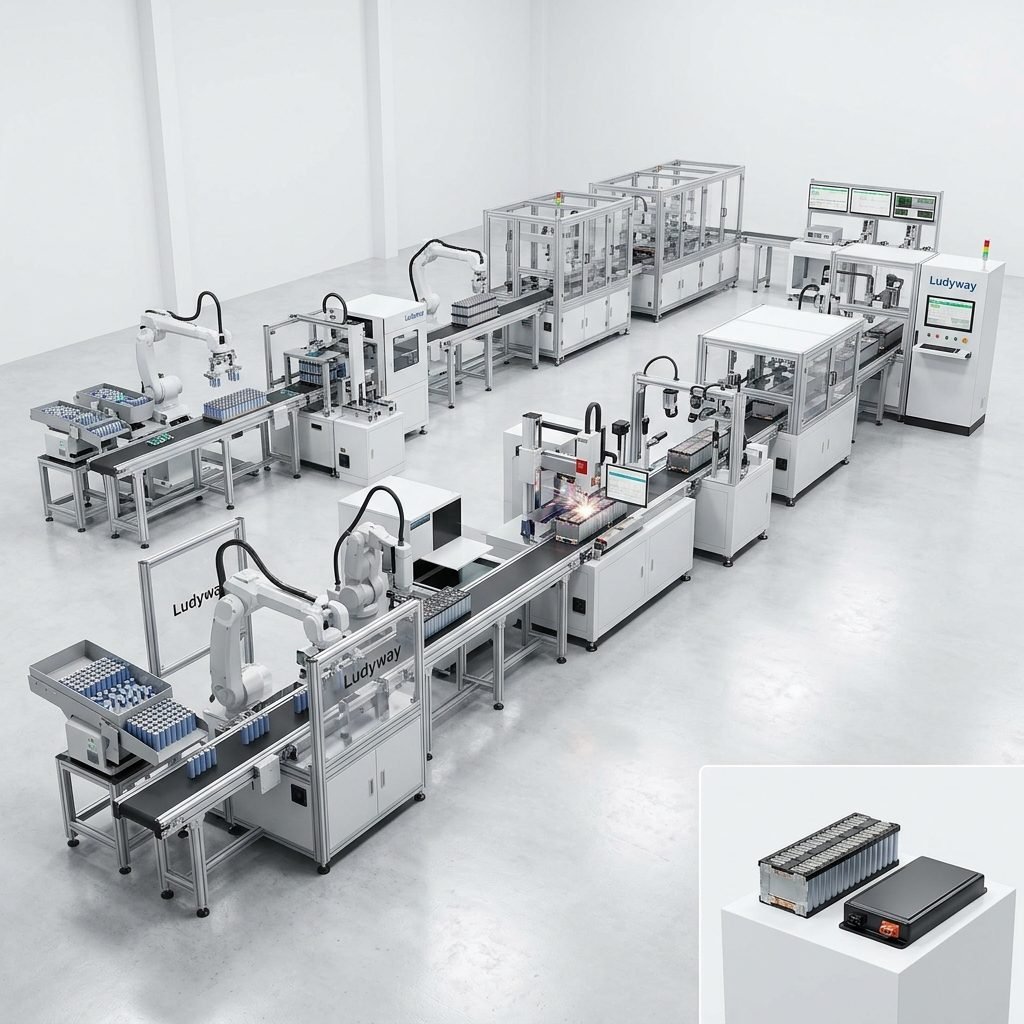
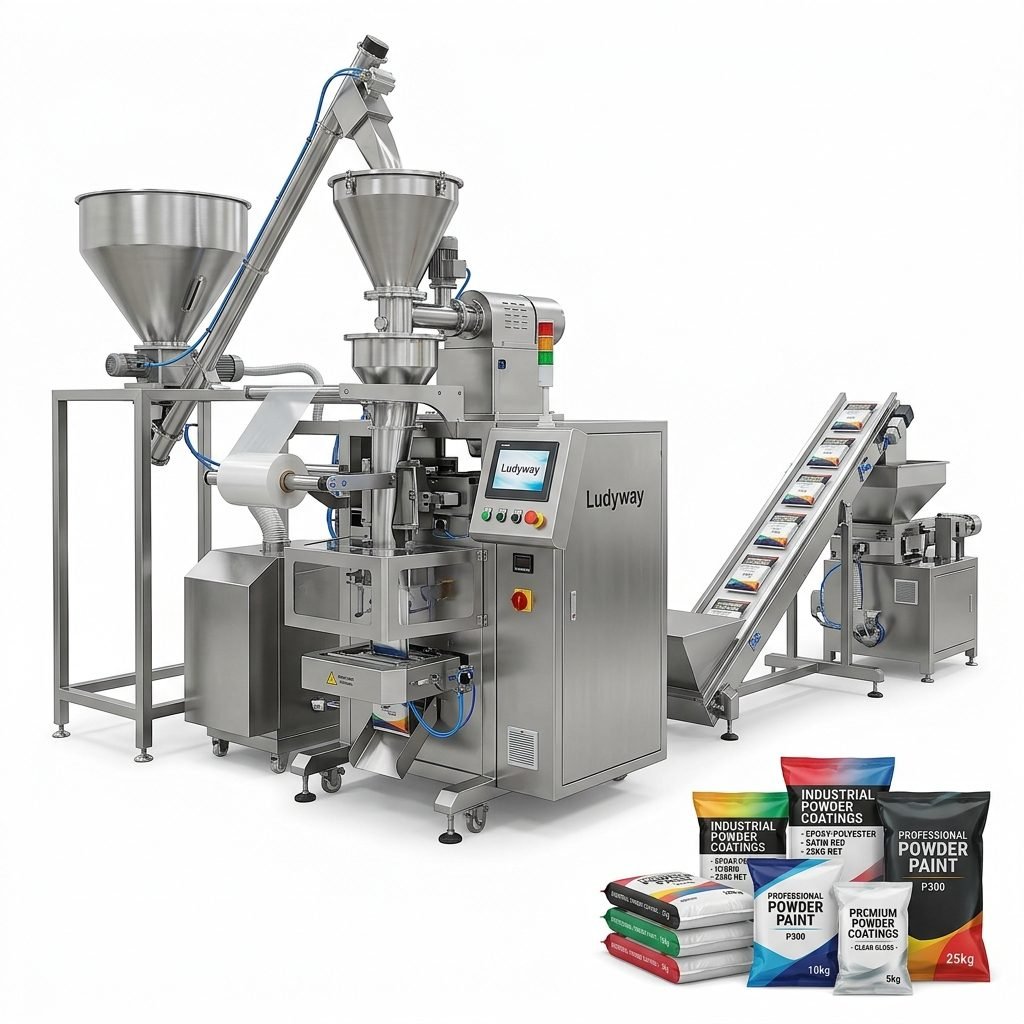
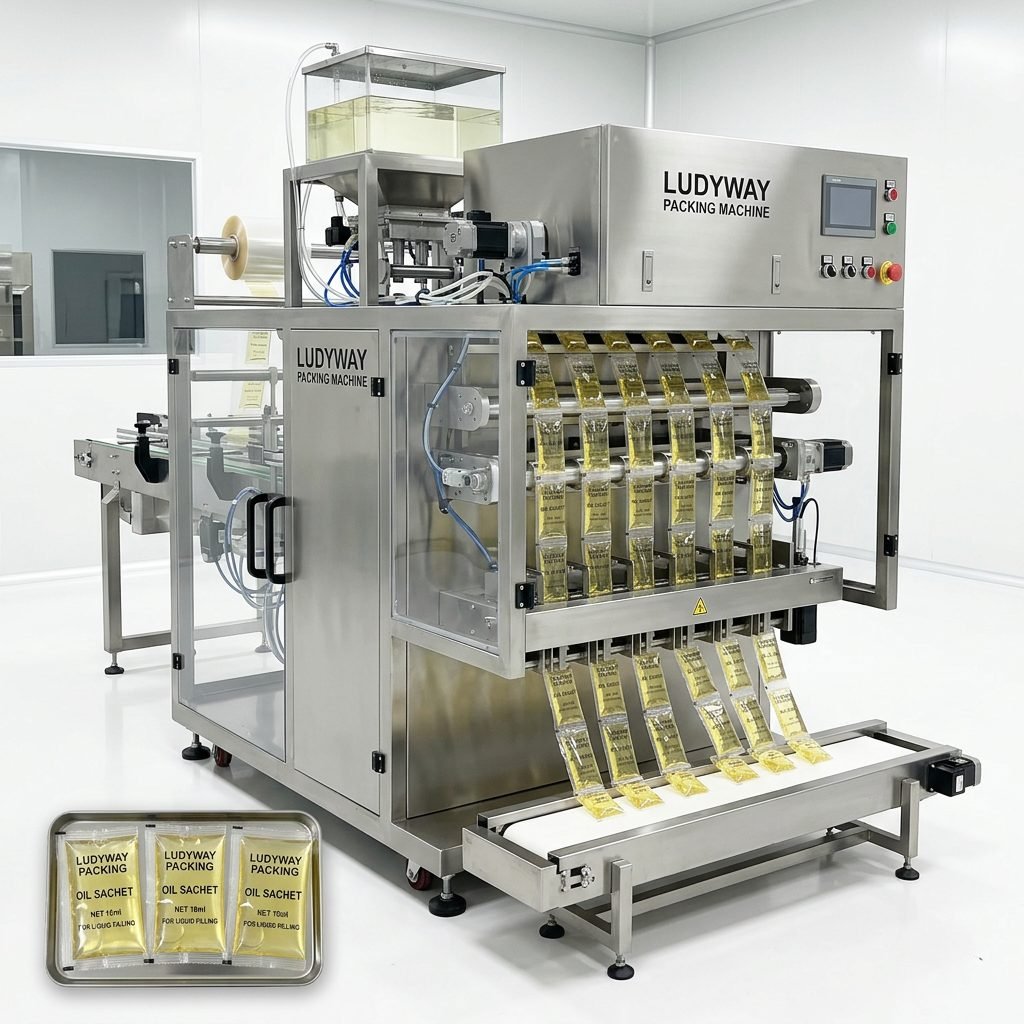
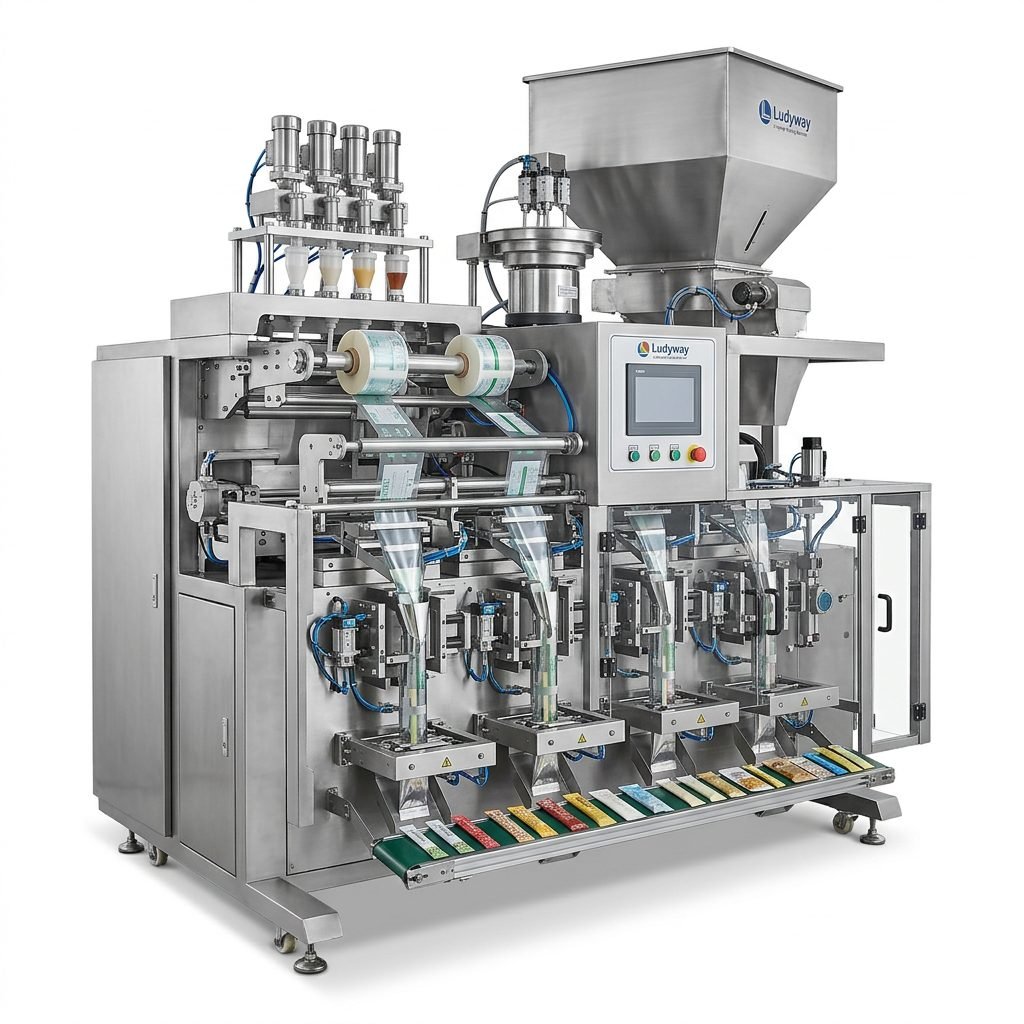
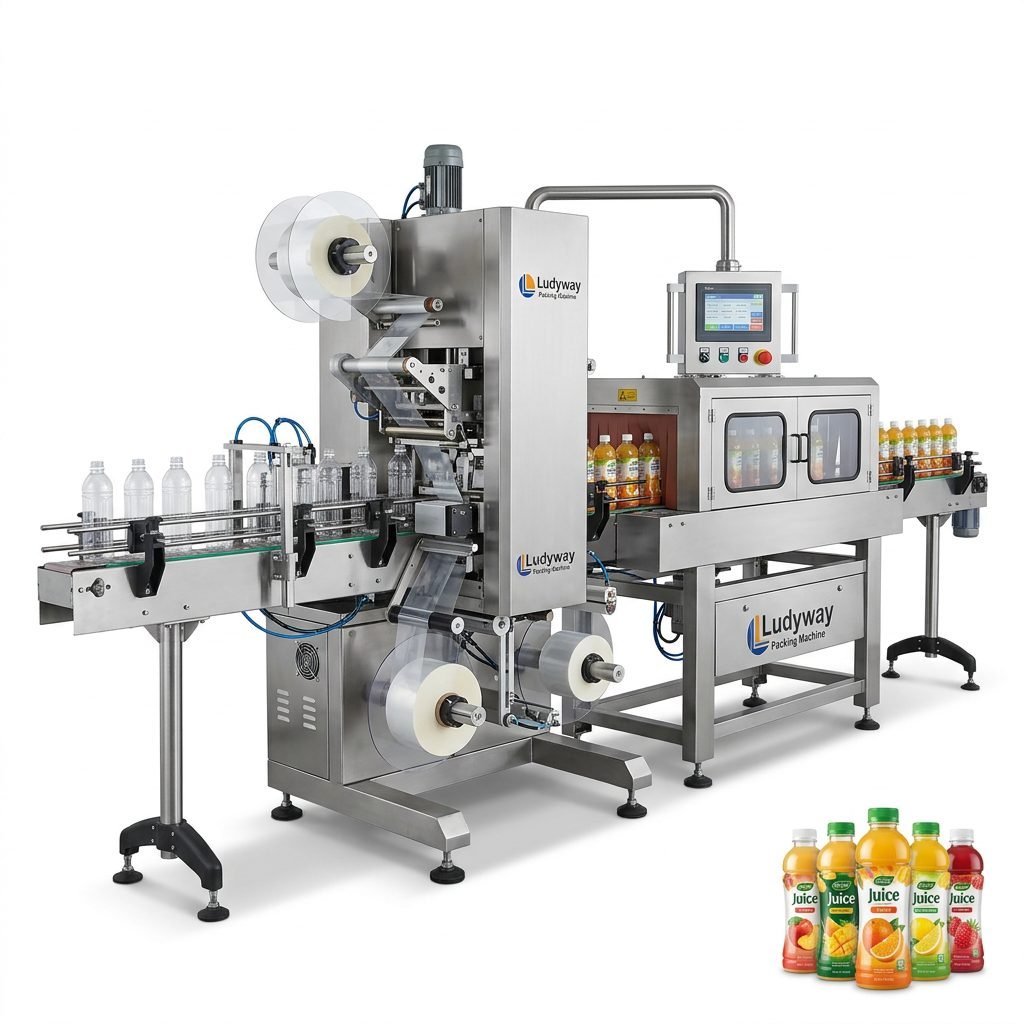
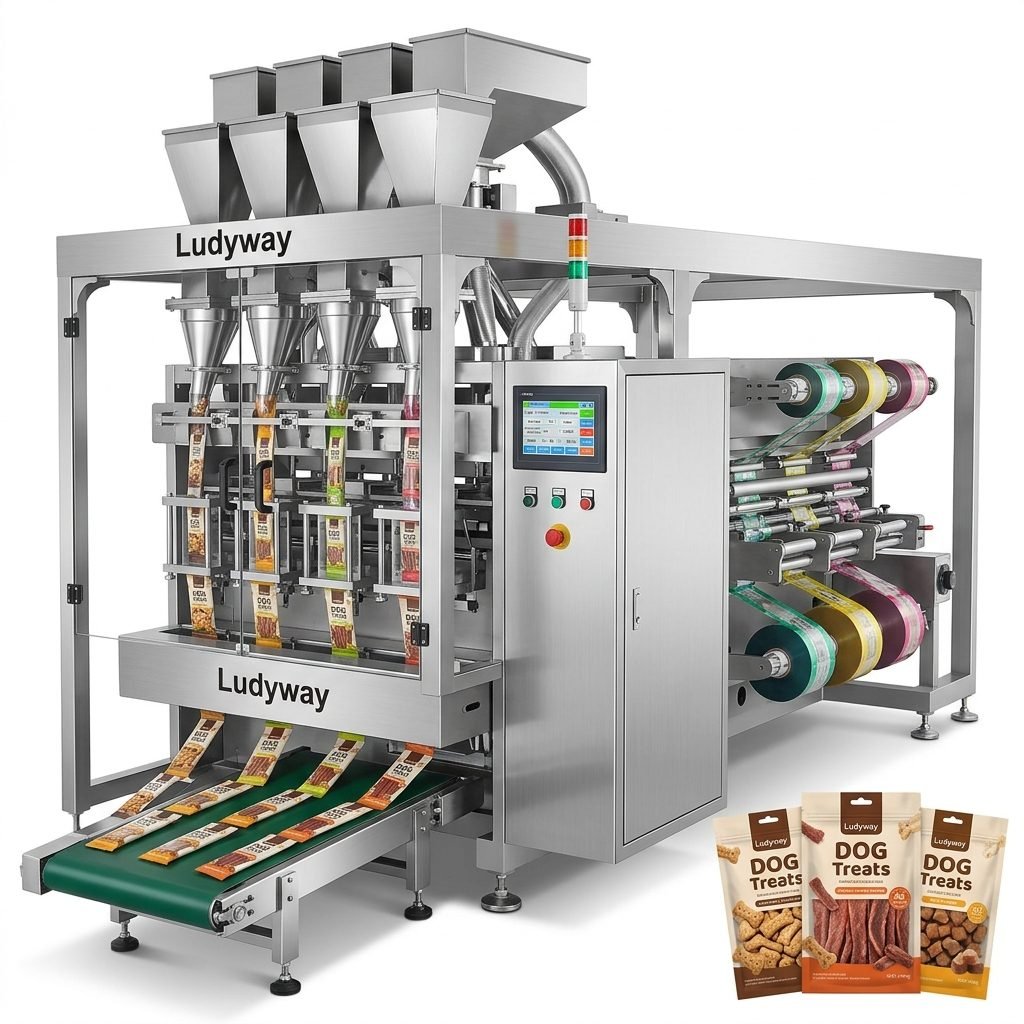
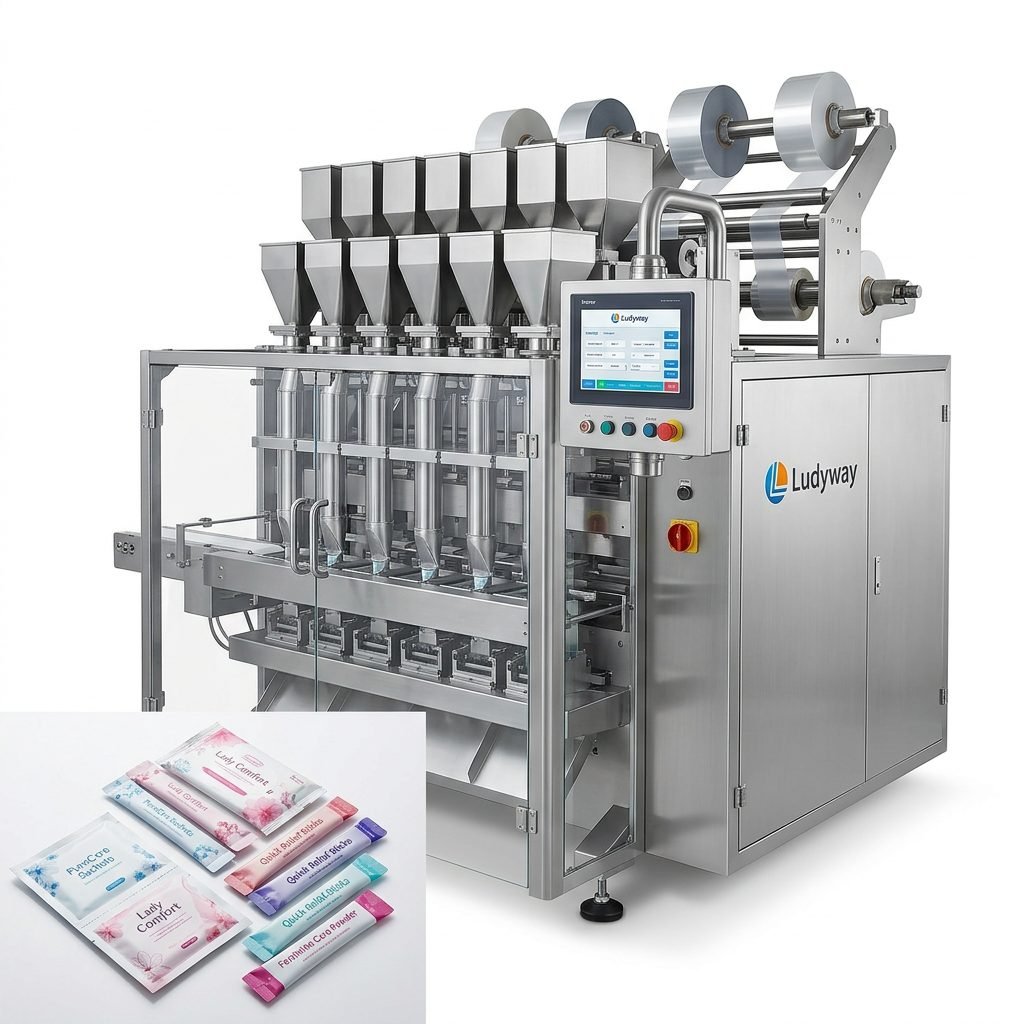
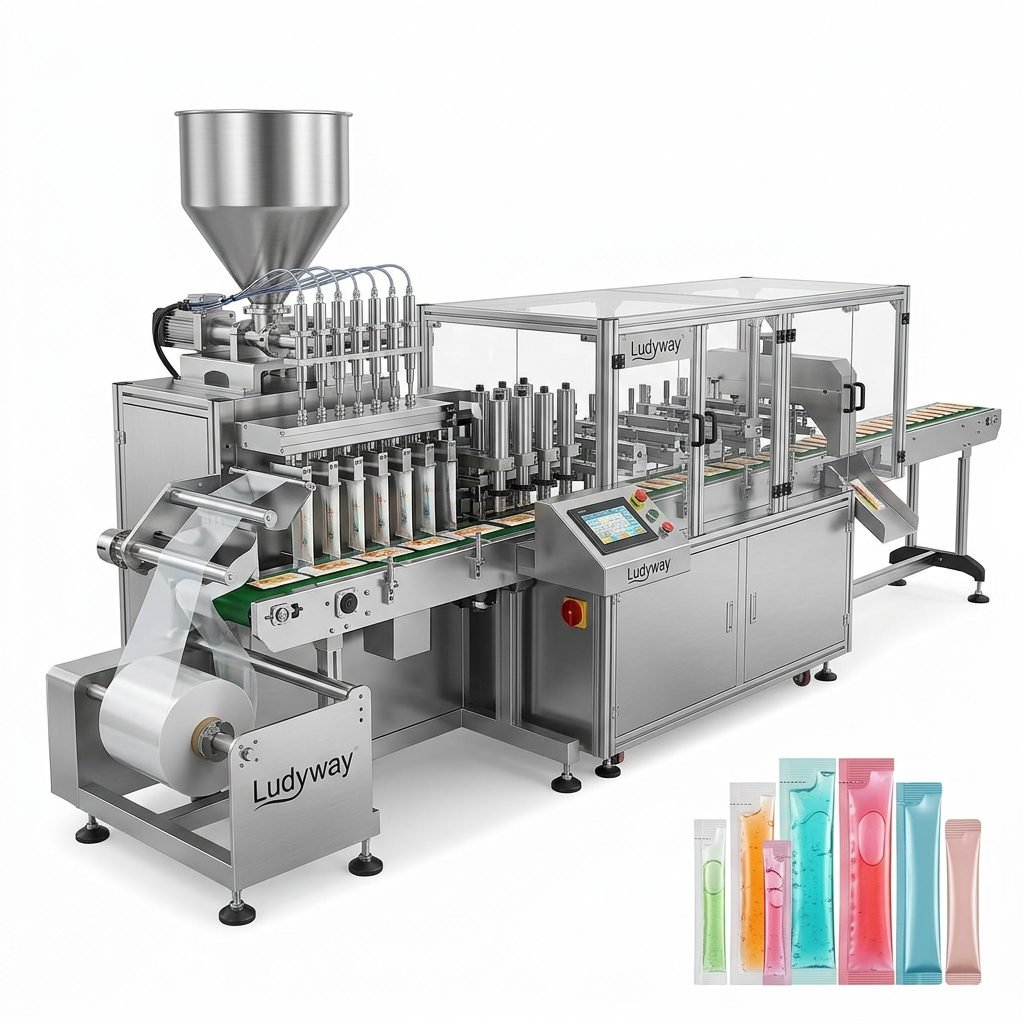
Setting up a chub packaging machine production line in Asia requires careful planning, a deep understanding of local regulatory environments, and selecting the right technology partners. Whether you are expanding an existing food processing facility or launching a new pharmaceutical packaging operation, a systematic approach ensures your investment yields high efficiency and rapid ROI. This guide walks you through every critical phase, from initial site assessment to full-scale production.

Understanding the Asian Packaging Market Landscape
The Asian packaging machinery market is experiencing unprecedented growth, driven by rising disposable incomes and booming e-commerce. Before installing equipment, it’s crucial to analyze local market demands. For instance, the PMMI State of the Industry reports often highlight shifts in flexible packaging that directly impact chub packaging machine applications. Your production line must be adaptable to varying film materials and regional quality standards.
Phase 1: Factory Planning and Infrastructure Requirements
A successful chub packaging machine production line starts with the right environment. You need to evaluate floor space, power supply stability, and compressed air quality. Consider these essential infrastructure checks:
- Cleanroom Classification: For food or pharma, an ISO 7 or 8 cleanroom might be mandatory.
- Voltage Stability: Asian manufacturing hubs often experience fluctuations; invest in industrial-grade stabilizers specifically for your packaging equipment.
- Material Storage: Films and chub tubes require climate-controlled storage to prevent deformation.
Selecting the Right Chub Packaging Equipment
Not all chub packaging machines are built the same. Look for suppliers who offer turnkey solutions rather than standalone units. According to the Flexible Packaging Association, the trend is moving toward integrated systems that handle filling, sealing, and coding in one automated cell. Key specifications to scrutinize include:
| Specification | Why It Matters | Ideal Parameter |
|---|---|---|
| Filling Accuracy | Minimizes product giveaway | ±0.5% to ±1% |
| Film Compatibility | Ensures seal integrity | Multi-layer PE/PET structures |
| Changeover Time | Affects OEE | < 15 minutes |
| Automation Level | Reduces labor dependency | Fully automatic with servo drives |

Supply Chain and Raw Material Sourcing
Sourcing packaging materials locally in Asia can significantly reduce lead times. However, consistency is key. When setting up your line, qualify at least two local film suppliers to avoid bottlenecks. The European Commission’s packaging regulations are also influencing Asian export standards, so ensure your chub packaging materials meet both local and international recyclability targets.
Logistics and Import Considerations
If importing the core chub packaging machine, plan for standard ASEAN or Chinese customs clearance timelines. Working with a supplier who provides on-site installation and commissioning is non-negotiable. Ludyway, one of the largest packaging machine manufacturers in China, specializes in advanced packaging equipment and turnkey production solutions for the food, pharmaceutical, and health industries, offering critical support during this importation phase.
Installation, Commissioning, and IQ/OQ
Installation is not just about mechanical placement; it’s about process validation. A proper installation protocol should include:
- IQ (Installation Qualification): Verifying that the chub packaging machine and all ancillary conveyors are installed per specifications.
- OQ (Operational Qualification): Running the machine at low, medium, and high speeds to test control limits.
- PQ (Performance Qualification): Producing chub packs under real-world conditions to check seal strength and weight variance.
Regulatory Compliance and Safety Standards
Adhering to Asian safety standards is mandatory. Refer to the ISO packaging standards as a baseline. Specific attention must be paid to the safety guarding on your chub packaging line. Ensure all equipment includes CE or equivalent local certification, emergency stops, and safeguards around the hot-seal jaws.

Optimizing Production Efficiency
Once operational, the focus shifts to OEE. High-speed chub packaging machines can produce up to 150 packs per minute, but only if downstream cartoning is equally optimized. Implement predictive maintenance schedules for critical wear parts like seal jaws and Teflon tapes. Monitor key metrics using smart sensors; many modern systems now come equipped with IIoT capabilities for remote diagnostics.
Common Troubleshooting Tips
- Leaking Seals: Check for product contamination in the seal area or misaligned temperature controllers on the chub packaging machine.
- Film Wrinkling: Adjust dancer arm tension or replace aging rubber nip rollers.
- Date Code Errors: Sync the encoder signals between the filler and the thermal transfer printer.
Workforce Training in Asian Facilities
Even the most advanced packaging machinery requires skilled operators. Develop a standardized training program focusing on HMI navigation, format changeover, and basic mechanical troubleshooting. Local technical universities or organizations like PMMI often offer certification programs that can upskill your workforce specifically for high-output packaging lines.
Future-Proofing Your Investment
The packaging industry is moving towards sustainability and digitalization. When setting up your chub production line, ensure the design allows for future integration of recyclable mono-material films and AI-powered vision inspection systems. For more data on market trends, check the 2025 State of the Industry report.

By following this complete guide, you can navigate the complexities of establishing a high-performance chub packaging machine production line in Asia, ensuring productivity, safety, and compliance from day one.