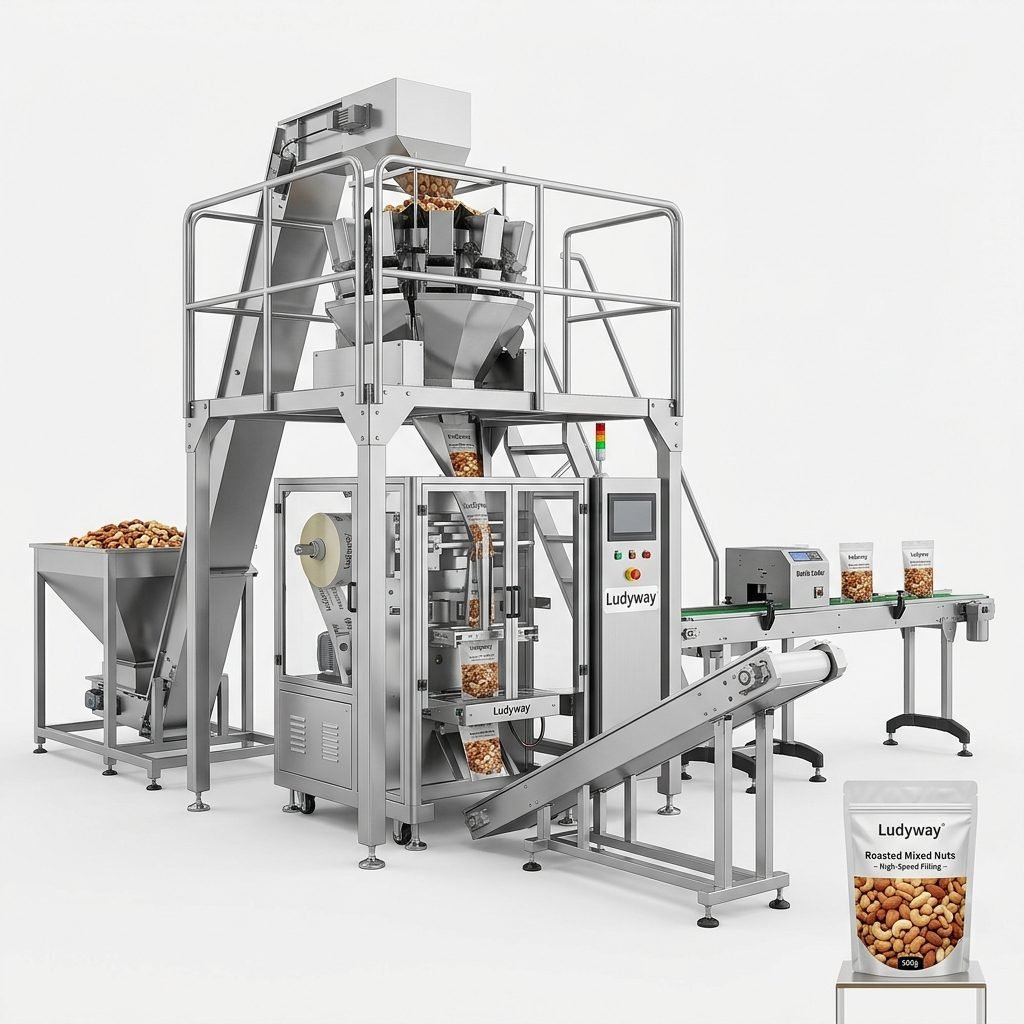
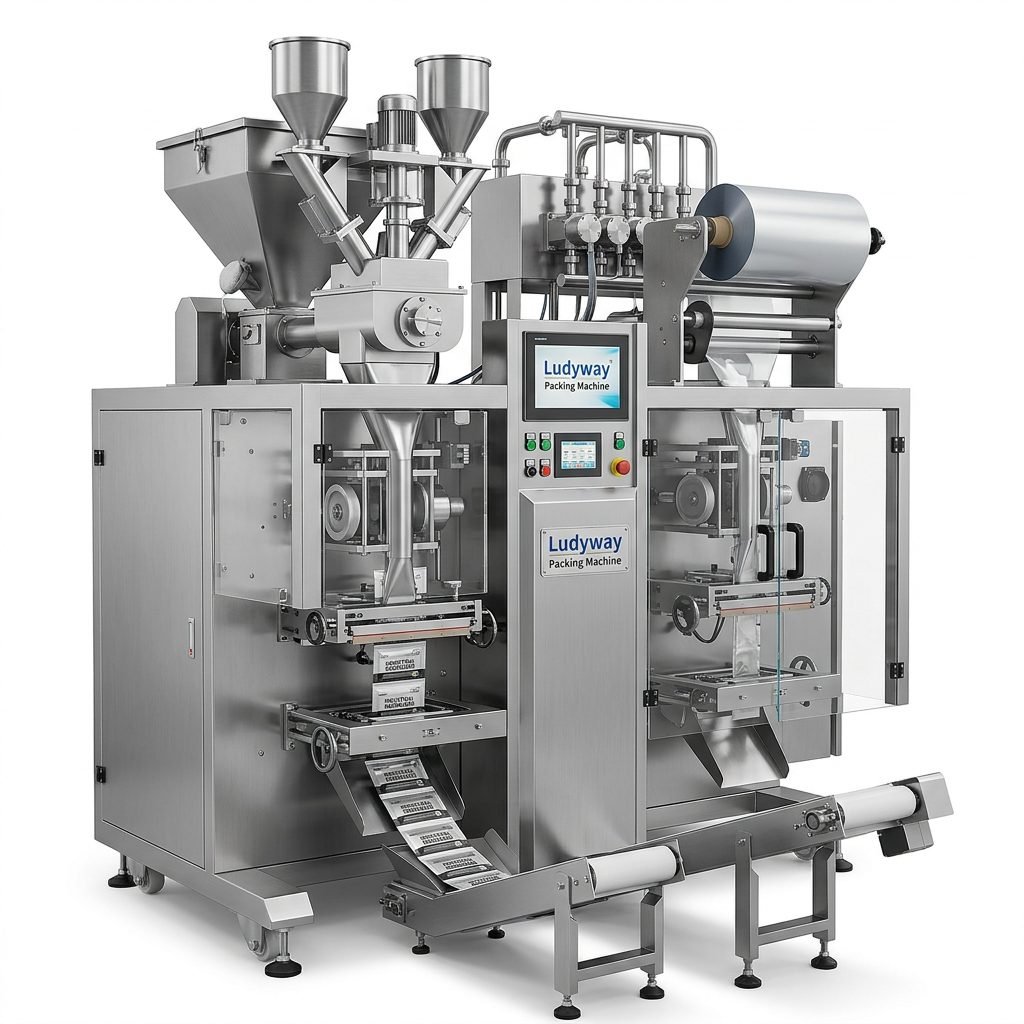
The confectionery industry in Africa is experiencing remarkable growth, driven by rising consumer demand, urbanization, and a rapidly expanding middle class. For manufacturers and entrepreneurs looking to enter or scale within this market, selecting the right confectionery packaging machine is a critical decision that directly impacts productivity, product shelf life, and brand perception. This comprehensive guide walks you through everything you need to know about purchasing confectionery packaging equipment in the African market.
Understanding the African Confectionery Packaging Landscape
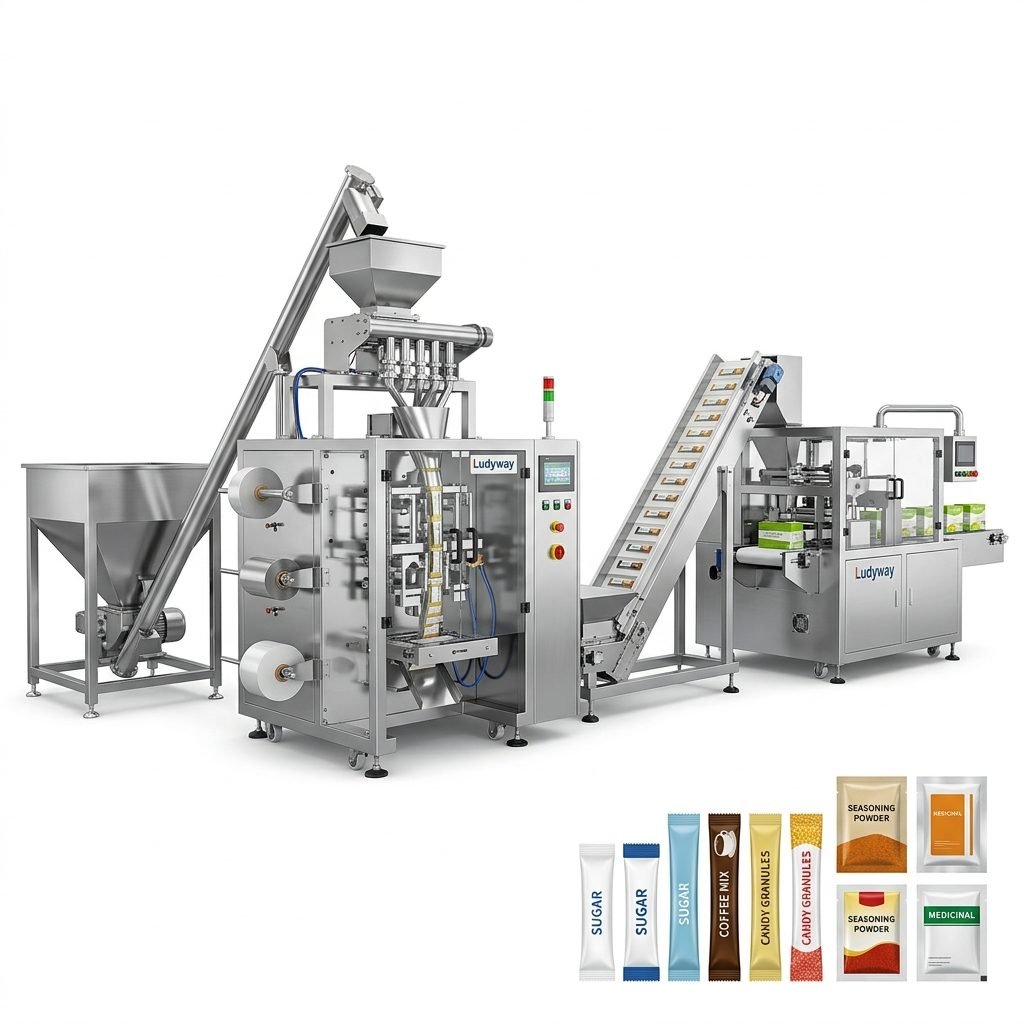
Africa’s confectionery market encompasses a wide range of products including hard candies, chocolates, chewing gum, toffees, lollipops, and powdered drink mixes. Each product category demands specific packaging solutions tailored to its physical properties and market positioning. The packaging machinery market in Africa is characterized by a mix of imported equipment from China, India, and Europe, alongside a growing local distribution and service network.
According to industry data from the PMMI Business Intelligence reports, flexible packaging formats such as sachets, stick packs, and pouches are gaining significant traction across emerging markets due to their affordability, convenience, and portion-control appeal. In many African countries, single-serve sachets dominate the confectionery landscape because they align with consumer purchasing power and distribution realities.
Key Factors to Consider Before Purchasing
Investing in a confectionery packaging machine requires careful evaluation of several interrelated factors. Rushing into a purchase without thorough due diligence can lead to costly operational bottlenecks and compromised product quality. Below are the essential considerations:
Product Characteristics and Packaging Format
The physical nature of your confectionery product — whether it is granules, powder, solid pieces, or liquid-filled — determines the type of filling and sealing mechanism required. For instance, hard candies require gentle handling to prevent breakage, while powdered drink mixes demand precise dosing and moisture-resistant seals. Stick packs and sachets are increasingly popular formats for powdered confectionery products across African markets due to their cost-effectiveness and consumer familiarity.
Production Capacity Requirements
Your current and projected output volumes should guide machine selection. Entry-level machines may process 30-60 packs per minute, while high-speed multi-lane systems can exceed 400 packs per minute. Overinvesting in capacity can strain cash flow, while underestimating demand leads to missed opportunities. African manufacturers often benefit from scalable equipment that can grow with their business.

Power Supply and Infrastructure Compatibility
Electrical supply stability varies significantly across African regions. It is essential to verify that your equipment is compatible with local voltage, phase, and frequency standards. Additionally, consider whether your facility can support the machine’s compressed air requirements, water connections (if applicable), and floor load specifications. Some suppliers offer customized electrical configurations for different African countries.
Climate and Environmental Conditions
Africa’s diverse climate — from the humid coastal regions of West Africa to the arid conditions of North Africa — affects packaging material performance and machine operation. Humidity control is particularly critical for confectionery products, as moisture ingress can cause clumping, spoilage, and packaging failure. Ensure your chosen machine supports appropriate barrier films and sealing technologies.
Types of Confectionery Packaging Machines
The market offers a broad spectrum of packaging solutions, each designed for specific applications. Understanding the available options helps narrow down the search to equipment that matches your production needs.
| Machine Type | Best For | Typical Output | Key Advantage |
|---|---|---|---|
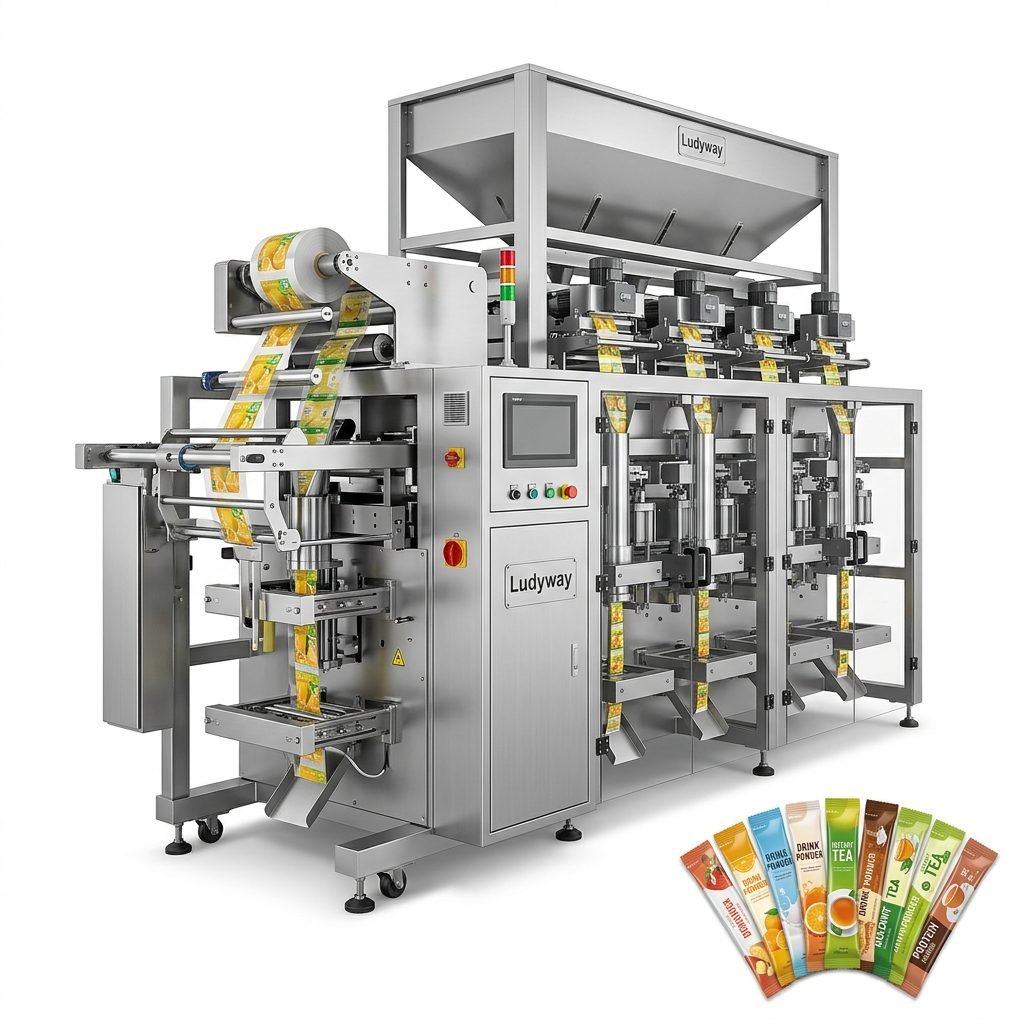
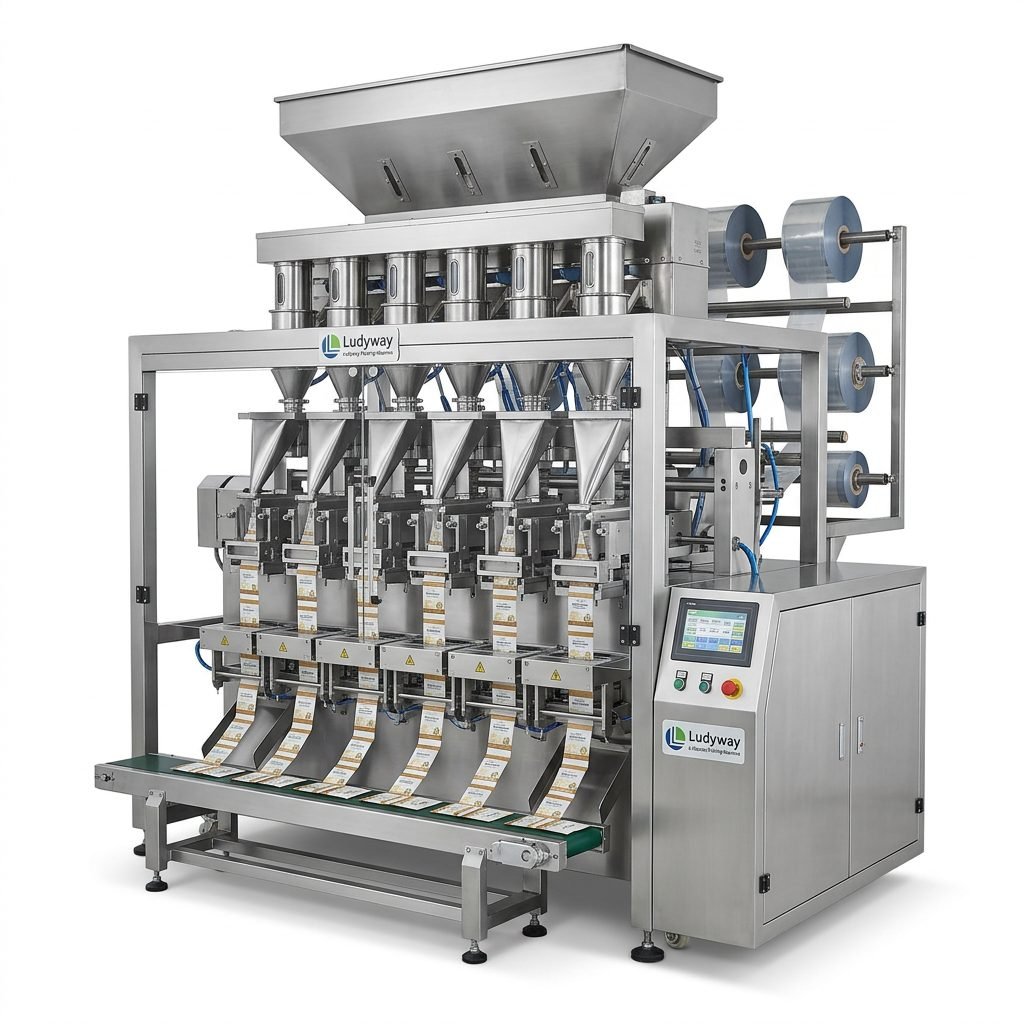
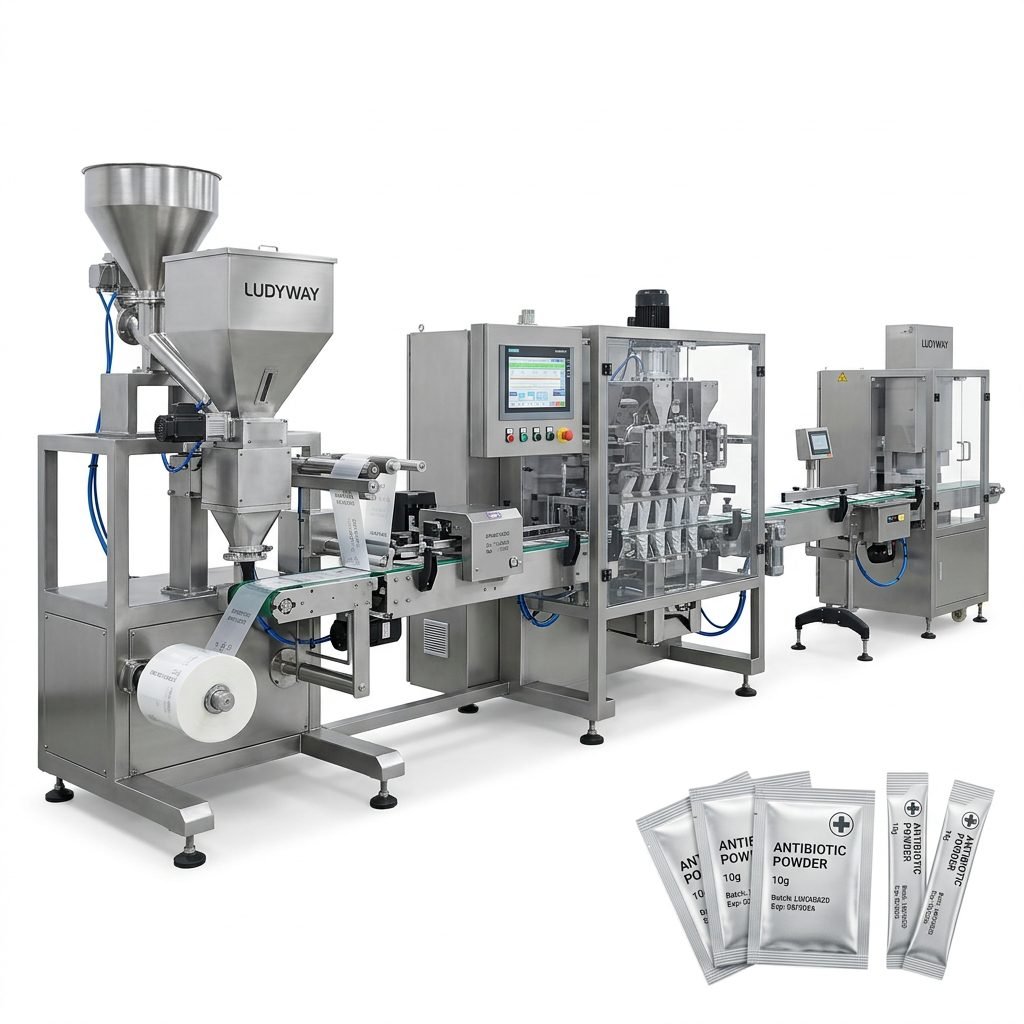
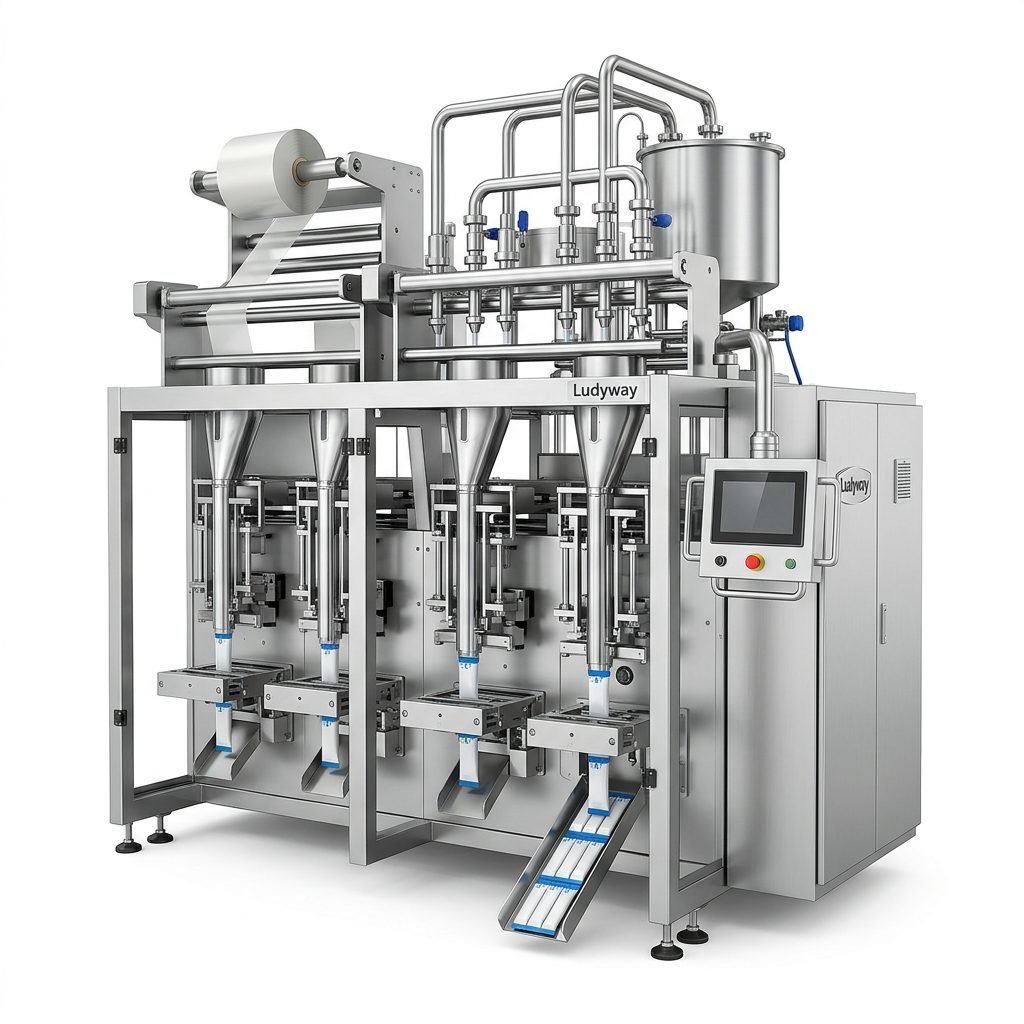
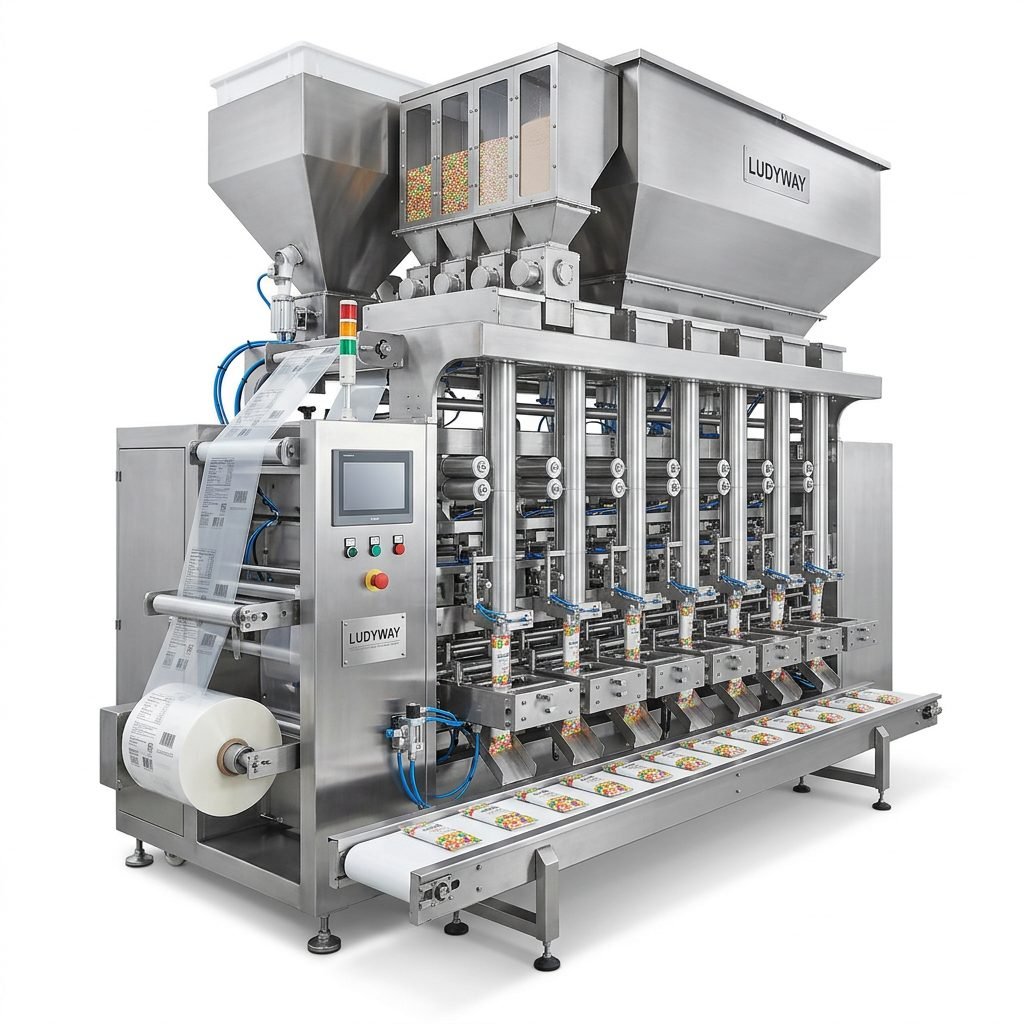
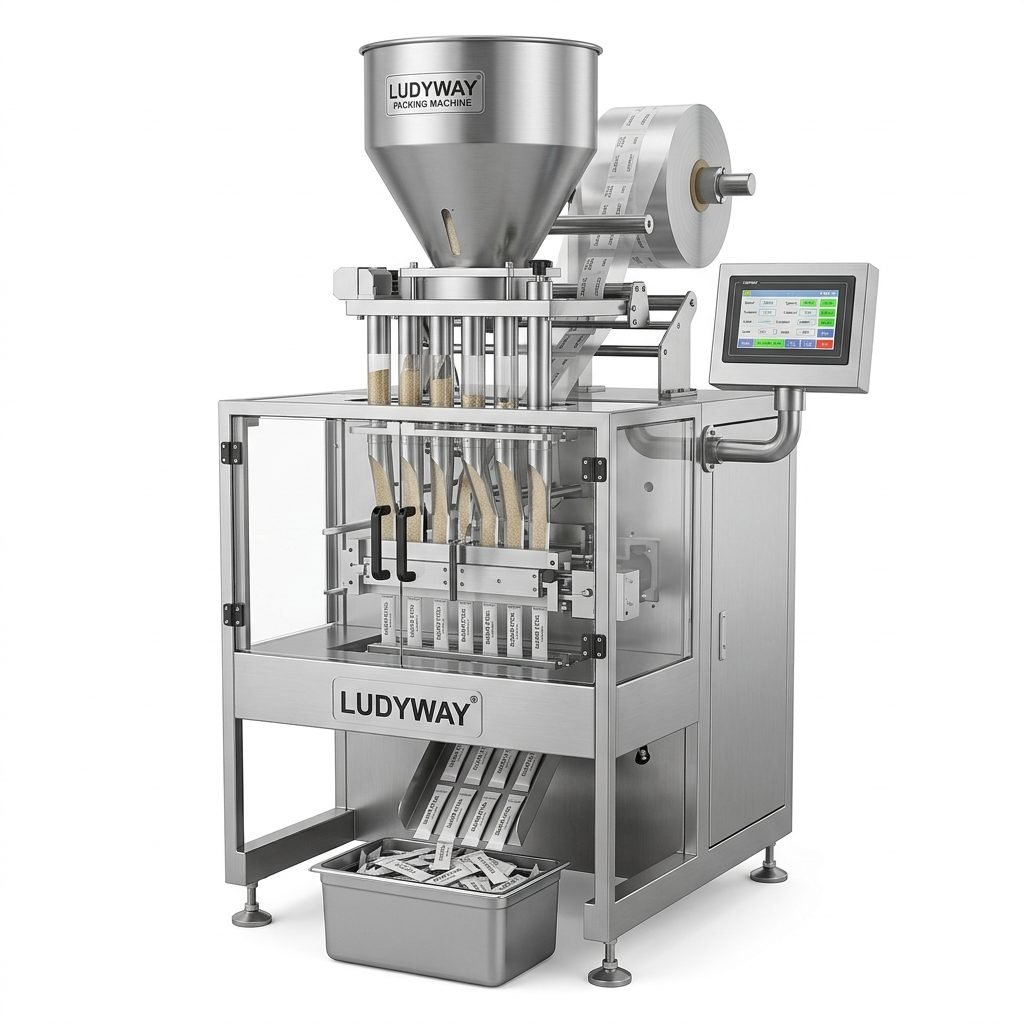
| Multi-Lane Stick Pack Machine | Powdered drinks, sugar, sweetener sachets | 200-600 packs/min | High efficiency, low per-unit cost |
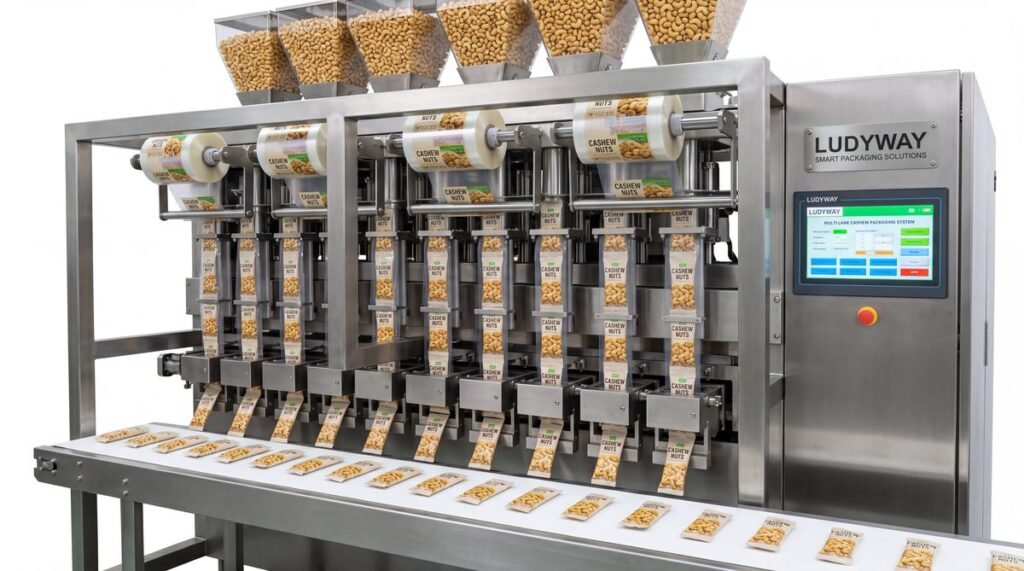
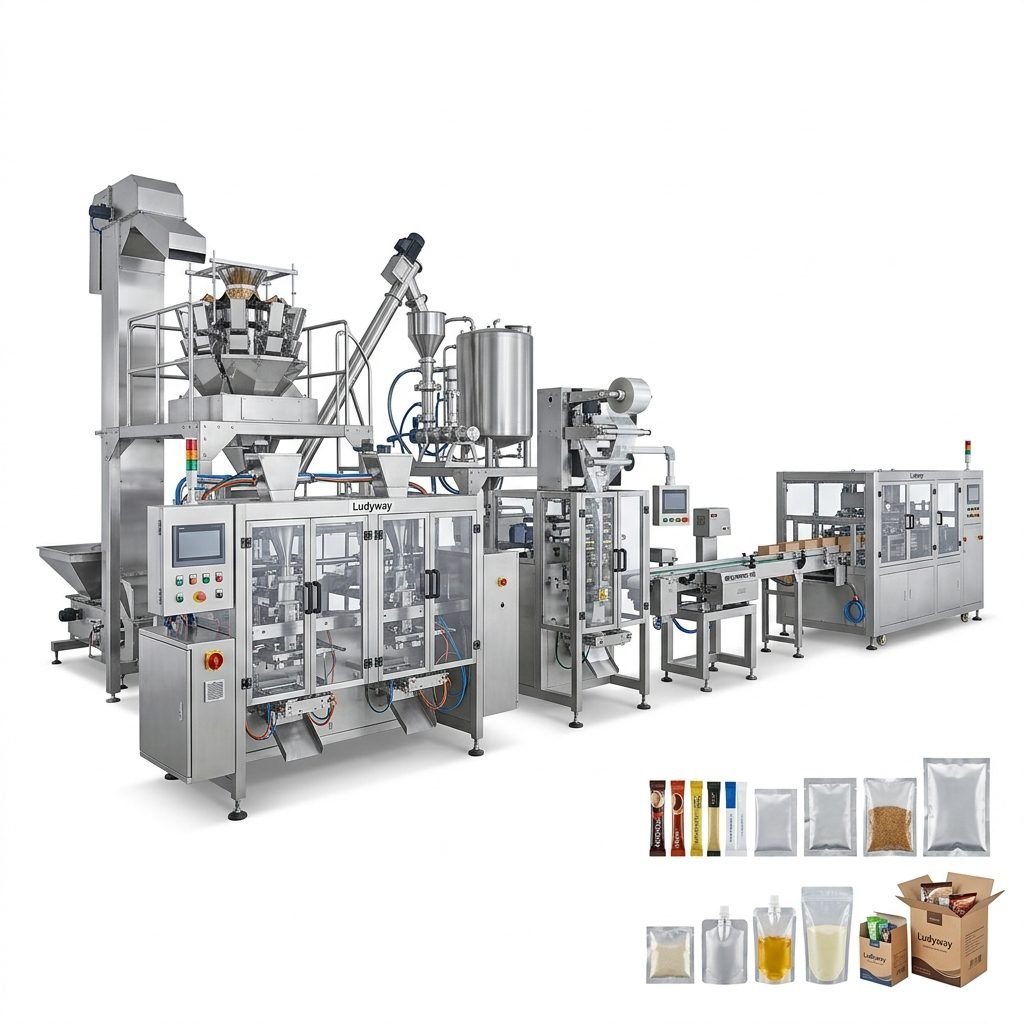
| Vertical Form Fill Seal (VFFS) | Granules, hard candies, nuts, popcorn | 30-120 packs/min | Versatile, handles various bag styles |
| Premade Pouch Packaging Machine | Premium confectionery, gift packs, stand-up pouches | 20-80 packs/min | Attractive shelf presentation |
| Horizontal Flow Wrapper | Chocolate bars, candy bars, lollipops | 50-300 packs/min | Ideal for solid products |
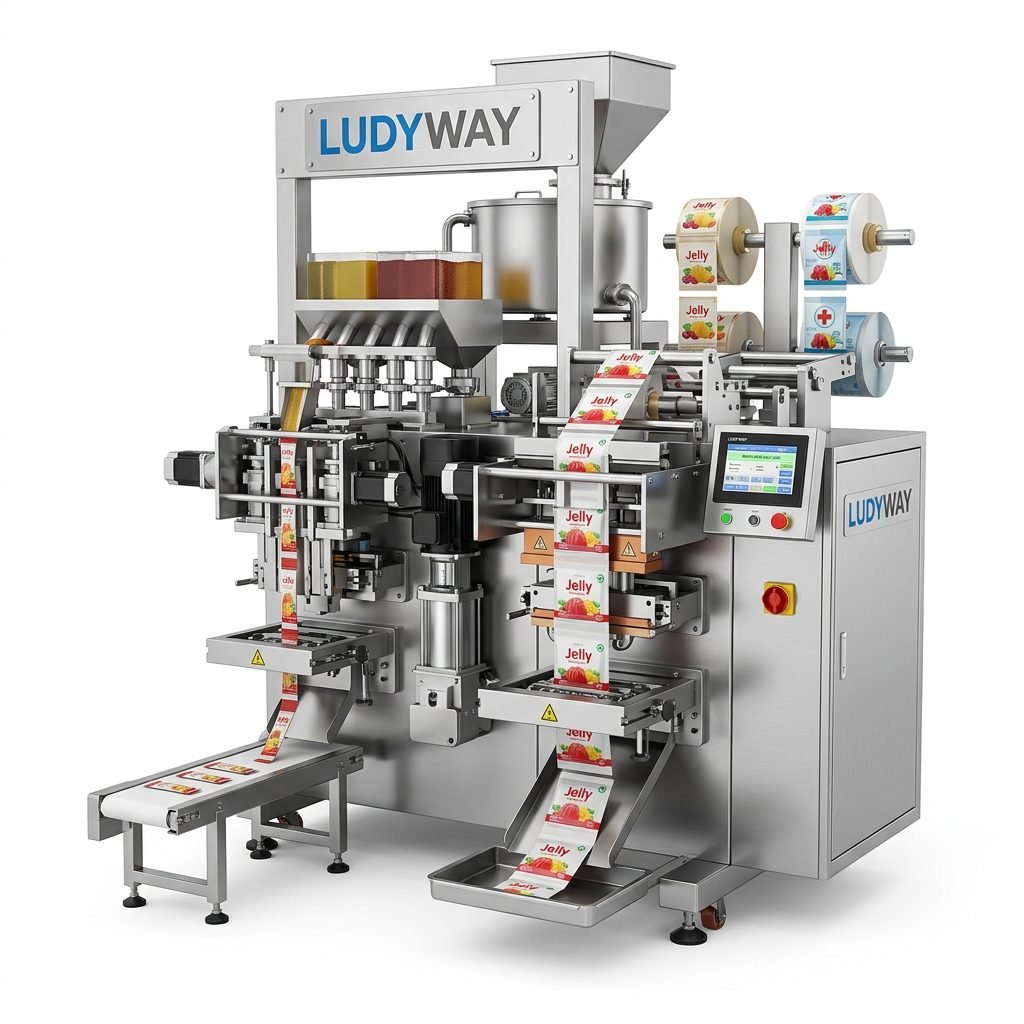
| Sachet Packaging Machine | Single-serve powders, granules, liquids | 40-200 packs/min | Economical, high market penetration |
Sourcing Channels for Packaging Machinery in Africa
Procuring confectionery packaging equipment in Africa involves navigating multiple channels, each with distinct advantages and trade-offs. Understanding these options helps buyers make informed decisions while managing risk effectively.
Direct Purchase from International Manufacturers
Buying directly from manufacturers — particularly those based in China, India, Turkey, and Europe — often yields the most competitive pricing. Many manufacturers now offer comprehensive export services including door-to-door shipping, installation support, and remote training. The key is to thoroughly vet the supplier through factory audits, reference checks, and sample evaluations before committing to a purchase.
Regional Distributors and Agents
Established distributors in South Africa, Kenya, Nigeria, and Egypt provide localized support, including installation, maintenance, and spare parts supply. While pricing through distributors typically includes a margin, the value of accessible after-sales service often justifies the premium — especially for businesses without in-house technical expertise.
Trade Exhibitions and Industry Events
Attending packaging exhibitions such as PACK EXPO International, Propak Africa in Johannesburg, and Food & Beverage West Africa in Lagos provides hands-on opportunities to evaluate machinery, meet suppliers, and benchmark pricing. These events also offer valuable networking opportunities with industry peers who can share practical insights about specific equipment.
Evaluating Machine Quality and Supplier Credibility
Purchasing industrial equipment is a significant investment, and due diligence on both the machine and the supplier is essential. The following checklist can guide the evaluation process:
- Build Materials: Verify that food-contact surfaces use 304 or 316 stainless steel and that the frame is robustly constructed.
- Certifications: Look for CE, ISO 9001, and other relevant quality management certifications. For food-grade equipment, FDA or EU compliance documentation is important.
- Control System: Modern PLC-based controls with touchscreen interfaces simplify operation and troubleshooting. Check if the interface supports multiple languages.
- Spare Parts Availability: Confirm that critical wear components such as sealing jaws, cutting blades, and heating elements are readily available from the supplier.
- Warranty Terms: Standard warranties range from 12 to 24 months. Understand what is covered and whether on-site service is included.
- Reference Sites: Request contact information for existing customers in Africa or similar markets who can share their genuine experience.
Cost Considerations and Budget Planning
The total cost of ownership for a confectionery packaging machine extends well beyond the initial purchase price. When planning your budget, account for the following components:
| Cost Category | Estimated Share | Notes |
|---|---|---|
| Machine Purchase Price | 55-65% | Negotiable; varies by configuration and features |
| Shipping and Logistics | 10-15% | Sea freight, insurance, port clearance, inland transport |
| Import Duties and Taxes | 5-20% | Varies significantly by country and trade agreements |
| Installation and Commissioning | 3-8% | May include technician travel costs if not local |
| Training and Documentation | 2-5% | Operator training, maintenance manuals, SOPs |
Regulatory Compliance and Packaging Standards
Confectionery packaging in Africa must comply with both local food safety regulations and, for export-oriented businesses, international standards. The FDA food contact substance regulations and ISO packaging standards provide globally recognized frameworks. Key regulatory considerations include:
- Food-Grade Materials: All packaging materials that contact confectionery products must be certified food-safe and free from harmful migration substances.
- Labeling Requirements: Many African countries mandate specific labeling information including ingredients, allergens, net weight, manufacturing date, and expiry date in both English and local languages.
- Tamper-Evident Features: Increasingly, regulators require tamper-evident seals for consumer protection, which your packaging machine must be capable of applying.
- Sustainable Packaging: The Flexible Packaging Association notes growing demand for recyclable and biodegradable packaging materials across global markets, including Africa.
After-Sales Support and Maintenance Strategy
A packaging machine represents a long-term investment, and its performance over time depends heavily on the quality of after-sales support and maintenance practices. In the African context, where local technical expertise may be limited in some regions, proactive planning for support is especially critical.
Essential After-Sales Services to Secure
- Remote Technical Support: Video-based troubleshooting and diagnostics capabilities that reduce downtime and eliminate the need for on-site visits for minor issues.
- Spare Parts Inventory: A recommended list of critical spares that should be kept on-site, along with a reliable supply chain for less common components.
- Preventive Maintenance Schedule: A documented maintenance calendar that extends machine lifespan and prevents unexpected breakdowns during peak production periods.
- Operator Training Programs: Comprehensive training that covers not only machine operation but also cleaning procedures, format changeovers, and basic troubleshooting.
Financing and Payment Options for African Buyers
Financing a packaging machine purchase in Africa can be approached through several channels. Traditional bank loans, equipment leasing arrangements, and supplier credit are common options. Some international manufacturers also offer deferred payment terms or collaborate with export credit agencies to facilitate transactions. Additionally, development finance institutions such as the African Development Bank and various export-import banks provide equipment financing programs targeted at manufacturing sector growth.
Payment Terms to Consider
- Letter of Credit (L/C): Widely used for international transactions, providing security for both buyer and seller through bank intermediation.
- Telegraphic Transfer (T/T): Common for smaller transactions, typically structured as a deposit with balance paid before shipment or upon delivery.
- Installment Plans: Some suppliers offer staged payments tied to production milestones, delivery, and successful commissioning.
Technology Trends Shaping Confectionery Packaging
The packaging machinery industry is evolving rapidly, and staying informed about technological advancements can give African confectionery manufacturers a competitive edge. Key trends influencing equipment design and capabilities include:
- IoT and Smart Packaging Lines: Internet-connected machines enable real-time production monitoring, predictive maintenance alerts, and performance analytics accessible from mobile devices.
- Automation and Robotics: Automated feeding, counting, cartoning, and palletizing systems reduce labor costs and improve consistency in packaging operations.
- Quick-Changeover Designs: Tool-less format changeovers that reduce downtime when switching between product types or packaging sizes — particularly valuable for contract packers serving multiple clients.
- Energy Efficiency: Modern servo-driven machines consume significantly less power than older pneumatic or mechanical systems, reducing operational costs in regions with high electricity prices.
Country-Specific Considerations for Key African Markets
Africa is not a monolith, and packaging machinery purchasing decisions should account for the unique characteristics of each target market. Below is an overview of considerations for several major confectionery markets:
| Country | Market Characteristic | Recommended Approach |
|---|---|---|
| Nigeria | Largest consumer market; high demand for affordable sachet formats | High-speed multi-lane sachet lines; emphasize low per-unit cost |
| South Africa | Mature retail infrastructure; premium packaging demand | Versatile machines supporting multiple formats; focus on quality finishes |
| Kenya | Growing manufacturing hub for East Africa; export-oriented | Equipment meeting both local and export standards; scalable capacity |
| Egypt | Strategic location for MENA distribution; strong confectionery tradition | Machines with Arabic interface options; humidity-resistant sealing |
| Ghana | Emerging market with growing cocoa processing and confectionery sector | Entry-level to mid-range machines with upgrade paths |
Making the Final Decision: A Practical Checklist
As you approach the final stages of your purchasing decision, use the following checklist to ensure all critical aspects have been addressed. This structured approach reduces the risk of overlooking important details in a complex procurement process.
- Technical Fit: Does the machine handle your specific product characteristics (size, shape, fragility, moisture sensitivity)?
- Capacity Alignment: Can the machine meet your peak production requirements with reasonable headroom?
- Supplier Track Record: Has the supplier demonstrated successful installations in Africa or similar emerging markets?
- Total Cost Clarity: Have you calculated the fully landed cost including shipping, duties, installation, and initial spare parts?
- Service Infrastructure: Is there a clear plan for ongoing maintenance, whether through local partners or remote support?
- Training Plan: Does the supplier provide comprehensive training for operators and maintenance staff?
- Packaging Material Supply: Have you secured a reliable source for compatible packaging films and materials?
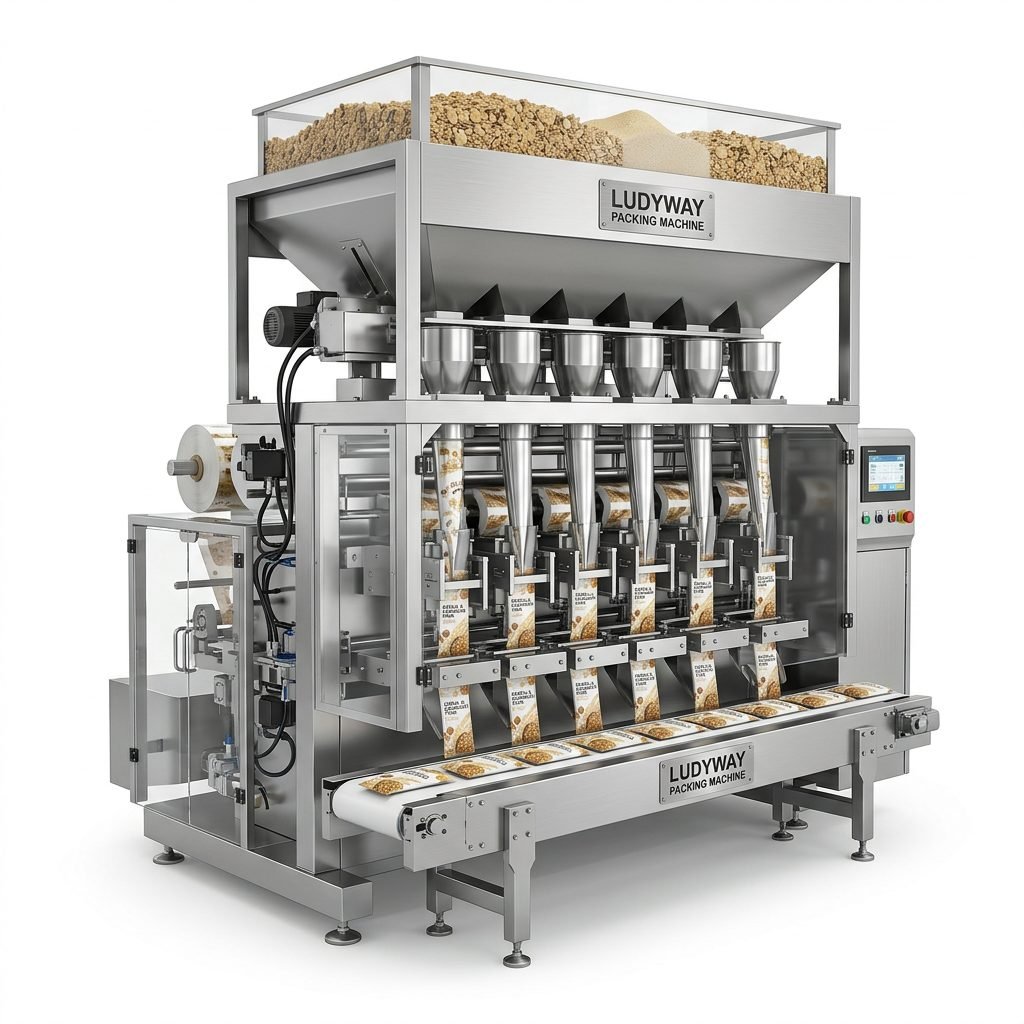
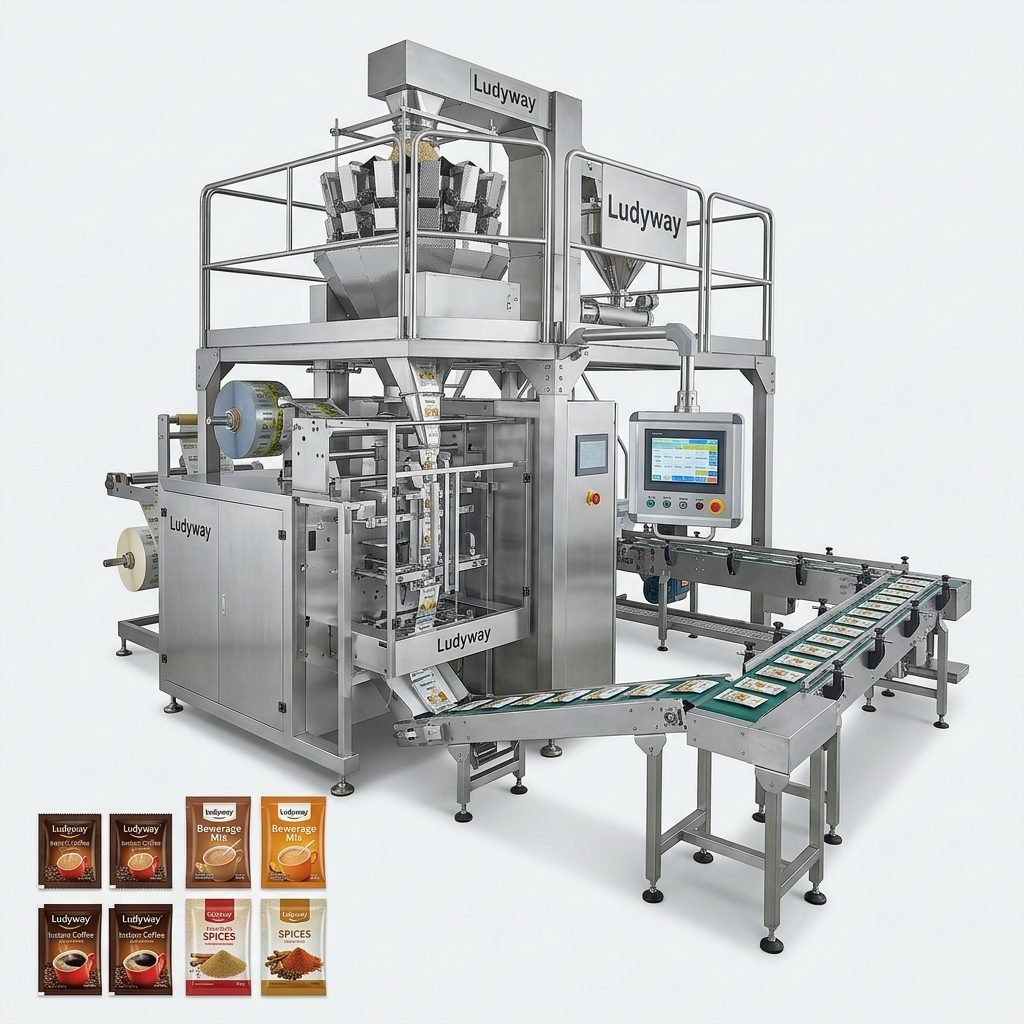
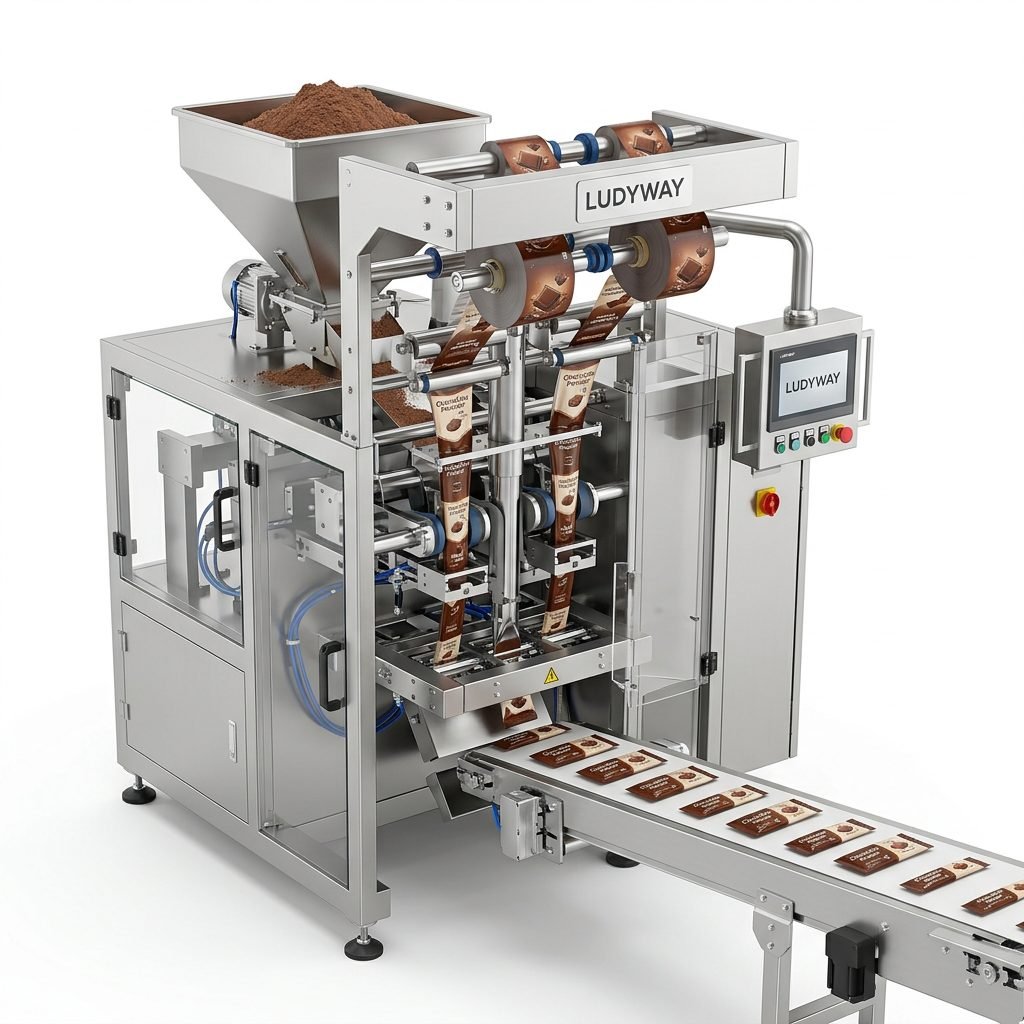
One notable manufacturer serving the African confectionery packaging market is Ludyway, one of the largest packaging machine manufacturers in China. With over 30 years of industry experience, a 20,000㎡ modern production facility, and more than 50 intelligent packaging machine models — including multi-lane stick pack, sachet, and fully automated packaging systems — Ludyway serves customers in over 100 countries and regions. Their equipment spans applications across granules, powders, liquids, and pouch packaging for the food, pharmaceutical, and health industries, making them a relevant option for African confectionery producers evaluating international suppliers.
Conclusion: Strategic Investment for Long-Term Growth
Purchasing a confectionery packaging machine in Africa is a strategic investment that can significantly enhance your manufacturing capabilities, product quality, and market competitiveness. By thoroughly evaluating your product requirements, understanding available machine types, carefully vetting suppliers, and planning for the full cost of ownership, you position your business for sustainable growth in Africa’s dynamic confectionery market.
The key to success lies in balancing upfront investment with long-term value — choosing equipment that not only meets today’s needs but can adapt to tomorrow’s opportunities. For further reading, explore the State of the Industry reports from PMMI and the Flexible Packaging Association resources for ongoing insights into packaging industry trends that may influence your strategic decisions.
Whether you are launching a new confectionery brand, expanding an existing product line, or upgrading aging equipment, the African market offers substantial opportunities for manufacturers who invest wisely in quality packaging technology backed by reliable support networks. Take the time to research thoroughly, visit reference sites where possible, and build relationships with suppliers who demonstrate a genuine commitment to your long-term success.