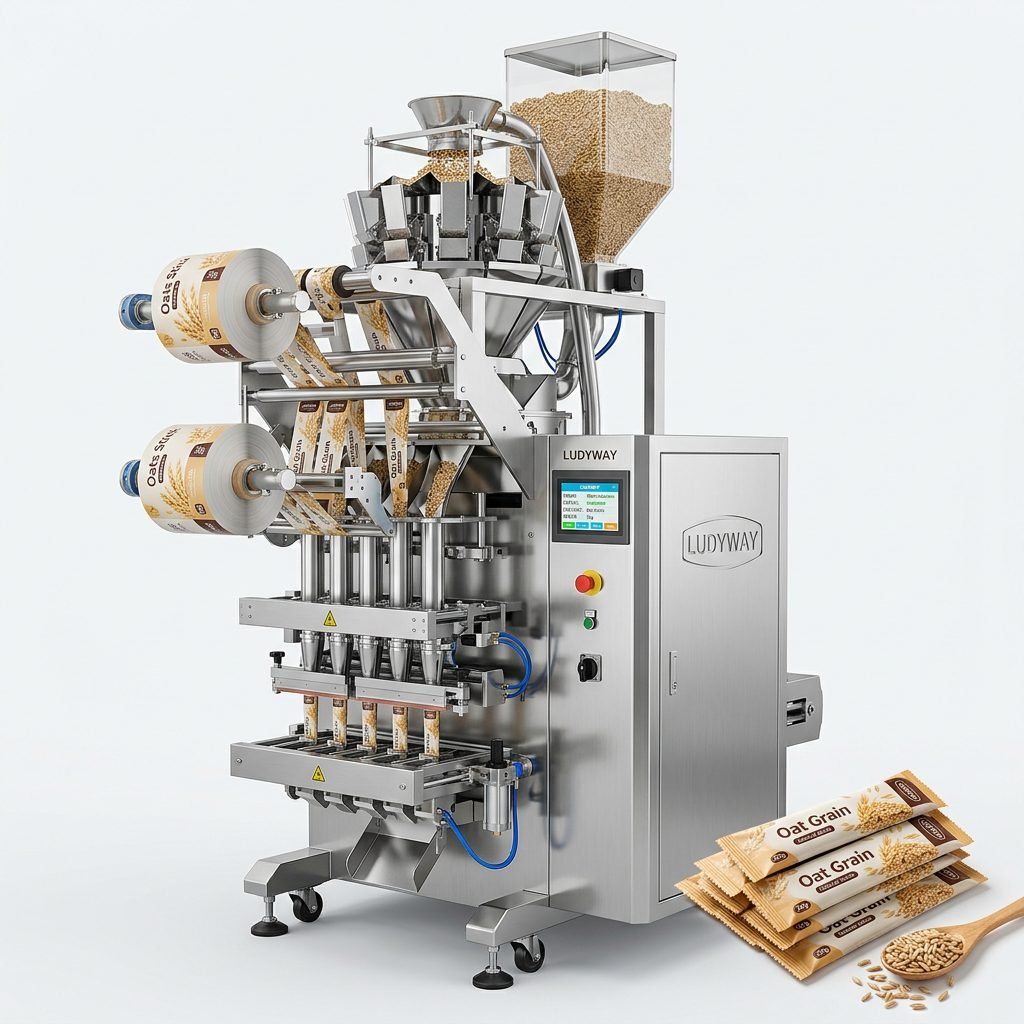
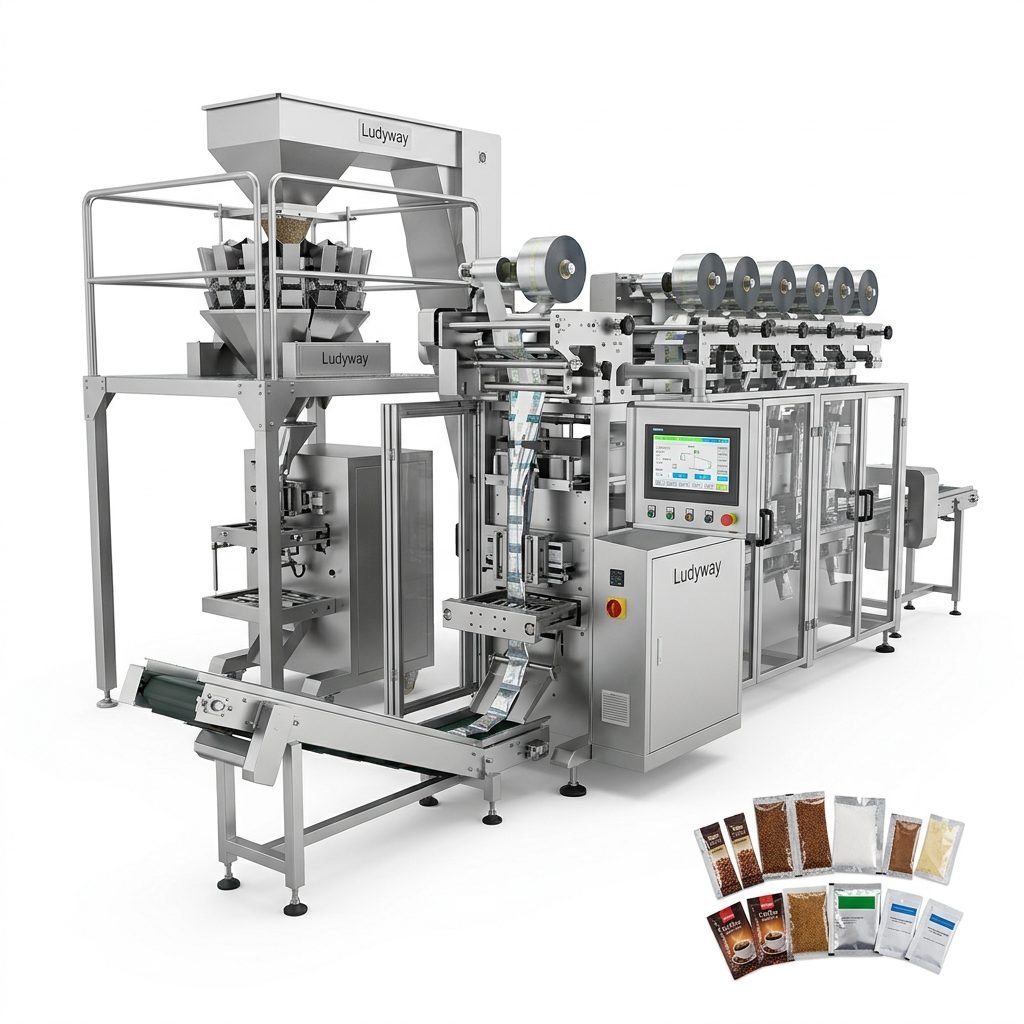
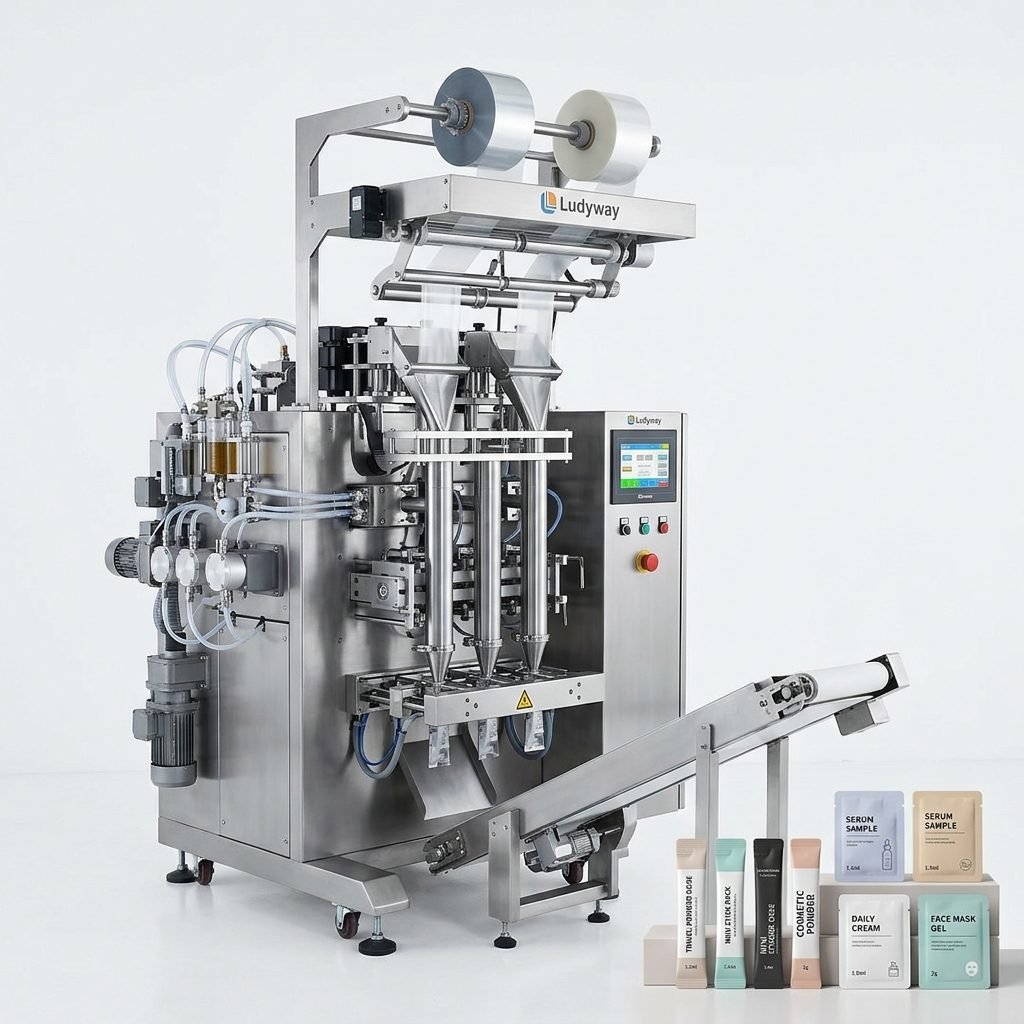
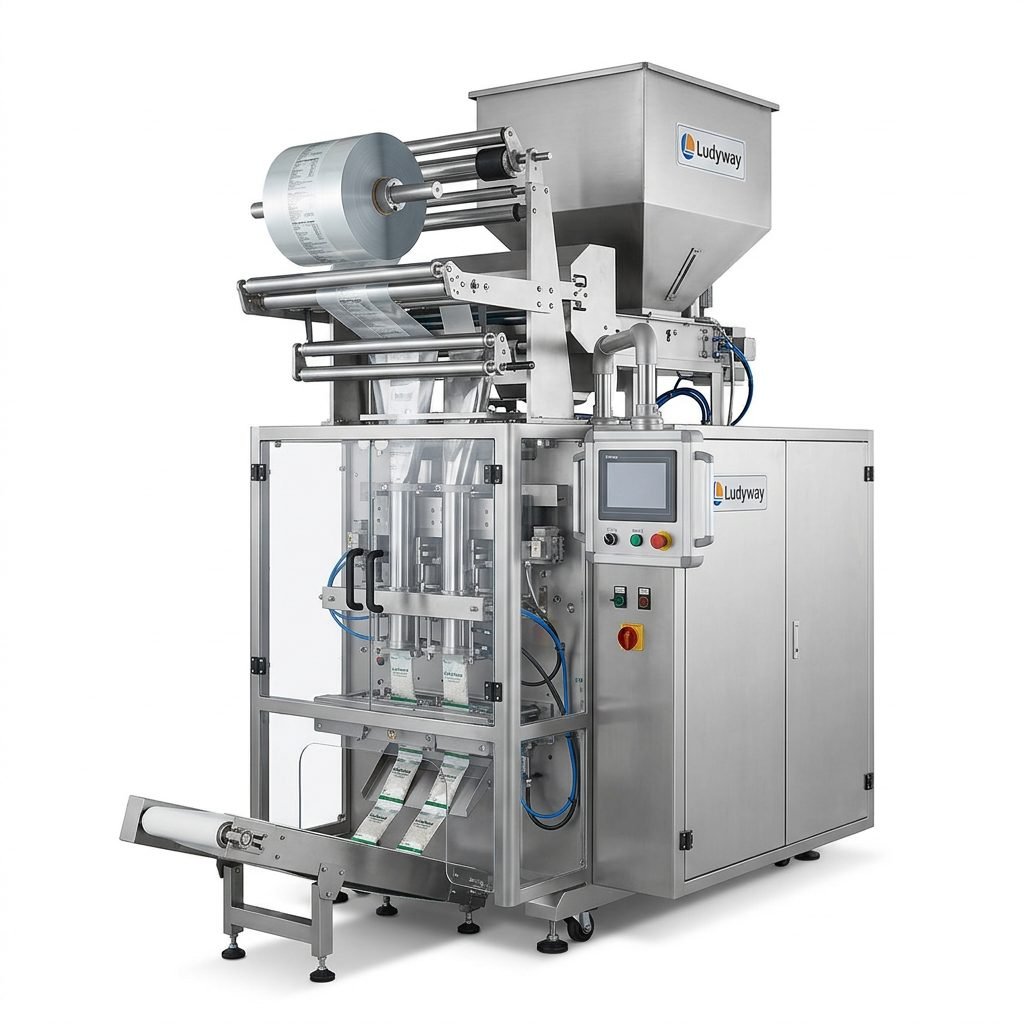
Establishing a coffee packaging machine production line in France requires navigating stringent European Union regulations, understanding local market preferences, and selecting high-speed automated equipment that meets ISO packaging standards. This comprehensive guide outlines critical steps for setting up, configuring, and scaling your coffee packaging operations efficiently.
Understanding French Coffee Consumption and Packaging Trends
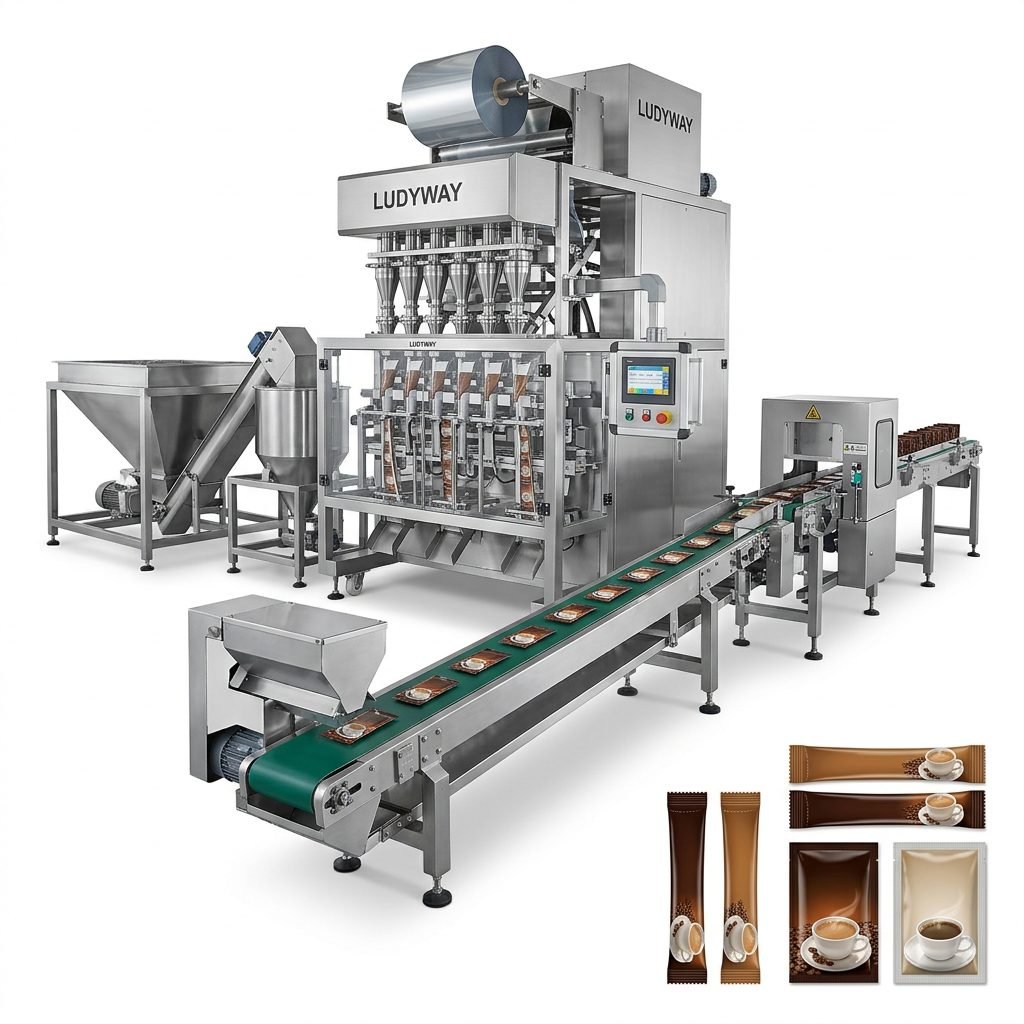
France represents one of Europe’s most mature coffee markets, with a significant shift toward single-serve convenience formats. Consumers increasingly prefer portion-controlled sachets and stick packs for fresh-brewed experiences at home and in the hospitality sector. The demand spans various coffee types: ground coffee, instant powder, and liquid concentrates.
Key packaging formats dominating French retail shelves include aluminum-laminated stick packs, three-side-seal sachets, and premium resealable pouches. High-barrier film structures are essential to preserve volatile aromatic compounds and protect against moisture penetration, which is a non-negotiable requirement for any production line setup in this region.
Regulatory Framework and EU Compliance for Coffee Packaging
France strictly follows European Commission Packaging and Packaging Waste regulations. Any coffee packaging production line operating within French territory must adhere to these directives to ensure market access and avoid legal penalties.
Material and Food Contact Substance Requirements
All packaging films, inks, and adhesives must comply with FDA and EU food contact substance regulations. Specifically, manufacturers need to verify that laminate structures used for coffee sachets meet the overall migration limits set by Regulation (EU) No 10/2011. This directly impacts the sealing temperature parameters and dwell time settings on your packaging machinery.
Weight and Labeling Accuracy Standards
French authorities enforce the poids net (net weight) declaration rigorously. Multi-lane stick pack machines must integrate high-precision multi-head weighers with automatic feedback correction to minimize giveaway and ensure every sachet meets the labeled grammage. Dynamic checkweighers positioned after the filling station are mandatory for statistical process control.
Selecting the Right Coffee Packaging Machine Configuration
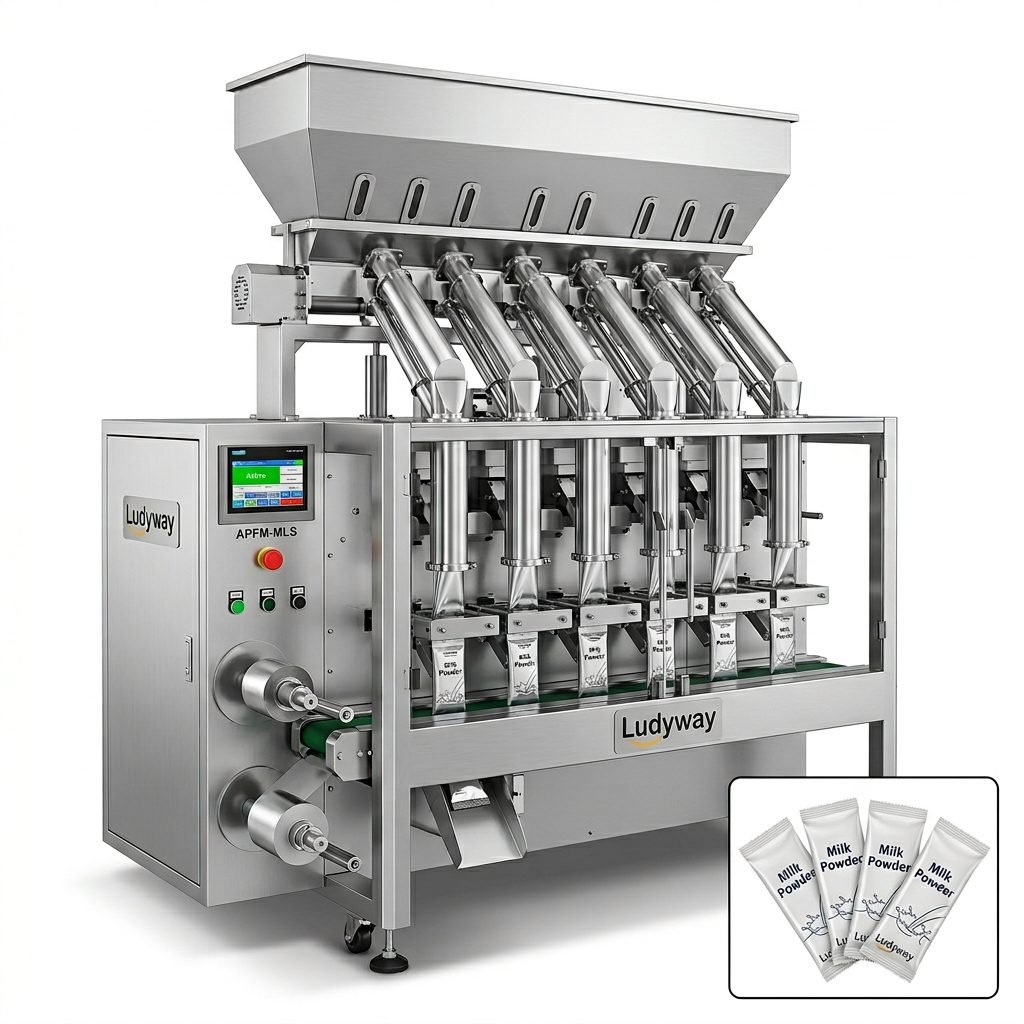
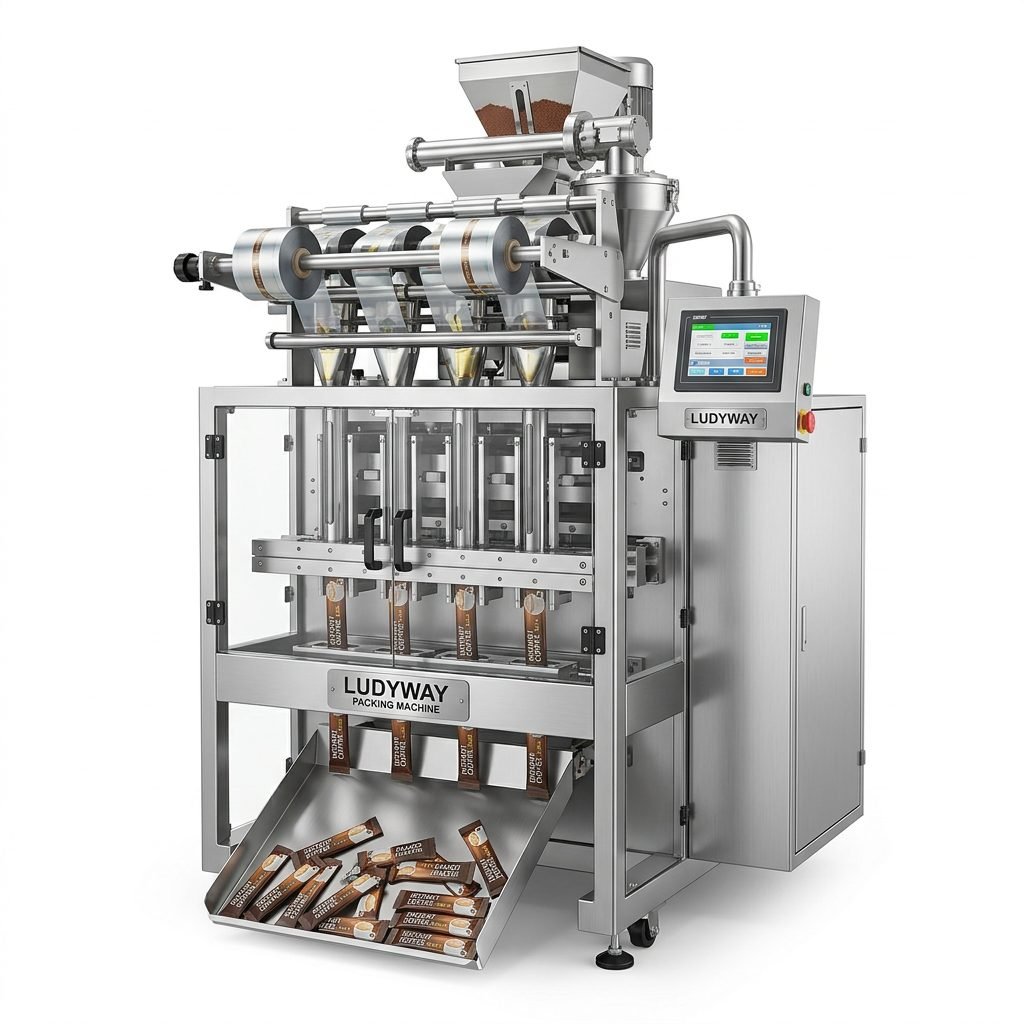
The core of any successful French production line lies in matching machine specifications to product characteristics and target output volumes. Multi-lane stick pack technology dominates this segment due to its unparalleled throughput efficiency for fine powders and micro-granules.
| Machine Type | Coffee Application | Output Range (Packs/Min) | Key Feature |
|---|---|---|---|
| Multi-Lane Stick Pack Machine | Instant coffee powder, granulated coffee | 400 – 1,200+ | High-speed longitudinal sealing for aroma retention |
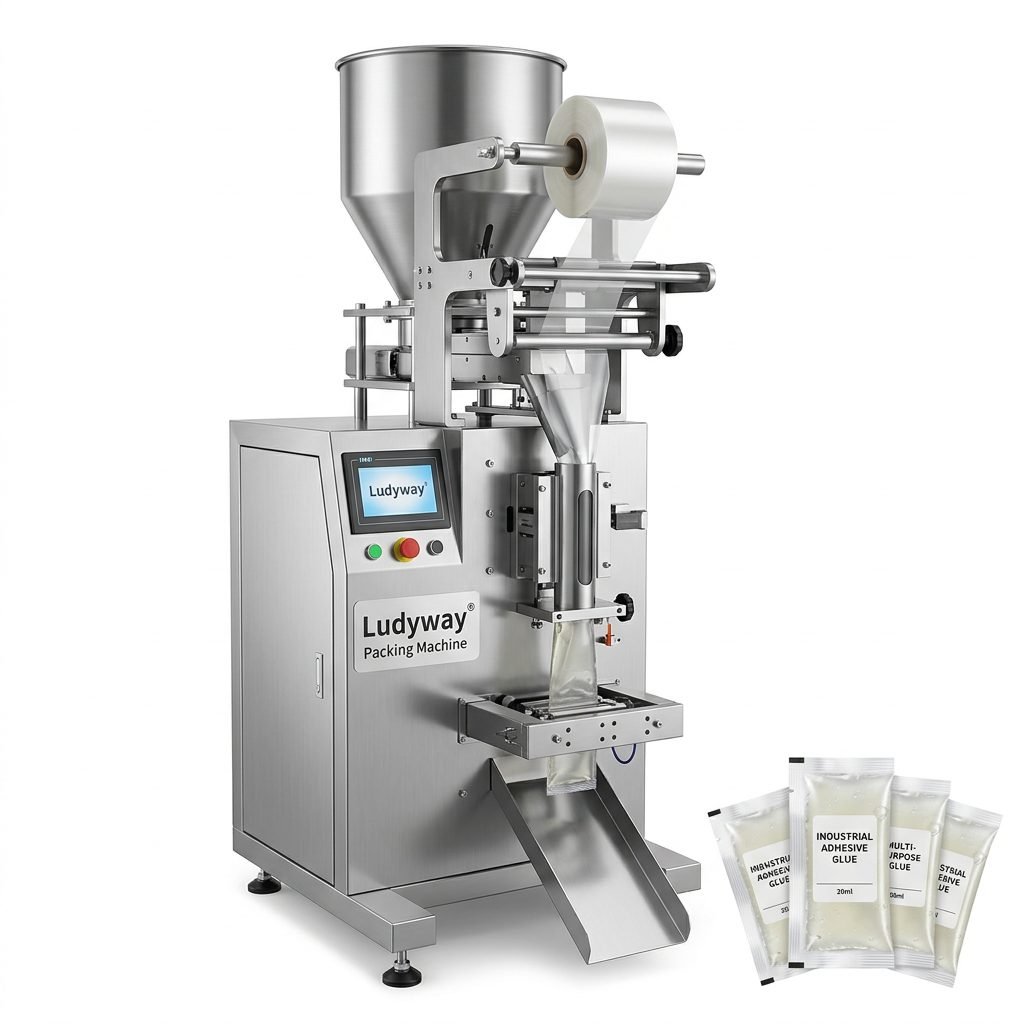
| Vertical Form Fill Seal (VFFS) Sachet Machine | Ground coffee, whole beans | 60 – 200 | Versatile bag styles including block bottom |
| Rotary Premade Pouch Filler | Premium roasted beans, specialty blends | 30 – 80 | Ideal for valve-equipped flat-bottom pouches |
| Liquid Stick Pack Machine | Liquid coffee concentrate, cold brew shots | 300 – 800 | Specialized piston or magnetic flow fillers |
Critical Ancillary Equipment for the Production Line
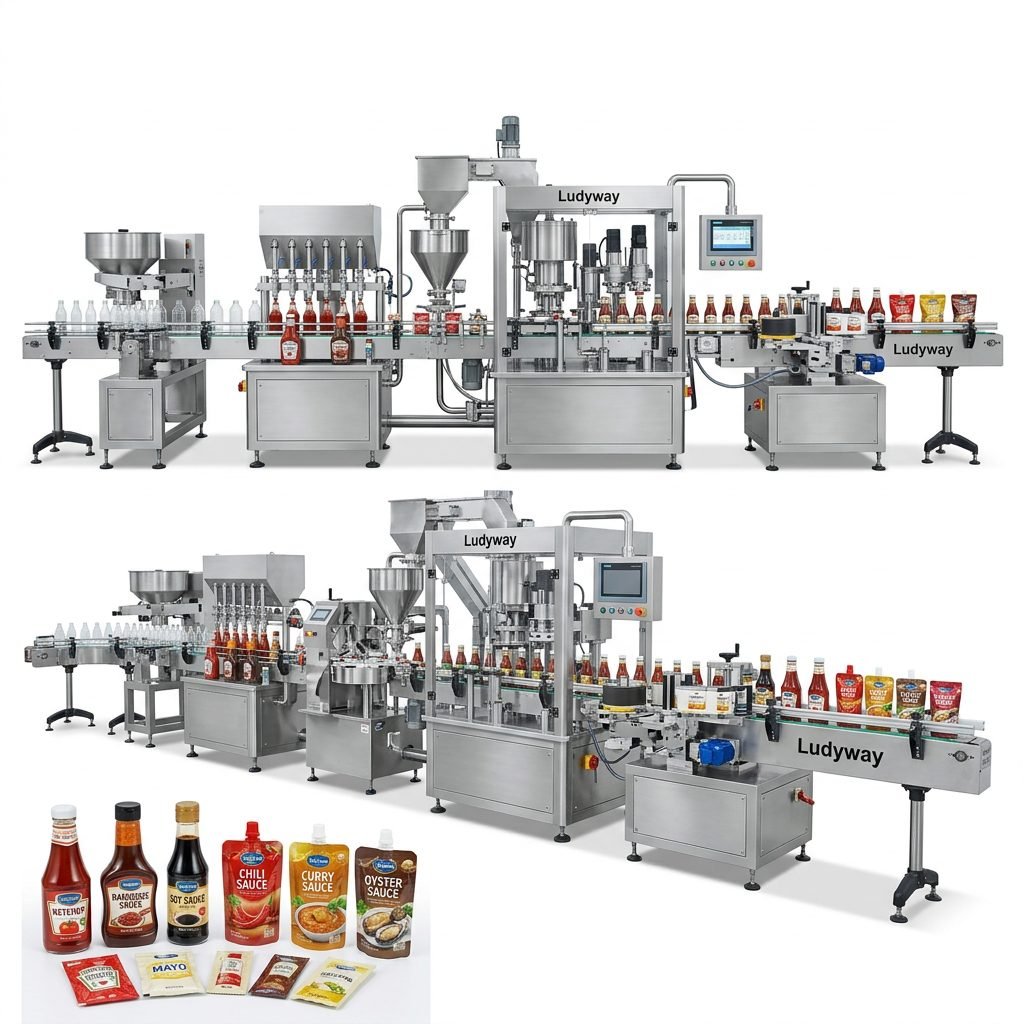
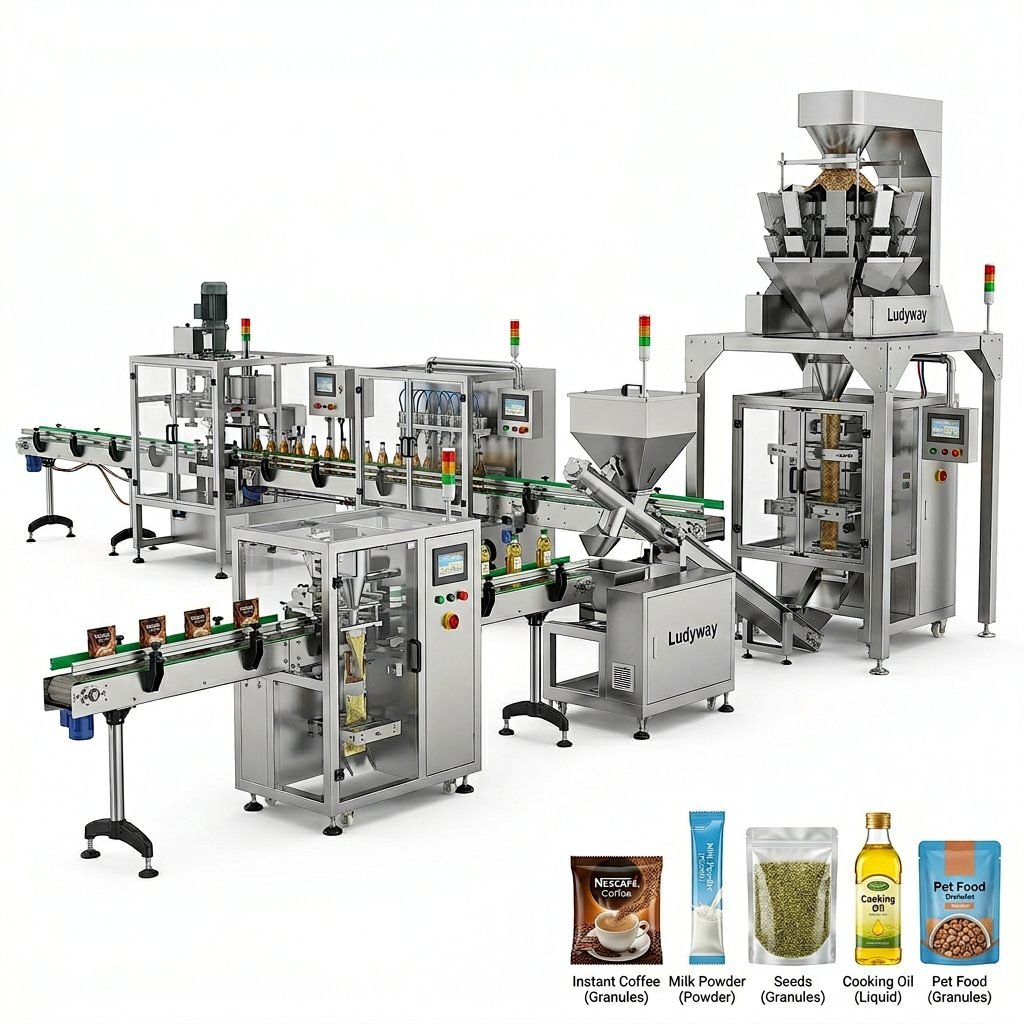
A complete coffee packaging line in France integrates more than just the primary filling machine. Ancillary modules ensure product integrity, line efficiency, and end-of-line automation for distribution across European retail networks.
- Inclined Conveyors and Vacuum Feeders: Deliver ground coffee from the grinder or silo to the weigher without degradation or segregation of particle sizes. View inclined conveyor solutions.
- Industrial X-ray Inspection Systems: Detect dense contaminants like metal, stone, or glass fragments within sealed coffee packs before they leave the facility. This aligns with French retailer Code of Practice requirements.
- High-Resolution Inkjet Coders: Print lot numbers, production dates, and unique QR codes for compliance with PMMI traceability standards.
- Automated Case Packing and Palletizing: Reduce manual handling for cartons destined for Carrefour, Leclerc, or international logistics hubs.
Production Line Layout and Factory Integration in France
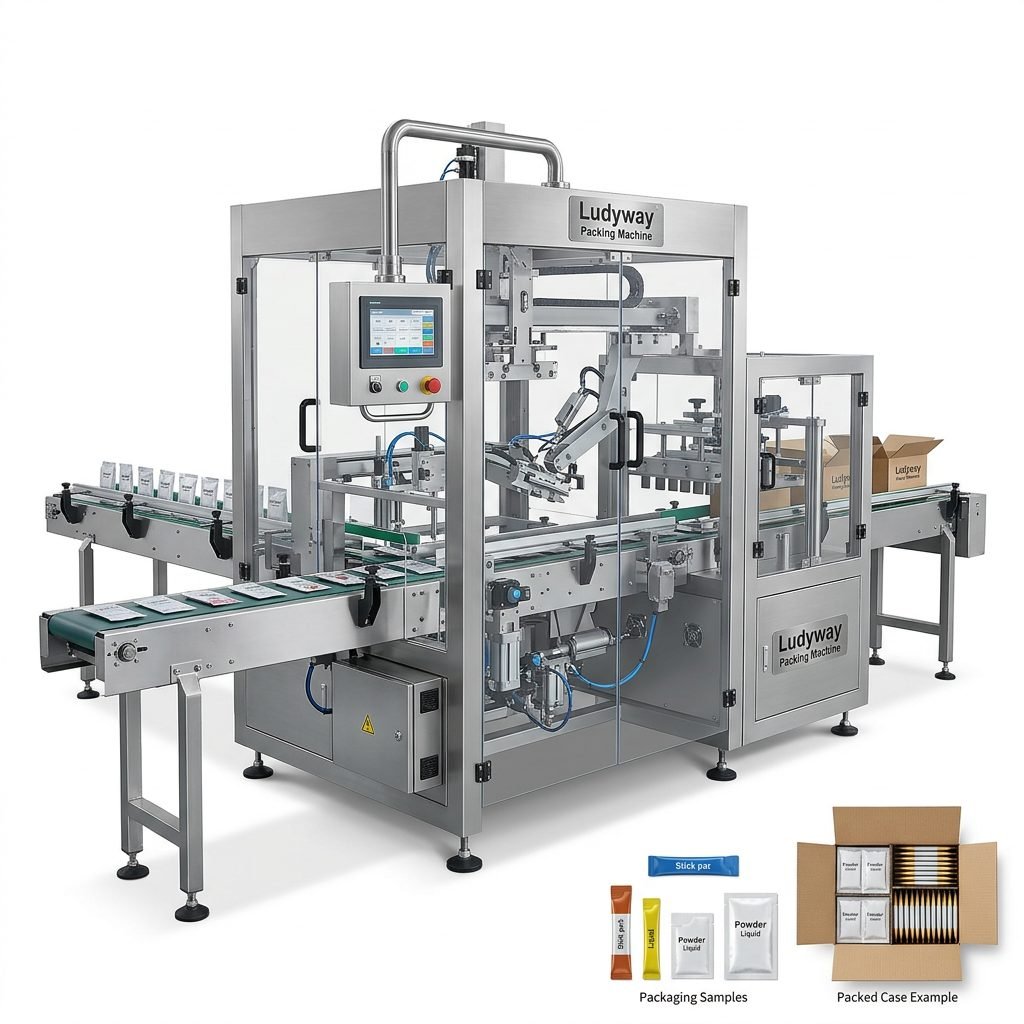
French industrial facilities often operate within constrained urban or peri-urban zones, making compact equipment footprints a decisive factor. When planning your layout, prioritize a linear flow that minimizes crossover between raw material intake and finished goods dispatch. Segregation of wet processing areas from dry powder filling zones is mandatory under HACCP protocols enforced by French health authorities.
Key layout considerations include:
- Dehumidified Environment: Coffee powders are hygroscopic. The packaging hall must maintain relative humidity below 35% to prevent clogging in filling tubes and ensure crisp heat-seal integrity.
- CE Marking Verification: All machinery installed on the line must display valid CE marking, accompanied by a Declaration of Conformity. This includes individual modules like conveyors and checkweighers.
- Nitrogen Flushing Capability: For extended shelf-life products, integrate nitrogen gas injection into the vertical sealing area to reduce residual oxygen levels inside each stick pack below 1%.
Installation, Commissioning, and Technical Support
Deploying a packaging line in France demands meticulous project management. Remote technical support combined with on-site commissioning by factory-trained engineers ensures that the line achieves its Overall Equipment Effectiveness (OEE) targets quickly. Look for partners that offer protocol-level integration between the weigher, VFFS unit, and downstream cartoners.
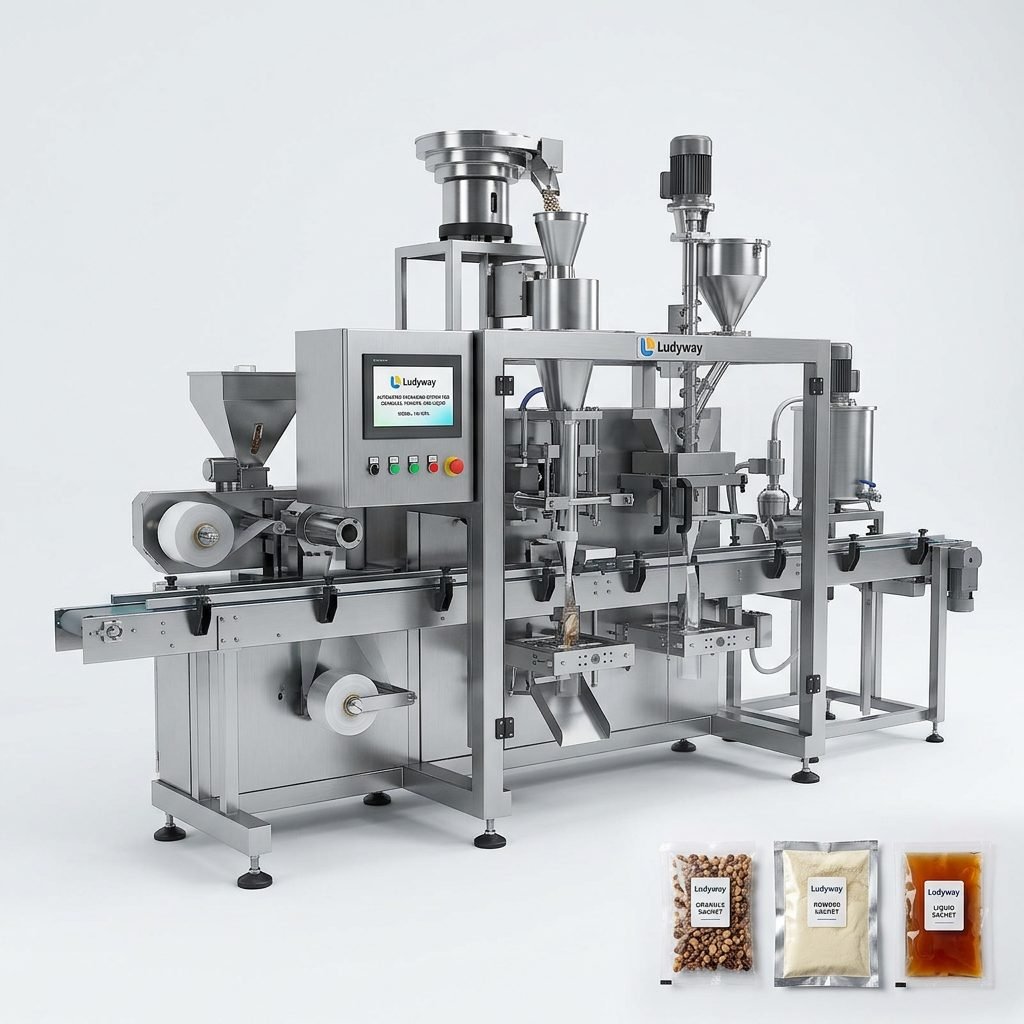
As one of the largest packaging machine manufacturers, Ludyway has supplied turnkey solutions to over 100 countries, with a dedicated engineering team supporting global packaging industry growth. The 20,000㎡ modern production facility ensures that machines meet rigorous European electrical standards, including compatibility with 400V three-phase power supplies common in French factories.
Sustainability Initiatives Impacting French Coffee Packaging
France’s AGEC Law (Anti-Waste for a Circular Economy) increasingly mandates the use of recyclable mono-material structures or compostable films. Your machine selection must account for the lower heat-sealing window of mono-PE or mono-PP laminates compared to traditional multi-layer composites. Modern servo-driven sealing jaws with precise temperature profiling enable processors to switch to sustainable films without sacrificing line speed.
Furthermore, the Flexible Packaging Association sustainability resources provide updated guidance on lightweighting and incorporating post-consumer recycled content into coffee packaging, directly influencing film tension control settings on unwinding units.
Maintenance Protocols and Spare Parts Availability
To maintain peak productivity, establish a preventive maintenance schedule aligned with the machine’s running hours. Critical wear components for coffee packaging lines include:
- Heating elements and thermocouples for sealing jaws
- Former tubes and shoulders specific to sachet width
- Scraper blades and dosing plates in rotary fillers
- Vacuum pump filters in automatic feeding systems
Stocking strategic spare parts locally within the EU drastically reduces downtime and ensures business continuity for your French operation.
Market-Specific Coffee Formats: From Capsules to Cold Brew
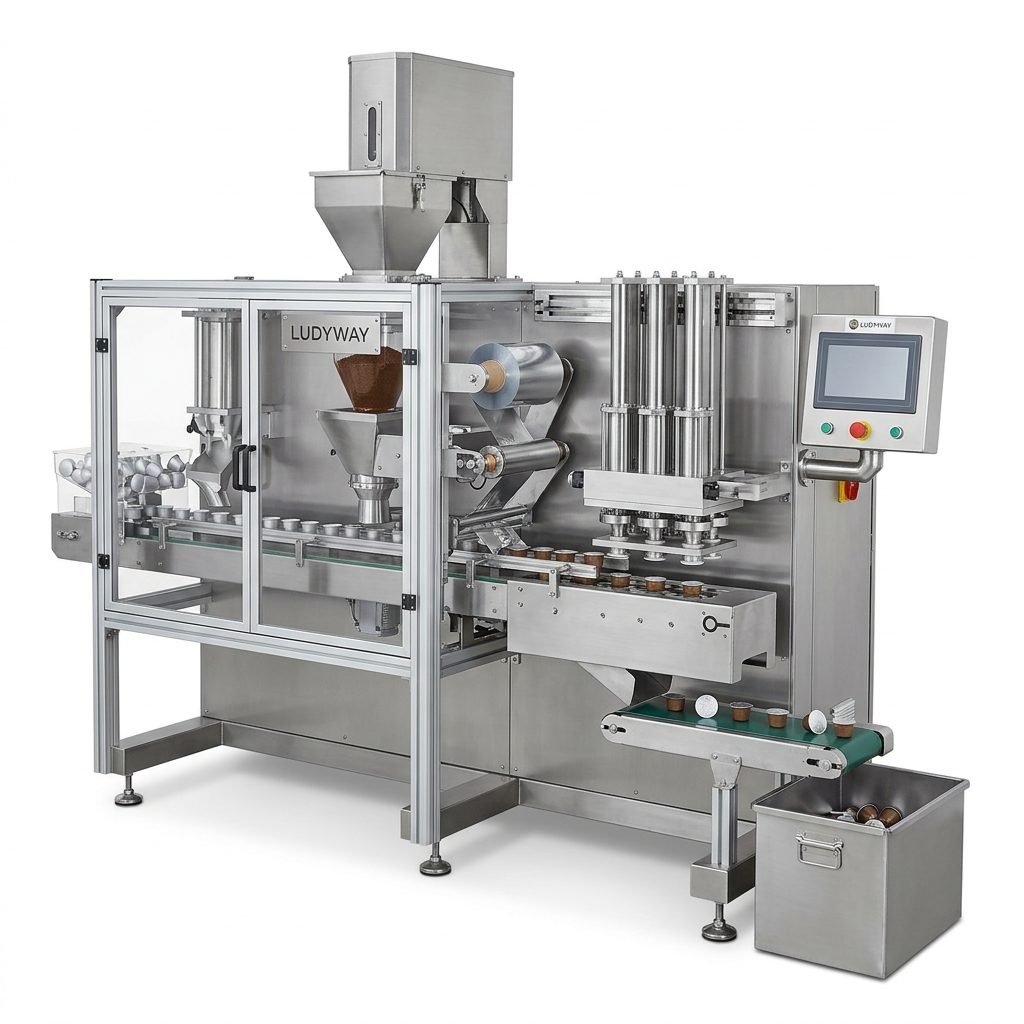
Beyond traditional stick packs, the French market shows robust growth in coffee capsules compatible with Nespresso and Senseo systems. This requires specialized dosing and heat-sealing stations. Simultaneously, liquid coffee concentrate for cold brew applications demands high-speed liquid packaging machines with CIP (Clean-in-Place) functionality for rapid product changeovers.
Key French Distribution Requirements
Large French retail groups often impose specific pallet configuration and labeling standards. Integrate automatic label applicators and shrink-wrapping or stretch-wrapping stations at the end of the line to comply with logistics specifications. Connecting your packaging line to an ERP system via OPC-UA or Ethernet/IP protocols enables real-time production monitoring and batch traceability across the supply chain.
For further reading on machinery standards, consult the PMMI Business Intelligence Library and the latest ISO 11607 packaging standards for terminally sterilized and aseptic applications relevant to liquid coffee products. Navigating the French packaging machinery landscape successfully hinges on combining regulatory diligence with high-precision automation technology.