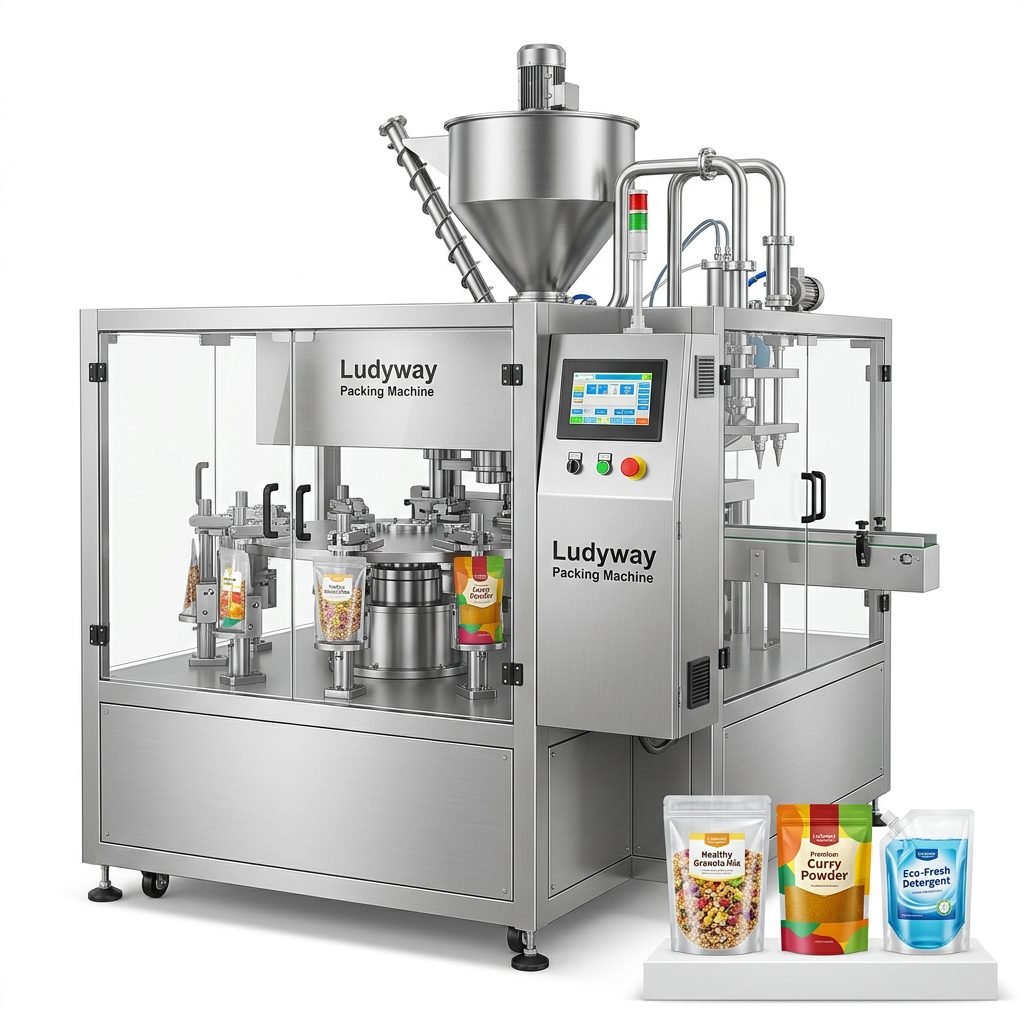
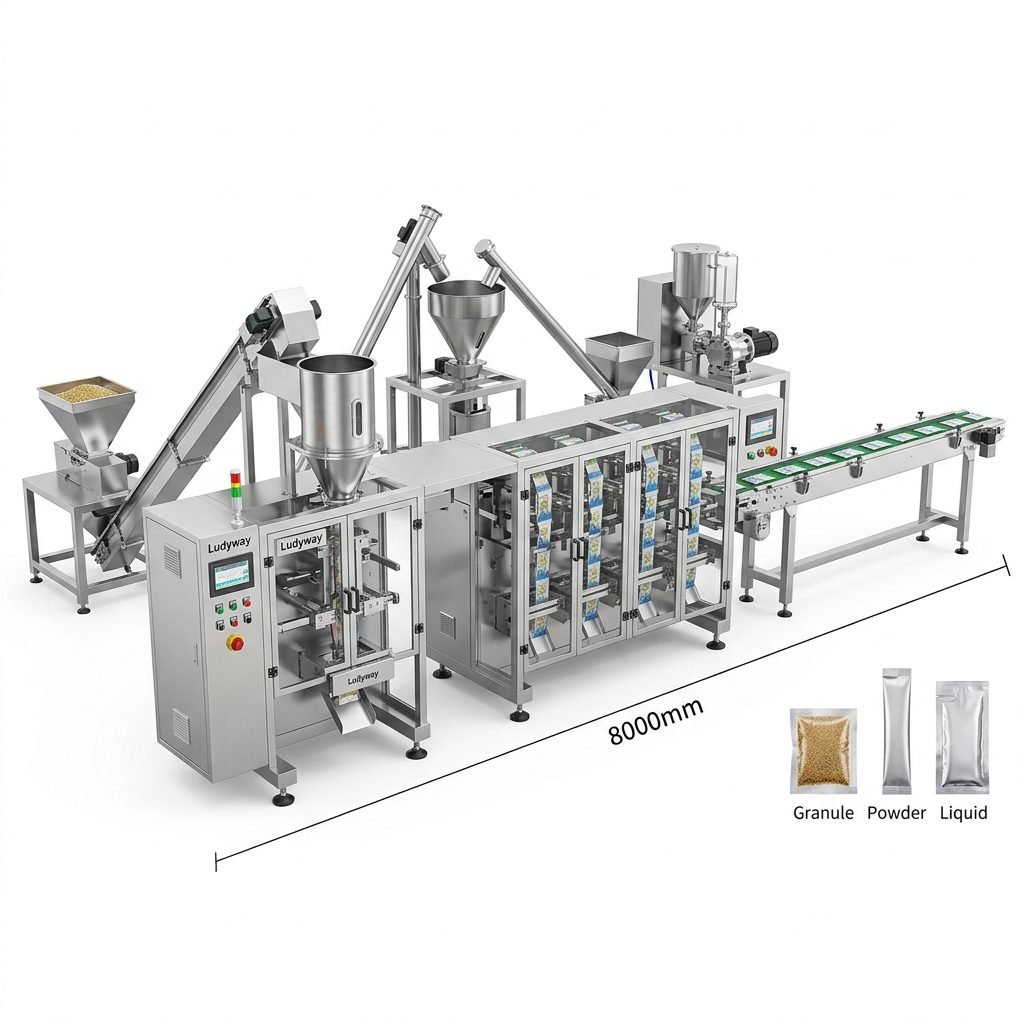
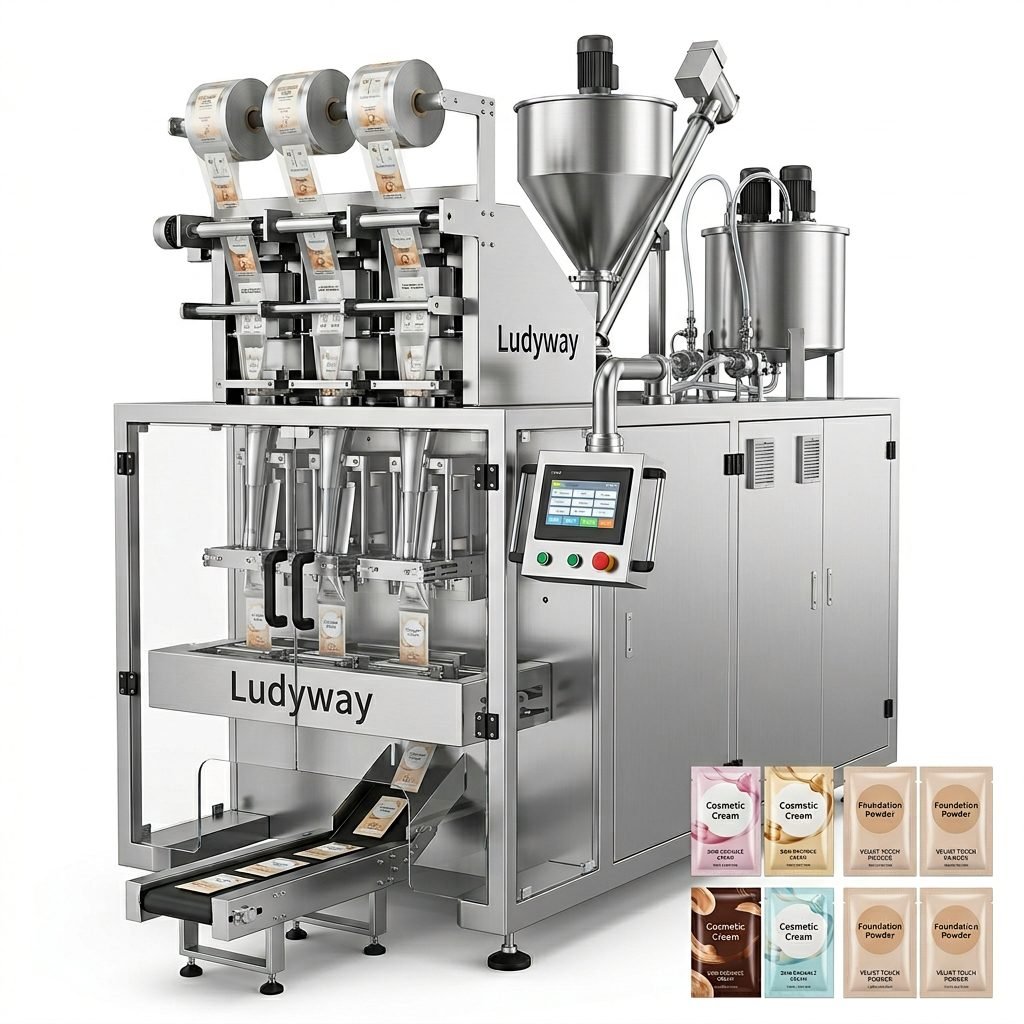
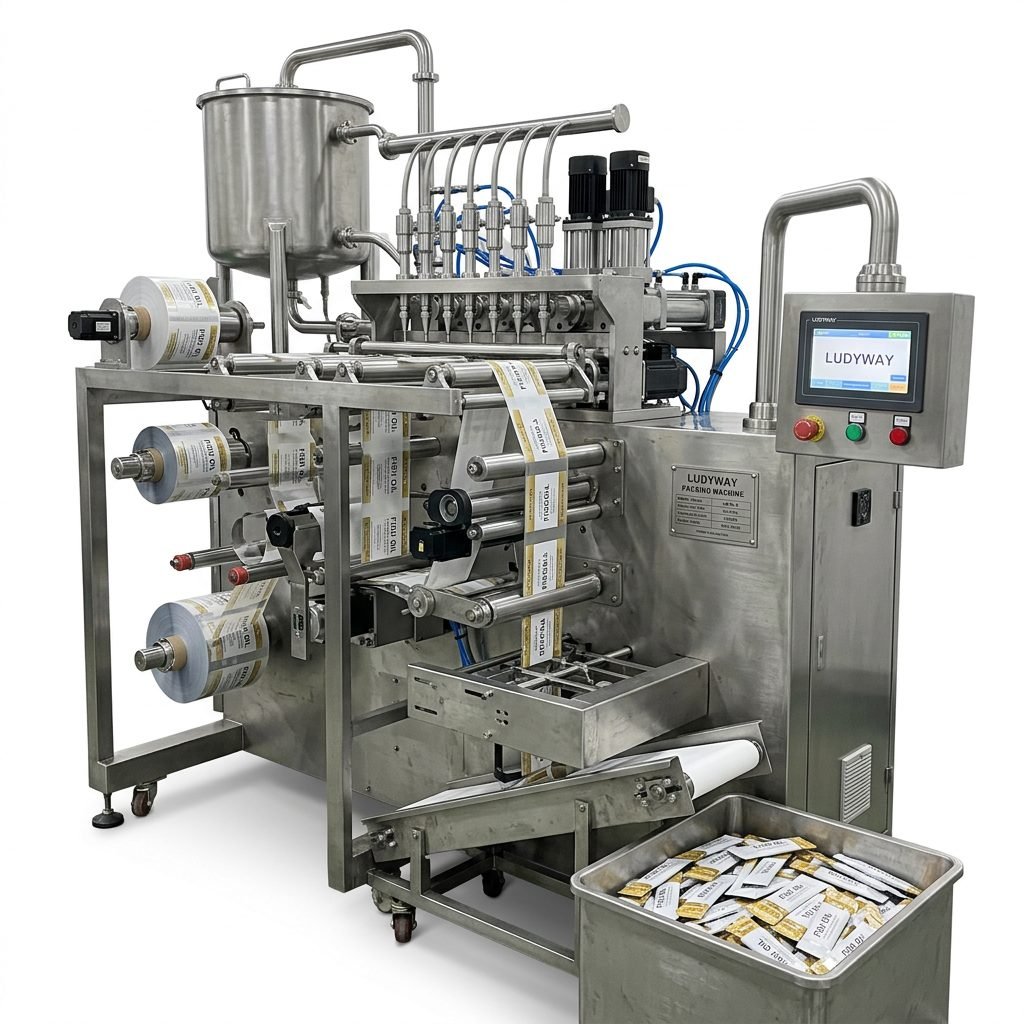
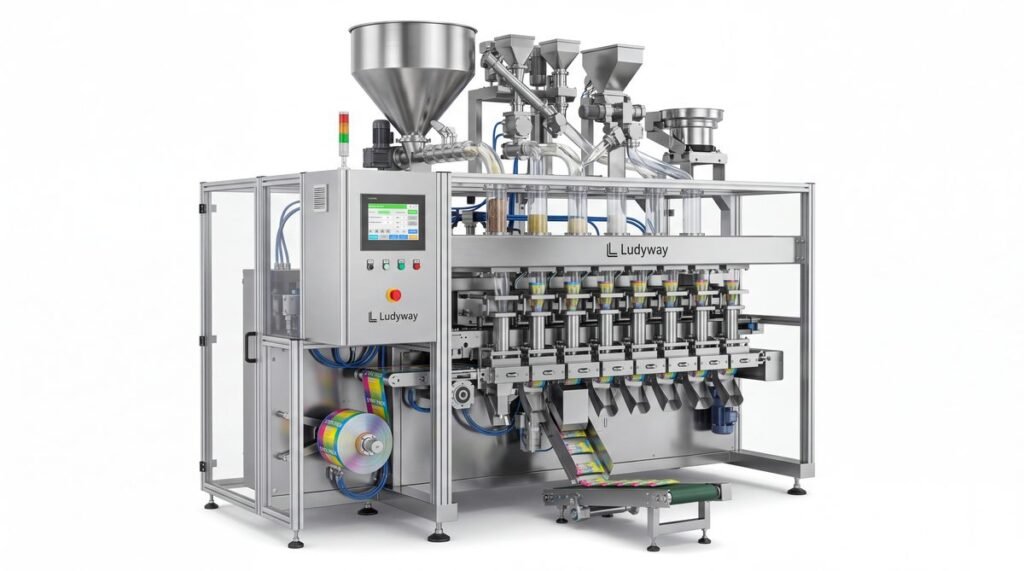
Investing in a Form Fill Seal (FFS) packing machine is a significant decision for any manufacturer. The right equipment can transform your production line, boosting efficiency and product consistency. However, with numerous configurations, filling technologies, and automation levels available, navigating the selection process requires a structured approach. This guide walks you through the essential factors to evaluate, helping you match your operational needs with the most suitable FFS packaging technology for long-term success.
Understanding FFS Packing Machine Configurations
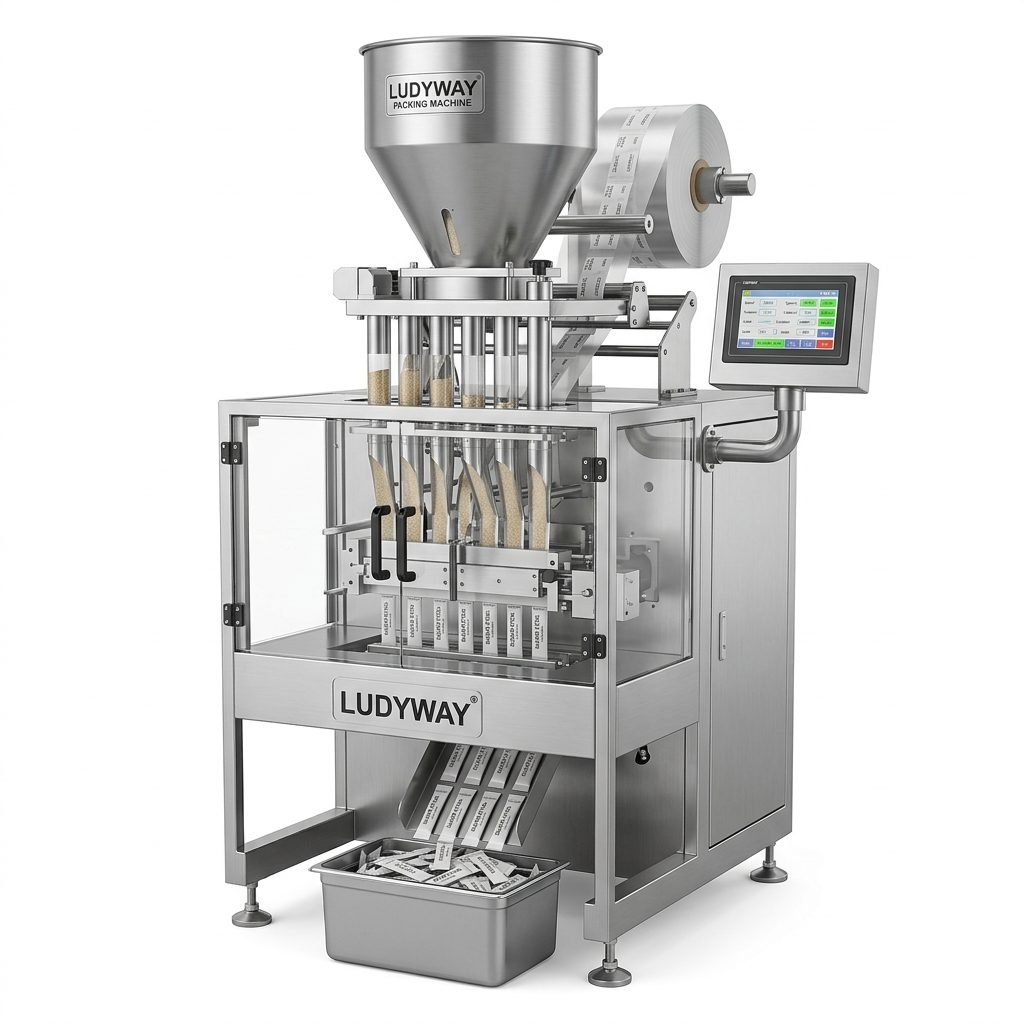
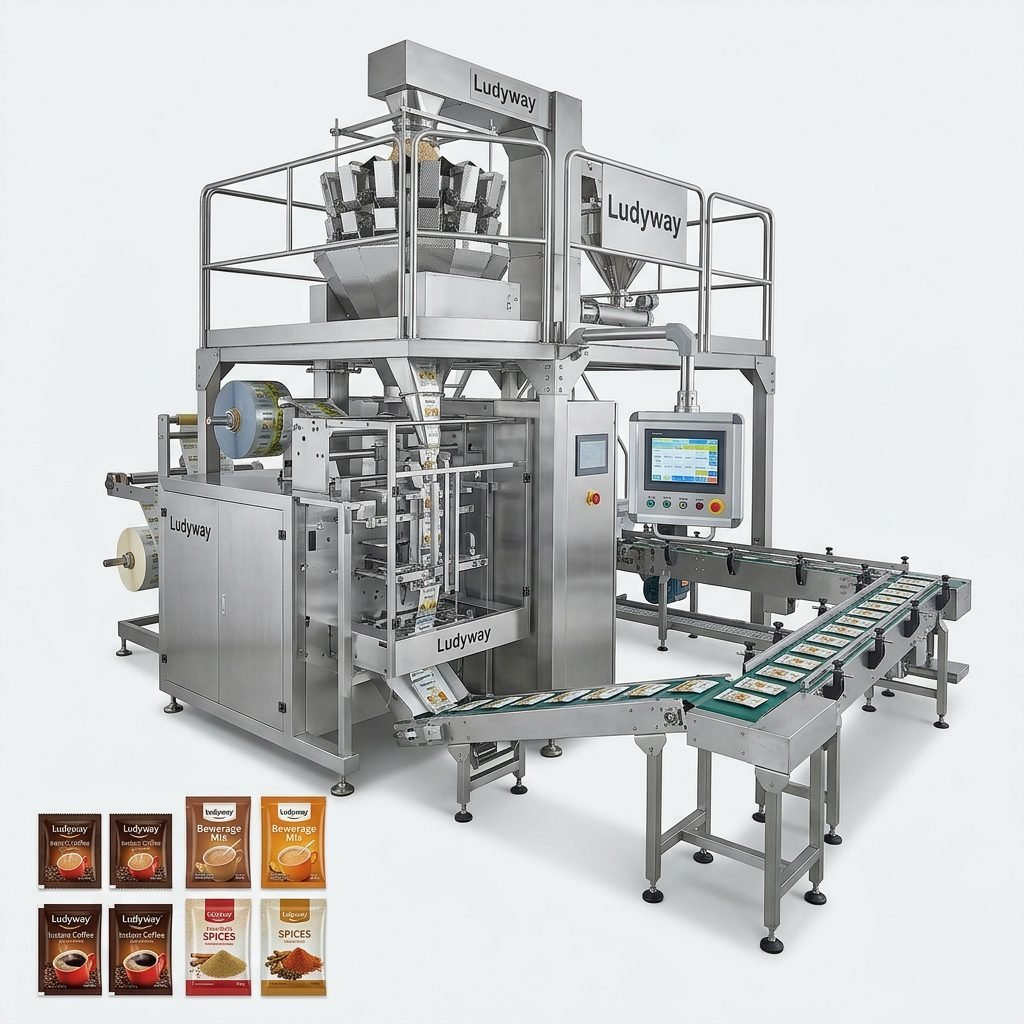
Before diving into specifications, it is crucial to understand the fundamental difference between vertical and horizontal FFS systems. Vertical Form Fill Seal (VFFS) machines are typically used for free-flowing products such as powders, granules, and liquids, where gravity assists the filling process. In contrast, Horizontal Form Fill Seal (HFFS) machines excel with solid, fragile, or irregularly shaped products that require horizontal conveyance. Your choice here fundamentally impacts packaging speed, bag integrity, and material utilization. According to packaging machinery market research, the VFFS segment continues to dominate flexible packaging applications due to its versatility and speed capabilities.
Key Factors to Evaluate Before Purchase
Selecting an FFS machine requires a detailed analysis of your product, production goals, and facility constraints. Rushing this phase often leads to costly mismatches. Below are the critical evaluation criteria every buyer should prioritize.
Product Characteristics and Flow Behavior
The physical properties of your product dictate the dosing mechanism and film handling requirements. Powder density, particle size distribution, flowability, and moisture sensitivity directly influence machine configuration. For instance, cohesive powders may require agitated hoppers or auger fillers, while free-flowing granules work well with volumetric cup fillers. A product with poor flow characteristics will cause inconsistent fills and excessive downtime if the machine is not properly specified from the outset.
- Cohesive powders — Auger or servo-driven dosing with mechanical agitation
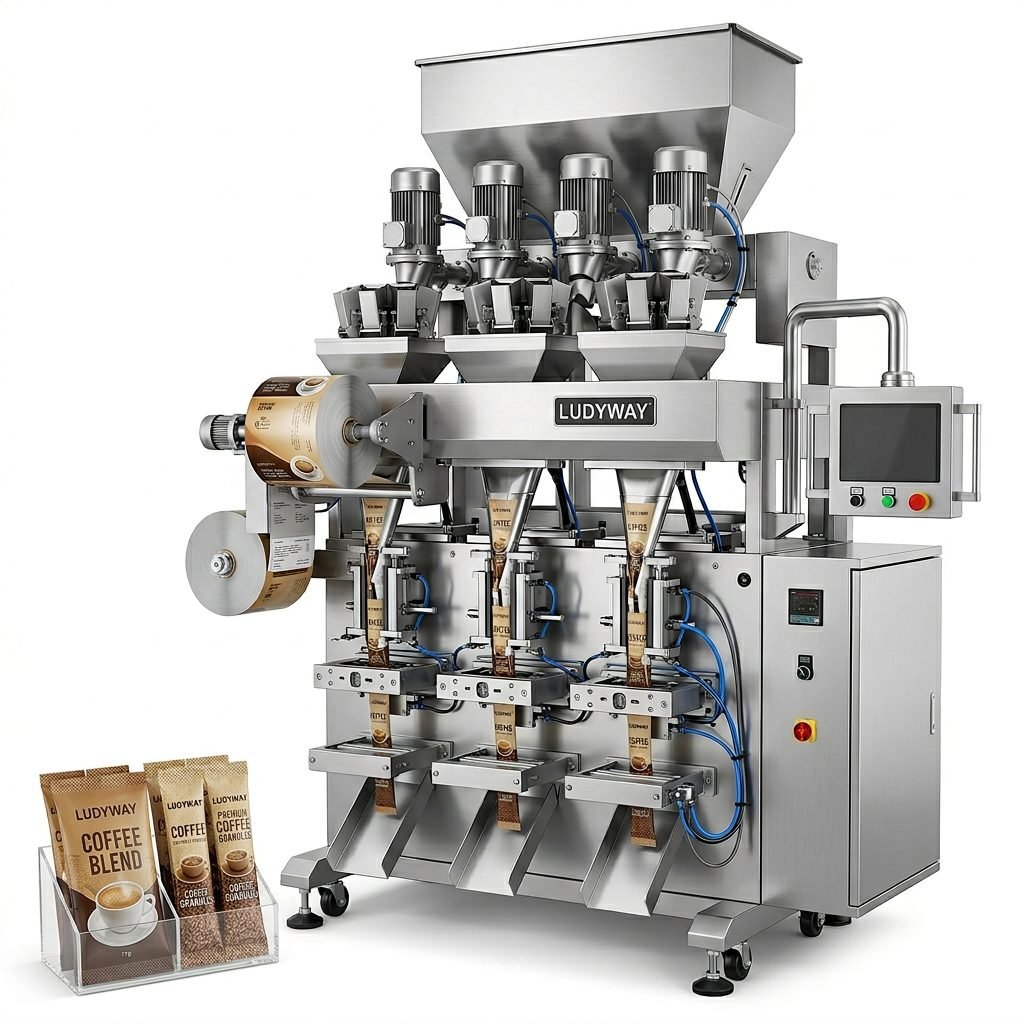
- Free-flowing granules — Volumetric cup or multi-head weigher systems
- Liquid and paste products — Piston pumps or gear pumps with precise volume control
- Dusty materials — Dust extraction ports and enclosed filling zones to maintain cleanliness
Packaging Format and Bag Style Requirements
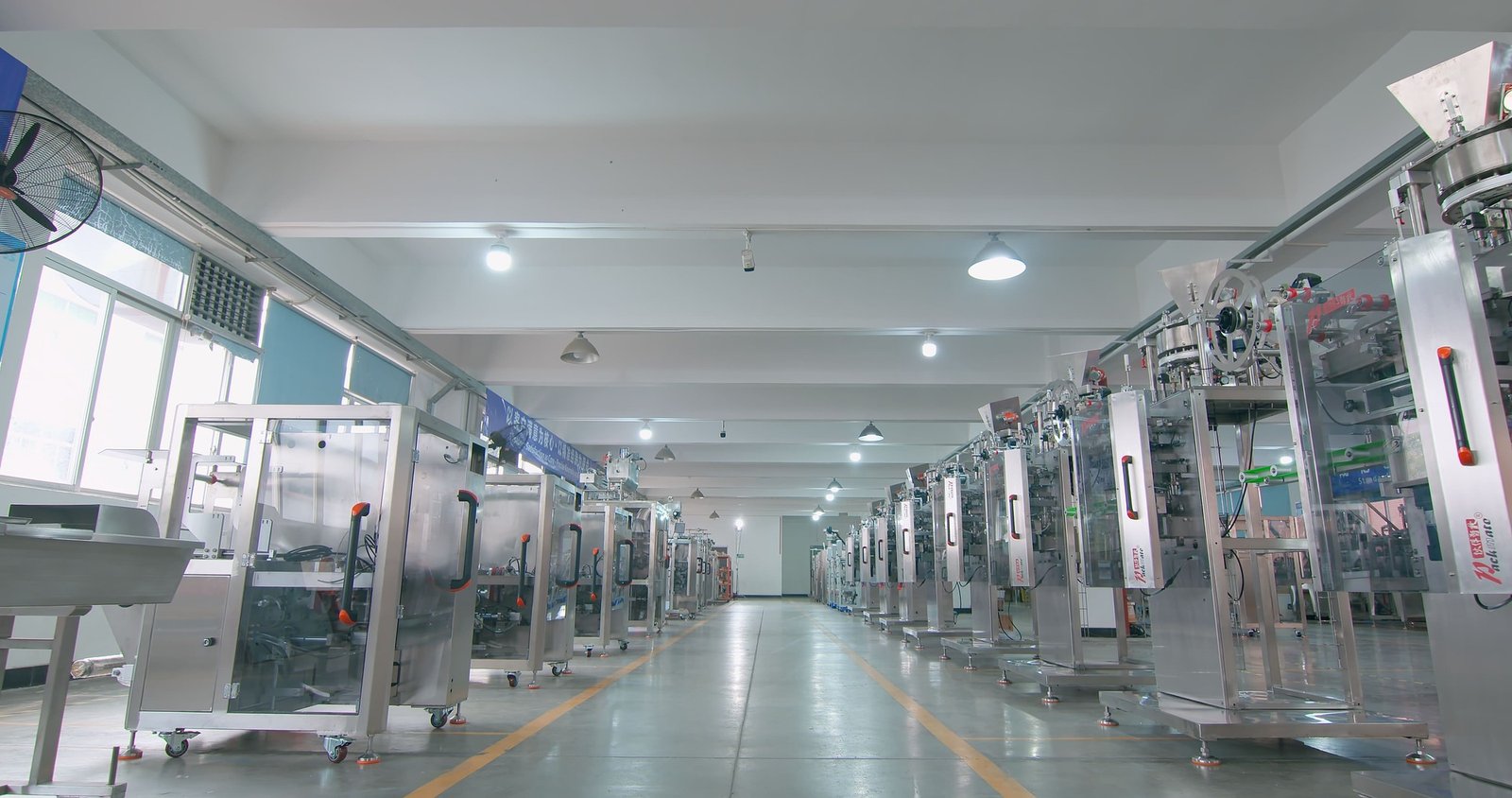
FFS machines can produce a wide variety of bag formats, from simple pillow bags to complex stand-up pouches with zippers. Your target market and distribution channel often dictate the required format. Retail shelves demand attractive, resealable pouches, while industrial products may only need basic three-side-seal sachets. Understanding flexible packaging industry trends can help you anticipate future format requirements and avoid outgrowing your equipment prematurely.
- Three-side-seal sachets — Common for single-serve powders, sauces, and pharmaceutical samples
- Four-side-seal stick packs — Popular for nutrition powders, instant beverages, and portion control
- Pillow bags with gussets — Suitable for larger volumes of granules, snacks, and pet food
- Stand-up pouches with zipper — Premium retail format requiring additional sealing and zipper application modules
Production Speed and Throughput Analysis
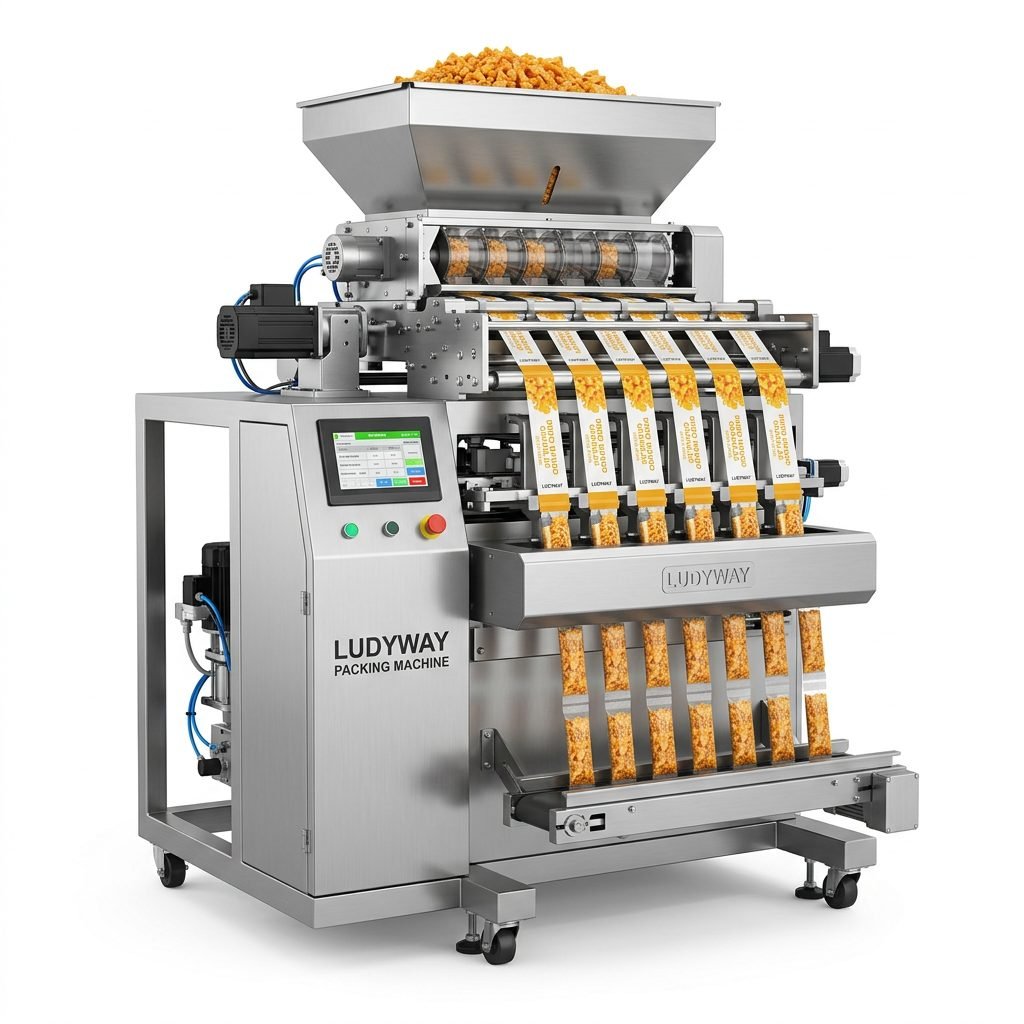
Speed requirements should account for both current demand and projected growth. A machine operating at maximum capacity leaves no room for increased production. Multi-lane FFS machines can significantly multiply output by running several lanes simultaneously from a single film web. When evaluating speed, consider the entire line’s cycle time, not just the filling and sealing speed — factors like film indexing, product settling, and cooling time all affect real-world throughput.
Dosing Technology and Filling Accuracy
Filling precision directly affects product give-away and regulatory compliance, particularly in pharmaceutical and food industries. The dosing system must be selected based on your product’s physical properties and the required accuracy tolerance. ISO packaging standards provide guidance on acceptable fill tolerances, and your machine should consistently meet or exceed these benchmarks.
| Dosing System | Best For | Accuracy Level | Typical Speed |
|---|---|---|---|
| Auger Filler | Powders, fine granules | ±0.5% to ±1% | Moderate to high |
| Multi-Head Weigher | Granules, snacks, hardware | ±0.2% to ±0.5% | Very high |
| Volumetric Cup Filler | Free-flowing granules | ±1% to ±2% | High |
| Piston Pump | Liquids, pastes, creams | ±0.3% to ±0.5% | Moderate to high |
| Net Weigher | High-value products | ±0.1% to ±0.3% | Low to moderate |
Packaging Material Compatibility and Sustainability
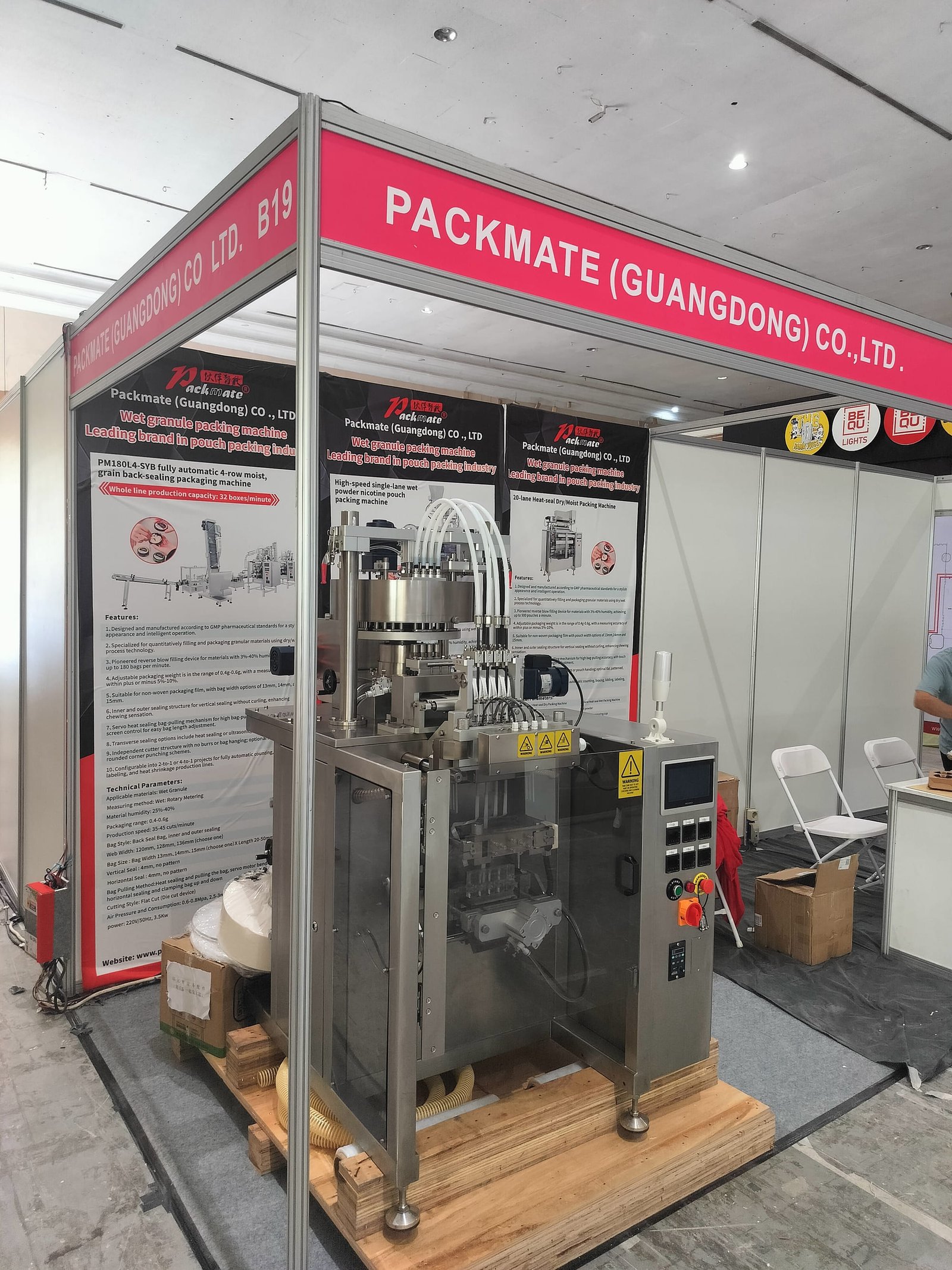
Film handling capability is a critical but often overlooked factor. Not all FFS machines handle all film types equally well. The growing demand for sustainable packaging has introduced recyclable mono-materials, bio-based films, and thinner gauge structures that require precise tension control and heat-sealing profiles. Your machine should be capable of running both your current materials and emerging eco-friendly alternatives without excessive downtime for changeovers. The flexible packaging industry continues to innovate with new material structures, and machine compatibility should be future-proofed where possible.
Automation Level and Line Integration
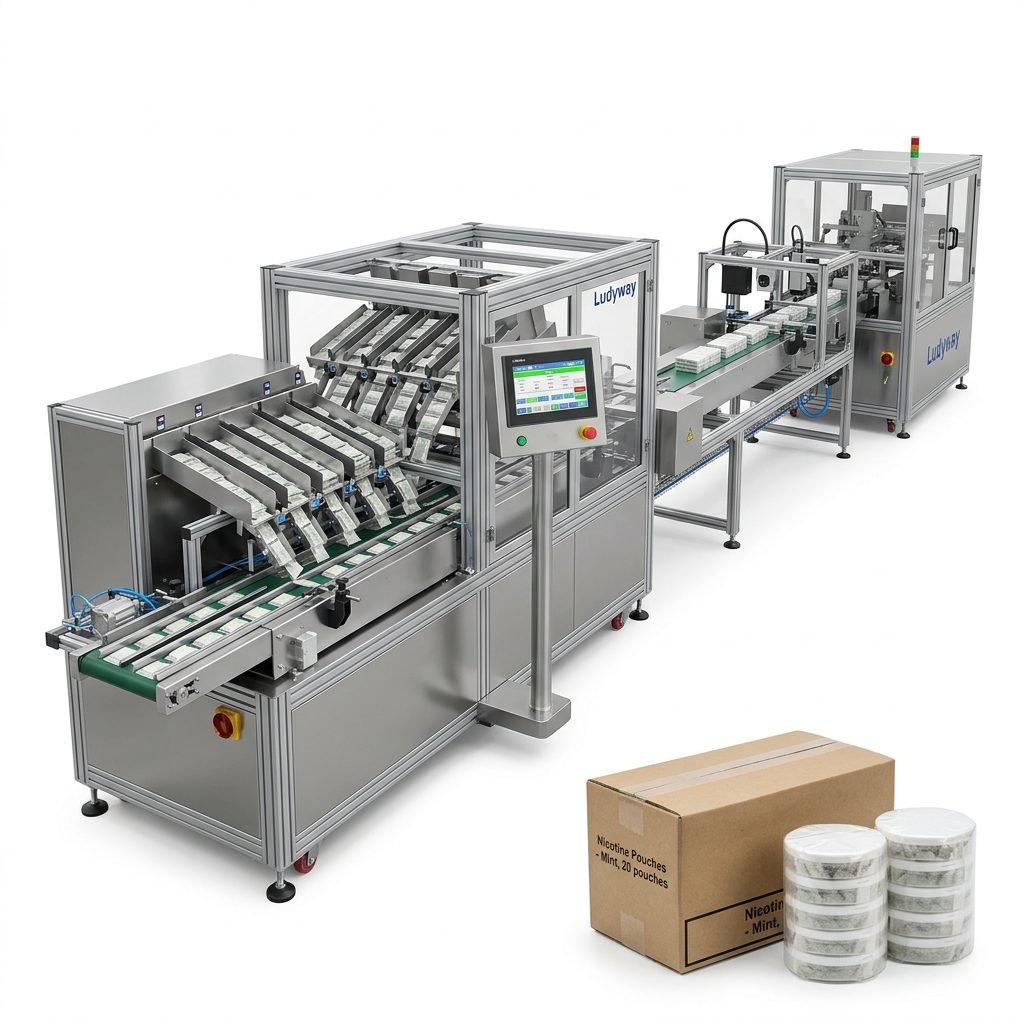
Modern FFS machines range from semi-automatic standalone units to fully integrated packaging lines with automated feeding, coding, inspection, cartoning, and palletizing. Consider your labor availability, cost structure, and quality control requirements when determining the appropriate automation level.
- Semi-automatic — Operator-assisted film loading and product feeding; suitable for low-volume or varied production
- Fully automatic standalone — Automated film feed, filling, and sealing; ideal for dedicated product runs
- Integrated packaging line — Connected upstream and downstream equipment including conveyors, checkweighers, metal detectors, and cartoners
- Turnkey solution — Complete system with centralized control, data collection, and full line validation
Regulatory Compliance and Industry Standards
If you operate in regulated sectors such as food, pharmaceuticals, or medical devices, compliance with applicable standards is non-negotiable. Machines should be designed with sanitary features, validated cleaning procedures, and materials suitable for your operating environment. FDA food contact substance regulations and ISO 11607 packaging standards for medical devices are just two examples of the frameworks that may apply to your operation. Upfront verification of compliance documentation saves significant time and risk during installation and inspection.
Total Cost of Ownership Beyond the Purchase Price
The sticker price of an FFS machine tells only a fraction of the story. A comprehensive cost analysis should factor in film waste rates, energy consumption, spare parts availability, maintenance intervals, and expected service life. Machines with higher initial costs often deliver lower total cost of ownership through reduced waste, faster changeovers, and greater reliability. When comparing options, request detailed data on typical film waste percentages and energy consumption ratings.
Key Cost Factors to Compare
- Film material waste — A difference of even 1-2% in film waste can amount to significant annual savings
- Changeover time — Quick-change features reduce downtime between product or format switches
- Preventive maintenance — Understand recommended service intervals and associated costs
- Spare parts — Availability, lead times, and cost of critical wear components
- Operator training — Ease of use reduces training time and operational errors
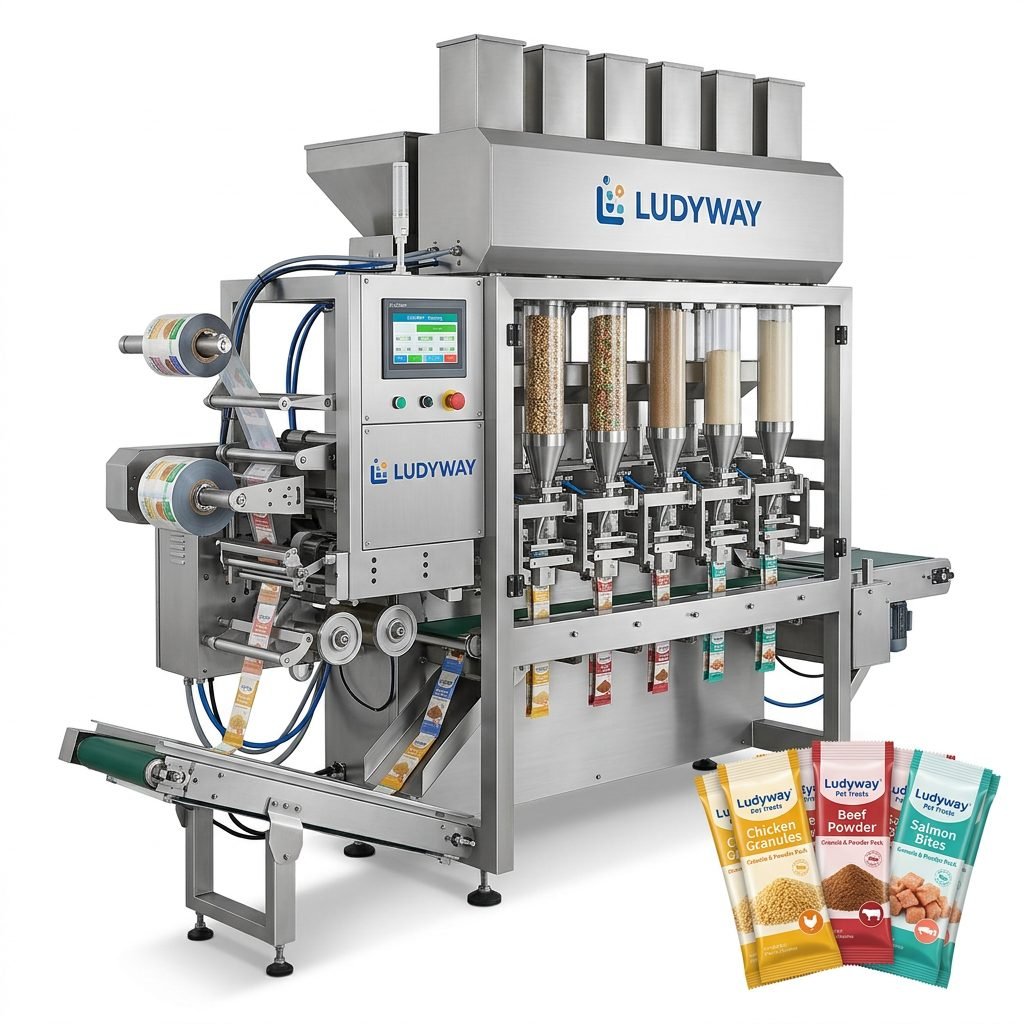
After-Sales Support and Long-Term Partnership
The relationship with your machine supplier extends well beyond installation. Responsive technical support, spare parts availability, and field service capabilities can make the difference between minimal downtime and extended production stoppages. Evaluate the supplier’s presence in your region, their response time commitments, and the availability of remote diagnostic support. A supplier with global service capabilities and documented support processes provides confidence that your production line will remain operational over the long term.
For manufacturers seeking a comprehensive approach to packaging automation, working with an experienced partner simplifies the entire process. Ludyway Machinery has over three decades of experience in packaging machinery, providing integrated solutions that span equipment selection, system design, installation, and ongoing technical support across more than 100 countries, aiming to help manufacturers develop efficient, automated, and scalable packaging operations.
Making the Final Decision
Choosing the right FFS packing machine requires balancing technical specifications, commercial considerations, and long-term operational goals. Start with a thorough analysis of your product characteristics and production requirements, then evaluate machine configurations, dosing technologies, material compatibility, and automation levels against those needs. Engage with suppliers early, request detailed proposals, and whenever possible, conduct product trials on the actual equipment under consideration. A methodical selection process leads to a packaging asset that delivers consistent performance, maintains regulatory compliance, and supports your manufacturing objectives for years to come. For further reading, consult the 2026 State of the Industry report and packaging industry resources from PMMI for the latest market intelligence and technology trends shaping the packaging machinery landscape.