Investing in the right meat packaging machine is a critical decision for European food processors, butchers, and industrial meat production facilities. With strict EU hygiene regulations, rising labor costs, and increasing demand for extended shelf life and sustainable packaging, selecting the optimal system requires careful technical and commercial evaluation. This comprehensive guide breaks down the machine types, cost considerations, and key factors you must assess before purchasing.
Understanding the European Meat Packaging Landscape
The European packaging machinery market is driven by the demand for automation and compliance with EU Directive 1935/2004 and Regulation (EC) No 2023/2006 on good manufacturing practices for materials intended to come into contact with food. Whether you are packaging fresh prime cuts, processed sausages, or frozen minced meat, the machinery must protect against contamination while preserving product integrity. Modified Atmosphere Packaging (MAP) and vacuum skin packaging are currently dominating the premium segment across Germany, France, and Scandinavia.
Primary Types of Meat Packaging Machines
Selecting the correct category of equipment depends entirely on your product consistency, throughput requirements, and the desired presentation. Below is a breakdown of the most common systems deployed in European plants.
1. Thermoforming Packaging Machines
These represent the backbone of high-volume sliced meat and sausage operations. A thermoformer uses a bottom film that is heated and formed into a tray, filled with product, and then sealed with a top film. The process is highly efficient for centralized production lines running at high speeds. Key advantages include excellent seal integrity and the ability to use recyclable mono-materials, which aligns with the EU’s Packaging and Packaging Waste Regulation (PPWR) goals.
2. Tray Sealing (Tray Lidding) Machines
Ideal for retailers and mid-sized processors, tray sealers apply a lid film to pre-formed trays. They are incredibly versatile, handling everything from marinated ribs to mince. Modern tray sealers offer rapid tool-less format changes, enabling European processors to switch between standard and skin-pack formats seamlessly. Cost-efficiency in film usage is a significant driver for this segment.
3. Vacuum Chamber & External Vacuum Machines
For small to medium-scale butchers and processors focusing on primal cuts or wholesale packs, vacuum machines remain the industry standard. Chamber machines remove air from the entire chamber, while nozzle-based systems are used for large industrial bags. These systems are critical for extending shelf life without the use of artificial preservatives, a key consumer trend in Europe.
4. Flow Wrapping (Horizontal Form Fill Seal) Machines
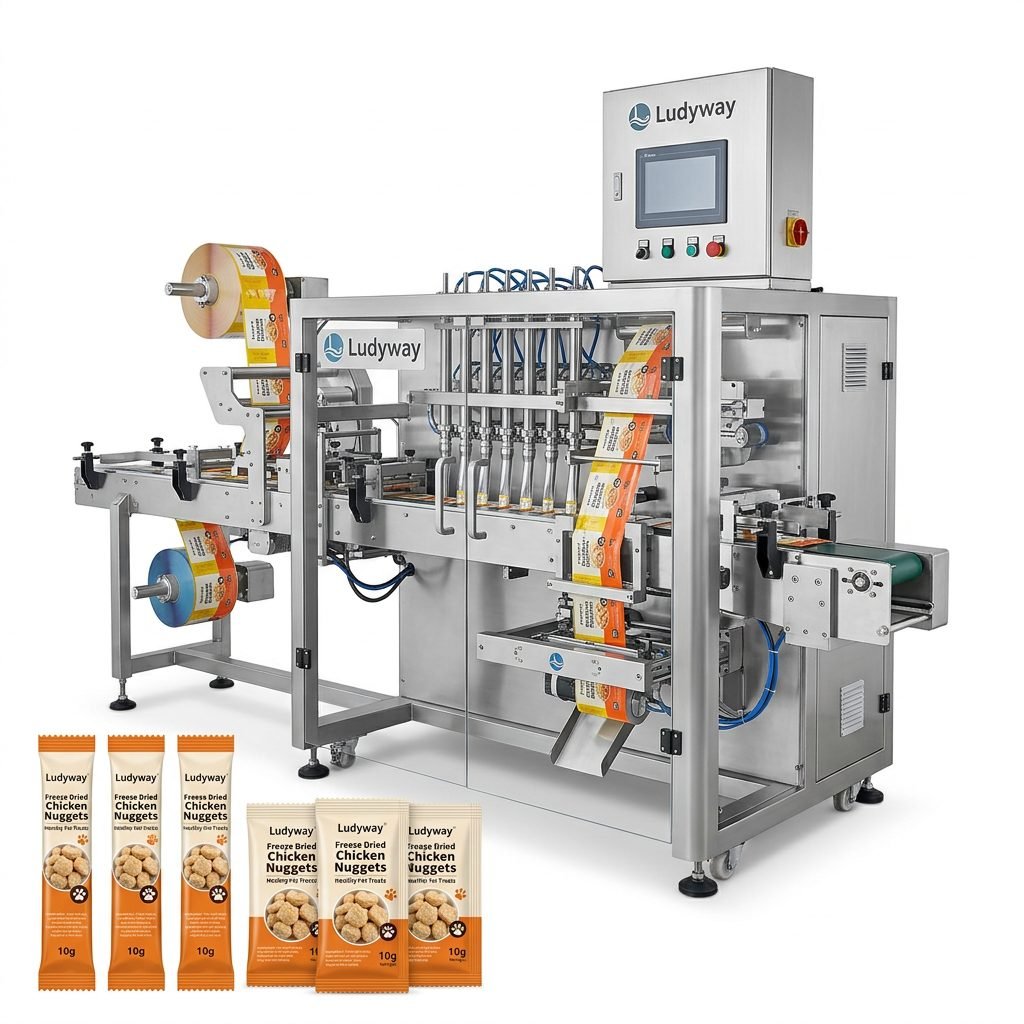
High-speed flow wrappers are often used for processed meat snacks, such as pepperoni sticks or individually wrapped sausages. These machines create a longitudinal seal on a pillow-shaped pack. Compatibility with easy-peel films and high-barrier laminates is essential for this sector.
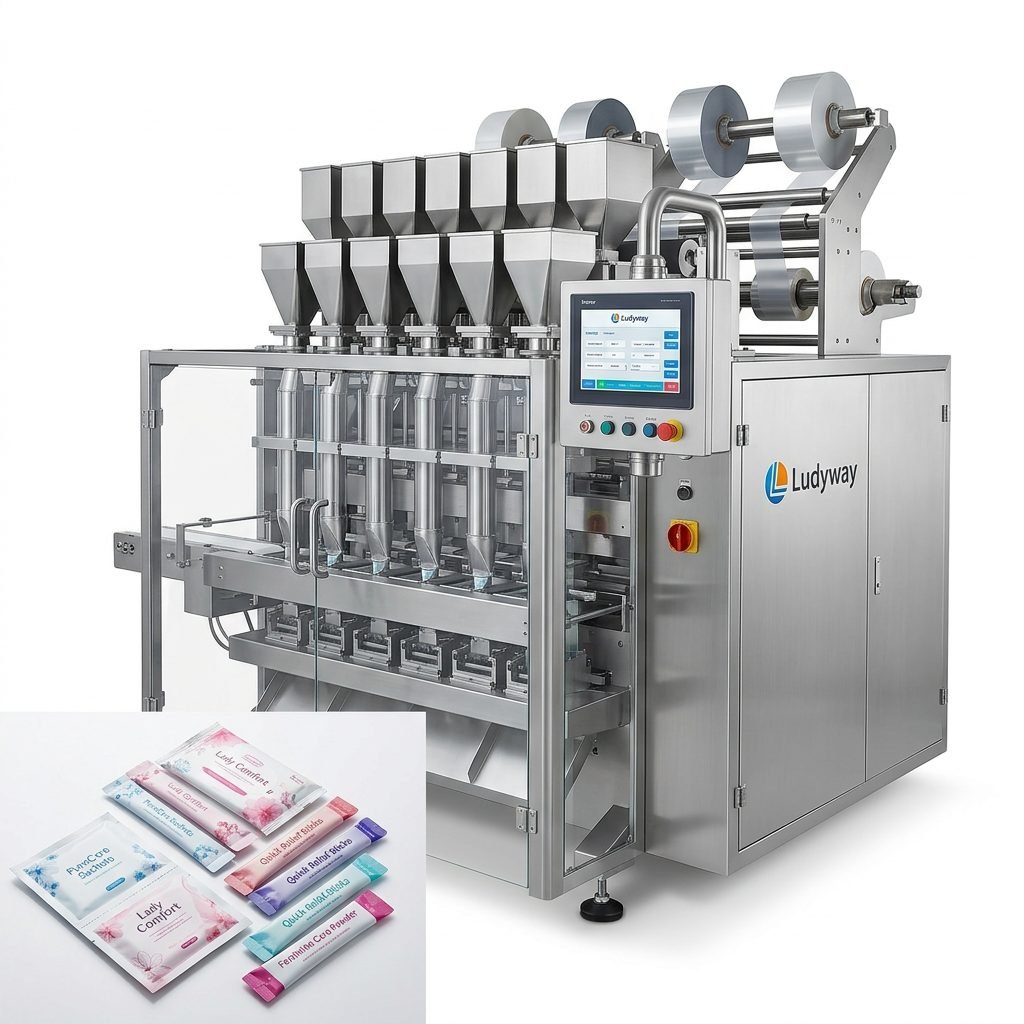
5. Multi-Lane Stick Pack and Sachet Solutions
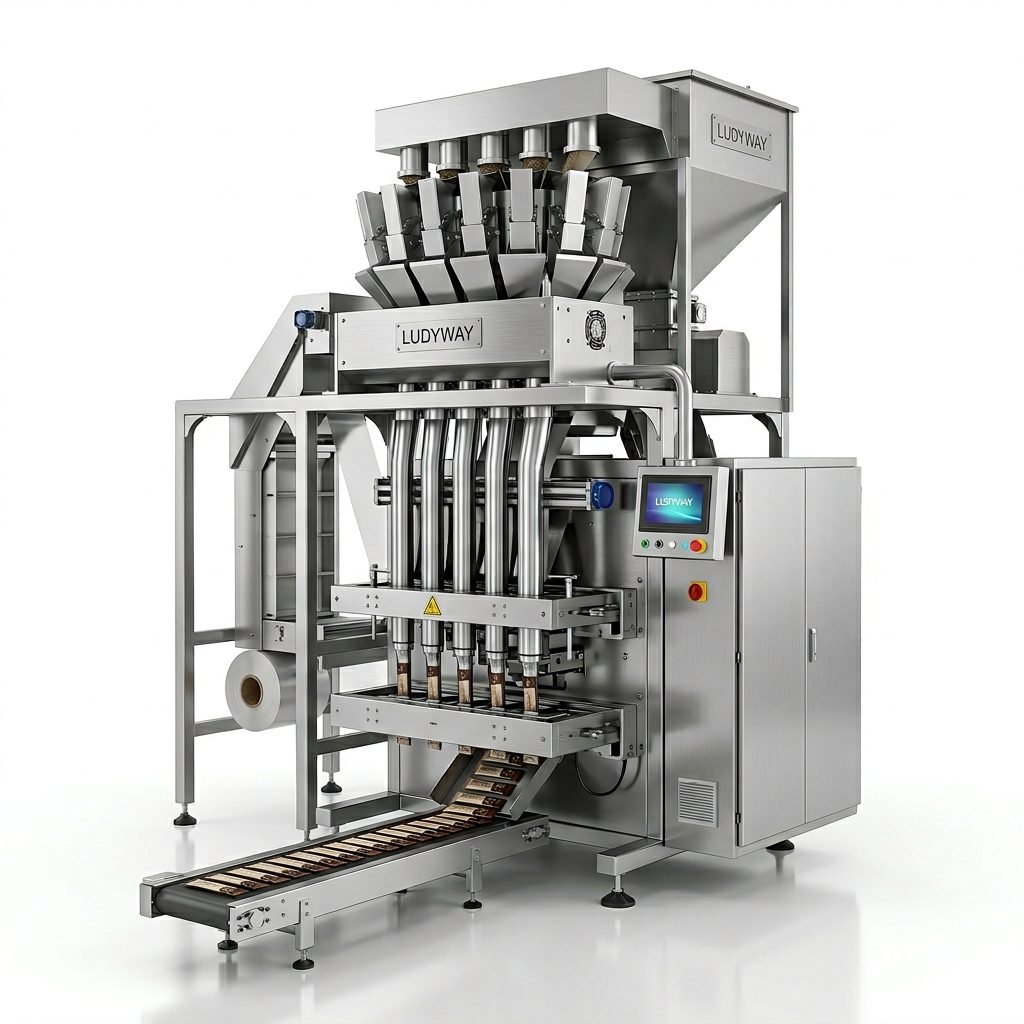
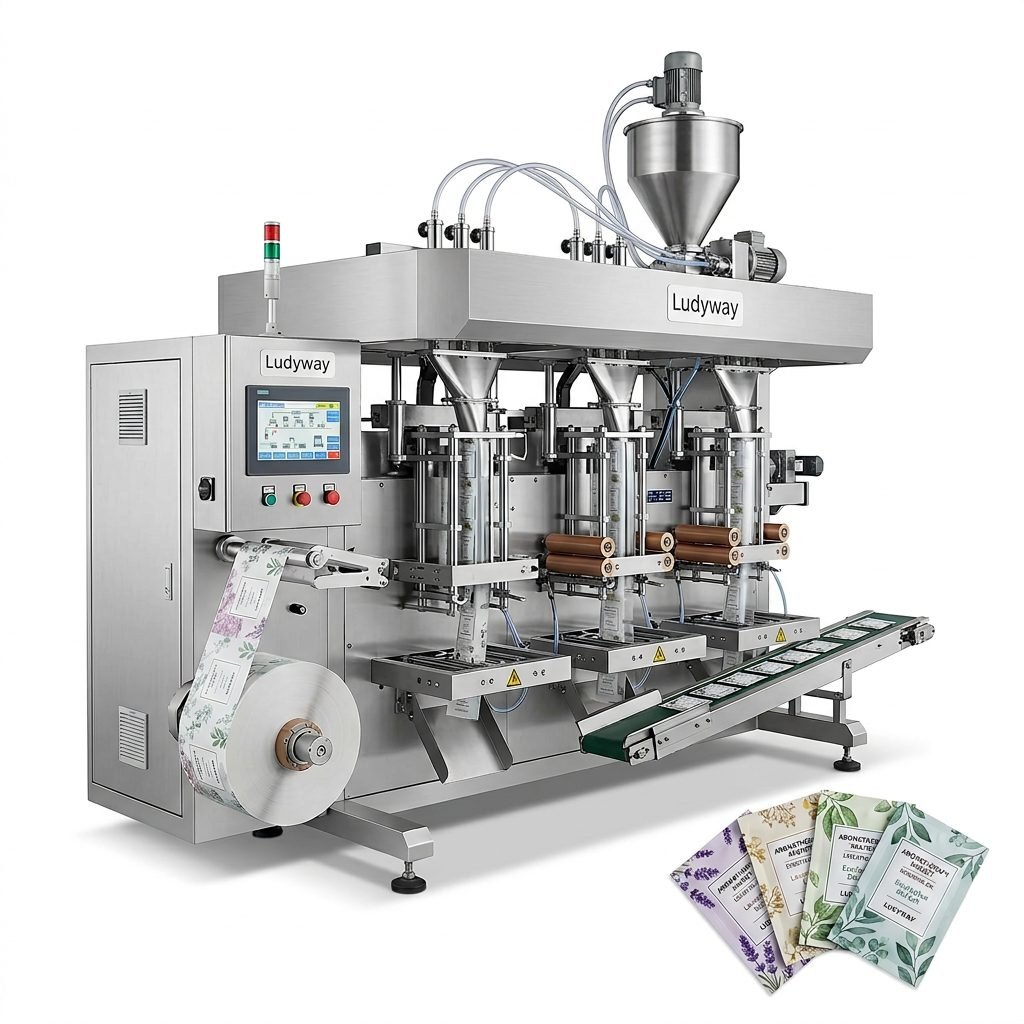
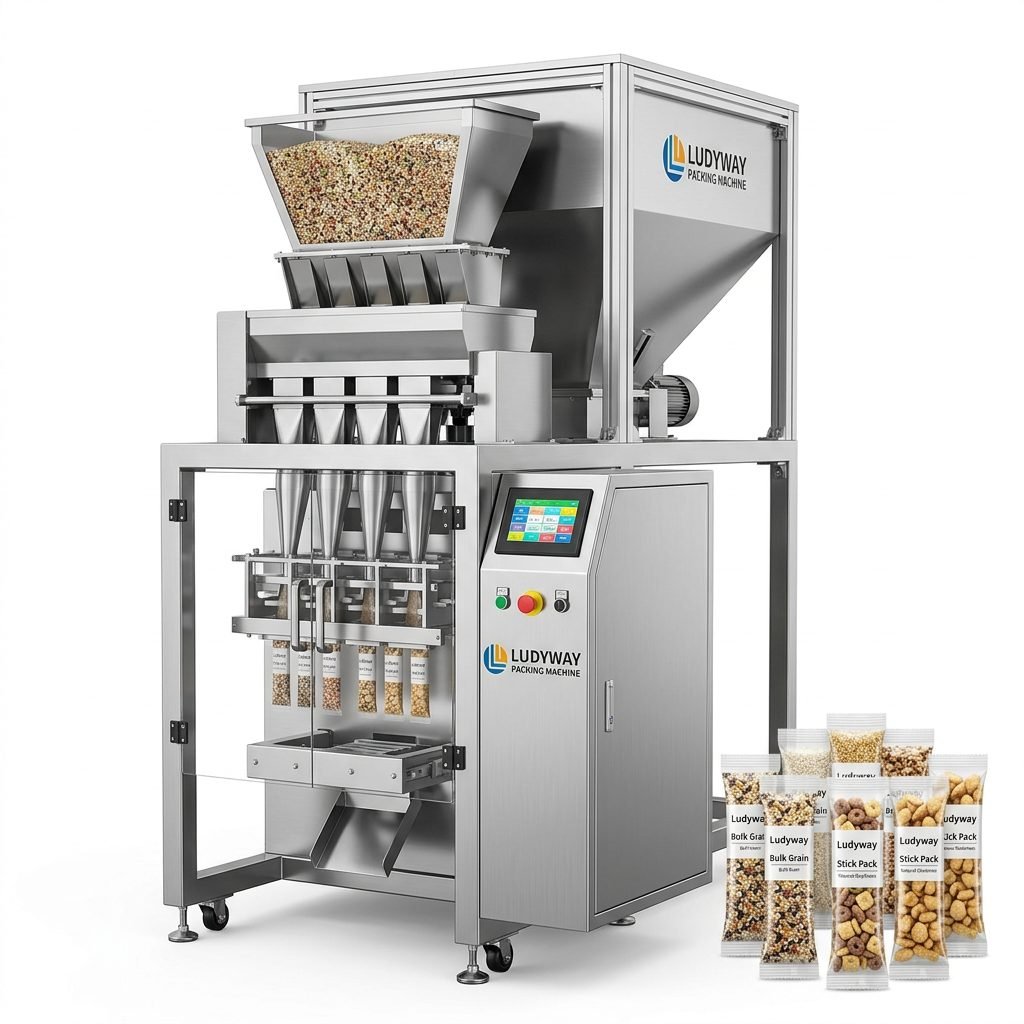
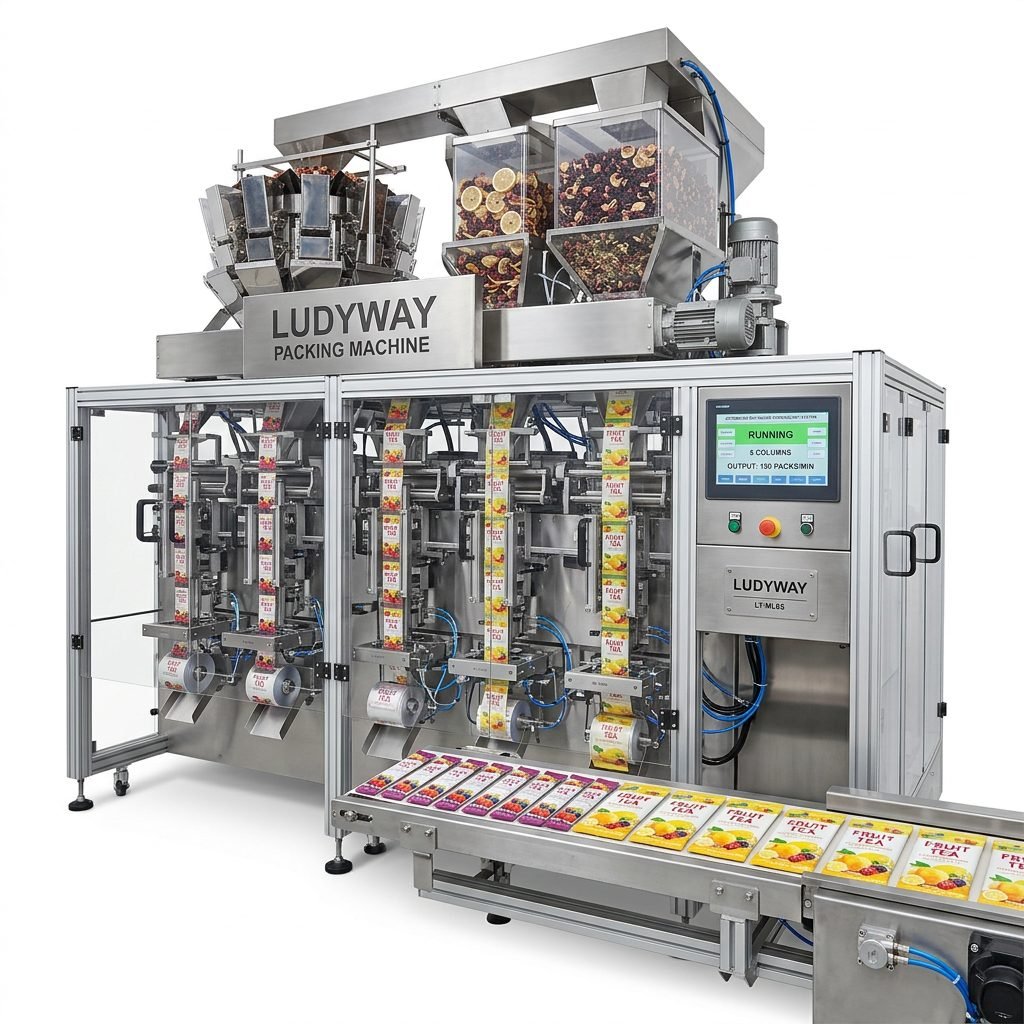
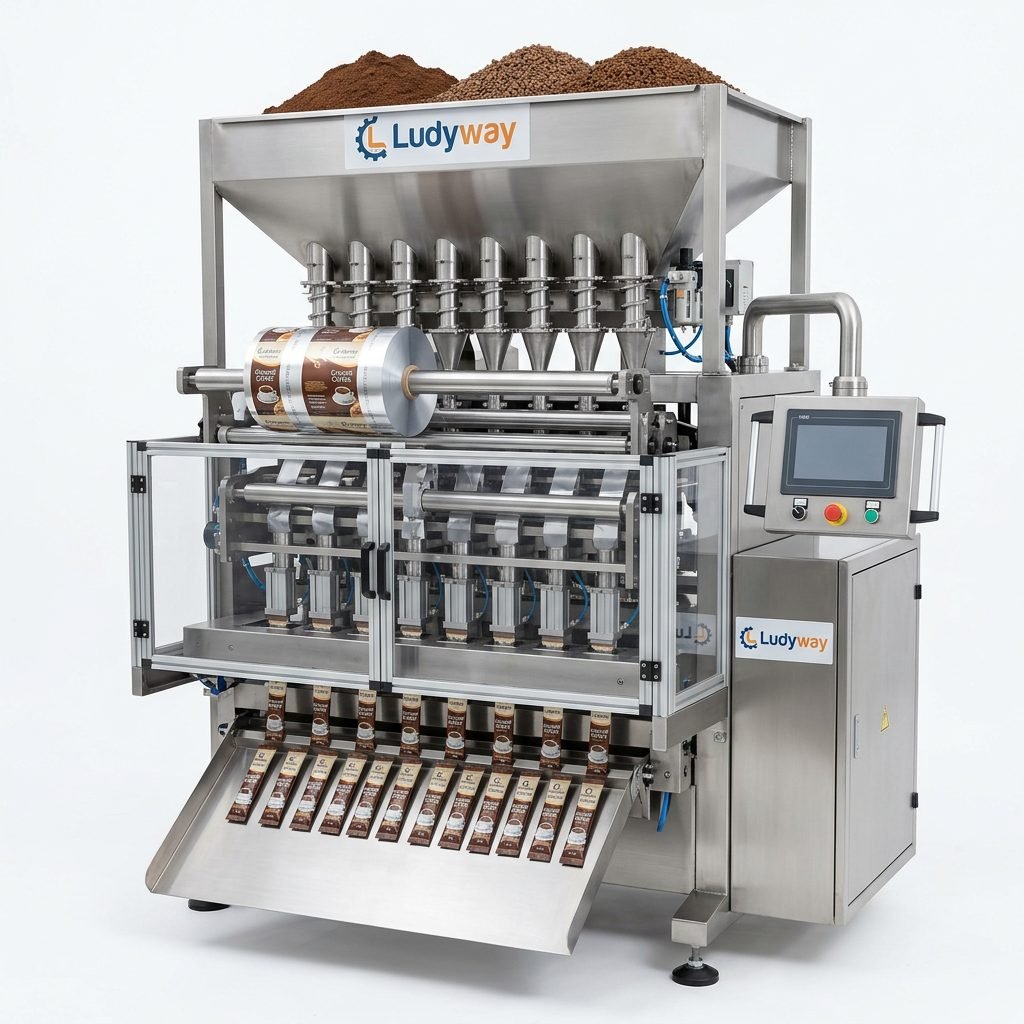
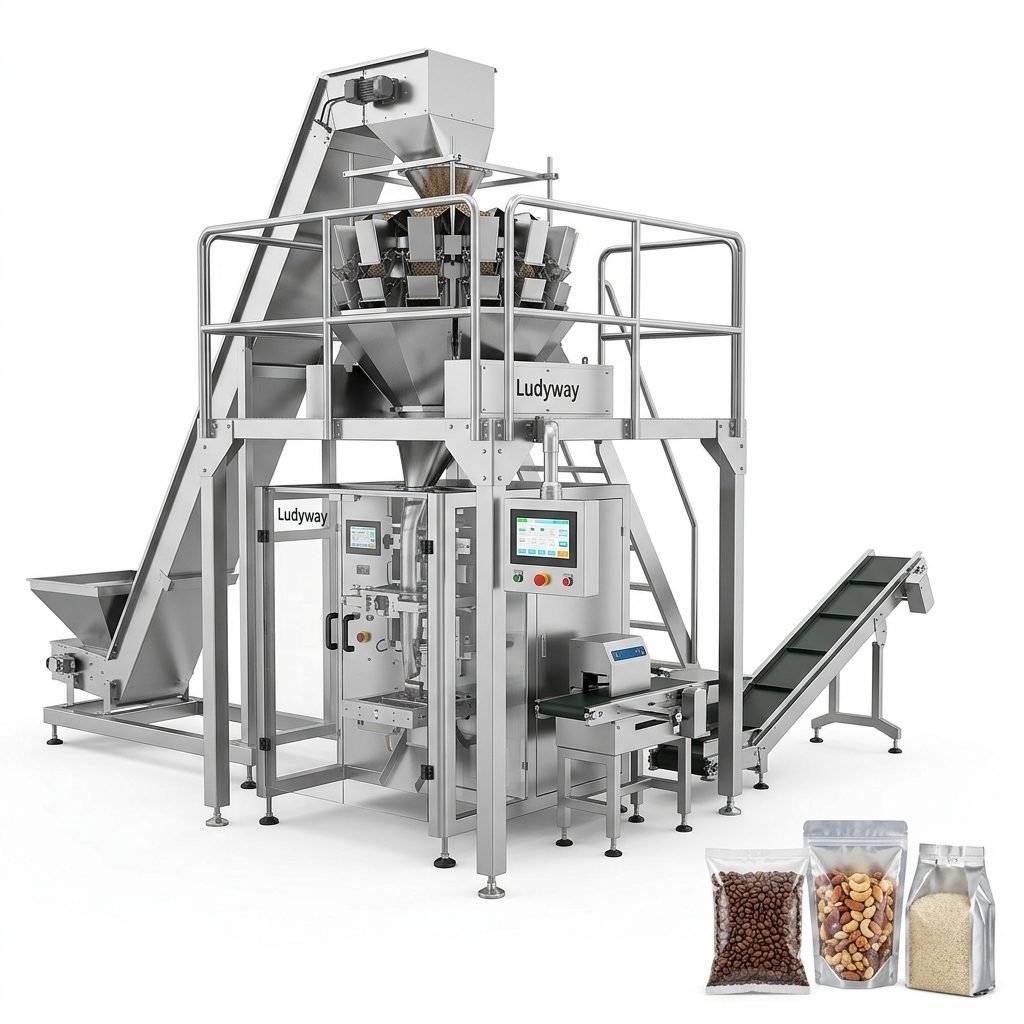
For emerging categories like protein powders, bone broths, and high-protein meat snacks sold in single-serve formats, multi-lane stick pack machinery offers unmatched speed. These machines can produce hundreds of perfectly dosed strips per minute, reducing film waste through precise servo-driven controls. When sourcing such specialized equipment, partnering with a vertically integrated packaging machine manufacturer ensures that dosing accuracy meets European retail weight requirements.
Cost Guide: What Influences the Price?
The investment for a meat packaging line in Europe ranges widely based on automation level, speed, and hygienic design classification (IP65/IP69K). Below is a general cost breakdown to guide your budgeting process.
| Machine Type | Estimated Price Range (EUR) | Best Suited For |
|---|---|---|
| Manual/Tabletop Tray Sealer | €15,000 – €45,000 | Butchers, farm shops, entry-level |
| Fully Automatic Tray Sealer | €80,000 – €250,000 | Industrial MAP, high-volume retail packs |
| Thermoformer (Form-Fill-Seal) | €120,000 – €500,000+ | Sliced meats, large-scale central kitchens |
| Double Chamber Vacuum Machine | €8,000 – €35,000 | Wholesale, primal cuts, batch processing |
| High-Speed Stick Pack Line | €60,000 – €200,000 | Snacks, supplements, powdered broths |
The Total Cost of Ownership (TCO) often exceeds the initial purchase price. You must factor in film material costs, spare parts, energy consumption, and integration with upstream and downstream equipment like multihead weighers and checkweighers.
Key Considerations for European Buyers
Making the right choice involves more than comparing technical data sheets. Here are the strategic pillars you must evaluate:
Hygienic Design and IP Ratings
European meat processing environments are harsh, involving daily washdowns with corrosive chemicals. Look for sloped surfaces, minimal flat areas, and electrical cabinets rated at least IP65 (dust-tight and protected against water jets). For washdown zones, IP69K is mandatory. The frame material should be 304 or 316 stainless steel to prevent bacterial colonization.
Material Compatibility and Sustainability
With the push to eliminate single-use plastics, your machine must run recyclable mono-material films (PE or PP) and certified compostable films without losing seal integrity. The equipment should be tested to handle the narrow sealing window of sustainable materials without increasing leaker rates.
- Seal integrity: Critical for MAP gases retention.
- Film gauge flexibility: Switching from thick laminates to thin recycled materials.
- Labeling compliance: Integration with vision systems for EU FIC (Food Information to Consumers) labeling.
Automation and Labor Challenges
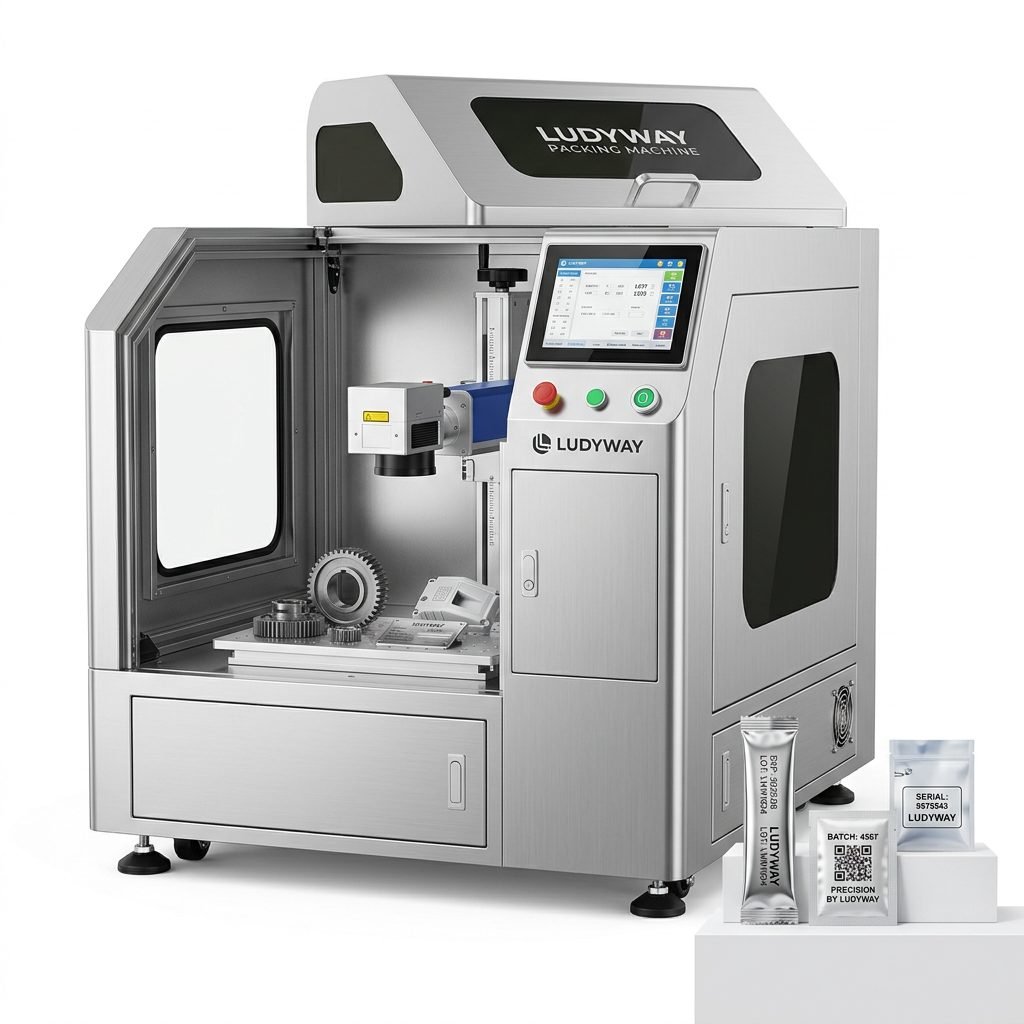
Labor shortages are acute in the European meat industry. Robotic loading, auto-feeding, and inline printing are no longer luxuries but necessities. Machines with simple touchscreen interfaces (HMI) reduce the need for skilled technicians. Predictive maintenance alerts, often part of Industry 4.0 packages, can drastically minimize costly downtime.
Speed vs. Quality
While a machine might advertise 12 cycles per minute, this is only relevant if the seal is guaranteed. For meat products with juices or brine, liquid contamination of the seal area (known as “leaker” creation) is the primary cause of returns. Pumps for vacuum and gas flushing must be sized correctly to maintain the proper gas mix ratio under high cadence.
Supplier Support and After-Sales
Analyze the local presence of the supplier. Response time for breakdowns is critical. When evaluating global manufacturers like Ludyway, a company with over 30 years of experience and a modern manufacturing facility, confirm that they offer remote diagnostics, readily available spare parts, and a clear understanding of CE certification requirements. A supplier that invests in robust engineering and turnkey solutions can significantly improve your project’s return on investment.
Integration with Upstream Equipment
A packaging machine does not operate in a vacuum. In a holistic meat line, it connects to:
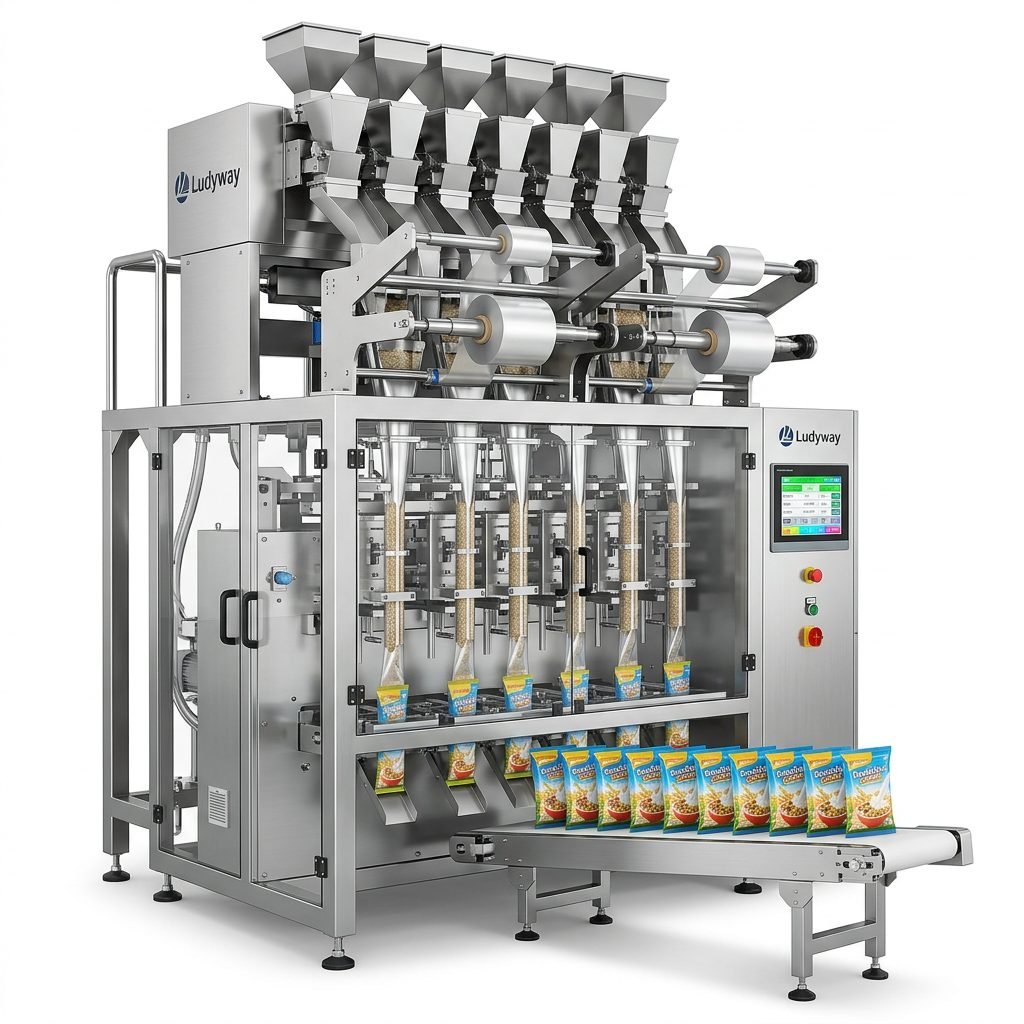
- Multihead weighers for precise portions.
- Conveyors and buffers for accumulation.
- Metal detectors for CCP compliance.
- Case packers and palletizers for logistics.
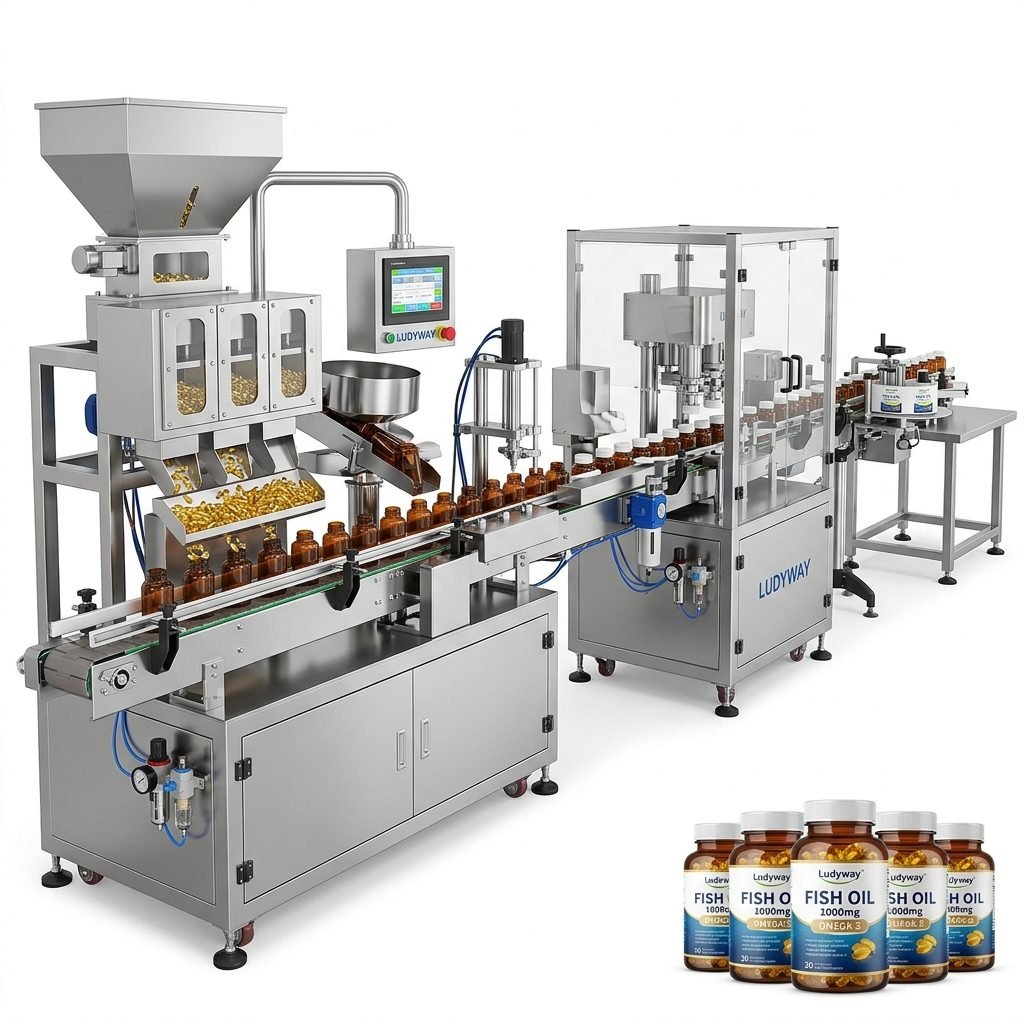
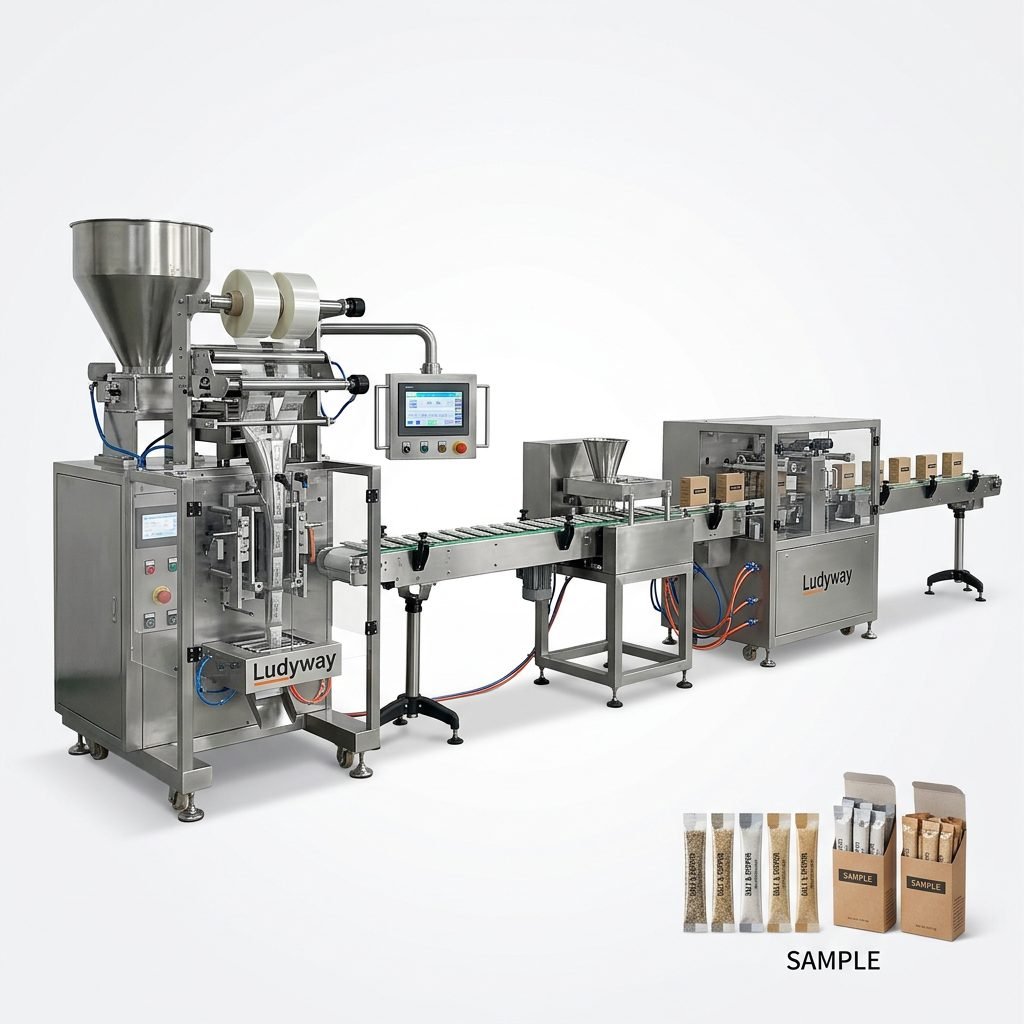
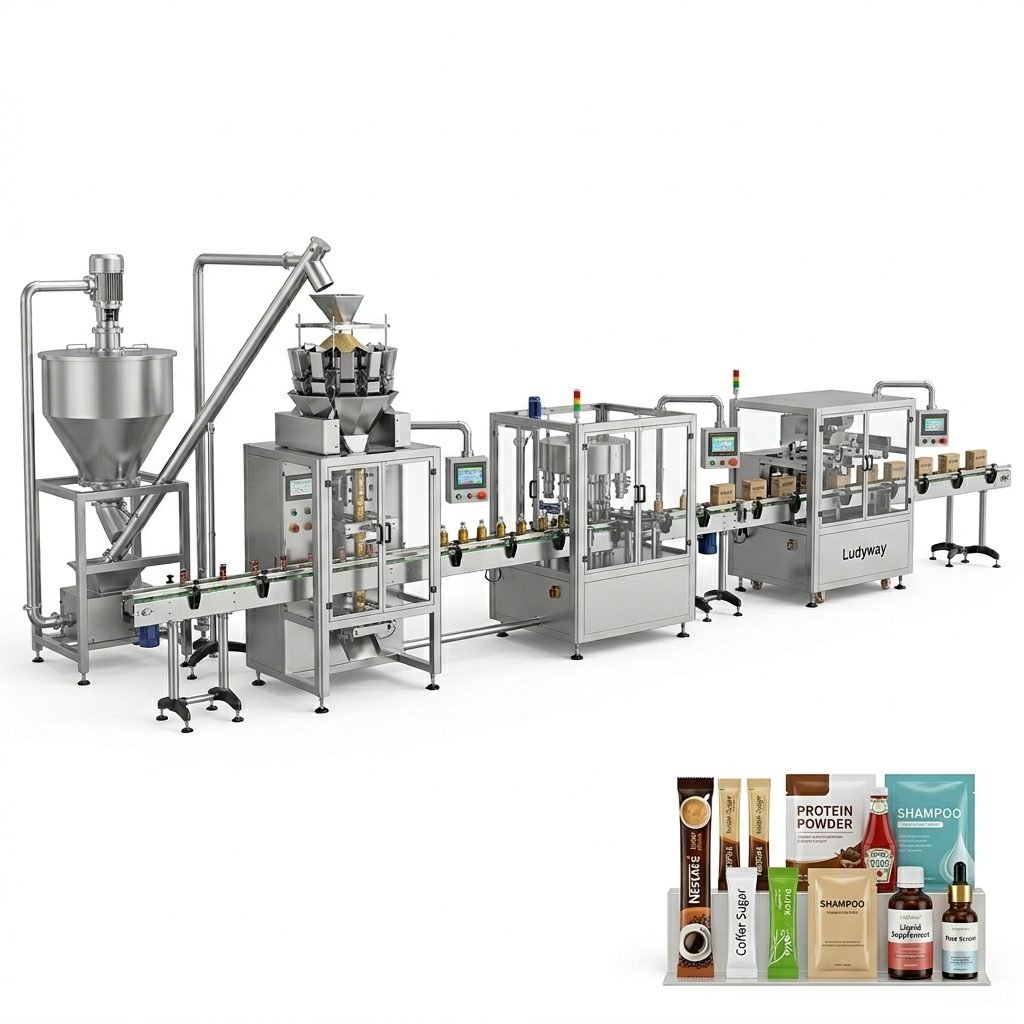
Choosing a partner capable of delivering a turnkey packaging line ensures that the mechanical and software interfaces align perfectly, passing the Factory Acceptance Test (FAT) smoothly.
Navigating European Regulations
Food contact materials (FCM) must comply with (EC) 1935/2004. Machinery must carry the CE mark and comply with the Machinery Directive 2006/42/EC. Additionally, the specific hygiene requirements for machinery in the food sector are covered by EN 1672-2. Ensure any machine purchase is accompanied by the full Declaration of Conformity and a comprehensive hygienic design validation document.
By carefully analyzing these machine types, cost structures, and regulatory hurdles, your European operation can secure a packaging asset that delivers not just throughput, but product quality and brand consistency in a highly competitive market.