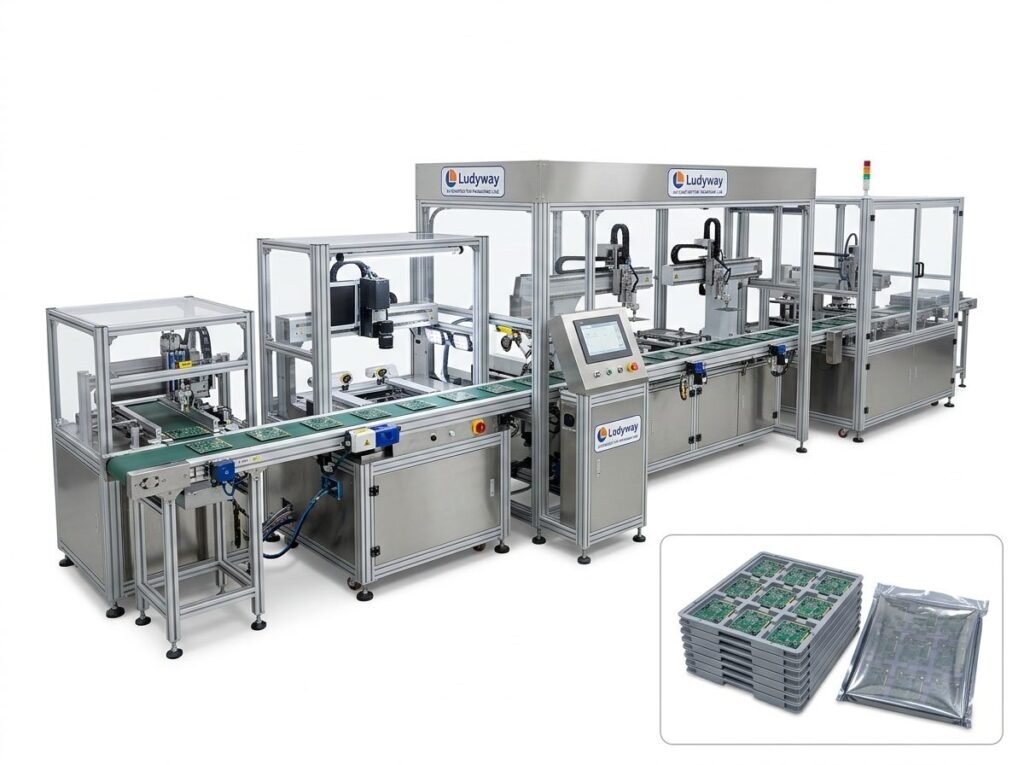
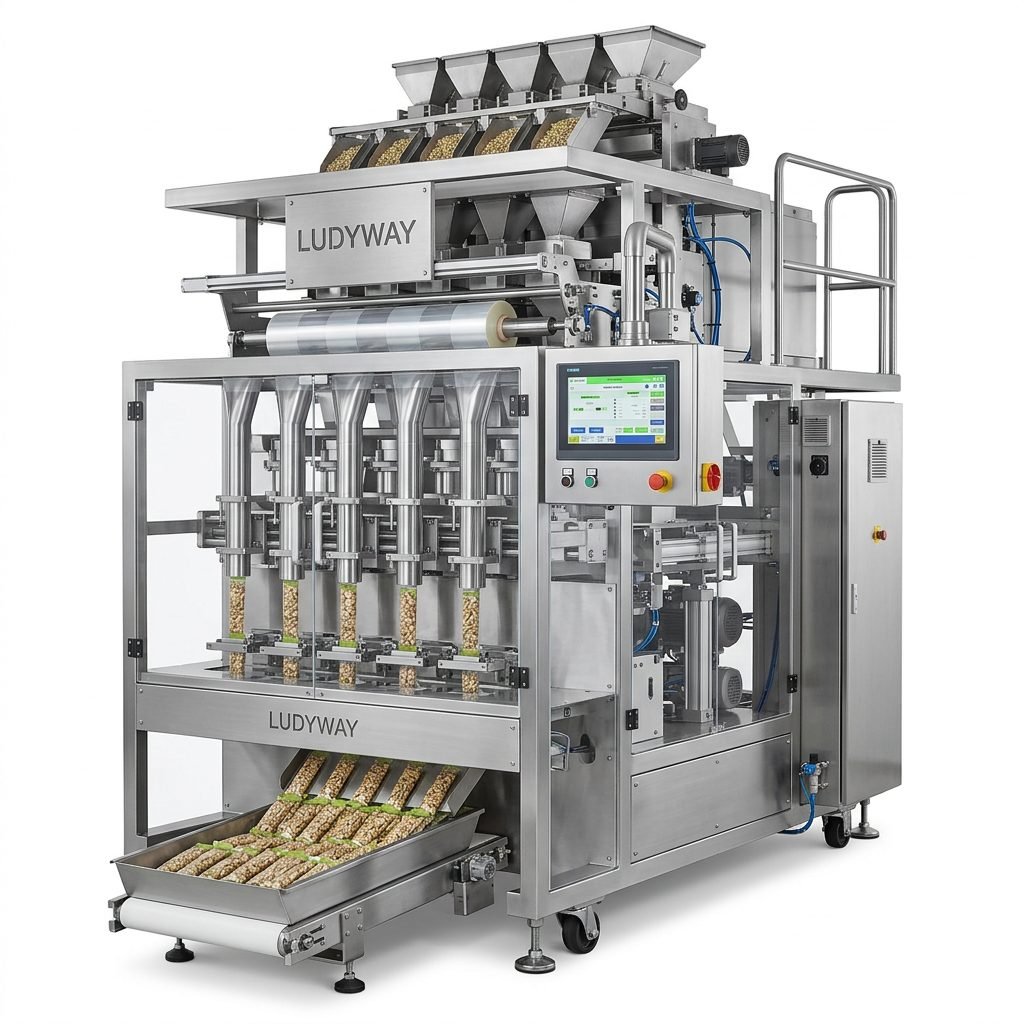
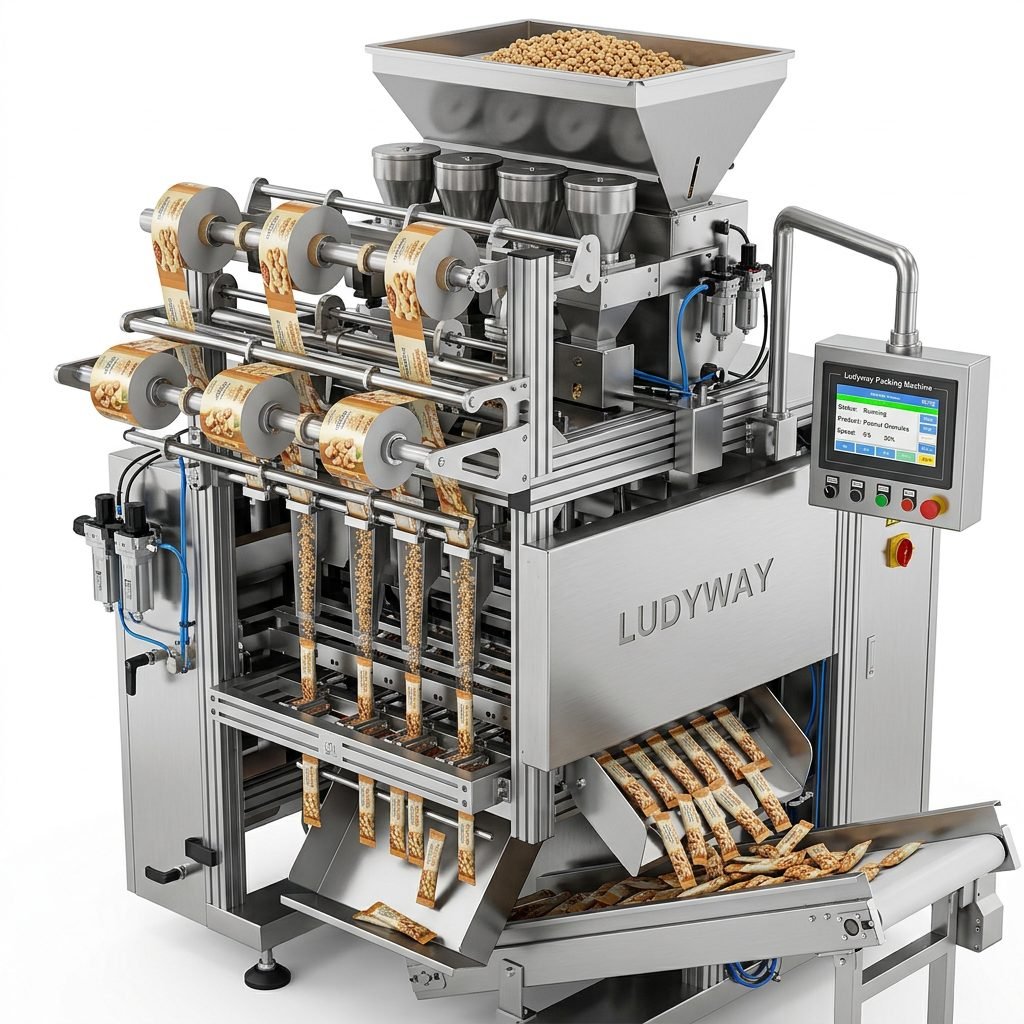
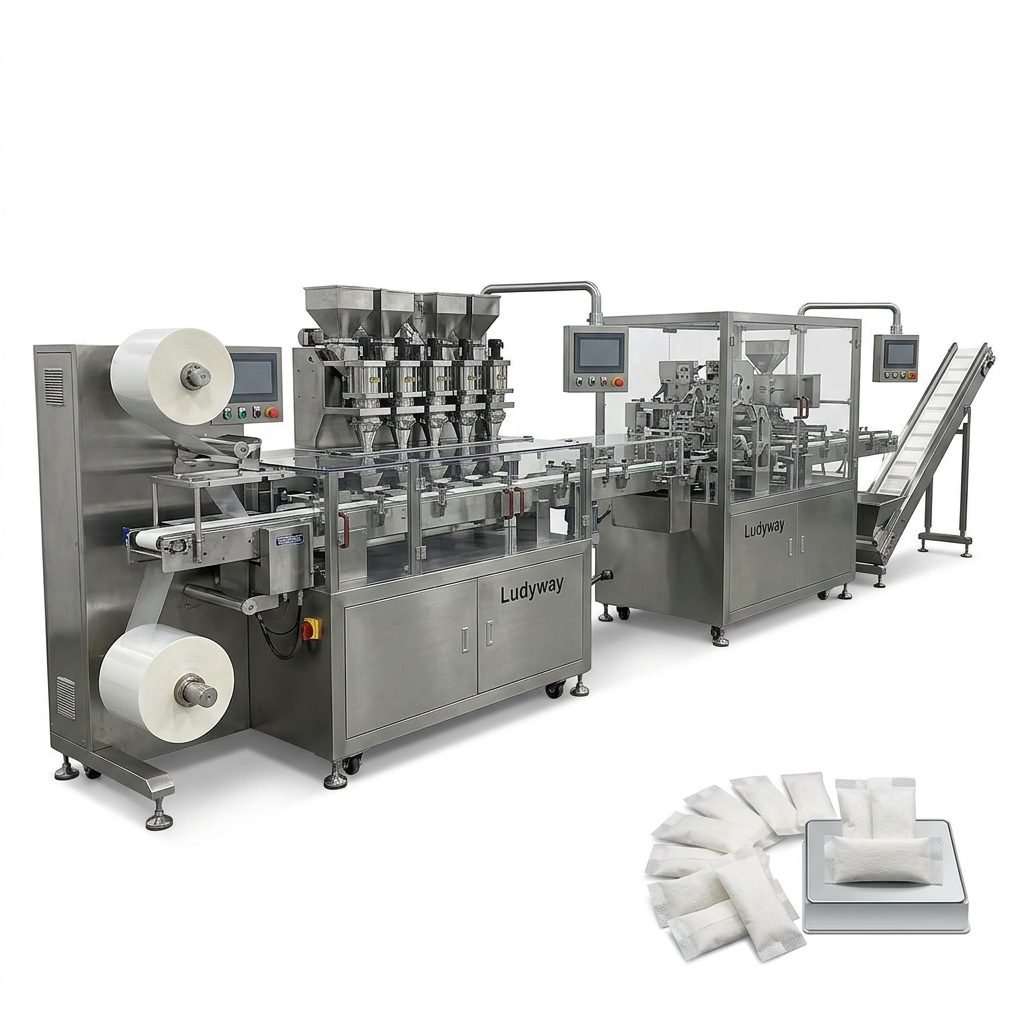
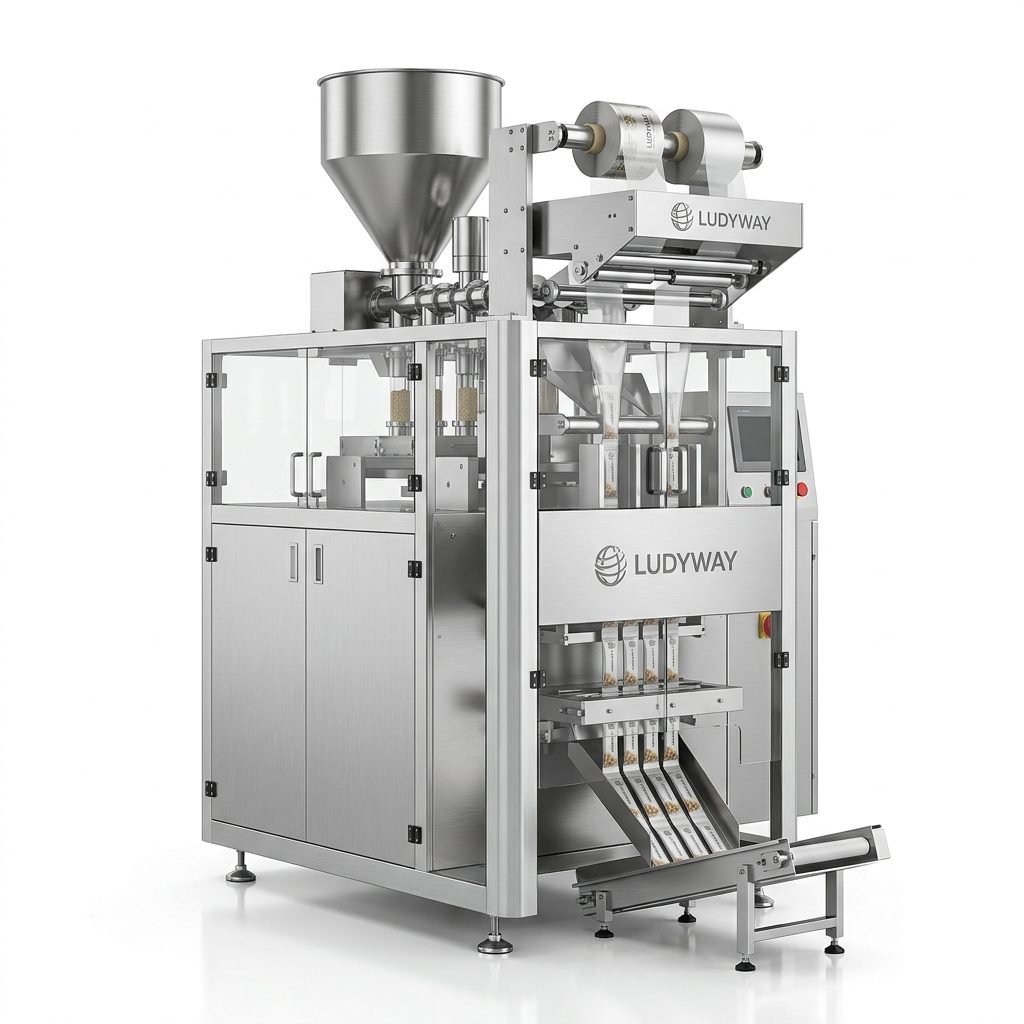
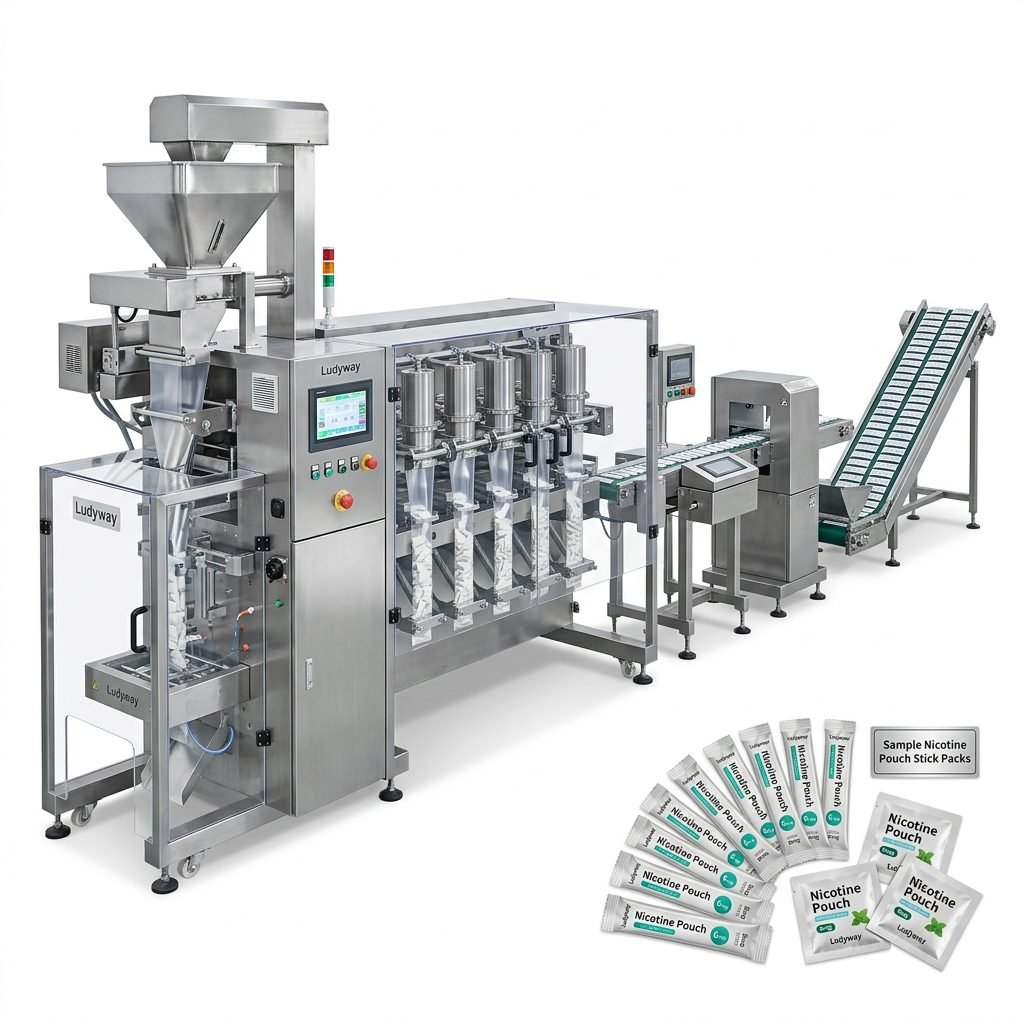
In the fast-paced world of manufacturing, efficiency and reliability in product packaging are non-negotiable. Among the various technologies available, the Vertical Form Fill Seal (VFFS) packaging machine stands out as a cornerstone of modern automated bagging lines. This versatile system is engineered to form, fill, and seal bags from a continuous roll of packaging film in one seamless, vertical operation. Its design is a masterclass in space-saving efficiency and high-speed production, making it indispensable for industries ranging from food and snacks to pharmaceuticals and hardware.
How a VFFS Packaging Machine Works: A Step-by-Step Breakdown
The operation of a VFFS machine is a fascinating dance of precision mechanics and controlled automation. Understanding its workflow reveals why it’s such a powerful tool for production.
The Core Operational Cycle
The process begins with a roll of flat packaging film mounted on the machine’s backstand. This film, which can be laminated or coated for specific barrier properties, is fed upward into the forming area.
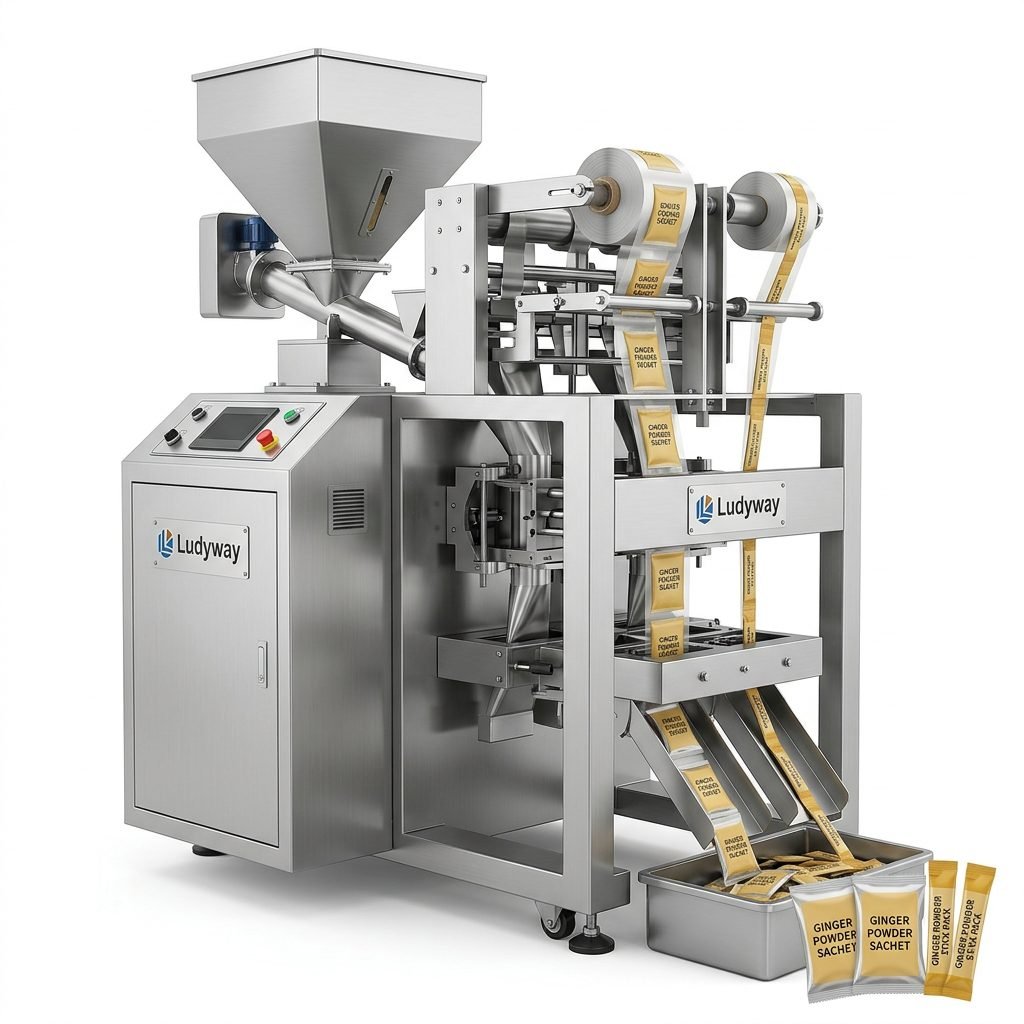
1. Film Feeding & Forming: The film is drawn over a forming collar (often a shaped metal tube), which guides it into a vertical, tubular shape. A critical component here is the longitudinal sealer, which creates a continuous back seal by sealing the overlapping edges of the film as it travels downward.
2. Bag Length Creation & Cross Sealing: A pair of synchronized pull-down belts grips the formed tube and draws it to a pre-set length. At this point, a set of heated cross-sealing jaws close simultaneously. They perform two vital functions: they seal the top of the finished bag below and create the bottom seal for the next bag being formed above.
3. Product Filling: The product is dispensed into the open-top tube from above, typically via a weighing scale, auger filler, or volumetric cup filler. Filling occurs just before the cross-seal jaws close to create the bag’s bottom, ensuring accurate and contamination-free loading.
4. Bag Separation & Discharge: After the cross-seal is made, a knife within the sealing jaws often trims the seal, separating the finished bag. The completed package is then discharged onto a conveyor belt or collection bin, ready for secondary packaging or palletizing.
Exploring the Different Types of VFFS Machines
Not all VFFS machines are created equal. Their design and capabilities vary significantly based on the product type, production speed, and required package style.
By Product Type & Filling System
- Granule/Powder Machines: Equipped with auger or impeller fillers for precise dosing of coffee, spices, powder milk, or granular snacks. They often feature vibration systems to settle the product and dust extraction ports.
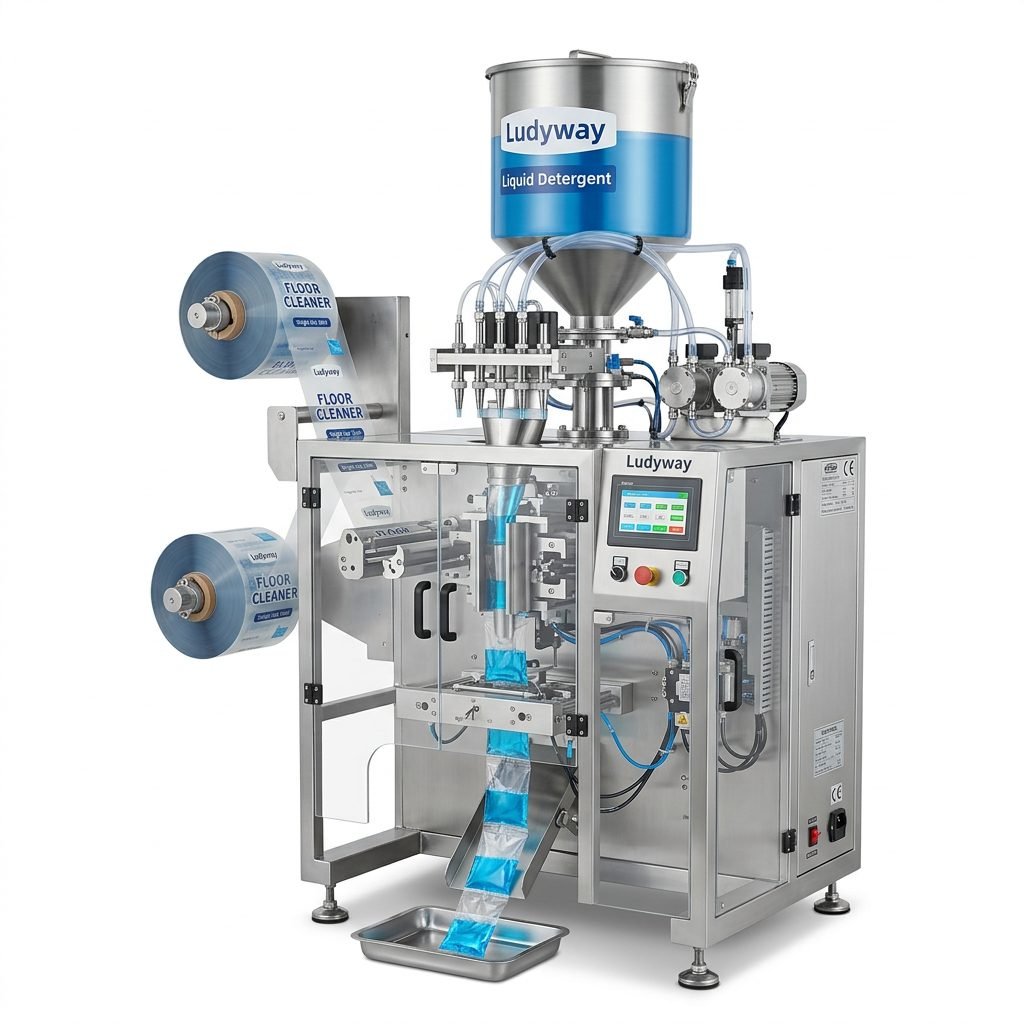
- Liquid/Paste Machines: Designed with piston pump or volumetric fillers for sauces, oils, shampoos, or condiments. These require specialized film with high seal integrity and often include a no-drip nozzle.
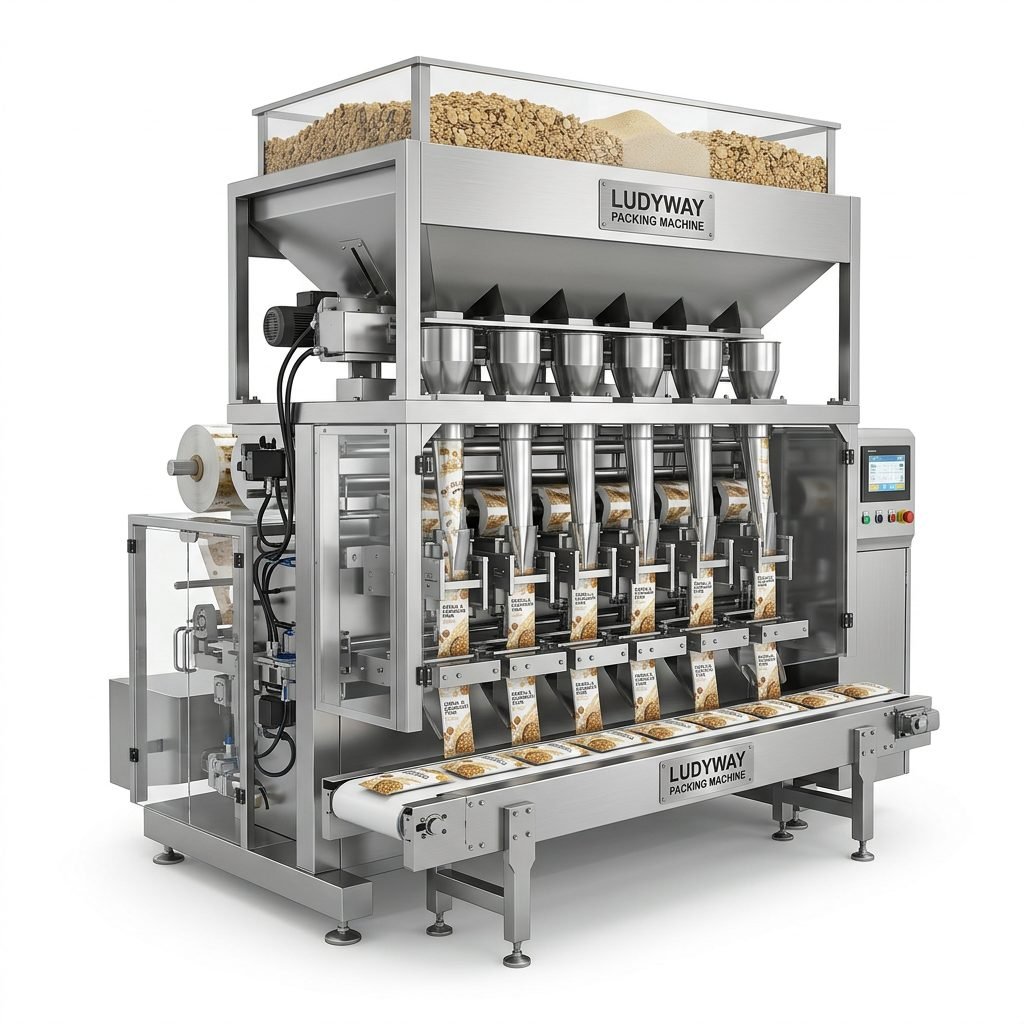
- Solid/Stick Pack Machines: Utilize multi-lane weigh cells or counters for items like candy, nuts, or hardware. High-speed models can feature multi-track systems producing several bags in parallel.
By Package Style & Seal Type
The versatility of VFFS technology is most evident in the variety of bag styles it can produce.
Pillow Bags: The standard and most common style, with seals on the back and both ends. Ideal for a vast range of dry goods.
Gusseted Bags: Machines with special forming boxes create side or bottom gussets, allowing the bag to expand and stand upright—perfect for coffee or premium snacks.
Quad-Seal (Block Bottom) Bags: Advanced machines create seals on all four sides, resulting in a stable, brick-shaped package with excellent shelf presence for products like cereal or frozen vegetables.
Key Benefits for Efficient and Profitable Bagging Operations
Investing in a VFFS packaging system delivers a compelling return on investment through tangible operational advantages.
1. Unmatched Speed and High-Volume Output: Modern VFFS machines are productivity powerhouses. Depending on the model and product, speeds can range from 40 to over 200 bags per minute. This high throughput is essential for meeting large-scale production demands and reducing per-unit packaging costs.
2. Remarkable Material and Space Efficiency: Using film from a roll minimizes material waste compared to pre-made bags. The vertical design has a smaller footprint than horizontal form-fill-seal or pre-made bag systems, freeing up valuable factory floor space for other operations.
3. Exceptional Flexibility and Quick Changeovers: A significant advantage is the ability to switch between different bag sizes and films with relative ease. By simply changing the forming collar, adjusting the pull-down belt length, and loading a new film roll, production can shift to a different product format, enabling manufacturers to respond swiftly to market changes.
4. Superior Packaging Integrity and Product Protection: The in-line forming and sealing process creates strong, hermetic seals that are crucial for product freshness. This is especially important for hygroscopic powders, oily snacks, or products requiring a modified atmosphere (MAP) for extended shelf life. The consistent seal quality drastically reduces leakers and product waste.
Driving Sustainability and Cost Savings
The efficiency of VFFS machines directly contributes to more sustainable operations. Precise film usage reduces plastic consumption, while accurate filling minimizes product giveaway. Lower energy consumption compared to running multiple standalone machines further shrinks the operation’s carbon footprint. For businesses, this translates into reduced material costs, less waste disposal, and improved overall profitability—a win for both the bottom line and the environment.
Choosing the Right VFFS Partner: Beyond the Machine
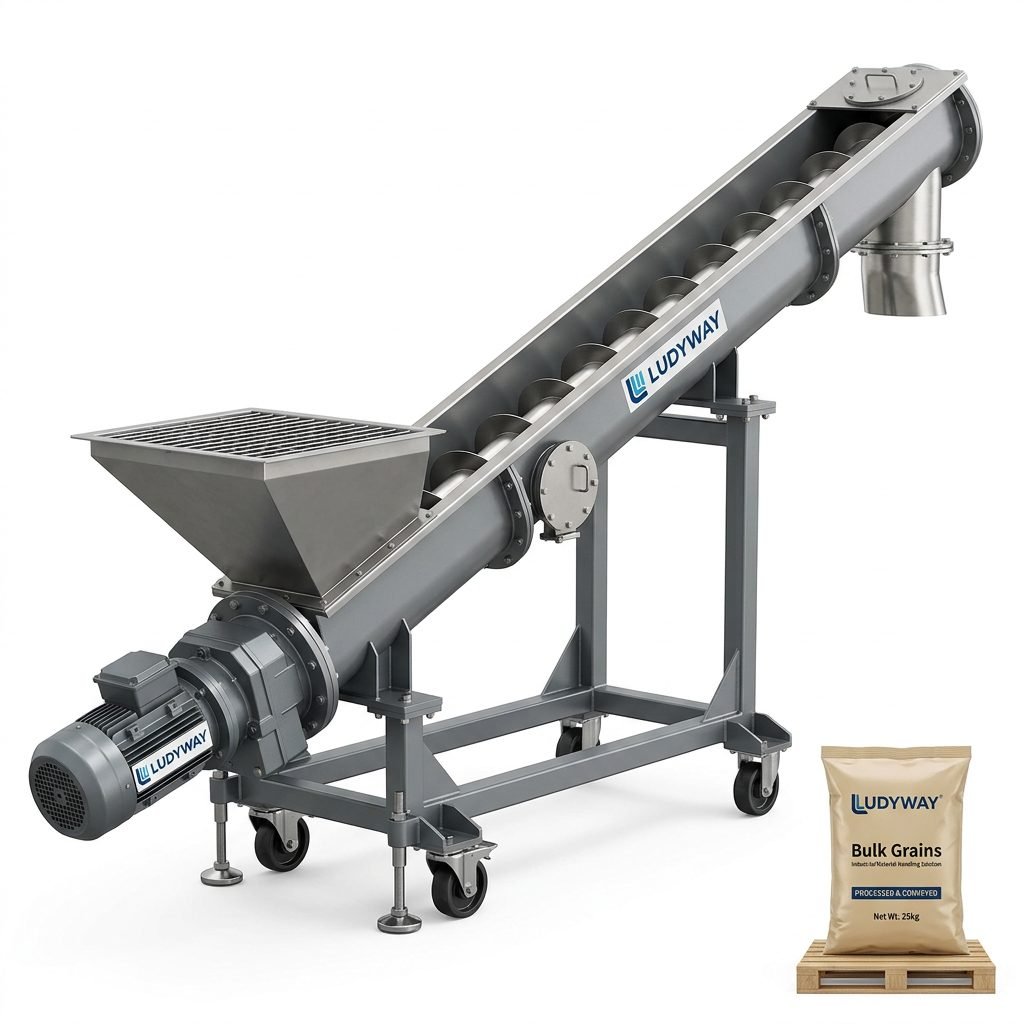
Selecting a VFFS machine is a major capital decision. The right partner provides more than just hardware; they offer a complete solution tailored to your specific needs. A provider with deep application expertise can help you navigate the complexities of film selection, barrier properties, and filling technology to ensure your line runs optimally from day one. Look for a partner committed to robust after-sales support, comprehensive operator training, and ready access to spare parts. This holistic approach minimizes downtime and maximizes the long-term value of your investment. Companies like Ludyway Machinery, with decades of industry experience, exemplify this approach by delivering not only reliable equipment but also the technical knowledge and support essential for a successful packaging operation. Their focus on turnkey solutions ensures that every component, from the feeding system to the discharge conveyor, works in perfect harmony.
Frequently Asked Questions (FAQs)
What types of products are best suited for VFFS packaging?
VFFS machines are incredibly versatile and excel at packaging free-flowing granular products (like rice, nuts, candy), powders (like flour, protein powder, spices), solid items (like hardware, cookies), and even liquids & pastes (like sauces, shampoos, oils) with the appropriate filler and film.
How difficult is it to change bag sizes on a VFFS machine?
Modern VFFS machines are designed for relatively quick changeovers. The process typically involves changing the forming collar, adjusting the pull-down belt stroke length, and inputting new parameters into the PLC touchscreen interface. With proper training, operators can often complete a size change in 15-30 minutes.
Can VFFS machines handle specialty films or printing?
Absolutely. Most machines can run a wide variety of laminated or co-extruded films, including those for barrier protection (oxygen, moisture) or Modified Atmosphere Packaging (MAP). They are also compatible with pre-printed film rolls, featuring photo-electric sensors to ensure accurate print registration on every bag.
What is the typical maintenance required for a VFFS machine?
Regular maintenance is key to longevity and reliability. Daily tasks include cleaning dust and debris, especially from sealing jaws and film paths. Weekly or monthly schedules involve checking and lubricating moving parts, inspecting heater bands and seals for wear, and verifying the calibration of the weighing or filling system.
What should I consider when planning a new VFFS packaging line?
Critical factors include: Product characteristics (flowability, abrasiveness), required output speed (bags per minute), bag style and size range, film material and sealing requirements, and integration needs with upstream feeders and downstream conveyors. Consulting with an experienced packaging machinery supplier early in the planning process is highly recommended.