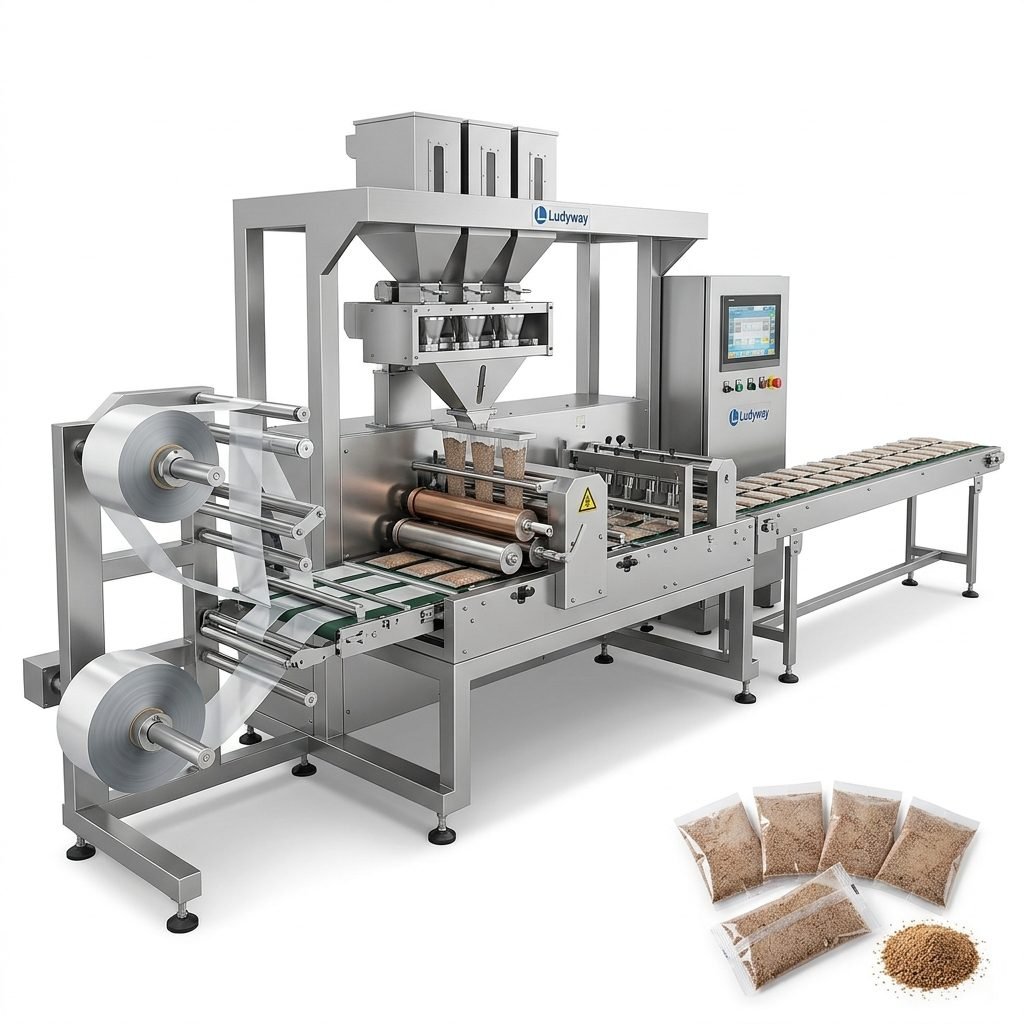
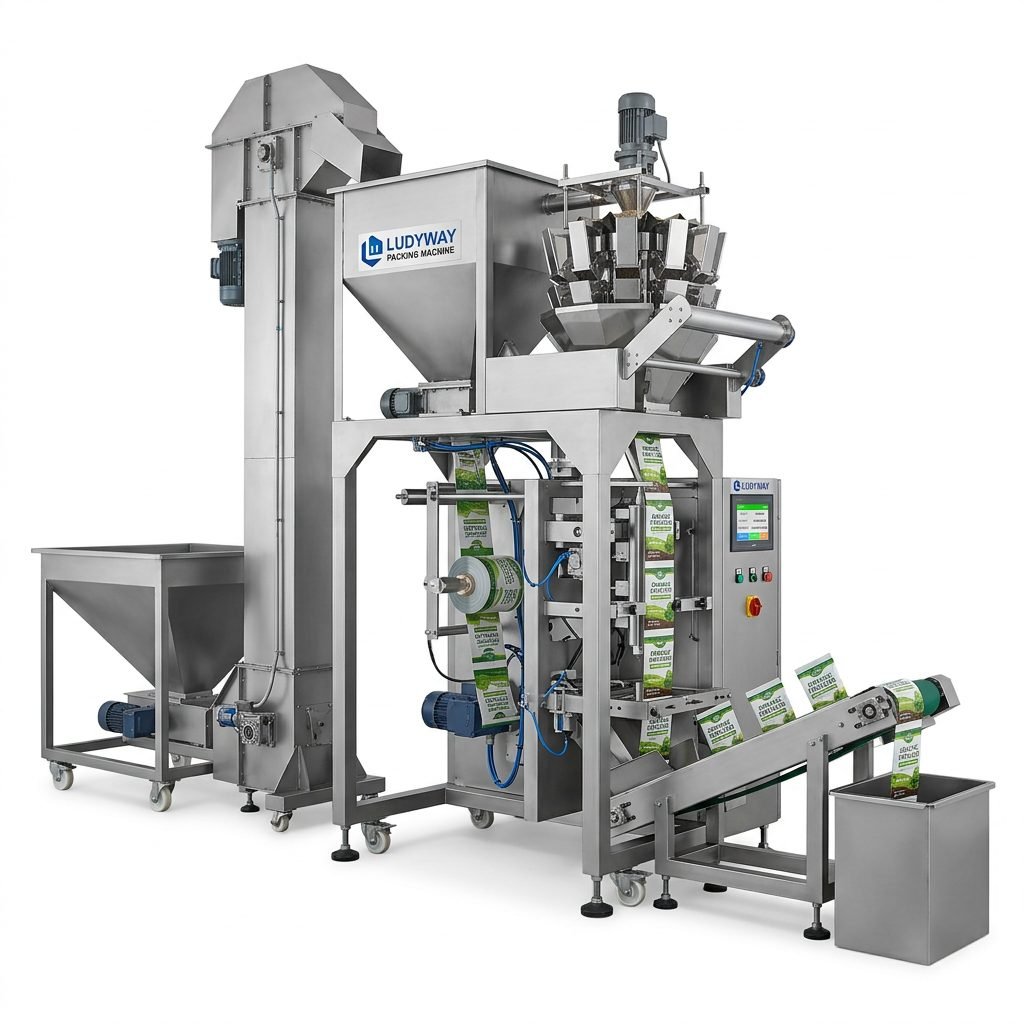
Setting up a dog food packaging machine production line in Europe requires careful planning, strict regulatory compliance, and the right equipment choices. The European pet food market has seen consistent growth, with dog food representing the largest segment. To successfully launch or expand your production facility, you need to understand the complete process—from regulatory requirements to equipment selection and operational optimization.
Understanding the European Dog Food Market
The European pet food industry is one of the most mature and regulated markets globally. According to industry data from PMMI’s business intelligence reports, the demand for premium and specialized dog food products continues to rise. Consumers increasingly seek convenient, portion-controlled packaging formats such as stick packs, sachets, and multi-lane pouches. This shift presents significant opportunities for manufacturers who invest in advanced packaging automation.
Key EU Regulatory Requirements for Dog Food Packaging
Before installing any packaging equipment, you must ensure full compliance with European regulations. The European Commission’s Packaging and Packaging Waste Regulation sets stringent requirements for all packaging operations within the EU. Here are the critical regulatory areas to address:
Food Contact Materials Regulation (EC) No 1935/2004
All packaging materials that come into contact with dog food must comply with EU food contact material standards. This includes film materials, laminates, and sealing layers used in the packaging process. Your chosen machinery must support materials that meet these requirements without compromising seal integrity or production speed.
Packaging and Packaging Waste Regulation (PPWR)
The new PPWR framework emphasizes recyclability, waste reduction, and the use of recycled content in packaging. When setting up your production line, consider equipment that can handle mono-material films and recyclable packaging structures. This forward-thinking approach will help future-proof your investment against evolving sustainability mandates.
Machinery Directive 2006/42/EC and CE Marking
All packaging machinery installed in Europe must carry CE marking and comply with the Machinery Directive. This certification confirms that the equipment meets essential health and safety requirements. For international equipment suppliers, verifying CE compliance is a non-negotiable step in the procurement process.
Selecting the Right Dog Food Packaging Machine
Choosing the appropriate packaging equipment is the cornerstone of an efficient production line. Your selection should be guided by your target packaging format, production volume, and the physical characteristics of your dog food product.
Common Packaging Formats for Dog Food
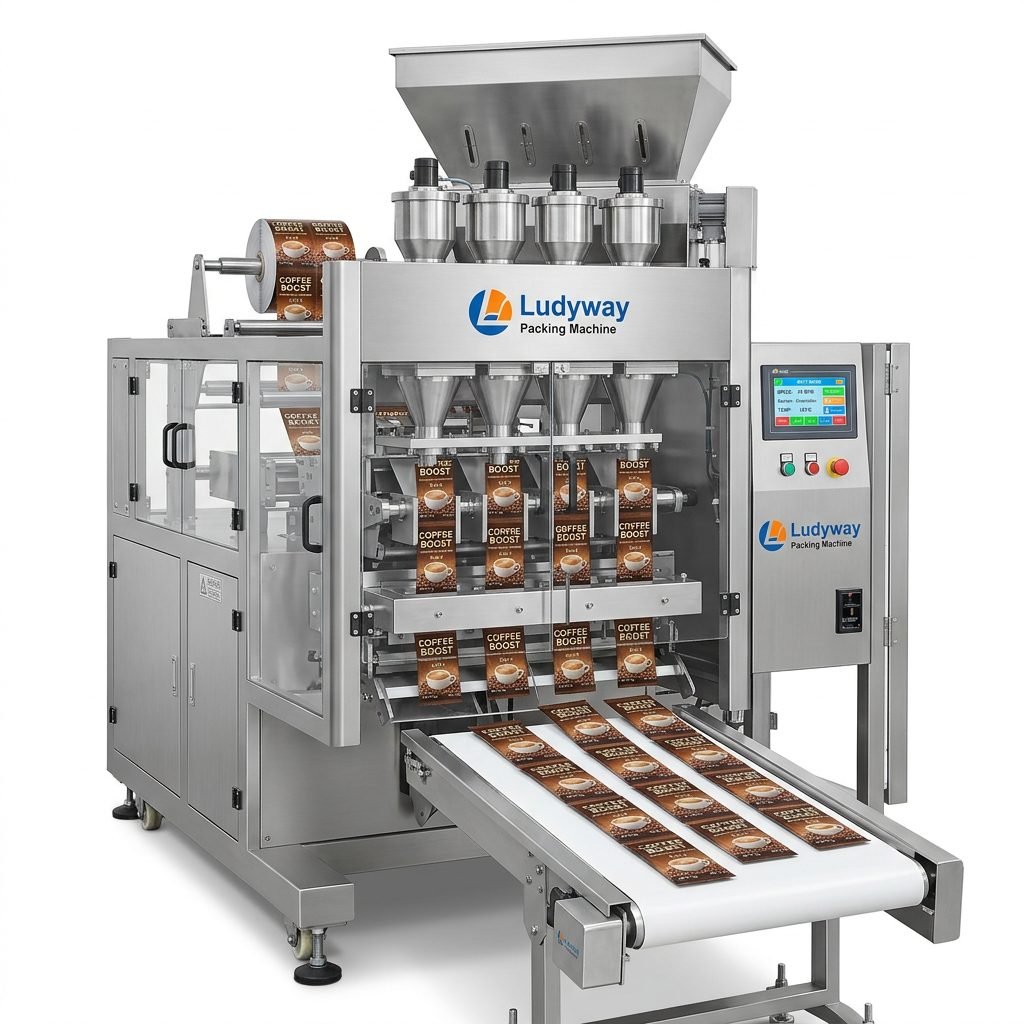
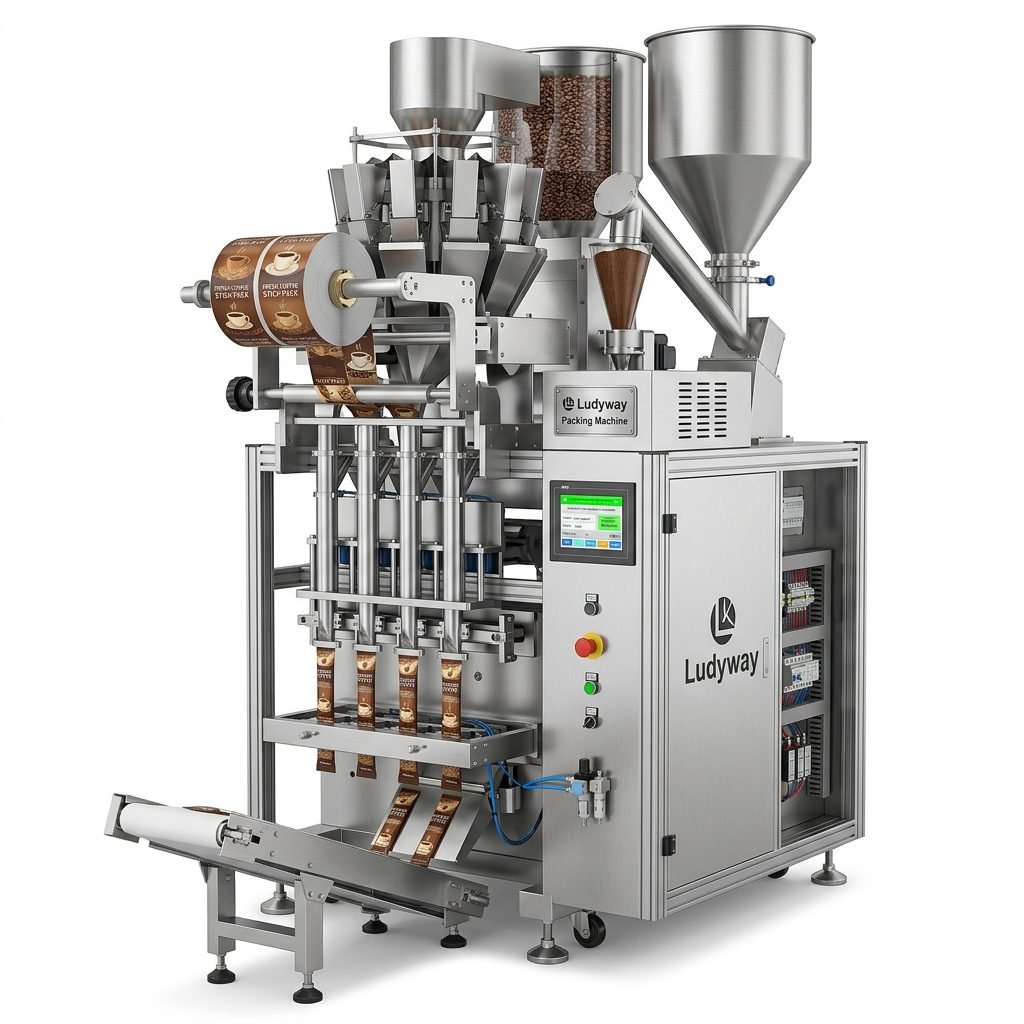
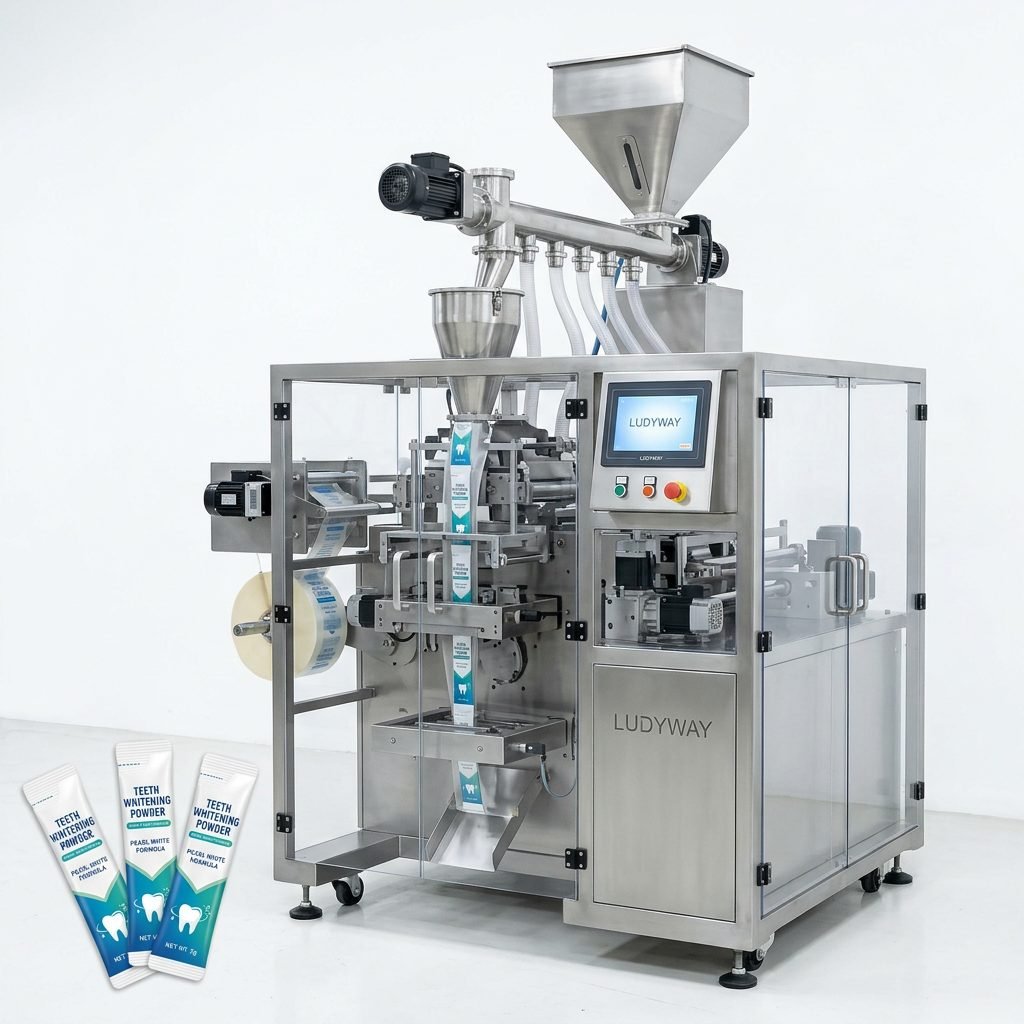
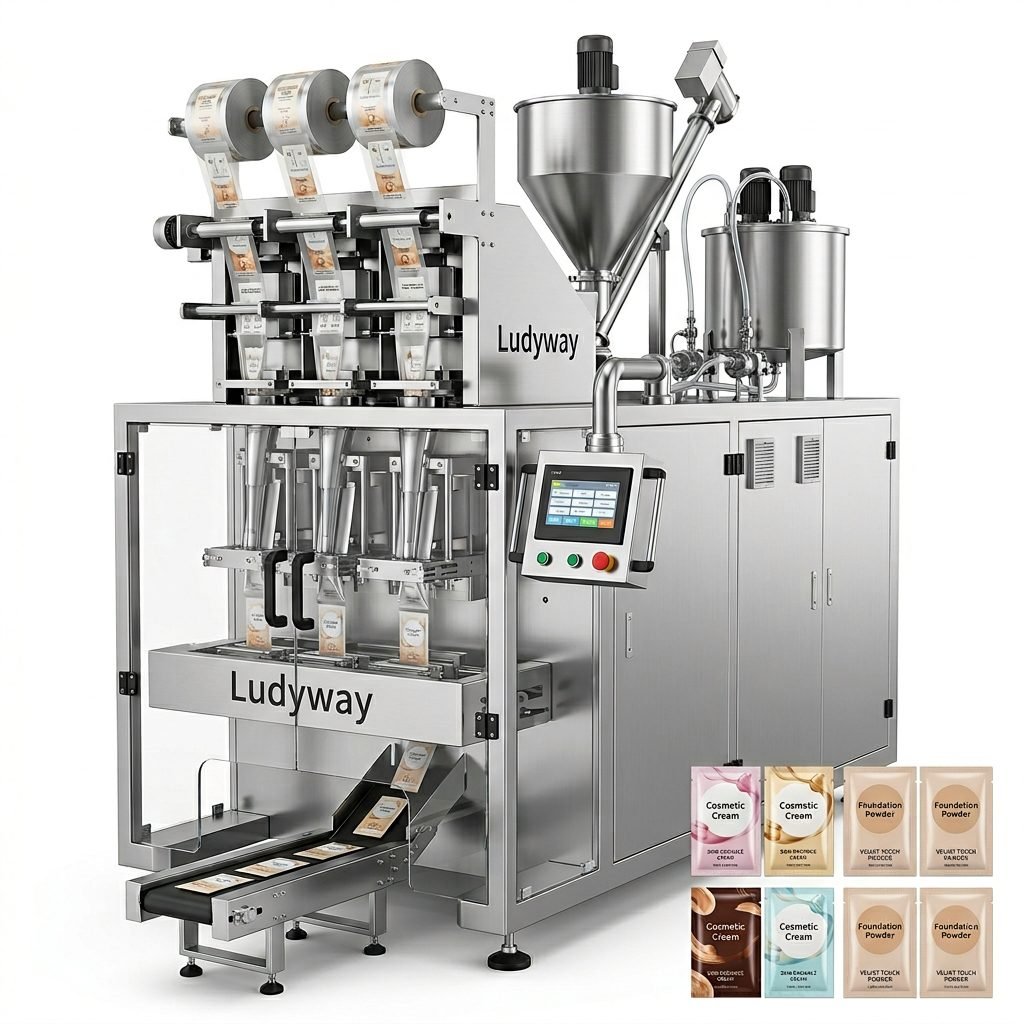
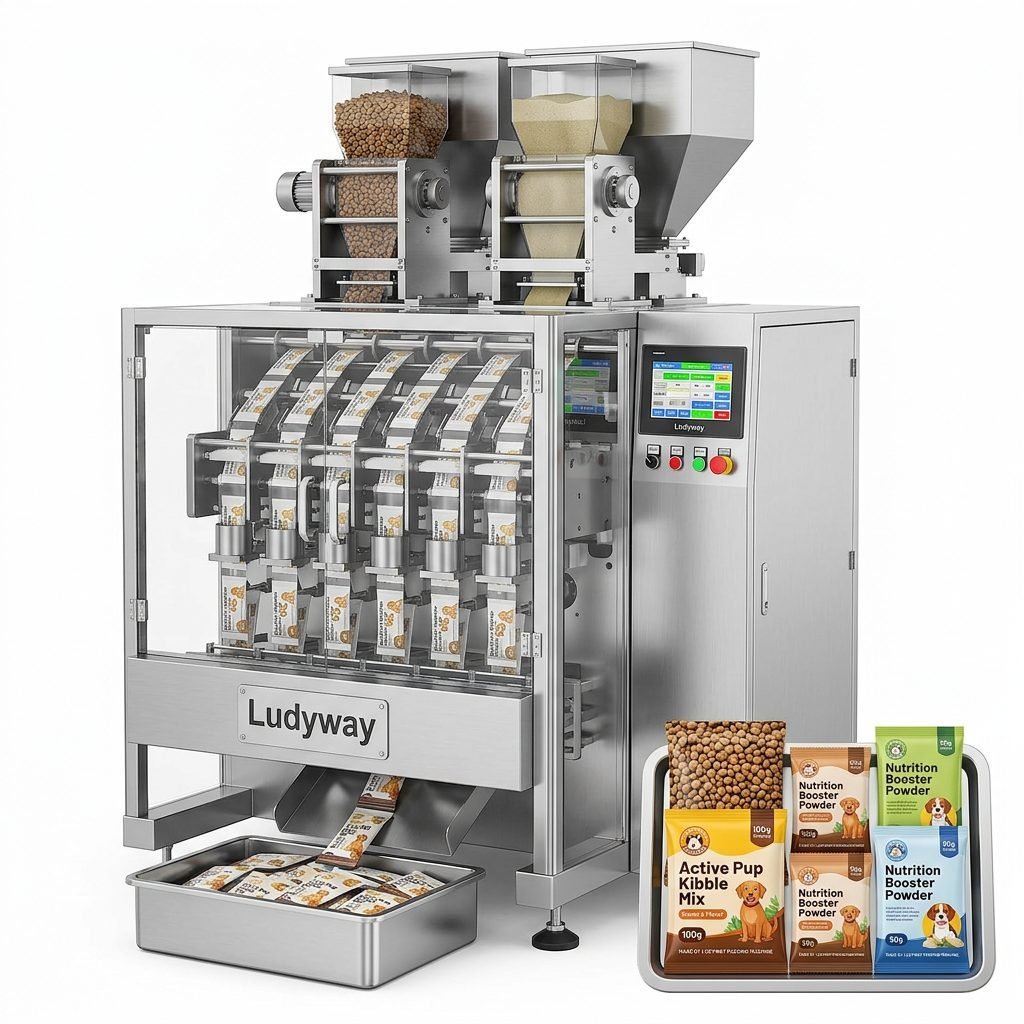
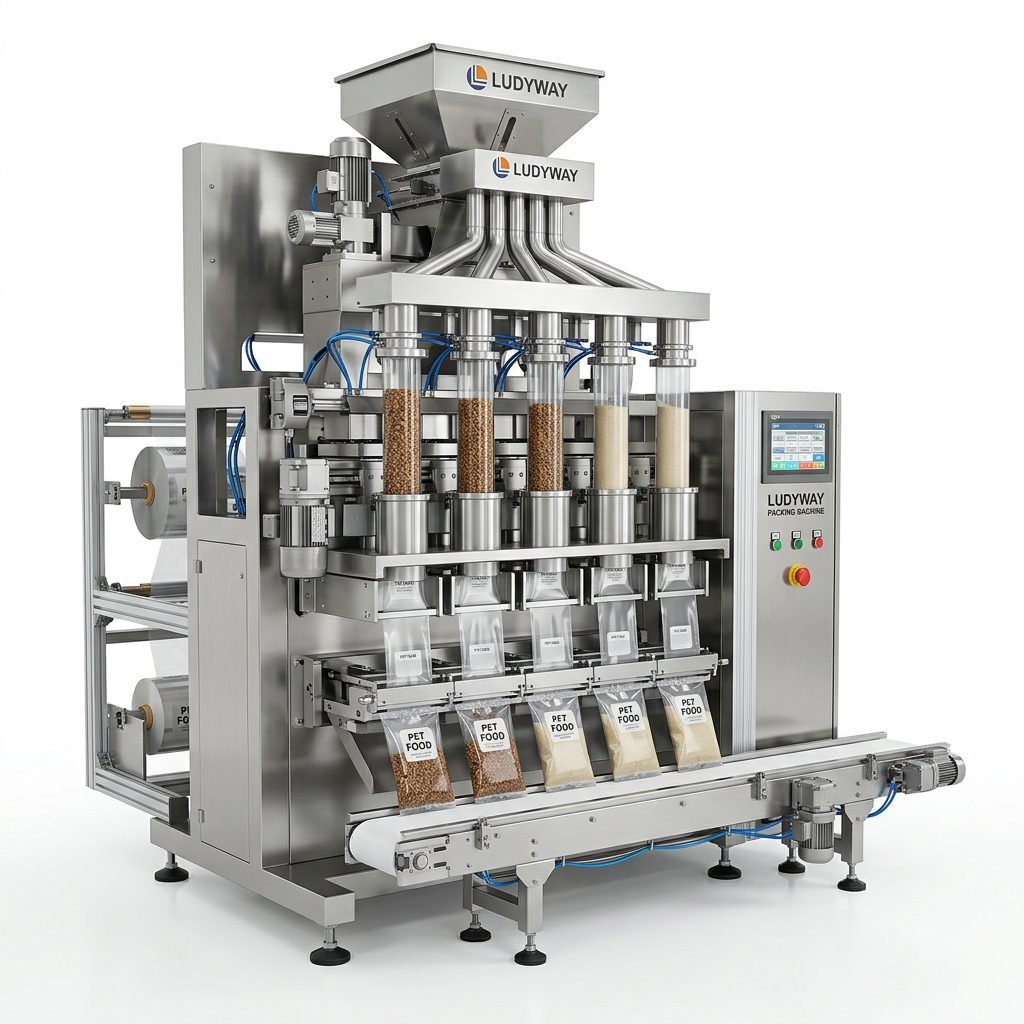
- Multi-lane stick packs: Ideal for single-serve portions, supplements, and treat packaging with high-speed output
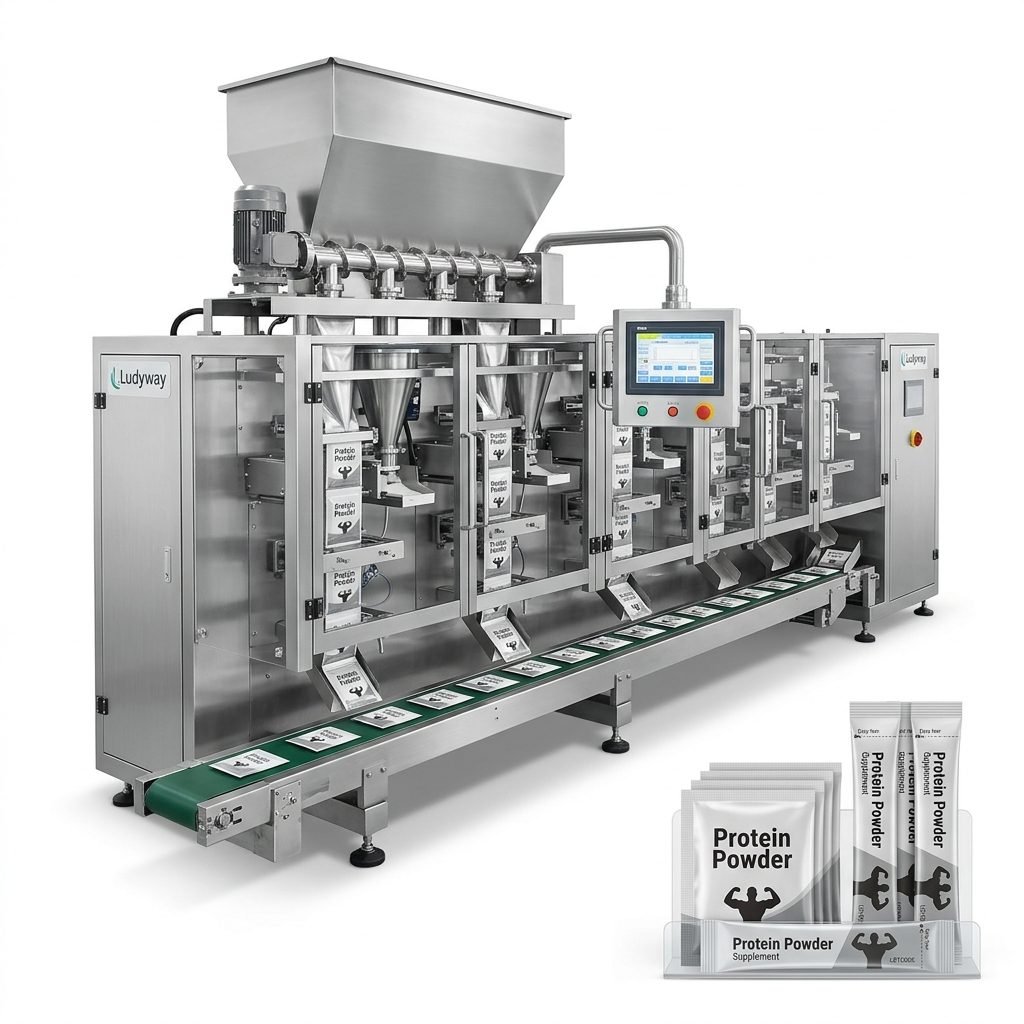
- Sachet packaging: Suitable for wet food, gravy-based products, and sample portions
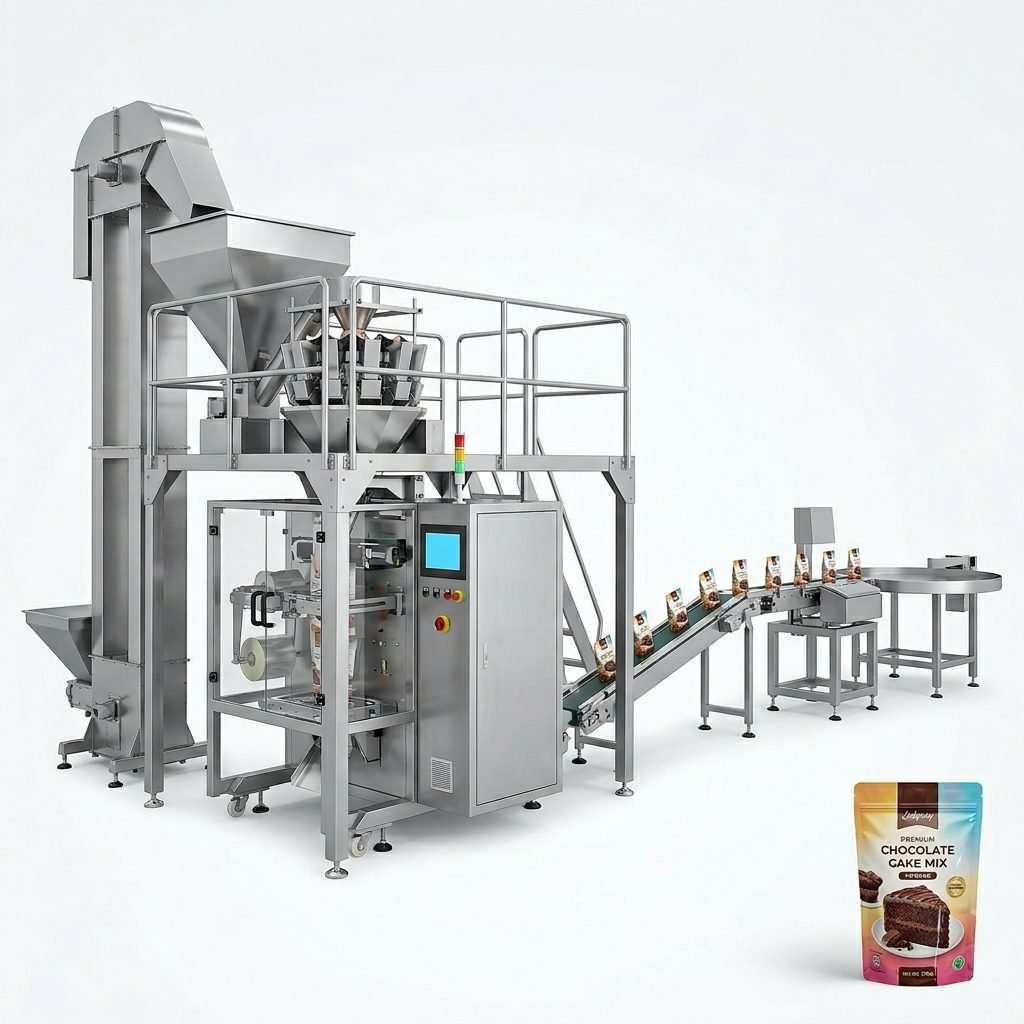
- Pouch packaging: Used for larger quantities of dry kibble and semi-moist products
- Premade pouch filling: Excellent for premium product lines with zipper closures and resealable features
Multi-Lane vs Single-Lane Systems
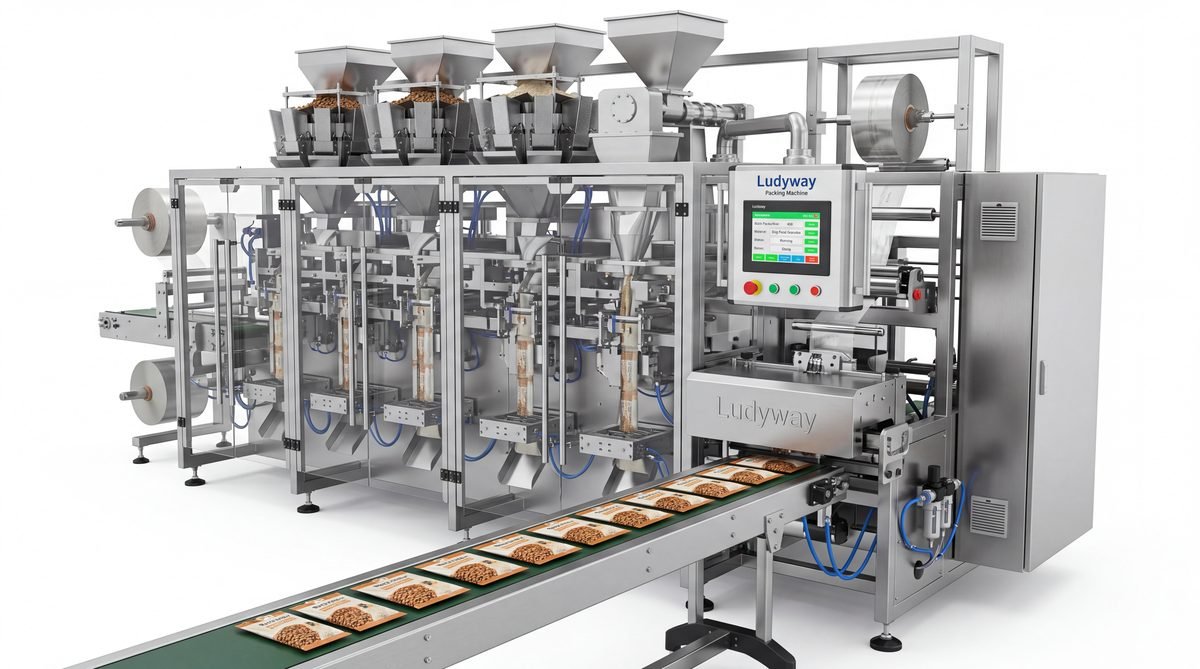
For large-scale operations, multi-lane stick pack machines offer significantly higher throughput. A typical multi-lane system can run 4 to 20 lanes simultaneously, dramatically increasing output while maintaining consistent fill accuracy. Single-lane systems may be appropriate for smaller batch production or specialty products with frequent changeovers.
Key factors to evaluate when selecting machinery include:
- Filling speed and accuracy for your specific product density
- Compatibility with barrier films and sustainable packaging materials
- Ease of cleaning and changeover between product runs
- Integration capabilities with upstream and downstream equipment
- Availability of technical documentation in local languages
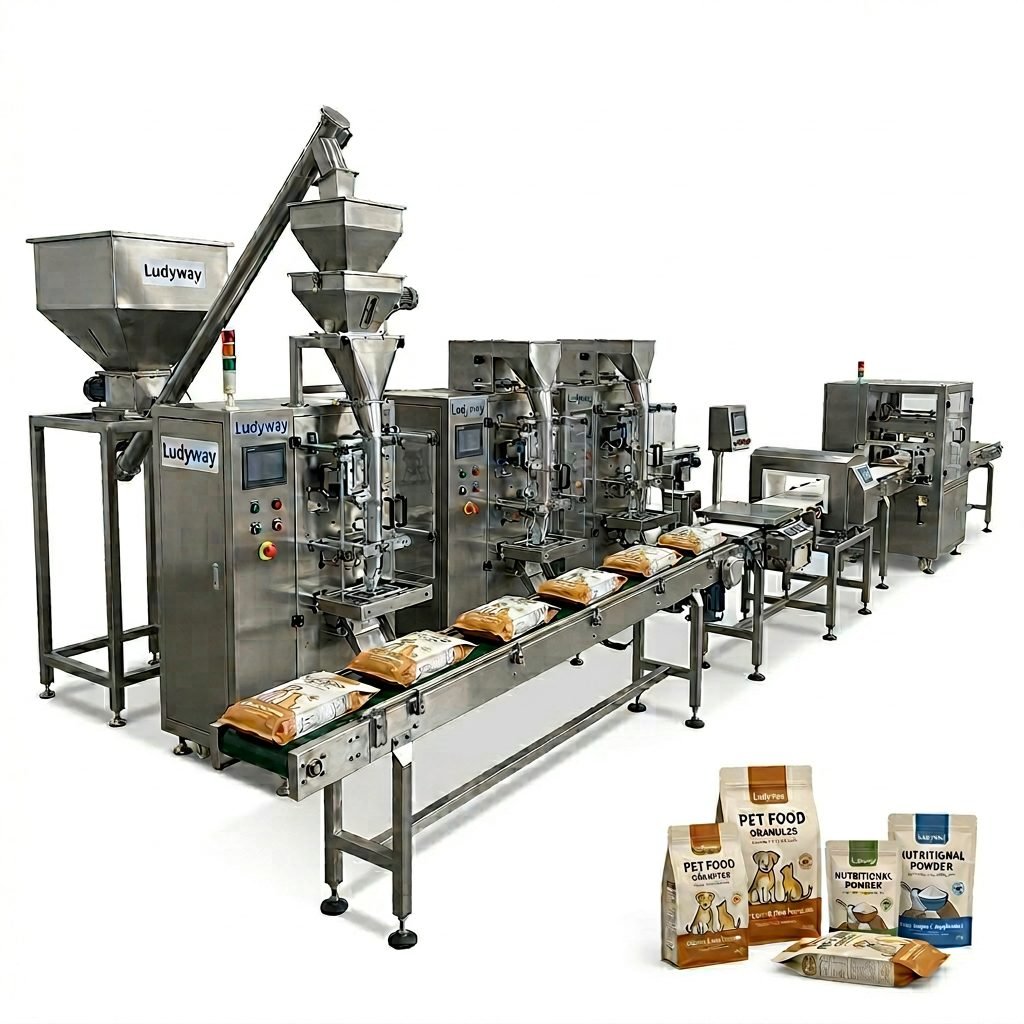
Production Line Layout and Facility Planning
A well-designed production line layout maximizes efficiency, minimizes material handling, and ensures smooth workflow. When planning your facility, consider the following essential zones within your production environment:
Material Receiving and Storage
Raw packaging materials—including films, cartons, and labels—require climate-controlled storage to maintain material integrity. Temperature and humidity fluctuations can affect film performance on high-speed packaging lines, leading to sealing defects and increased waste.
Production Area Configuration
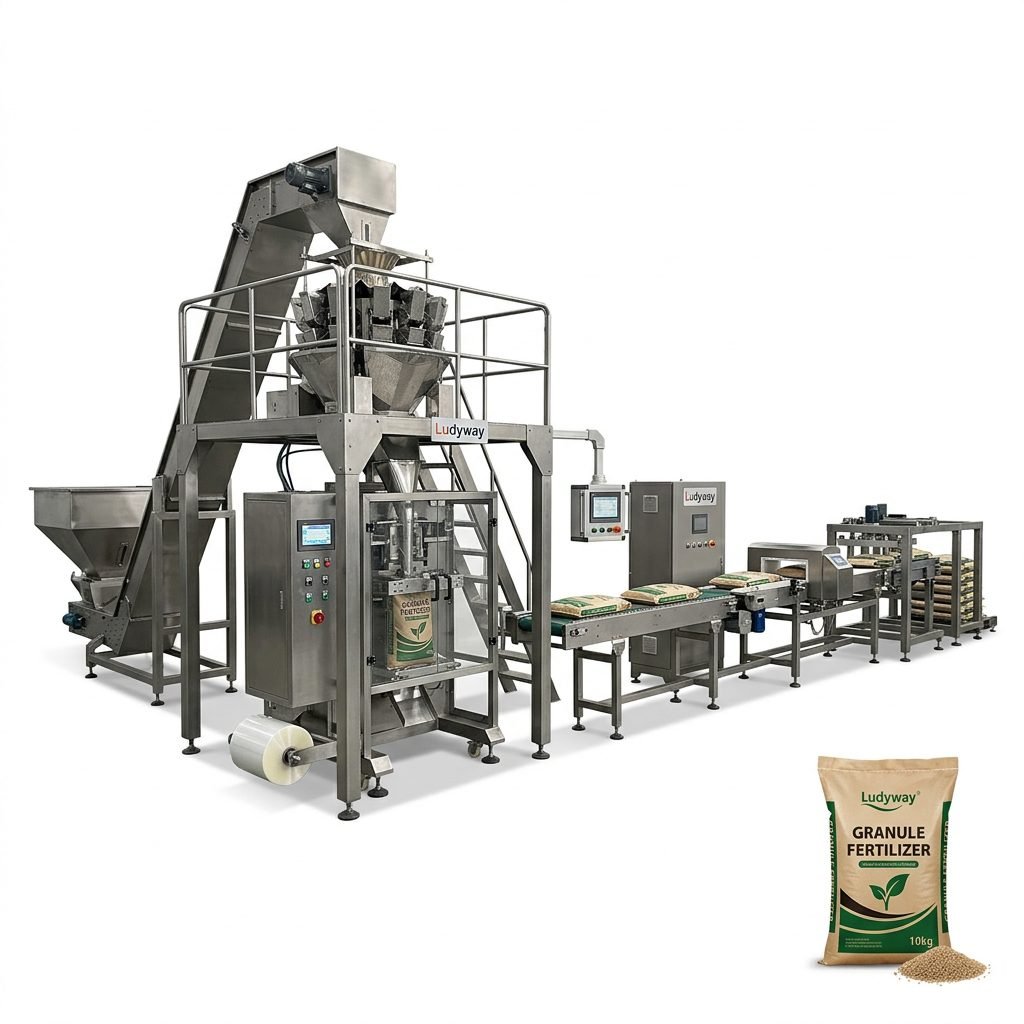
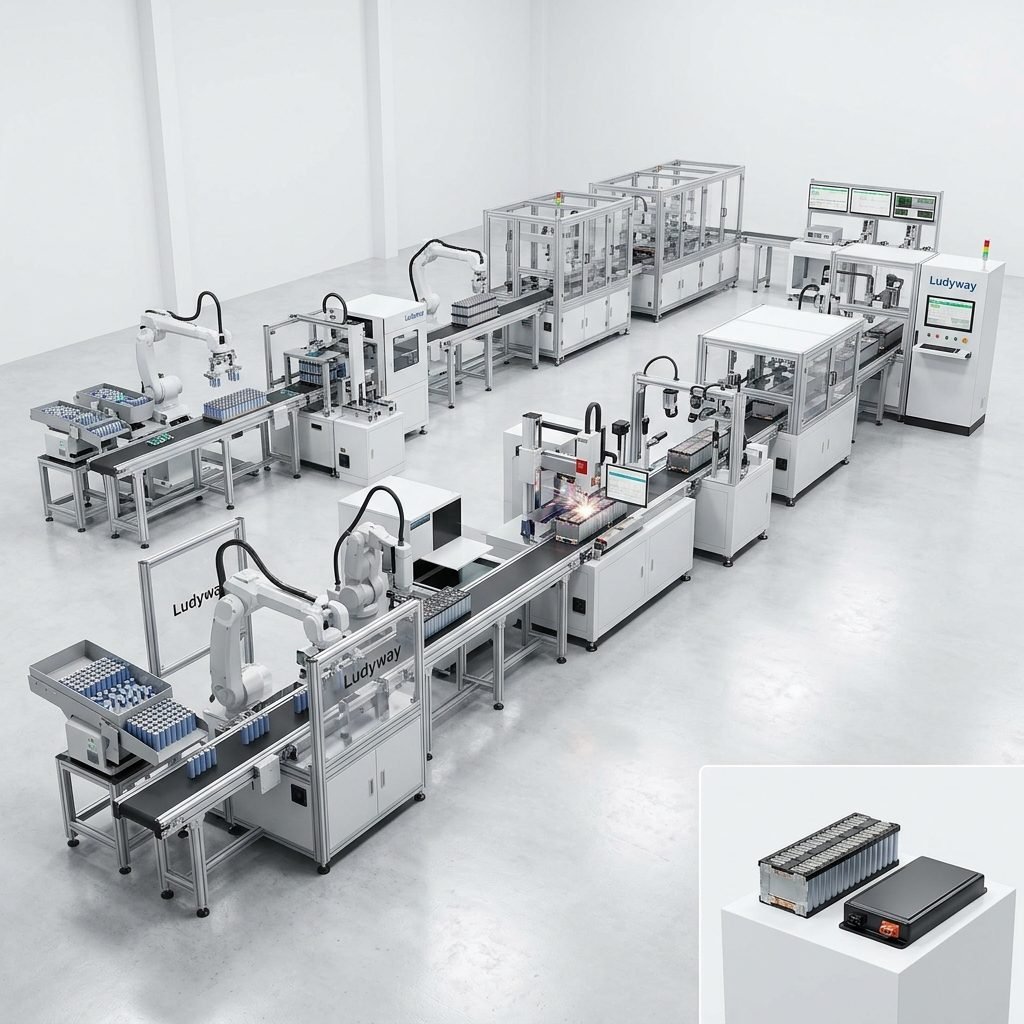
Your primary production zone should accommodate the complete packaging line with adequate clearance for operation, maintenance access, and material flow. A typical dog food packaging line includes: feeding systems, multi-head weighers, primary packaging machines, checkweighers, metal detectors, cartoning machines, case packers, and palletizing systems.
| Production Zone | Key Equipment | Space Allocation (%) |
|---|---|---|
| Material Storage | Film roll racks, carton storage | 15-20% |
| Primary Packaging | Multi-lane stick pack / sachet machines | 25-30% |
| Secondary Packaging | Cartoning, case packing, palletizing | 25-30% |
| Quality Control | Checkweighers, metal detectors, X-ray | 10-15% |
| Finished Goods | Pallet storage, staging area | 10-15% |
Quality Control and Safety Standards
Maintaining consistent product quality is essential for brand reputation and regulatory compliance. Your production line should integrate comprehensive quality control measures at every stage. The FDA’s food packaging guidelines and ISO packaging standards provide excellent reference frameworks for establishing your quality protocols.
Critical Quality Checkpoints
- Inline checkweighing: Verifies fill weight accuracy at production speed
- Metal detection: Identifies ferrous and non-ferrous contaminants
- Seal integrity testing: Ensures package seals meet strength specifications
- Vision inspection systems: Detect labeling errors, print defects, and package damage
- Oxygen residual testing: Critical for nitrogen-flushed packages to verify barrier integrity
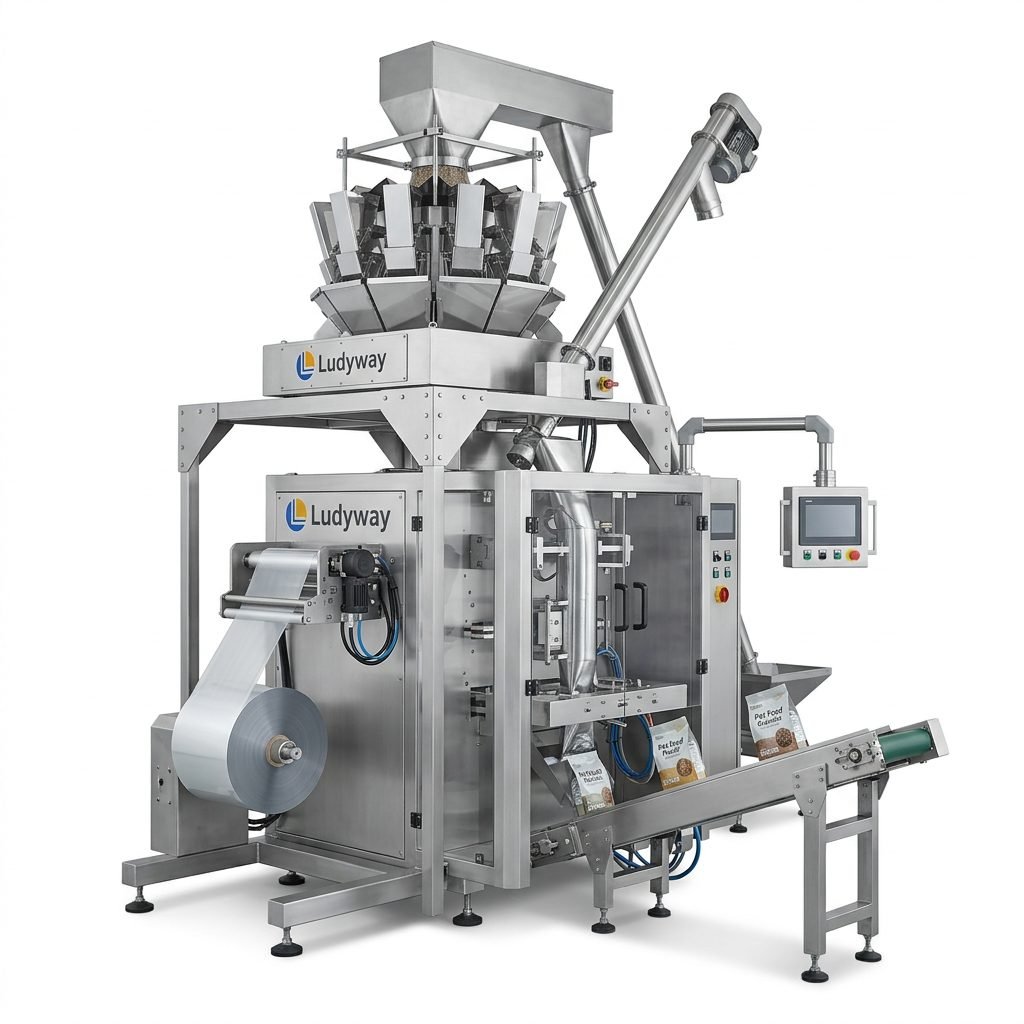
Installation, Commissioning, and Staff Training
Proper installation and commissioning are crucial for achieving optimal machine performance from day one. The process typically involves site preparation, equipment positioning, utility connections, and comprehensive testing with your actual products.
Pre-Installation Checklist
- Verify floor load-bearing capacity for all equipment
- Ensure adequate electrical supply with proper voltage stabilization
- Confirm compressed air quality and capacity requirements
- Prepare dust extraction and ventilation systems if handling powders
- Arrange for certified local technicians familiar with EU electrical standards
Operator Training Program
Investing in thorough operator training reduces downtime and extends equipment life. Your training program should cover machine operation, troubleshooting, cleaning procedures, safety protocols, and basic maintenance tasks. Well-trained operators are your first line of defense against production interruptions.
Maintenance and After-Sales Support
Reliable after-sales support is essential for maintaining long-term production efficiency. When evaluating equipment suppliers, assess their presence in the European market, including local service teams, spare parts availability, and response times. Downtime in a food packaging operation can be extremely costly.
Establish a preventive maintenance schedule that includes regular inspections of sealing jaws, cutting blades, filling nozzles, and drive systems. Predictive maintenance technologies—using sensors and data analytics—can further reduce unexpected failures by identifying wear patterns before breakdowns occur.
Cost Considerations and ROI Analysis
Understanding the complete cost picture helps in making informed investment decisions. Beyond the initial equipment purchase, consider the total cost of ownership over the expected service life of your packaging line.
| Cost Category | Description | Typical Share of TCO |
|---|---|---|
| Equipment Purchase | Primary and auxiliary packaging machinery | 50-60% |
| Installation and Commissioning | Site preparation, utilities, setup, testing | 8-12% |
| Consumables | Packaging films, cartons, labels, ink | 15-20% |
| Maintenance and Spare Parts | Routine service, wear parts, emergency repairs | 5-10% |
| Labor and Training | Operators, ongoing training, quality control | 5-8% |
Calculating your return on investment should factor in increased throughput, reduced labor costs, lower material waste, and improved product consistency. Many European manufacturers report achieving full ROI within 18 to 36 months of implementing automated packaging solutions.
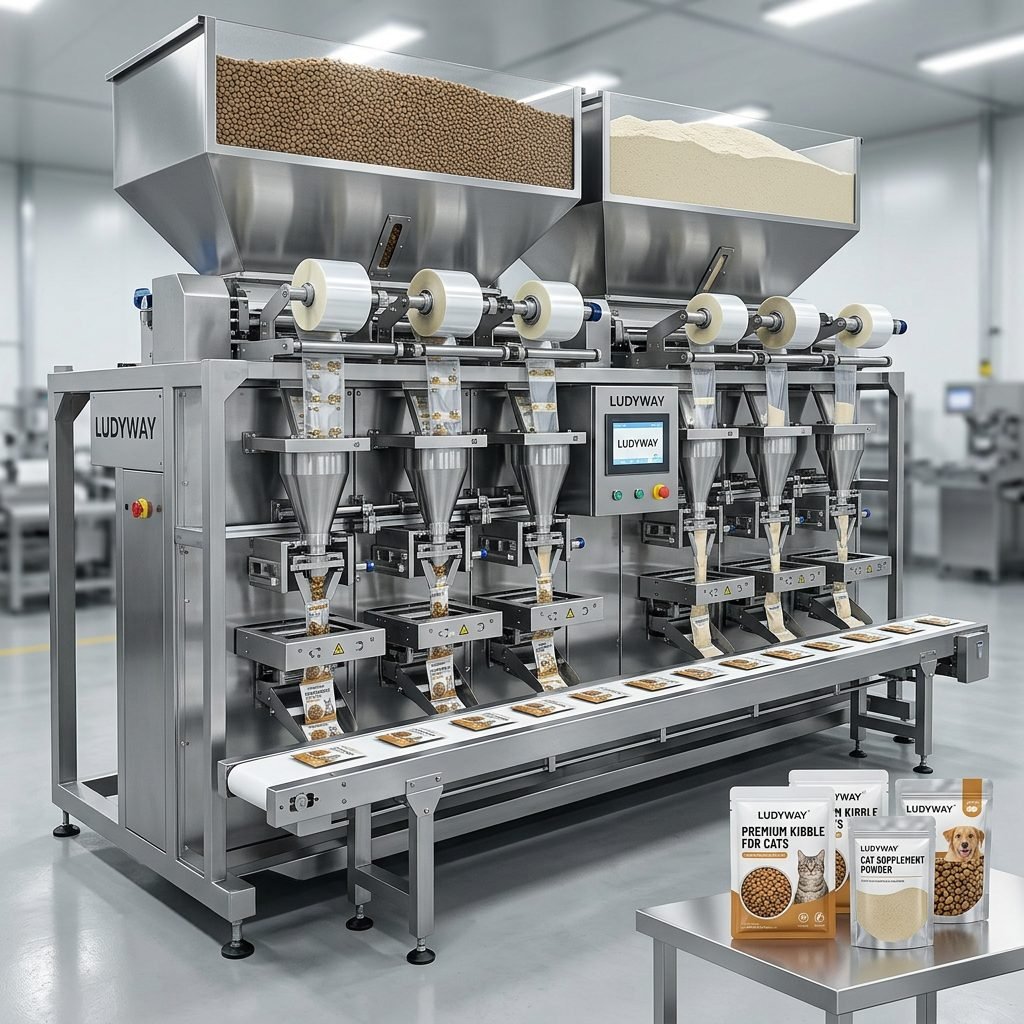
Choosing the Right Equipment Partner
Selecting a reliable packaging machinery partner can make the difference between a smooth production launch and ongoing operational challenges. Look for suppliers with proven experience in food packaging applications, CE-certified equipment, and established service networks within Europe. Reference visits to existing installations and thorough factory acceptance testing are highly recommended before finalizing any purchase decision.
For manufacturers seeking comprehensive turnkey solutions, Ludyway offers advanced dog food packaging machinery with multi-lane stick pack and sachet systems designed for high-speed production. Their equipment supports granule, powder, and liquid filling applications, with configurations adaptable to various packaging formats and production scales. With a 20,000㎡ manufacturing facility and engineering expertise spanning over 30 years, Ludyway provides packaging solutions that help businesses meet the demands of the competitive European pet food market. You can reach their team at info@ludyway.com for consultation on customized packaging line solutions.
Conclusion
Setting up a dog food packaging machine production line in Europe is a multifaceted project that demands attention to regulatory compliance, equipment selection, facility planning, and quality assurance. By thoroughly addressing each of these areas—from understanding EU packaging regulations to implementing robust quality control systems—you position your operation for long-term success in the growing European pet food market. The investment in proper planning and high-quality automation equipment pays dividends through increased efficiency, consistent product quality, and the ability to scale production as market demand evolves.
Additional Resources
- PMMI State of the Industry Report 2025 — Latest packaging industry trends and data
- Flexible Packaging Association Industry Resources — Flexible packaging standards and insights
- ISO Packaging Standards — International standards for packaging systems
- FDA Packaging and Food Contact Substances — Food safety guidance for packaging materials
- PACK EXPO International — Leading packaging trade event for equipment and innovation