Choosing the right drip coffee bag packaging machine is a critical decision for any coffee business looking to scale production, ensure product freshness, and maintain brand consistency. This comprehensive guide will walk you through the different types of machines available, their key features, and a step-by-step process to help you select the best equipment for your specific needs.
Understanding Drip Coffee Bag Packaging
Drip coffee bags, also known as pour-over coffee bags, combine the convenience of instant coffee with the quality of freshly brewed coffee. They typically contain pre-measured ground coffee in a filter-style bag. Packaging these products requires precision to preserve aroma, prevent oxidation, and ensure a consistent brewing experience for the end consumer.
Core Packaging Requirements
The primary functions of a drip coffee bag packaging machine include accurate dosing of ground coffee, forming and sealing the filter bag, and often attaching a string and tag. The machine must handle delicate materials without damaging the coffee grounds or the filter paper’s integrity.
Types of Drip Coffee Bag Packaging Machines
Machines vary based on automation level, configuration, and production output. Selecting the correct type is the first step toward an efficient packaging line.
1. Vertical Form-Fill-Seal (VFFS) Machines
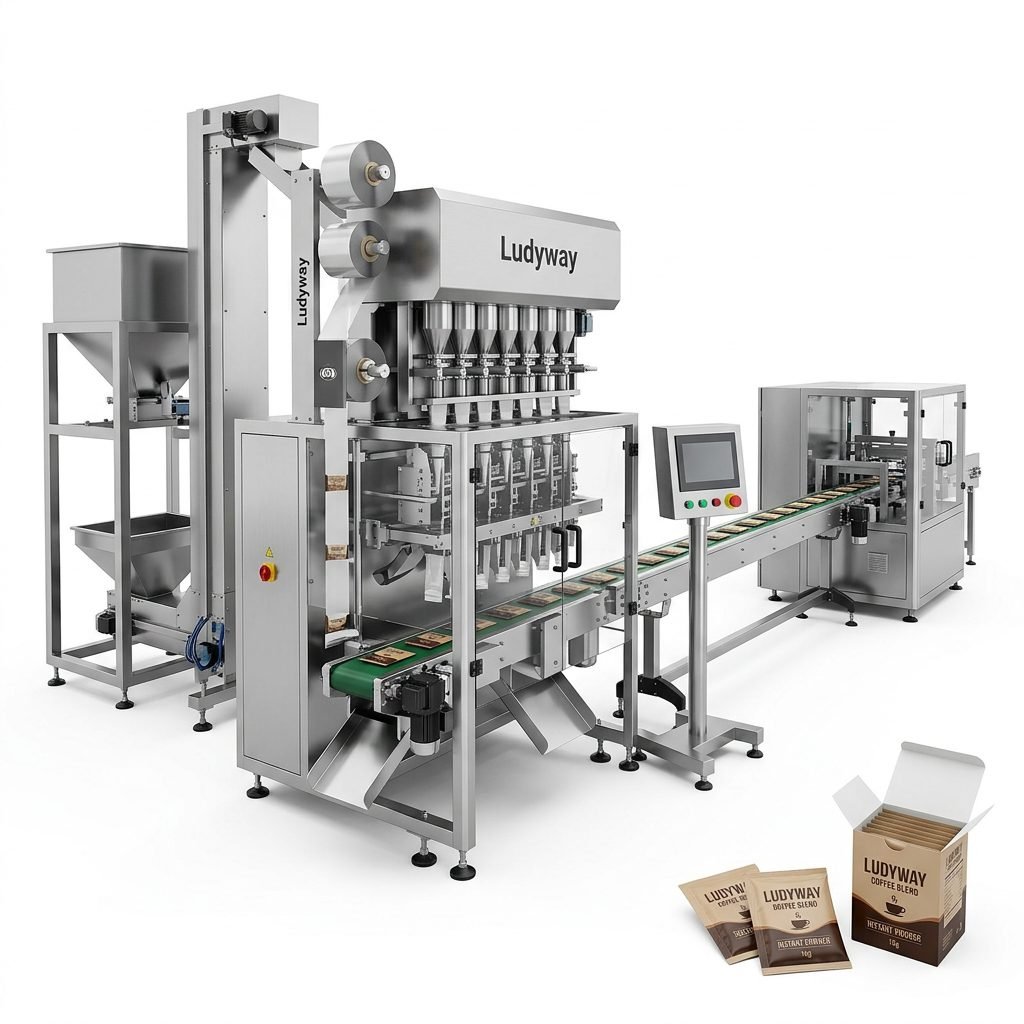
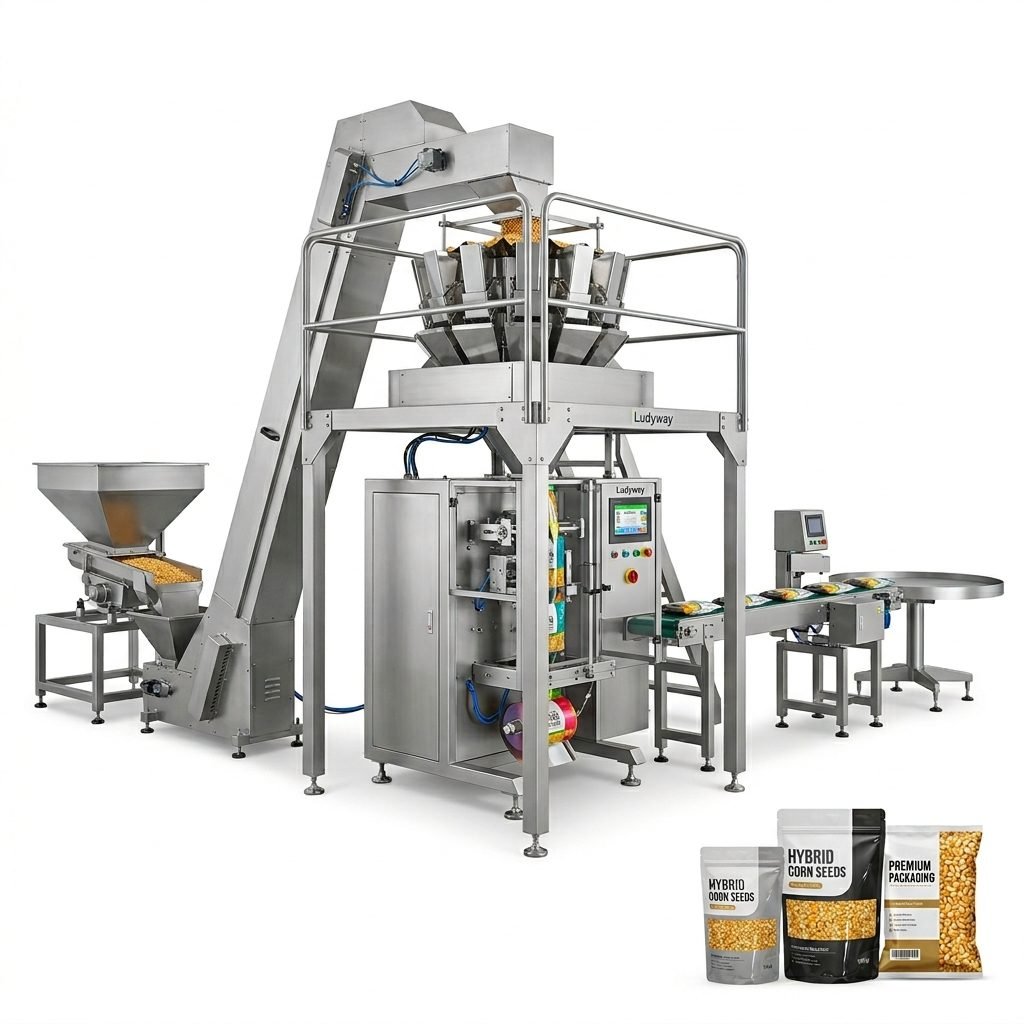
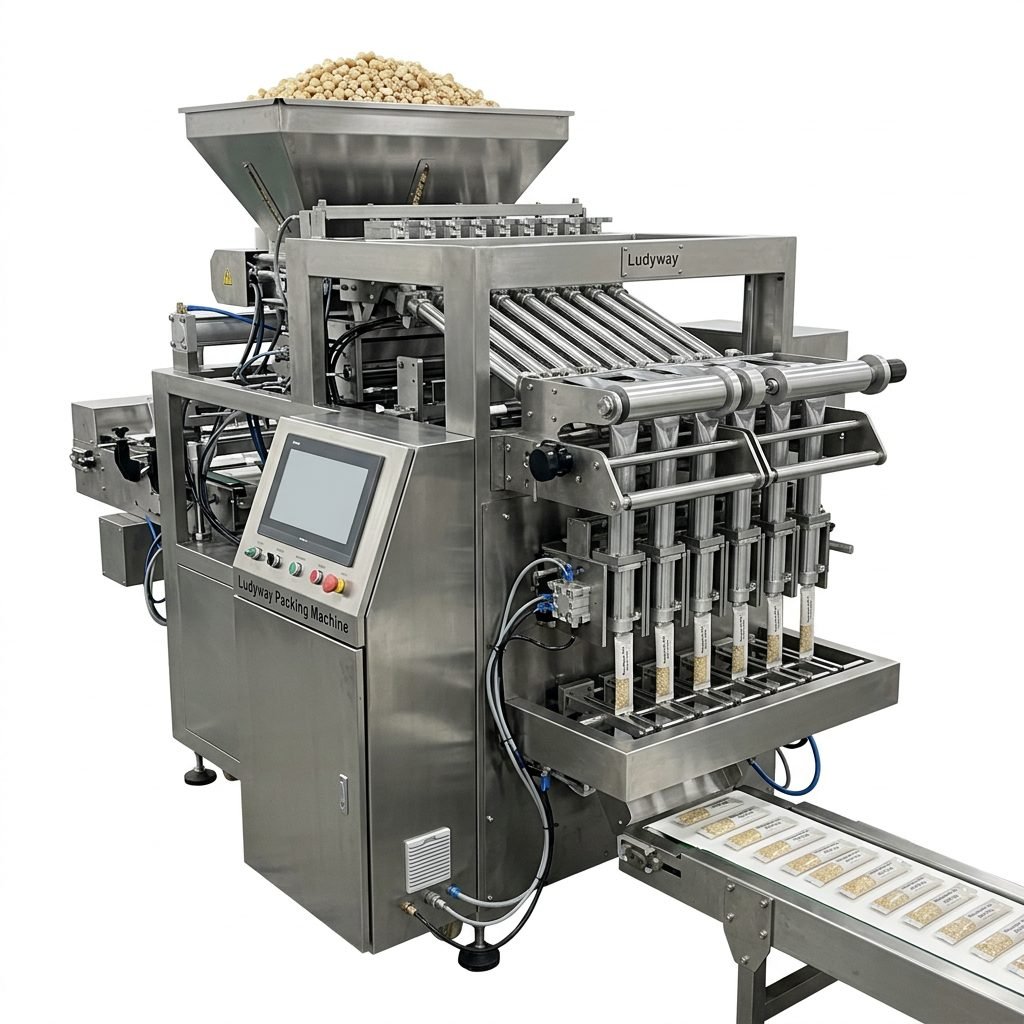
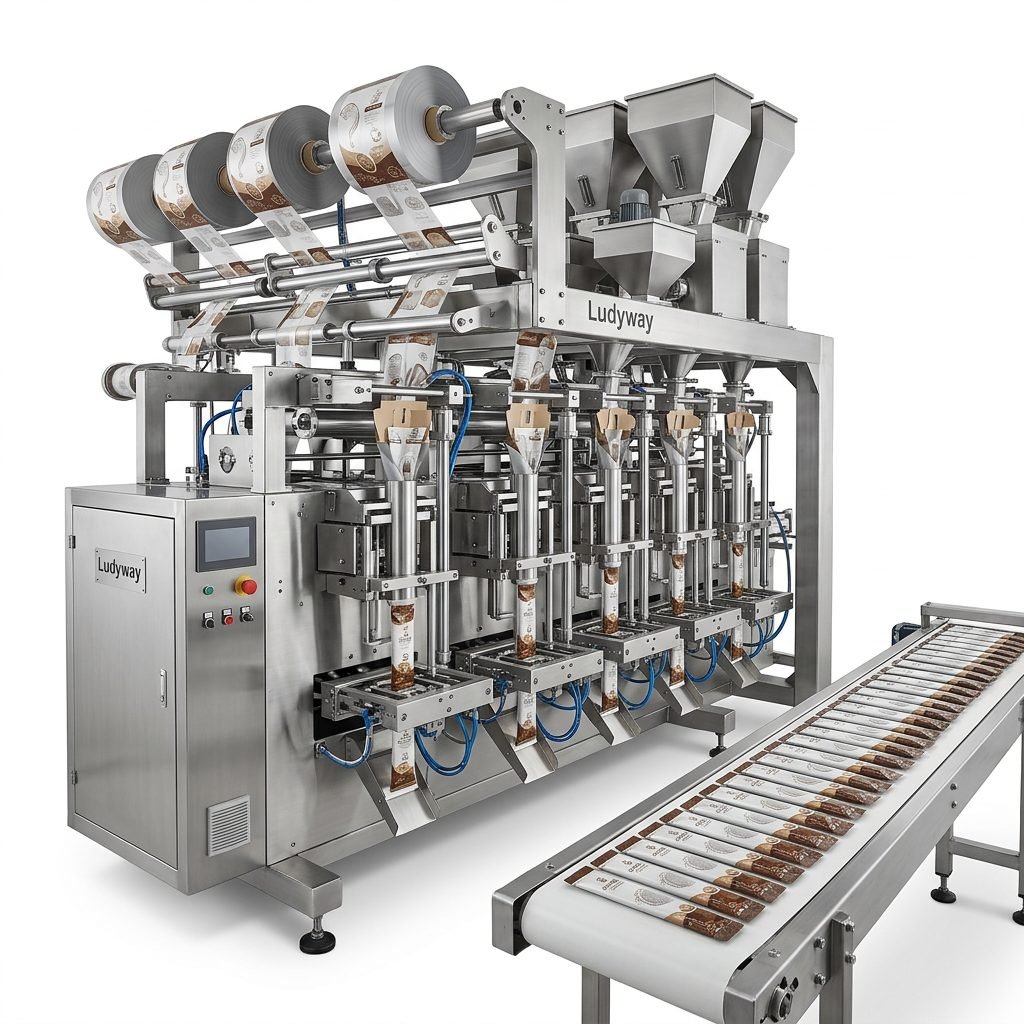
These are the most common machines for granular products like coffee. They form a bag from a roll of packaging film, fill it with the product, and then seal it. For drip coffee bags, they are often integrated with a filter paper feeding system and a tag attaching unit.
Best for: Medium to high-volume production of standard drip coffee bag formats.
2. Pre-Made Pouch Packaging Machines
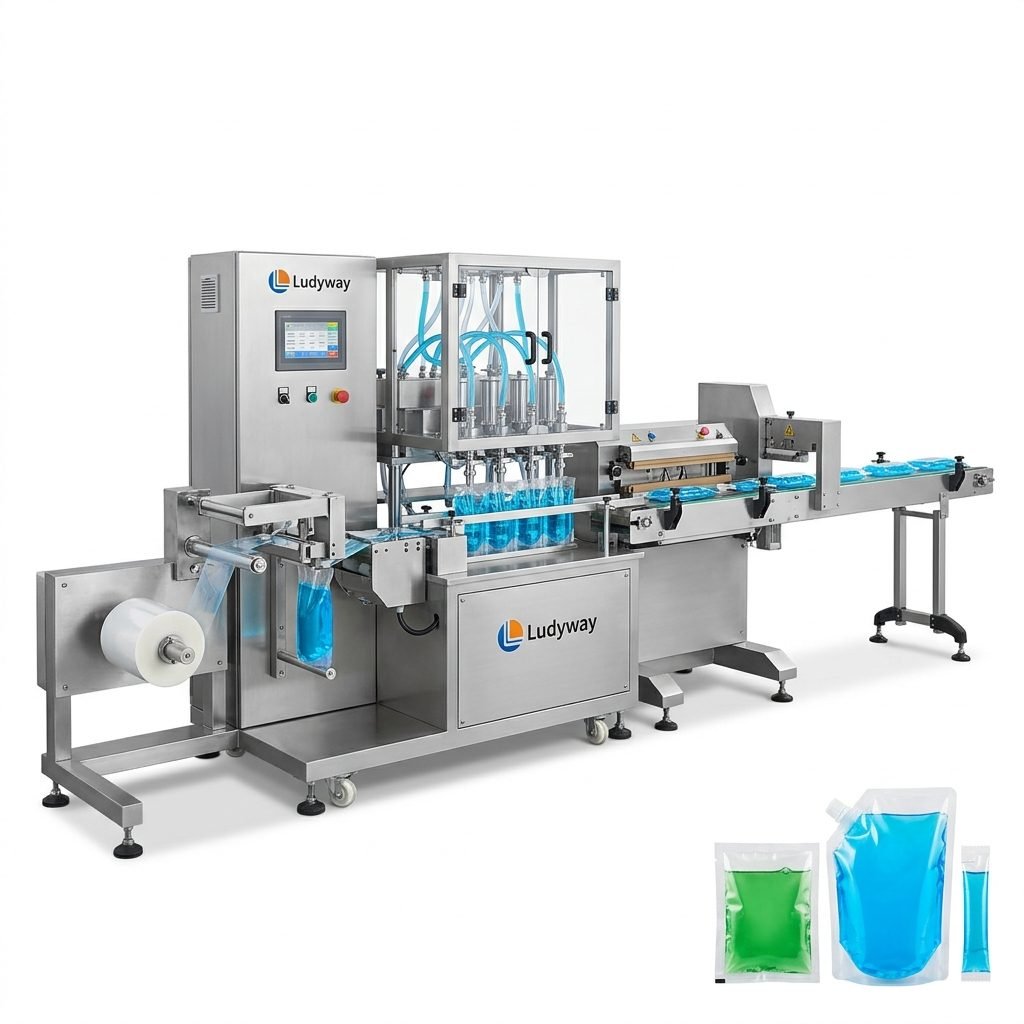
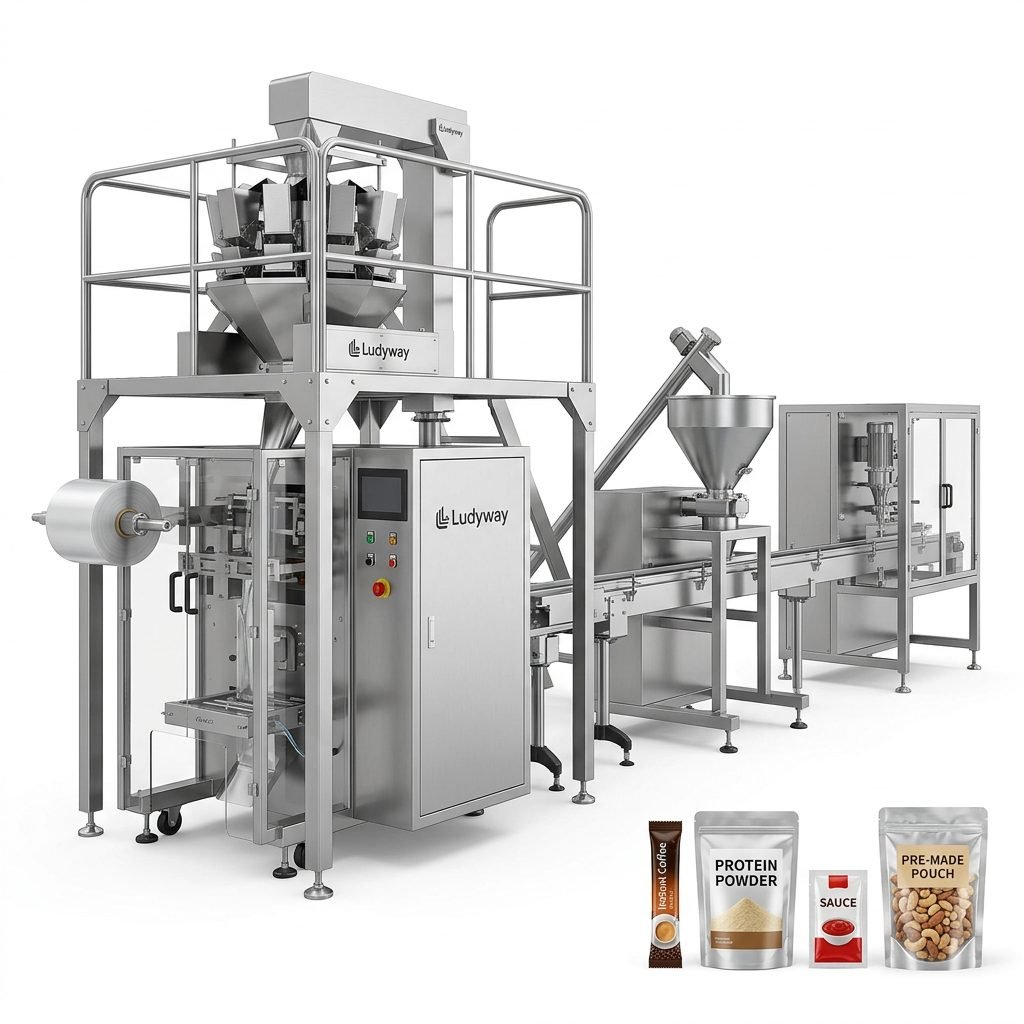
These machines use pre-manufactured, flat-bottom filter bags. The machine opens the bag, fills it with coffee, and then seals the top. This method is excellent for maintaining the bag’s precise shape and is often faster for complex bag structures.
Best for: High-end products where bag shape and presentation are paramount, or for businesses using custom-printed pre-made bags.
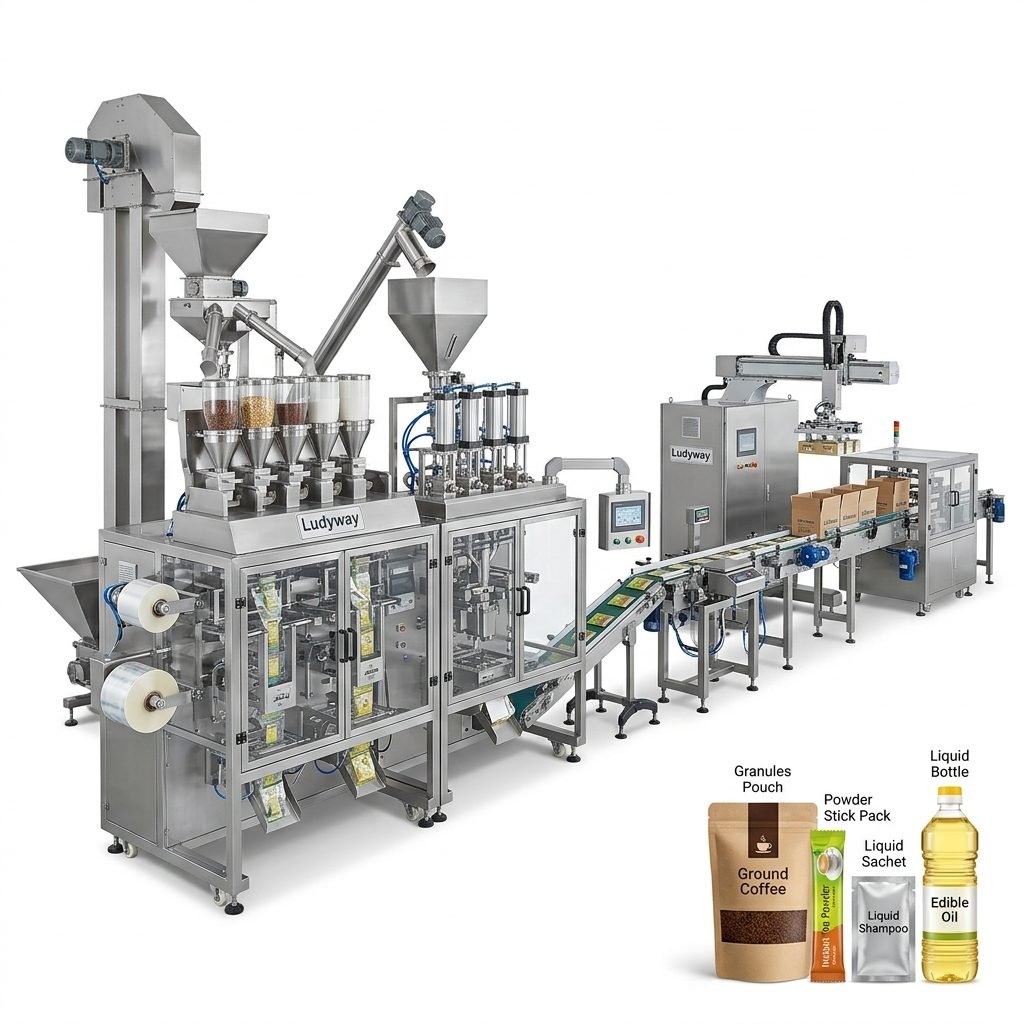
3. Integrated Turnkey Production Lines
This is a complete system that automates the entire process: forming the filter bag, filling coffee, sealing, attaching the string and tag, and even secondary packaging into cartons. It represents the highest level of automation.
Best for: Large-scale manufacturers requiring maximum output with minimal manual intervention.
Key Features to Evaluate
Beyond the machine type, several features directly impact performance, product quality, and operational efficiency.
Dosing System Accuracy
The heart of the machine. Look for a multi-head weigher or a precision auger filler capable of handling ground coffee’s varying density and achieving fill accuracy within ±0.5 grams. Inconsistent dosing leads to product giveaway and customer dissatisfaction.
Material Handling & Sealing
The machine must gently handle delicate filter paper and biodegradable materials. The sealing system (often heat seal) must create a strong, airtight seal without burning the material. Adjustable temperature and pressure controls are essential for different materials.
Automation & Customization
Consider machines that offer automatic tag feeding and string attachment. Modular designs allow you to add features like nitrogen flushing (for extended shelf life) or check-weighers later. Can the machine handle different bag sizes with quick changeovers?
Production Speed (Output)
Speed is measured in bags per minute (BPM). Match the machine’s maximum speed to your current and projected future needs. A VFFS machine might range from 40 to 120 BPM, while integrated lines can be faster.
Hygiene & Cleanability
Food-grade stainless steel contact parts, enclosed design to prevent dust, and easy-access panels for cleaning are non-negotiable features for food safety and compliance with standards.
How to Choose the Best Machine: A Step-by-Step Guide
Step 1: Analyze Your Product & Volume
Define your bag size, material (filter paper type, biodegradability), coffee grind size, and whether you need a string/tag. Calculate your required daily/weekly output. Be realistic about growth projections for the next 3-5 years.
Step 2: Set Your Budget
Budget includes the machine price, installation, training, and ongoing maintenance. While upfront cost is important, consider Total Cost of Ownership (TCO), which includes efficiency, downtime, and material waste.
Step 3: Research Reputable Suppliers
Look for suppliers with proven experience in coffee packaging machinery. Evaluate their industry reputation, technical support, availability of spare parts, and service network. Request client references and case studies. Companies like Ludyway Machinery, with deep expertise in granular packaging, can provide valuable insights and reliable solutions.
Step 4: Request Demos & Samples
Never buy based on specifications alone. Arrange a live or video demonstration using your actual coffee and packaging materials. Run the machine and evaluate the finished sample bags for seal quality, accuracy, and appearance.
Step 5: Evaluate After-Sales Support
The relationship with your supplier begins after purchase. Clarify warranty terms, training programs for your operators, lead times for spare parts, and the availability of remote or on-site technical support. A reliable partner ensures your packaging line runs smoothly for years.
Why Partner with a Specialized Packaging Expert?
Investing in a drip coffee bag machine is a significant step. Partnering with an expert like Ludyway Machinery brings advantages beyond the machine itself. With over 30 years of industry experience, they understand the nuances of coffee packaging—from preserving freshness to optimizing production flow. They offer more than 50 machine models and can provide customized turnkey solutions that integrate seamlessly into your operation, ensuring you get a system tailored to your exact needs, not an off-the-shelf compromise. Their global service network means support is always available, a crucial factor for maintaining continuous production.
Final Considerations Before Purchase
Think about factory space, power requirements, and operator skill level. Discuss future-proofing: can the machine be upgraded? Ensure the supplier provides comprehensive documentation and operational manuals. A thoughtful selection process mitigates risk and lays the foundation for a successful, scalable packaging operation.
Frequently Asked Questions (FAQs)
What is the typical production speed for a drip coffee bag machine?
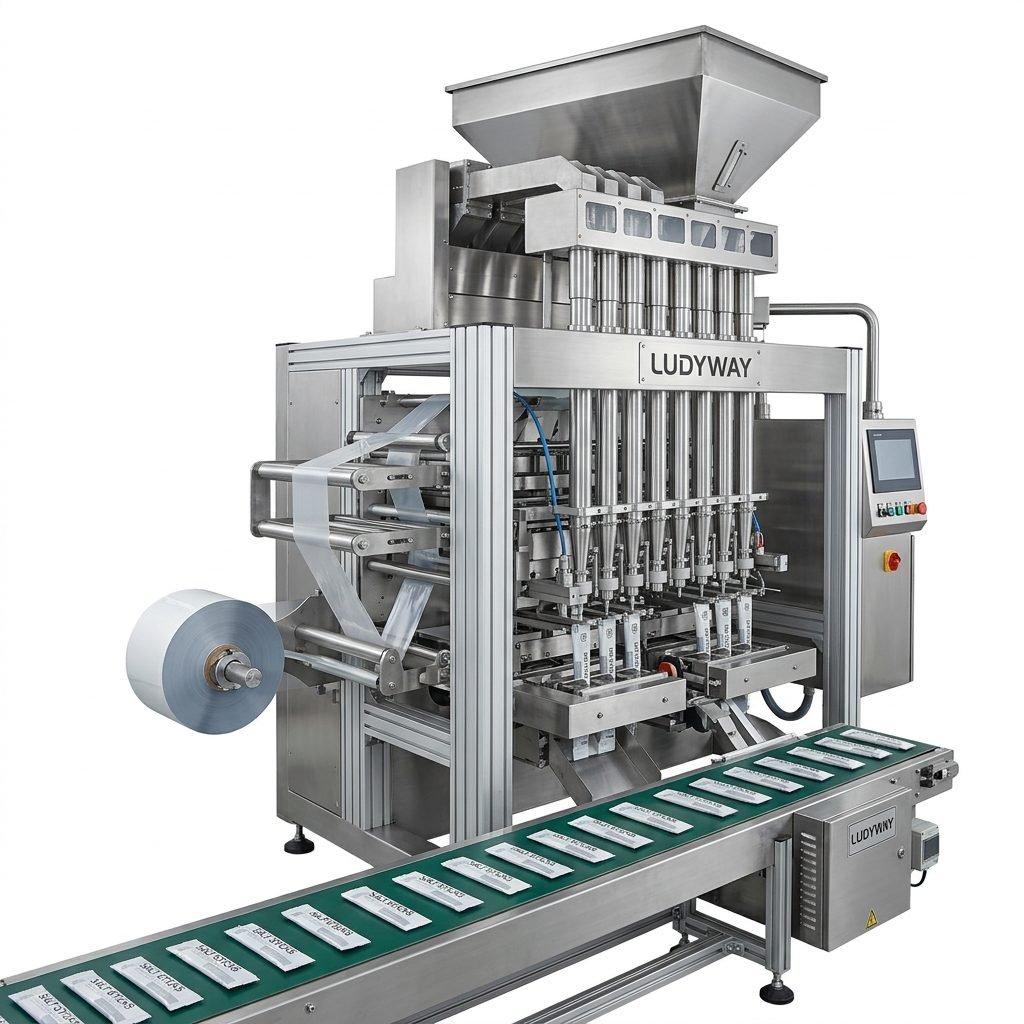
Speeds vary widely. A standard single-lane VFFS machine might produce 40-70 bags per minute (BPM). More advanced multi-lane or integrated systems from suppliers like Ludyway can reach 120+ BPM. Your required speed should be based on your target output volume.
Can one machine handle different bag sizes and coffee blends?
Yes, most modern machines are designed for quick changeover. Look for machines with easy-to-adjust sealing jaws, programmable recipes for different products, and tool-less change parts. This flexibility is key for producing multiple SKUs efficiently.
How important is nitrogen flushing for drip coffee bags?
Nitrogen flushing displaces oxygen inside the bag, significantly slowing down oxidation and staling. It is highly recommended for maximizing shelf life and preserving peak flavor, especially for premium products or bags destined for longer distribution chains.
What maintenance does these machines require?
Regular daily cleaning is essential. Periodic maintenance includes lubricating moving parts, checking seal bar alignment, and calibrating the weighing system. A good supplier will provide a maintenance schedule and training for your team.
What is the lead time for a custom packaging line?
Lead times depend on the machine’s complexity and customization. A standard model may ship in 8-12 weeks, while a fully customized turnkey line can take 4-6 months from order to installation. Clear communication with your supplier about timelines is crucial for planning.