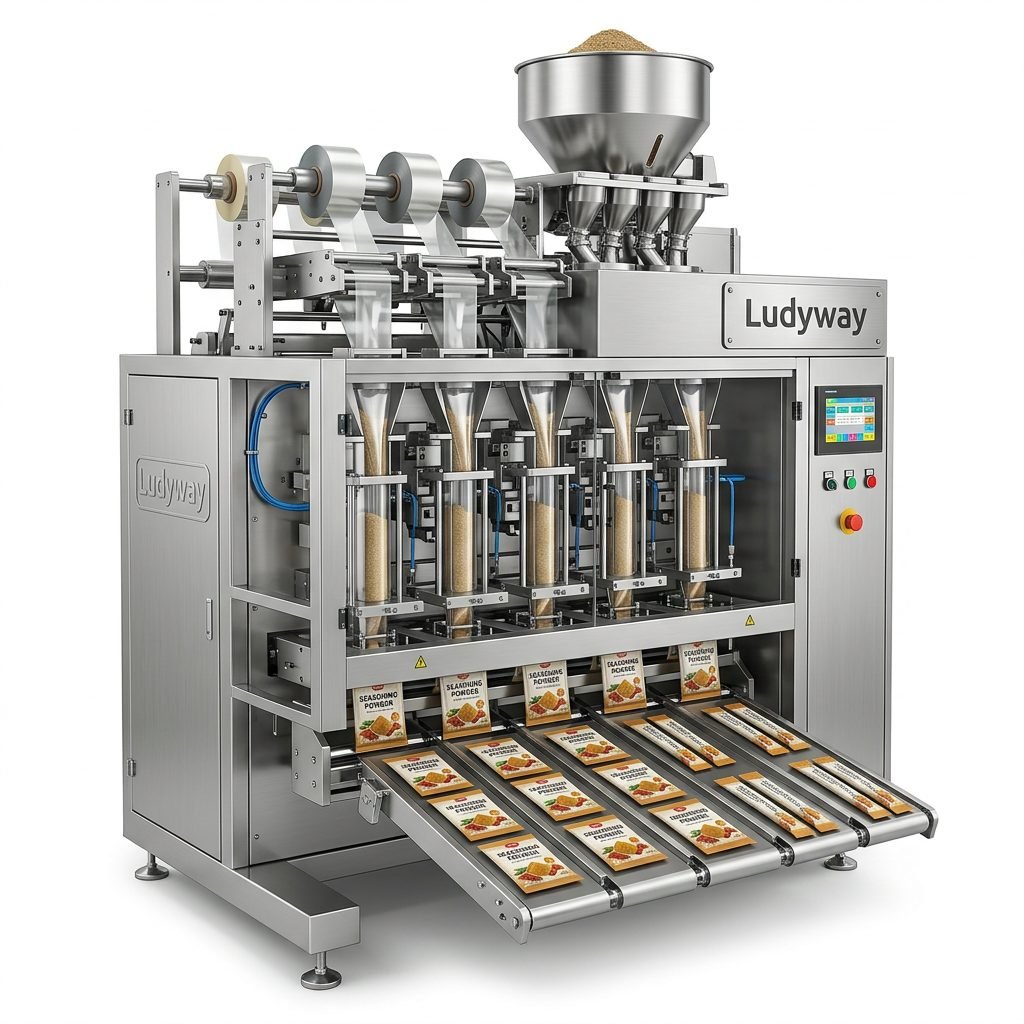
Launching a potato chip packaging operation in the United States requires careful planning, the right machinery, and a clear understanding of both capital investment and regulatory requirements. Whether you are a startup snack brand or an established food manufacturer expanding into flexible packaging, setting up an efficient potato chip packaging line can significantly impact your product quality, shelf life, and overall profitability. This guide walks you through the essential equipment, estimated costs, and step-by-step process to help you make informed decisions.
Understanding the U.S. Potato Chip Packaging Market
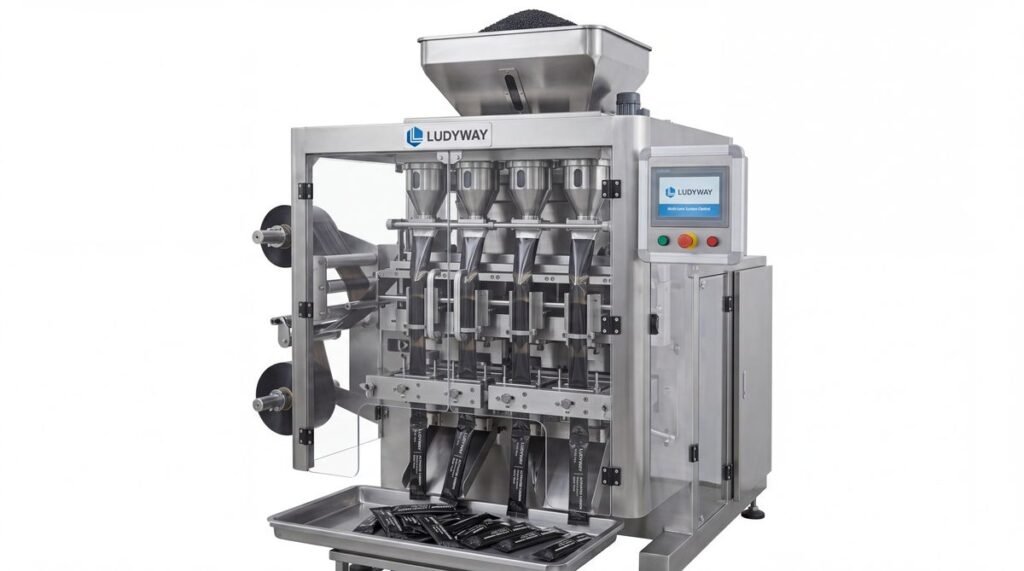
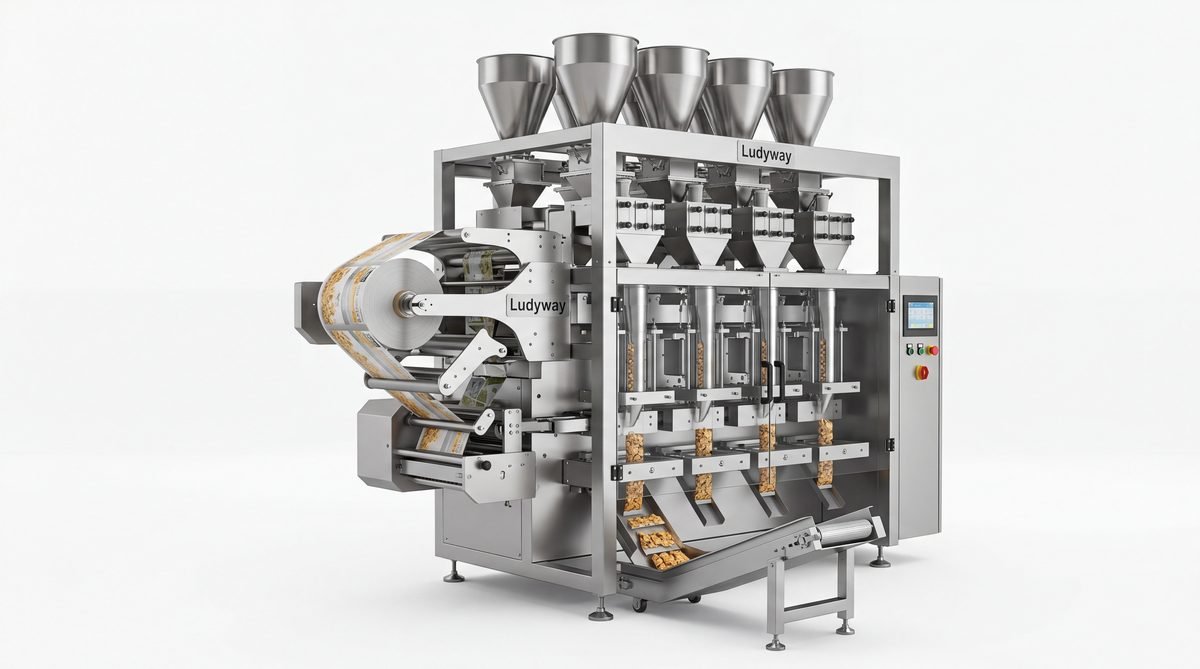
The U.S. snack food industry is one of the largest in the world, with potato chips accounting for a substantial portion of salty snack sales. According to industry data from the PMMI Business Intelligence Library, the demand for flexible packaging solutions continues to grow as consumers seek convenience, portion control, and extended freshness. When setting up your packaging line, you must consider not only the production capacity but also packaging formats—from traditional pillow bags to stand-up pouches and multi-lane stick packs.
Essential Equipment for a Potato Chip Packaging Line
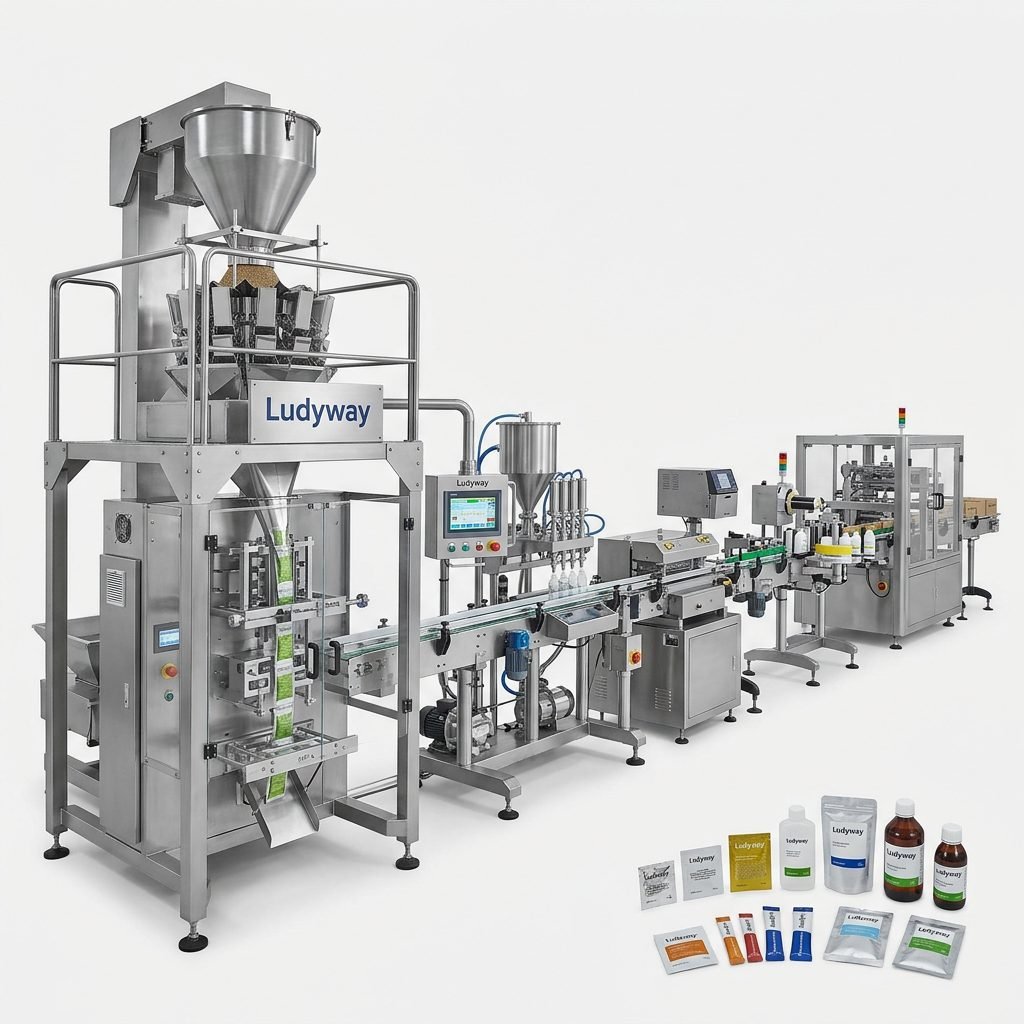
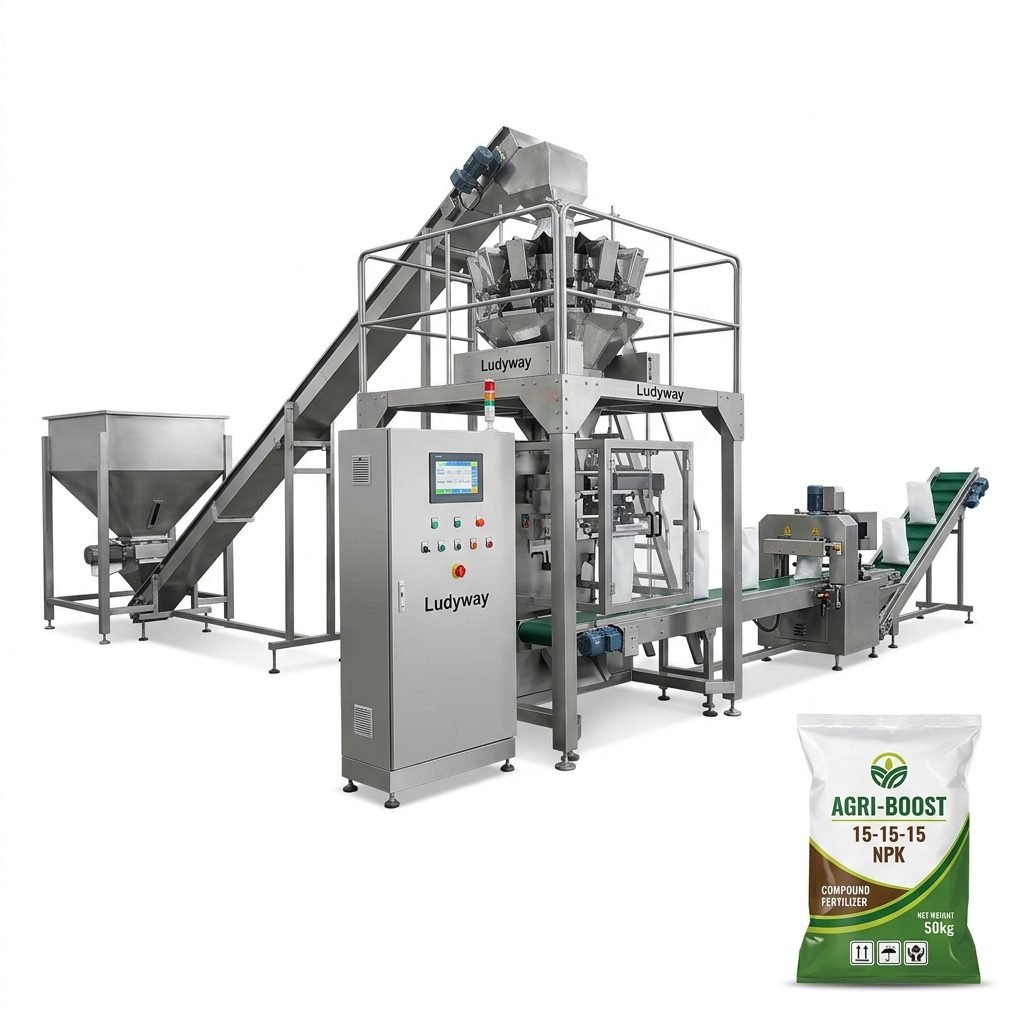
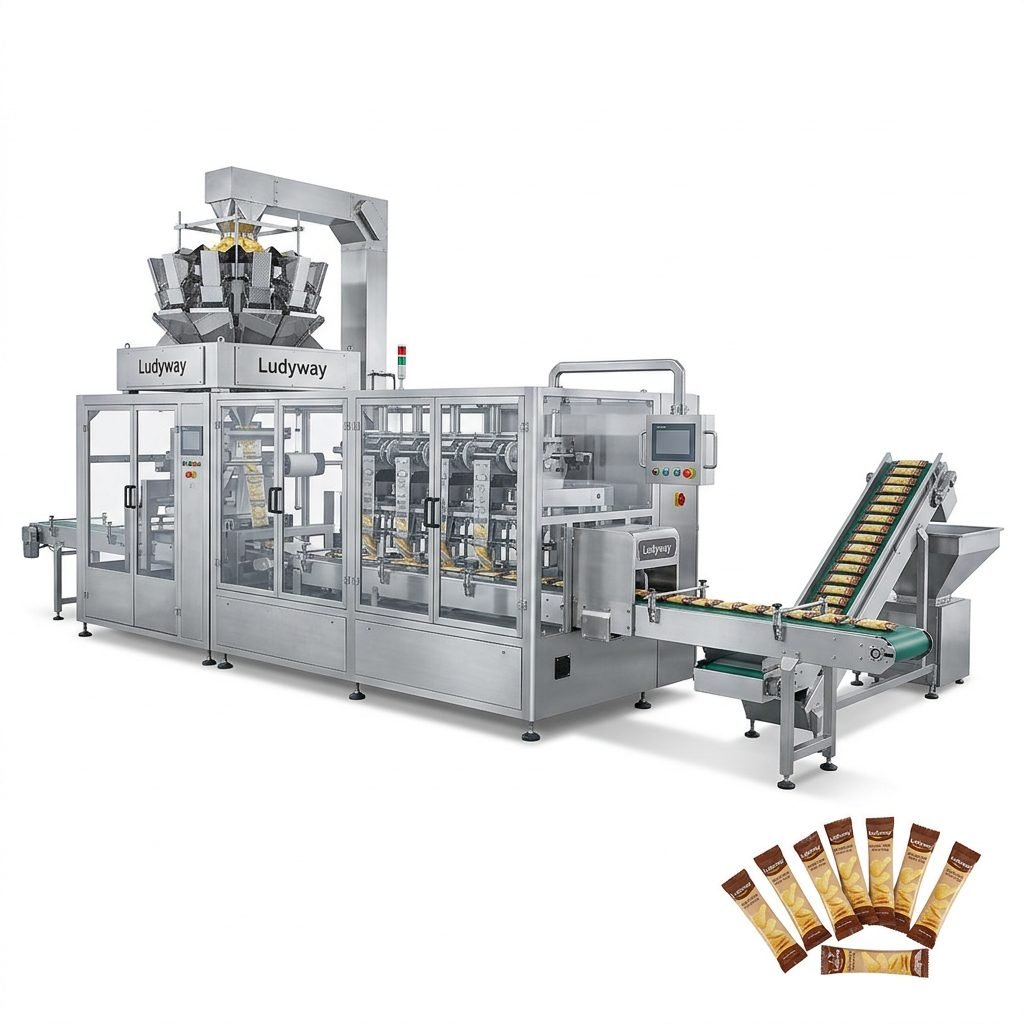
A complete potato chip packaging line consists of several integrated machines working in sequence. Below is a breakdown of the core equipment you will need, from feeding to final case packing.
Core Machinery Overview
| Equipment | Primary Function | Key Considerations |
|---|---|---|
| Inclined Conveyor / Bucket Elevator | Transports bulk chips from frying/cooling to the weighing system | Gentle handling to minimize breakage; food-grade stainless steel |
| Multi-Head Weigher | Accurately portions chips into target weights | Speed, accuracy (±1-2g), and compatibility with fragile products |
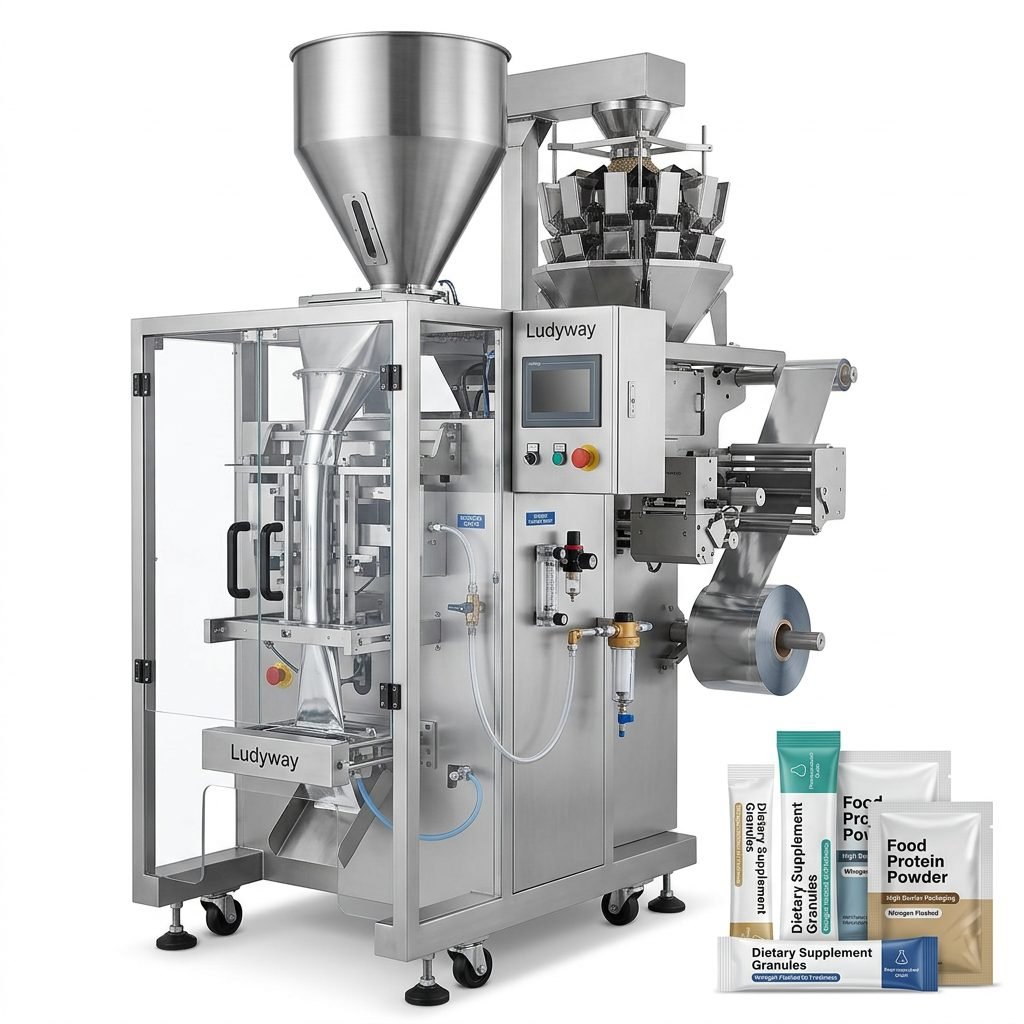
| Vertical Form Fill Seal (VFFS) Machine | Forms bags from roll film, fills with chips, and seals | Film compatibility, nitrogen flushing capability, bag styles supported |
| Nitrogen Flushing System | Injects nitrogen to displace oxygen for freshness | Essential for chip packaging; ensures crispness and shelf life |
| Checkweigher & Metal Detector | Quality control—rejects underweight packs and detects contaminants | Compliance with FDA food safety regulations |
| Date Coding / Inkjet Printer | Prints expiration dates, lot codes, and barcodes | High-resolution print; compliance with FDA labeling requirements |
| Case Packer / Cartoning Machine | Packs finished bags into shipping cartons or retail boxes | Automation level; compatibility with case dimensions |
| Palletizing System | Stacks cartons onto pallets for warehouse storage | Robotic vs. conventional; throughput requirements |
Step-by-Step: How to Set Up Your Potato Chip Packaging Line
Step 1: Define Your Production Requirements
Before purchasing any equipment, determine your target output—how many bags per minute or per day you need. Consider package sizes (from snack-size 28g to family-size 255g+), bag formats, and the types of chips you produce (regular, kettle-cooked, baked). This foundational step determines the scale and configuration of your entire line.
Step 2: Facility Planning and Layout Design
Your packaging facility must meet FDA food manufacturing standards, including proper zoning to prevent cross-contamination, adequate ventilation, and food-grade flooring. Work with an engineer to design an efficient layout that minimizes material handling and allows for future expansion. Consider ceiling height, utility connections (compressed air, nitrogen, electrical), and workflow from production to warehouse.
Step 3: Select and Procure Equipment
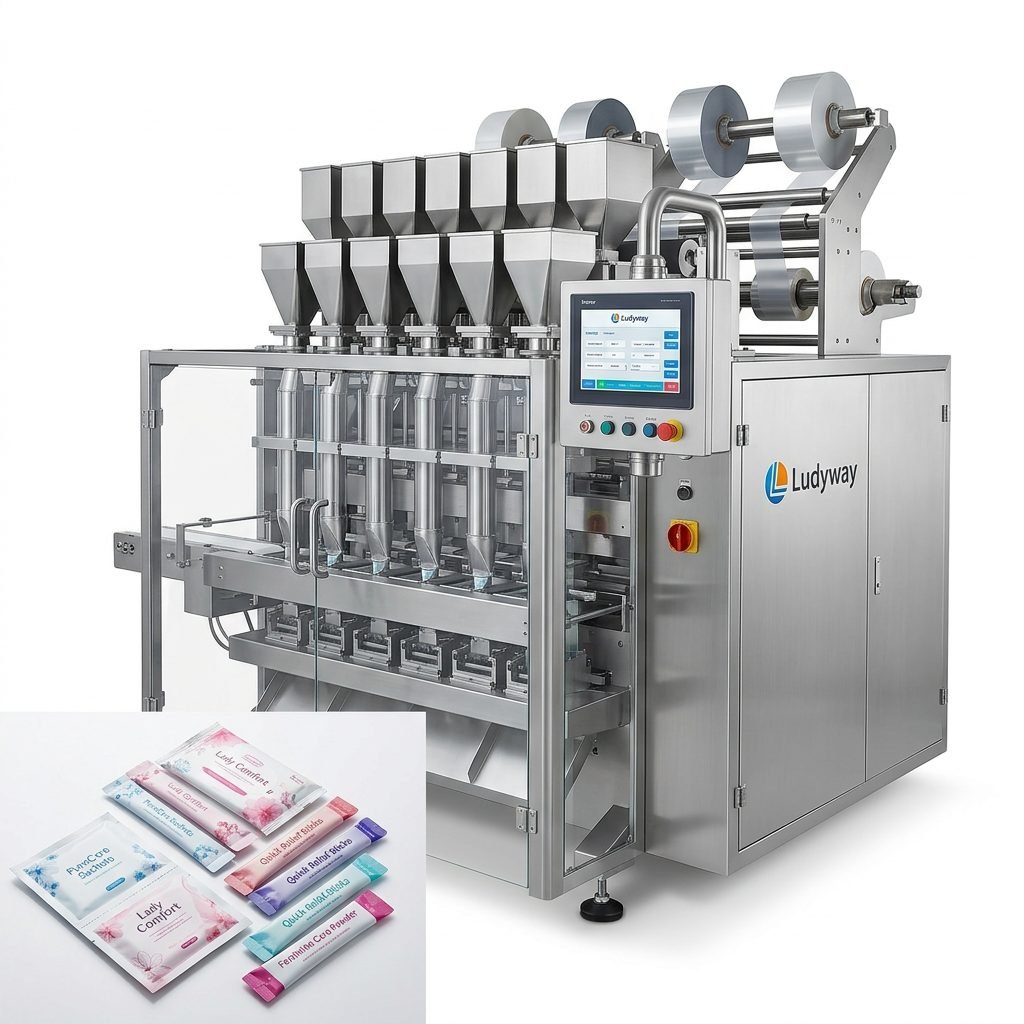
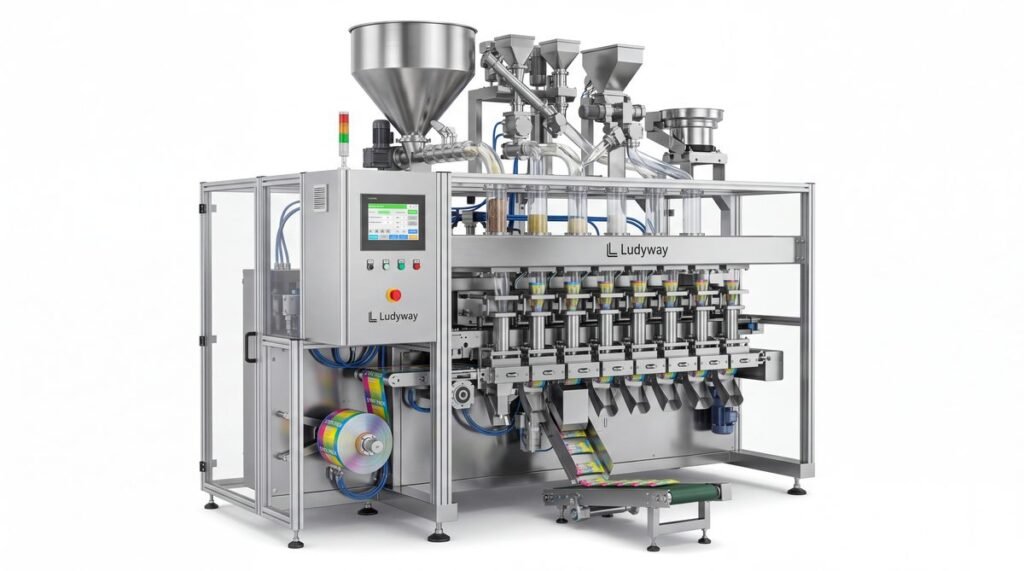
Choose equipment that matches your production goals and budget. Key factors include machine speed, changeover time between product formats, serviceability, and parts availability in the U.S. market. Look for suppliers with a proven track record and local support capabilities. For companies seeking turnkey packaging solutions, some manufacturers offer complete integrated lines including multi-lane stick pack and sachet systems suitable for snack products.
Step 4: Installation and Commissioning
Professional installation is critical to ensure all machines are properly aligned, calibrated, and synchronized. This phase typically includes:
- Mechanical assembly and electrical connections
- Software configuration and PLC programming
- Test runs with actual product to fine-tune settings
- Operator training on daily operation and basic troubleshooting
Step 5: Validation and Quality Testing
Run a full production validation to verify that your line meets output targets, weight accuracy, seal integrity, and oxygen residual levels. Document all results for regulatory compliance. Conduct shelf-life testing on packaged products to ensure nitrogen flushing effectiveness.
Step 6: Staff Training and SOP Development
Develop comprehensive Standard Operating Procedures (SOPs) covering startup, operation, cleaning, changeover, and shutdown. Train operators thoroughly. Well-trained staff reduce downtime and maintain consistent packaging quality.
Estimated Costs for a U.S. Potato Chip Packaging Line
Costs can vary significantly based on automation level, production capacity, and brand preferences. The table below provides estimated ranges for a mid-range setup suitable for small to medium-sized producers.
| Cost Category | Estimated Range (USD) | Notes |
|---|---|---|
| Conveying & Feeding Systems | $15,000 – $35,000 | Bucket elevator, incline conveyor |
| Multi-Head Weigher (10–14 heads) | $25,000 – $60,000 | Depends on speed and accuracy grade |
| VFFS Packaging Machine | $40,000 – $120,000 | Single-lane to multi-lane; nitrogen flush included |
| Quality Control Systems | $20,000 – $50,000 | Checkweigher, metal detector, vision inspection |
| Date Coding & Labeling | $5,000 – $15,000 | Inkjet or thermal transfer printer |
| Case Packing & Palletizing | $50,000 – $150,000 | Semi-automatic to fully robotic options |
| Installation & Commissioning | $15,000 – $40,000 | Includes travel, setup, and training |
| Facility Modifications | $20,000 – $80,000 | Utilities, flooring, ventilation upgrades |
| Total Estimated Investment | $190,000 – $550,000+ | For a complete mid-range line |
Note: These figures are estimates and can vary based on equipment origin, customization, and installation complexity. For high-speed, fully automated lines producing 150+ bags per minute, total investment can exceed $1 million.

Regulatory and Compliance Considerations
Operating a food packaging line in the U.S. requires adherence to several regulatory frameworks. The FDA’s regulations on food contact substances govern packaging materials that touch food products. Additionally, your facility must comply with:
- FSMA (Food Safety Modernization Act) preventive controls and hazard analysis requirements
- GMP (Good Manufacturing Practices) as outlined in 21 CFR Part 117
- State-level food processing regulations, which may vary by location
- OSHA workplace safety standards for machine guarding and employee protection
Packaging Materials and Sustainability
The U.S. market increasingly demands sustainable packaging options. According to the Flexible Packaging Association, recyclable and compostable films are gaining traction. When selecting your VFFS machine, ensure it is compatible with the film types you plan to use—including mono-material recyclable structures, bio-based films, and traditional multi-layer laminates. The EPA’s Sustainable Materials Management program offers guidance on reducing packaging waste.
Selecting the Right Equipment Partner
Choosing the right equipment supplier is one of the most critical decisions you will make. Look for manufacturers with proven experience in snack food packaging, responsive after-sales support, and a track record of successful installations in North America. Ludyway, one of the largest packaging machine manufacturers with over 30 years of industry experience, offers more than 50 intelligent packaging machine models and has served customers in over 100 countries and regions—providing turnkey solutions for granule, powder, and liquid packaging applications including snack foods. Their expertise in multi-lane stick pack and sachet systems makes them a notable option for businesses seeking reliable, cost-effective equipment for the U.S. market.
Common Challenges and How to Overcome Them
- Product Breakage: Use gentle handling conveyors and minimize drop heights during weighing and filling stages.
- Seal Integrity Issues: Regularly inspect sealing jaws, maintain consistent temperature, and use high-quality film.
- Weight Inconsistency: Calibrate multi-head weighers daily and adjust feed rates based on product characteristics.
- Moisture and Staleness: Invest in a reliable nitrogen flushing system and verify oxygen residual levels during production runs.
Frequently Asked Questions
How long does it take to set up a potato chip packaging line?
From order to full production, expect 4 to 8 months depending on equipment lead times, facility readiness, and installation complexity. Custom-built lines may take longer.
Can I start with a semi-automatic line and upgrade later?
Yes, many manufacturers start with a semi-automatic setup and gradually add automation as sales volume grows. Ensure your initial equipment allows for future integration with upstream and downstream machines.
What is the ideal production speed for a small-to-medium chip brand?
A line producing 40–80 bags per minute is typically sufficient for regional and emerging national brands. This range balances investment cost with meaningful throughput.
Do I need nitrogen flushing for potato chips?
Yes. Nitrogen flushing is critical to displace oxygen, prevent oxidation of oils, and maintain crispness. Without it, shelf life is dramatically reduced.
Key Takeaways
Setting up a potato chip packaging line in the USA is a significant but manageable investment when approached systematically. Start by clearly defining your production goals, budget, and packaging format preferences. Invest in quality equipment that meets FDA requirements, and prioritize features like nitrogen flushing, accurate weighing, and reliable sealing. Partner with an experienced equipment supplier who can provide ongoing technical support. With proper planning and execution, your packaging line will deliver consistent quality, efficient throughput, and a strong foundation for business growth in the competitive U.S. snack market.