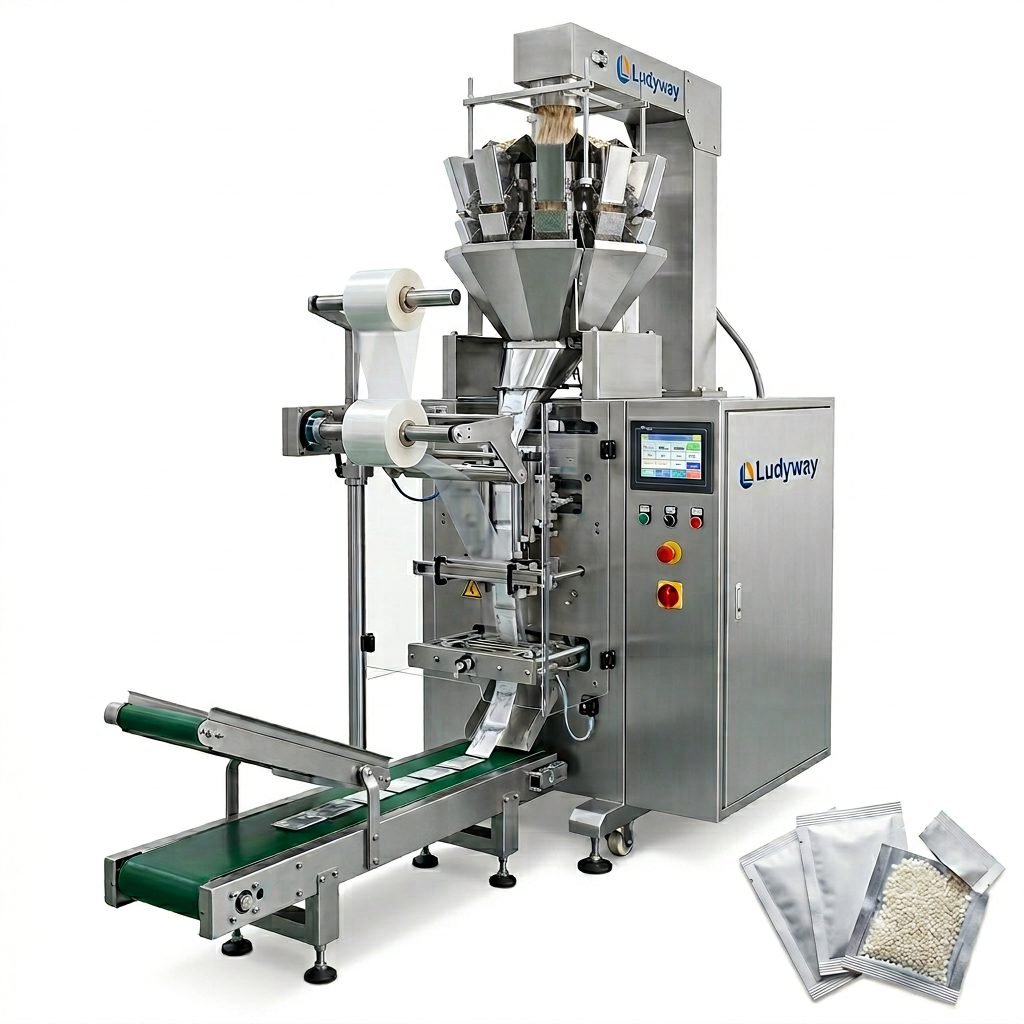
The U.S. cooking oil market is experiencing significant shifts driven by health-conscious consumers and rising demand for convenient, portion-controlled packaging. Establishing a cooking oil packaging line requires navigating a complex landscape of equipment sourcing, FDA compliance, and significant capital investment. This guide provides a detailed walkthrough of the machinery, financial planning, and operational steps needed to launch a successful liquid packaging operation in the United States.
Understanding U.S. Market Entry and Regulatory Gatekeepers
Before purchasing a single machine, you must secure your facility’s regulatory standing. Unlike general food packaging, oils present unique challenges related to oxidation and contamination. FDA registration is mandatory, and your facility must adhere to the Food Safety Modernization Act (FSMA) guidelines, which emphasize preventive controls rather than reactive measures. Your food contact substances must also be certified as safe for their intended use. Additionally, understanding PMMI industry standards helps align your packaging line with current technological benchmarks. The labeling requirements enforced by the FDA, including nutritional facts panels and allergen declarations, are stringent, making high-precision labeling machinery an absolute necessity rather than a luxury.
Core Equipment Selection for a Liquid Oil Line
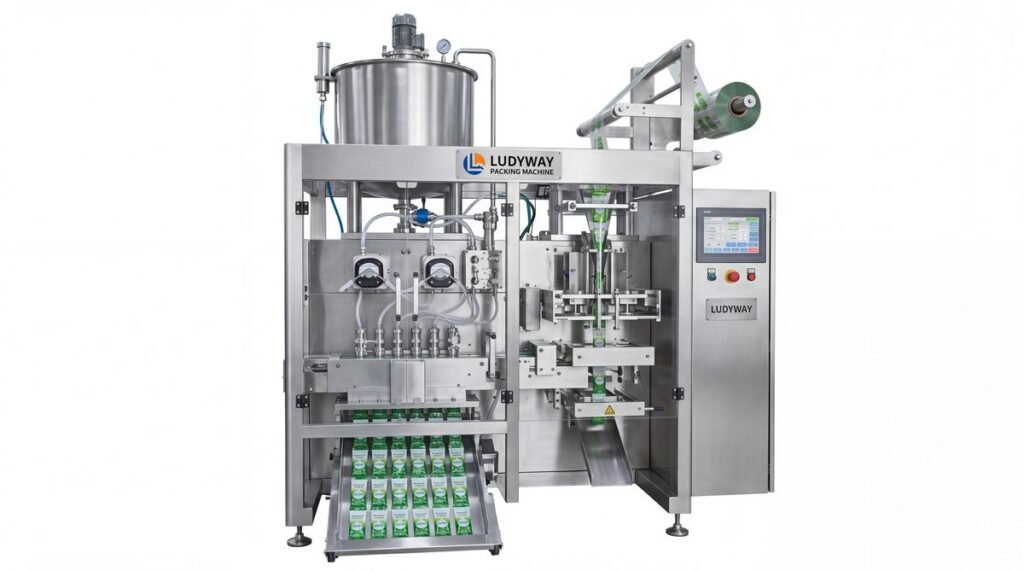
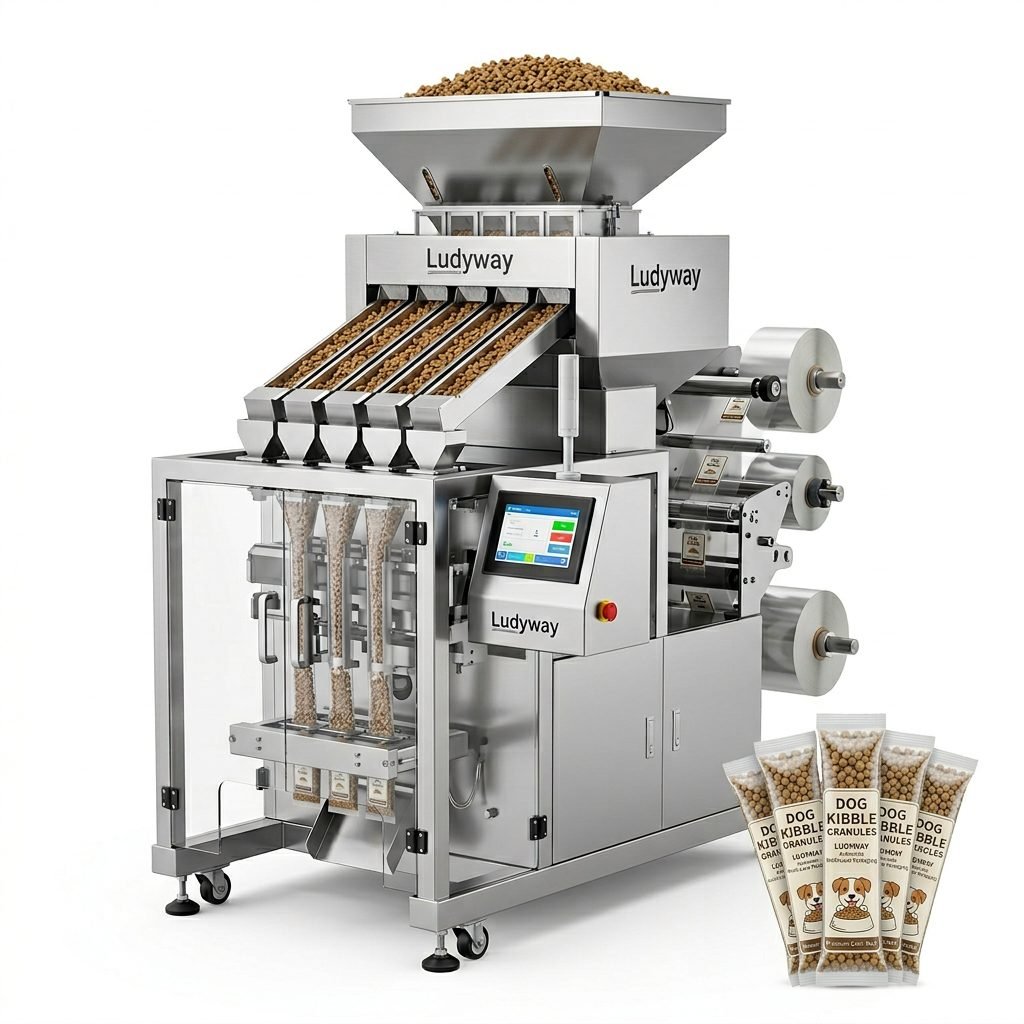
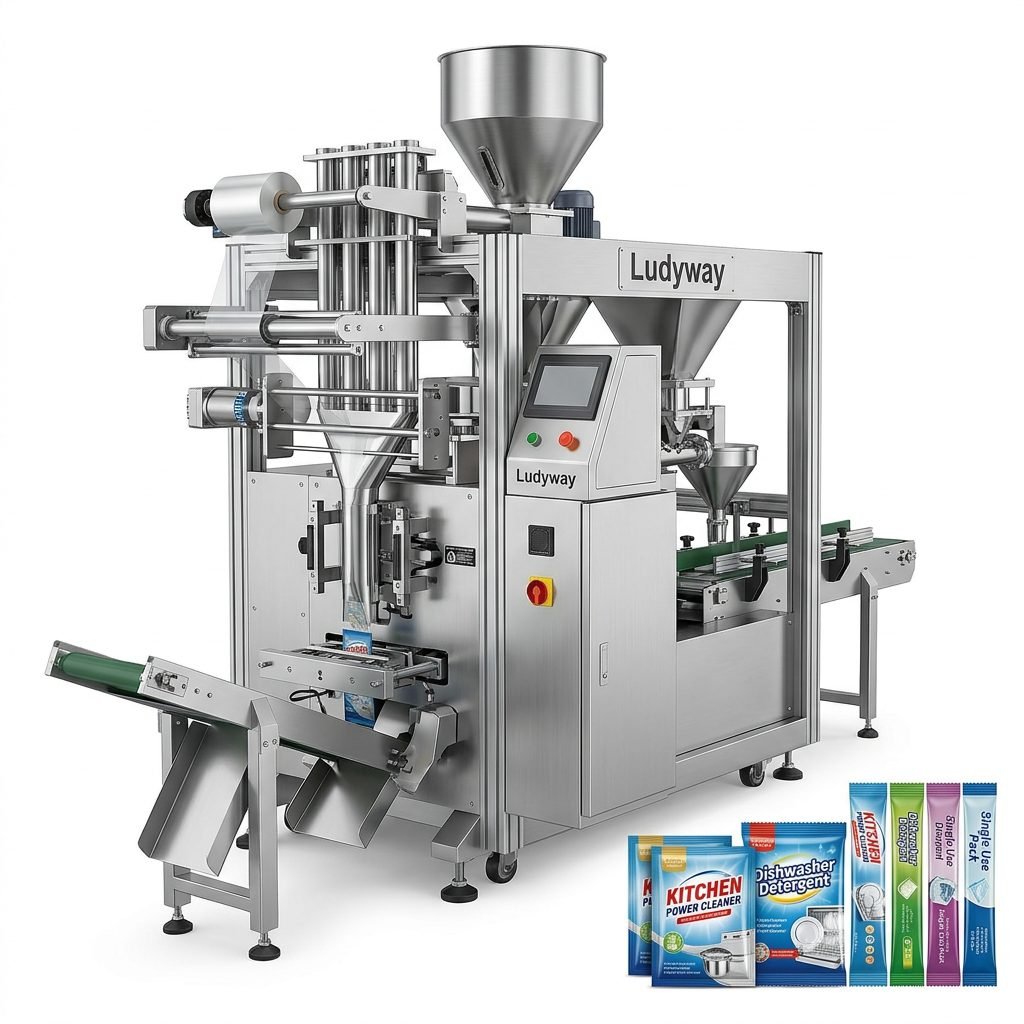
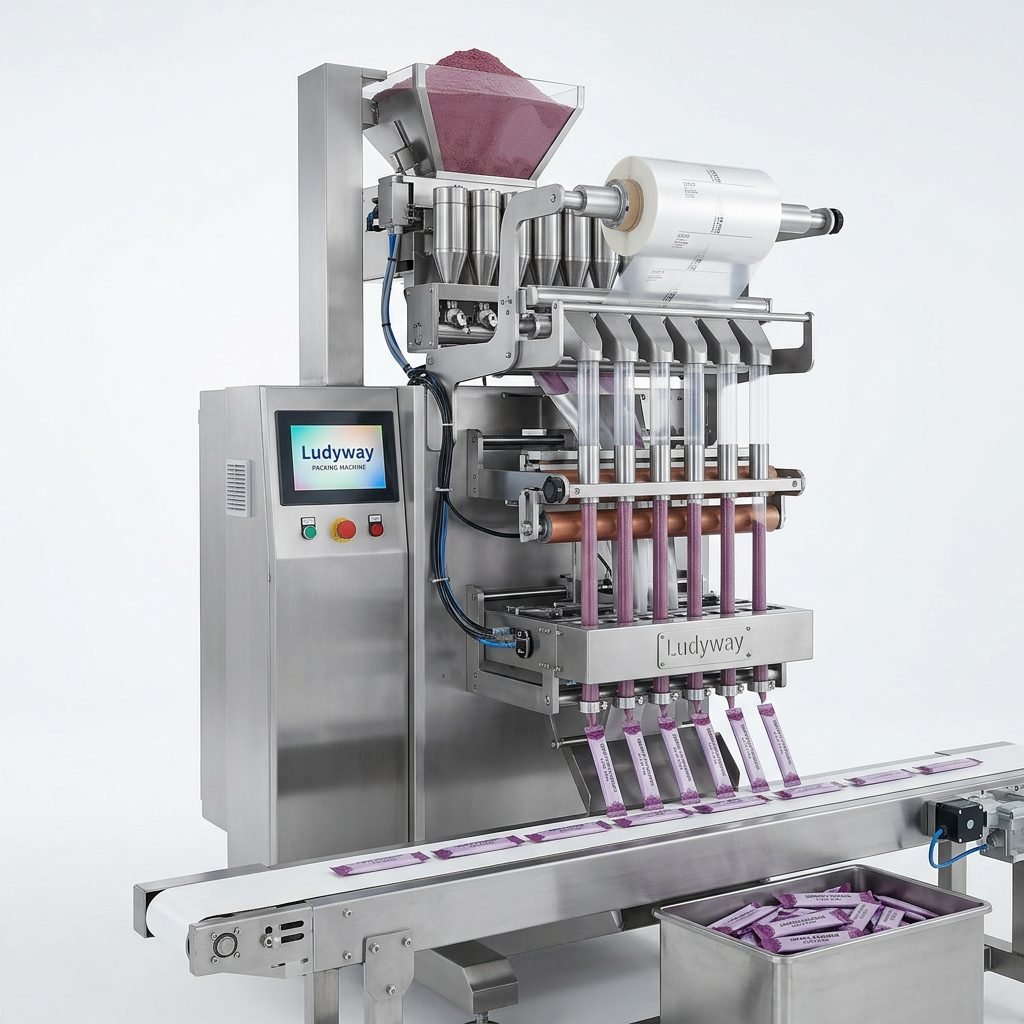
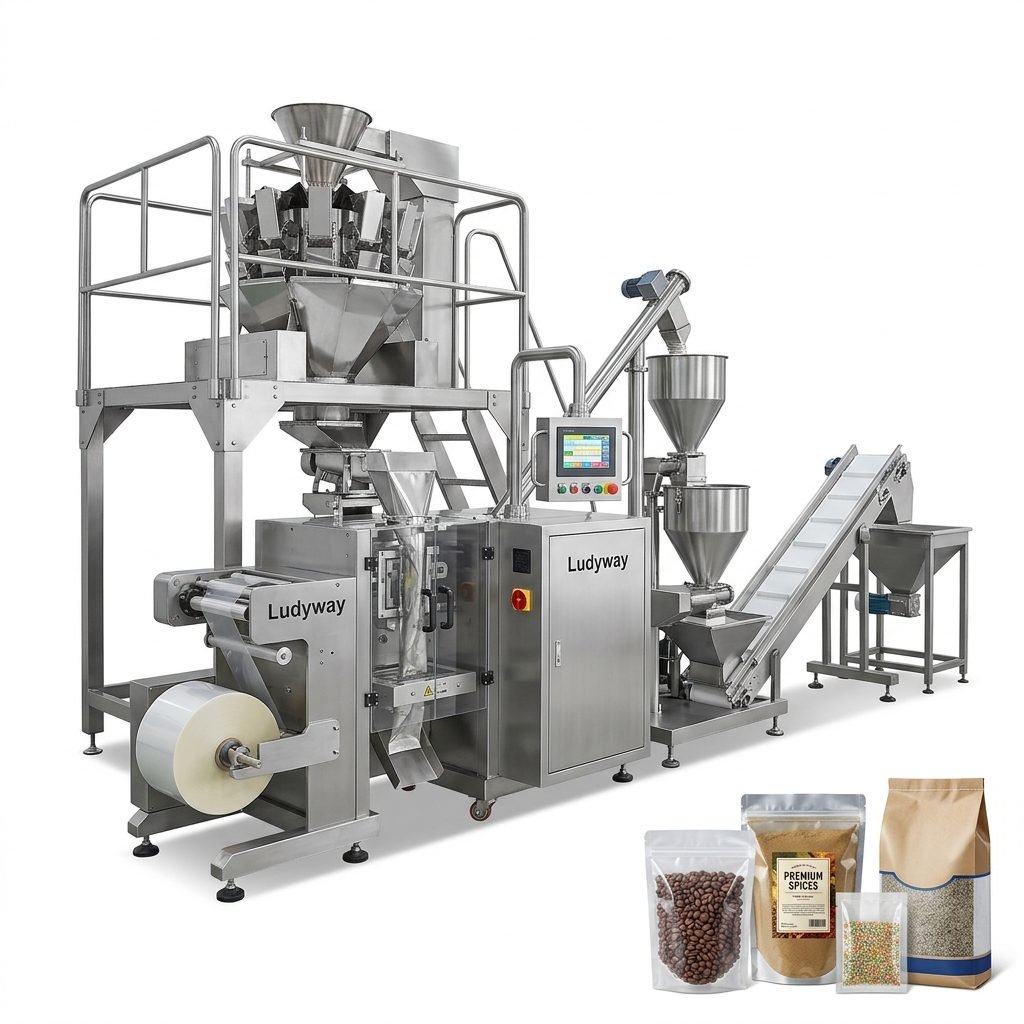
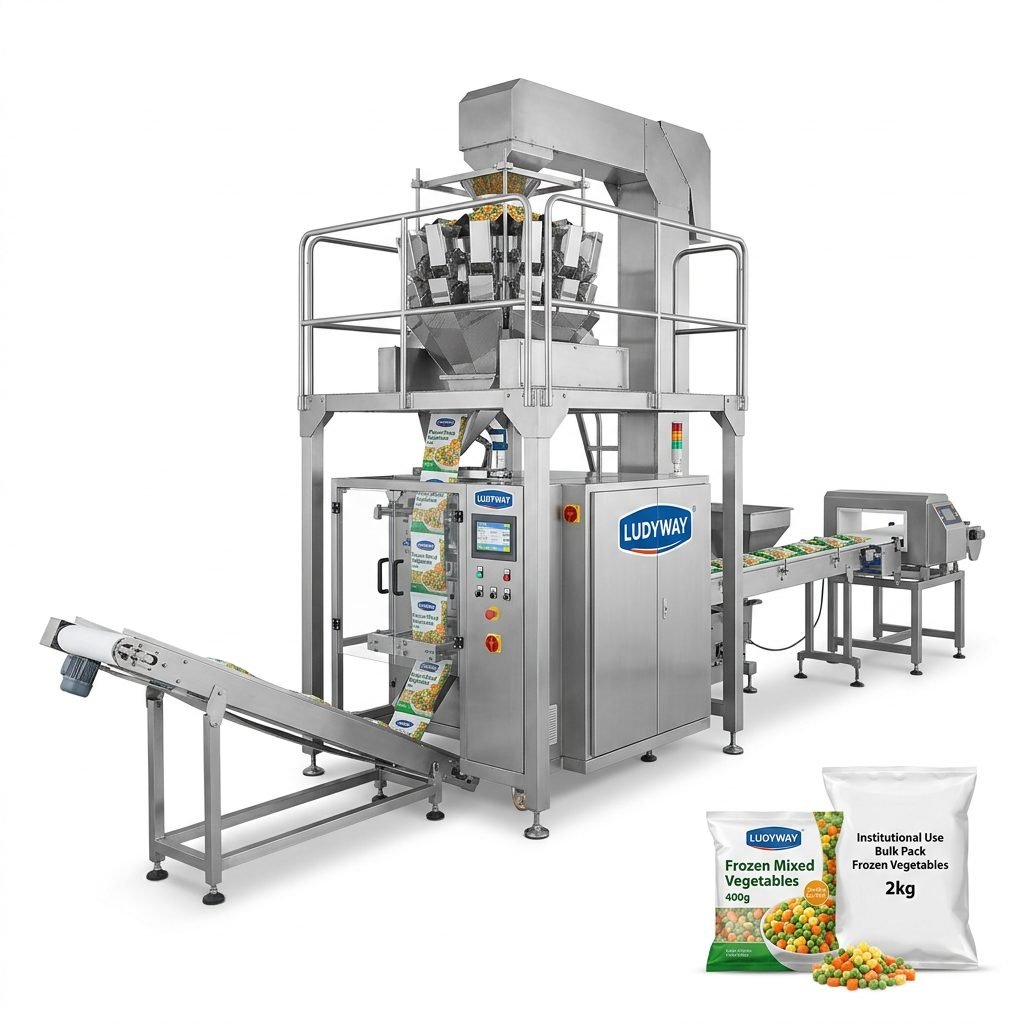
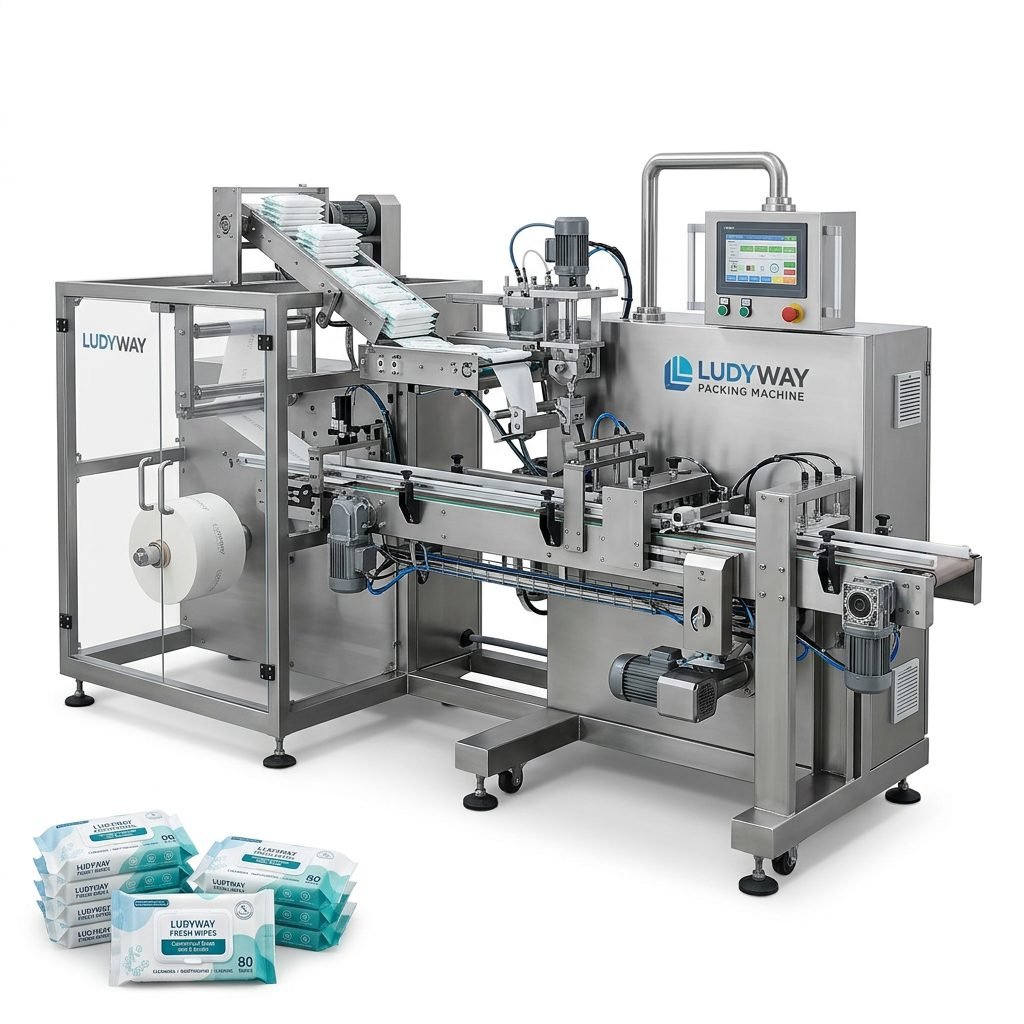
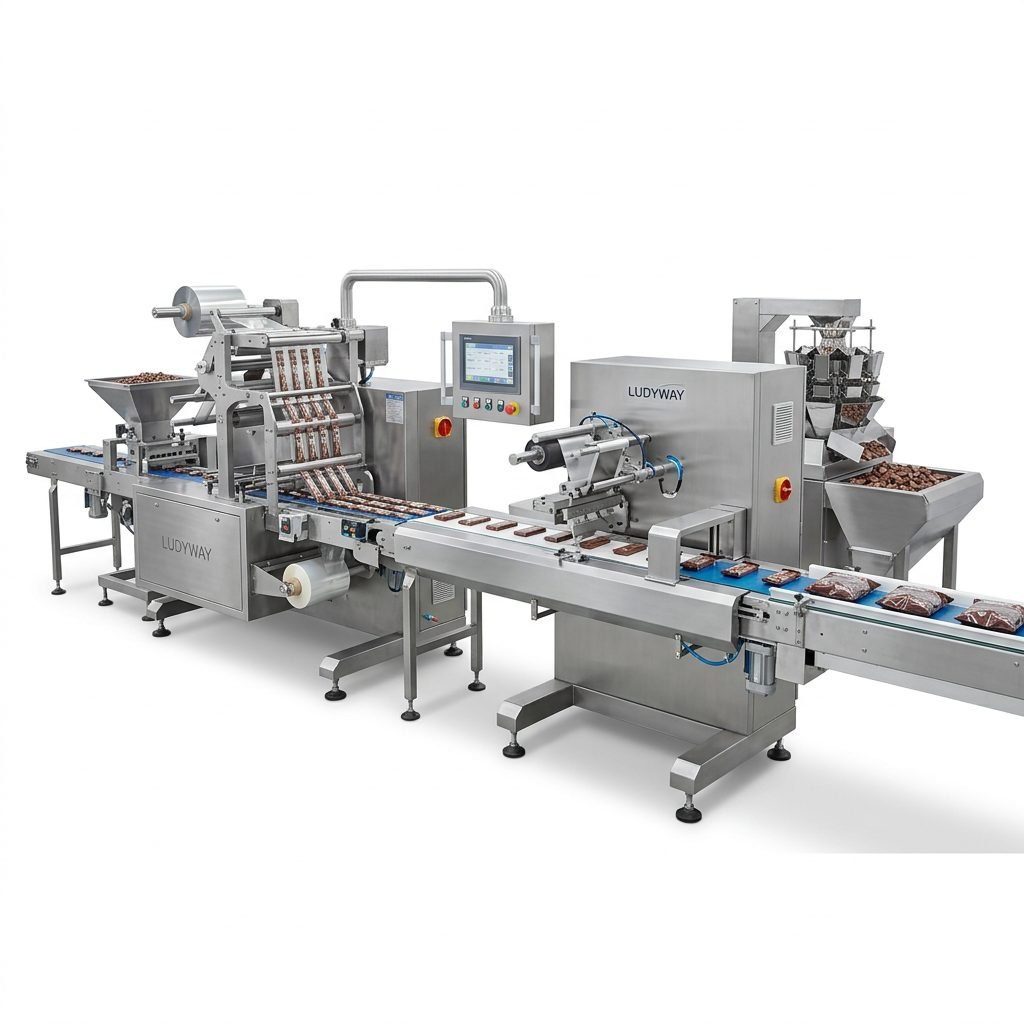
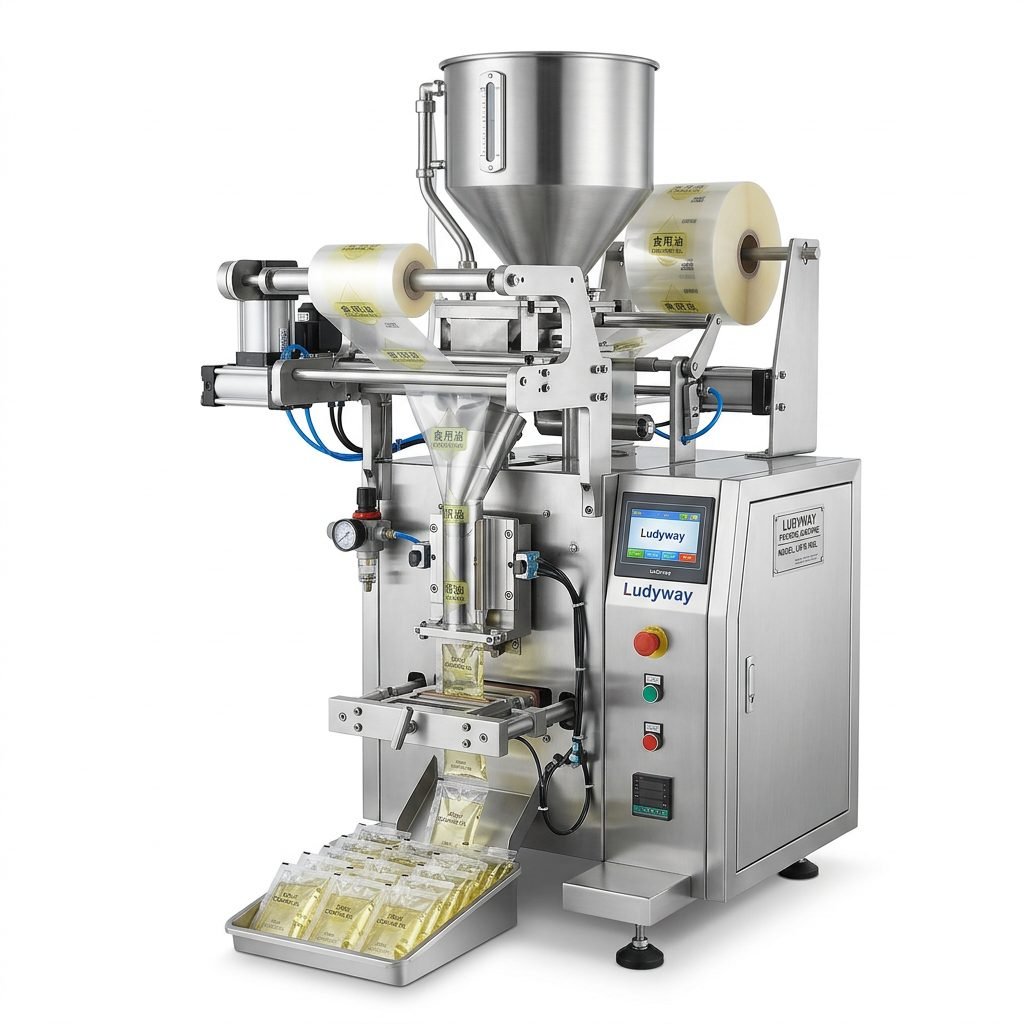
Configuring the right machinery is the cornerstone of production efficiency. A typical high-speed line for cooking oil requires seamless integration between the filling, capping, and labeling stages. Below is a breakdown of the essential machinery required for sachet and stick pack formats, which are rapidly gaining popularity in the U.S. food service and travel sectors.
| Equipment Type | Primary Function | Estimated Price Range (USD) |
|---|---|---|
| Liquid Filling Machine | Precision volumetric or piston filling of oil into pouches | $45,000 – $180,000 |
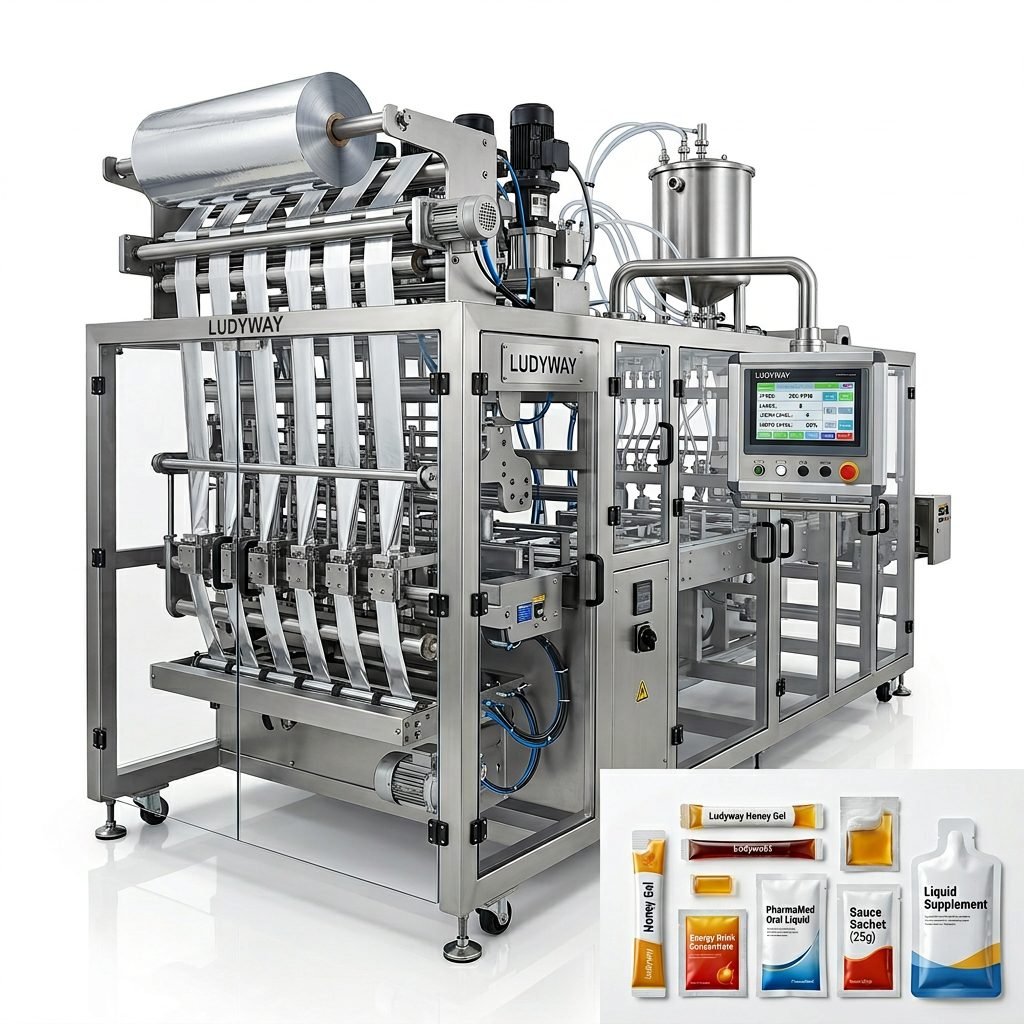
| Multi-Lane Sachet Machine | Vertical form-fill-seal (VFFS) for high-volume stick packs | $80,000 – $250,000 |
| Automatic Cartoning System | Secondary packaging, erecting and loading cartons | $60,000 – $150,000 |
| High-Speed Labeling Unit | Application of front/back labels and date coding | $25,000 – $75,000 |
Turnkey vs. Standalone Approach
For new entrants to the U.S. market, a turnkey packaging line is often the most cost-effective route. Instead of manufacturing individual components, turnkey integrators like Ludyway provide a synchronized system designed to minimize interface errors between the filler, conveyor, and cartoner. This significantly reduces the technical burden on your operations team during installation and validation. If you are targeting scalable production, collaborating with a manufacturer offering advanced packaging solutions ensures that the servo-driven controls and changeover protocols are fully optimized before shipping.
Detailed Cost Breakdown and ROI Projections
Financial planning in this sector extends far beyond the sticker price of the equipment. You must budget for installation, operator training, and ongoing compliance. Based on current industrial averages, here is a realistic allocation of capital for a mid-level automated oil packaging operation:
- Equipment Acquisition: $300,000 – $600,000 (Depending on speed and lane configurations).
- Facility Modification: $50,000 – $100,000 (Including food-grade flooring, drainage, and air filtration).
- Initial Consumables: $25,000 – $40,000 (Specialized film resistant to oil migration).
- Regulatory and Legal Fees: $15,000 – $30,000 (FDA certification and trademark registration).
- Shipping and Logistics: $20,000 – $50,000 (Freight, customs bonds, and crane rental for installation).
Step-by-Step Implementation Roadmap
To avoid costly downtime, follow this chronological sequence when setting up your facility in the United States. Skipping validation steps is the most common cause of failed FDA inspections.
- Feasibility and Site Selection: Secure a facility zoned for food processing. Ensure adequate floor load capacity for the filler weight and nearby access to sanitary water lines.
- Equipment Procurement: Finalize specifications with the manufacturer, focusing on the oil-resistant seal integrity of the VFFS machine. Request Factory Acceptance Testing (FAT) documentation.
- Import and Installation: Navigate U.S. customs using proper HTS codes for packaging machinery. Rigging and leveling the equipment must be performed by certified technicians to ensure vibration-free operation.
- Validation and Calibration: Run a dry test, then a water test, followed by actual oil. Calibrate check weighers to reject under-filled sachets to meet NIST Handbook 133 requirements.
- Personnel Training and SOPs: Operators must be trained on lockout-tagout procedures for the packaging machinery standards and clean-in-place (CIP) protocols for the liquid pathways.

Optimizing Production with Advanced Automation
The competitive edge in the U.S. cooking oil sector increasingly relies on automation and smart factory integration. Modern packaging lines are equipped with Industrial Internet of Things (IIoT) sensors that provide real-time data on seal temperature, fill accuracy, and machine uptime. Predictive maintenance algorithms can reduce unplanned downtime by up to 40%. Furthermore, utilizing servo-driven multi-lane technology dramatically increases throughput without expanding the machine’s physical footprint. For businesses looking to future-proof their operations, the initial capital expenditure on smart liquid packaging lines yields substantial savings through reduced product waste and enhanced production agility. The efficiency of a dedicated automatic liquid filling machine for sachet packaging directly correlates with profit margins in high-volume distribution.
Logistics and Supply Chain Integration
Your packaging line does not operate in a vacuum. Integrating a robust end-of-line solution is critical. This includes automated case packing and high-speed stretch wrapping for pallet stability during transit. Given the weight of liquid products, poor pallet wrapping leads to catastrophic product loss in the supply chain. Investing in a heavy-duty industrial palletizer ensures that your finished cooking oil sachets and boxes reach retailers without structural damage, maintaining your brand’s reputation and avoiding chargebacks from major distributors.
| Validation Parameter | Acceptance Criteria | Frequency |
|---|---|---|
| Sachet Seal Integrity | No leakage at 40g/mm pressure | Every 4 hours |
| Fill Weight Accuracy | ± 0.5% of target volume | Continuous (Checkweigher) |
| Metal Detection | Rejection of ferrous > 1.5mm | Start and end of each batch |
In summary, establishing a U.S. packaging operation for cooking oil demands a holistic strategy that balances high-speed liquid filling technology with rigorous regulatory adherence. Ludyway, as one of the largest packaging machine manufacturers in China, supports these complex transitions with over 30 years of industry expertise and more than 50 intelligent packaging machine models. By carefully selecting the right integration partners and validating every step of the process, businesses can capture a significant share of the evolving American edible oil market.
Key Industry Resources and References
| Title | Link |
|---|---|
| Ludyway Packaging Machinery Global Growth Trend | Visit Resource |
| PMMI – 2025 State of the Industry Report | Visit Resource |
| Flexible Packaging Association – Regulatory Affairs | Visit Resource |
| FDA – Packaging and Food Contact Substances | Visit Resource |
| ISO 11607 Packaging Validation Requirements | Visit Resource |