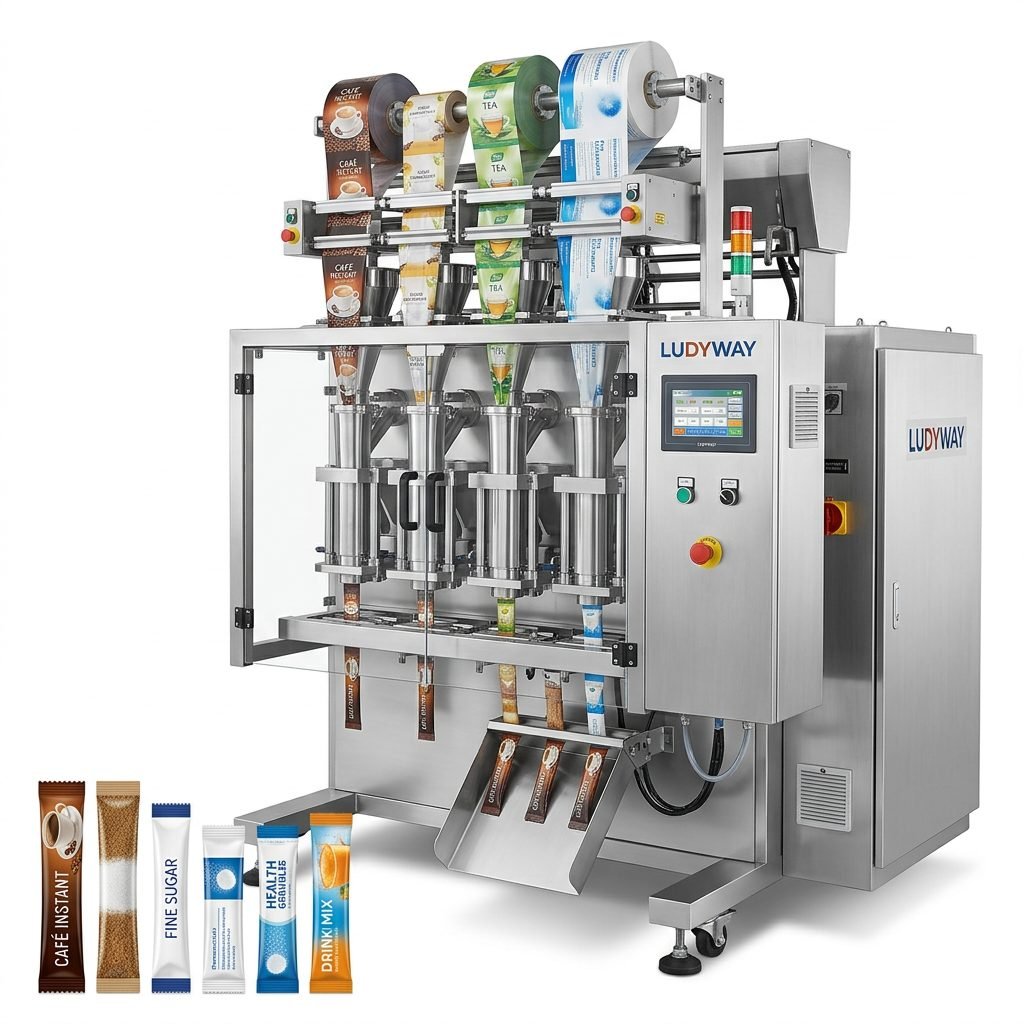
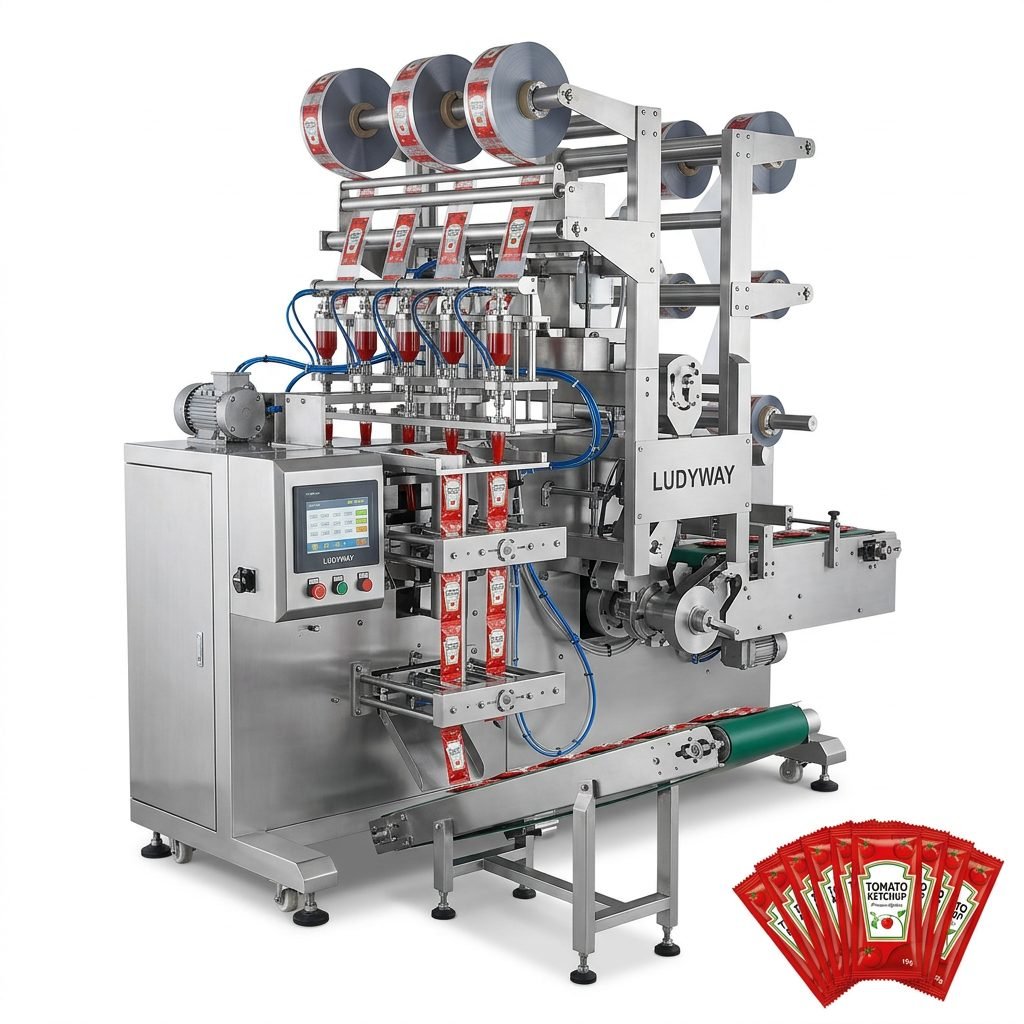
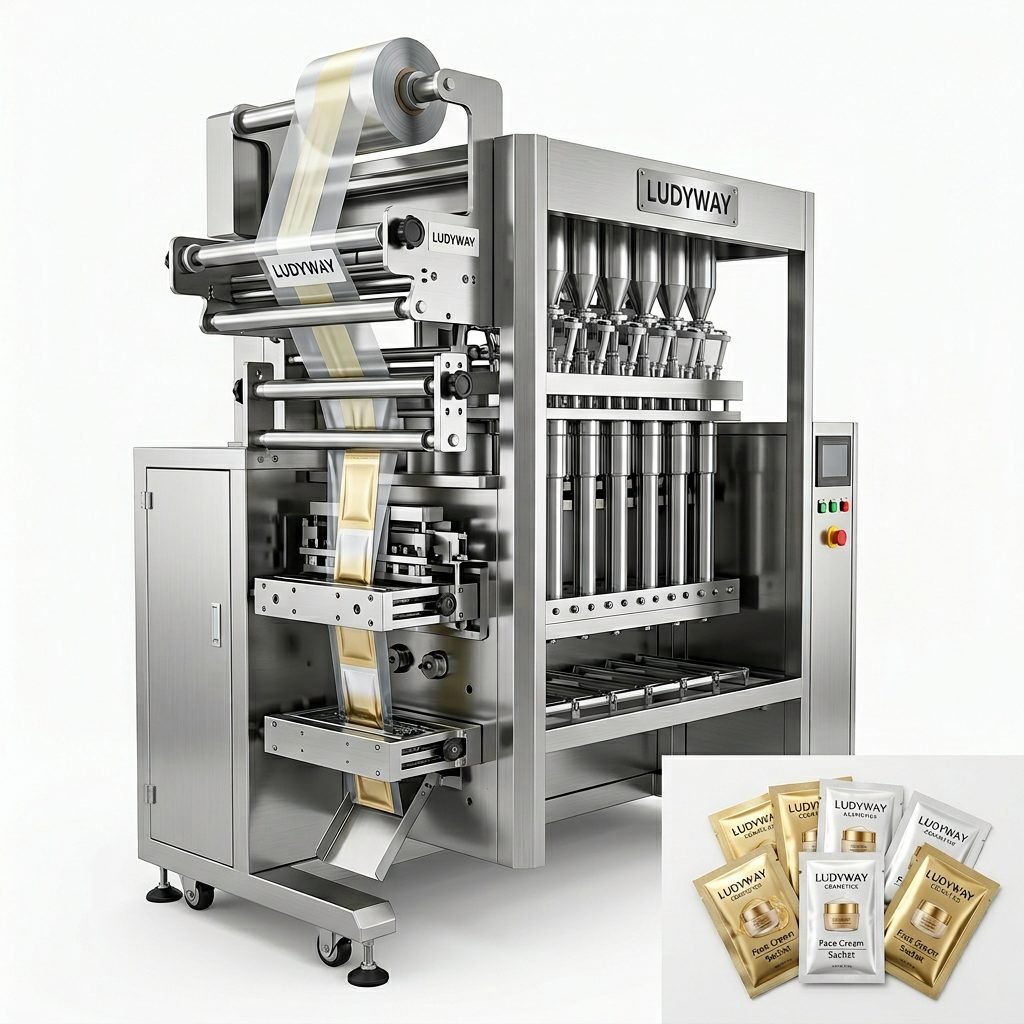
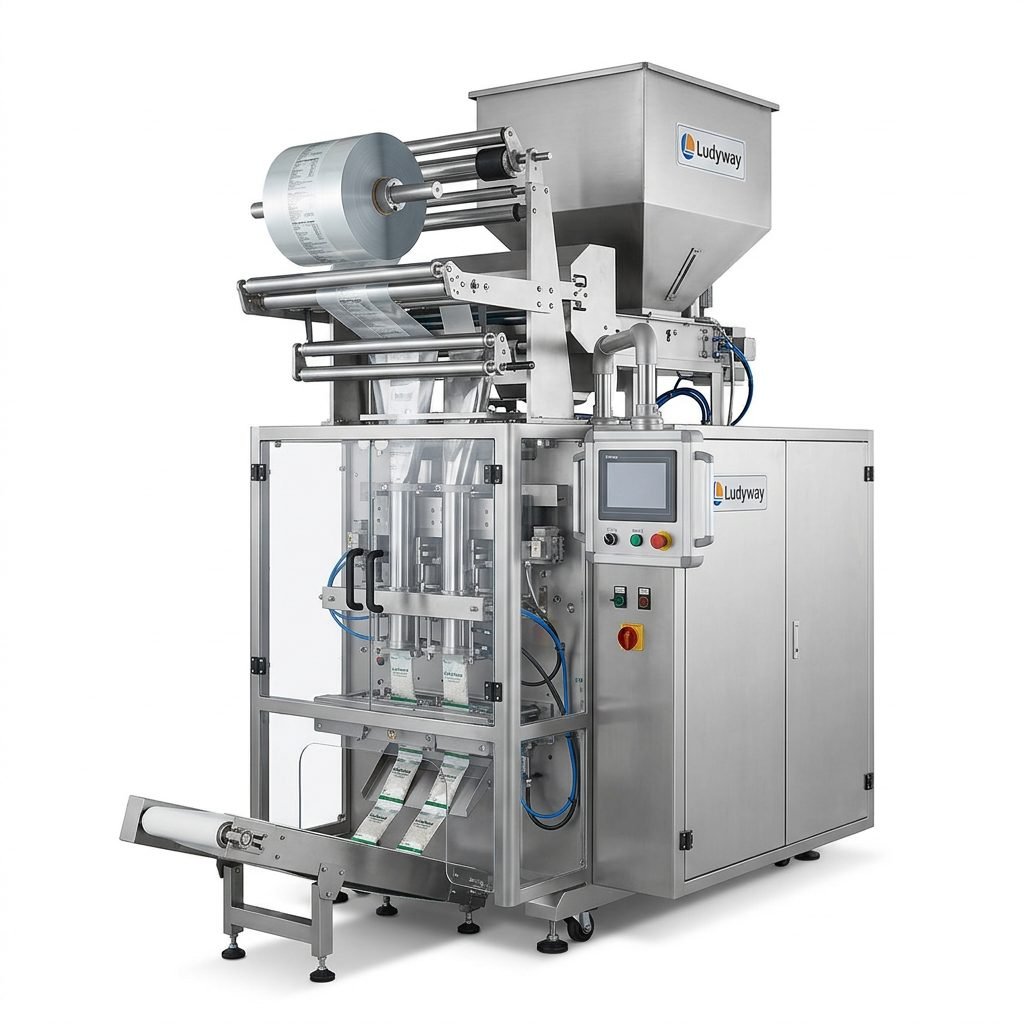
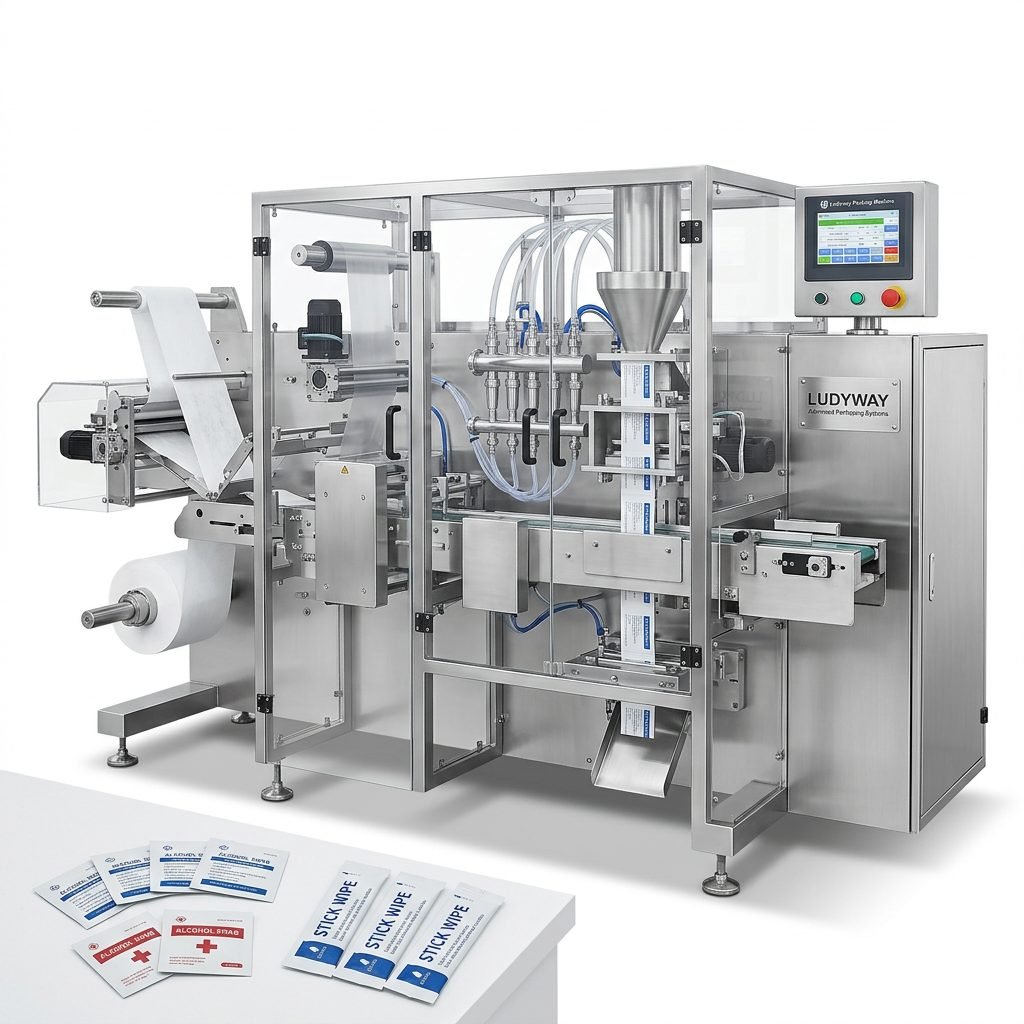
In the world of automated production, the packaging machine feeding system is a critical component that directly impacts efficiency, product quality, and overall line performance. This guide delves into the various types of feeding systems, explains their core working principles, and provides actionable tips for selecting the right system for your specific packaging needs.
Understanding the Role of the Feeding System
At its core, the feeding system is responsible for the precise, consistent, and controlled delivery of product—whether granules, powders, liquids, or pastes—into the packaging machine’s forming, filling, and sealing mechanisms. A well-designed feeder ensures accurate dosing, minimizes product waste (giveaways), maintains hygienic standards, and synchronizes seamlessly with the high-speed operations of modern packaging lines. Its performance is fundamental to achieving the desired packaging speed, accuracy, and reliability.
Key Functions of a Feeding System:
- Precise Metering: Delivering exact product quantities per cycle.
- Consistent Flow: Maintaining a steady, uninterrupted supply to prevent machine stoppages.
- Product Integrity: Handling materials gently to prevent degradation or segregation.
- Hygiene & Containment: Preventing contamination and containing dust or fumes.
Common Types of Packaging Machine Feeding Systems
Selecting the appropriate feeder depends heavily on the physical characteristics of your product. Here’s a breakdown of the most prevalent systems.
1. Auger (Screw) Feeders
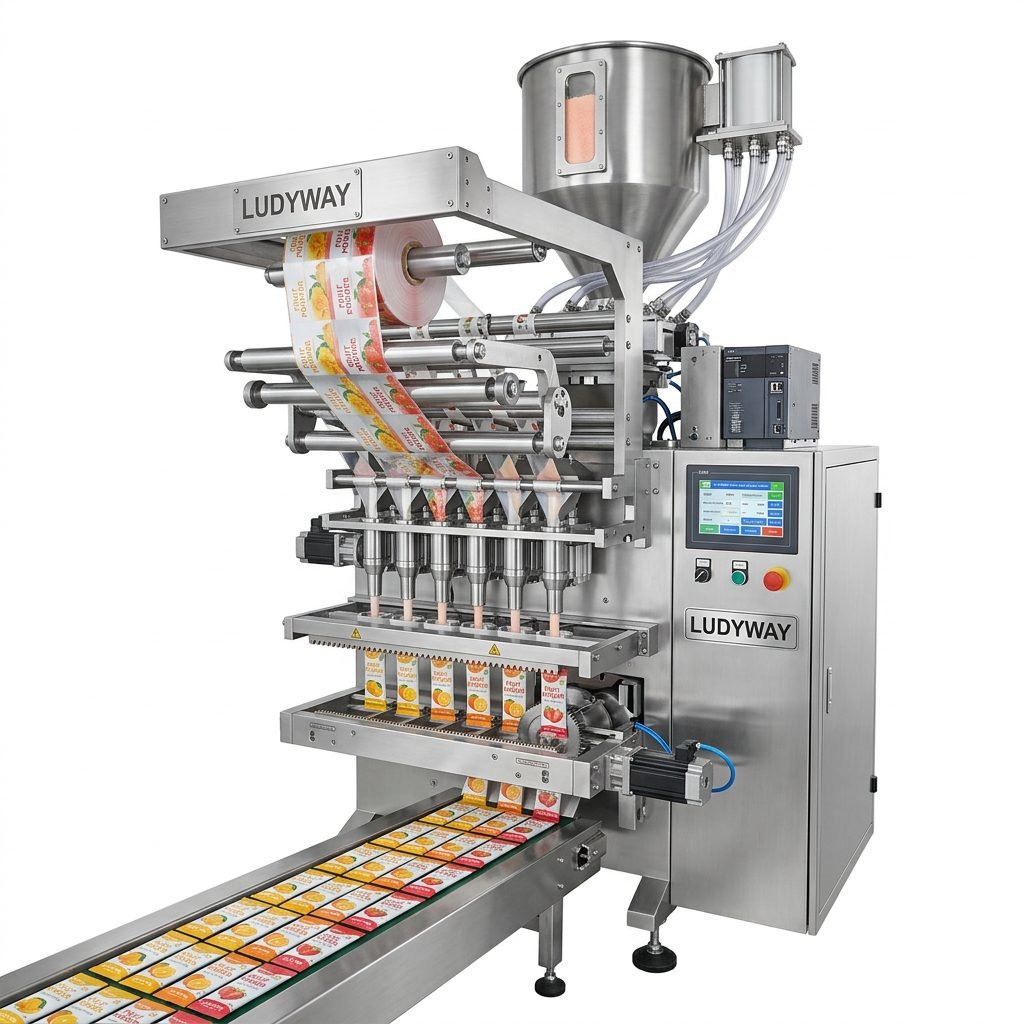
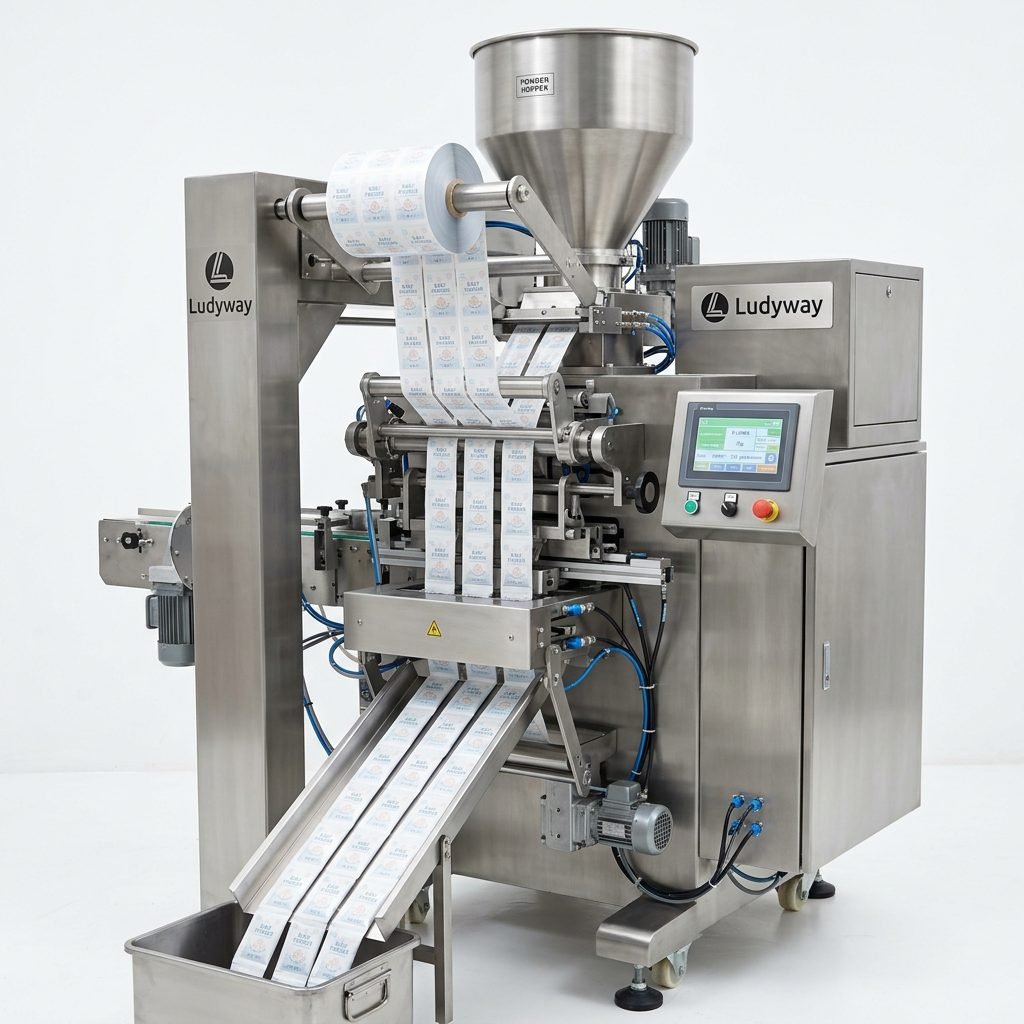
Auger feeders are the most versatile and widely used system for free-flowing and non-free-flowing powders, granules, and pastes. They operate using a rotating screw (auger) inside a hopper or tube. The product is moved forward by the screw’s flights and discharged through an outlet. Accuracy is achieved by controlling the rotation speed and the number of screw revolutions per cycle.
Working Principle:
Product fills the space between the screw flights. As the screw rotates, it acts as a positive displacement pump, pushing a specific volume of material forward with each revolution. Single or twin augers can be used for improved accuracy and flow, especially with cohesive materials.
Best for: Coffee,, spices, protein powders, flour, cosmetic powders, and viscous creams.
2. Volumetric Cup Feeders
This system utilizes a rotating disc or wheel with precisely machined cavities or “cups.” As the disc rotates under the product hopper, each cup fills by volume. The product is then carried to a discharge point where it drops into the packaging machine. Accuracy depends on consistent product density and cup fill level.
Best for: Uniform granules, beans, seeds, pellets, and chunks where high speed is prioritized over ultra-fine precision (e.g., snack nuts, candy, hardware items).
3. Weighing Feeders (Gravimetric)
For the highest level of accuracy, gravimetric feeders are essential. They combine a feeding mechanism (like an auger or vibratory tray) with an integrated weighing scale. The system continuously weighs the discharged product and uses feedback control to adjust the feed rate in real-time, ensuring each dose meets the exact target weight.
Key Advantage:
They compensate for variations in product density, flow characteristics, and environmental factors, making them ideal for high-value products or applications where regulatory compliance on net weight is strict.
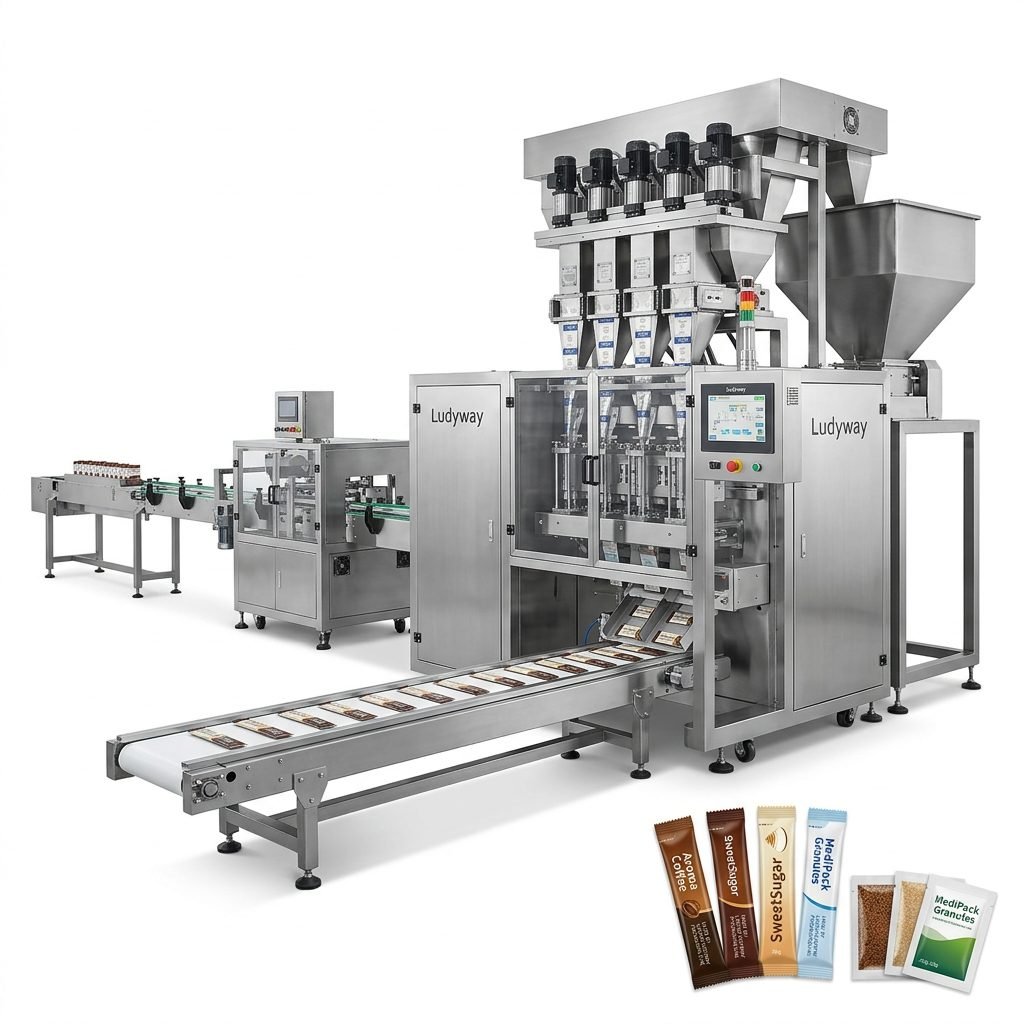
Best for: Pharmaceuticals, nutritional supplements, premium coffee/tea, and any application where cost savings from reduced giveaways justify the investment. For companies like Ludyway Machinery, integrating precise weighing systems is often part of delivering turnkey solutions for regulated industries.
4. Vibratory Tray Feeders
These feeders use controlled vibrations to move product along a tray or bowl. The vibration causes the material to hop forward in a specific direction. Feed rate is adjusted by varying the vibration amplitude and frequency. They are excellent for orienting and singulating small parts or products before packaging.
Best for: Tablets, capsules, capsules, small electronic components, and confectionery where orientation is needed for blister packing or counting.
5. Pump Systems for Liquids & Pastes
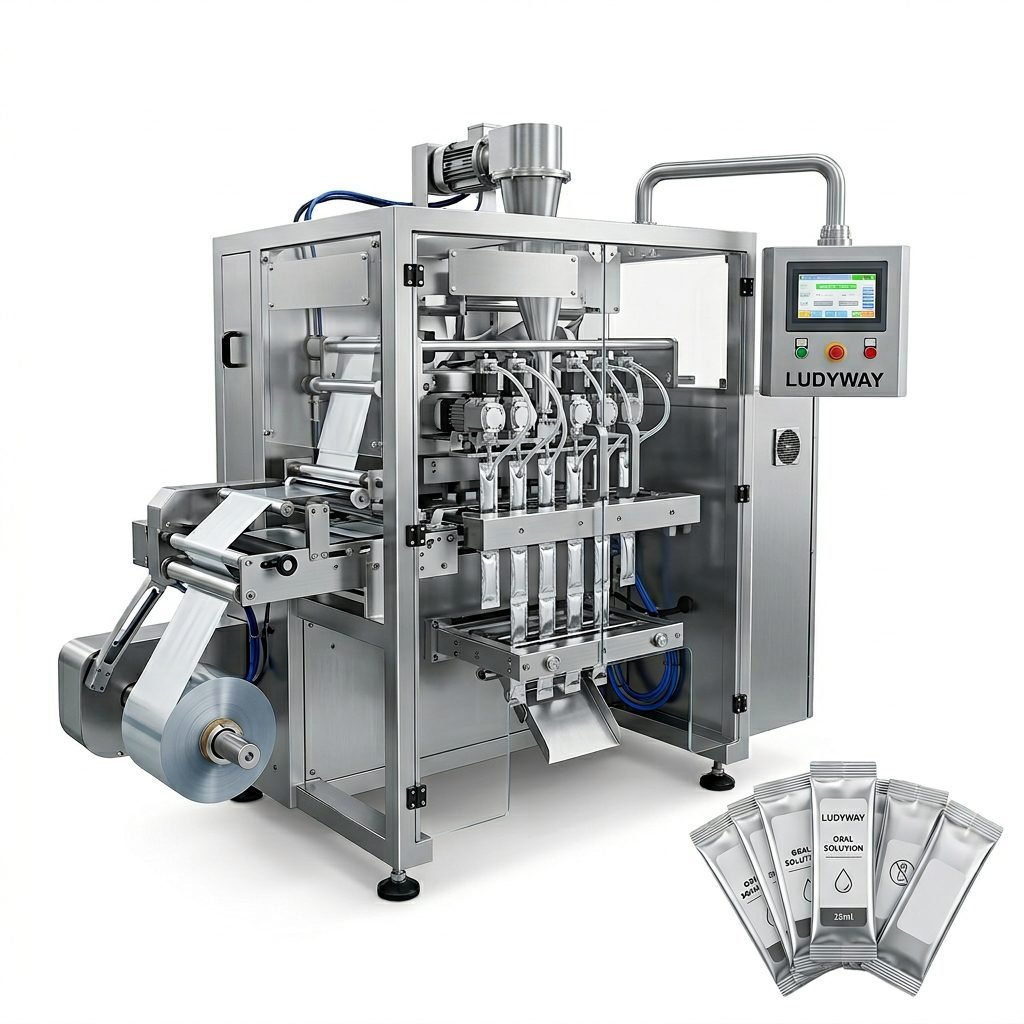
Liquid and viscous product filling requires pump-based systems. These include rotary piston pumps, peristaltic pumps, and gear pumps. They operate by drawing a precise volume of product into a chamber and then displacing it into the package. Choice depends on viscosity, shear sensitivity, and required sanitation level.
Best for: Sauces, oils, shampoos, lotions, syrups, and pharmaceutical liquids.
Critical Selection Tips for Your Operation
Choosing the right feeding system is a strategic decision. Here are key factors to consider, informed by decades of application experience in the field.
1. Analyze Your Product Characteristics
- Flowability: Is it free-flowing (like rice) or cohesive (like icing sugar)? This dictates the need for agitation, vibration, or special auger designs.
- Bulk Density & Variability: Highly variable density often necessitates a gravimetric (weighing) system.
- Abrasiveness/Corrosiveness: Determines required construction materials (e.g., stainless steel grades, specialized coatings).
- Hygiene & Sensitivity: Food, pharmaceutical, and nutraceutical products may require sanitary design with easy-clean features.
2. Define Your Performance Requirements
Speed (cycles per minute): Match the feeder’s maximum rate to your packaging machine’s output. Ensure it can handle peak speeds without becoming a bottleneck.
Accuracy (Tolerance): Establish your acceptable weight or volume range. Regulatory requirements and cost of product giveaway are key drivers here.
3. Consider Integration and Control
The feeder must communicate flawlessly with your primary packaging machine (e.g., vertical form-fill-seal machine, stick pack machine). Ensure compatibility of control systems (PLC, touchscreen interfaces). A supplier with strong engineering capabilities can provide a seamlessly integrated system, reducing commissioning time and future headaches.
4. Plan for Maintenance and Support
Evaluate the system’s ease of cleaning, wear part replacement, and accessibility for maintenance. Partner with a supplier known for reliable technical support and availability of spare parts. The long-term partnership and service are as crucial as the initial machine purchase.
5. Think About Future Flexibility
If you plan to run multiple products on the same line, consider a feeder with quick-change parts (like augers, cups) or adjustable parameters to minimize changeover time and downtime.
Optimizing Your Feeding System’s Performance
Once installed, proper operation and maintenance are key.
- Regular Calibration: Especially for weighing systems, follow a scheduled calibration routine.
- Consistent Product Supply: Ensure upstream supply (from bulk bags, silos) is stable to prevent feeder starvation or flooding.
- Operator Training: Train staff on correct setup, operation, and basic troubleshooting for different products.
- Preventive Maintenance: Adhere to lubrication, cleaning, and inspection schedules for motors, drives, and moving parts.
Frequently Asked Questions (FAQs)
1. What is the most accurate type of feeding system?
Gravimetric (weighing) feeders are the most accurate, as they measure mass directly and adjust in real-time. They are the standard for high-value products and strict compliance applications, unlike volumetric systems which measure volume and can be affected by density changes.
2. How do I prevent my powder from bridging or rat-holing in the hopper?
Common solutions include installing mechanical agitators or vibrators on the hopper walls, using a hopper with steeper wall angles, or opting for a live-bottom hopper (with a moving base) that actively promotes flow. The choice depends on the powder’s specific cohesive properties.
3. Can one feeding system handle multiple different products?
Yes, but with considerations. Systems designed for quick changeover, with interchangeable augers, cups, or easy-to-clean surfaces, are best for multi-product lines. However, if products have vastly different characteristics (e.g., a powder and a granule), dedicated feeders or significant adjustment time may be necessary.
4. How important is the material of construction for the feeder?
Extremely important. It affects hygiene, durability, and product contamination. Food-grade stainless steel (e.g., 304 or 316L) is standard for food and pharmaceuticals. For abrasive materials, hardened surfaces or coatings may be needed. Corrosive chemicals may require specialized alloys or plastics.
5. What are the signs that my feeding system needs maintenance or recalibration?
Watch for: Increasing weight variation in packaged products, unusual noises or vibrations from the drive, inconsistent product flow leading to machine stoppages, or visible wear on augers, cups, or sealing surfaces. A gradual drift in accuracy is a primary indicator for recalibration.