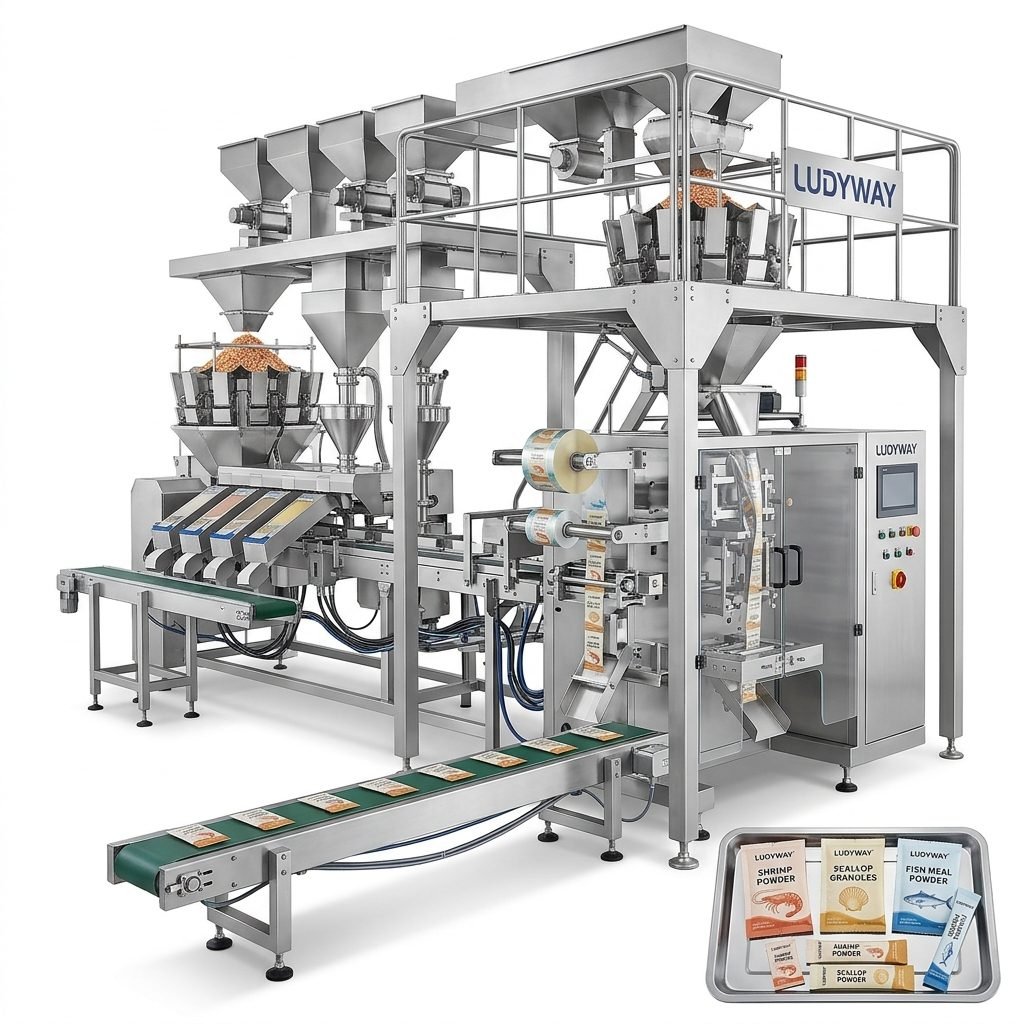
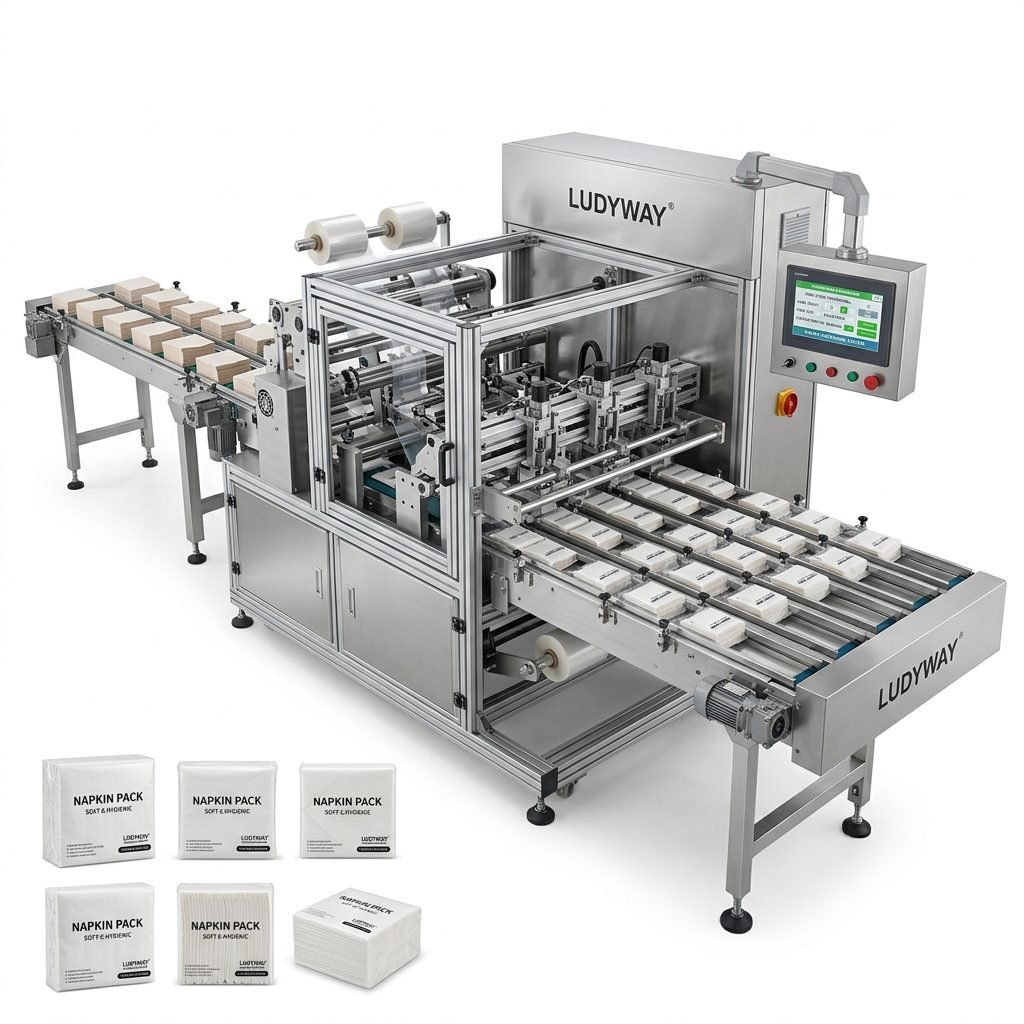
Expanding into international markets with a popsicle packaging machine production line requires more than simply purchasing equipment. It demands strategic planning, regulatory awareness, and a deep understanding of operational efficiency across diverse manufacturing environments. Whether you are targeting North America, Europe, Southeast Asia, or Latin America, the setup process must account for local packaging standards, labor dynamics, and supply chain expectations.
Understanding Global Market Requirements
Before installing any machinery, manufacturers must evaluate the regulatory landscape of their target regions. Different countries enforce distinct standards for food-contact materials, labeling, and packaging integrity. For instance, the FDA in the United States mandates strict compliance for food packaging and food contact substances, while the European Union operates under comprehensive packaging and packaging waste regulations. Understanding these frameworks early helps avoid costly retrofits and shipment rejections.

Key Components of a Popsicle Packaging Line
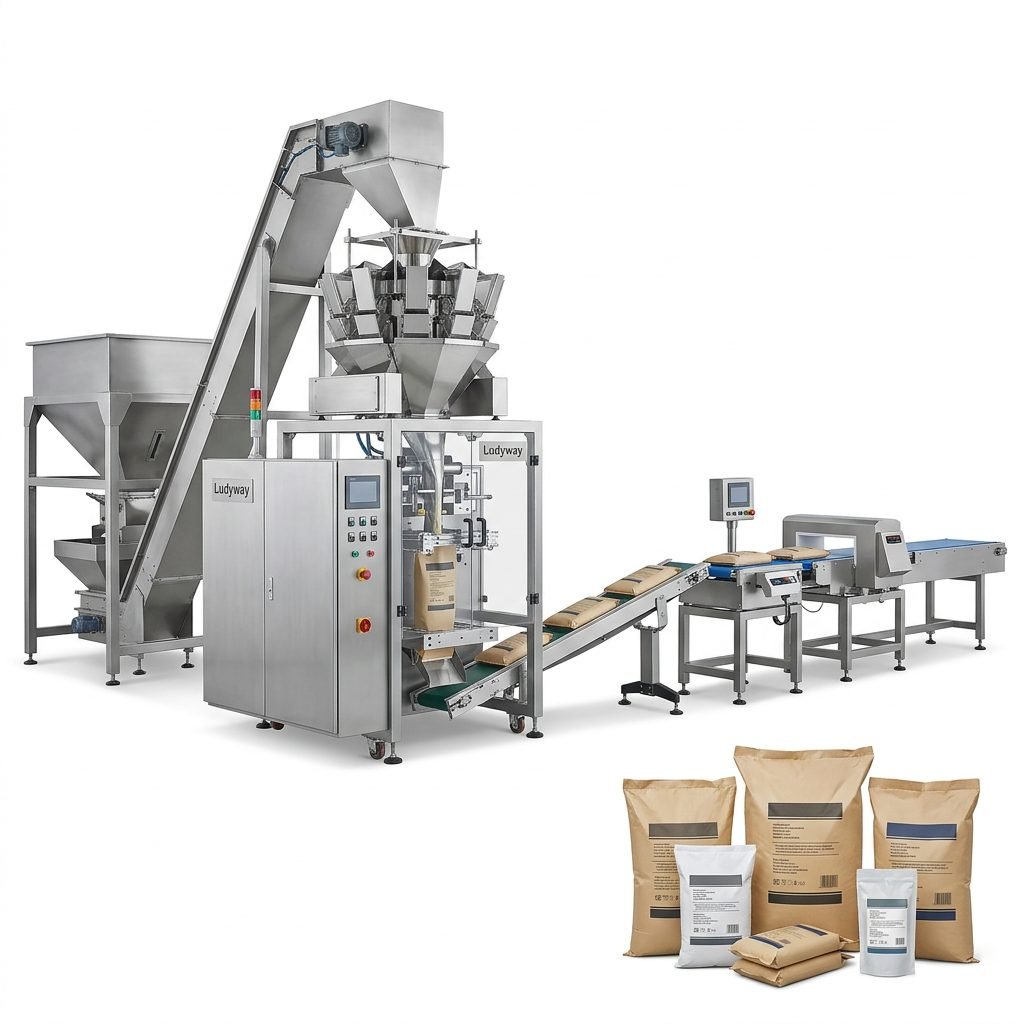
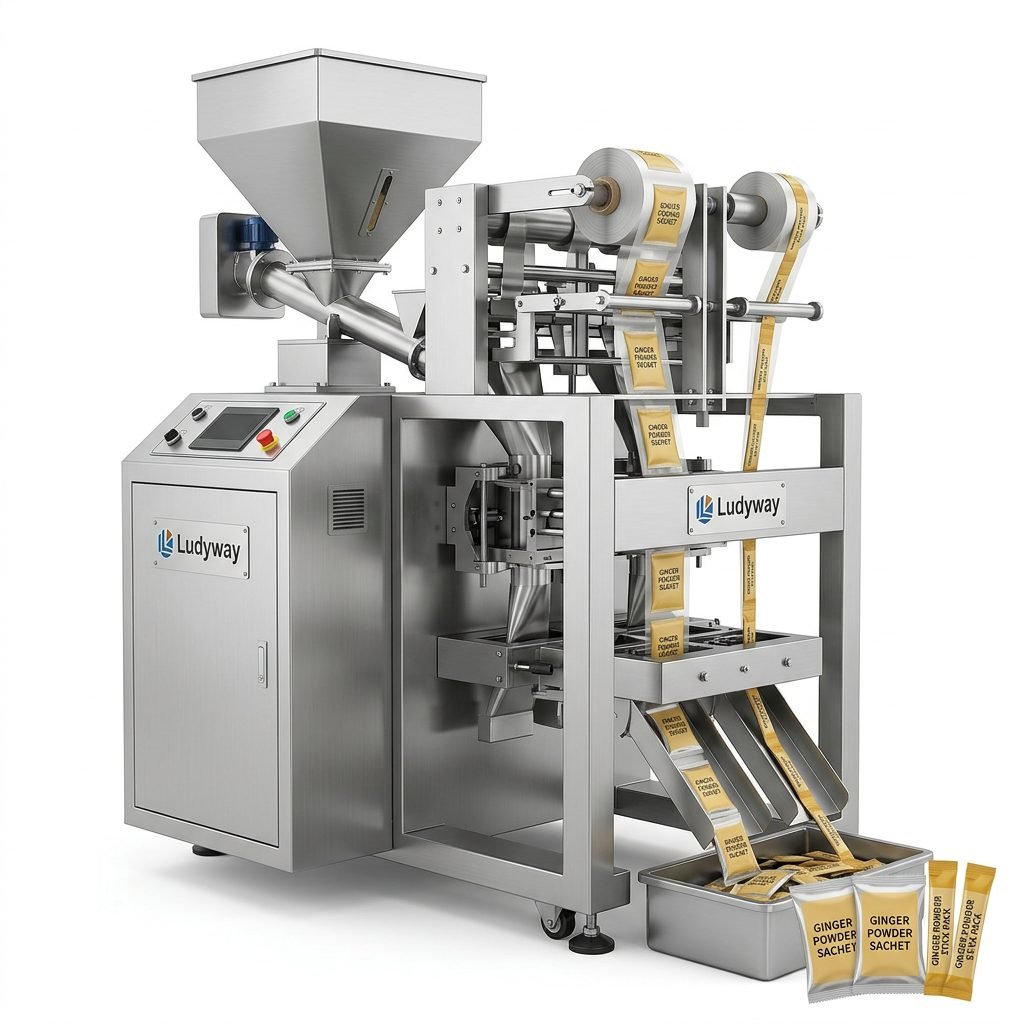
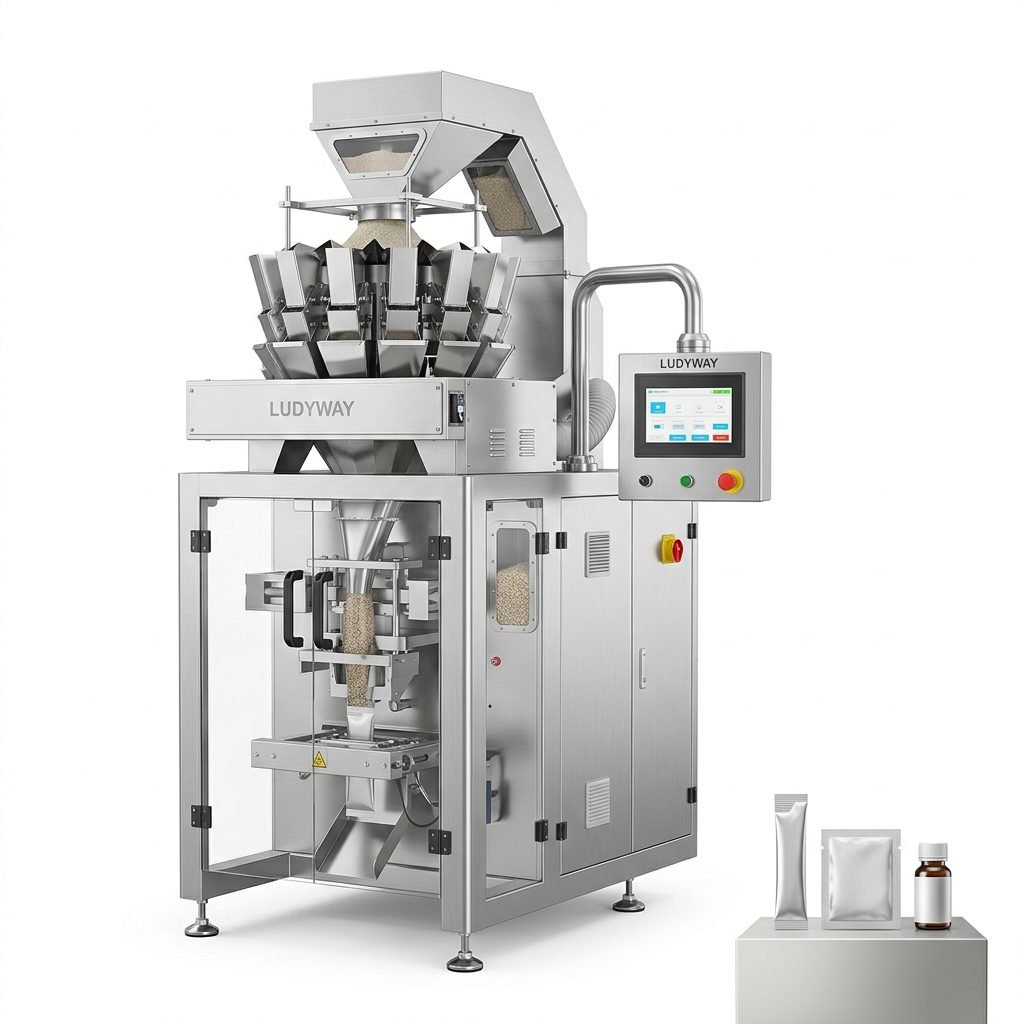
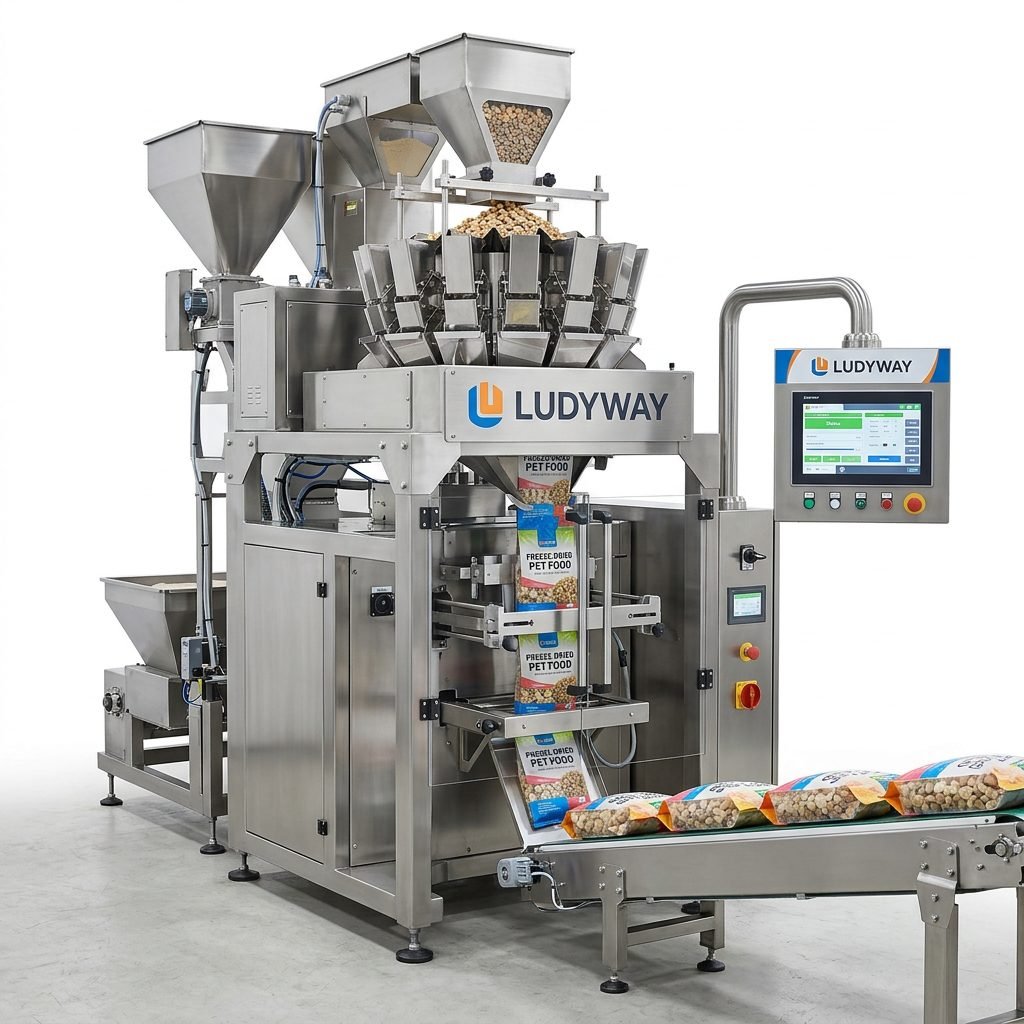
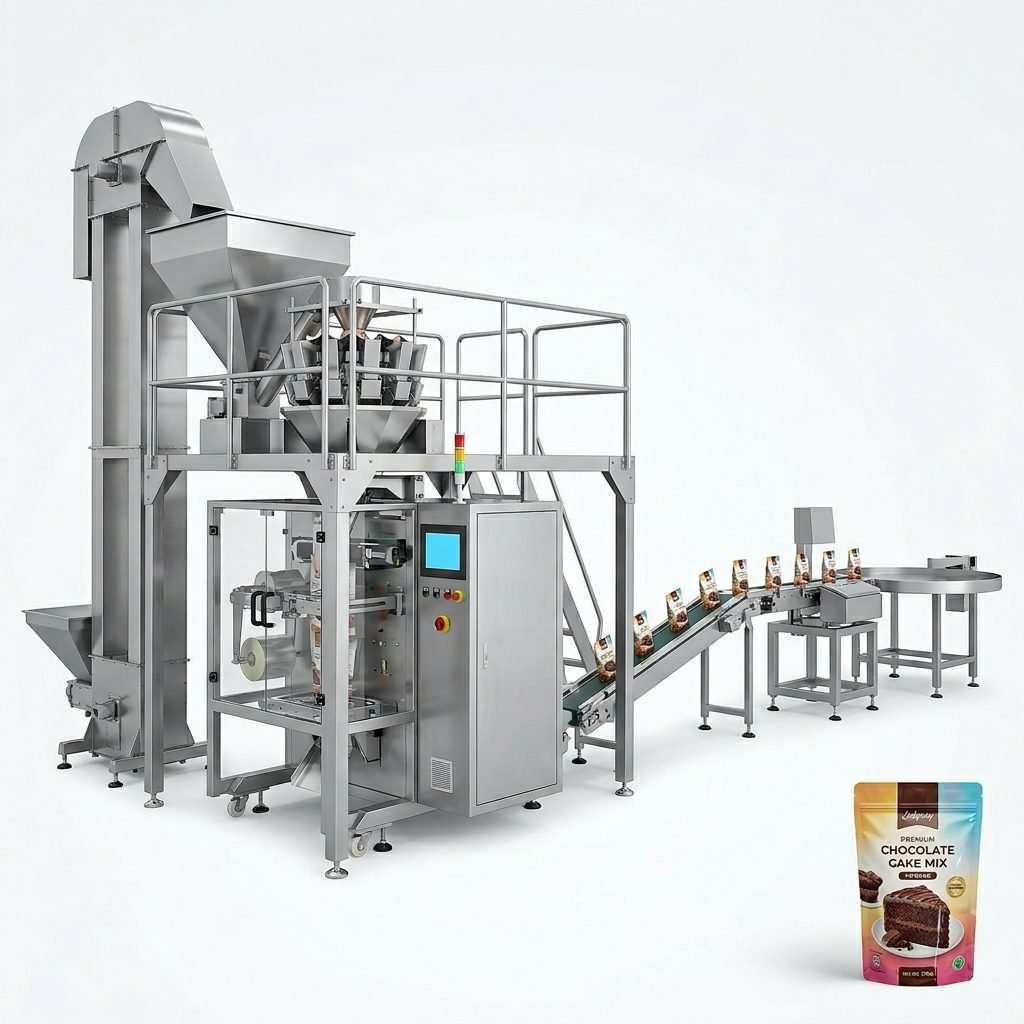
A fully integrated popsicle packaging production line typically consists of several interconnected modules. Understanding each component helps in selecting the right configuration for global markets:
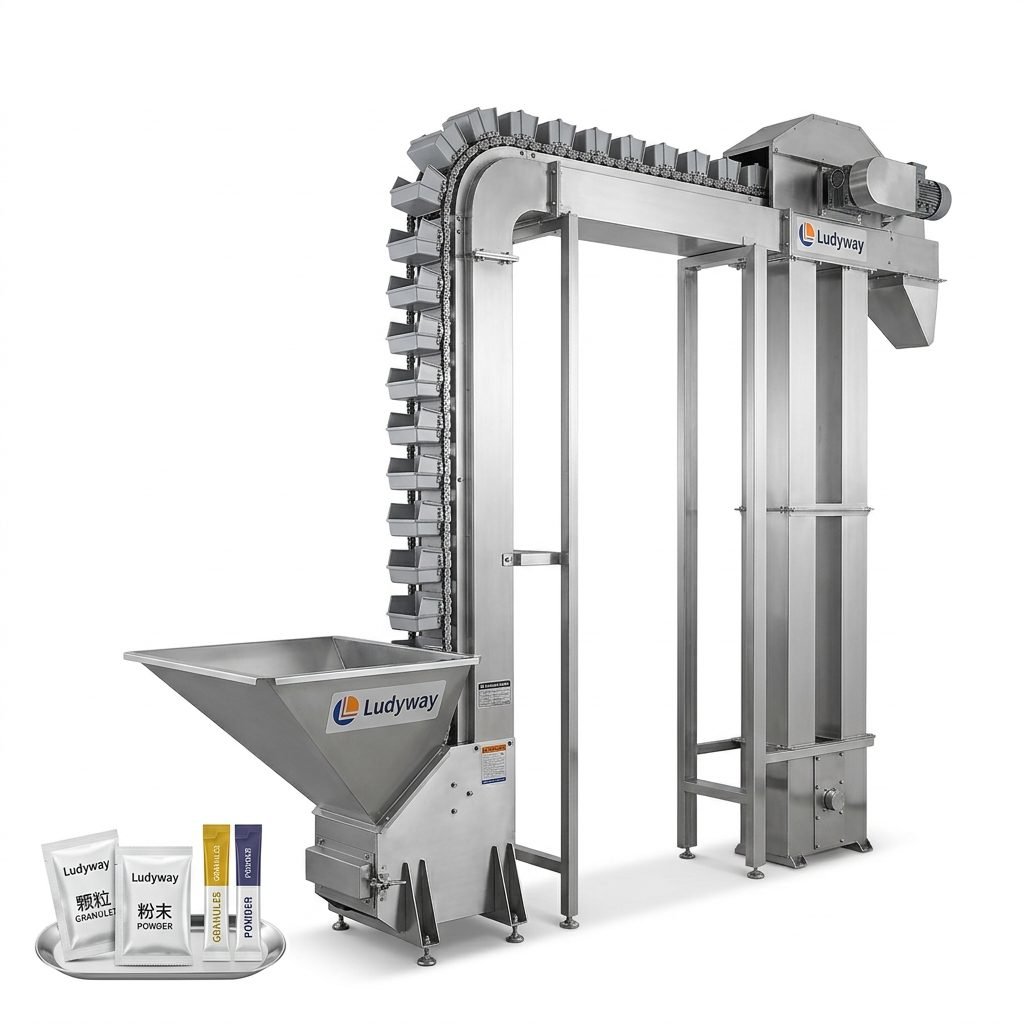
- Feeding and Alignment System: Ensures popsicles are properly oriented before wrapping.
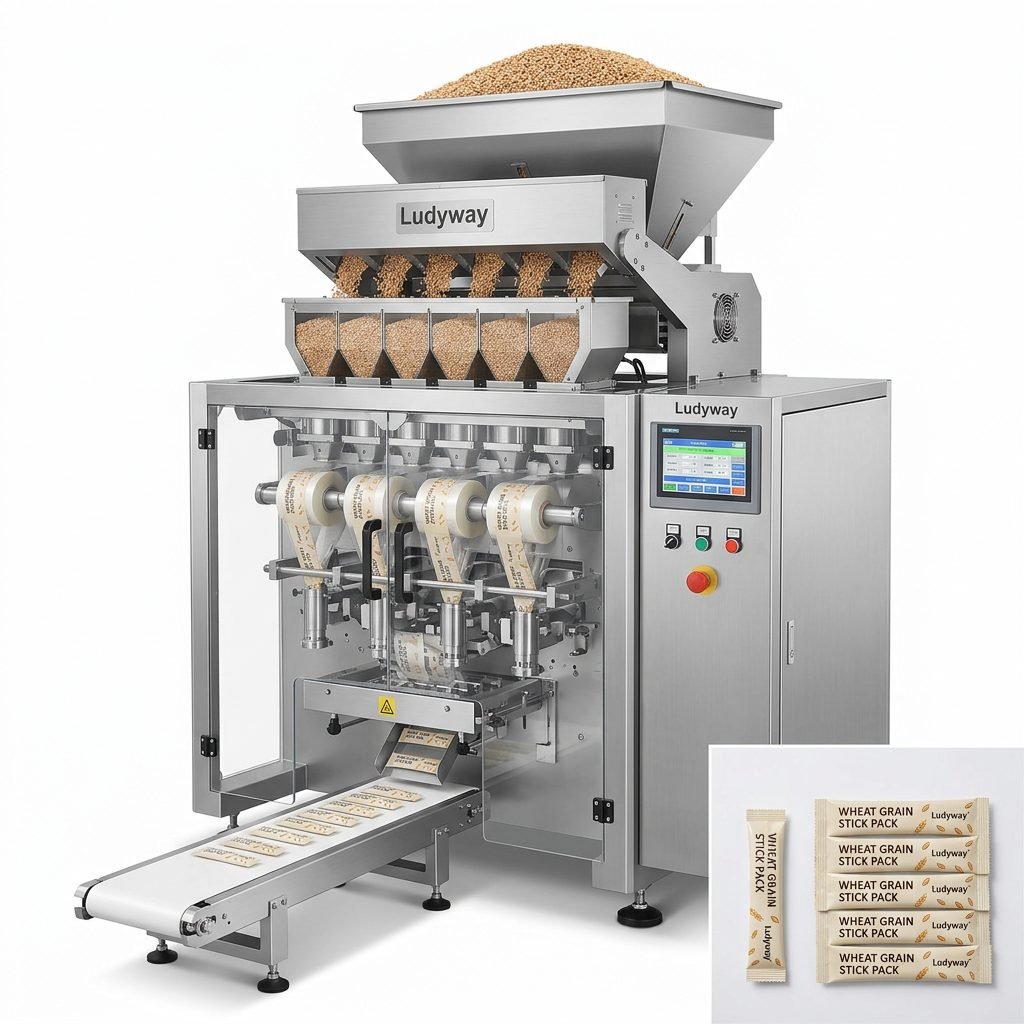
- Flow Wrapping or Stick Pack Module: The core unit that wraps individual popsicles in flexible film.
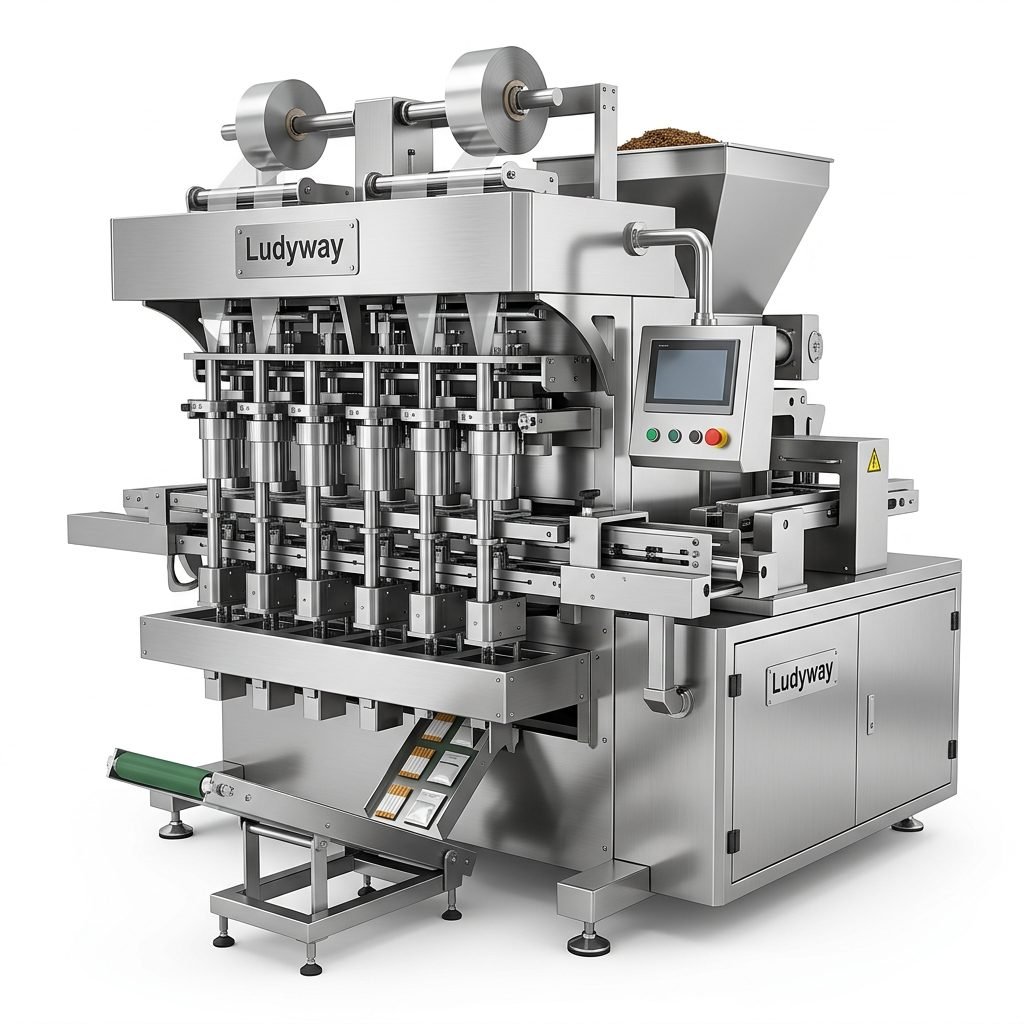
- Multi-Lane Configuration: High-speed multi-lane systems significantly boost output for large-volume markets.
- Date Coding and Labeling Unit: Essential for traceability and regulatory compliance.
- Cartoning and Case Packing: Automates secondary packaging for retail distribution.
- Palletizing System: Prepares finished cases for efficient logistics and warehousing.
Selecting equipment from an experienced packaging machine manufacturer ensures that each module is designed for seamless integration and long-term reliability.
Step-by-Step Setup Process
Setting up a popsicle packaging line for global markets involves methodical execution. Below is a structured approach that balances speed to market with operational excellence.
1. Site Preparation and Layout Planning
Begin by assessing the production floor for adequate space, ventilation, and utility connections. Proper layout design minimizes material handling distances and reduces contamination risks. Ensure that the facility meets the electrical and compressed air specifications required by the packaging equipment. For frozen products like popsicles, maintaining a consistent cold chain environment is critical.
2. Equipment Installation and Calibration
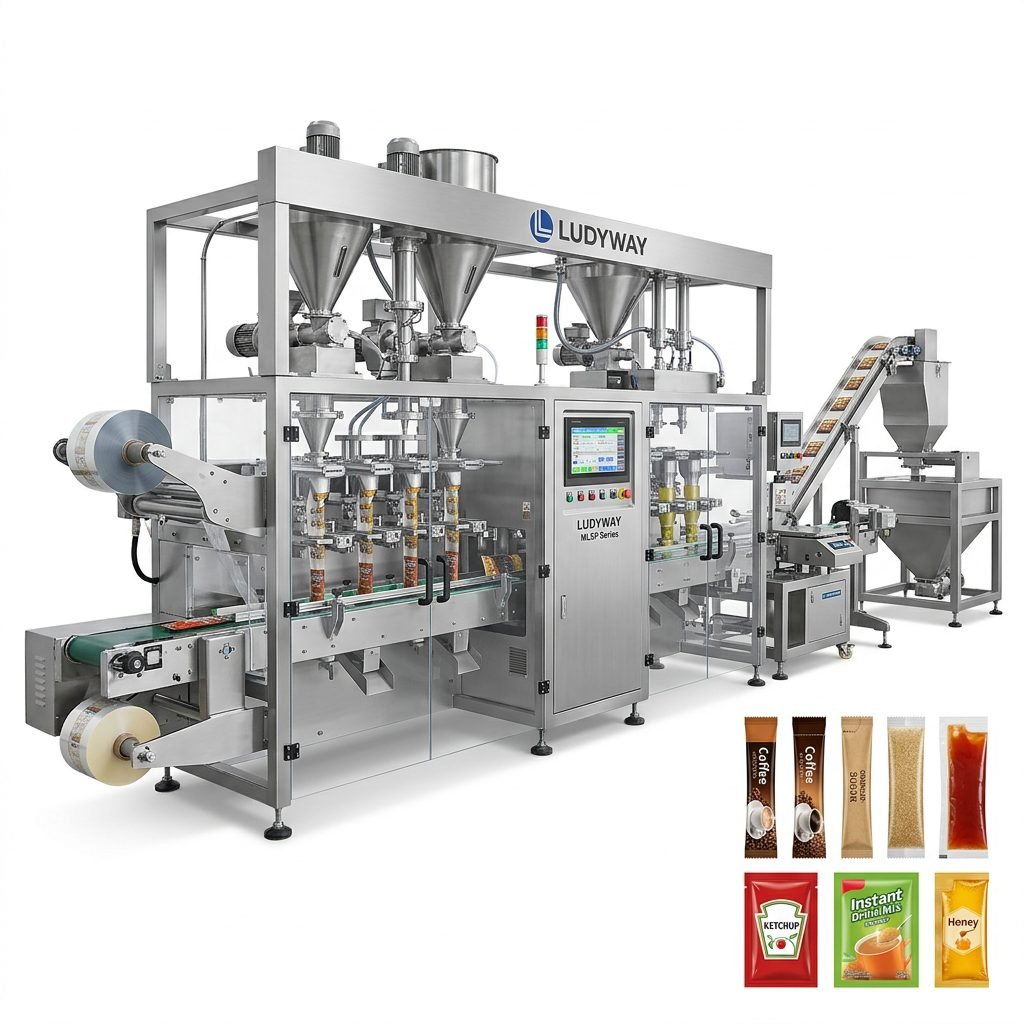
Install the feeding, wrapping, and sealing modules according to the manufacturer’s specifications. Calibrate temperature controls, film tension, and sealing pressure to match the specific film materials and popsicle dimensions used in your target market. Multi-lane machines require precise synchronization to avoid jams and ensure uniform package quality.
3. Testing and Quality Control
Conduct rigorous testing using the actual film and product specifications intended for export. Verify seal integrity, label placement accuracy, and package weight consistency. Implement inline inspection systems such as vision cameras and checkweighers to detect defects in real time. Document all test results for traceability and certification purposes.
4. Workforce Training
Train operators and maintenance personnel on standard operating procedures, safety protocols, and troubleshooting techniques. For global operations, consider creating multilingual training materials and video resources. Well-trained staff reduce downtime and ensure consistent product quality across shifts.
Compliance with International Standards
Meeting international standards is non-negotiable for global market access. The table below summarizes key standards and regulatory bodies relevant to popsicle packaging:
| Standard / Body | Region | Key Focus |
|---|---|---|
| FDA – Food Contact Substances | United States | Packaging material safety |
| EU Packaging Waste Regulation | European Union | Sustainability and recycling |
| ISO Packaging Standards | International | Quality and performance benchmarks |
| PMMI Industry Standards | Global | Packaging machinery best practices |
| Flexible Packaging Association | United States | Flexible packaging resources |
Maintenance and Optimization
Ongoing maintenance is essential for sustaining high throughput and low defect rates in global operations. Establish a preventive maintenance schedule that includes:
- Daily cleaning of sealing jaws and film guides
- Weekly inspection of drive belts, bearings, and sensors
- Monthly calibration of temperature controllers and weighing systems
- Quarterly review of overall equipment effectiveness (OEE) metrics
Proactive maintenance reduces unplanned downtime and extends the service life of critical components.
Scaling Production for Diverse Markets
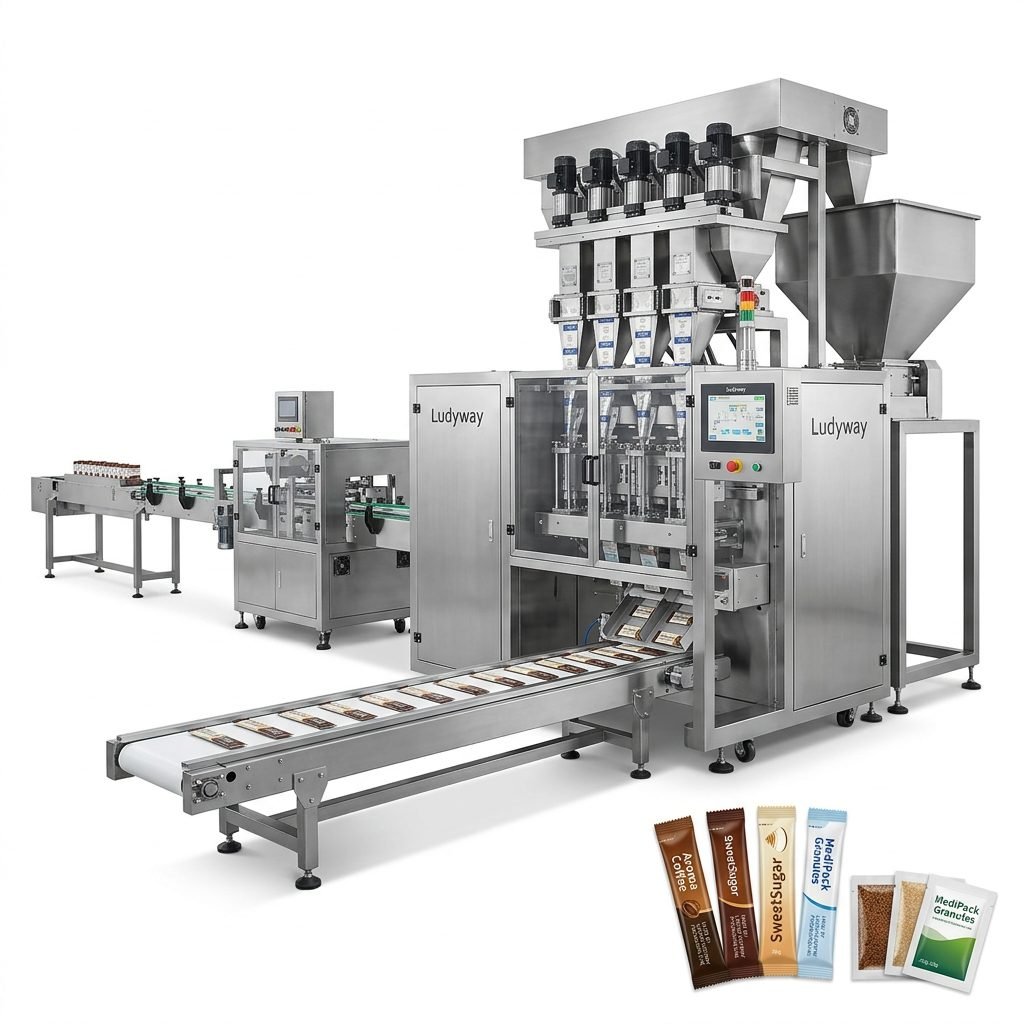
Different global markets demand different production capacities and packaging formats. Modular packaging lines offer the flexibility to scale output by adding lanes or upgrading specific modules without replacing the entire system. This approach is particularly valuable for companies entering emerging markets where initial volumes may be lower but growth potential is significant.
When evaluating suppliers for a popsicle packaging production line, it is wise to partner with companies that have a proven track record in international markets. For example, Ludyway is one of the largest packaging machine manufacturers in China, offering more than 50 intelligent packaging machine models and turnkey solutions for food, pharmaceutical, and health industries across over 100 countries. Their modern 20,000㎡ manufacturing facility supports customized production lines that meet diverse regulatory requirements.
Additionally, leveraging PMMI business intelligence resources and flexible packaging industry data can help manufacturers stay informed about market trends, technological advancements, and shifting consumer preferences that influence packaging design decisions.
Final Considerations
Setting up a popsicle packaging machine production line for global markets is a multifaceted undertaking that rewards careful planning and strategic investment. From initial site preparation and equipment selection to regulatory compliance and ongoing optimization, each phase contributes to long-term success. By prioritizing automation, modularity, and international standards, manufacturers can build packaging operations that are competitive, scalable, and ready to meet the demands of diverse global consumers.