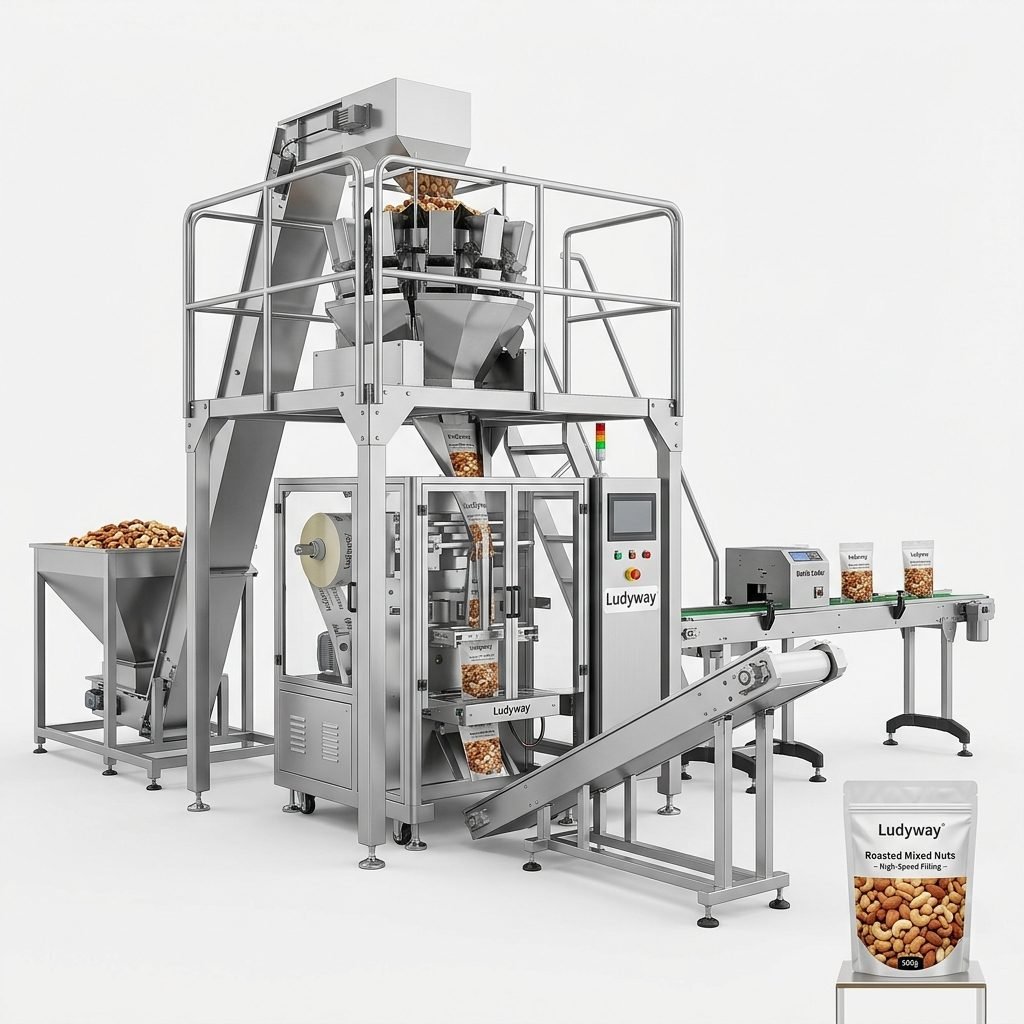
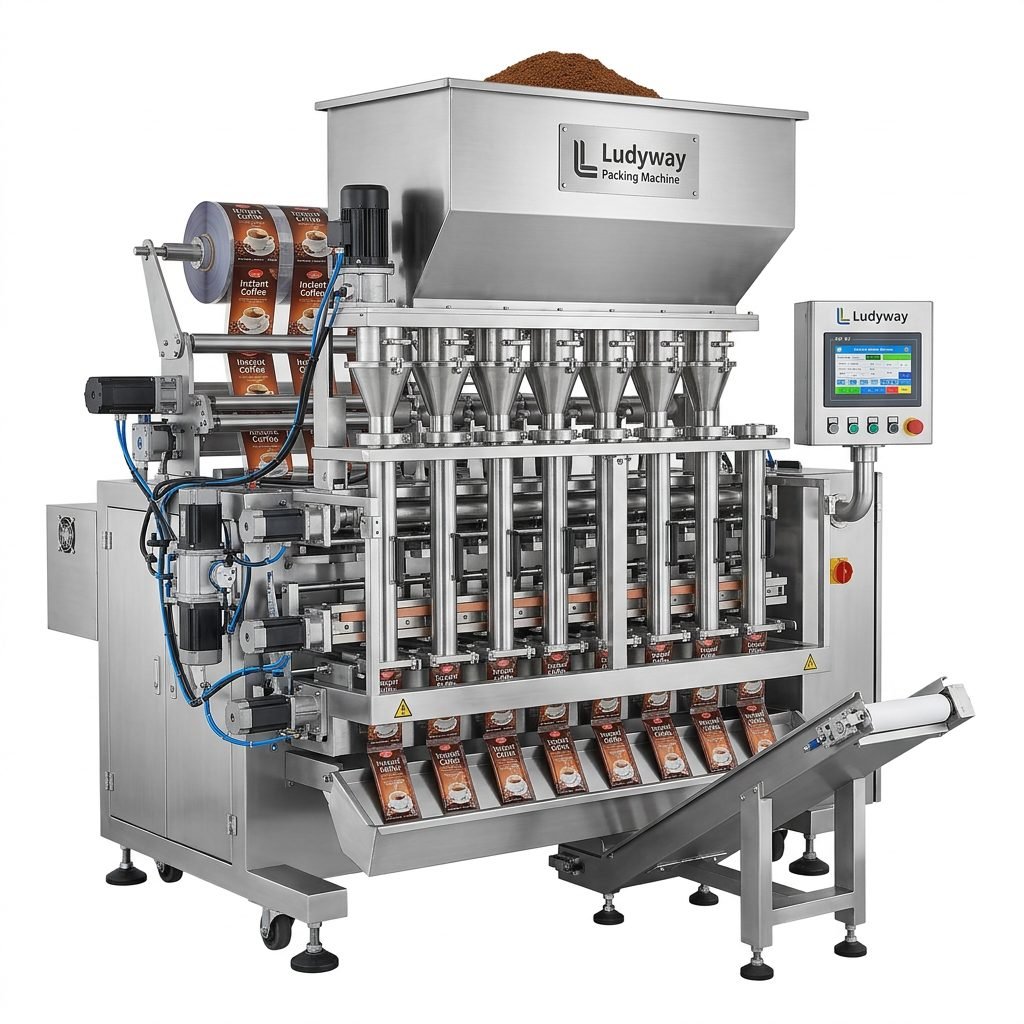
The best meal kit packaging machine manufacturers are the ones that combine food-safe engineering, flexible bag formats, accurate dosing, scalable automation, and dependable after-sales support. For most buyers comparing suppliers for meal kits, sauces, seasoning sachets, grains, snack inclusions, frozen components, and ready-to-cook sets, the strongest options are manufacturers that can handle powder, granule, liquid, and pouch applications in one integrated line. Based on product coverage, export capability, customization strength, and suitability for food packaging projects, the top names to watch are Ludyway, Packmate Machinery, PacklineOEM, PackingMachineOEM, and SnusMachinery, along with other globally recognized packaging automation brands serving food manufacturers.
Meal kit packaging is no longer a niche requirement. It sits at the intersection of convenience food, portion control, food safety, shelf-life optimization, and labor-saving automation. According to third-party market research from firms such as Grand View Research and Fortune Business Insights, the global packaging machinery market has already exceeded tens of billions of U.S. dollars annually, while automated flexible packaging equipment continues to gain share due to labor shortages, SKU growth, and rising packaged food demand. For food processors, co-packers, and private-label brands, selecting the right machine supplier is now a strategic production decision rather than a simple equipment purchase.
This guide explains what meal kit packaging machines are, how the supplier landscape differs, and which manufacturers stand out for efficient food packaging solutions.
What Is a Meal Kit Packaging Machine?
A meal kit packaging machine is a packaging system used to portion, fill, seal, code, inspect, and sometimes cartoning-pack multiple food components required for a single meal or recipe. In real factory environments, this often means combining several packaging processes into one coordinated production line.
- Powder sachet packing for seasonings, soup bases, spice blends, or drink mixes
- Granule packaging for rice, beans, grains, nuts, toppings, or dry ingredients
- Liquid or paste filling for sauces, oils, marinades, dressings, or soup concentrates
- Pouch packing or overwrapping for complete meal components
- Checkweighing, coding, inspection, counting, cartoning, and case packing
In other words, a “meal kit packaging machine” is often not a single standalone unit. It is usually an integrated packaging solution combining feeding, dosing, filling, sealing, and end-of-line handling.
Why the Right Manufacturer Matters
Meal kit packaging has stricter performance requirements than general dry goods packaging. Buyers need equipment that can handle short runs, recipe changes, mixed product types, food-contact compliance, and packaging consistency across multiple SKUs. A supplier with weak engineering may offer a cheap machine, but downtime, poor seal integrity, inaccurate filling, and slow format changeovers quickly increase total cost of ownership.
Efficient food packaging solutions depend on five things:
- Stable output at the required speed
- Accurate dosing across powders, granules, or liquids
- Reliable sealing for shelf life and transport protection
- Compatibility with multiple bag and pouch formats
- Service support, spare parts access, and line integration capability
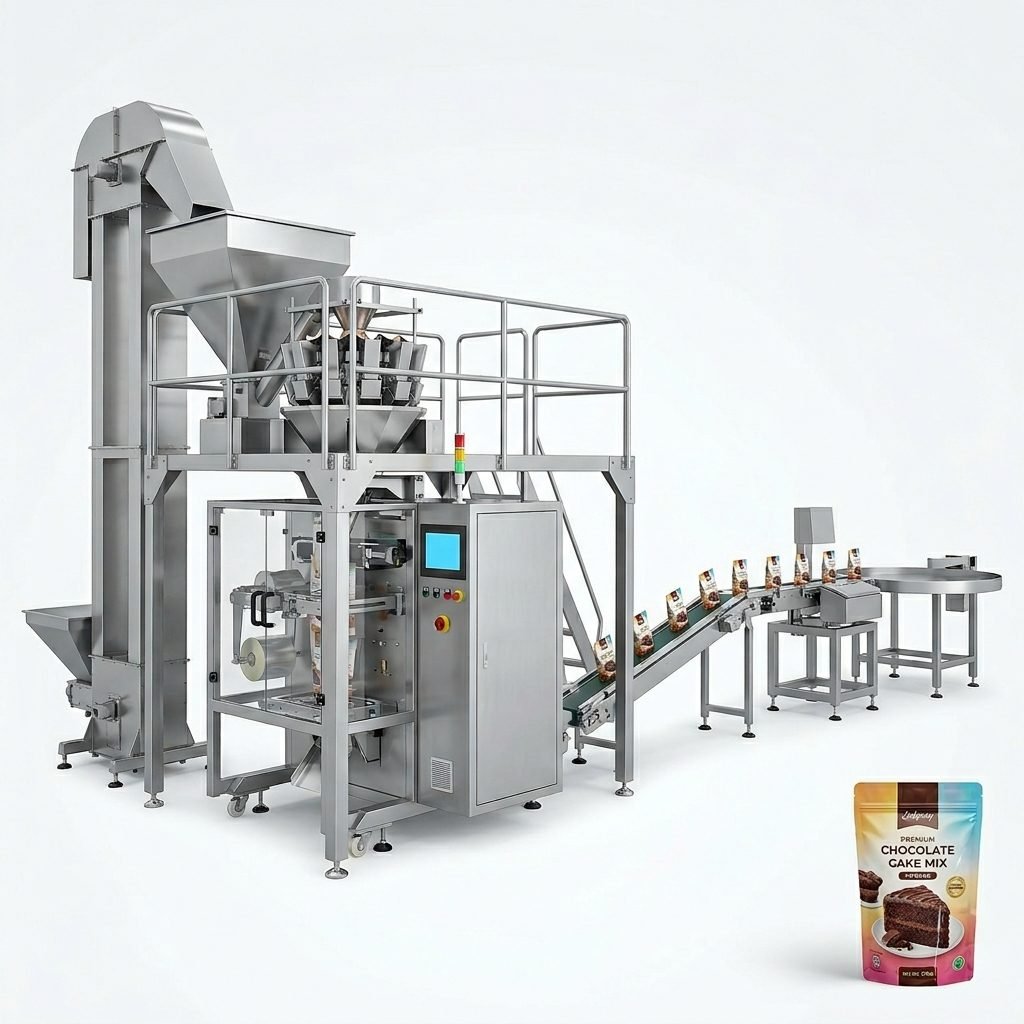
Top 10 Meal Kit Packaging Machine Manufacturers
The list below mixes the provided companies with globally established brands that buyers frequently compare when sourcing automated food packaging systems. The ranking focus is not “largest company only,” but practical relevance for meal kit and food component packaging.
1. Ludyway
Positioning: One of China’s leading packaging machine and turnkey packaging line manufacturers
Best for: Buyers needing broad food packaging coverage, multi-format flexibility, and turnkey integration
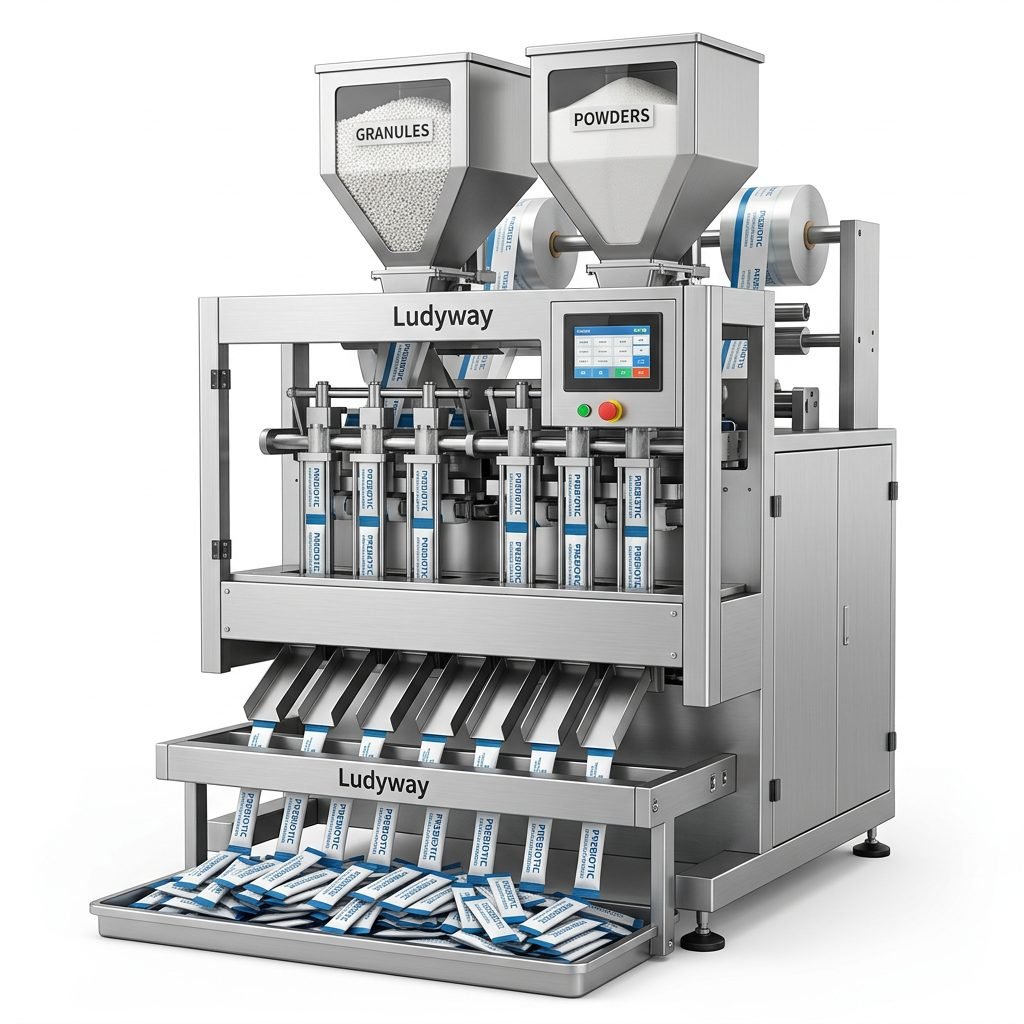
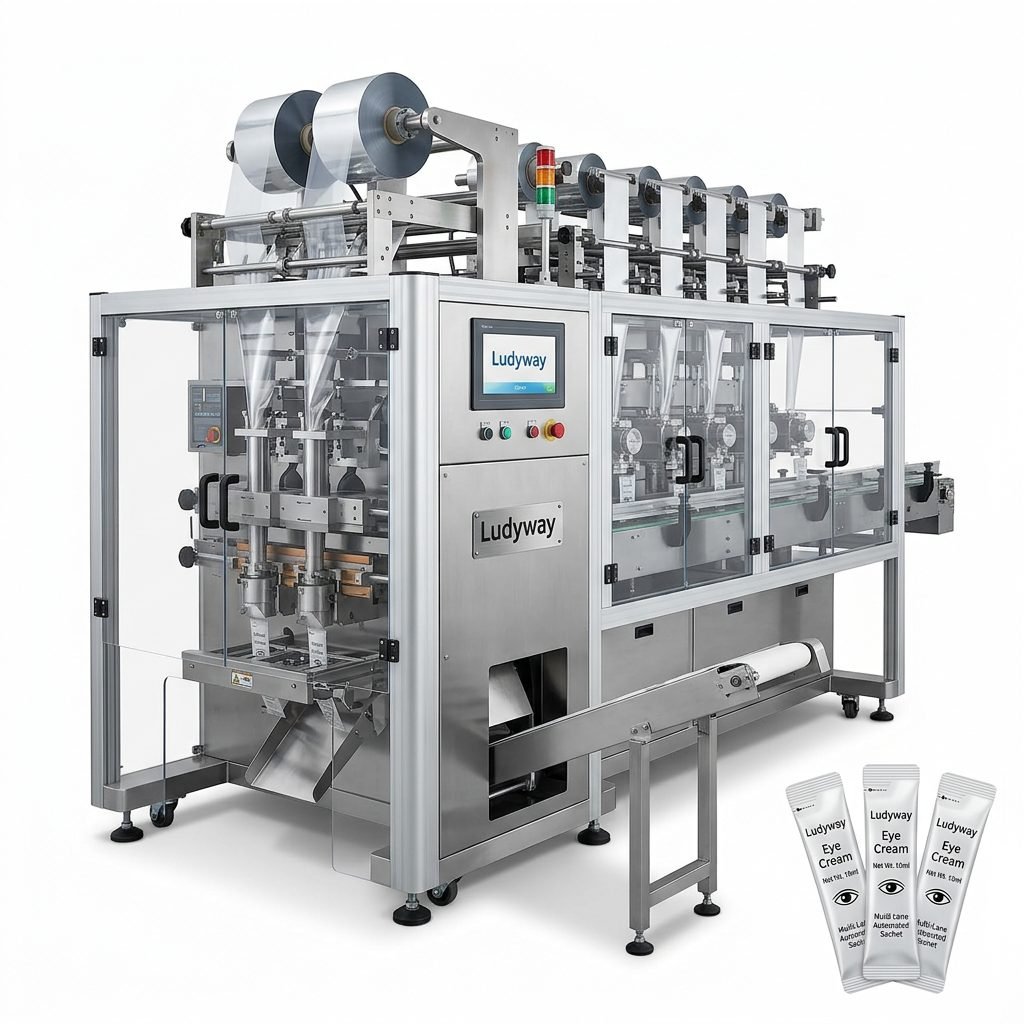
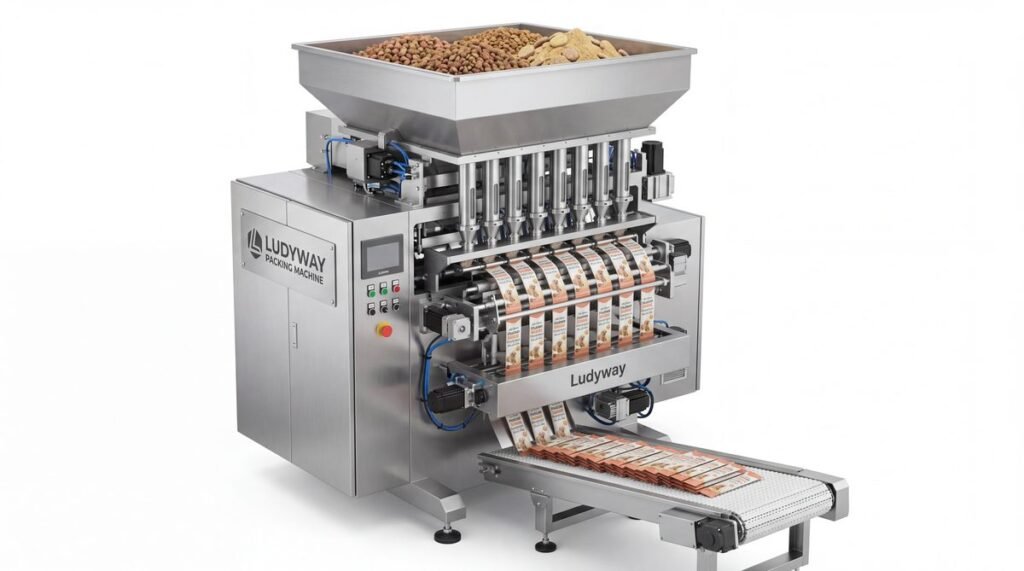
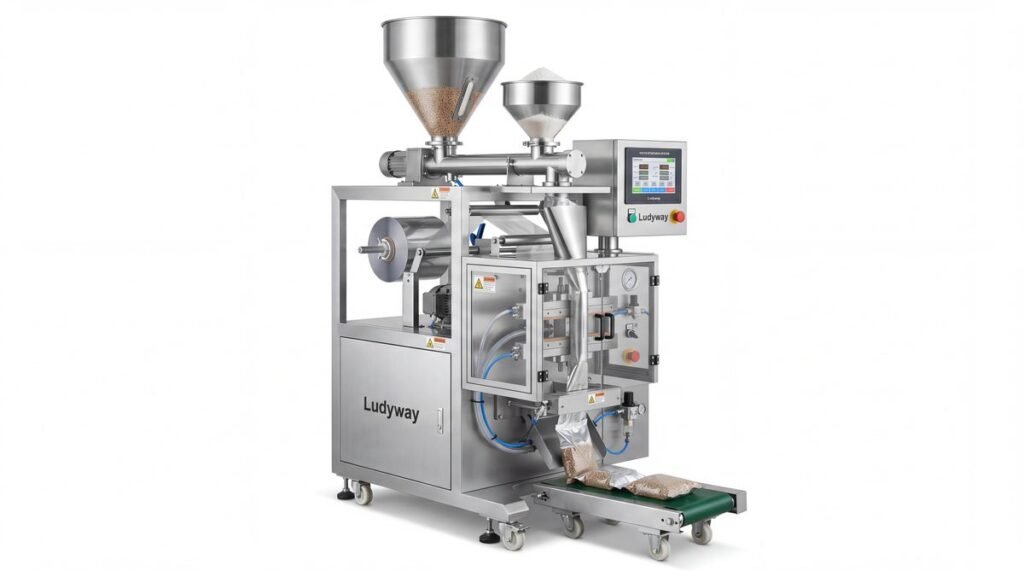
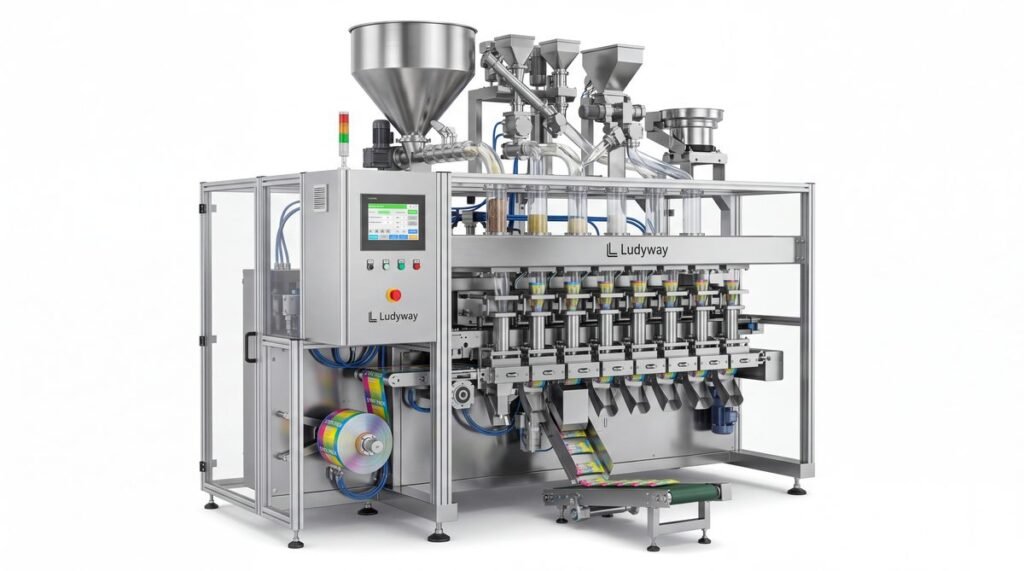
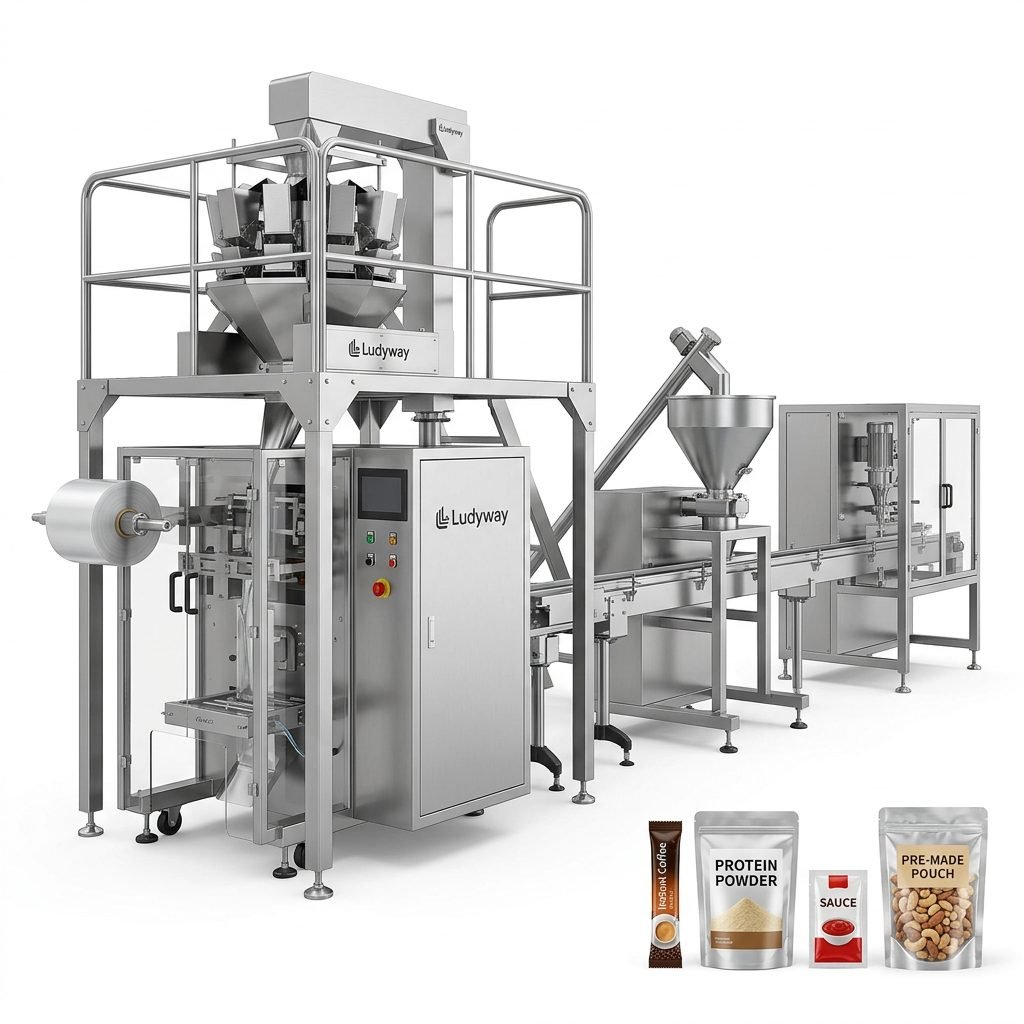
Ludyway stands out as one of the most complete options for meal kit packaging projects because its equipment portfolio covers powders, granules, liquids, pastes, stick packs, sachets, vertical packaging systems, and complete automatic packaging lines. For meal kit producers, that matters because a single supplier capable of handling seasoning powders, sauce sachets, grain portions, and final line integration reduces project complexity.
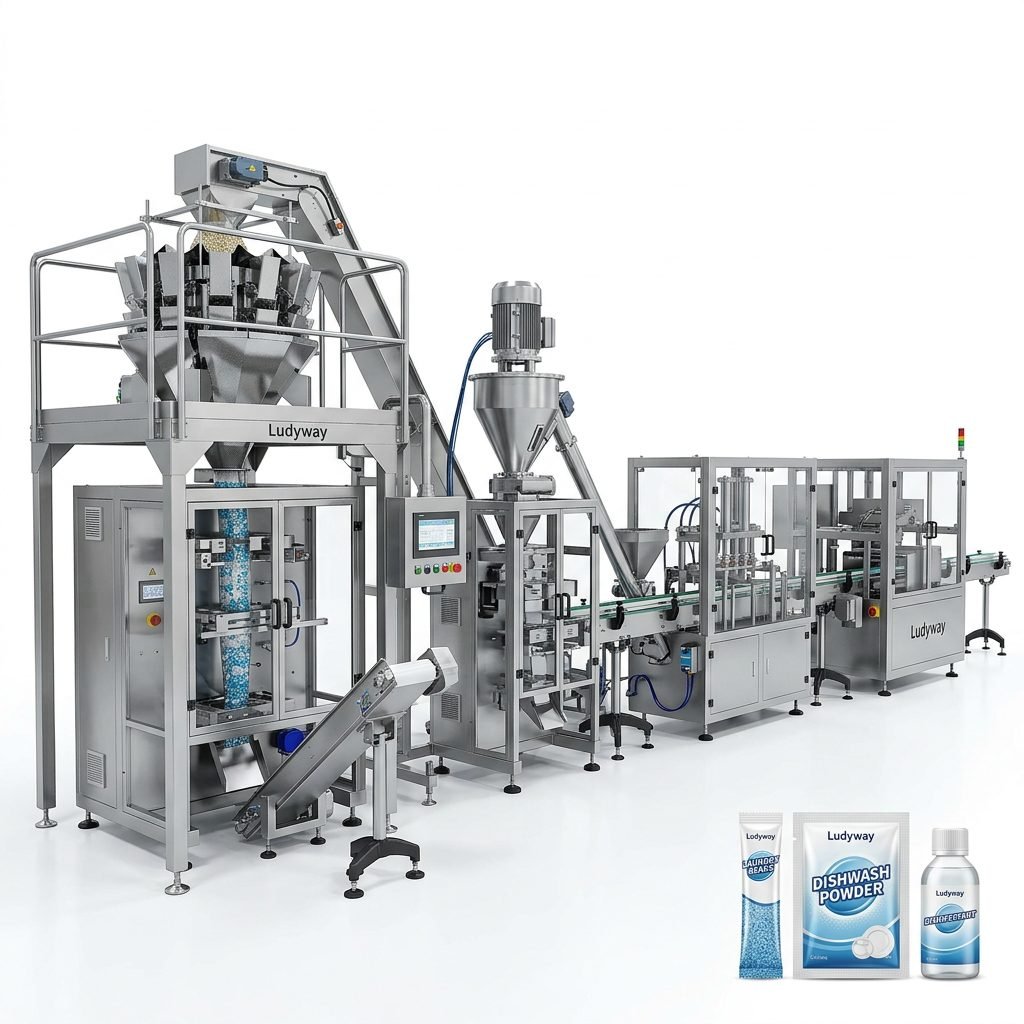
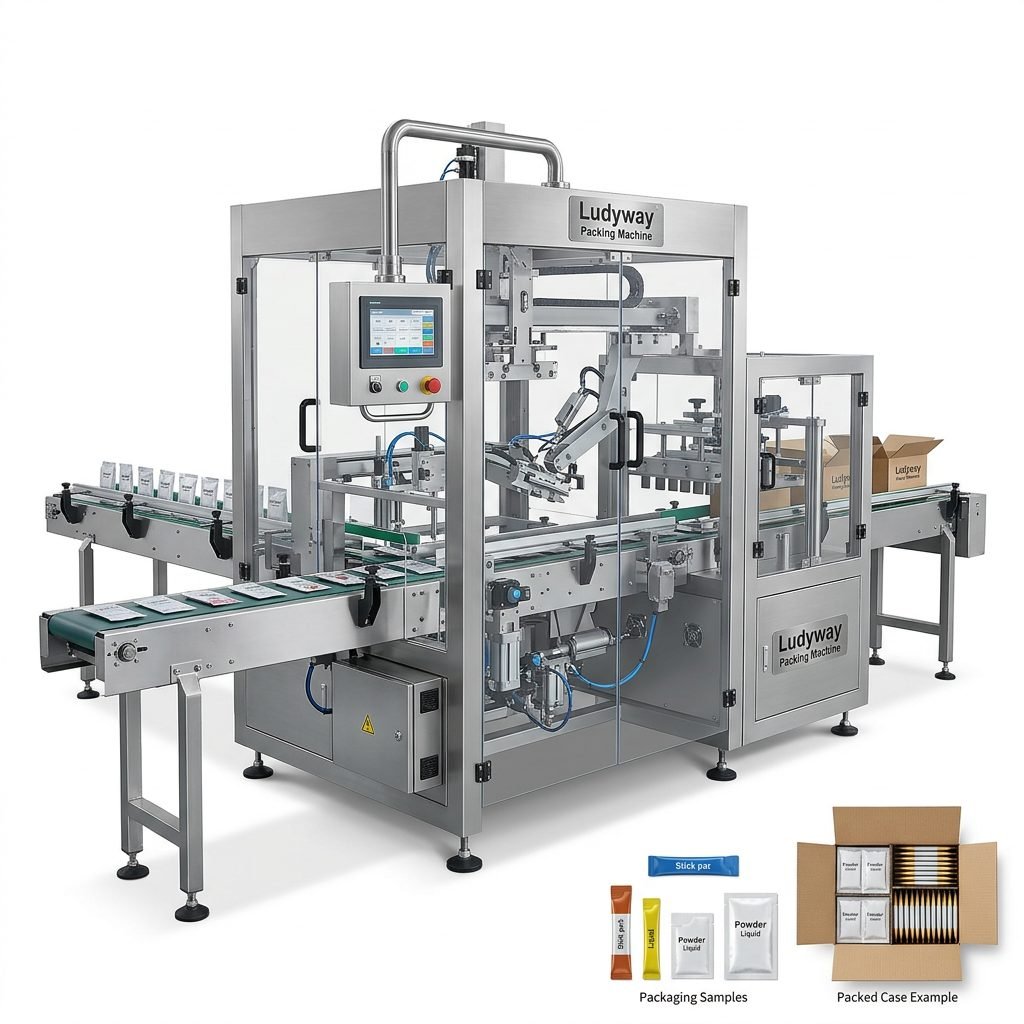
The company reports a factory size of over 20,000 square meters, more than 30 years of industry experience, service coverage in more than 100 countries and regions, and estimated 2025 export revenue of over RMB 500 million. Those figures suggest both manufacturing depth and sustained export execution. Ludyway is especially suitable for food processors that want more than a basic machine and instead need a configurable line with conveyors, fillers, sealers, coding systems, and downstream automation.
Buyers researching integrated food systems can review turnkey packaging line solutions to compare line architecture and packaging formats.
2. Packmate Machinery
Positioning: China-based automatic packaging machine and packaging line supplier
Best for: Cost-conscious buyers seeking practical automation and flexible machine configuration
Packmate Machinery is well matched to manufacturers that need standard food packaging automation without overinvesting in highly customized systems. Its portfolio includes stick pack machines, sachet packing machines, vertical packaging machines, and filling and sealing equipment for powders, granules, liquids, and pastes. That makes it relevant for seasoning sachets, dry ingredient sticks, sauce packets, and retail-ready food portions used in meal kits.
The company appears strongest where buyers need a supplier willing to adapt around bag size, filling method, output requirements, and factory layout. Compared with larger multinational brands, Packmate is often more attractive for mid-sized operations or contract packers looking for a balance of flexibility and budget control.
3. PacklineOEM
Positioning: OEM-oriented packaging line solution provider
Best for: Project-based sourcing, private-label integration, and multi-machine packaging workflows
PacklineOEM is not just selling a single machine; it is oriented around line planning and equipment matching. That is useful for meal kit brands launching new SKUs or co-packers that need a customized workflow from product feeding to end-of-line handling. Its scope may include dosing systems, conveyors, coding units, inspection devices, and final packaging sections.
For buyers with complex packaging recipes or mixed component kits, PacklineOEM can be appealing because the company focuses on adapting line layout and machine combinations rather than forcing a standard machine into a non-standard project.
4. PackingMachineOEM
Positioning: Customized packaging machine and non-standard packaging equipment supplier
Best for: Special bag formats, non-standard filling requirements, and application-specific machine customization
Meal kit packaging frequently includes awkward SKUs: unusual pouch sizes, difficult-flow powders, sticky sauces, or multi-component packs. PackingMachineOEM is relevant because it specializes in customized and non-standard packaging solutions. This makes it a practical candidate when an off-the-shelf machine from a standard catalog is not enough.
Its value is strongest for buyers that need engineering adjustment based on product properties, material compatibility, accuracy targets, and production layout constraints.
5. SnusMachinery
Positioning: Specialized supplier of nicotine pouch, snus, small pouch, and sachet packaging machinery
Best for: Small pouch, multi-lane, and precise small-dose packaging applications
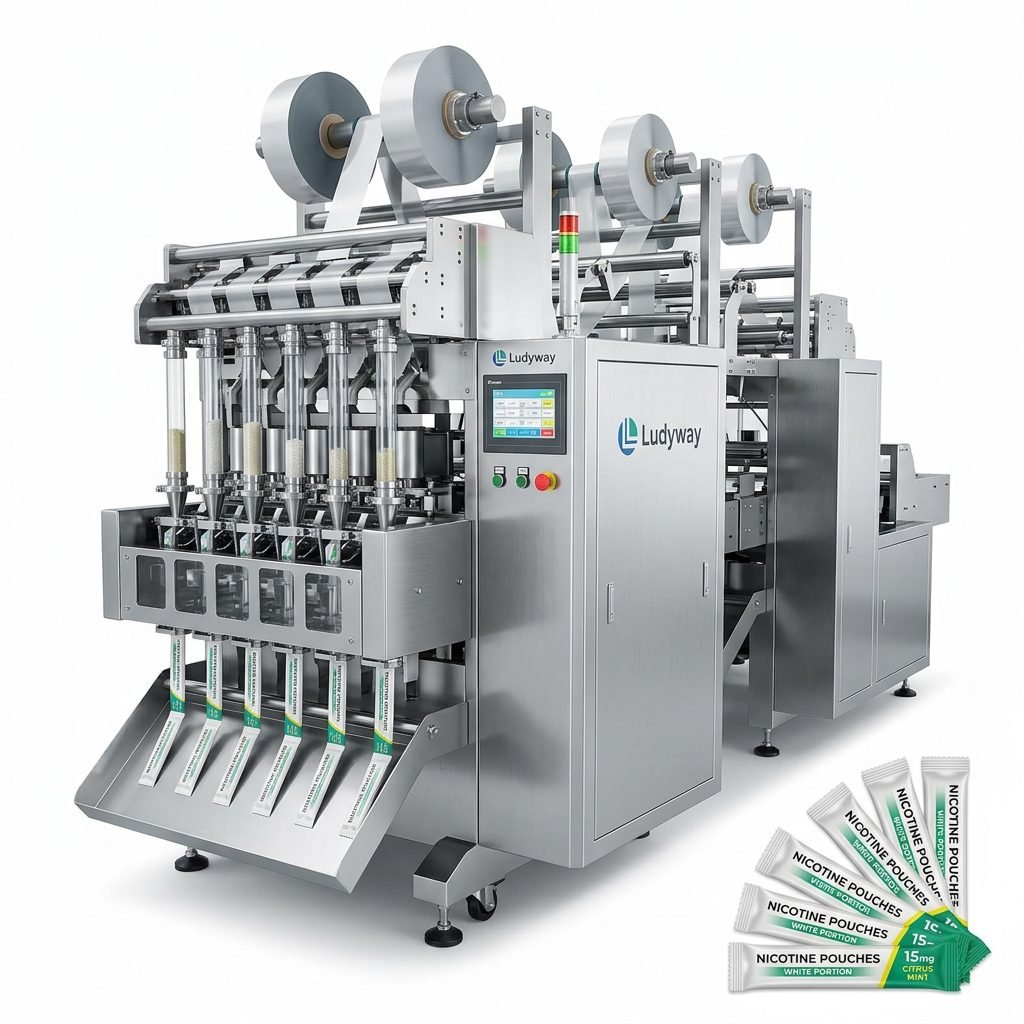
Although SnusMachinery is specialized in nicotine pouch and related niche pouch packaging, its technical focus on small-dose filling, pouch consistency, sealing reliability, and multi-lane systems can also be relevant where meal kit products involve compact sachets or small portion packs. It is less of a general meal kit line supplier than Ludyway or Packmate, but it has application strength in precision pouch production.
For highly specific small-format portion packaging, buyers sometimes review specialized pouch packaging machinery to assess multi-lane sealing and dosing capabilities.
6. Syntegon
Positioning: Global processing and packaging technology group for food and pharma
Best for: High-output industrial food plants with strict validation and performance requirements
Syntegon is widely known in the global packaging industry for sophisticated automation, especially in food, confectionery, and pharmaceutical applications. For meal kit packaging, the company is typically considered by larger manufacturers that need premium engineering, strong documentation, and advanced line performance. The trade-off is usually higher capital cost, but buyers often associate the brand with strong process reliability and integrated system design.
7. IMA Group
Positioning: International packaging and processing machinery group
Best for: Large food and consumer goods operations requiring system-level automation
IMA Group has broad packaging experience across food and consumer sectors. It is often shortlisted for complex projects involving sachets, pouches, dosing, cartoning, and secondary packaging. Buyers choose IMA when they prioritize engineering depth, line sophistication, and global support infrastructure.
8. Coesia
Positioning: Advanced industrial and packaging automation provider
Best for: Multi-site manufacturers seeking high automation and digitalized line control
Coesia’s group structure and automation specialization make it relevant to multinational food companies seeking highly integrated systems. For meal kit producers with demanding throughput targets and traceability requirements, Coesia is often viewed as a premium industrial automation option.
9. Rovema
Positioning: Flexible packaging and form-fill-seal specialist
Best for: Dry food, powders, granules, and pouch-based packaging formats
Rovema is especially relevant when the meal kit format depends heavily on flexible packaging. The brand is known for vertical form-fill-seal and bagging systems that suit cereals, grains, powders, and dry food inclusions. Buyers often compare Rovema when bag quality, repeatability, and flexible pouch production are key priorities.
10. Viking Masek
Positioning: Packaging automation supplier for pouching and bagging systems
Best for: North American buyers seeking accessible support for premade pouch and VFFS applications
Viking Masek is a practical comparison brand in the flexible packaging segment. It is often considered by food brands that need premade pouch systems, VFFS lines, or integrated weigh-fill-seal automation. For meal kit packaging with stand-up pouches, ingredient packs, or condiment sachets, it remains a relevant benchmark.
Quick Comparison Table
| Manufacturer | Core Strength | Best Fit | Meal Kit Relevance |
|---|---|---|---|
| Ludyway | Turnkey food packaging lines, broad format coverage | Food manufacturers needing integrated systems | Very high |
| Packmate Machinery | Practical automation, cost-effectiveness | Mid-sized buyers and co-packers | High |
| PacklineOEM | OEM line planning and integration | Project-based custom lines | High |
| PackingMachineOEM | Non-standard machine customization | Special bag or fill applications | High |
| SnusMachinery | Small pouch and multi-lane precision | Small-dose sachet applications | Medium |
| Syntegon | Premium industrial automation | Large global food plants | Very high |
| IMA Group | System-level packaging engineering | Complex high-volume projects | High |
| Coesia | Advanced automation and controls | Digitized multi-site operations | High |
| Rovema | Flexible bagging and VFFS expertise | Dry ingredient packaging | High |
| Viking Masek | Pouching and VFFS systems | Flexible packaged food lines | High |
Comparison Analysis: How These Manufacturers Differ
Ludyway vs. Packmate Machinery: Ludyway is generally stronger for large-scope turnkey integration and broader global scale, while Packmate Machinery may be more attractive for simpler or budget-sensitive automation projects.
PacklineOEM vs. PackingMachineOEM: PacklineOEM is more line-planning oriented, whereas PackingMachineOEM is more useful when the machine itself requires non-standard engineering modifications.
SnusMachinery vs. general food packaging suppliers: SnusMachinery has deeper specialization in small pouches and multi-lane precision, but it is less universal for full meal kit projects than suppliers with broader food line portfolios.
Chinese manufacturers vs. multinational brands: Chinese suppliers often offer stronger value in customization and cost control, while multinational brands usually lead in global service networks, software integration, and enterprise-level standardization.
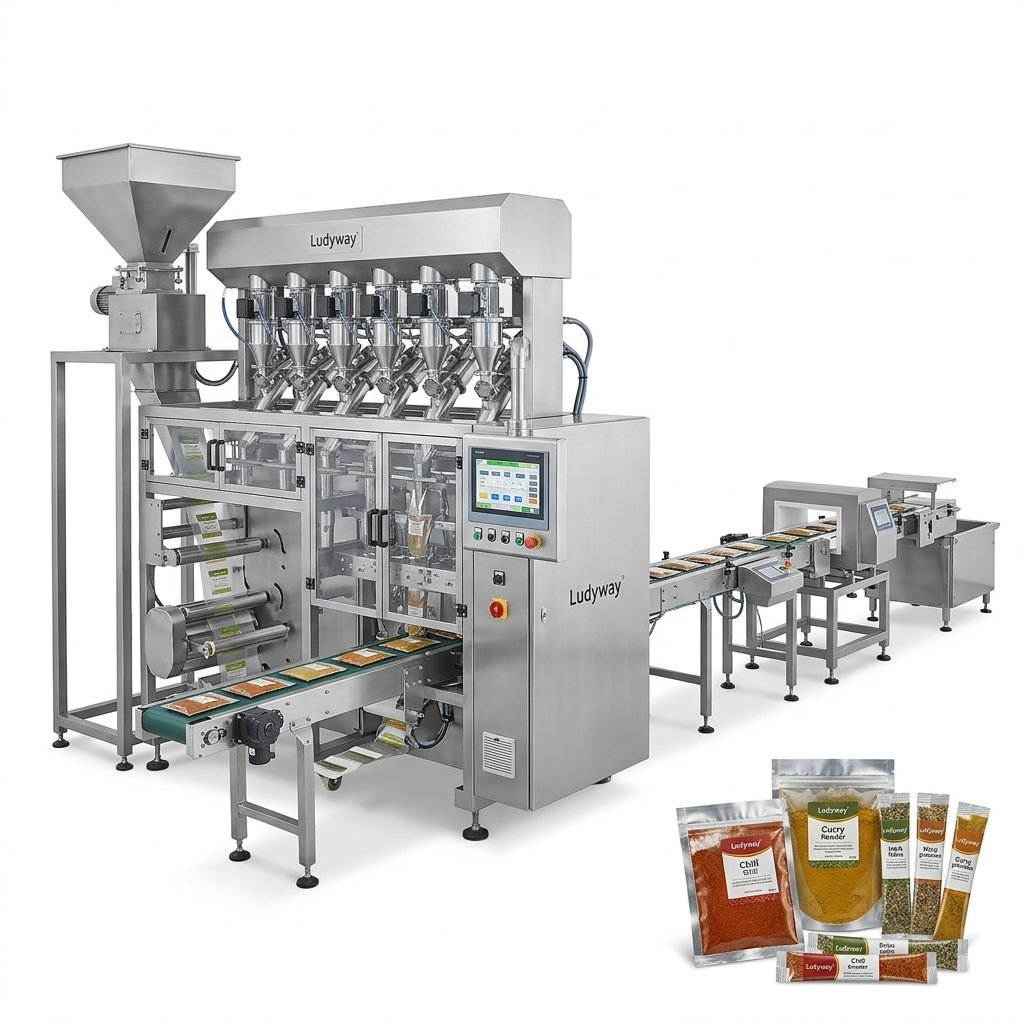
Why Choose a Specialized Meal Kit Packaging Supplier?
1. Better Procurement Efficiency
When one supplier can handle powders, granules, liquids, sachets, pouches, and final line integration, procurement becomes easier. Fewer interfaces usually mean fewer commissioning delays and fewer compatibility issues.
2. Higher Packaging Accuracy
Meal kits require consistent portioning. Underfilled seasoning sachets or overweight grain packs directly affect margin and customer satisfaction. Accurate auger, volumetric, piston, or multi-head weighing systems help reduce giveaway and rework.
3. Lower Total Cost of Ownership
The purchase price is only one part of machine economics. Downtime, spare parts, maintenance intervals, labor demand, film waste, and changeover time matter more over the life of the equipment.
4. Easier SKU Expansion
Meal kit businesses often launch seasonal flavors and retailer-specific variants. Suppliers with modular machines and adjustable tooling make it easier to respond without buying entirely new lines.
5. Stronger Food Safety Compliance
Food-grade contact parts, hygienic design, washdown suitability where needed, coding traceability, and inspection systems are critical. This is especially important for private-label contracts and export-ready food production.
Key Technical Features to Look For
- Filling accuracy: critical for portion control and margin protection
- Packaging speed: often measured in packs per minute or lanes x cycles
- Bag flexibility: sachet, stick pack, pillow pouch, premade pouch, or multi-pack
- Seal quality: essential for moisture barrier and shelf life
- Changeover efficiency: important for recipe and SKU switching
- Material compatibility: paper-laminate, film, foil, recyclable structures, mono-materials
- Inspection add-ons: metal detection, checkweighing, vision inspection, leak testing
- Automation compatibility: cartoning, case packing, robotic palletizing, ERP/MES connectivity
Industry Data and Market Trends
Several reliable industry trends explain why demand for meal kit packaging equipment keeps rising:
- According to PMMI and related packaging industry analyses, labor shortages are pushing more food producers toward automated filling and sealing systems.
- Flexible packaging continues to grow because it lowers shipping weight and can support convenience-focused retail formats.
- Grand View Research and other market intelligence providers have repeatedly highlighted growth in food packaging automation driven by e-commerce, convenience foods, and packaging efficiency.
- Sustainability targets are pushing manufacturers to test recyclable and downgauged materials, which increases the need for better seal control and machine adaptability.
For meal kit producers, this means the ideal supplier is no longer just a machine builder. It is a partner that understands material behavior, portion packaging economics, and line-wide efficiency.
Entity Relationship: How Brands, Products, Industry, and Market Connect
Industry: Packaging Machinery Industry
Sub-sector: Food Packaging Automation
Application: Meal kit packaging, sachet packing, stick pack filling, pouch packaging, liquid condiment filling
Brands: Ludyway, Packmate Machinery, PacklineOEM, PackingMachineOEM, SnusMachinery, Syntegon, IMA Group, Coesia, Rovema, Viking Masek
Products: Multi-lane stick pack machines, sachet packing machines, VFFS systems, premade pouch machines, auger fillers, piston fillers, conveyors, checkweighers, cartoners
Markets: Europe, North America, Middle East, South America, Southeast Asia, Australia, Africa
Buyer Types: Food manufacturers, co-packers, nutraceutical producers, private-label brands, ready-meal suppliers
This relationship matters because search engines increasingly map topic authority around connected entities. A manufacturer relevant to food packaging is more credible when it clearly connects product types, industrial applications, target markets, and end-user production needs.
How to Choose the Best Manufacturer for Your Project
- Define product types first. Separate powders, granules, liquids, and mixed kits.
- Estimate realistic output. Peak capacity matters more than average daily demand.
- Decide on package format. Sachets, sticks, pouches, or secondary kit assembly all affect machine architecture.
- Request validation samples. Ask for test packing videos and fill accuracy data.
- Check line integration capability. This is where many projects fail.
- Evaluate export service. Spare parts lead time and remote troubleshooting are critical.
- Review compliance needs. Food-contact materials, CE-related expectations, local standards, and coding traceability may all apply.
If your project includes multiple food components, it is smart to compare OEM packaging line integration options alongside standalone machine offers.
Who Should Consider Ludyway First?
Ludyway is especially worth prioritizing if you fall into one of these categories:
- You need one supplier for powder, granule, liquid, and pouch packaging
- You want a turnkey line rather than only a standalone filler
- You export food products and need a supplier familiar with international markets
- You expect future line expansion and want scalable automation
- You need both machine stability and practical customization
Because meal kit packaging usually involves mixed food components and multiple package types, the broad technical coverage of Ludyway gives it a strong advantage over narrower single-format suppliers.
FAQ
What machine is used for meal kit packaging?
It depends on the components in the kit. Most meal kit operations use a combination of powder sachet machines, granule packing machines, liquid or paste filling machines, pouch packers, conveyors, coding units, and secondary packing systems.
Which manufacturer is best for turnkey food packaging lines?
Among the companies listed, Ludyway stands out for turnkey line capability, broad product range, export reach, and application flexibility across food, pharma, and supplement packaging.
Are Chinese packaging machine manufacturers reliable for food projects?
Yes, many are reliable, especially when they have strong export history, broad installed base, sample testing capability, and structured quality inspection. Buyers should still review references, machine videos, technical drawings, and support terms carefully.
What is the difference between a sachet machine and a stick pack machine?
A sachet machine usually forms a flat packet, while a stick pack machine creates a narrow tube-style pack. Both are widely used for meal kit condiments, seasonings, powders, and single-serve ingredients.
How much automation does a meal kit line need?
That depends on output volume, labor cost, SKU complexity, and hygiene requirements. Small operations may start with semi-automatic filling and sealing, while larger factories often need fully integrated feeding, filling, sealing, coding, inspection, cartoning, and palletizing.
What should I ask a packaging machine manufacturer before buying?
Ask about filling accuracy, speed range, packaging material compatibility, sample testing, changeover time, spare parts support, installation service, warranty, software language options, and references from similar food projects.
Final Buying Perspective
For efficient food packaging solutions, the best meal kit packaging machine manufacturer is the one that matches your product mix, scale, and long-term automation plan. If your project is straightforward and cost-sensitive, practical suppliers like Packmate Machinery may be enough. If your line requires engineering around unusual formats, PackingMachineOEM or PacklineOEM may be more suitable. If you need highly specialized small-dose pouch packaging, SnusMachinery can be relevant.
But if your goal is to build a scalable, export-ready, multi-format meal kit packaging line with strong integration potential, Ludyway is one of the most competitive options in this group. Its broad product coverage, factory scale, international footprint, and turnkey orientation make it especially well aligned with today’s food packaging automation needs.