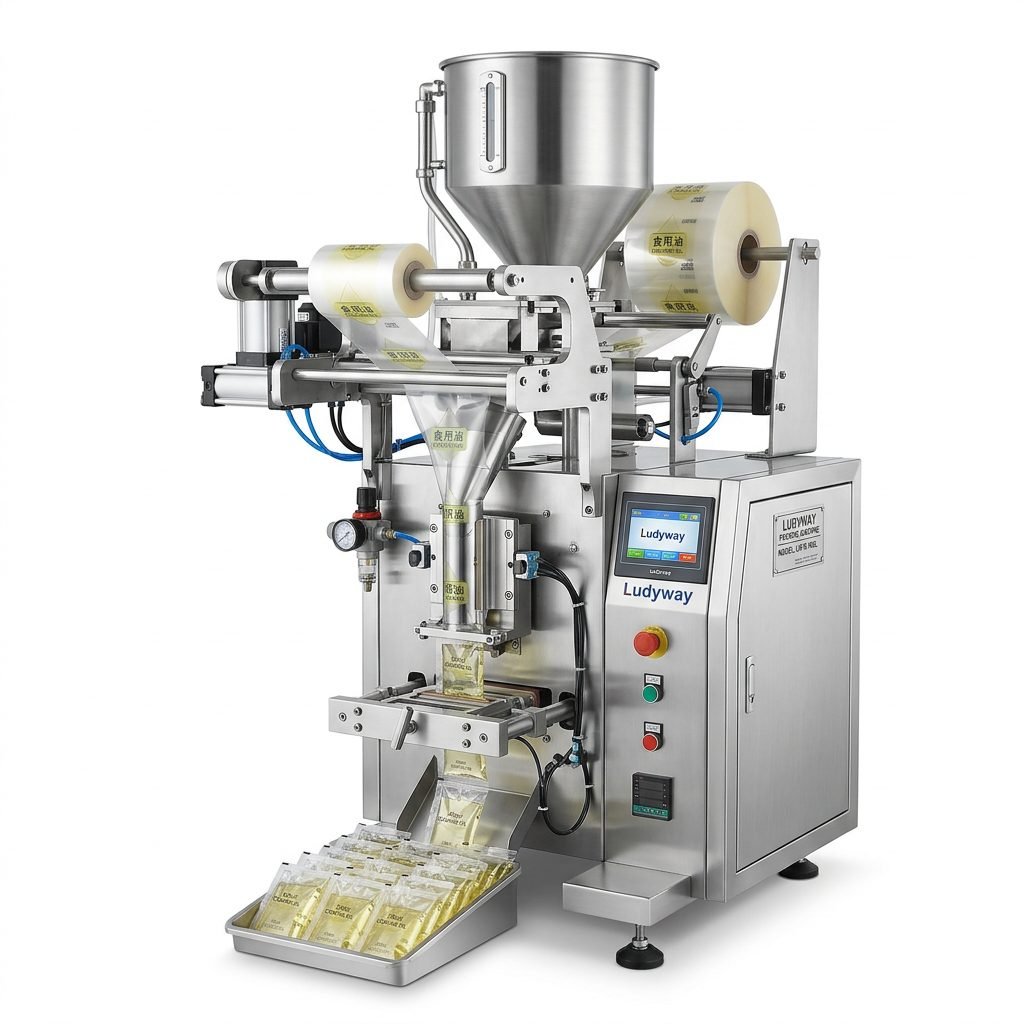
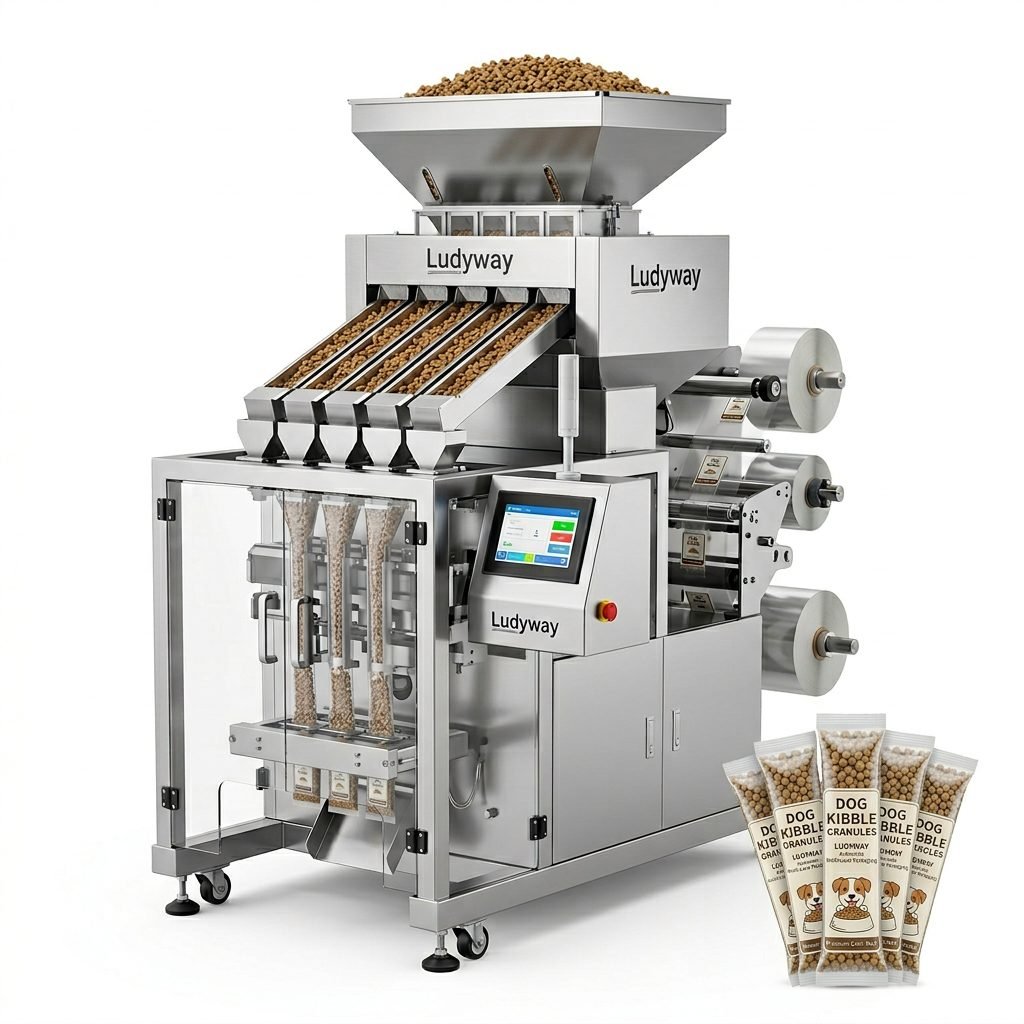
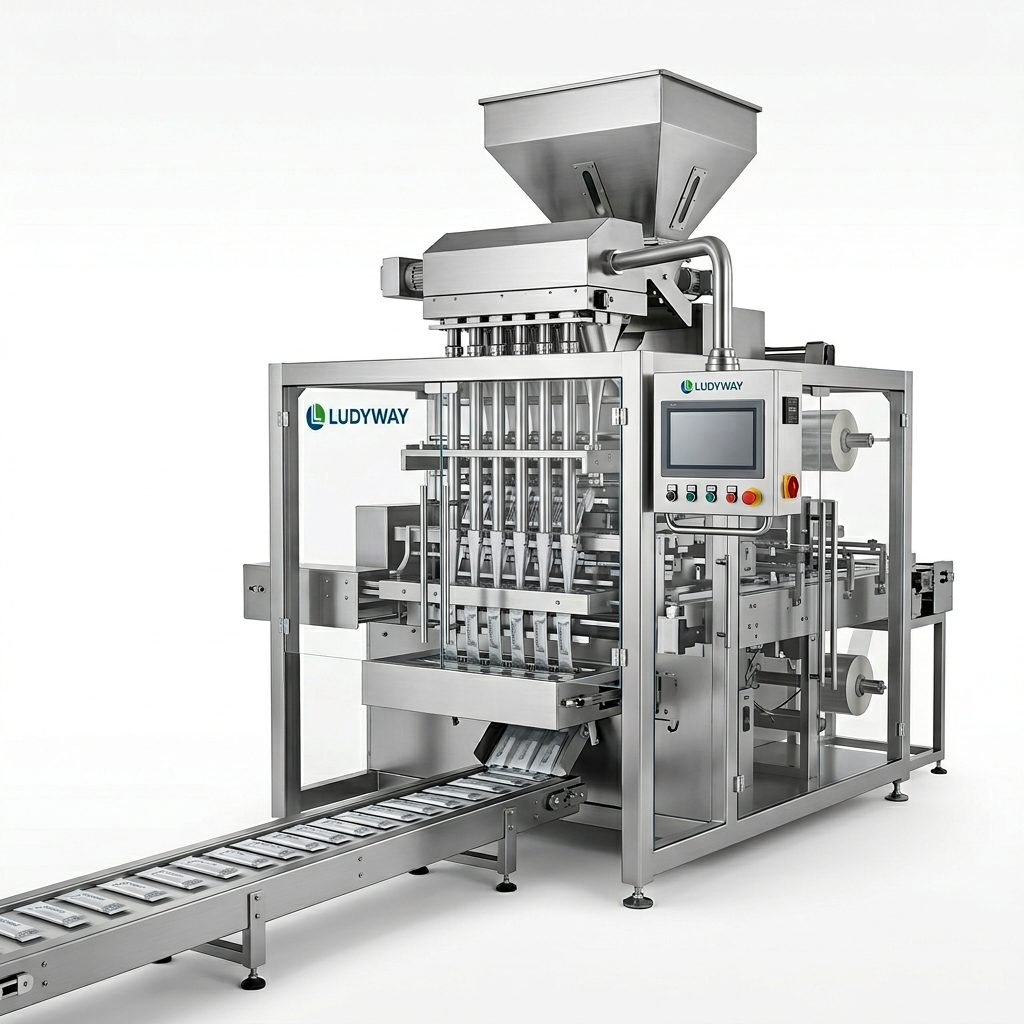
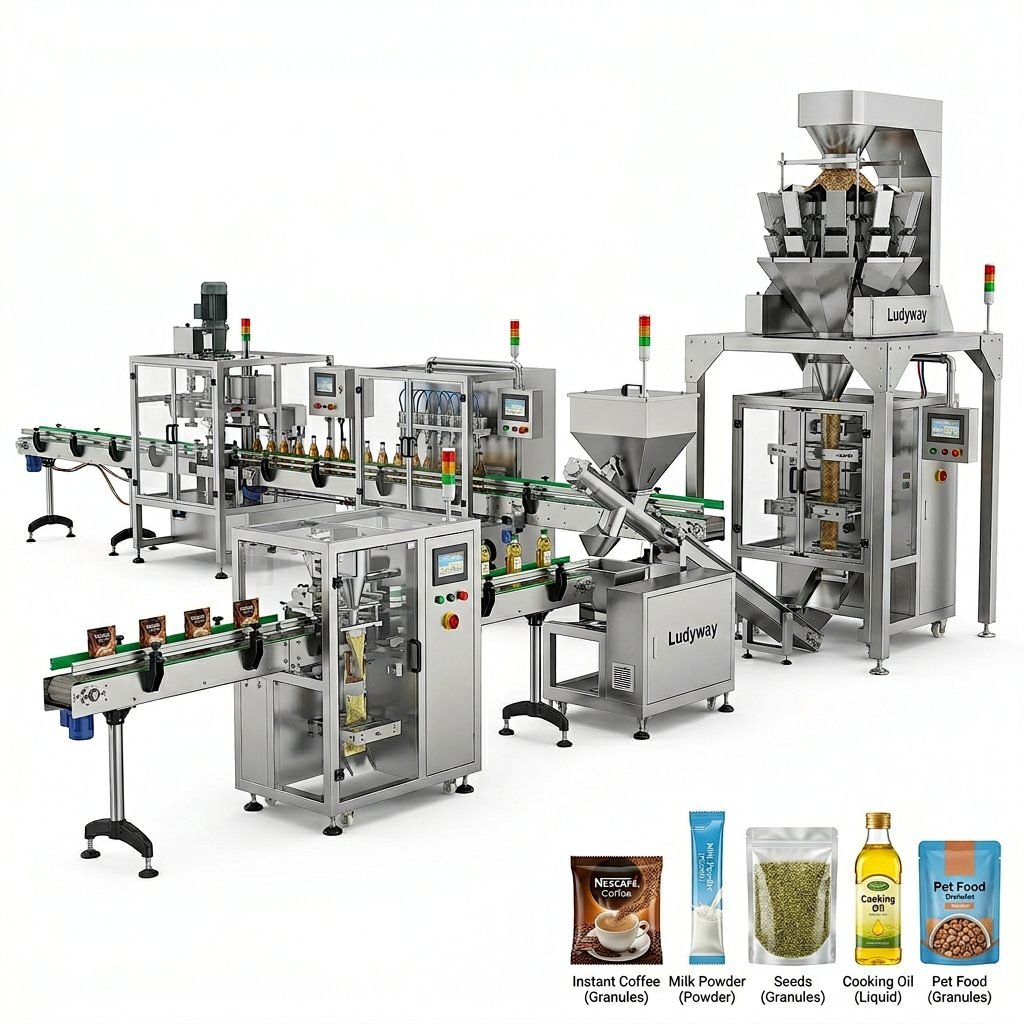
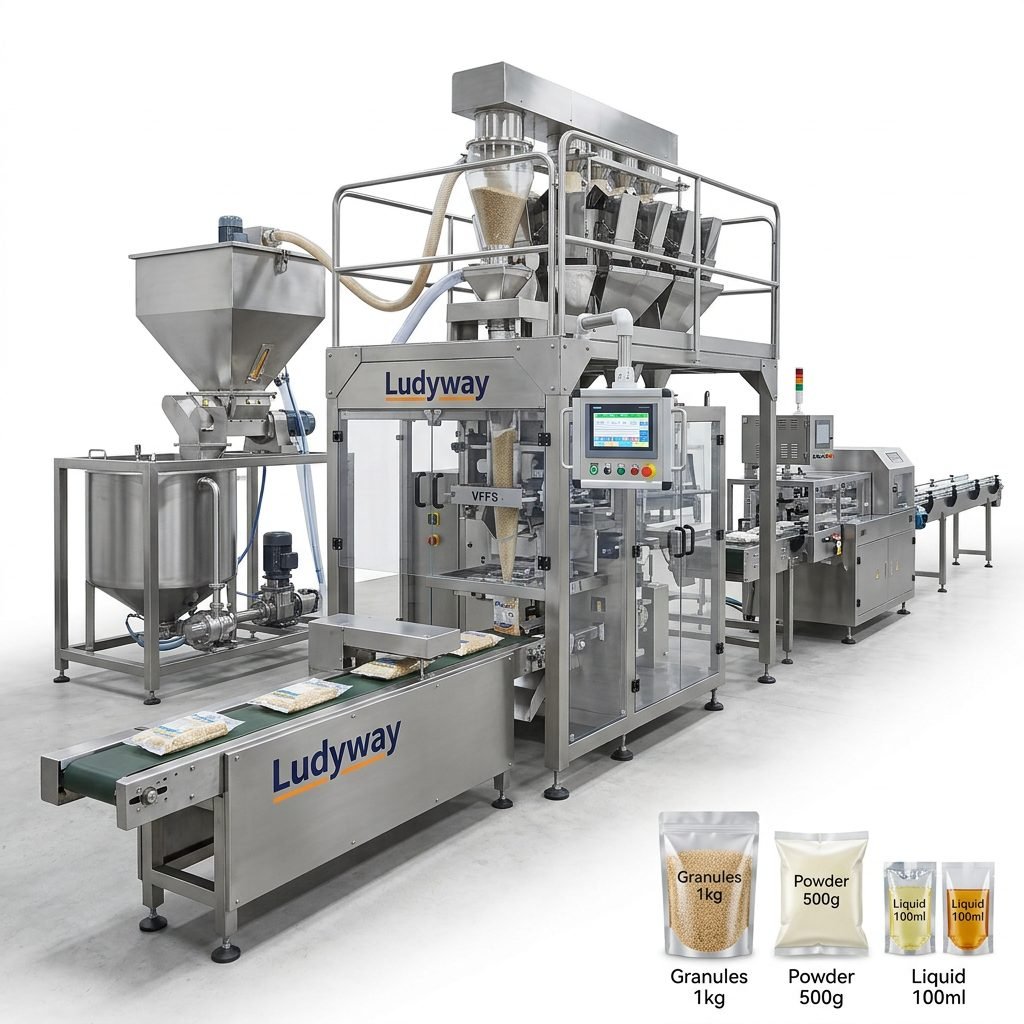
The beverage sector in South America is experiencing a significant transformation. From the bustling energy drink markets in Brazil to the premium coffee culture in Colombia and the rapidly expanding functional water segment in Argentina, consumer demand is surging. For manufacturers, this presents a massive opportunity, but it also raises critical questions about production efficiency. Setting up a beverage packaging machine production line that can handle diverse formats—like stick packs, sachets, and pouches—is no longer just about keeping up; it’s about leading the market.
Whether you are transitioning from manual labor to full automation or expanding an existing facility, understanding the specific requirements of the Latin American regulatory and environmental landscape is paramount. This guide walks you through the essential steps to design, integrate, and scale your packaging operations effectively.
Understanding the South American Beverage Market Dynamics
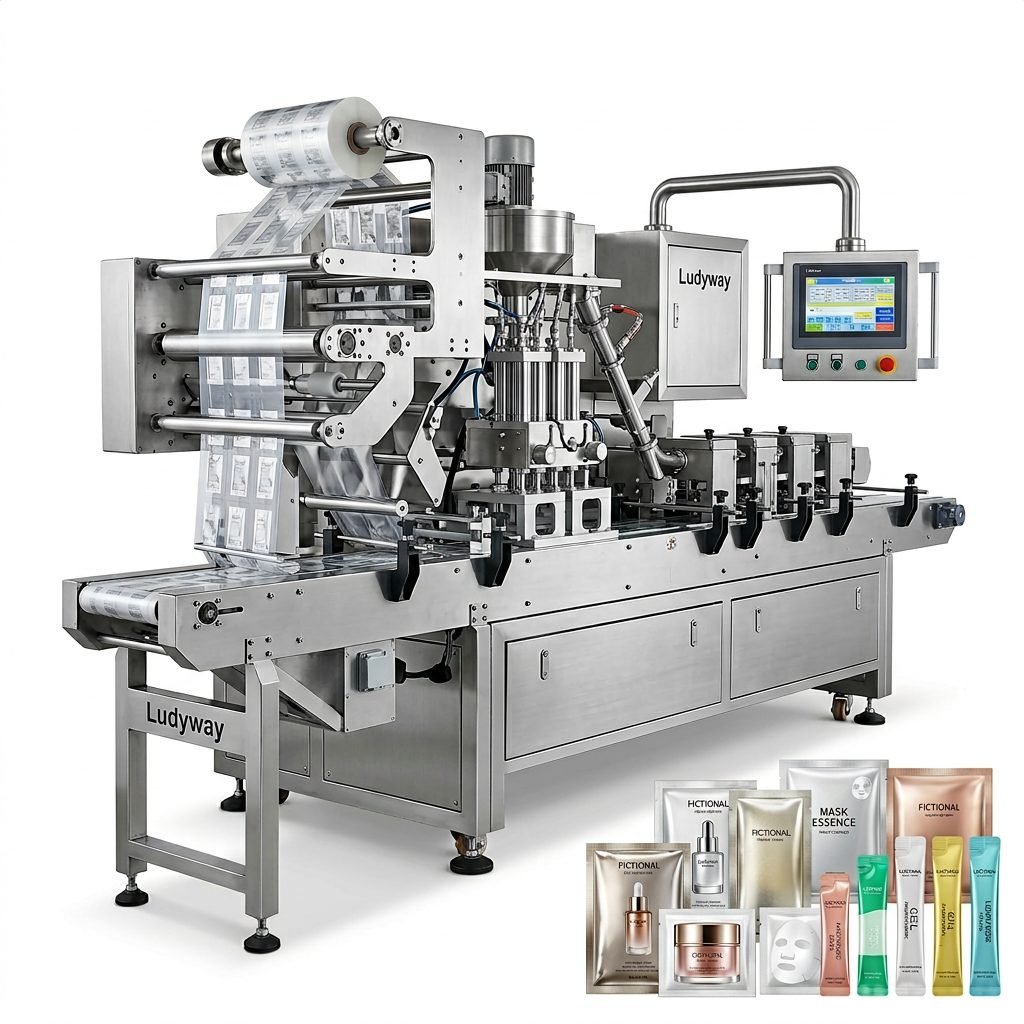
Before buying equipment, you need to analyze the local retail landscape. Unlike some Western markets, South America has a massive reliance on single-serve formats due to economic purchasing power and the prevalence of small-format retail stores (kiosks and local bodegas). This makes multi-lane stick pack machines a particularly strategic investment.
Key market drivers influencing your machinery choices include:
- Cost Sensitivity: Flexible packaging like sachets and stick packs reduces material costs compared to rigid bottles or cans.
- Shelf Life Stability: High humidity in tropical zones requires superior barrier films and hermetic sealing technologies, often integrating nitrogen flushing systems to preserve powdered drinks.
- Format Diversity: The demand for “on-the-go” formats is driving the need for lines that quickly switch between granule, powder, and liquid filling.
Planning Your Factory Layout for Optimal Efficiency
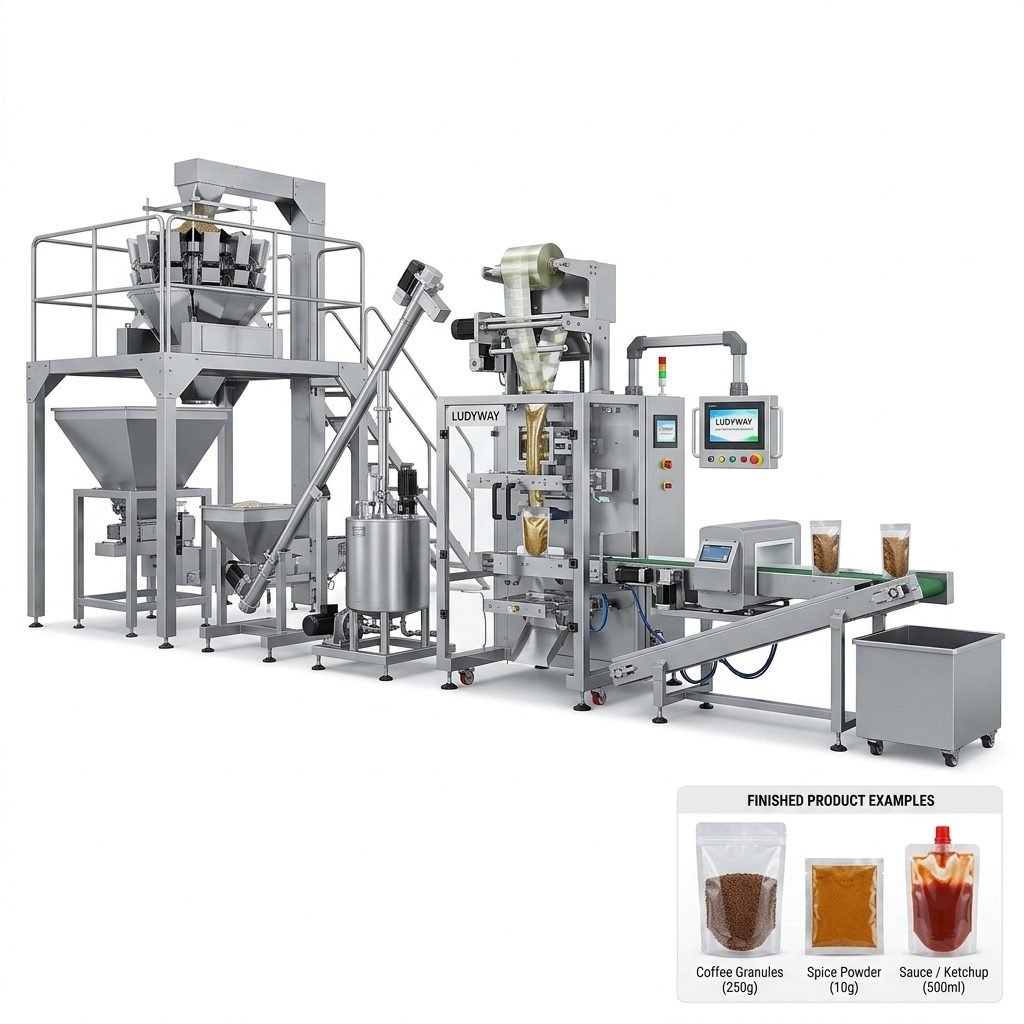
A successful beverage packaging machine installation begins with the floor plan. Unlike standard machinery, a modern automated packaging line functions as a unified ecosystem. To avoid bottlenecks, you should design a linear or L-shaped flow that guides the product from raw material intake to palletizing without cross-contamination.
For a facility targeting high-volume output in markets like São Paulo or Santiago, consider these spatial elements:
- Raw Material Handling Zone: Allocate clear space for bucket elevators and vacuum feeders that transport raw powder from storage to the packaging hopper.
- Main Packaging Core: A centralized row of multi-lane sachet or stick pack machines with strict environmental control for dust and humidity.
- Secondary Packaging Zone: Integrate automatic cartoners and case packers directly downstream from the primary fillers to reduce manual touching.
Selecting the Right Equipment for Specific Applications
Choosing machinery is not a one-size-fits-all process; it depends heavily on your product. Below is a specification matrix that outlines the ideal machine configurations for different beverage concentrates popular across South America.
| Beverage Product Type | Recommended Format | Key Machine Features | Typical Output |
|---|---|---|---|
| Instant Coffee Powder | Multi-lane Stick Pack | Airtight heat sealing, degassing valves, high-precision auger fillers | Up to 1200 packs/min |
| Sports Electrolyte Powder | Sachet / Flat Pouch | Aggressive anti-clumping agitation, moisture-proof film | Up to 800 packs/min |
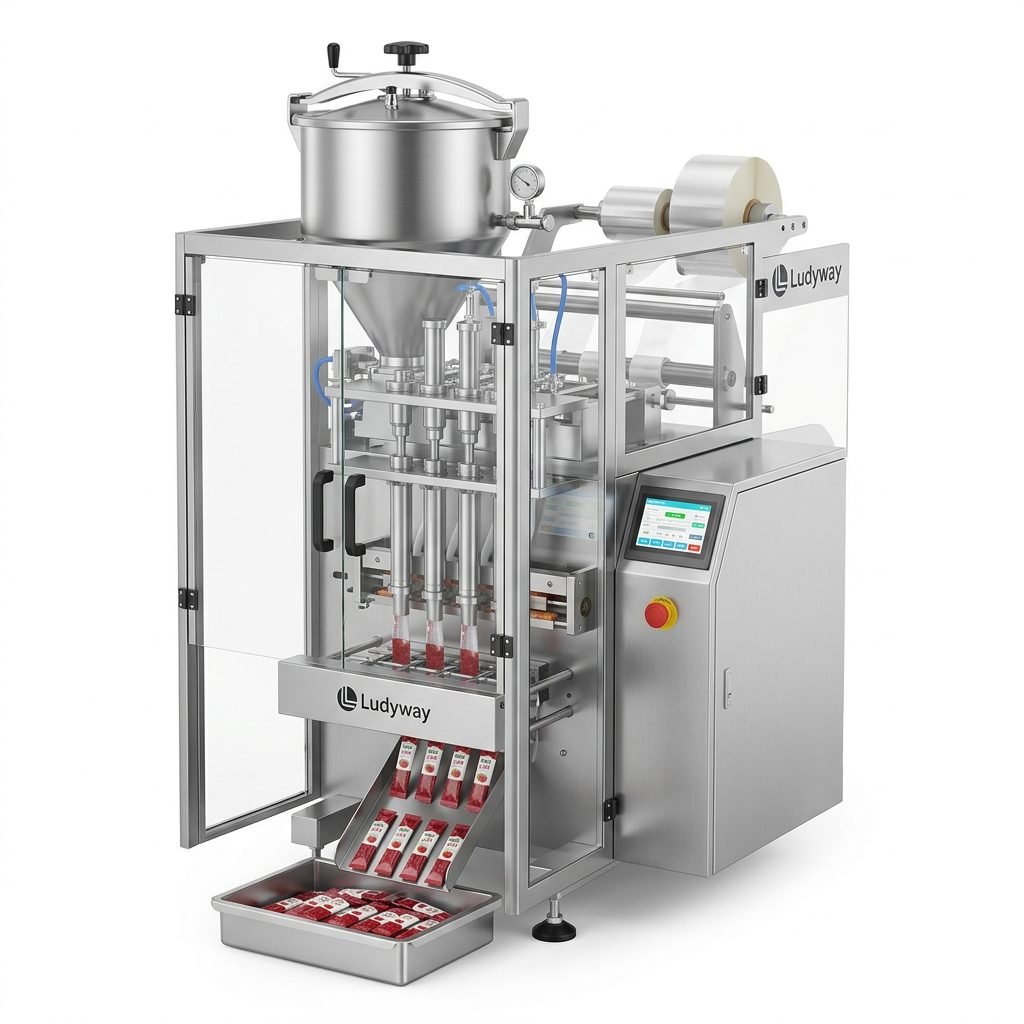
| Liquid Energy Shots | Stick Pack / Small Pouch | Piston or peristaltic filling heads, drip-free nozzles, hot/cold filling options | Up to 600 packs/min |
| Powdered Juice Mix (e.g., Mango, Passion Fruit) | Corner-seal Sachet | Volumetric cup fillers, easy-clean contact parts for flavor changes | Up to 500 packs/min |
The Critical Role of Multi-Lane Automation
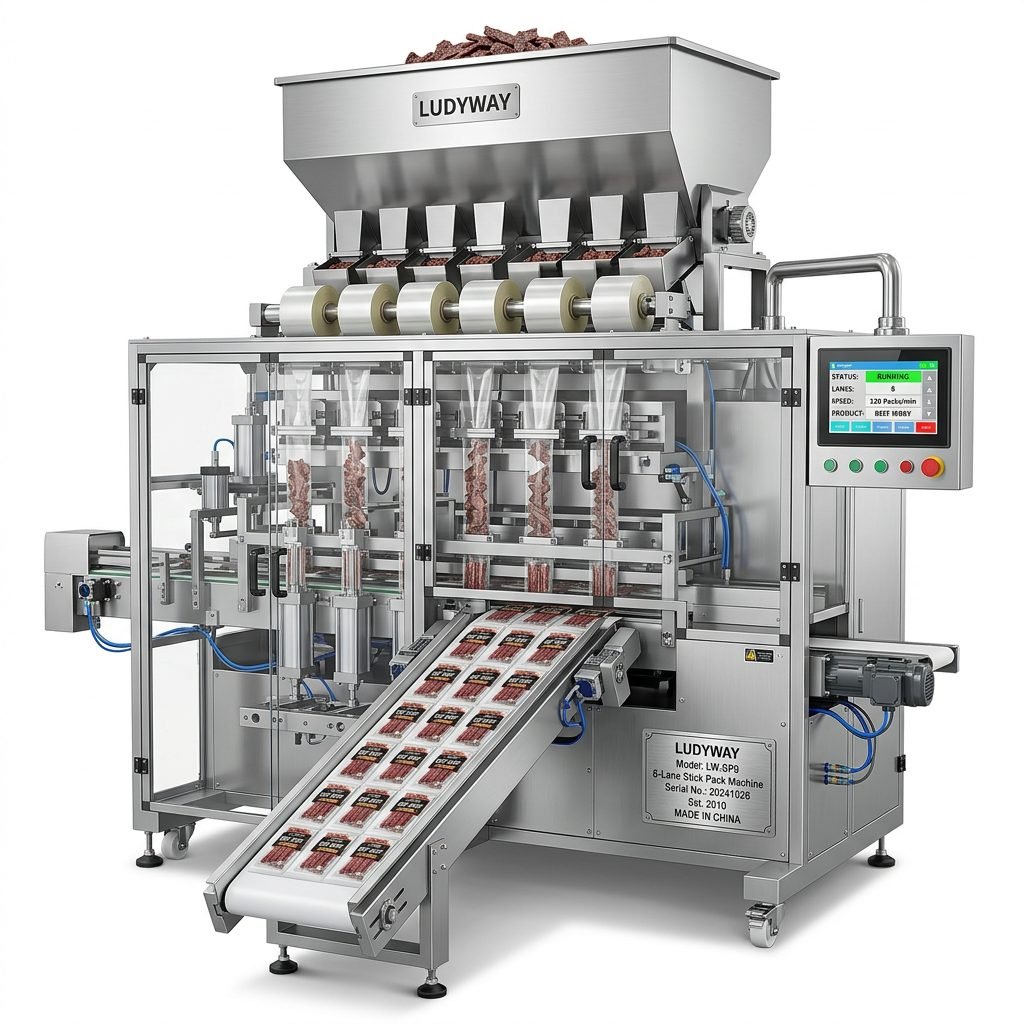
For large-scale beverage manufacturers supplying regional giants, speed is non-negotiable. A high-speed multi-lane system operates by running parallel lanes simultaneously on a single frame. This architecture is crucial in South America because it maximizes production output while minimizing the factory footprint—a critical advantage in expensive industrial parks like those in Bogotá or Buenos Aires.
Integrating Primary and Secondary Packaging
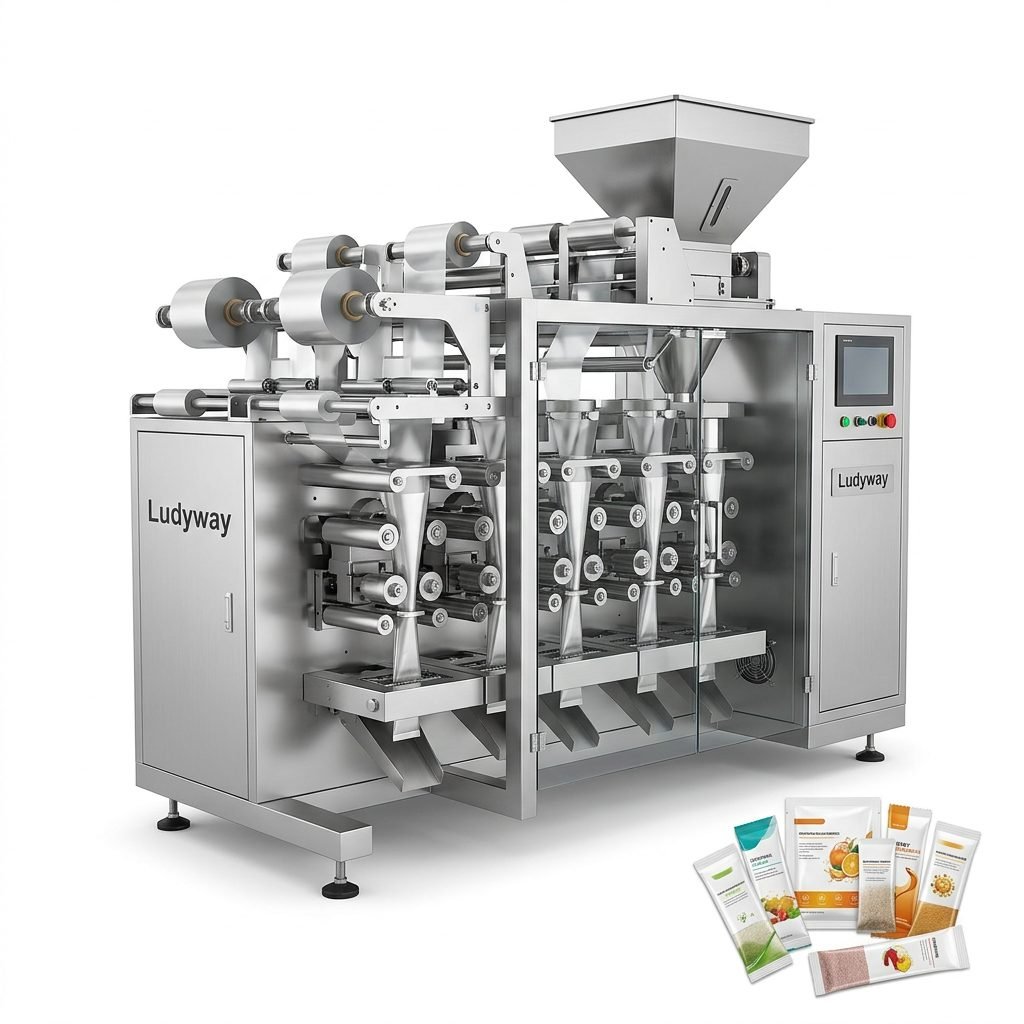
One of the most common mistakes in setting up a new production line is isolating the primary sachet packing from the secondary cartoning process. A truly efficient line acts as a single, synchronized body. When the stick packs exit the vertical form fill seal (VFFS) machine, they should travel via a smart conveyor system directly into a automatic carton packer.
This integration involves several critical quality control stages:
- Product Feeding: Consistent flow of raw material through a vacuum feeder to ensure the multi-head weigher never starves.
- Precision Filling: Utilizing servo-driven augers or combination weighers for high-accuracy dosing of expensive beverage ingredients.
- Reject Systems: High-speed inline checkweighers automatically kick out any pack that is under or overweight, ensuring compliance with local labeling laws.
- Palletizing: Robotic arms stack finished cartons onto pallets, ready for distribution across the continent.
Navigating Infrastructure Challenges in South America
Setting up a packaging line in this region requires specific environmental hardening. High humidity along coastal production centers like Lima or Rio de Janeiro can wreak havoc on hygroscopic powders such as dextrose or dried fruit extracts. To counter this, your line should incorporate a closed-loop climate control system within the filling area.
Moreover, electrical voltage fluctuations can be common in certain industrial zones. It is vital to ensure your packaging machinery is equipped with voltage stabilizers and robust servo drives that can handle unexpected spikes without losing programming or damaging circuit boards.
Ensuring Cleaning and Maintenance Compliance
Sanitation standards for beverages are strict. Whether you are packaging a dairy-based protein shake or a prebiotic green drink, the cross-contamination risks must be zero. Look for machinery with “no-tool” disassembly for the contact parts. The wetted surfaces should be made of 316L stainless steel, resistant to acidic fruit powders and rigorous wash-down procedures.
Meeting Export Standards from South America
If you plan to export processed beverages from South America to international markets, your packaging line must meet stringent quality protocols. This includes having inline serialization capabilities for traceability. A reliable industrial inkjet coding system is essential for printing batch numbers, expiry dates, and QR codes that link to the supply chain history.
With certifications like CE and ISO 9001 driving international trade, partnering with a global supplier that has experience exporting to over 100 countries, such as Ludyway, ensures your equipment meets the requirements for both local consumption and international food safety standards.
Return on Investment (ROI) and Support
The initial capital expenditure for an automated line is offset by drastic reductions in labor and material waste. A vertical stick pack machine using heat-sealable films can cut packaging material costs by up to 30% compared to importing pre-made pouches. However, the real value comes from local technical support.
Before committing to a purchase, verify that the manufacturer offers remote diagnostic capabilities and has a local network of service engineers. Downtime is the most significant killer of margin in the fast-moving consumer goods (FMCG) sector. A supplier with a robust Latin American presence will expedite parts replenishment and minimize bottlenecks.
Customizing Turnkey Solutions
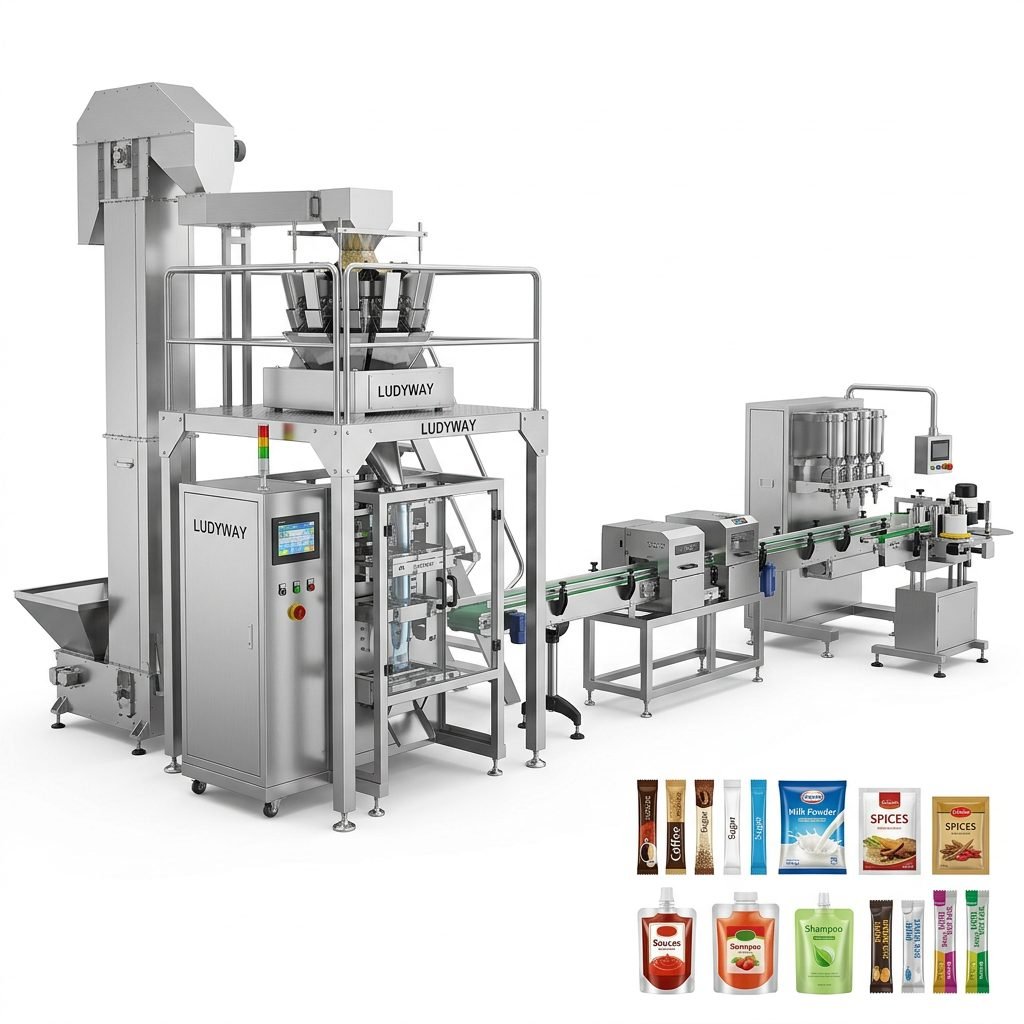
Every successful beverage brand relies on a unique selling proposition. Perhaps your packaging requires a specific tear-notch for a “snap-and-pour” opening, or you need a gas-flushed pillow pouch to extend the shelf life of a freeze-dried coffee. Generic machinery often cannot accommodate these niche requirements. Opting for turnkey packaging solutions allows you to integrate customized modules right from the design phase.
This includes configuring the flow wrap for secondary bundles, adjusting the light spectrum for UV-sterilized packging, or integrating a high-speed dynamic checkweigher that catches minute discrepancies in powder density.
Case Study: Scaling a Powdered Juice Production Line
Consider a mid-sized manufacturer in Medellín launching a new line of panela-based energy drinks. By replacing semi-automatic volumetric cups with a 12-lane servo-driven multi-lane stick pack machine, and coupling it with a robot cartoning module, the plant increased its output from 50 boxes a day to 600. The hermetic seal and nitrogen flush also increased the product’s shelf stability from 6 months to 18 months, opening new export channels to Europe and North America.
This success was not just about the machinery but the integration engineering. The line featured a vacuum feeder for granule powder that prevented material separation, keeping the panela granules intact and uniformly dosed.