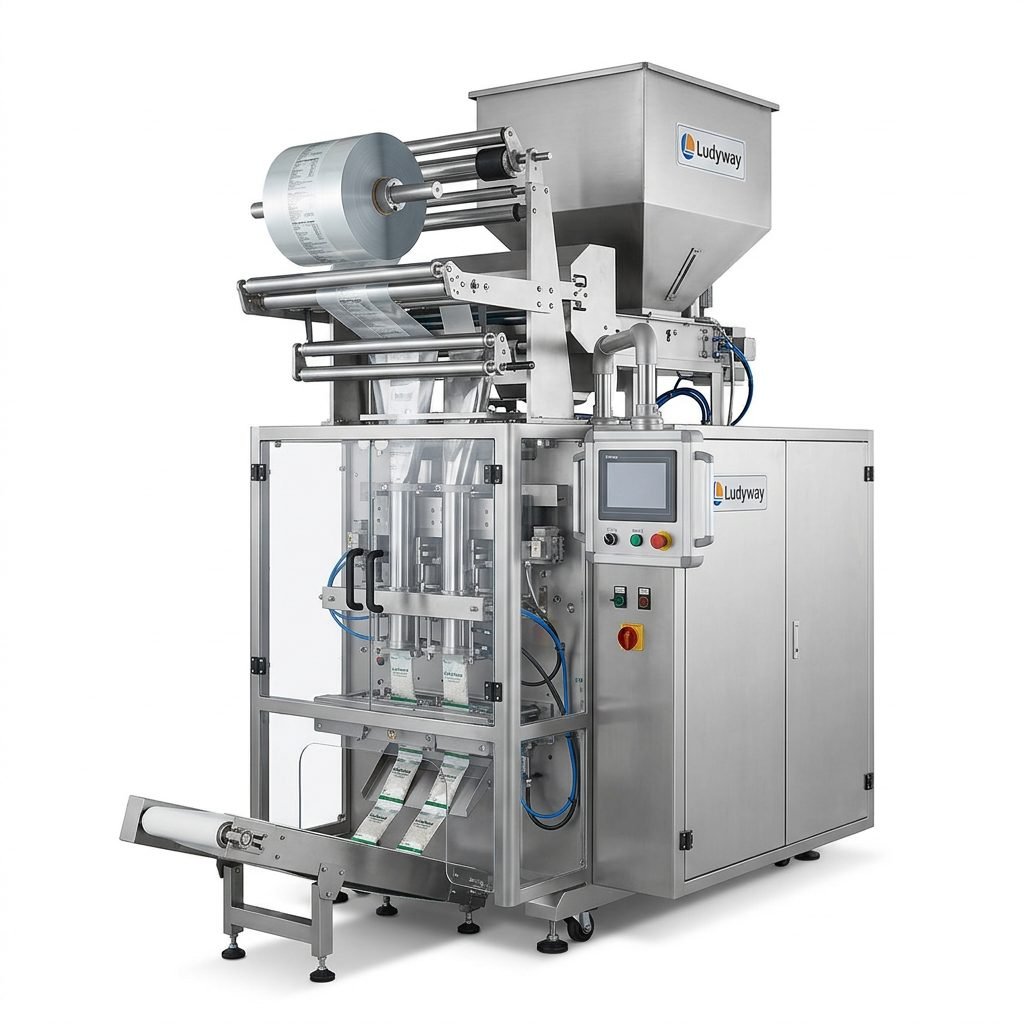
The Indian packaging industry is undergoing a significant transformation, driven by rising consumer demand for extended shelf life, premium product presentation, and enhanced food safety. Among the advanced technologies gaining rapid traction is vacuum skin packaging (VSP). This guide provides a comprehensive, step-by-step roadmap for setting up a vacuum skin packaging machine production line in India, covering everything from initial planning to full-scale operation.

Understanding the Vacuum Skin Packaging (VSP) Advantage
Before investing in a production line, it is crucial to understand why VSP technology is superior for specific applications. Unlike traditional flow wrapping or thermoforming, a vacuum skin packaging machine uses a specially formulated film that is heated and draped over the product, then vacuum-sealed to a rigid or semi-rigid substrate. The result is a second-skin appearance that immobilizes the product perfectly.
Key Benefits Driving the Indian Market
- Extended Shelf Life: Superior oxygen barrier properties significantly retard spoilage, critical in India’s varied climate zones.
- Premium Aesthetic: The crystal-clear, wrinkle-free film enhances product visibility and perceived value, boosting retail sales for seafood, meat, and ready-to-eat meals.
- Leak-Proof Seal: The robust seal prevents purge and liquid migration, ensuring hygienic transportation and display.
- Product Protection: The tight film adheres to the product shape, reducing movement and damage during logistics.
Phase 1: Market Analysis and Feasibility for Indian Manufacturers
India presents a unique landscape for VSP. The urban middle class is increasingly purchasing fresh proteins and convenience foods from modern retail chains. Simultaneously, the export market for Indian seafood and produce demands world-class packaging standards. Setting up a successful line starts with a cold-eyed assessment of your niche.
| Application Sector | Market Driver in India | Common Product Types |
|---|---|---|
| Meat & Poultry | Rise of branded frozen/chilled meat brands | Marinated chicken, lamb chops |
| Seafood | High-value export demands (shrimp, fish fillets) | Tiger prawns, salmon steaks |
| Dairy & Cheese | Premium artisan cheese segment growth | Processed cheese blocks, paneer |
| Ready-to-Cook (RTC) | E-commerce and D2C meal kit proliferation | Marinated skewers, portioned meals |
Phase 2: Sourcing the Right Equipment for Indian Conditions
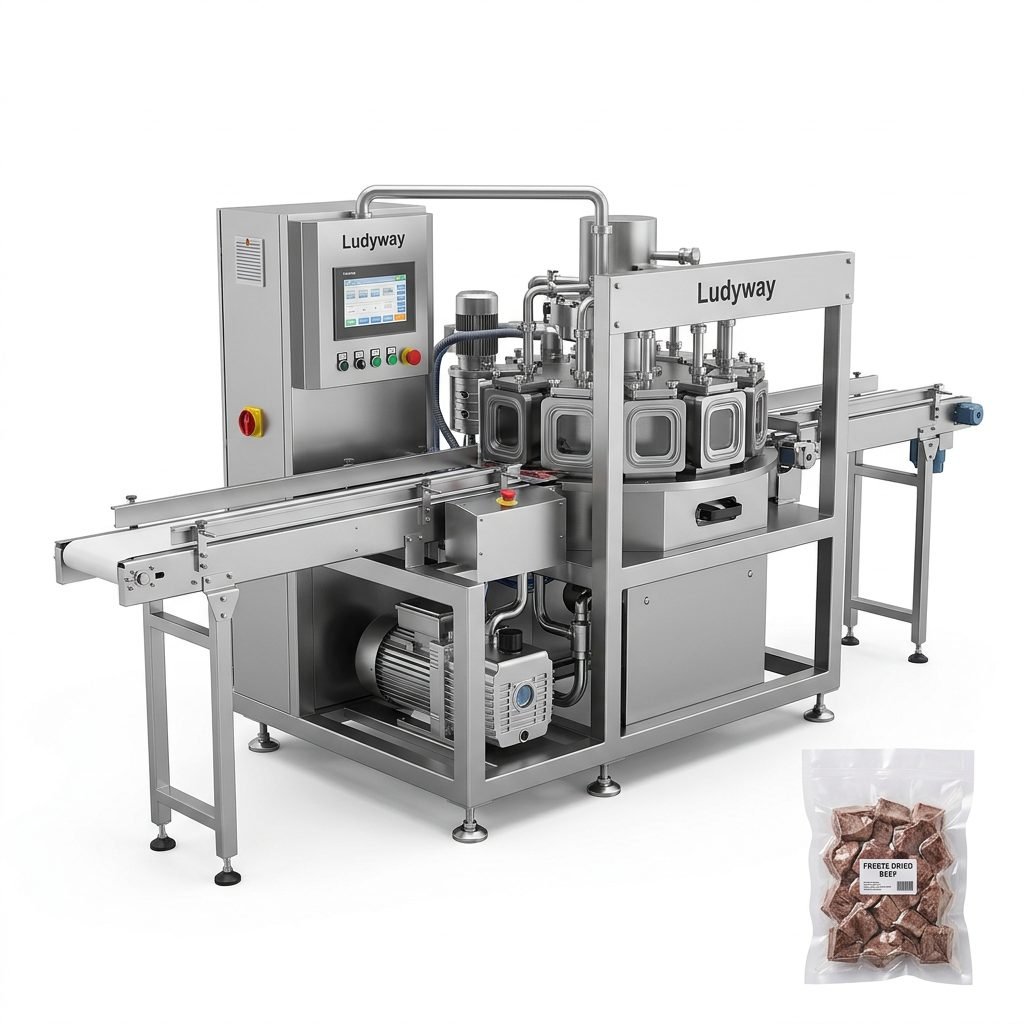
Choosing the correct vacuum skin packaging machine is not a one-size-fits-all decision. Equipment must be rugged enough to handle Indian operational realities, including fluctuating ambient temperatures, dust, and voltage instability. You must decide between semi-automatic and fully automatic inline systems. For high-throughput operations, integrating automatic tray denesters, filling stations, and multi-lane systems is essential.
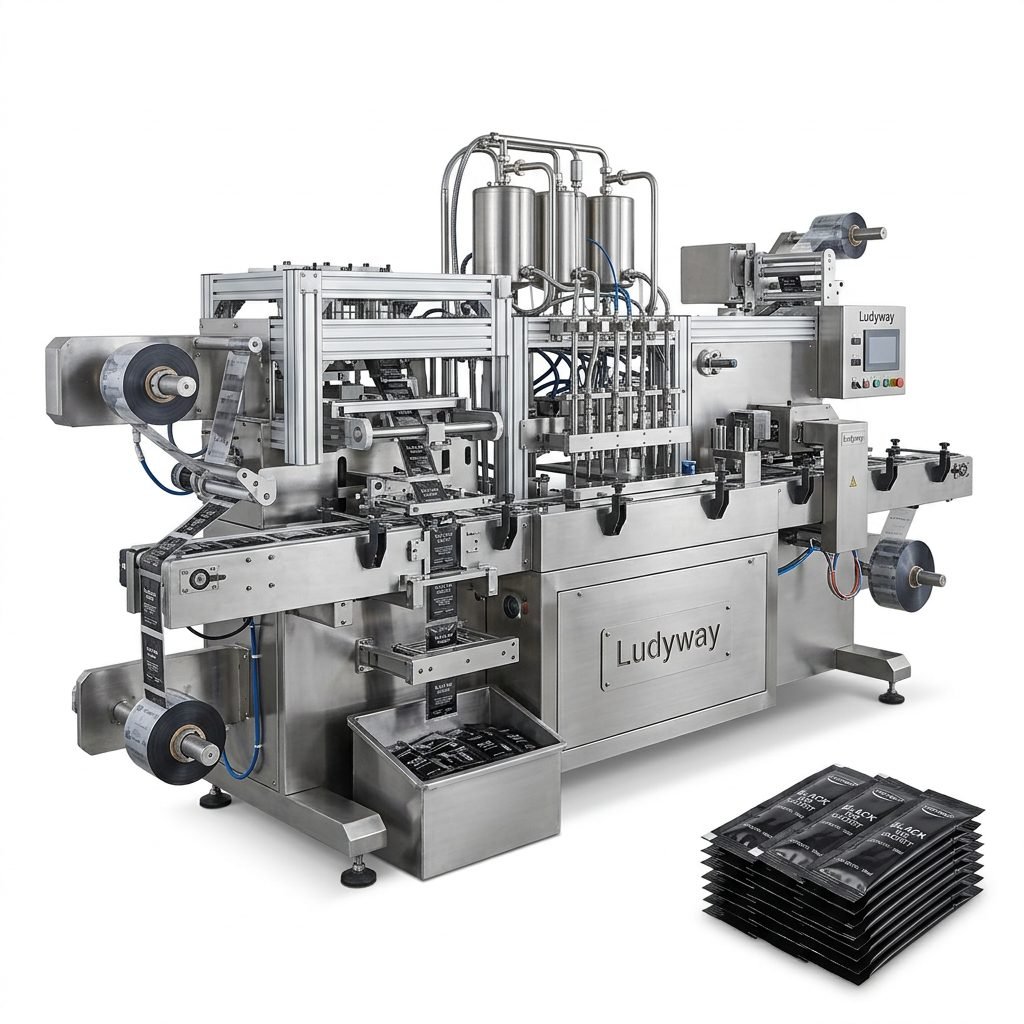
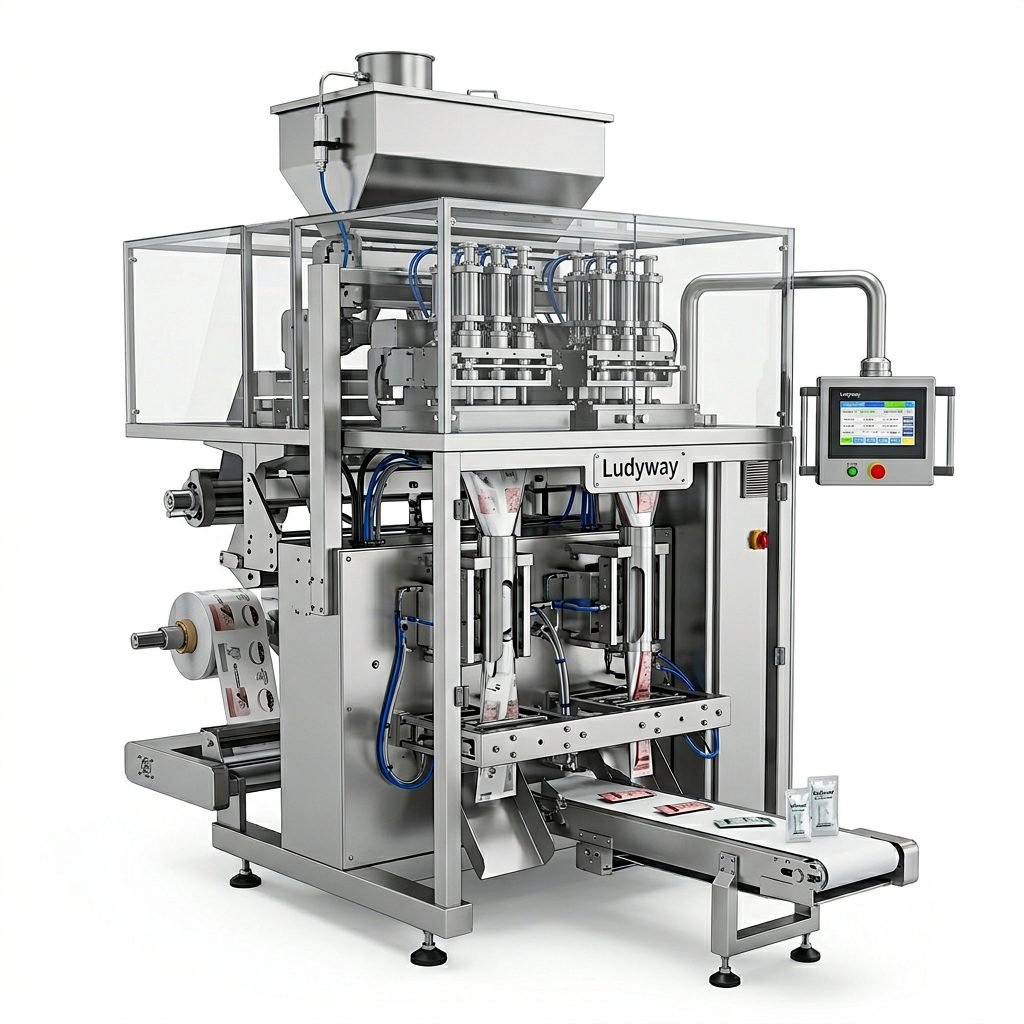
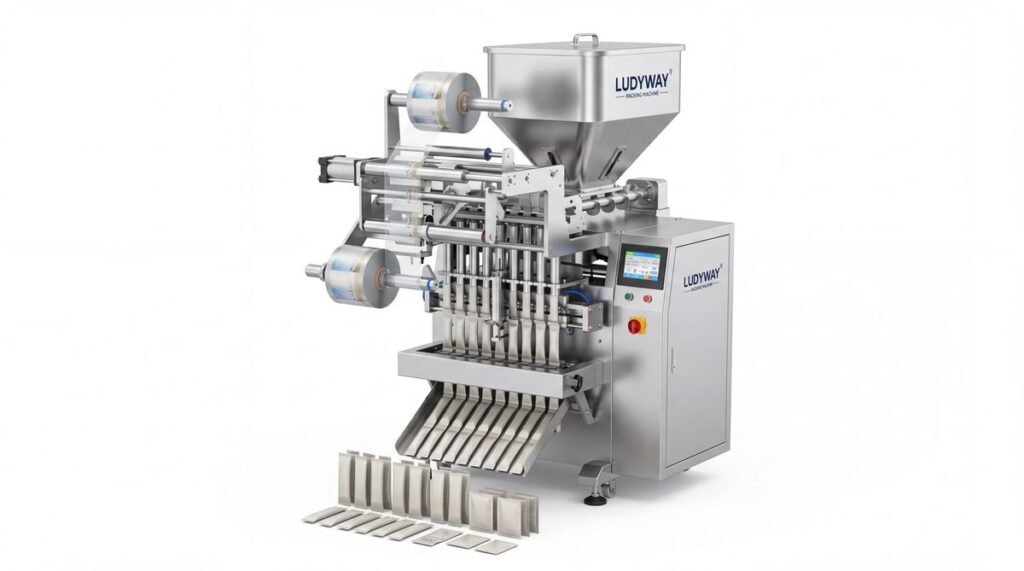
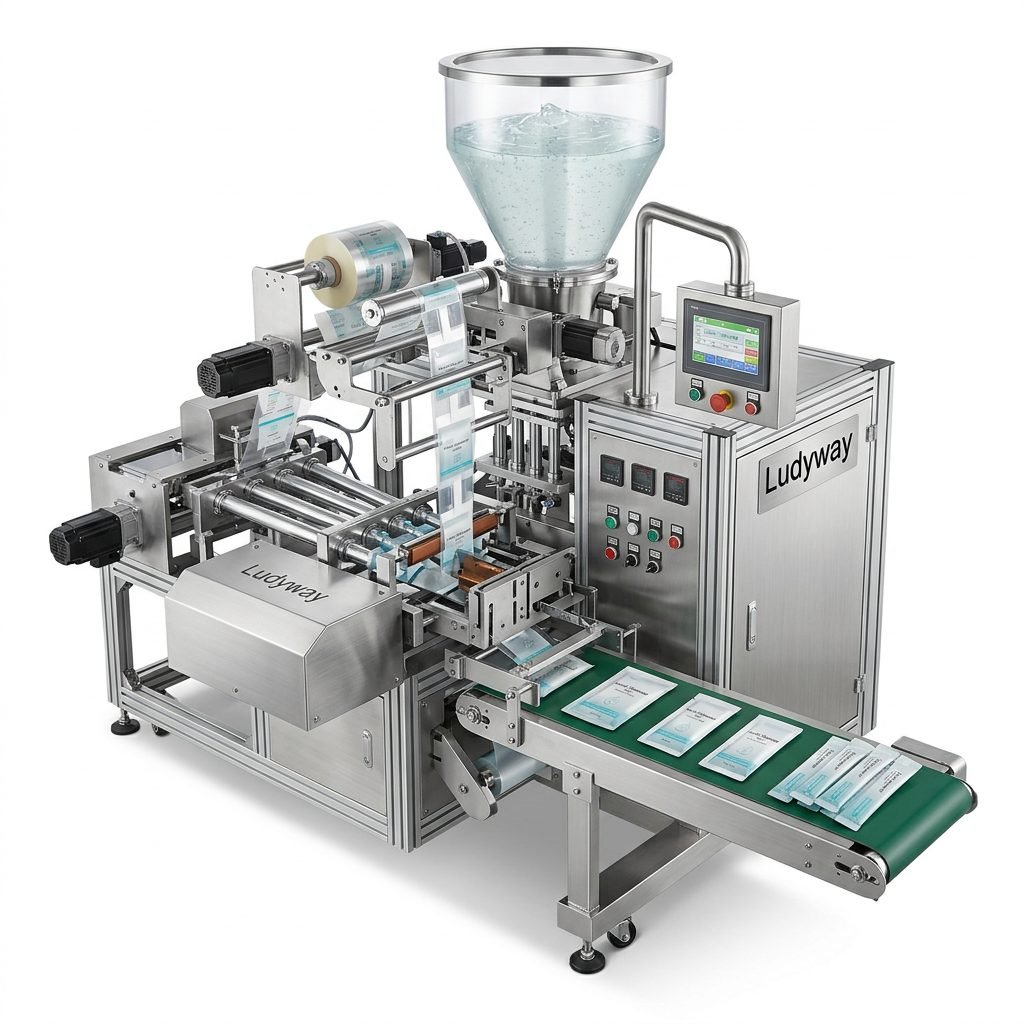
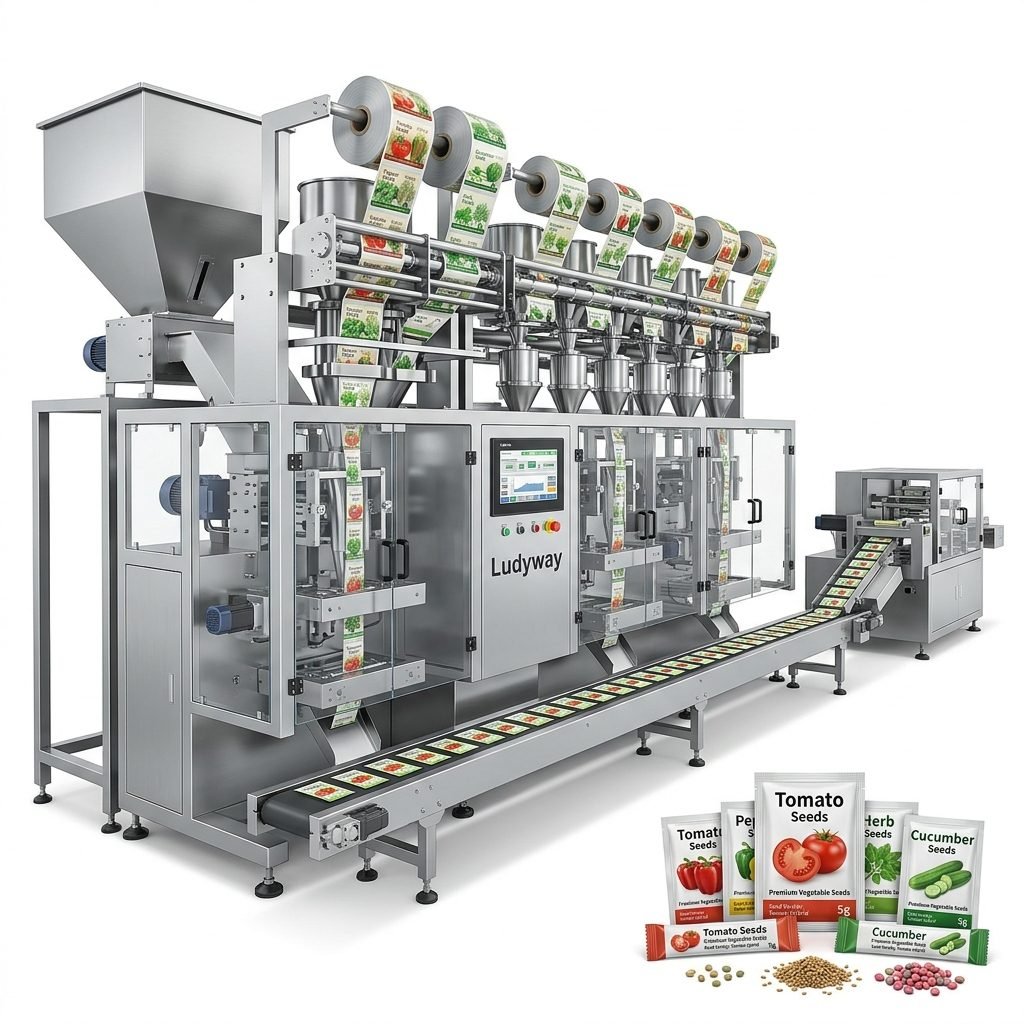
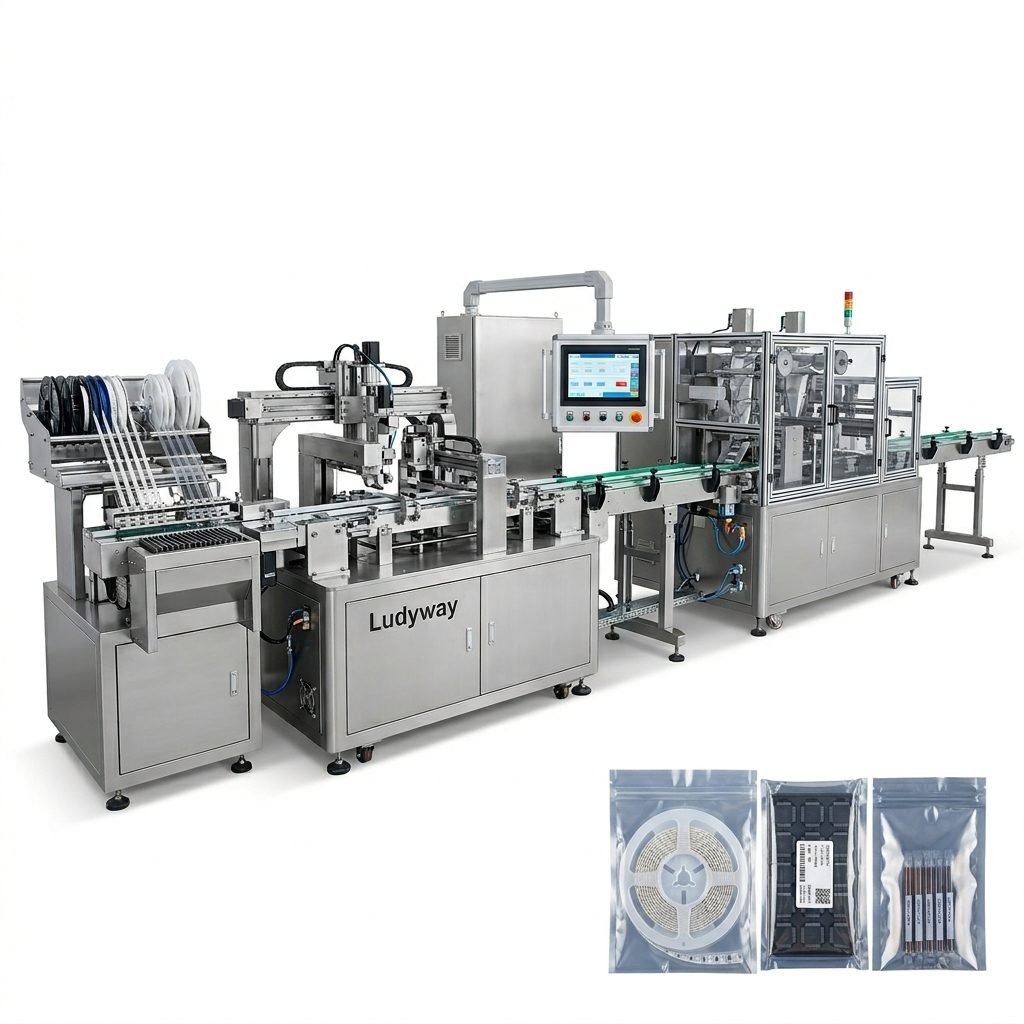
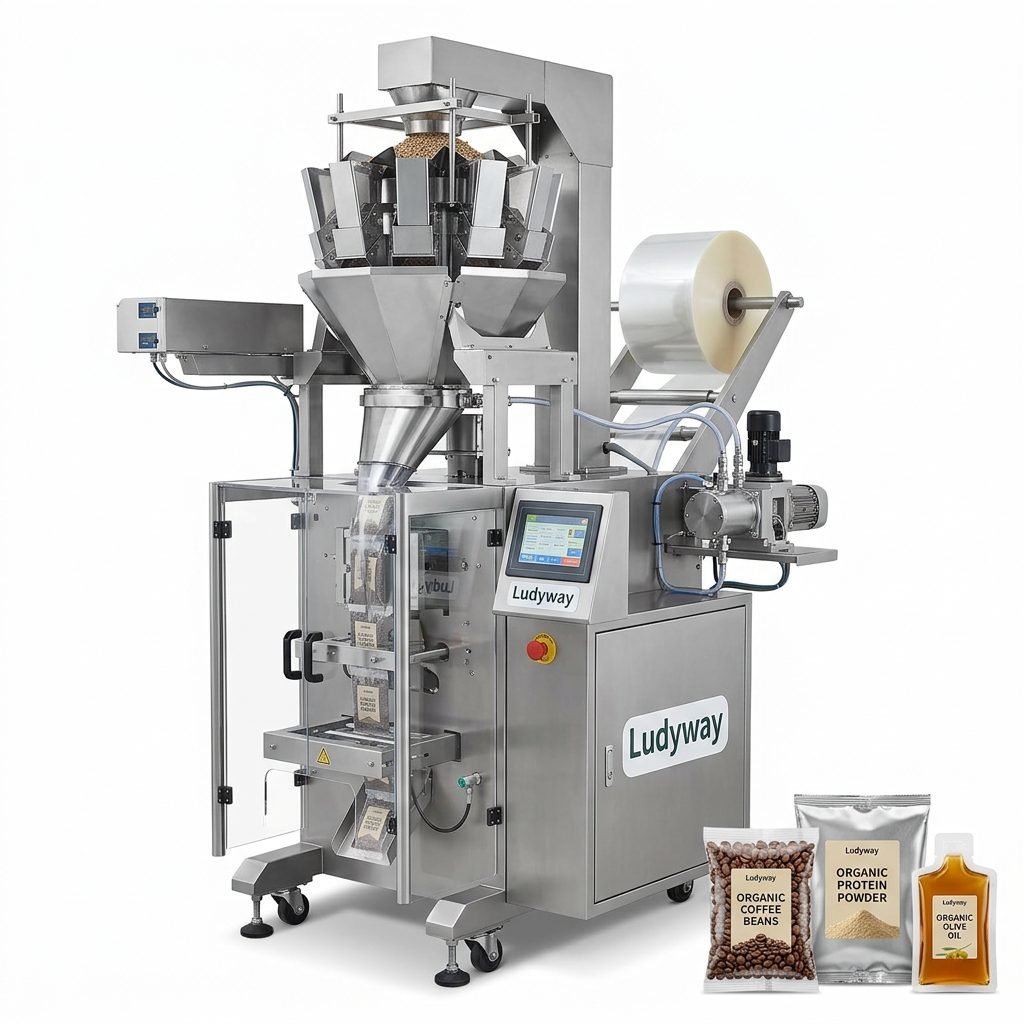
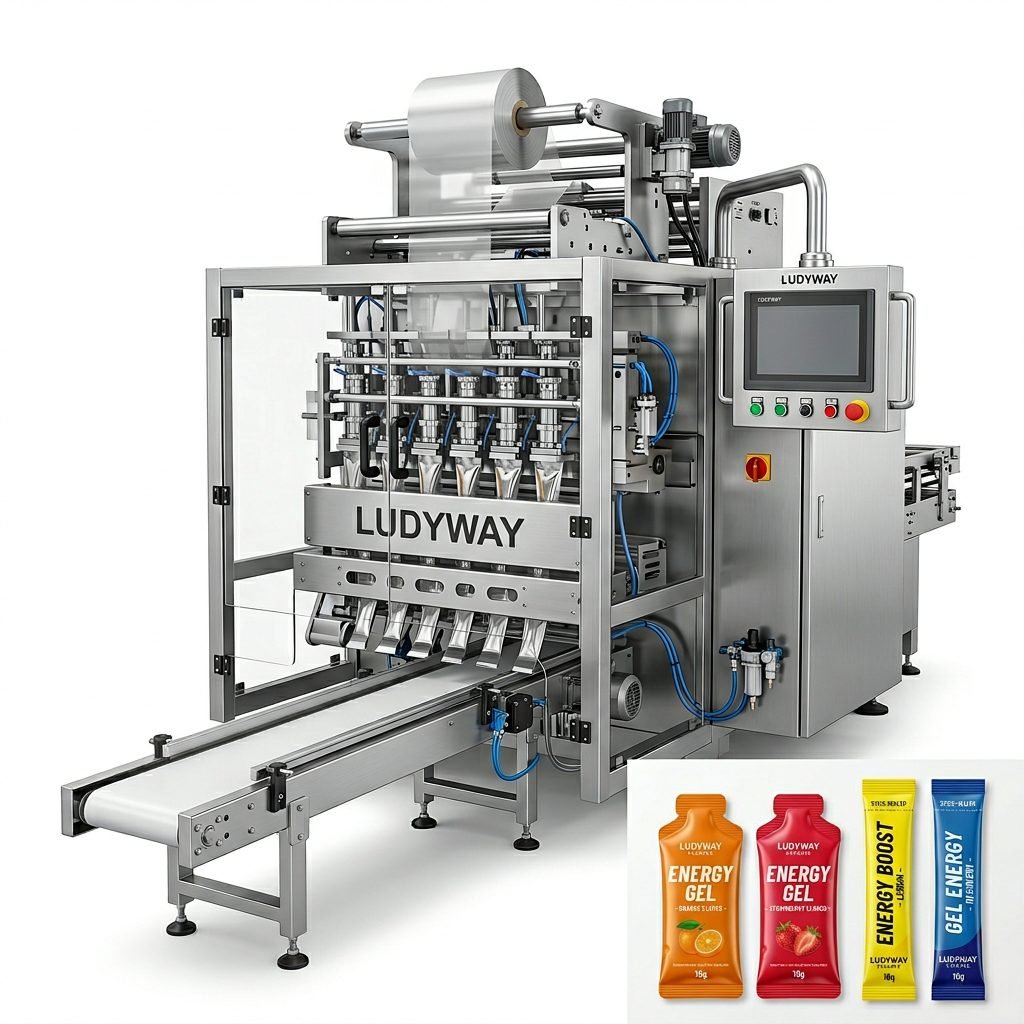
Global packaging machine manufacturers such as Ludyway offer integrated turnkey solutions that combine multi-lane stick pack technologies with VSP capabilities, ensuring flexibility for future product diversification. When evaluating specifications, pay close attention to cycle speed per minute, film gauge compatibility, and the machine’s ability to handle Indian-standard tray dimensions.
Critical Machine Specifications to Evaluate
- Vacuum Pump Capacity: Rotary vane or dry claw pumps with a minimum capacity of 100-300 m³/h, optimized for high-humidity coastal regions like Mumbai or Kochi.
- Heating System: Precise PID temperature control for sealing, avoiding film burn-through during peak summer heat.
- Stainless Steel Construction: Mandatory AISI 304 or 316L frame to withstand rigorous washdown cycles in meat processing plants.
- Automation Level: Compatibility with automatic weighing, filling, and labeling systems per PMMI standards.
Phase 3: Facility Preparation and Infrastructure in India
Installing a VSP line requires meticulous facility planning. Unlike standard packaging halls, a VSP installation demands a controlled environment to prevent film contamination before sealing. Indian producers must specifically address cooling water quality and compressed air dryness due to the tropical climate.
Essential Infrastructure Checklist
- Cleanroom Classification: Maintain at least ISO Class 8 (Class 100,000) for the sealing zone, particularly for pharmaceutical or export-grade food products.
- Power Supply: A dedicated stabilized power line with automatic voltage regulation to protect PLC controls from local grid fluctuations.
- Compressed Air: Oil-free, dry compressed air supply with a dew point of -20°C to prevent pneumatic valve corrosion during monsoon humidity.
- Effluent Handling: Proper drainage for washdown water, compliant with local pollution control board norms.
Phase 4: Consumables, Films, and Sustainability Compliance
The packaging material is the science behind the art. VSP films are typically multi-layer composites of PE, EVOH, and ionomers. Given India’s impending regulations on single-use plastics and the push for Extended Producer Responsibility (EPR), selecting the right film partner is critical. Look for mono-material PP or recycled-content films that maintain barrier properties while aligning with India’s sustainability goals.
| Film Property | Recommended Specification | Importance with Indian Context |
|---|---|---|
| Gauge | 60–200 microns | Avoids puncture by sharp fish bones or bone-in meat |
| OTR (Oxygen Transmission Rate) | < 5 cc/m²/day | Essential for preventing spoilage in unbroken cold chains |
| MVTR (Moisture Vapor Transmission Rate) | < 3 g/m²/day | Maintains product texture in high humidity |
| Antifog Property | Class A | Ensures clear visibility when moving from cold storage to ambient retail shelves |
Phase 5: Workforce Training and Quality Assurance
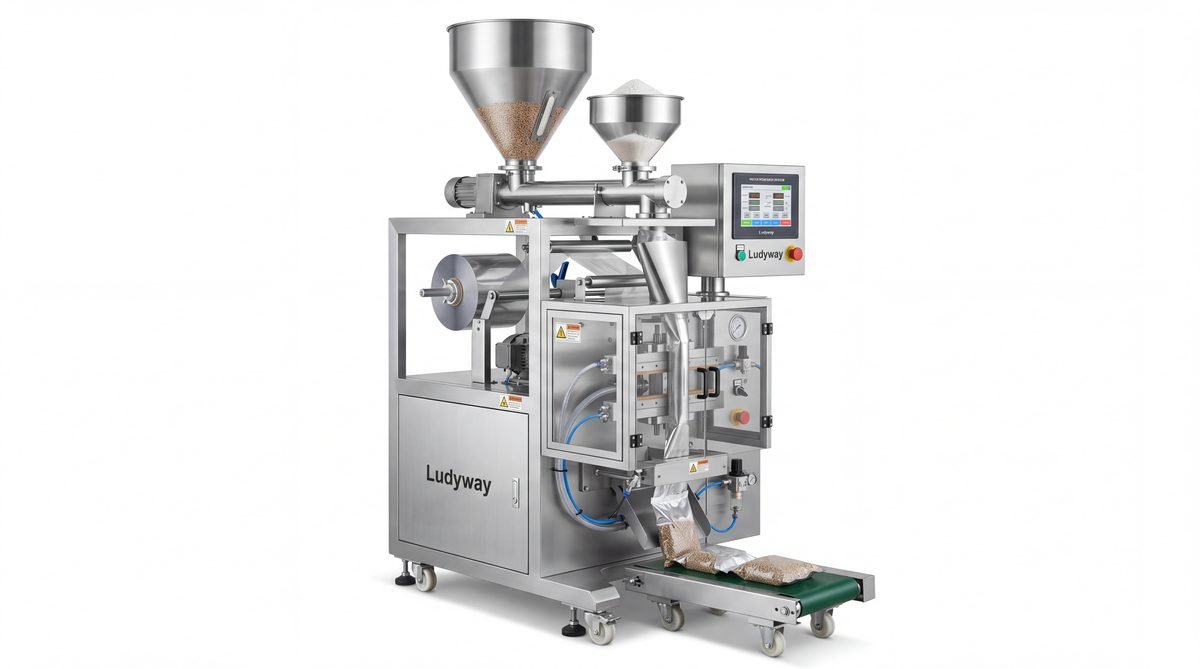
A high-tech vacuum skin packaging machine is only as good as the team operating it. In India, bridging the skill gap requires structured training programs. Operators must understand the nuances of machine parameters, such as pre-heating time and seal temperature profiles, which vary based on ambient conditions. Establish strict HACCP protocol checkpoints at the packaging station to ensure compliance with both domestic FSSAI regulations and international import standards like USFDA or EU regulations.
Key Quality Control Checkpoints
- Seal Integrity Testing: Perform dye penetration tests (ASTM F1929) at startup and every 2 hours.
- Residual Oxygen Measurement: Target residual O2 levels below 1% for high-fat products.
- Film Adhesion Checking: Regular visual and manual peel tests at the corners of the tray.
Phase 6: Navigating Indian Regulatory Framework
Compliance is non-negotiable. For food-grade VSP lines in India, you must align with the FSSAI Packaging Regulations 2018, which govern food contact materials. Additionally, the Bureau of Indian Standards (BIS) provides guidelines for specific product categories. If you are targeting the Middle East or European markets from India, ensure your line’s validation documentation meets the ISO 11607 standards for packaging validation.
Cost-Benefit Analysis: Is VSP Profitable in India?
While the initial capital expenditure for a turnkey automated packaging line with VSP technology is higher than traditional tray overwrapping, the long-term ROI is compelling. VSP reduces product waste through stronger seals, reduces film usage through optimized stretch, and commands a higher retail price point. To estimate your total cost of ownership, calculate machine amortization, film cost per cycle, labor hours, and maintenance contracts.
| Cost Factor | Estimated Impact in India |
|---|---|
| Machine Depreciation | Linear over 5-7 years |
| Film Cost | 20-30% higher than standard films, offset by 40% product shelf-life gain |
| Energy Consumption | Optimized with energy-efficient vacuum pumps |
| Labor Efficiency | Reduction by 50% compared to manual packing stations |
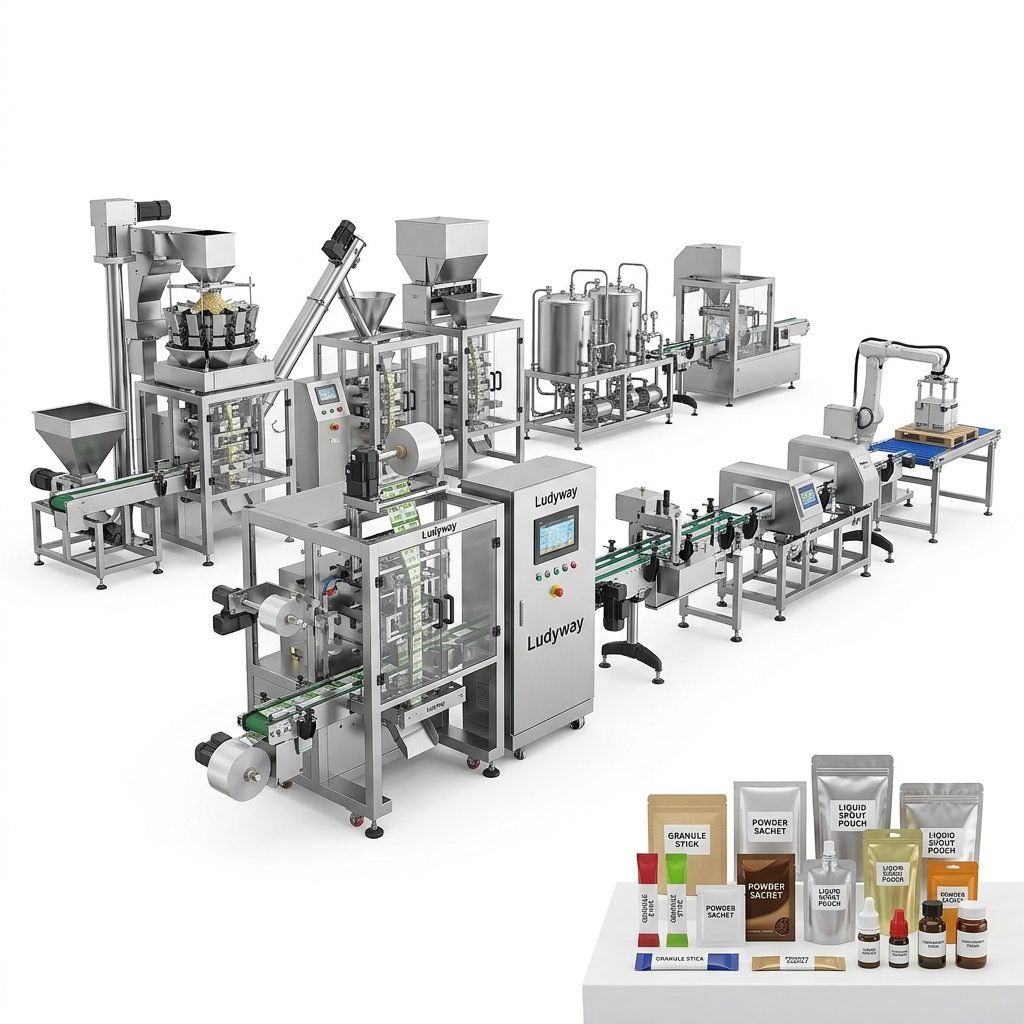
For businesses looking to future-proof their operations, integrating multiple formats on one line is a rising trend. Many modern multi-lane packaging systems can be configured to run both standard sachets and vacuum skin packs with a quick changeover, providing unrivaled versatility for contract packers in India. Industry data from the Flexible Packaging Association suggests a steady double-digit growth rate for VSP in emerging markets.
Conclusion: Launching Your Indian VSP Operation
Setting up a vacuum skin packaging machine production line in India is a strategic move that positions your brand at the forefront of modern packaging. By meticulously planning your infrastructure, selecting robust equipment tailored to the Indian climate, training your workforce effectively, and staying ahead of evolving regulations, you can unlock significant value. The shift from primary bulk packaging to premium retail-ready VSP formats is not just a global trend, it is the new benchmark for quality in the Indian market.
Explore advanced integrated packaging line solutions to begin your upgrade journey and capture the growing demand for premium packaged goods.