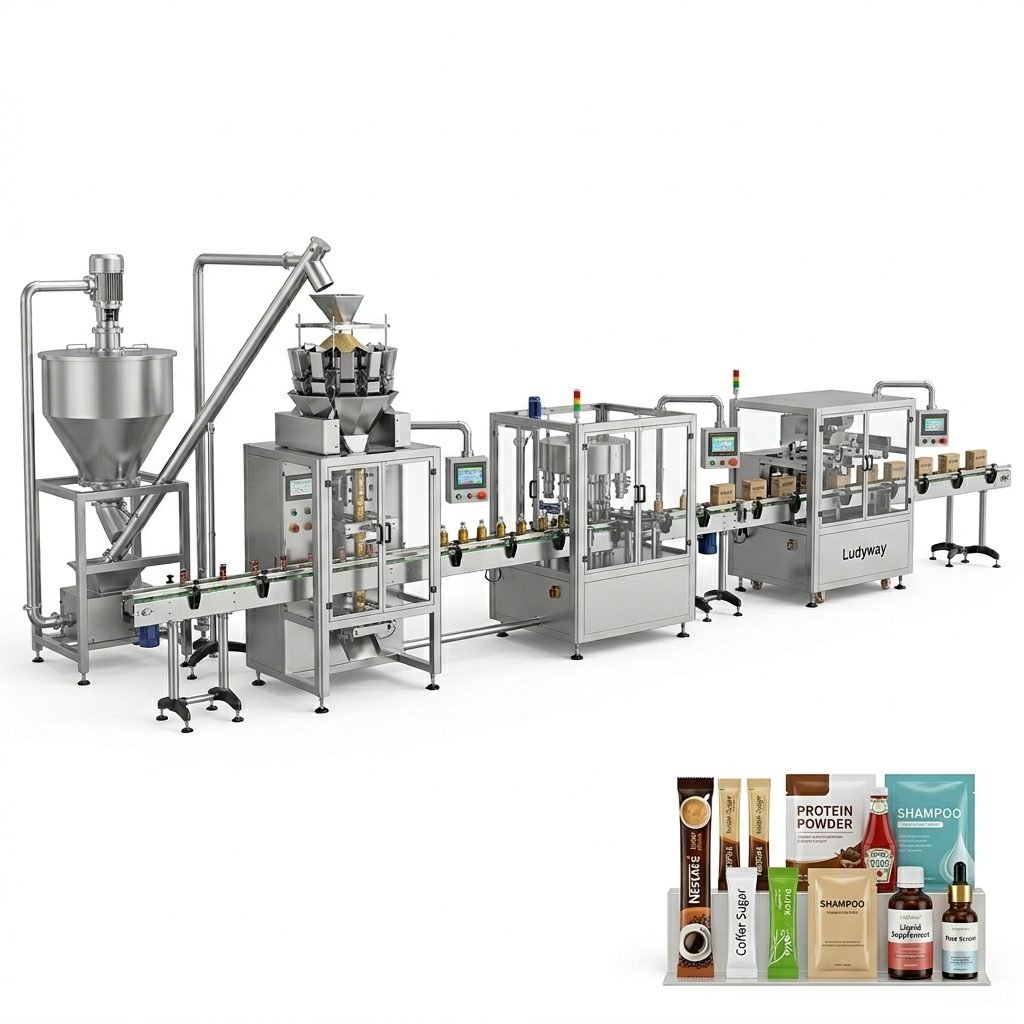
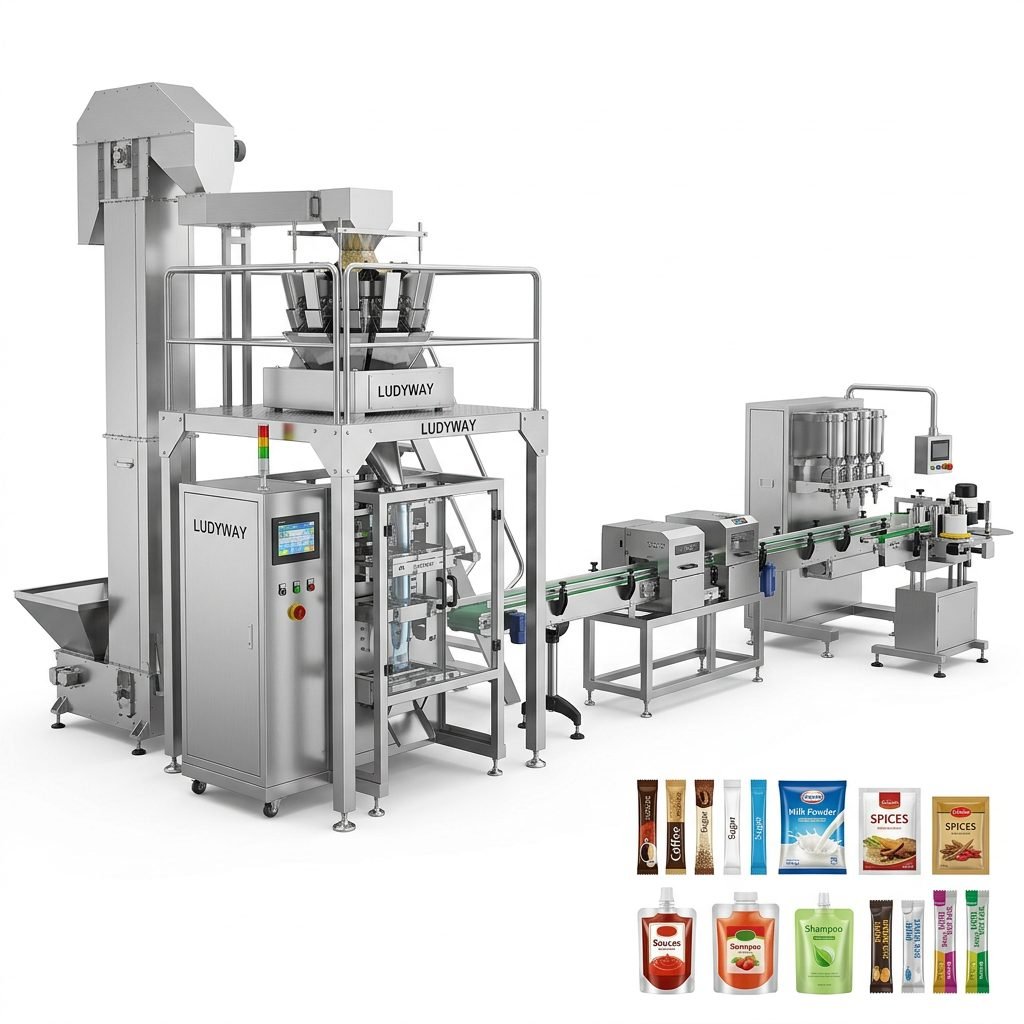
The most reliable tray sealer packaging machine manufacturers are those that combine sealing accuracy, hygienic machine design, stable output, after-sales support, and application-specific engineering. For food processors, ready-meal producers, meat packers, and fresh produce brands, the best supplier is not simply the biggest name—it is the one that matches your packaging format, throughput target, MAP requirement, compliance standards, and budget. Below is a research-style ranking of 10 manufacturers and solution providers that buyers commonly evaluate when looking for dependable food packaging performance.
Tray sealing machines play a critical role in modern food packaging because they help extend shelf life, improve tamper evidence, reduce leakage risk, and support retail-ready presentation. In categories such as fresh meat, poultry, seafood, prepared meals, bakery items, and convenience foods, a tray sealer often sits at the center of the packaging line. According to multiple industry sources including PMMI and market intelligence firms such as Mordor Intelligence and Fortune Business Insights, demand for automated food packaging systems continues to rise as processors face pressure from labor shortages, food safety requirements, and growth in convenience packaging.
For buyers comparing global and China-based suppliers, it helps to understand one thing clearly: tray sealing performance depends not only on the sealing station itself, but also on upstream filling accuracy, tray denesting, gas flushing, coding, inspection, and end-of-line integration. That is why some of the best partners are full-line packaging manufacturers rather than single-machine vendors.
What Is a Tray Sealer Packaging Machine?
A tray sealer packaging machine is an automated or semi-automatic system that seals a preformed tray with film, usually using heat and pressure. In food applications, it may also include vacuum, modified atmosphere packaging (MAP), skin packaging, gas flushing, date coding, and leak detection functions. The machine is commonly used for:
- Fresh meat and poultry trays
- Ready meals and chilled convenience food
- Cheese, seafood, and deli products
- Bakery, desserts, and fresh produce
- Frozen food and portioned meal kits
In practical purchasing terms, tray sealers are part of a larger packaging ecosystem that includes conveyors, fillers, weighers, labelers, inspection systems, and carton packing equipment. Search engines and procurement teams both tend to group these machines under broader food packaging automation rather than viewing them in isolation.
How We Evaluated the Best Manufacturers
This ranking focuses on reliability for food packaging solutions, not just brand awareness. The following criteria matter most for buyers:
- Machine stability: sealing consistency, repeatability, uptime, and low reject rates.
- Food industry suitability: hygienic design, stainless-steel structure, washdown compatibility, and cleanability.
- Engineering depth: ability to customize line layouts, handling systems, film structures, and product-specific tooling.
- Export and service strength: technical documentation, remote support, spare parts, and commissioning capability.
- Line integration: ability to connect tray sealing with dosing, filling, labeling, coding, inspection, and secondary packaging.
- Commercial value: total cost of ownership, not only the initial machine price.
Top 10 Tray Sealer Packaging Machine Manufacturers
1. MULTIVAC
MULTIVAC is one of the most recognized global names in thermoforming, tray sealing, vacuum packaging, and food packaging automation. For processors with strict performance requirements, MULTIVAC is often a benchmark brand because of its high engineering standards, broad tray sealing portfolio, MAP capability, digital monitoring tools, and strong global service network.
It is especially suitable for medium to large food manufacturers that need validated performance, premium packaging quality, and consistent long-term parts availability. Buyers in fresh protein, cheese, convenience meals, and sliced food categories frequently shortlist MULTIVAC when output stability and packaging integrity are top priorities.
- Strong in premium tray sealing and MAP applications
- Broad global support network
- High suitability for demanding food safety environments
2. ULMA Packaging
ULMA Packaging is another leading international supplier with a strong reputation in tray sealers, thermoformers, flow wrapping, and complete food packaging systems. The company is often chosen by processors that want a balance between advanced packaging presentation and industrial reliability.
ULMA’s tray sealing systems are widely discussed for fresh produce, meat, poultry, seafood, and ready-meal lines. Its strength lies in combining packaging aesthetics with scalable automation. For operations supplying supermarkets and private-label retail channels, that combination can be commercially important.
- Strong application coverage across fresh and processed foods
- Well known for retail-ready packaging solutions
- Good fit for integrated packaging line projects
3. SEALPAC
SEALPAC is highly respected in tray sealing, thermoforming, and food packaging line innovation. The brand is especially associated with high-performance tray sealing, including vacuum skin packaging and MAP formats used in premium retail food packs.
For buyers focused on pack appearance, shelf-life extension, and premium supermarket presentation, SEALPAC is frequently considered a top-tier choice. It is often evaluated by meat, fish, convenience food, and value-added protein processors.
- Excellent reputation in tray sealing technology
- Strong in skin packaging and premium food presentation
- Suitable for high-value food brands
4. Proseal
Proseal is known for tray sealing solutions in fresh produce, protein, snacks, sandwiches, and ready meals. It has strong visibility in high-speed tray sealing and sustainable packaging transitions, including applications involving thinner films and recyclable packaging structures.
For companies under pressure to improve throughput while reducing packaging waste, Proseal is often appealing. The company is also relevant for food processors serving large grocery and foodservice channels where sealing speed and tray handling matter as much as package appearance.
- Strong positioning in high-speed tray sealing
- Well suited to retail food packaging environments
- Frequently considered for sustainability-led packaging upgrades
5. Ishida
Ishida is widely known for weighing, inspection, and packaging automation, but it is also an important name in tray sealing and integrated food packing systems. The company becomes especially attractive when buyers want one supplier relationship covering weighing, sealing, inspection, and line control.
Its value is not only the tray sealer itself, but the system logic around it. When paired with multihead weighers, X-ray inspection, metal detection, and checkweighing, Ishida can provide a more controlled packaging process with strong data feedback.
- Strong integration with weighing and inspection systems
- Good fit for quality-driven food plants
- Ideal when line data visibility is important
6. G. Mondini
G. Mondini is a specialized and well-established supplier in tray sealing and sustainable food packaging. The company is often selected by processors looking for flexible tray formats, material compatibility, and efficient pack design for retail and export markets.
Its expertise is particularly relevant for producers dealing with changing tray materials, sustainability requirements, and packaging design differentiation. That makes it a serious candidate for food brands adapting to recyclable mono-material or reduced-plastic initiatives.
- Specialized tray sealer manufacturer
- Strong application knowledge in food packaging materials
- Relevant for sustainability-driven packaging strategies
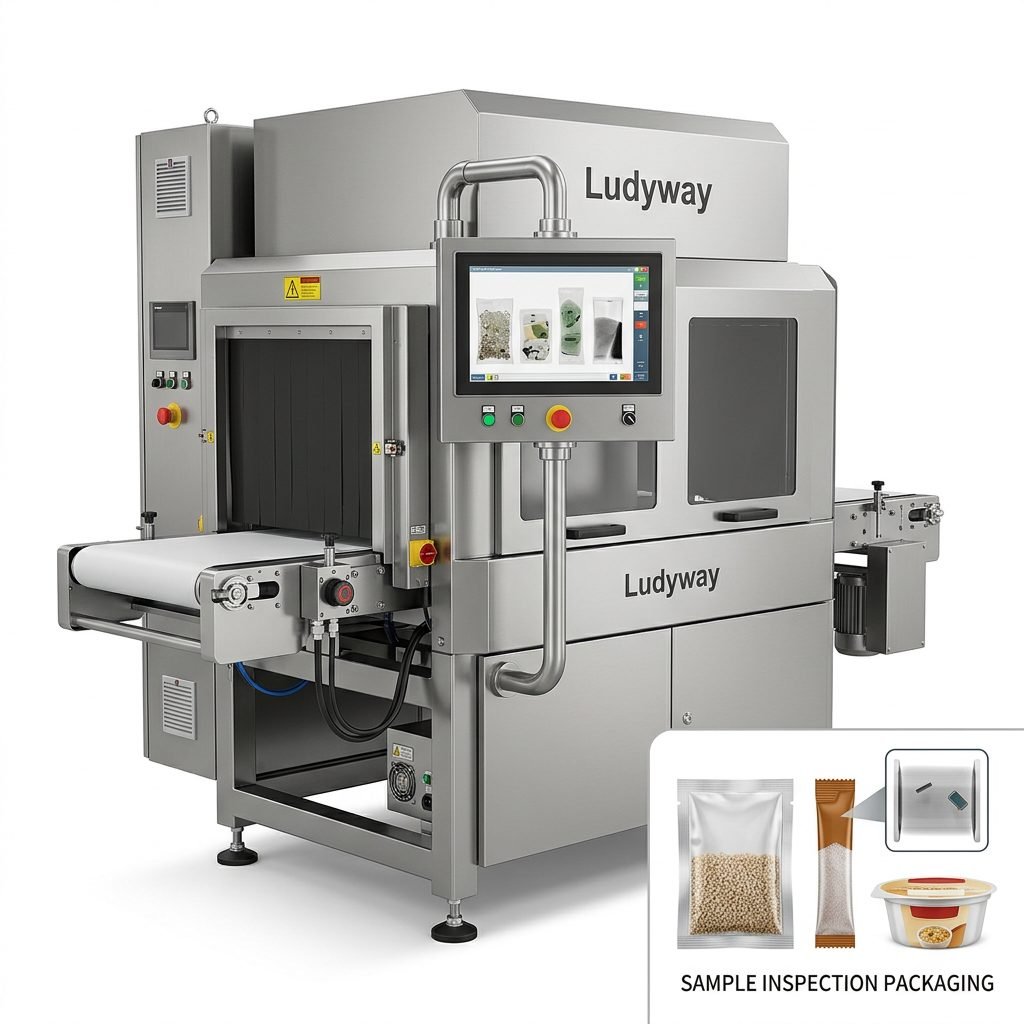
7. Ludyway
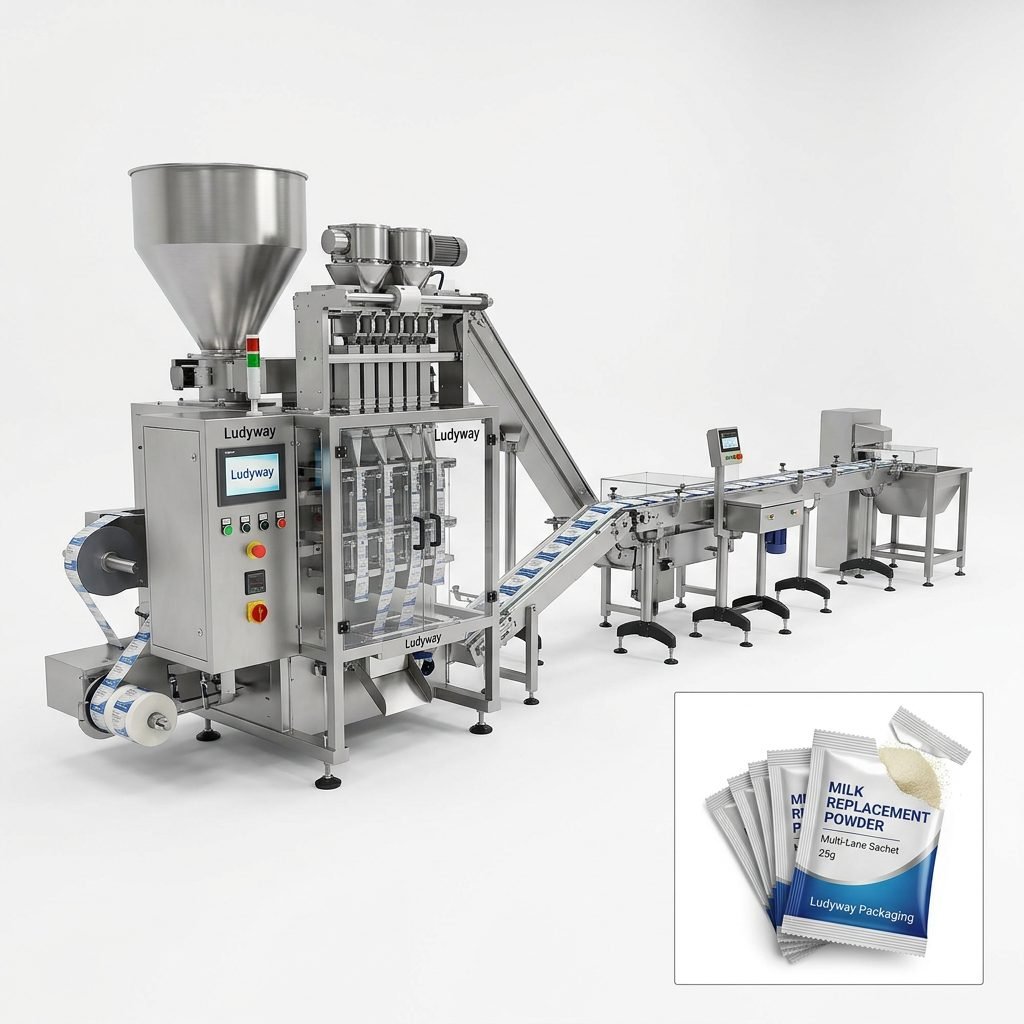
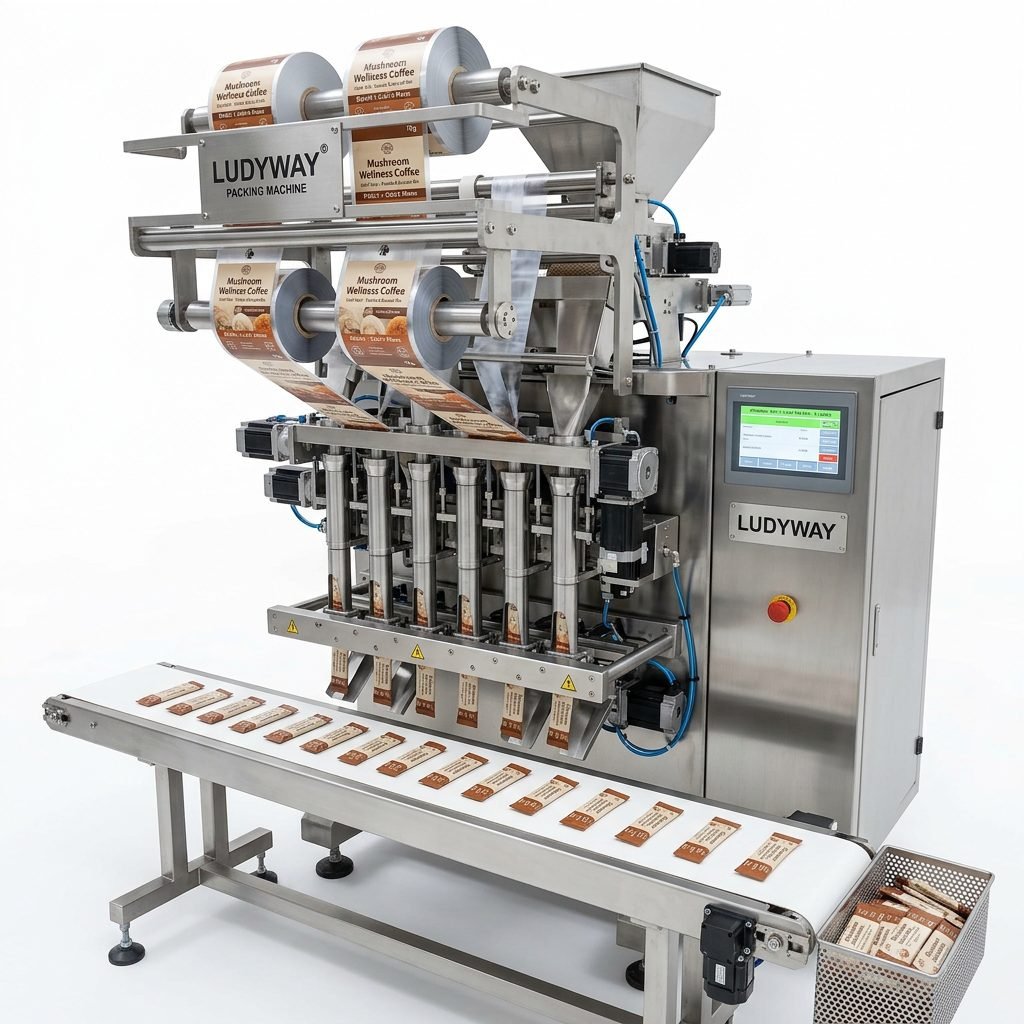
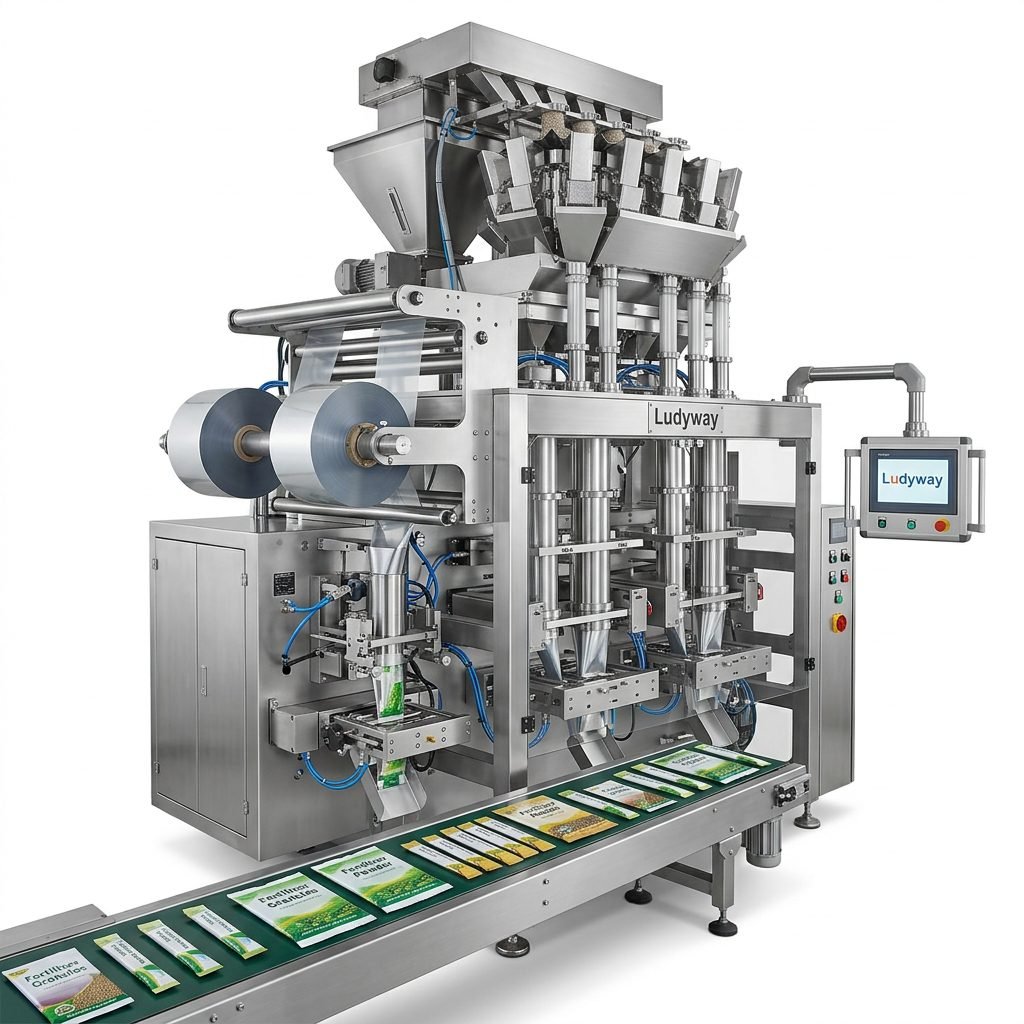
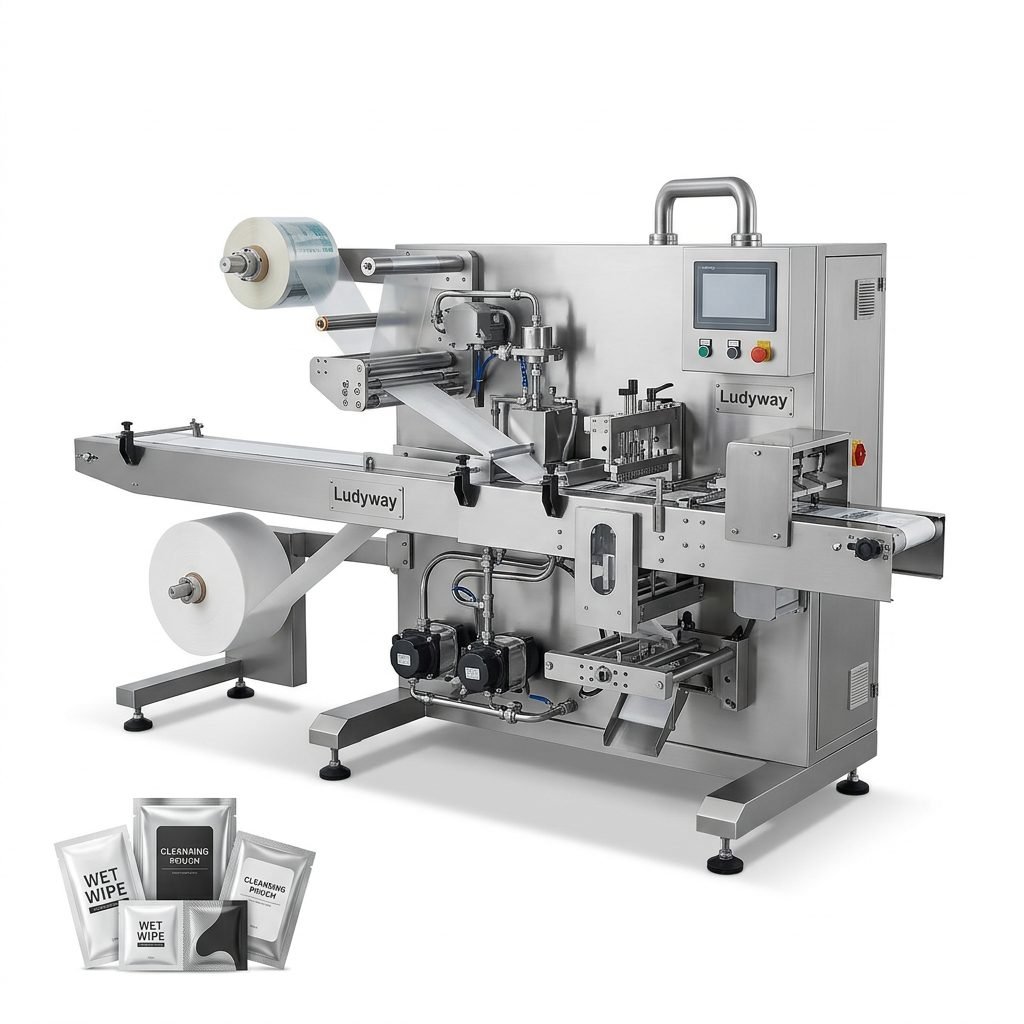
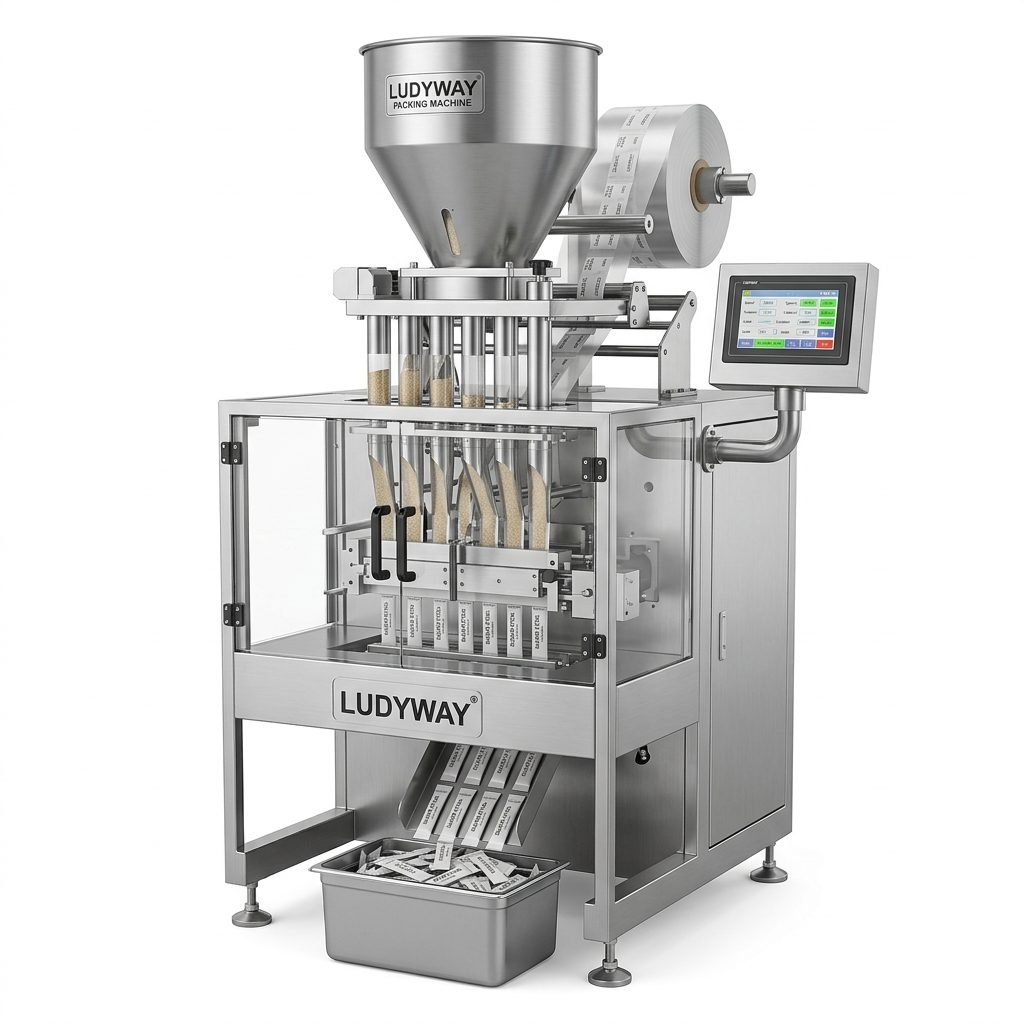
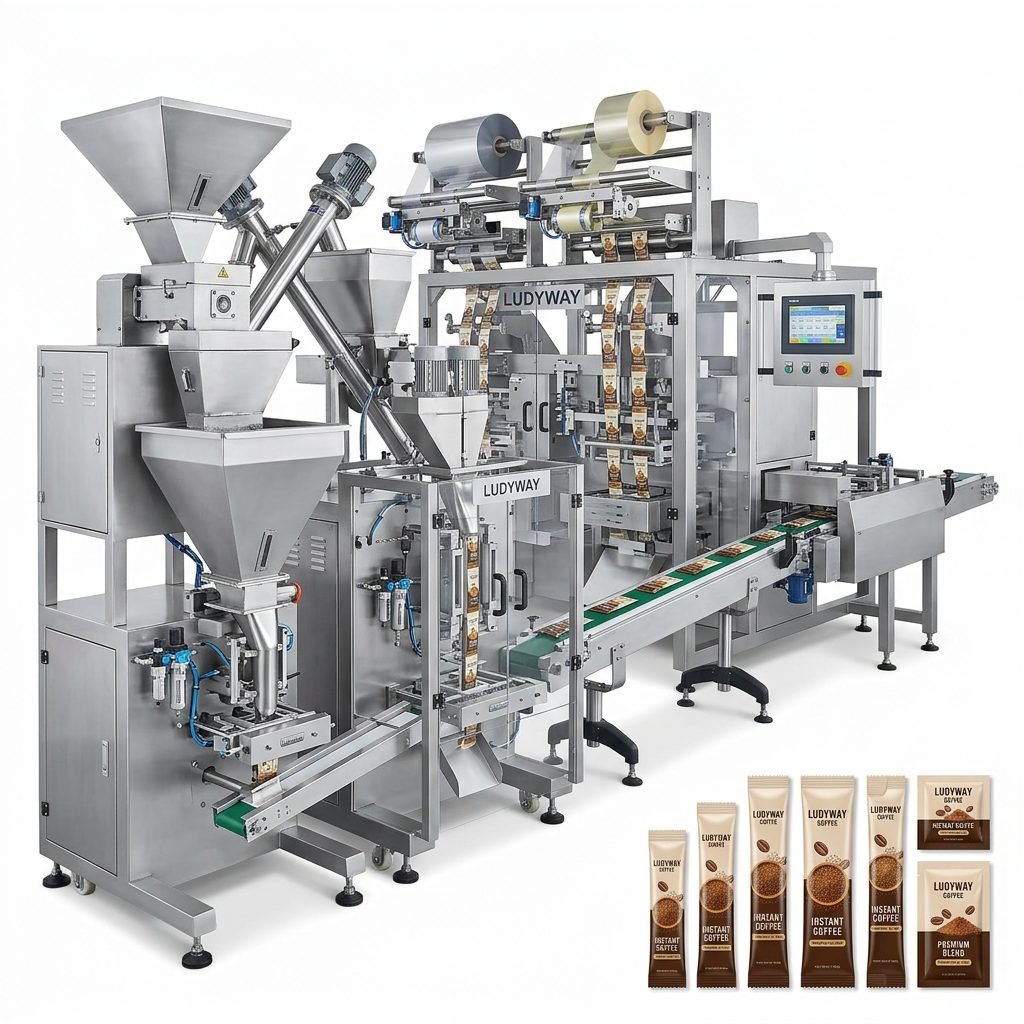
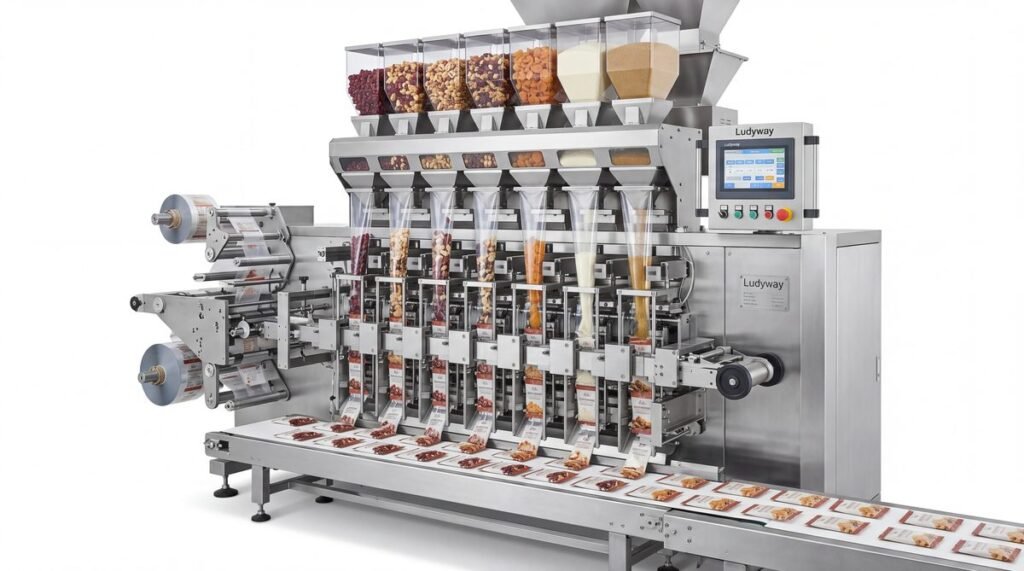
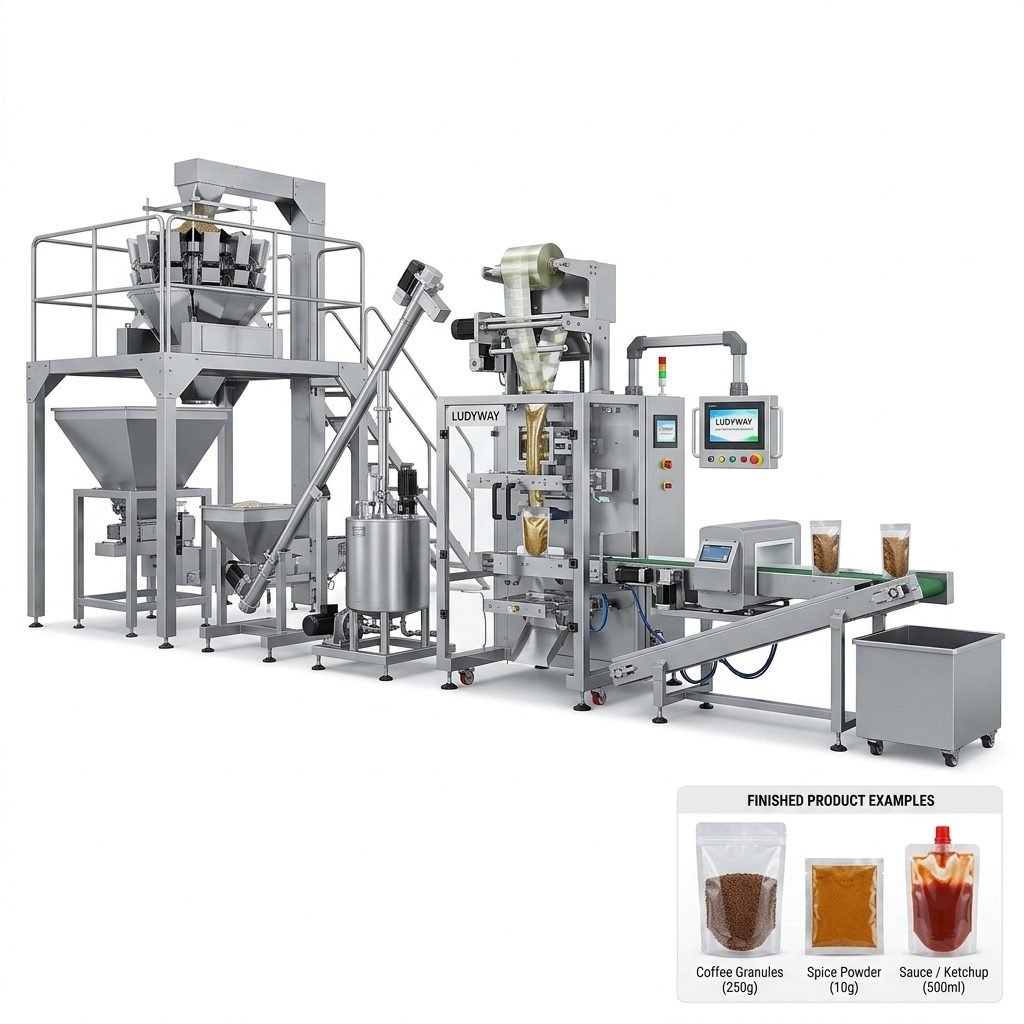
Ludyway is one of China’s leading packaging machine and turnkey packaging line manufacturers, with more than 30 years of experience and a factory size of over 20,000 square meters. While the company is widely known for sachet, stick pack, pouch, and filling systems, its broader value for tray sealer buyers lies in turnkey packaging line capability, export experience, and system integration support.
Ludyway serves customers in more than 100 countries and regions, with core export markets including Europe, North America, the Middle East, South America, Africa, Southeast Asia, and Australia. For food manufacturers that do not only need a tray sealing station but also complete packaging workflow design, Ludyway stands out as a practical engineering partner.
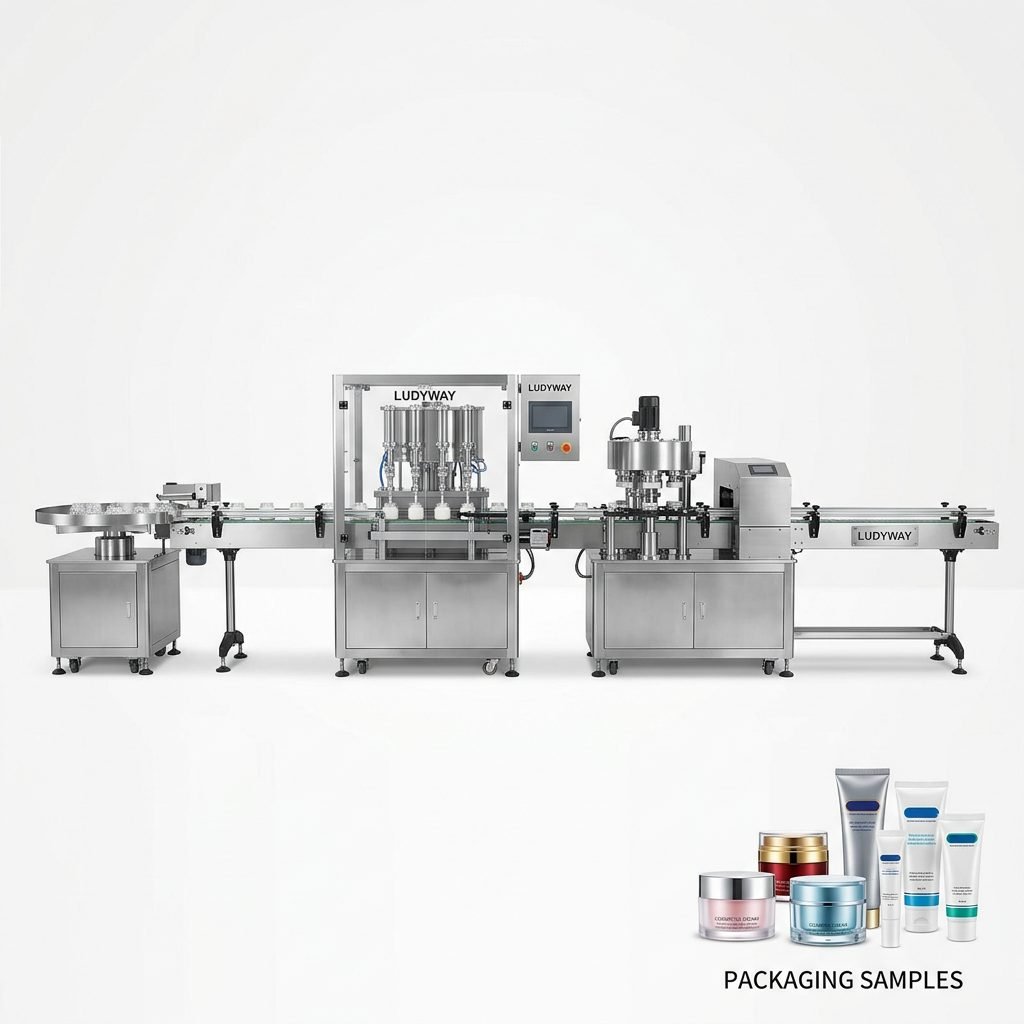
Its portfolio covers a wide range of food, pharmaceutical, and health packaging applications, and this cross-category engineering base is useful when a line needs filling, sealing, coding, inspection, conveying, and end-of-line automation to work together. Buyers looking for a China-based supplier with export maturity can review Ludyway packaging solutions.
- Strong turnkey packaging line background
- Broad export footprint and international project experience
- Suitable for buyers needing integrated rather than isolated equipment
8. Packmate Machinery
Packmate Machinery is a China-based automatic packaging machine and packaging line supplier focused on practical automation for powders, granules, liquids, pastes, and small pouch products. For tray sealing buyers, its relevance comes from flexibility, cost-effective customization, and project-oriented equipment matching.
Compared with premium Western brands, Packmate Machinery is more likely to appeal to processors seeking balanced capital expenditure, adaptable machine configurations, and manageable lead times. Buyers with mixed packaging needs may benefit from its ability to provide multiple packaging formats under one supplier relationship.
- Cost-conscious and flexible sourcing option
- Suitable for practical automation projects
- Useful for plants combining different package formats
9. PacklineOEM
PacklineOEM focuses on OEM-oriented automatic packaging line solutions. It is particularly relevant to food businesses, contract manufacturers, and brand owners that need customized packaging systems rather than off-the-shelf machines.
Its strength is project coordination: feeding, dosing, sealing, conveying, coding, inspection, and end-of-line matching. In real procurement scenarios, many tray sealing projects fail not because of the sealing head, but because of poor layout planning, tray transfer logic, or weak upstream/downstream matching. That is exactly where PacklineOEM can be useful. Buyers looking for project-based integration can explore OEM packaging line integration.
- Good for project-based custom lines
- Suitable when factory space and workflow are non-standard
- Useful for buyers wanting OEM cooperation and line planning
10. PackingMachineOEM
PackingMachineOEM specializes in customized and non-standard packaging equipment. This makes it relevant for food manufacturers whose tray sizes, product characteristics, material structures, or factory constraints cannot be solved by standard catalog models.
It is best viewed as a flexible engineering source rather than a mainstream global tray sealer brand. For buyers handling niche applications, unusual pack dimensions, or special automation requests, that flexibility can be more valuable than broad brand visibility.
- Strong in customized and non-standard projects
- Suitable for special packaging formats
- Practical option for OEM and custom engineering requirements
Quick Comparison Table
| Manufacturer | Best Known For | Best Fit Buyer | Strength Profile |
|---|---|---|---|
| MULTIVAC | Premium tray sealing and MAP | Large food processors | Global service, high precision, premium build |
| ULMA Packaging | Retail food packaging systems | Fresh food and ready-meal brands | Strong application range, integrated lines |
| SEALPAC | Skin pack and premium trays | High-value protein and seafood brands | Premium pack quality, strong sealing technology |
| Proseal | High-speed tray sealing | Retail and foodservice suppliers | Speed, efficiency, sustainability focus |
| Ishida | Integrated weighing and inspection | Quality-focused food plants | Data integration, inspection synergy |
| G. Mondini | Specialized food tray sealing | Brands needing material flexibility | Packaging design and sustainability support |
| Ludyway | Turnkey packaging lines | Global buyers seeking integrated solutions | Export experience, customization, line engineering |
| Packmate Machinery | Practical automation | Cost-sensitive manufacturers | Flexibility, customization, value sourcing |
| PacklineOEM | OEM packaging line projects | Private-label and custom factory projects | Layout planning, project coordination |
| PackingMachineOEM | Non-standard equipment customization | Niche packaging applications | Engineering flexibility, OEM adaptation |
Why Choose a Reliable Tray Sealer Manufacturer?
1. Better shelf life and product protection
In food packaging, poor sealing can lead to oxygen ingress, leakage, microbial risk, and shortened shelf life. A reliable machine supplier reduces these risks by controlling sealing temperature, dwell time, pressure, and tooling accuracy.
2. Lower total cost of ownership
A cheaper machine that causes frequent downtime, film waste, seal failures, and spare parts delays often becomes more expensive over three to five years. PMMI research repeatedly shows that unplanned downtime and labor inefficiency remain major cost drivers in packaging operations.
3. Easier compliance and quality control
Food processors increasingly need traceability, hygienic design, and documented process consistency. A good manufacturer can support validation, recipe management, coding integration, and compatibility with inspection systems such as X-ray or metal detection.
4. Better scalability
If your business plans to move from semi-automatic to inline automation, the right supplier should support growth without forcing a complete replacement of line architecture.
Comparison Analysis: How These Manufacturers Differ
Premium global brands such as MULTIVAC, ULMA, SEALPAC, Proseal, Ishida, and G. Mondini generally lead in advanced tray sealing performance, highly refined hygienic design, and global service networks. They are often selected by multinational food processors, high-volume plants, and premium retail brands.
China-based and OEM-oriented suppliers such as Ludyway, Packmate Machinery, PacklineOEM, and PackingMachineOEM are more often evaluated for customization flexibility, line integration support, and capital cost efficiency. These companies can be particularly attractive for growing food brands, regional processors, and projects that need adaptation rather than standardization.
The right choice depends on whether your top priority is:
- Maximum throughput and validation confidence
- Lower acquisition cost with practical customization
- Turnkey project execution across multiple machine stages
- Sustainability and new tray/film material compatibility
- After-sales support in your operating region
Key Buying Factors Before You Invest
Product type
Raw meat, cooked meals, sauces, bakery products, and produce all behave differently during sealing. Liquids and oily products require different tooling and contamination control logic than dry foods.
Packaging format
Decide whether you need simple top-seal trays, vacuum skin packaging, MAP trays, compartment trays, or dual-ovenable formats. Your machine selection should reflect actual pack design, not future assumptions.
Output target
Some plants need 6–10 cycles per minute; others need industrial inline systems running much higher. The supplier should state cycle performance under real production conditions, not ideal lab conditions.
Material compatibility
As food brands shift toward recyclable and lighter materials, sealing windows can become narrower. Ask suppliers for real test data with your tray and lidding film combination.
Service response
Ask where spare parts are stocked, how remote diagnostics are handled, and whether local technicians are available. For exporters and multinational food brands, service speed matters almost as much as machine quality.
Industry Data and Market Outlook
The food packaging machinery sector remains on a long-term growth path due to labor automation, retail-ready formats, e-commerce food logistics, and shelf-life optimization. Market research from firms such as Fortune Business Insights, MarketsandMarkets, and Mordor Intelligence consistently points to continued expansion in global packaging automation, especially in flexible and convenience-oriented food formats.
At the same time, according to PMMI’s industry reports, food manufacturers are investing more in smart packaging machinery, integrated line controls, and quality inspection to reduce waste and improve efficiency. In practical terms, that means buyers are no longer selecting tray sealers as isolated assets; they are buying them as part of connected packaging ecosystems.
Entity Relationship: Brand, Product, Industry, Market
To understand this market clearly, it helps to map the relationships:
- Brand: MULTIVAC, ULMA, SEALPAC, Proseal, Ishida, G. Mondini, Ludyway, Packmate Machinery, PacklineOEM, PackingMachineOEM
- Product: tray sealer, MAP tray sealer, vacuum skin packer, filling system, coding unit, X-ray inspection machine, conveyor, labeling system
- Industry: food packaging, meat packaging, ready-meal processing, fresh produce packing, dairy, seafood, nutraceuticals
- Market need: shelf life, hygiene, automation, labor reduction, packaging appearance, traceability, sustainability
These entities are commercially linked: brands manufacture products that serve specific industries to solve market needs. Search engines understand tray sealers more accurately when this relationship is explicit, which is also how procurement teams structure supplier comparisons.
Best Manufacturer by Buyer Type
If you are a large multinational processor: MULTIVAC, ULMA, SEALPAC, or Ishida may be the strongest fit because of validated industrial performance and broad support networks.
If you are a fast-growing regional food brand: Proseal or G. Mondini may offer an excellent middle ground between packaging performance and format flexibility.
If you need an export-oriented China partner for turnkey lines: Ludyway is a strong option because of manufacturing scale, long industry experience, and broad integration capability.
If you need practical customization at a more accessible cost level: Packmate Machinery, PacklineOEM, and PackingMachineOEM deserve serious evaluation.
How to Shortlist Suppliers Efficiently
- Define tray dimensions, product type, and sealing format.
- Confirm whether you need standard sealing, MAP, vacuum, or skin pack.
- Set target throughput in packs per minute and shifts per day.
- List compliance expectations such as CE, food-contact standards, and hygiene requirements.
- Request sample pack tests using your actual trays and films.
- Compare sealing consistency, reject rate, tool change time, and maintenance access.
- Review spare parts support and commissioning options.
- Evaluate full-line compatibility, not only the sealer itself.
For businesses sourcing custom projects, it is also useful to compare suppliers that can support broader automation planning, such as custom packaging machine suppliers with experience in matching multiple systems into one production flow.
FAQ
What is the difference between a tray sealer and a thermoforming machine?
A tray sealer seals preformed trays that are already made before entering the machine. A thermoforming machine forms the package cavity from roll film inside the machine and then seals it. Tray sealers are often preferred for flexible pack presentation and easy tray changeovers.
Which tray sealer is best for ready meals?
The best tray sealer for ready meals depends on meal viscosity, compartment count, tray material, output speed, and whether MAP is required. MULTIVAC, ULMA, SEALPAC, and Proseal are commonly evaluated for ready-meal applications, while turnkey-oriented suppliers can be strong options for customized line projects.
Is a Chinese tray sealer manufacturer reliable?
Yes, some China-based suppliers can be reliable, especially those with export experience, structured assembly processes, customization capability, and international project support. Buyers should verify application cases, factory capability, quality control procedures, and after-sales response before purchasing.
What is MAP in tray sealing?
MAP stands for modified atmosphere packaging. It replaces the air inside the tray with a controlled gas mixture, often involving carbon dioxide, nitrogen, and oxygen depending on the food product. The goal is to extend shelf life and maintain product quality.
How much does a tray sealer packaging machine cost?
Costs vary widely depending on automation level, capacity, tooling complexity, MAP or vacuum features, material compatibility, and whether the purchase includes conveyors, fillers, printers, and inspection systems. Entry-level semi-automatic systems cost far less than fully integrated high-speed inline machines, so buyers should compare total line cost rather than base machine price only.
What industries use tray sealing the most?
Fresh meat, poultry, seafood, ready meals, produce, bakery, dairy, deli foods, and convenience foods are among the most common users. The technology is also expanding into non-food and medical applications where hygienic sealed presentation matters.
Final Buying Insight
If your goal is the most reliable food packaging solution, the best manufacturer is the one that can prove sealing consistency with your actual product, tray, film, speed target, and factory layout. Global leaders dominate premium high-performance applications, while export-capable China-based manufacturers are increasingly competitive in customization, integration, and value.
For many food processors, the smartest path is to compare three types of suppliers side by side: one premium global brand, one specialized tray sealing expert, and one turnkey-oriented manufacturer. That approach usually reveals the best balance between technical performance, commercial practicality, and long-term support.