The nut packaging industry in Southeast Asia is experiencing unprecedented growth, driven by rising consumer demand for convenient, healthy snacks and the region’s position as a major producer of cashews, almonds, and other tree nuts. Establishing a nut packaging machine production line requires careful planning, from selecting the right equipment to understanding local regulatory requirements and market dynamics.
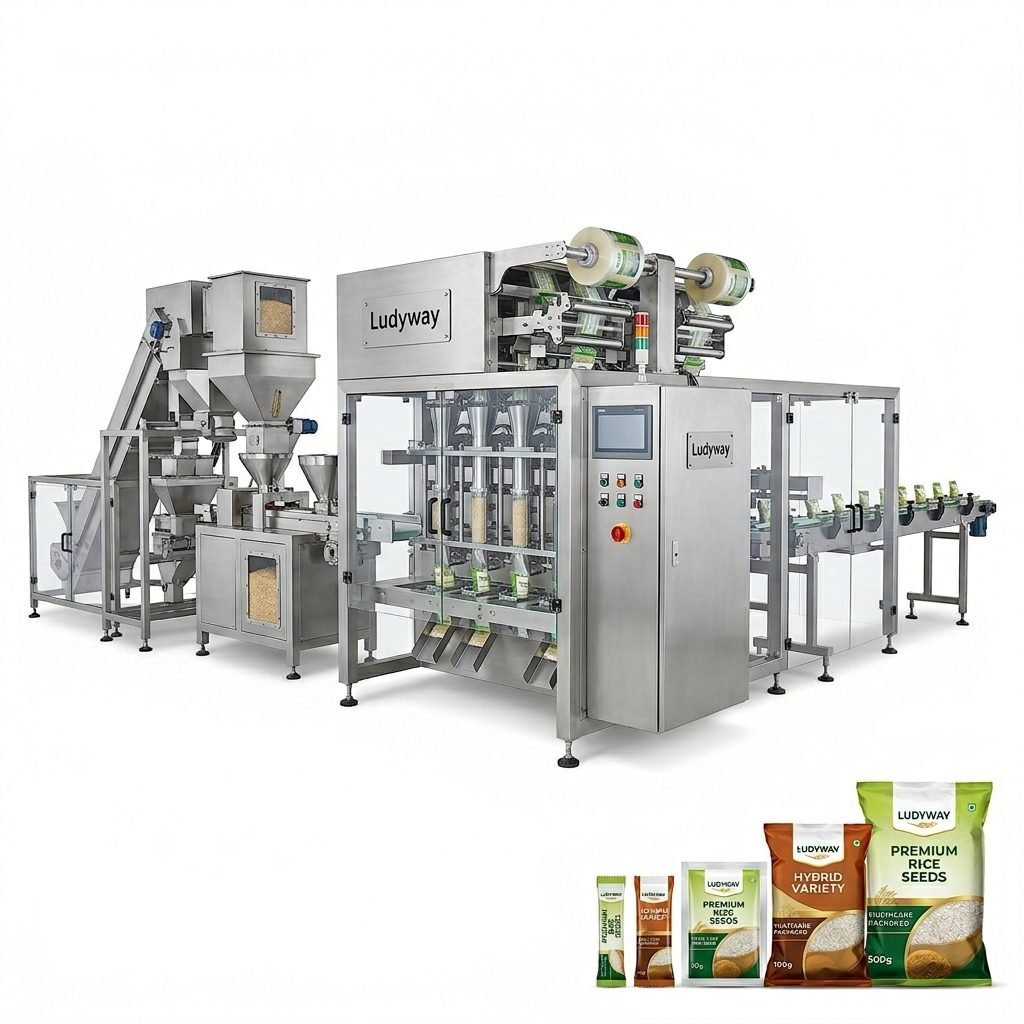
Understanding the Southeast Asian Nut Packaging Market
Southeast Asia’s nut processing sector is expanding rapidly, with countries like Vietnam, Thailand, Indonesia, and the Philippines leading production and export volumes. The region’s strategic location, competitive labor costs, and improving infrastructure make it an ideal hub for packaging machinery investment. Key market drivers include increasing disposable incomes, urbanization, and a growing preference for packaged snack foods across ASEAN economies.
According to industry data from the PMMI Business Intelligence reports, the Asia-Pacific packaging machinery market continues to outpace global averages, with flexible packaging solutions for snacks and nuts showing particularly strong growth trajectories.
Essential Equipment for a Complete Nut Packaging Line
A fully integrated nut packaging production line consists of several interconnected systems. Each component plays a critical role in ensuring product quality, packaging integrity, and operational efficiency. Understanding these elements is essential before procurement begins.
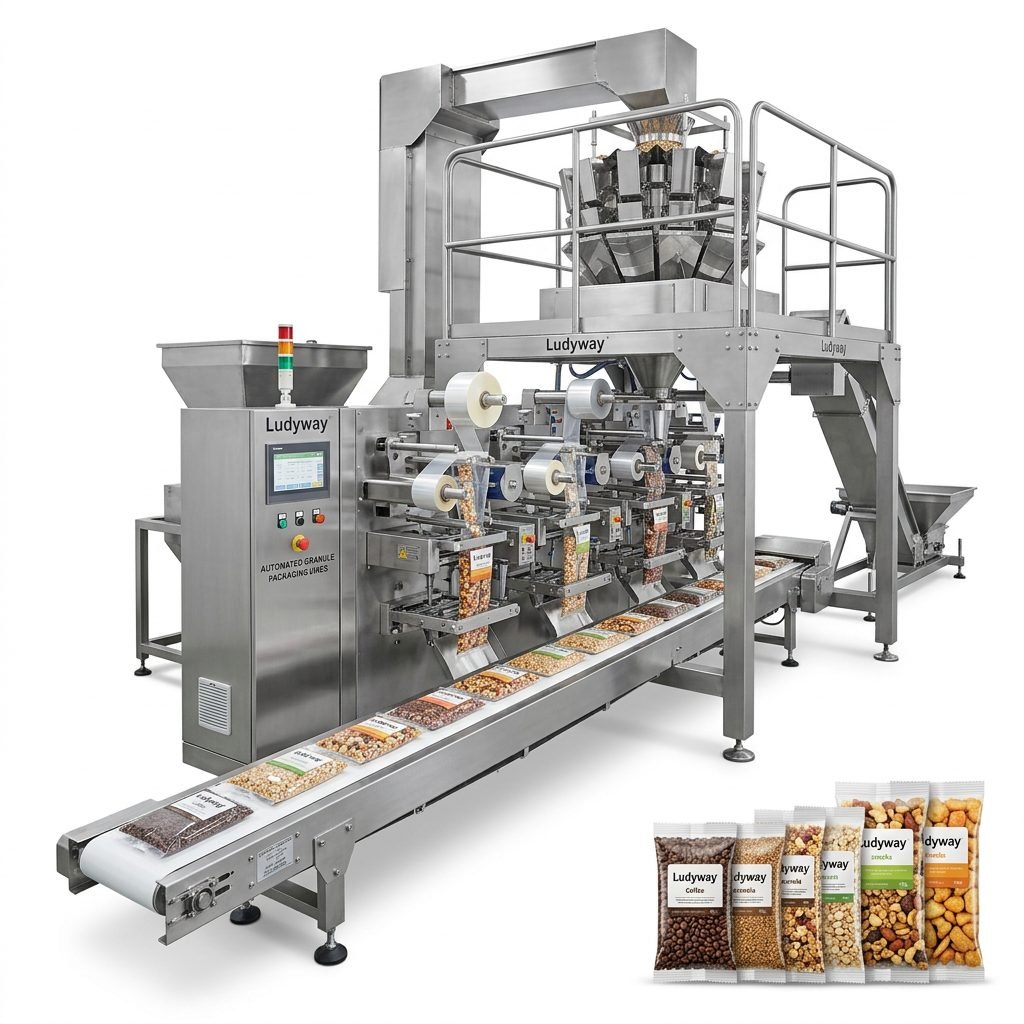
1. Feeding and Conveying Systems
The production line starts with efficient material handling equipment. Bucket elevators, vibratory feeders, and inclined conveyors transport raw nuts to processing stations. For facilities handling multiple nut varieties, dedicated feeding lines prevent cross-contamination and maintain product integrity throughout the packaging process.
2. Weighing and Dosing Solutions
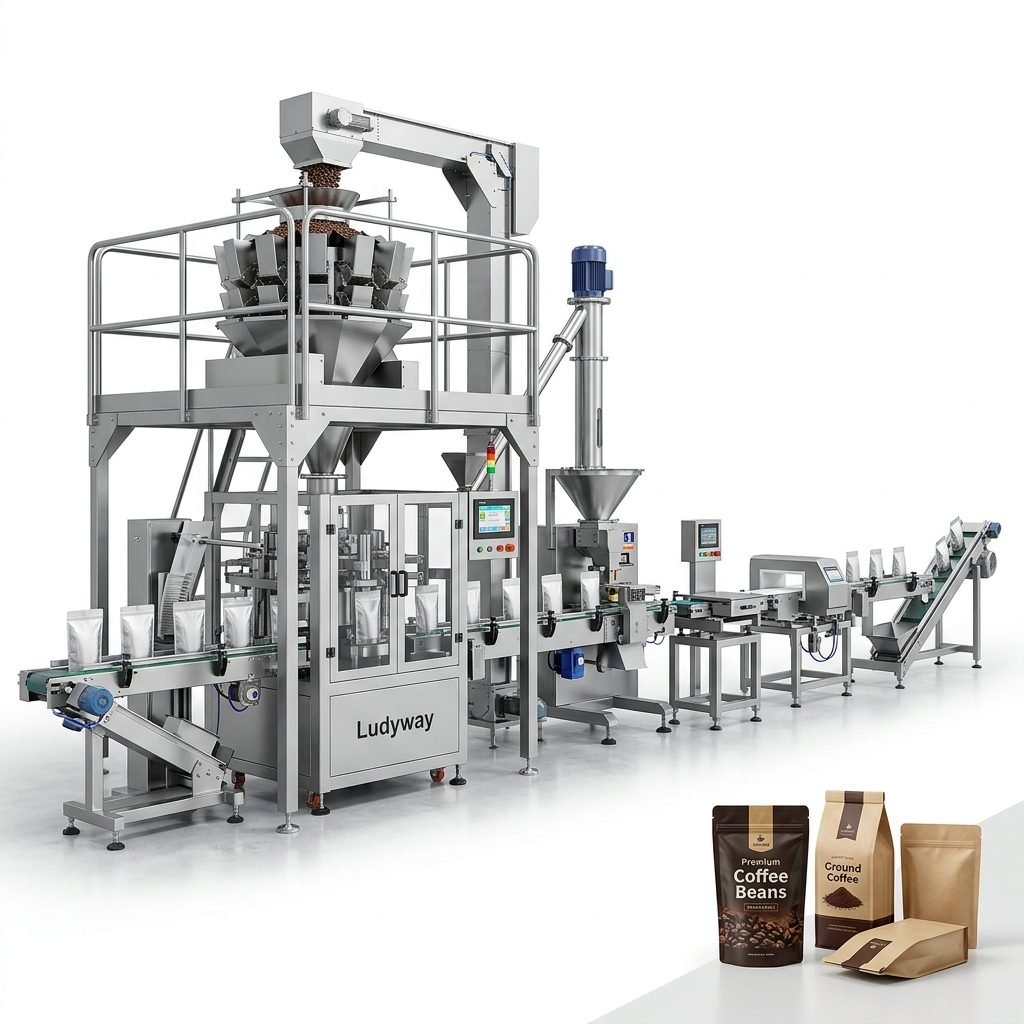
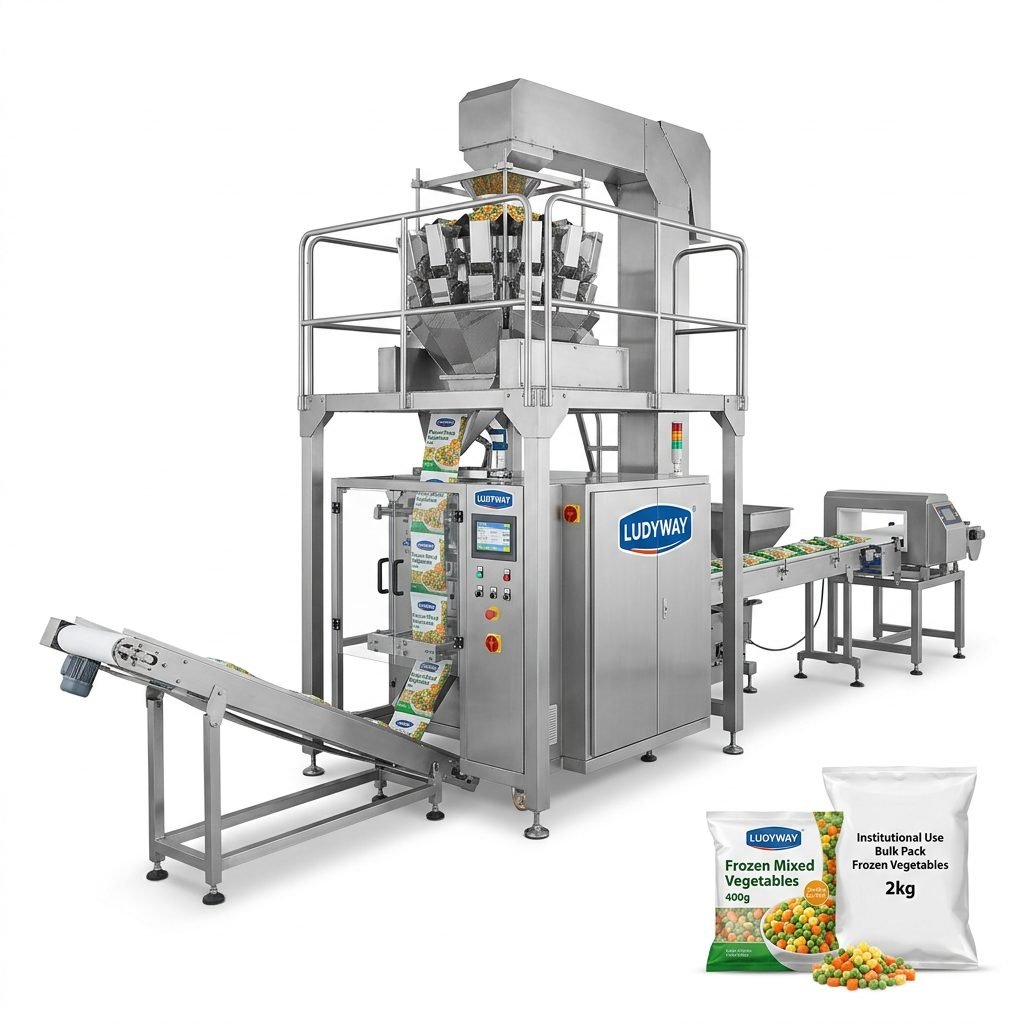
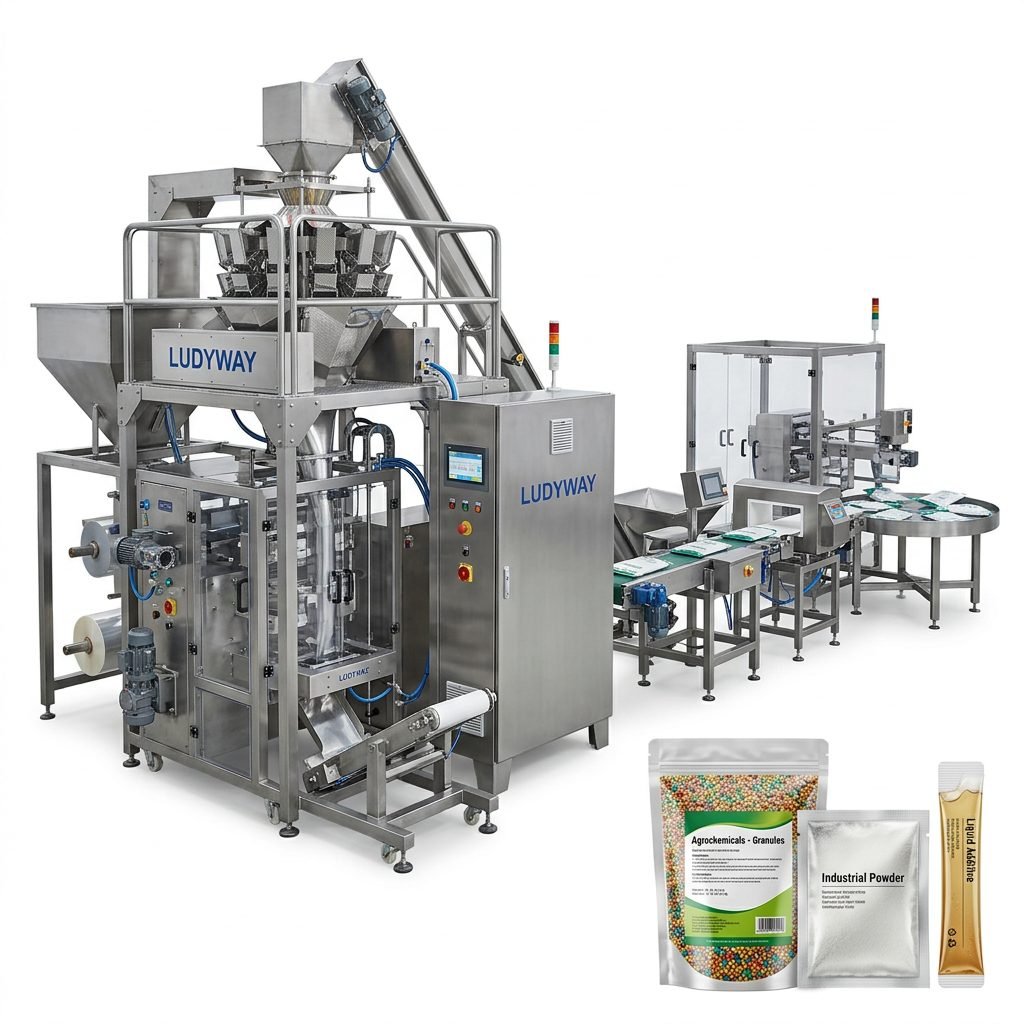
Precision is paramount in nut packaging. Modern multi-head weighers deliver exceptional accuracy, minimizing product giveaway while ensuring consistent fill weights. For high-speed operations, combination weighers paired with industry-standard packaging resources can process thousands of units per hour with remarkable precision.
3. Primary Packaging Machines
The core of any nut packaging line is the filling and sealing equipment. Depending on your target format, options include:
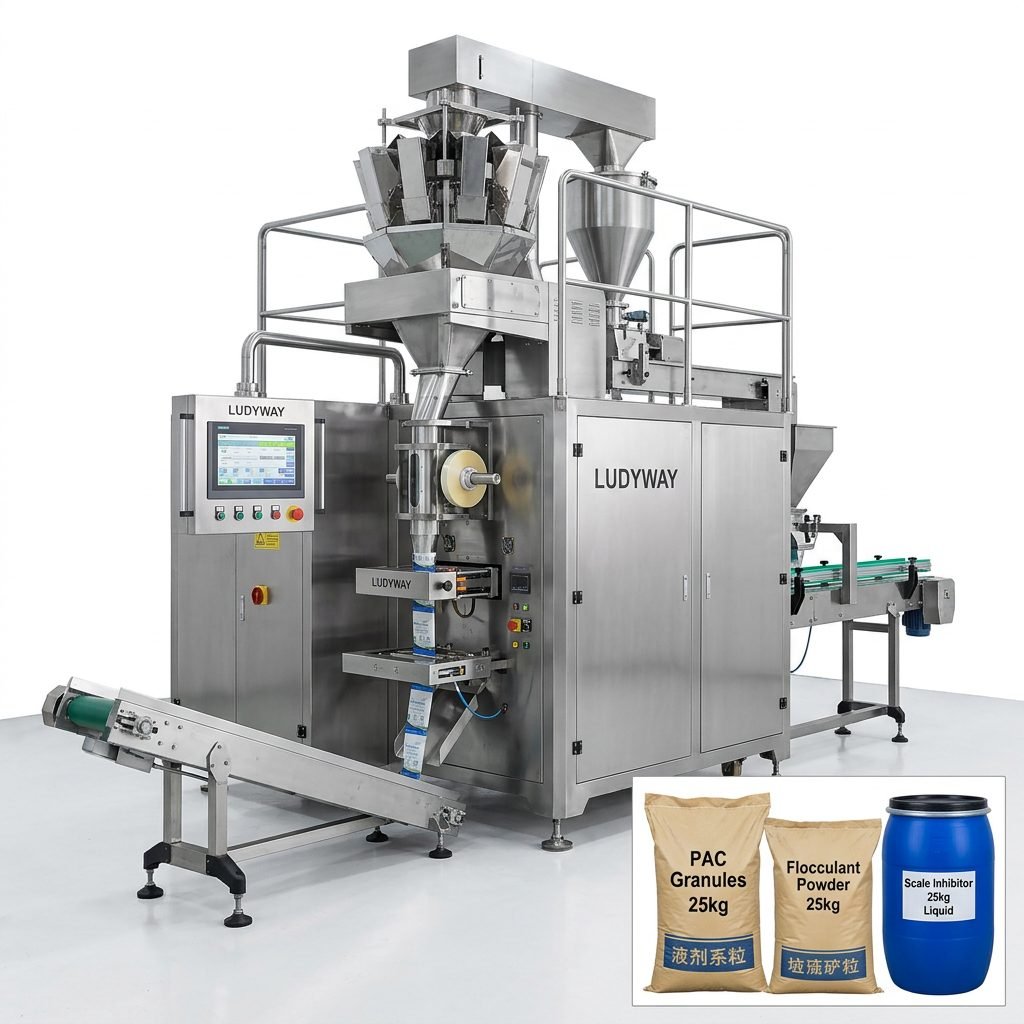
- Vertical form-fill-seal (VFFS) machines for pillow pouches and gusseted bags
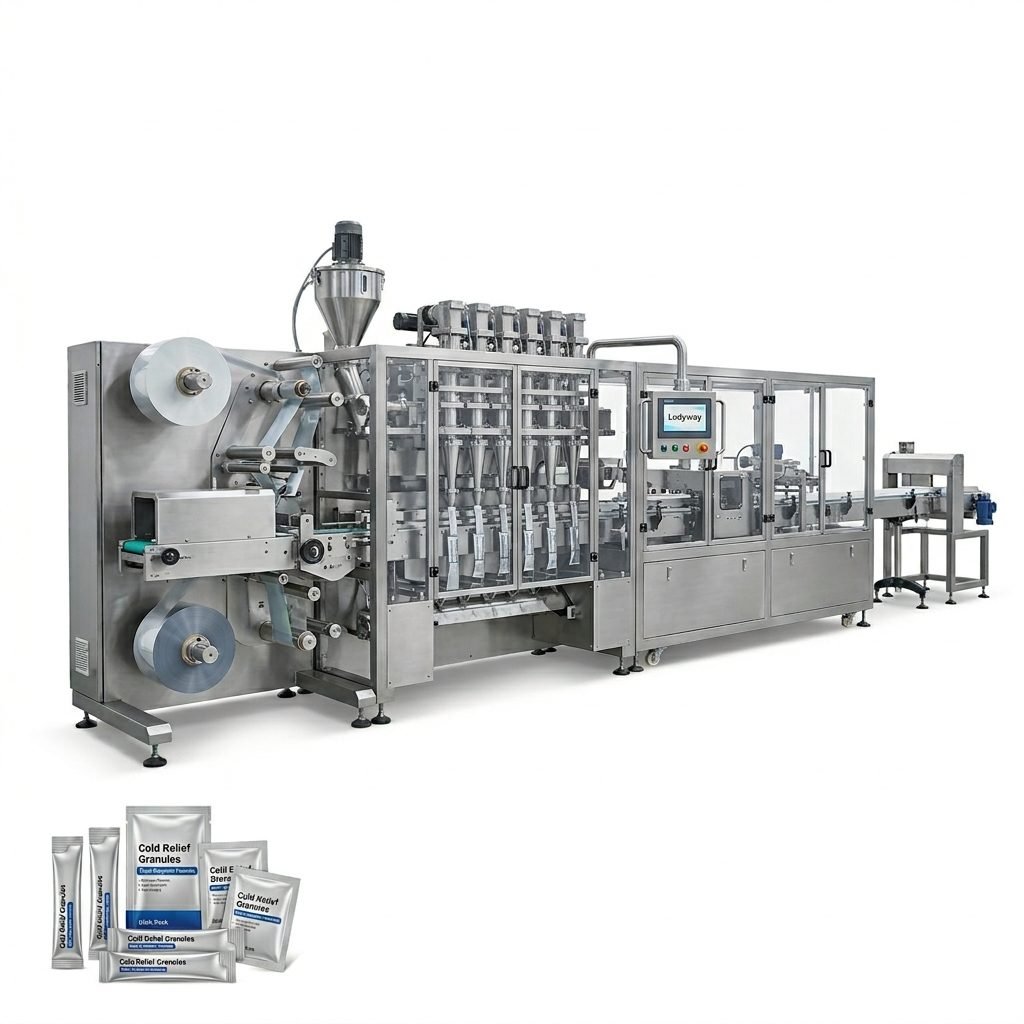
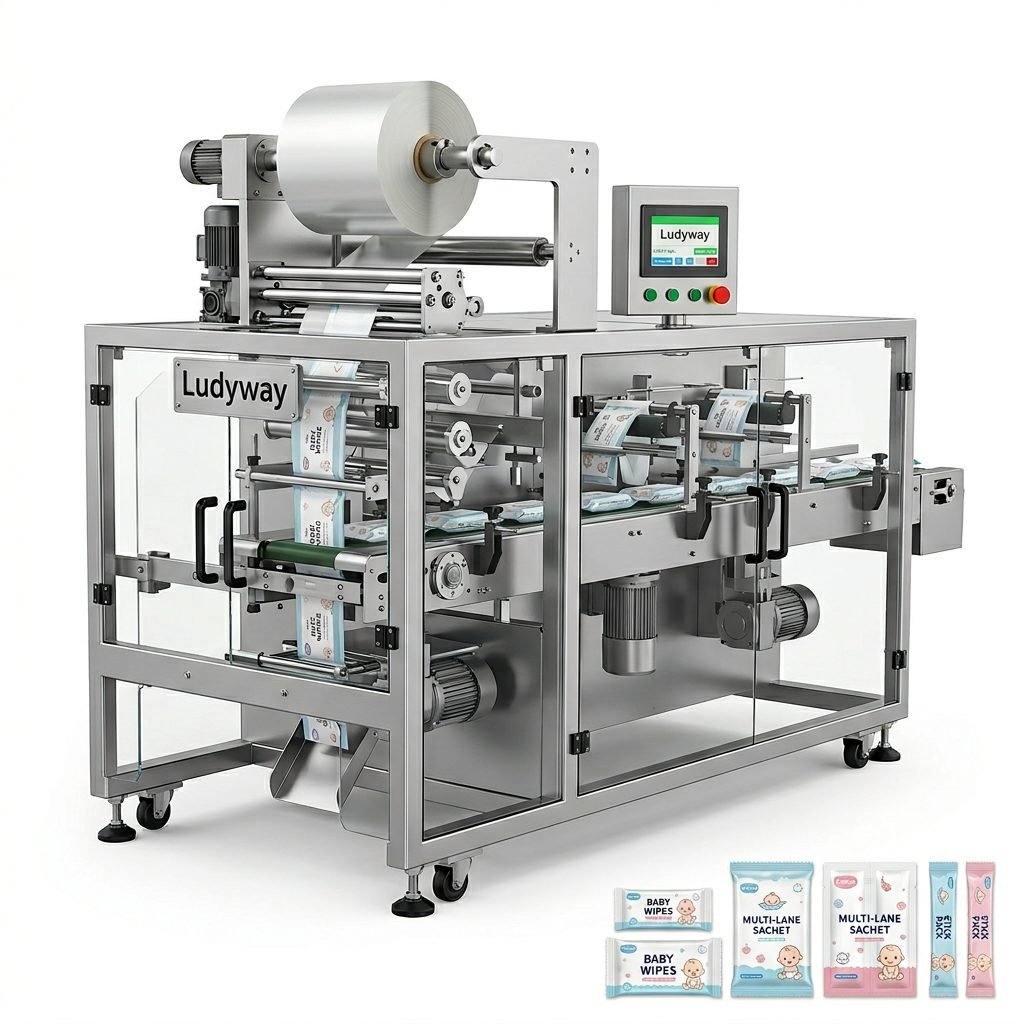
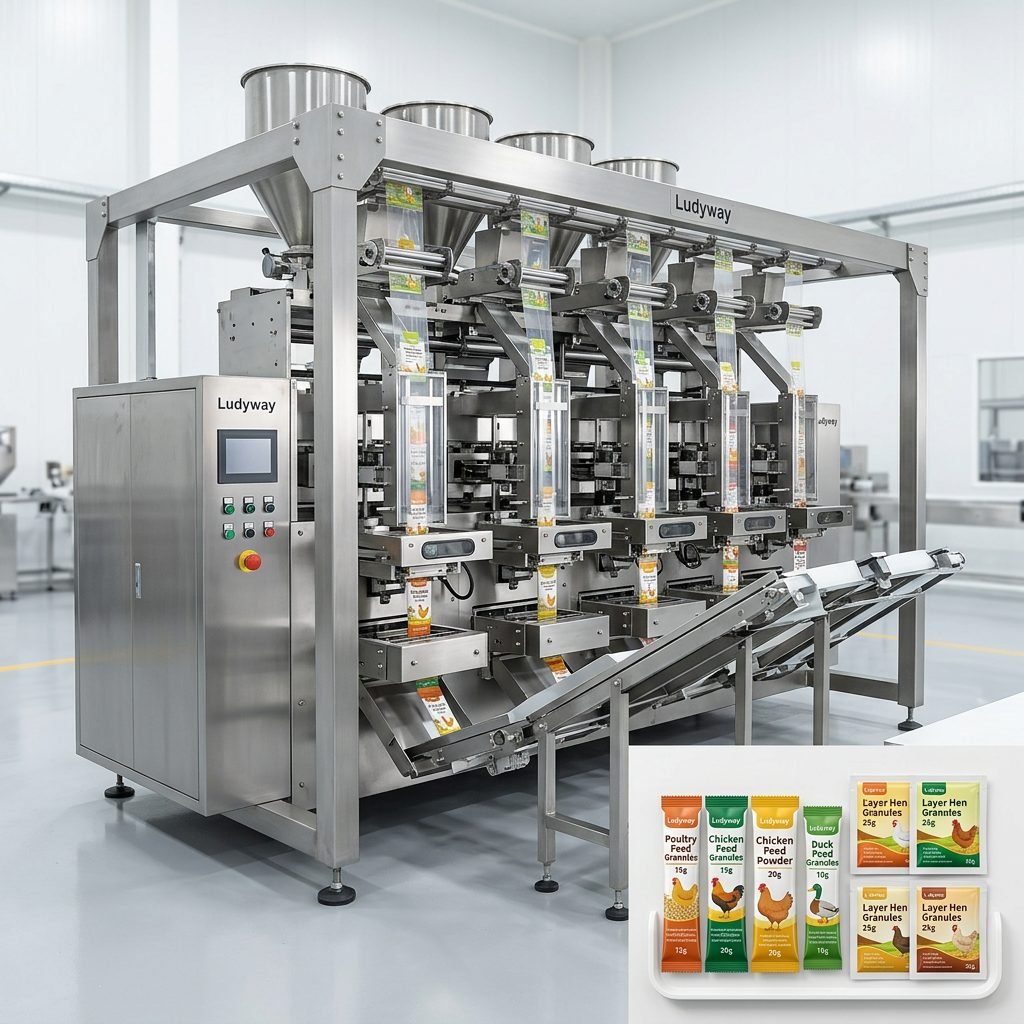
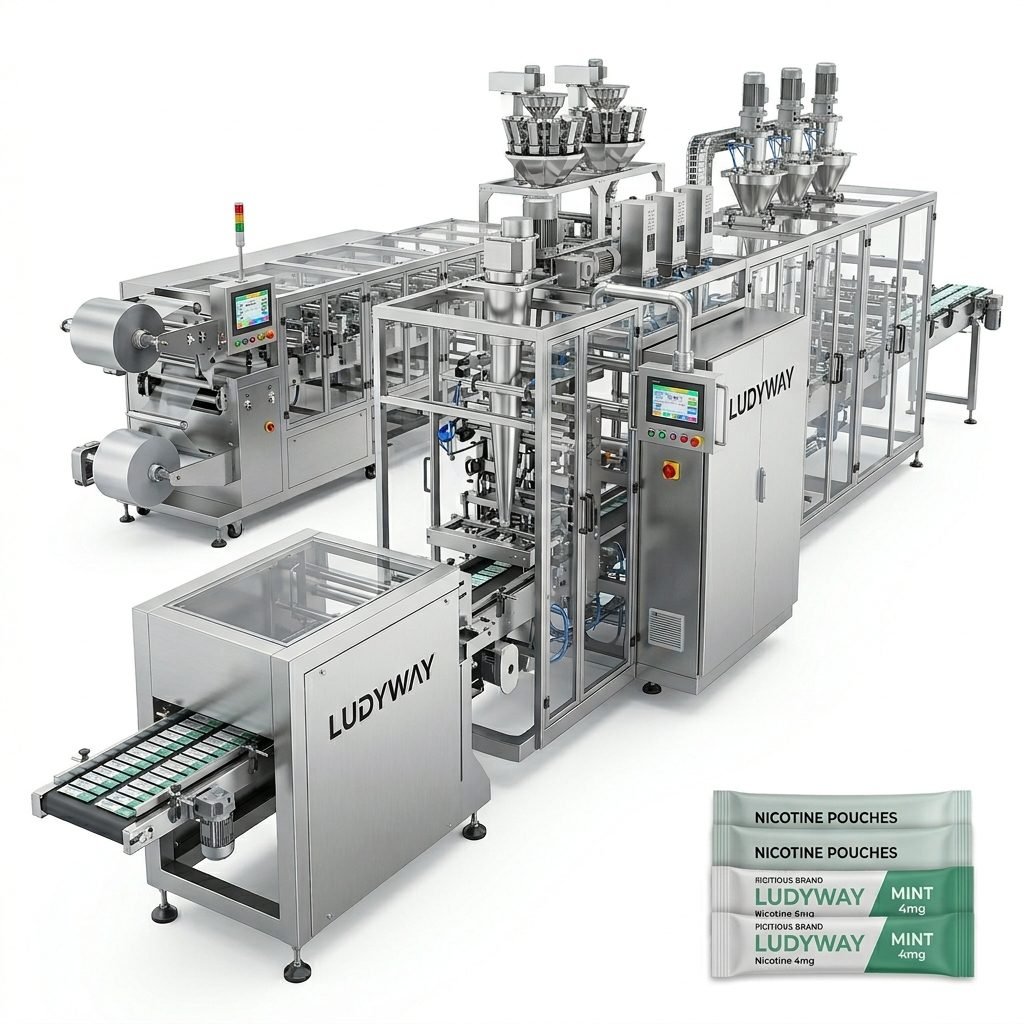
- Multi-lane stick pack machines for single-serve nut portions
- Pre-made pouch fill-seal machines for stand-up pouches with zippers
- Canister and jar filling lines for premium nut products
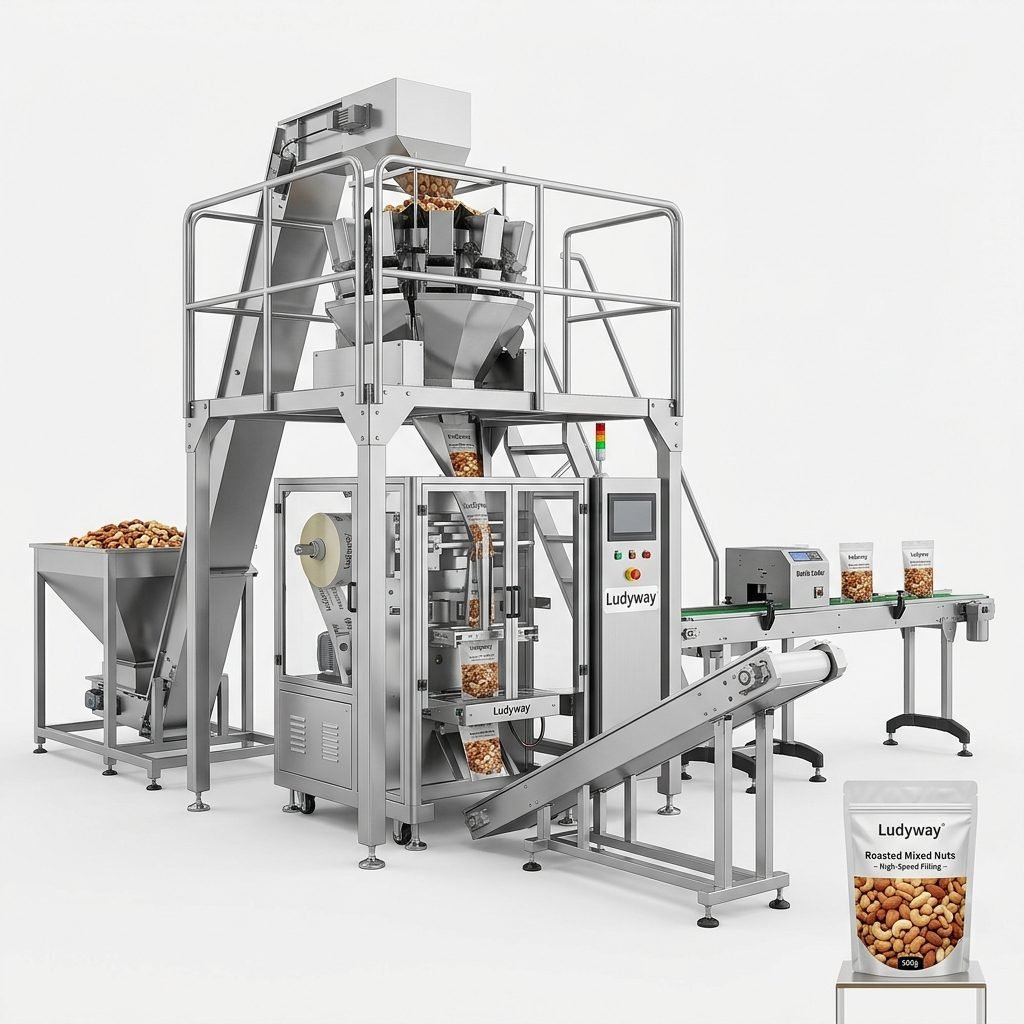
4. Secondary Packaging Equipment
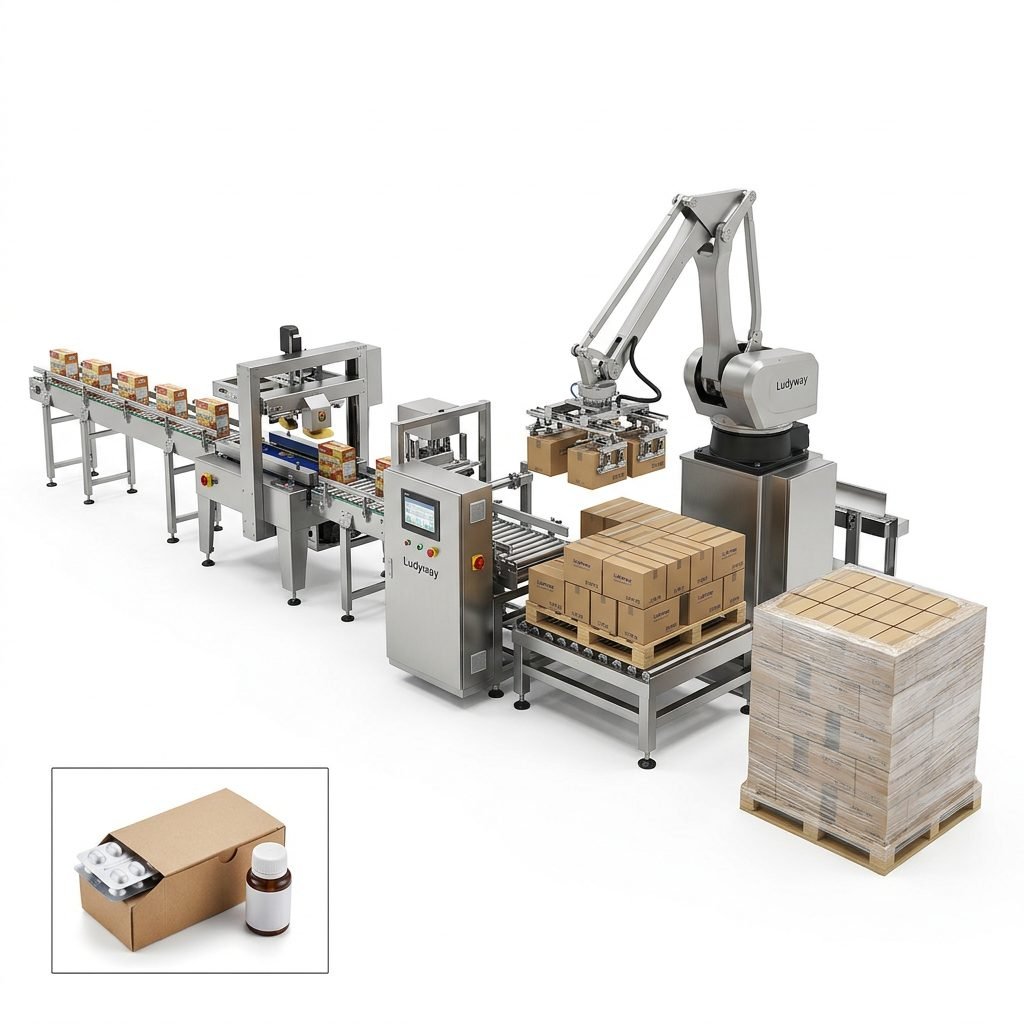
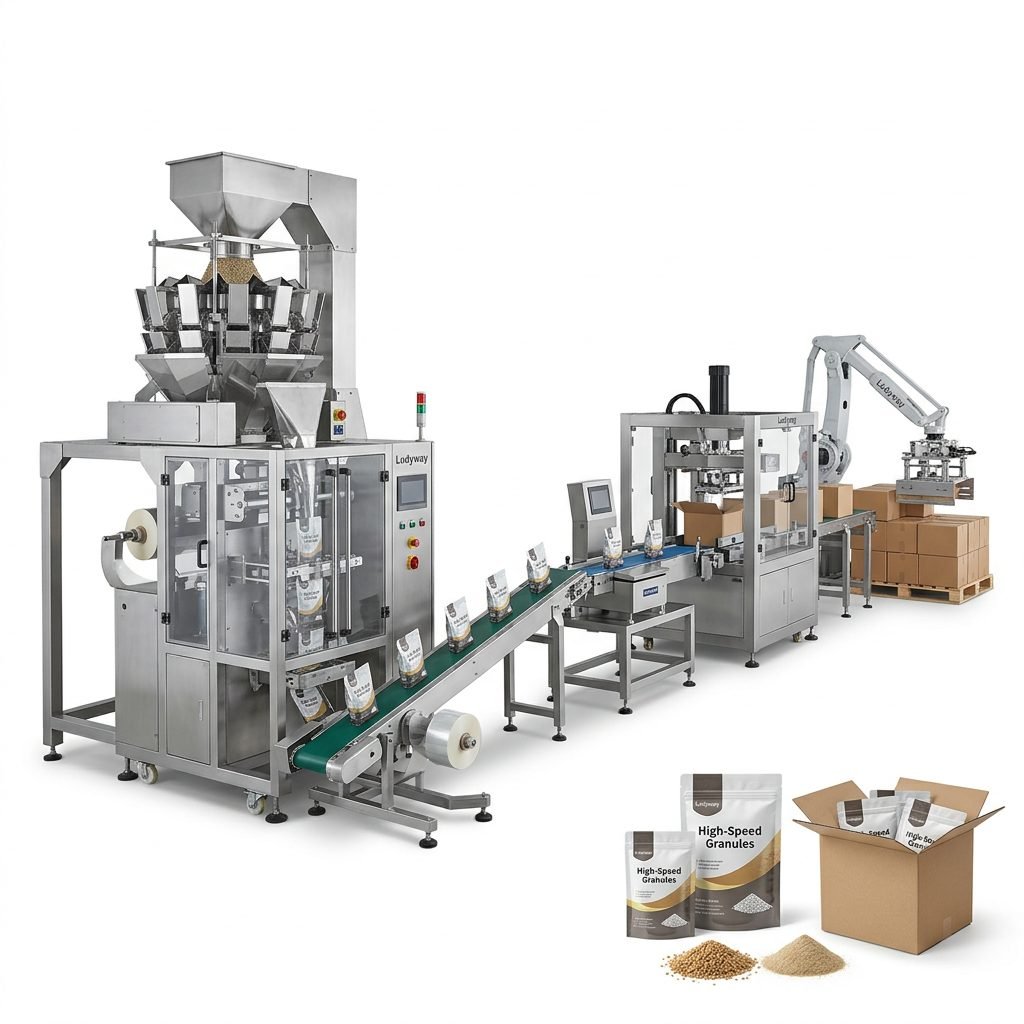
After primary packaging, cartoning machines, case packers, and palletizing systems handle the finished products. Automated cartoning solutions reduce manual labor costs and increase throughput, while robotic palletizers ensure stable load configurations for shipping.
5. Quality Control and Inspection Systems
Modern production lines integrate checkweighers, metal detectors, and vision inspection systems to guarantee product safety and compliance. X-ray inspection equipment provides an additional layer of quality assurance, detecting foreign materials that could compromise consumer safety.
Step-by-Step Guide to Setting Up Your Production Line
Phase 1: Facility Planning and Layout Design
Begin by assessing your available floor space, ceiling height, and utility connections. The layout should follow a logical flow from raw material receiving through to finished goods storage. Key considerations include:
- Material flow optimization to minimize cross-traffic
- Adequate clearance for equipment maintenance access
- Separate zones for raw and finished products
- Proper ventilation and dust collection systems
- Compliance with local building and safety codes
Phase 2: Equipment Selection and Procurement
Select machinery that matches your production targets, format requirements, and budget constraints. When evaluating suppliers, consider their experience in the Southeast Asian market, after-sales support capabilities, and the availability of spare parts. Request factory acceptance testing (FAT) before shipment to verify equipment performance.
Phase 3: Installation and Commissioning
Professional installation by experienced technicians is essential. This phase includes equipment positioning, utility connections, and initial calibration. Allow sufficient time for commissioning and fine-tuning before starting full production. Most suppliers offer installation supervision and operator training as part of their service packages.
Phase 4: Validation and Production Ramp-Up
Conduct thorough testing with your actual products to validate packaging quality, seal integrity, and labeling accuracy. Begin with small production runs and gradually increase output as operators become proficient and processes stabilize.
Regulatory Compliance in Southeast Asia
Each ASEAN country maintains its own food packaging regulations, though harmonization efforts under the ASEAN Economic Community continue to progress. Critical compliance areas include:
- Food contact material safety standards
- Labeling requirements in local languages
- Halal certification for Muslim-majority markets
- Export documentation and phytosanitary certificates
- GMP and HACCP implementation
Reference resources such as the FDA Food Packaging Guidelines and ISO Packaging Standards provide valuable frameworks for establishing compliant operations, even when targeting Southeast Asian markets specifically.
Cost Considerations and ROI Analysis
Investing in a nut packaging production line involves significant capital expenditure, but the long-term returns can be substantial. Key cost factors include:
| Cost Category | Percentage of Total Investment | Key Variables |
|---|---|---|
| Primary Packaging Equipment | 40-50% | Speed, automation level, brand |
| Secondary Packaging Systems | 15-20% | Cartoning, case packing, palletizing |
| Facility Modifications | 10-15% | Utilities, clean room requirements |
| Installation and Commissioning | 8-12% | Supplier location, complexity |
| Training and Documentation | 5-8% | Operator skill level, language requirements |
| Contingency Reserve | 5-10% | Unforeseen challenges, currency fluctuations |
Typical payback periods range from 18 to 36 months, depending on production volume, product margins, and operational efficiency. The 2025 State of the Industry Report provides additional benchmarks for packaging machinery ROI across different regions and applications.
Common Challenges and Solutions
Challenge: High Humidity Environments
Southeast Asia’s tropical climate poses unique challenges for nut packaging, as humidity can compromise product freshness and packaging integrity. Solution: Implement nitrogen flushing systems and moisture-barrier packaging films. Dehumidification systems in production areas maintain optimal conditions year-round.
Challenge: Skilled Labor Shortages
Finding experienced packaging machine operators can be difficult in some Southeast Asian locations. Solution: Invest in comprehensive training programs and consider equipment with intuitive HMI interfaces that reduce the learning curve. Remote diagnostic capabilities also minimize downtime when technical issues arise.
Challenge: Supply Chain Disruptions
Packaging material availability and equipment spare parts can face intermittent disruptions. Solution: Establish relationships with multiple suppliers and maintain adequate safety stock of critical components. Local sourcing of packaging materials where possible reduces lead times.
Maintenance and Operational Best Practices
A well-maintained production line delivers consistent performance and extends equipment lifespan. Essential maintenance practices include:
- Daily cleaning and inspection protocols for all food-contact surfaces
- Scheduled preventive maintenance based on machine running hours
- Maintaining detailed service records for each piece of equipment
- Regular calibration of weighing and inspection systems
- Operator training refreshers on safety and quality procedures
- Keeping an organized spare parts inventory for critical components
Technology Trends Shaping Nut Packaging
The packaging machinery industry continues to evolve with Industry 4.0 technologies transforming production floors across Southeast Asia. Smart sensors, IoT connectivity, and predictive maintenance algorithms enable real-time monitoring and data-driven decision-making. Sustainability trends are also driving innovations in packaging materials and machine designs that reduce material consumption and energy usage.
For insights on flexible packaging trends, the Flexible Packaging Association offers comprehensive research and market data relevant to nut and snack packaging applications.
Partnering with the Right Equipment Supplier
Selecting the right packaging machinery partner is critical to long-term success in Southeast Asia. Look for suppliers with a proven track record in the region, responsive technical support, and the ability to provide turnkey solutions that integrate seamlessly with your existing operations.
Ludyway stands as one of the largest packaging machine manufacturers, specializing in advanced packaging equipment and turnkey production solutions. With over 30 years of industry expertise and a modern 20,000㎡ manufacturing facility, we provide reliable and efficient packaging solutions for granule, powder, liquid, and pouch packaging applications. Our engineering team has developed more than 50 intelligent packaging machine models, serving customers in over 100 countries and regions with innovative, high-performance, and cost-effective packaging solutions.
Next Steps for Your Nut Packaging Project
Launching a nut packaging production line in Southeast Asia requires thorough planning, but the region’s growing market presents compelling opportunities for companies that execute effectively. Begin with a detailed project scope, consult with experienced equipment suppliers, and allocate sufficient resources for installation, training, and ongoing optimization. With the right approach, your nut packaging operation can achieve world-class efficiency and product quality.
For further guidance on packaging machinery selection and industry best practices, explore the PMMI State of the Industry Reports and Flexible Packaging Association resources for ongoing market intelligence and technical standards.