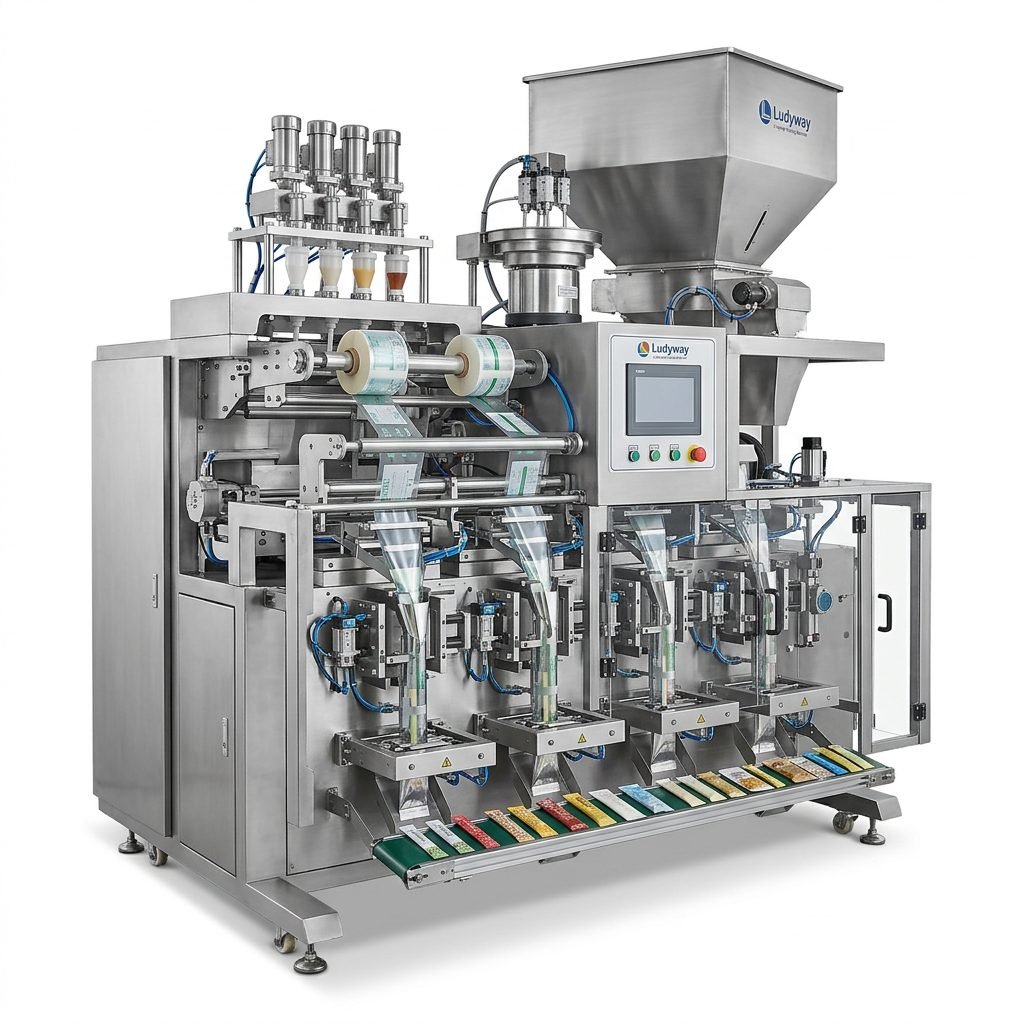
South America’s dried fruit industry has experienced remarkable growth, driven by increasing domestic consumption and rising export demand. From Brazil’s tropical fruit processing hubs to Chile’s prune and raisin production centers, manufacturers across the continent are seeking efficient, reliable packaging solutions to meet both local market requirements and international export standards. Selecting the right dried fruit packaging machine is a critical investment that directly impacts product shelf life, operational costs, and market competitiveness.

Understanding Dried Fruit Packaging Requirements in South America
Dried fruits present unique packaging challenges due to their moisture sensitivity, irregular shapes, and susceptibility to oxidation. South American producers must consider climate-specific factors including high humidity in tropical regions like Ecuador and Colombia, temperature fluctuations during transportation across the Andes, and varying storage conditions throughout the supply chain. The ideal packaging machine must deliver consistent seal integrity and accommodate multiple packaging formats to serve diverse market channels.
Key Machine Types for Dried Fruit Packaging
Modern packaging equipment for dried fruits spans several categories, each suited to different production scales and packaging requirements. Understanding these options is essential for making an informed purchasing decision.
Multi-Lane Stick Pack Machines
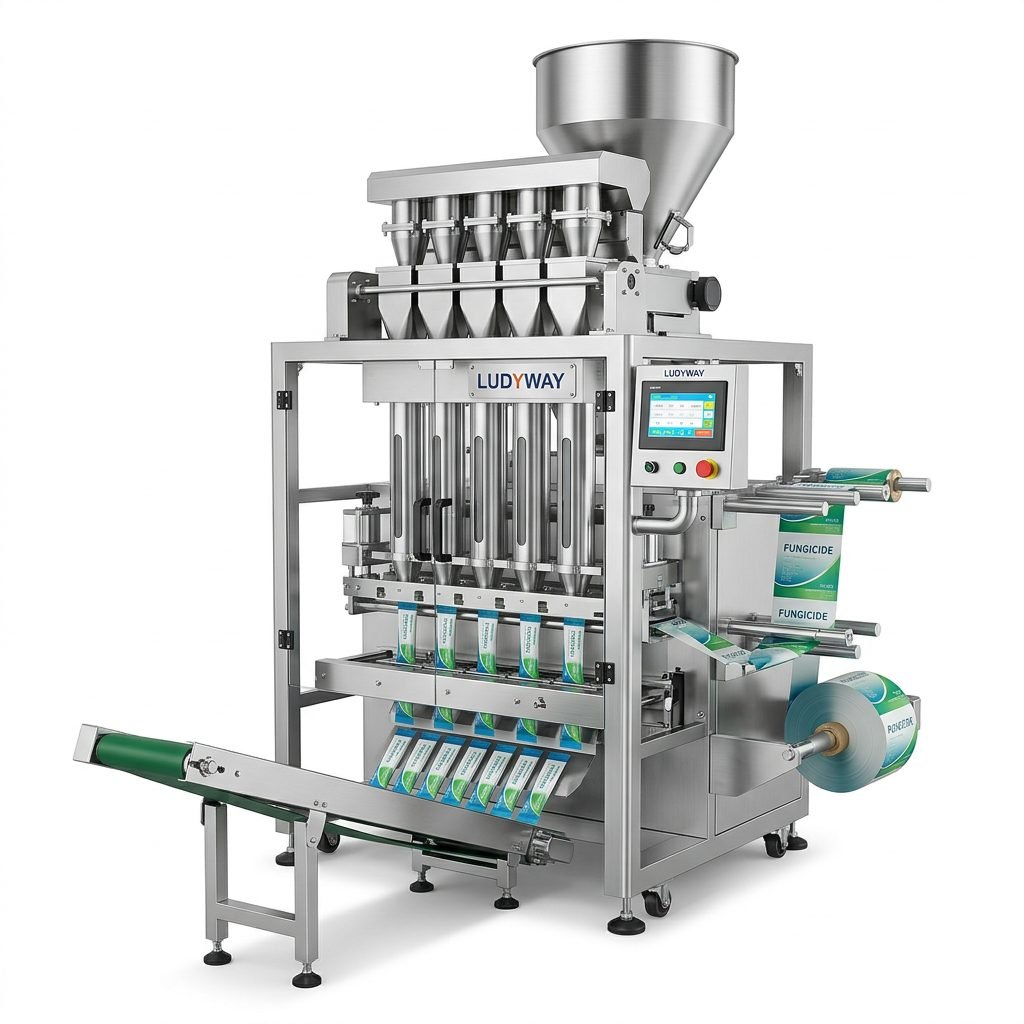
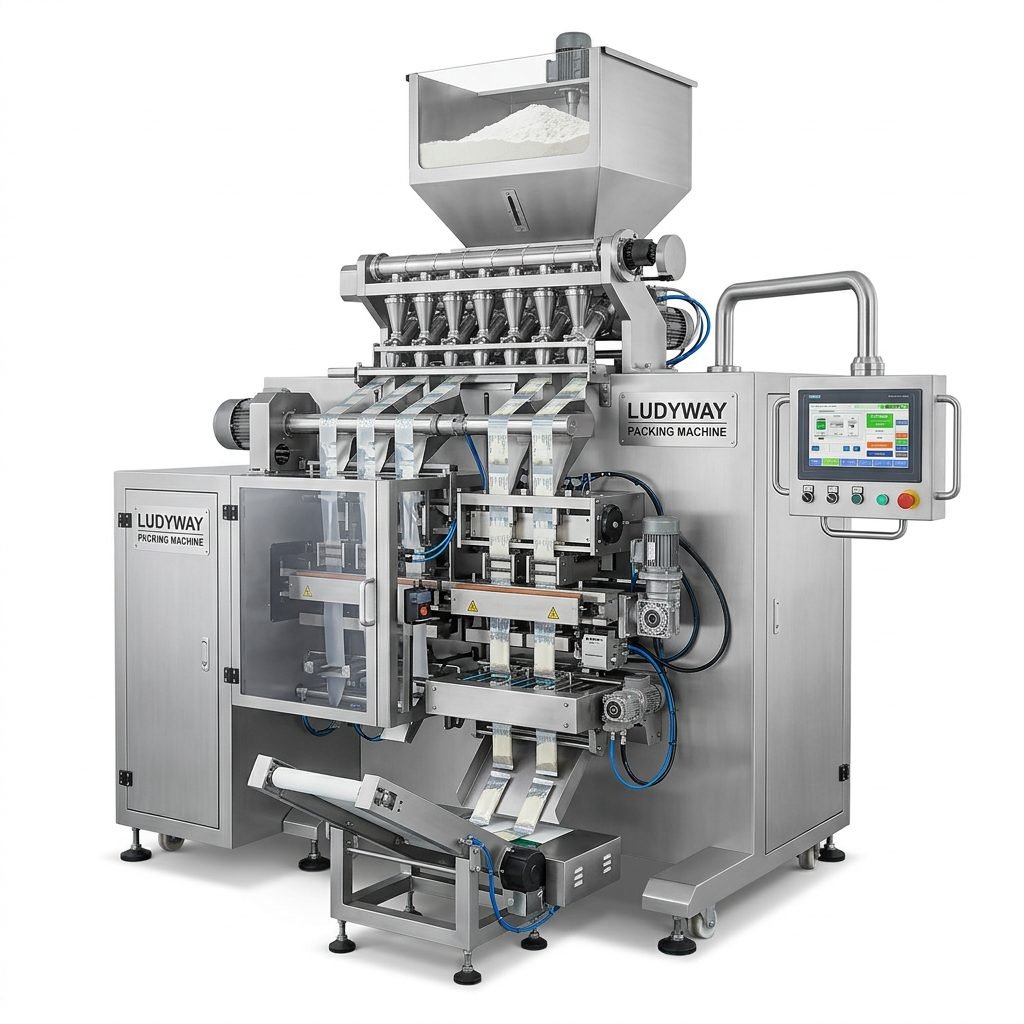
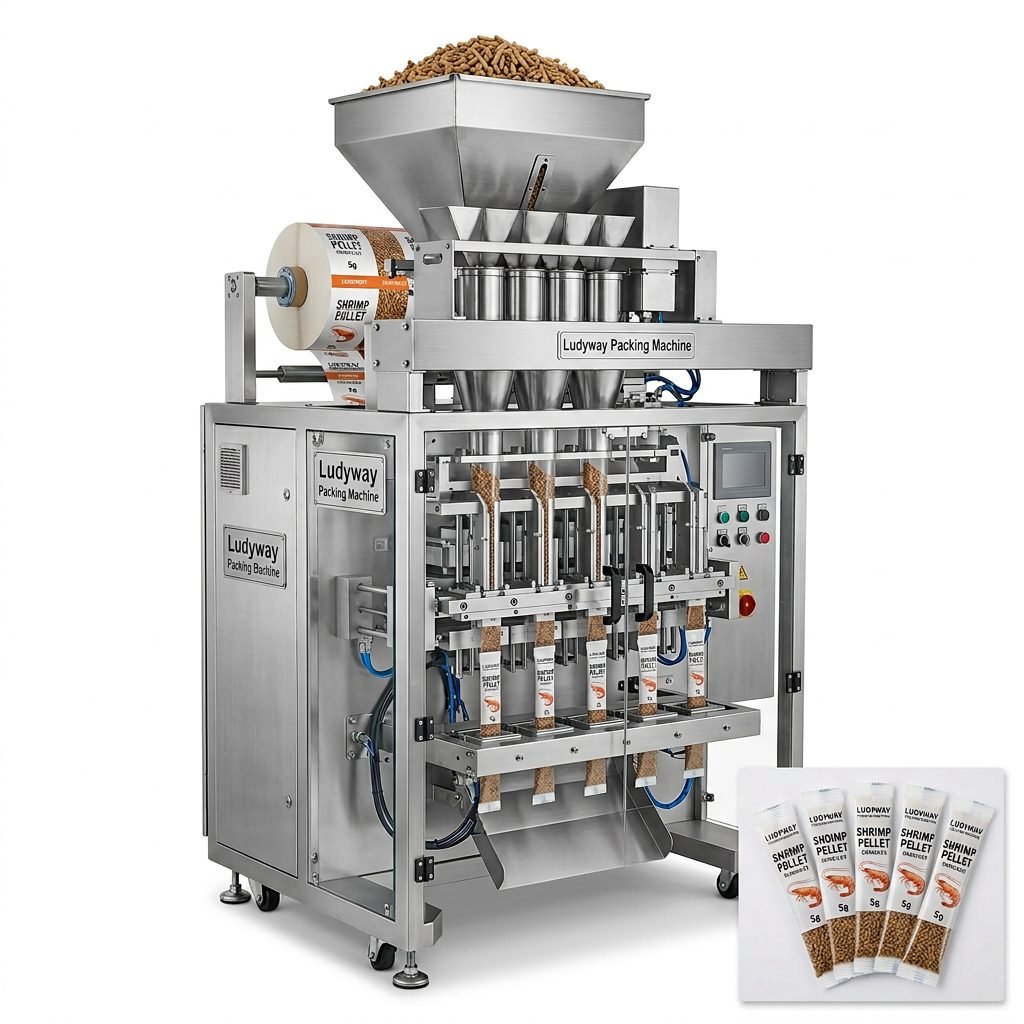
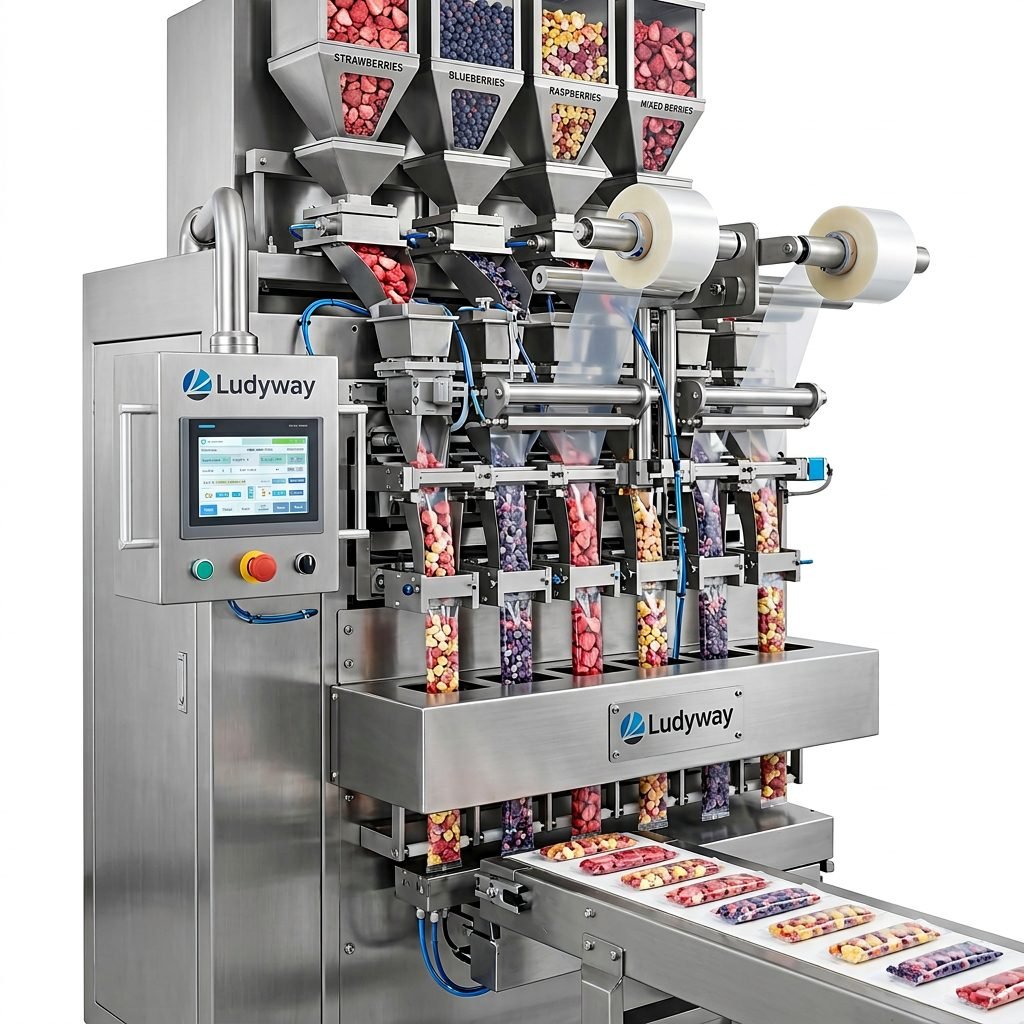
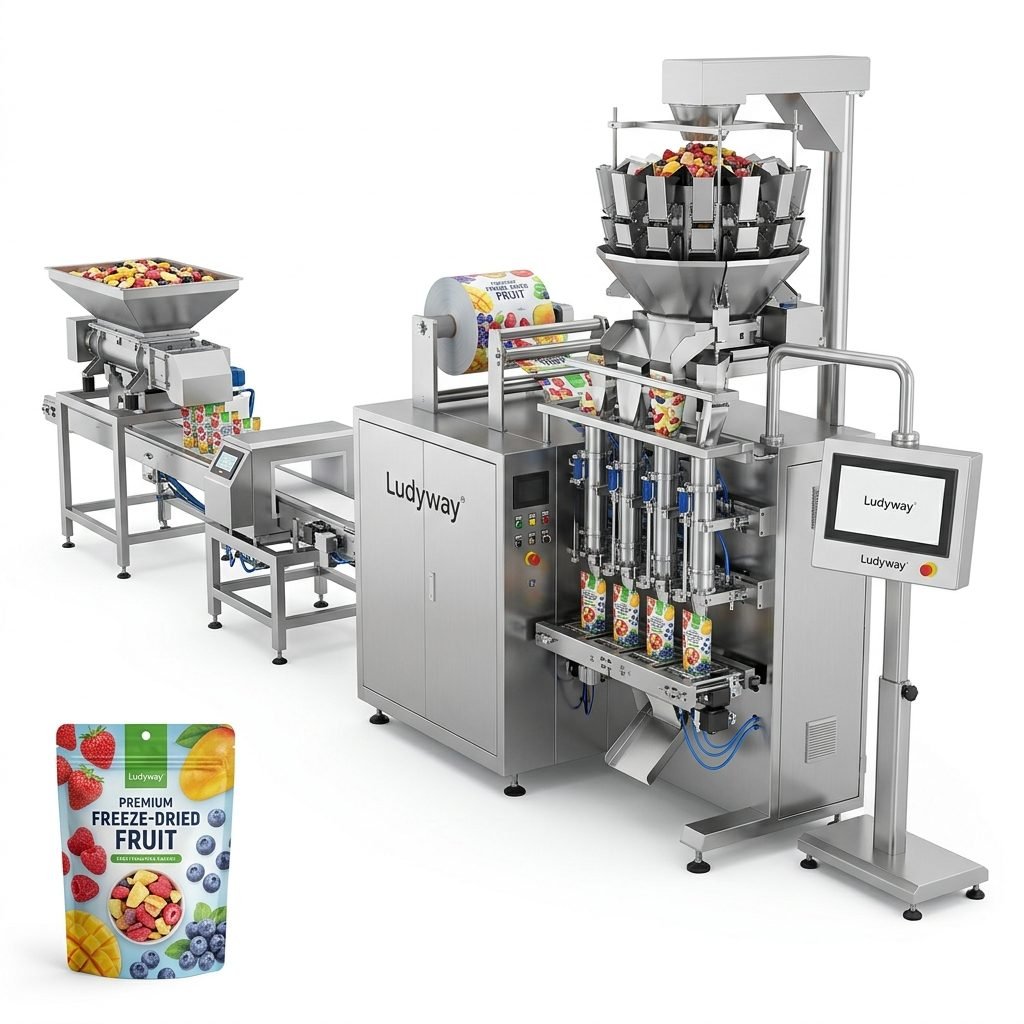
Multi-lane stick pack machines are increasingly popular among South American dried fruit exporters, particularly for single-serve portions destined for retail and food service channels. These machines can produce 4 to 16 lanes simultaneously, achieving high output rates while maintaining precise portion control. They are ideal for packaging dried mango strips, banana chips, and mixed fruit trail mixes in convenient on-the-go formats.
Sachet Packaging Systems
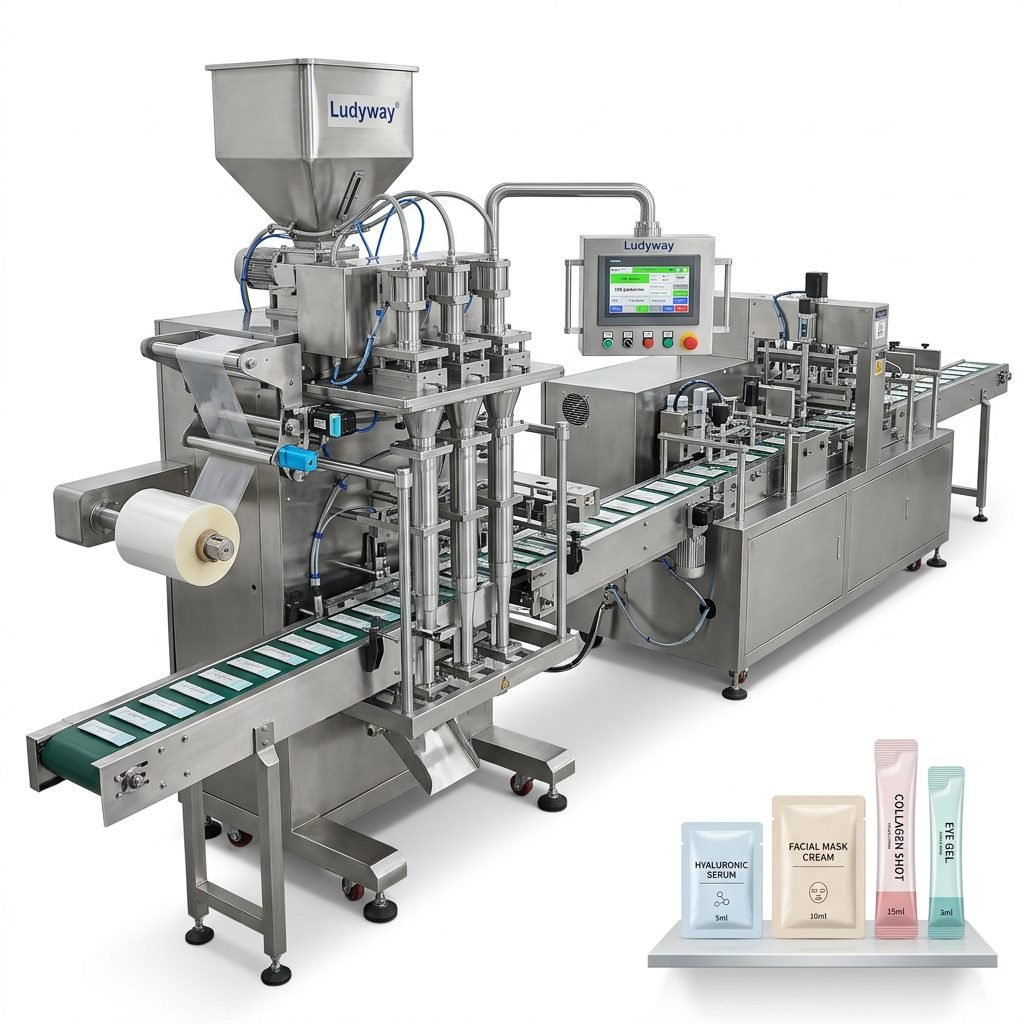
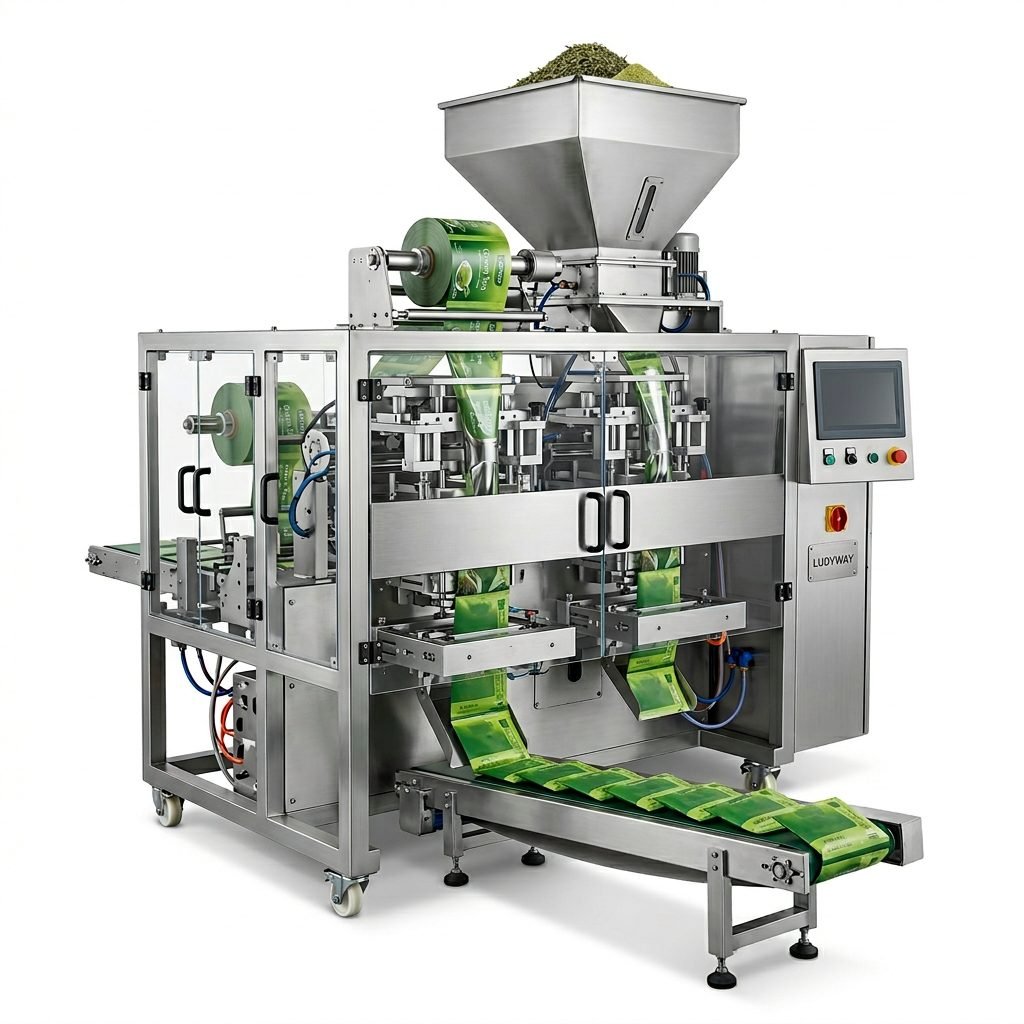
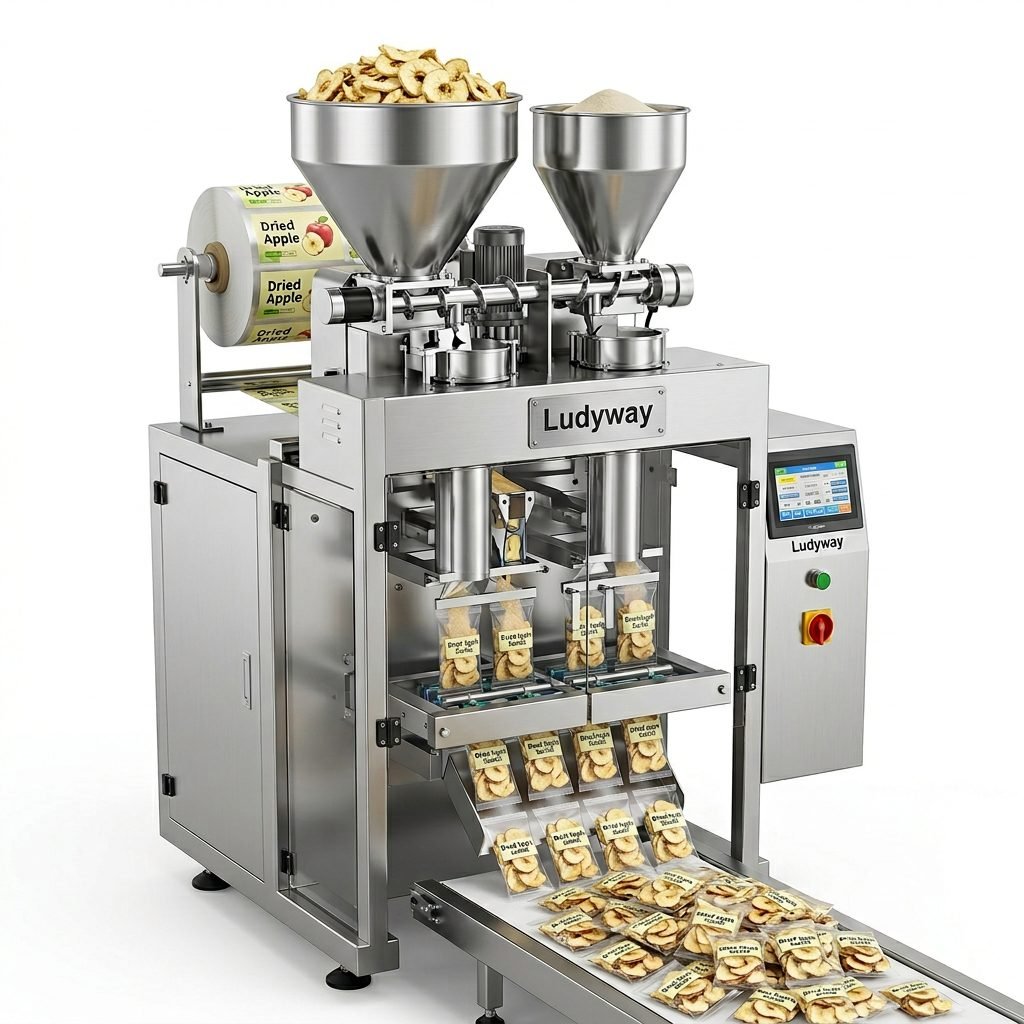
Sachet packaging machines offer versatility for dried fruit products ranging from small sample sizes to family portions. These systems handle various film materials including aluminum foil laminates, metallized PET, and biodegradable films that are increasingly demanded by South American markets with evolving environmental regulations. Brazil’s ANVISA and Chile’s ISP health agencies have specific requirements for food contact materials that must be considered when selecting packaging film compatibility.
Vertical Form Fill Seal (VFFS) Machines
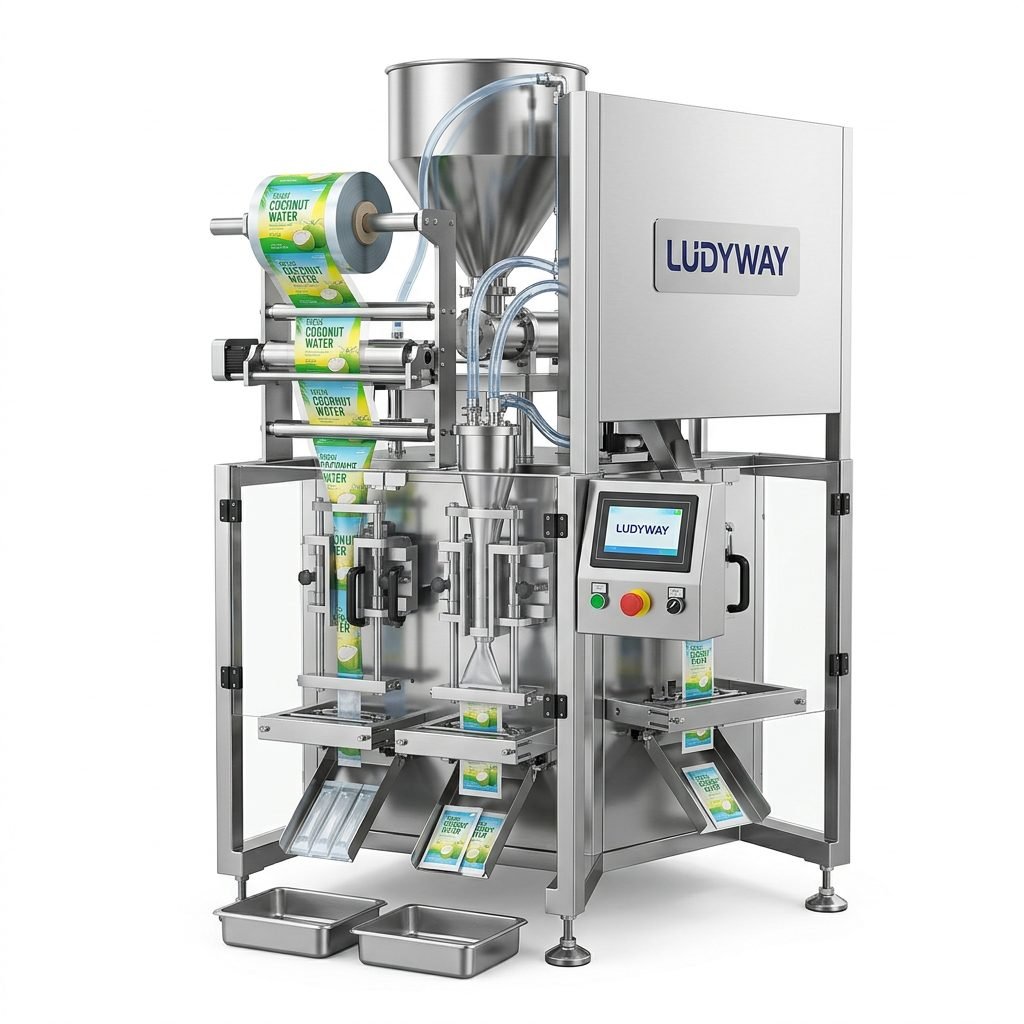
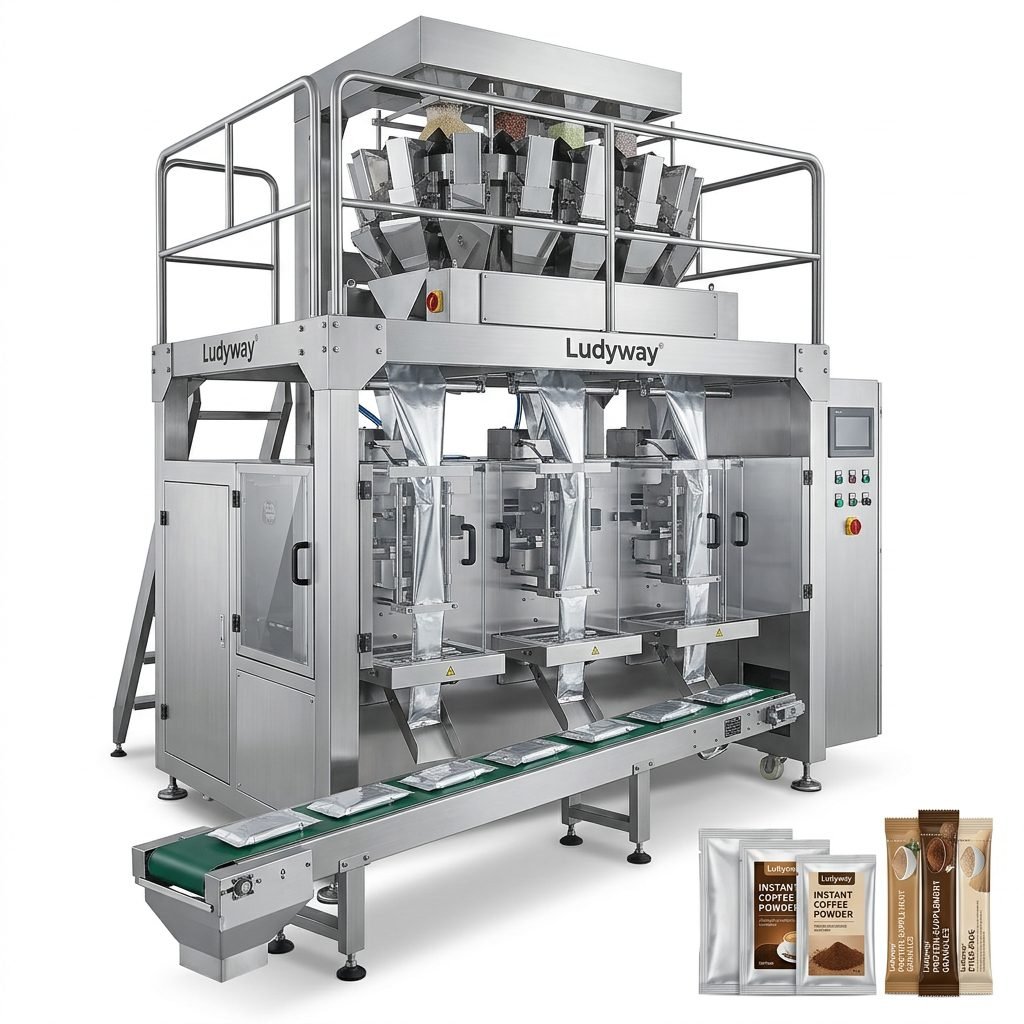
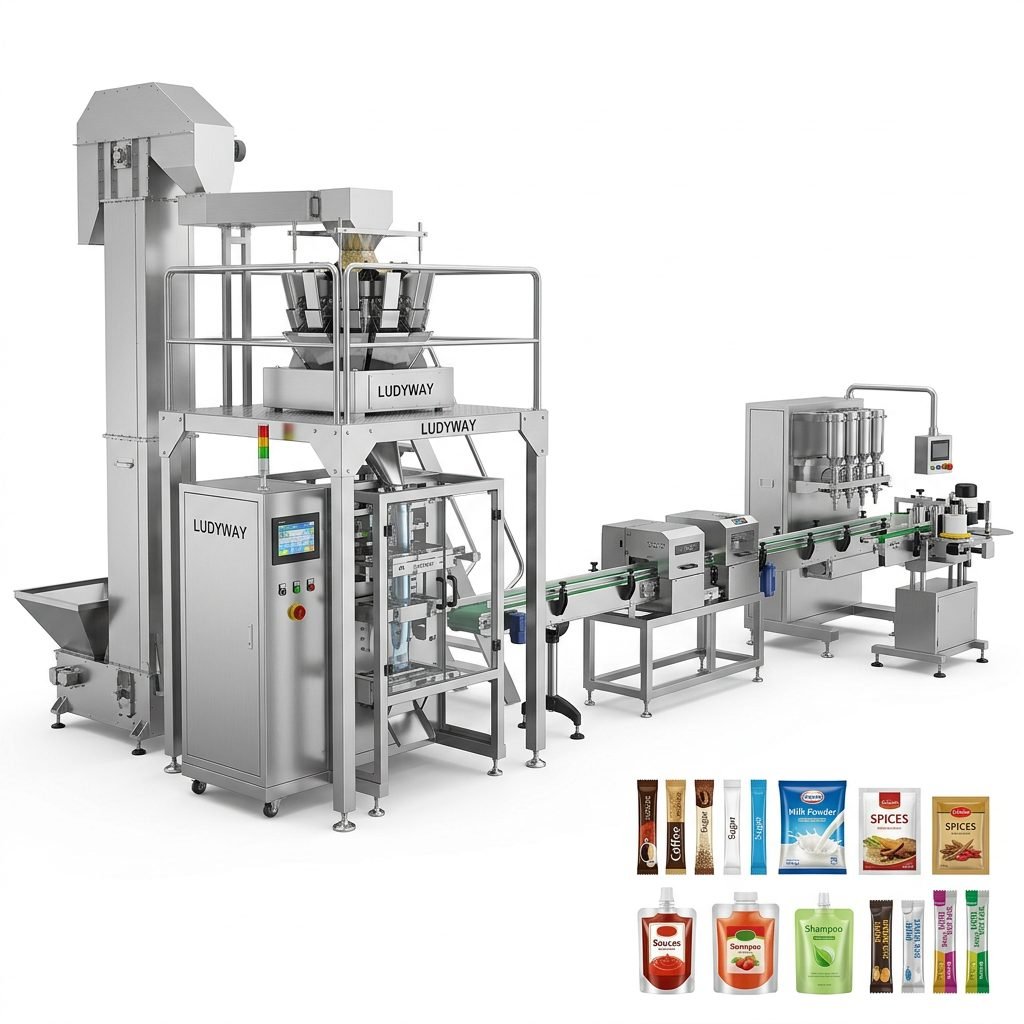
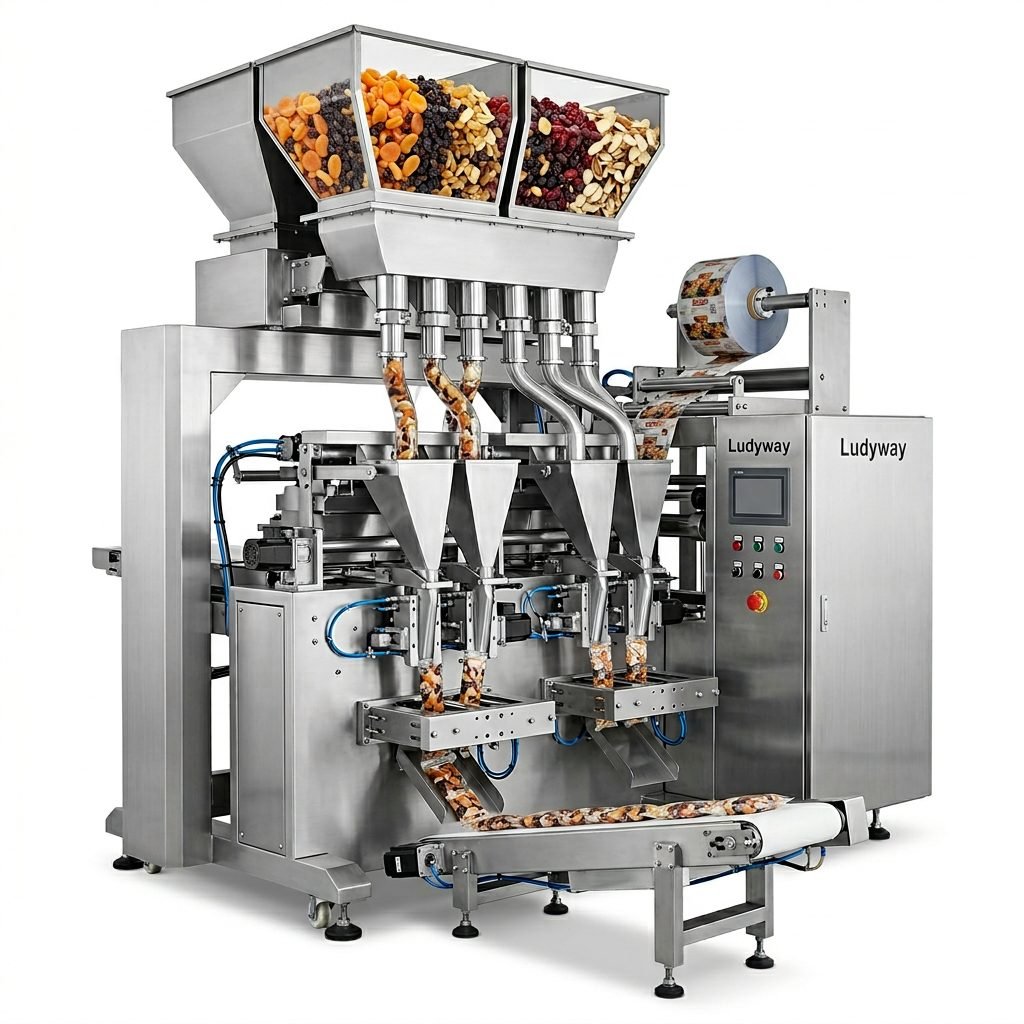
VFFS technology remains a workhorse in the dried fruit industry, offering reliable performance for medium to large-scale production. These machines form bags from flat film rolls, fill them with product, and seal them in a continuous vertical process. For South American operations processing bulk dried fruits like raisins, prunes, and dried apricots, VFFS systems with multi-head weighers provide exceptional speed and accuracy.
Cost Analysis: Investment and Operational Expenses
Understanding the total cost of ownership is crucial for South American buyers operating within diverse economic environments. The following table outlines typical cost ranges for different dried fruit packaging machine categories relevant to the region:
| Machine Type | Entry-Level Price (USD) | Mid-Range Price (USD) | High-End Price (USD) | Typical Output (packs/min) |
|---|---|---|---|---|
| Single-Lane Sachet Machine | $8,000 – $15,000 | $15,000 – $30,000 | $30,000 – $50,000 | 30 – 80 |
| Multi-Lane Stick Pack (4-6 lanes) | $25,000 – $45,000 | $45,000 – $80,000 | $80,000 – $150,000 | 150 – 400 |
| Multi-Lane Stick Pack (8-12 lanes) | $50,000 – $90,000 | $90,000 – $180,000 | $180,000 – $350,000 | 400 – 800 |
| VFFS with Multi-Head Weigher | $35,000 – $60,000 | $60,000 – $120,000 | $120,000 – $250,000 | 40 – 120 |
| Complete Turnkey Packaging Line | $80,000 – $150,000 | $150,000 – $350,000 | $350,000 – $800,000+ | 200 – 1,000+ |
Additional costs to budget for include shipping and import duties, which vary significantly across South American countries. Brazil’s import taxes can add 20-60% to equipment costs depending on classification, while Chile’s free trade agreements with China may reduce tariff burdens. Installation, training, and ongoing maintenance should also be factored into the total investment calculation.
Critical Features to Evaluate Before Purchase
When evaluating packaging machinery for dried fruit applications, South American buyers should prioritize specific features that ensure long-term operational success:
- Sealing Technology – Pneumatic or servo-driven sealing jaws with precise temperature control to prevent leaks and ensure hermetic seals
- Material Compatibility – Support for multi-layer barrier films, including sustainable options aligned with South American environmental regulations
- Cleaning and Maintenance Access – Tool-free disassembly and sanitary design for compliance with food safety standards
- Portion Accuracy – Integrated multi-head weighing systems or volumetric fillers achieving ±0.5-1% accuracy to minimize product giveaway
- Automation Level – PLC controls with touchscreen interfaces supporting Portuguese and Spanish language options
- Gas Flushing Capability – Nitrogen flushing systems to extend shelf life by reducing oxygen content in packages
- Changeover Flexibility – Quick-change forming tubes and sealing components for switching between different pack sizes
Supplier Selection: Key Considerations for South American Buyers
Choosing the right supplier is as important as selecting the machine itself. South American importers should evaluate potential packaging equipment suppliers based on several criteria:
Regional Service and Support
After-sales service availability in South America varies significantly among international suppliers. Look for manufacturers with authorized distributors or service centers in Brazil, Argentina, Chile, or Peru to ensure timely technical support. Remote diagnostic capabilities and readily available spare parts are essential for minimizing production downtime in regions where shipping replacement components can take weeks.
Documentation and Training
Suppliers should provide comprehensive documentation in Portuguese and Spanish, including operation manuals, maintenance guides, and troubleshooting resources. On-site installation and operator training are highly recommended, particularly for complex multi-lane systems and turnkey packaging lines.
Compliance and Certifications
Verify that equipment meets relevant international standards including CE certification, ISO 9001 quality management, and food-grade material compliance. For export-oriented dried fruit processors, machines should support packaging formats that comply with destination market regulations in North America and Europe. Reference FDA packaging requirements and ISO packaging standards when evaluating equipment specifications.
Market-Specific Packaging Formats for South America
Understanding regional packaging preferences helps buyers configure machines correctly from the start. The following table summarizes popular dried fruit packaging formats across major South American markets:
| Country | Popular Formats | Common Materials | Typical Sizes |
|---|---|---|---|
| Brazil | Pillow bags, stand-up pouches, stick packs | Metallized PET/PE, BOPP/CPP laminates | 25g – 500g |
| Chile | Flat sachets, gusseted bags, vacuum packs | Aluminum foil laminates, EVOH barrier films | 30g – 1kg |
| Argentina | Stick packs, doypacks with zipper, pillow bags | BOPP/MCPP, PET/Alu/PE | 20g – 250g |
| Peru & Colombia | Sachets, stick packs, small pouches | Metallized BOPP, laminated films | 15g – 200g |
| Export (EU/US) | Stand-up pouches, resealable bags, bulk formats | High-barrier laminates, recyclable mono-materials | 50g – 5kg |
Operational Efficiency and Return on Investment
Calculating ROI for a dried fruit packaging machine requires analyzing multiple factors beyond the initial purchase price. Key metrics to evaluate include:
- Labor Cost Reduction – Automated systems can reduce packaging line staffing by 40-70% compared to manual operations
- Product Waste Minimization – Precision filling systems reduce product giveaway and spillage
- Throughput Increase – Multi-lane machines can multiply output without proportional increases in floor space or utility consumption
- Shelf Life Extension – Improved seal integrity and gas flushing capabilities extend product shelf life, reducing returns and waste
- Market Access Expansion – Professional packaging quality opens doors to premium retail channels and international export markets
For a typical mid-sized South American dried fruit processor, payback periods of 12 to 24 months are achievable when upgrading from semi-automatic to fully automatic multi-lane packaging systems, according to industry data from PMMI’s State of the Industry reports.
Logistics and Importation Considerations
Importing packaging machinery into South America requires careful planning. Key logistical factors include:
Shipping and Delivery Timelines
Ocean freight from Asian manufacturing hubs to major South American ports typically takes 30 to 45 days. Buyers should factor in additional time for customs clearance, which can range from 5 to 20 days depending on the country and equipment classification. Working with suppliers experienced in South American exports can significantly streamline this process.
Installation and Commissioning
Professional installation is critical for high-speed packaging lines. Suppliers offering on-site commissioning with experienced engineers ensure machines are properly calibrated for local power specifications (commonly 220V/60Hz in Brazil, 220V/50Hz in Argentina and Chile) and environmental conditions.
Future Trends in Dried Fruit Packaging
South American dried fruit producers should consider emerging trends when investing in new packaging equipment:
- Sustainable Packaging Materials – Growing demand for recyclable mono-material films and biodegradable options aligned with European packaging waste regulations
- Smart Packaging Features – Integration of QR codes and RFID technology for traceability and consumer engagement
- Compact Footprint Designs – Space-efficient multi-lane systems that maximize output per square meter of factory floor
- IoT-Enabled Monitoring – Remote performance tracking and predictive maintenance capabilities
- Flexible Format Switching – Machines capable of producing multiple packaging styles without extensive changeover time
Making the Final Decision: A Practical Checklist
Before finalizing your dried fruit packaging machine purchase for South American operations, verify the following:
- Production Capacity Match – Confirm the machine’s rated output aligns with current and projected production volumes
- Film and Material Testing – Conduct trials with your specific packaging films and dried fruit products before committing
- Service Infrastructure – Verify local service availability and spare parts inventory in your country
- Total Landed Cost – Calculate all import duties, taxes, shipping, and installation expenses
- Operator Training Plan – Ensure comprehensive training resources are included in the supplier agreement
- Warranty Terms – Review warranty coverage, duration, and claim procedures for international buyers
- Upgrade Path – Evaluate modularity and future expansion options to protect your long-term investment
Investing in the right dried fruit packaging equipment is a strategic decision that shapes operational efficiency and market competitiveness for years to come. By carefully evaluating machine types, supplier qualifications, regional requirements, and total cost of ownership, South American dried fruit processors can make informed choices that drive business growth. Ludyway stands among the established packaging machine manufacturers offering multi-lane stick pack and sachet systems suitable for dried fruit applications, with experience serving markets across over 100 countries globally. For further guidance on selecting packaging machinery that aligns with industry best practices, consult resources from Flexible Packaging Association and PMMI packaging industry resources.