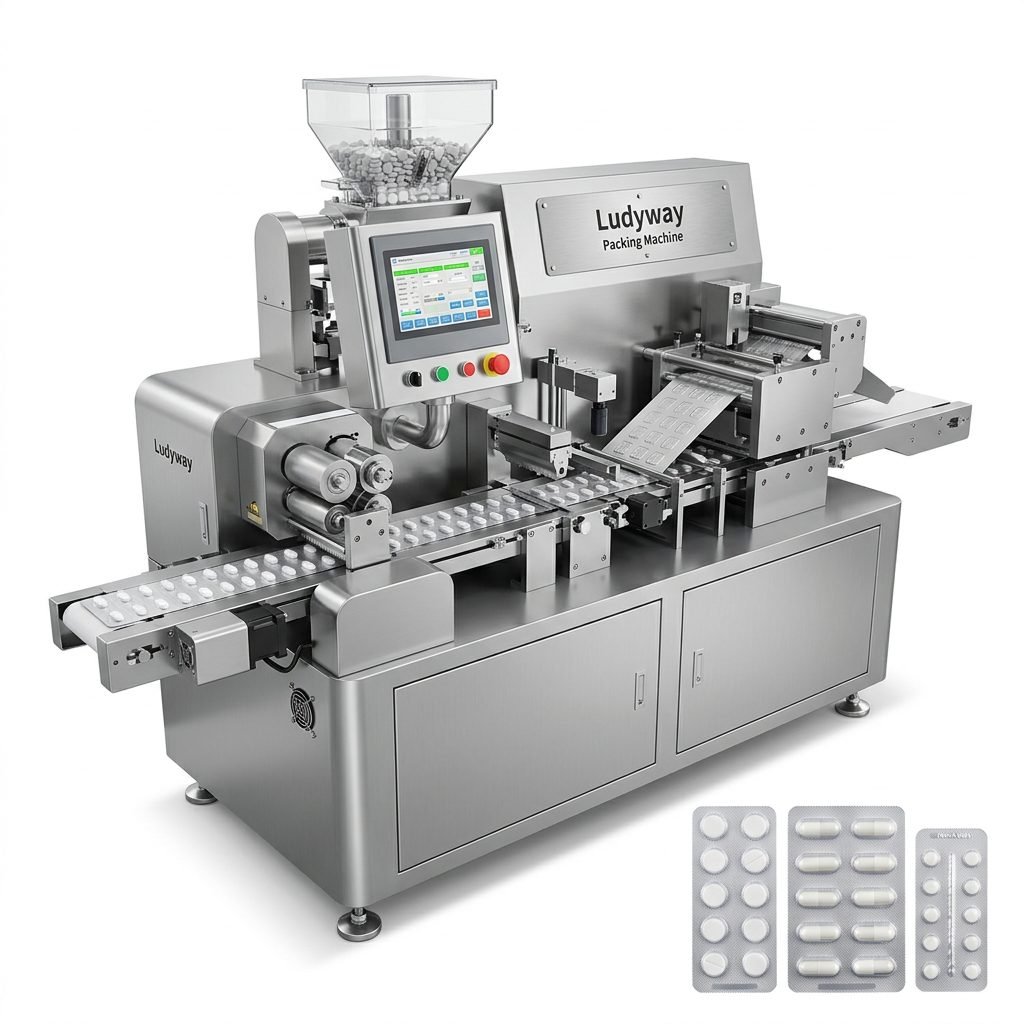
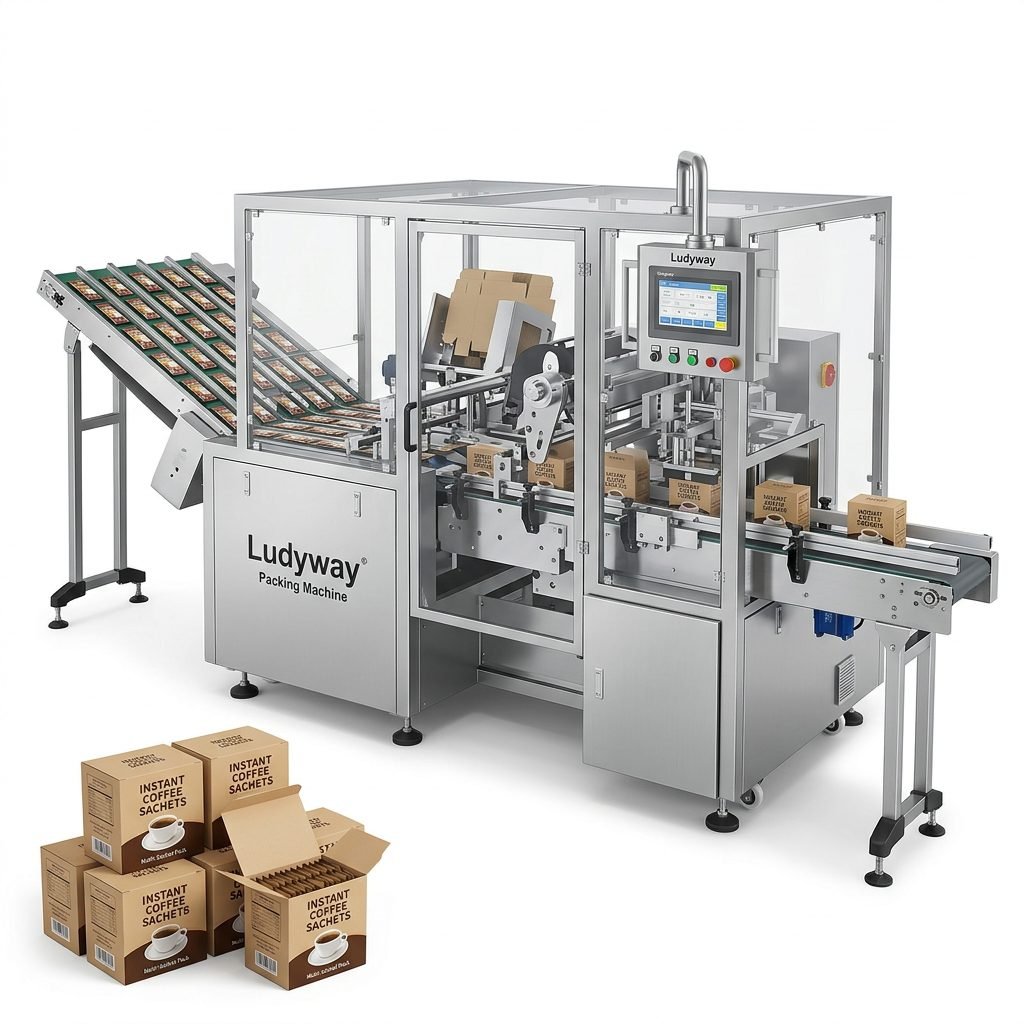
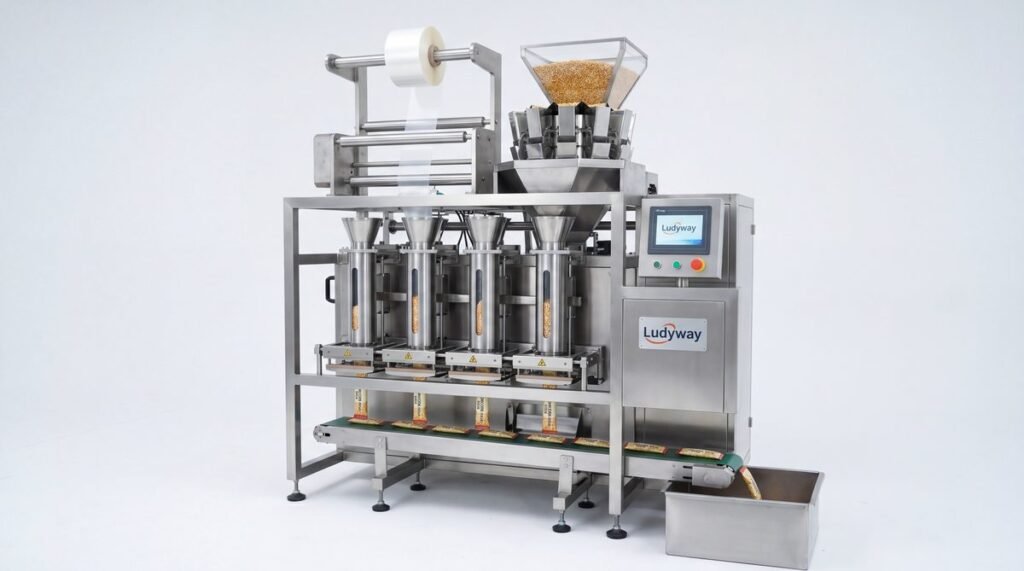
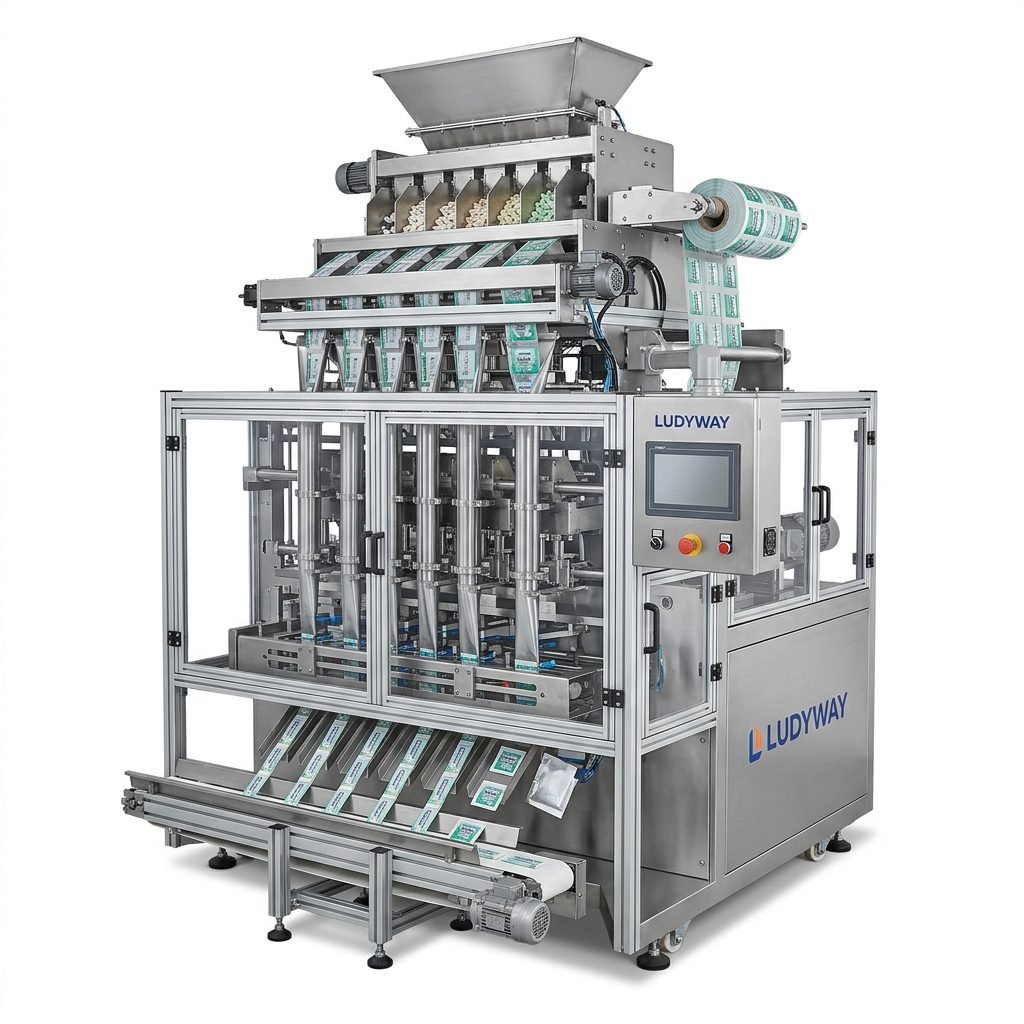
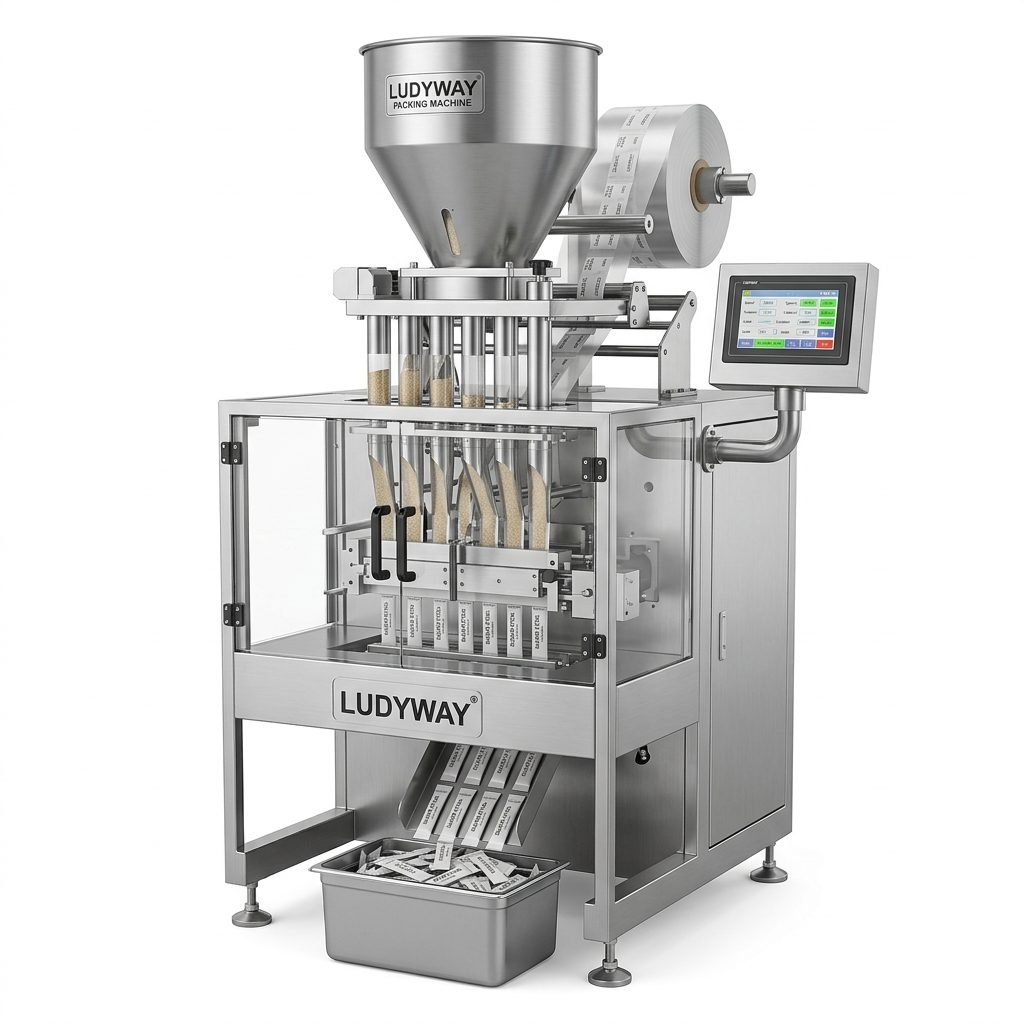
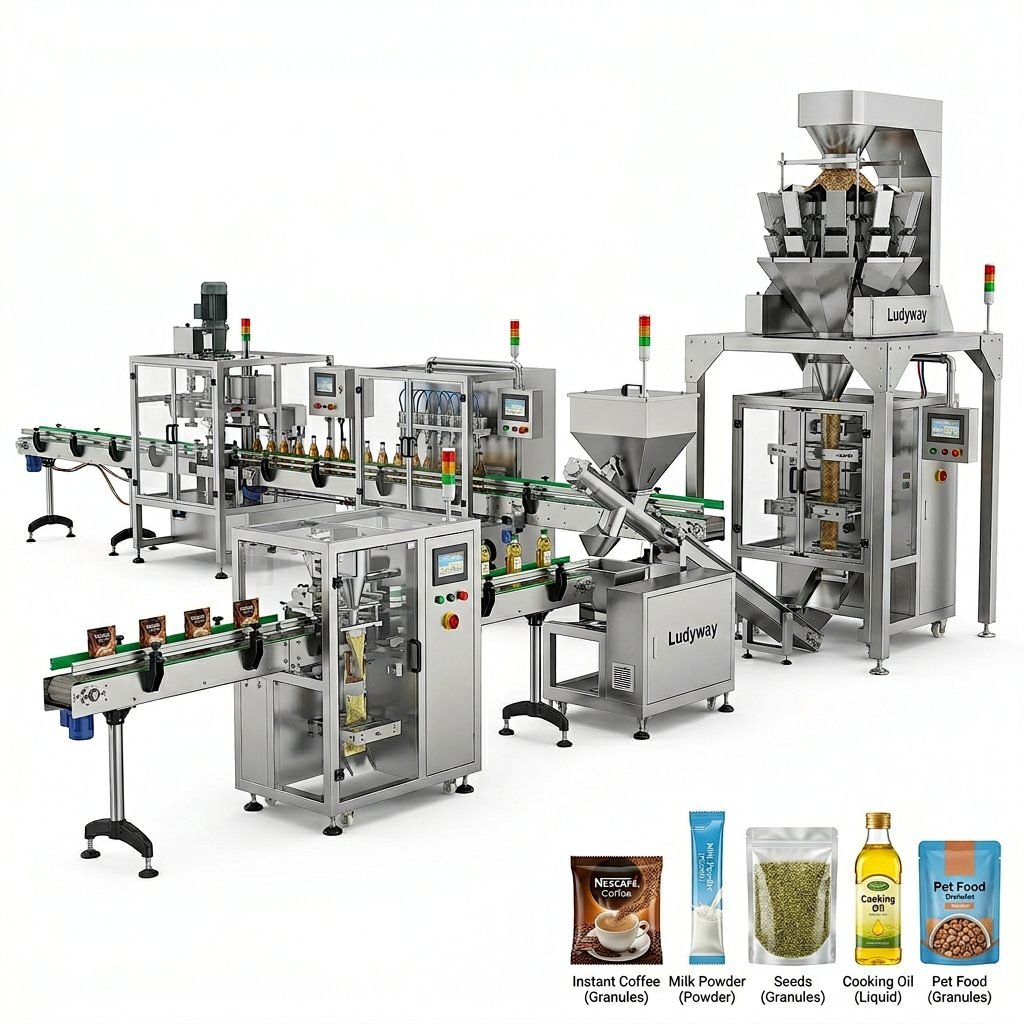
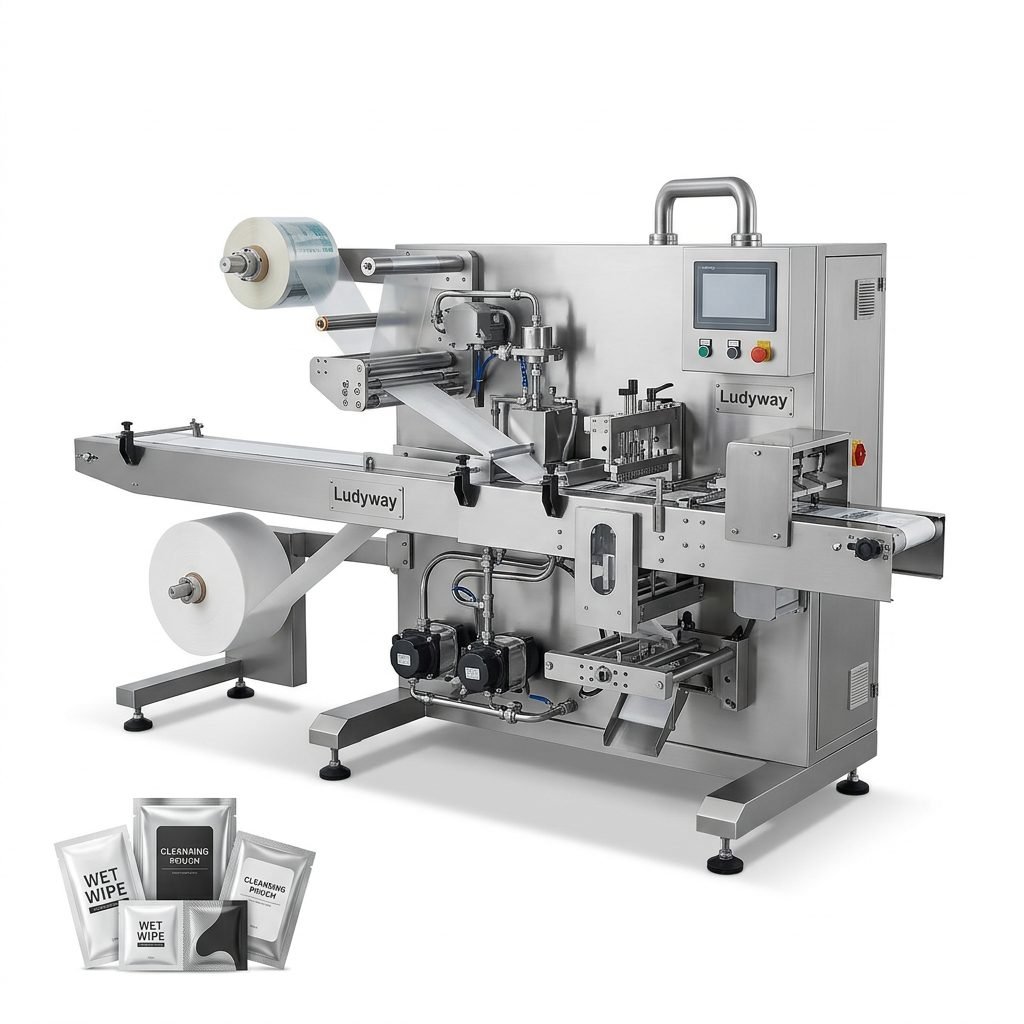
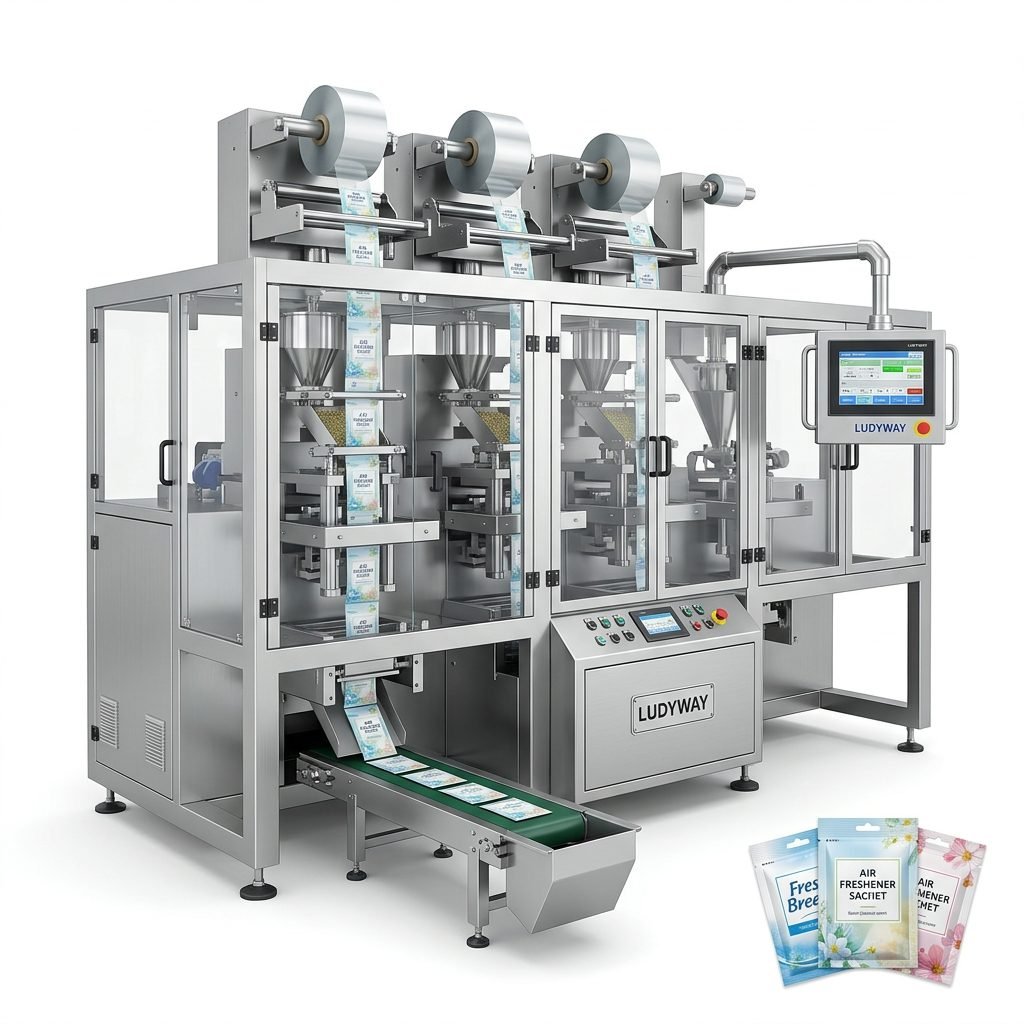
Selecting the right blister packing machine is one of the most important equipment decisions for pharmaceutical, nutraceutical, and consumer goods manufacturers. A blister pack not only protects the product but also serves as a primary packaging format that influences shelf life, patient compliance, and brand presentation. With a wide range of machine types, configurations, and automation levels available, the selection process requires careful evaluation of product characteristics, production scale, regulatory requirements, and long-term operational goals.
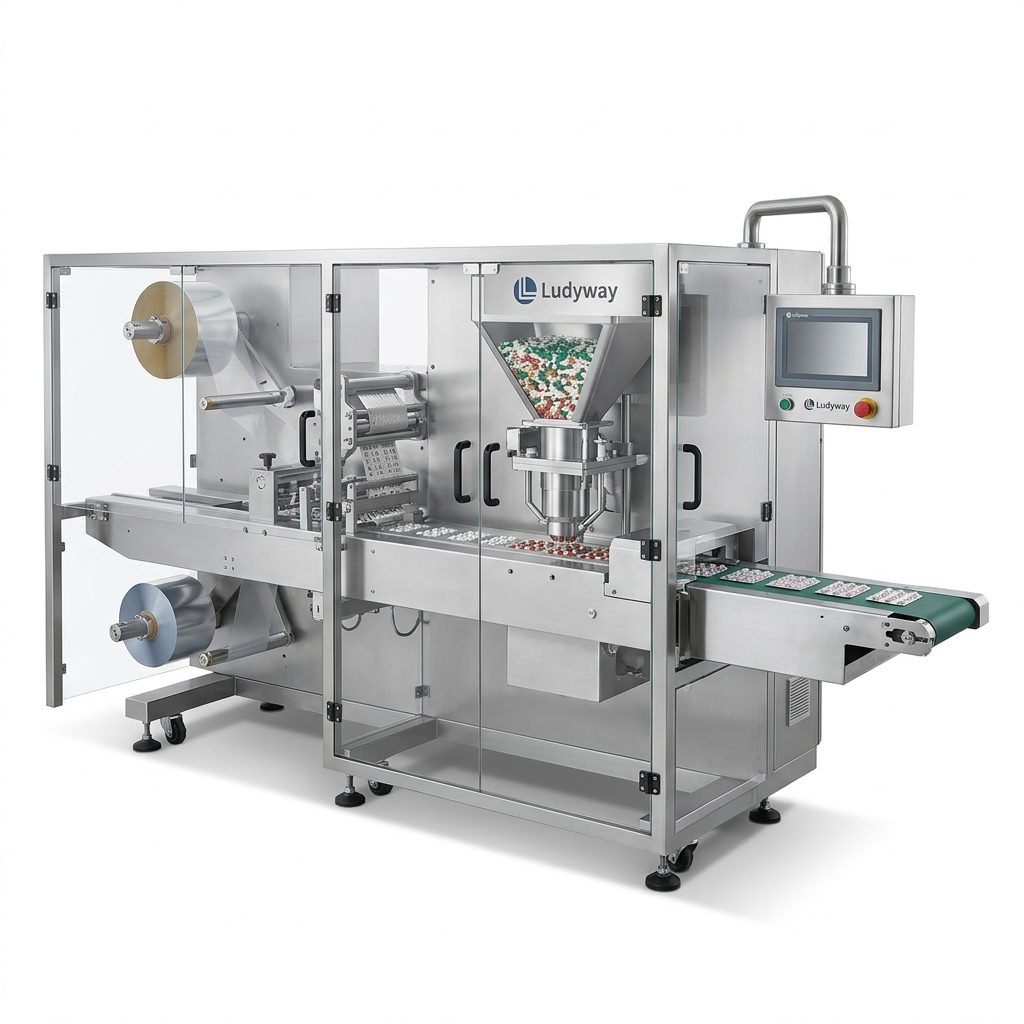
Understanding Blister Packaging Formats and Applications
Blister packaging typically consists of a thermoformed plastic cavity attached to a lidding material, usually aluminum foil or paper-backed foil. This format is widely used for solid dose pharmaceuticals such as tablets, capsules, and softgels. It is also increasingly adopted for medical devices, syringes, vials, and consumer goods like batteries and hardware components. The packaging provides excellent barrier properties against moisture, oxygen, and light, while allowing unit-dose presentation that improves dosing accuracy and patient adherence.
The two main types of blister packs are thermoformed blisters and cold-form blisters. Thermoformed blisters use heat to shape a plastic film, typically PVC or PVDC, and are suitable for products with moderate barrier requirements. Cold-form blisters use aluminum-based laminates that are pressed into shape without heat, offering superior barrier properties for moisture-sensitive or highly hygroscopic formulations. The choice between these two formats will directly influence the type of blister packing machine required.
Define Your Production Requirements First
Before comparing machine specifications, it is essential to clearly define your current and projected production needs. Key factors to document include the product dimensions, batch sizes, desired output speed, packaging format, and facility layout constraints. A machine that works perfectly for a contract packager running multiple short batches may not be suitable for a pharmaceutical manufacturer producing a single high-volume product line.
- Product type and dimensions: Tablets, capsules, ampoules, vials, or irregularly shaped devices each require specific tooling and feeding systems.
- Blister format: Thermoform or cold-form, with or without perforations, child-resistant features, or peel-push opening.
- Output speed: Measured in cycles per minute, blister packs per minute, or packs per hour, depending on the application.
- Packaging area requirements: Consider cleanroom classification if operating in GMP-controlled environments.
- Integration needs: Will the blister machine operate standalone or as part of a complete packaging line including cartoning, checkweighing, and serialization?
Machine Types and Configuration Options
Manufacturers can choose from several distinct categories of blister packing machines, each designed for different production scales and flexibility requirements. Understanding the trade-offs between machine types is critical for making an informed investment.
Flat-Forming vs. Rotary Blister Machines
Flat-forming blister machines use a flat sealing platen and are the most common type for pharmaceutical applications. They offer consistent sealing quality, easy tooling changes, and good compatibility with both thermoform and cold-form processes. Rotary machines, by contrast, use a continuous motion drum-based system that offers higher speeds but typically requires more complex tooling and longer changeover times. For most pharmaceutical and nutraceutical operations, flat-forming machines provide the best balance of speed, flexibility, and GMP compliance.
Intermittent vs. Continuous Motion
Intermittent-motion machines stop the web at each station for forming, filling, and sealing operations. These machines are well-suited for medium-speed applications and products that require precise placement. Continuous-motion machines keep the web moving at a constant speed, achieving higher throughput but requiring more sophisticated control systems and servo-driven mechanisms. The choice between intermittent and continuous motion depends primarily on output requirements and capital investment budget.

Key Technical Specifications to Evaluate
When reviewing blister packing machine specifications, several technical parameters directly impact performance, quality, and total cost of ownership. These specifications should be evaluated against your specific product and production requirements rather than simply comparing maximum ratings.
| Specification | What to Evaluate | Why It Matters |
|---|---|---|
| Forming Depth | Maximum and minimum cavity depth capability | Must accommodate product thickness plus headspace |
| Forming Area | Maximum width and index length | Determines layout flexibility and blister card dimensions |
| Cycle Speed | Cycles per minute at specified index length | Directly determines maximum output capacity |
| Web Width | Forming and lidding material width range | Impacts material utilization and blister layout efficiency |
| Sealing Force | Sealing pressure and temperature control capability | Critical for seal integrity and leak prevention |
Material Compatibility and Tooling Considerations
The blister packing machine must be compatible with the specific forming and lidding materials required for your product. PVC, PVDC, Aclar, and aluminum-based laminates each have different forming characteristics, temperature requirements, and sealing parameters. A machine capable of processing multiple material types provides greater formulation flexibility, particularly for contract manufacturers or companies developing new products. Flexible packaging material selection should be validated early in the machine selection process to avoid compatibility issues.
Tooling represents a significant investment and a critical quality factor. Forming dies, sealing plates, and cutting tools must be precisely manufactured to produce consistent blister cavities with uniform wall thickness. For cold-form applications, the tooling requirements are more demanding due to the material’s forming characteristics. Quick-change tooling systems can reduce changeover times significantly, which is especially valuable for manufacturers running multiple products or frequent batch changes.
Automation, Controls, and Industry 4.0 Integration
Modern blister packing machines incorporate advanced automation and control systems that go far beyond basic machine operation. Servo-driven systems provide precise control over forming, filling, sealing, and cutting operations, enabling faster cycle times and improved repeatability. PLC-based controls with touchscreen interfaces allow recipe management, production data logging, and integration with manufacturing execution systems.
When evaluating automation features, consider the following capabilities that are increasingly important for pharmaceutical manufacturing environments:
- In-line quality inspection: Vision systems for blister cavity inspection, seal integrity testing, and print verification.
- Serialization and track-and-trace: Compatibility with serialization requirements for pharmaceutical packaging, including aggregation capabilities.
- Data connectivity: OPC-UA or similar protocols for integration with SCADA and MES platforms.
- Predictive maintenance: Sensor-based monitoring of critical components to schedule maintenance before failures occur.
- Recipe management: Stored parameters for multiple products to enable fast, repeatable changeovers.
Regulatory Compliance and GMP Requirements
For pharmaceutical applications, the blister packing machine must support current Good Manufacturing Practice (cGMP) requirements. This includes machine design features that facilitate cleaning, prevent cross-contamination, and enable qualification and validation activities. Key compliance considerations include the use of pharmaceutical-grade materials in product-contact parts, adequate separation of mechanical components from the packaging area, and documentation support for Installation Qualification (IQ), Operational Qualification (OQ), and Performance Qualification (PQ).
Additionally, blister packaging for pharmaceutical products must meet regulatory requirements for packaging and food contact substances as defined by the FDA, as well as relevant ISO packaging standards for medical and pharmaceutical applications. If exporting to European markets, compliance with the EU Packaging and Packaging Waste Regulation may also apply, particularly regarding material recyclability and sustainability reporting.
Line Integration: Beyond the Blister Machine
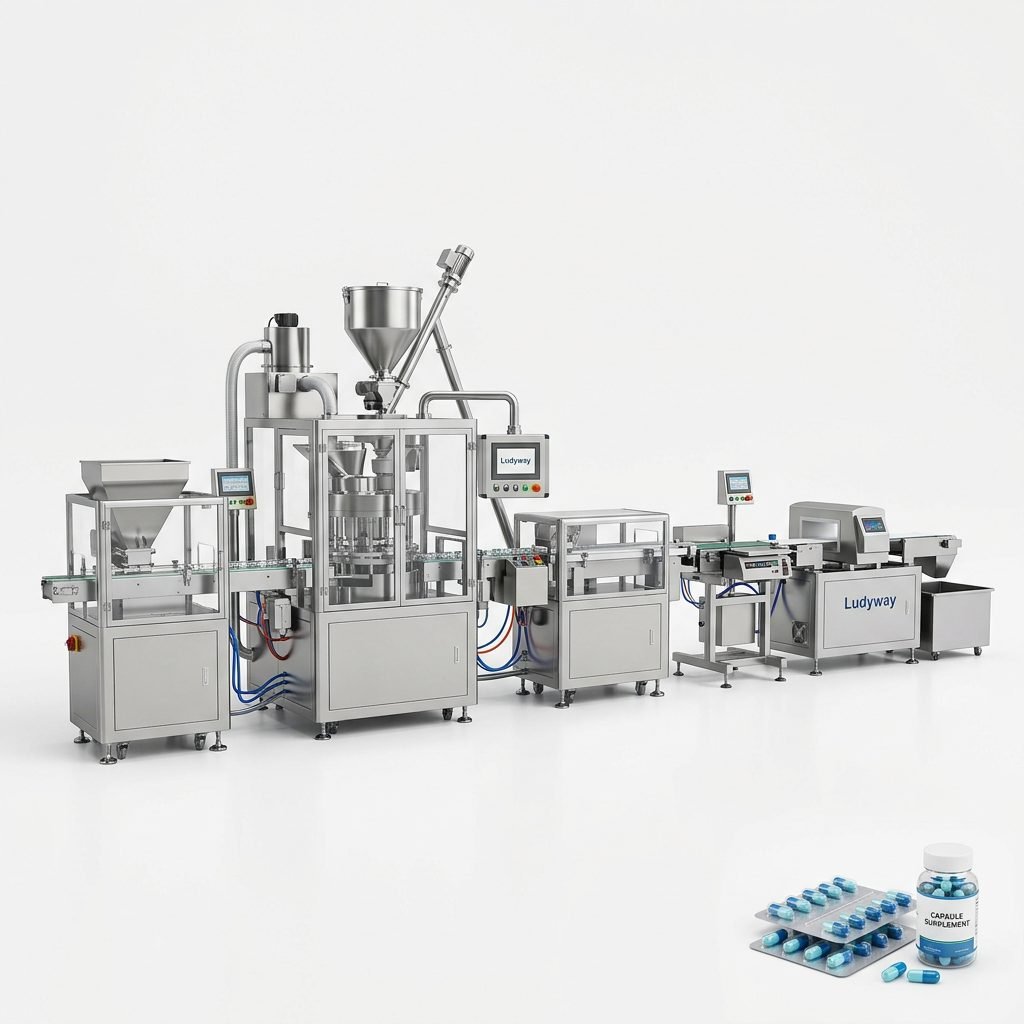
A blister packing machine rarely operates in isolation. Most pharmaceutical packaging lines include upstream and downstream equipment that must be properly integrated to achieve efficient, reliable production. When planning a blister packaging line, consider the complete equipment sequence including feeding systems, checkweighing, metal detection, cartoning, case packing, serialization, and palletizing. The blister machine should be selected with line integration capability as a key criterion, not as an afterthought.
Integration challenges often arise from mismatched speeds between machines, incompatible control systems, or physical layout constraints. Working with a supplier that can provide a complete turnkey packaging solution simplifies integration, streamlines project management, and provides a single point of responsibility for the entire line. As a packaging machinery manufacturer with over 30 years of industry experience, Ludyway Machinery supplies integrated blister packaging systems configured to specific production requirements, from individual machines to fully automated packaging lines with cartoning, serialization, and end-of-line automation.
Total Cost of Ownership and ROI Analysis
The purchase price of a blister packing machine is only one component of the total cost of ownership. A comprehensive evaluation should include installation, qualification, training, maintenance, tooling, spare parts, and energy consumption over the expected service life of the equipment. Machines with higher initial costs may deliver lower total cost of ownership through reduced downtime, faster changeovers, lower material waste, and extended tooling life.
When conducting ROI analysis, consider both direct financial factors and operational benefits that are harder to quantify but equally important. Reliable blister seal quality reduces product returns and protects brand reputation. Fast changeover capability enables more flexible production scheduling and shorter lead times. Energy-efficient systems reduce operating costs over time. These factors collectively contribute to the long-term value generated by the packaging equipment investment.
Supplier Evaluation and After-Sales Support
The technical capabilities of a blister packing machine are only as valuable as the supplier’s ability to support it throughout its operating life. When evaluating equipment suppliers, investigate their track record in pharmaceutical packaging, availability of technical support and spare parts, training programs, and willingness to provide references from similar applications. The best suppliers offer comprehensive project support from initial consultation through installation, commissioning, operator training, and ongoing after-sales service.
Key questions to ask potential suppliers include their experience with your specific product type, qualification and validation support documentation, spare parts availability and delivery lead times, remote and on-site technical support capabilities, and continuous improvement and upgrade options for installed equipment. For manufacturers in regulated industries, the supplier’s understanding of pharmaceutical quality systems and regulatory expectations is essential for a smooth qualification process.
Sustainability and Future-Readiness
Sustainability considerations are increasingly influencing blister pack design and equipment selection. Pharmaceutical companies and regulatory bodies are pushing for packaging formats that use less material, incorporate recycled content, or enable easier recycling. Mono-material blister formats, paper-based alternatives, and thinner gauge films are emerging as responses to these trends. When selecting a blister packing machine, evaluate its ability to process these newer, more sustainable materials without compromising packaging quality or machine efficiency.
Future-readiness also means the machine platform can accommodate evolution in your product portfolio, packaging formats, and production volumes. Modular machine designs that allow field upgrades, additional stations, or integration with new downstream equipment provide the flexibility to adapt as business needs change. This forward-looking approach helps protect the capital investment and extends the useful life of the packaging equipment.
Making the Final Decision
Choosing the right blister packing machine requires balancing technical requirements, quality expectations, regulatory compliance, supplier capability, and total cost of ownership. A structured evaluation process that includes documented requirements, competitive bids, equipment trials, and reference checks leads to better decisions. Where possible, conduct packaging trials using your actual product and materials on the equipment under consideration. This provides validation of forming quality, seal integrity, output speed, and overall machine performance before making a final commitment.
For manufacturers looking to invest in blister packaging equipment, the guidance and resources available from PMMI industry resources, the Flexible Packaging Association, and relevant ISO standards provide valuable context for machine specification and supplier evaluation.