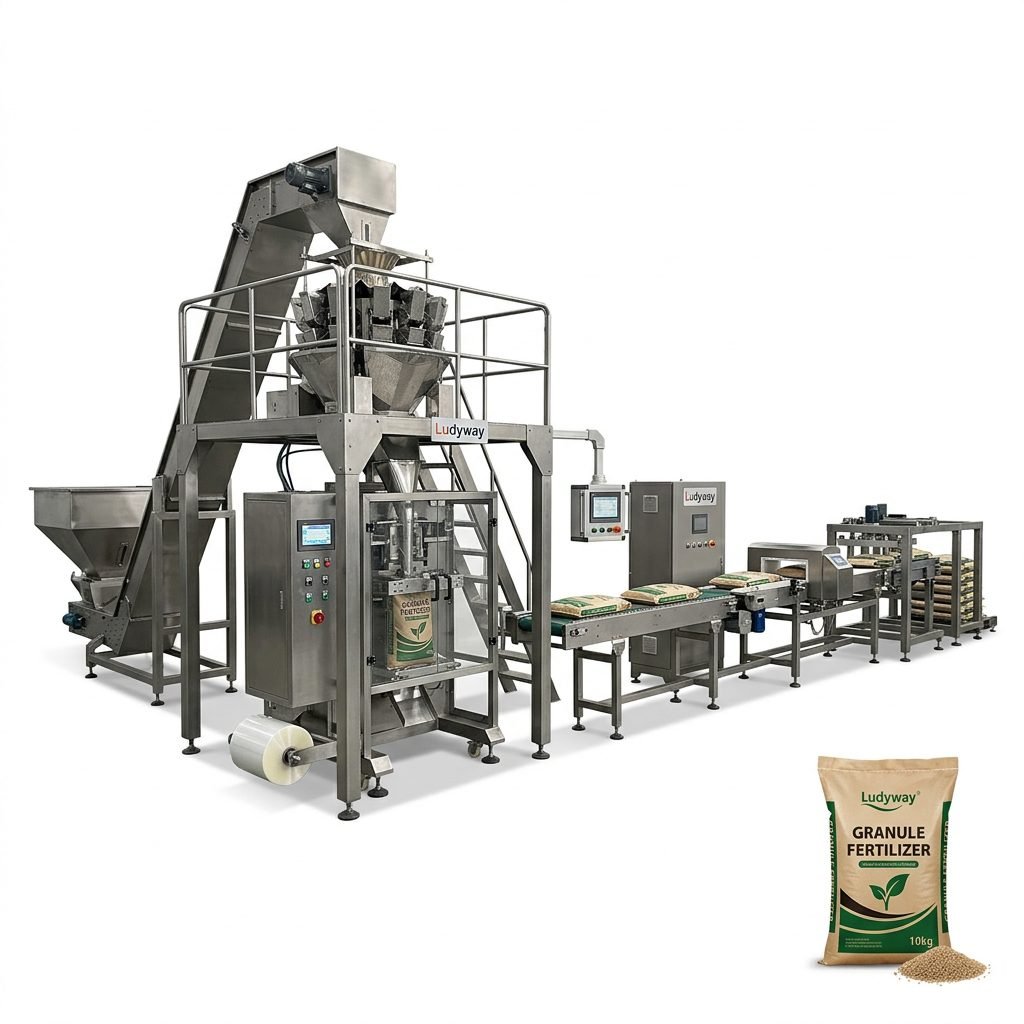
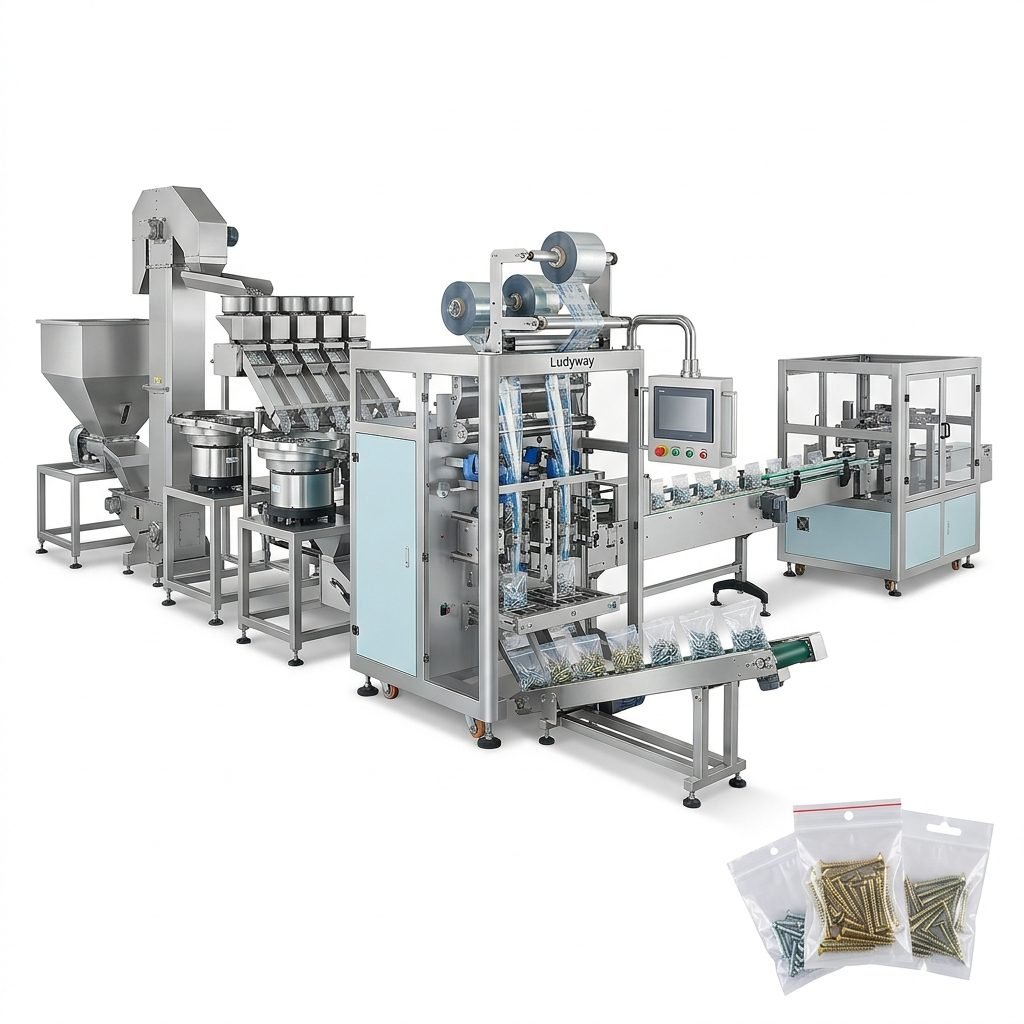
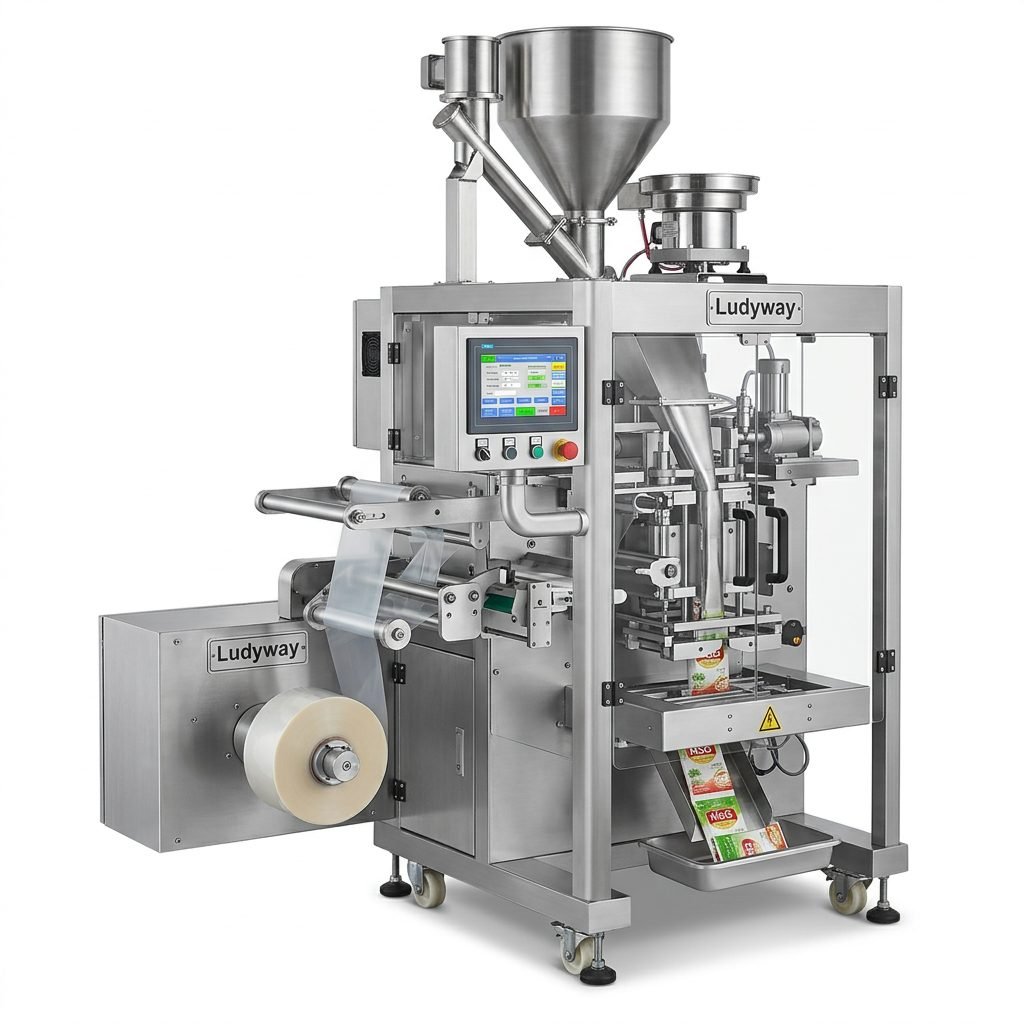
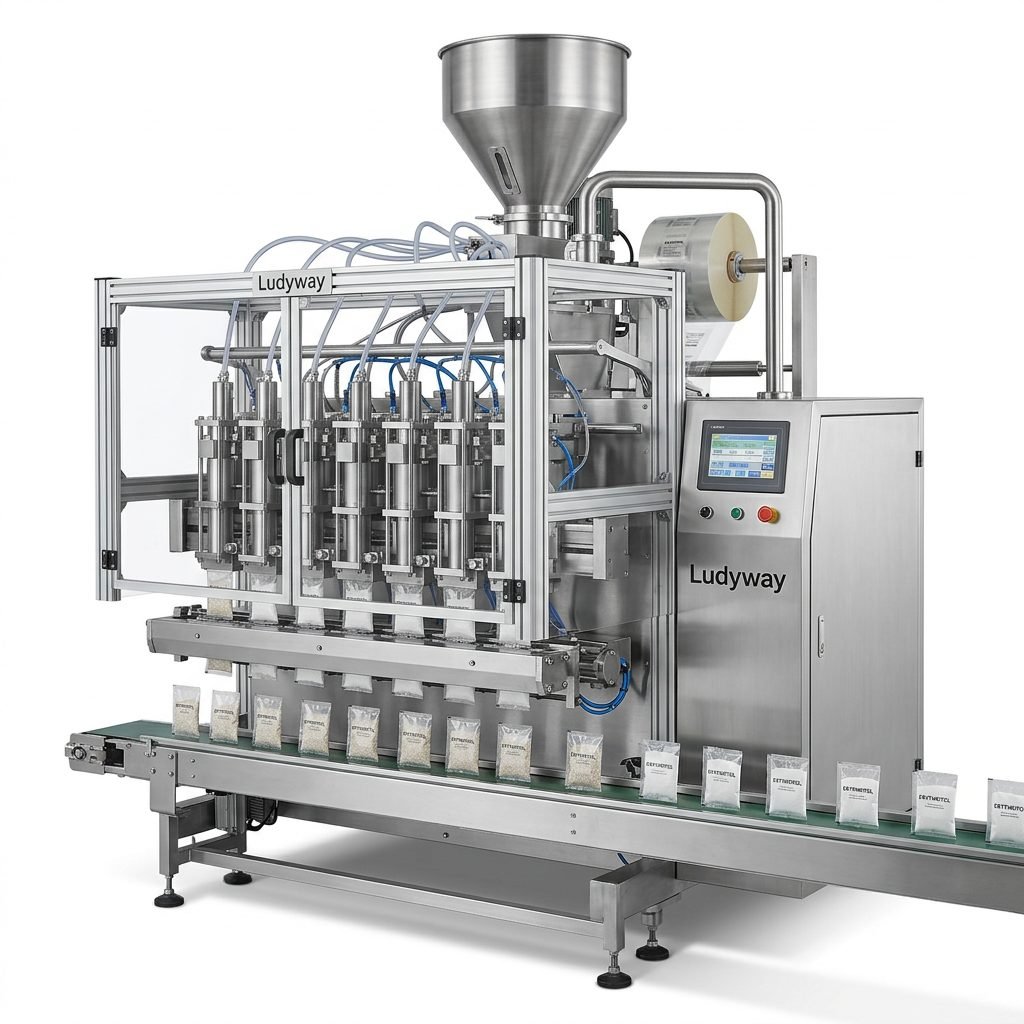
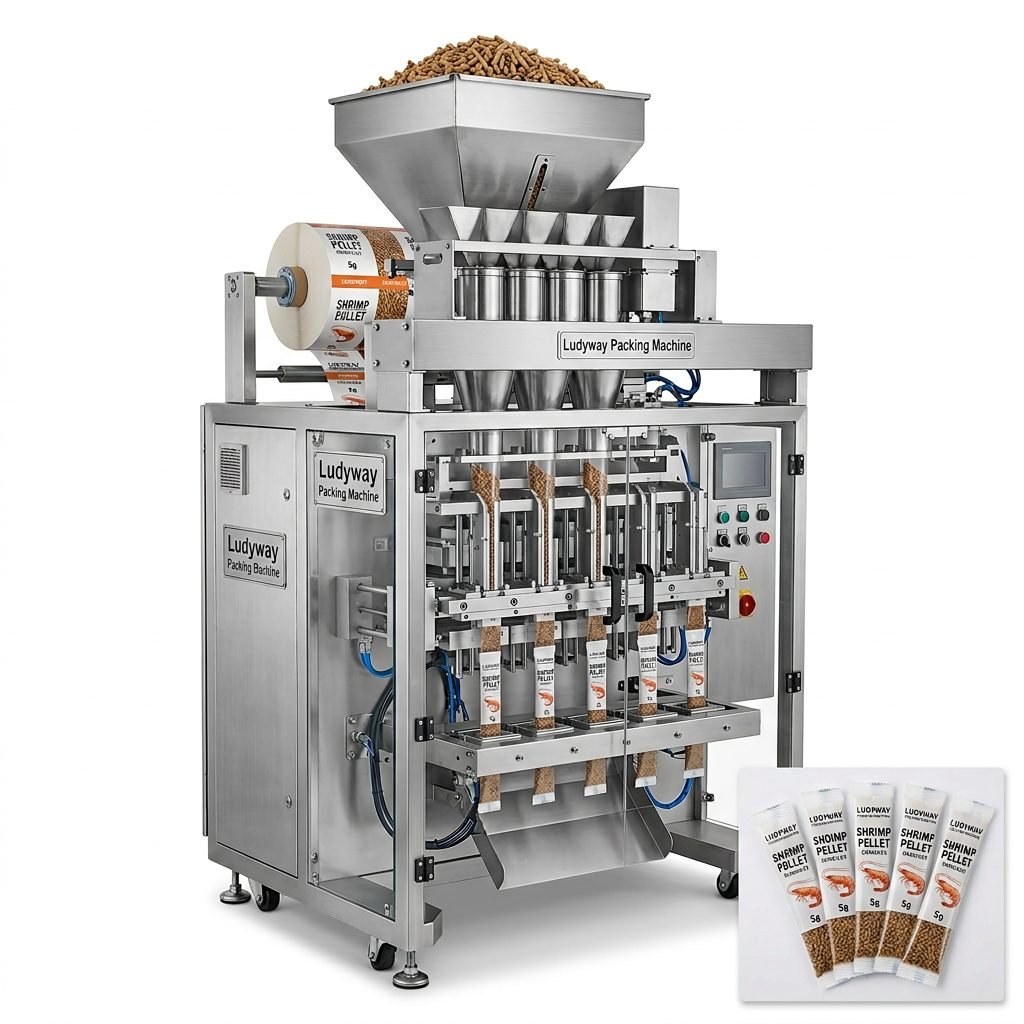
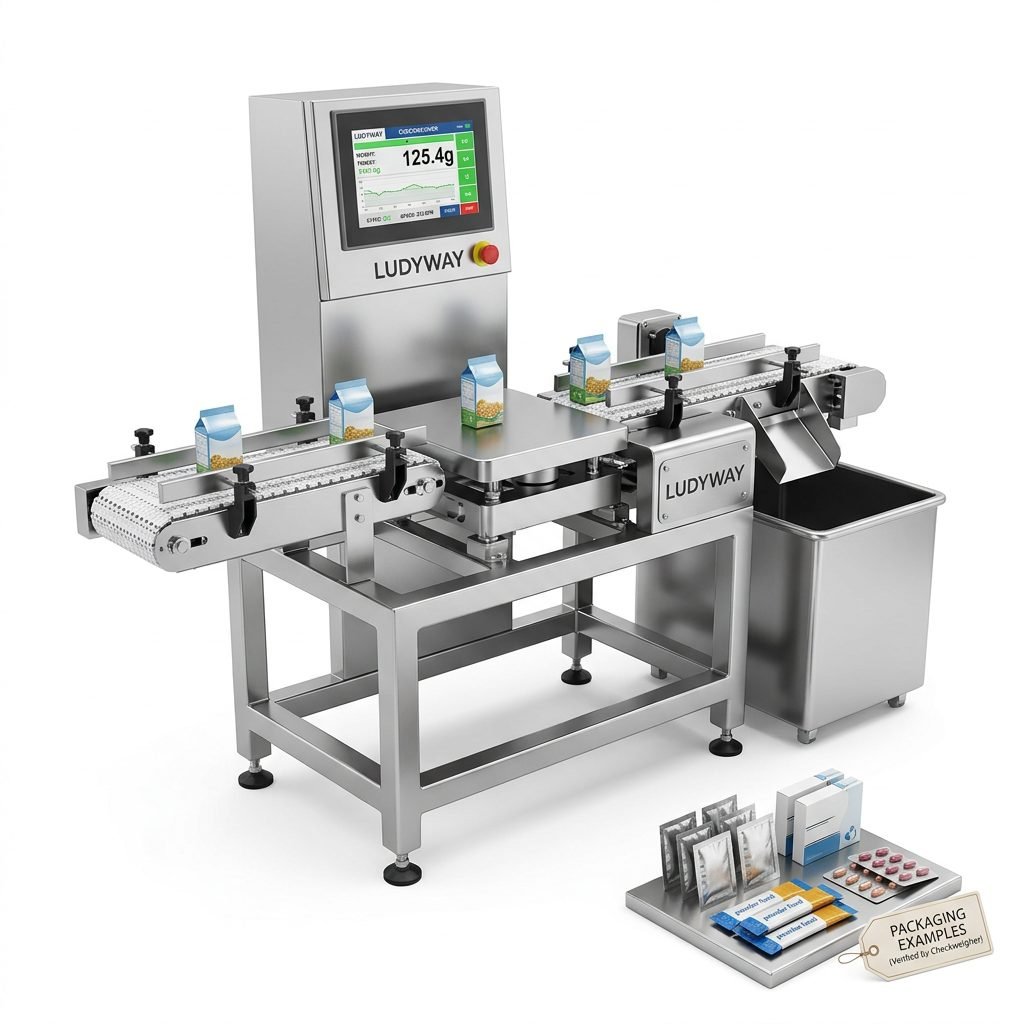
Setting up a meal packaging machine production line is a critical investment for food manufacturers aiming to scale operations, maintain product consistency, and meet growing market demand. A well-planned packaging line integrates multiple components—from feeding systems and filling stations to sealing units and end-of-line automation—into a seamless process. This guide walks you through every essential step, from initial planning and equipment selection to optimization and maintenance, helping you build a line that delivers maximum efficiency and return on investment.

Key Components of a Meal Packaging Machine Production Line
Understanding the core components of a meal packaging line is the first step toward building an efficient system. Each module must work in harmony to ensure consistent output and product quality.
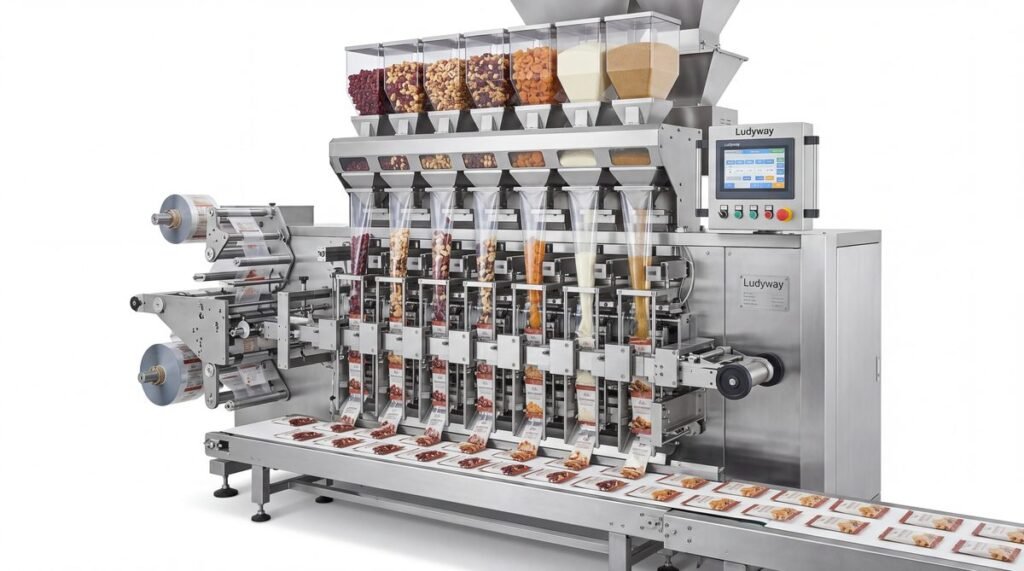
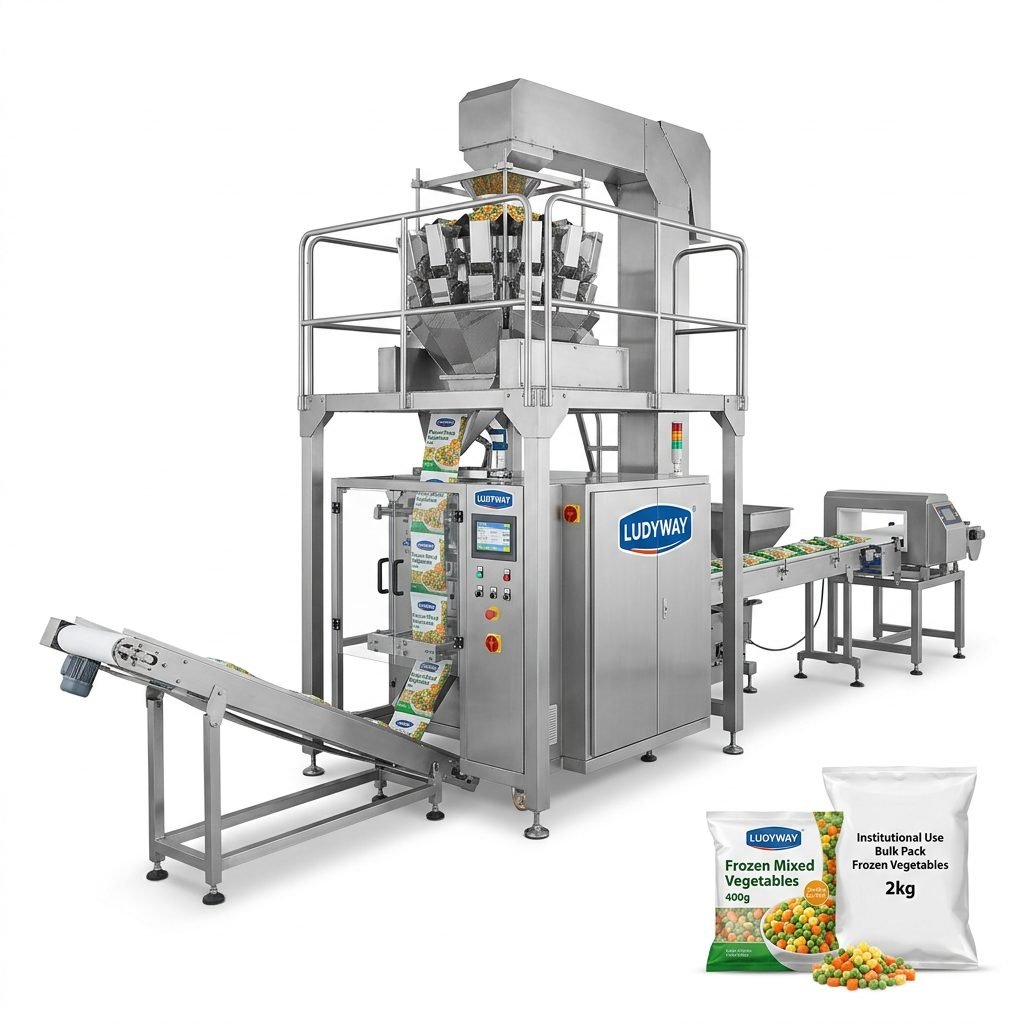
- Feeding System: Includes vibratory feeders, screw feeders, or multi-head weighers that deliver precise portions of granules, powders, or solid food items into the packaging stream. Proper feeding technology selection directly impacts accuracy and speed.
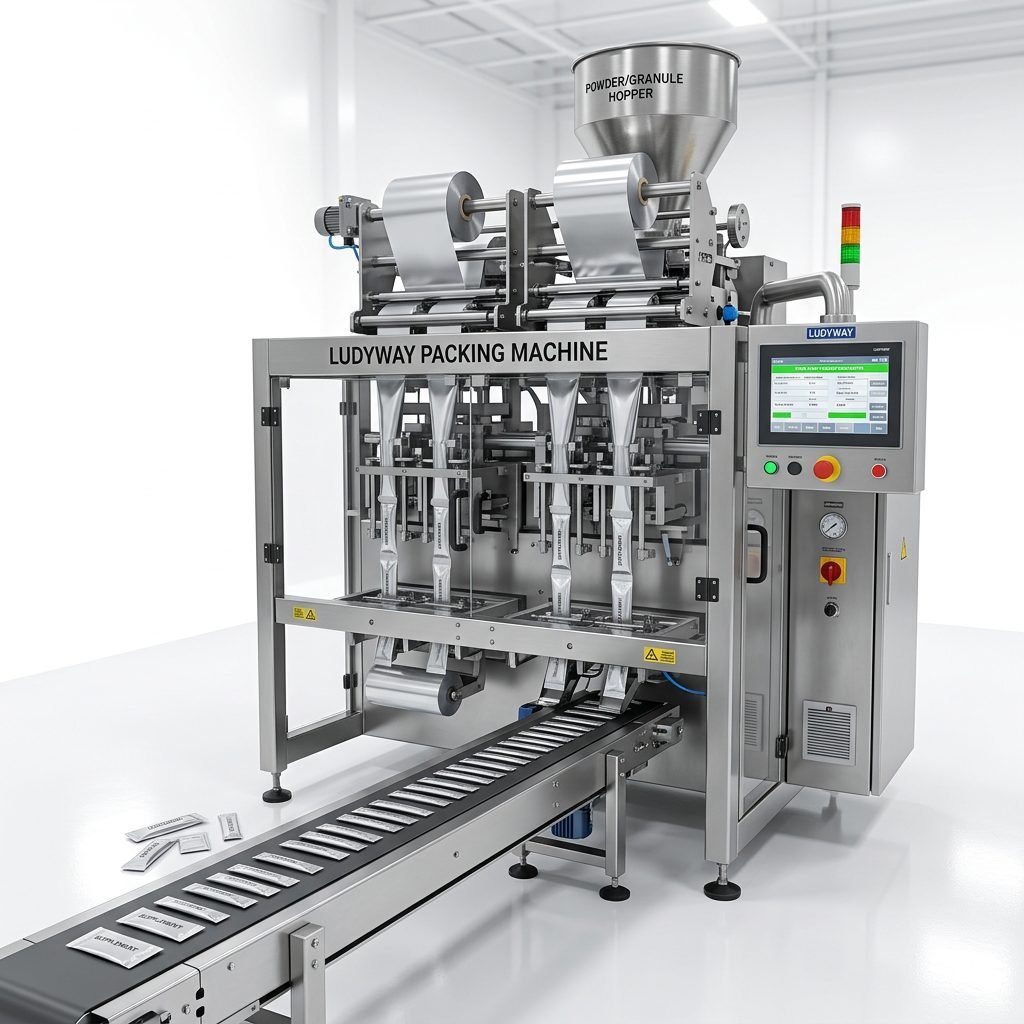
- Forming and Filling Station: The vertical form-fill-seal (VFFS) or multi-lane sachet system that creates pouches from roll stock film, fills them with product, and prepares for sealing.
- Sealing Mechanism: Heat sealing, ultrasonic sealing, or vacuum sealing units that ensure airtight, tamper-evident package closure—essential for meal products requiring extended shelf life.
- Inspection and Rejection: Checkweighers, metal detectors, and vision inspection systems that verify package integrity and remove non-conforming products automatically.
- End-of-Line Automation: Cartoning machines, case packers, palletizers, and stretch wrappers that prepare finished packages for warehousing and distribution.
- Conveyor Networks: Belt conveyors, roller systems, and bucket elevators that transport products between stations without manual handling.
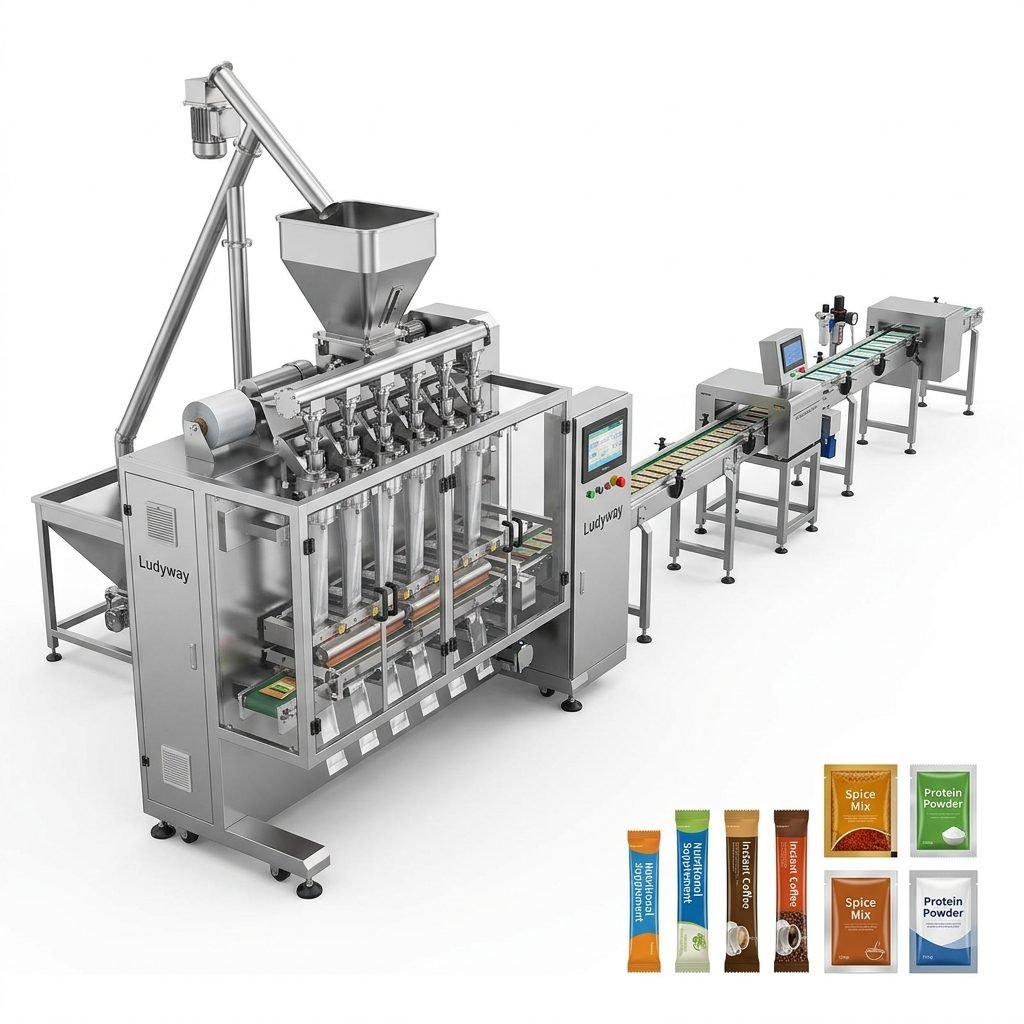
Step-by-Step Setup Guide for Your Packaging Production Line
1. Pre-Installation Planning and Site Preparation
Before any equipment arrives, conduct a thorough site assessment. Evaluate floor space, utility requirements, and workflow layout. A production line setup requires adequate clearance around machines for operator access and maintenance. Ensure electrical supply, compressed air, and ventilation meet the specifications of your chosen packaging machinery. Proper planning at this stage prevents costly delays during installation.
2. Equipment Positioning and Assembly
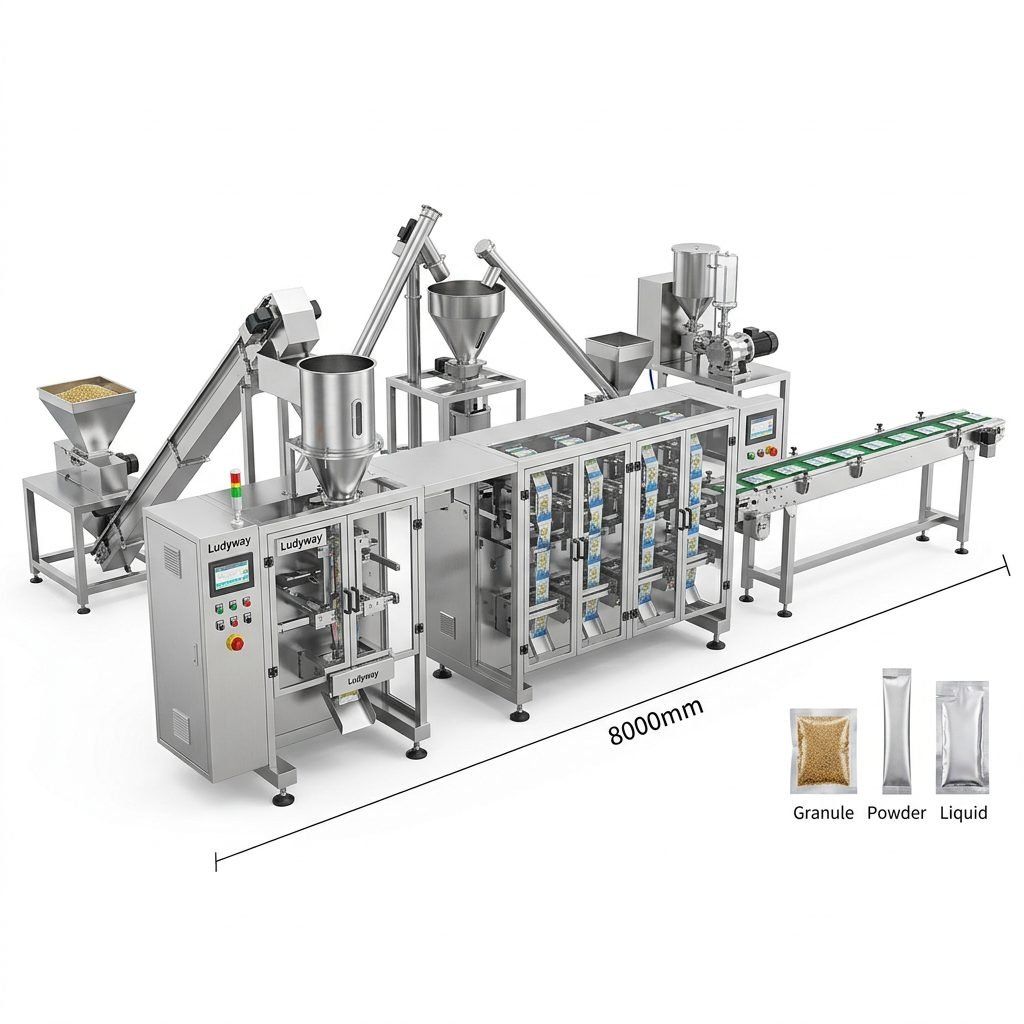
Position each machine according to your process flow diagram. Start with the primary filling and sealing units, then connect upstream feeding equipment and downstream conveyors. Pay close attention to alignment between stations—misalignment can cause product jams, film tracking issues, and increased waste. Most modern packaging machines include leveling feet and alignment guides to simplify this process.
3. Electrical and Pneumatic Connections
Connect all power supplies, control panels, and pneumatic lines following manufacturer specifications. Integrated packaging line control systems often use centralized PLC interfaces that synchronize machine timing across the entire line. Verify all safety interlocks and emergency stop circuits before powering on any equipment.
4. Testing, Calibration, and Trial Runs
Begin with dry runs to verify mechanical motion and timing. Gradually introduce product to calibrate filling accuracy, sealing temperature, and film tension. Conduct statistical sampling during trial runs to measure fill weight consistency and seal integrity. Adjust parameters until the line achieves target output rates and quality standards. Document all settings for future reference.
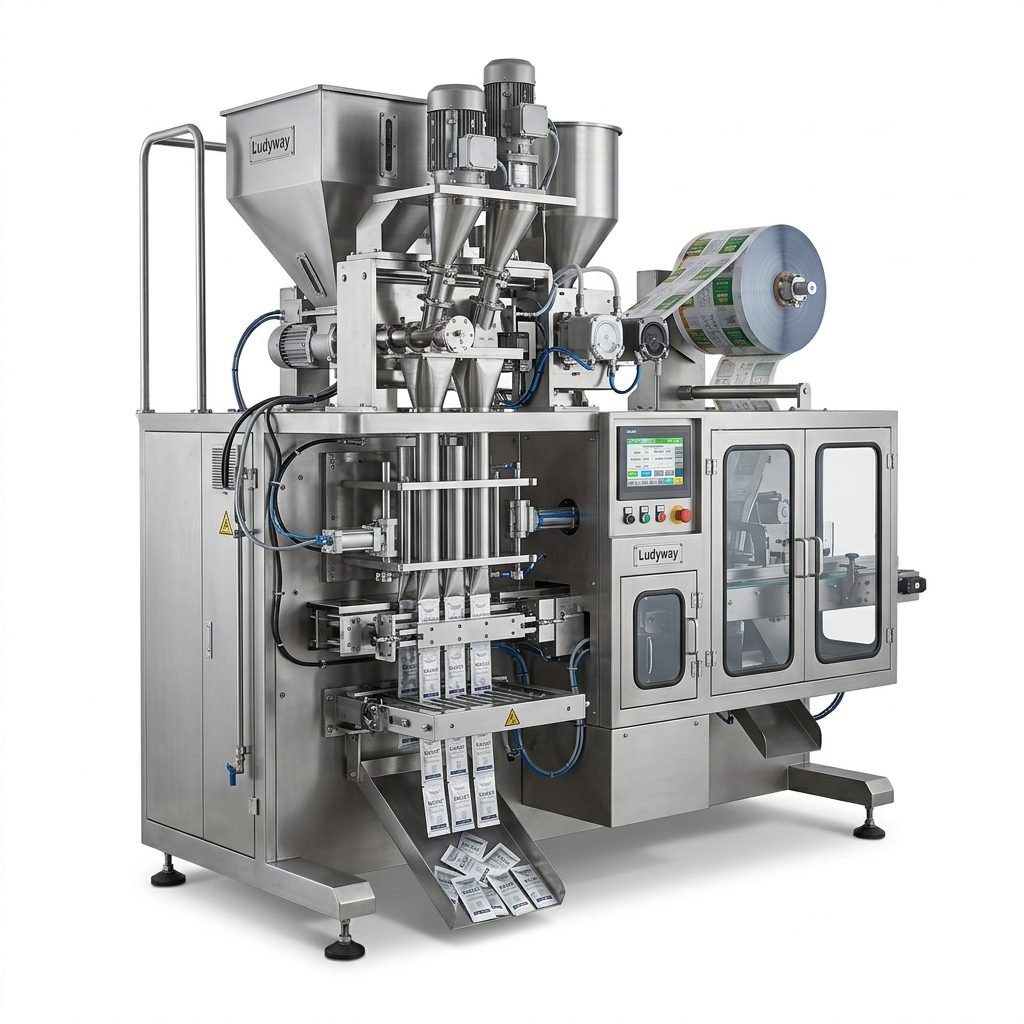
Equipment Selection: Matching Technology to Your Meal Products
Choosing the right packaging equipment depends on your product characteristics, target output, and package format requirements. The table below compares common packaging systems used in meal production lines:
| Packaging System | Best For | Typical Speed | Key Advantage |
|---|---|---|---|
| Multi-Lane Stick Pack | Powders, granules, seasoning mixes | 400-600 packs/min | High output in compact footprint |
| VFFS Single-Lane | Larger pouches, bulk meal kits | 60-120 packs/min | Versatile for different bag sizes |
| Premade Pouch Filling | Retort pouches, ready-to-eat meals | 40-80 packs/min | Compatible with spouted pouches |
| Multi-Lane Liquid Sachet | Sauces, oils, liquid seasonings | 300-500 packs/min | Precision liquid dosing |
| Tray Sealing Lines | Fresh meal trays, modified atmosphere | 30-60 trays/min | Extended shelf life with MAP |
Optimizing Production Efficiency and Reducing Downtime
Once your meal packaging line is operational, focus on continuous improvement to maximize output and minimize waste. Implementing best practices from industry benchmarking reports can help you stay competitive.
- Preventive Maintenance Schedules: Establish daily, weekly, and monthly maintenance routines for all equipment. Clean film paths, inspect sealing jaws, and lubricate moving parts to prevent unexpected breakdowns.
- Operator Training Programs: Well-trained operators can identify issues before they escalate. Invest in comprehensive training covering machine operation, troubleshooting, and quick changeover procedures.
- Film and Material Management: Store packaging films in climate-controlled environments to maintain consistent sealing properties. Track material lot numbers to correlate performance with suppliers.
- Data-Driven Performance Monitoring: Utilize OEE (Overall Equipment Effectiveness) metrics to track availability, performance, and quality across your line. Modern packaging systems offer real-time dashboards for instant visibility.
- Quick Changeover Procedures: Implement SMED (Single-Minute Exchange of Die) techniques to reduce changeover times between different meal products or package formats.

Regulatory Compliance and Food Safety Standards
Meal packaging lines must adhere to stringent food safety regulations. Compliance with FDA food packaging requirements and international standards ensures your products meet market access requirements. Key considerations include:
- Use food-grade materials for all product-contact surfaces
- Implement HACCP-compatible cleaning and sanitation protocols
- Ensure traceability through batch coding and serialization systems
- Validate seal integrity with regular burst and peel testing
- Comply with ISO packaging standards for quality management
Partnering with an Experienced Packaging Machine Manufacturer
Selecting the right equipment partner is as important as choosing the machinery itself. Ludyway, one of the largest packaging machine manufacturers in China, specializes in advanced packaging equipment and turnkey production solutions for the food industry. With over 30 years of expertise and a modern 20,000㎡ manufacturing facility, the company offers more than 50 intelligent packaging machine models, including multi-lane stick pack, sachet, and fully automated systems serving customers in over 100 countries. Working with an experienced supplier ensures you receive not only reliable equipment but also ongoing technical support, customized line design, and professional installation guidance.
Common Challenges and Troubleshooting Tips
Even the best-designed packaging production lines encounter occasional issues. Here are solutions to frequent challenges:
- Film Wrinkling or Tracking Issues: Check roller alignment and tension settings. Worn rollers or inconsistent film tension are common culprits.
- Inconsistent Fill Weights: Recalibrate your multi-head weigher or auger filler. Variations in product density or flow characteristics may require parameter adjustments.
- Seal Failures: Verify sealing temperature, dwell time, and pressure. Contamination on sealing surfaces from product residue can also cause weak seals.
- Excessive Product Dust: Install dust extraction systems at filling stations to prevent buildup on sensors and sealing areas.
Future-Proofing Your Meal Packaging Line
As consumer preferences evolve and production demands grow, your packaging line should be designed with scalability and flexibility in mind. Modular equipment configurations allow you to add lanes, integrate new package formats, or upgrade automation levels without replacing entire systems. The flexible packaging industry continues to innovate with sustainable materials and smart packaging technologies—staying informed helps you maintain a competitive edge. Consider features like IoT-enabled remote monitoring, automated format changeovers, and energy-efficient drives when evaluating new equipment investments.

Final Checklist Before Production Launch
- All equipment properly leveled and aligned
- Utility connections verified and safety-tested
- Operator training completed and documented
- Initial calibration and trial runs approved
- Quality control procedures and sampling plans established
- Preventive maintenance schedule implemented
- Emergency stop circuits and safety guards fully functional
- Packaging materials stocked and storage conditions verified
By following this comprehensive guide, you can set up a high-performance meal packaging machine production line that delivers consistent quality, operational efficiency, and long-term reliability. Whether you are launching a new facility or upgrading an existing line, careful planning and the right equipment partnership make all the difference.