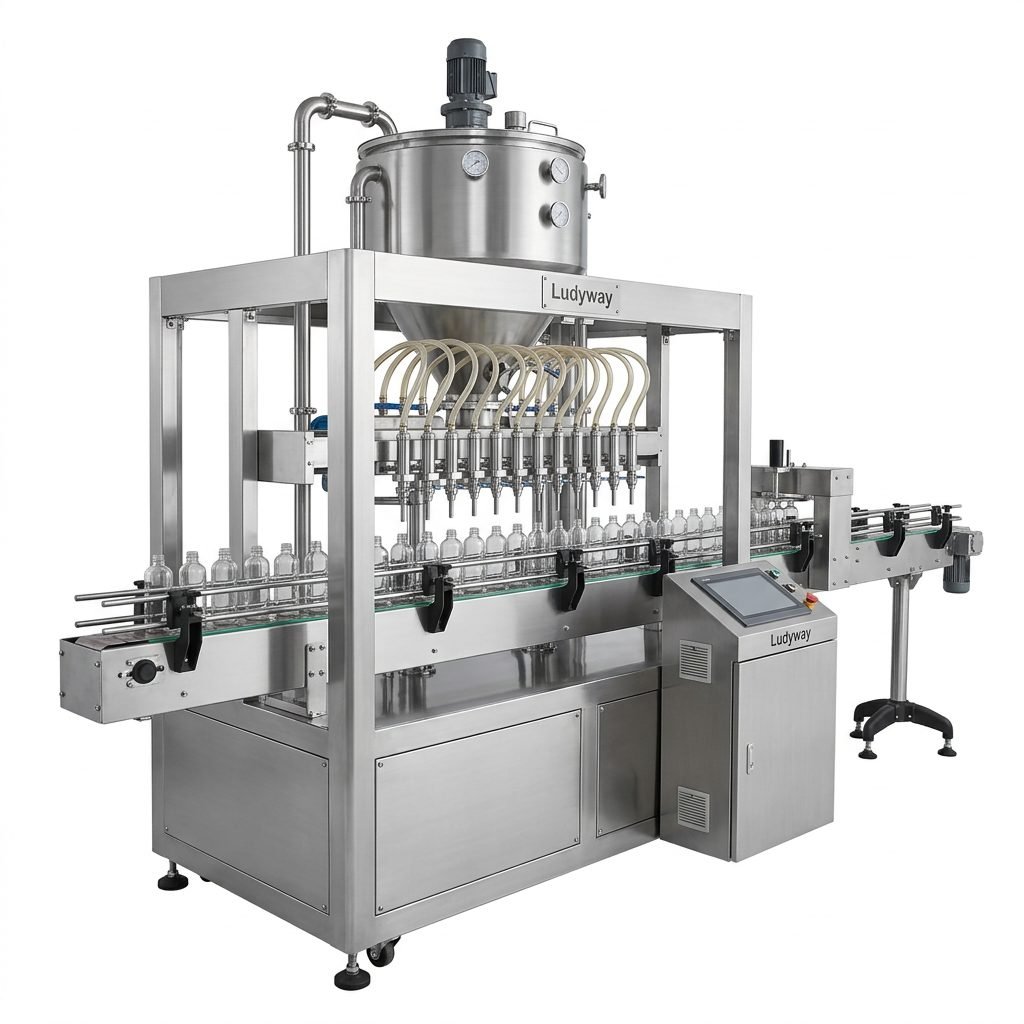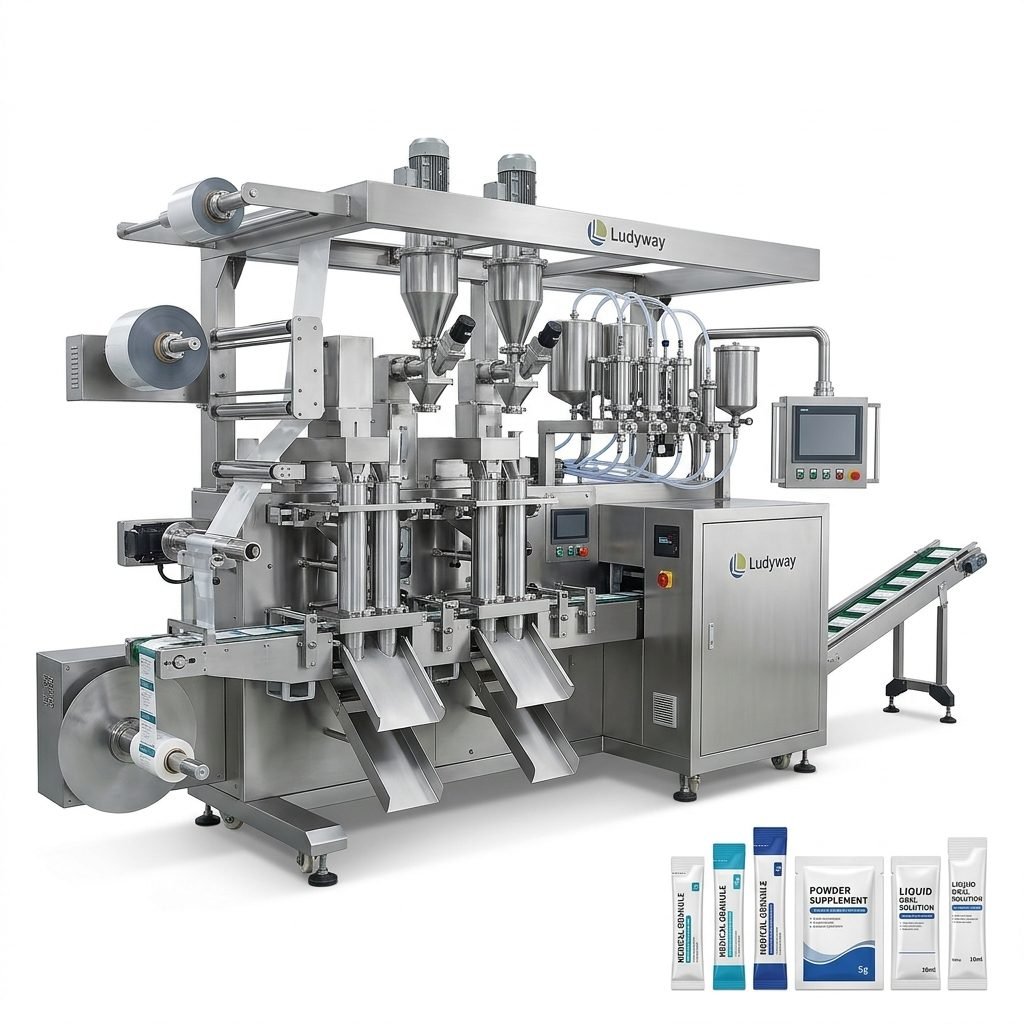
The demand for efficient bean packaging machines in Africa is rising rapidly as the continent’s agribusiness sector expands. Whether you are packaging kidney beans, soybeans, coffee beans, or mung beans, selecting the right equipment is critical to ensuring product freshness, minimizing waste, and meeting export standards. This guide walks you through the essential factors to consider before investing in a packaging solution for beans.
Understanding the African Bean Packaging Market
Africa is one of the world’s leading producers of legumes, with countries like Nigeria, Ethiopia, Tanzania, and Kenya driving significant output. The shift from bulk commodity exports to value-added packaged goods has created a surge in demand for automated packaging equipment. According to the PMMI Business Intelligence reports, the packaging machinery sector in emerging markets is experiencing double-digit growth annually, much of it driven by food processing.
Key Factors When Choosing a Bean Packaging Machine
Investing in packaging machinery requires a clear understanding of your production goals. Below are the most critical elements to evaluate before making a purchase decision.
1. Type of Beans and Product Characteristics
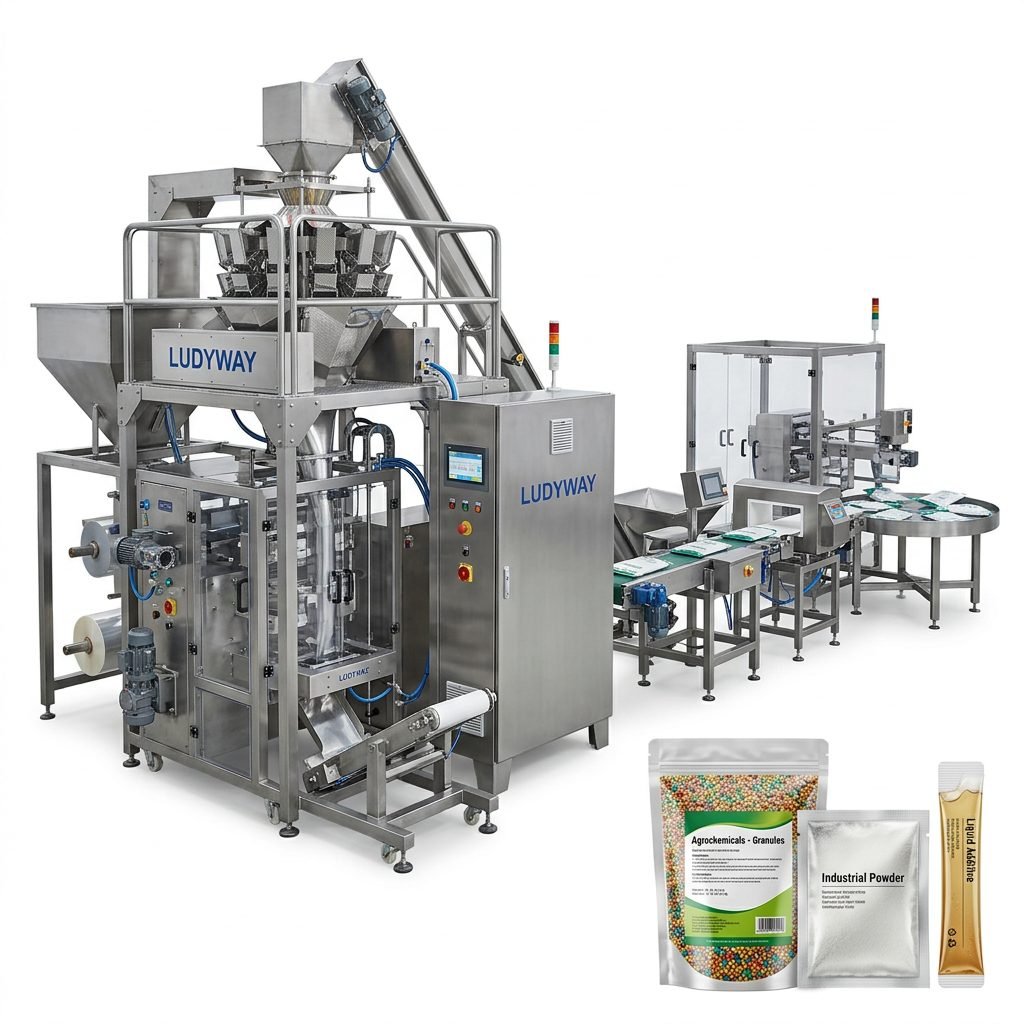
Beans vary significantly in size, shape, and density. A machine designed for granules such as coffee beans may not handle larger kidney beans without adjustments. You need to confirm that the packaging machine manufacturer can configure the filling system to your specific product specifications, including multi-head weigher settings and vibration controls.
2. Packaging Format and Material
Common packaging formats for beans in African markets include:
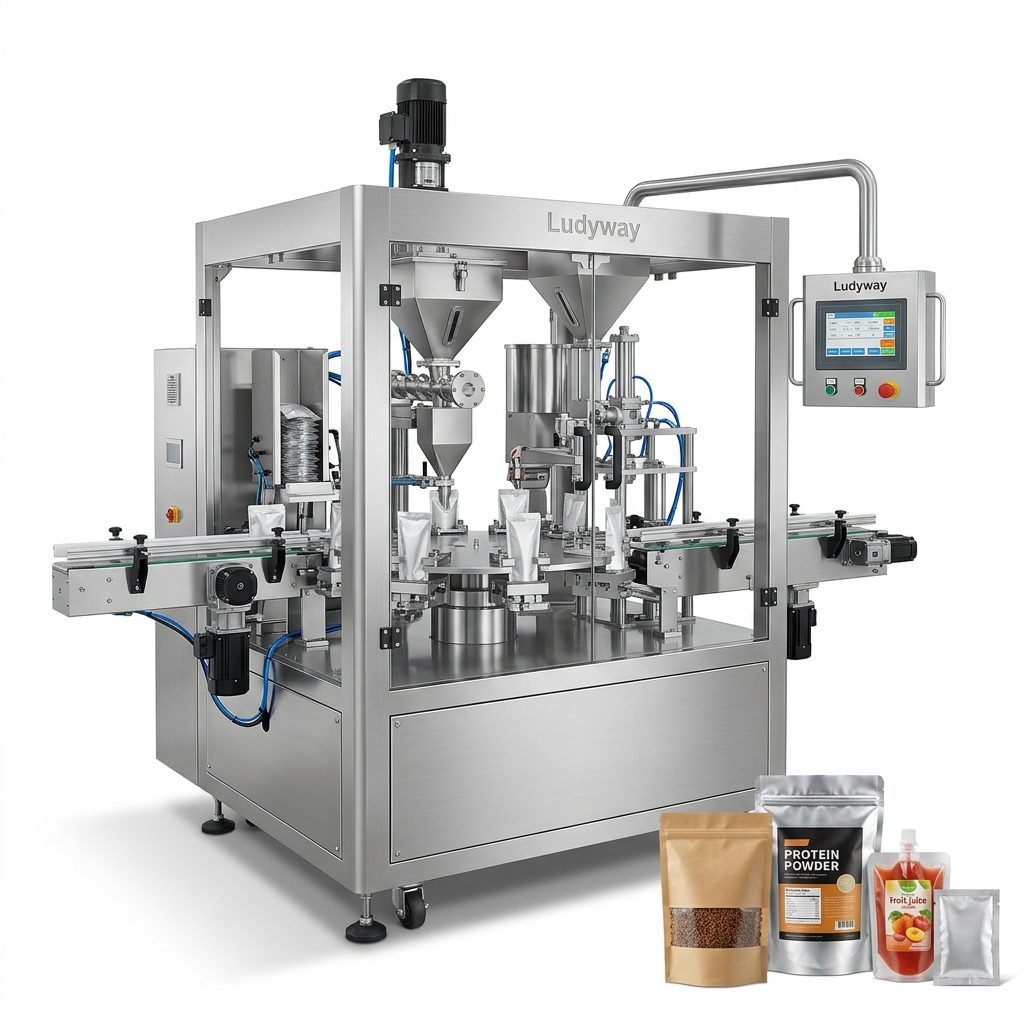
- Stand-up pouches with resealable zippers
- Pillow bags and flat pouches
- Vacuum-sealed packs for extended shelf life
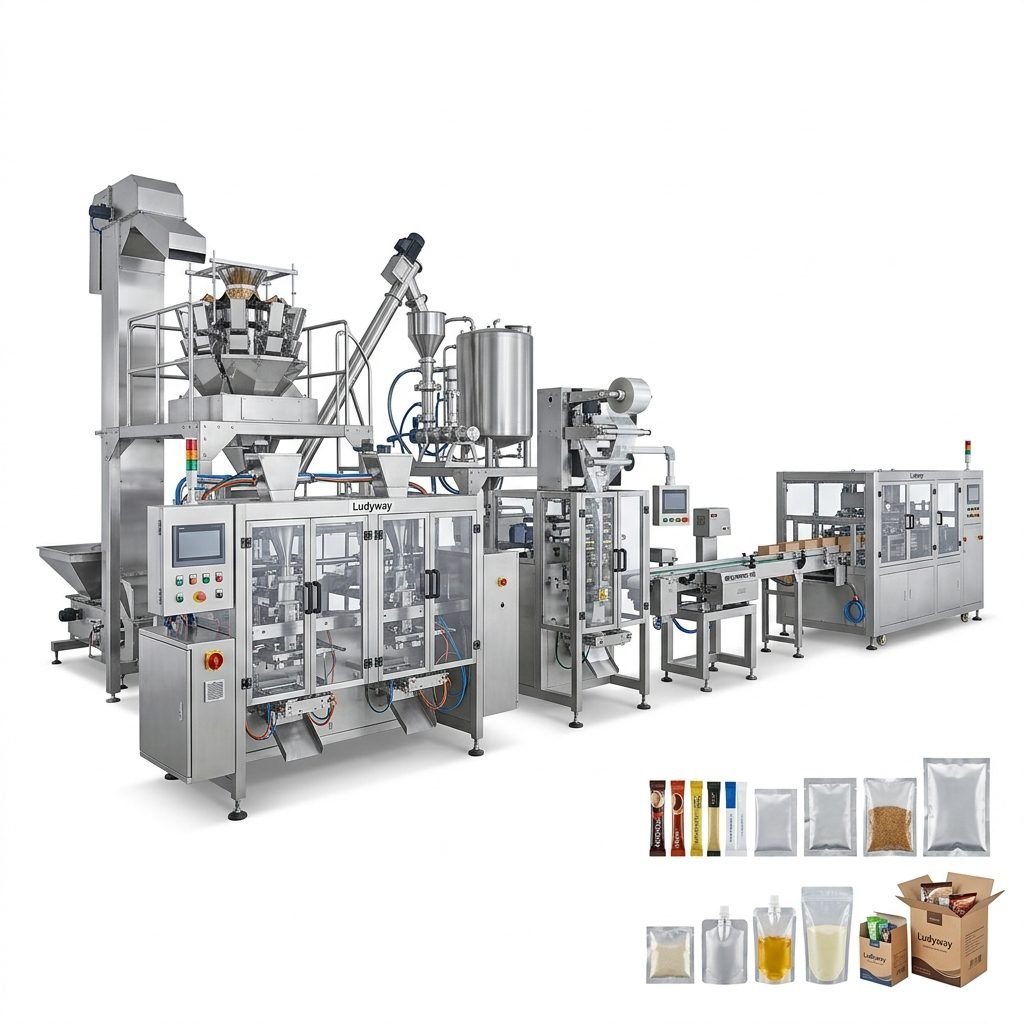
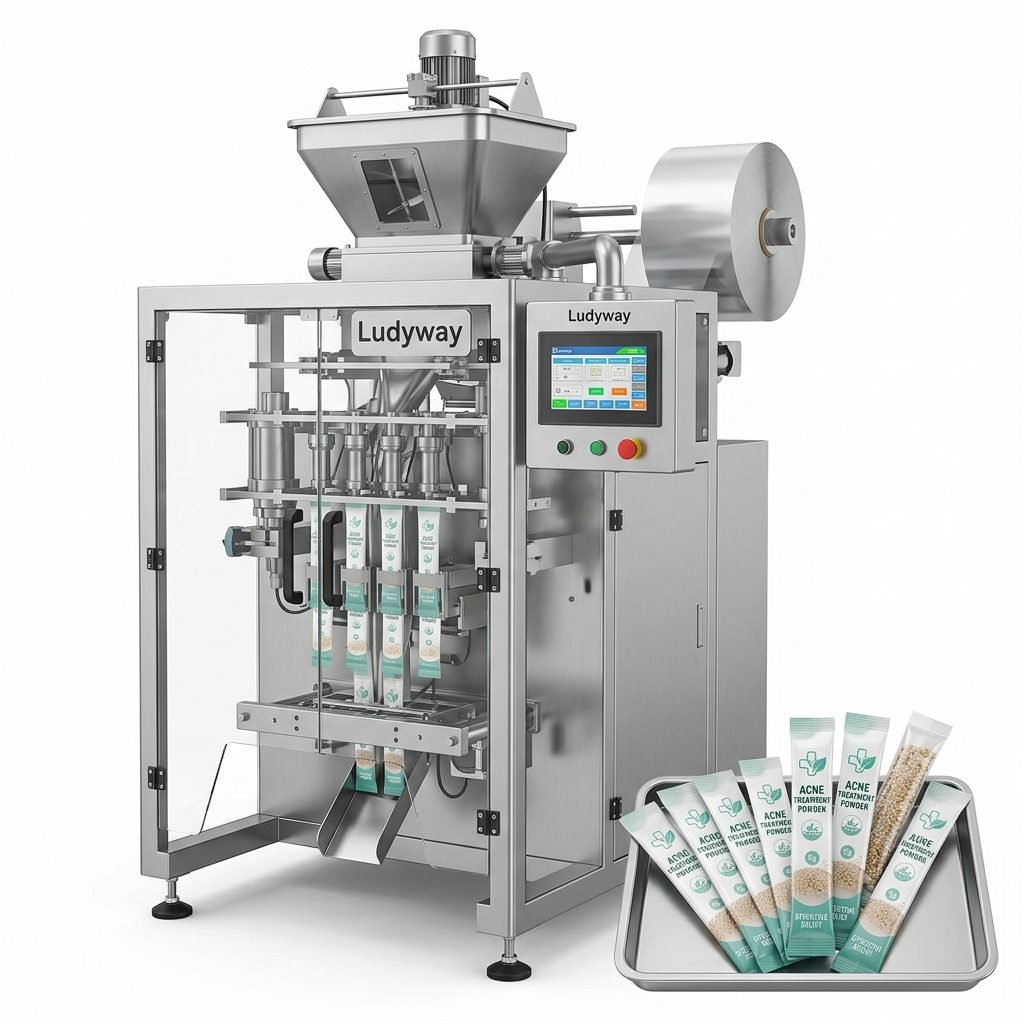
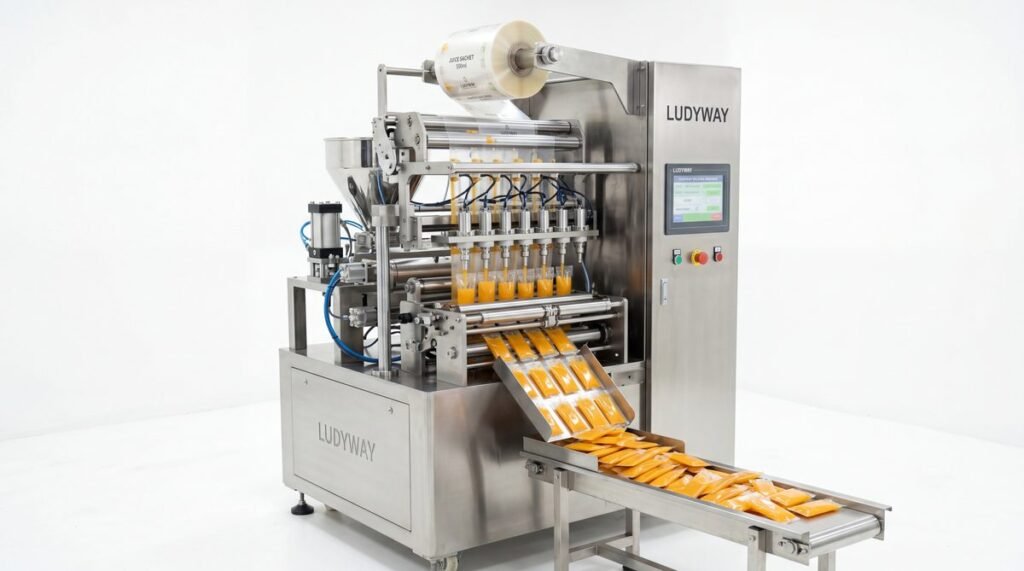
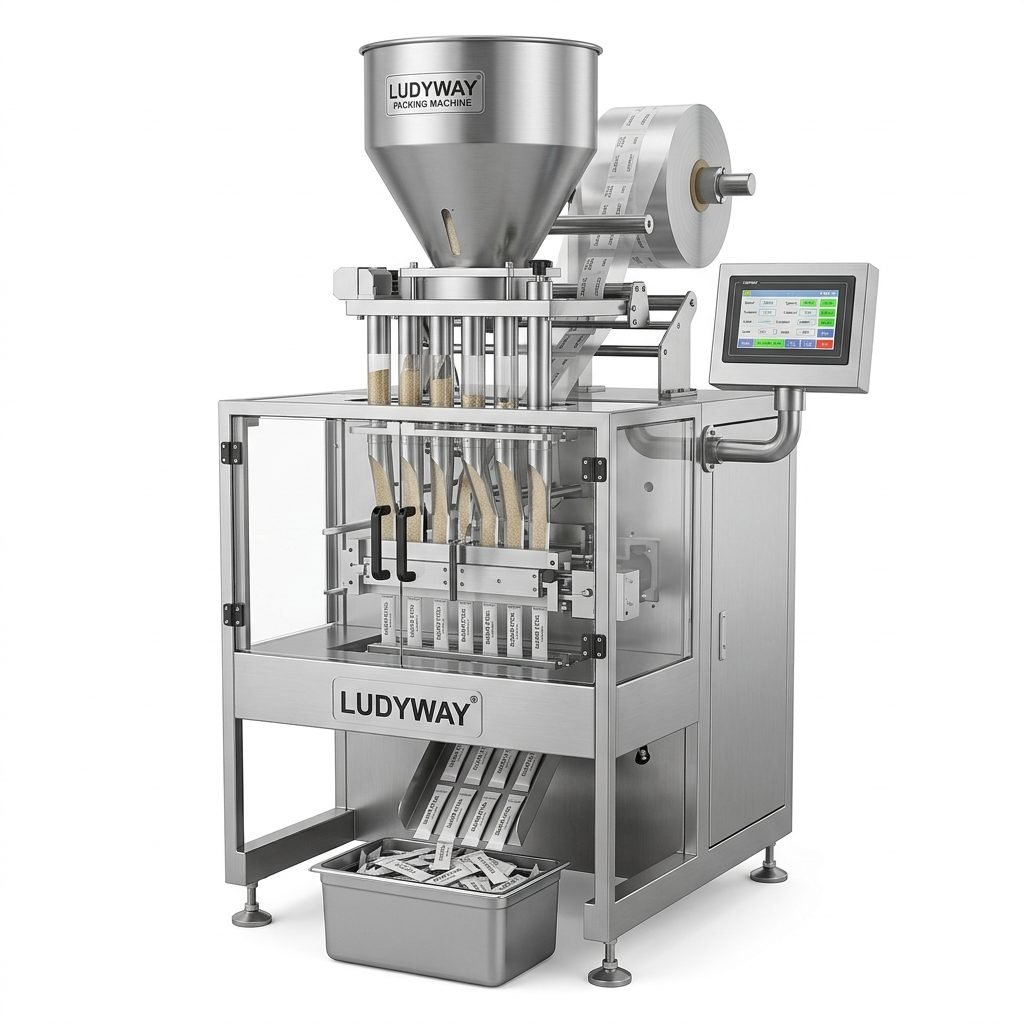
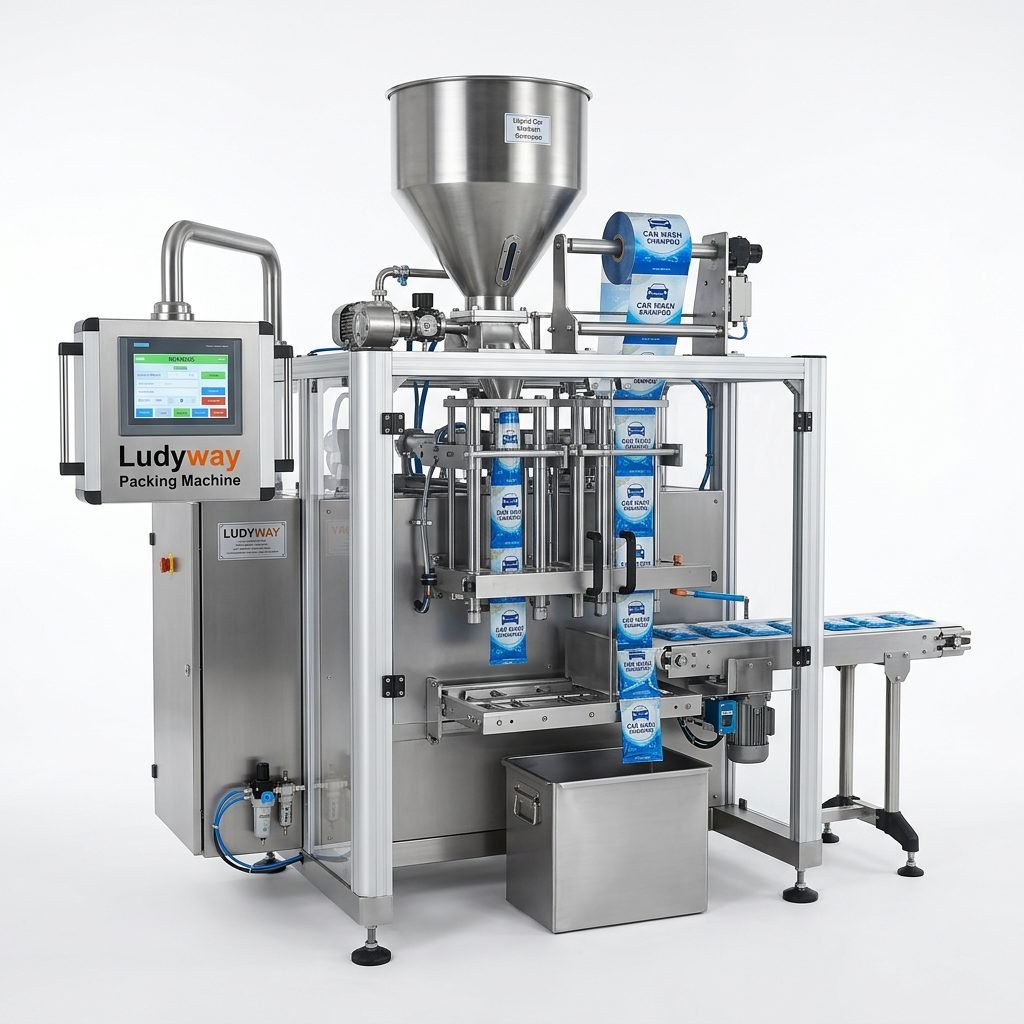
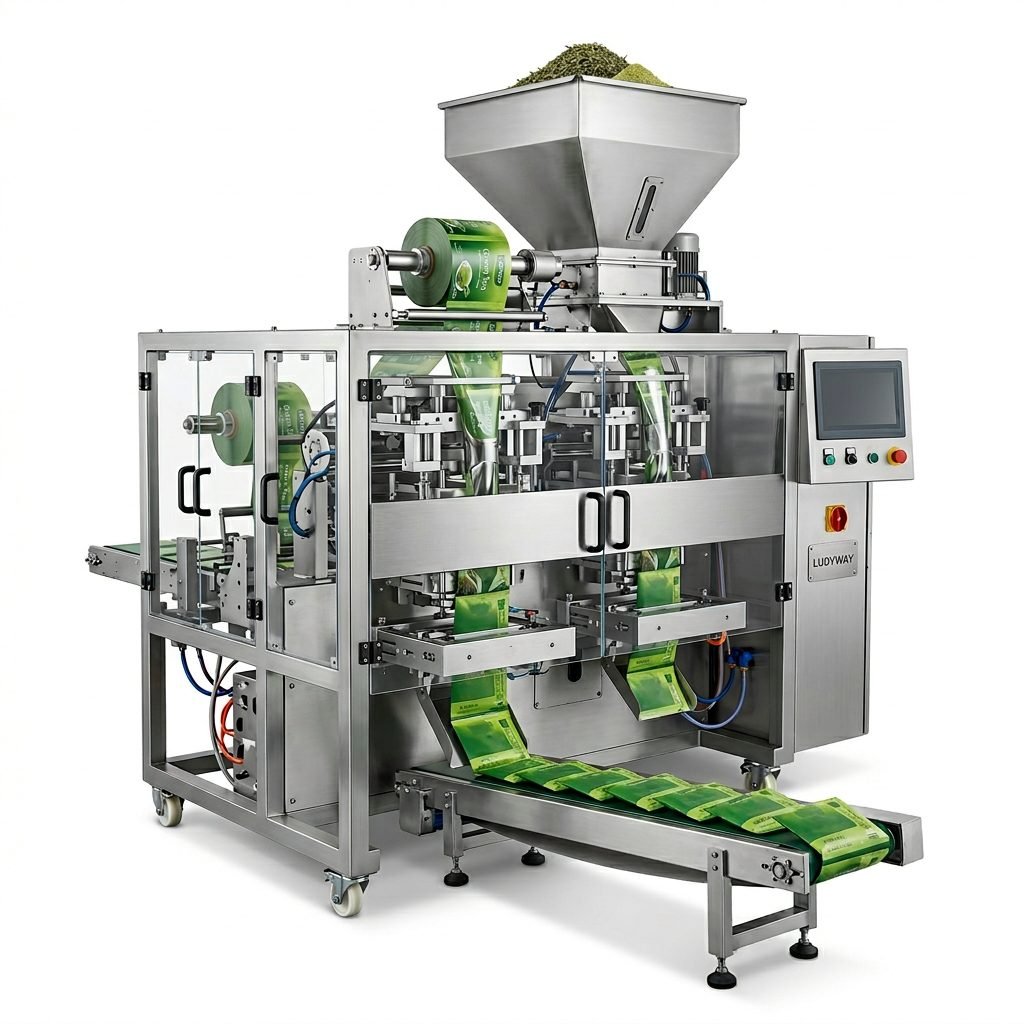
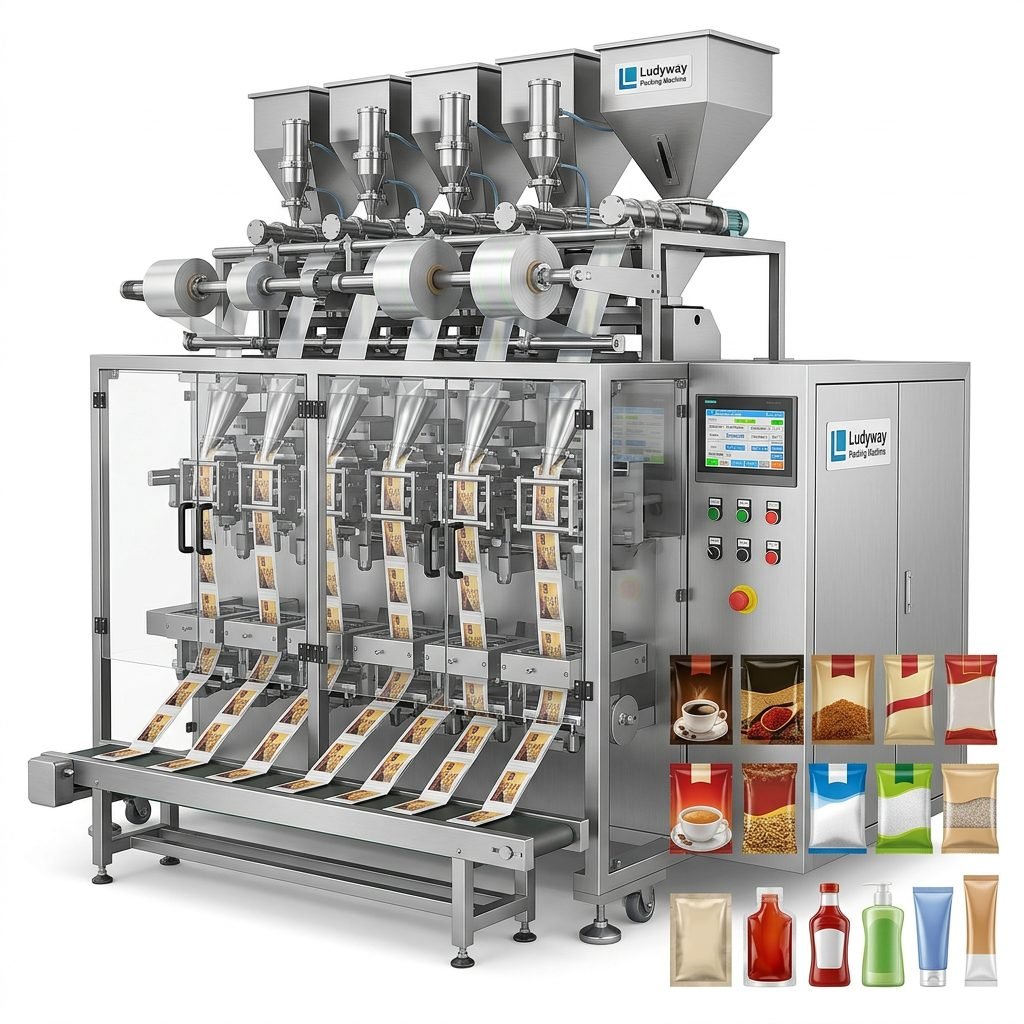
- Multi-lane stick packs for single-serve portions
- Pre-made pouch filling systems
Your choice of flexible packaging material will also influence machine compatibility, seal integrity, and moisture barrier properties.
3. Speed and Production Capacity
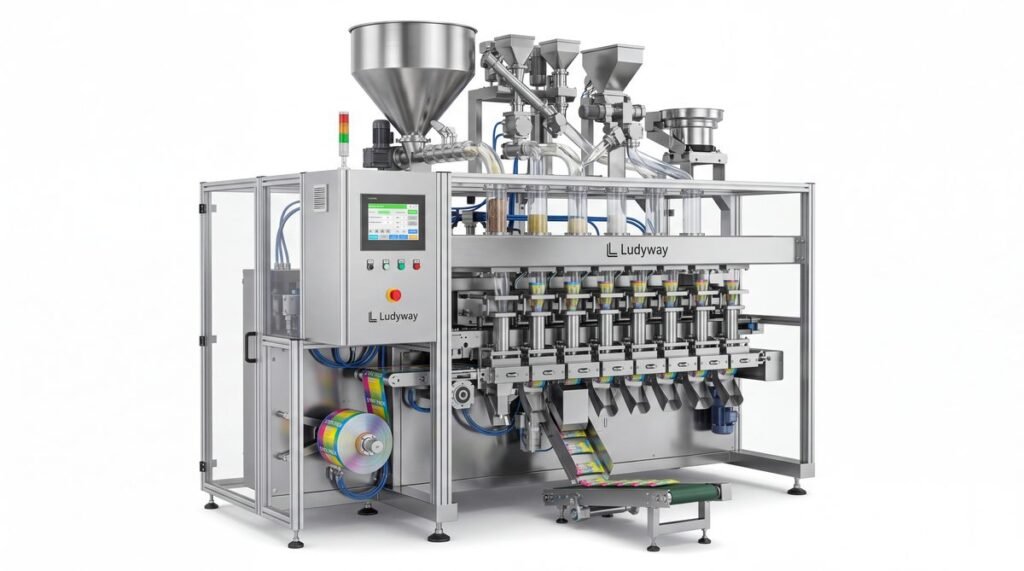
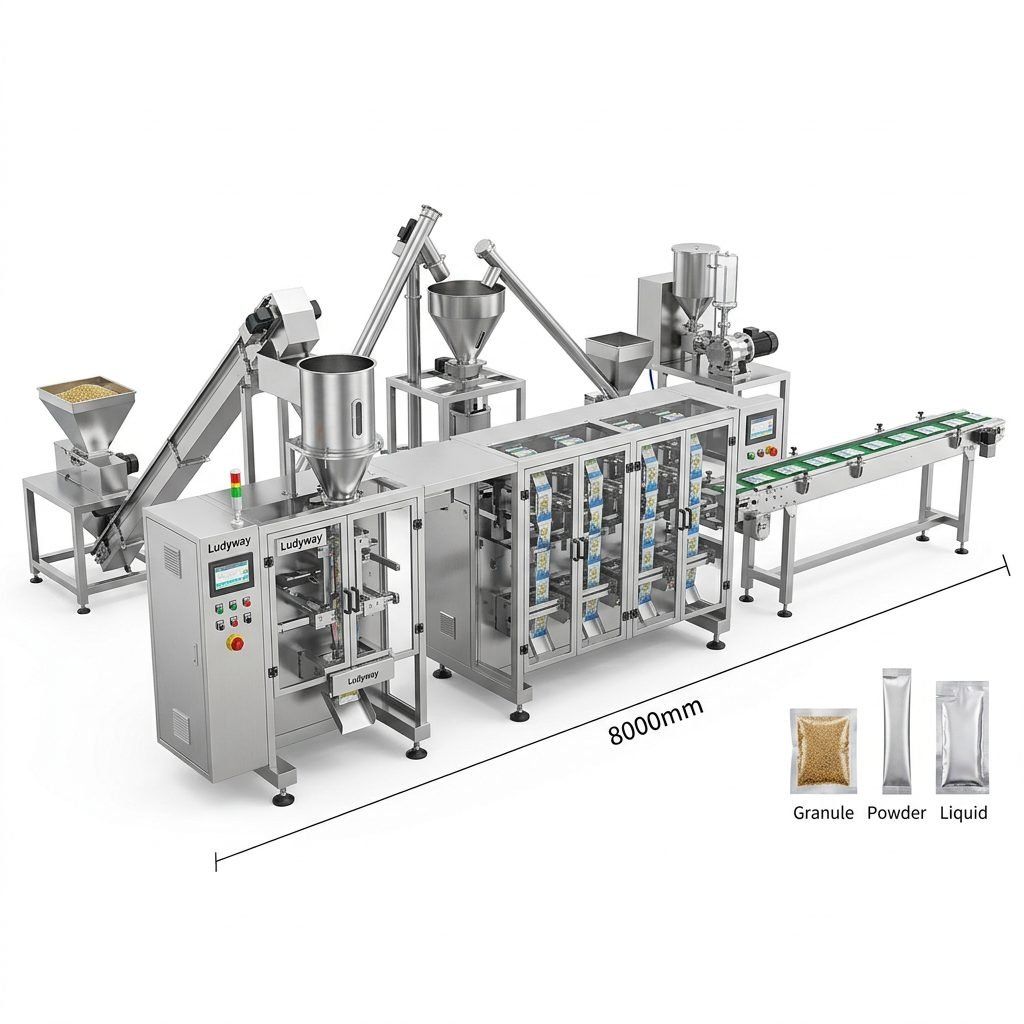
Determine your required output in packs per minute. Small-scale operations may need 20-40 packs per minute, while large processors targeting regional export markets often require 60-120 packs per minute or more. Multi-lane configurations can dramatically increase throughput without proportionally increasing floor space.
4. Automation Level
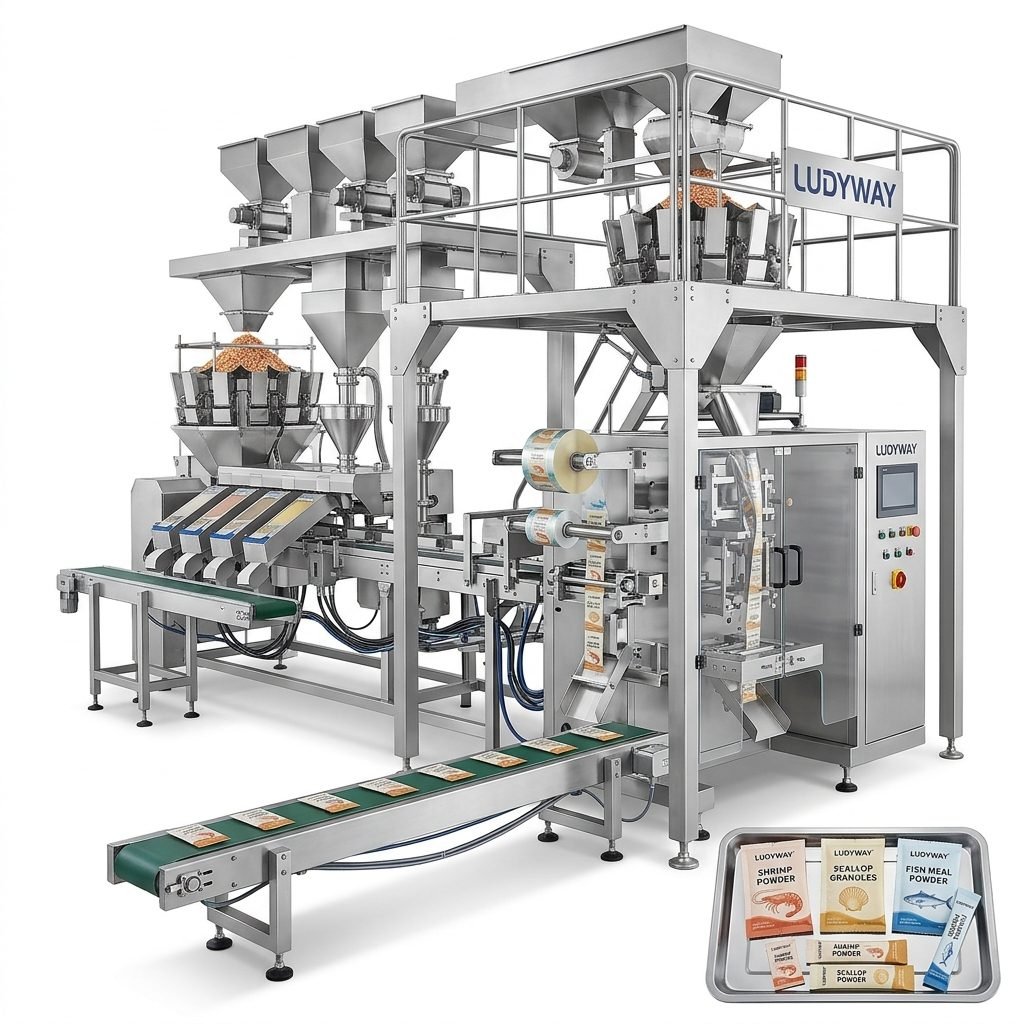
From semi-automatic systems to fully integrated turnkey packaging solutions, the level of automation you choose impacts labor costs, consistency, and return on investment. A complete line may include a bucket elevator, multi-head weigher, vertical form fill seal machine, checkweigher, and automatic cartoning system.
| Automation Level | Ideal For | Estimated Packs/Min |
|---|---|---|
| Semi-Automatic | Startups, local markets | 15-30 |
| Fully Automatic | Medium enterprises | 40-80 |
| High-Speed Multi-Lane | Large-scale export processors | 100-200+ |
Regulatory Compliance and Food Safety Standards
Food-grade packaging machinery must comply with international safety standards. In Africa, many markets align with ISO packaging standards and regulations influenced by the FDA food packaging guidelines. Stainless steel construction, easy-clean design, and dust-sealed electrical components are non-negotiable for bean packaging applications.
After-Sales Support and Spare Parts Availability
One of the biggest challenges for African buyers is ensuring reliable after-sales support and access to spare parts. Before purchasing, confirm that the supplier offers remote technical assistance, readily available consumables, and clear maintenance documentation. A supplier with proven international project experience can significantly reduce downtime risks.
Evaluating Total Cost of Ownership
Rather than focusing solely on the initial purchase price, African buyers should calculate the total cost of ownership (TCO), which includes:
- Machine cost and shipping
- Installation and training expenses
- Annual maintenance and spare parts
- Energy consumption
- Packaging material waste rate
A slightly higher upfront investment in a durable, high-efficiency machine often yields substantial savings over a 5-10 year period.
Key Features to Look For
When comparing different models, prioritize the following technical capabilities:
- Servo-driven systems for precise film tracking and sealing
- Multi-head weighers with accuracy within ±0.5-1g
- Easy film roll changeover to minimize downtime
- Nitrogen flushing capability for extended shelf life
- Touchscreen PLC controls with multi-language support
- Dust extraction systems for powder-heavy bean varieties
Partnering with a Reliable Packaging Machine Manufacturer
Choosing the right manufacturing partner is as important as the machine itself. Ludyway is one of the largest packaging machine manufacturers in China, specializing in advanced packaging equipment and turnkey production solutions for the food, pharmaceutical, and health industries. With over 30 years of industry expertise and a modern 20,000㎡ manufacturing facility, the company serves customers in over 100 countries, including a growing number of African agribusinesses looking for reliable, high-performance packaging systems.
Key advantages of working with an established manufacturer include customized engineering, comprehensive training programs, and ongoing technical support—essential for African operations where local packaging expertise may still be developing.
Industry Resources for Further Research
Before finalizing your purchase, explore these authoritative industry resources to stay informed about packaging machinery market trends and regulatory updates:
- PMMI – The Association for Packaging and Processing Technologies
- Flexible Packaging Association
- PACK EXPO International
- European Commission – Packaging and Packaging Waste
Final Considerations for African Buyers
Investing in a bean packaging machine is a strategic decision that can transform your agricultural business. Look beyond the price tag and evaluate the machine’s compatibility with your bean variety, the packaging material you intend to use, the availability of local technical support, and the supplier’s track record in African markets. A well-chosen packaging line not only protects your product but also elevates your brand and opens doors to more profitable retail and export channels.
For more detailed guidance on selecting the right packaging solution for your specific bean type and production scale, consult with technical experts who understand both the equipment and the unique conditions of African food processing environments. The right partnership can make all the difference in achieving consistent, high-quality packaging results that meet international market standards.