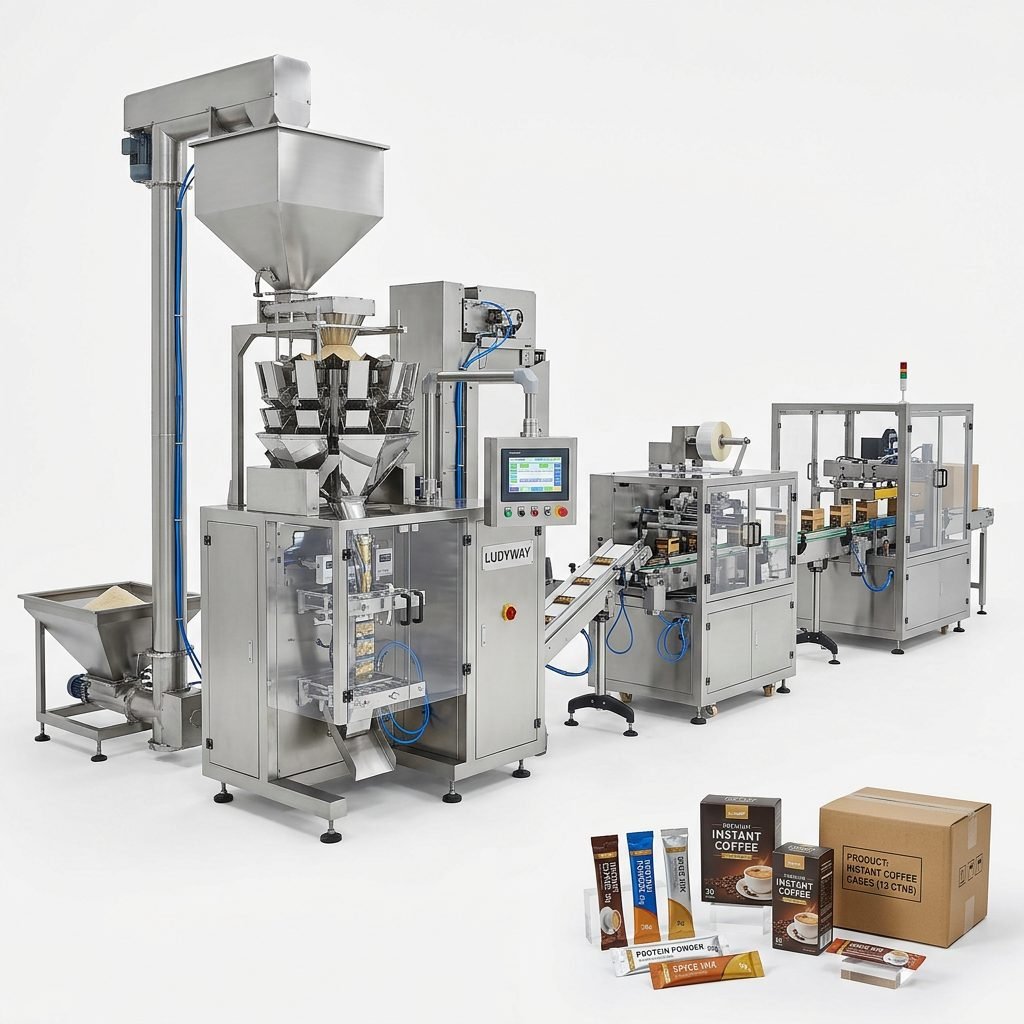
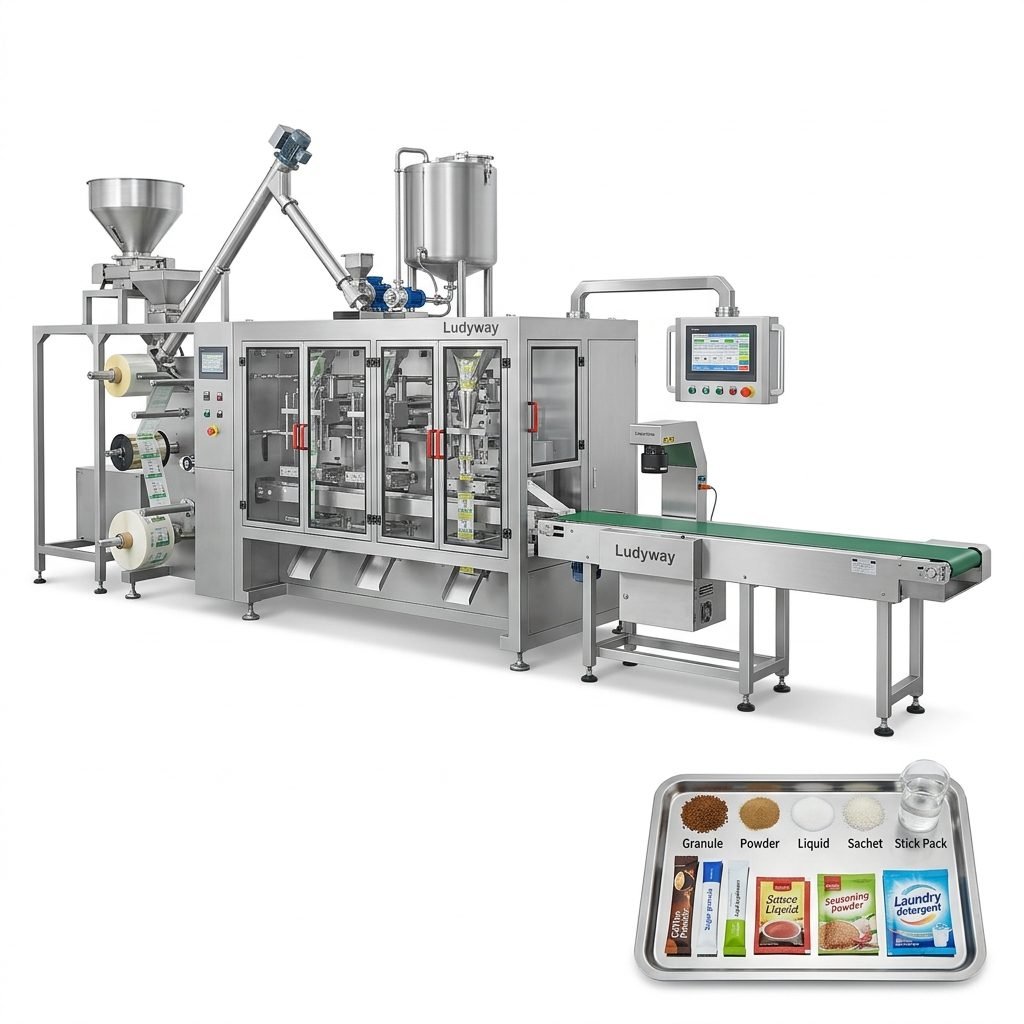
Investing in the right food packaging machine is one of the most critical decisions for any North American food manufacturer. Whether you are launching a new product line or upgrading an existing facility, the equipment you choose directly impacts production efficiency, product quality, and long-term profitability. With a wide range of technologies available — from simple semi-automatic fillers to fully integrated turnkey packaging lines — navigating the selection process can be overwhelming. This guide will help you understand the key factors to evaluate when choosing the ideal packaging solution for your business.

Understanding Your Product and Packaging Requirements
Before comparing machine specifications, you must clearly define your product characteristics and packaging goals. The physical properties of your food product will determine the type of filling system and machine configuration you need. Consider the following:
- Product form: Is your product a free-flowing granule (such as sugar or salt), a cohesive powder (like protein powder or flour), a liquid (sauces, oils, beverages), or a paste (honey, cream, gel)? Each requires a different dosing mechanism.
- Particle size and density: Fine powders behave differently than coarse granules. Bulk density affects filling speed and accuracy, making it essential for selecting the right multi-head weigher packaging systems.
- Target packaging format: Do you need stick packs, sachets, pouches, bottles, or bulk bags? The packaging style influences everything from machine frame design to sealing technology.
- Production volume: A small artisan business may only need 30-50 packs per minute, while a large-scale operation might require high-speed multi-lane systems capable of producing 400+ packs per minute.
Key Types of Food Packaging Machines
The North American market offers a diverse selection of equipment suited to different applications. Understanding the main categories will help narrow your search significantly.
Multi-Lane Stick Pack Machines
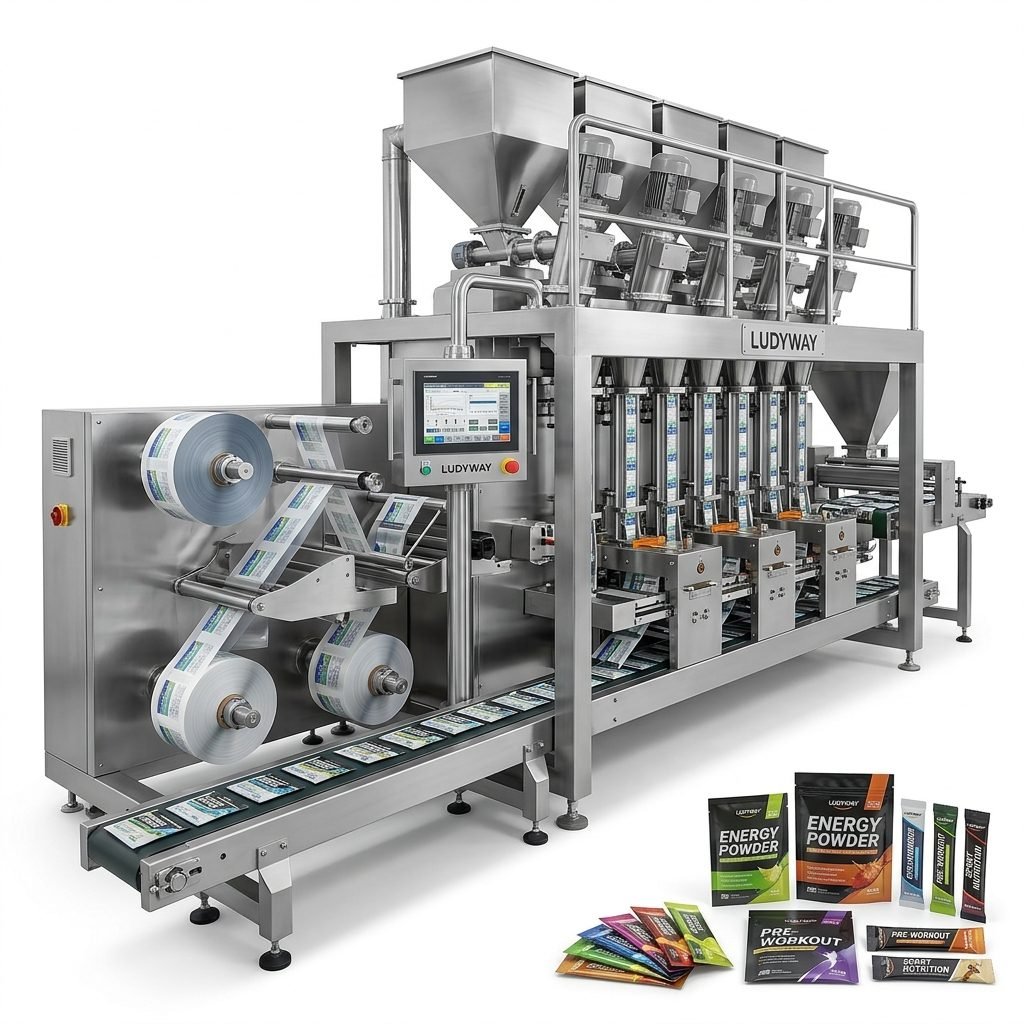
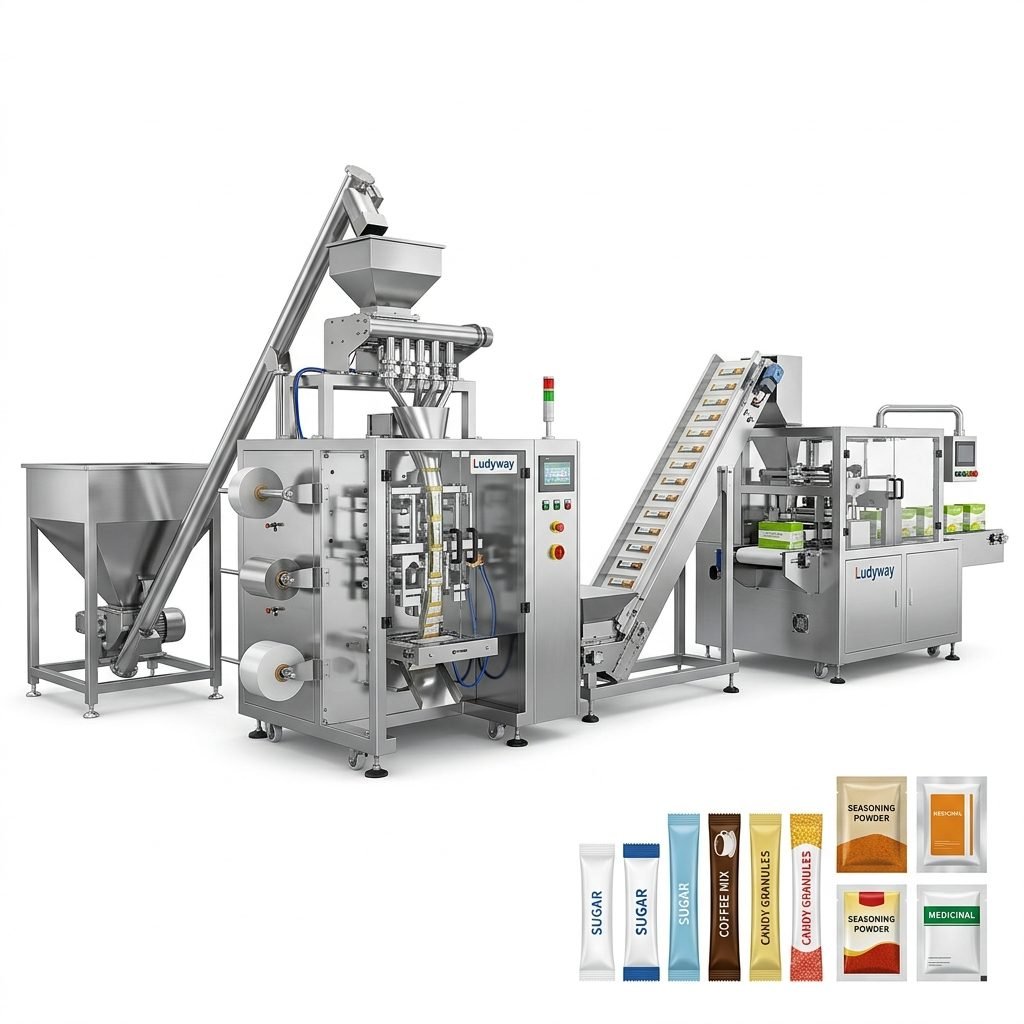
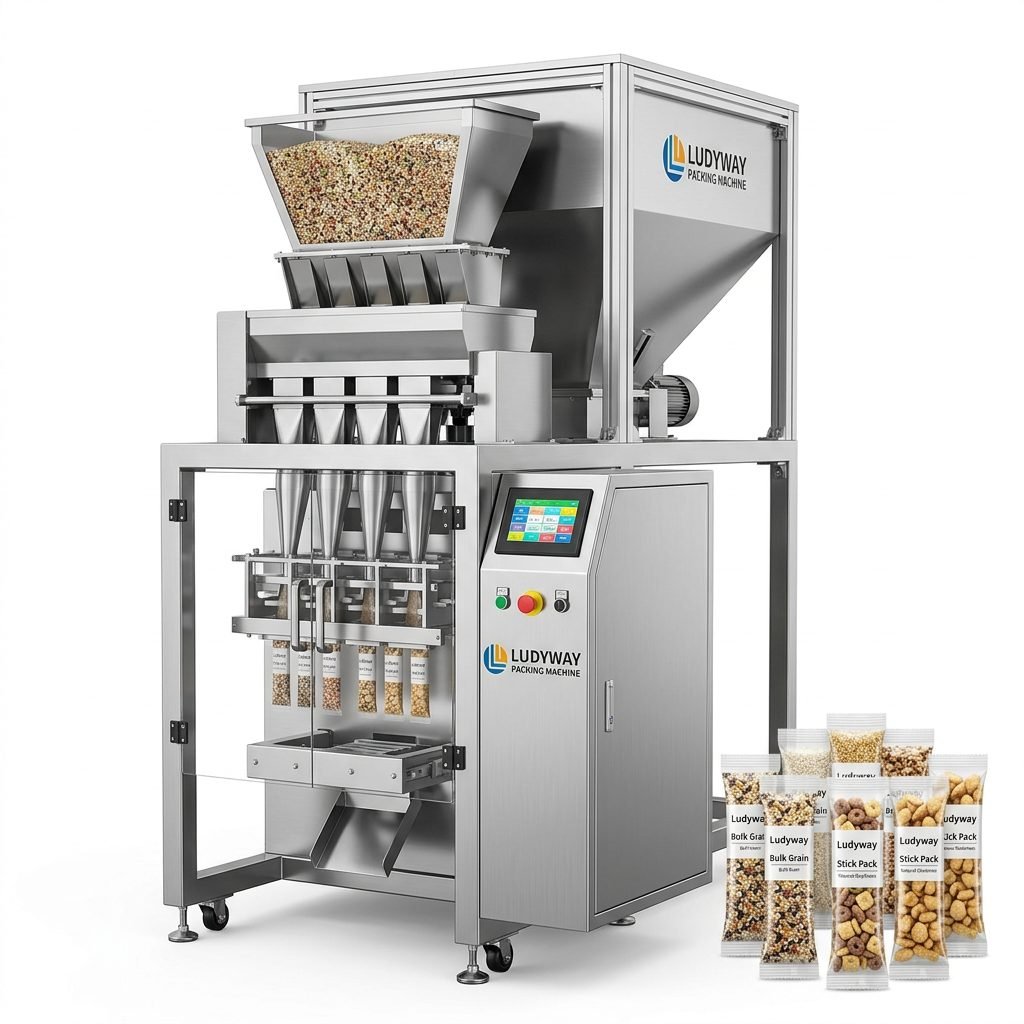
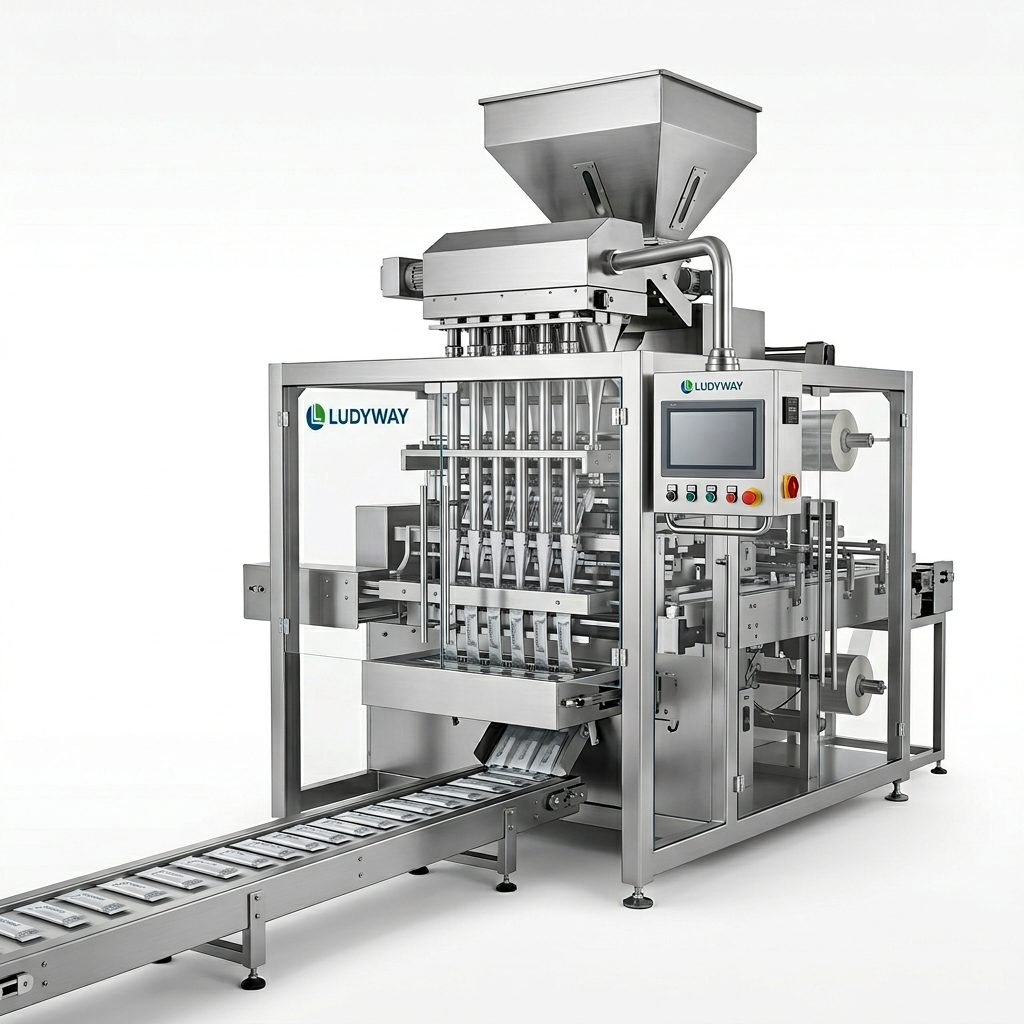
Ideal for single-serve portions of powders, granules, and liquids, multi-lane stick pack machines offer exceptional output by running multiple lanes simultaneously. These are widely used for sugar, instant coffee, energy drink powders, and condiment packaging. They deliver compact, portable packaging that is increasingly popular in convenience-oriented markets.
Sachet Packaging Machines
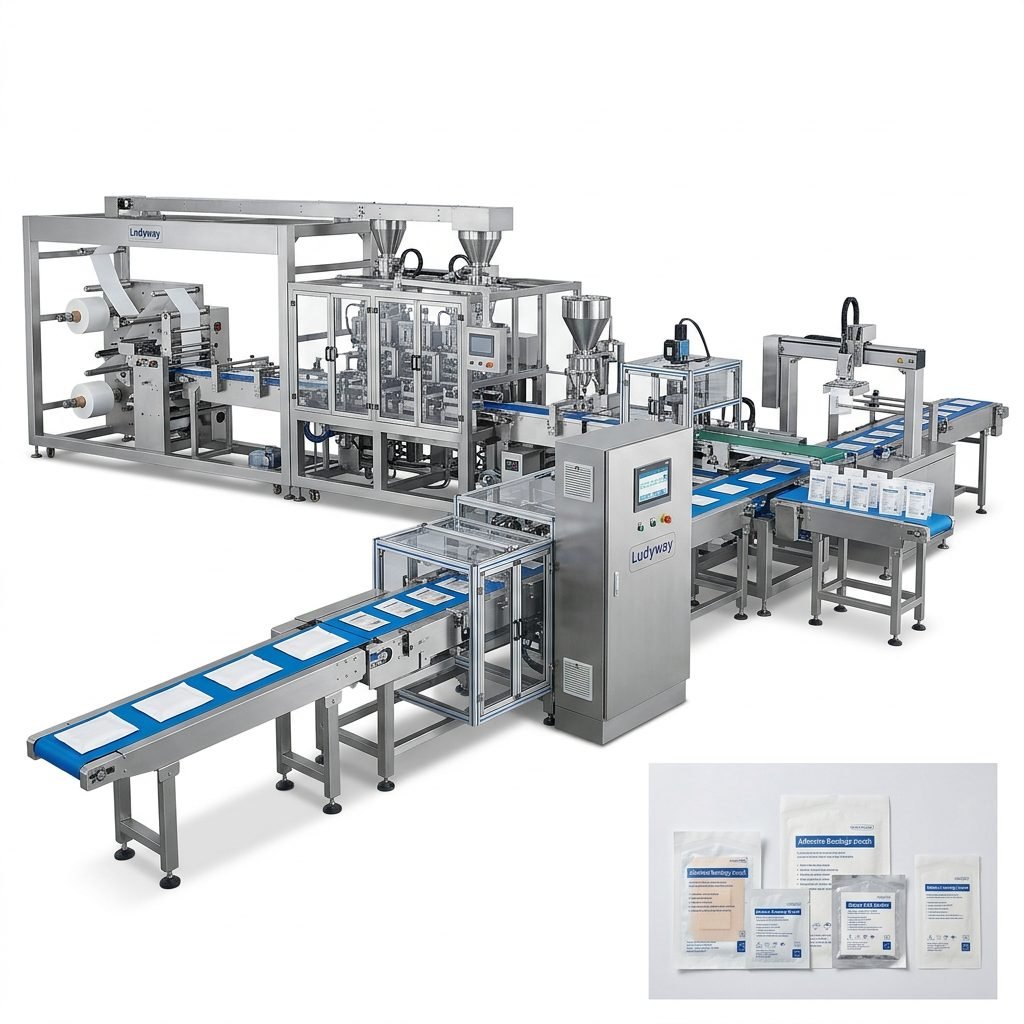
Sachet machines produce flat, pillow-shaped packs suitable for a wide variety of products including sauces, shampoos, and pharmaceutical powders. Modern sachet packaging machines feature precise filling controls and can handle multiple product types on a single line, making them highly versatile for co-packers and manufacturers with diverse product portfolios.
Vertical Form Fill Seal (VFFS) Systems
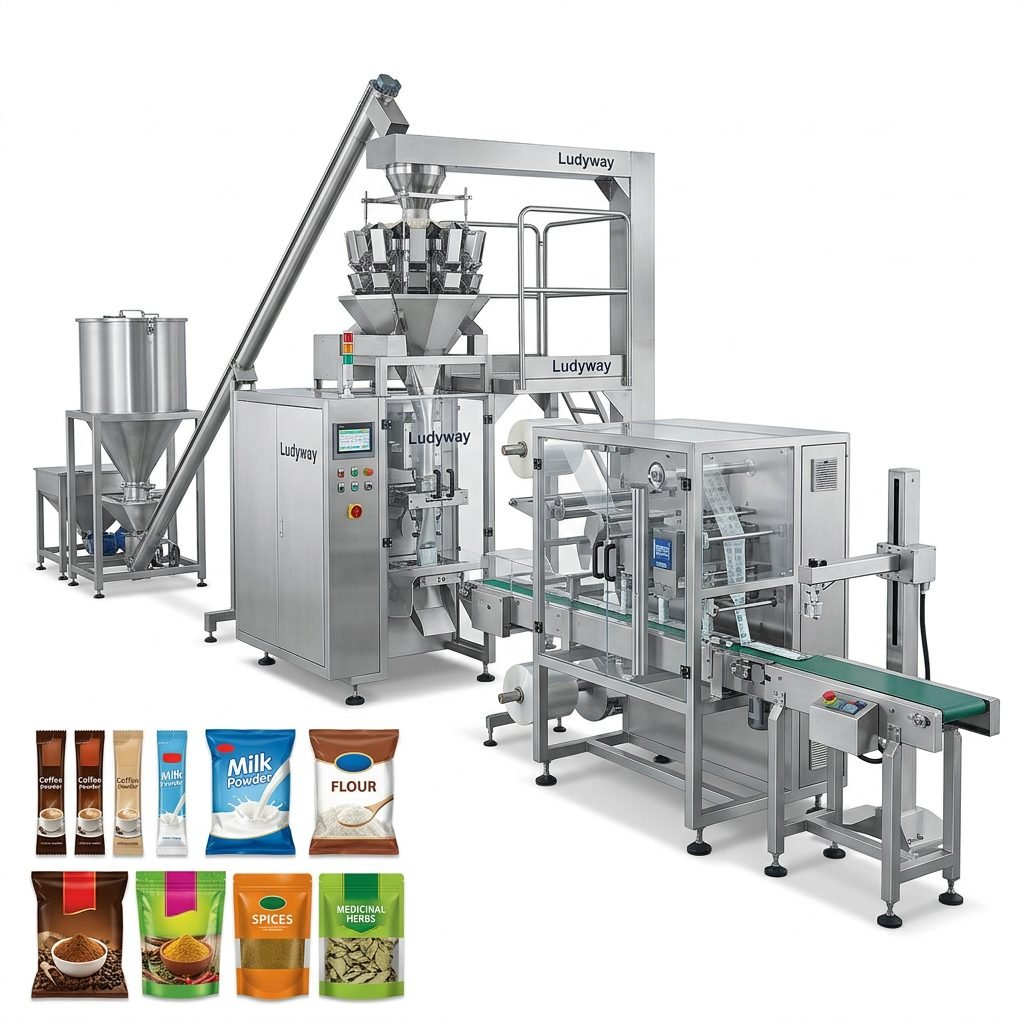
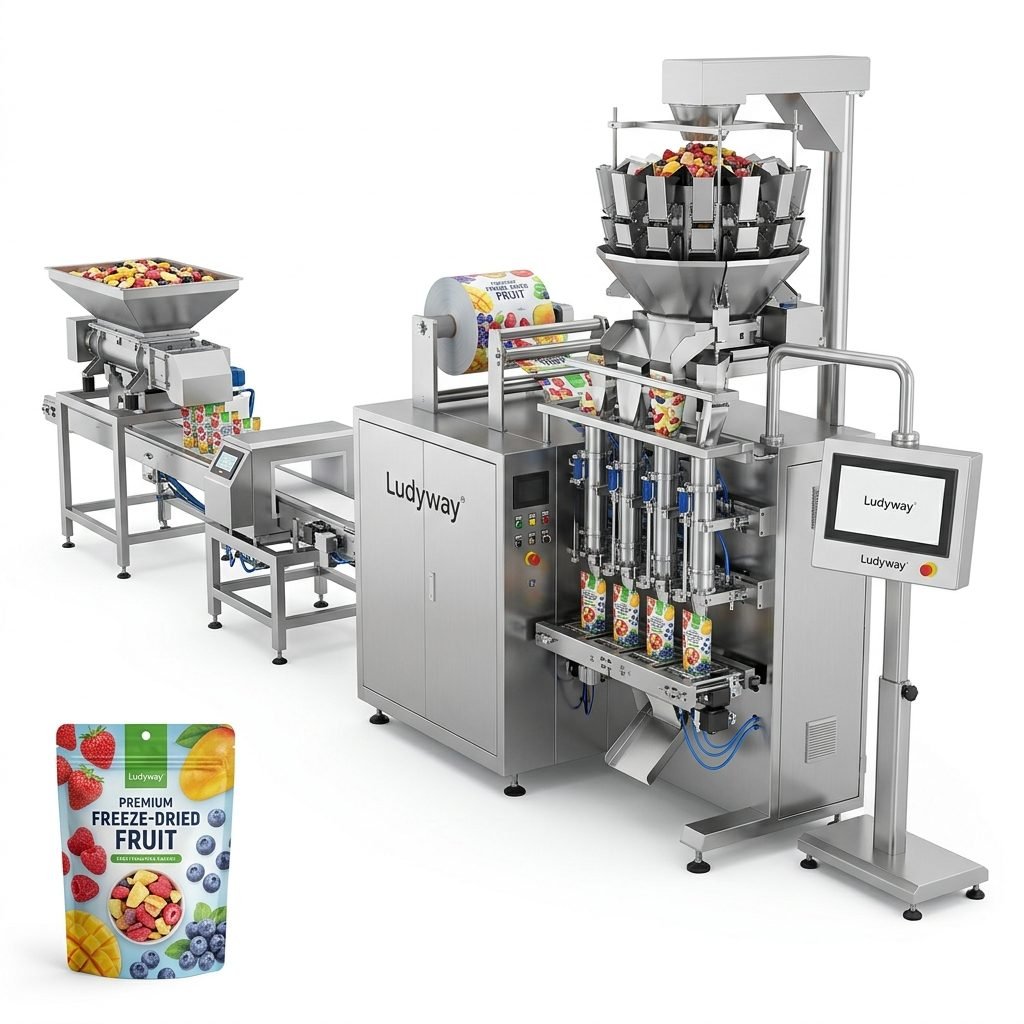
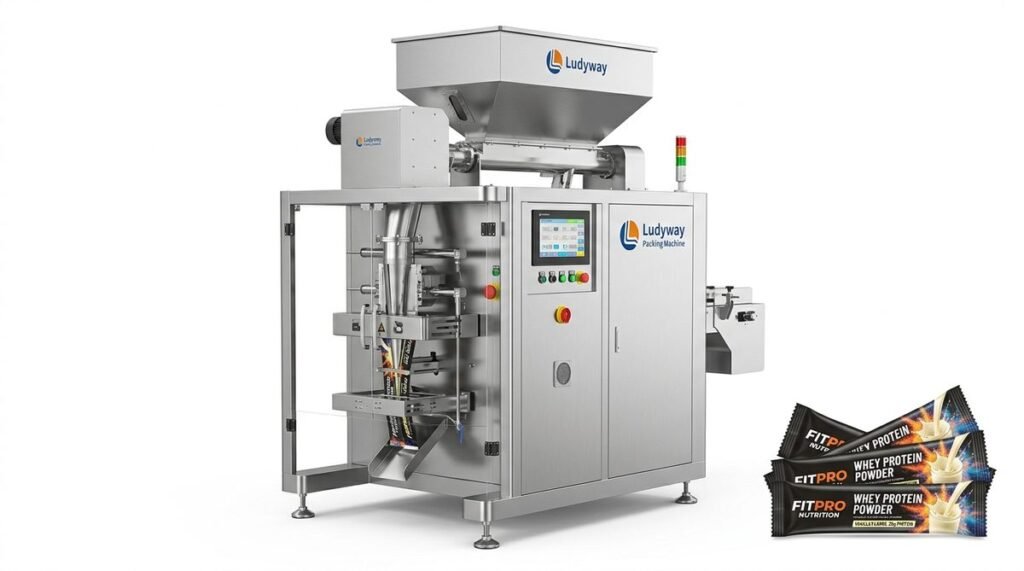
VFFS technology remains a workhorse in the food industry. These systems form a bag from a flat roll of film, fill it with product, and seal it — all in one continuous vertical motion. They excel at handling granules, snacks, frozen foods, and bulk powders in pillow or gusseted bag formats. Advanced models integrate automated cartoning lines for complete end-of-line packaging.
Liquid Filling and Sealing Lines
For liquid food products — such as edible oils, sauces, syrups, and beverages — dedicated liquid filling systems ensure precise volumetric dispensing with minimal drip and waste. These can be configured for bottles, sachets, or pouches, with options for hot-fill, cold-fill, and aseptic processing depending on shelf-life requirements.
Machine Type Comparison Table
| Machine Type | Best For | Pack Formats | Typical Speed Range | Key Advantage |
|---|---|---|---|---|
| Multi-Lane Stick Pack | Powders, granules, small liquids | Stick packs, narrow sachets | 200-600 packs/min | Ultra-high throughput per square foot |
| Sachet Machine | Sauces, creams, mixed products | Flat sachets, 3-side seal | 80-400 packs/min | Versatile product compatibility |
| VFFS System | Snacks, grains, frozen items | Pillow bags, gusseted bags | 30-150 bags/min | Large bag size flexibility |
| Liquid Filling Line | Oils, syrups, beverages | Bottles, pouches, sachets | 40-300 units/min | High precision volumetric filling |
| Bulk Bagging System | Flour, sugar, industrial ingredients | 5kg-50kg bags, totes | 5-30 bags/min | Heavy-duty construction for bulk |
Critical Factors to Evaluate Before Purchasing
Once you have identified the likely machine category, delve deeper into the technical and operational aspects that will determine long-term success.
1. Construction Quality and Materials
Food-grade stainless steel (typically SUS304 or SUS316L) is non-negotiable for any food contact surface. Look for machines built with fully welded frames rather than bolted assemblies, as this reduces vibration and extends service life. The electrical enclosure should be rated appropriately for washdown environments if your facility requires frequent sanitation.
2. Filling Accuracy and Consistency
Product give-away directly eats into your margins. For high-value products like nutritional supplements or specialty ingredients, even a 1% overfill can translate into significant annual losses. Modern servo-driven auger fillers and multi-head weighers achieve accuracy within ±0.5% to ±1% of target weight. Request documented accuracy data from your supplier before committing.
3. Changeover and Flexibility
If you plan to run multiple products or pack sizes on the same line, rapid changeover capability is essential. Leading custom packaging solutions now feature tool-less adjustments, recipe storage via HMI, and quick-release film threading paths that reduce changeover time from hours to minutes.
4. Automation and Controls
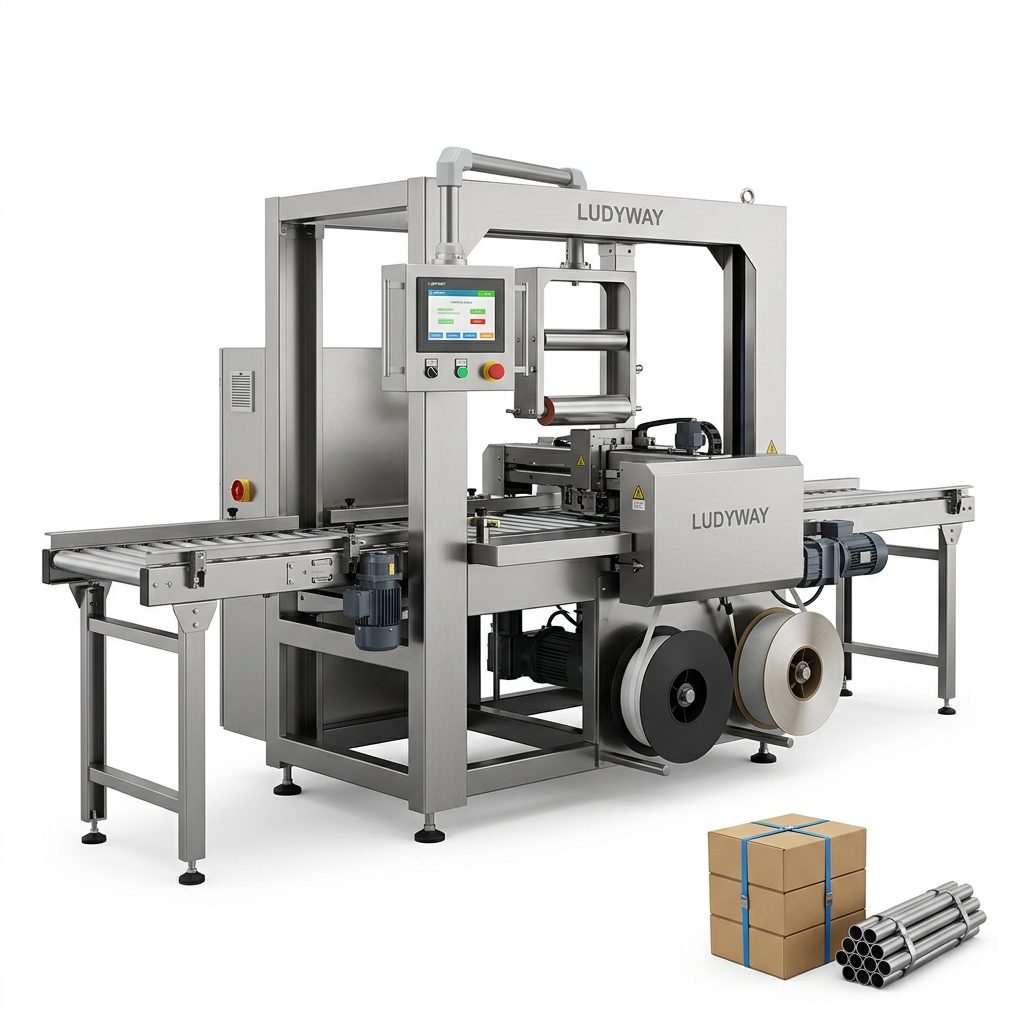
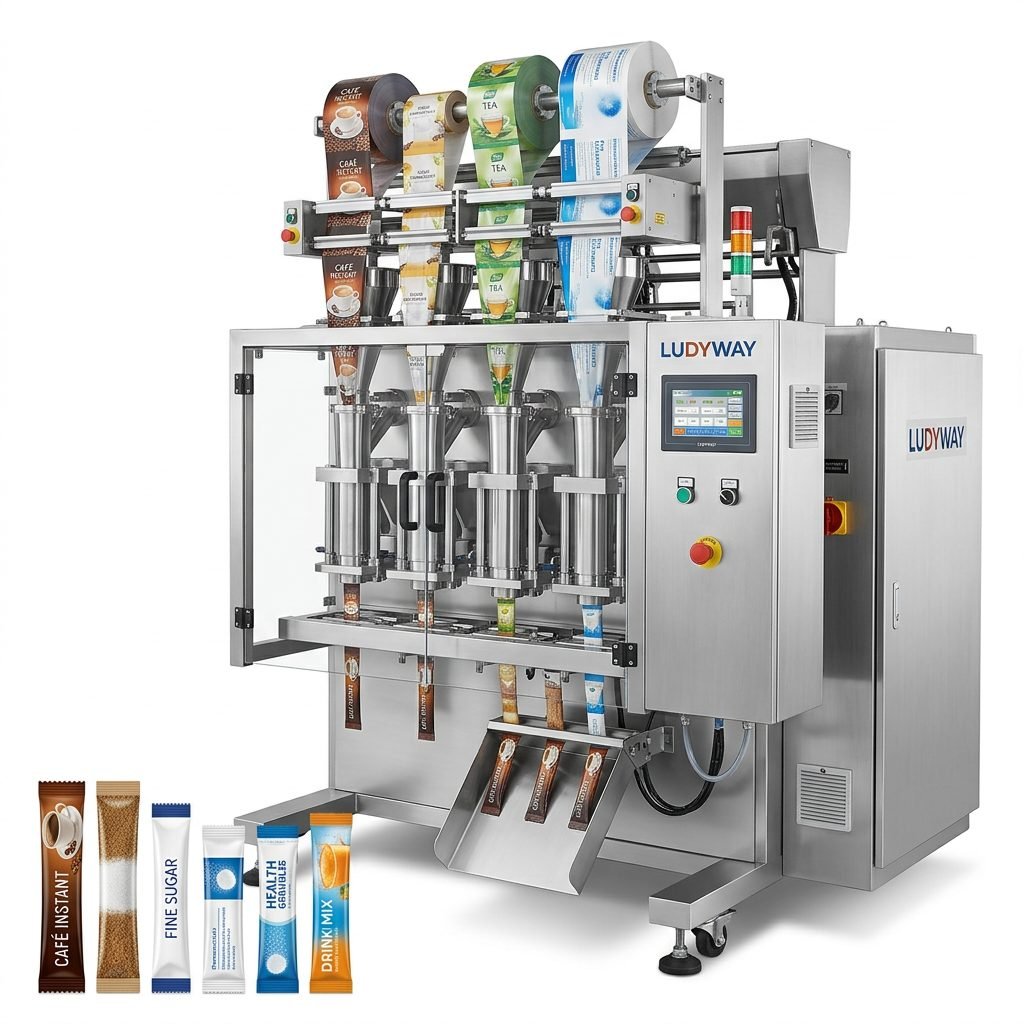
Evaluate the control system carefully. A quality machine should include a user-friendly touchscreen HMI with multi-language support, recipe management for at least 50-100 product profiles, and real-time production data tracking. Integration readiness with upstream and downstream equipment — including conveyor systems for packaging, checkweighers, and cartoners — is critical for building a complete automated line.
5. After-Sales Support and Spare Parts
In North America, responsive technical support can make or break your production schedule. When evaluating suppliers, specifically ask about:
- Availability of local service technicians or partnered service providers in your region
- Typical response time for remote diagnostics and on-site support
- Spare parts inventory locations — ideally within North America for fast shipping
- Warranty terms, including coverage for wear parts and electrical components
- Availability of operator training programs and documentation in English
Regulatory Compliance for the North American Market
Any food packaging equipment entering the United States or Canada must meet stringent regulatory standards. Ensure that your chosen machine complies with the following:
- FDA 21 CFR Part 110 and 117: Current Good Manufacturing Practice (cGMP) requirements for food contact surfaces and sanitary design
- UL or CSA certification: Electrical safety standards recognized across North America
- 3-A Sanitary Standards: If processing dairy or liquid products, 3-A certification may be required by your buyers
- OSHA compliance: Machine guarding, emergency stops, and safety interlocks must meet workplace safety regulations
Working with a supplier that understands North American compliance requirements from the outset will save months of costly re-engineering and certification delays.
Total Cost of Ownership: Beyond the Purchase Price
A common mistake is focusing exclusively on the upfront equipment price. A thorough total cost of ownership (TCO) analysis should factor in:
- Energy consumption: Servo-driven systems are more energy-efficient than pneumatic alternatives over the long term
- Film waste: Machines with precise registration control minimize film scrap during startups and splices
- Maintenance costs: Easy-access design reduces labor hours for routine cleaning and part replacement
- Downtime risk: A reliable machine at a higher initial price may cost far less over 5-10 years than a cheaper alternative with frequent breakdowns
- Operator training: Intuitive controls reduce the learning curve and minimize production errors
Evaluating Packaging Machine Suppliers
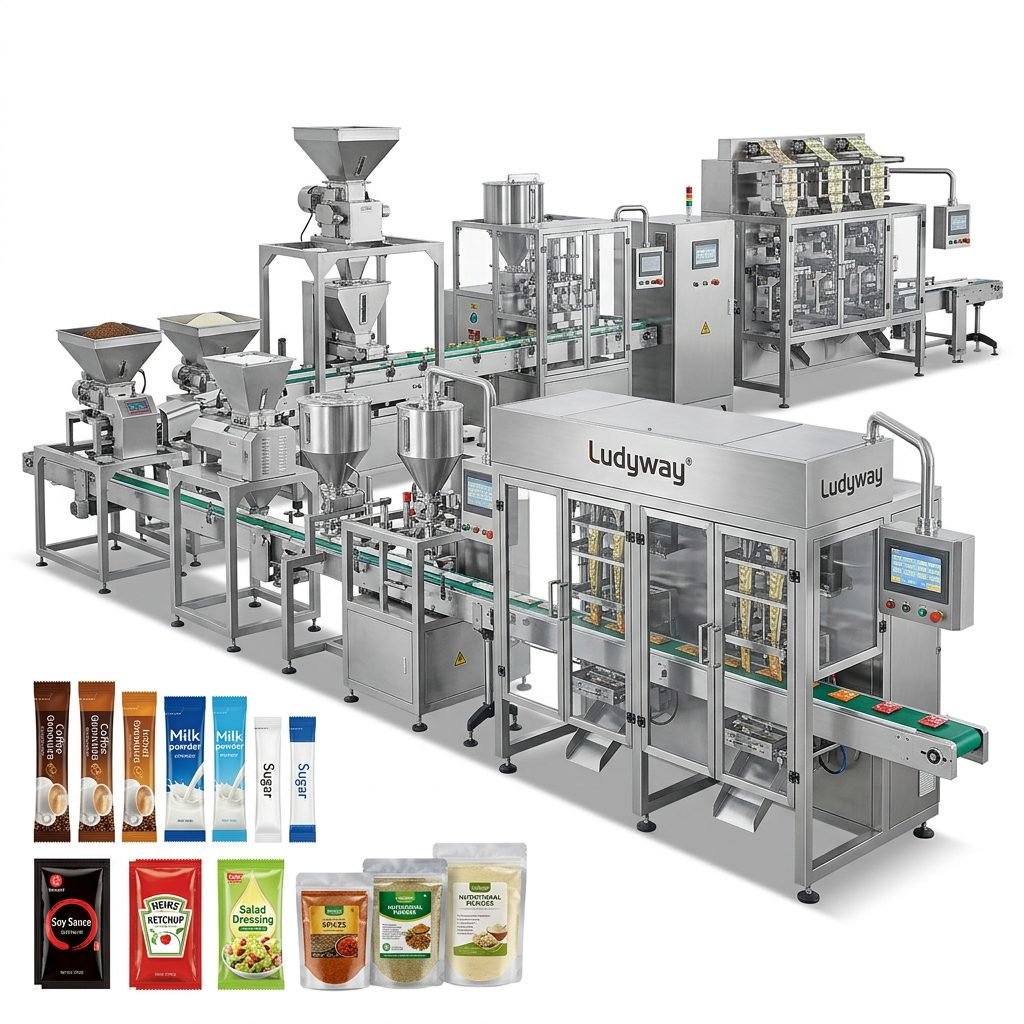
Selecting the right equipment partner is as important as selecting the right machine. When researching manufacturers, look for a proven track record in your specific industry segment. Ludyway, one of the largest packaging machine manufacturers in China with over 30 years of industry experience, serves customers in more than 100 countries and offers more than 50 intelligent packaging machine models including multi-lane sachet and stick pack machines, fully automated systems, and complete turnkey solutions. A supplier’s willingness to provide references, factory acceptance testing (FAT), and comprehensive documentation is indicative of their commitment to quality.
Steps to a Successful Packaging Machine Purchase
- Define your product and packaging specification: Document every detail — product flow characteristics, target pack size range, required output speed, and packaging material type.
- Research suitable machine categories: Use the comparison table above and consult with technical experts to identify the packaging line solutions that match your requirements.
- Request detailed proposals: Send your specifications to at least three qualified suppliers and request comprehensive quotations including all auxiliary equipment.
- Conduct factory acceptance testing: Before shipment, visit the manufacturer’s facility (or arrange a virtual FAT) to test the machine with your actual product and packaging materials.
- Plan installation and commissioning: Coordinate with your supplier on site preparation, utilities, and a realistic commissioning timeline with operator training included.
- Establish ongoing support: Set up a spare parts program and service agreement to ensure long-term equipment reliability.
Common Pitfalls to Avoid
Many buyers encounter challenges that could have been avoided with proper planning. Watch out for these frequent mistakes:
- Underestimating product complexity: Products with high fat content, static electricity issues, or irregular particle shapes may require specialized feeding and sealing solutions
- Ignoring film compatibility: Not all machines handle all film types efficiently — verify that your preferred packaging material has been tested on the machine
- Overlooking facility requirements: Confirm that your plant has adequate compressed air capacity, electrical supply, and ceiling height before the machine arrives
- Skipping the FAT: This is your best opportunity to catch issues before the machine leaves the factory
Conclusion: Making an Informed Decision
Choosing the right food packaging machine for the North American market requires a methodical, specification-driven approach. By thoroughly understanding your product characteristics, required output, regulatory obligations, and total cost of ownership, you position your business for a successful investment. Work with established suppliers who offer not only quality equipment but also the technical support infrastructure to keep your lines running efficiently for years to come. The packaging machinery industry continues to advance with smarter controls, faster changeovers, and more sustainable material handling — staying informed will help you make the best long-term decision for your operation.