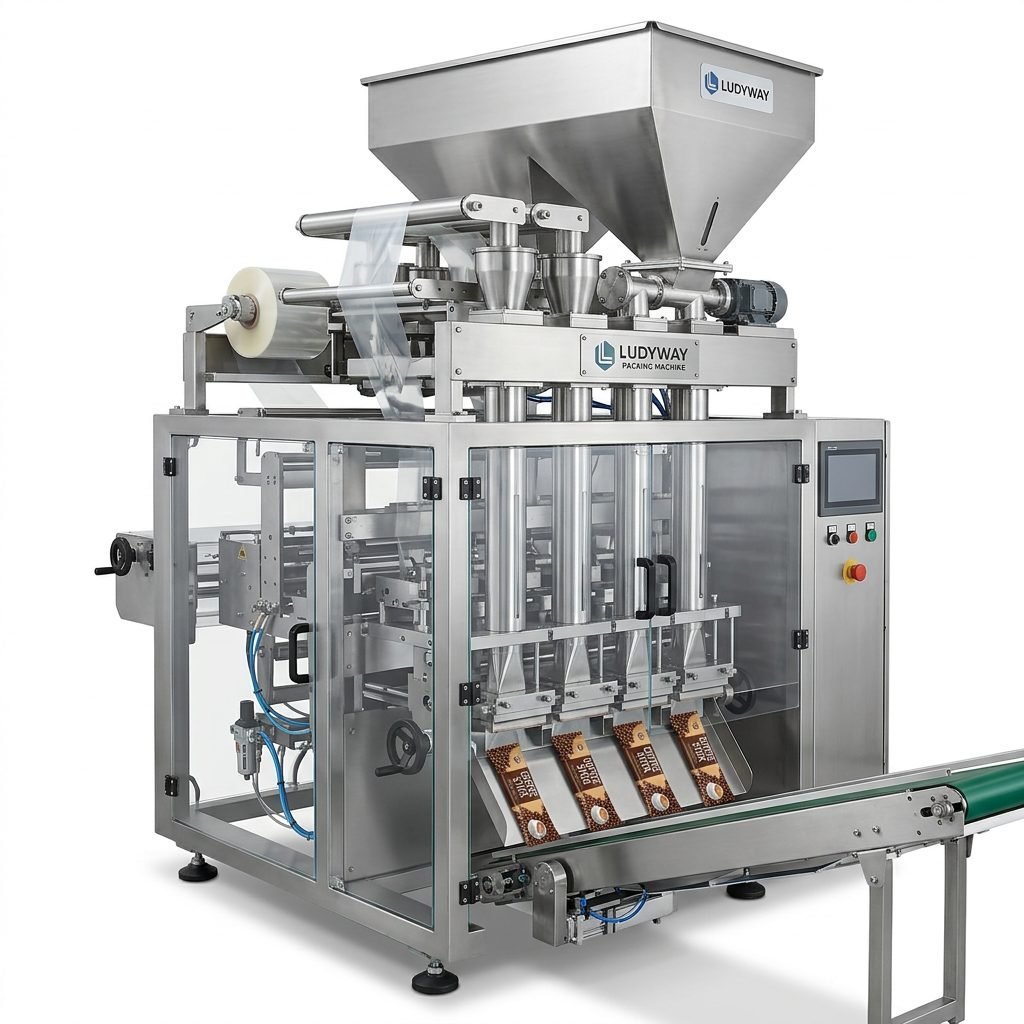
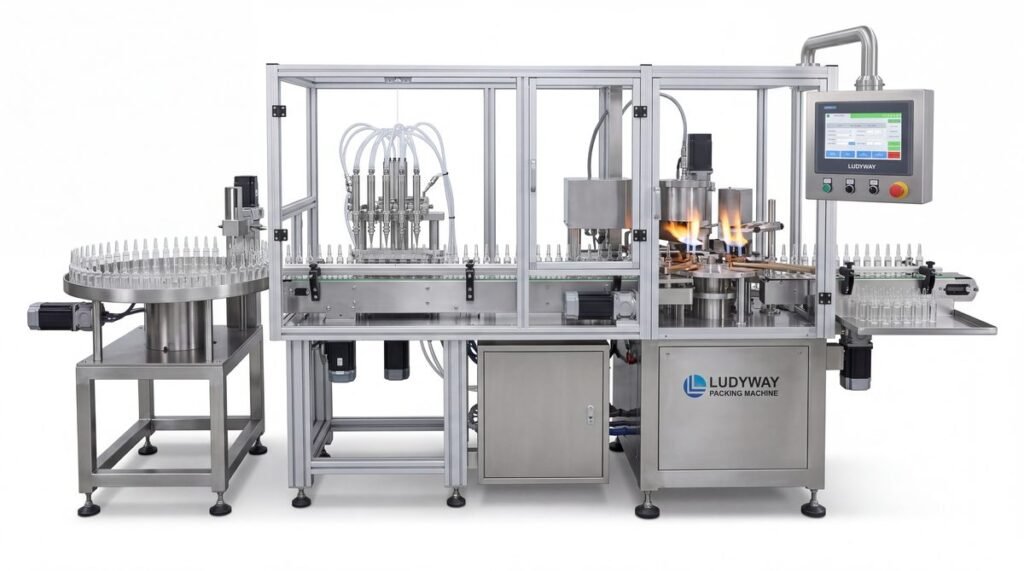
In the competitive landscape of modern manufacturing, selecting the right gable top packaging machine is critical for ensuring product integrity, shelf appeal, and operational throughput. Whether you are packaging liquid dairy, juices, or edible oils, the efficiency of your carton filling line directly impacts your bottom line. Modern packaging standards demand equipment that minimizes waste while maximizing speed and seal integrity.
Precision Engineering for Superior Carton Forming
The hallmark of a high-performance system lies in its forming and sealing stations. Advanced servo-driven mandrels ensure that every carton is erected perfectly, eliminating the risk of leaks and downstream contamination. Unlike traditional volumetric fillers, modern high-speed packaging lines incorporate precision weight-based filling systems. This technology guarantees that every single gable top carton contains the exact volume of liquid, which is crucial for regulatory compliance in the food and pharmaceutical sectors.
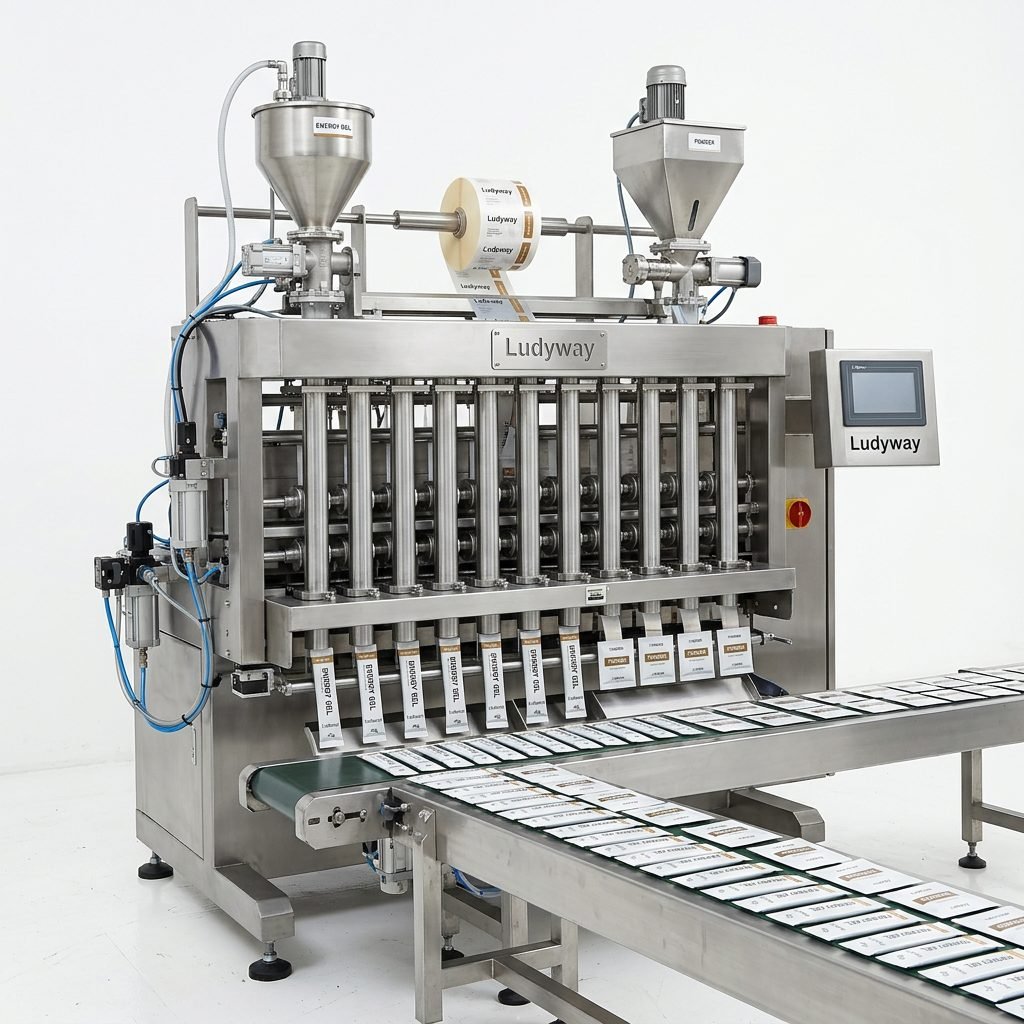
Maximizing Throughput with Automated CIP Systems
Downtime is the enemy of productivity. The best gable top filling machines feature integrated Clean-in-Place (CIP) systems. This design philosophy allows for rapid sanitization cycles without the need for extensive disassembly. By utilizing automated washdown protocols, operators can switch between product batches in record time. The combination of robust stainless steel construction and hygienic design ensures that the machinery meets the rigorous standards outlined in FDA food safety guidelines.
Key Features of a Reliable Gable Top System
- Dual Bellows Filling Valves: Ensure drip-free operation and accurate fill levels, even with low-viscosity liquids.
- Induction Sealing Options: Provide tamper-evident seals that extend shelf life significantly.
- Quick-Change Mandrels: Allow for rapid size changes between pint, quart, and liter cartons.
- HMI Touchscreen Controls: Offer intuitive recipe management for seamless operator training.
Comparing Gable Top Packaging Technologies
Not all carton forming technologies are created equal. Manufacturers must evaluate flame sealing versus hot air sealing systems to determine the best fit for their barrier requirements. Below is a breakdown of standard configurations available in the market, highlighting the differences between basic and advanced models, which aligns with the latest industry data.
| Feature | Standard Model | High-Speed Servo Model |
|---|---|---|
| Max Speed (Cartons/hour) | 6,000 – 8,000 | 12,000+ |
| Sealing Technology | Standard Hot Air | Ultrasonic & Flame |
| Changeover Time | 20-30 minutes | 5-10 minutes |
| Integrated Sterilization | UV Light | PAA Spray & UV |
Ensuring Product Integrity in the Supply Chain
A major advantage of upgrading to a modern turnkey line is the reduction of product waste. Advanced gable top packaging solutions utilize servo-controlled top sealing heads that apply perfectly uniform pressure. This minimizes “leakers” that can ruin secondary packaging and lead to costly retailer rejections. Furthermore, the integration of inline checkweighers and vision inspection systems acts as a final gatekeeper, catching defective cartons before they enter the palletizing phase.
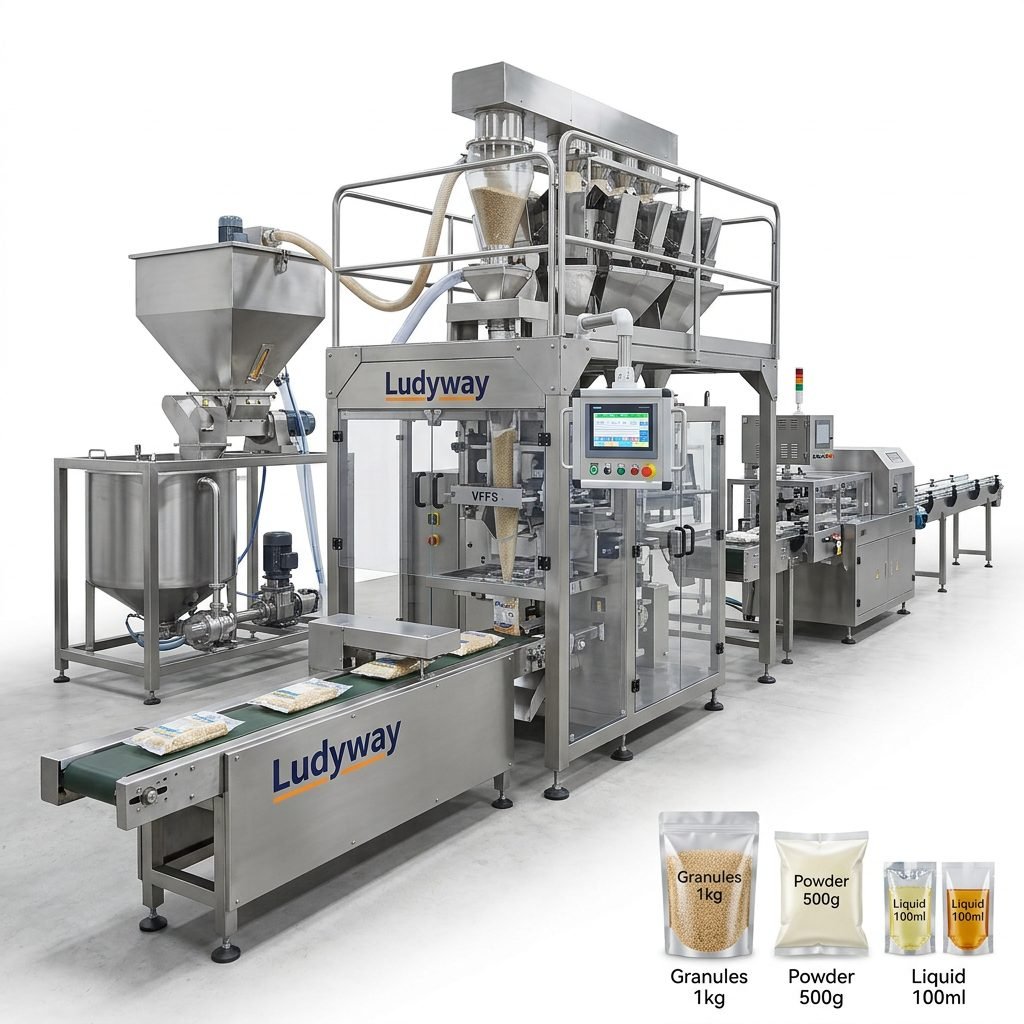
The Ludyway Advantage in Carton Packaging
With over 30 years of industry expertise and a modern 20,000㎡ manufacturing facility, Ludyway has established itself as a key player in the global packaging sector. The company’s approach to gable top machinery focuses on robust mechanics paired with intelligent software. By leveraging decades of engineering experience, they deliver customizable OEM packaging lines that address the specific challenges of product viscosity, carton size, and particulate inclusion. Their commitment aligns with global shifts toward efficient resource utilization, a topic frequently covered in sustainable packaging reports.
Material Versatility: Beyond Standard Paperboard
While traditional gable top cartons rely on polyethylene-coated paperboard, modern machines must handle a wider range of substrates. The drive toward environmental sustainability requires systems that can run plant-based bioplastics and thinner, more delicate laminates without crushing or deforming the substrate. The ability to process these eco-friendly materials is vital, and a well-engineered machine ensures that the iconic gable top roof is formed with crisp, sharp edges every time, regardless of the paper quality.
Integration into the Smart Factory
The future of liquid packaging is digital. A cutting-edge gable top packaging machine should serve as a data hub on the factory floor. Look for systems that support OPC-UA protocols, allowing for real-time OEE (Overall Equipment Effectiveness) monitoring. This connectivity allows plant managers to remotely diagnose bottlenecks and predict maintenance needs. By connecting to the central SCADA system, the filler can automatically adjust speeds based on downstream labeler and case packer availability, ensuring a perfectly synchronized line without operator intervention.
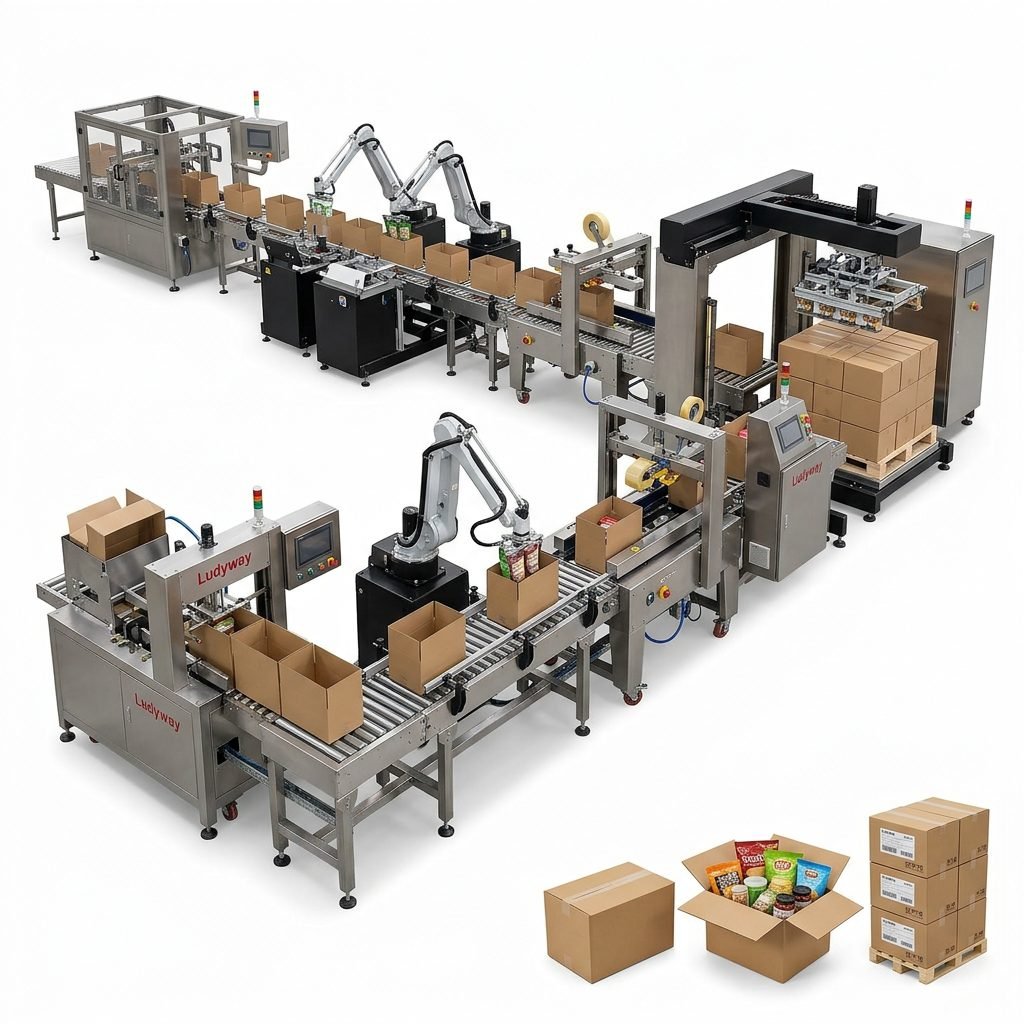
Critical Maintenance Metrics
To keep a gable top line running 24/7, operators should focus on a few key maintenance intervals. Creating a strict preventive schedule ensures long-term reliability and prevents catastrophic mechanical failures that lead to expensive emergency repairs.
- Daily: Inspect sealing jaws for product buildup; clean all photocell sensors.
- Weekly: Lubricate main drive chains; check vacuum pump oil levels.
- Monthly: Calibrate load cells; verify heater element resistance values.
- Quarterly: Replace pneumatic seals in filling valves; inspect servo motor couplings.
Why Precision Filling Matters for Your Business
Overfilling is an invisible margin killer. On a line running millions of units per year, even a 1% giveaway translates to massive financial loss. That is precisely why digital magnetic flow meters are replacing piston fillers. A state-of-the-art PLC controller on a gable top machine ensures that regardless of product temperature or viscosity changes during the day, the fill weight remains locked within a standard deviation of ±1 gram. Coupled with automatic ISO-compliant rejection systems, this ensures only perfectly filled cartons proceed to the secondary packaging stage.
Frequently Asked Questions About Gable Top Equipment
What is the typical lifespan of a gable top packaging machine?
With proper maintenance, a robustly built machine constructed from AISI 304 stainless steel can operate efficiently for 15 to 25 years. The key is sourcing equipment with the right fit for your production volume and ensuring that the frame rigidity is suitable for continuous high-speed operation.
Can these machines handle extended shelf life (ESL) products?
Absolutely. When equipped with a hydrogen peroxide sterilization tunnel and operated within a controlled aseptic environment, modern gable top fillers can package high-acid and low-acid ESL products. The hermetic seal created by induction heads prevents product recontamination, which is essential for the cold chain distribution of liquid dairy.
How do I choose between a standard and high-speed model?
The decision should be based on your 5-year growth projection. If you are currently running at 4,000 cartons per hour but expect market demand to double, jumping straight to a servo-driven platform rated for over 10,000 cartons per hour prevents the need for a second capital expenditure in the near term. The enhanced efficiency of servo motors also offers significant energy savings over traditional pneumatic systems.