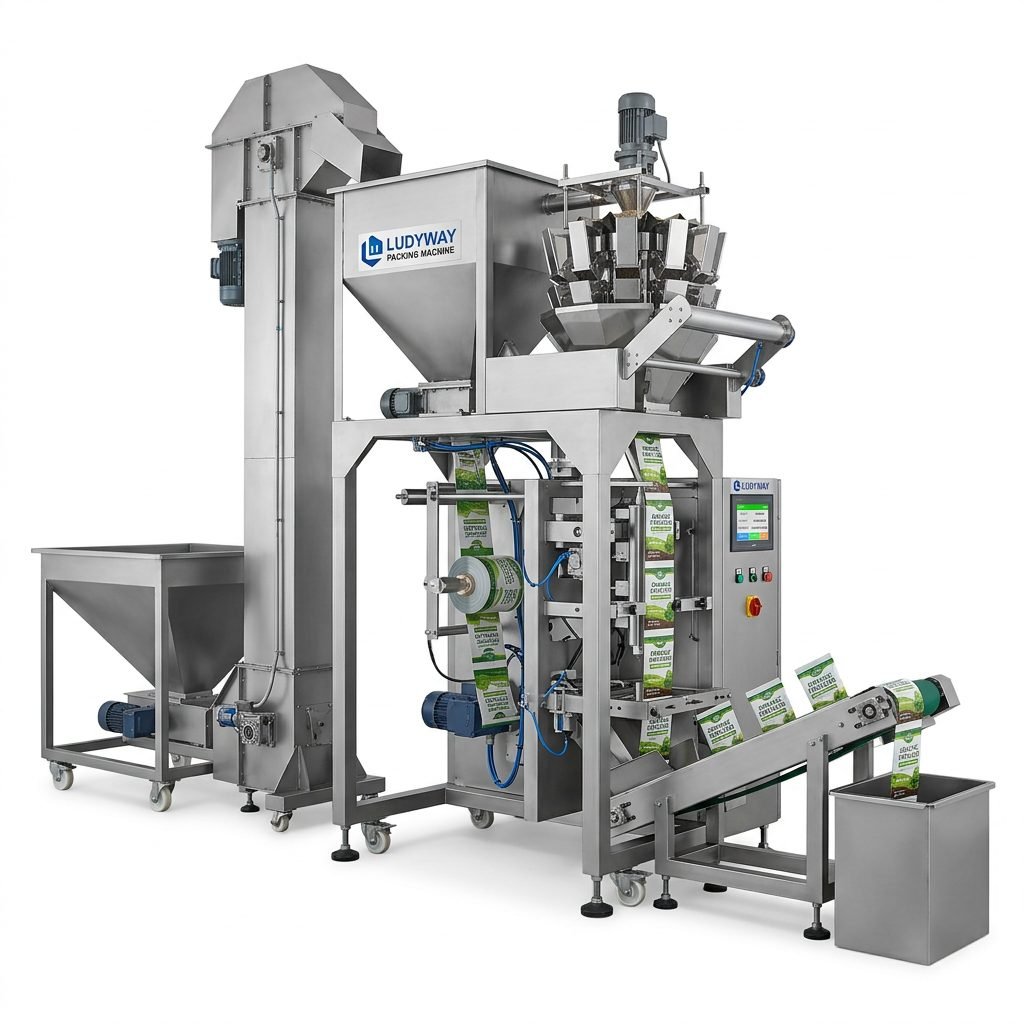
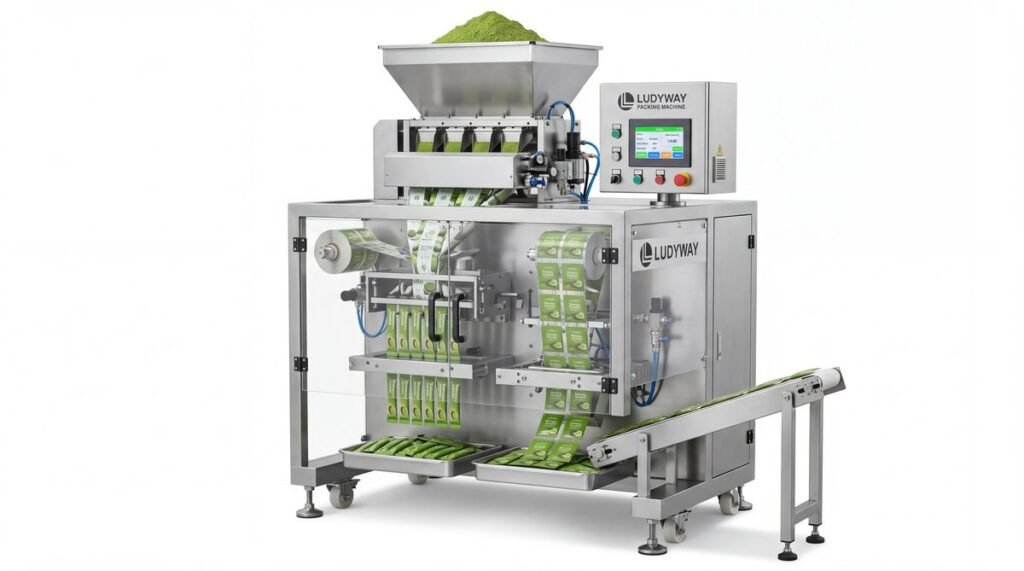
The Italian frozen dessert market continues to experience robust growth, driven by consumer demand for artisanal quality and convenient single-serve formats. Establishing a popsicle packaging machine production line in Italy requires careful planning across equipment selection, regulatory compliance, and operational workflow. This guide walks you through every critical step — from understanding the Italian packaging landscape to commissioning a fully operational line.
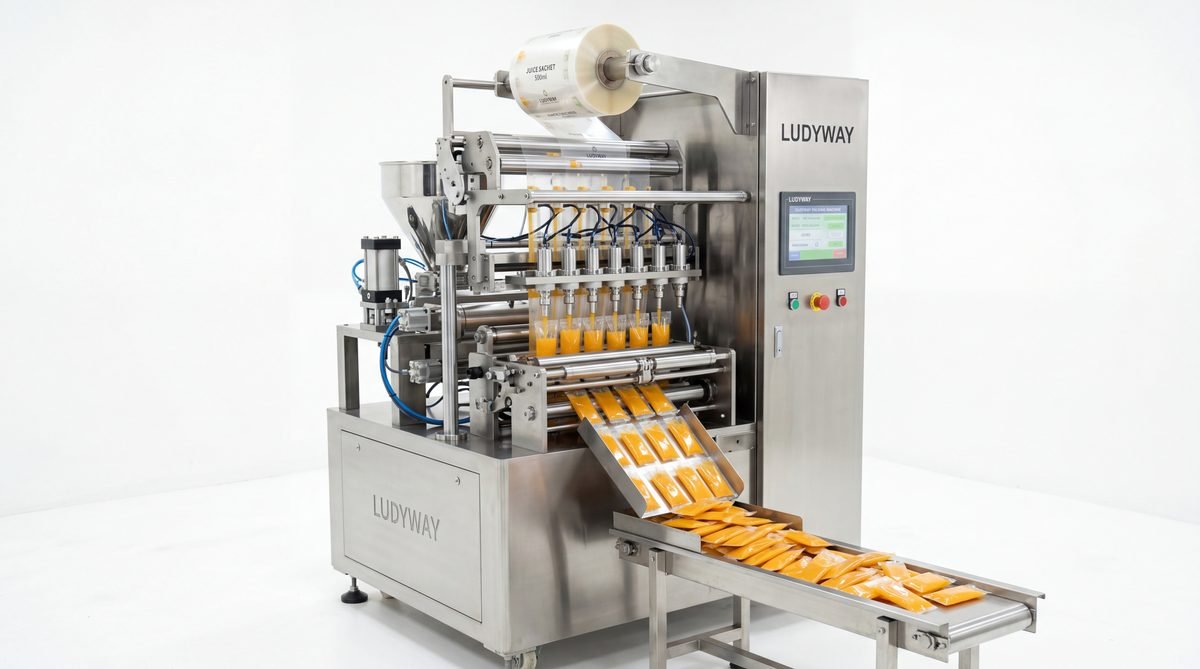
Understanding the Italian Frozen Dessert Packaging Landscape
Italy ranks among Europe’s top producers of frozen desserts, with gelato and ice pop consumption steadily rising year after year. The popsicle packaging sector demands equipment capable of handling liquid-to-solid transformation processes, maintaining strict hygiene standards, and delivering high throughput during peak seasonal production windows. According to industry data from the PMMI – The Association for Packaging and Processing Technologies, European packaging machinery investments have grown substantially as manufacturers seek automated solutions to meet labor challenges and efficiency targets.
Italian manufacturers face unique considerations when setting up popsicle packaging lines, including compliance with EU packaging regulations, energy efficiency requirements, and the need for versatile equipment that can handle multiple popsicle sizes and formats. The European Commission – Packaging and Packaging Waste directives set forth specific requirements that directly influence machinery specifications and material choices.
Key Market Drivers for Automated Popsicle Packaging
- Seasonal demand spikes requiring rapid production scaling capabilities
- Labor shortage challenges pushing manufacturers toward fully automated solutions
- Retailer requirements for consistent packaging quality and shelf-ready formats
- Sustainability mandates driving adoption of eco-friendly packaging materials
- Export opportunities requiring compliance with multiple international standards
Core Components of a Popsicle Packaging Production Line
A modern popsicle packaging machine production line integrates several interconnected systems working in precise synchronization. Understanding each component’s role helps in making informed procurement decisions and optimizing overall line performance. The ISO – Packaging Standards provide essential guidelines for equipment specifications and performance benchmarks.
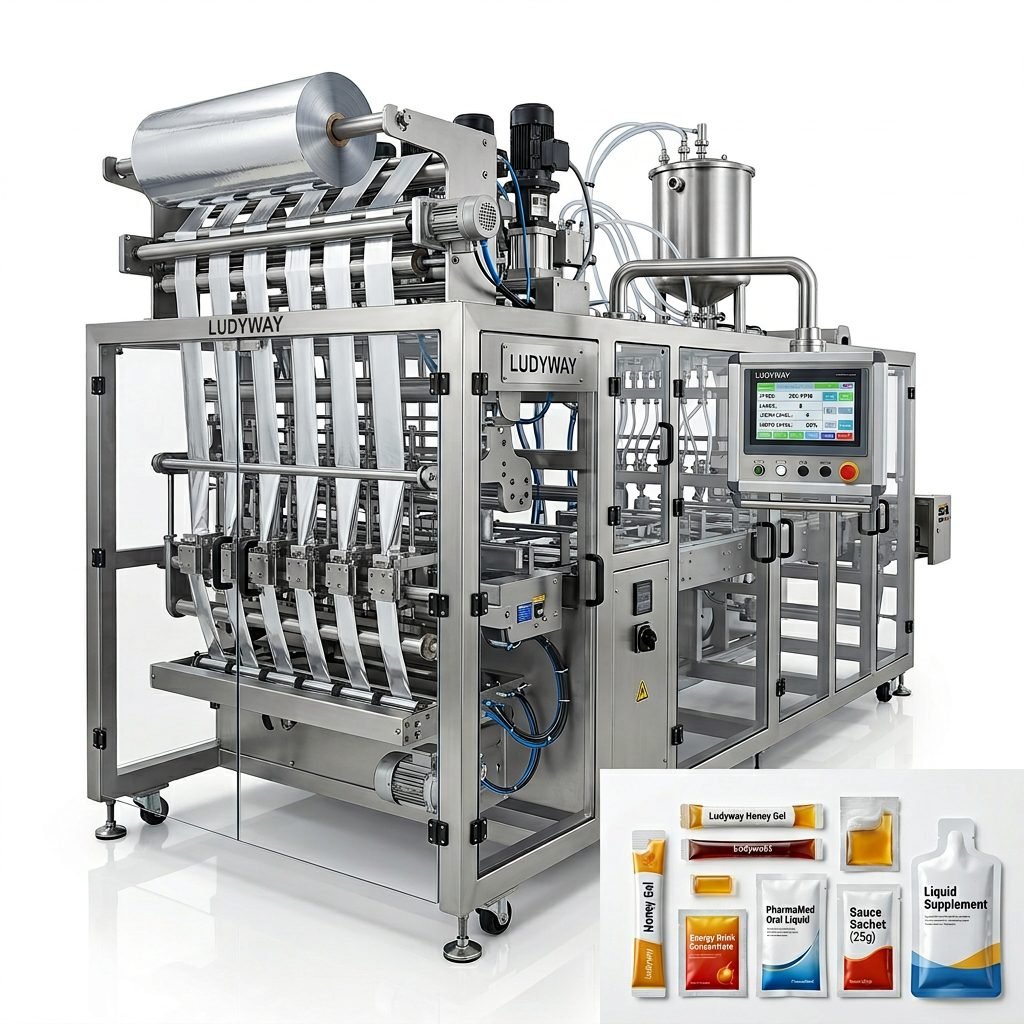
1. Liquid Dosing and Filling Station
The filling station represents the heart of any popsicle packaging operation. Precision liquid filling systems must accurately dispense flavored liquids, fruit pulps, or cream-based mixtures into molds or pre-formed packaging. Modern filling technologies include volumetric piston fillers, magnetic flow meters, and multi-head servo-driven dosing units that achieve fill accuracy within ±0.5%. Temperature-controlled hoppers maintain product consistency, especially critical for dairy-based popsicle formulations.
2. Forming and Sealing Mechanisms
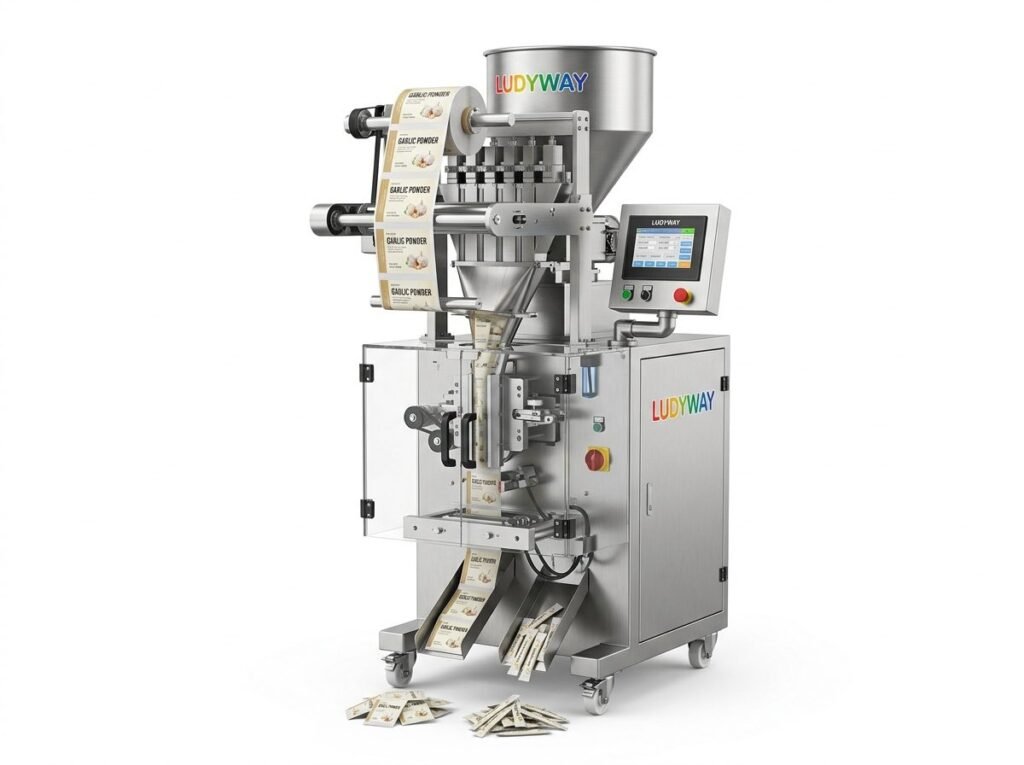
Depending on the popsicle packaging format — whether flow-wrapped sticks, pre-formed pouches, or stick-pack sachets — the forming and sealing section configures packaging material around the product. Vertical form-fill-seal (VFFS) systems are commonly employed for liquid popsicle packaging, creating a continuous tube from roll stock film, filling it with product, and sealing individual units. Horizontal flow-wrapping is preferred for solid popsicles on sticks, providing tight, attractive retail-ready packages.
3. Freezing Tunnel Integration
Critical to popsicle production, the freezing tunnel or blast freezer must be seamlessly integrated with the packaging line. Timing coordination ensures that popsicles achieve proper structural integrity before entering packaging stages. Modern systems utilize liquid nitrogen or mechanical refrigeration to achieve rapid temperature reduction, preserving texture and preventing deformation during the packaging process.
4. Coding and Labeling Systems
Batch coding and date marking represent mandatory requirements under EU food labeling regulations. High-resolution inkjet printers, thermal transfer coders, or laser marking systems apply production dates, lot numbers, and barcodes onto each package. Integration with centralized production management software enables real-time data tracking and traceability — essential features for FDA – Food Packaging and Food Contact Substances compliance when exporting to international markets.
Regulatory Compliance for Italian Popsicle Packaging Operations
Operating a packaging line in Italy requires adherence to both national and EU-level regulations. The Italian Ministry of Health enforces food contact material standards that directly impact packaging equipment design and material selection. Key regulatory frameworks applicable to popsicle packaging machinery include:
| Regulation | Scope | Impact on Packaging Line |
|---|---|---|
| EU Regulation 1935/2004 | Food Contact Materials | Mandates that all packaging machine components contacting food are made from approved materials |
| EU Regulation 2023/2006 | Good Manufacturing Practice (GMP) | Requires documented cleaning procedures and material traceability for all food contact surfaces |
| EU Regulation 1169/2011 | Food Information to Consumers | Specifies labeling requirements including ingredient lists, allergens, and nutritional information |
| Italian Legislative Decree 29/2017 | National Packaging Law | Establishes requirements for packaging waste management and recycling compliance |
| CE Marking Directive 2006/42/EC | Machinery Safety | Requires all packaging equipment sold or operated in Italy to bear CE marking with full technical documentation |
Hygiene and Sanitary Design Standards
Popsicle packaging equipment must meet stringent hygienic design criteria to prevent microbial contamination. This includes stainless steel construction (typically AISI 304 or 316L), sloped surfaces for drainage, sanitary-grade seals and gaskets, and accessibility for cleaning and inspection. Equipment designs conforming to EHEDG (European Hygienic Engineering and Design Group) guidelines provide assurance of compliance with Italian and EU food safety requirements.
Step-by-Step Setup Process for Your Popsicle Packaging Line
Setting up a popsicle packaging production line in Italy follows a structured sequence of planning, procurement, installation, and validation phases. Each step requires coordination between multiple stakeholders including equipment suppliers, facility managers, regulatory consultants, and production teams.
Phase 1: Facility Preparation and Infrastructure
Before equipment arrives, your production facility must meet specific infrastructure requirements:
- Floor layout optimization — Ensure adequate space for equipment footprint, operator access, maintenance zones, and material flow paths
- Utility connections — Install required electrical supply (typically 380V/50Hz three-phase for Italian industrial facilities), compressed air lines, and water connections meeting food-grade specifications
- Environmental controls — Establish temperature and humidity control in packaging areas to maintain product quality and prevent condensation issues
- Waste management infrastructure — Plan for liquid overflow containment, packaging material waste disposal, and cleaning chemical handling
Phase 2: Equipment Selection and Procurement
Choosing the right packaging machinery involves evaluating multiple factors beyond initial purchase price. Total cost of ownership considerations include energy consumption, maintenance requirements, spare parts availability, and expected service life. When evaluating popsicle packaging equipment suppliers, consider these selection criteria:
| Evaluation Criteria | Key Questions to Ask | Importance Level |
|---|---|---|
| Production Capacity | What is the rated output in units per minute? Can it meet peak season demand? | Critical |
| Format Flexibility | How many popsicle sizes and packaging formats can the machine handle? | High |
| CE Certification | Is full CE documentation available for Italian regulatory compliance? | Mandatory |
| After-Sales Support | Is local technical support available in Italy? What are response times? | High |
| Spare Parts Availability | Are critical spare parts stocked in European warehouses? | High |
| Integration Capability | Can the machine integrate with existing upstream and downstream equipment? | Medium |
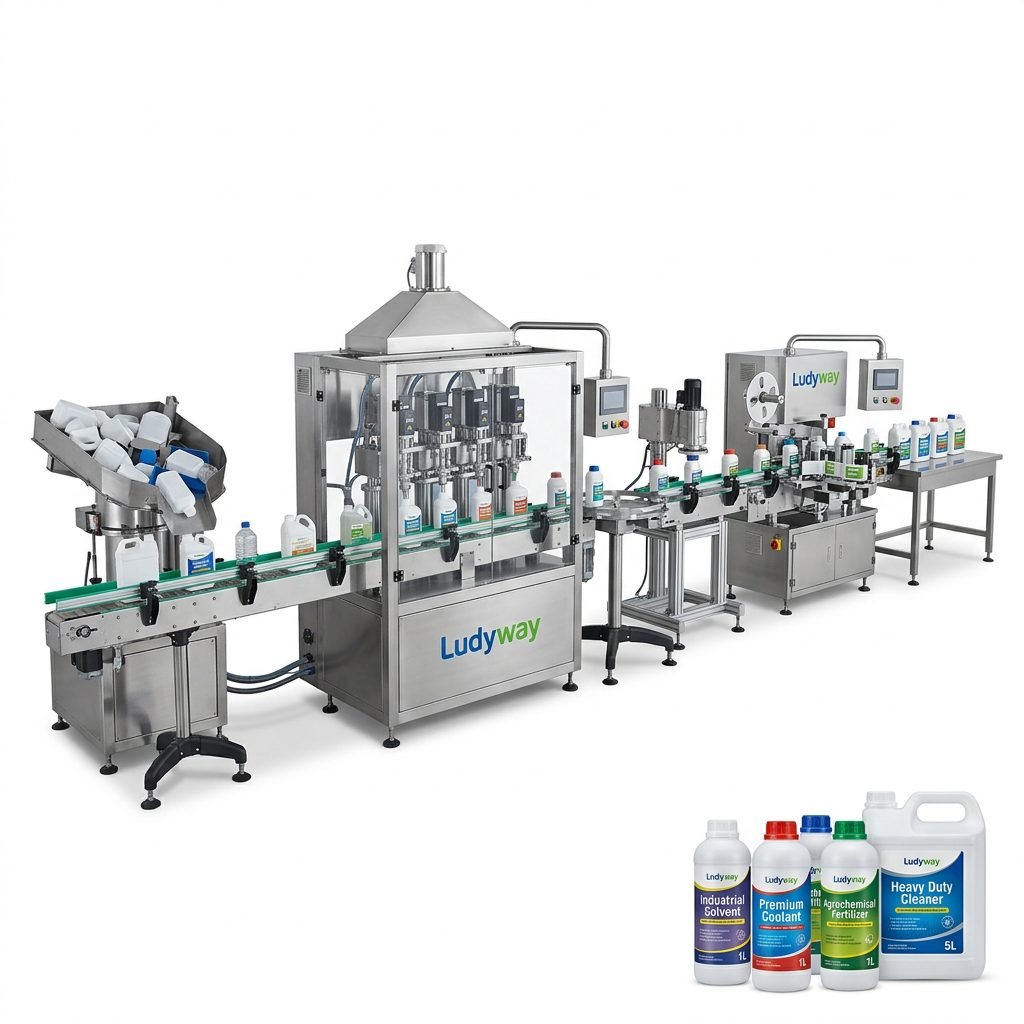
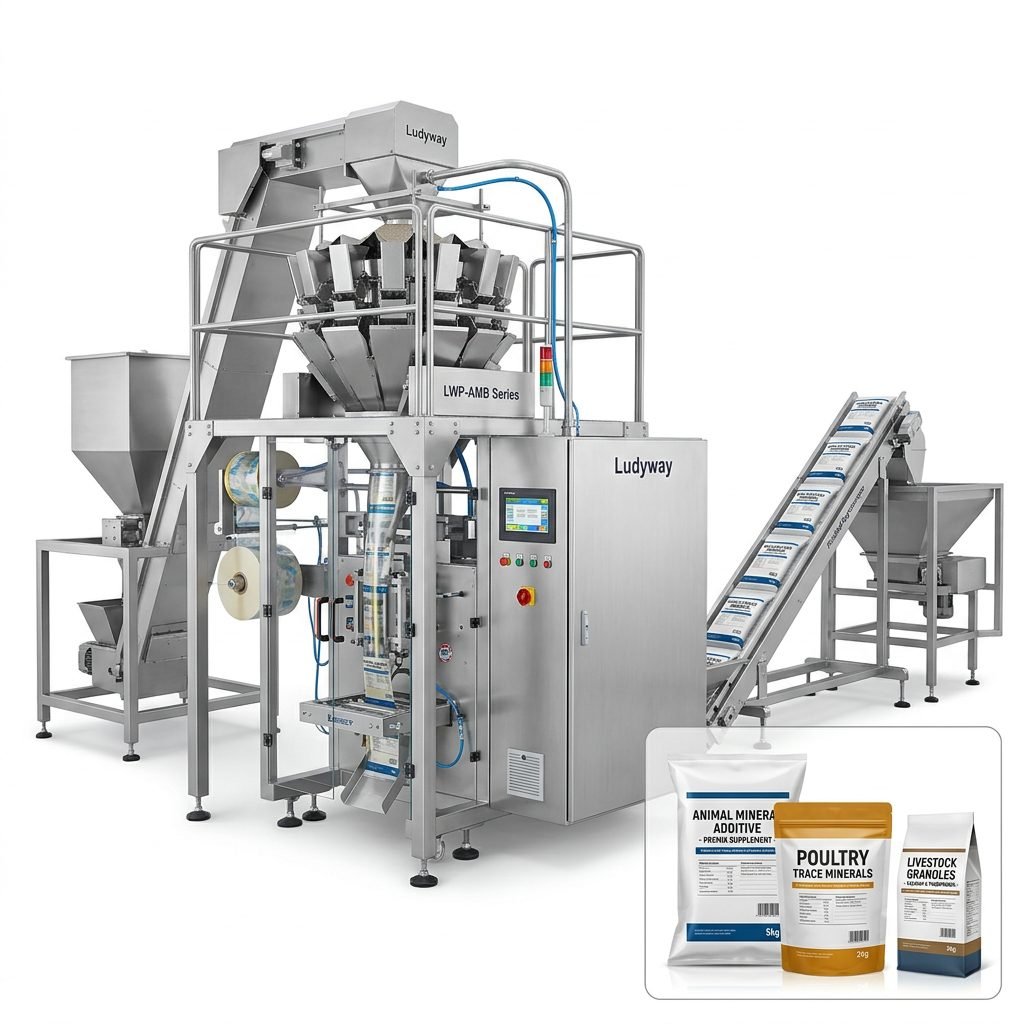
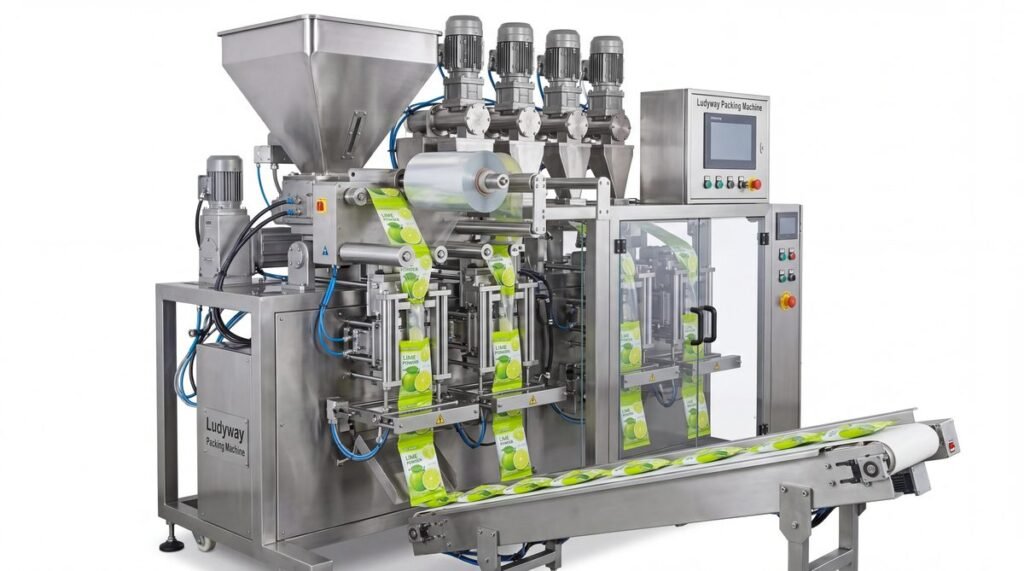
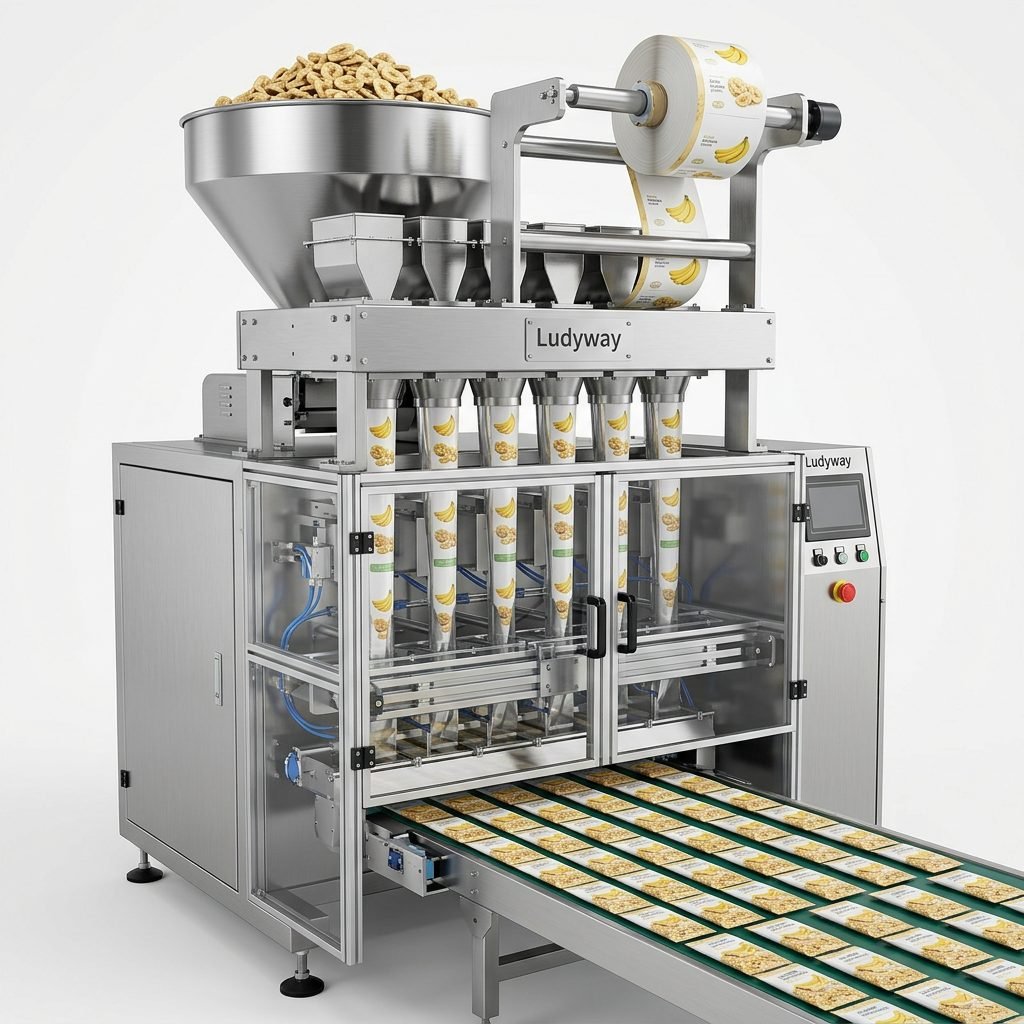
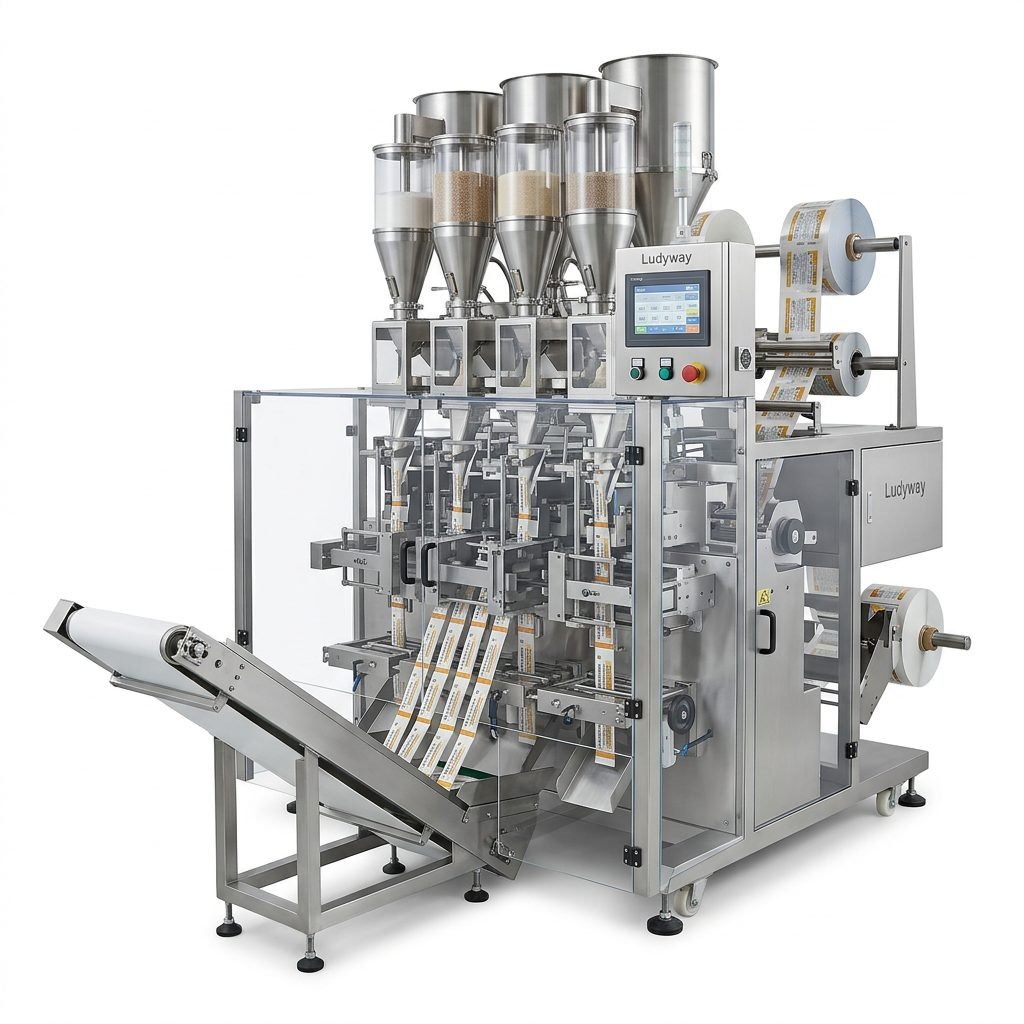
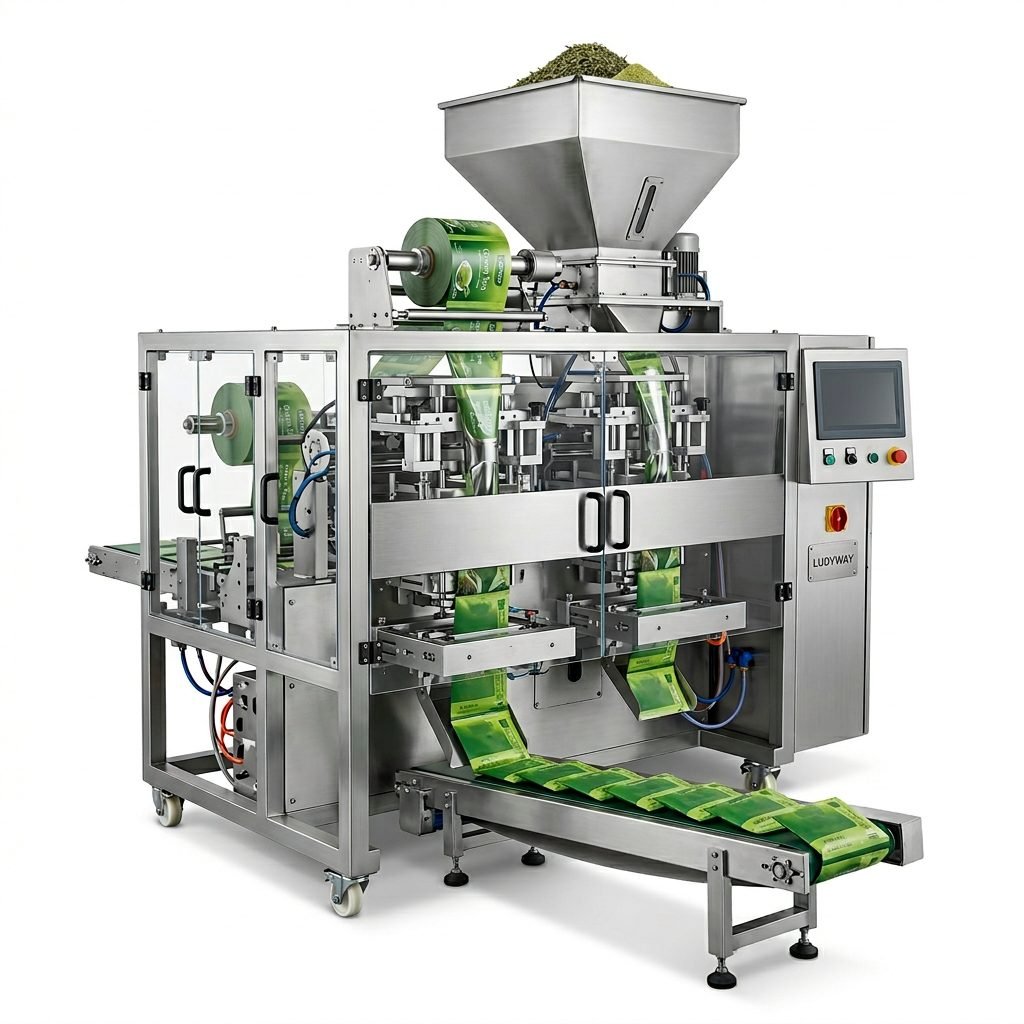
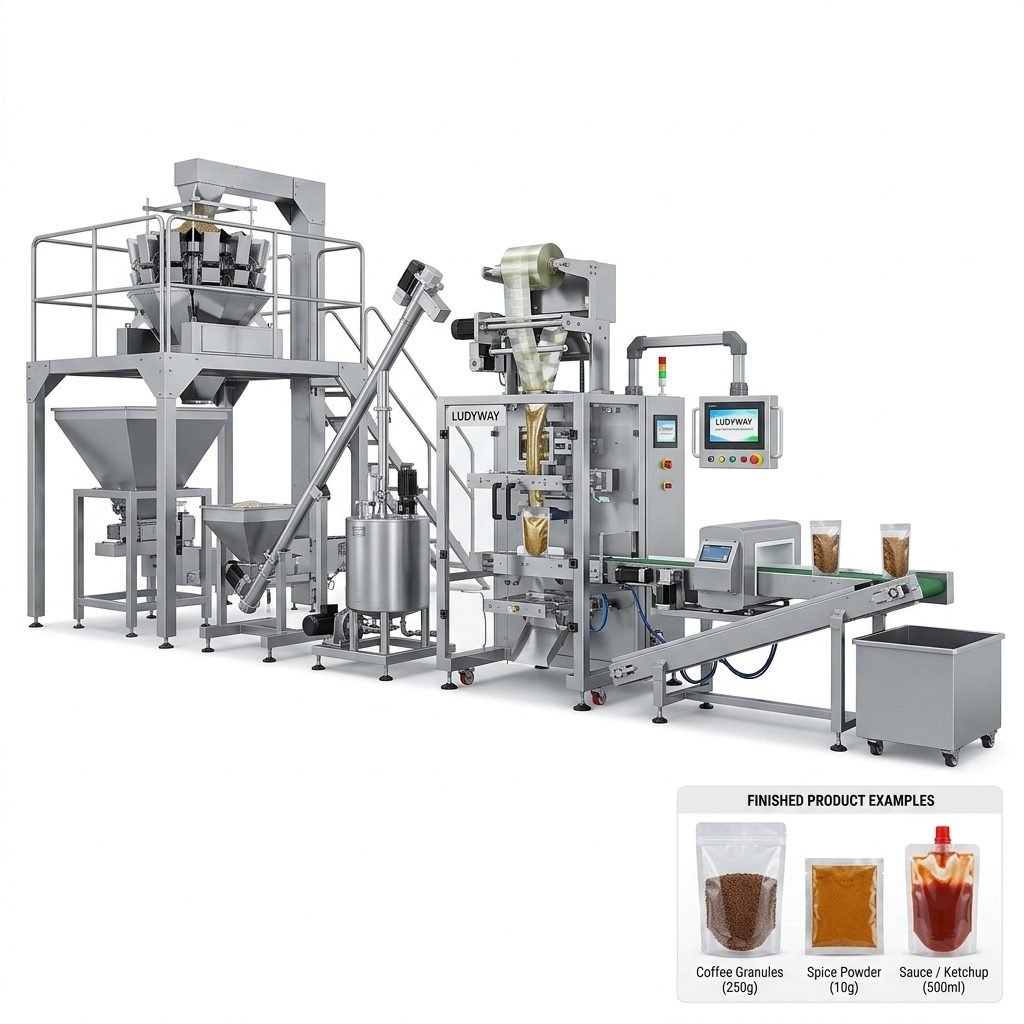
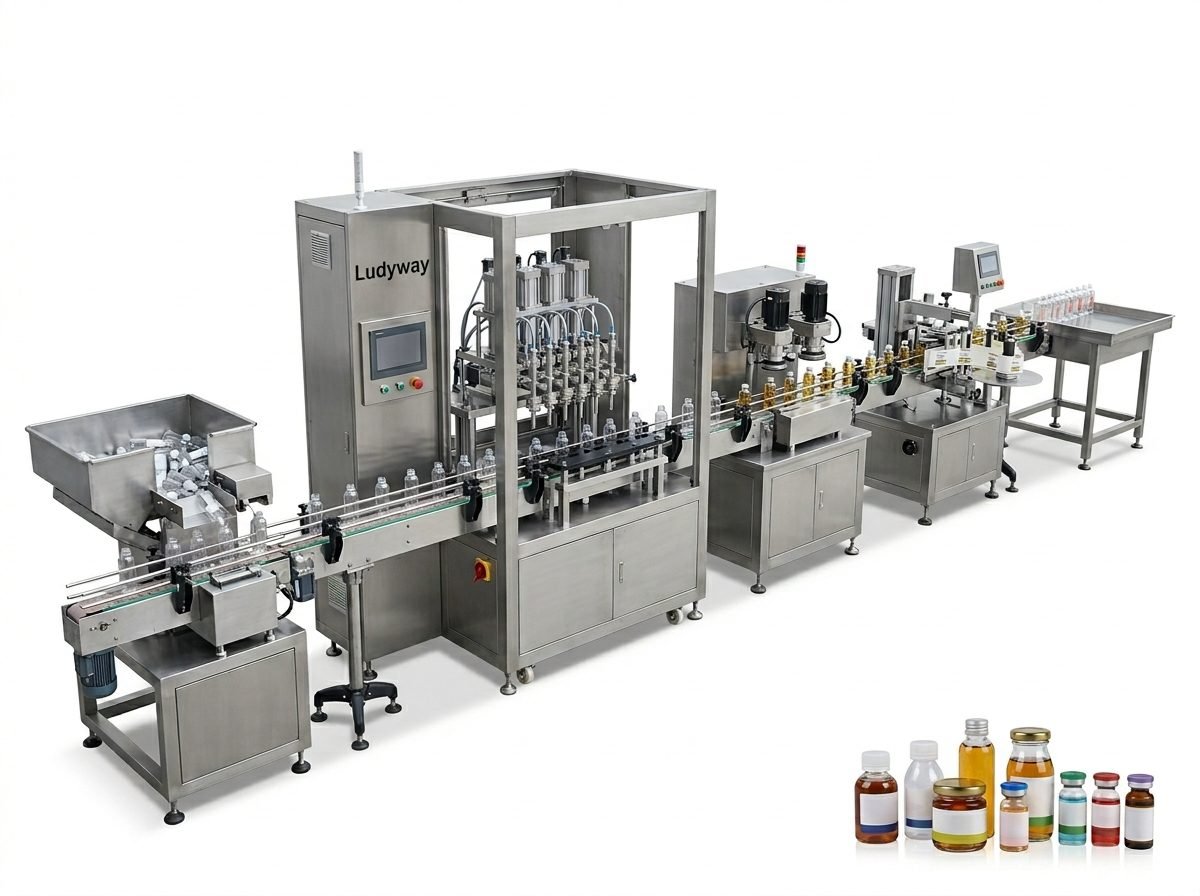
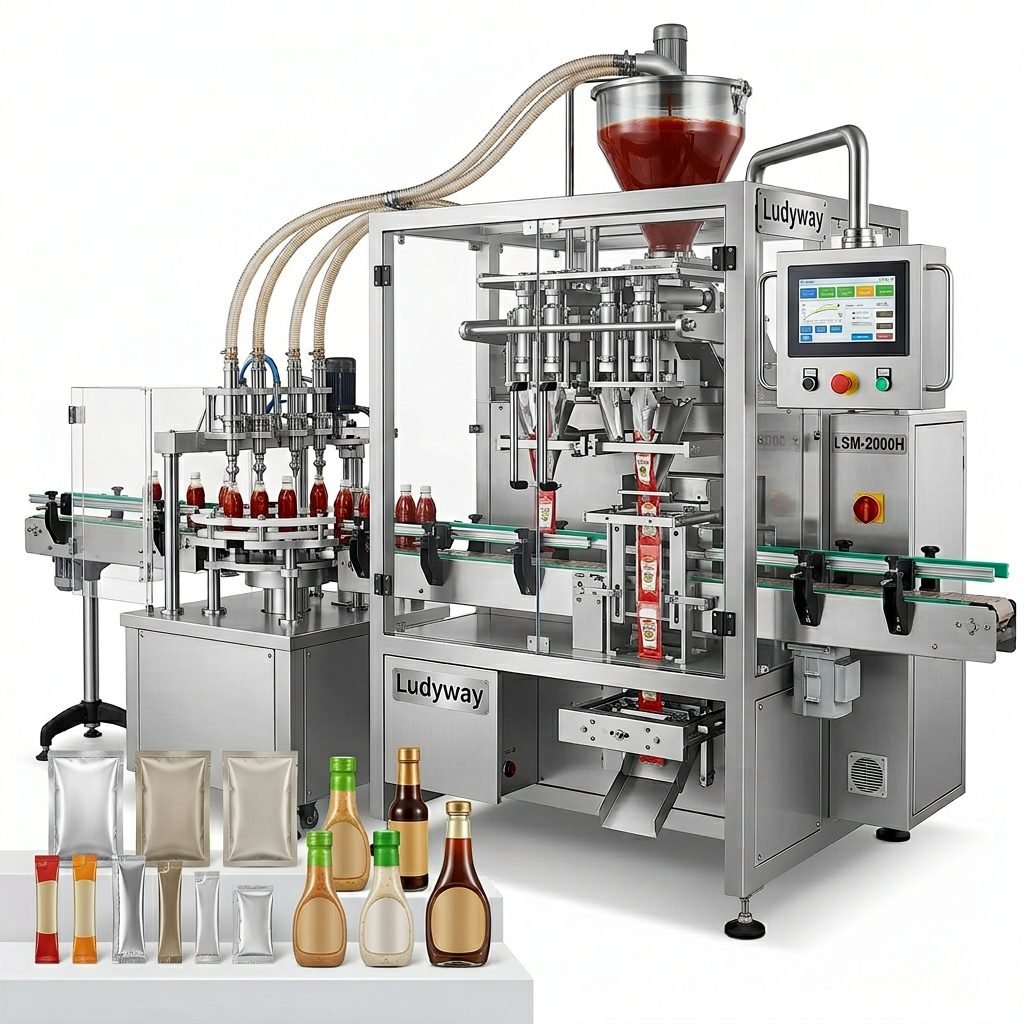
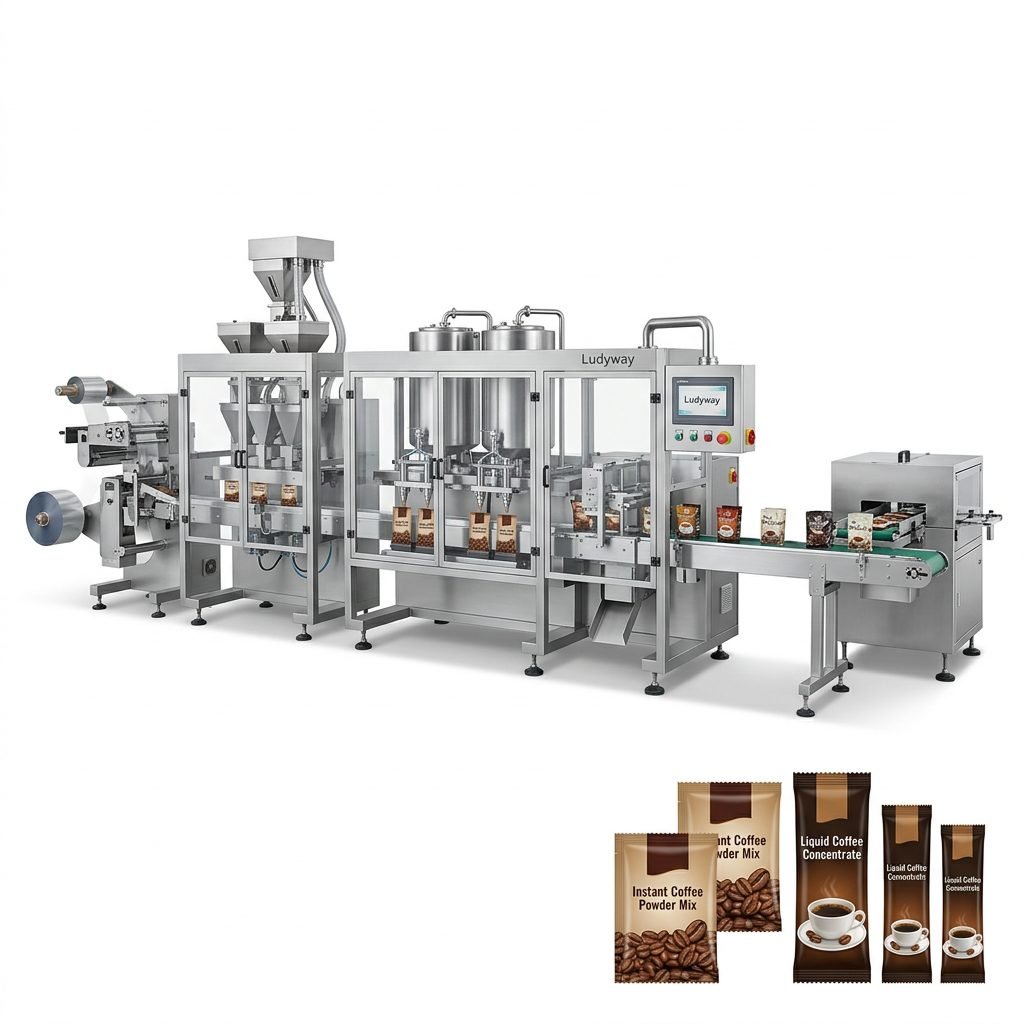
One notable manufacturer serving the Italian and broader European market is Ludyway, a packaging machine manufacturer with over 30 years of industry experience, offering turnkey packaging line solutions suitable for liquid popsicle filling and sachet packaging applications with CE-certified equipment.
Phase 3: Installation and Commissioning
Professional installation is essential for optimal equipment performance. The commissioning process typically spans one to three weeks depending on line complexity and includes:
- Mechanical assembly and alignment of all line components
- Electrical connection and control system configuration
- Pneumatic and utility system integration and pressure testing
- Dry-run testing to verify mechanical timing and sensor calibration
- Product testing with actual popsicle formulations to validate fill accuracy and seal integrity
- Operator training on machine operation, cleaning procedures, and basic troubleshooting
Phase 4: Validation and Quality Assurance
Before commencing commercial production, comprehensive validation protocols must be completed. This includes Installation Qualification (IQ), Operational Qualification (OQ), and Performance Qualification (PQ) testing. Key validation parameters for popsicle packaging lines include:
- Fill weight accuracy — Statistical sampling to verify fill weights fall within acceptable tolerance ranges
- Seal integrity testing — Burst testing, dye penetration testing, or vacuum leak detection to confirm package seals
- Temperature mapping — Verification that freezing and packaging temperatures maintain product safety throughout the process
- Metal detection sensitivity — Confirmation that inline metal detection systems identify specified test samples
- Label verification — Ensuring date codes, lot numbers, and barcodes print correctly and remain legible
Optimizing Production Efficiency and Output
Achieving maximum efficiency from your popsicle packaging line requires ongoing attention to operational parameters and preventive maintenance schedules. Overall Equipment Effectiveness (OEE) serves as the standard metric for measuring packaging line performance, combining availability, performance, and quality factors into a single indicator.
Common Bottlenecks and Solutions
| Bottleneck | Typical Cause | Recommended Solution |
|---|---|---|
| Filling accuracy drift | Product viscosity changes, temperature fluctuations, worn dosing components | Implement in-line checkweighing with automatic feedback adjustment; schedule regular calibration |
| Seal failures | Incorrect temperature settings, contaminated sealing surfaces, film quality variation | Install seal inspection systems; establish film quality verification protocols |
| Frequent stoppages | Inadequate operator training, lack of standardized procedures | Develop detailed SOPs; provide ongoing training and performance monitoring |
| Material waste | Poor splice management, incorrect tension settings | Optimize automatic splicing parameters; implement waste tracking systems |
Maintenance Strategies for Long-Term Reliability
Implementing a structured preventive maintenance program significantly extends equipment life and reduces unplanned downtime. For popsicle packaging lines operating in Italian facilities, maintenance schedules should account for seasonal production patterns — with comprehensive overhauls scheduled during off-peak periods and focused preventive tasks during production seasons.
Daily Maintenance Checklist
- Clean all product contact surfaces according to approved sanitation procedures
- Inspect sealing jaws and cutting blades for wear or residue buildup
- Verify temperature setpoints on heating elements and cooling zones
- Check lubricant levels on all mechanical drive components
- Confirm sensor functionality through diagnostic routines
Monthly and Quarterly Tasks
- Perform comprehensive calibration of all weighing and dosing systems
- Replace wear components including belts, seals, and filters as scheduled
- Conduct thorough inspection of electrical connections and control cabinets
- Review and update maintenance logs to identify emerging failure patterns
- Verify backup parameters and software configurations are properly stored
Cost Considerations and ROI Analysis
Investing in a popsicle packaging production line represents a significant capital commitment, with costs varying based on automation level, production capacity, and equipment configuration. Understanding the complete cost structure enables accurate ROI projections and informed investment decisions. The Flexible Packaging Association – Industry Resources provides valuable benchmarking data for packaging investments.
Cost Breakdown Categories
| Cost Category | Typical Range | Notes |
|---|---|---|
| Equipment Purchase | €150,000 – €800,000+ | Varies by automation level, speed, and configuration complexity |
| Installation and Commissioning | 10-15% of equipment cost | Includes technician travel, rigging, and startup support |
| Facility Modifications | €20,000 – €100,000 | Utility connections, structural reinforcement, environmental controls |
| Training | €5,000 – €15,000 | Operator and maintenance personnel training programs |
| Annual Maintenance | 5-8% of equipment cost | Spare parts, service contracts, and consumables |
Future-Proofing Your Popsicle Packaging Investment
As the Italian frozen dessert market evolves, packaging flexibility becomes increasingly valuable. Equipment capable of handling multiple popsicle formats, packaging materials, and production volumes protects your investment against changing market demands. Key trends influencing packaging line design include sustainable packaging materials, smart factory integration with Industry 4.0 capabilities, and enhanced automation reducing reliance on skilled operators. By selecting modular, upgradeable equipment platforms, manufacturers can adapt their popsicle packaging lines to future requirements without complete equipment replacement.